I paid a visit to the 21st Century Museum of Contemporary Art, Kanazawa.
It was a museum I’d always been curious about — hearing its reputation, catching sight of it, and reading about it in books.
Access
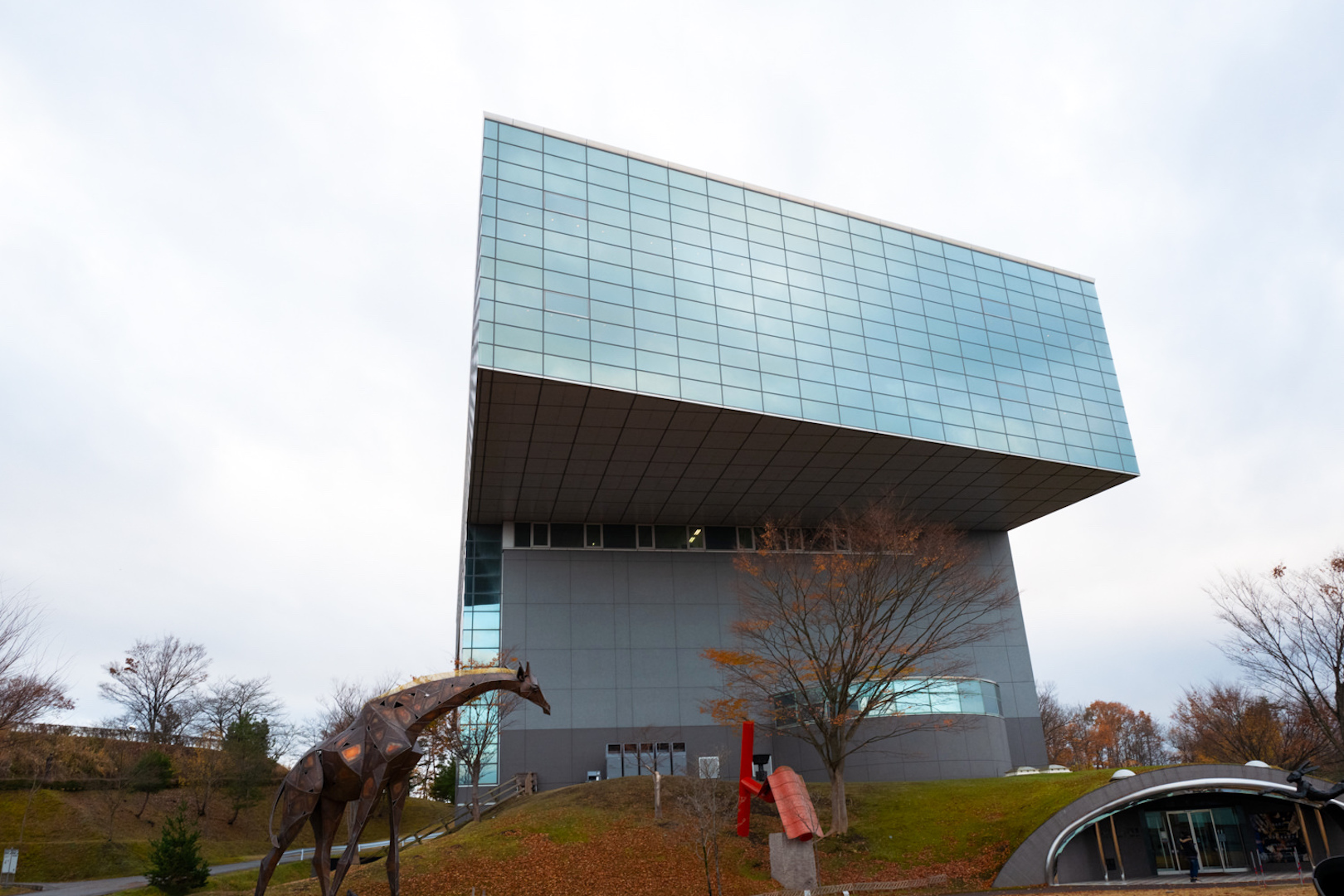
A short distance from Kenroku-en Garden, the round building surrounded by greenery is the “21st Century Museum of Contemporary Art, Kanazawa.”
Designed by the architect Kazuyo Sejima, it is said to be a building that has drawn worldwide attention. With entrances on all four sides, it has an open structure. The glass-enclosed building lets you see what’s going on inside, and it seems to have been built on a completely different philosophy from conventional art museums and museums that tend to intimidate their visitors.
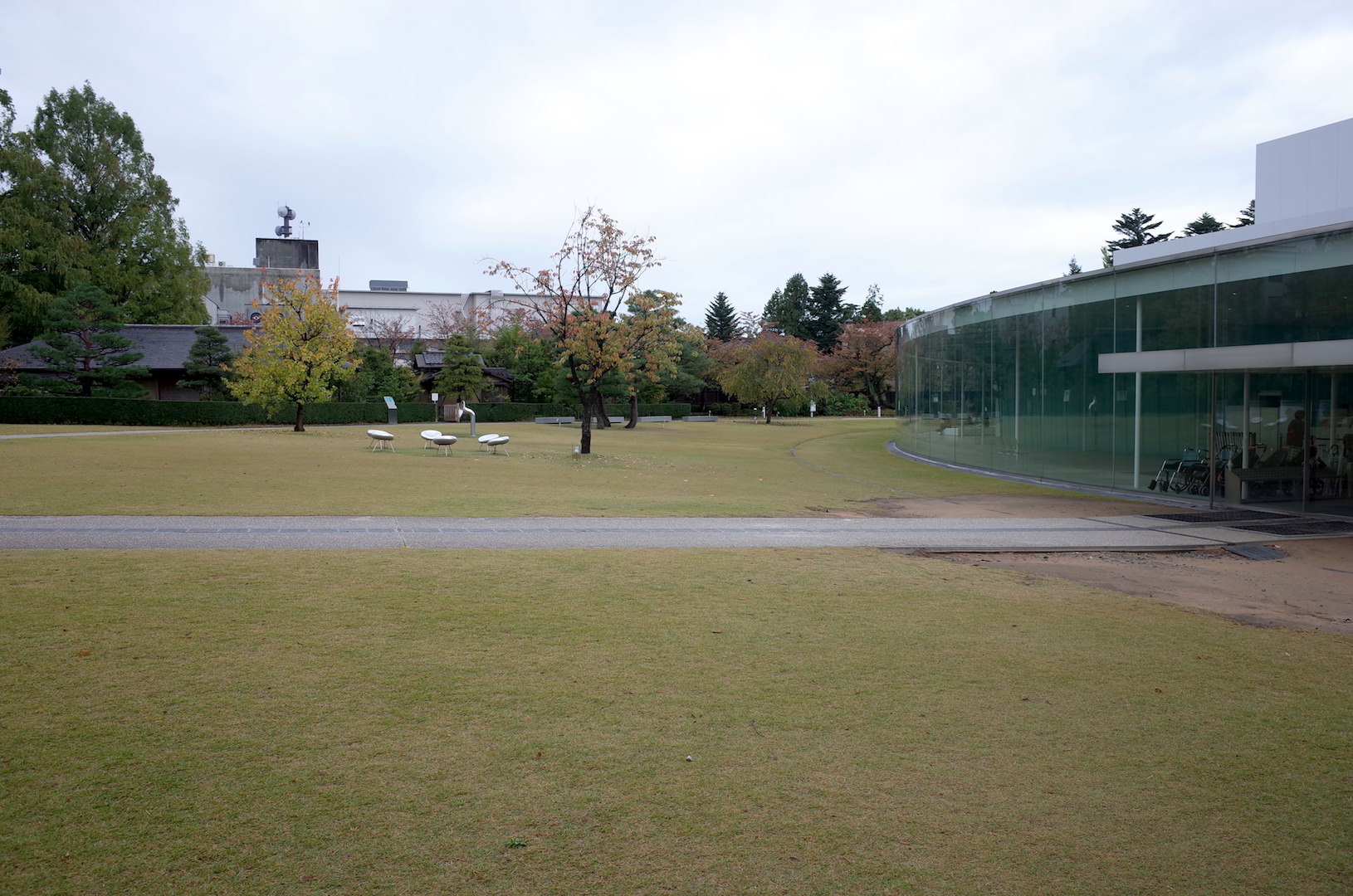
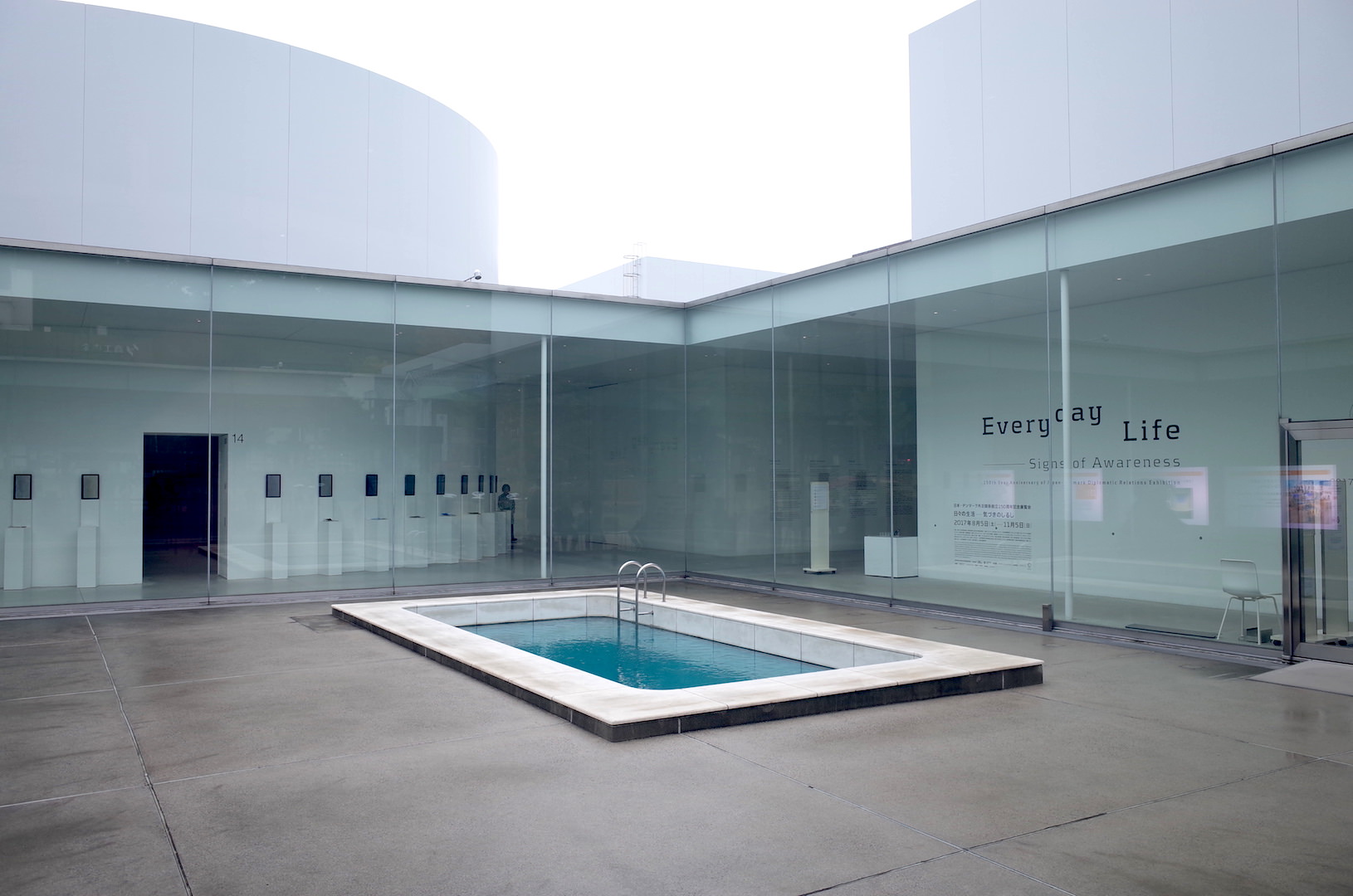
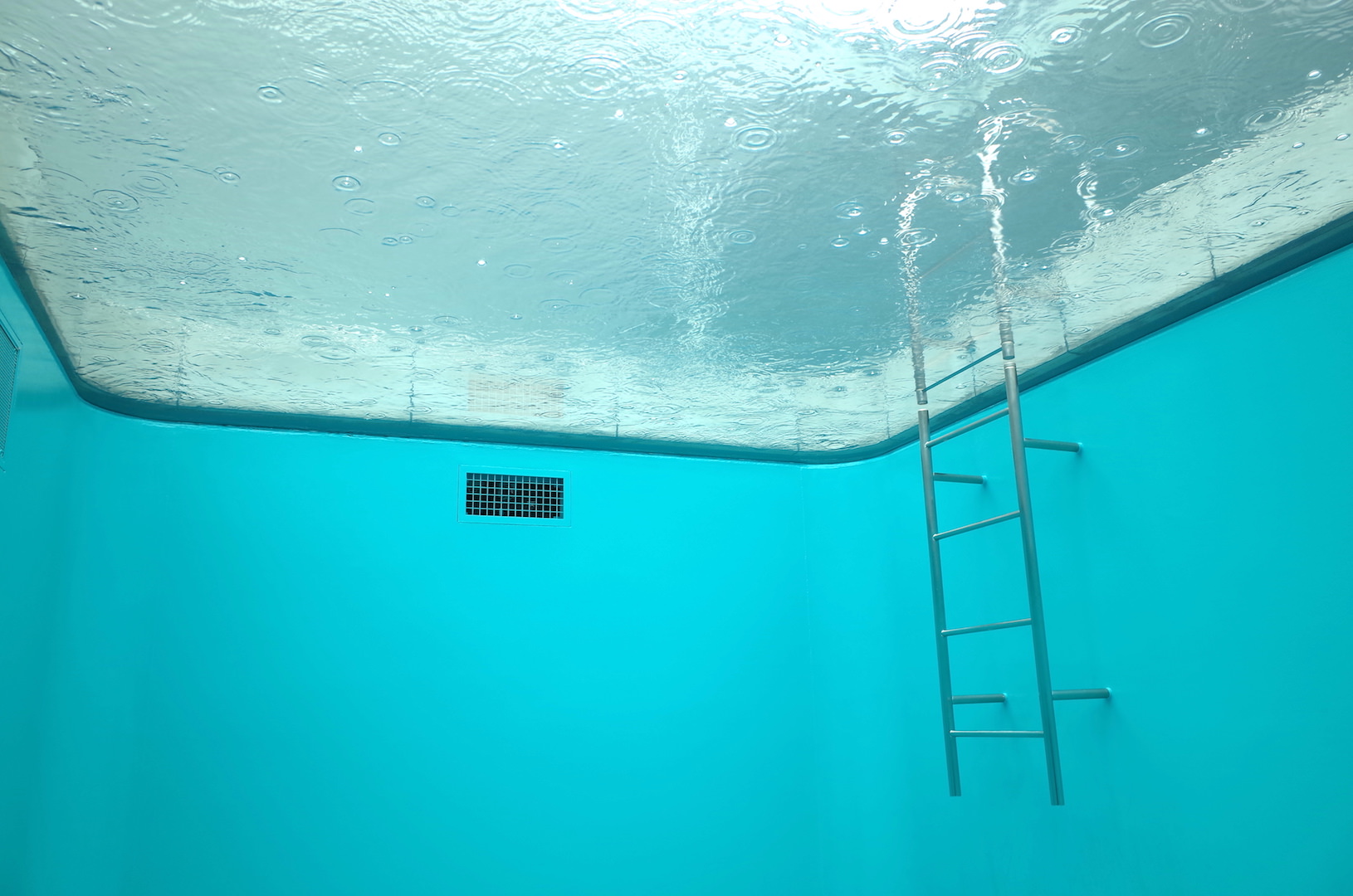
The most popular exhibit is Leandro Erlich’s “The Swimming Pool.” The weather was unfortunately bad that day, so I couldn’t see the ground-level part (it closes in rainy weather), but the ground-level portion is an area you can access for free.
Kind to Visitors
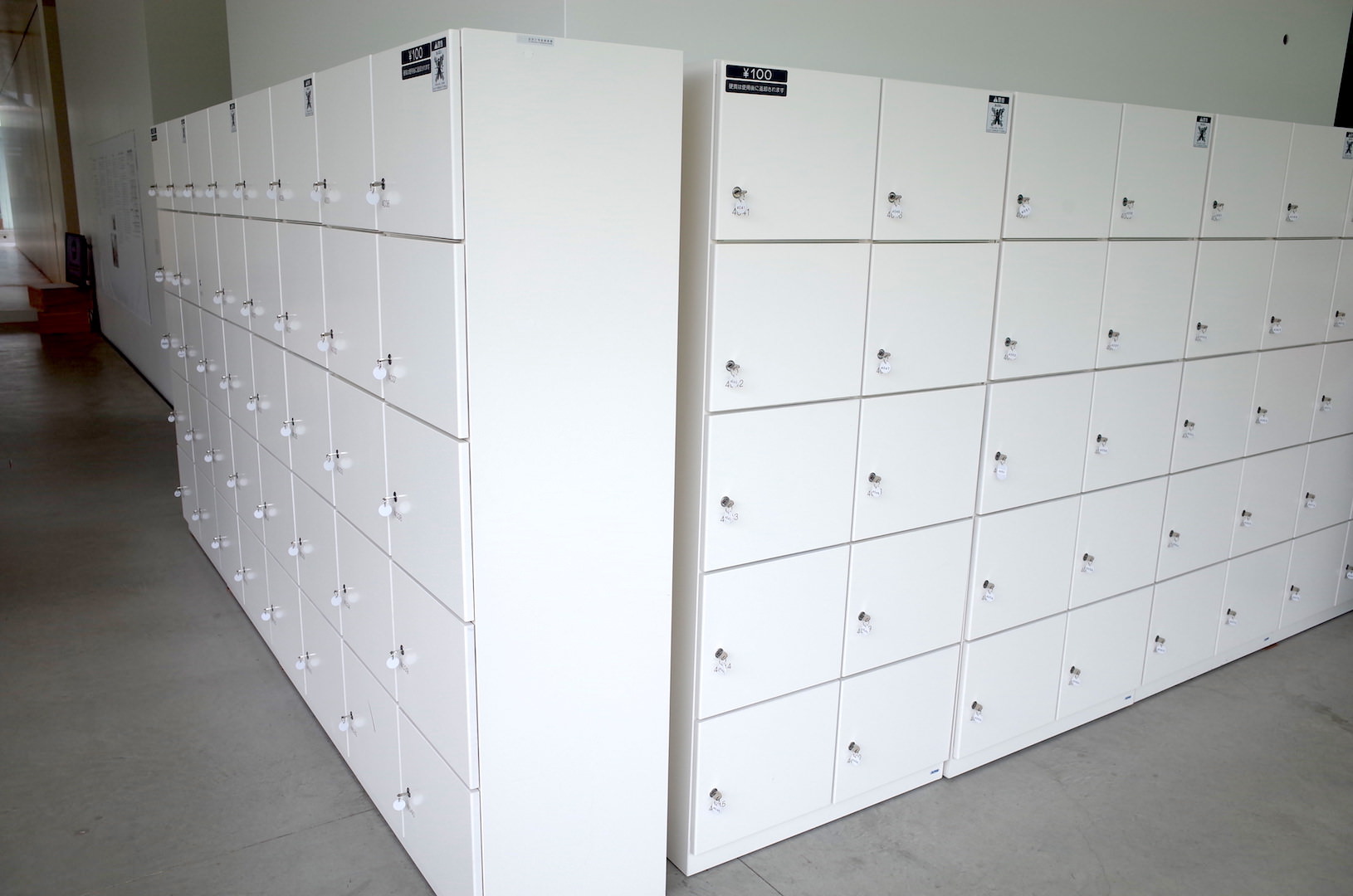
For one thing, there are plenty of coin lockers, and on top of that they’re free to use — a thoughtful, visitor-friendly touch. Beyond this museum too, most museums have come to install them lately.
If you’re carrying luggage, the staff will kindly call out to you — such a considerate touch.
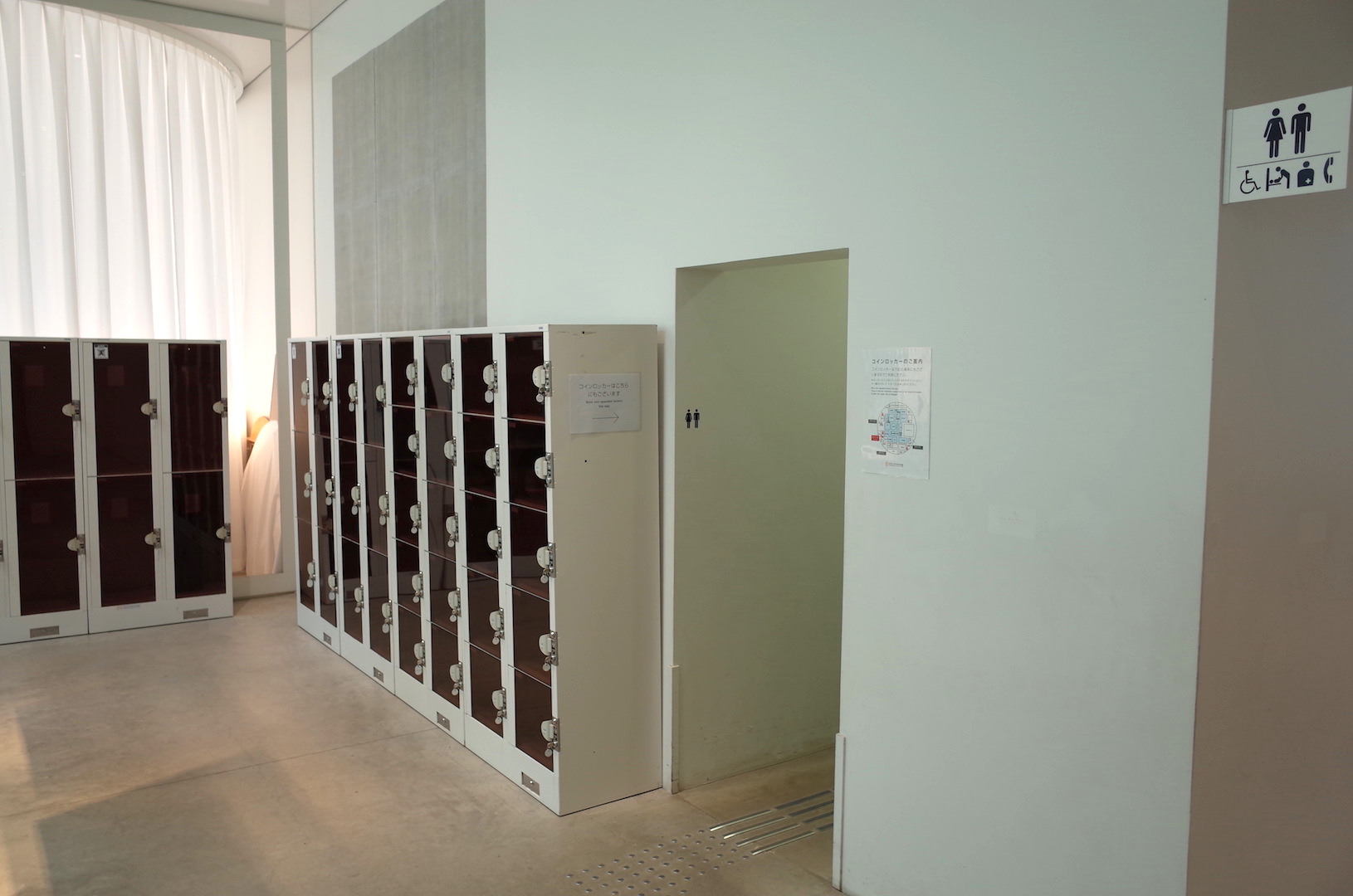
There were coin lockers near the restrooms as well. Quite a number of them had been installed, and there were large-sized lockers too, which is a blessing for tourists carrying big bags.
The Exhibitions
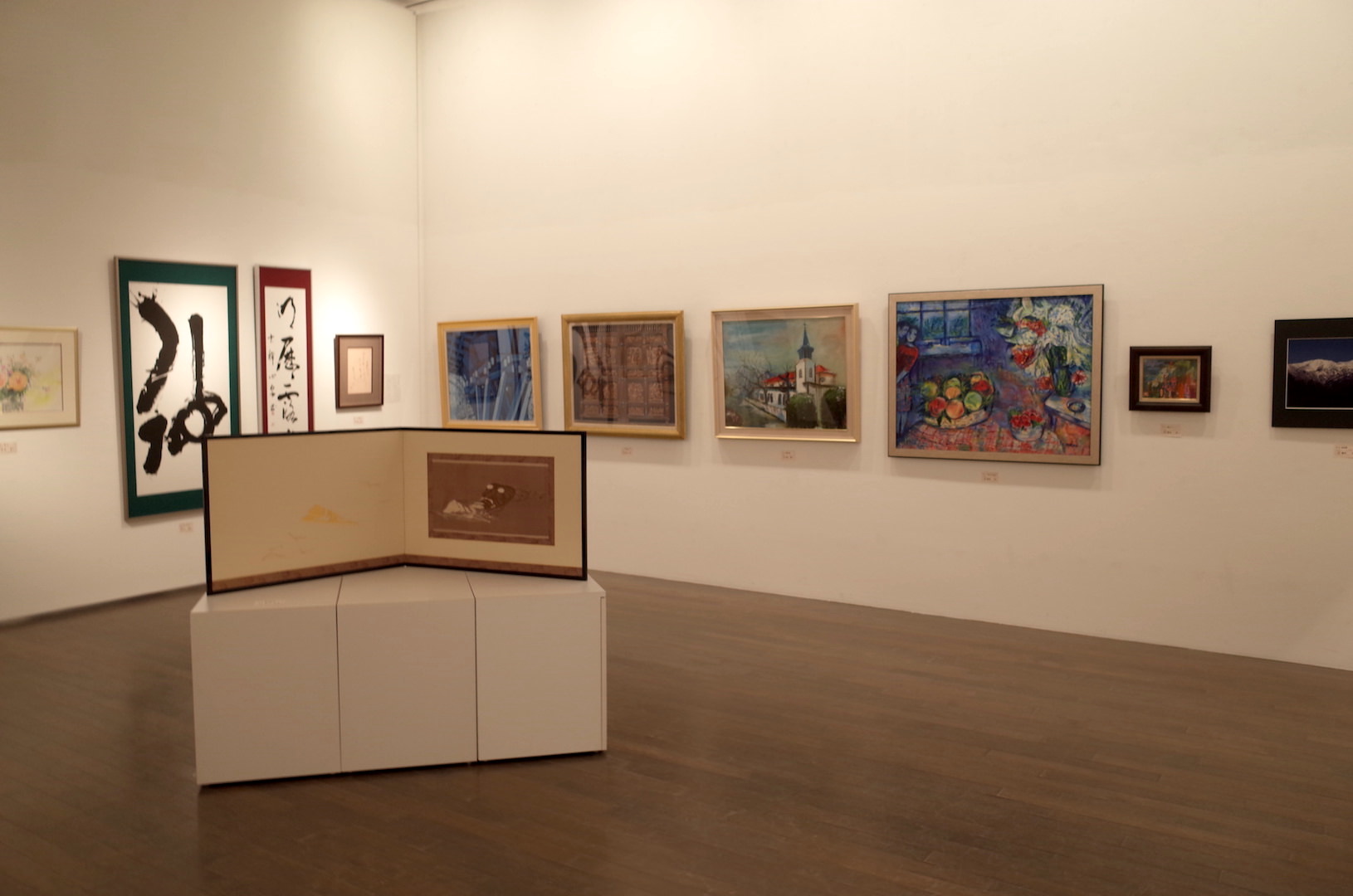
There are two entry gates, and at the time of my visit in October 2017, three exhibitions were being held. The two areas are independent spaces, and the system required a common admission ticket.
Photography was restricted to only some areas.
Everyday Life – Signs of Awareness
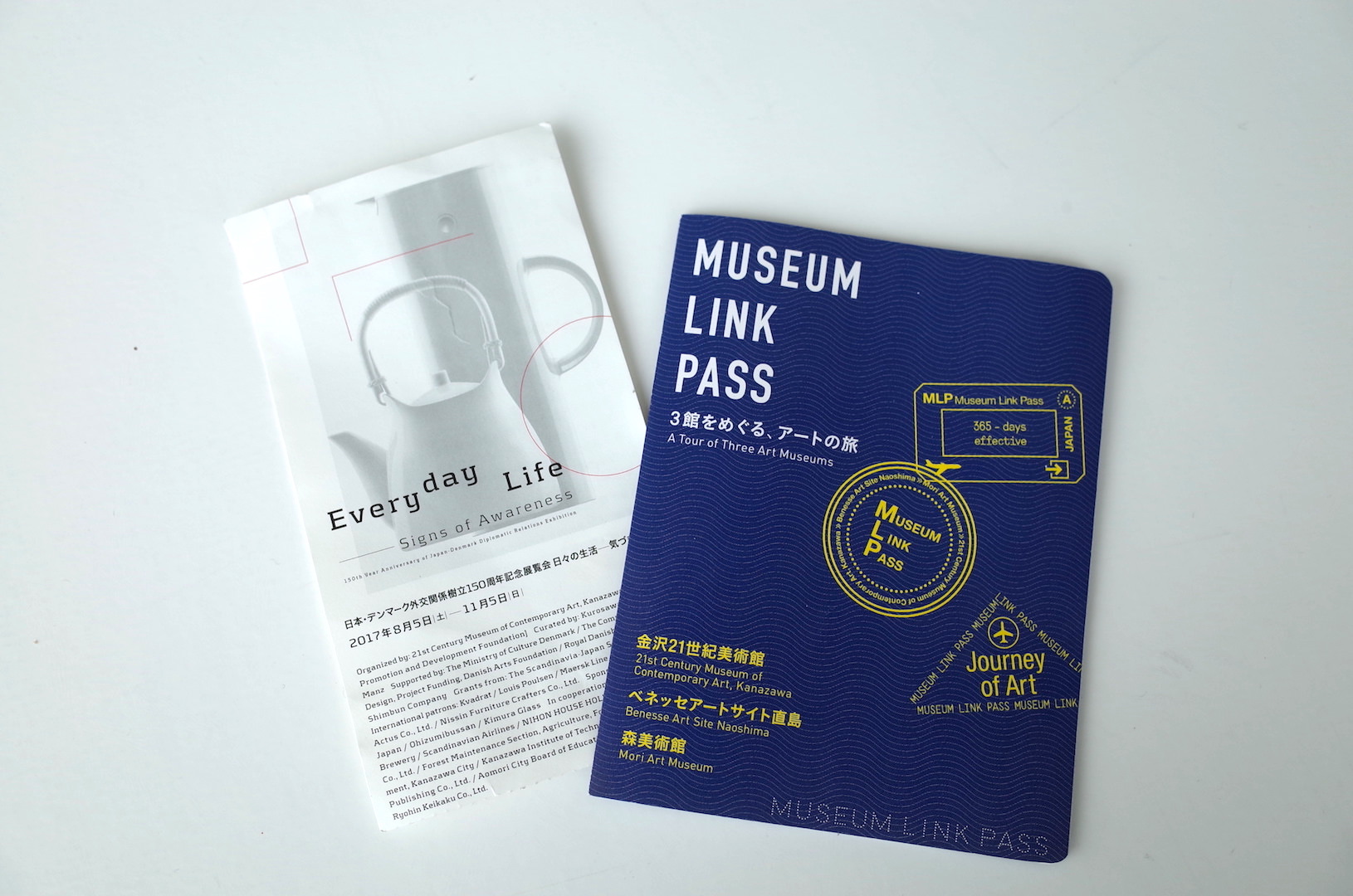
This was an exhibition composed around everyday goods from Denmark and Japan as its motif. With collaborations involving companies familiar to us such as MUJI and LIXIL, it was an approachable show where you could enjoy the boundary between daily life and art. *No photography.
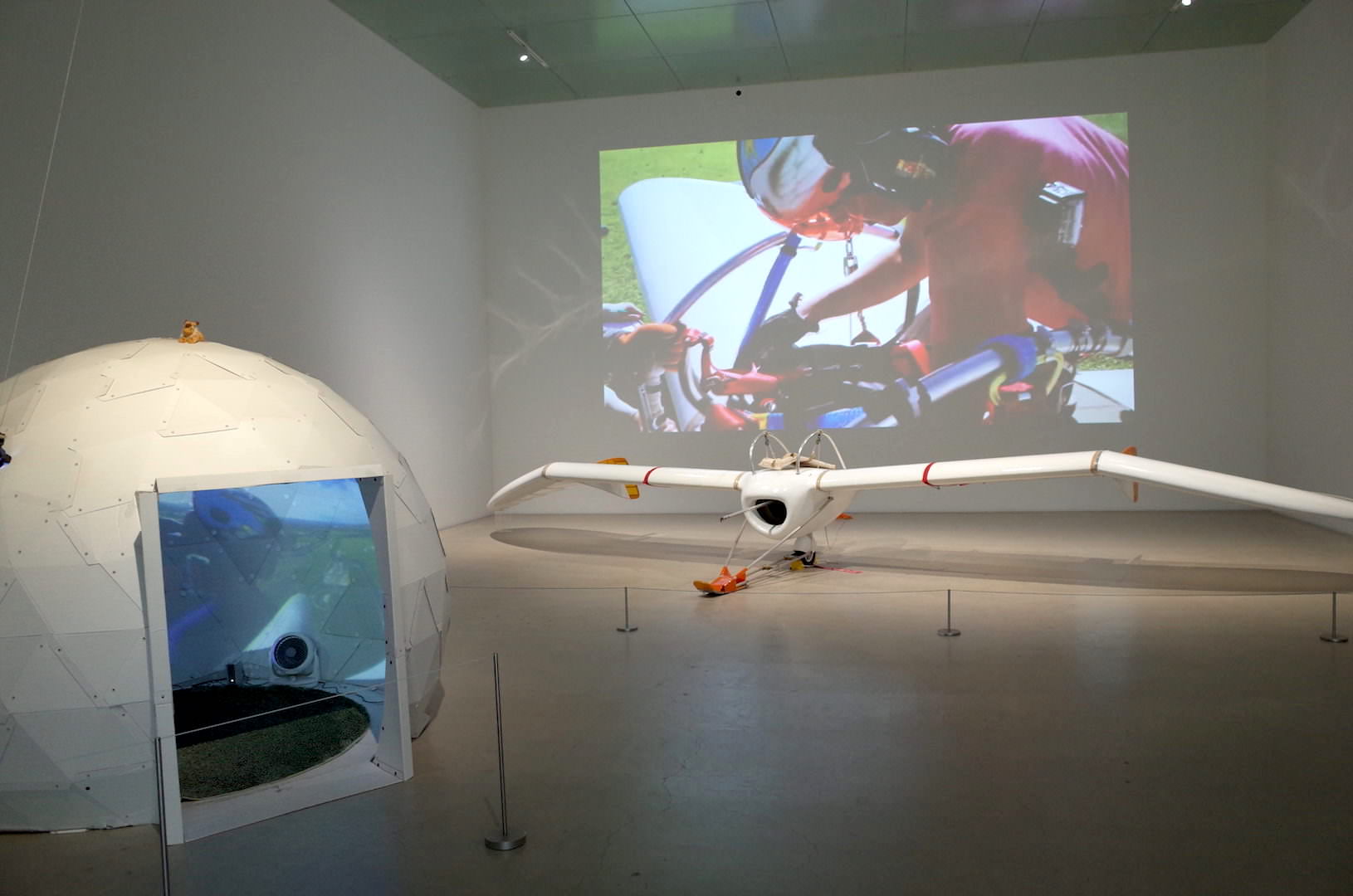
Collection Exhibition 2: The Undying Life
There was also a display by Kazuhiko Hachiya, the artist who actually flew the “Mehve from Nausicaä.”
Jurgen Lehl: The End of Civilization
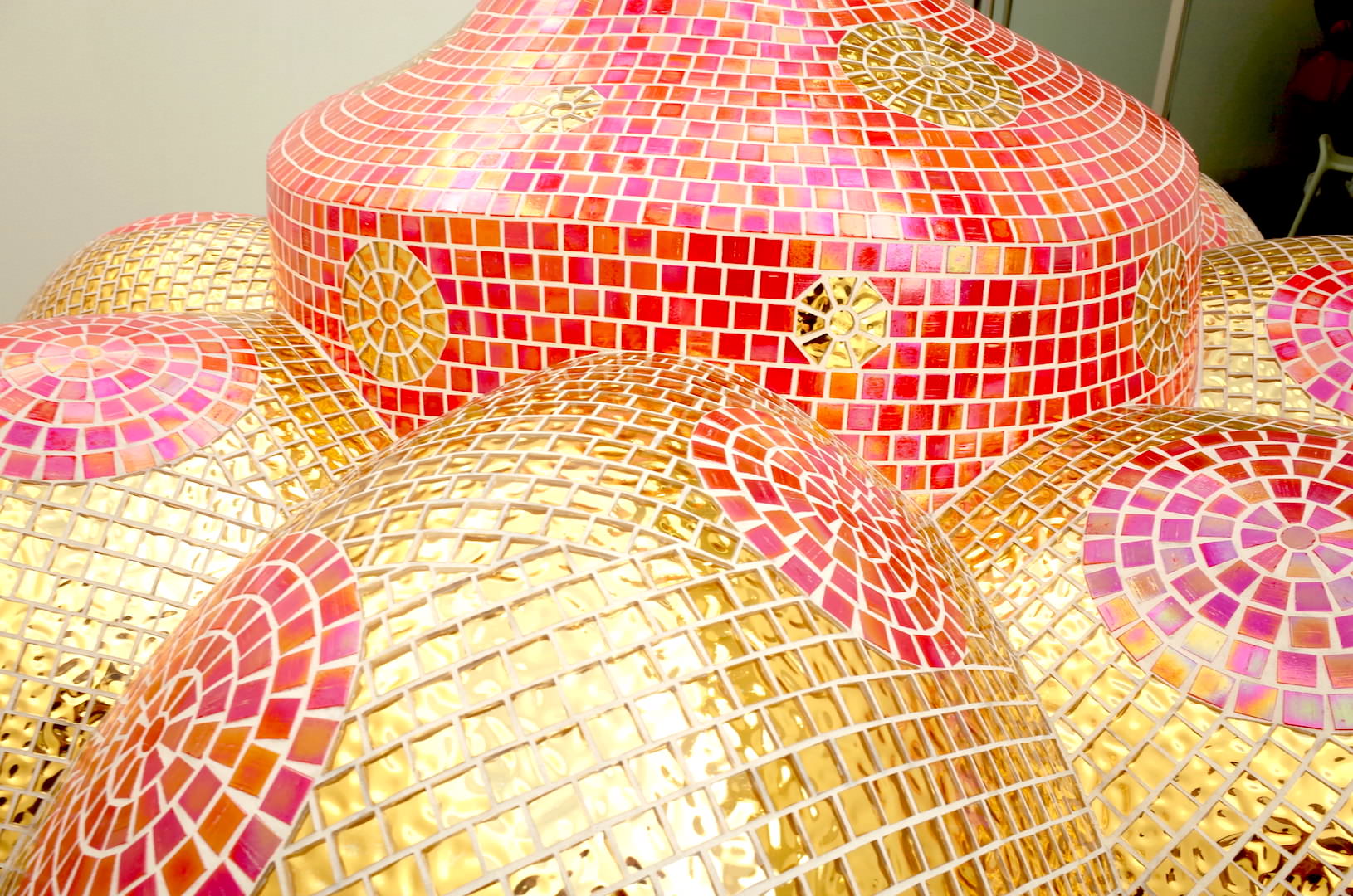
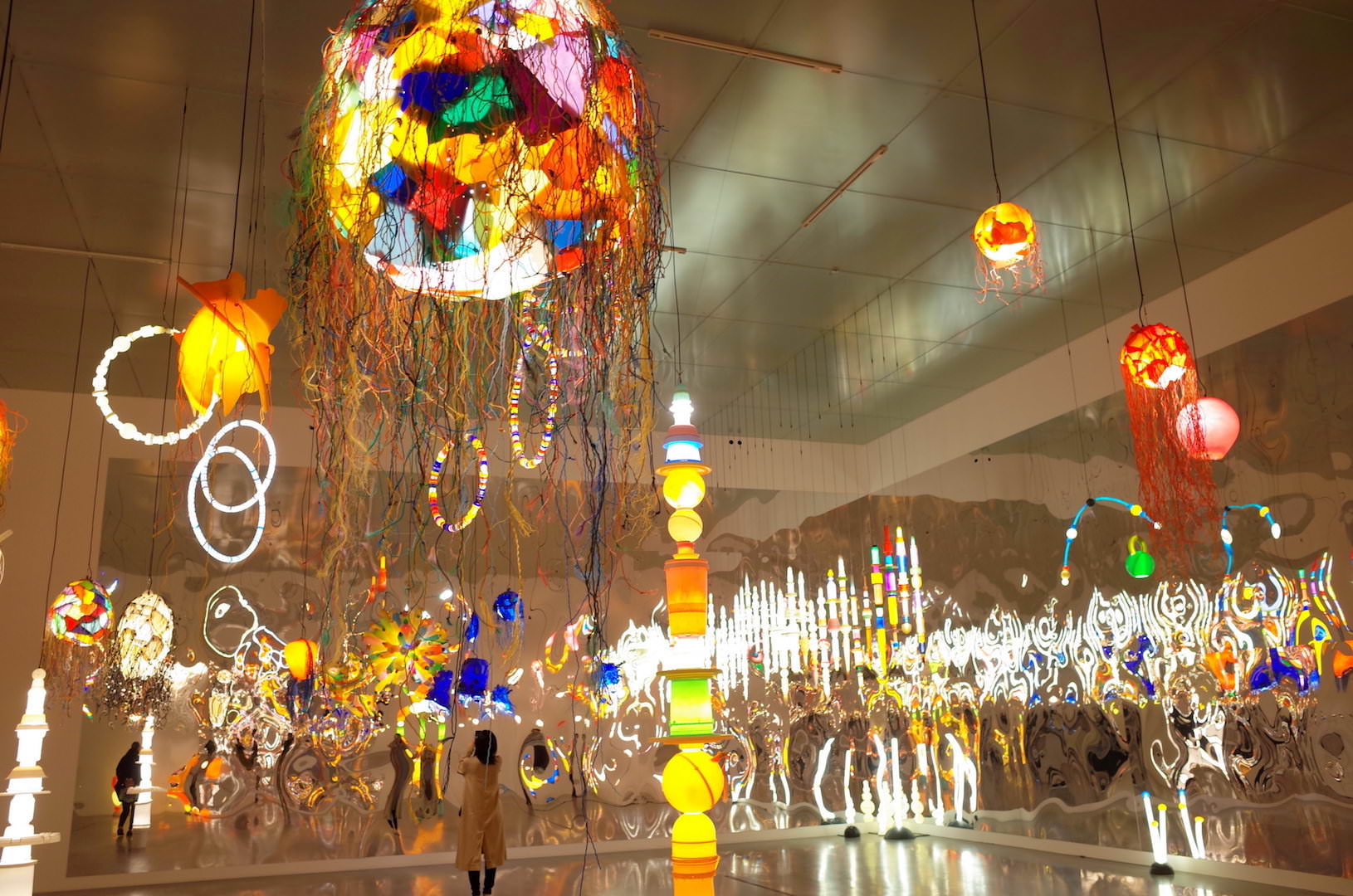
The artworks made from trash gathered on the beach by Jurgen Lehl, the German fashion designer who lived in Okinawa, were very beautiful and photogenic.
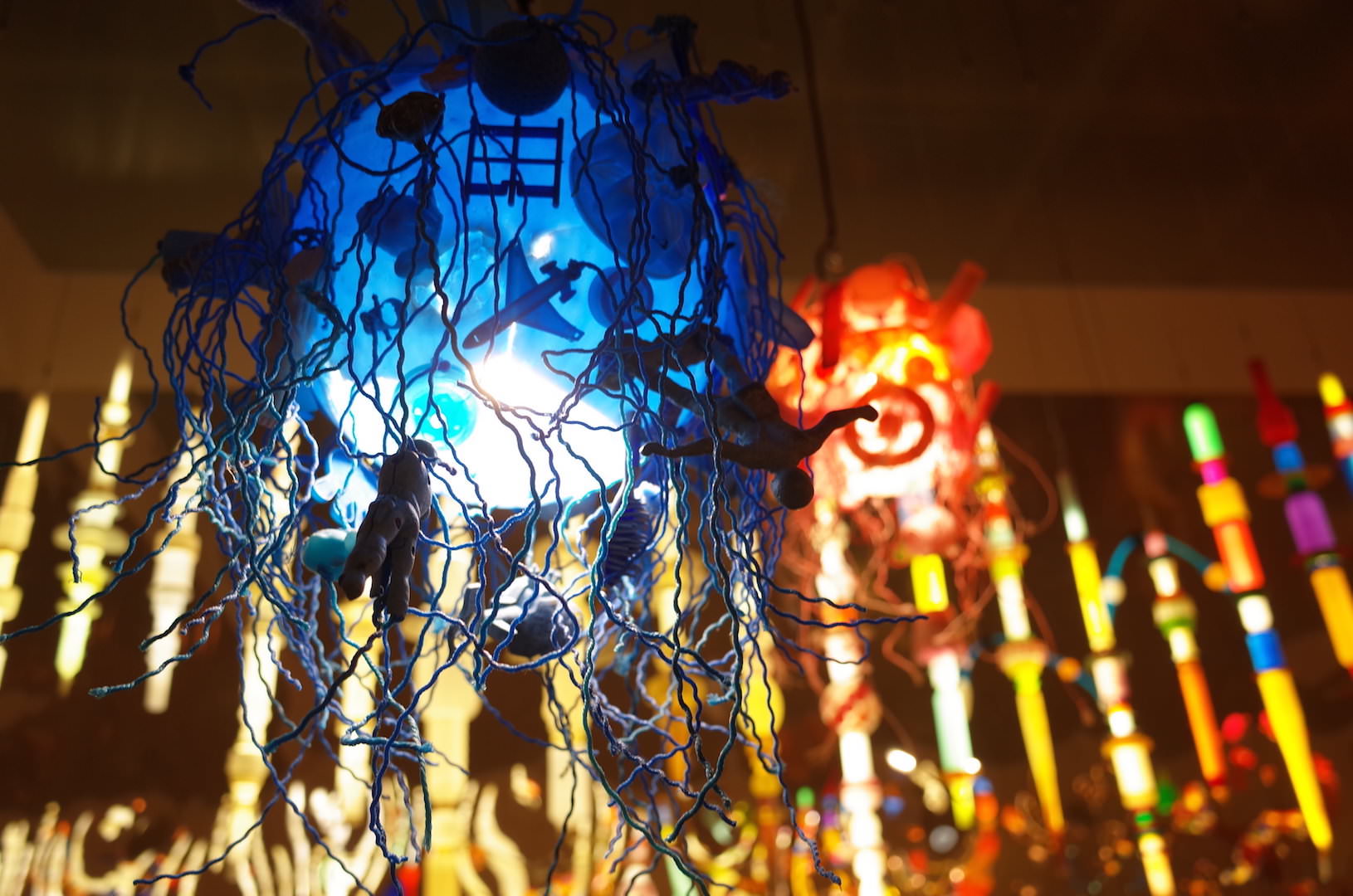
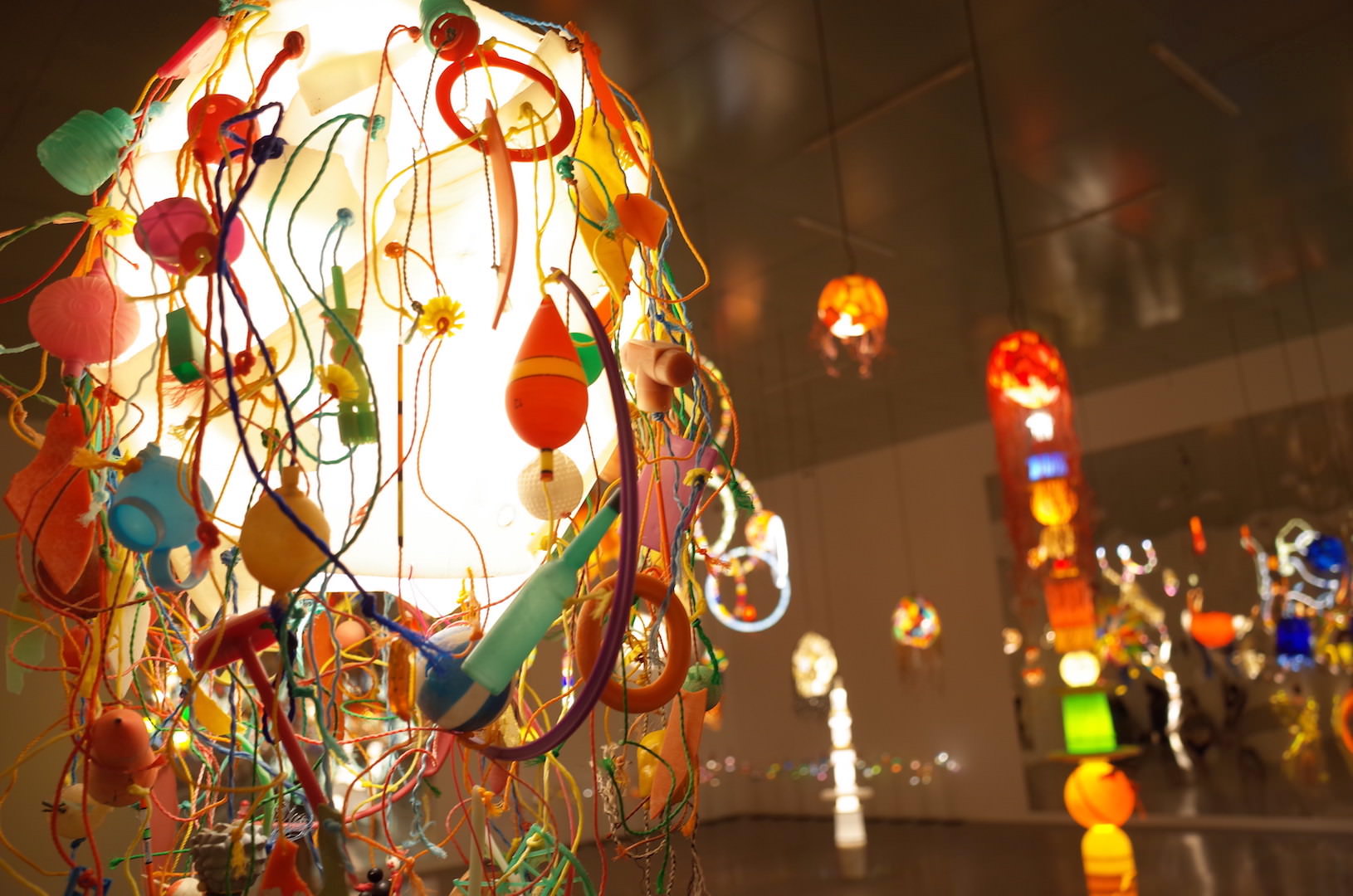
Almost everyone who came to this zone was taking photos.
“The Swimming Pool”
Leandro Erlich’s “The Swimming Pool,” which I had been looking forward to.
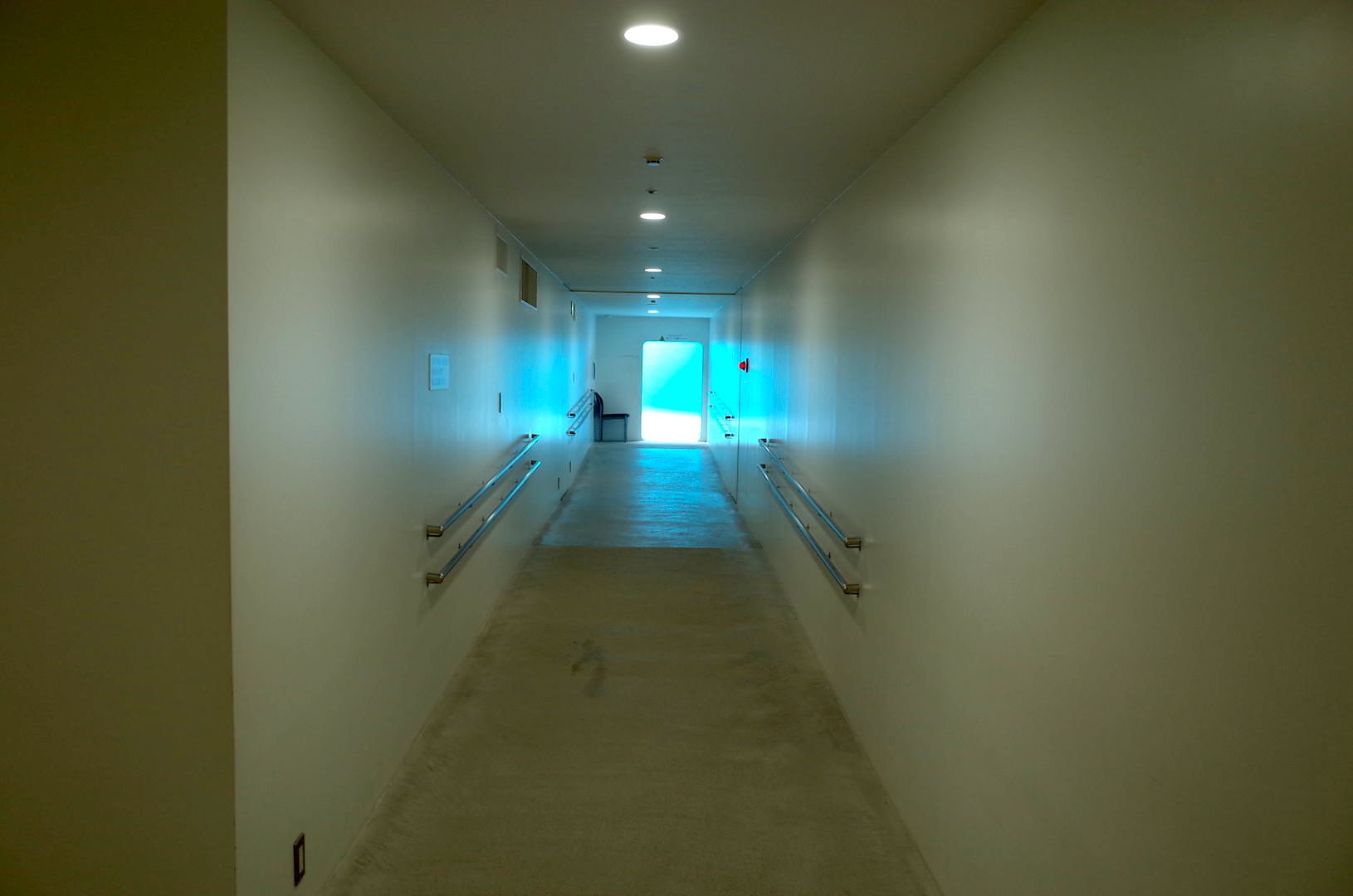
The approach to the exhibition area, too, leads you along a corridor just like walking toward a real pool.
It’s a strange experience, looking up from below. Even when you’re swimming, you rarely get a line of sight from this kind of angle. The pool walls, too, looked like a school pool, giving it real authenticity. It felt a little odd to be able to view it without getting wet even in the unfortunate rainy weather.
I took a video, too.
Citizens’ Gallery
There’s a free zone in the basement as well, with a gallery that citizens can use. Initiatives like this, too, reflect an awareness of being an approachable museum, I think.
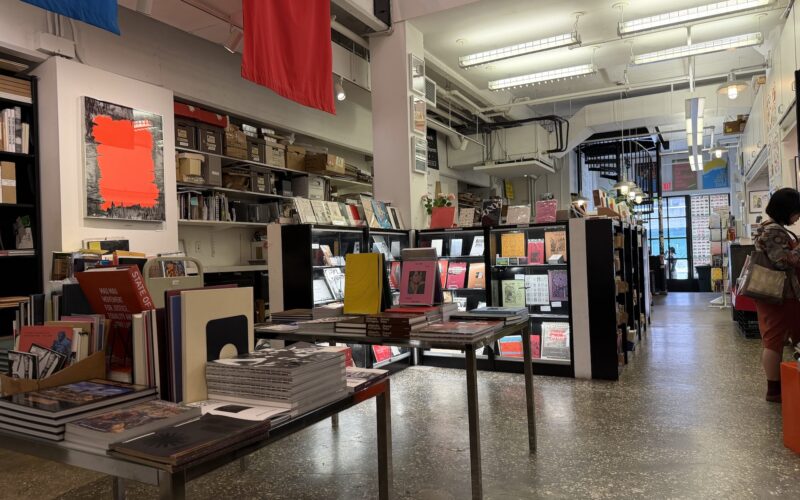
The shopping corner was packed with people, with many customers stocking up on souvenirs. My impression was that there were many female customers.

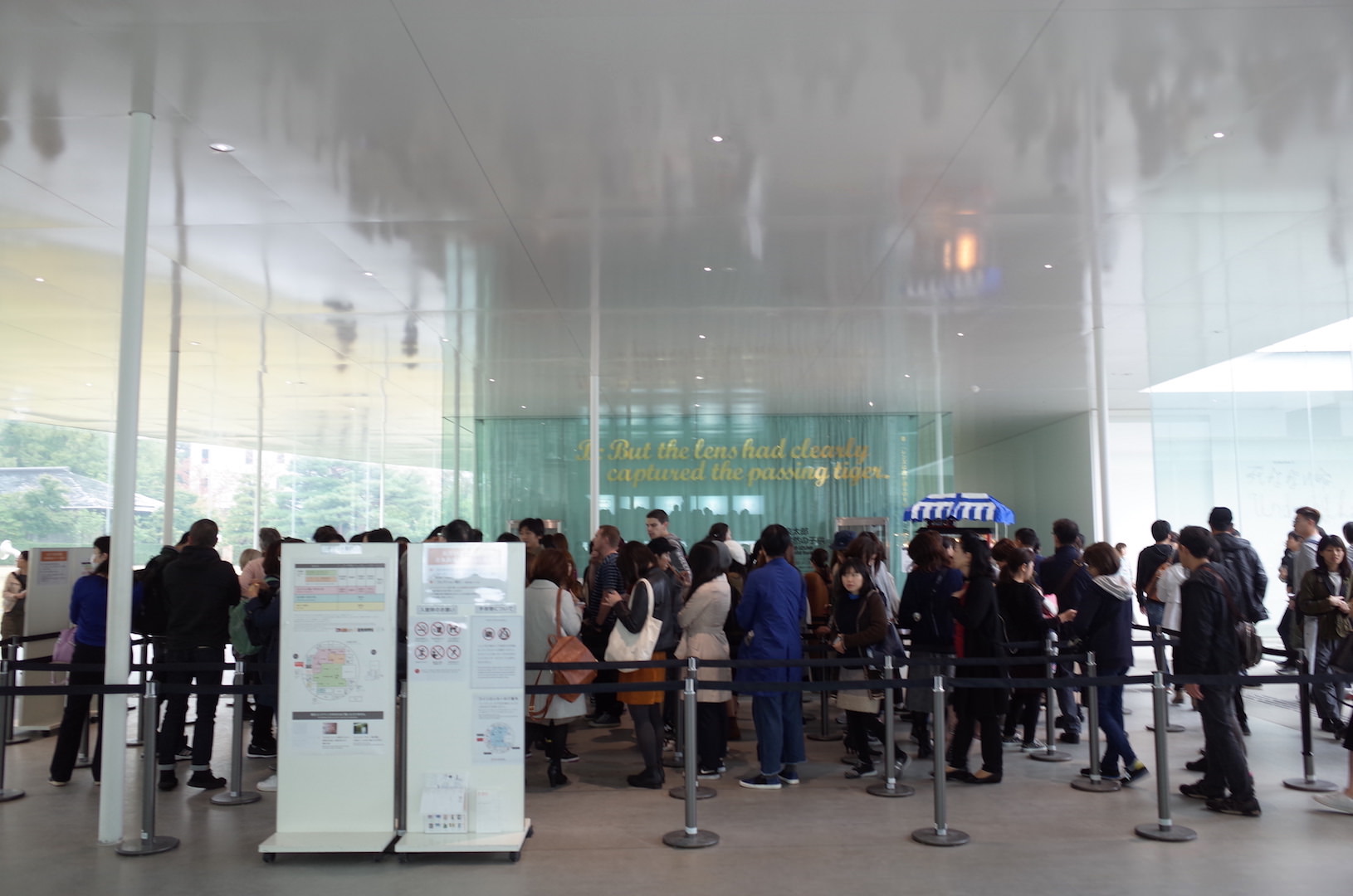
I entered at the 10:00 opening time on a Sunday, but by the time I’d finished seeing every exhibit and stepped outside, there was a huge line at the ticket counter. I left feeling firsthand just how popular this museum is.
Apparently, if you visit all three — the Mori Art Museum, Benesse Art Site Naoshima, and the 21st Century Museum of Contemporary Art, Kanazawa — within a single year, you receive special goods. However, since I entered with a complimentary ticket, I wasn’t eligible. My “MUSEUM LINK PASS” is still completely blank.
In Summary
From the exhibitions running during my visit to the permanent displays, I was able to enjoy the 21st Century Museum of Contemporary Art, Kanazawa fully and at my leisure. Its appearance and philosophy, completely different from the Tokyo museums I often visit, let me spend a pleasant and comfortable time.
The displays come with introductions to the artists and explanations of the works, extending a kind hand so that art is easy to understand. You can clearly see that this is a museum loved by locals and supported by tourists alike. Initiatives that keep people from thinking of art as difficult ought to spread far more widely than they do now. If museums like this increase in number, surely the appeal of art will come to be understood.
※art on Score