Here I’ve compiled ways to organize the postcards of your favorite purchased works and the invitation cards from exhibitions, which keep piling up. The three methods introduced here are ones the author actually practices, so I can recommend them.
The First Thing to Do
Once you obtain a postcard, immediately slip it into an OPP sleeve (a clear plastic bag)! This protects it from fingerprints, the oils of your hands, dirt, and dust.
I recommend bags with an adhesive flap. They come 100 to a pack and are inexpensive, so I’d suggest buying them without hesitation.
https://art-on.jp/postcard-cover-film/
1) Frame It
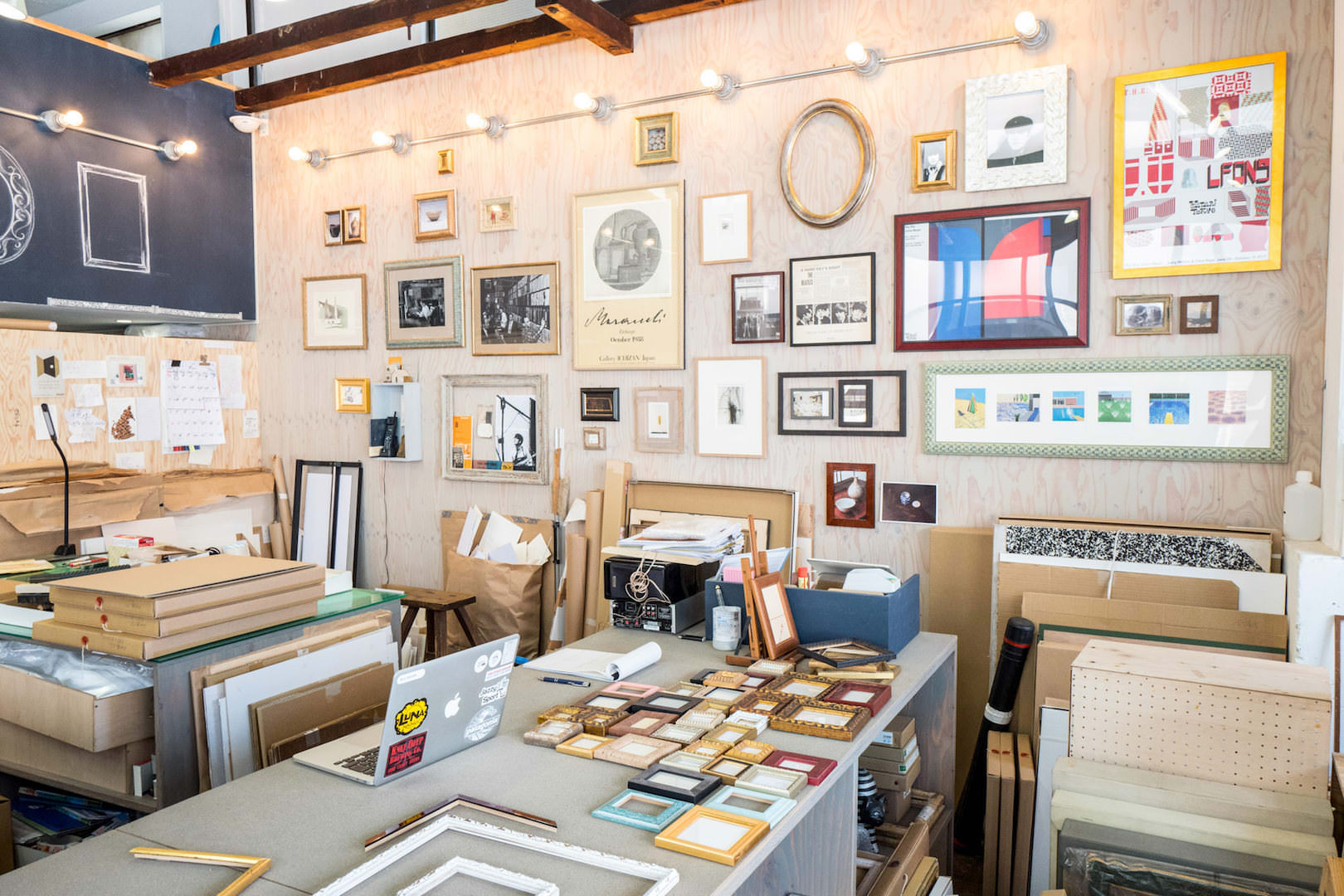
If it’s a work you really love, you’ll want to frame it and display it indoors as part of your interior. There is a vast range of frames sized to fit postcards — from 100-yen shops to high-end stores — as general-purpose items, so you can freely choose your favorite color, shape, and material. It’s more or less the same as a so-called photo stand.
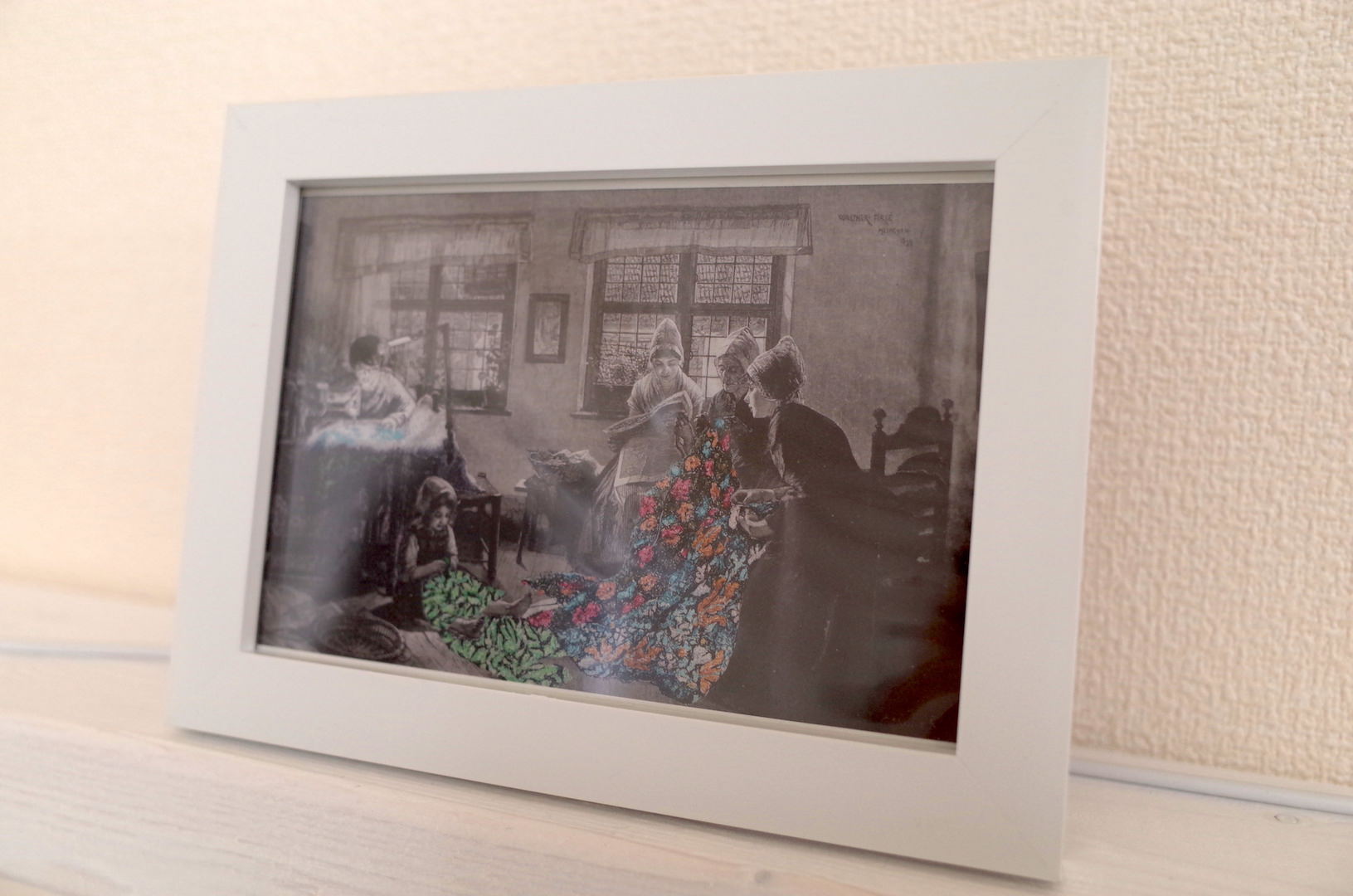
If you have a frame that makes it easy to stabilize the card when inserting it, it will sit neatly in place. If you want to set it on a flat surface, choose one with a stand. If you want to display it on a wall, buy one with hanging hardware. Both of the products below have them (when using the hanging hardware, you’ll need to attach a hook or the like to the wall).
2) Stick It on the Wall
Indoors of course, but also at the entrance, the toilet, and elsewhere — you’ll be able to find plenty of places suitable for displaying art. Even a small spot can offer a little healing for the heart in everyday life.
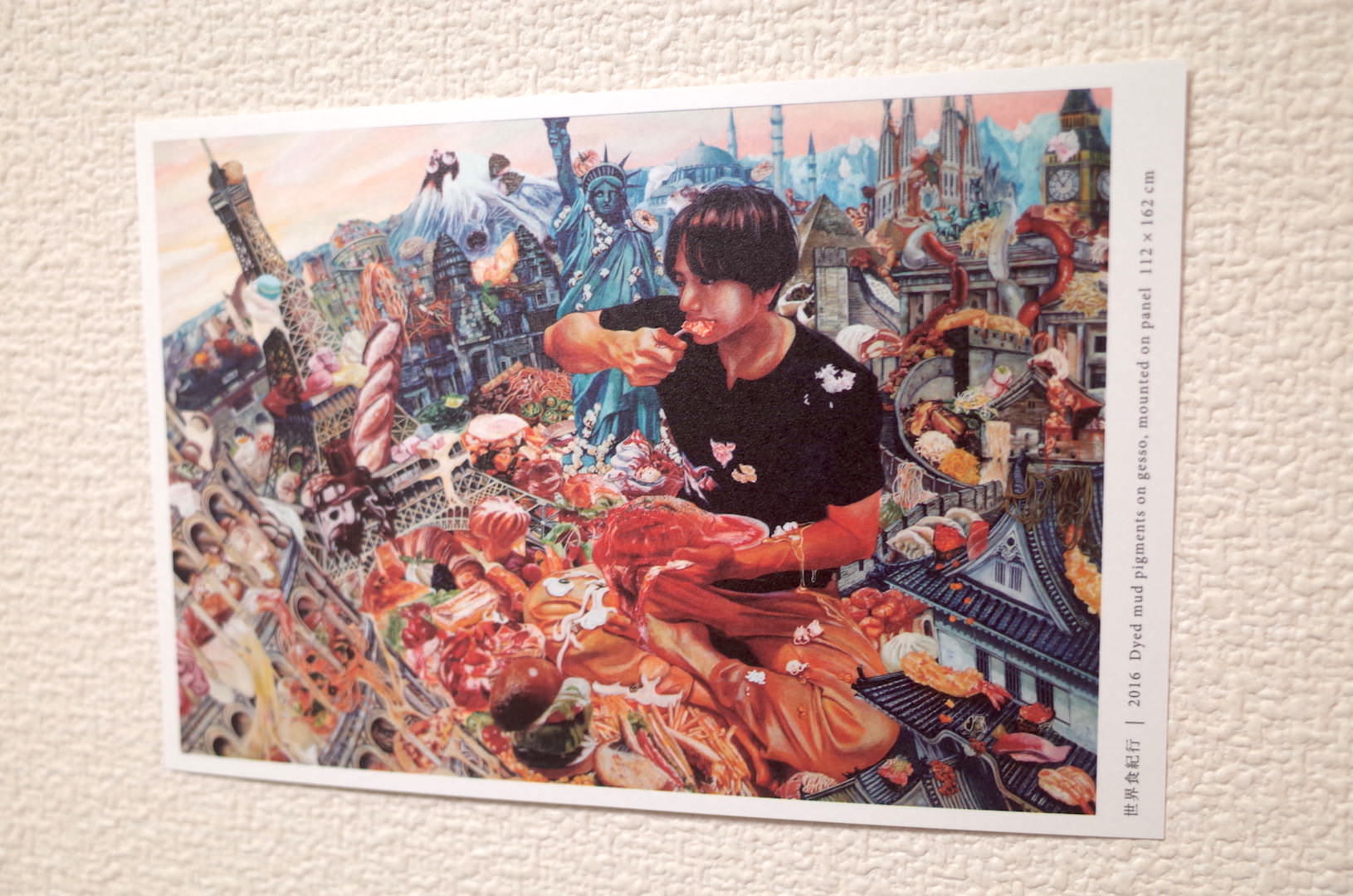
The item introduced here requires no nails or pins, so you can stick it up neatly even in a rental apartment without damaging the wall.
The item is called “Hittsuki-mushi” (removable adhesive putty). True to its high-impact name, its clay-like, sticky material lets you attach a card anywhere. Despite the strong adhesion that holds it firmly in place, it peels off cleanly when removed, so there is almost no need for cleanup afterward.
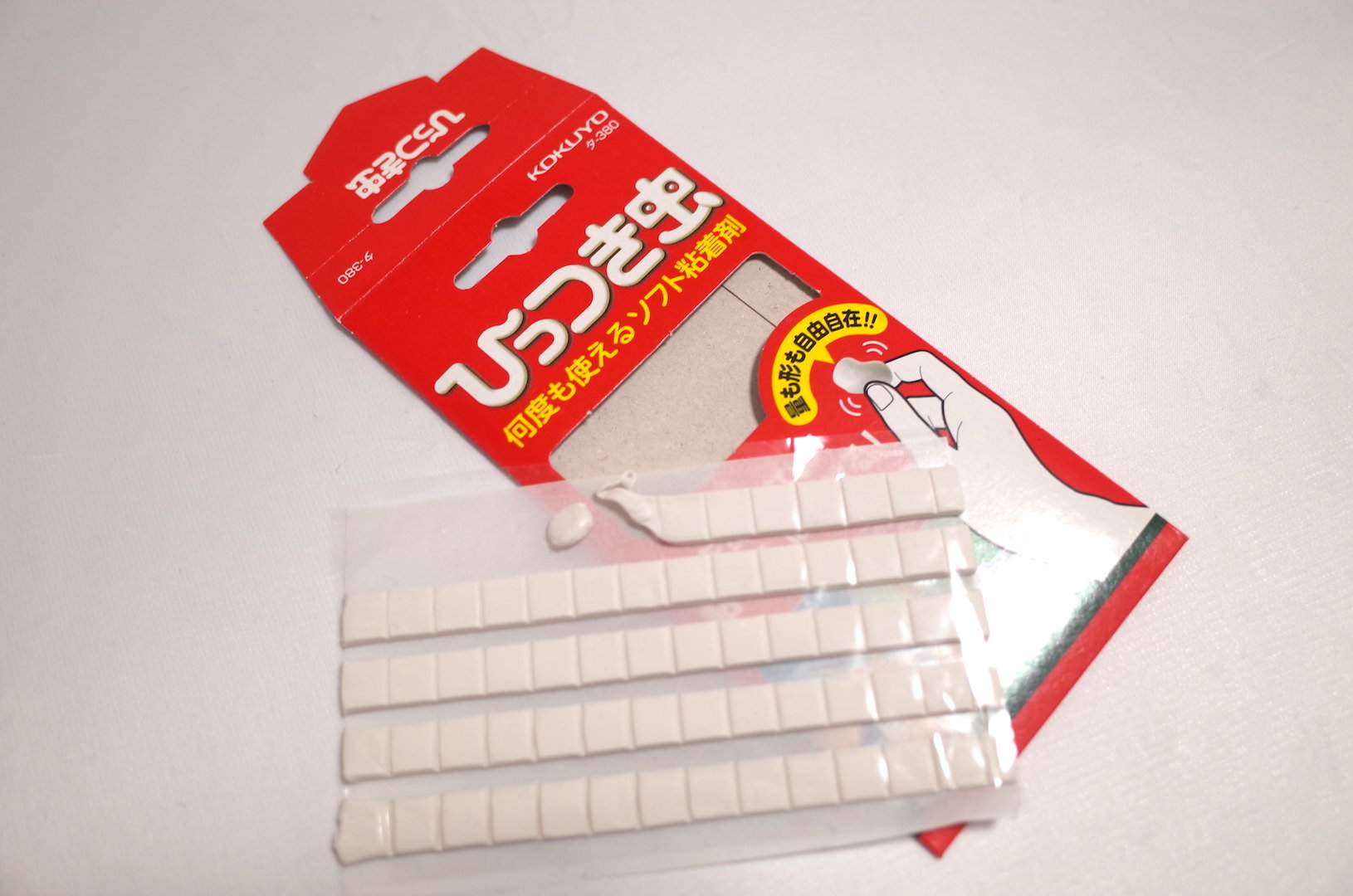
How to Remove It
When peeling it off, pull downward toward the ground and it comes off smoothly (when fixed at a single point at the top). It shouldn’t leave much of a mark on the wall side either, so give it a try.
One point to watch when using Hittsuki-mushi: the oils it contains may transfer onto the paper of the postcard and leave a stain-like mark.
When using it on an important work, please take great care — for instance, by using an OPP sleeve.
3) Store It
As a way of recording the exhibitions you’ve seen, you can also store the postcards you bought and the direct-mail cards you received in a box. Leaving them stuck on the wall causes deterioration, so keeping them properly in a box is also important as a way to refresh them periodically.
Postcards are, after all, the same size as official government postcards, so it comes down to choosing a box for storing postcards — of which there should be many kinds. A relatively large size that lets you lay them out horizontally is easy to view and to organize.
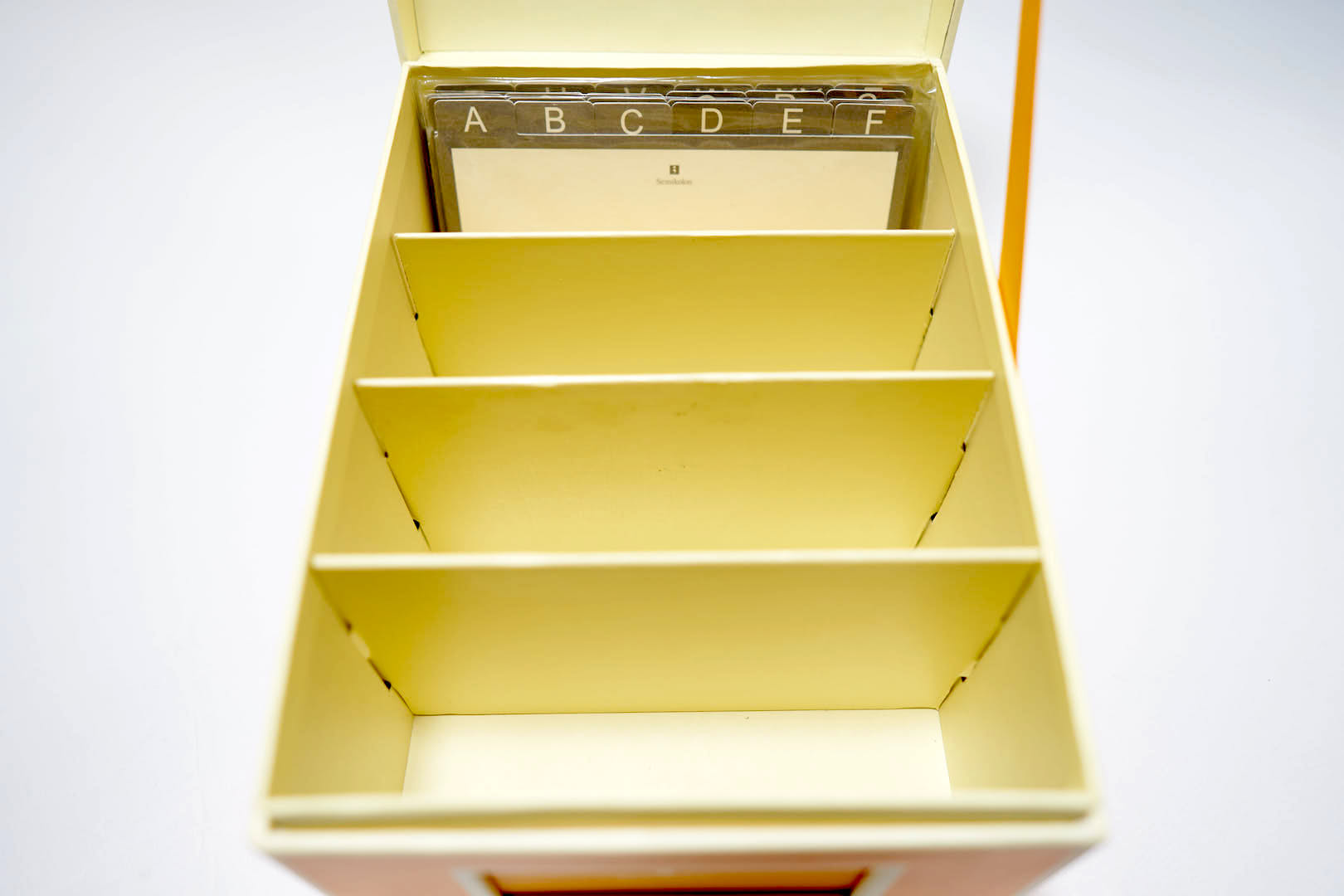
The box introduced here also comes with alphabet-labeled index dividers, so you can keep things properly organized. Even when a lot of postcards accumulate, they’re sorted in order, making them easy to find. It’s made in Germany, so you can rest assured!
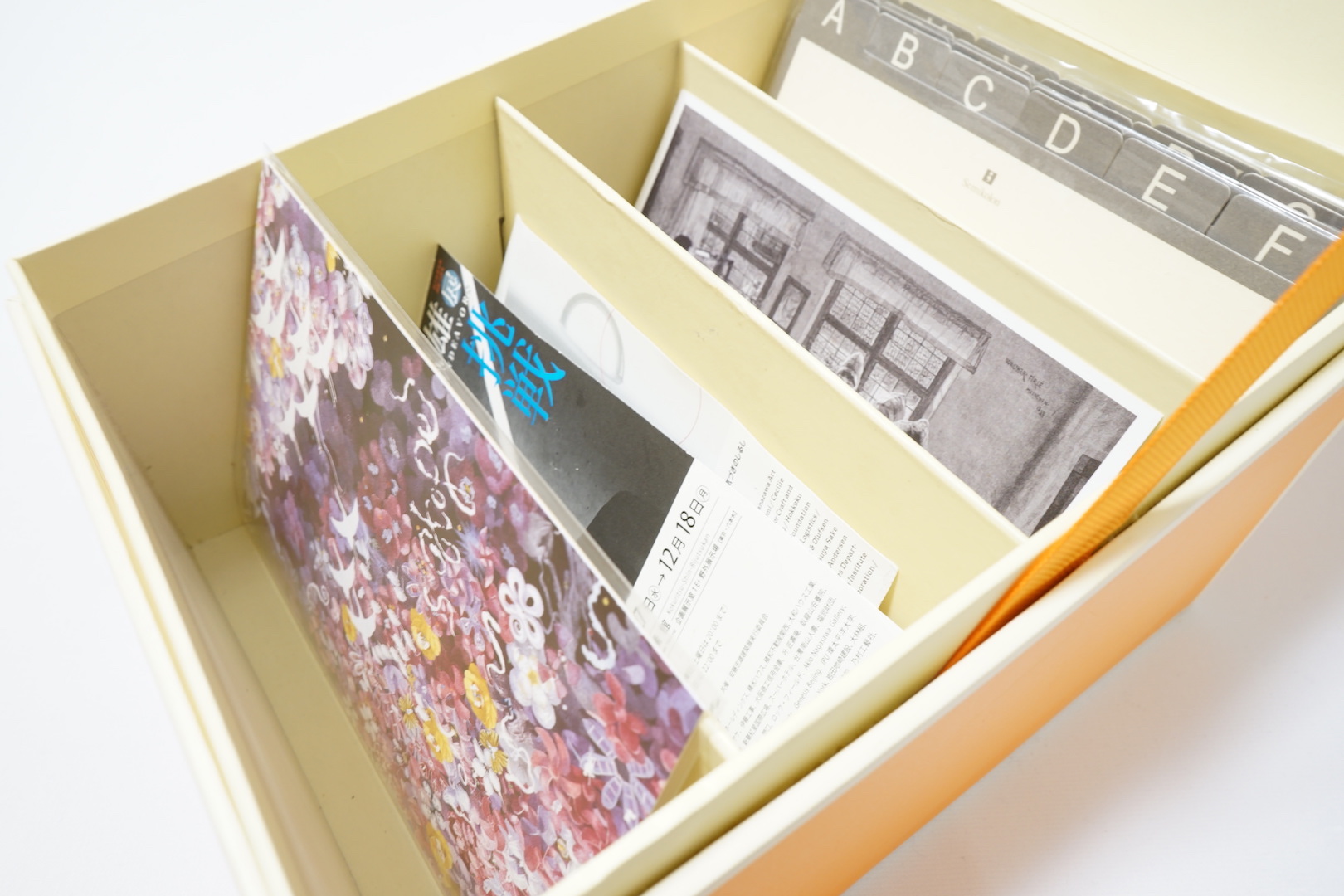
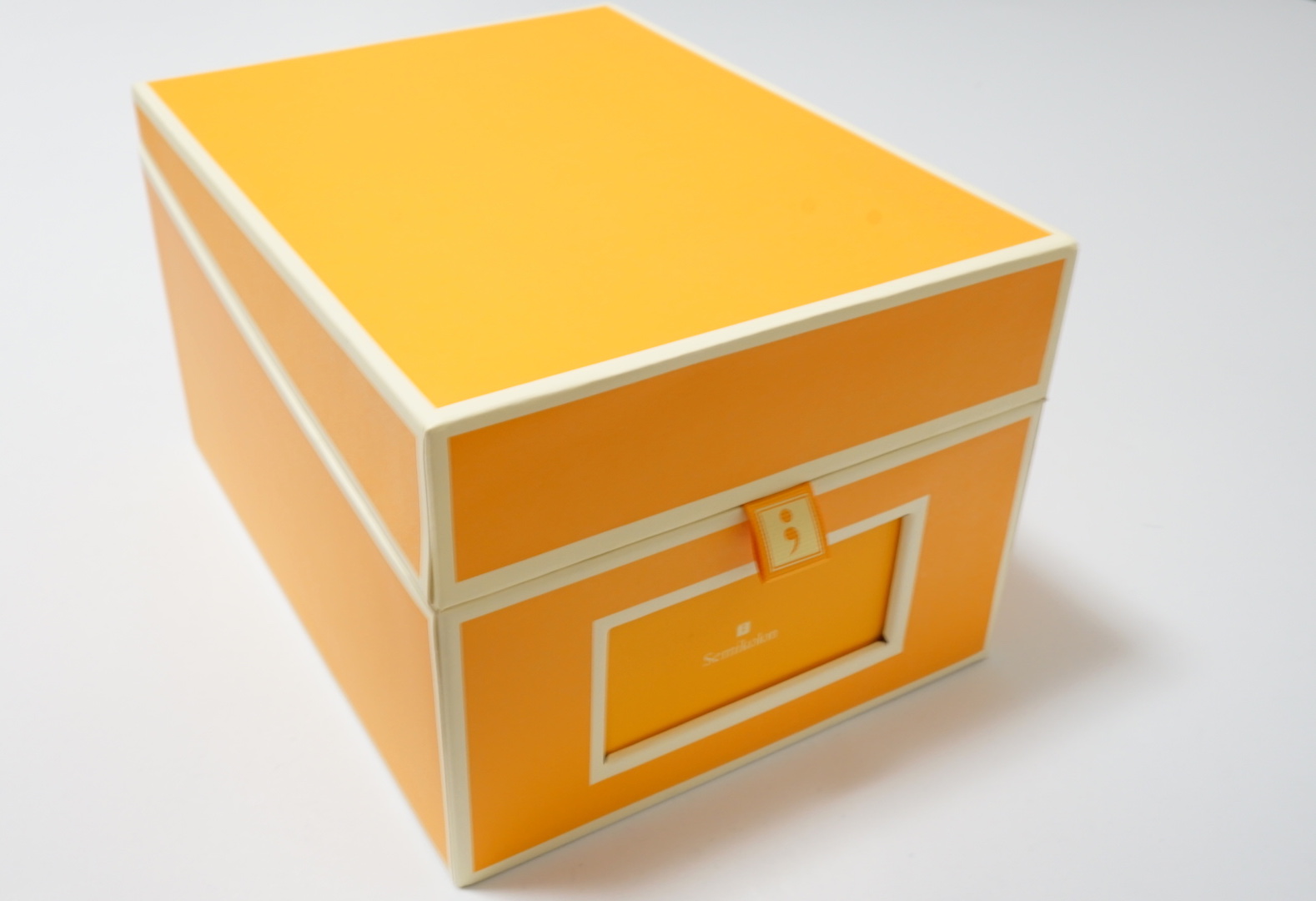
The lid closes snugly too, making it resistant to dust and dirt. The color stands out nicely as well — very artful.
So, what did you think?
It would be wonderful to lead a rich life in a room with art!