SUNSHOWER: Contemporary Art from Southeast Asia 1980s to Now @ The National Art Center, Tokyo
The 50th anniversary of ASEAN’s founding.
This was the largest-ever art exhibition, planned over a full two and a half years of research by a curatorial team of 14 members — including young curators based in the region — covering contemporary art in Southeast Asia from the 1980s onward.
It was being held simultaneously at the Mori Art Museum as well, but I was only able to make it to The National Art Center, Tokyo — such a shame!
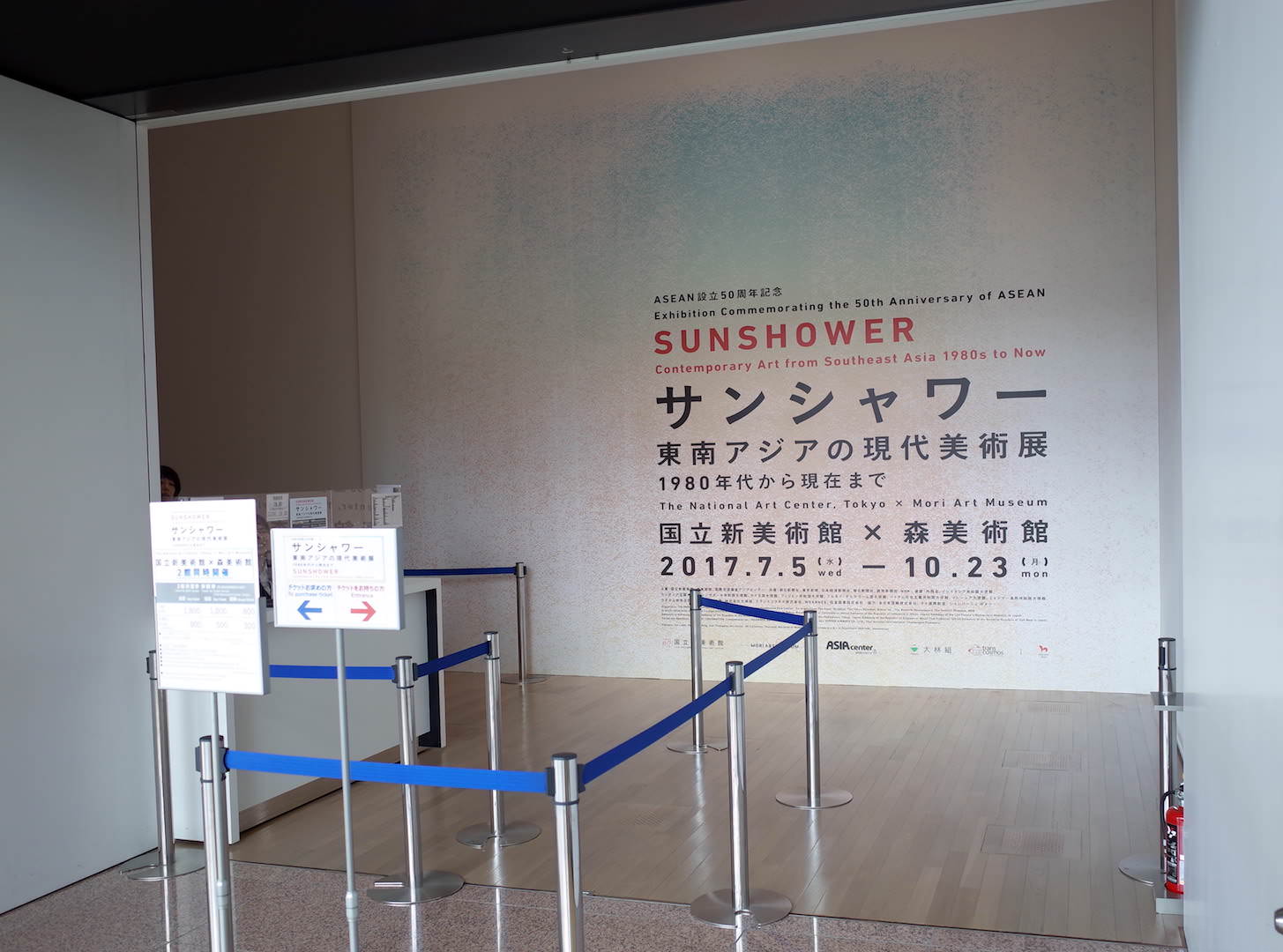
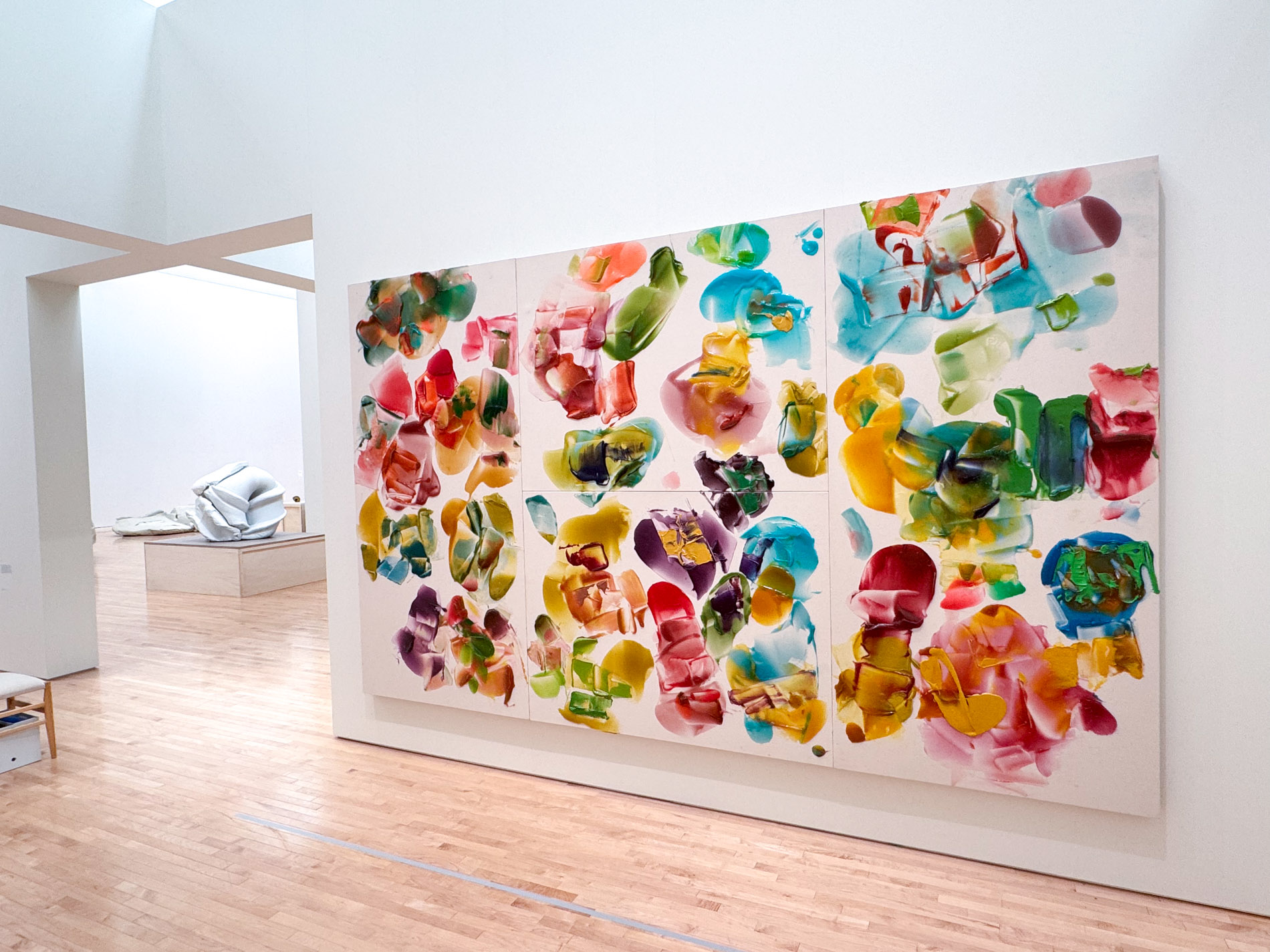
As the title Sunshower (a rain shower while the sun is shining) suggests, front and back, light and shadow — it felt as though all the countless things swirling within a developing country’s process of economic growth were mixed together, and it was quite stimulating. To put it another way, it was dense, strong-flavored, not the kind of show you can take in at a leisurely pace.
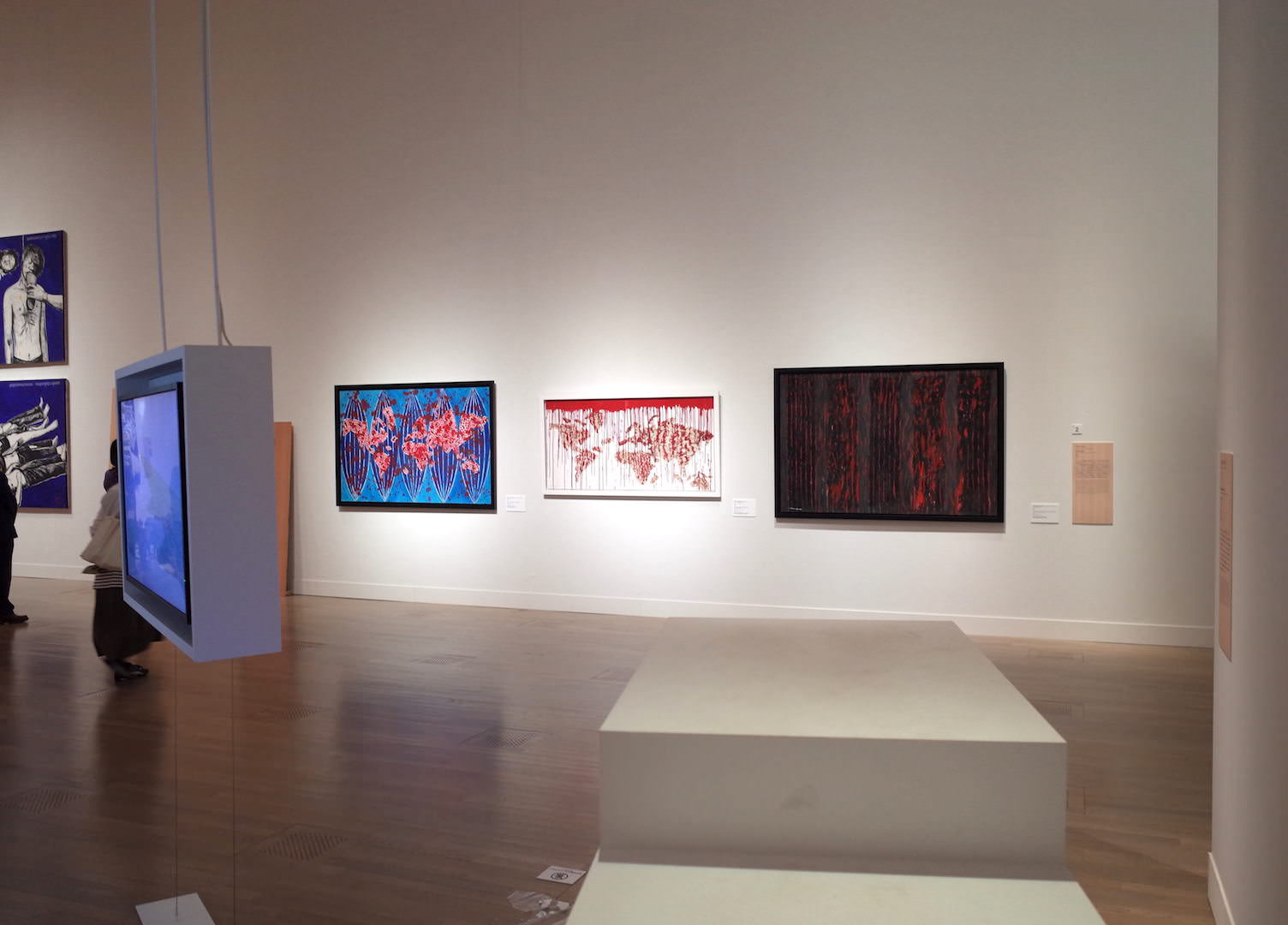
There were also works that seemed to carve out the very way people live. Heavy pieces were especially common, such as those expressing political messages, and the show presented not only paintings but a diverse range of methods including video and installation, making for an exhibition rich in substance.
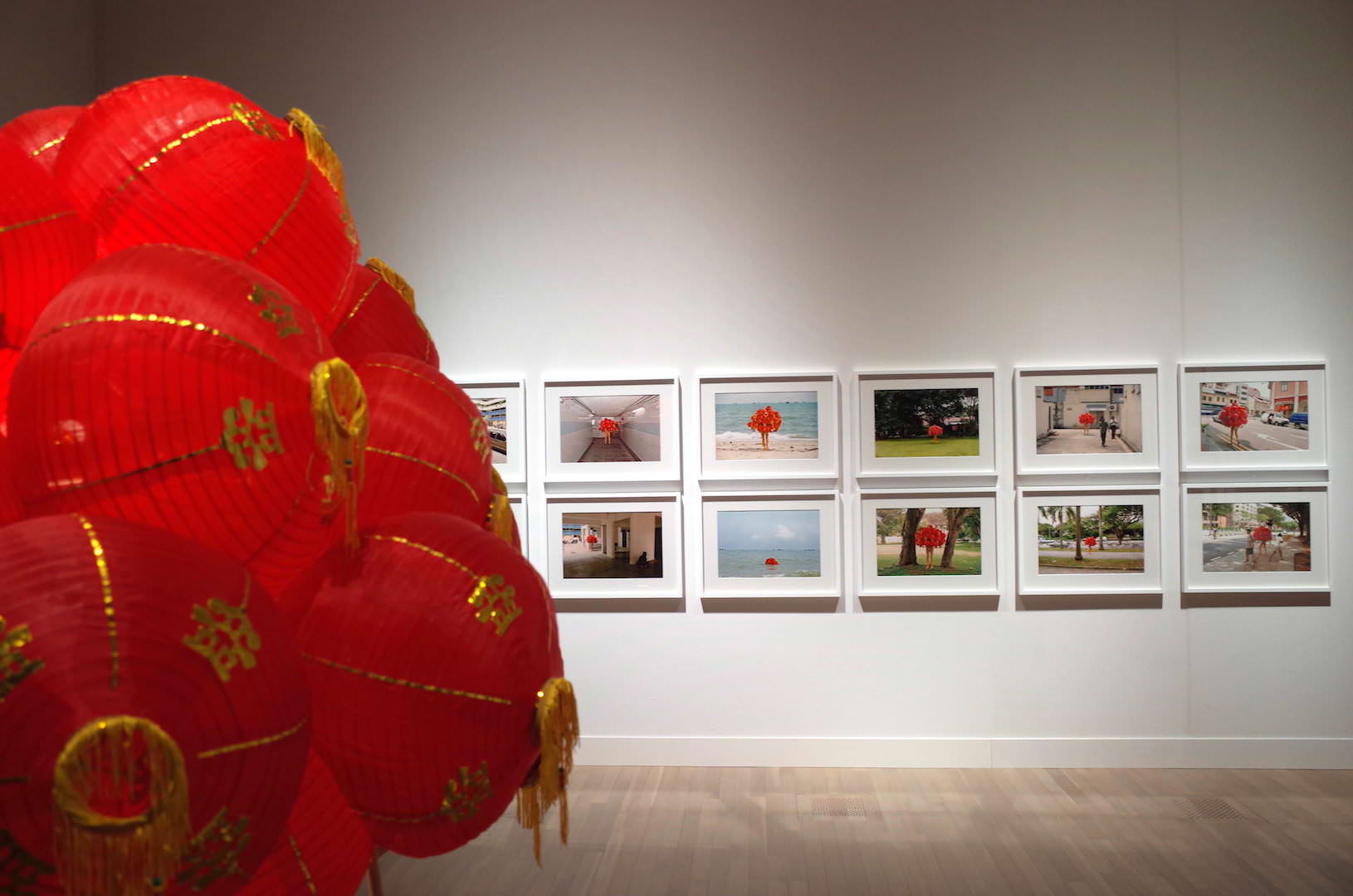
Political Overtones
More than anything, the strongly political expression was stimulating for those of us who live in “Japan,” a peaceful country.
Because it was built into the first half of the exhibition, there was an uneasy feeling right from the start, but the relatively relaxed displays in the latter half came as a relief. It is probably an exhibition you cannot avoid passing through.
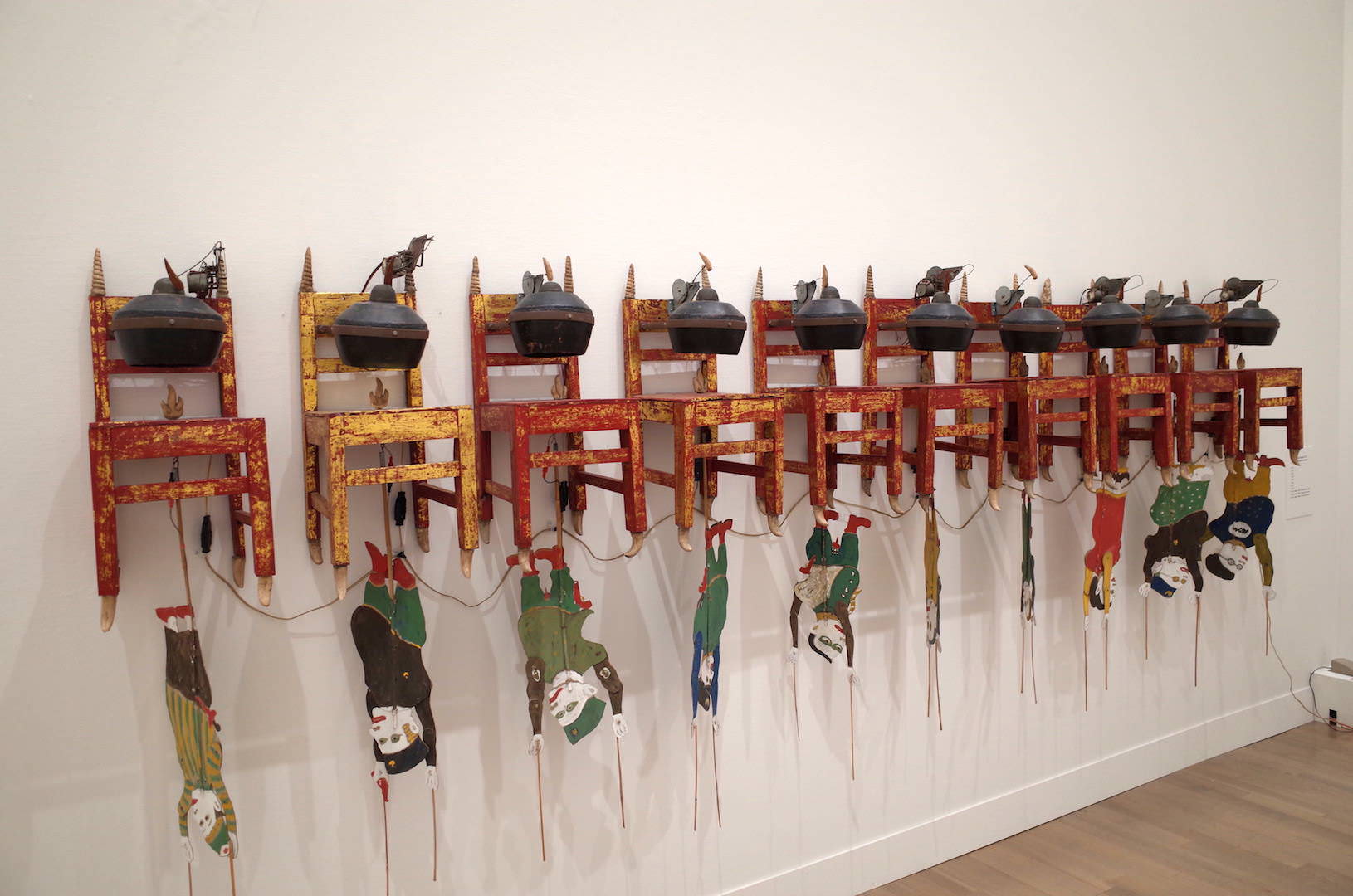
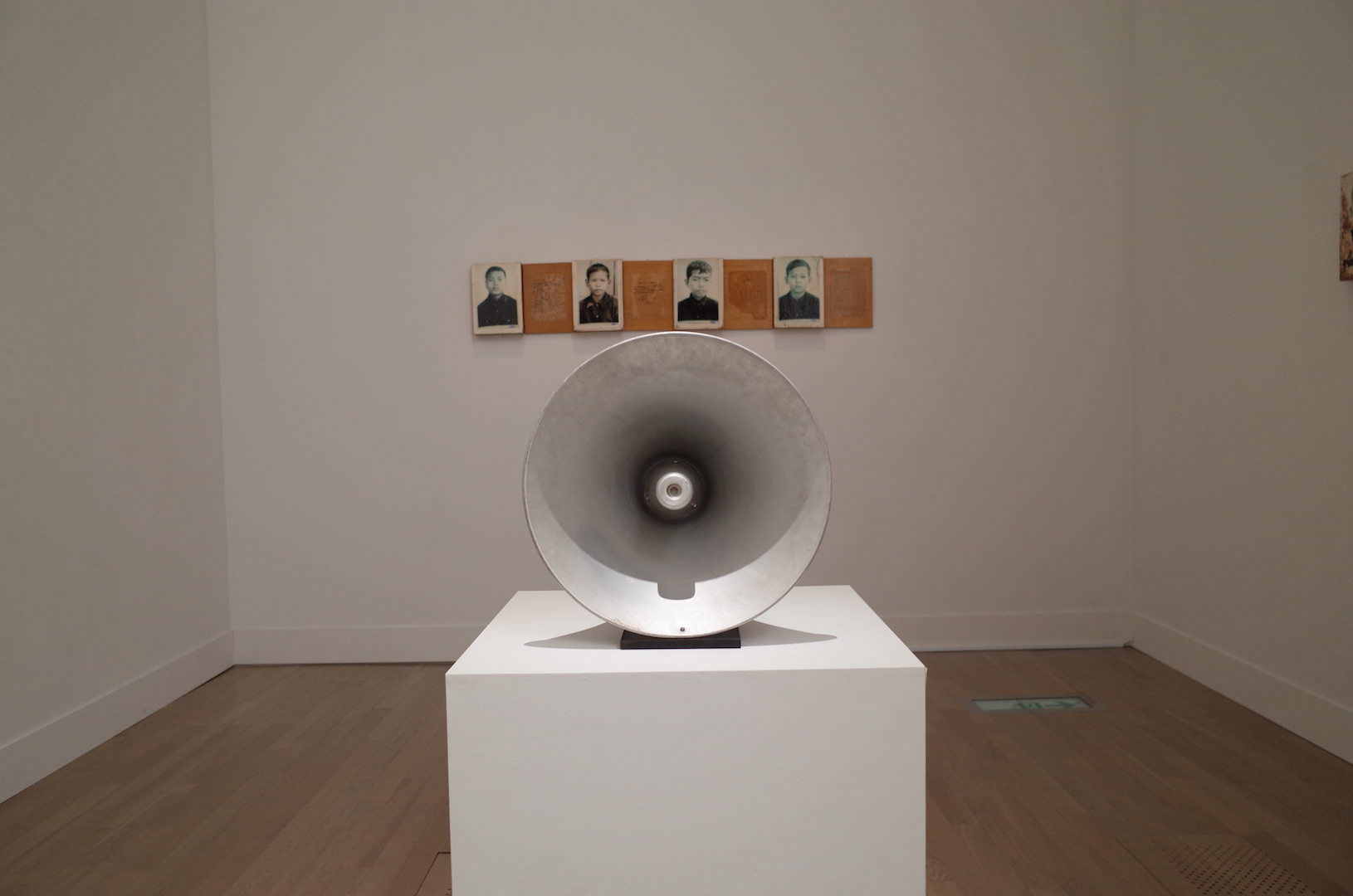
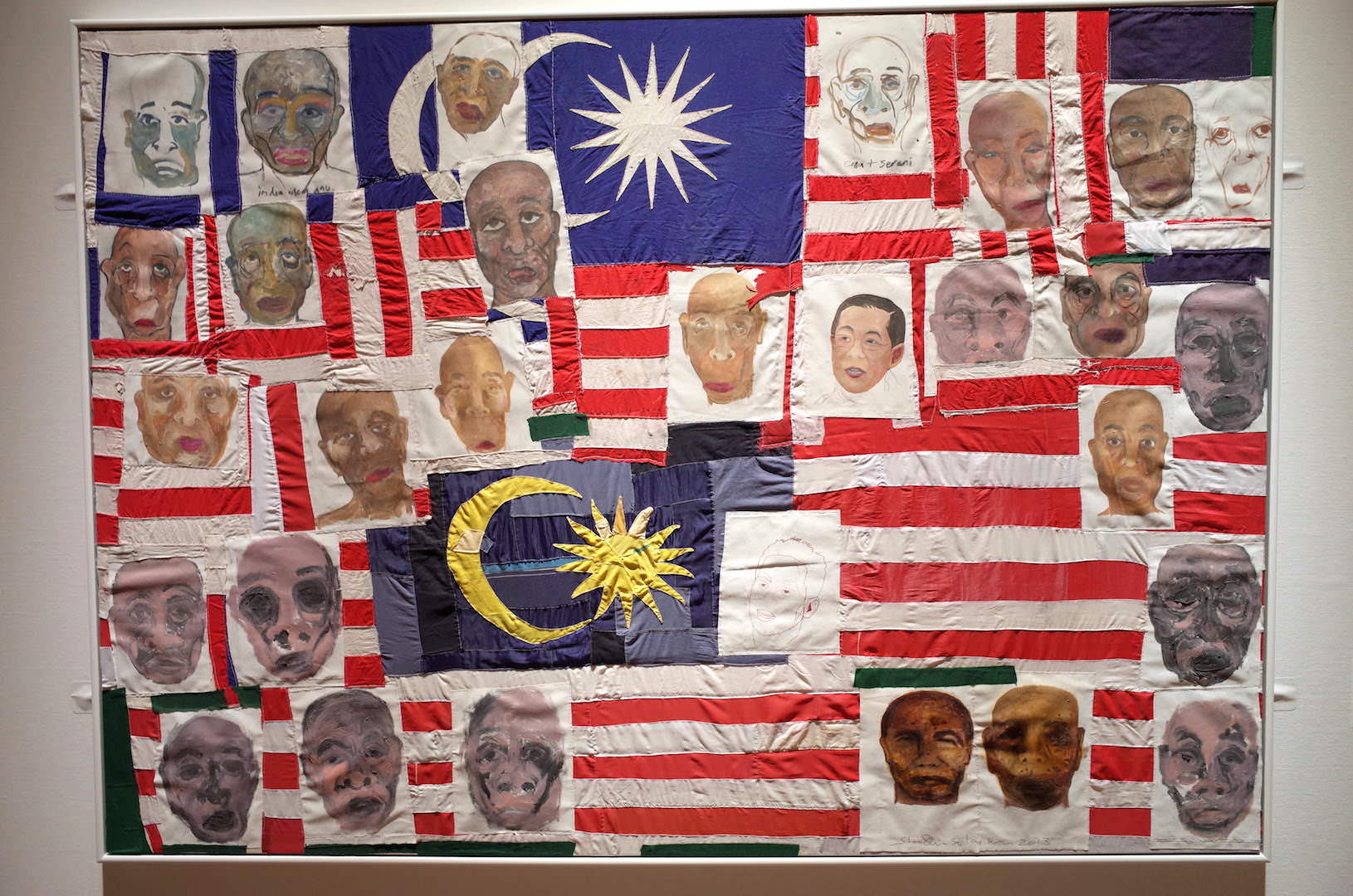
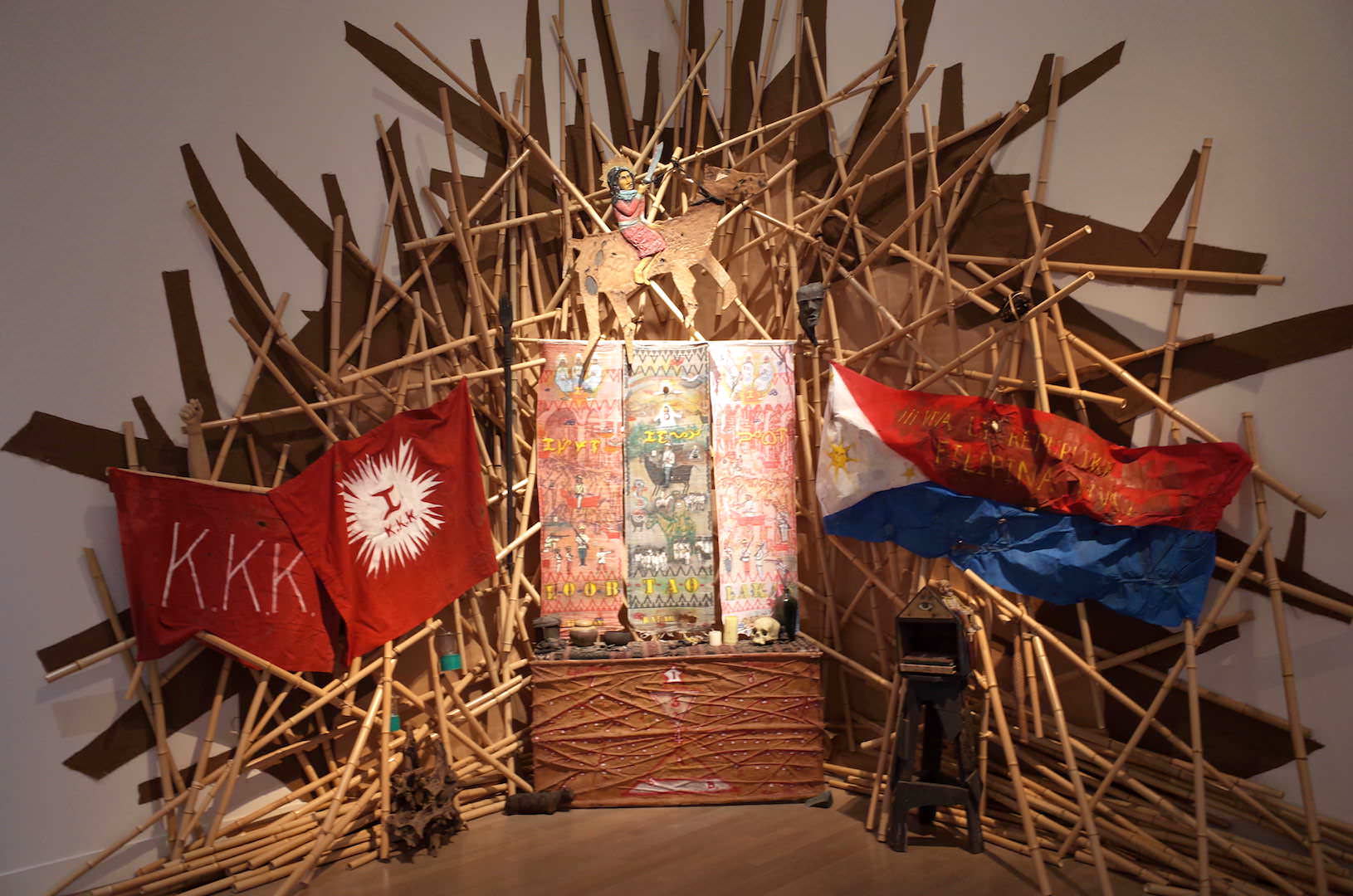
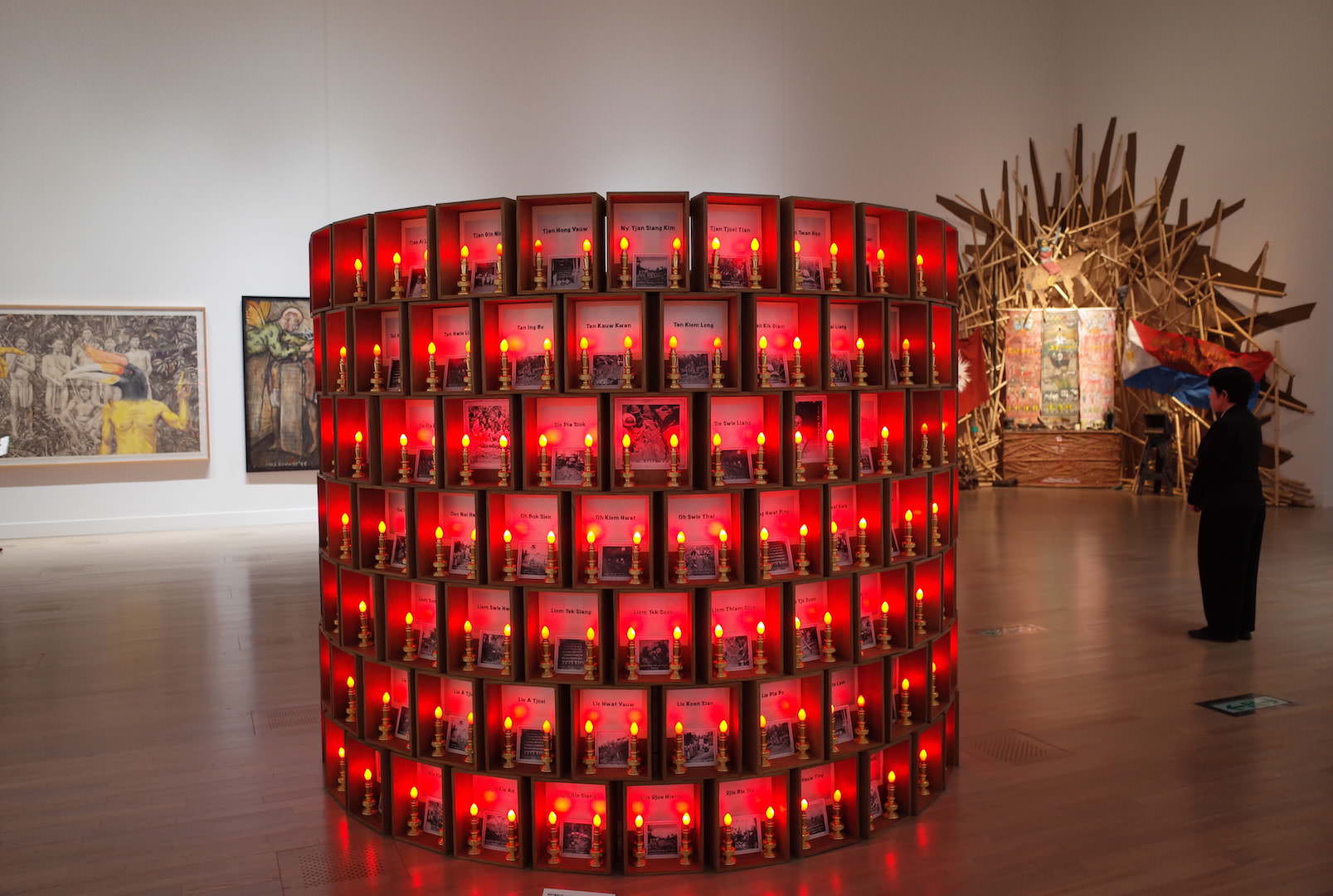
Video Works
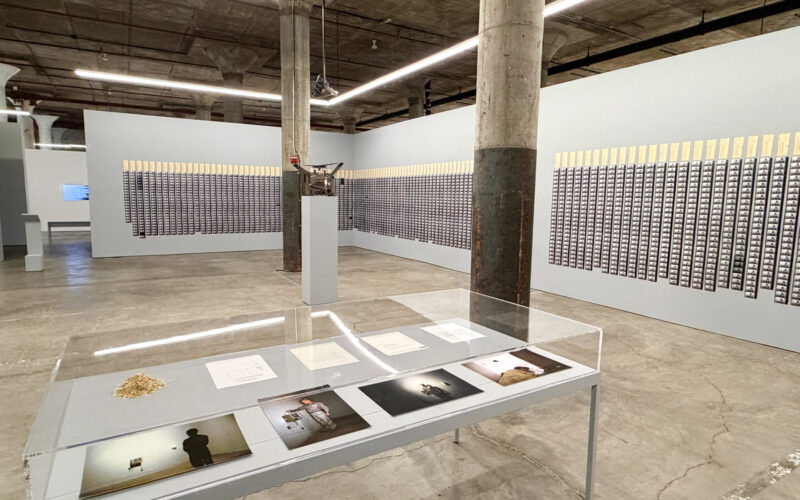
It was also distinctive how many video works were on display.
Perhaps video expression, which can hold a large amount of information, is well suited to maximizing a political message.
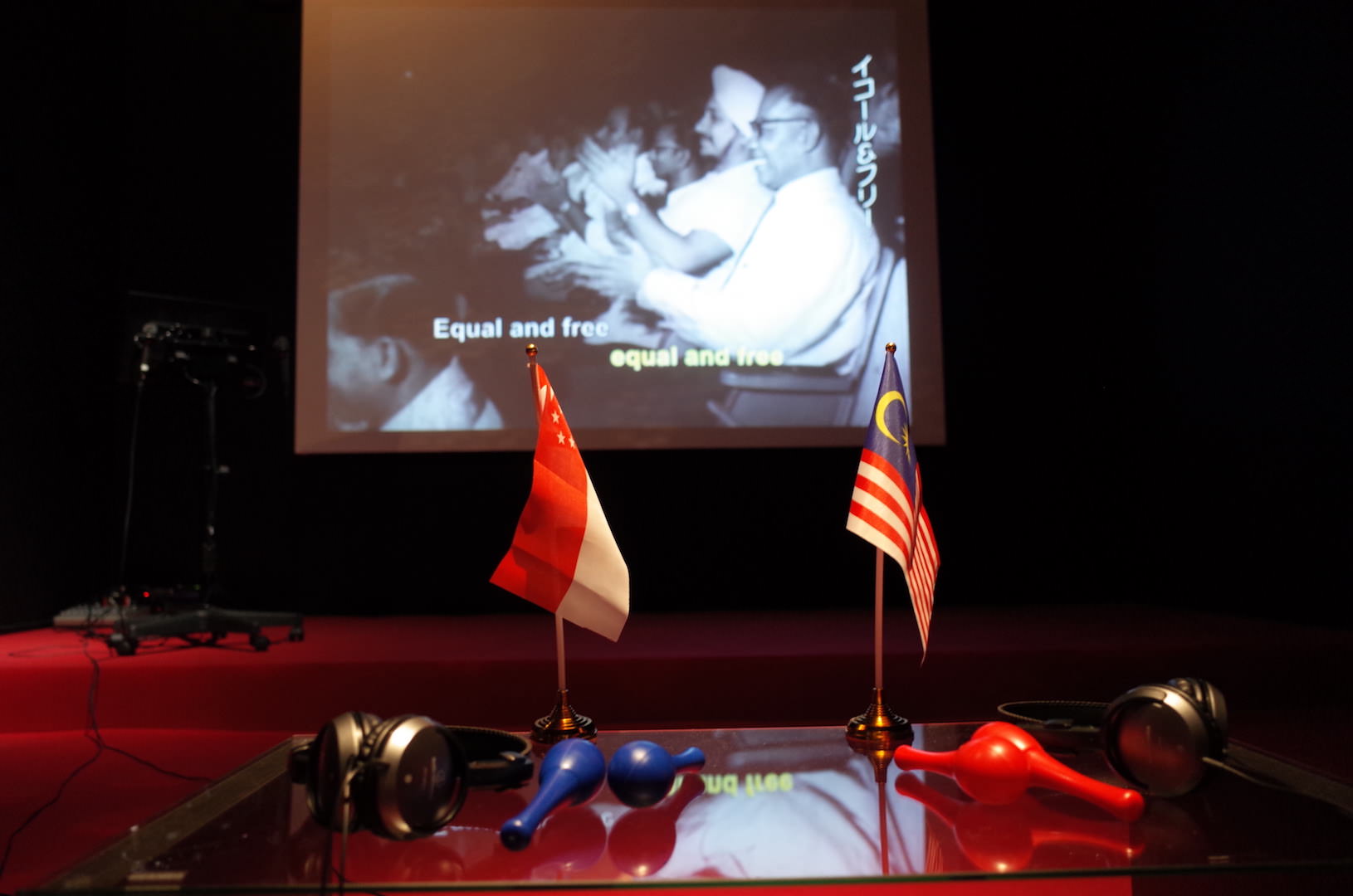
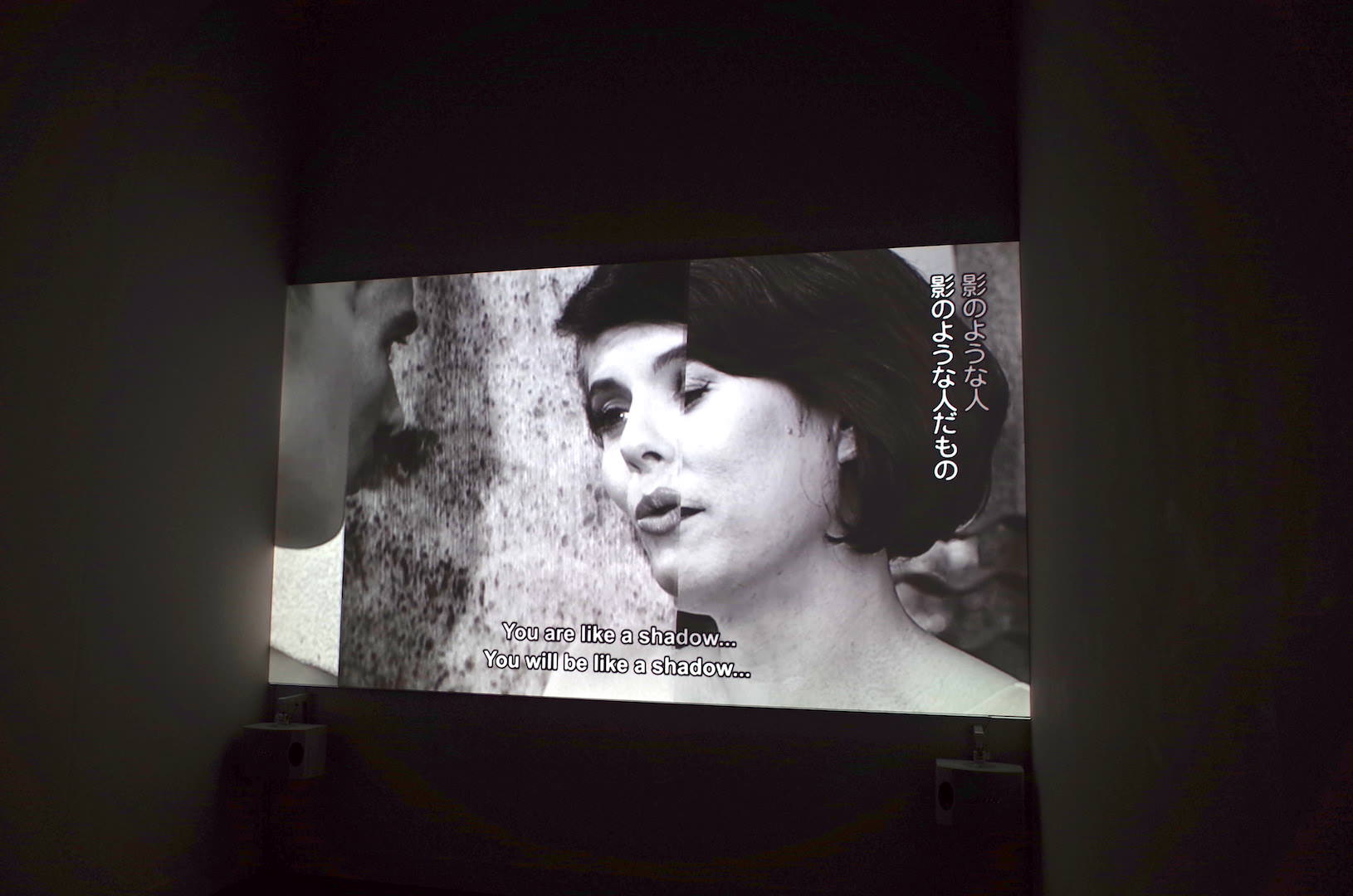
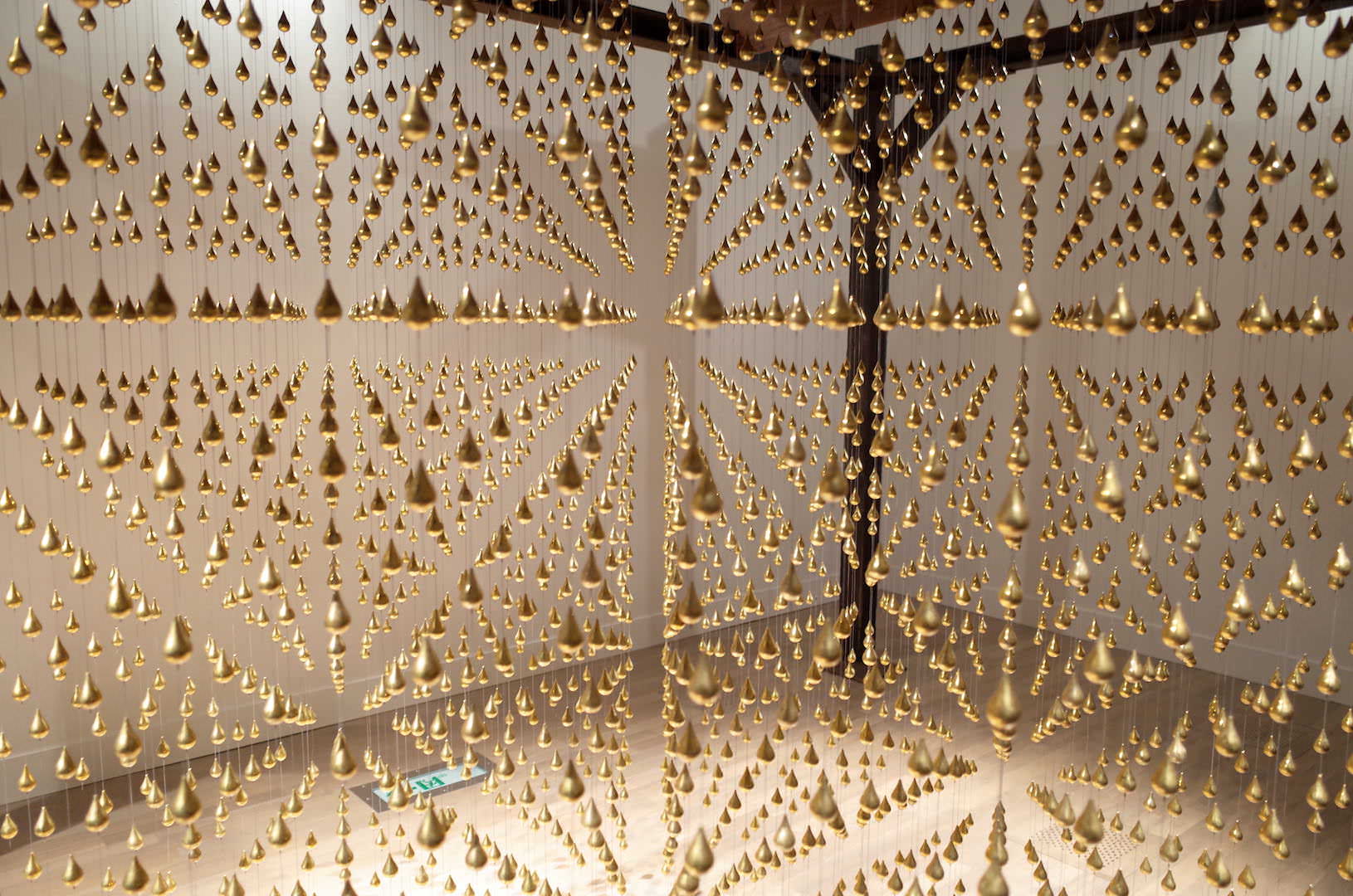
There were also hints of features aimed at “Instagram girls.” I felt there were many young female visitors as well.
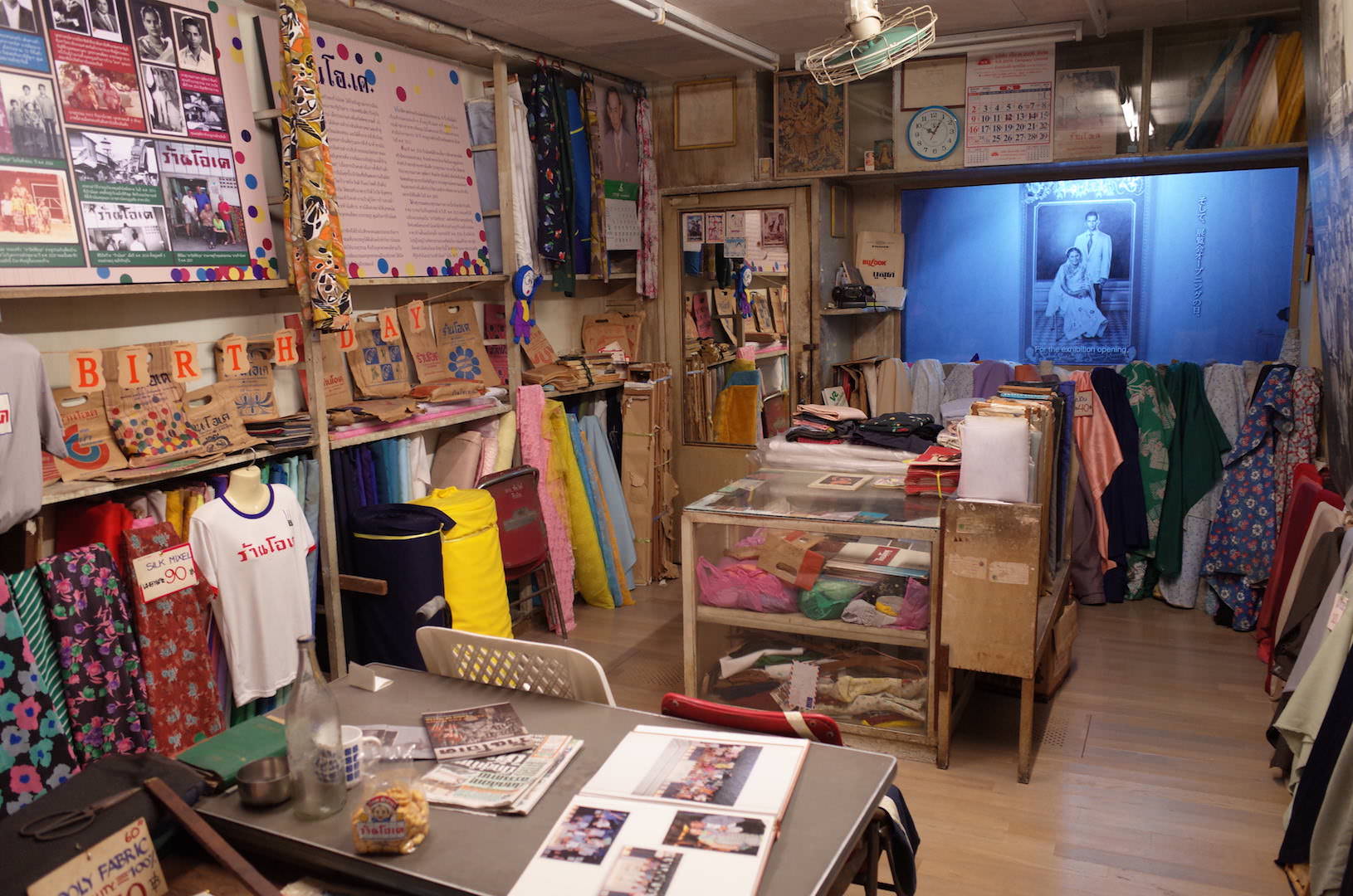
Surasi Kusolwong
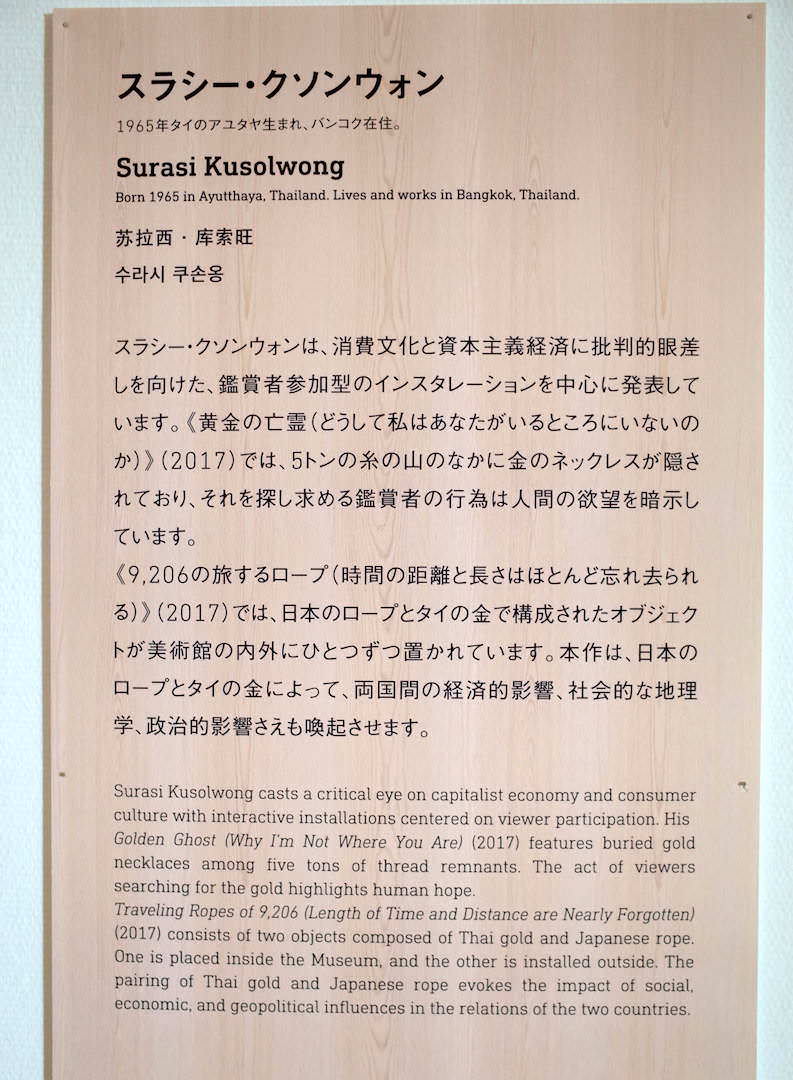
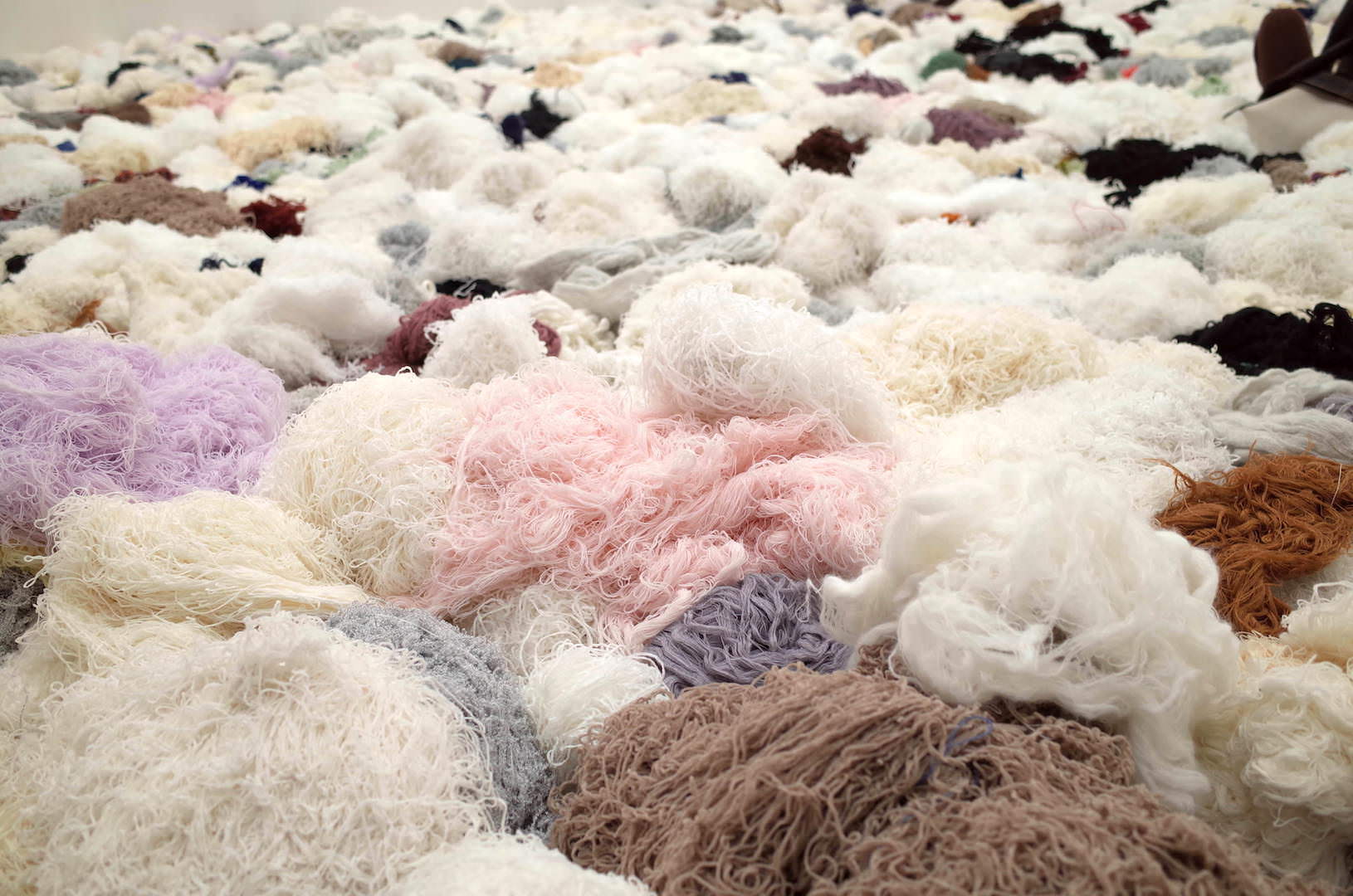
The final piece in the exhibition is an installation by Surasi Kusolwong. This was a truly fascinating setup. Nine gold necklaces are hidden in a room filled with five tons of thread, and anyone who finds one is given it in a box as a present.
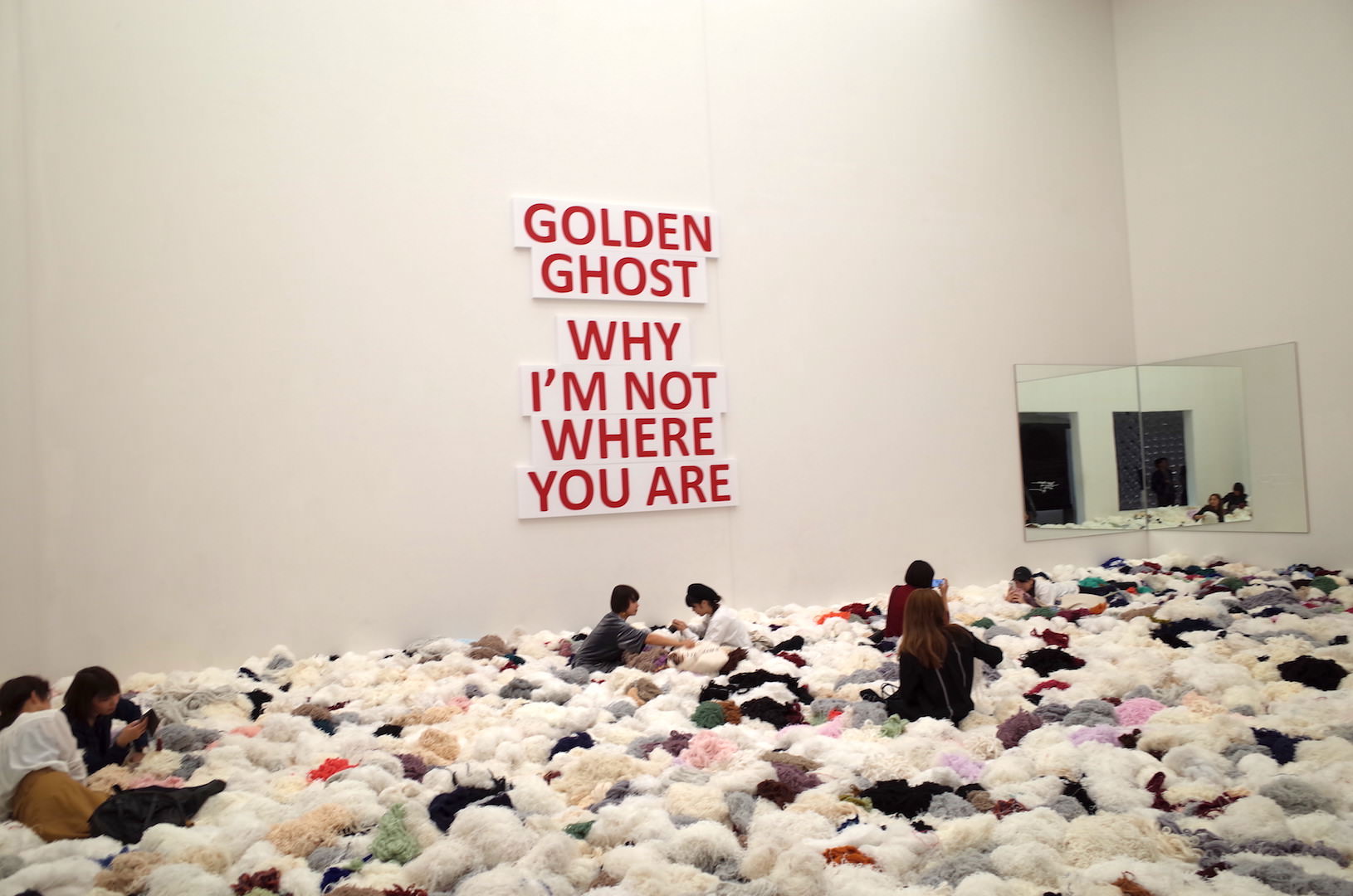
The sight of visitors searching desperately is itself included as part of the work, completing it. It is a raw expression of human desire unfolding right before your eyes. And indeed, everyone was searching quite frantically (laughs).
The balls of thread are also fairly hard to spot — a choice of material that stokes the sense of desperation. It was really well thought through.
I had come straight over from the hugely popular Tadao Ando exhibition being held at the same time, but even within the same National Art Center, Tokyo, the visitor numbers were worlds apart.
Southeast Asian contemporary art was stimulating, and in the end it made me feel anew, and keenly, the peaceful everyday life we Japanese enjoy.
https://art-on.jp/tadao-ando-challenge/