Kana Ohtsuki
I went to see the solo exhibition “A Cross-Section of Life / Fragments of Death” by Kana Ohtsuki, who is active as an illustrator. The venue is The Artcomplex Center of Tokyo (Shinanomachi Station).
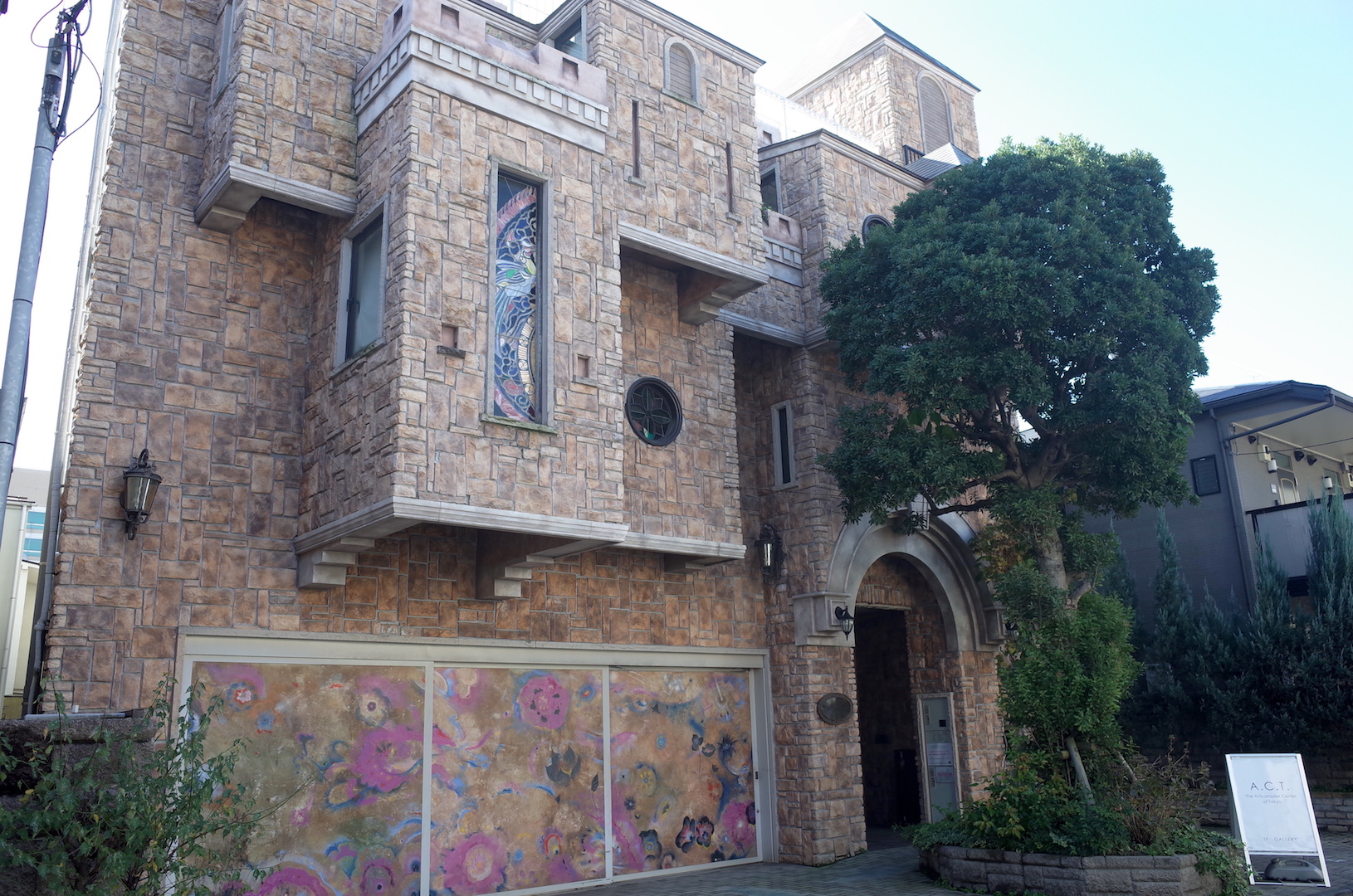
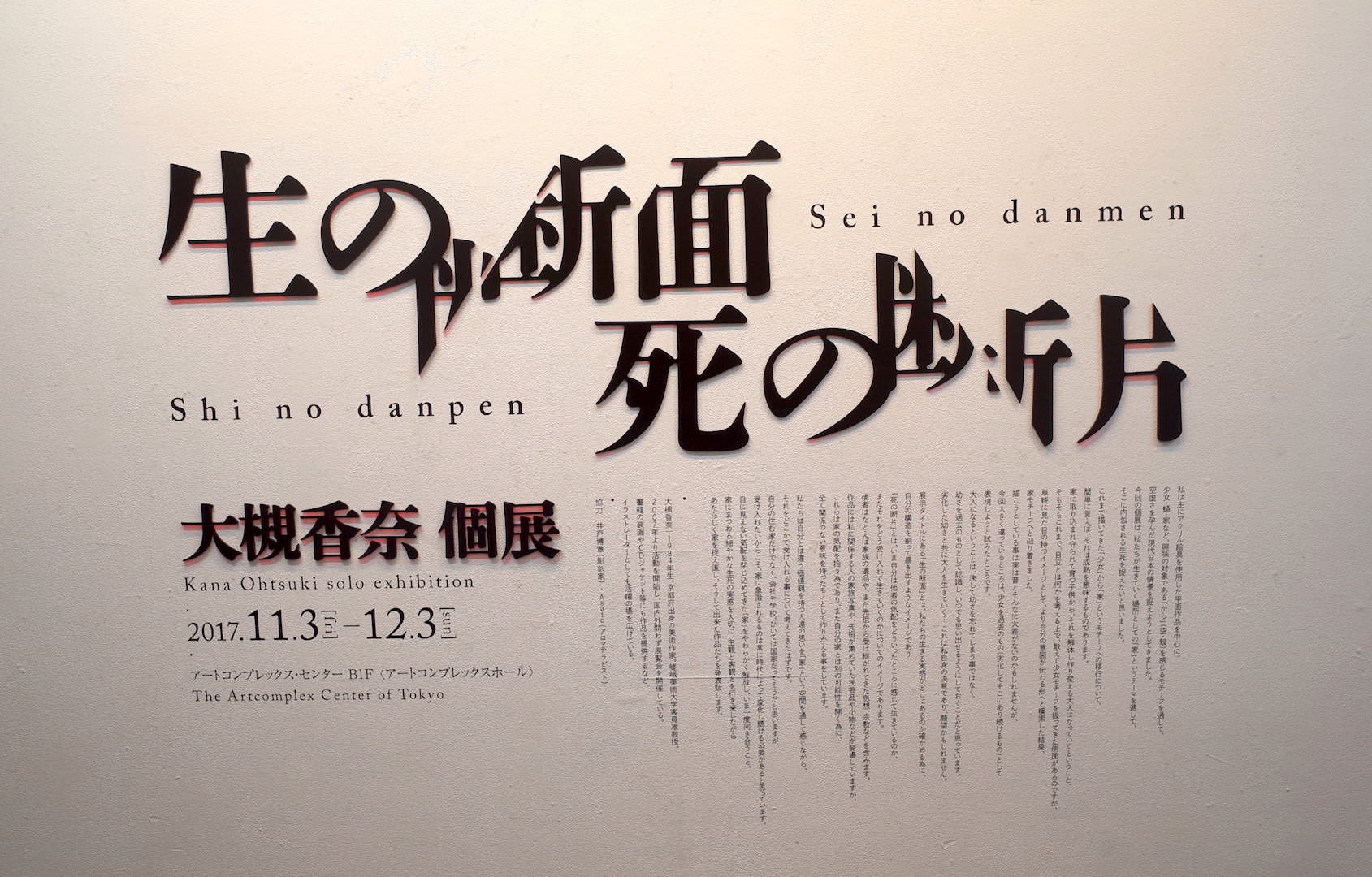
I was very interested, so I rushed over on the morning of the opening day. Fortunately there were still only a few visitors in the gallery, and I was able to view the works at a leisurely pace. At the entrance, as shown in the photo below, the title and an explanation were written up.
Kana Ohtsuki
Born 1984. An artist from Kyoto Prefecture. She began her activity in 2007 and has held exhibitions both in Japan and abroad. Working mainly in acrylic on two-dimensional pieces, she seeks to capture scenes of a contemporary Japan pregnant with emptiness, through motifs such as young girls, chrysalises, and houses that evoke the “kara” (emptiness / shell) that is the object of her own interest.
A Cross-Section of Life, Fragments of Death
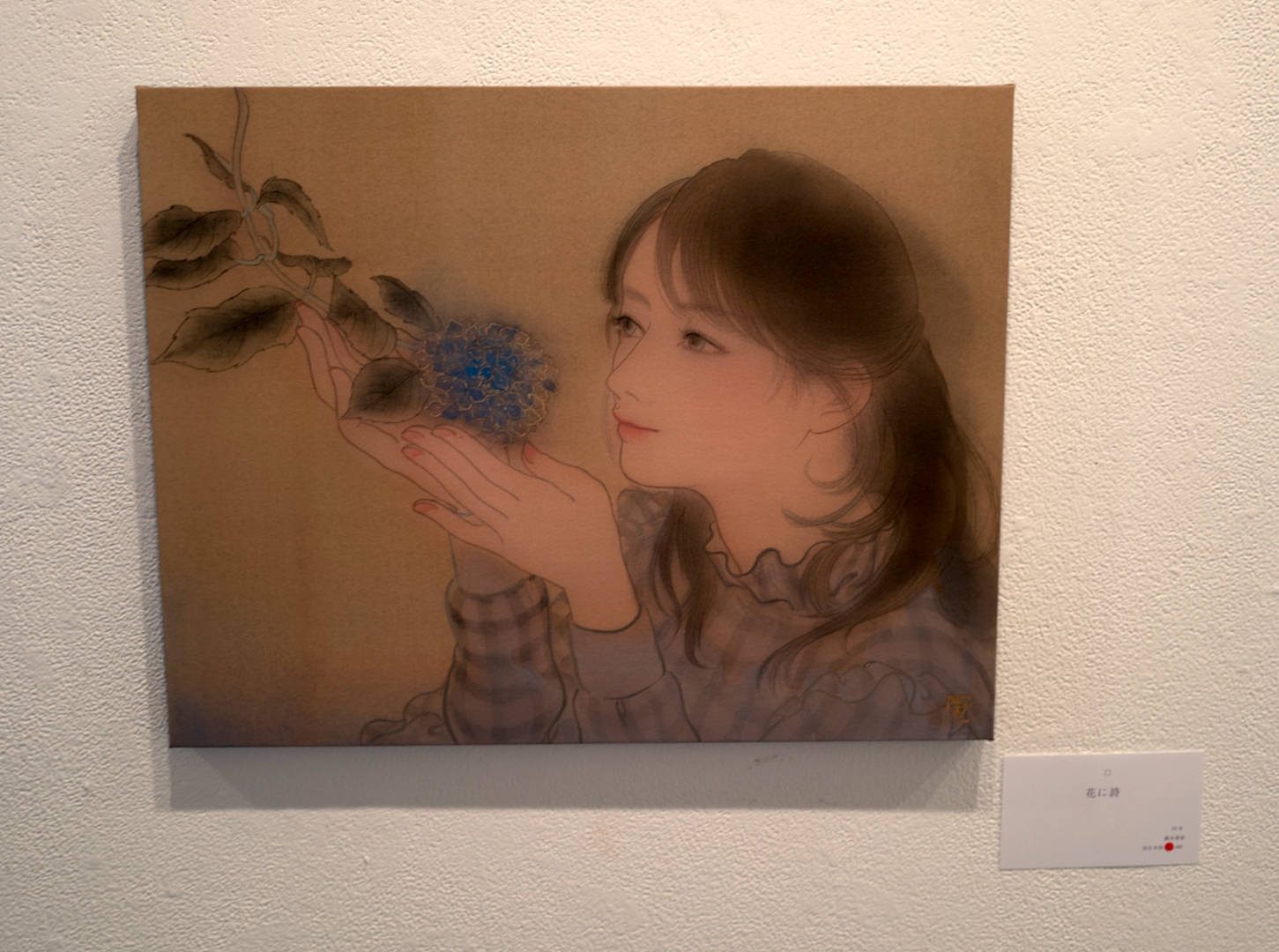
Kana Ohtsuki has many works themed on young girls, but this time she had assembled many works themed on the “house.”
Through the theme of the “house” as the place where we live out our lives, this solo exhibition reflects on the felt reality of one’s own life and on accepting the views of life and death held by family and by the others around us, and, through the works, poses questions about the houses we live in and the houses that ought to exist from now on.
Working mainly in acrylic on two-dimensional pieces, I have sought to capture scenes of a contemporary Japan pregnant with emptiness, through motifs such as young girls, chrysalises, and houses that evoke the “kara” (emptiness / shell) that is the object of my interest. Through the theme of the “house” as the place where we live out our lives, this solo exhibition reflects on the felt reality of my own life and on accepting the views of life and death held by family and by the others around me, and, through the works, poses questions about the houses we live in and the houses that ought to exist from now on. “A Cross-Section of Life” is an image of splitting open my own structure to expose it, in order to verify where the reality of our living lies; “Fragments of Death” is an image of where we sense the presence of others different from ourselves as we live, and of how we accept that and go on living. The latter refers to things left behind by ancestors — for example a family member’s belongings, or inherited ways of thinking. Through the space of the “house,” we must have thought about somehow accepting the feelings of people who hold values different from our own, while sensing their presence. To free the “house,” which has confined presences invisible to the eye, and to face them once more. Moving back and forth between the subjective and objective aspects surrounding the house, I turn them into works and present them.
Reading the explanation, it seems the motifs at the root have not changed all that much.
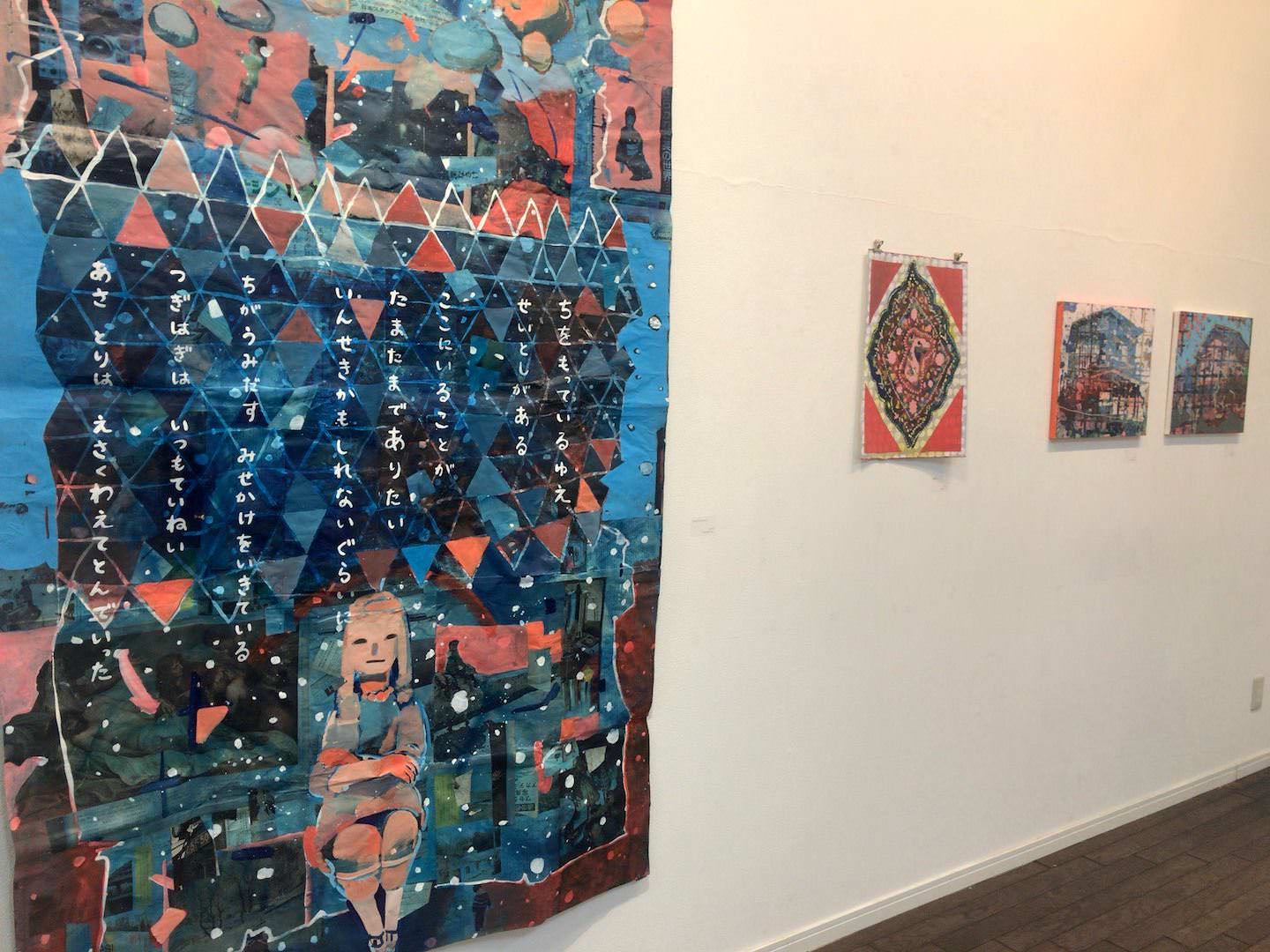
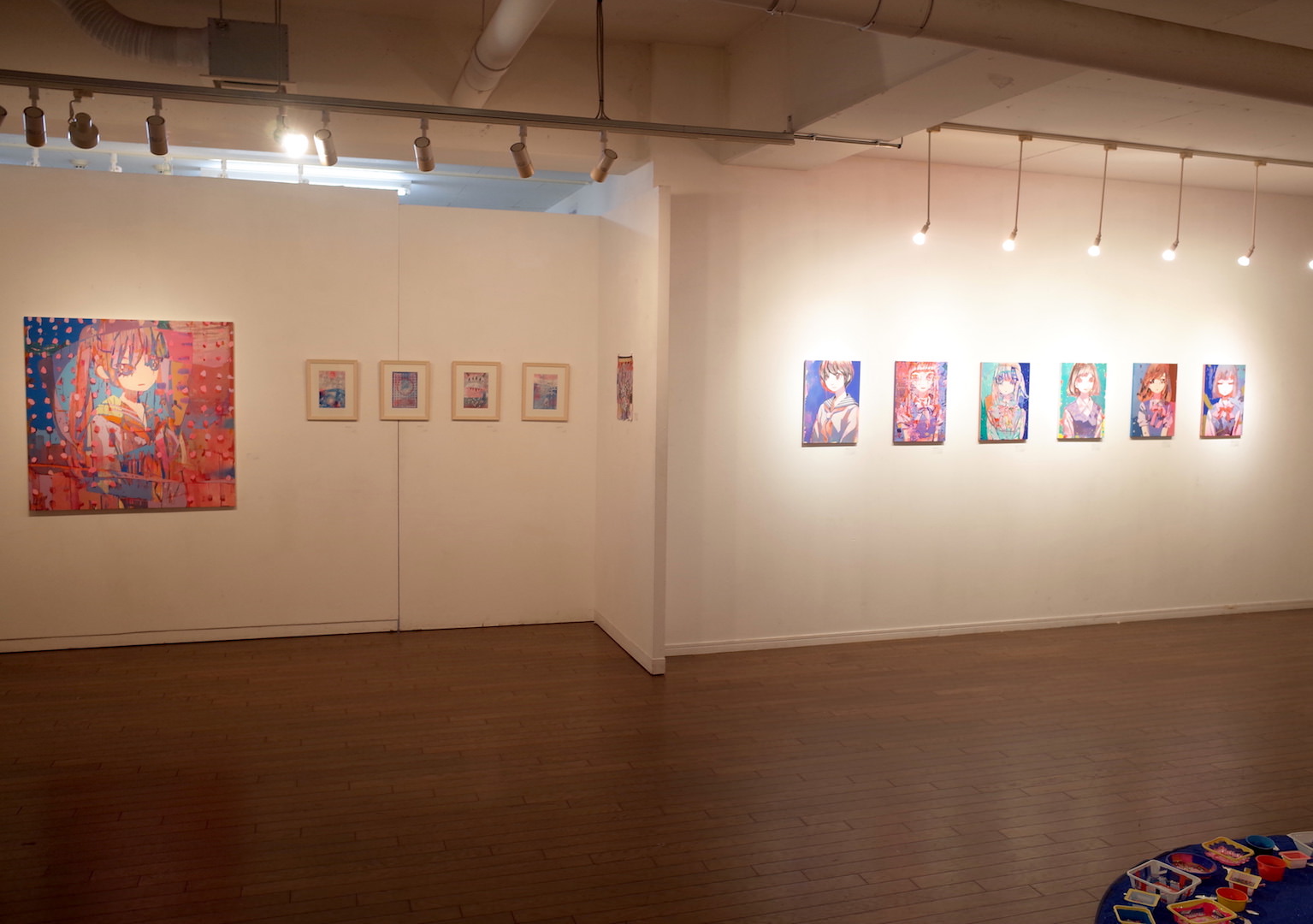
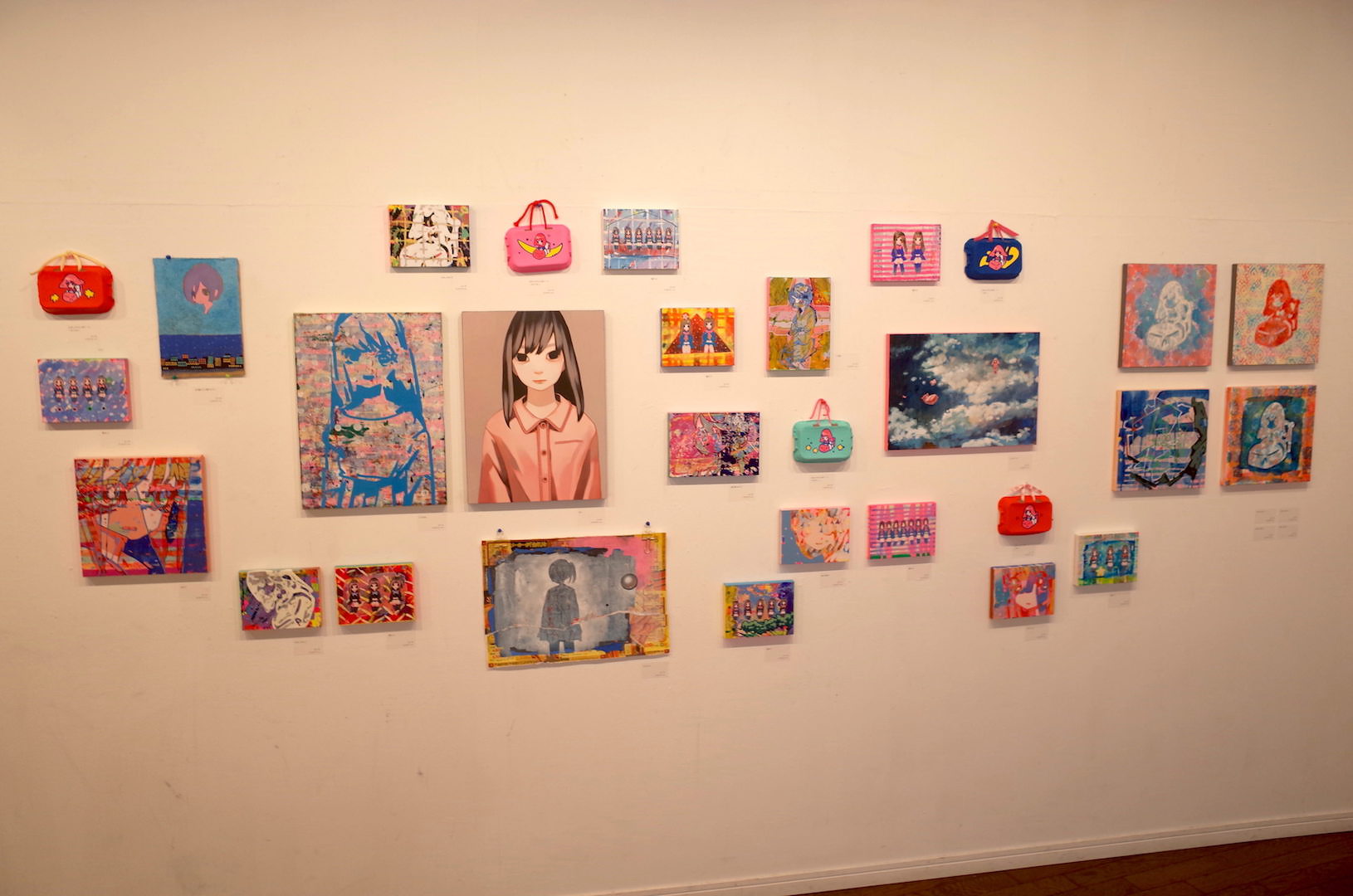
Passing through the entrance, a large “Yumeshika-chan” is displayed prominently in the center on the left-hand side.
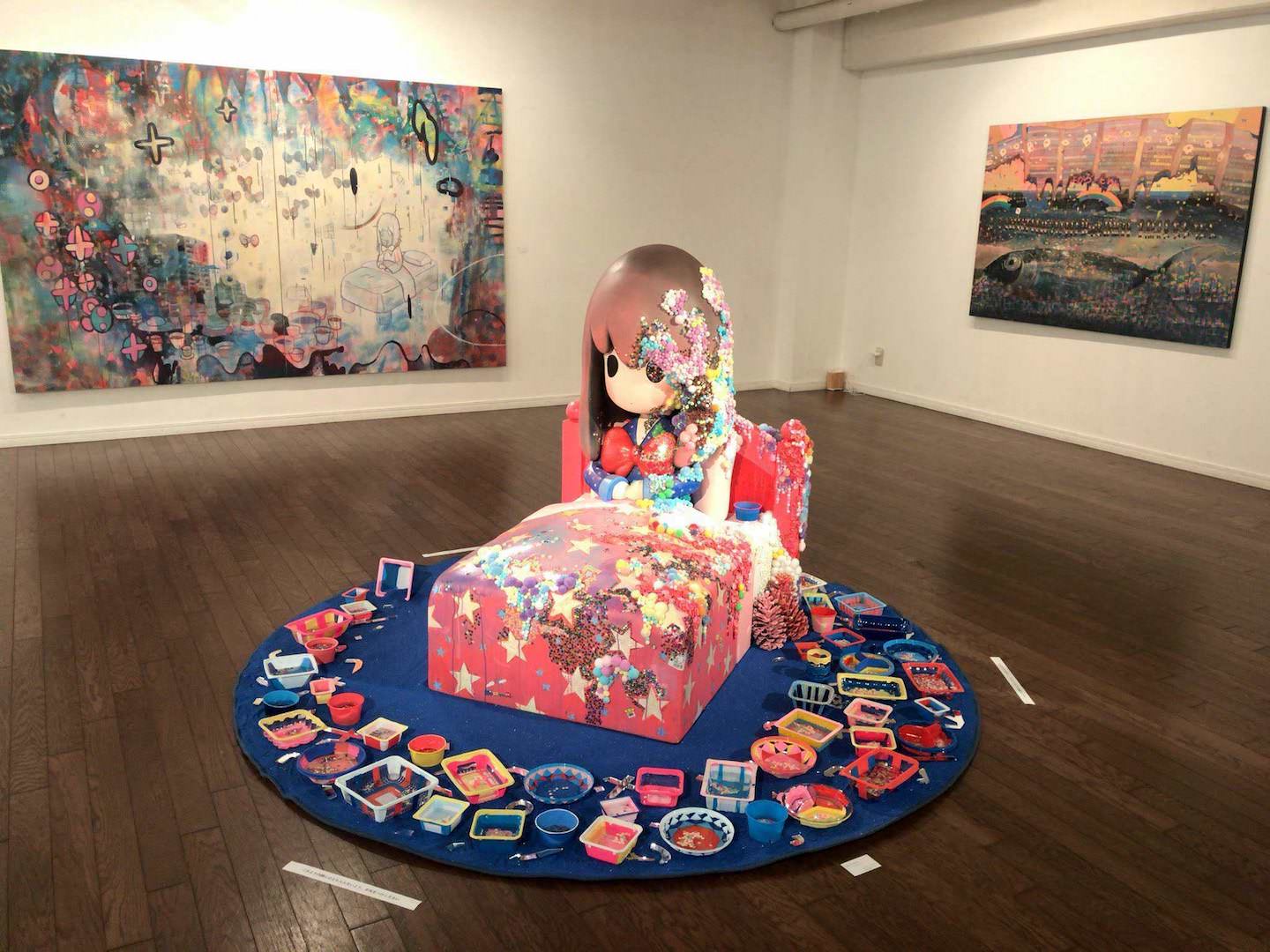
And around “Yumeshika-chan,” works depicting young girls, such as portraits, are lined up in a row.
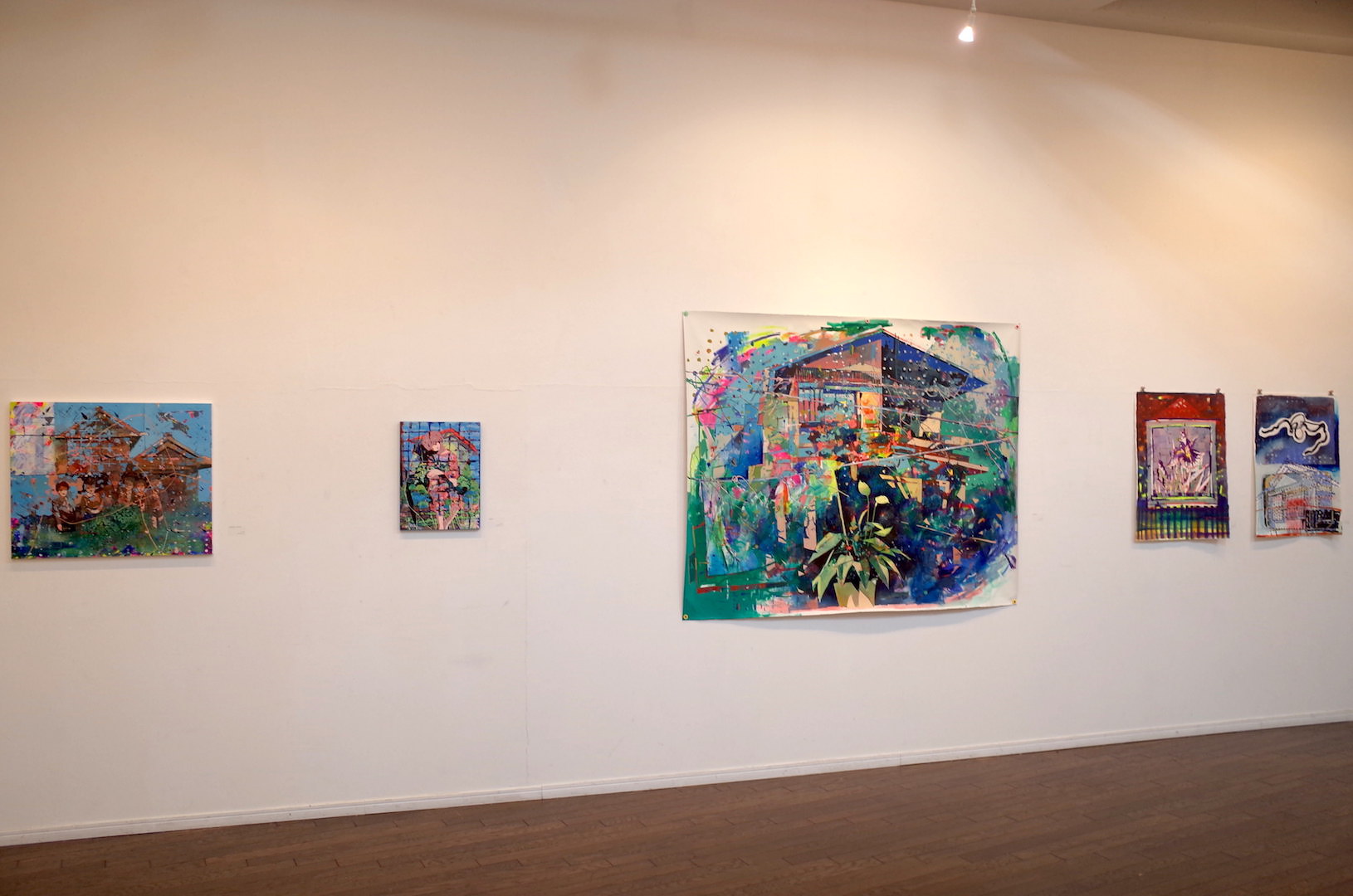
Then, looking to the right from the entrance, a large work is displayed at the back of the spacious gallery.
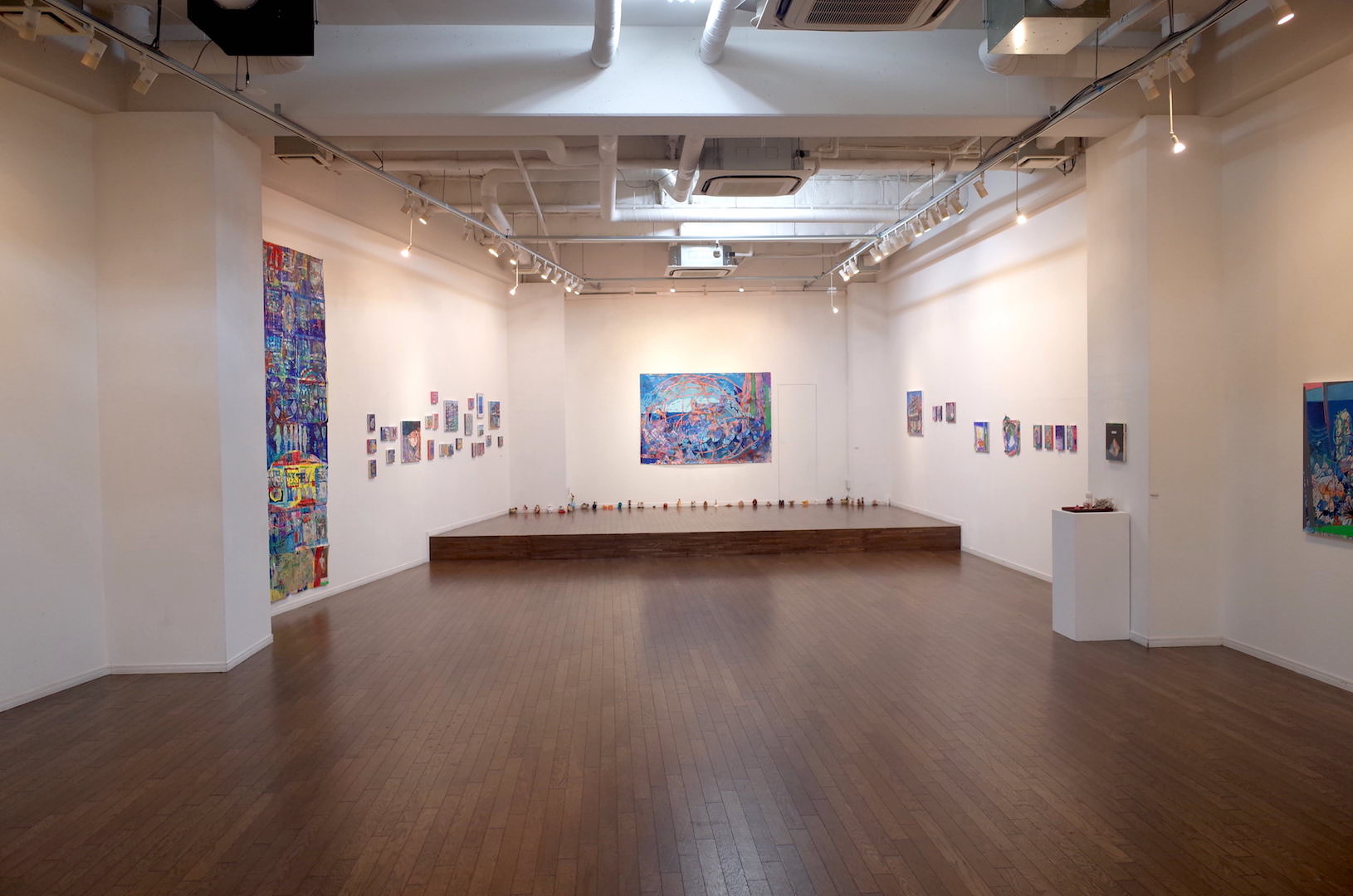
Moving forward from the near side, works depicting this exhibition’s theme, the “house,” are lined up.
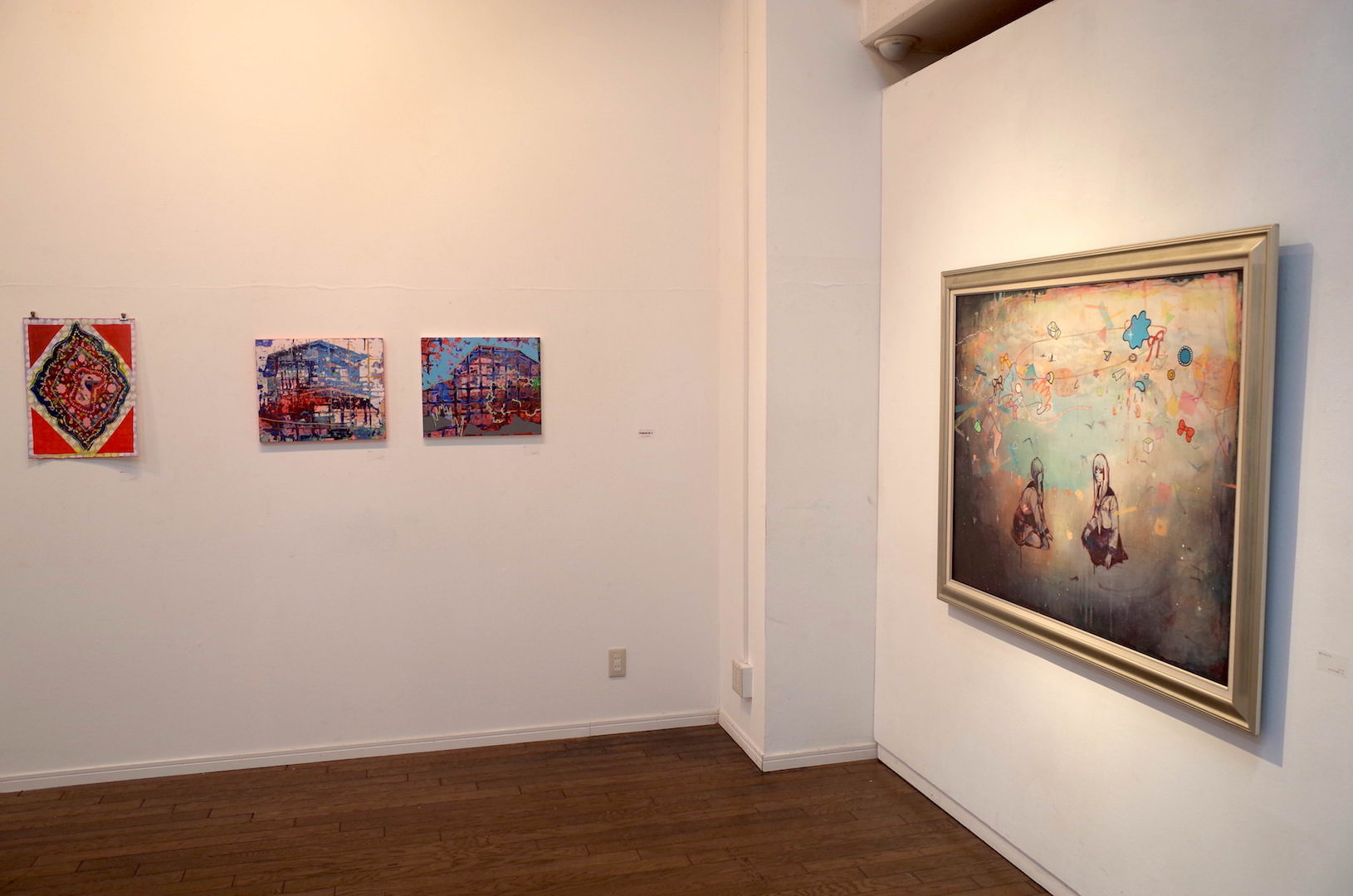
The way she paints houses, too, shows Ohtsuki’s distinctive character just as it is, which is a delight.
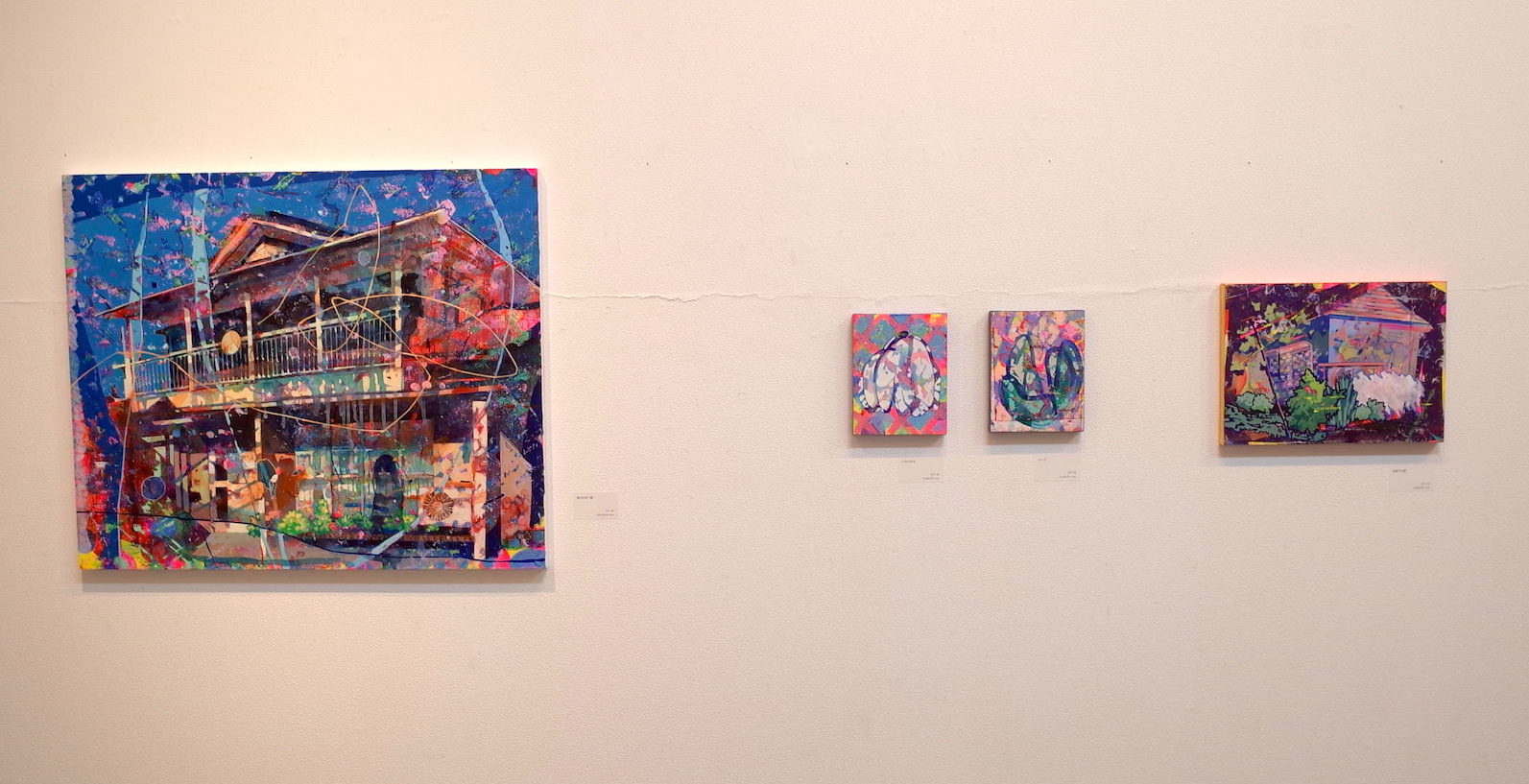
The cleverness of the title “Breathing House.” Wonderful, isn’t it!
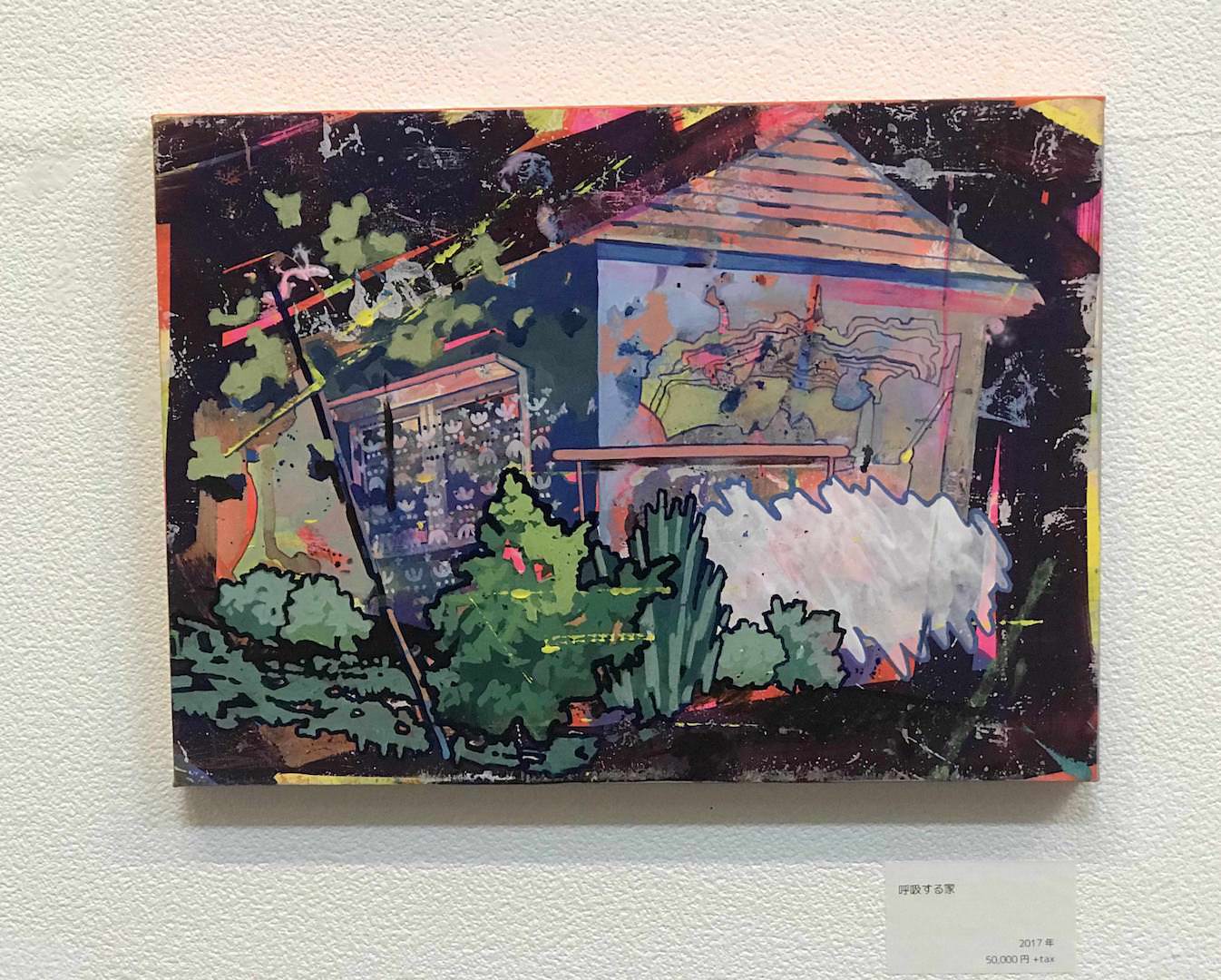
Rather than making a painting as a device for emotional projection, my stance is more about seeing whether I can pick up something with an objective gaze, like a landscape painting — so instead of confronting your own emotions, it might be more enjoyable to look at the painting and chat about this and that with others… to associate with something or be reminded of something; maybe that’s closer to the essence #生の断面 #死の断片
— Kana Ohtsuki (@KanaOhtsuki) November 5, 2017
Summary
In any case, the spacious gallery was filled with many works, and it never got boring. The file of older drawings near the reception was also an enjoyable feature, like looking back over her history. By revisiting her older work, you’re sure to feel that this had clearly become “the best exhibition in Kana Ohtsuki’s history.”
Compared with before, when she had themed her work on immature young girls, this exhibition felt as if she had changed the stage and taken on a new challenge. Behind the approachable works a solid theme is raised, and while there is an artist’s assertion, the pop use of color and Ohtsuki’s characteristic descriptive power remain unchanged, giving me a sense of very fine balance.
If more of the violent, sharp edges and the noise-like roughness were to emerge, I sense an even more interesting potential; but just what kind of works will she present from here on? The anticipation never ends.