Van Gogh & Japan
I went to see “Van Gogh & Japan,” currently on view at the Tokyo Metropolitan Art Museum.
The “Scary Paintings” exhibition being held nearby still had its usual long lines, but the Van Gogh exhibition, which I reached a little past 18:00 on a Friday, could be seen with no wait at all. On top of that, a program called the “Evening Lecture” was held that day, where you could hear a curator’s commentary, and since the venue wasn’t packed, I was able to get in easily.
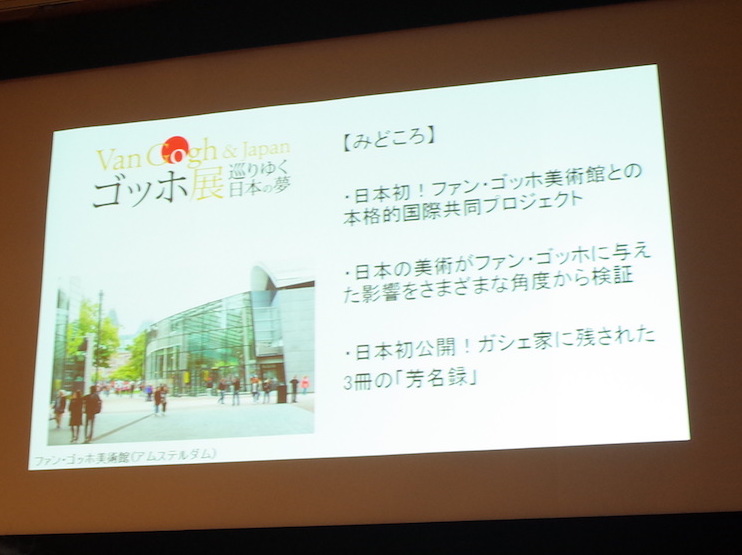
Highlights of the Van Gogh Exhibition
Photography is prohibited inside the exhibition hall, so I’ve decided to write this article using photos from the “Evening Lecture.”
The exhibition’s highlights seem to be the following three:
- A Japanese first! It’s a full-fledged international collaborative project with the Van Gogh Museum.
- An examination, from many angles, of the influence Japanese art had on Van Gogh.
- Shown in Japan for the first time! The three visitors’ books left behind by the Gachet family.
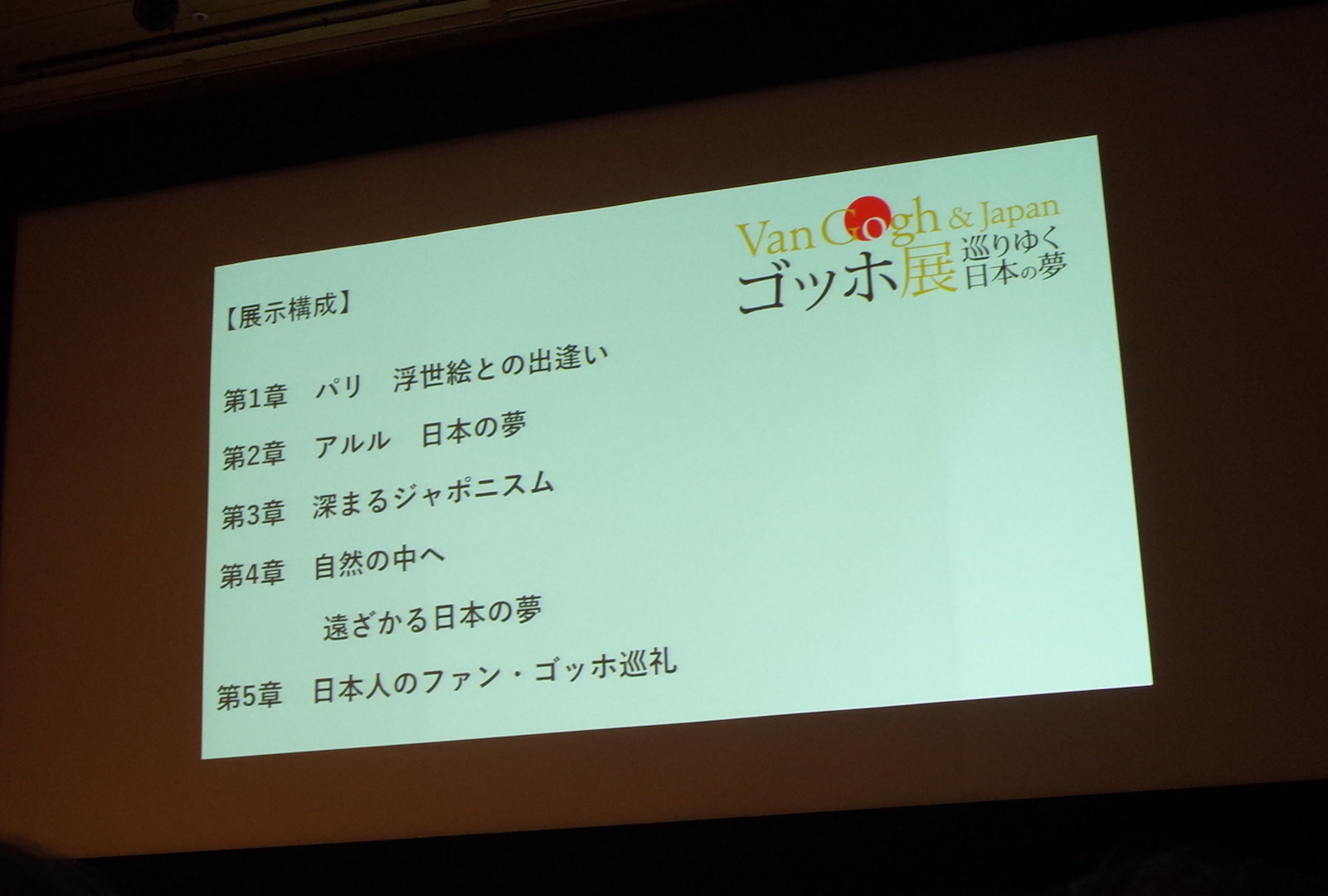
The Five-Part Structure
Chapter 1: Paris — Encountering Ukiyo-e
The exhibition is organized into five sections.
In Chapter 1, “Paris — Encountering Ukiyo-e,” at the very time Japanese art was making its way to Paris, the art dealers who bought it up in bulk brought ukiyo-e to wider notice, and awareness of it gradually spread outward from the artists of the day.
Chapter 2: Arles — The Dream of Japan
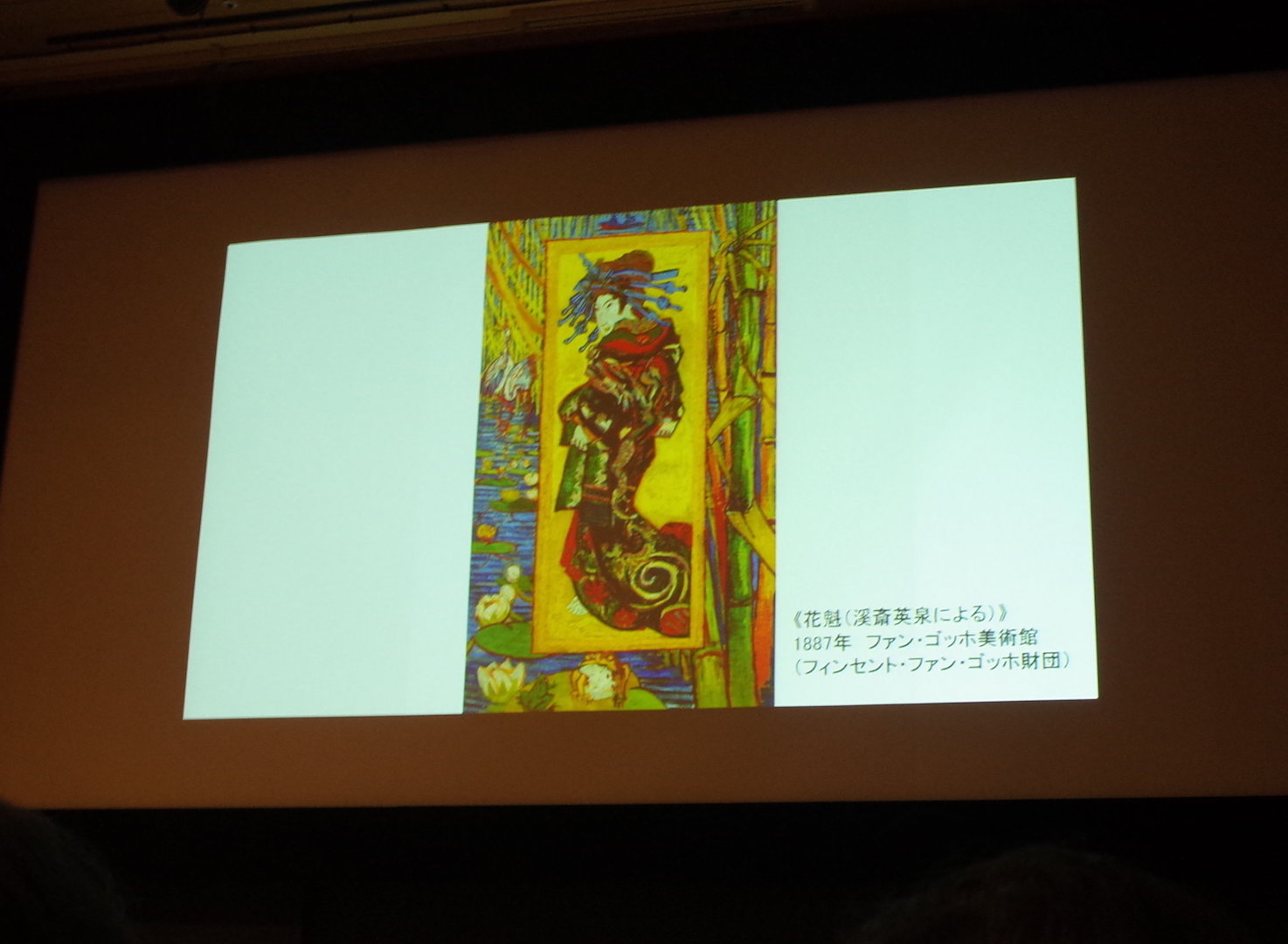
Van Gogh, who moved from Paris to a place in the south of France called Arles and continued working there, developed motifs out of ukiyo-e works and projected all sorts of varied elements into his pieces. Though he was never able to set foot on Japanese soil in his lifetime, Arles had a nature reminiscent of Japan, and Van Gogh threw himself into making work through his own sensibility.
The exhibition also lets you see scenery from Arles and more on video.
Chapter 3: Deepening Japonisme
Works by Van Gogh, who was gradually growing devoted to Japanese art, were displayed alongside the ukiyo-e and other pieces that likely actually influenced them.
What struck me most was the placement of the horizon. Japanese paintings often set the horizon high up, and there were conspicuously many works in which he imitated that and made it his own — it was fascinating.
Van Gogh apparently collected ukiyo-e and the like himself. His overflowing love for Japanese art shows up all over the place, and it made him feel like a familiar presence.
Chapter 4: Into Nature — The Receding Dream of Japan
It was in his final years that Van Gogh shifted from overtly depicting Japanese art to incorporating it naturally into his work. His pieces contain a use of color, composition, and motifs that seem to have been digested within him, and you find yourself nodding in agreement.
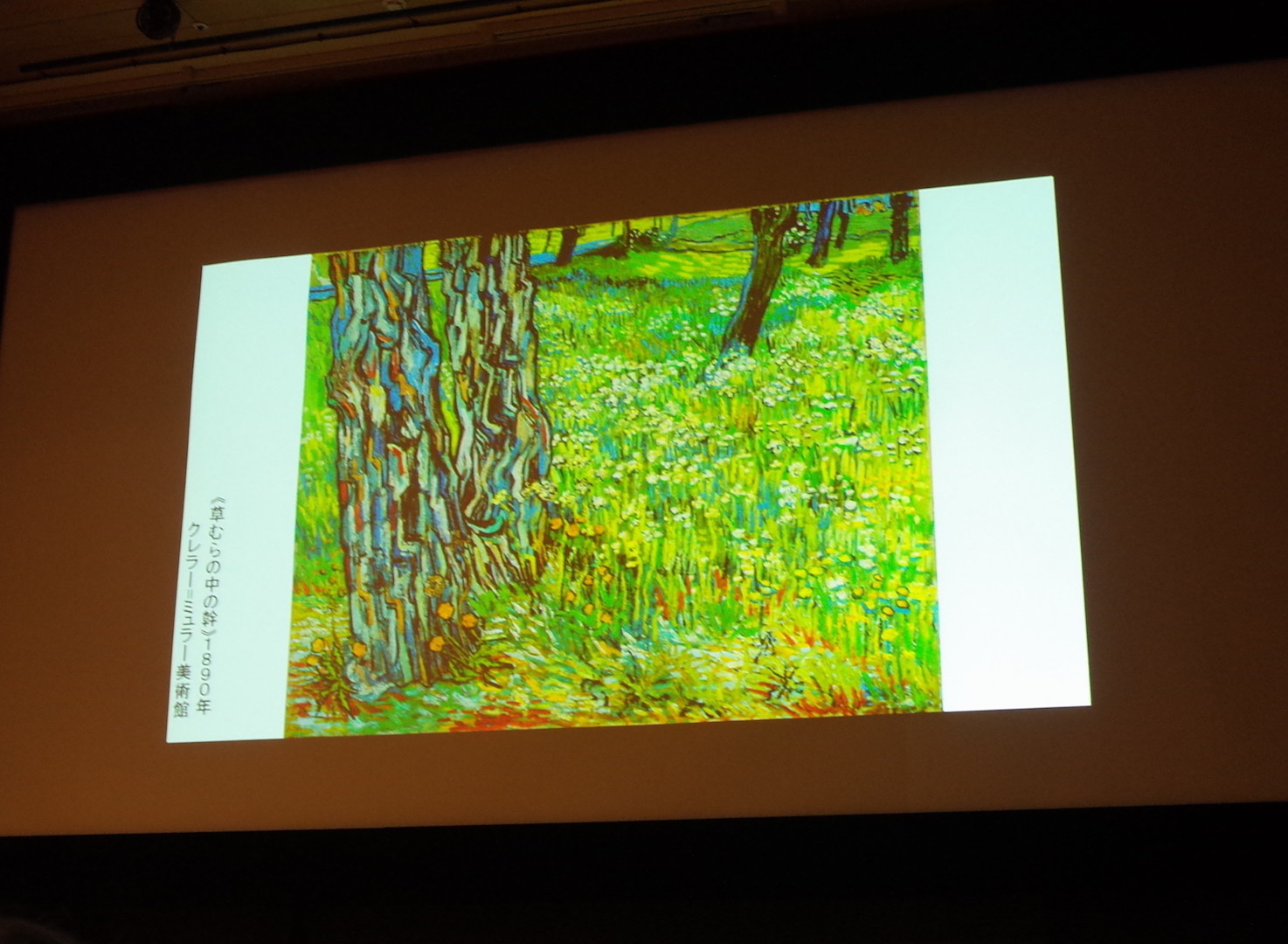
It was also striking to hear that in his final years Van Gogh increasingly used compositions lower than the horizon, closer to one’s feet. I sense a fragile state of mind, as if he were turning inward, spiritually.
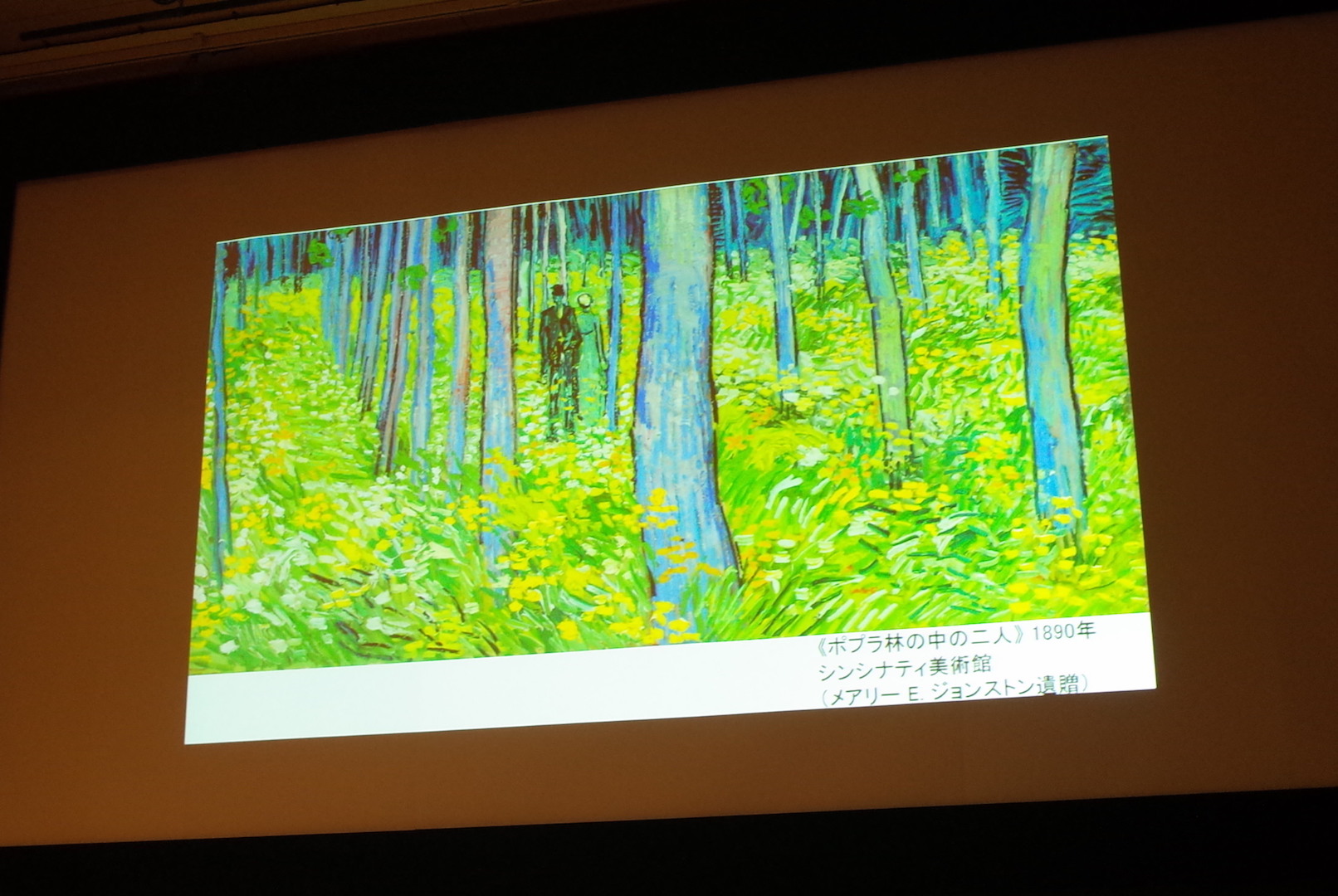
*Out of an intention that “visitors should finish on Van Gogh’s own work,” the display space for Chapter 4 was thoughtfully placed after the following Chapter 5.
Chapter 5: Japanese Pilgrimages to Van Gogh
After Van Gogh’s death, some 260 Japanese in total came on pilgrimage to the home of the Gachet family — the attending physician with whom he had a strong bond. The three surviving visitors’ books are also on display.
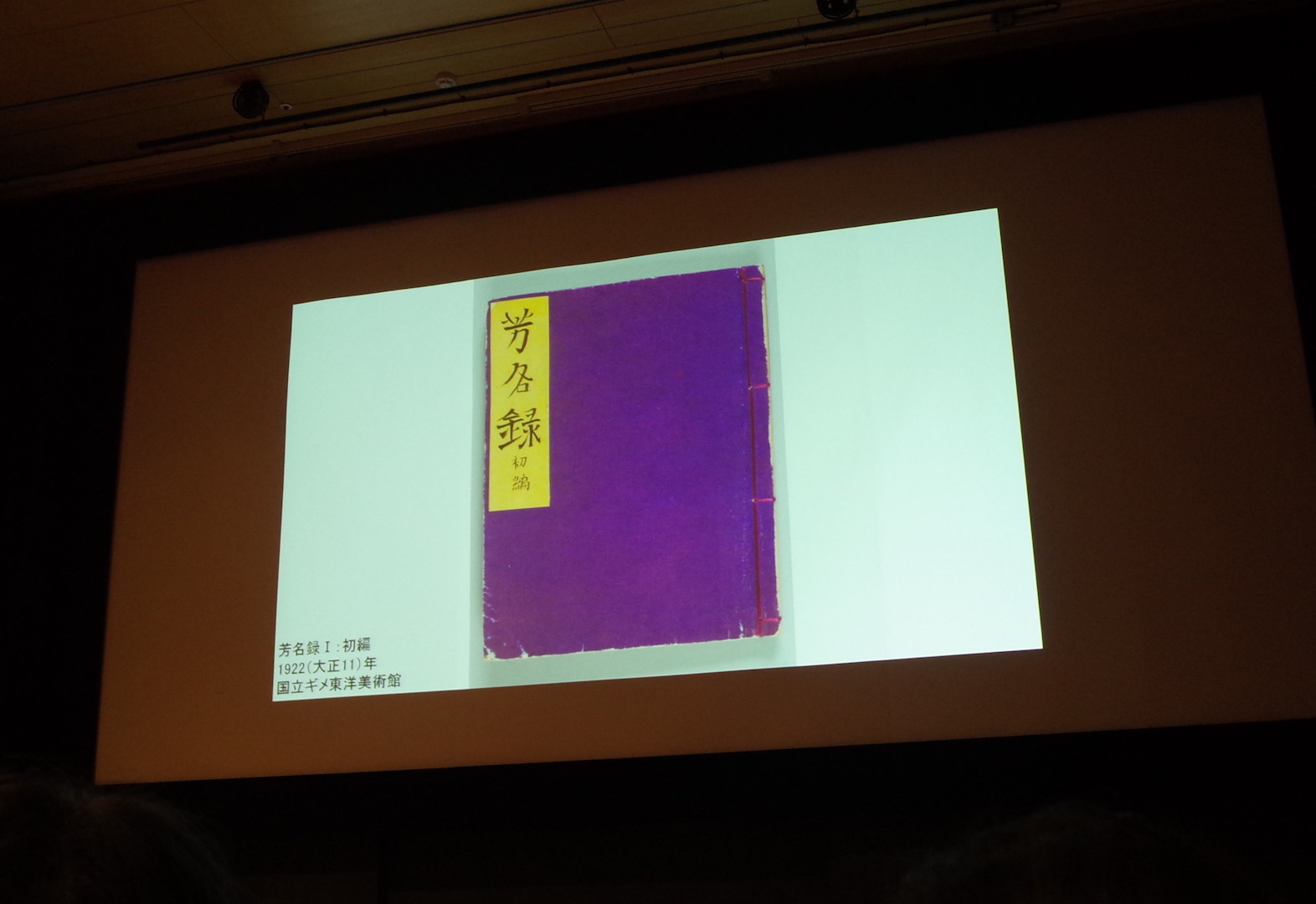
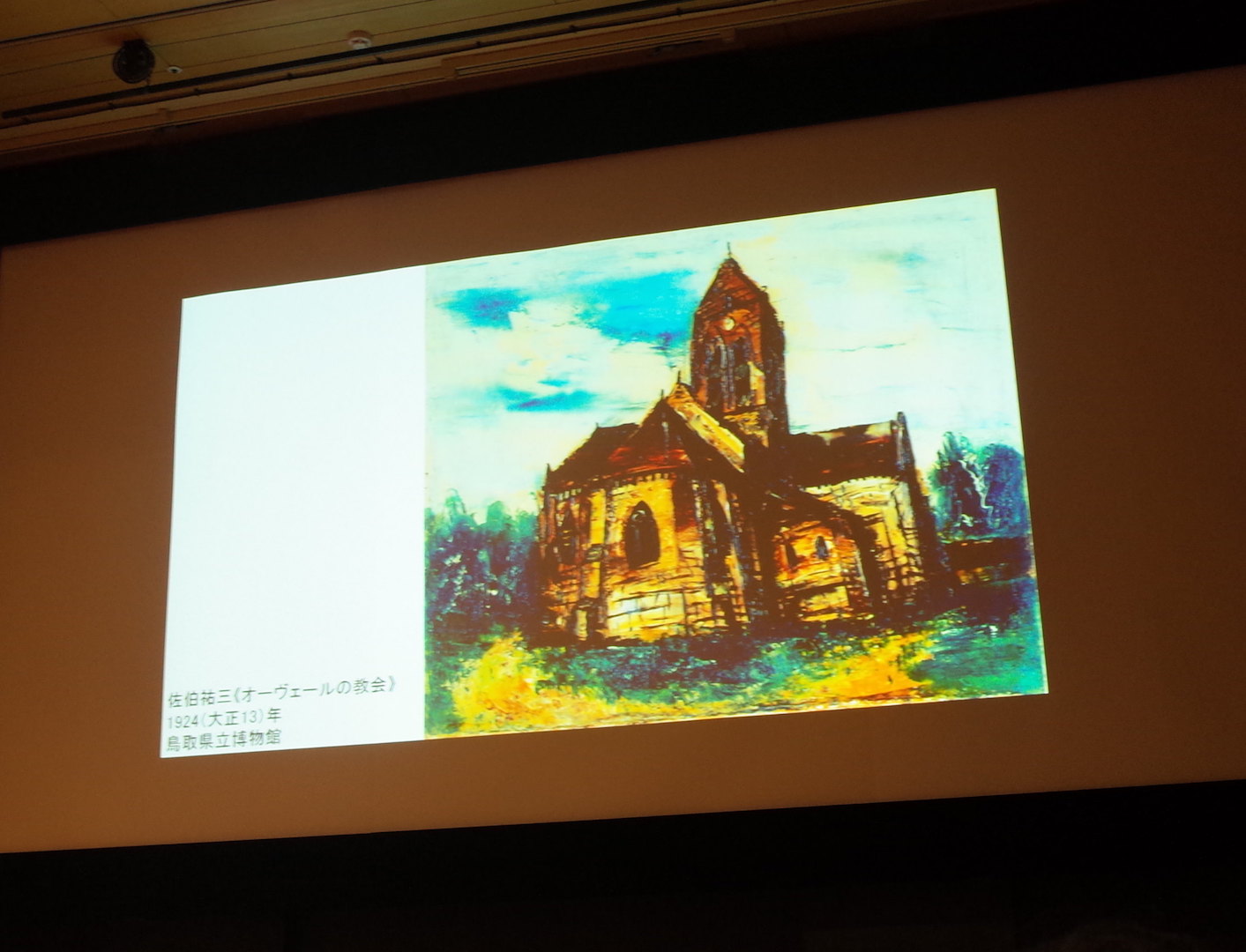
On top of that, works relating to Van Gogh that those Japanese left behind were also exhibited.
A Copying Project by a Japanese Artist
In the film “Loving Vincent” (ゴッホ〜最後の手紙), screening at the same time as the exhibition, the sole Japanese painter to take part was Yoko Koga, and Van Gogh works painted by Yoko Koga were also on display.
https://art-on.jp/loving-vincent/
At a glance it’s Van Gogh, but look closely and you can clearly tell it’s different. As you’d expect, you just can’t copy him.
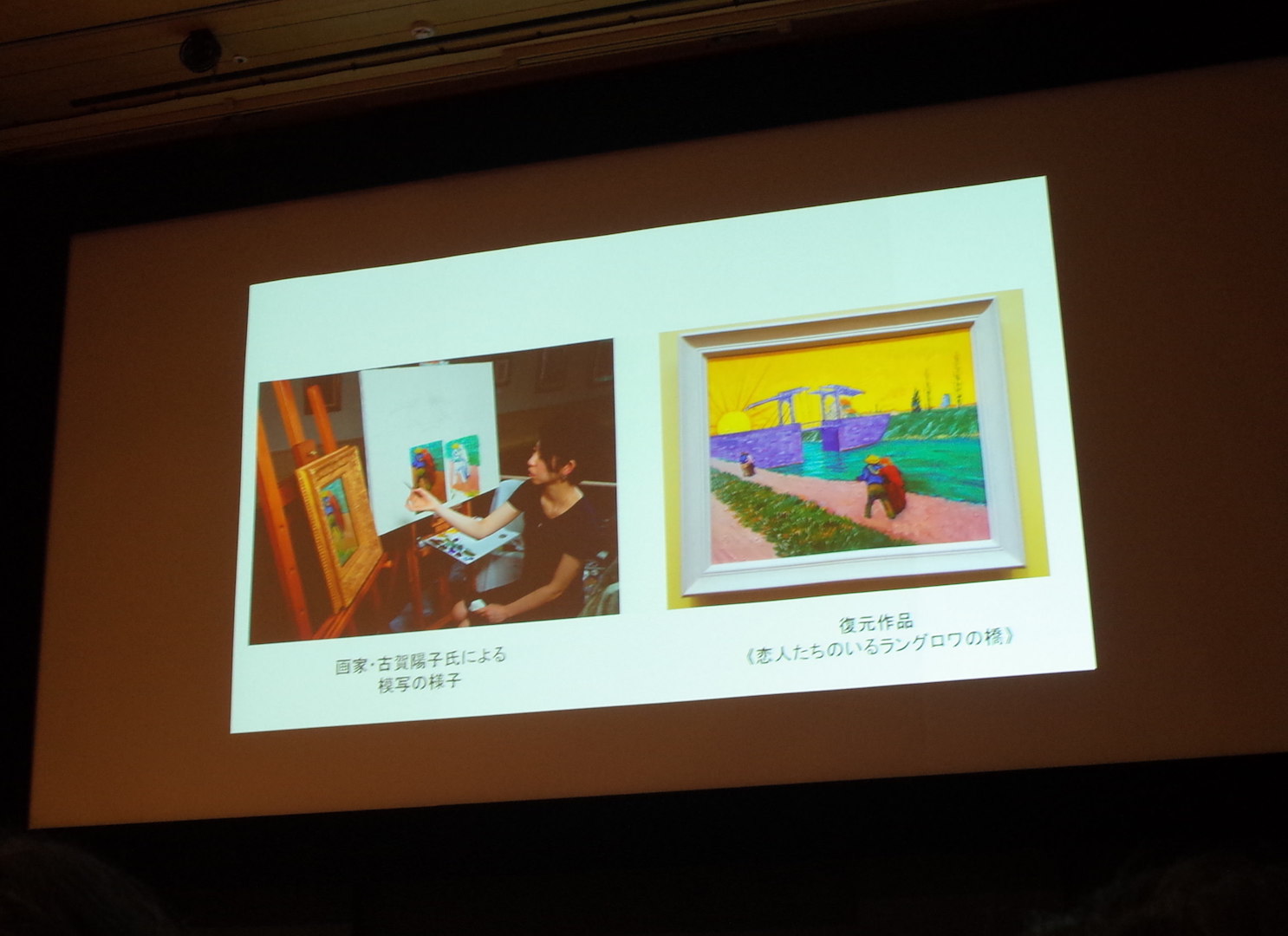
In the course of the reproduction process, Yoko Koga touched on Van Gogh’s brushwork, saying something to the effect that “he uses extremely advanced technique.”
I, too, looked at the works up close, and I got the feeling that he doesn’t actually paint quite as thickly as the impression that lingers in memory. When you view the works right up close, you notice all sorts of other emotions welling up as well.
Bonus
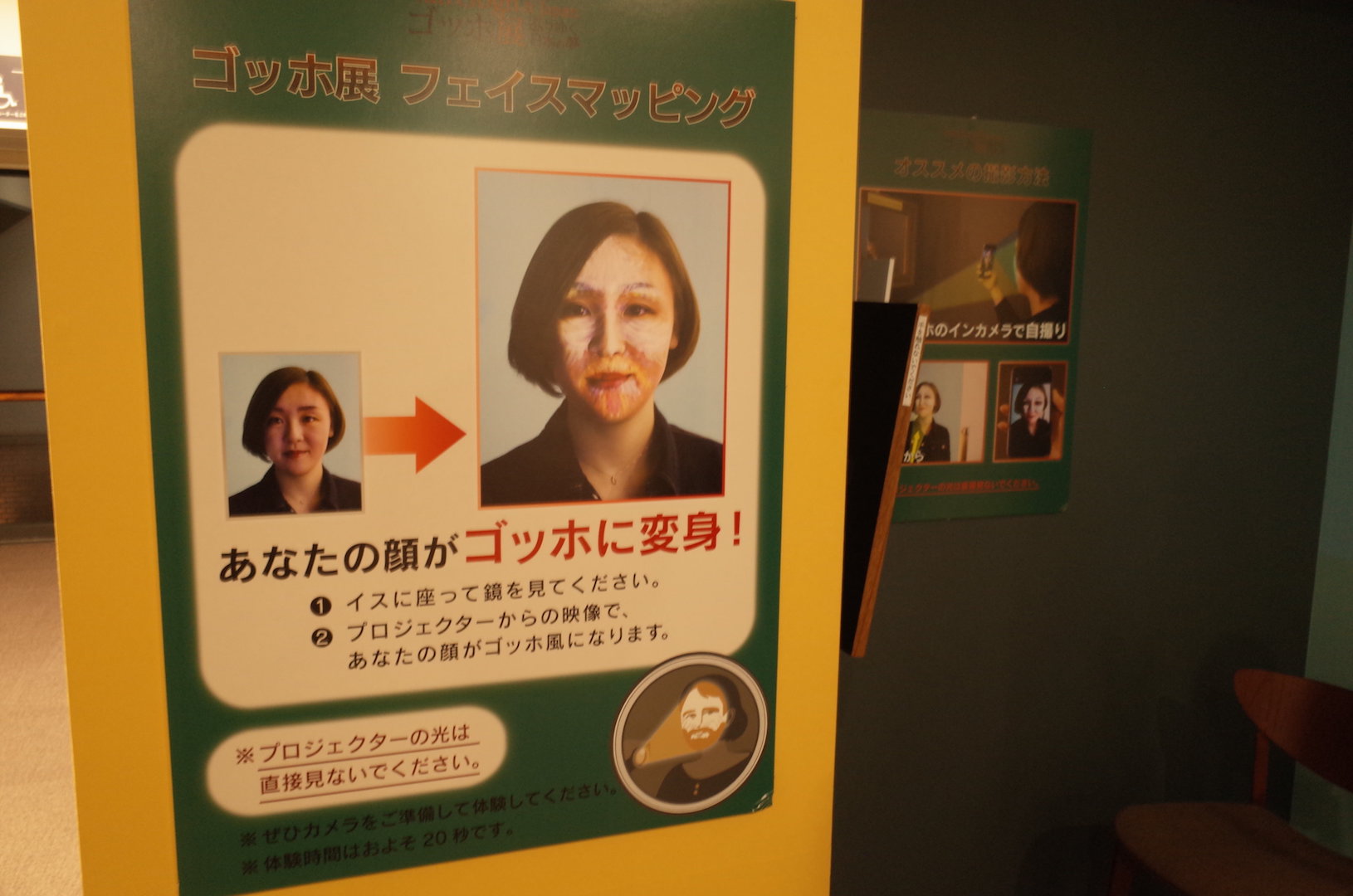
There was a booth set up where you could step into a purikura-like box and try out “face mapping.” Maybe it wasn’t working well — some people came right back out as soon as they went in. Perhaps it’s tricky to operate…
In Summary
“Van Gogh & Japan” is an exhibition that skillfully presents the artist Van Gogh by pairing him with Japan. Six years passed from its conception to its realization, and the content was superb.
Beyond simply grasping just how conscious of Japan he was, it was for that very reason that I also felt, at the same time, the love the Japanese hold for Van Gogh.
I think this sort of “project that presents works through a particular angle” can at times have an aspect that makes it harder to take in the artist’s own will and feelings, but in terms of deepening one’s understanding of the works, I very much hope such efforts will continue to be actively pursued going forward.
As for the “Evening Lecture” program as well, being able to hear such carefully organized commentary helped deepen my understanding. I hope they’ll hold them more actively from now on.
art on Score
Number of works: ★★★★☆
Planning & structure: ★★★★
Rarity: ★★★★
Crowding: ★★★
Merchandise & purchases: ★★★
Cost performance: ★★★☆
Recommendation: ★★★★
*This is strictly the author’s subjective view. It is not an evaluation of the works.