Production Grant Program @ Obayashi Foundation
The background of this exhibition is the production grant program of the public-interest incorporated foundation “Obayashi Foundation.” Because it’s established as a support program, it’s a free-admission event, but with the theme “visions of the city,” the one selected from about 30 candidate artists was Makoto Aida.
Since it’s an important point, I’ll quote the following from the official site.
This foundation started, from this fiscal year, a grant system called “Visions of the City – Obayashi Foundation Research Program.” This decides, once every two years, domestic and international artists with rich, free ideas and a strong interest in how cities should be, based on recommendations by five recommending selection committee members, and has them research and consider various urban problems from a viewpoint different from conventional urban planning, and propose and advocate cities one would want to live in, and new or ideal ways cities should be. A grant system supporting artists’ activities of researching and considering the city as a theme is unparalleled, and in that sense it’s a unique attempt.
We hope that, through this new grant system, the way cities are advocated by artists brings a new viewpoint to experts active in various other fields related to cities, and that urban research overall develops more and more.
An auspicious day in October 2017
Obayashi Foundation (public-interest incorporated foundation)
Chairman Takeo Obayashi
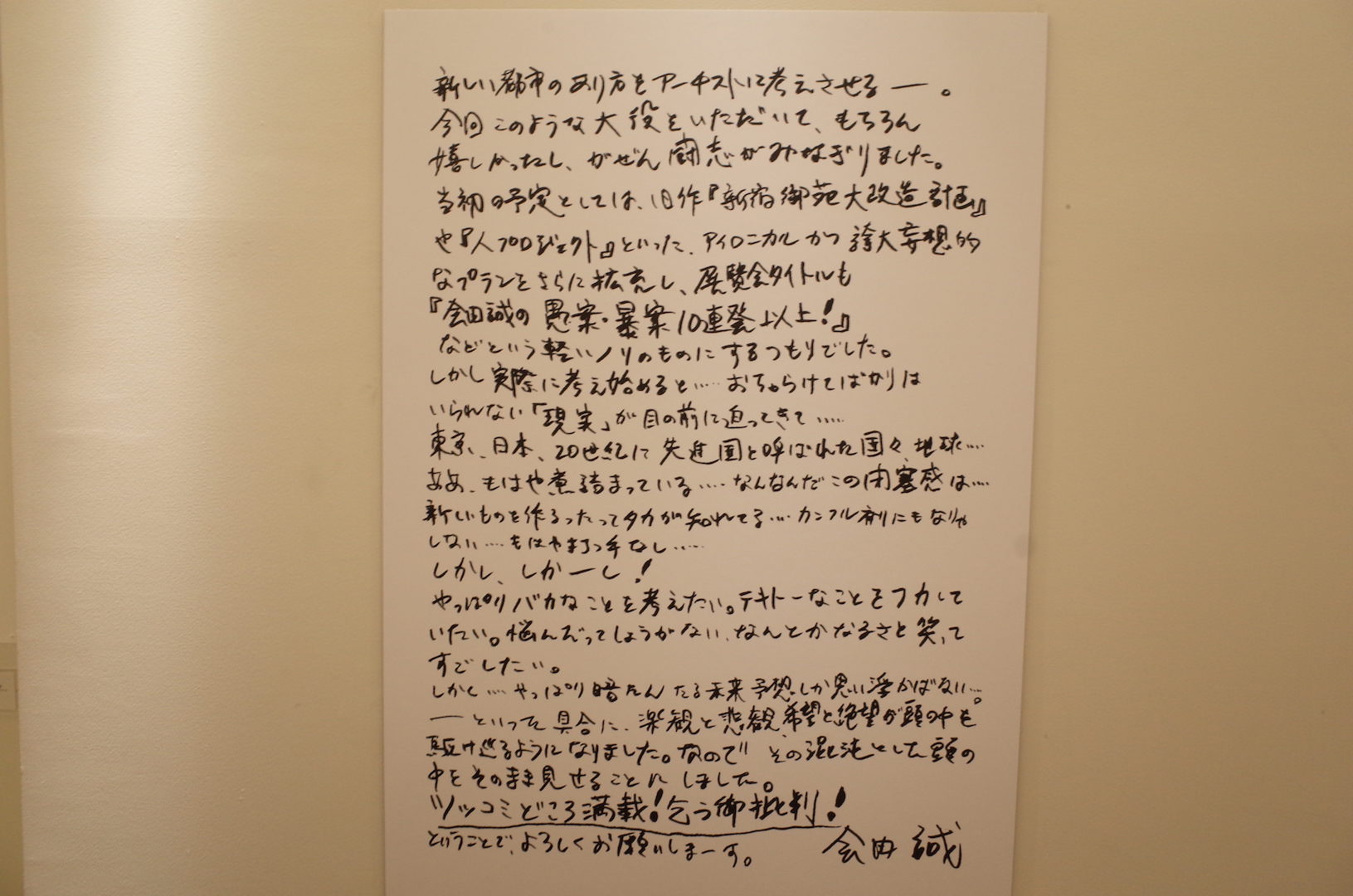
Such public efforts usually become banal and dull, but as if answering the judges’ discernment in choosing Makoto Aida, Aida’s own performance crystallized into something full of power. It became a wonderful exhibition, so I’d like to introduce it.
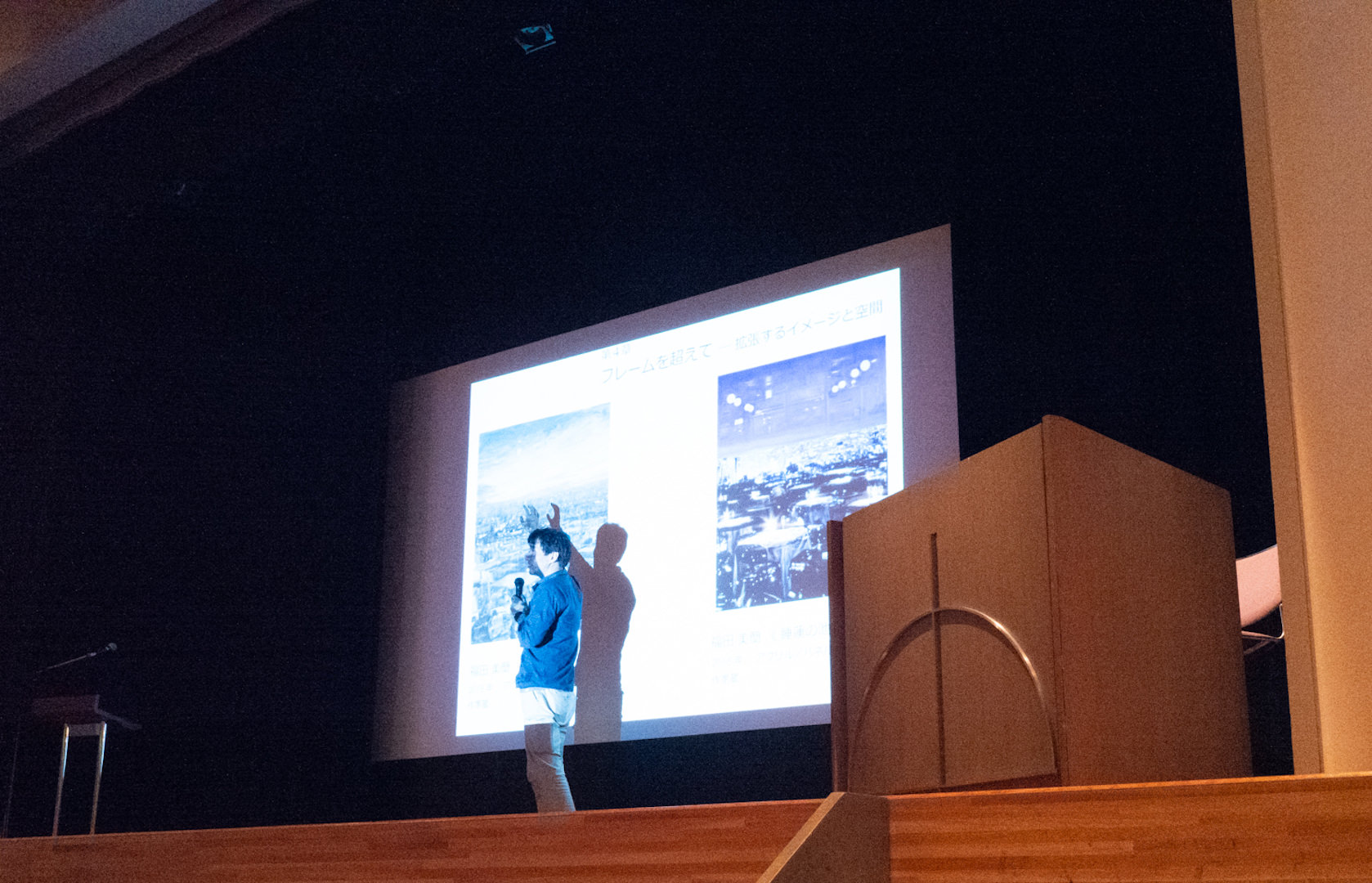
Also, this article includes comments from Makoto Aida’s own presentation held at Roppongi Hills on the second day of the solo show.
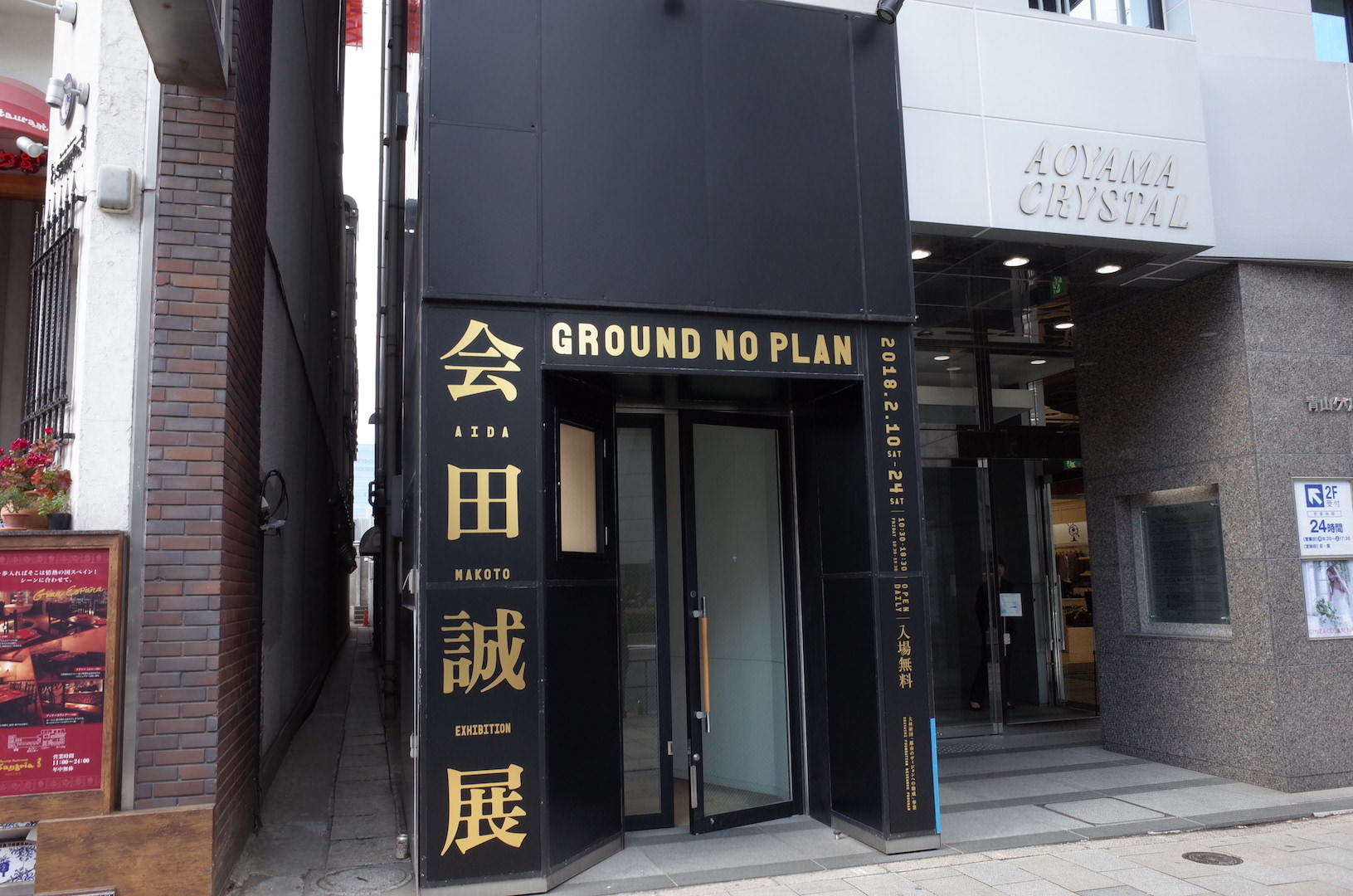
Makoto Aida “GROUND NO PLAN”
The exhibition space is two basement floors of a building near the Omotesando intersection. You enter while feeling the interest of it not being a normal gallery but using a tenant space of an office building.
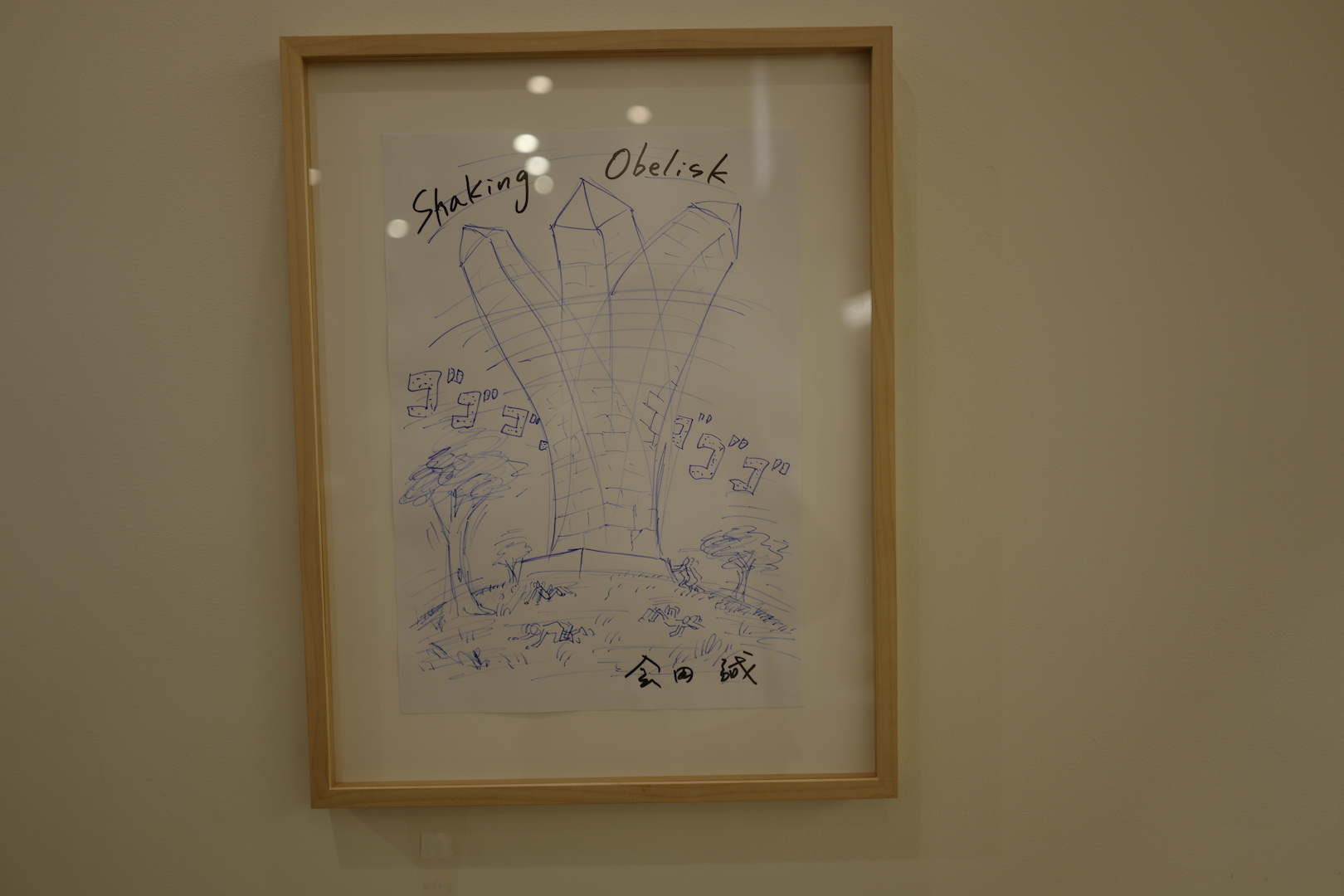
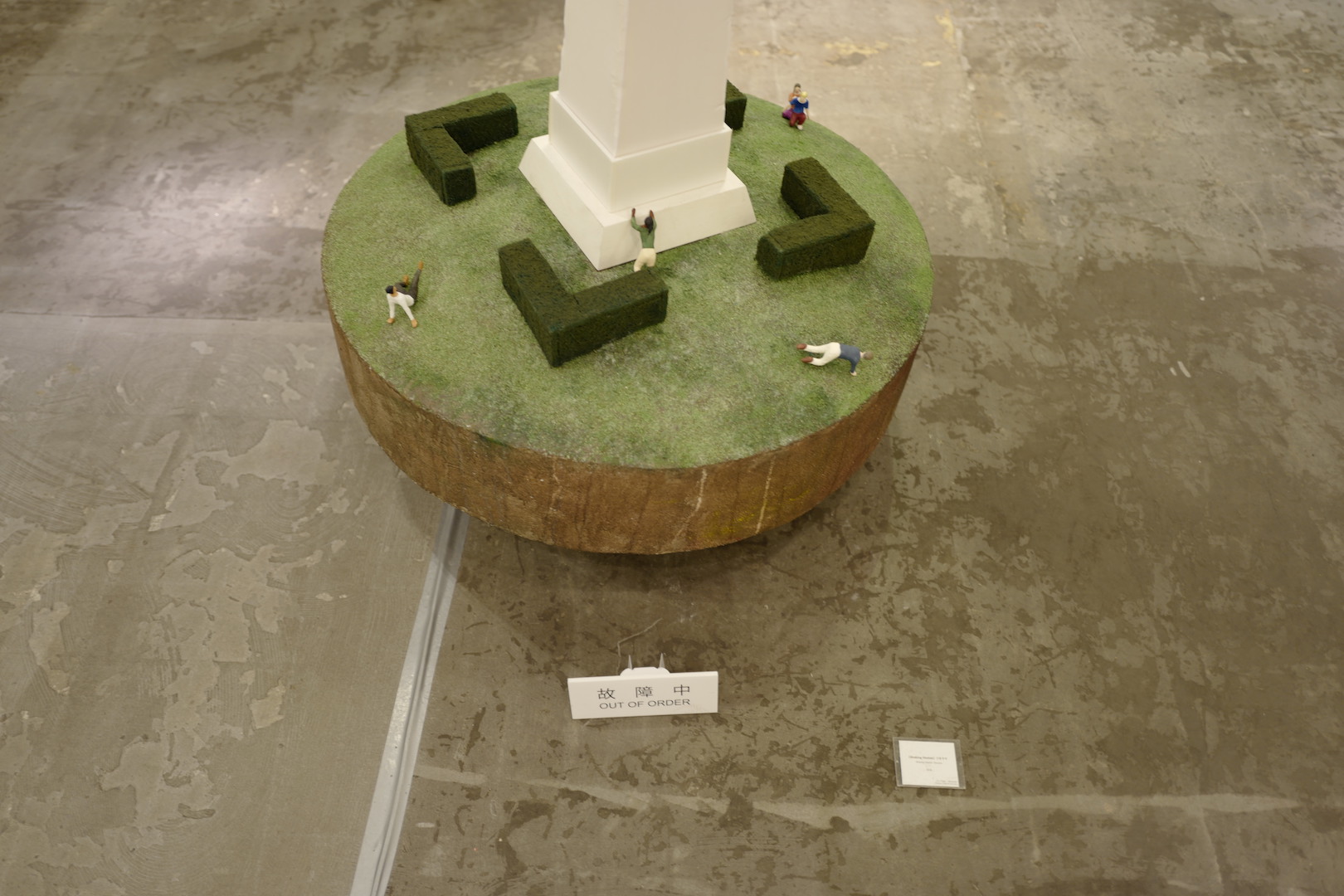
What inevitably catches your eye upon entering is a mechanically moving monument called “Shaking Obelisk.” The monument, moving while emitting mechanical sounds and writhing, moves around hard and intensely as if to shake off our daily life and preconceptions.
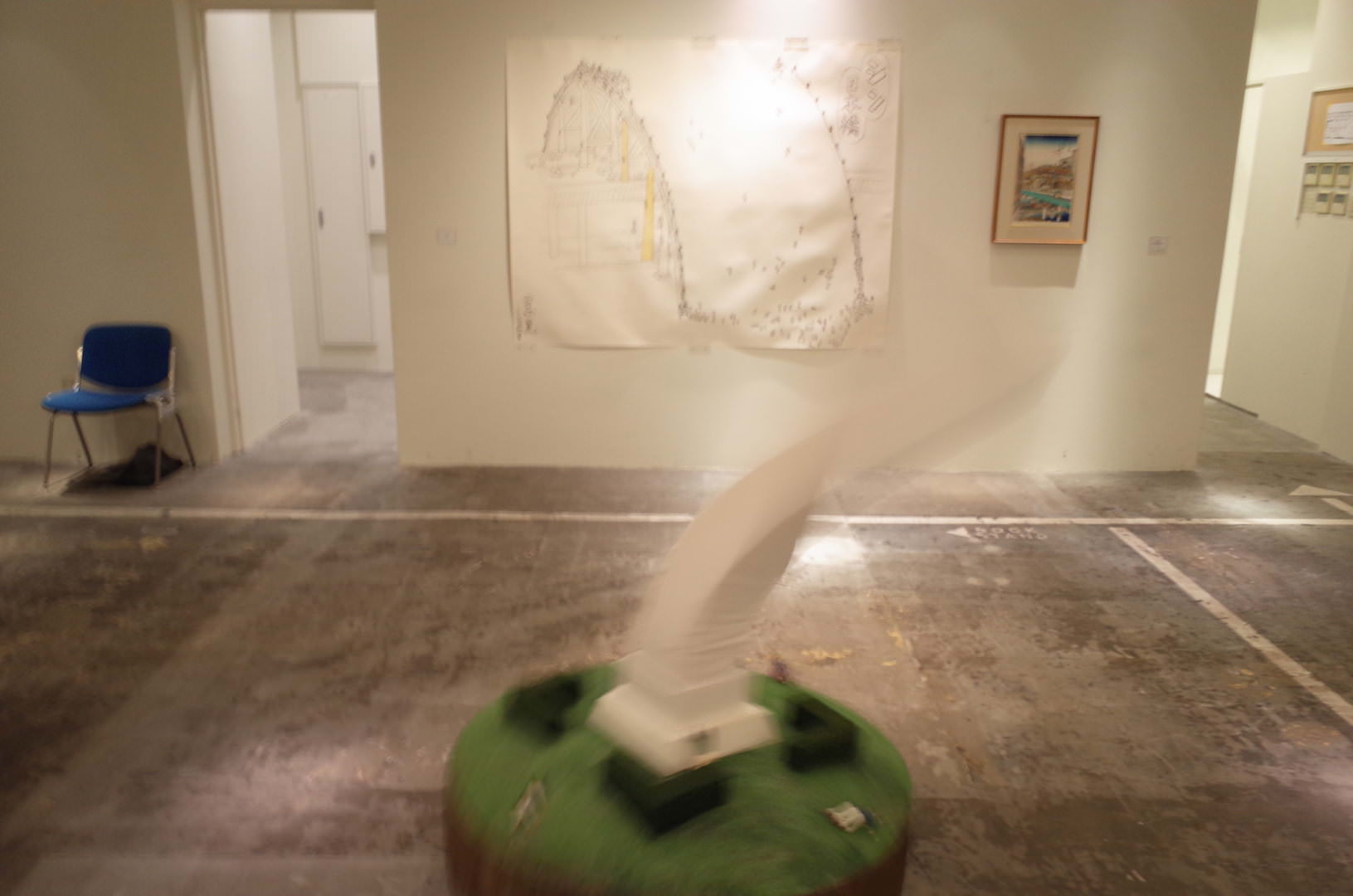
Perhaps it moved too intensely—when I revisited mid-run on February 18, it was in the situation shown in the photo below (laughs).
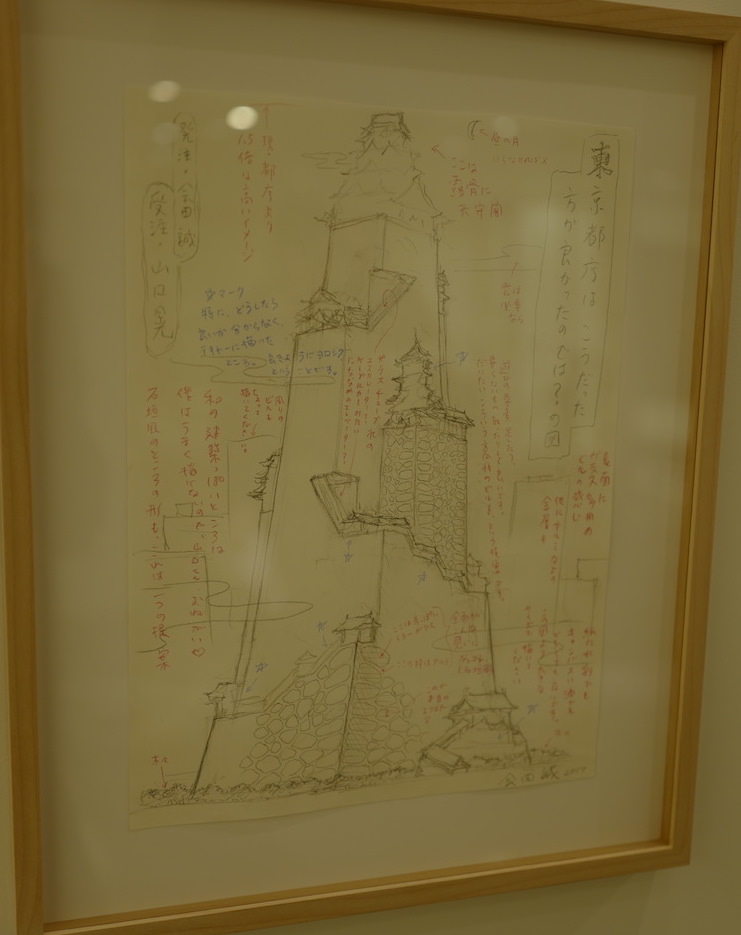
Tokyo Metropolitan Government Building
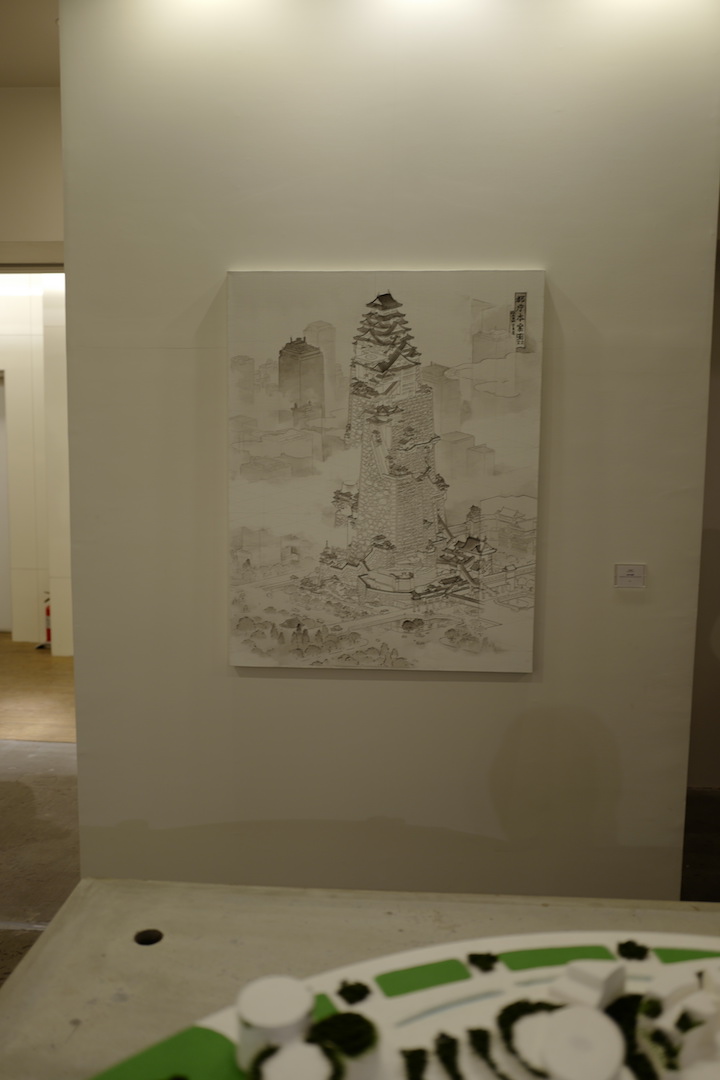
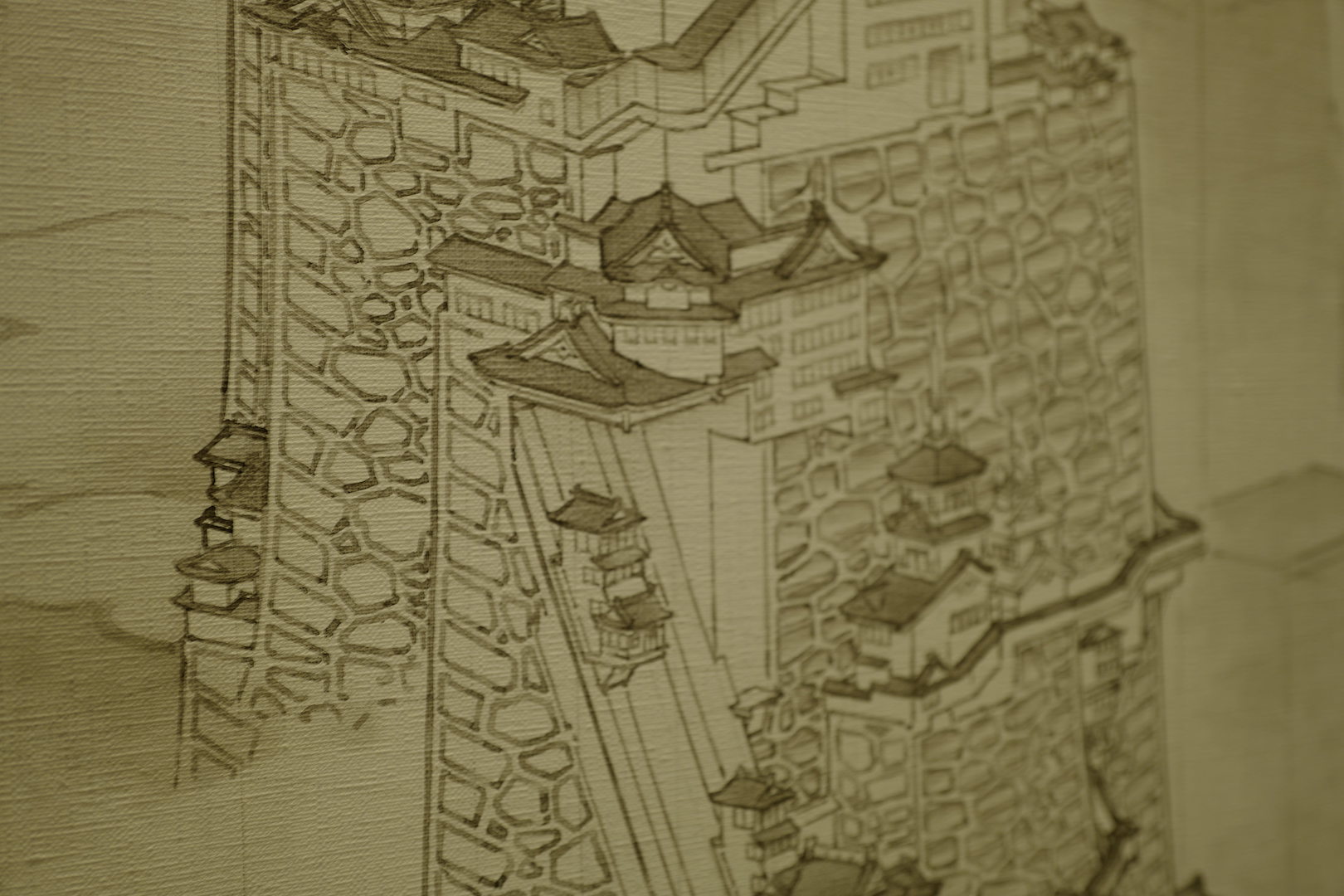
For the photo below, “A Diagram of How the Tokyo Metropolitan Government Building Might Have Been Better,” a design drawing was passed from the ordering side, Makoto Aida, to Akira Yamaguchi.
Here is the work drawn according to the design. Amazingly, it’s a work that wasn’t finished during the run. *It will apparently be completed after the run (per Makoto Aida).
Look closely and there’s a heliport.
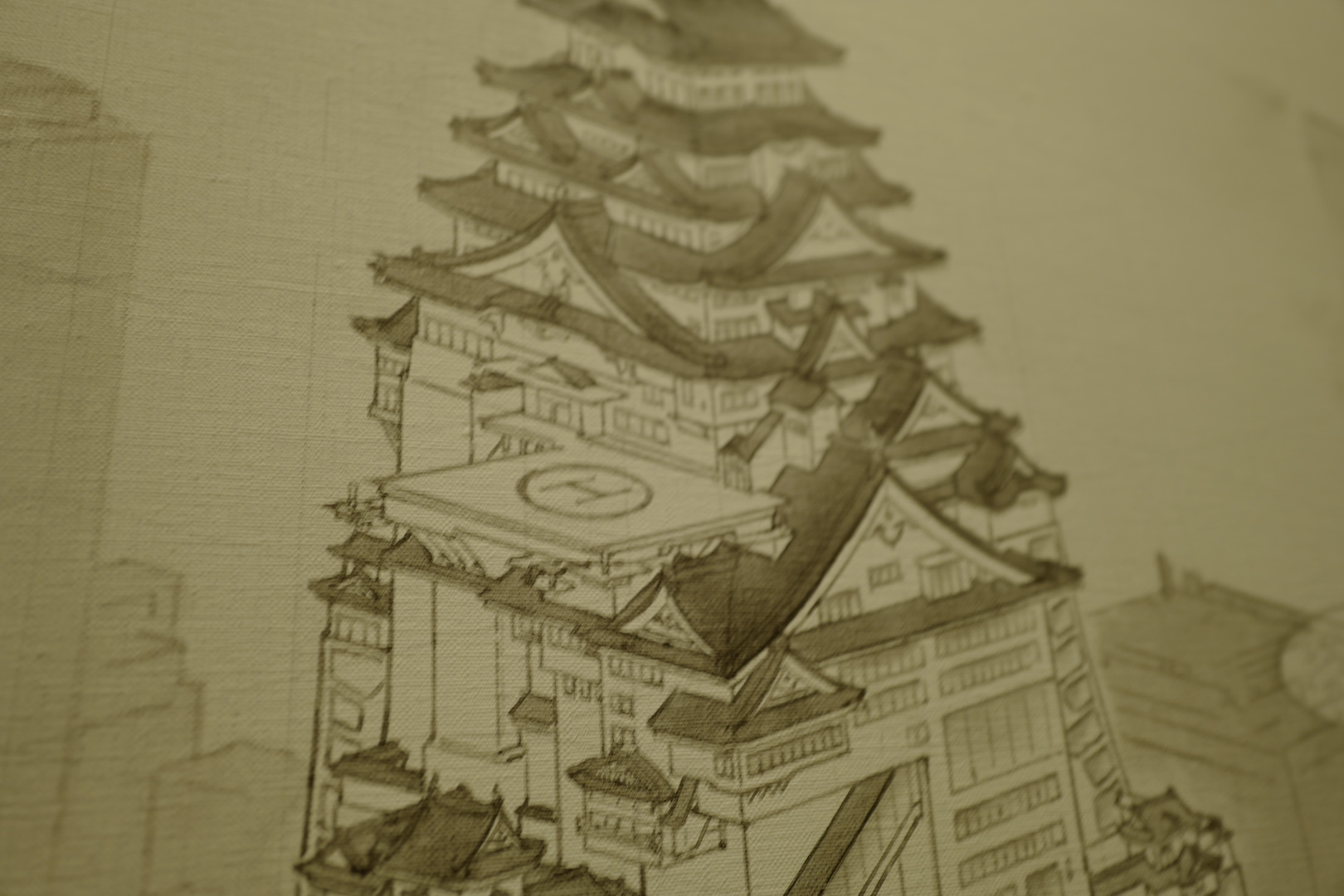
The escalator part is also expressed comically.
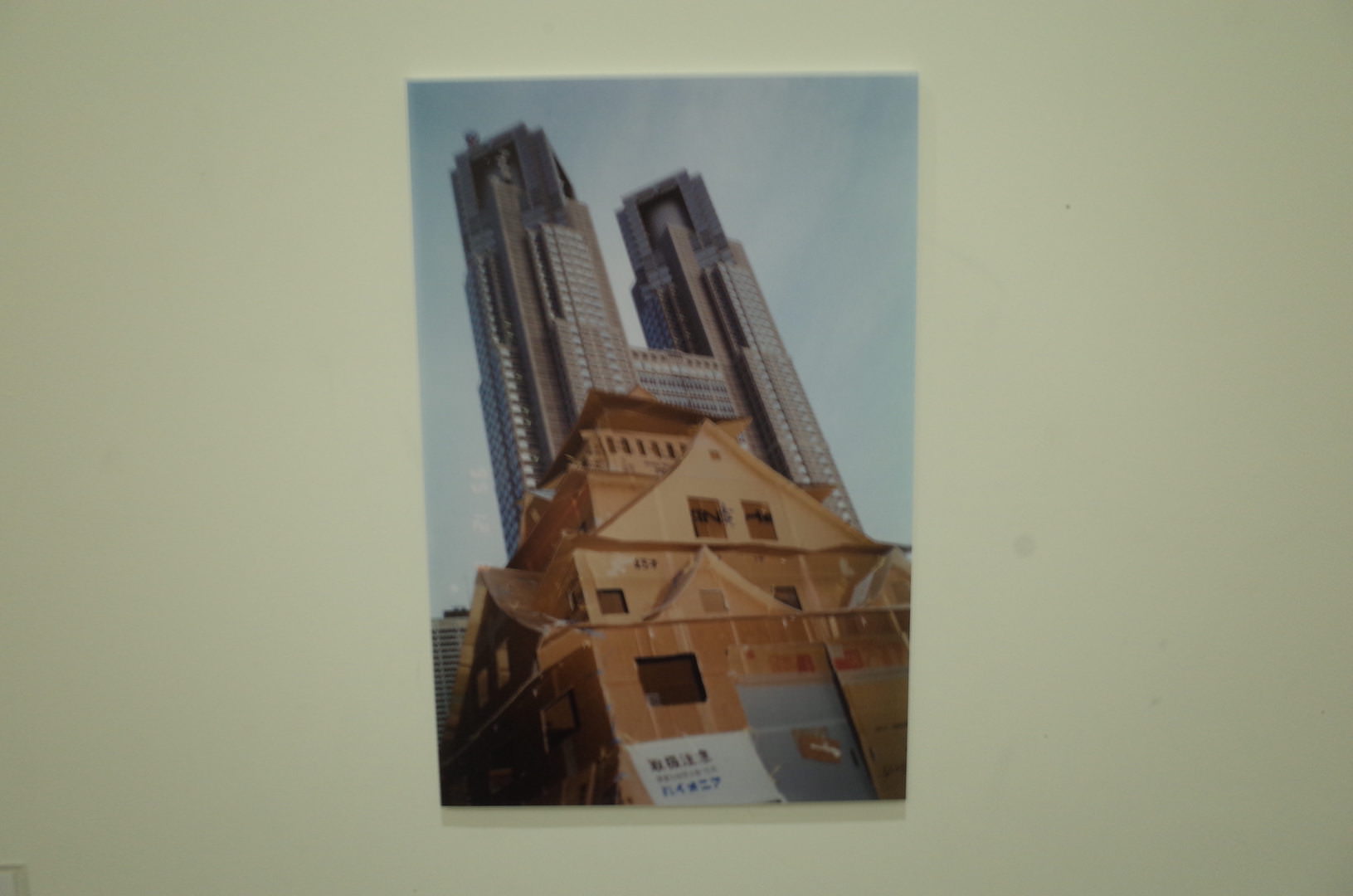
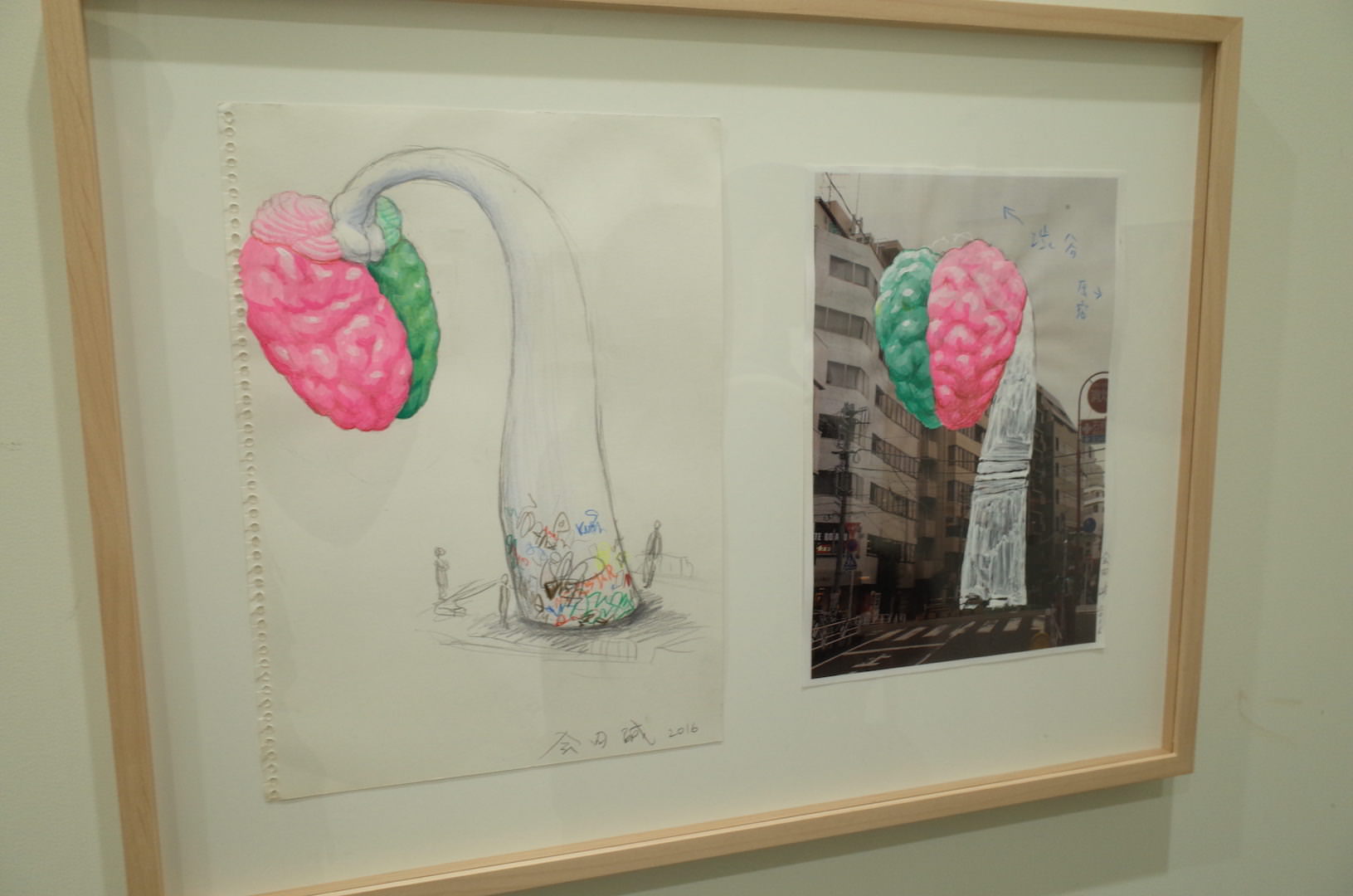
Shinjuku Castle
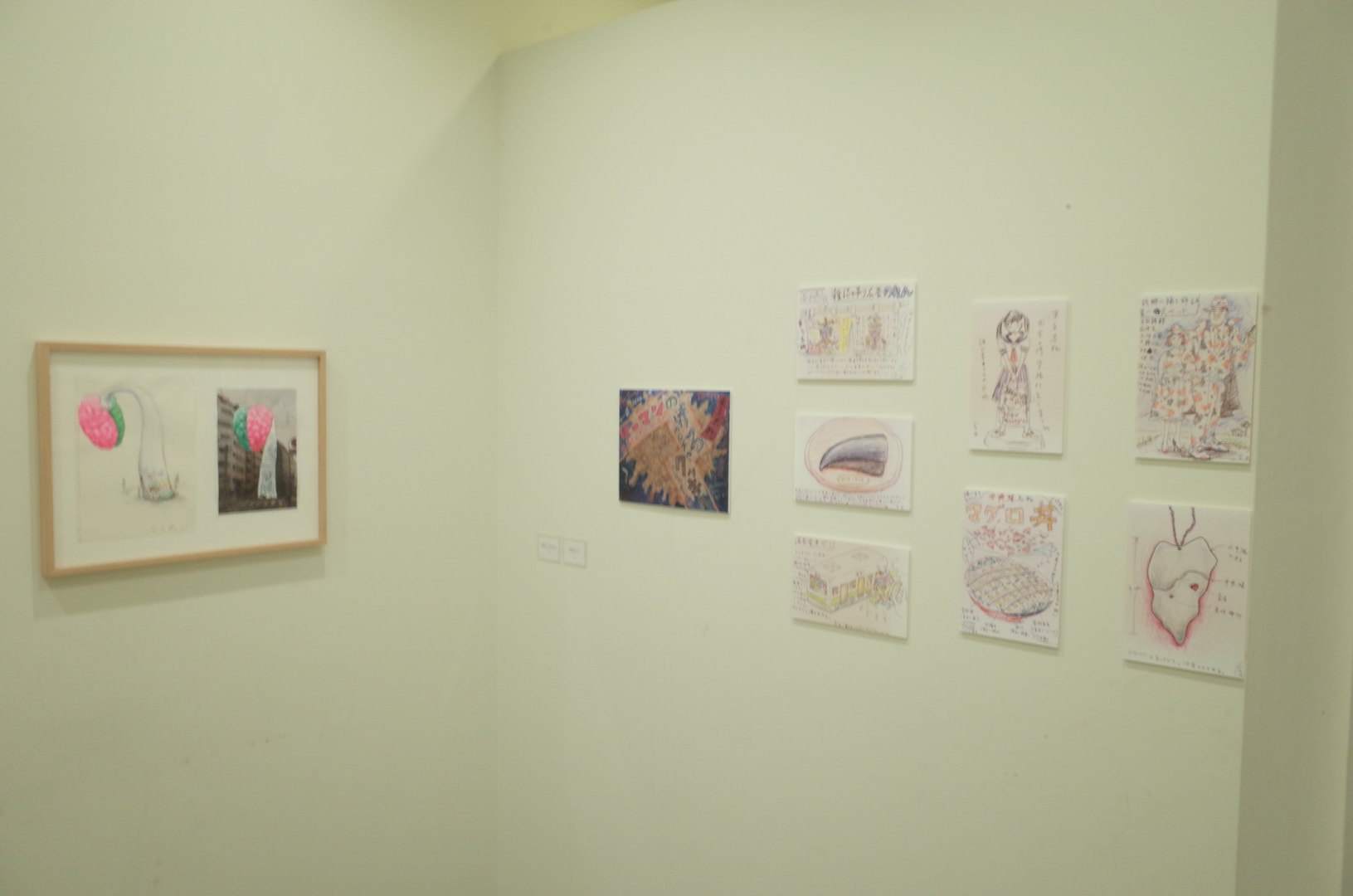
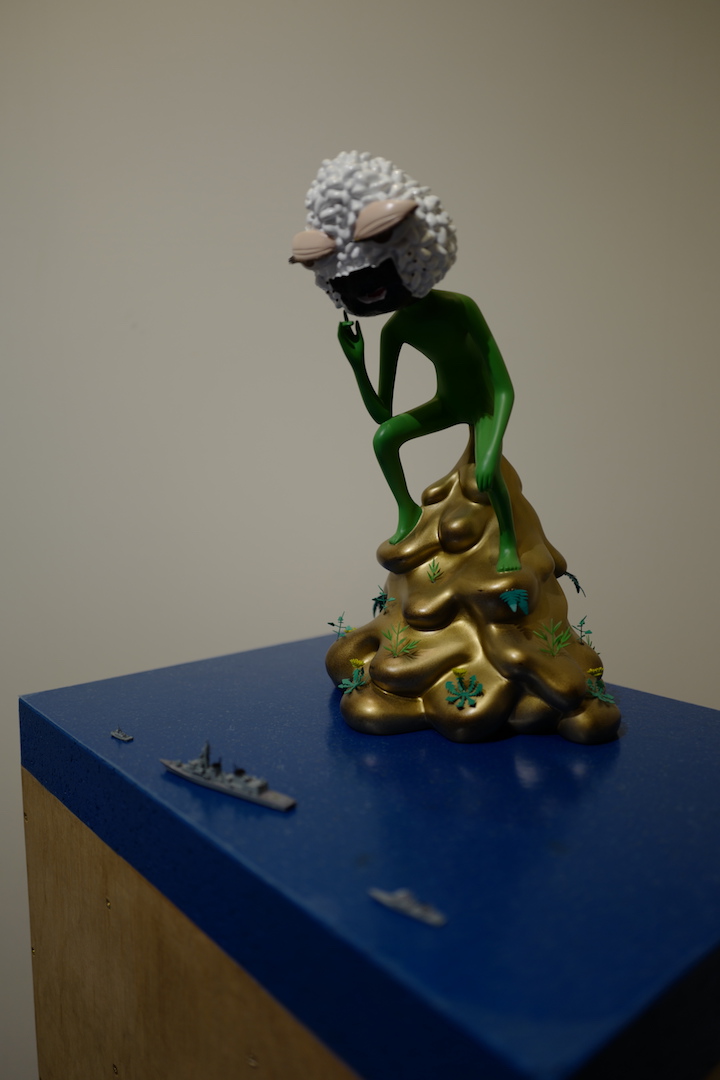
The Non-Thinker
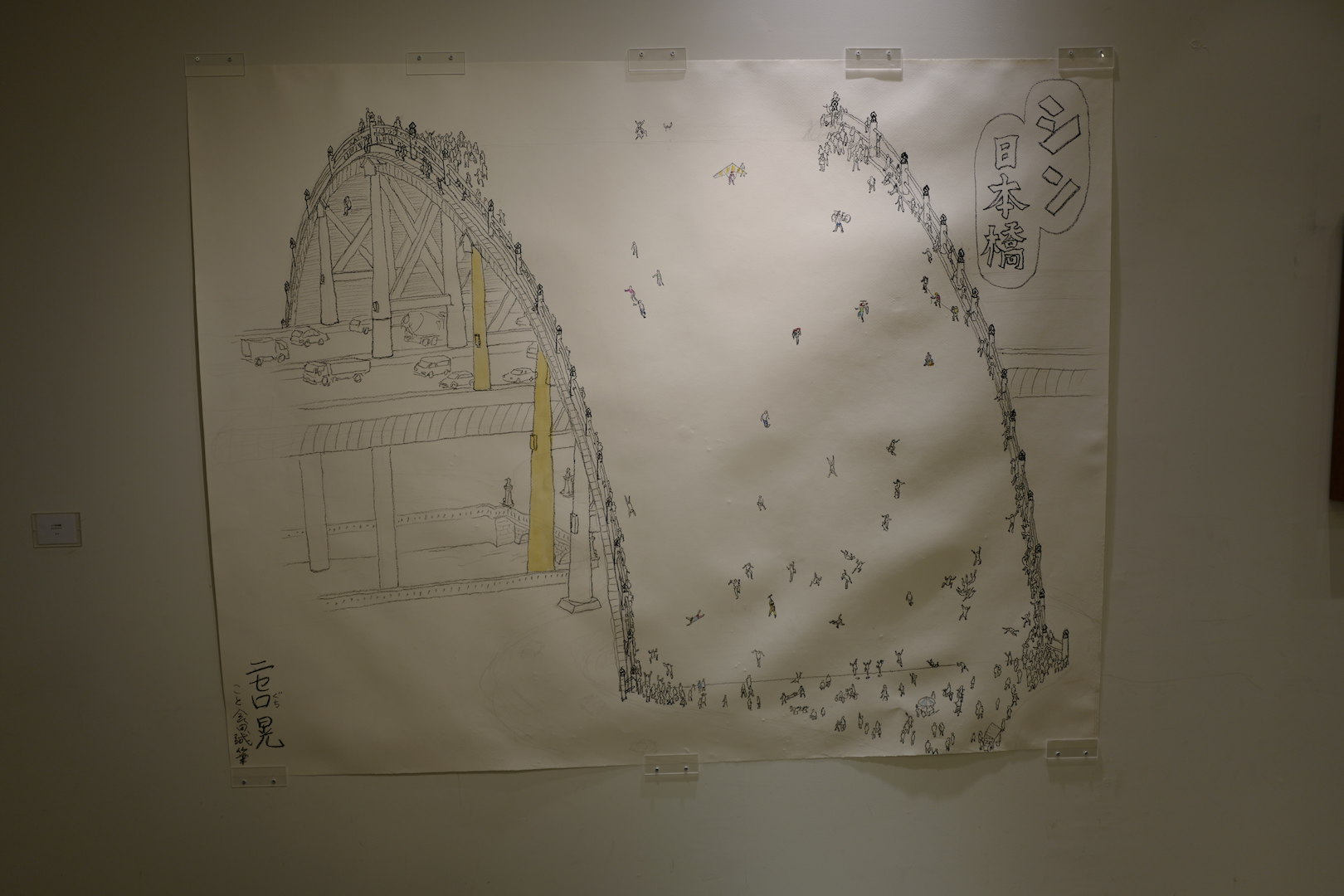
Shin-Nihonbashi
Would relocating it above the Metropolitan Expressway running through Tokyo Nihonbashi be possible with Obayashi Corporation?
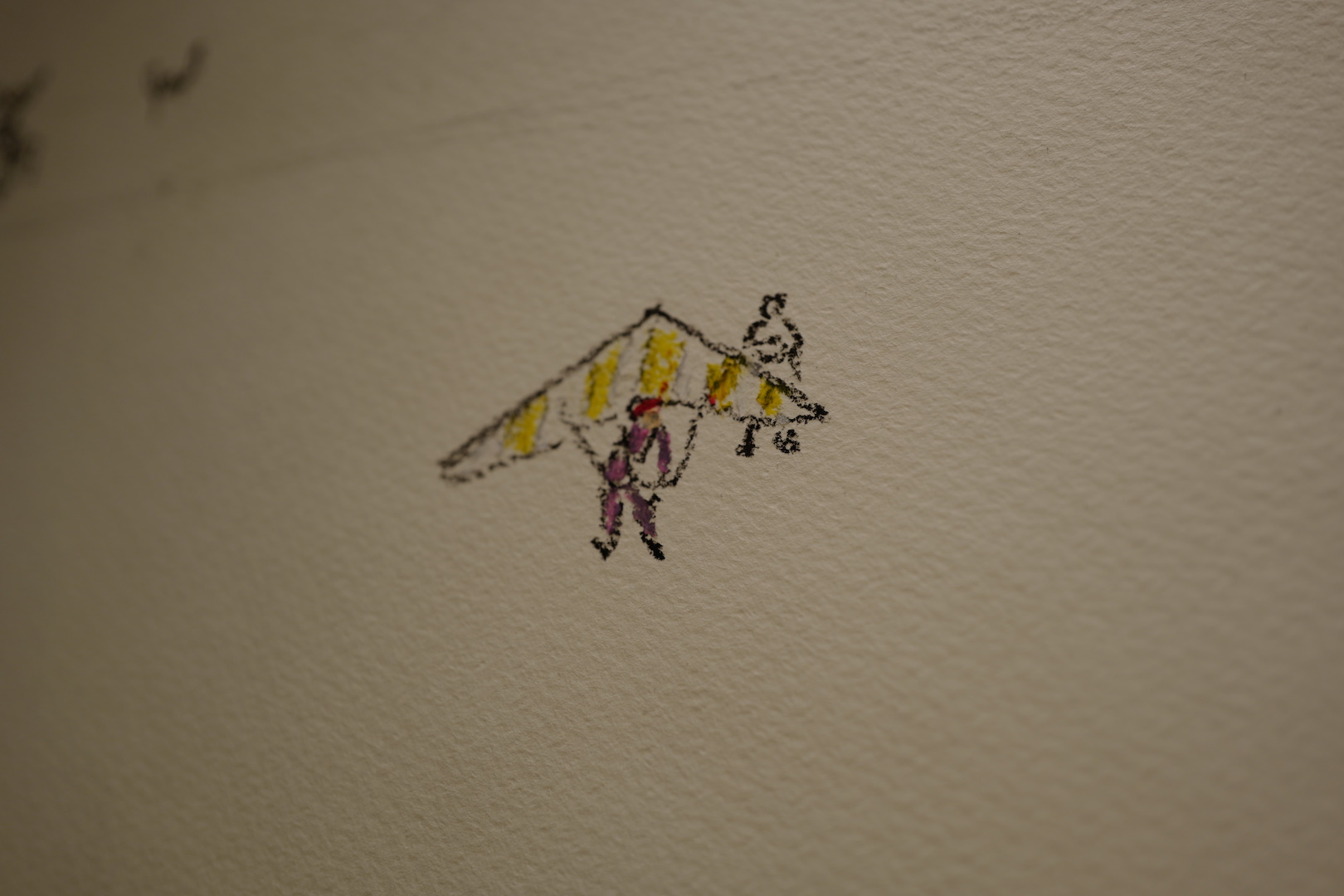
Look closely and there’s a paraglider…,
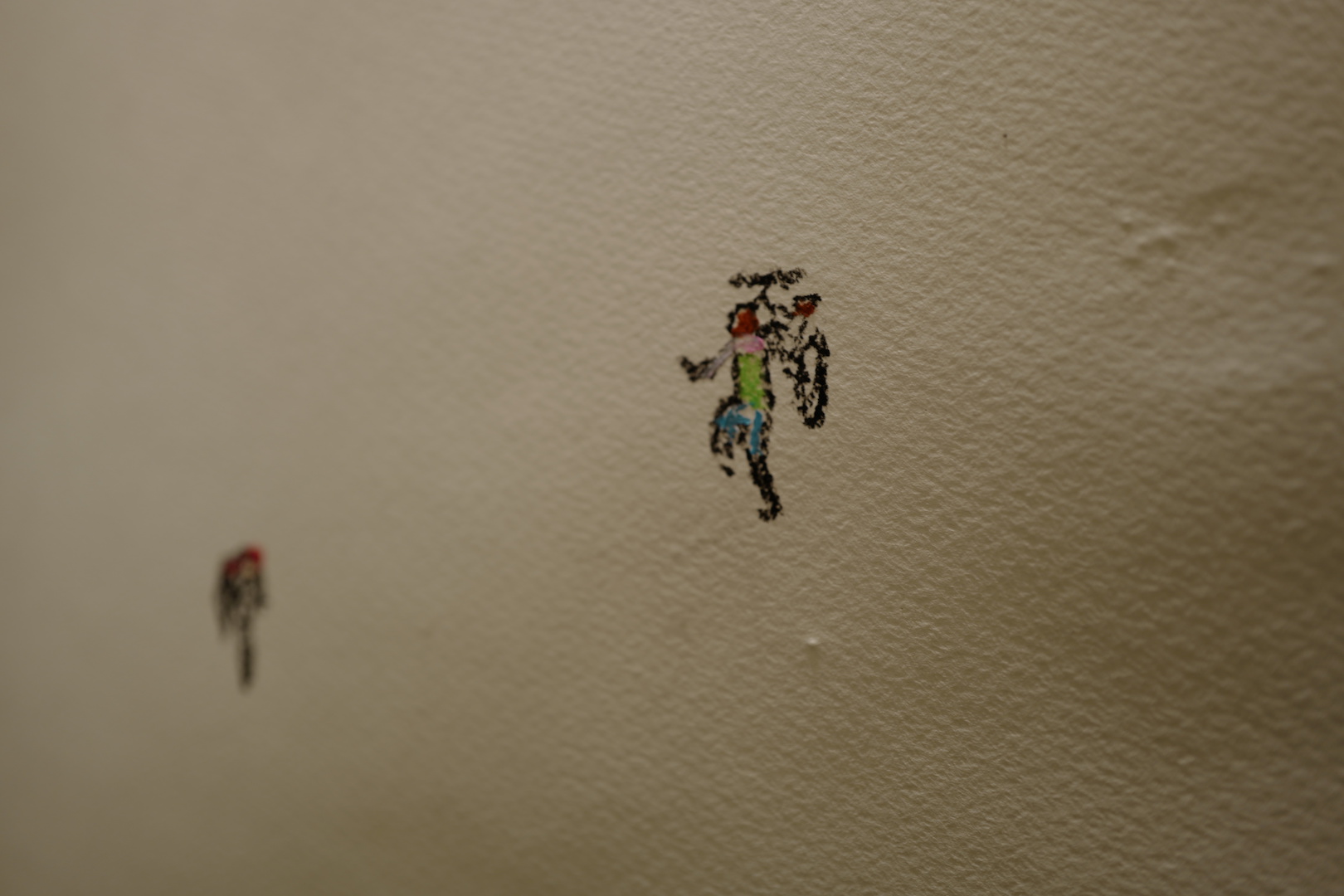
and you can see a person carrying a bicycle too, which is funny.
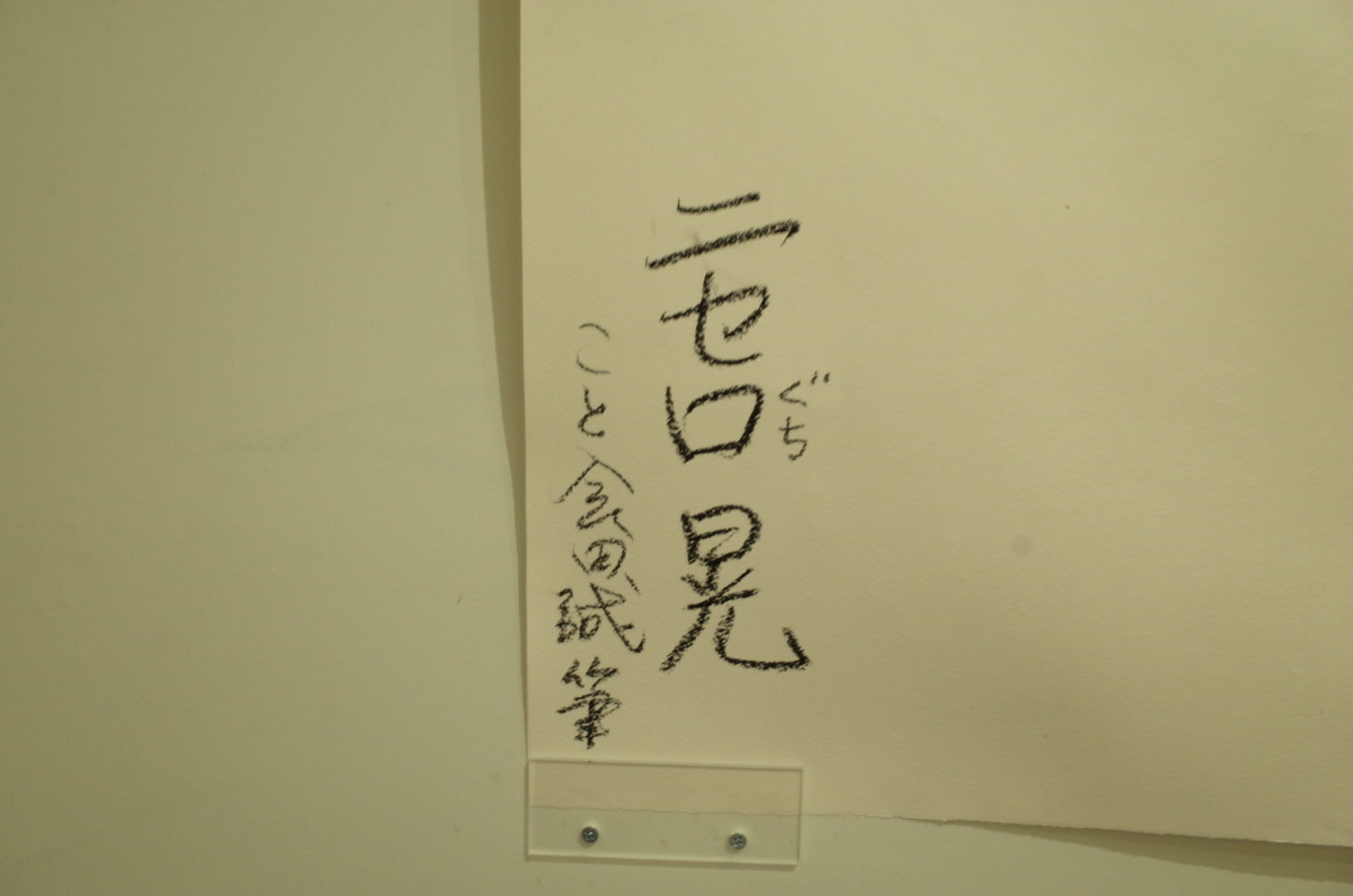
The signature quietly at the lower left is a parody of Akira Yamaguchi.
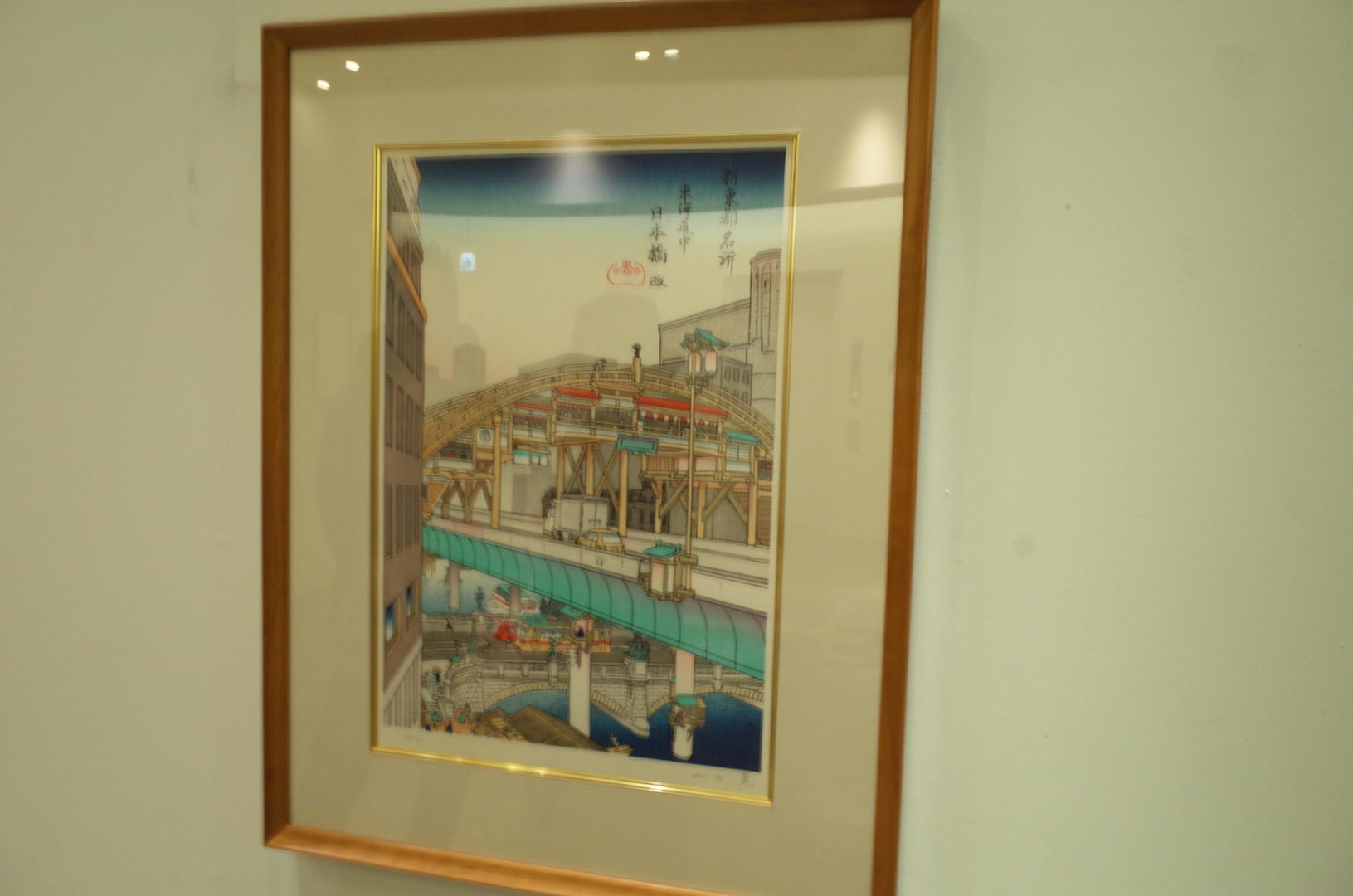
Beside the work, a 2012 work by Akira Yamaguchi is displayed. Makoto Aida apparently teamed up without knowing this work existed—a coincidence! (per Makoto Aida).
Please check the video below for reference.
Shinjuku Gyoen Grand Renovation Plan
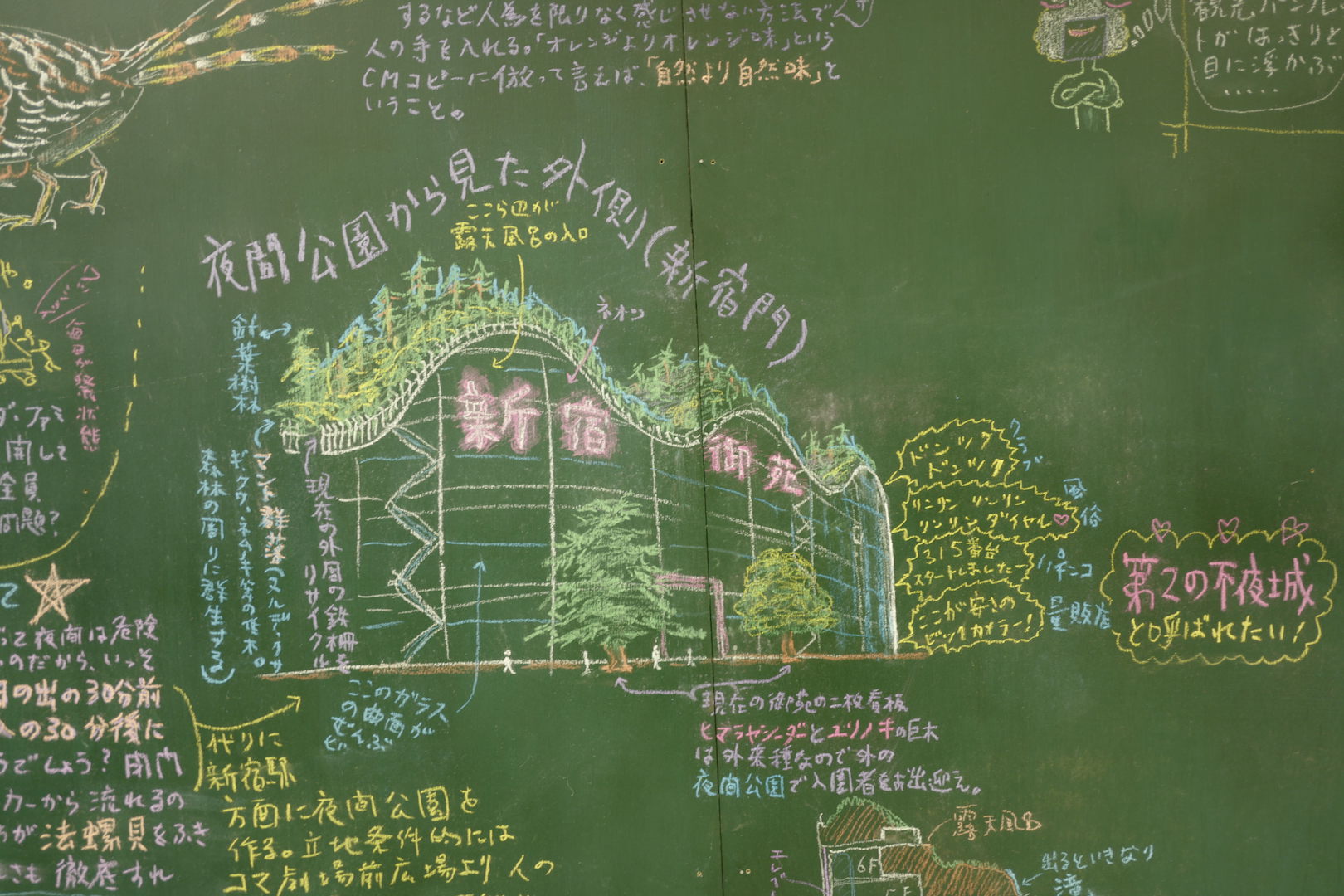
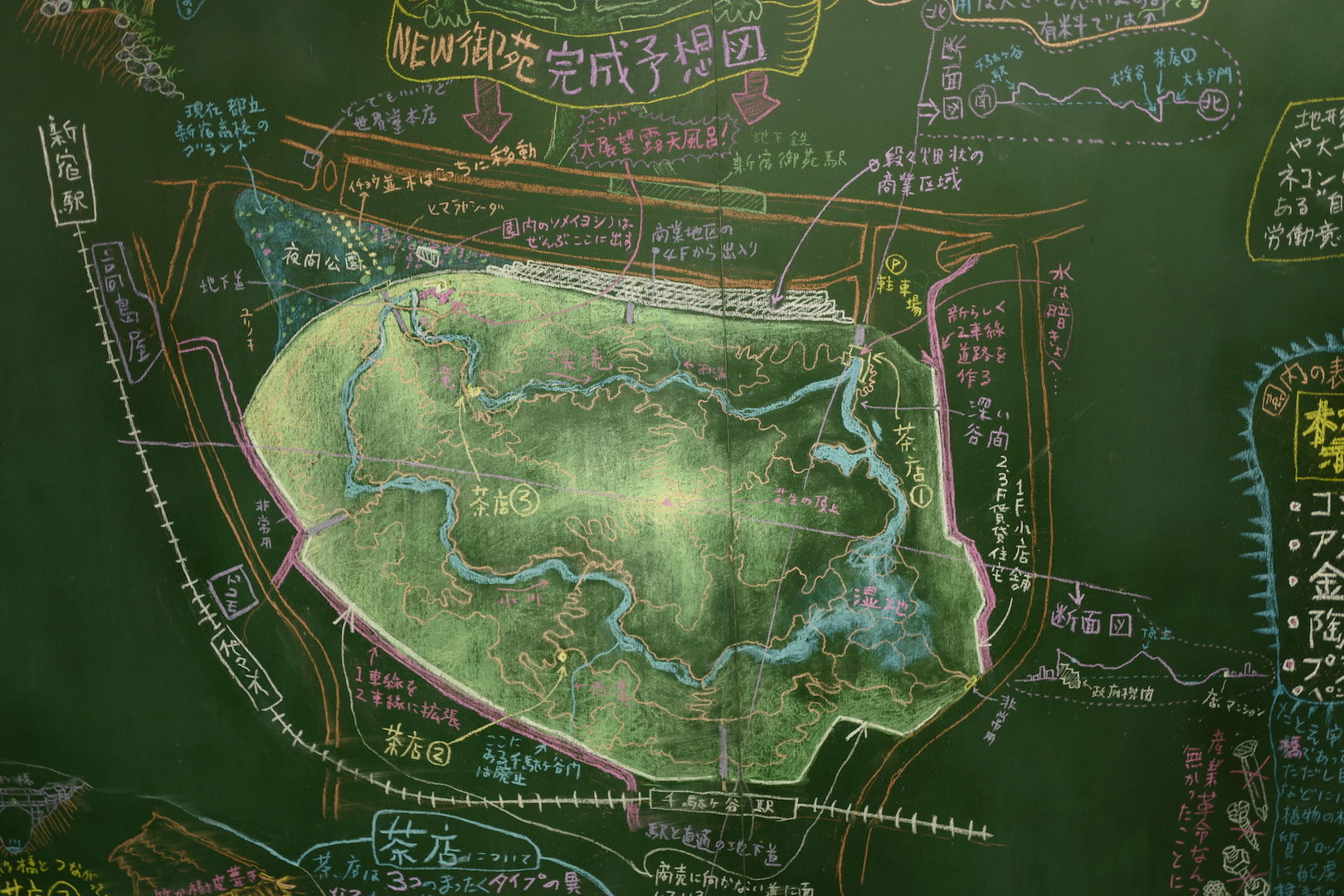
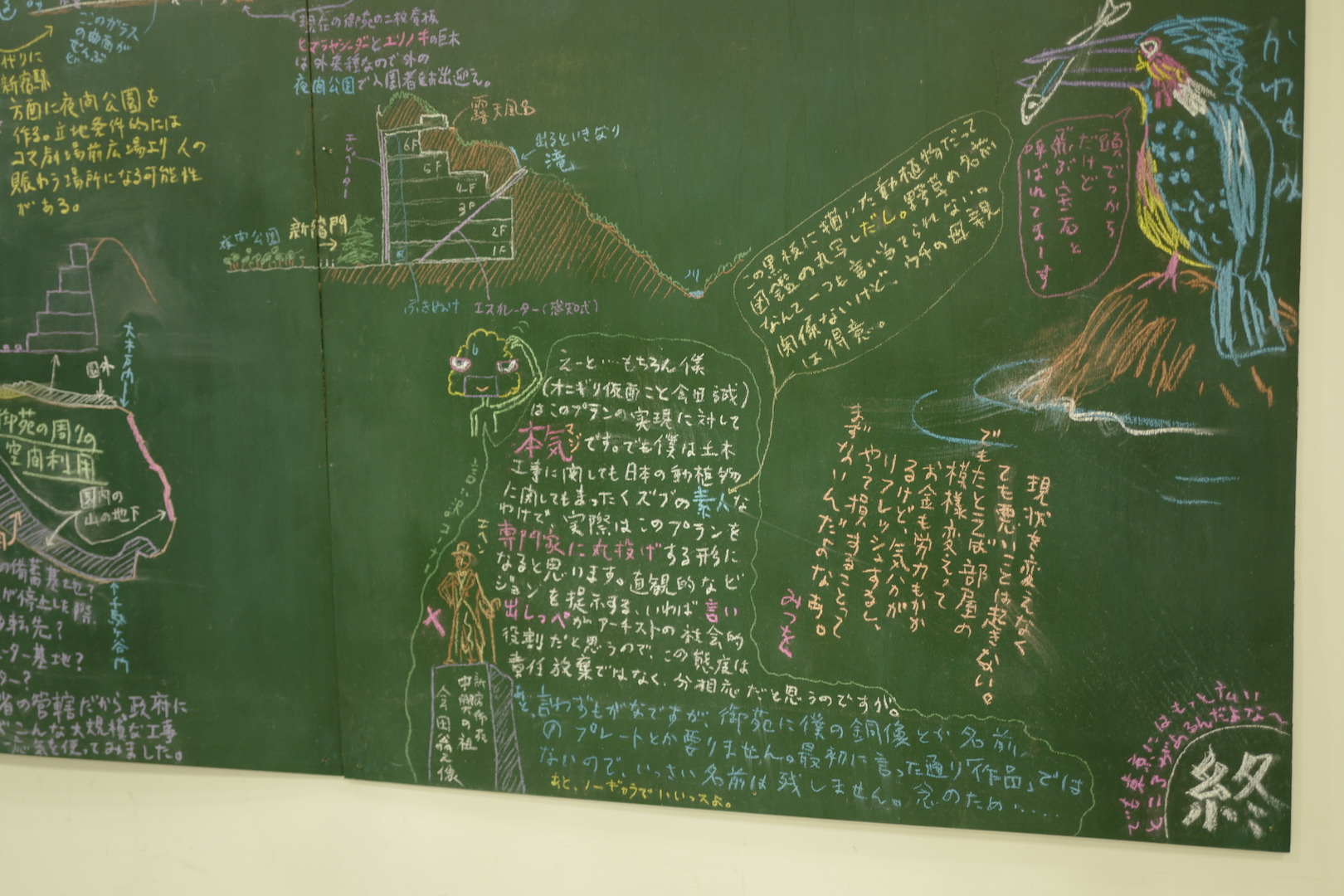
The “Shinjuku Gyoen Grand Renovation Plan,” already advocated by Makoto Aida (in 2001), was one of the works developed on a large scale.
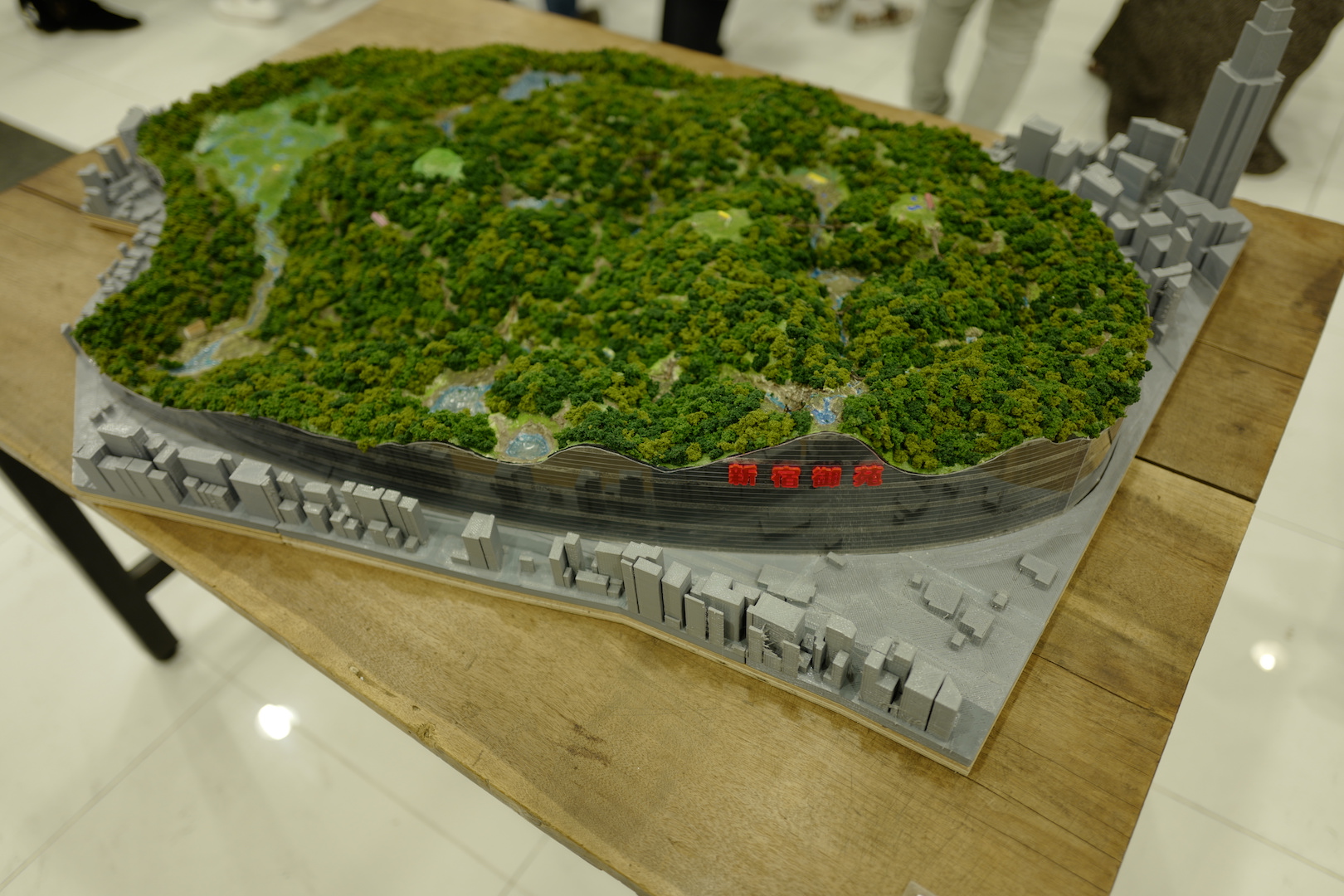
The dead-serious renovation plans lined up on the blackboard below are filled with depictions so realistic you momentarily have the illusion “maybe it could be realized?”, but Makoto Aida said “I don’t seriously want to realize it” and “you mustn’t do it.”
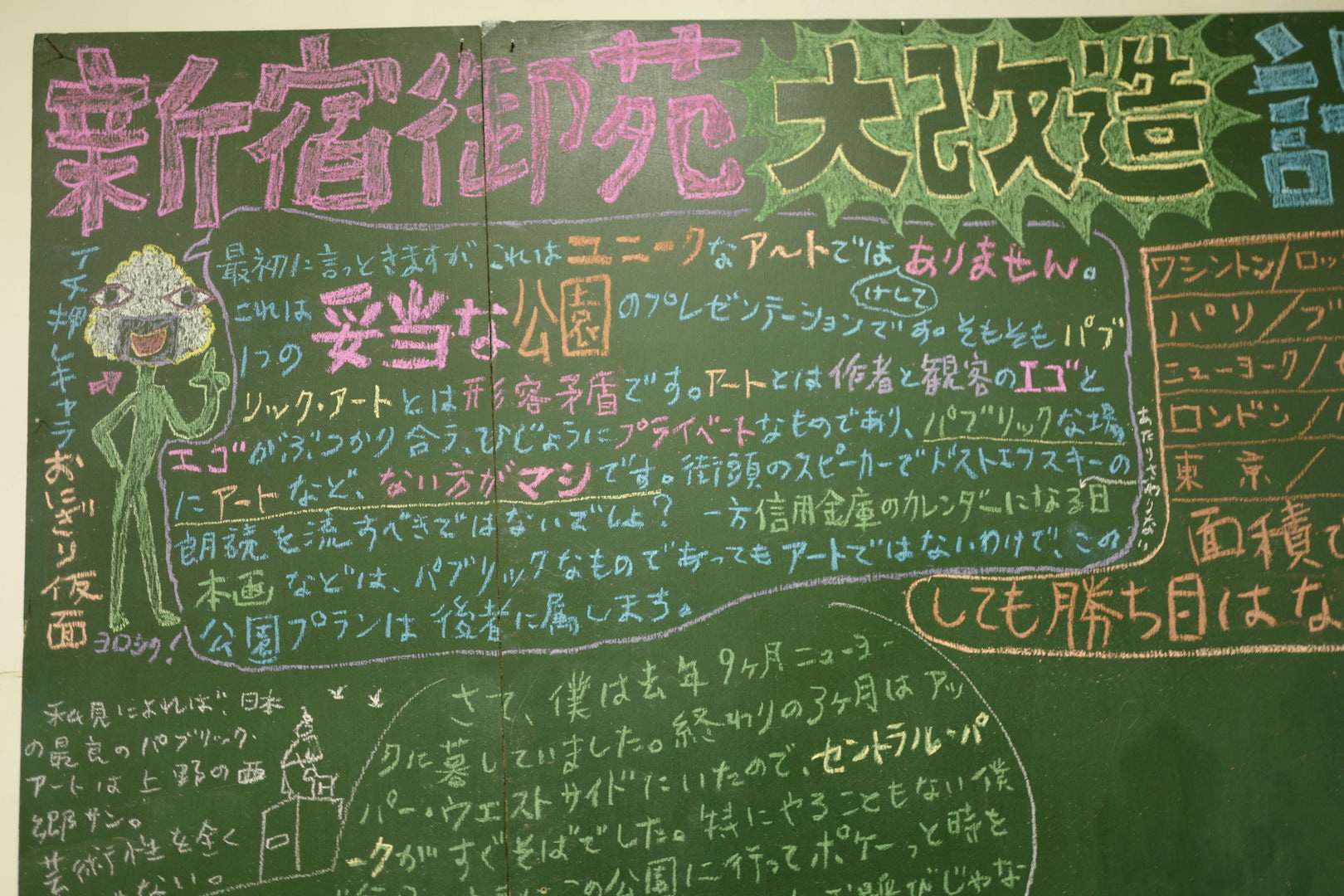
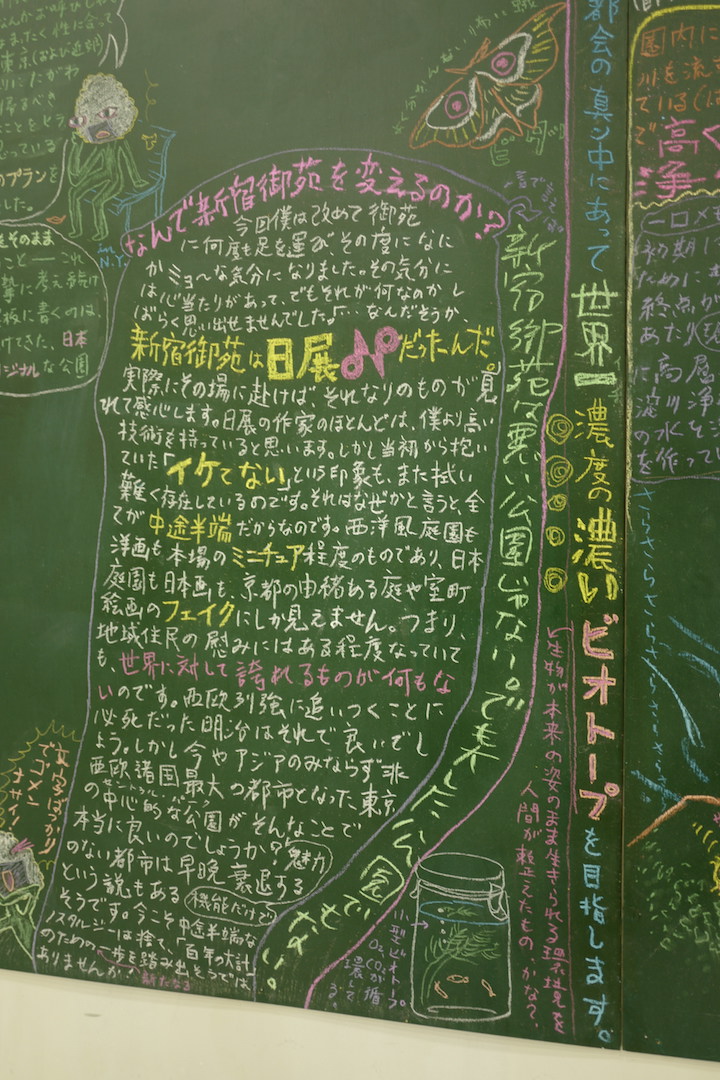
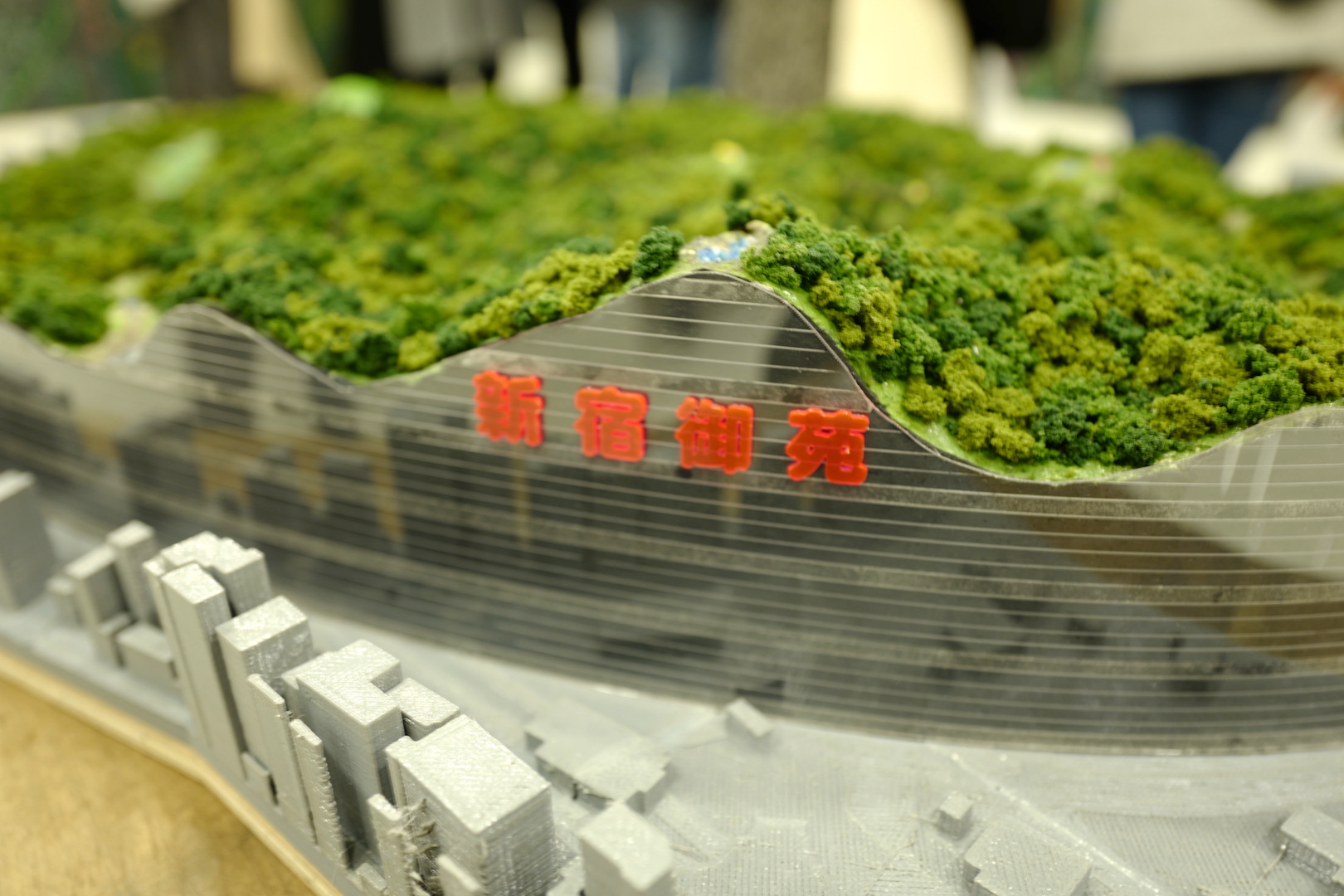
He doesn’t seem to be seriously considering it, but the emotions of us watching will be shaken over time. Apparently there are many voices actually calling it wonderful.
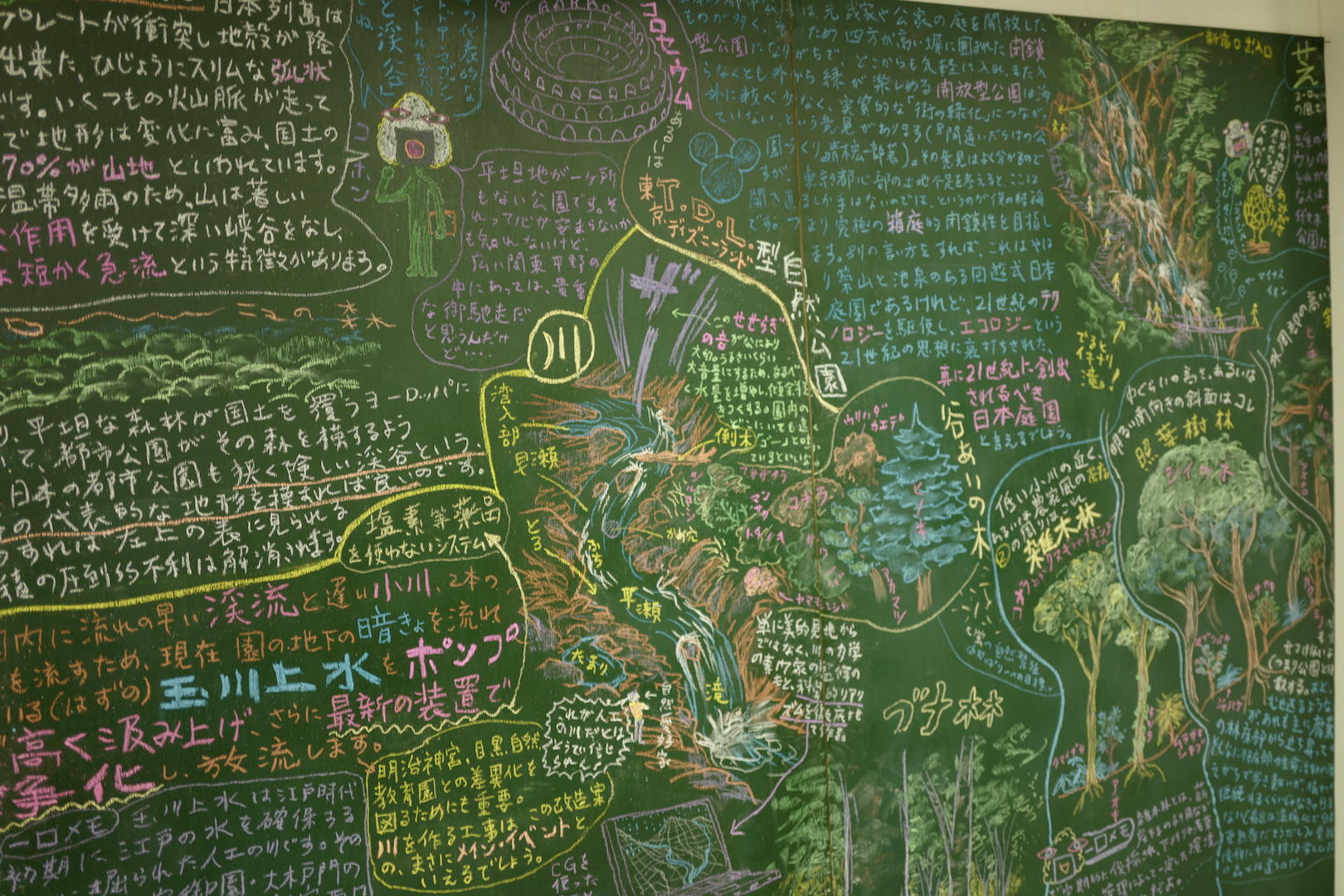
He also seems to feel the conflict of the in-between—wanting to be pushy but not being allowed to be pushy.
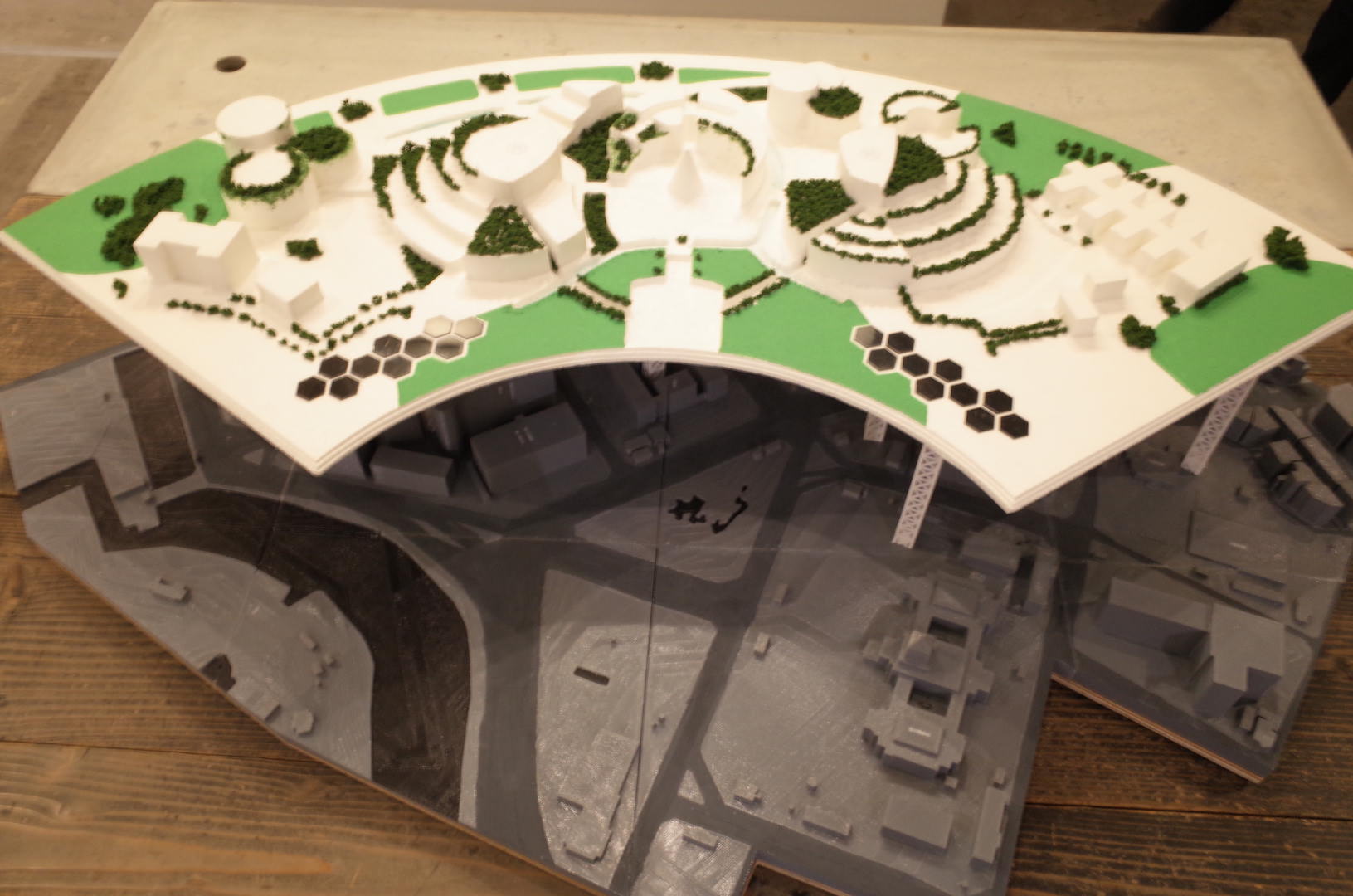
NEO Dejima
Naming a place specialized for the international city “NEO Dejima,” a high-density international society
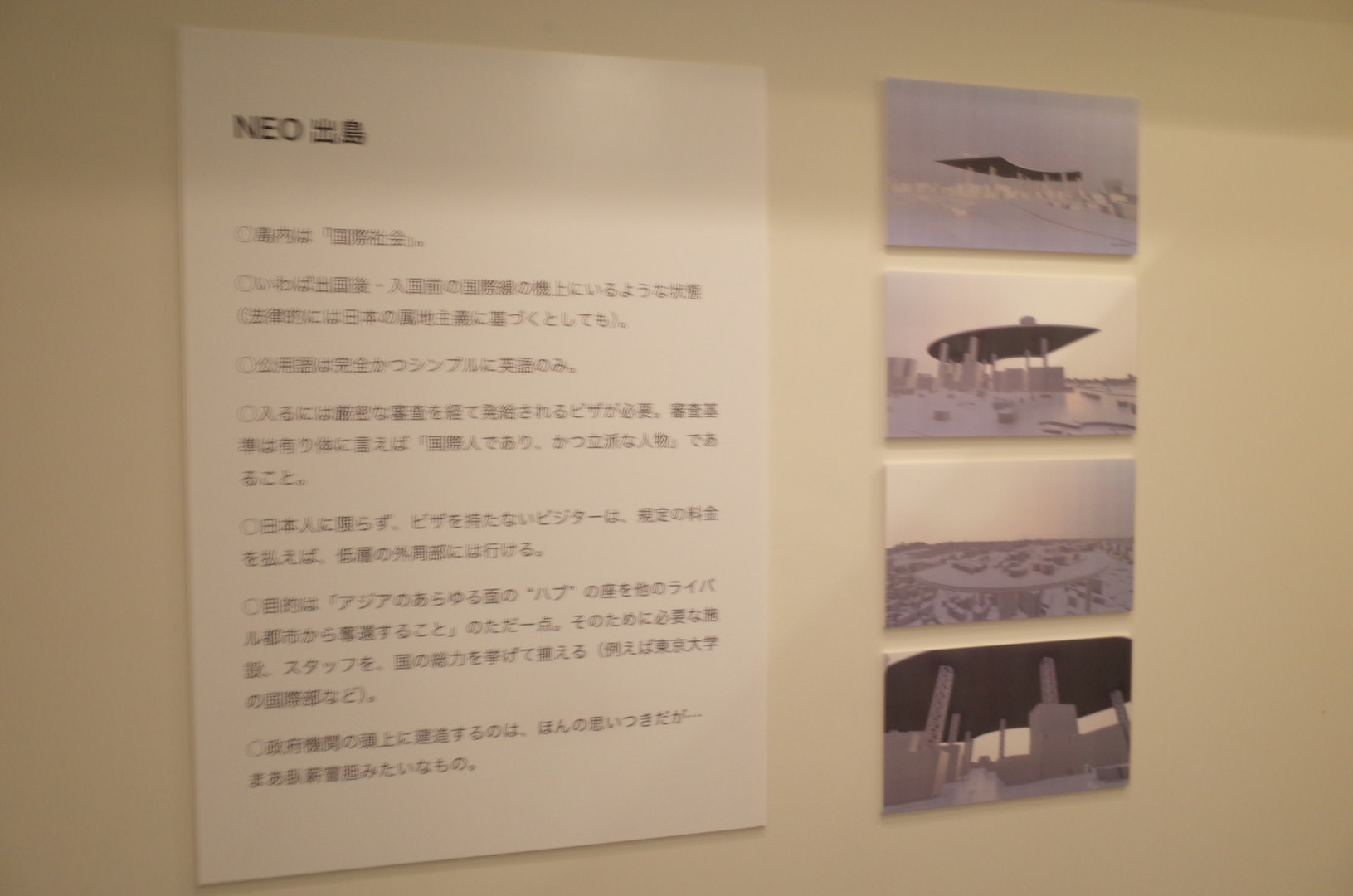
is a unique diorama of building it right above the nation’s core.
Wind Tower Improvement Proposal
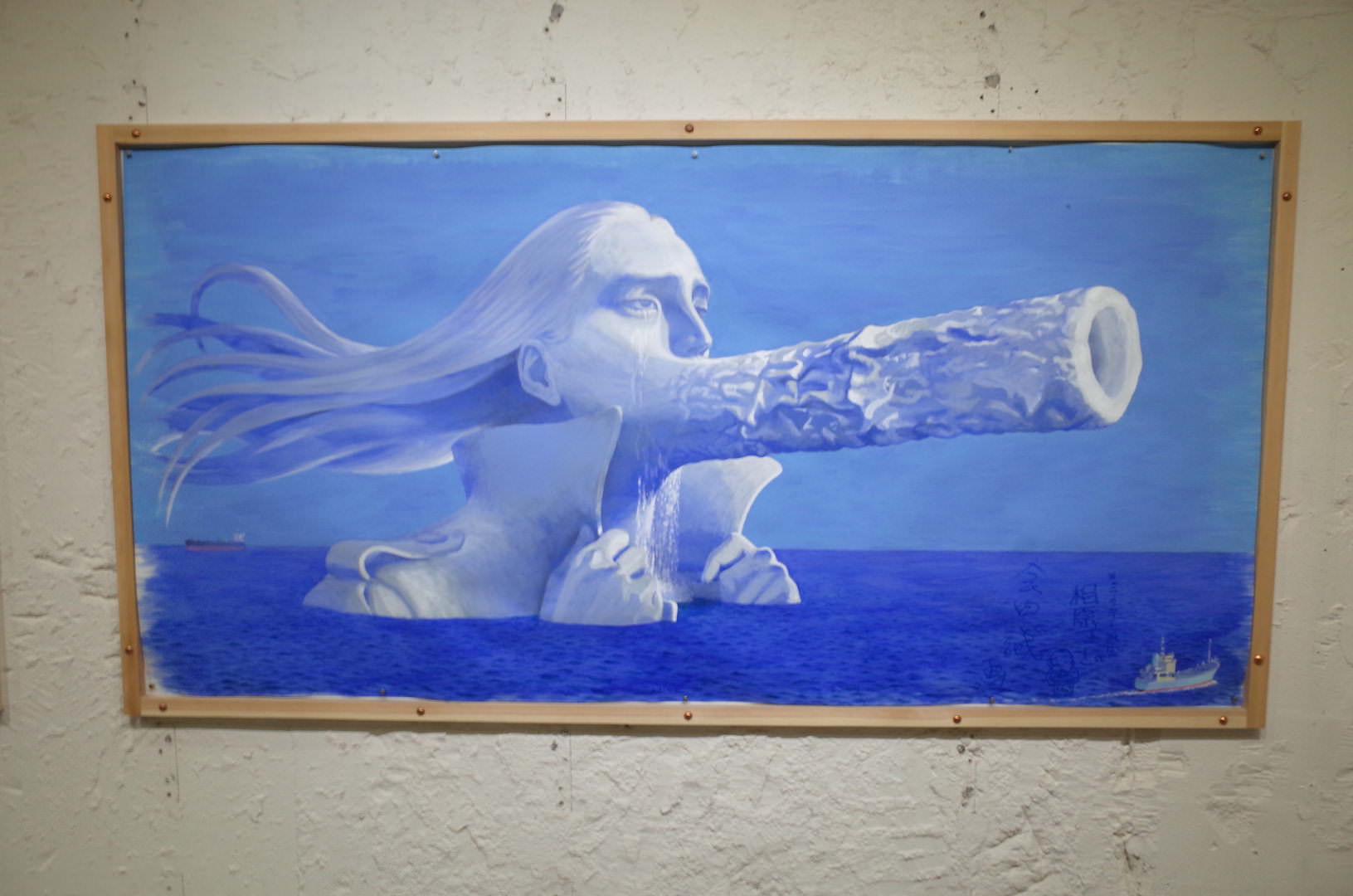
Surprisingly, at Makoto Aida’s presentation venue, the “Chikuwa Woman” had almost no name recognition.
As you know, she’s a character famous from Kōji Aihara’s “Kōji-en,” and it’s a work parodying the “Wind Tower,” famous as the ventilation tower of the Tokyo Bay Aqua-Line.
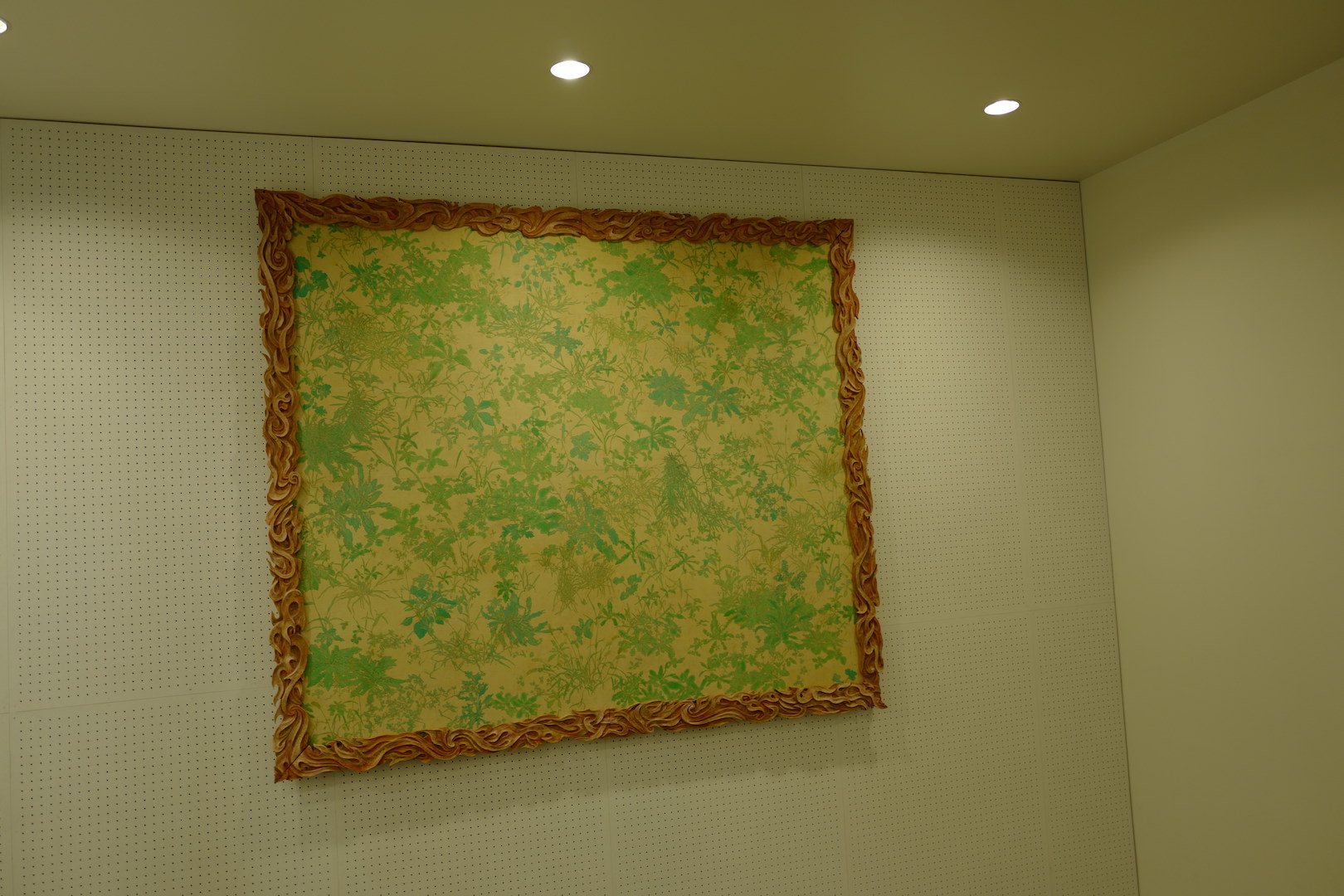
Flaming Green Weeds
2nd Floorism
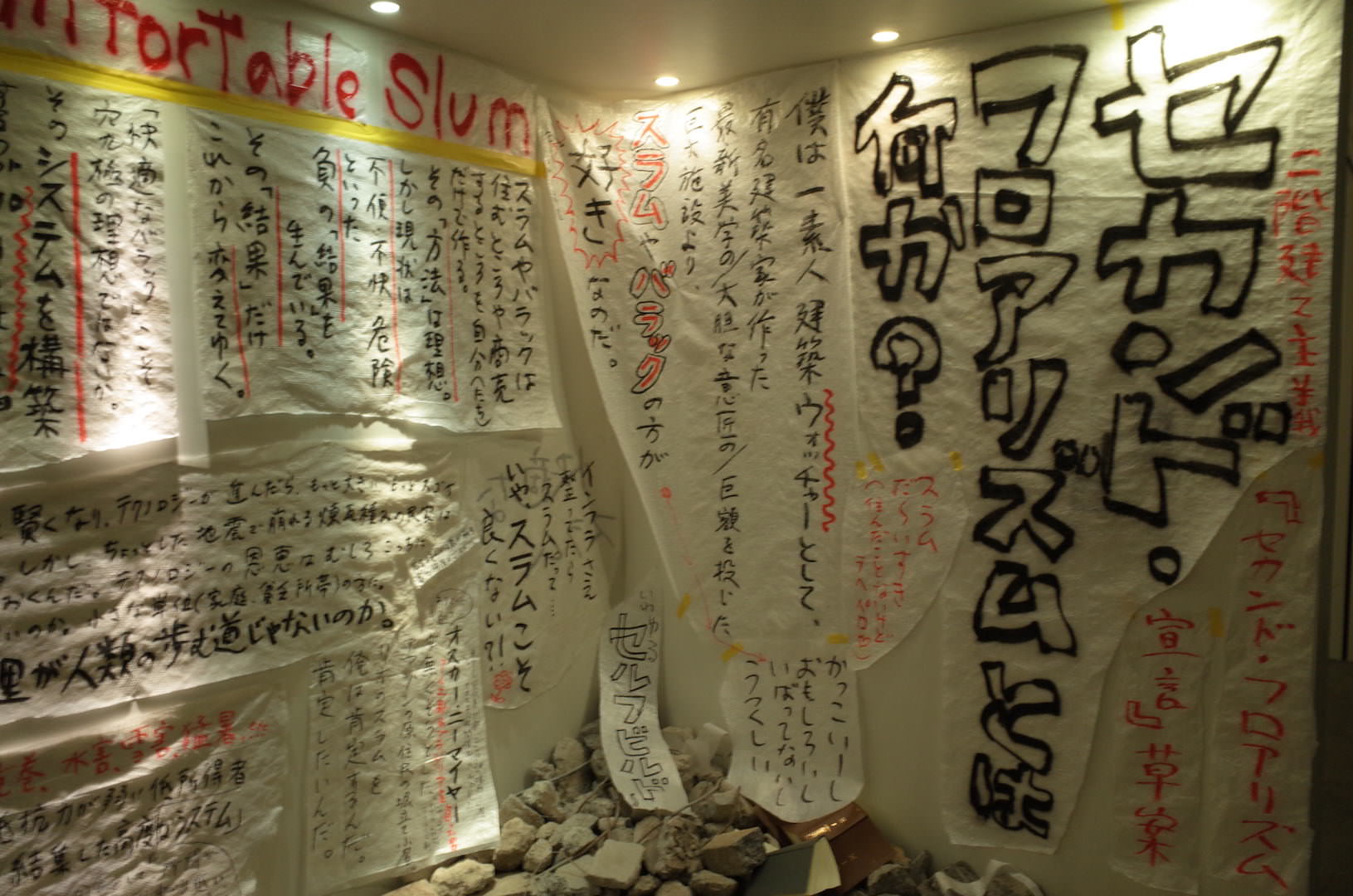
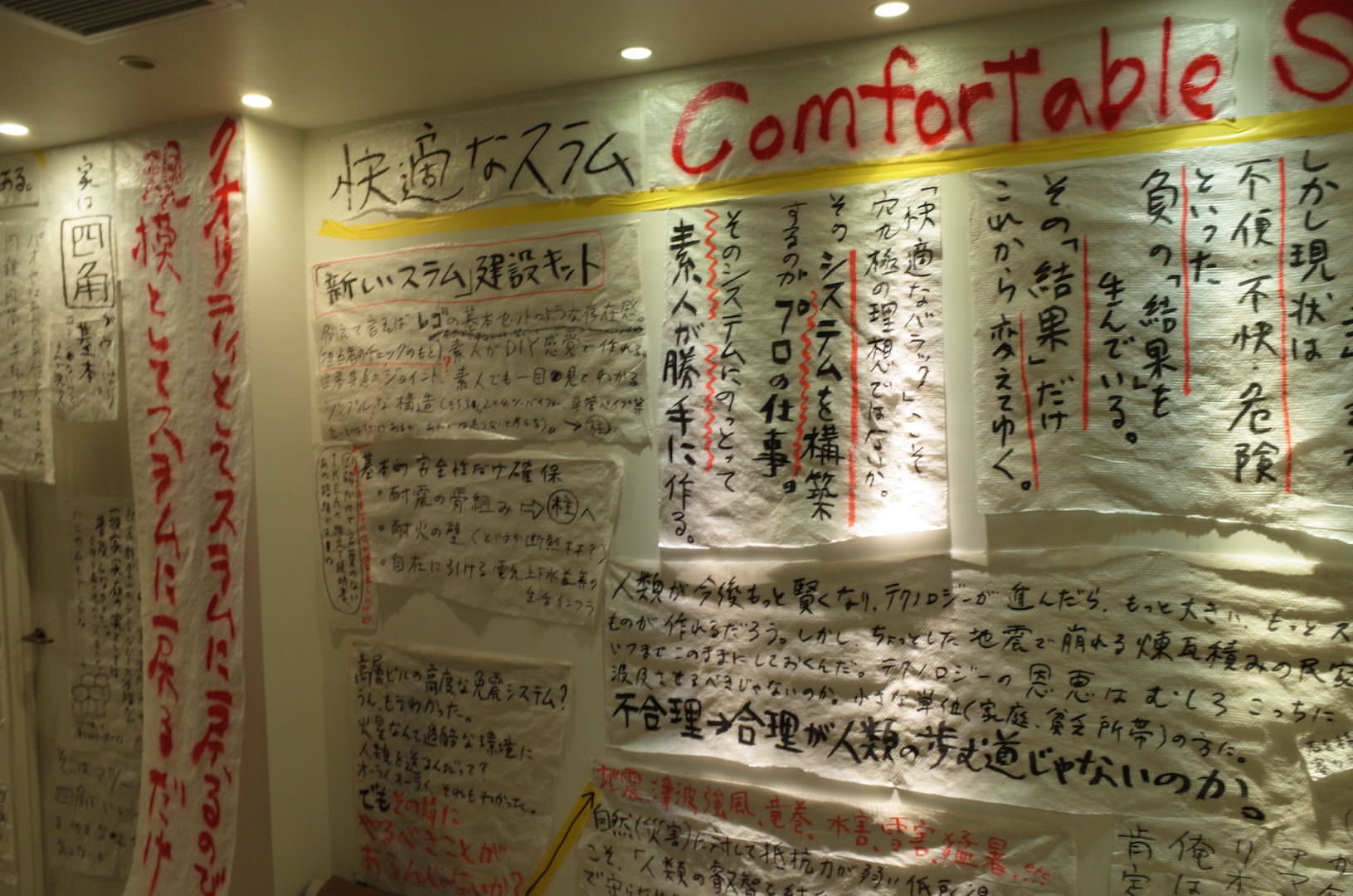
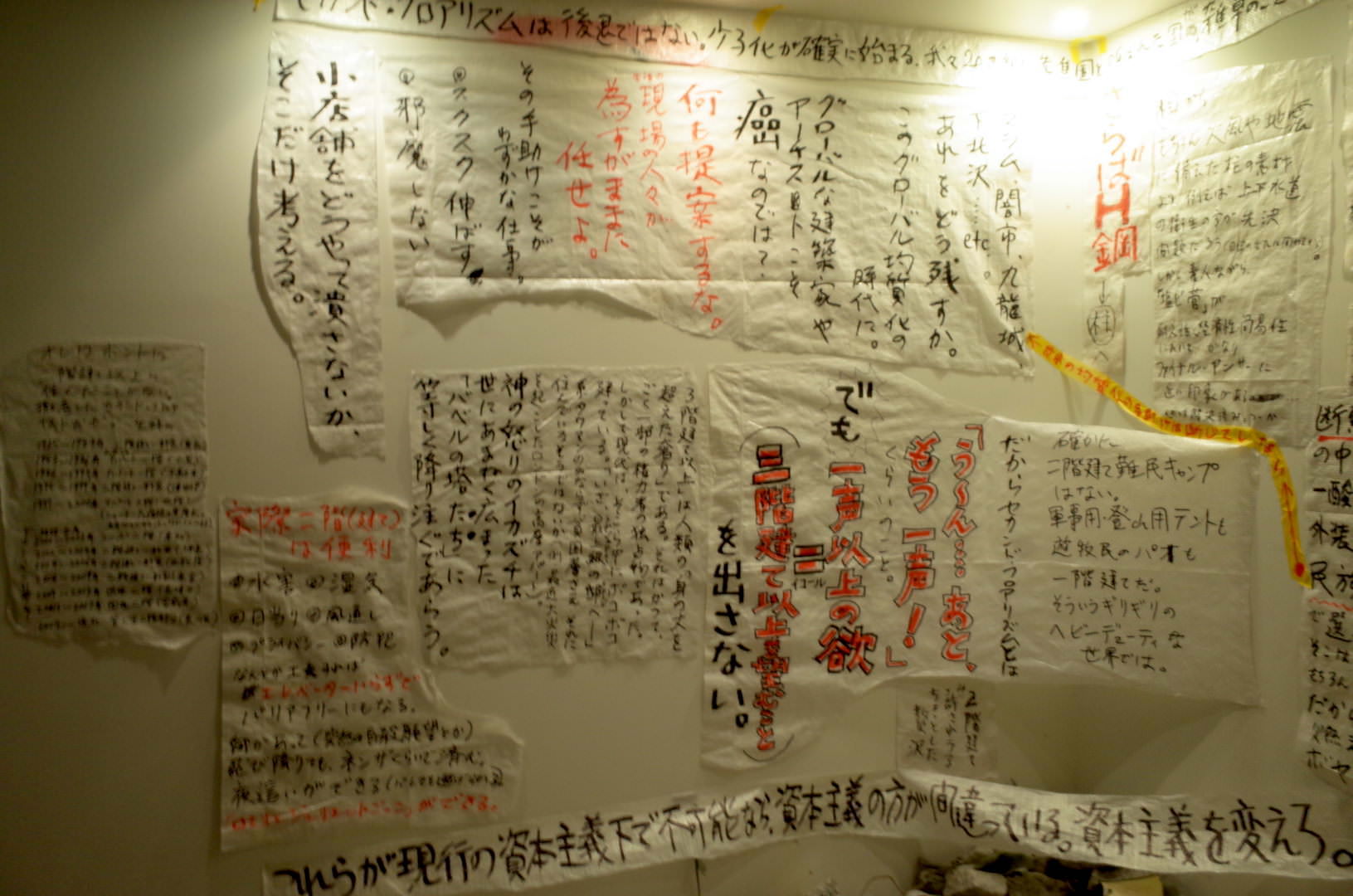
Expressing an antithesis to urban development is the concept “2nd Floorism.” It’s Makoto Aida’s rule that “buildings go up to the second floor.”
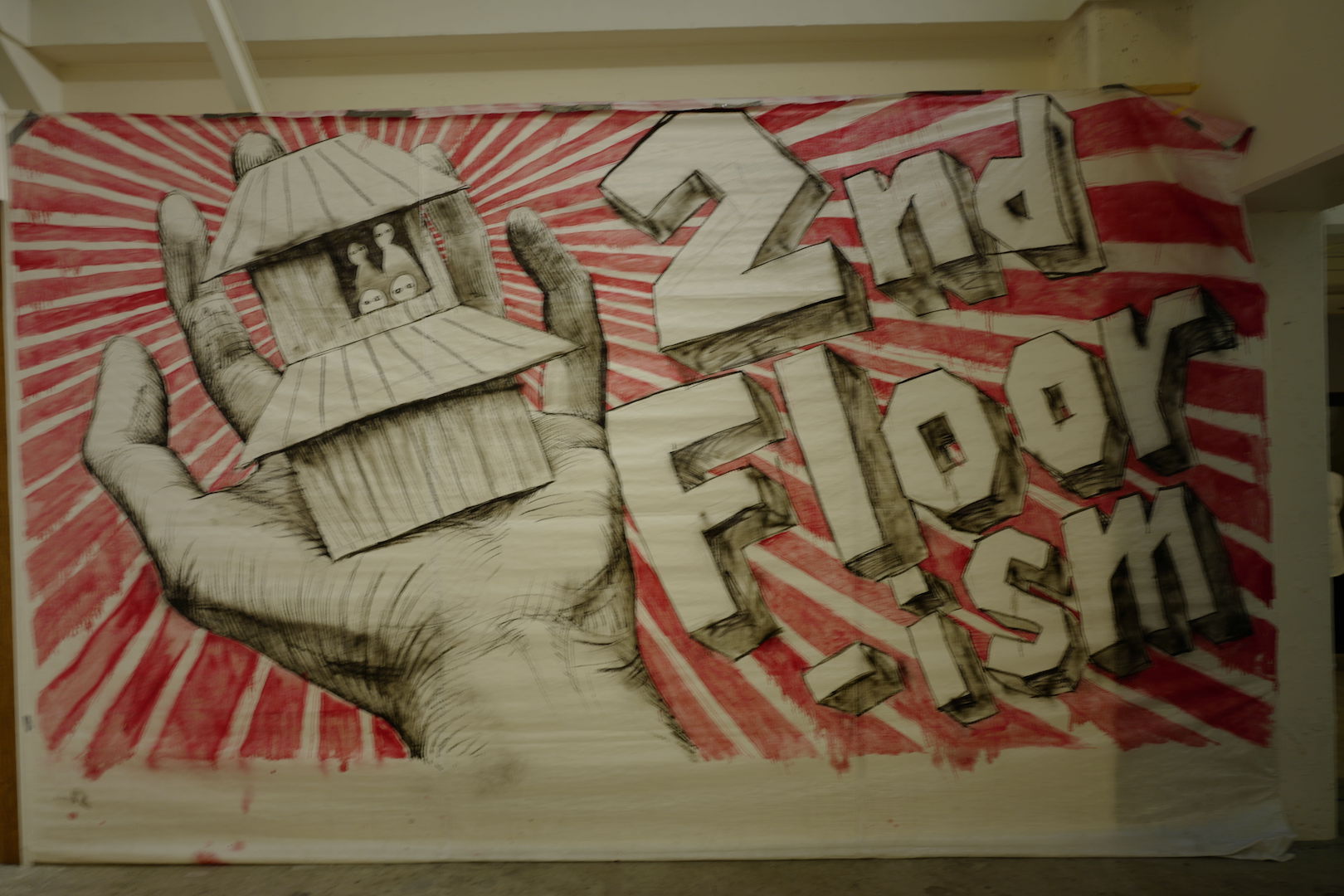
Makoto Aida himself has apparently never lived above the second floor. Fear of heights, perhaps?
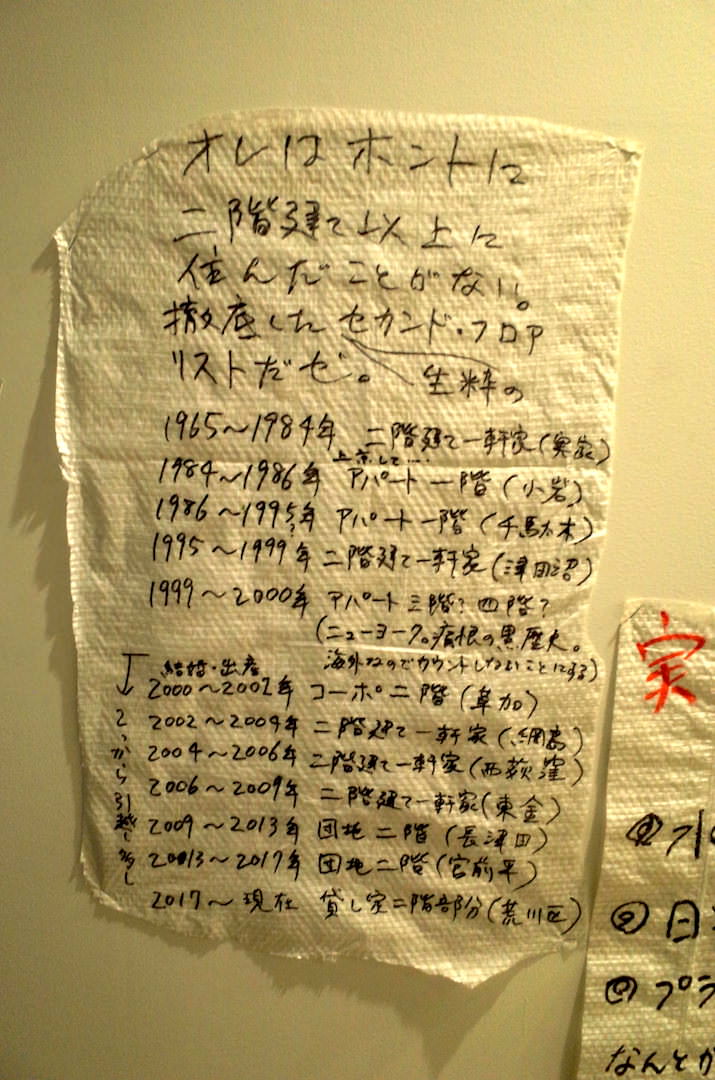
Draft of the Second-Floorism Declaration
Again a shower of text attacks: “Two-Story-ism: Draft of the Second-Floorism Declaration.”
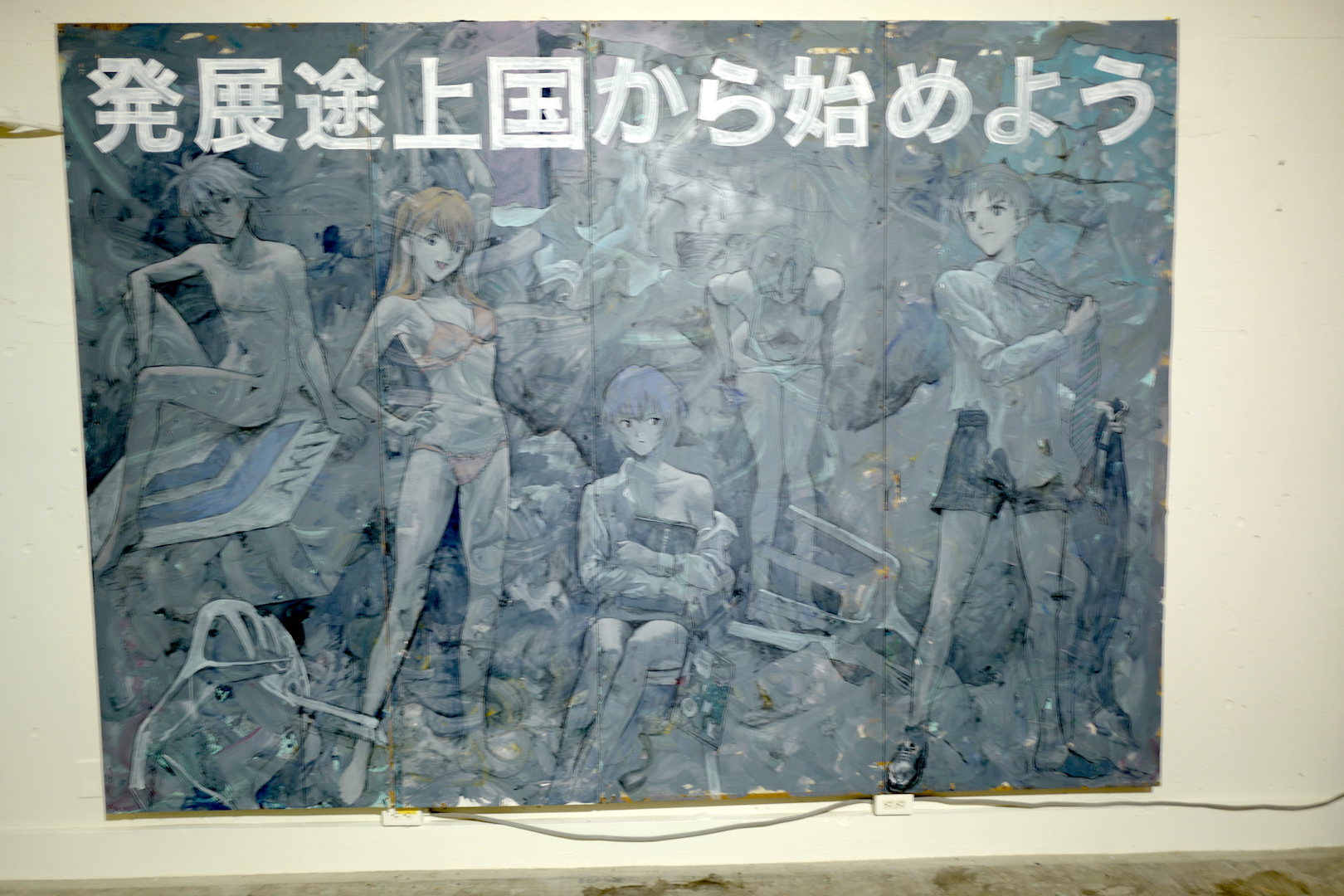
Let’s Start from Developing Countries
He apparently hasn’t gotten permission, but “Let’s Start from Developing Countries,” with Evangelion as a motif. A diagram of Rei Ayanami in the center.
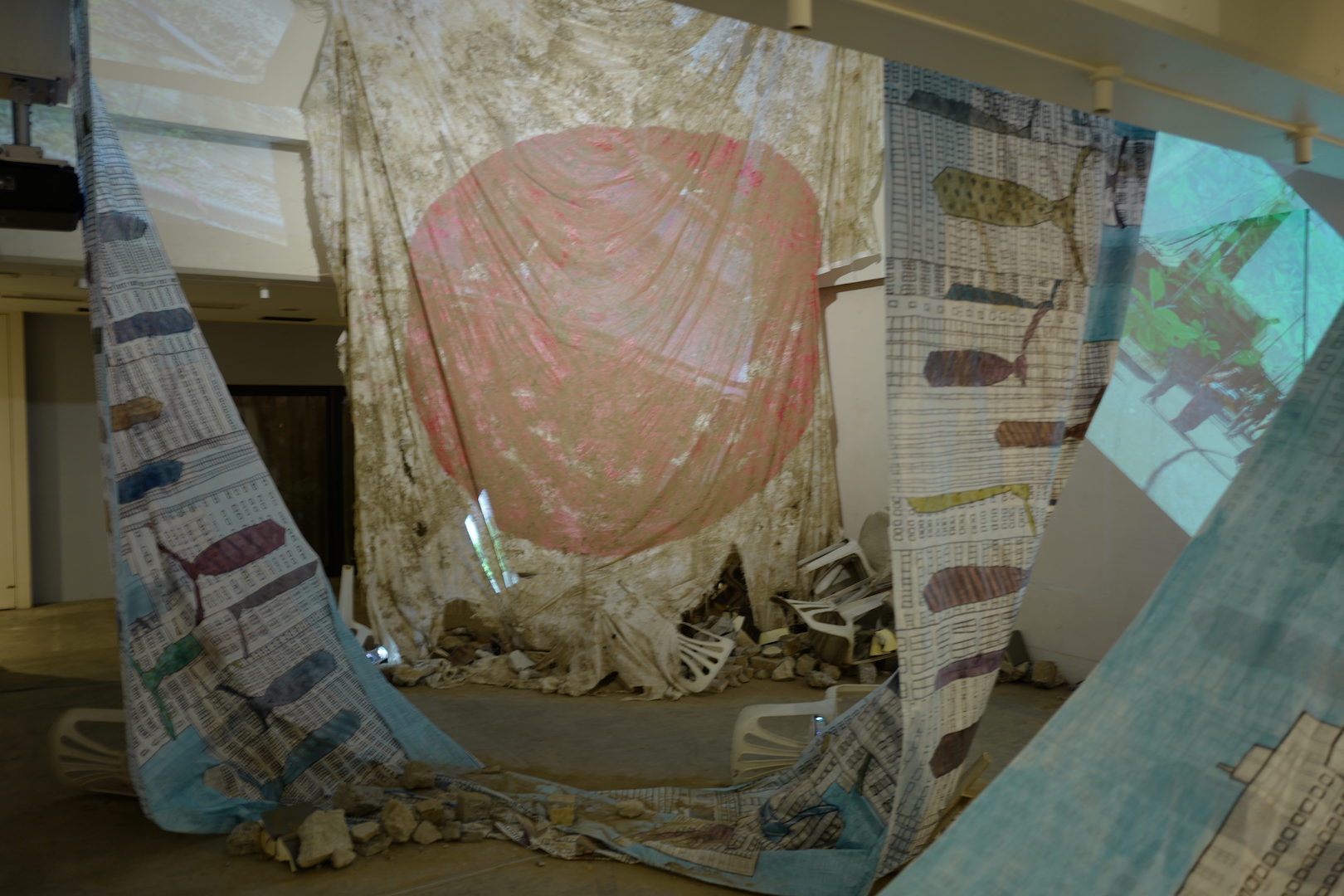
Necktie Building
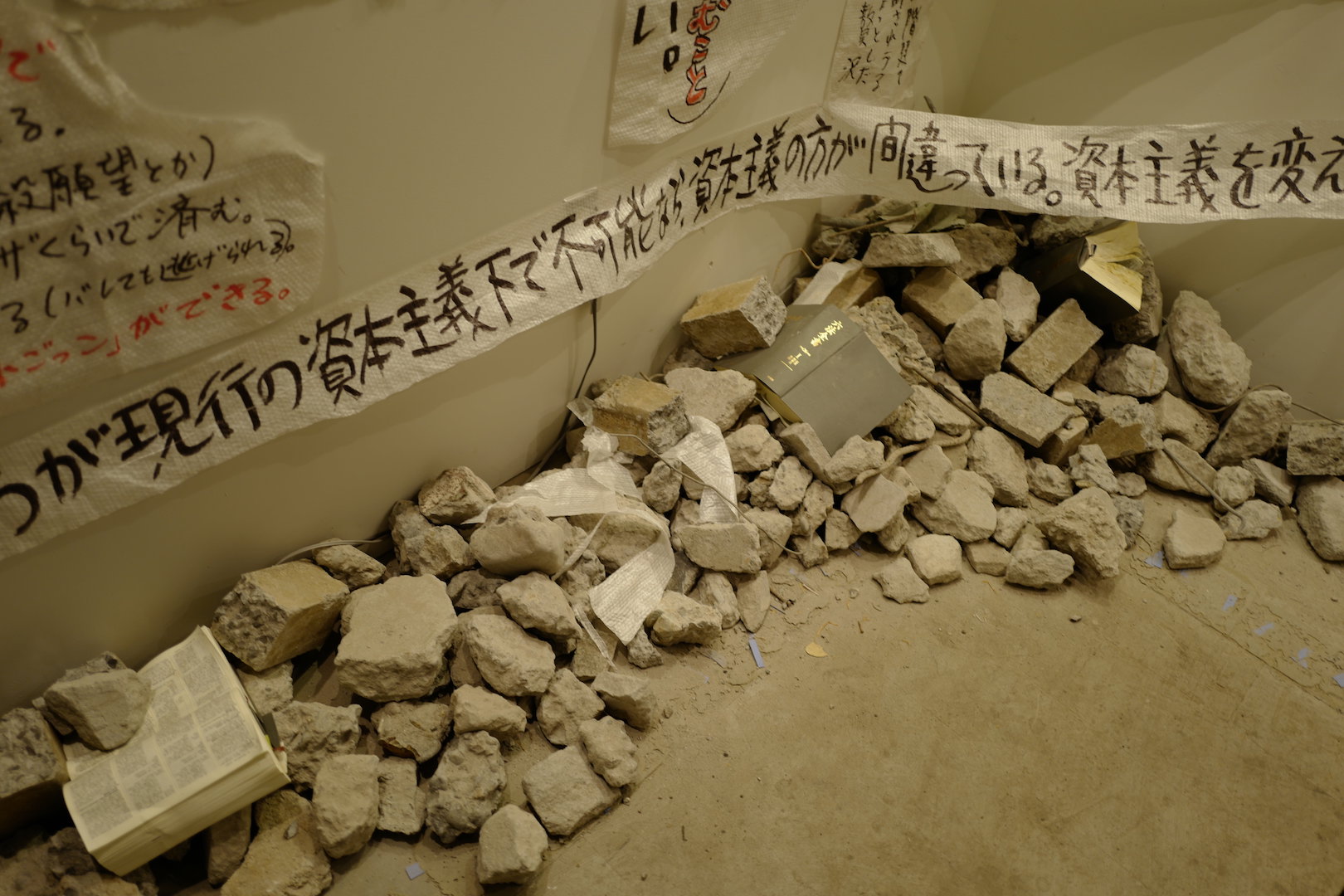
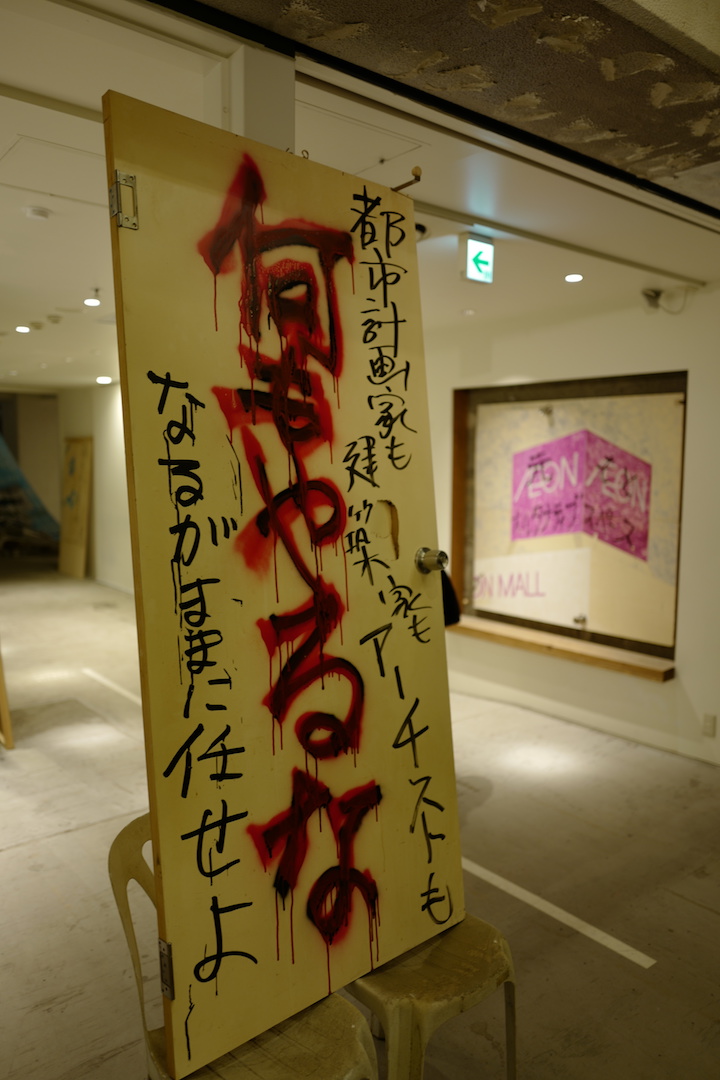
Do Nothing
I Just Thought of a Great Idea~♪
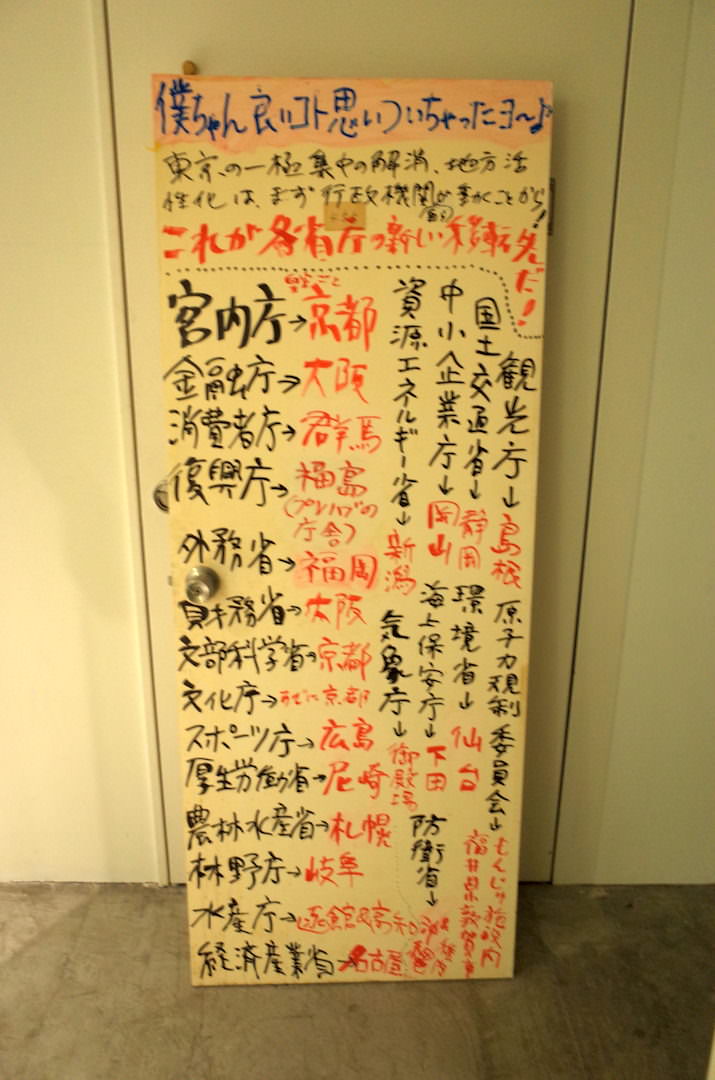
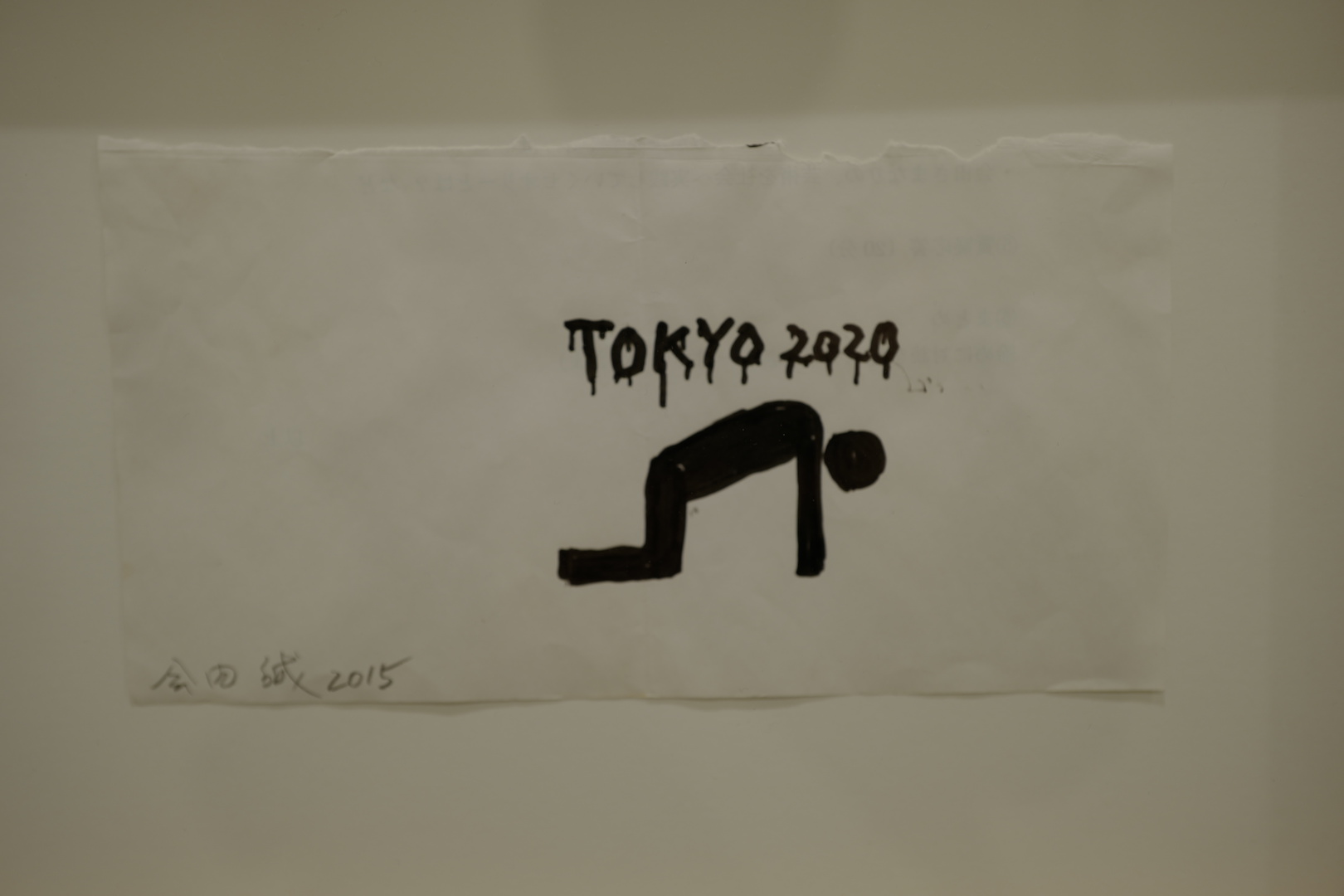
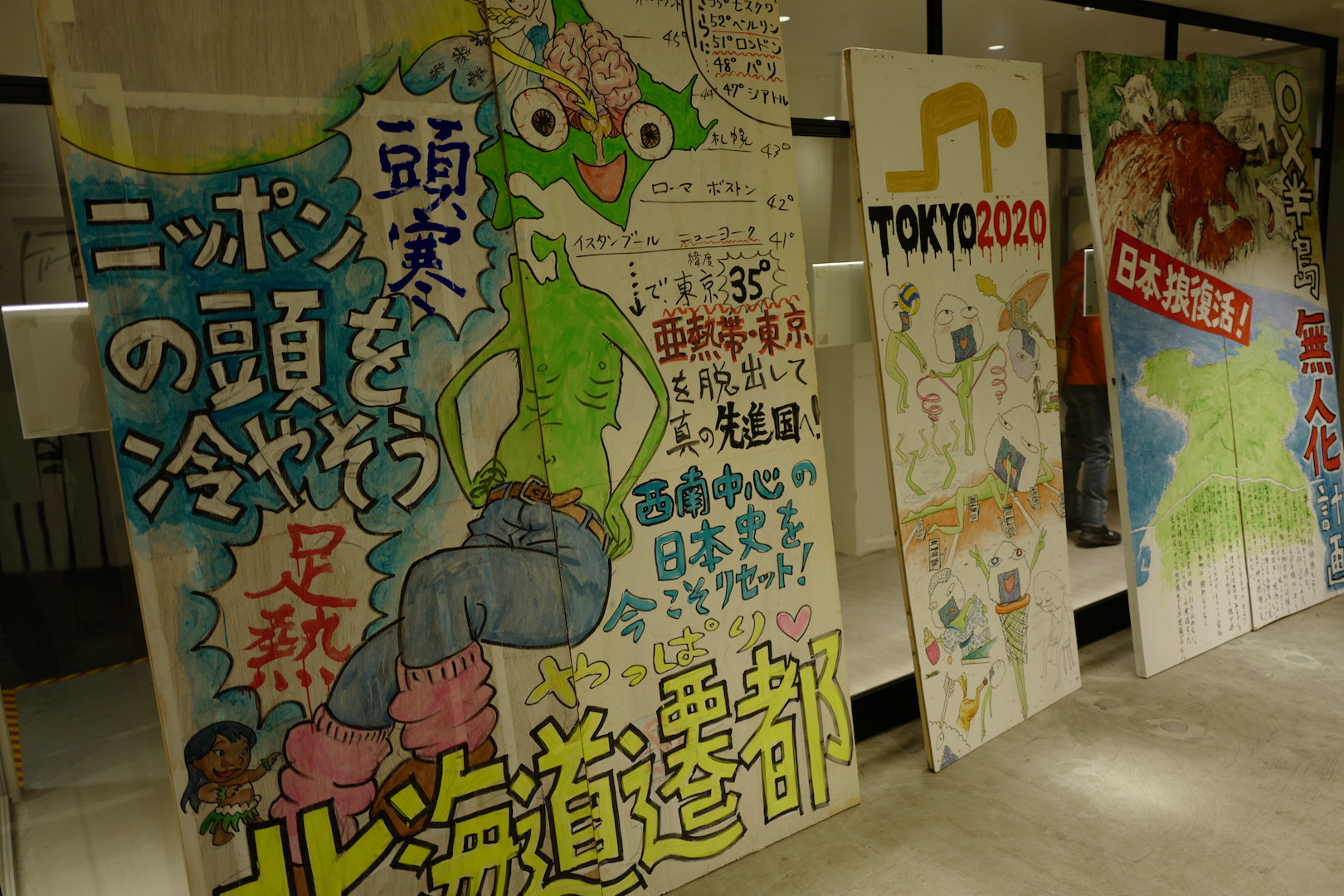
Relocating the Capital to Hokkaido ~ TOKYO2020 ~ ○× Peninsula Depopulation Plan
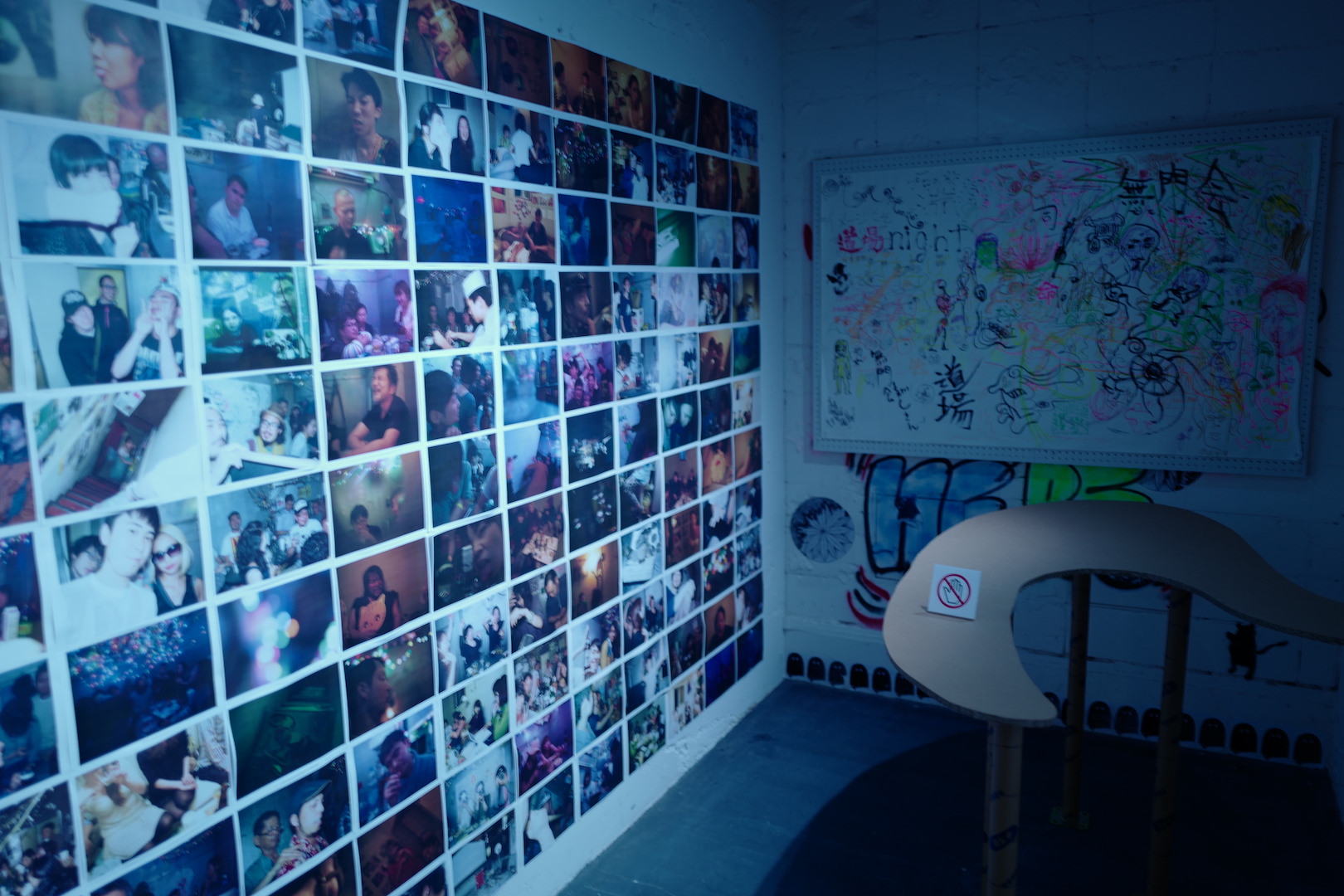
Art Community Hall, Recreated
Chim↑Pom
A work by the special guest “Chim↑Pom,” which Makoto Aida himself described as “half-assed.”
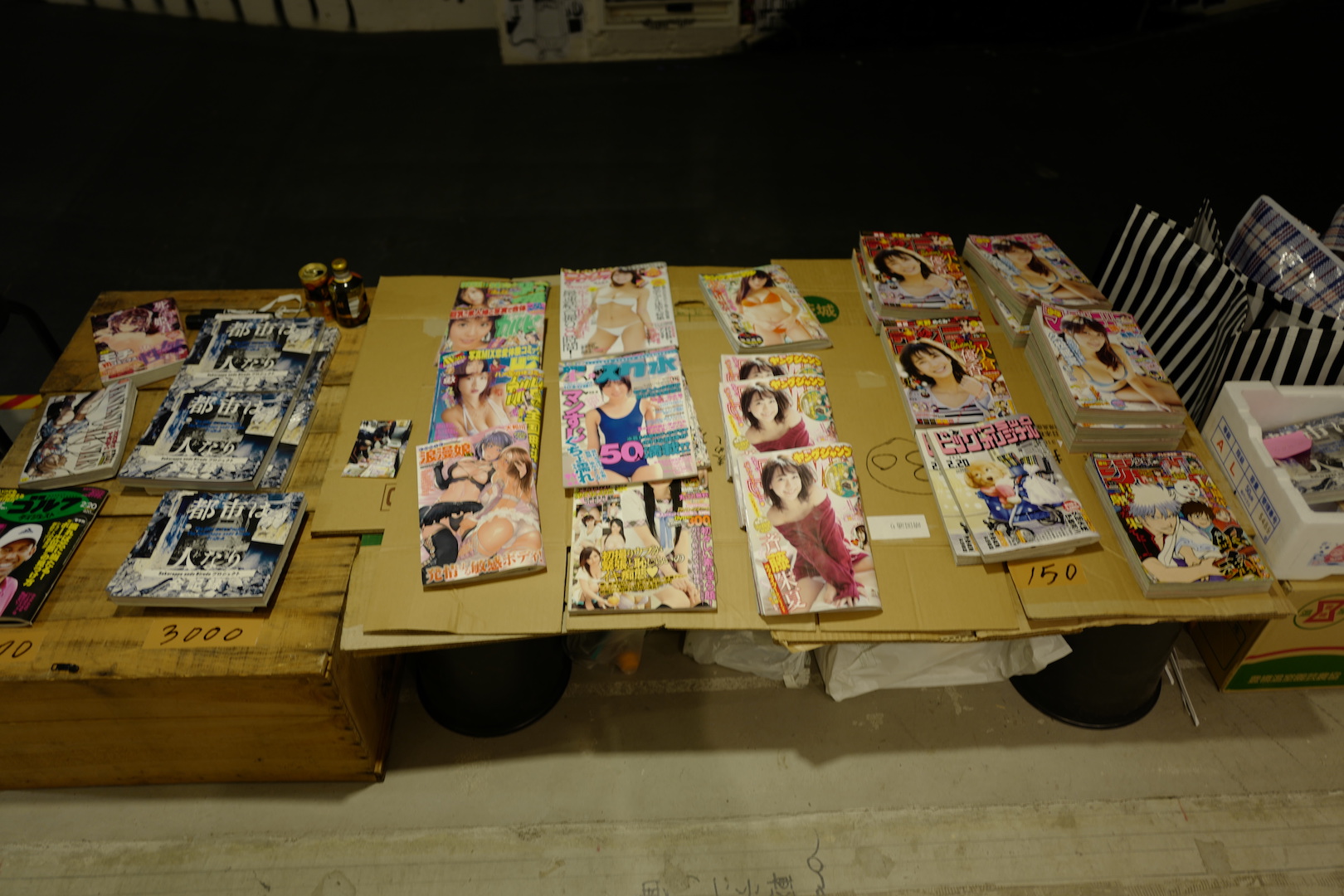
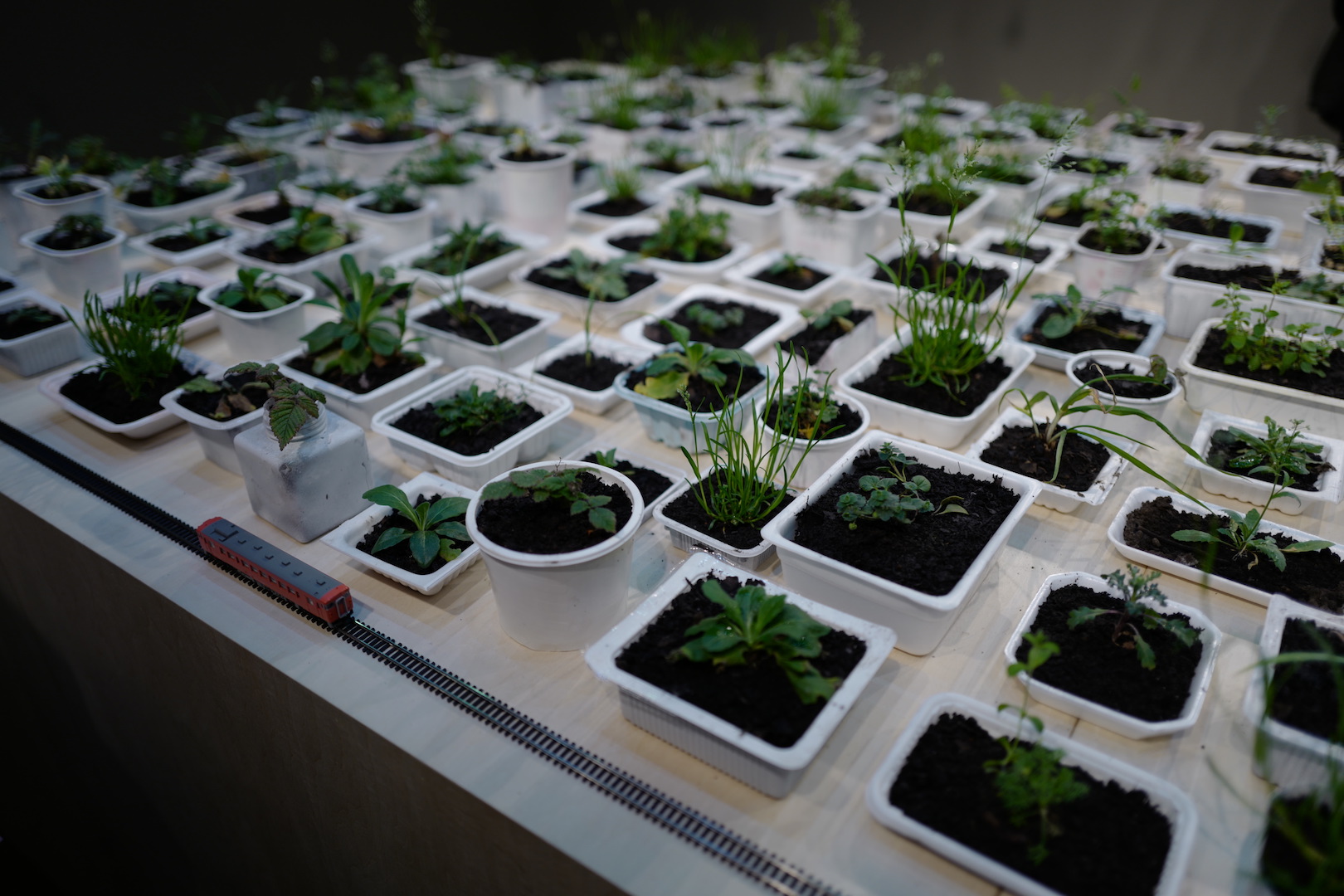
Weed Cultivation
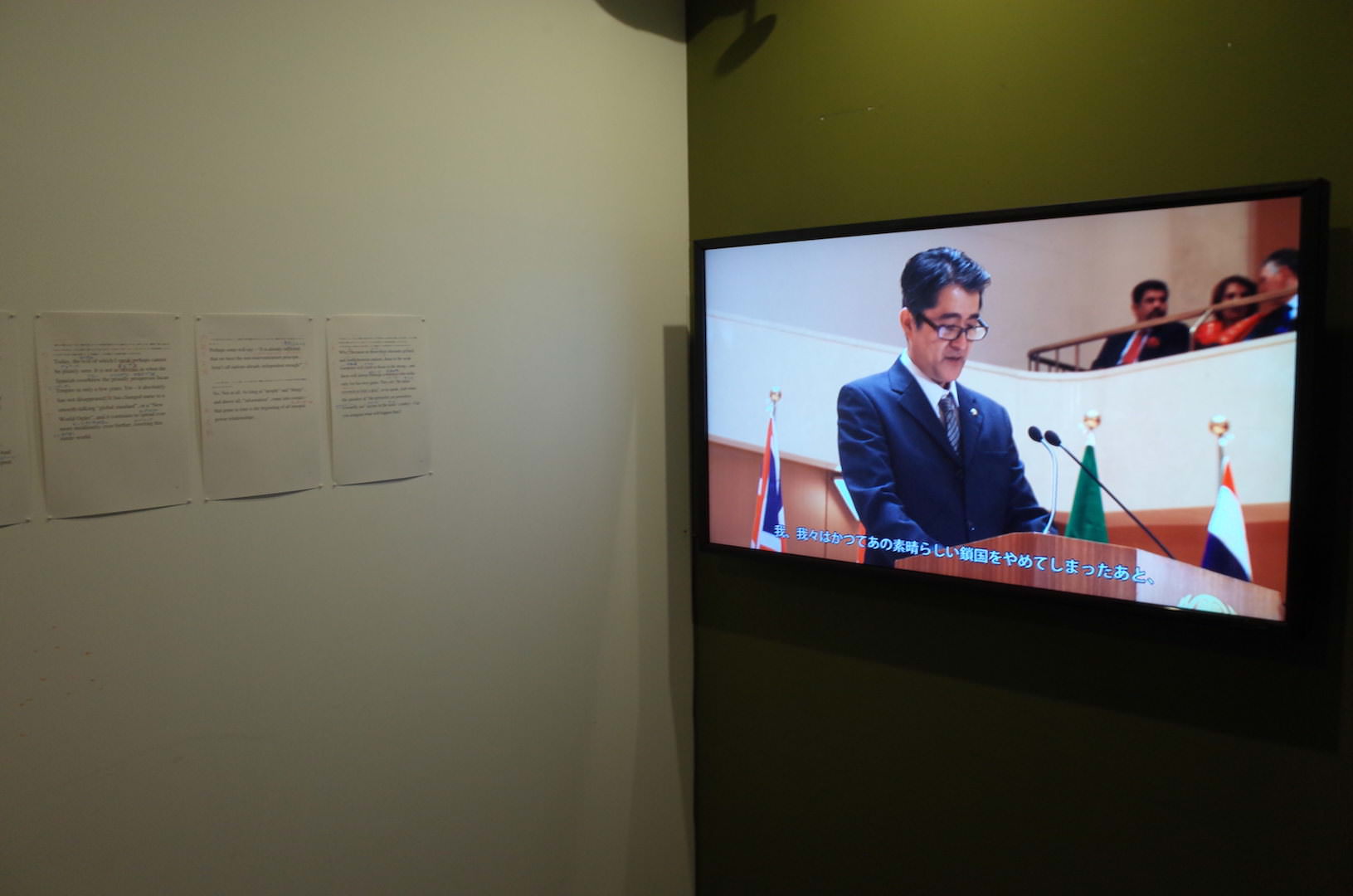
Video of a Man Claiming to Be the Japanese PM Giving a Speech at an International Conference
He apparently has a sweet tooth (laughs).
Summary
Proposals for various city visions.
In Makoto Aida’s lecture there were joking remarks like “I’m not seriously thinking about it,” but every one gives a dead-serious impression. The hint to that is the single line “seriously (for real)” drawn in a frame in the Shinjuku Gyoen plan below.
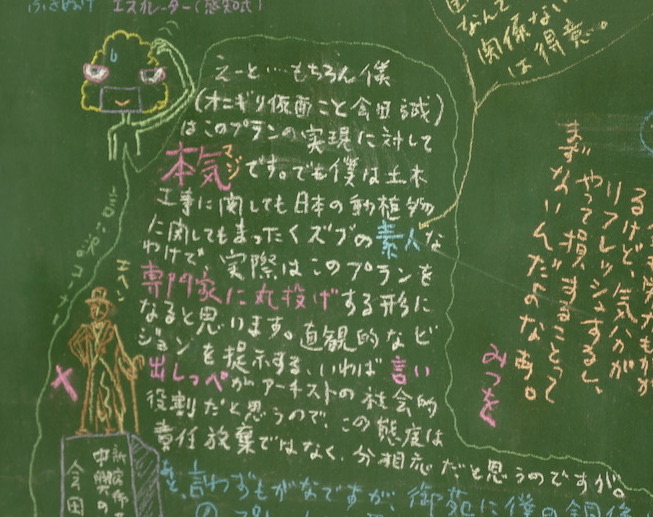
It’s the idea that being the “one who speaks up first” is the artist’s social role.
So, what do the experts think…?
Also, this exhibition, despite the economic support of the Obayashi Foundation mentioned at the start of the article, was apparently “in the red.” So, sales of works are also planned. For details, I think inquiring at his affiliated gallery, “Mizuma Art Gallery,” is a good idea.
Overview
Makoto Aida Exhibition
“GROUND NO PLAN”
Dates: February 10 (Sat)–24 (Sat), 2018
Hours: 10:30–18:30 (until 19:30 on Fridays) *Entry until 30 minutes before closing
Admission: free
Venue: Aoyama Crystal Building B1F/B2F, 3-5-12 Kita-Aoyama, Minato-ku, Tokyo 107-0061
Staff
■Guest artists: Akira Yamaguchi, Chim↑Pom, Torajiro Aida
■Character provided by: Kōji Aihara
■Obelisk diorama production: Shuntaro Yoshino
■Rubble carrying and other heavy labor: Shuntaro Yoshino, Yoshiki Shimada, Kōshin Hatano
■Production at the atelier of “Necktie Building ∞,” “Pillars,” etc.: Minami Kanetō, Mariko Tomii, Kei Asakura, Haru Nomura, Ayano Anzai, Heijiro Yagi, Noriko Kamiya, Sae Takahashi, Noboru Kamada, Arisa Tanaka, Chika Araki, Saya Wakae, Rei Obata, Morio Tagami, Takuya Nakayama
■Weed collection: Ayano Anzai, Akane Tazai, Miyuki Mikata, Sae Takahashi
■Various installation: Takashi Sakai, Gen Yasukawa ■”Hinomaru” soiling: Atsushi Watanabe, Yuko Okada
■Karaoke hype squad: Sachiko Kazama, Yuko Lee, Nahoko Nishioka, Kenichi Abe, Takahiro Abe
■Karaoke filming: Yuko Okada
■Mug production cooperation: Mayu Otake
■Editing of slideshows, video, Twitter screens: Keisuke Tanaka (Mizuma Art Gallery staff, hereafter “MizG”)
■Transport, scrap-material arrangement, etc.: Yu Harada (MizG)
■N-gauge: Masao Munehisa (MizG)
■Various other: Miho Osada, Makiko Mikawa, Annabel James, Yurina Matsuda (all MizG)
■Output cooperation: Hiroshi Takeno (Unigraphic Co., Ltd.)
■”Weed Cultivation” and general lighting: Toru Nakamura
■Venue photography: Kei Miyajima
■Diorama production: Ryo Narumoto (Allegro Co., Ltd.)
■Overall supervision, rejecting work ideas, and all other odd jobs: Eriko Kusaka