Leandro Erlich Exhibition
My own first encounter with Leandro Erlich’s work was the famous “The Swimming Pool.” He is not an artist of simple tricks meant merely to deceive; rather, he is one whose purposeful works let you savor a genuine sense of comfort.
https://art-on.jp/kanazawa21/
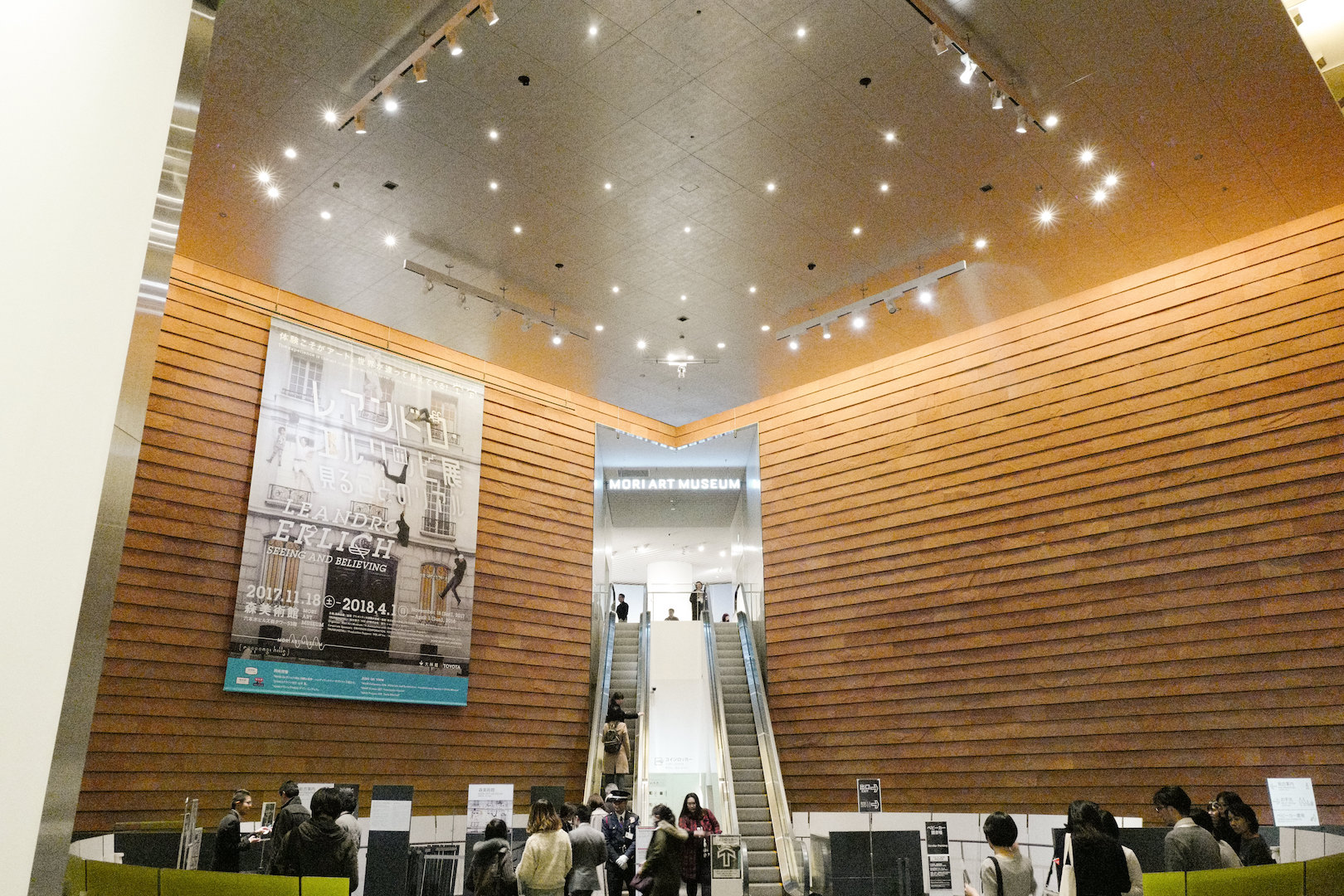
The venue, moreover, is the Mori Art Museum, a place kind to busy modern people. On the day I visited, too, it was open until 10 p.m.—a wonderful museum.

Even late at night it was quite crowded. My impression was that, rather than couples, there were many overseas tourists—Westerners, Asians, and so on.
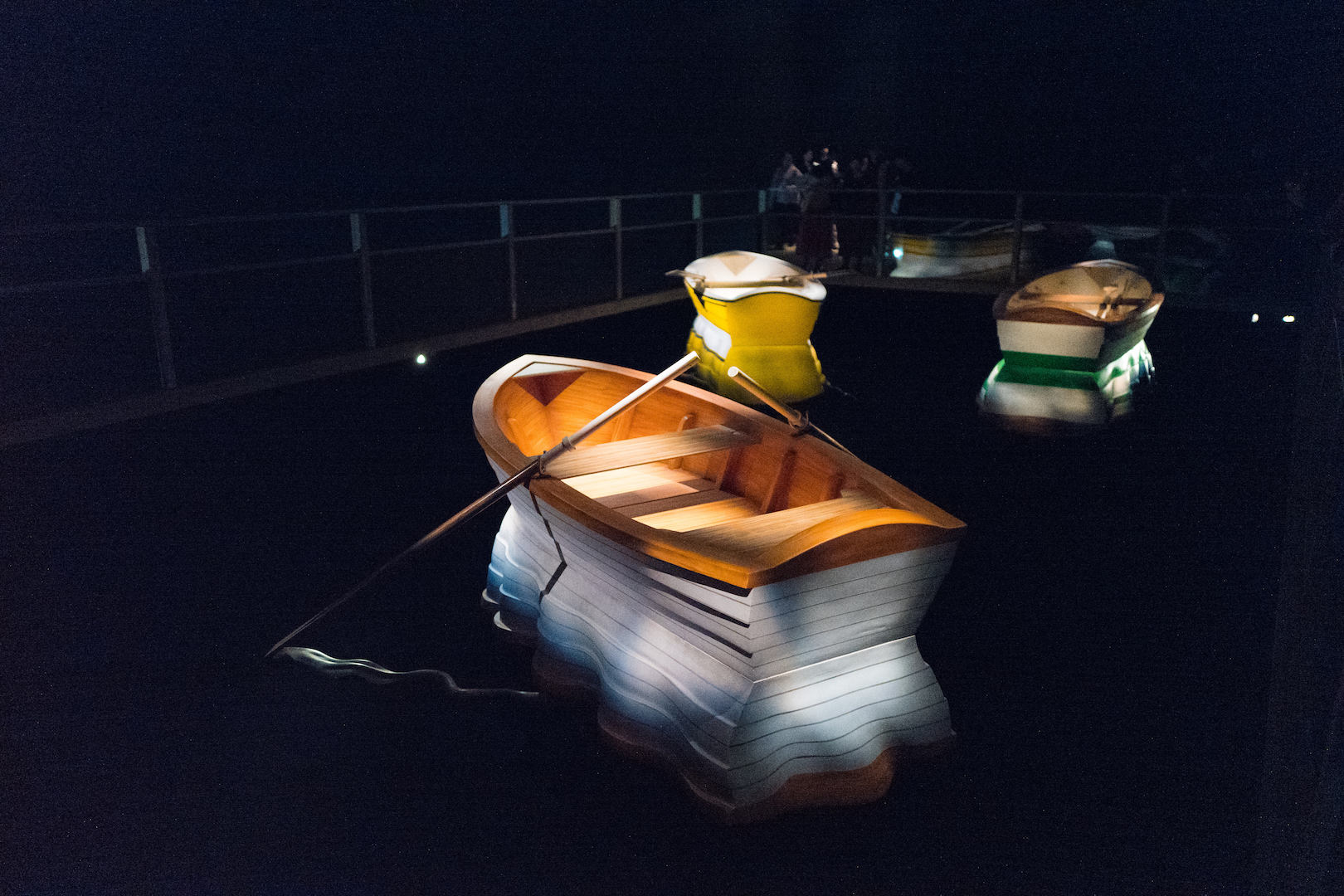
The Boat
The opening is an exhibit of a boat drifting in the darkness.
It is a wonderful work, with a boat that sways with subtle nuance and an exquisite balance of lighting reflected on the water’s surface. It is relatively easy to tell that “there’s no real water in here,” but even setting that aside, you can intuitively sense how beautifully the swaying effect has been realized.
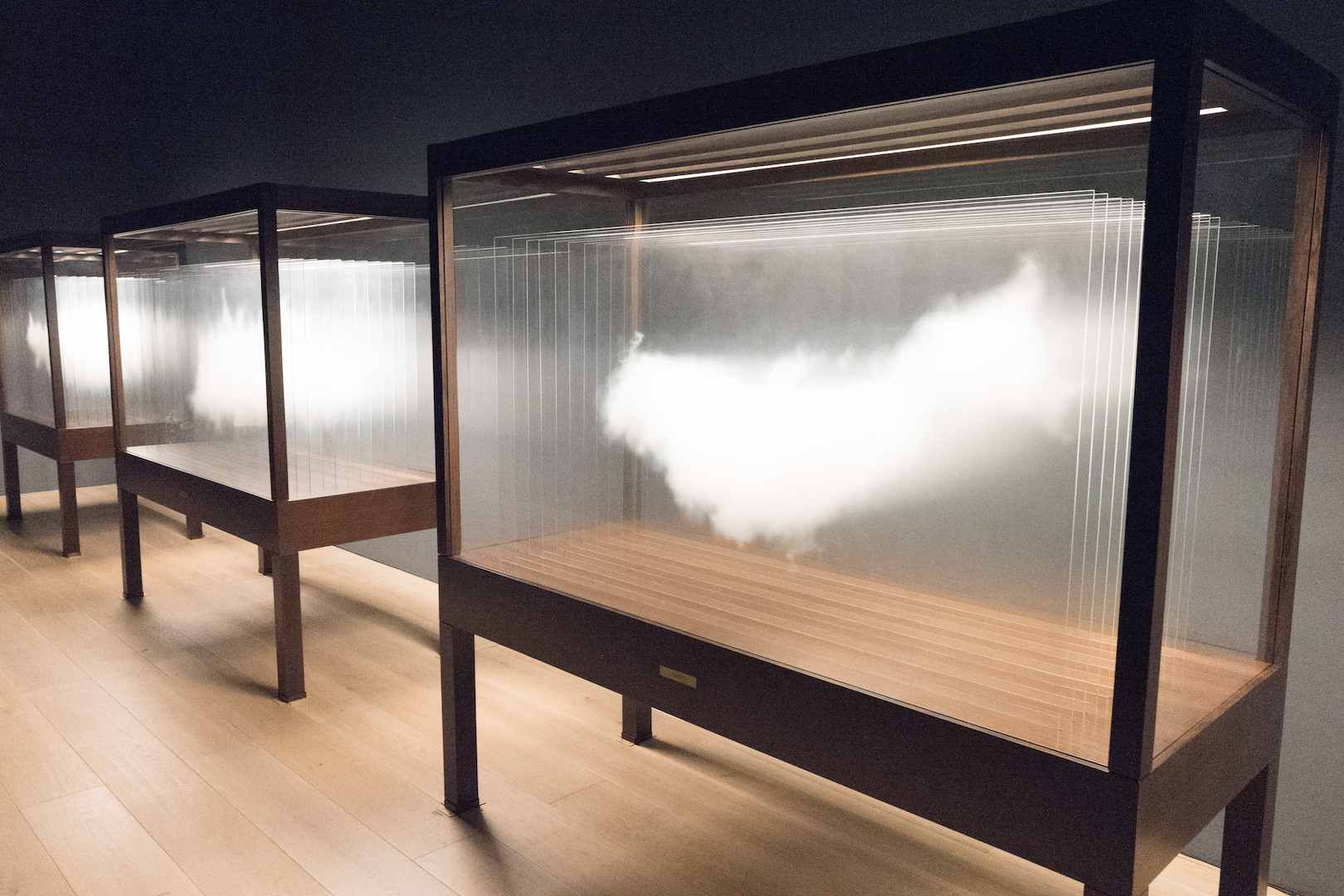
Clouds
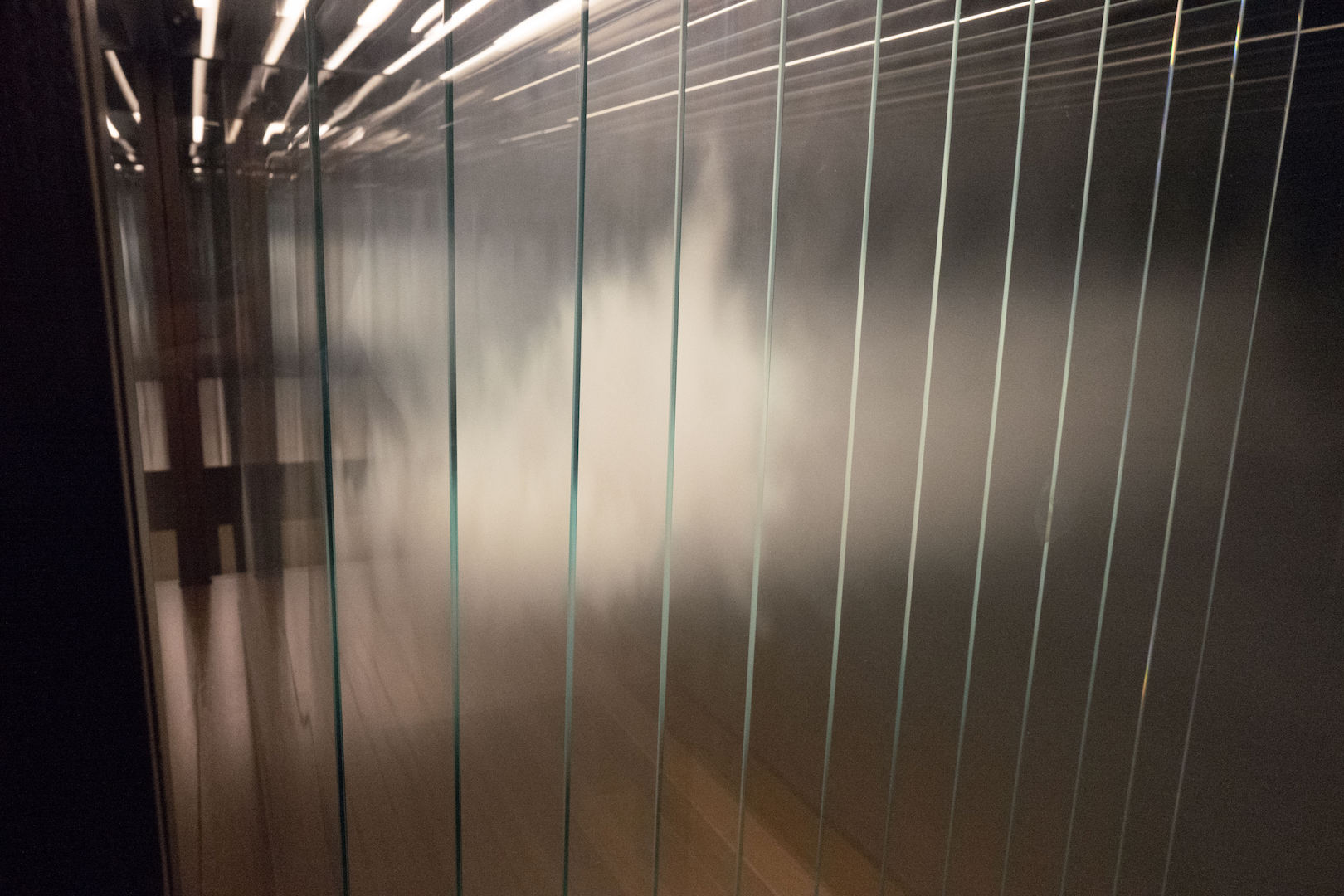
Next is a work of clouds. For some reason, the clouds are contained as if sealed inside four boxes.
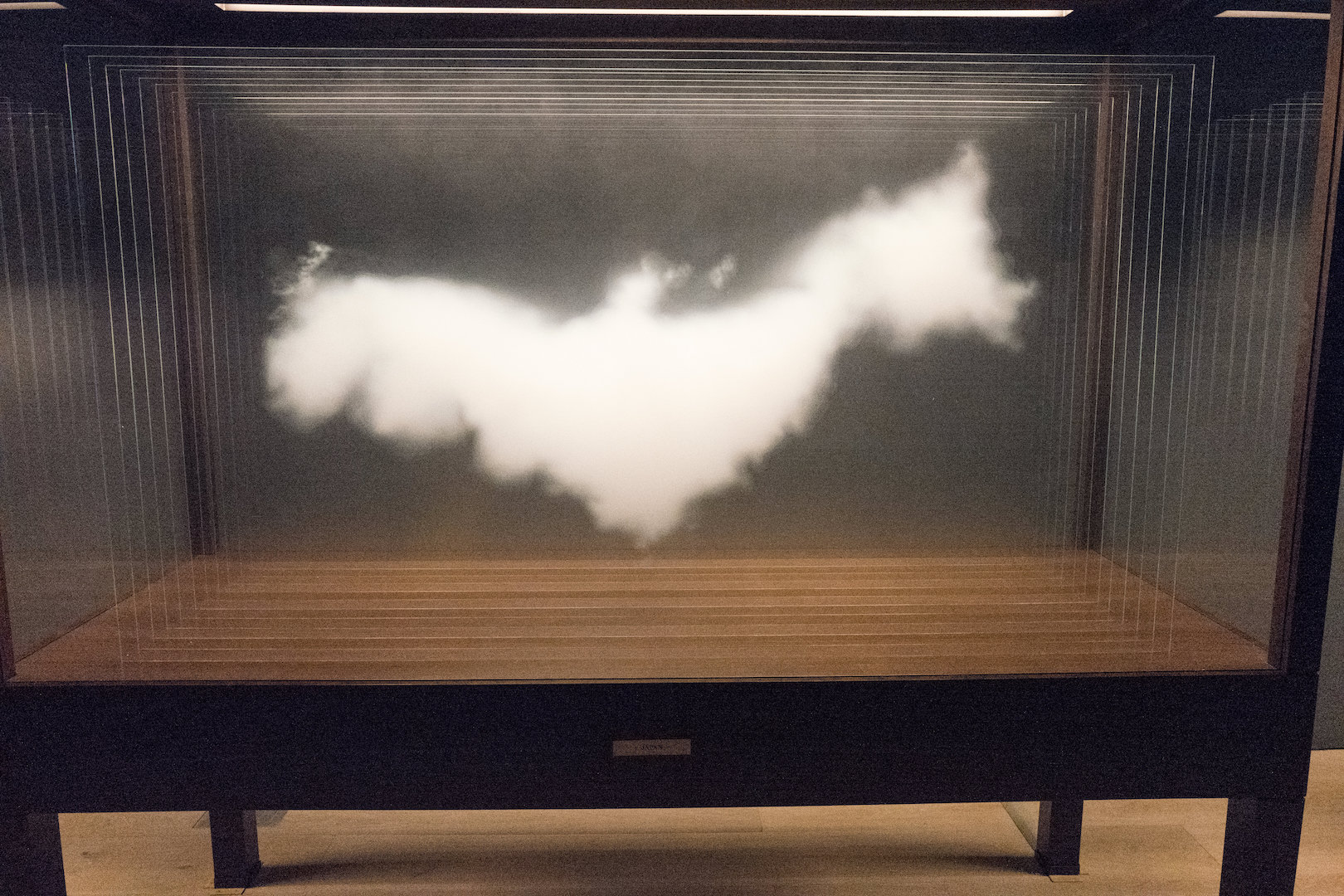
Hmm…?!
Looking closely, you realize—could this be a depiction of the Japanese archipelago?
And when you view the box holding the clouds from the side…
To my surprise, you realize it is art created by stacking, layer upon layer, flat works sprayed onto glass.
The Classroom
You move into a space where an old, run-down classroom—like one in an abandoned school—is projected.
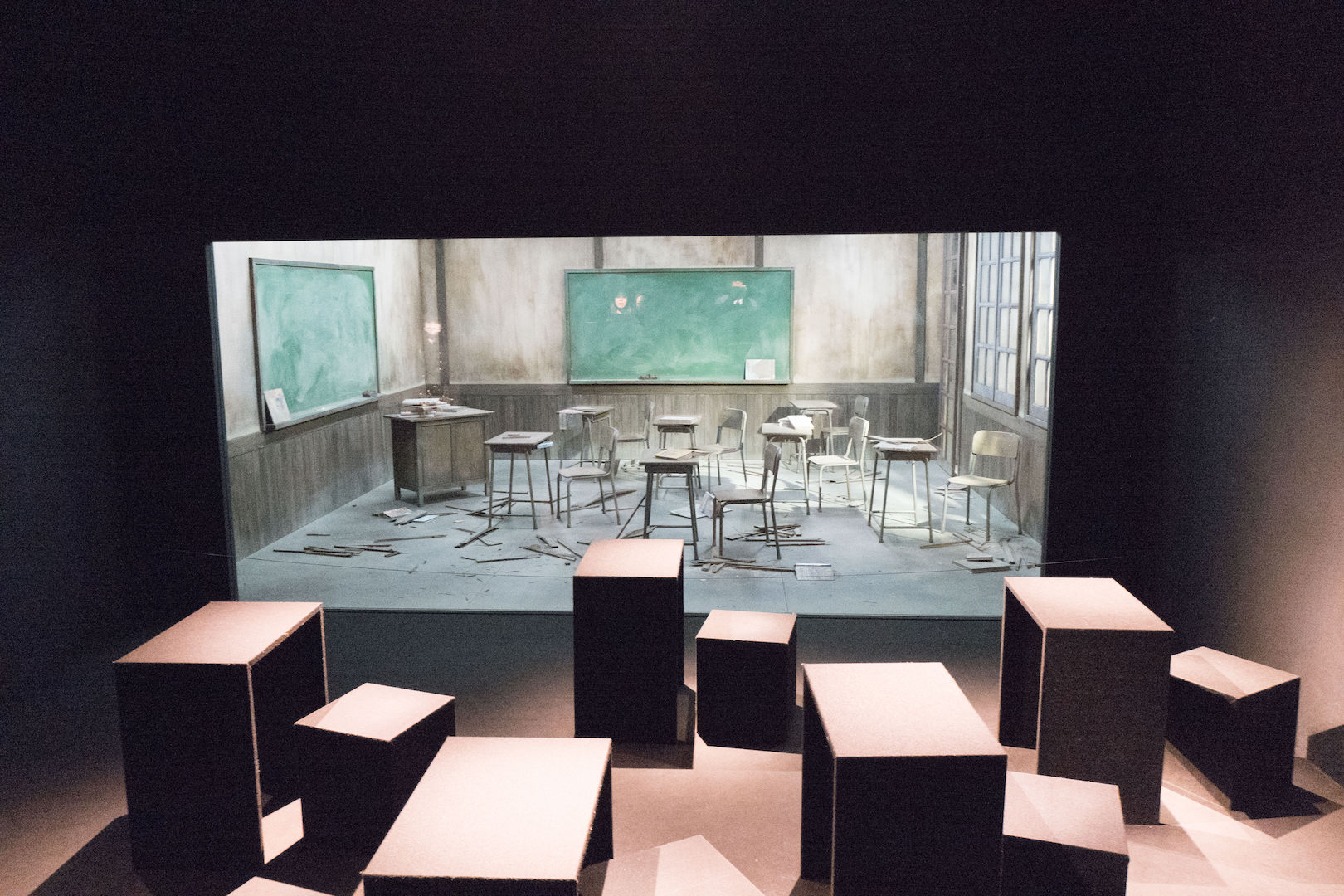
The gimmick is that when you sit in a chair set up on this side, you are projected into the classroom with the blackboard on the far side. The device projects you in a ghost-like state, with your feet not showing.
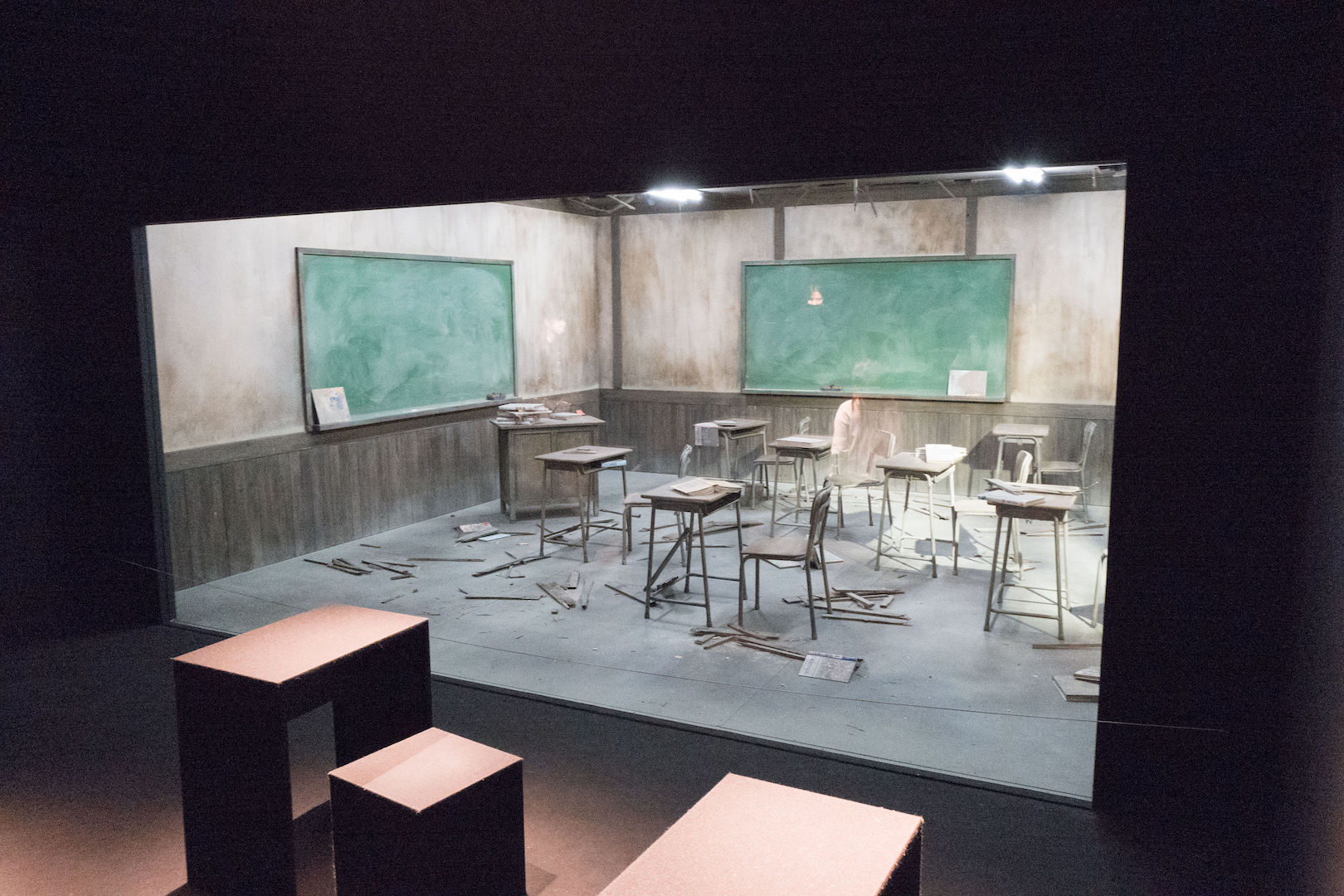
Leandro’s works are always accompanied by exquisite lighting.
The Train Car
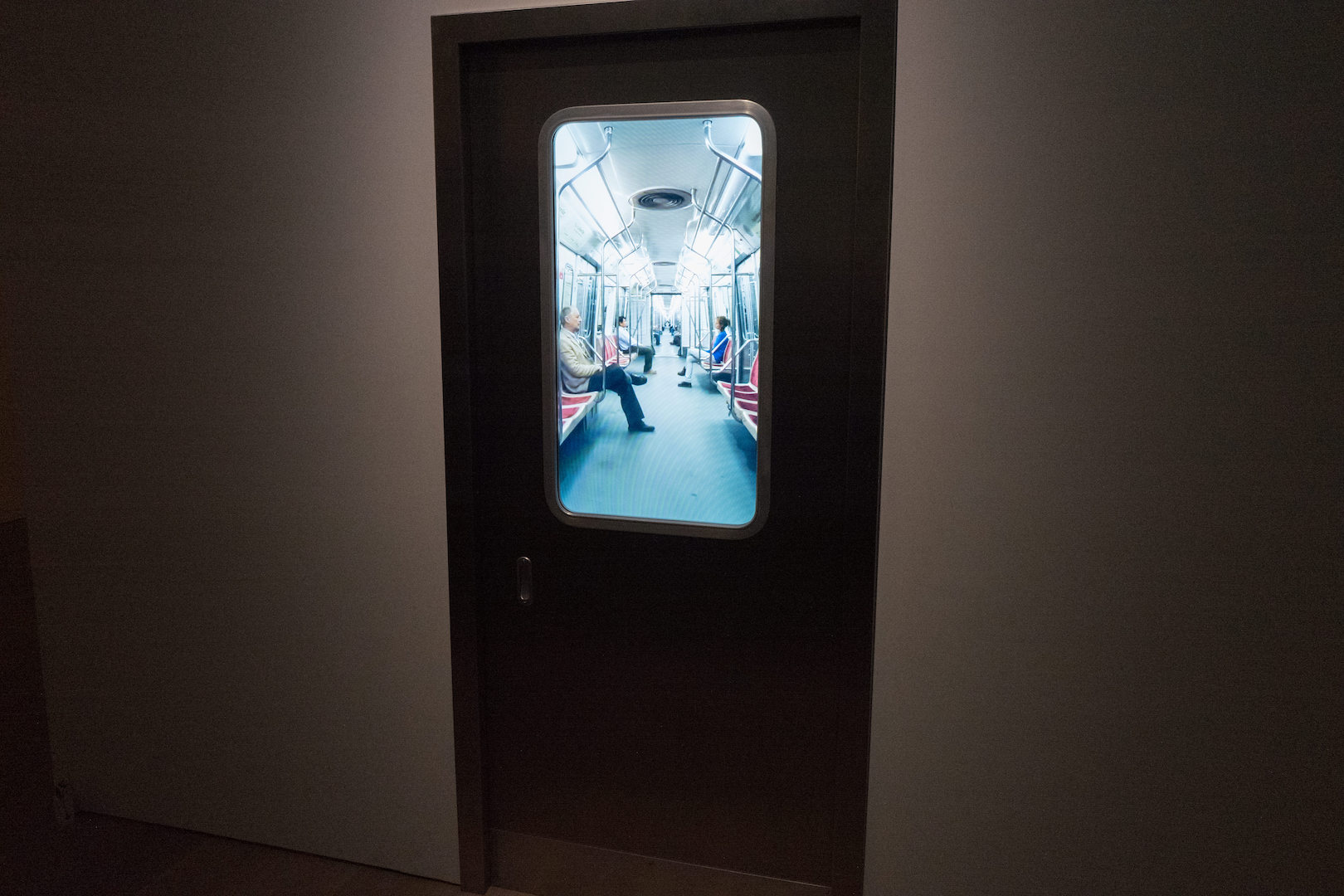
The video work, in which you seem to peek into a train car, involves no gimmick.
Yet the piece, looping on endlessly, feels like a journey without end. The seated passengers, too, begin to look like actors.
Peeping
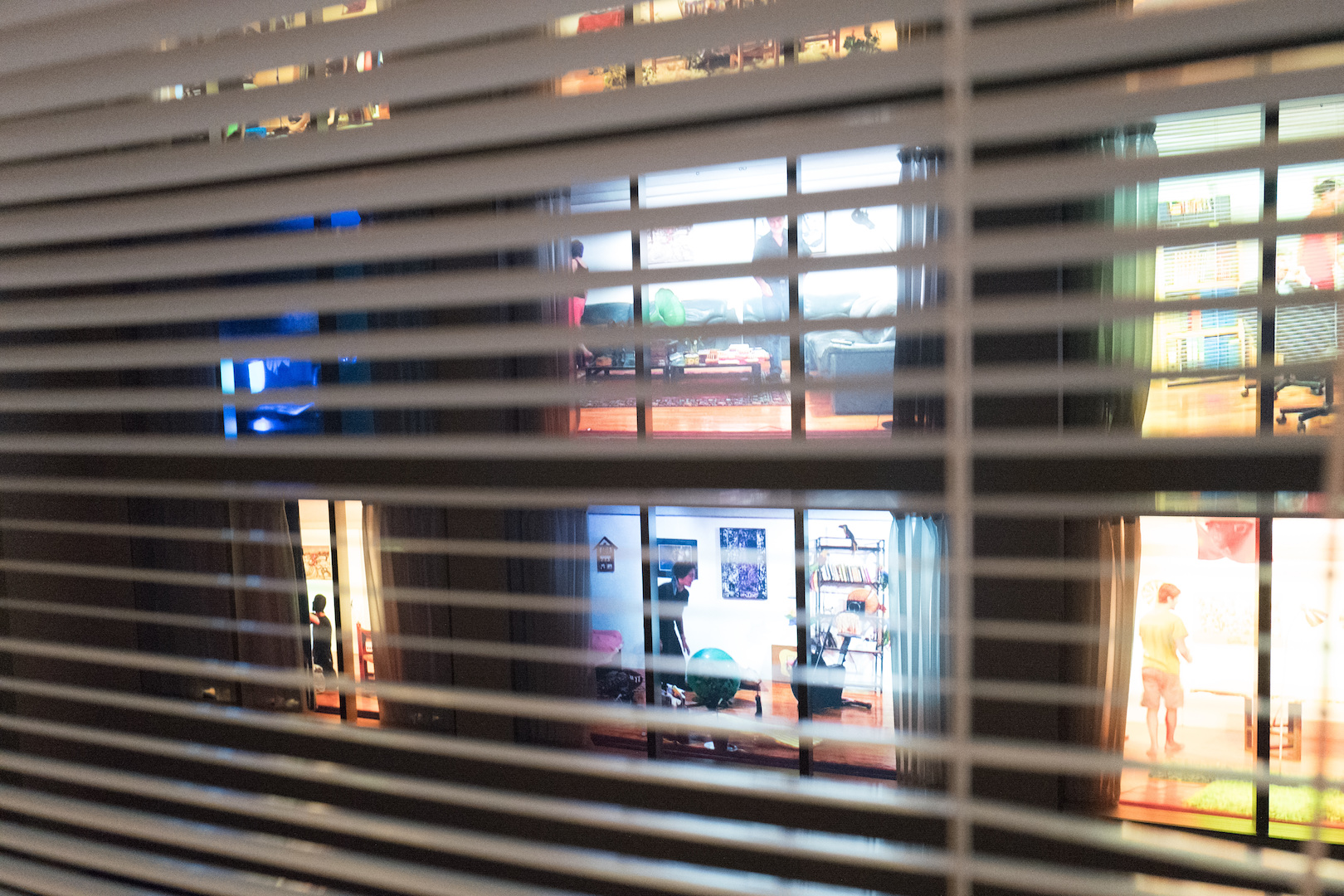
A work set up so that you can see the rooms of an apartment building through the blinds. Various stories unfold in each room, and with a comical touch that kept me from feeling much guilt, I found myself staring intently.
Surveillance
Alongside the peeping, a work approached from the angle of “surveillance” was also striking.
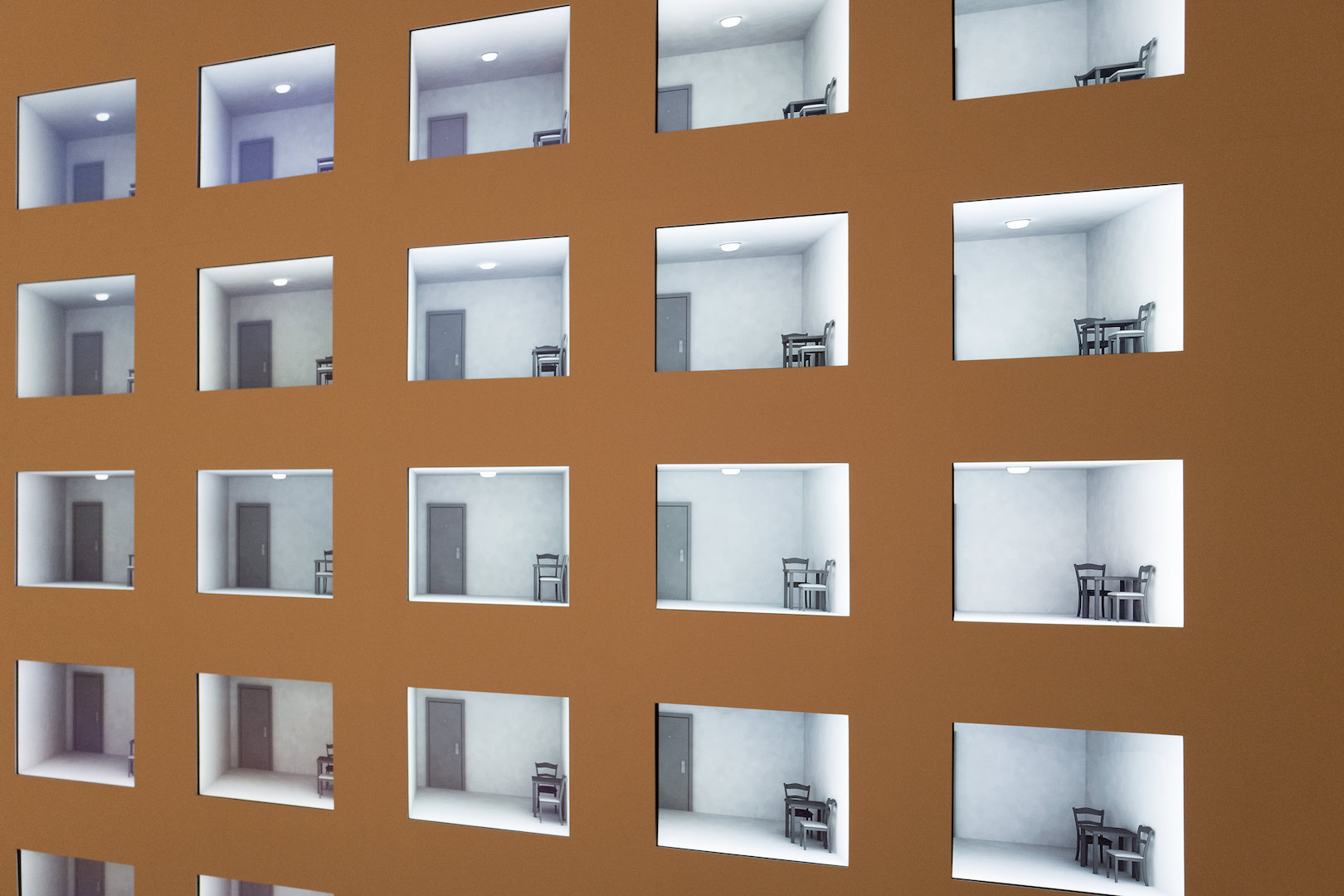
A project in which many similar rooms are projected on monitors. It is set up as if you had become a prison guard. Not a single person enters, yet I couldn’t help comparing one room against another.
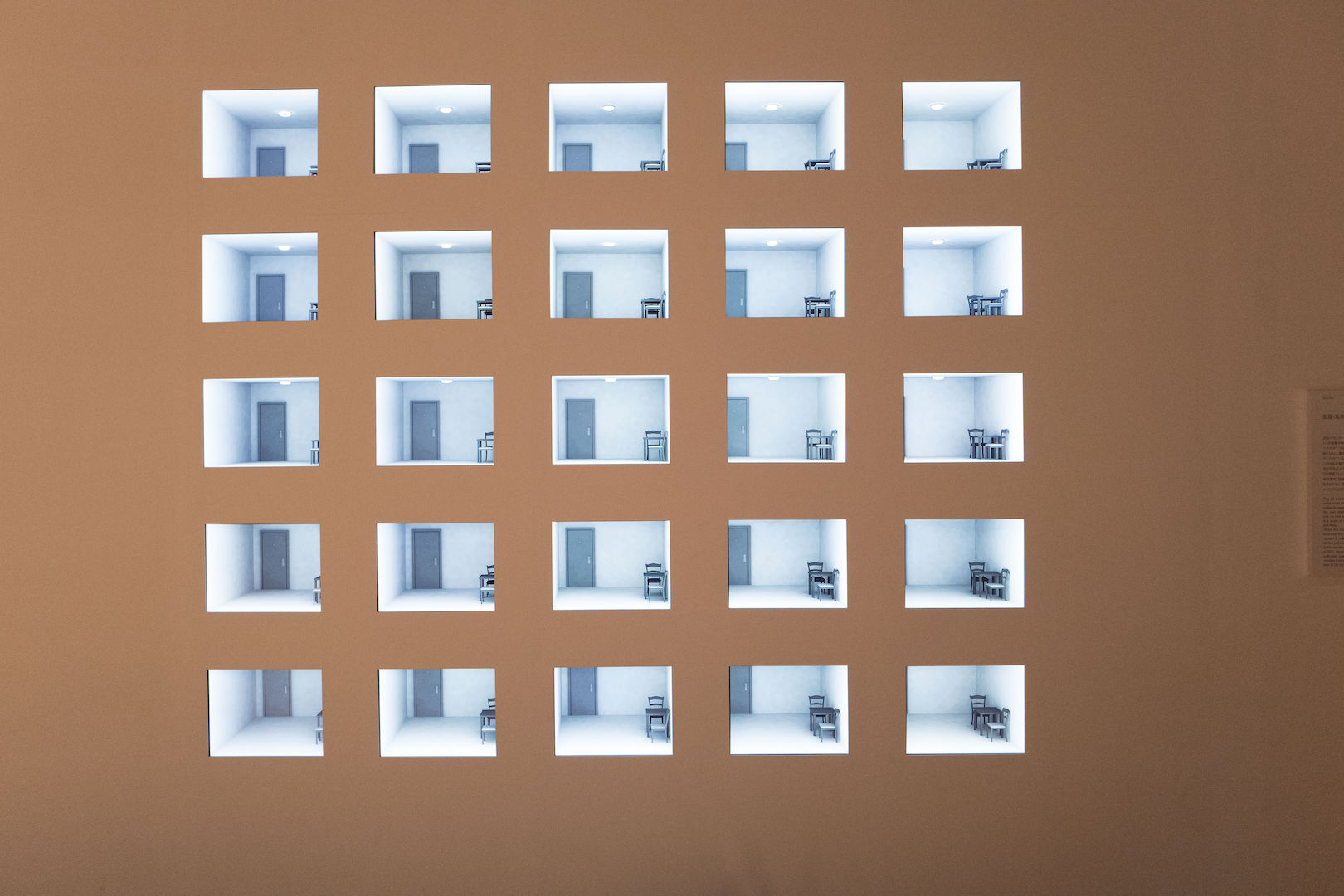
The subtly shifting angles of the rooms must be the artist’s intention.
The Courtyard
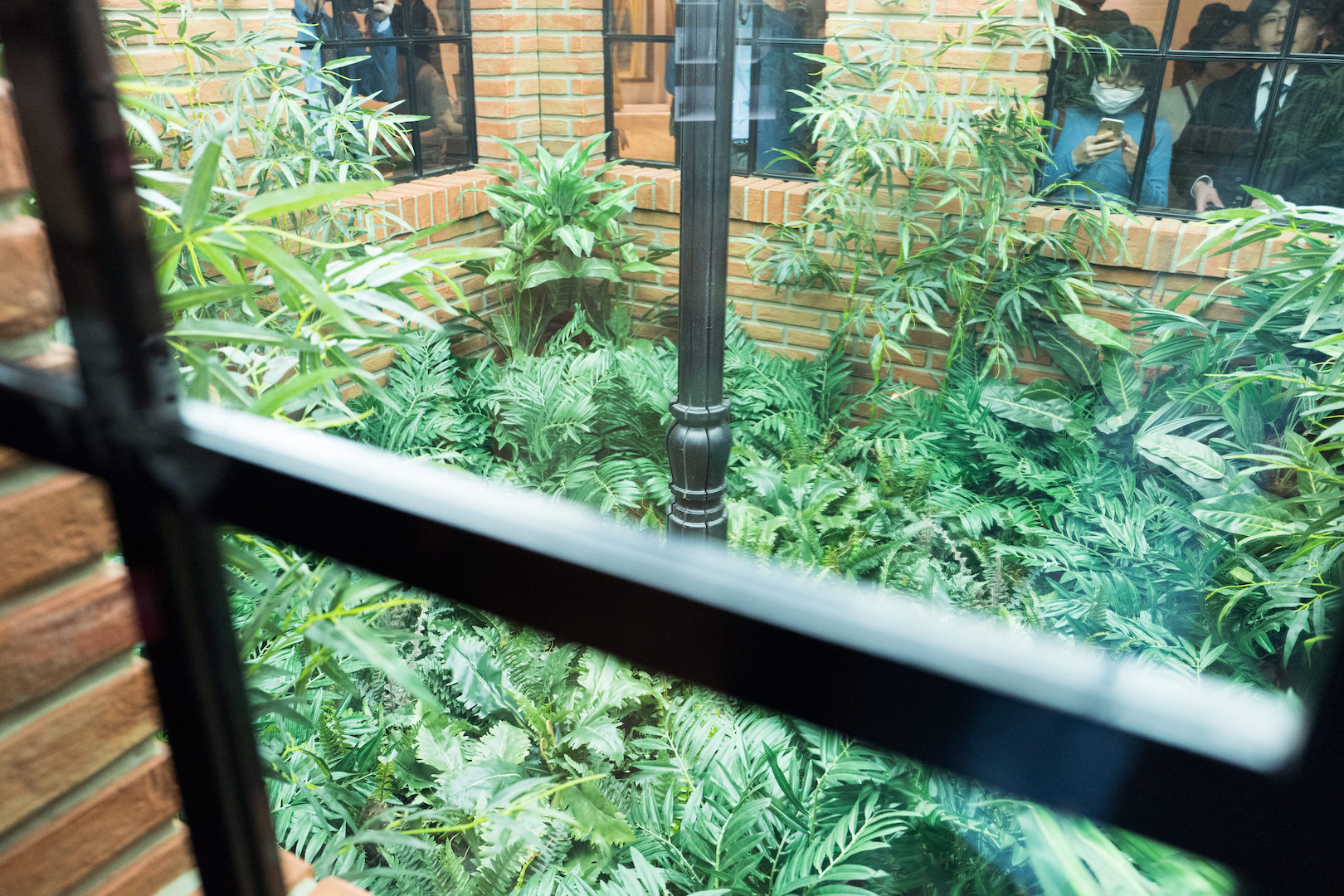
I only understood the trick of the courtyard after leaving the museum.
In this work, you—peering into the courtyard—are also projected onto the window on the far side. The reveal was that this trick is achieved with a triangular box, but I was mesmerized by how mysterious it was.
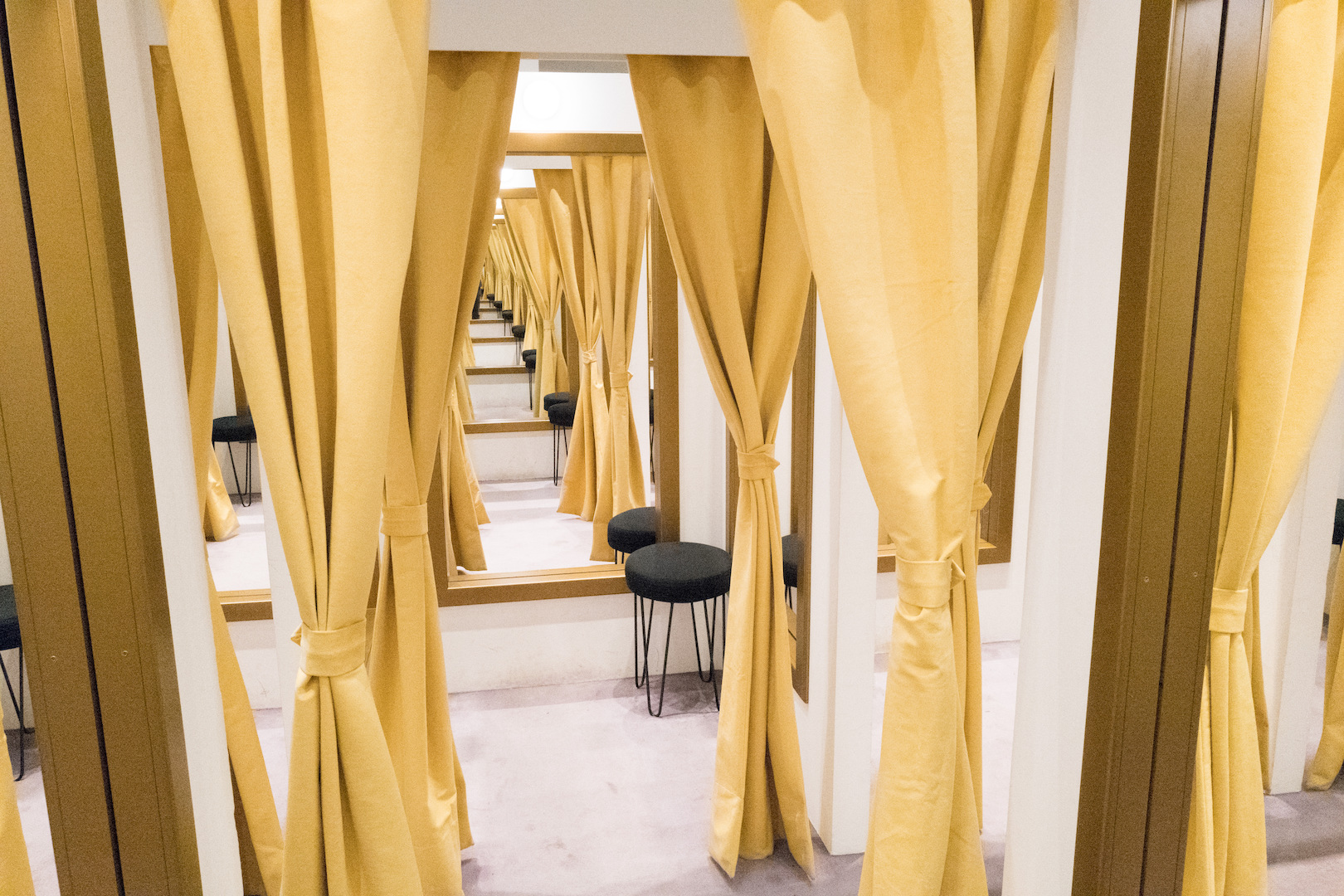
The Fitting Room
The fitting room, with its two-way-mirror-like mechanism, is a trick where doubts about your own vision assail you at every turn. It was amusing how, even knowing better, I instinctively kept reaching out to check with my hands.
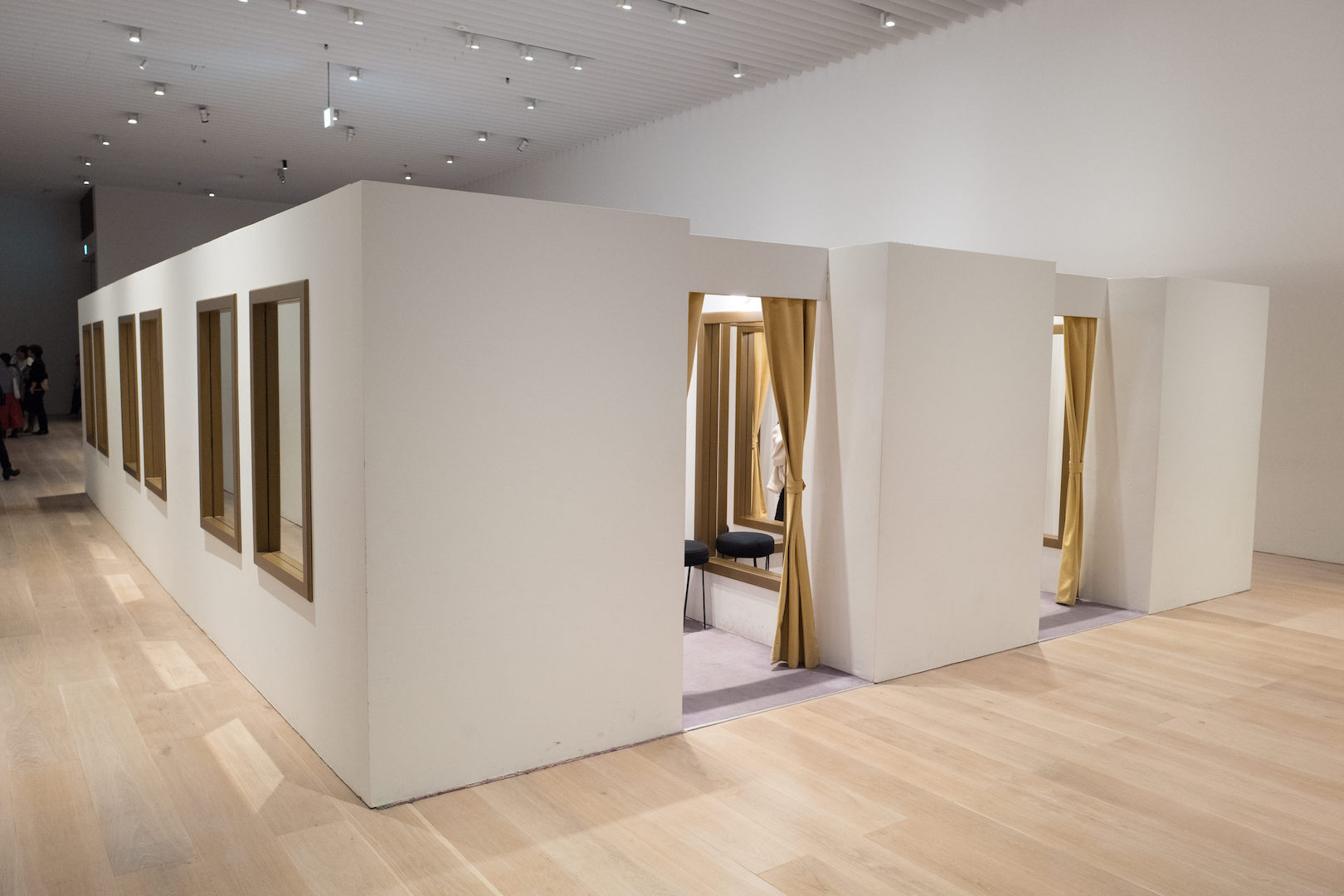
Even though what I saw with my own eyes was certain, the moment I felt uneasy I would rely on another sense—touch—and it was funny to find myself falling right into the artist’s trap.
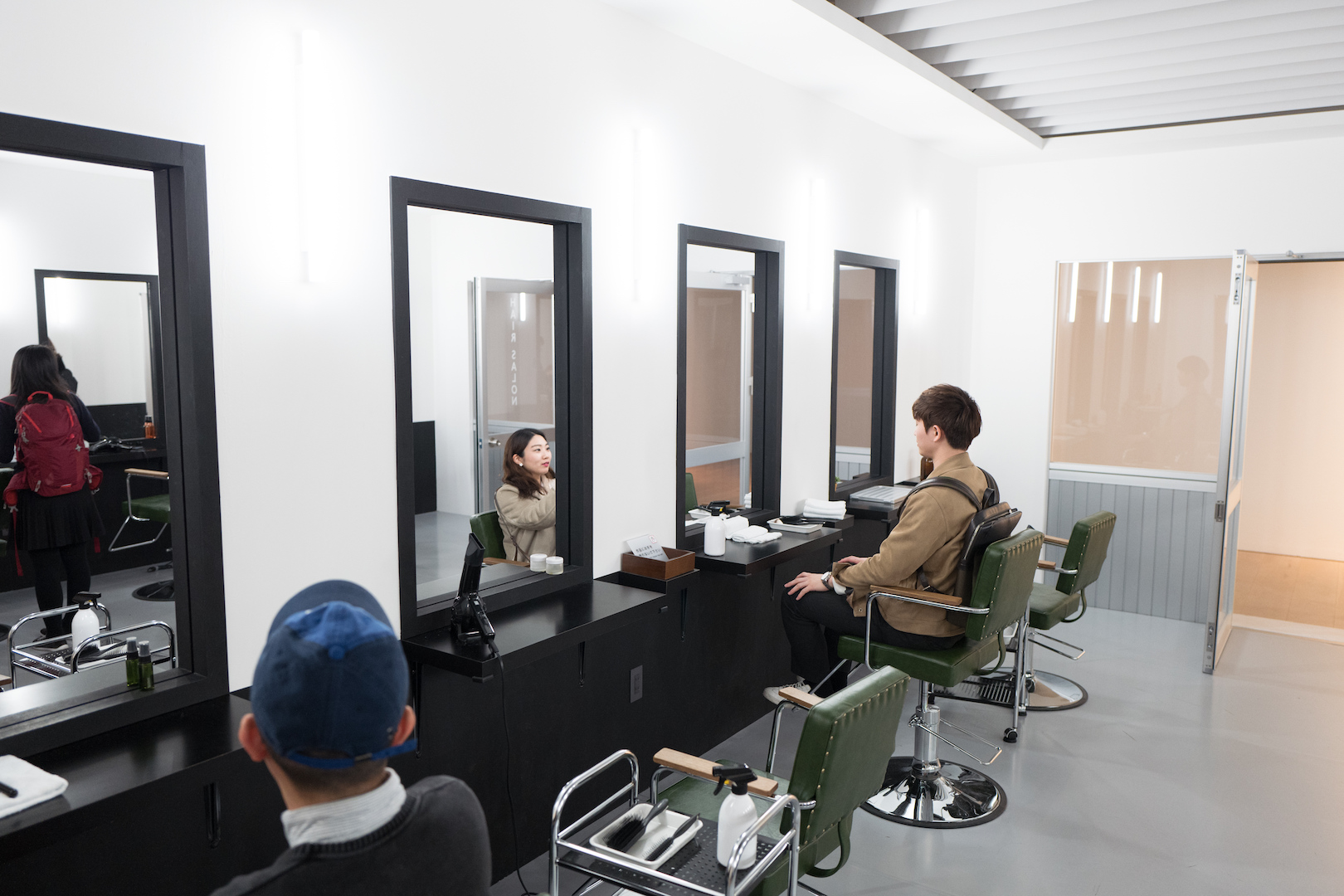
The Hair Salon
A work using the mirrors of a hair salon. When you sit in the salon chair, you are not reflected in the mirror; instead, the device brings you face to face with another viewer sitting opposite. It was a work that deceives viewers who have grown “so accustomed to mirrors.”
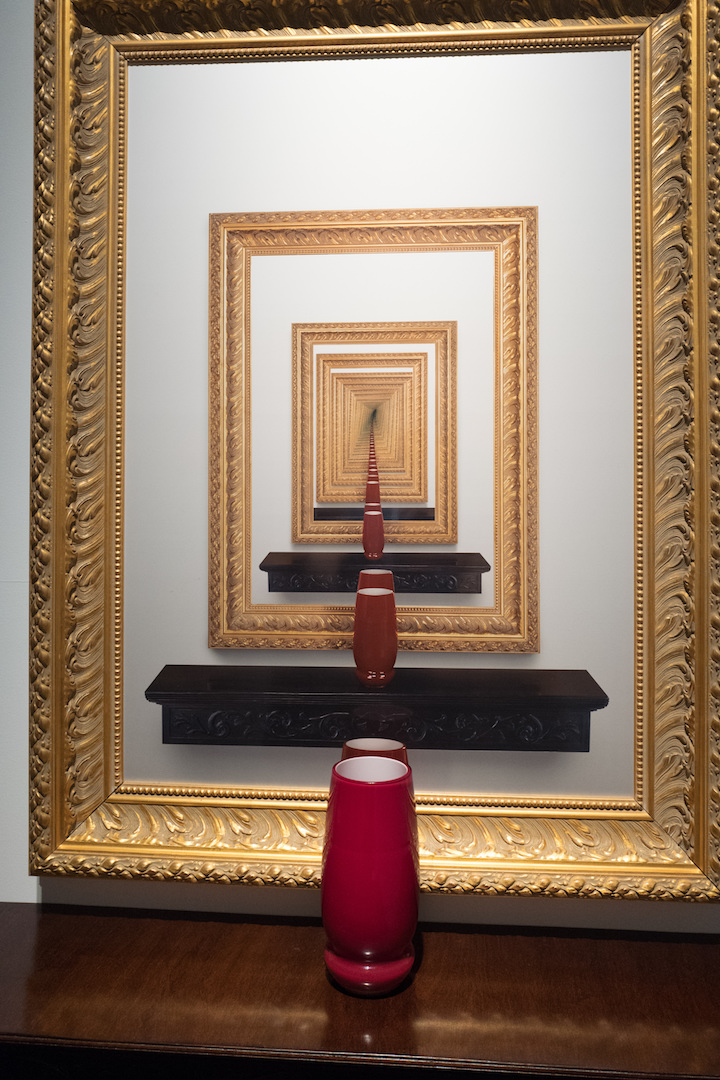
Two-Dimensional Works
Amid the many three-dimensional and video works, there were also two-dimensional pieces that challenged one’s vision. The photo below forms a pair; similar works were placed facing each other.
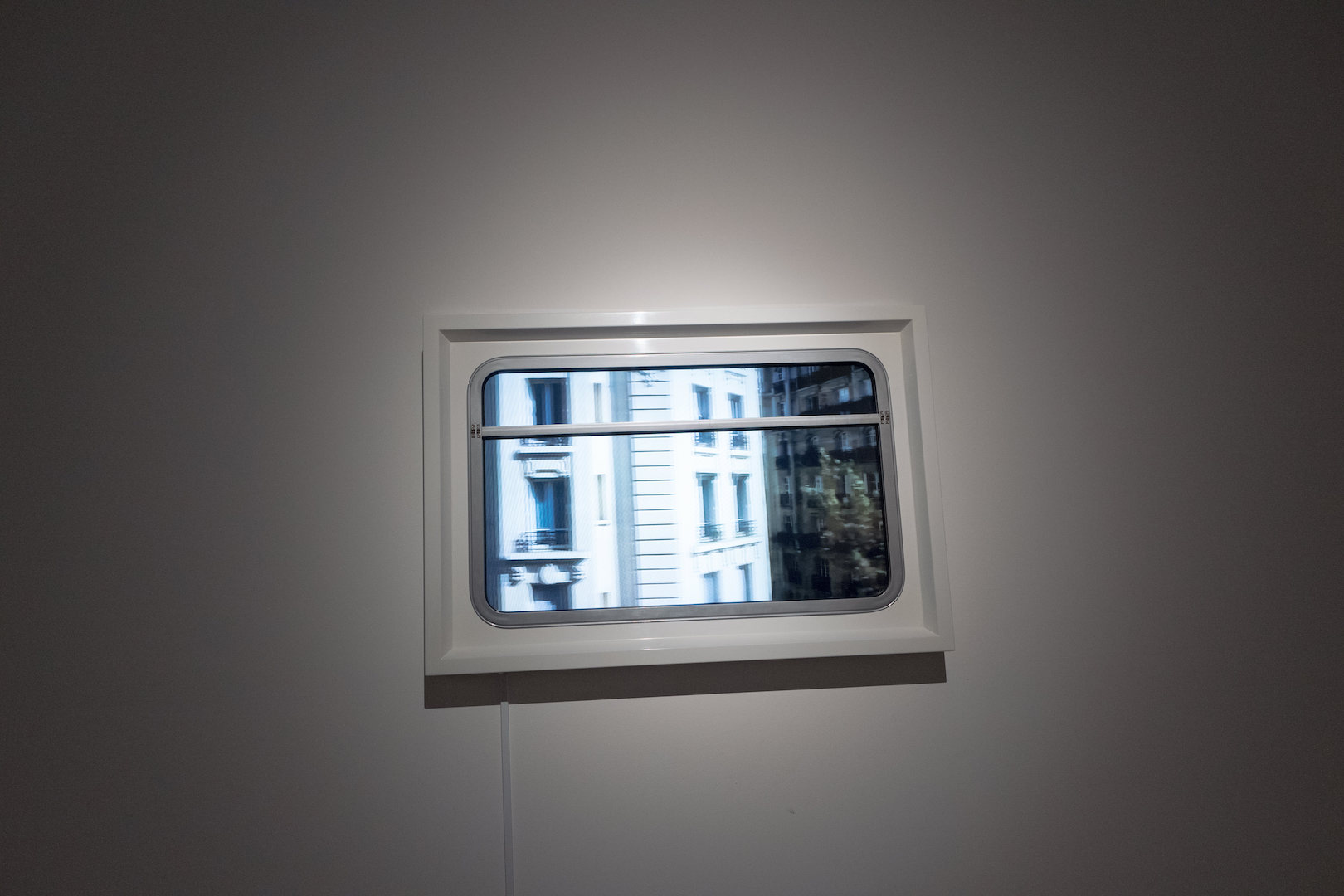
The World from a Train Window
A video work reminiscent of a certain TV program’s title. In it, the scenery seen from a train window changes one after another. Footage that appears to be of Japan and Tokyo plays, but before you know it, it shifts to overseas cities—a nicely paced work.
Model Works
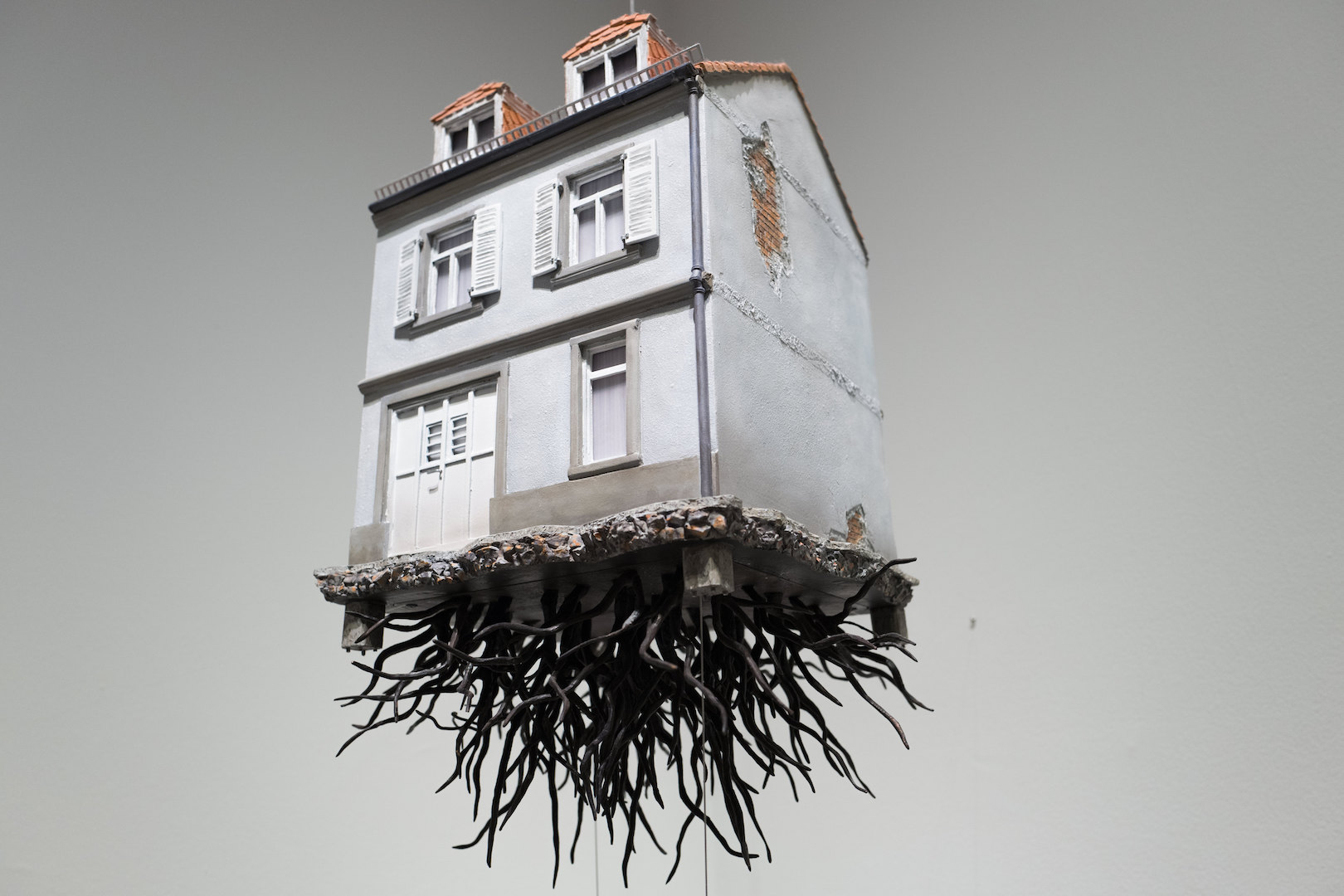
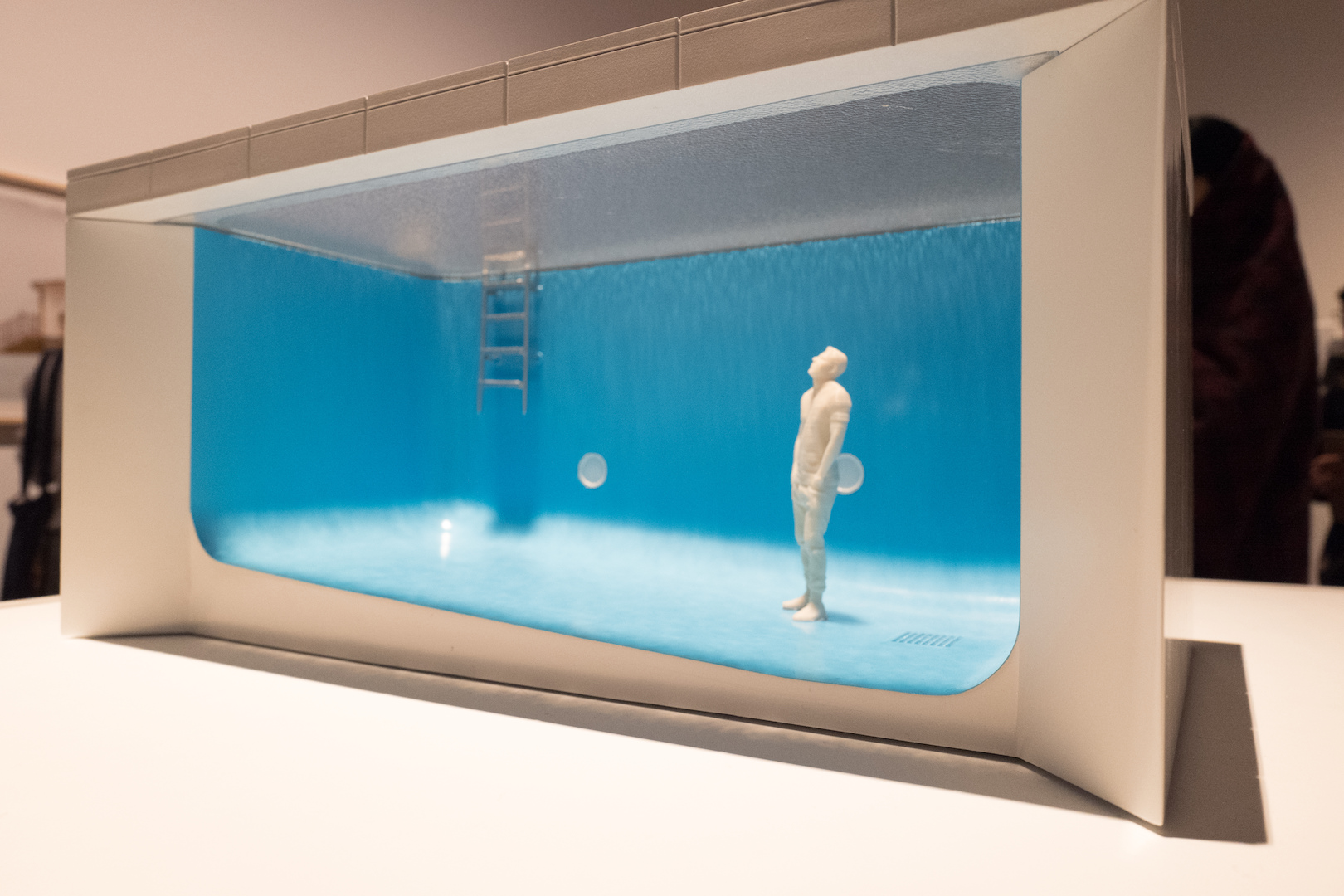
In the final zone, many model works were on display.
The well-known “The Swimming Pool” project was there, too.
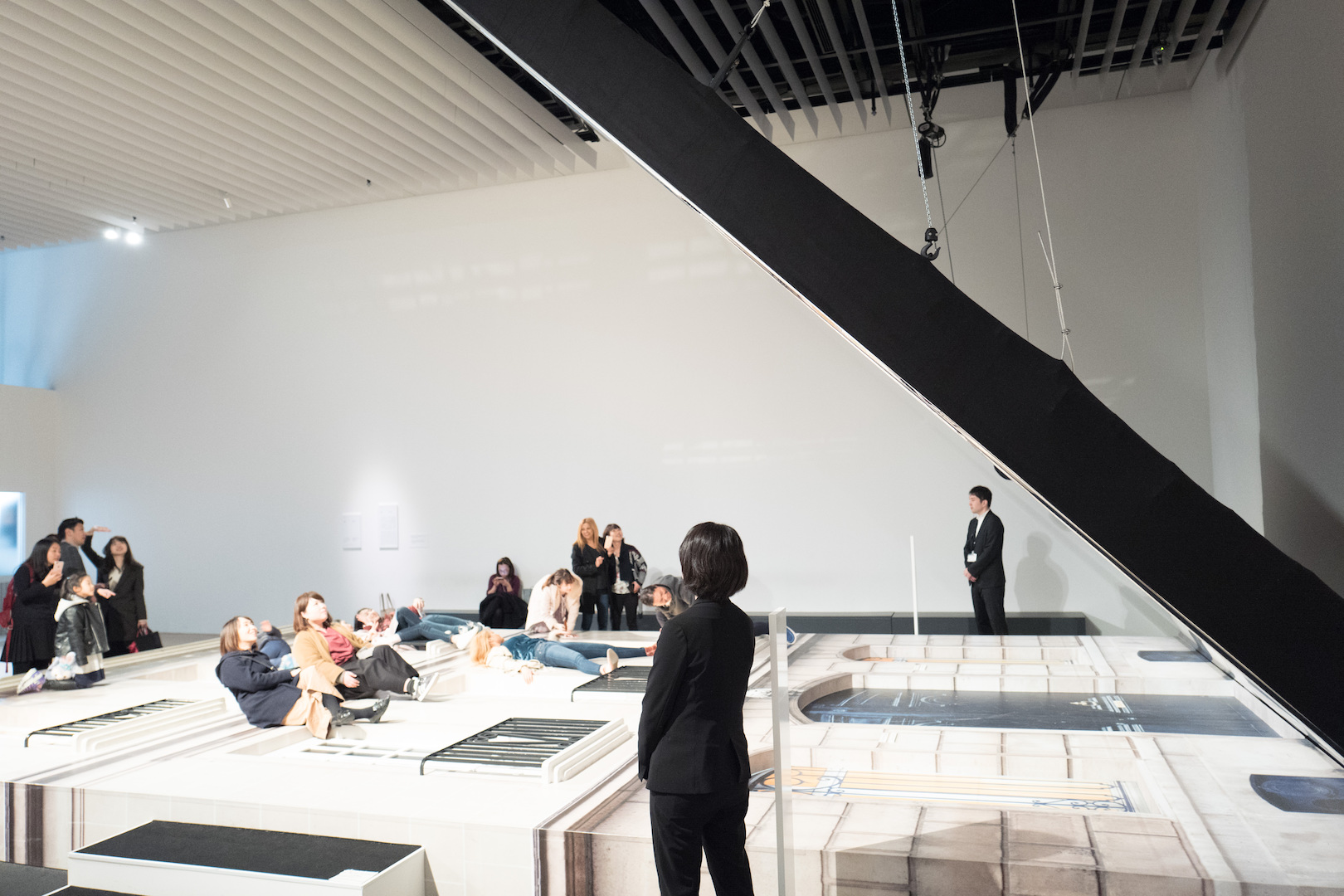
The Building
A work in which, when you lie down on the wall of a building laid flat on the floor, your figure is reflected in a mirror. It is trick art conscious of being “Instagram-worthy.” Your reflection appears as if you were dangling from the building, coming across in a comical way.
Conclusion
It was a participatory art exhibition centered on three-dimensional works, in which viewers experience the pieces for themselves.
Rather than simply showing off clever tricks meant to startle, Leandro Erlich’s works take an approach that creates connections among participants and smoothly fosters communication.
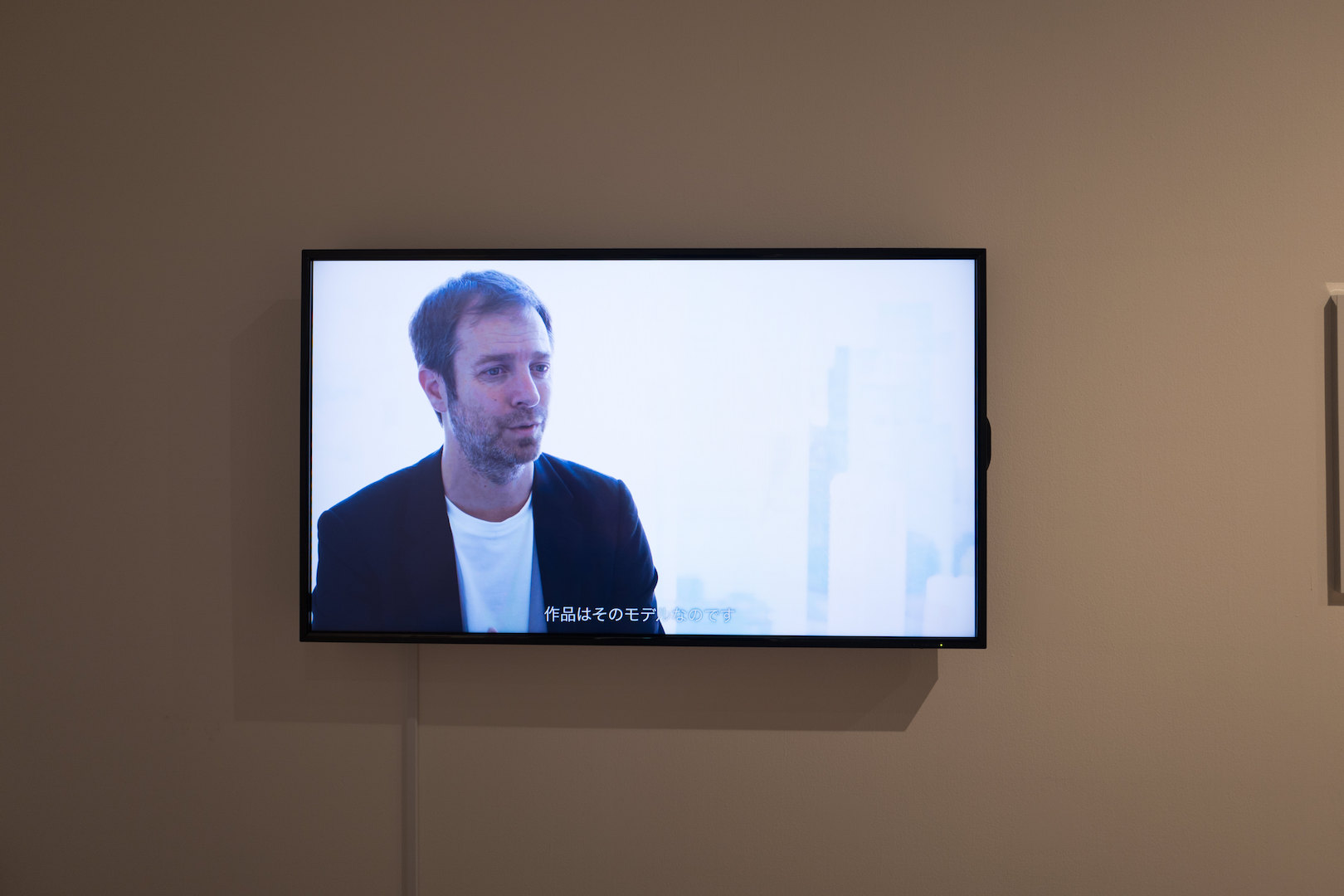
At the same time, while stimulating the viewer’s vision, the works pose questions about the reality (truth) of seeing. Because so many works employ mirrors, visitors spend much of their time checking their own appearance. As you keep checking your own image, it feels as though the works are also touching on the question of who your true self really is—which is unsettling. On the way home, I made my way back mulling over such thoughts.