MOMAT Collection
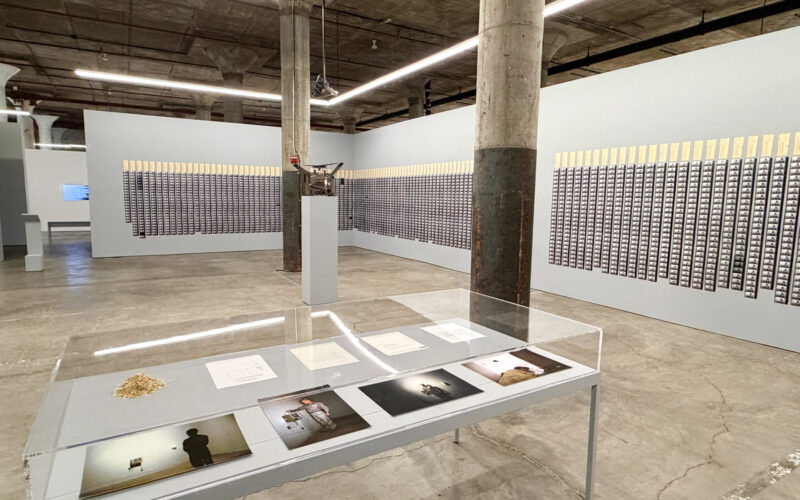
Having gone to The National Museum of Modern Art, Tokyo (MOMAT) to see the Morikazu Kumagai exhibition, I stopped by the concurrently held collection exhibition, “MOMAT Collection.”
It is packed with sheer volume, and the holdings are lavish as well. On top of that, admission is inexpensive, so it’s a real bargain.
The list of works is here.
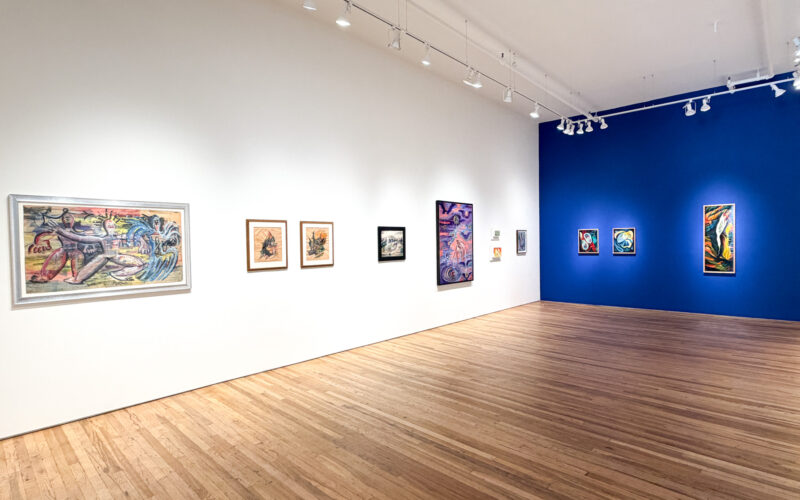
The “MOMAT Collection” exhibition is Japan’s largest-scale collection display: from a substantial holding of more than 13,000 works spanning every field of art — Nihonga, Western-style painting, prints, watercolors and drawings, photography, and more (including 14 Important Cultural Properties and 2 deposited works) — about 200 pieces are selected for each run to introduce, with overseas works interwoven, the flow of Japan’s modern art across roughly 100 years from the early 20th century to the present day.
With the 2012 renovation, the gallery was reborn as a space made up of 12 rooms. Proceeding through Rooms 1 to 12 in numerical order, you can trace the flow of art from around 1900 to the present. Some of these become special rooms such as “Highlights” and “Nihonga,” or rooms for feature displays, offering exhibitions from a different vantage point.
Please enjoy it in whatever way suits your own viewing plan — “start from your favorite room,” “see only the feature that interests you,” or “follow the passage of time at your leisure.”
This time, I’ll introduce only the work that left the strongest impression on me.
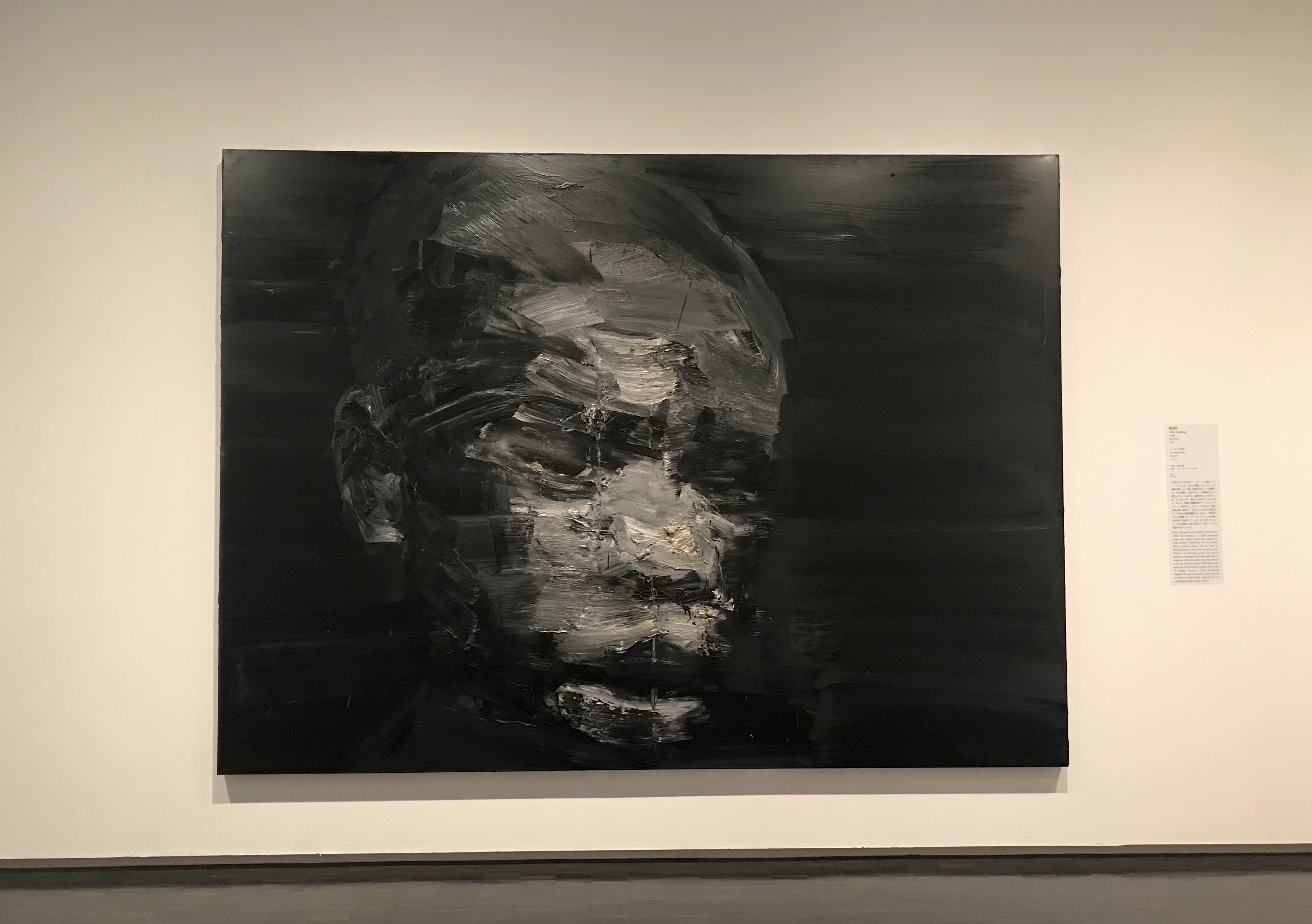
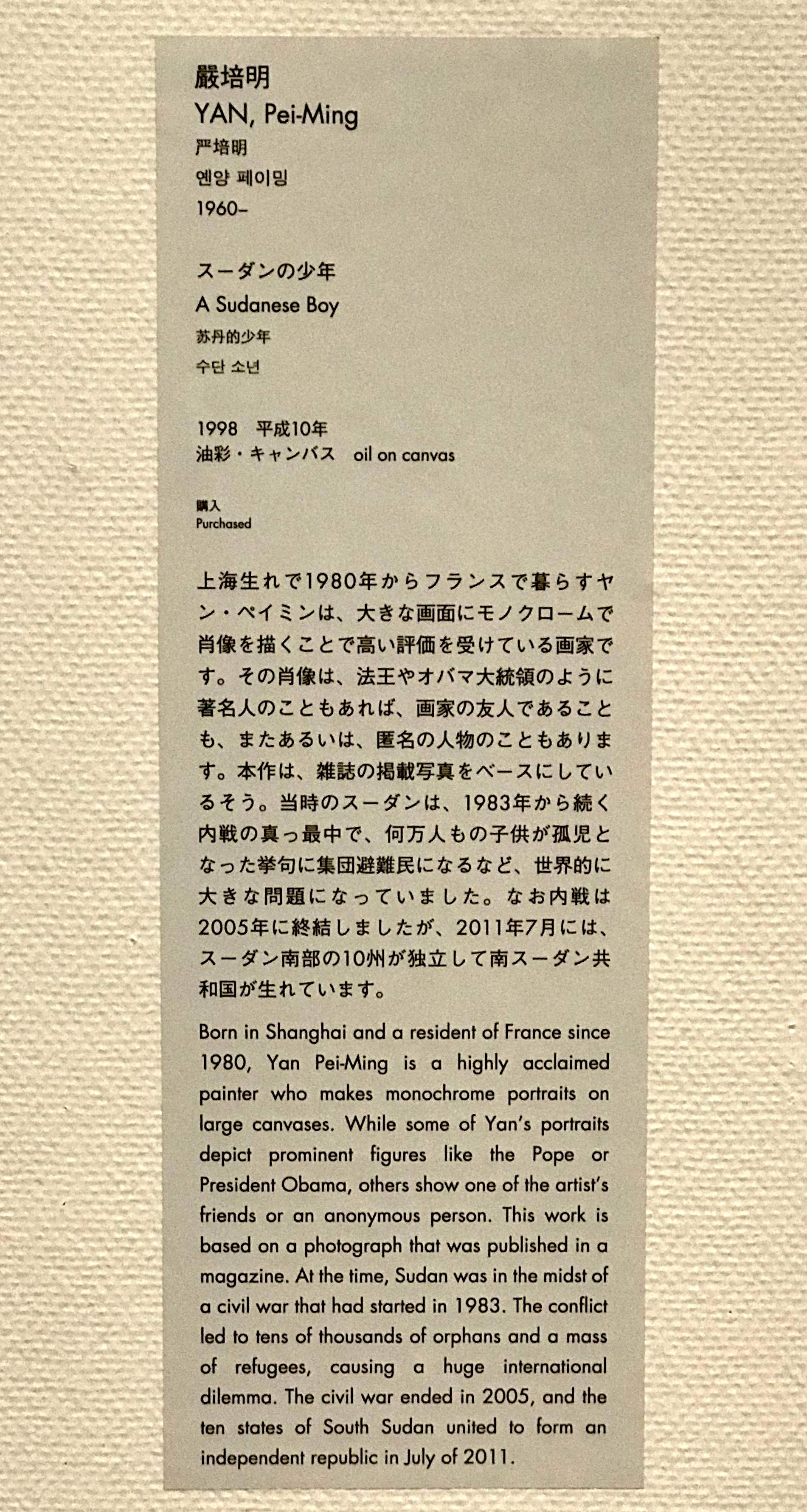
It is Yan Pei-Ming’s “A Sudanese Boy.”
He is an artist famous for his monochrome portraits, and the painting of the boy rendered on a large canvas is a tour de force! For a while I lost all track of time, transfixed by it.
Yan Pei-Ming