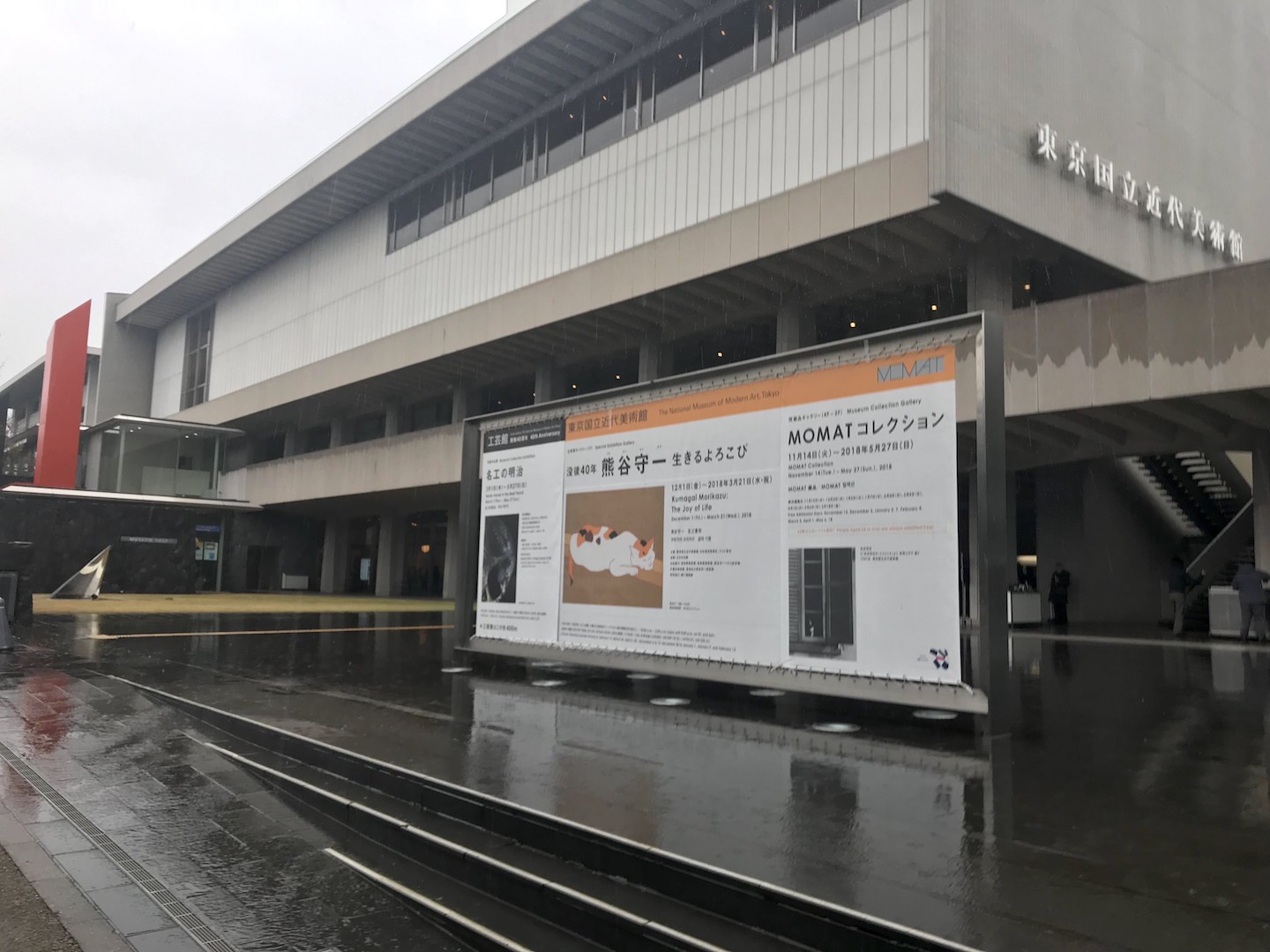
The National Museum of Modern Art, Tokyo
I visited “The Joy of Life,” an exhibition held to mark the 40th anniversary of the death of artist Morikazu Kumagai. The venue was The National Museum of Modern Art, Tokyo, in Takebashi.
I visited on March 21, 2018, a day of cold rain—the very last day of the run, which I only just managed to slip into. On this day of the vernal equinox, some areas of the Kanto region apparently saw snow.
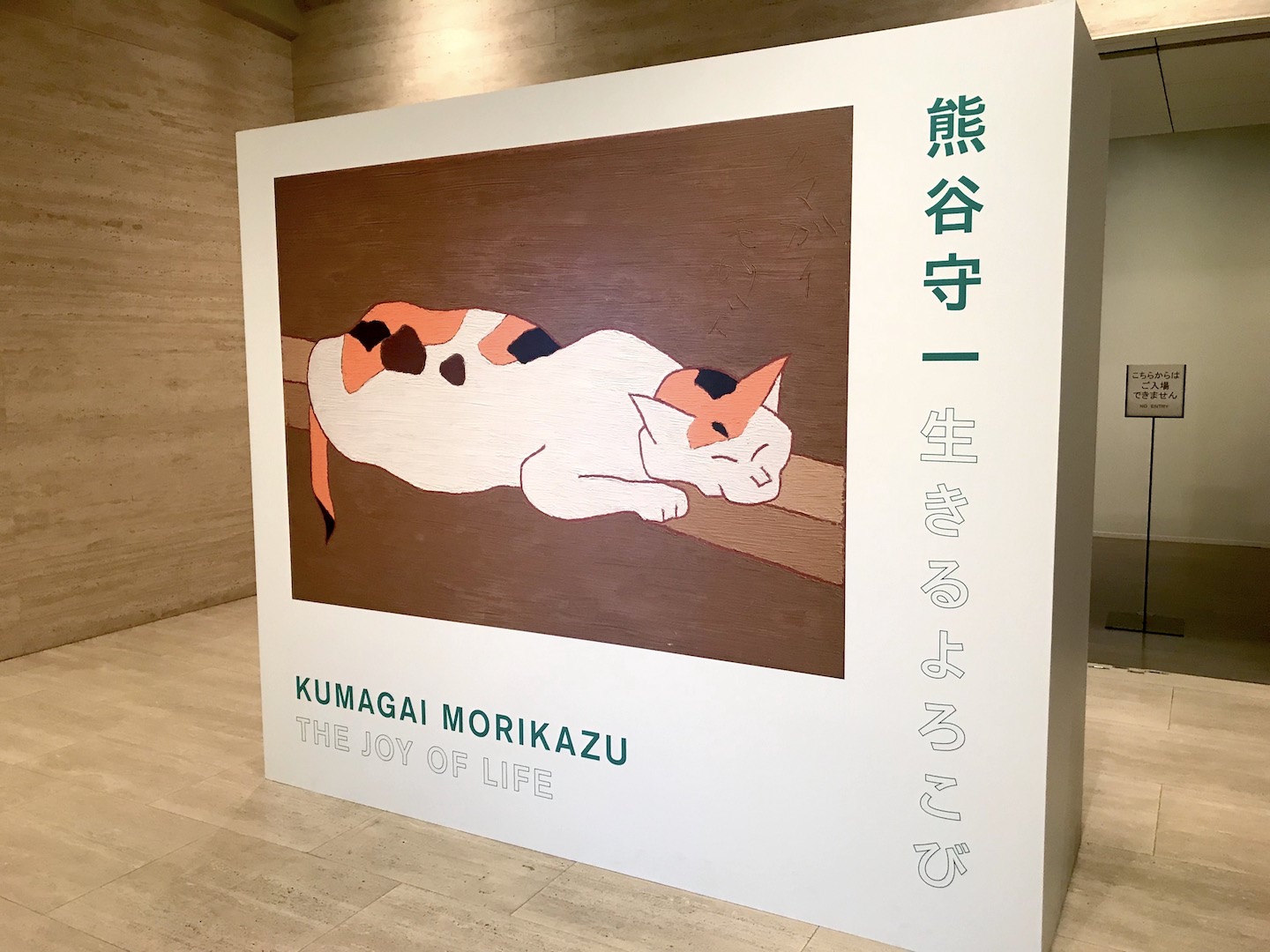
Morikazu Kumagai “The Joy of Life”
This exhibition turned out to be a large show, gathering more than 200 works by Morikazu Kumagai, who lived a long life of 97 years and kept painting into his final years.
To start with the conclusion: this was simply a wonderful exhibition. Perhaps it was partly because I had never seen so many Kumagai works before, but I was astonished by the points worth noting and the quality of the works—the way they transformed over many years, the high level of refinement in a painting style that gradually reached completion, and more.
Chapter 1 — Morikazu in Darkness (20s–30s)
The display was broadly divided into three sections.
Chapter 1 was “Morikazu in Darkness.” Many of the early works turned their attention to light and darkness, and dark-toned works—including the famous “Rekishi”—were prominently on display.
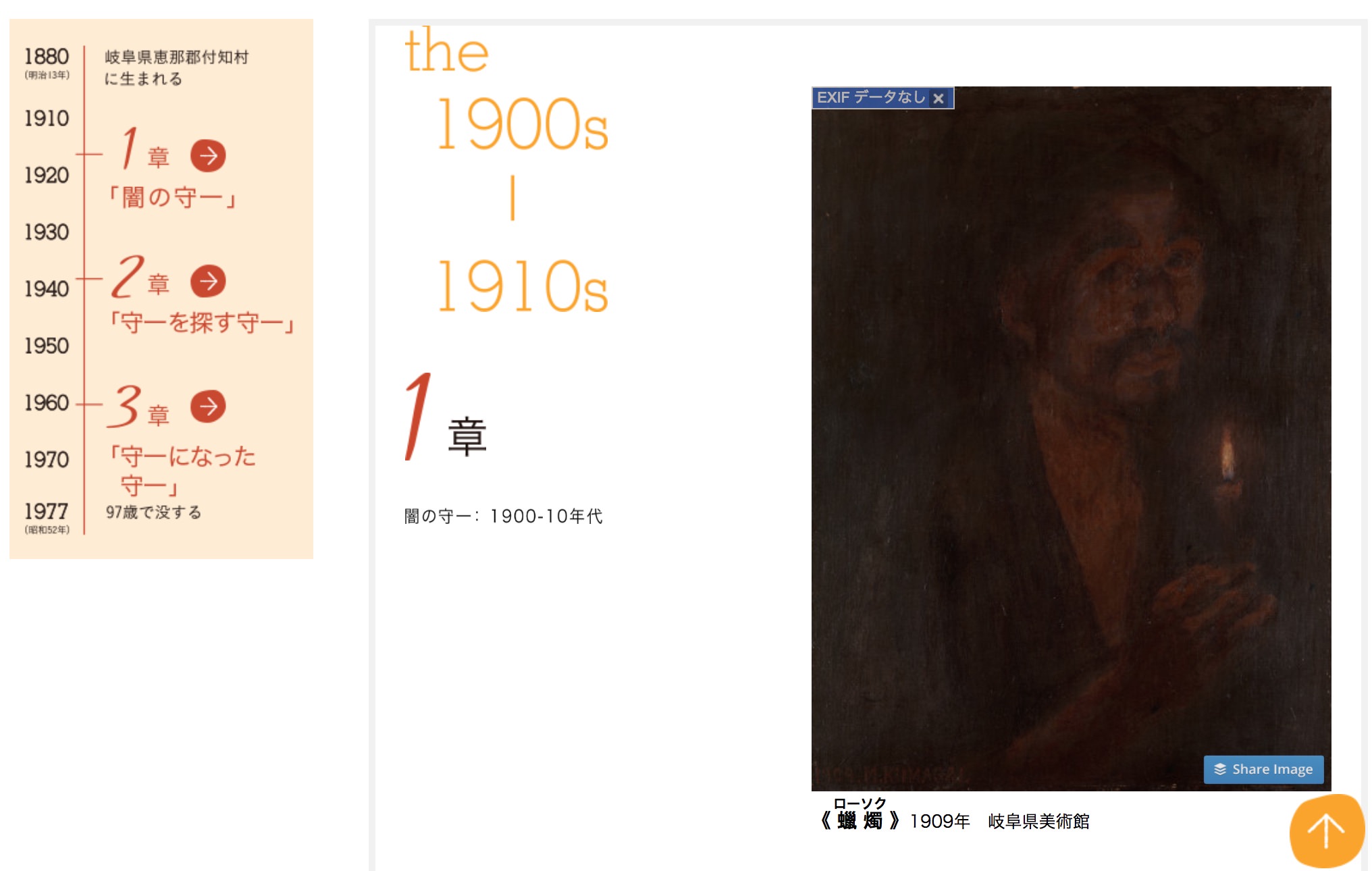
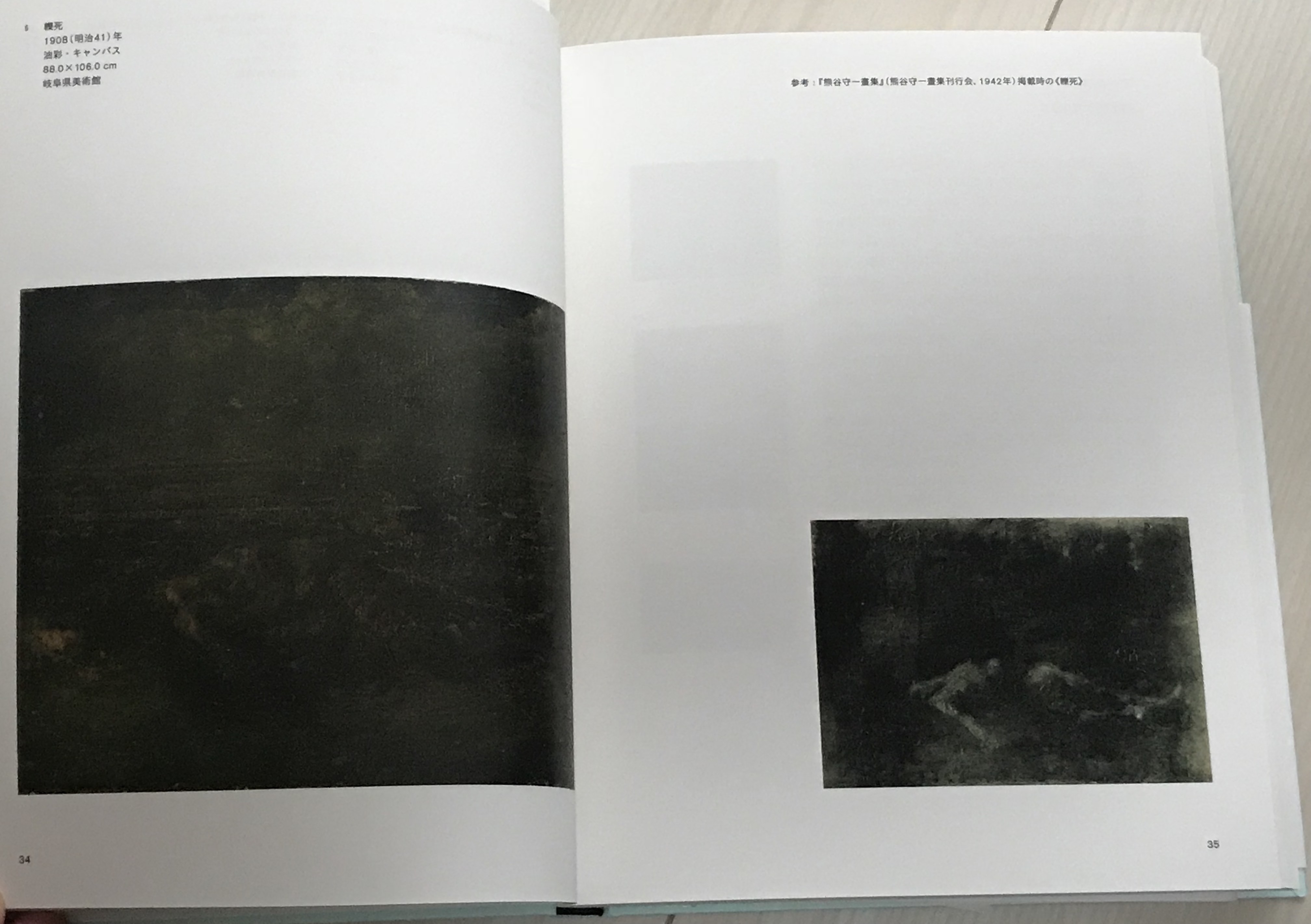
Incidentally, “Rekishi” has darkened over time into an almost pitch-black work that is now hard to make out. Since it is a work with a story behind it, this may not be explainable by simple deterioration of the materials—perhaps some hidden history lies behind it. It set my imagination running.
The exhibition catalog for this show, meanwhile, includes a photograph of the work as it was in 1942. The work appears to be in better condition than it is now, and you can make out the position and posture of the reclining woman.
In 1900, Kumagai entered the Tokyo School of Fine Arts (now Tokyo University of the Arts) and studied under Seiki Kuroda and others. Among his classmates was Shigeru Aoki, a painter who died young. In class he learned figure drawing, laying the foundation for the nudes he would paint from the 1920s onward. He also pursued his own themes early on, such as exploring how things appear in darkness.
In 1910, he returned to his hometown deep in the mountains of Gifu, worked handling timber, and then moved back to Tokyo. His experience of mountain labor influenced Kumagai’s work and way of life right up to his final years.
Chapter 2 — Morikazu Searching for Morikazu (40s–70s)
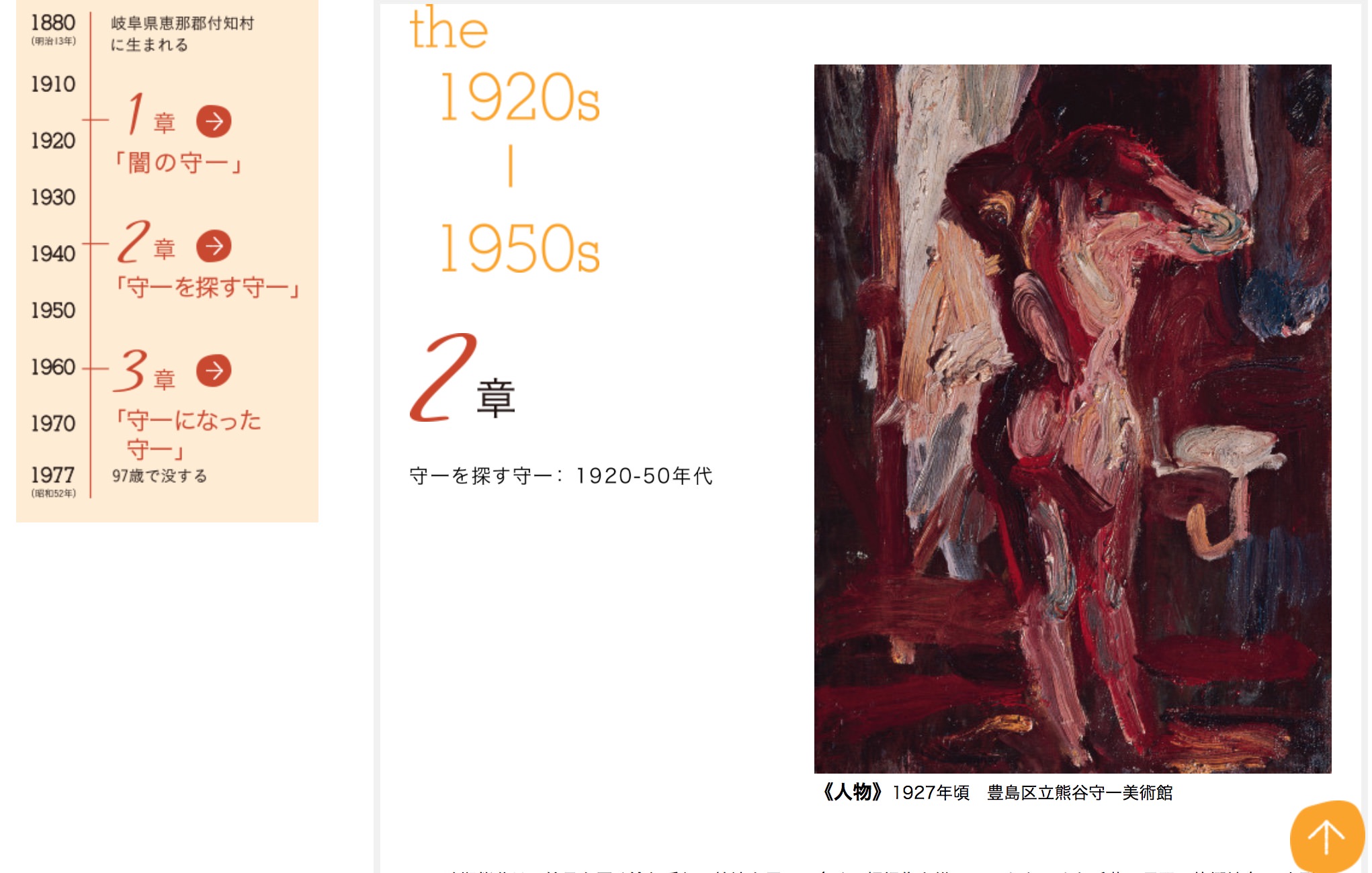
The works of this period had a distinctive individuality, with plenty to see—an approach from a unique viewpoint that placed landscapes and nudes on the same axis and fused them into single works, and a means of expression using red outlines.
During this period Kumagai used a technique of building up thick layers of paint and painted many nudes. He also traveled to mountains and seas in places such as Chiba, Nagano, his hometown Gifu, and Yamagata, producing landscape paintings. Out of these nudes and landscapes, the postwar style—defined by crisp outlines and planes of color—gradually took shape. The vast number of sketches drawn around this time were also used repeatedly in his postwar works, forming the foundation of Kumagai’s oeuvre. It was also around this time that he began working in calligraphy and ink painting in addition to oils.
Chapter 3 — Morikazu Who Became Morikazu (70s–90s)
It was this Chapter 3 that was outstanding. This is the period that represents the culmination of Morikazu Kumagai’s work.
It seems that only the most honed, distilled information is turned into signs and expressed as works. Simple lines, distinctive compositions, choices and arrangements of color—a one-of-a-kind worldview unfolded before me.
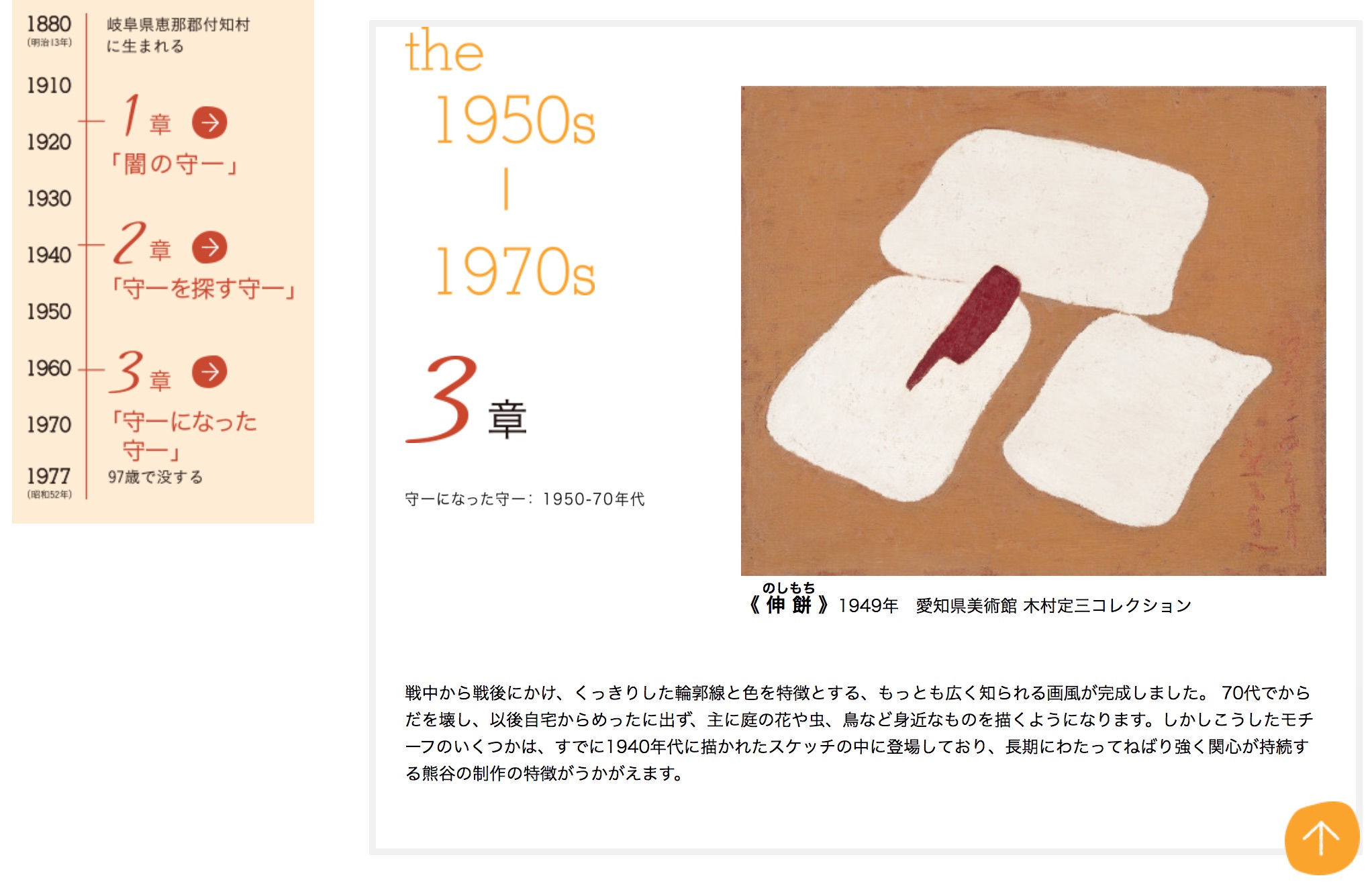
His viewpoint on his subjects is simple and essential, as if he had attained enlightenment, and I couldn’t help groaning in admiration at the magnificent completeness of these fully digested works.
From the war years into the postwar period, his most widely known style—characterized by crisp outlines and color—was perfected. In his seventies his health failed, and thereafter he rarely left home, coming to paint mainly familiar things such as flowers, insects, and birds in his garden. Yet some of these motifs already appear in sketches drawn back in the 1940s, revealing a hallmark of Kumagai’s practice: a tenacious, long-sustained interest in his subjects.
Museum Shop
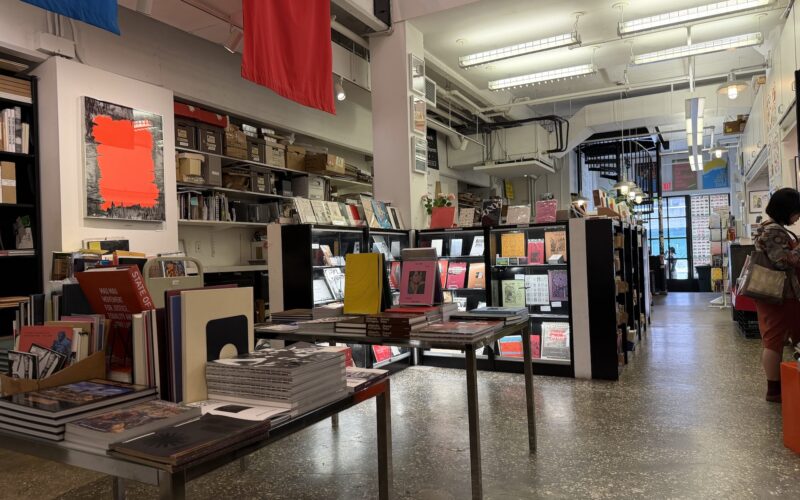
Photography was prohibited inside the venue, so I’ll share a look at the museum shop instead.
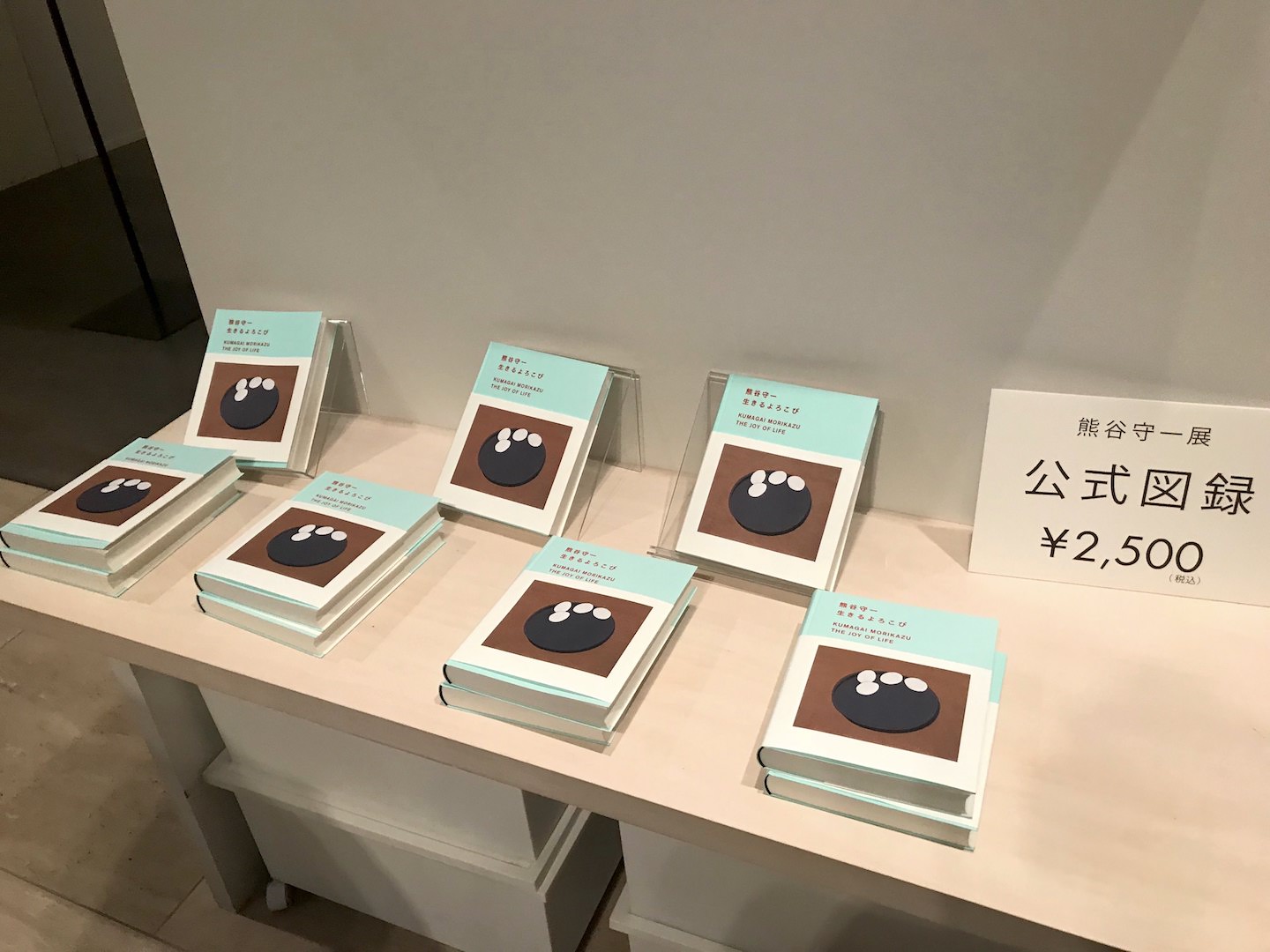
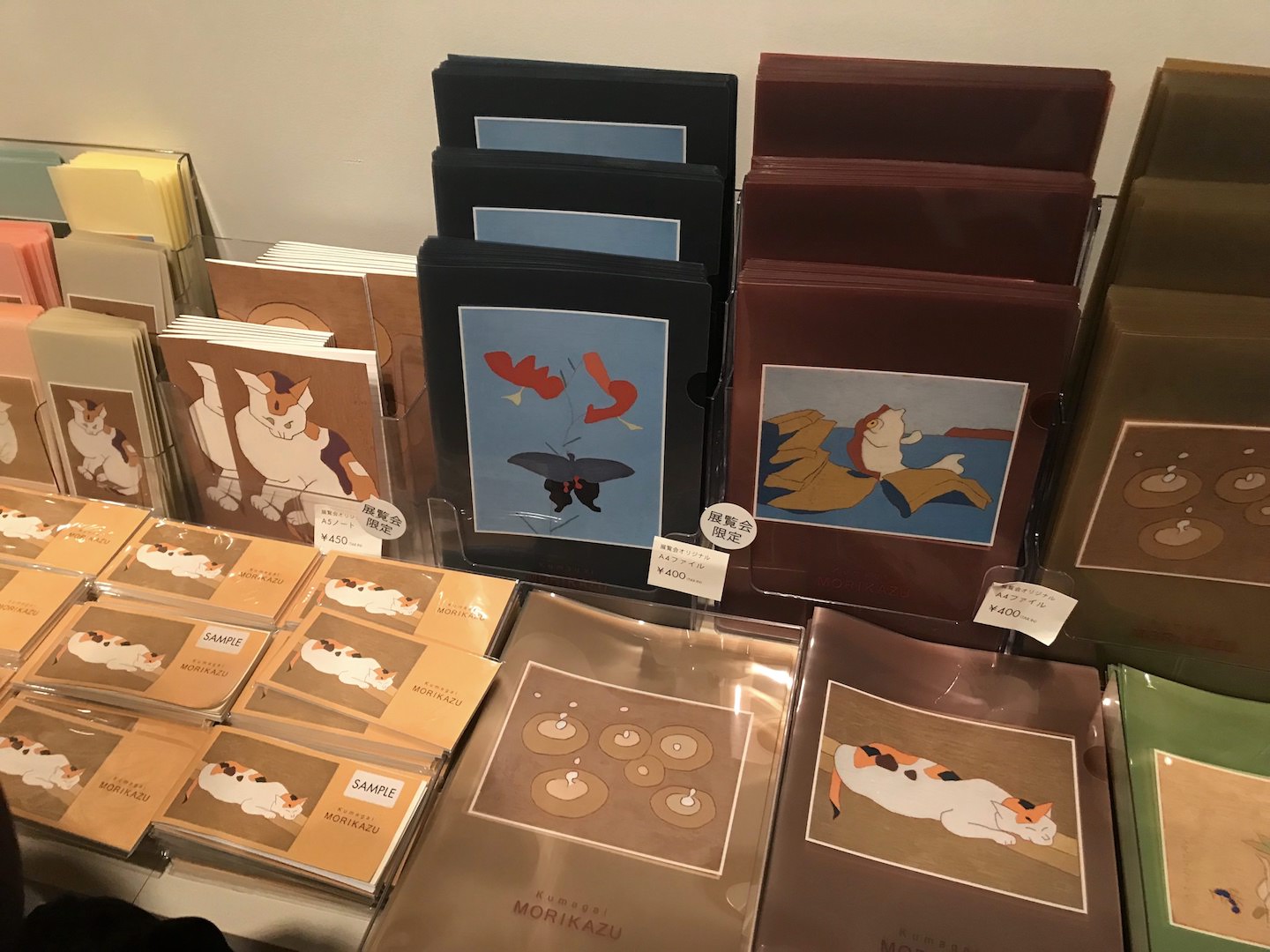
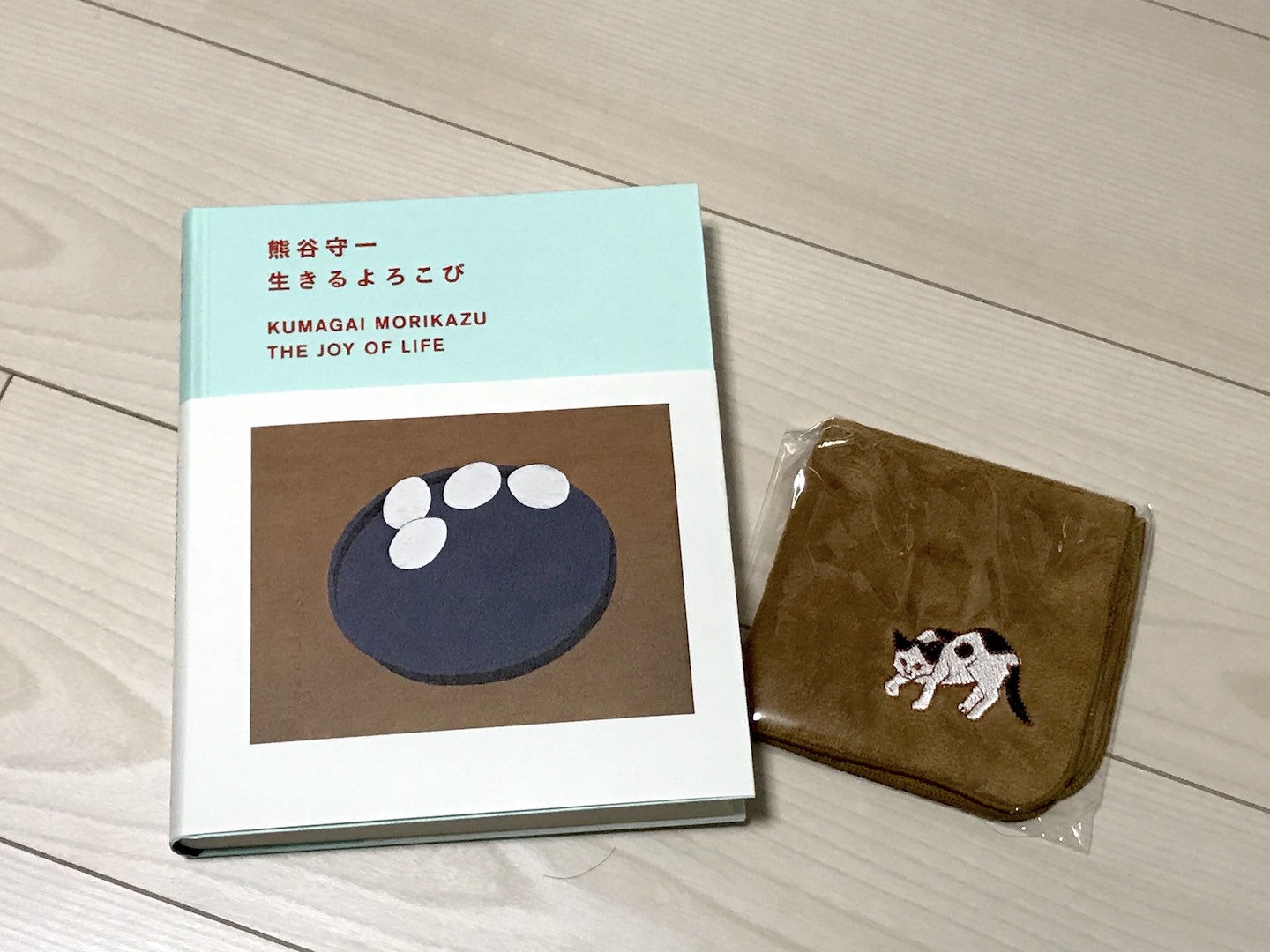
As a memento, I bought the catalog and a handkerchief towel.