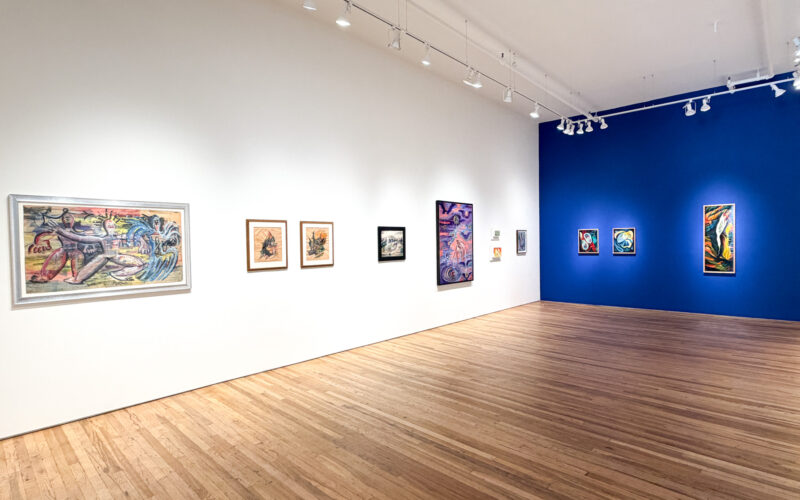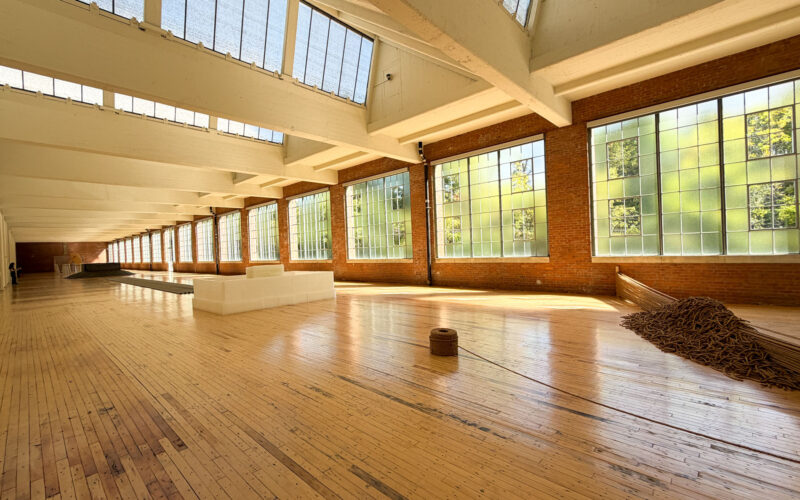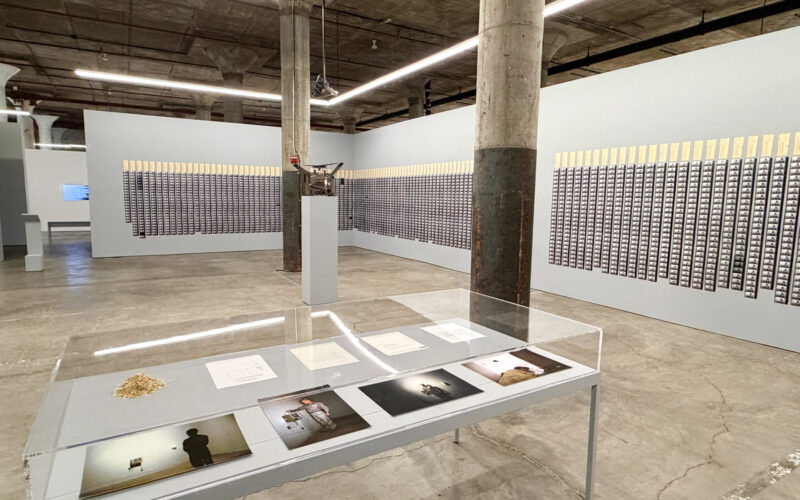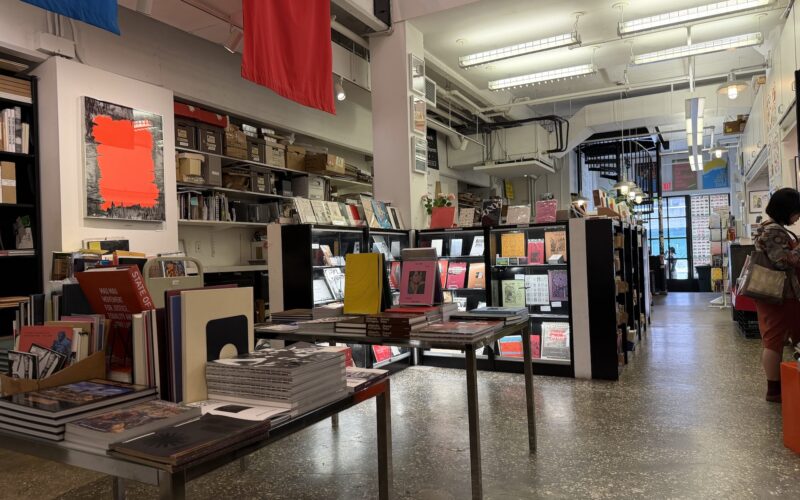
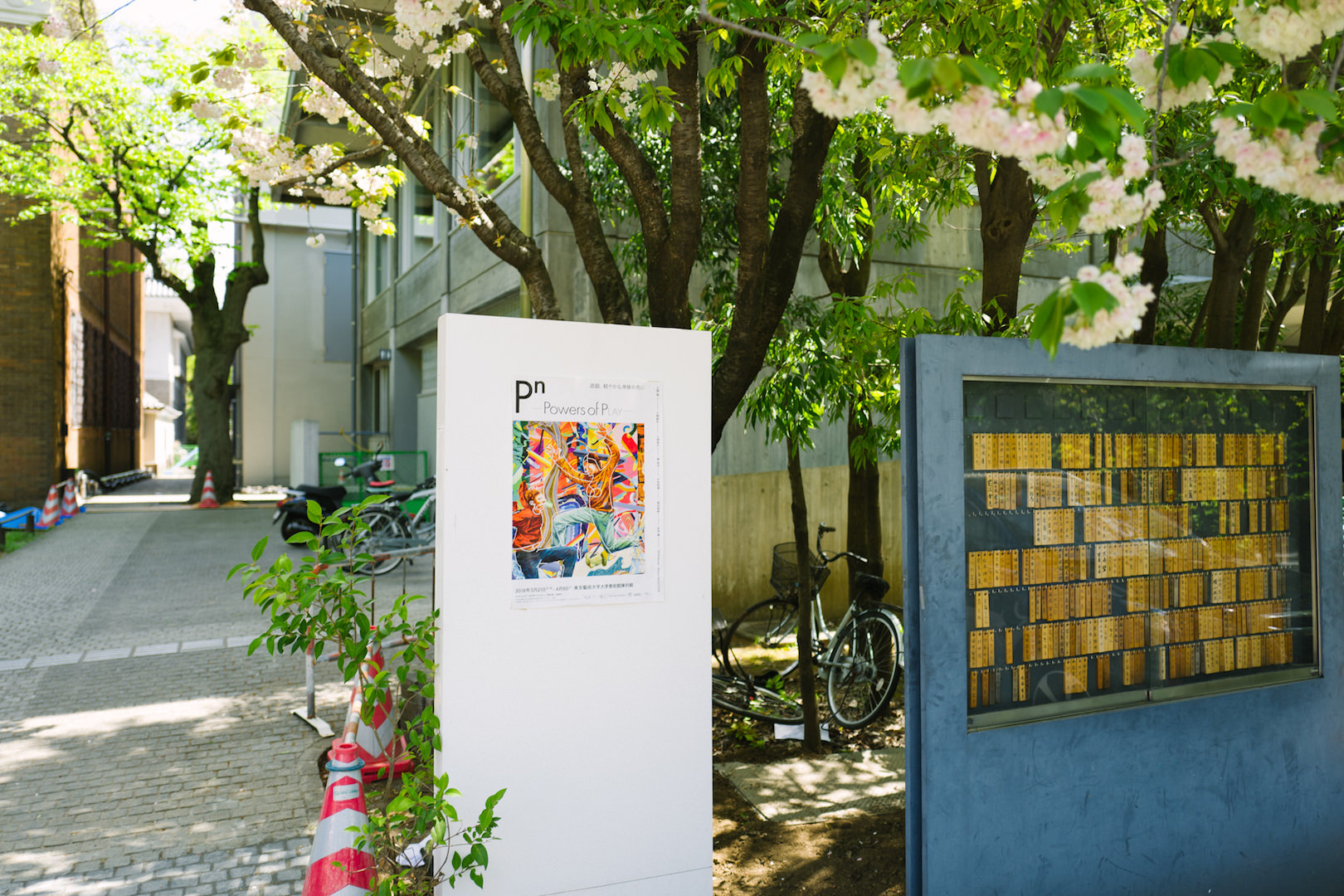
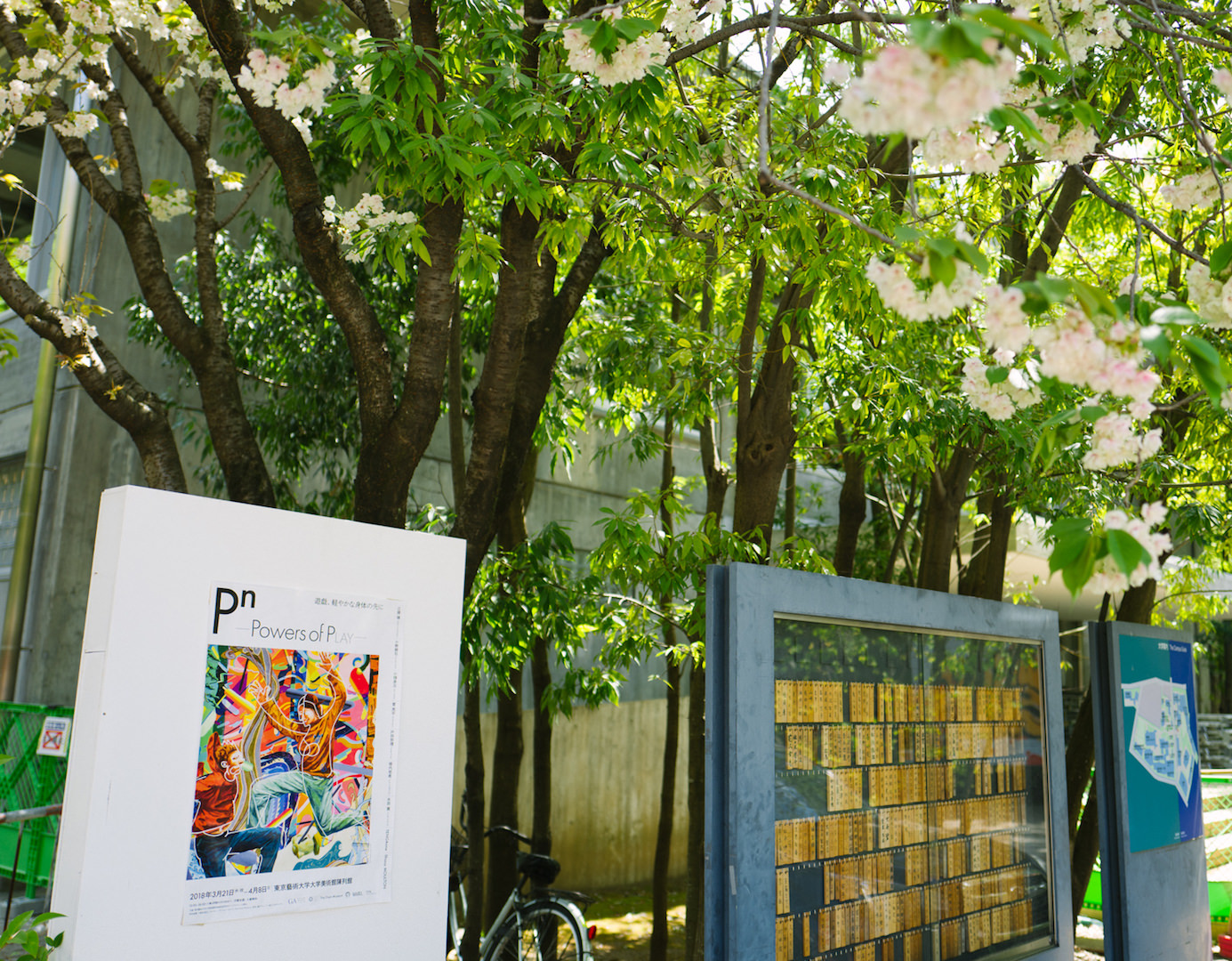
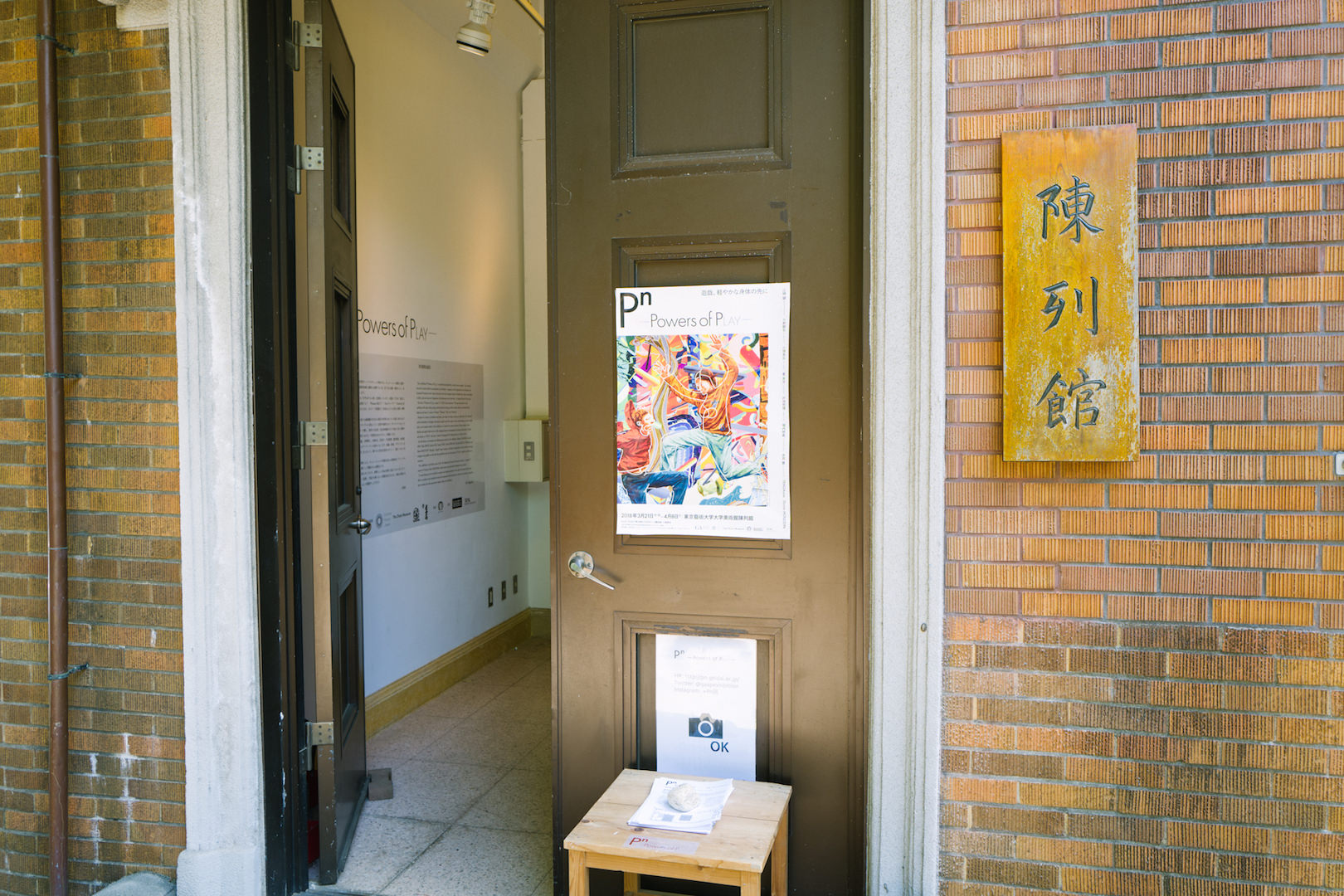
I visited “Pn – Powers of PLAY -,” a curated exhibition by students of the Arts Studies and Curatorial Practice program in the Graduate School of Global Arts at Tokyo University of the Arts, held to coincide with the season when Ueno Park draws its biggest crowds.
SECTION 1
The exhibition was divided into three zones, but the underlying theme was “PLAY.” Every part of it was a pleasure to see.
The Play of Materials and Mediums
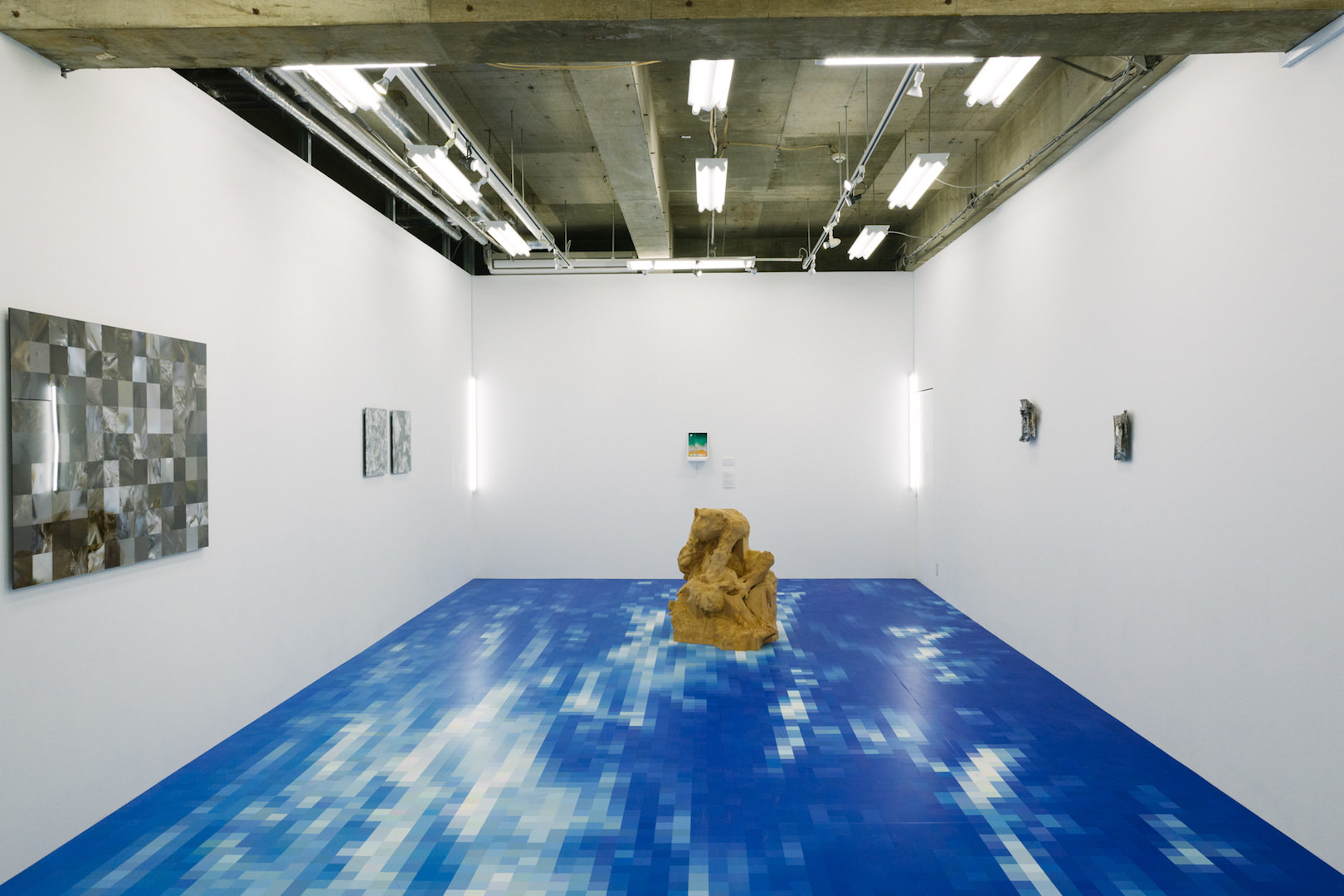
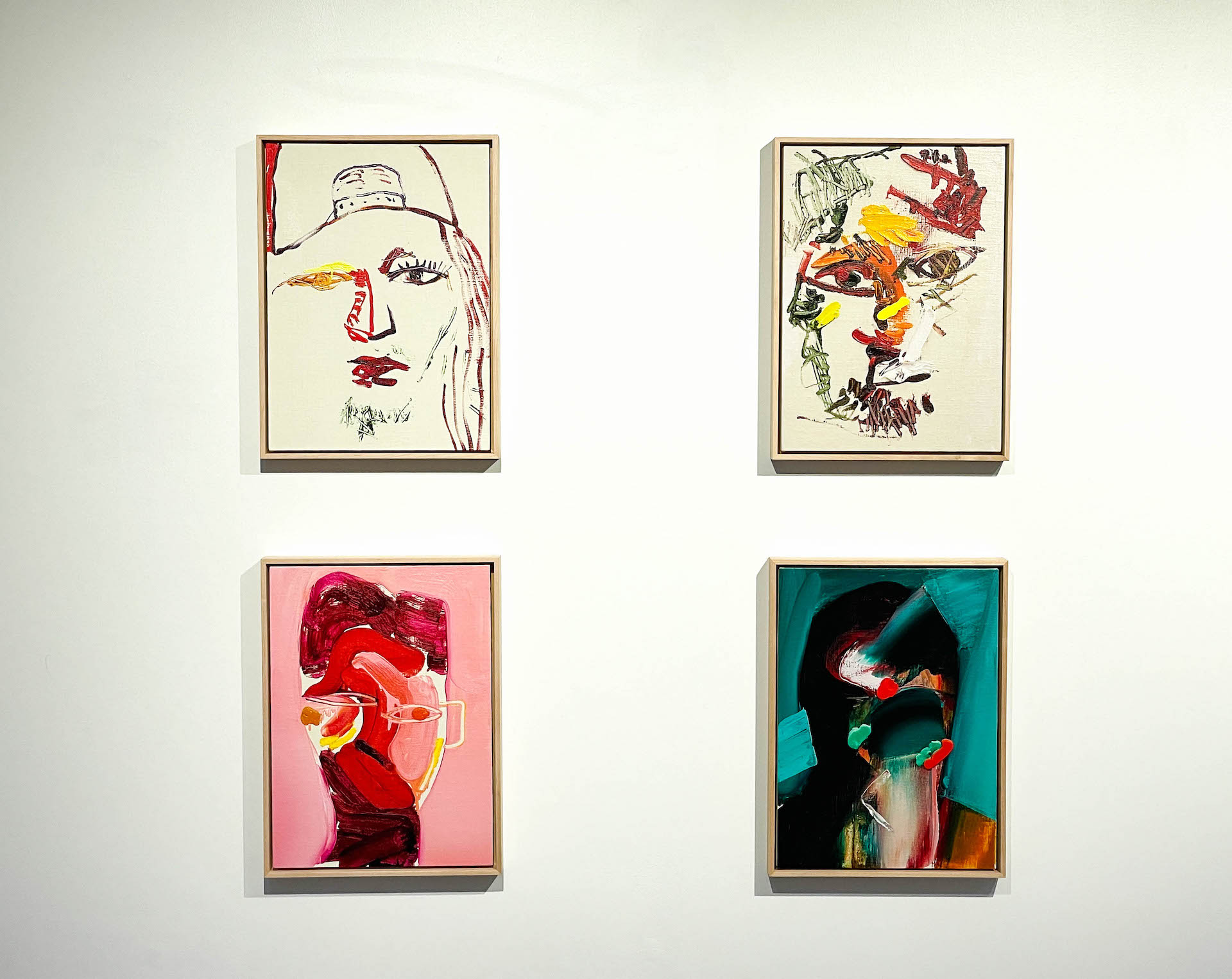
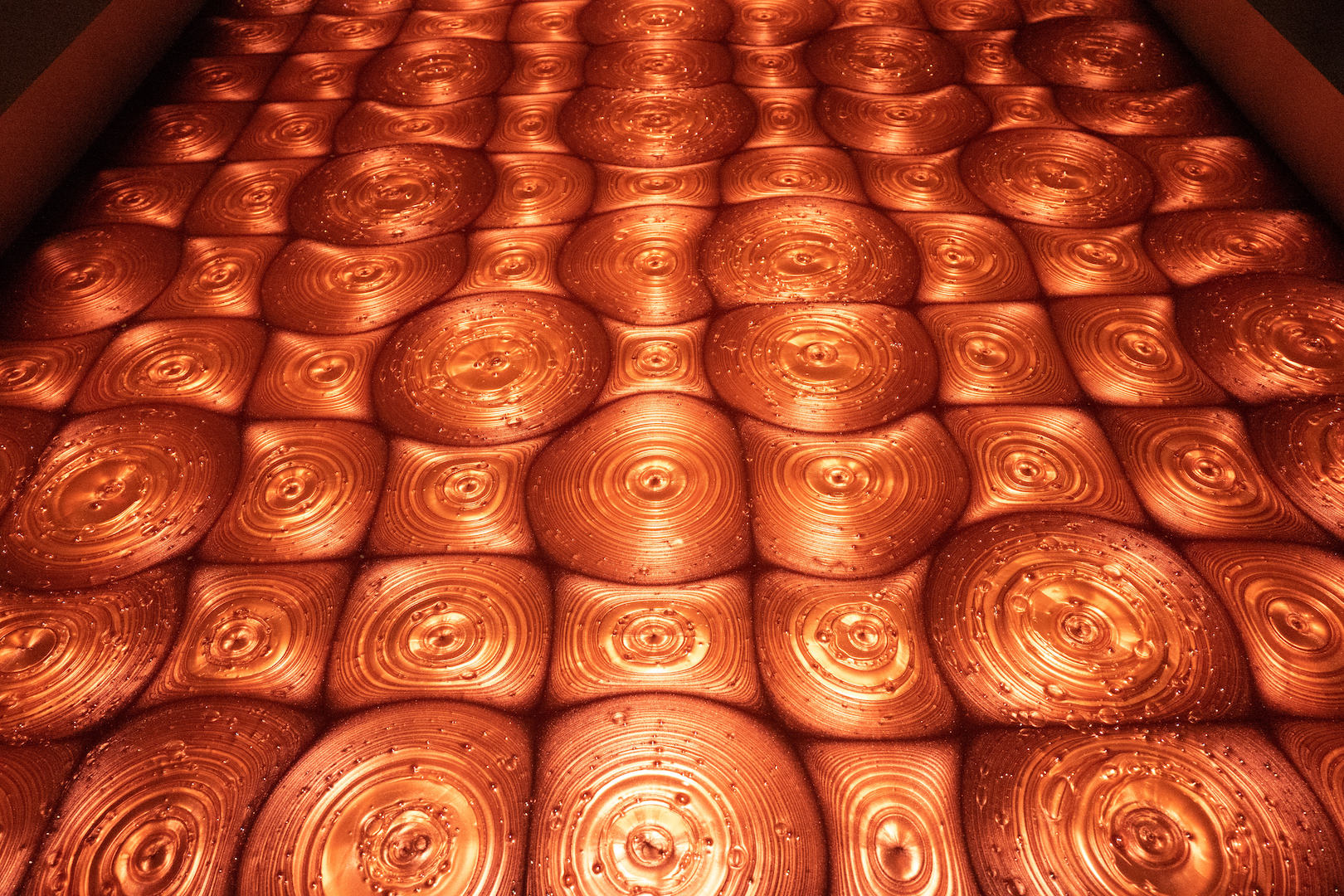
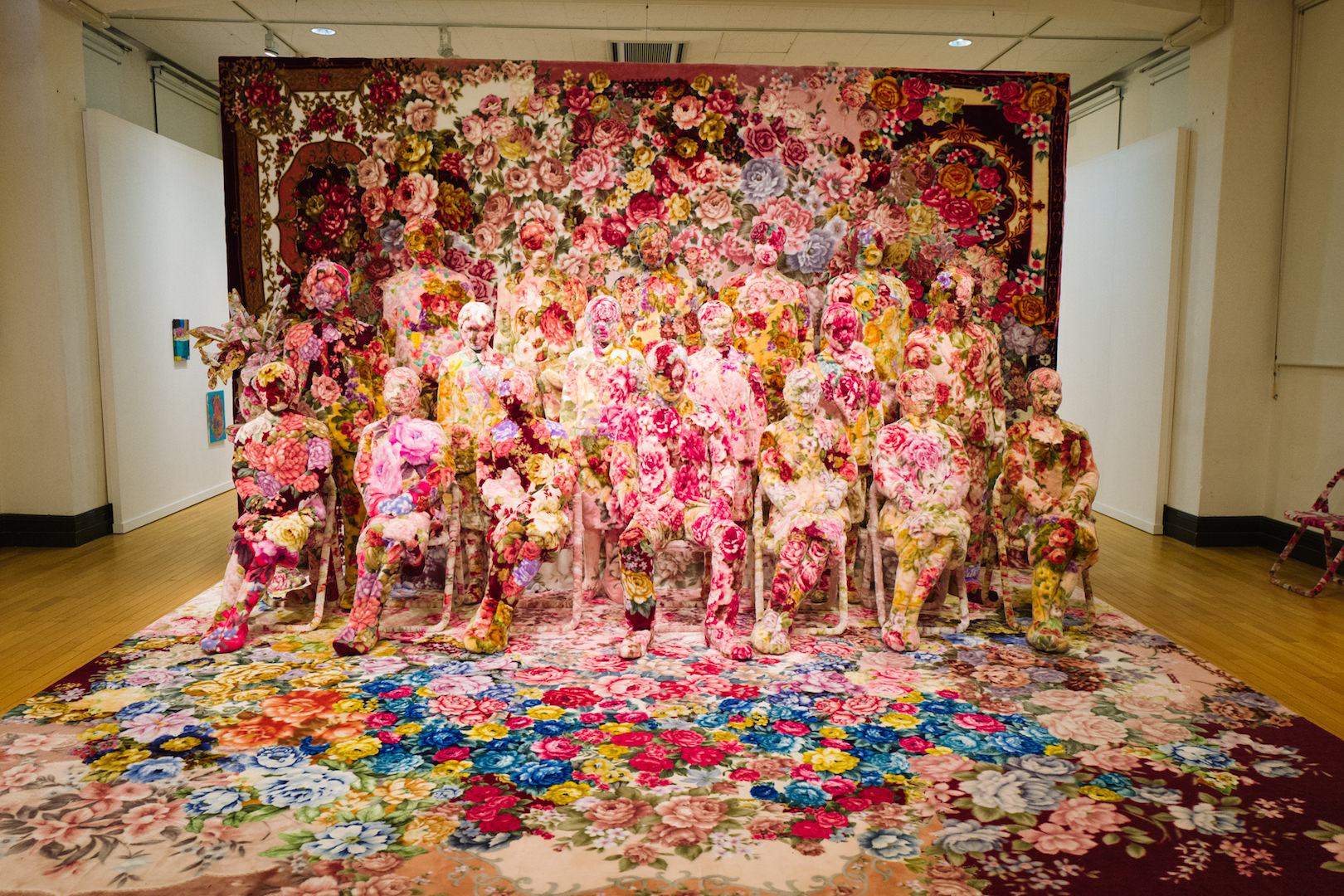
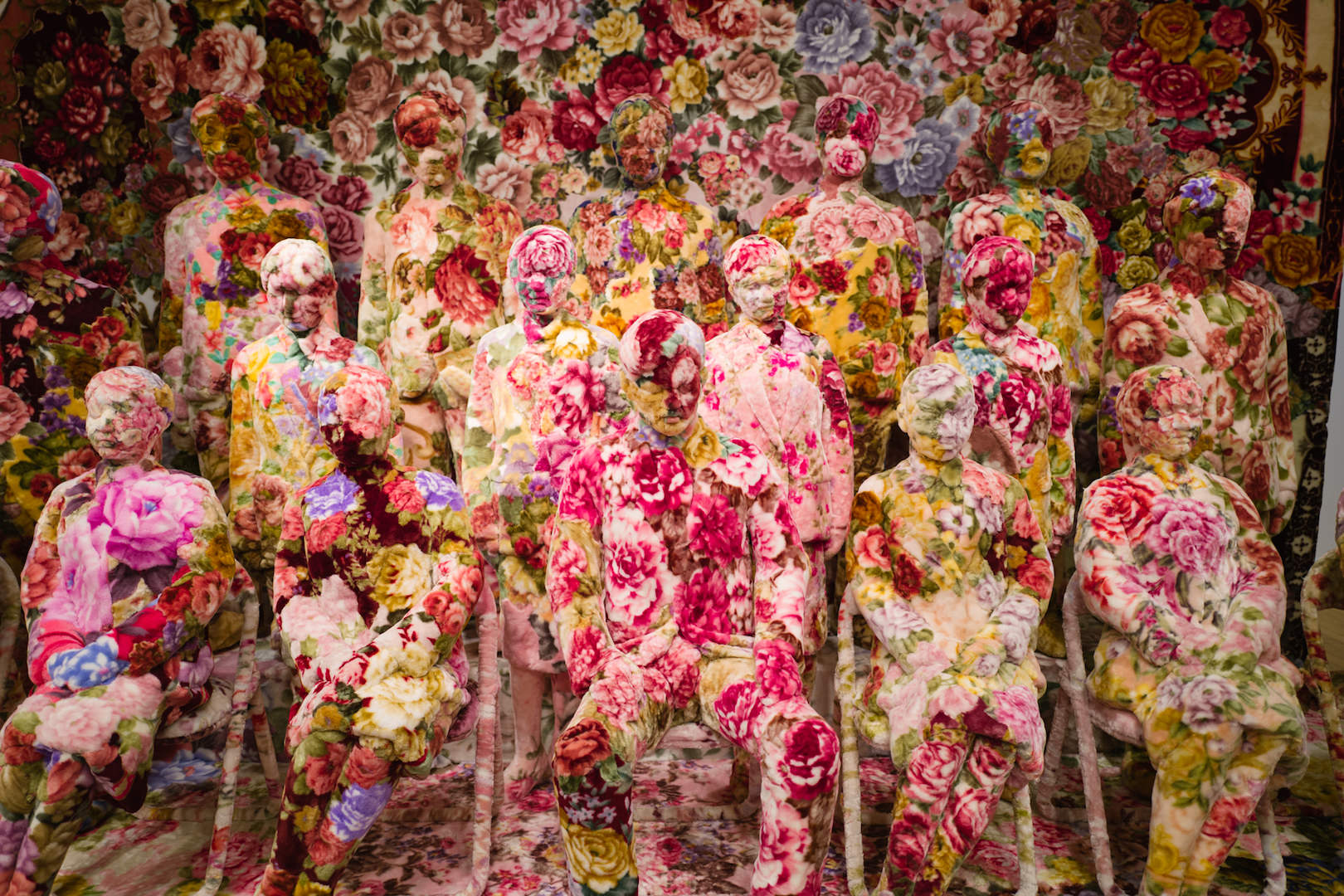
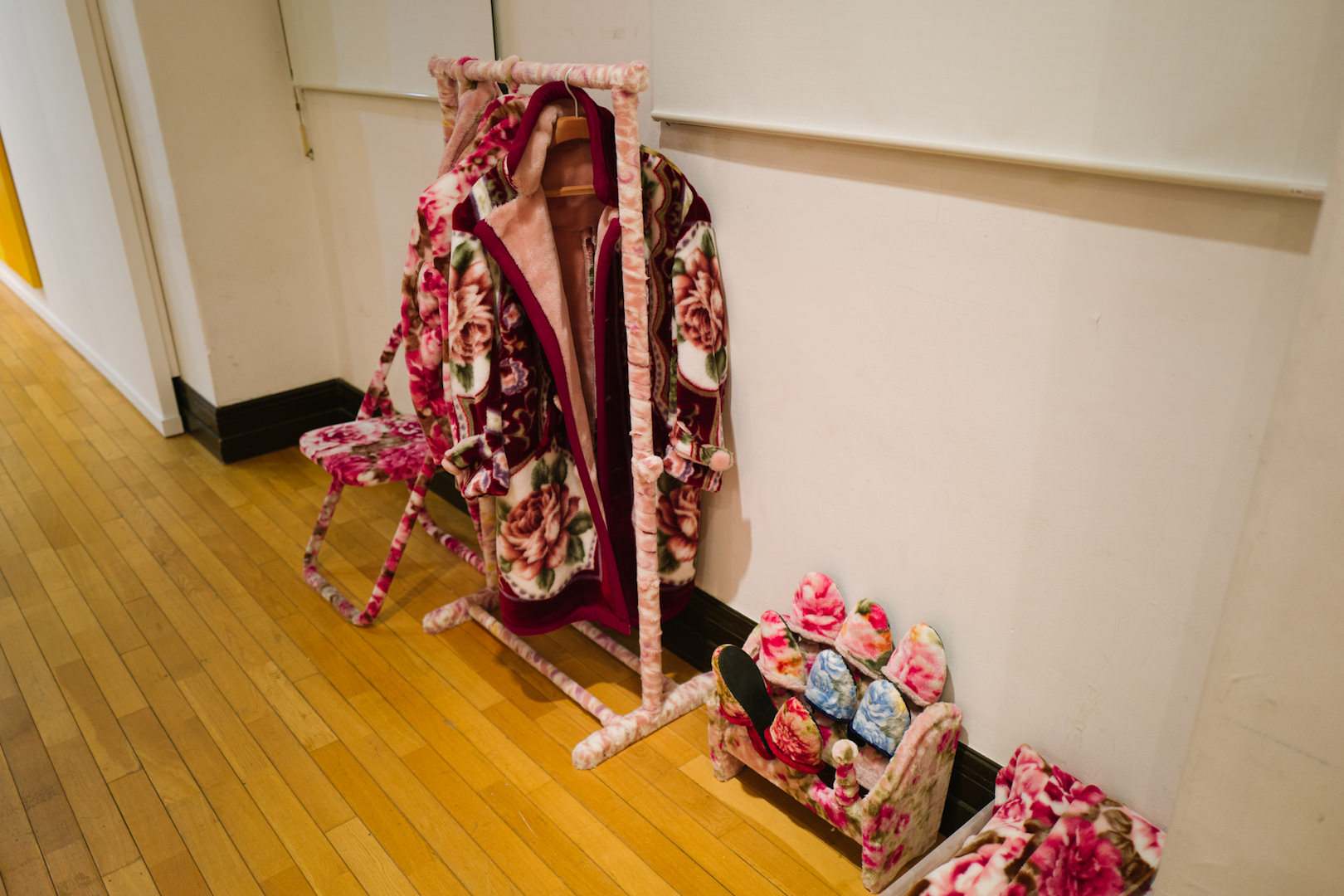
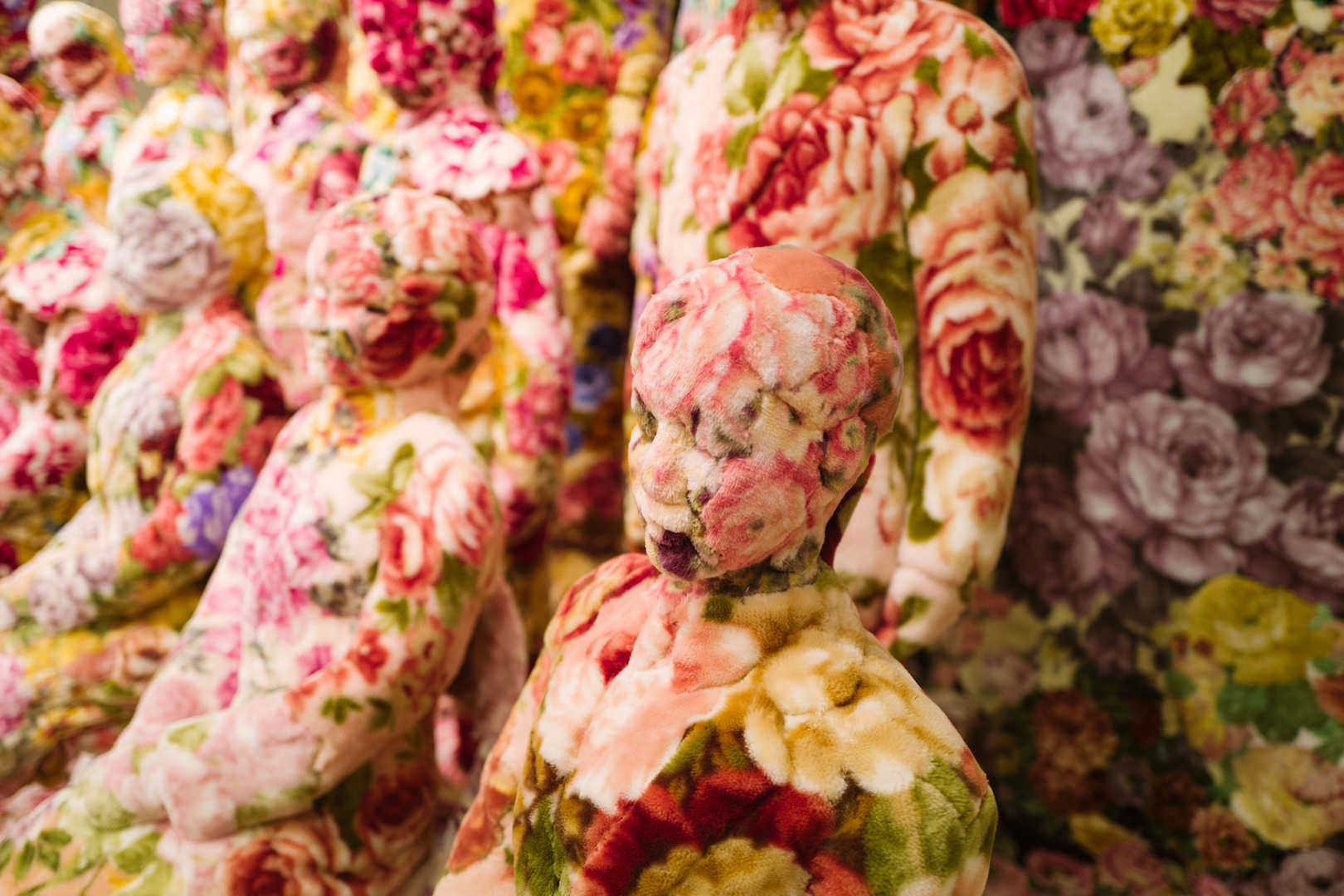
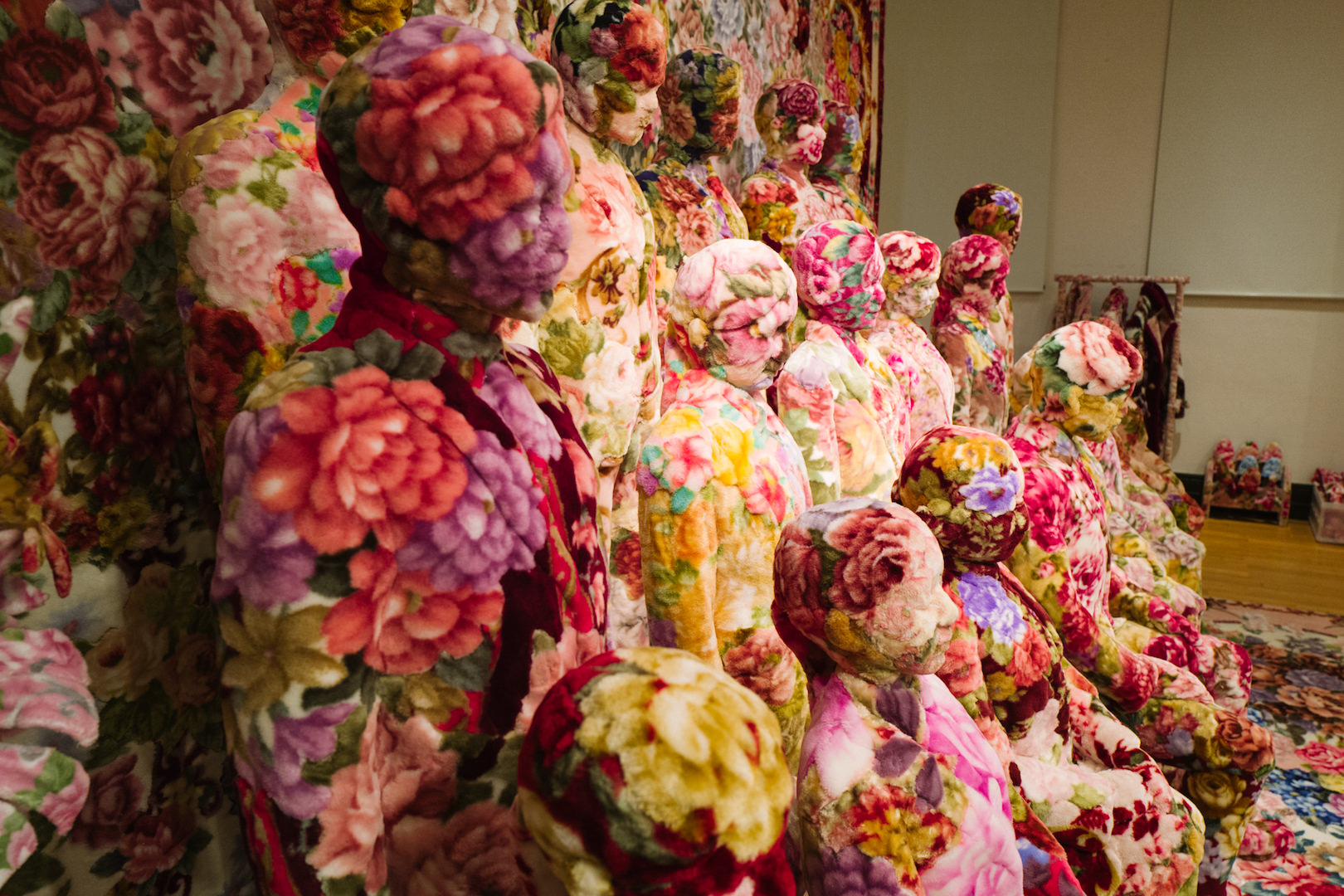
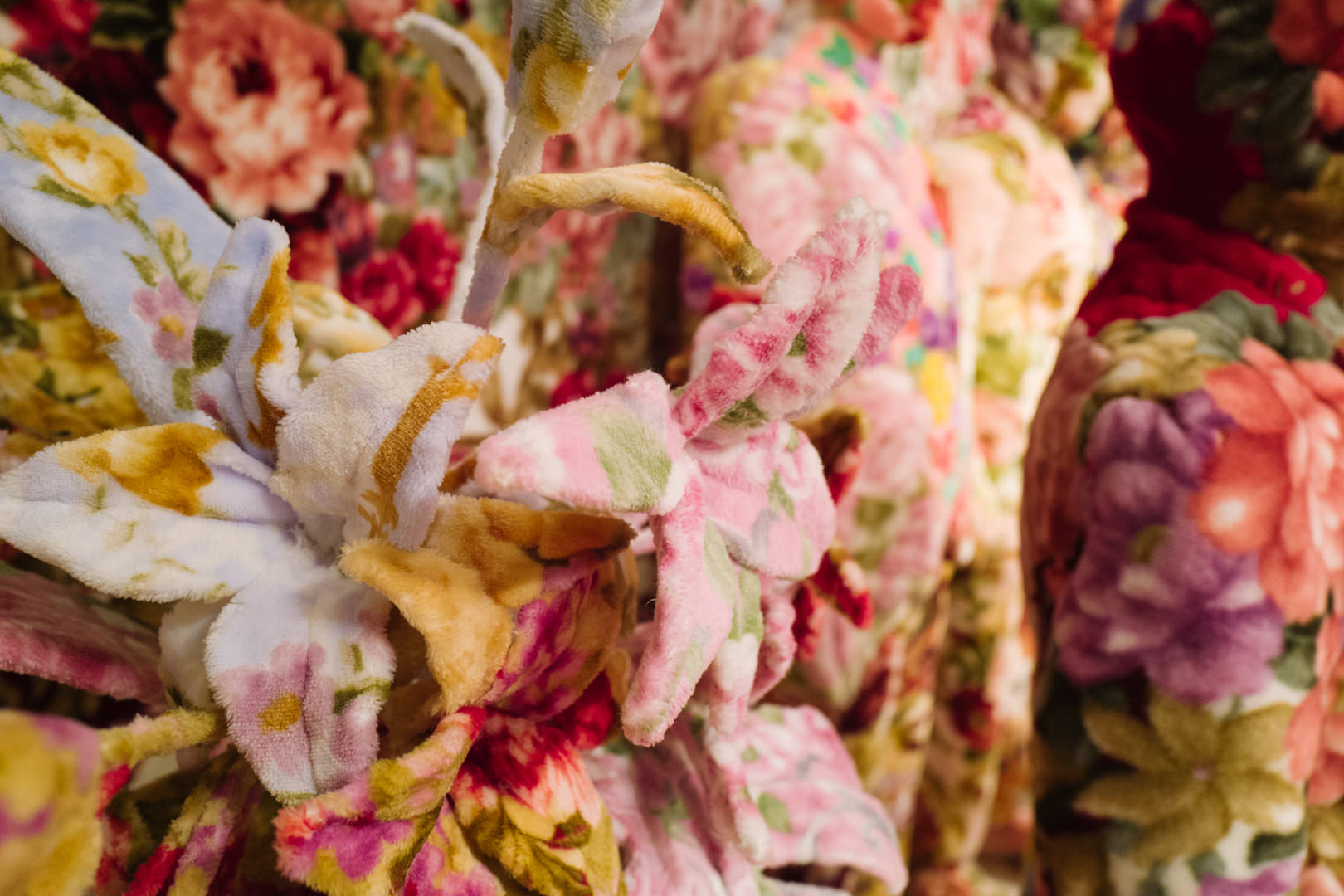
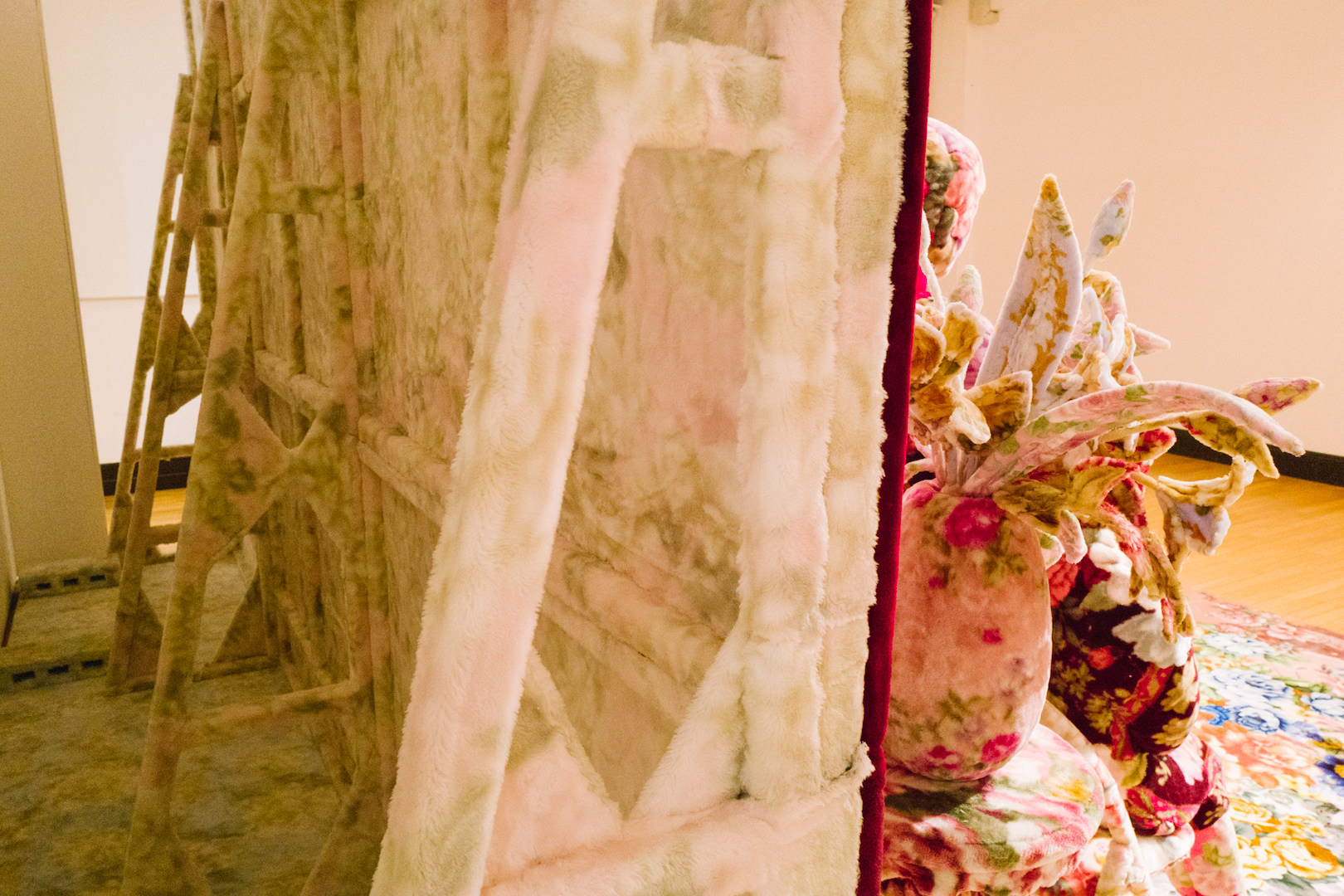
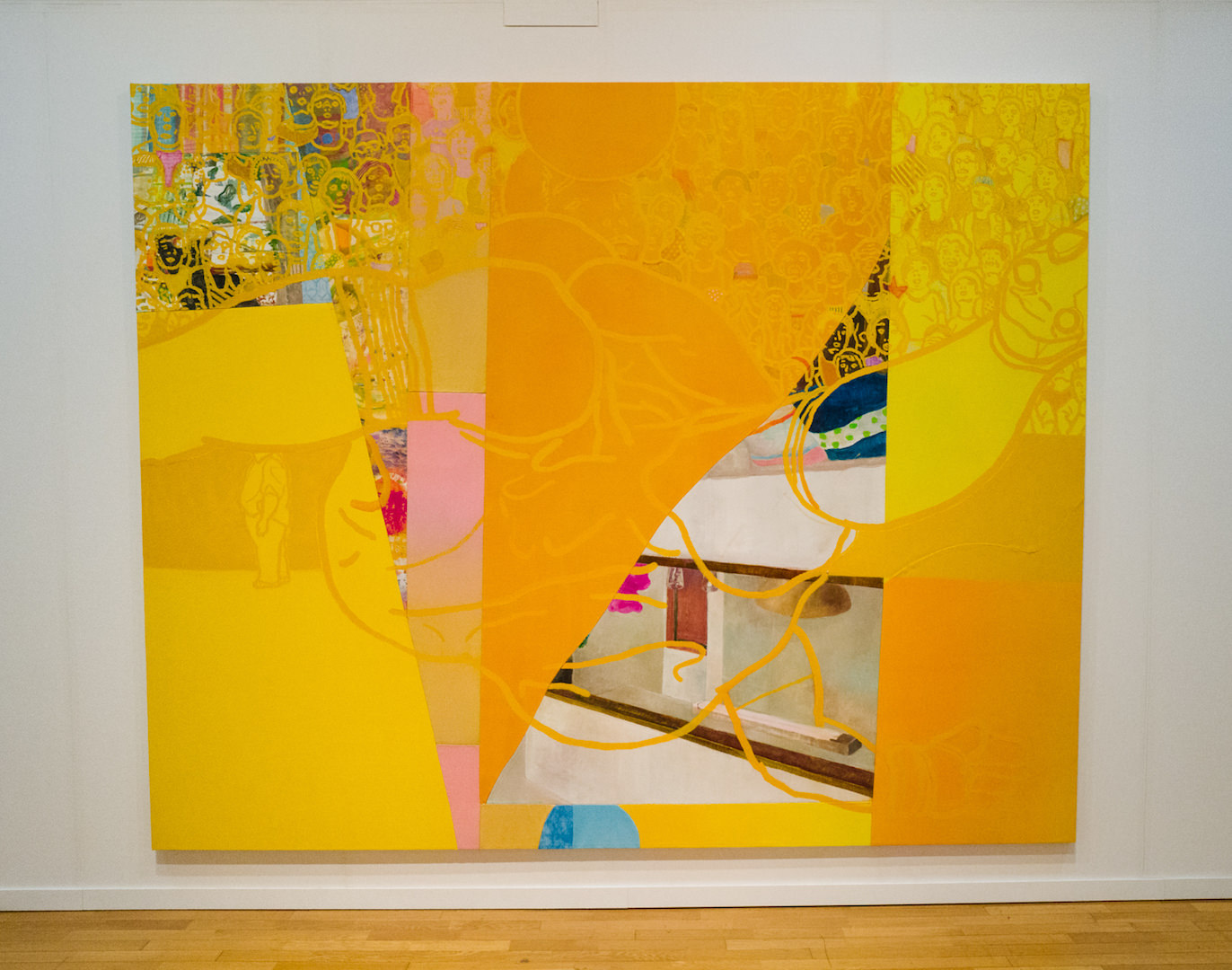
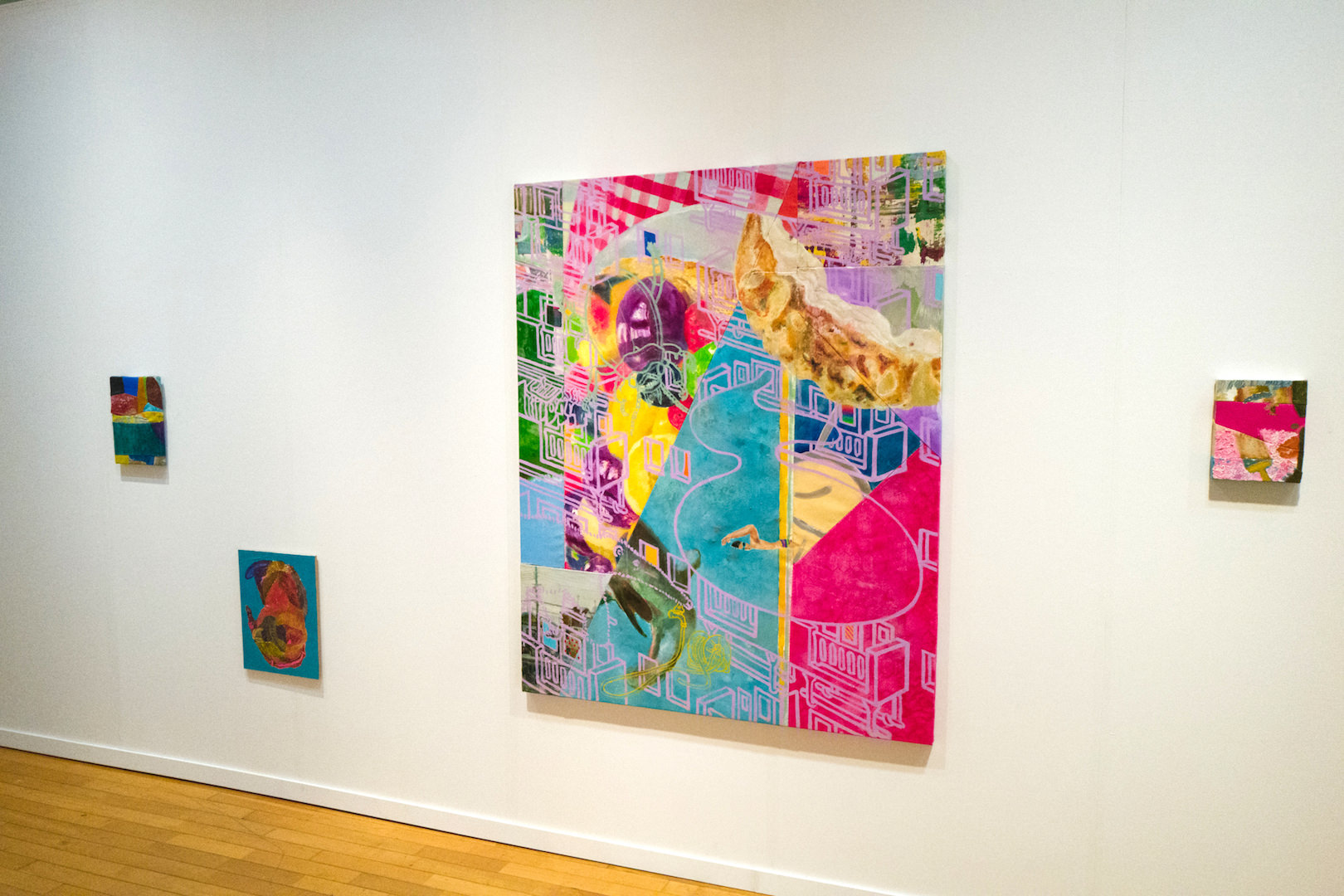
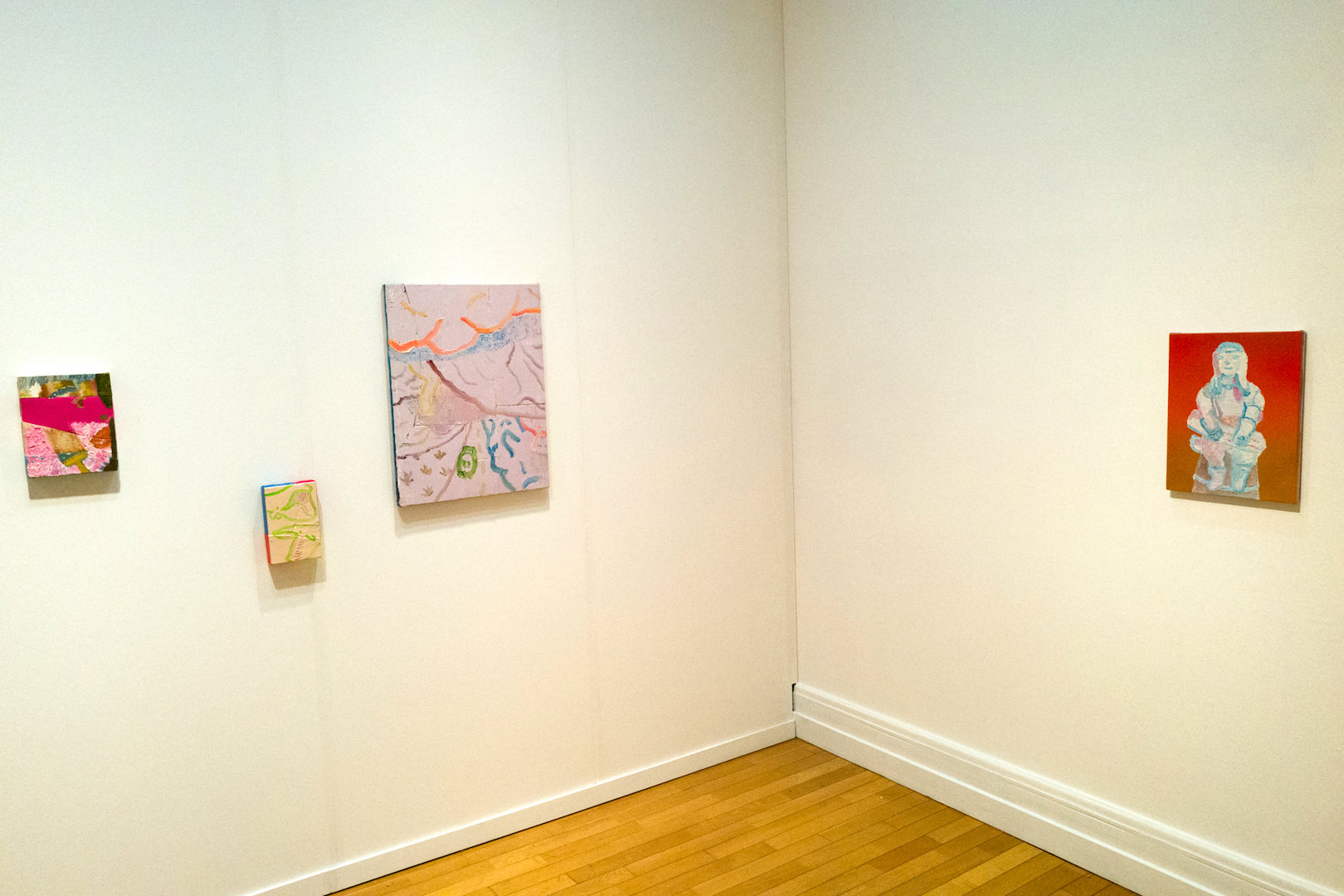
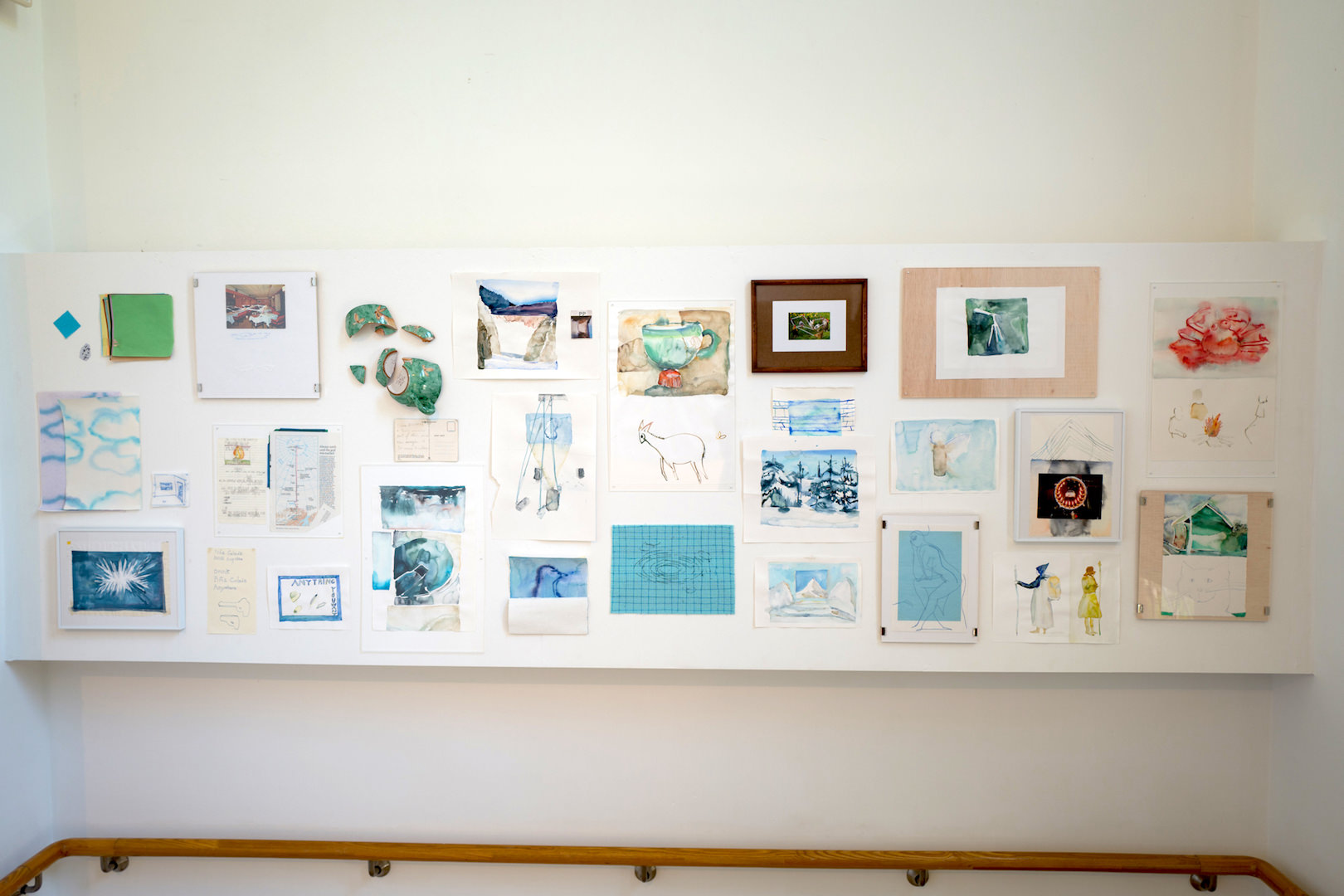
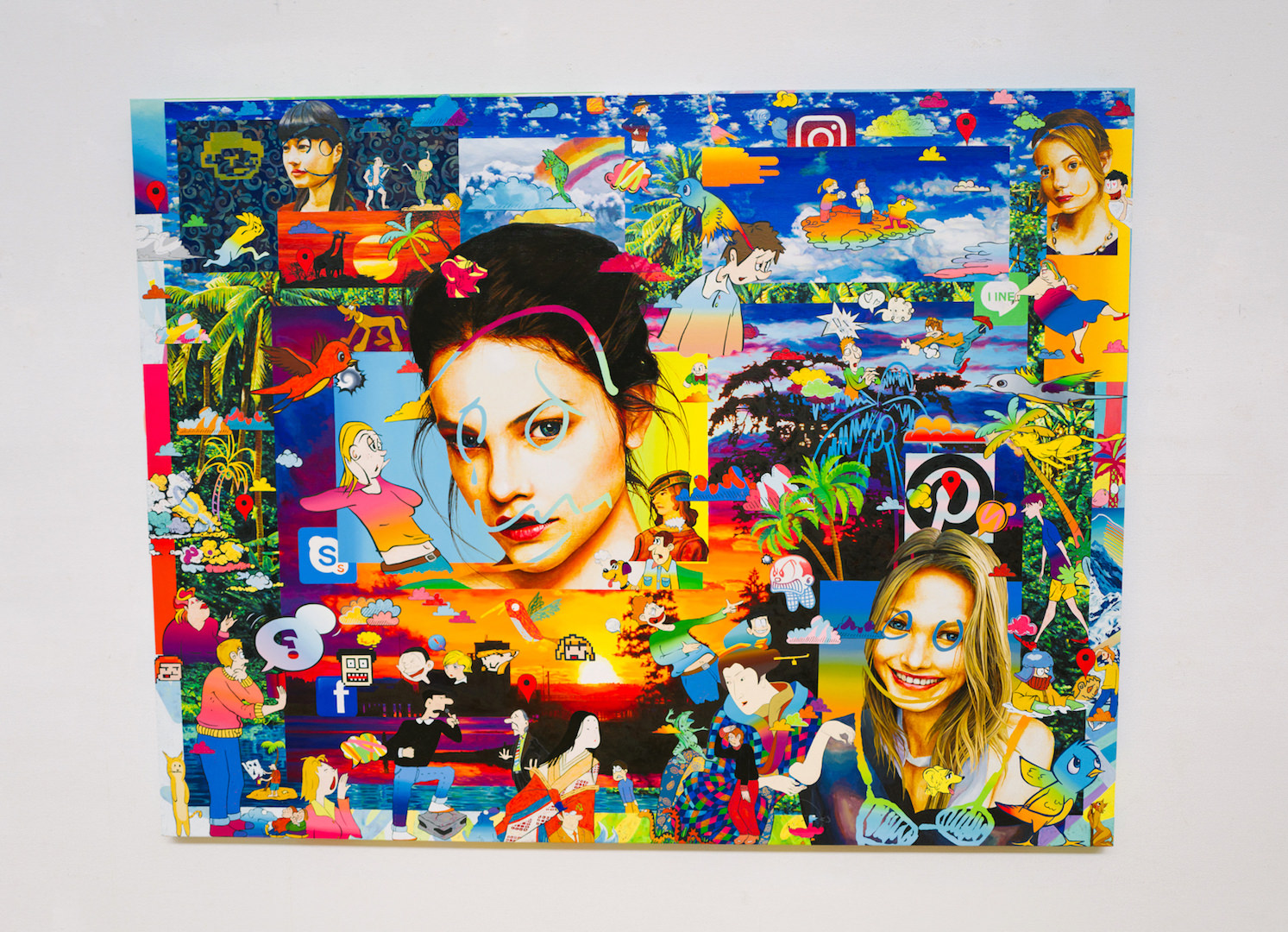
This exhibition begins with visitors wandering into the museum. The white-cube maze presented by Ryohei Suga draws the viewer’s body into the non-everyday space of the exhibition room; Yuki Horiuchi connects the diverse materials and words she has collected as if tracing out a constellation, lightly transforming how things exist and appear. Makoto Egashira uses a rose-patterned blanket to erode the surface of his materials, overturning the meaning and impression of existing objects. This series of works, including these, frees the materials and mediums that fill everyday life from the roles and frameworks they originally carried, giving us an opportunity to rethink the ontology of objects themselves.
The exhibition starts with Ryohei Suga’s “Endless White Cube,” presented last year (?) at Shiseido Gallery.
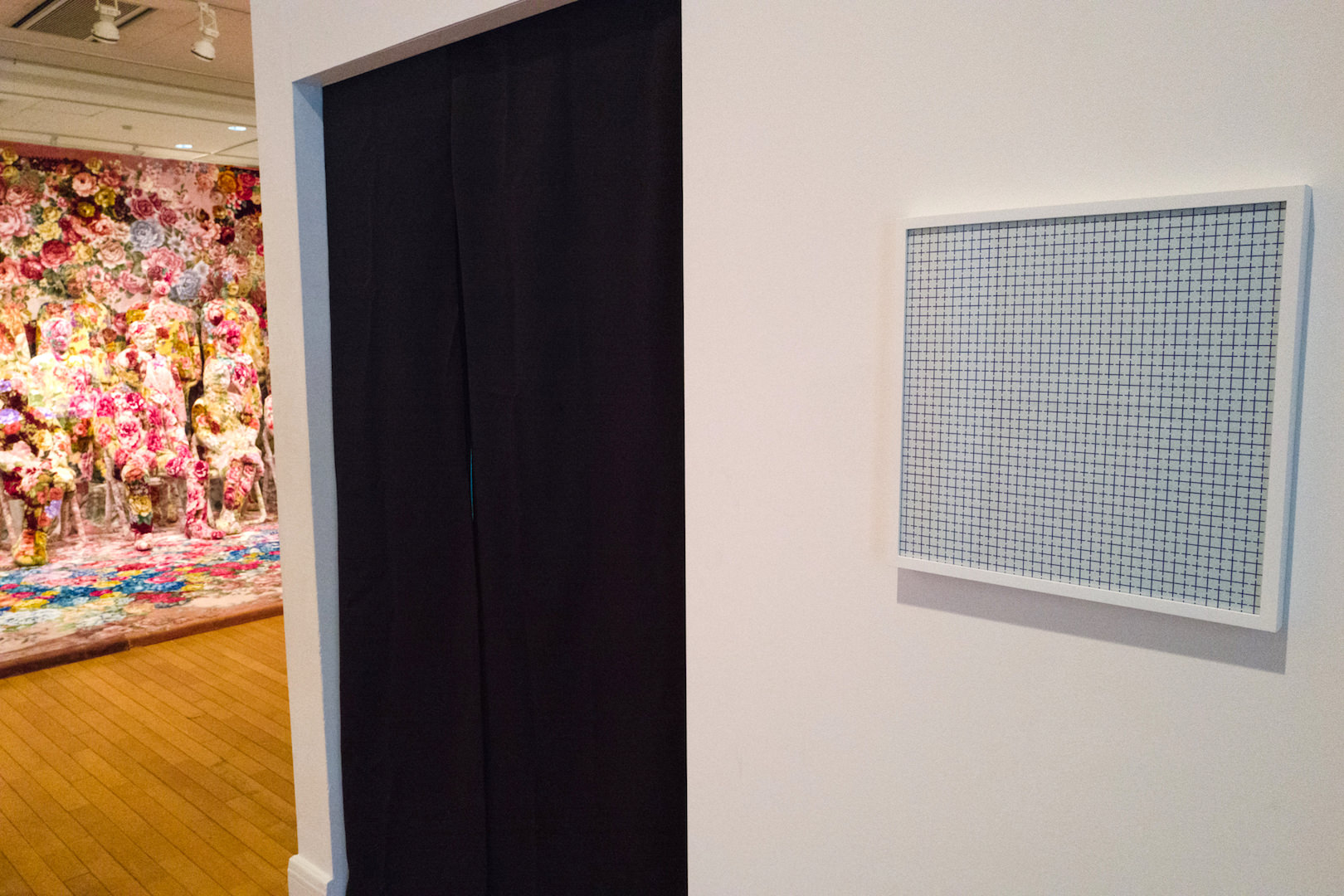
Nearly every visitor was photographing Makoto Egashira’s floral-patterned work. Incidentally, Makoto Egashira actually graduated not from Tokyo University of the Arts but from Tama Art University — what a surprise. Yes, this is not an exhibition of works by Tokyo University of the Arts students, but a curatorial project by curators at Tokyo University of the Arts.
SECTION 2
The Play of Body and Space
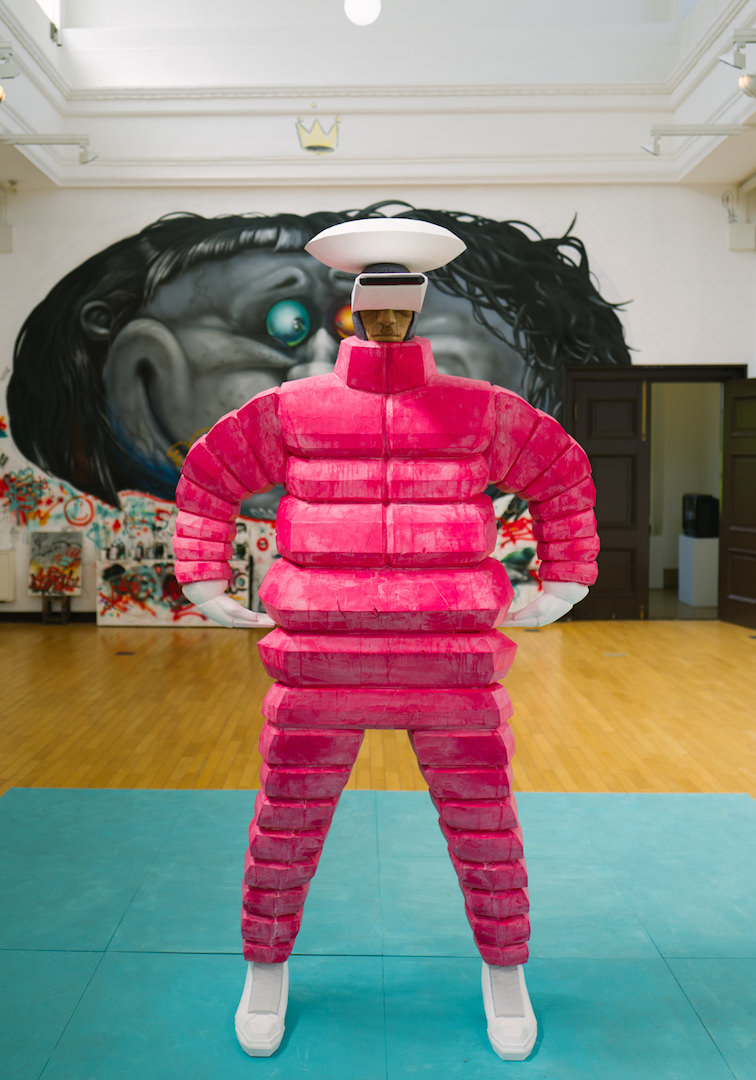
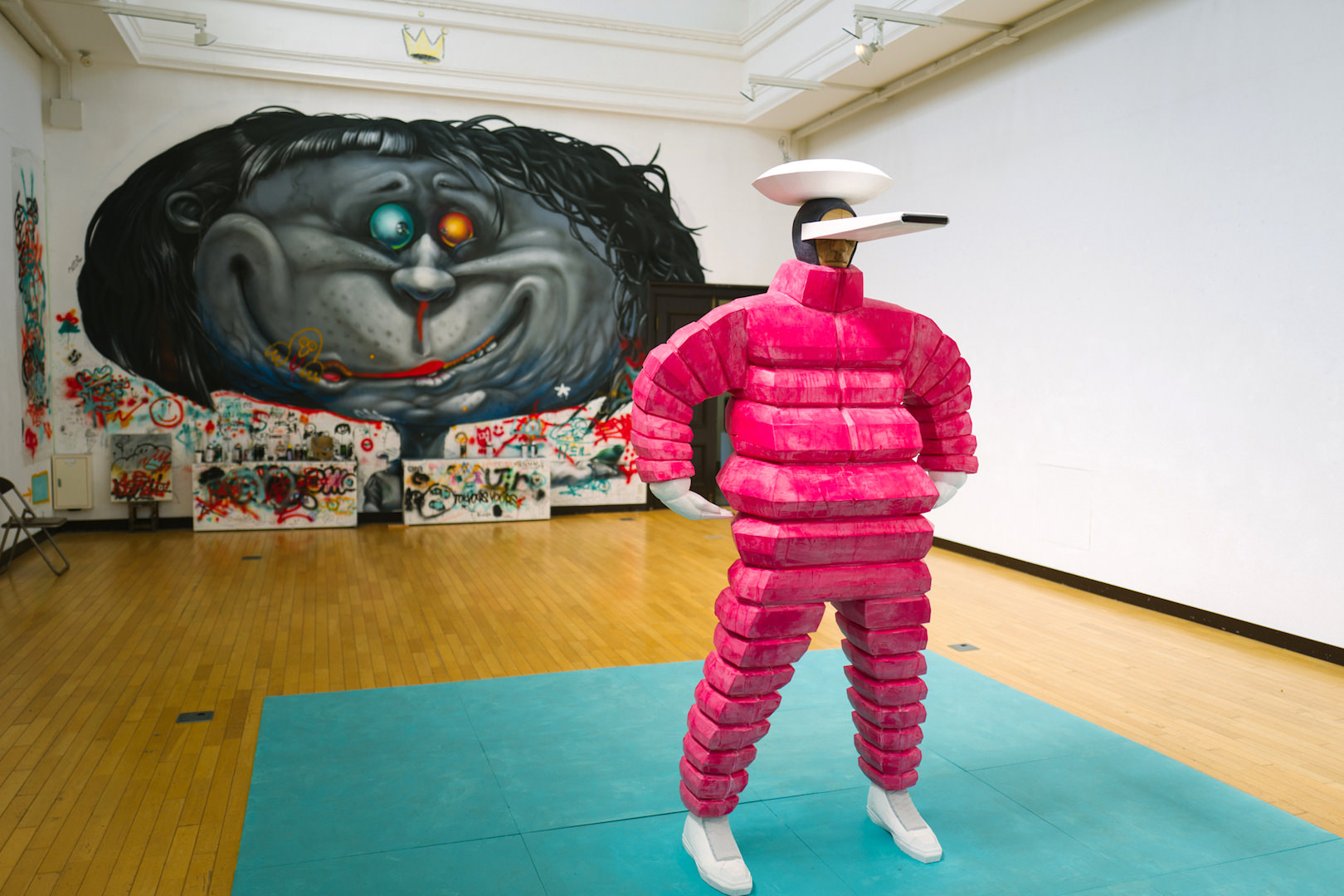
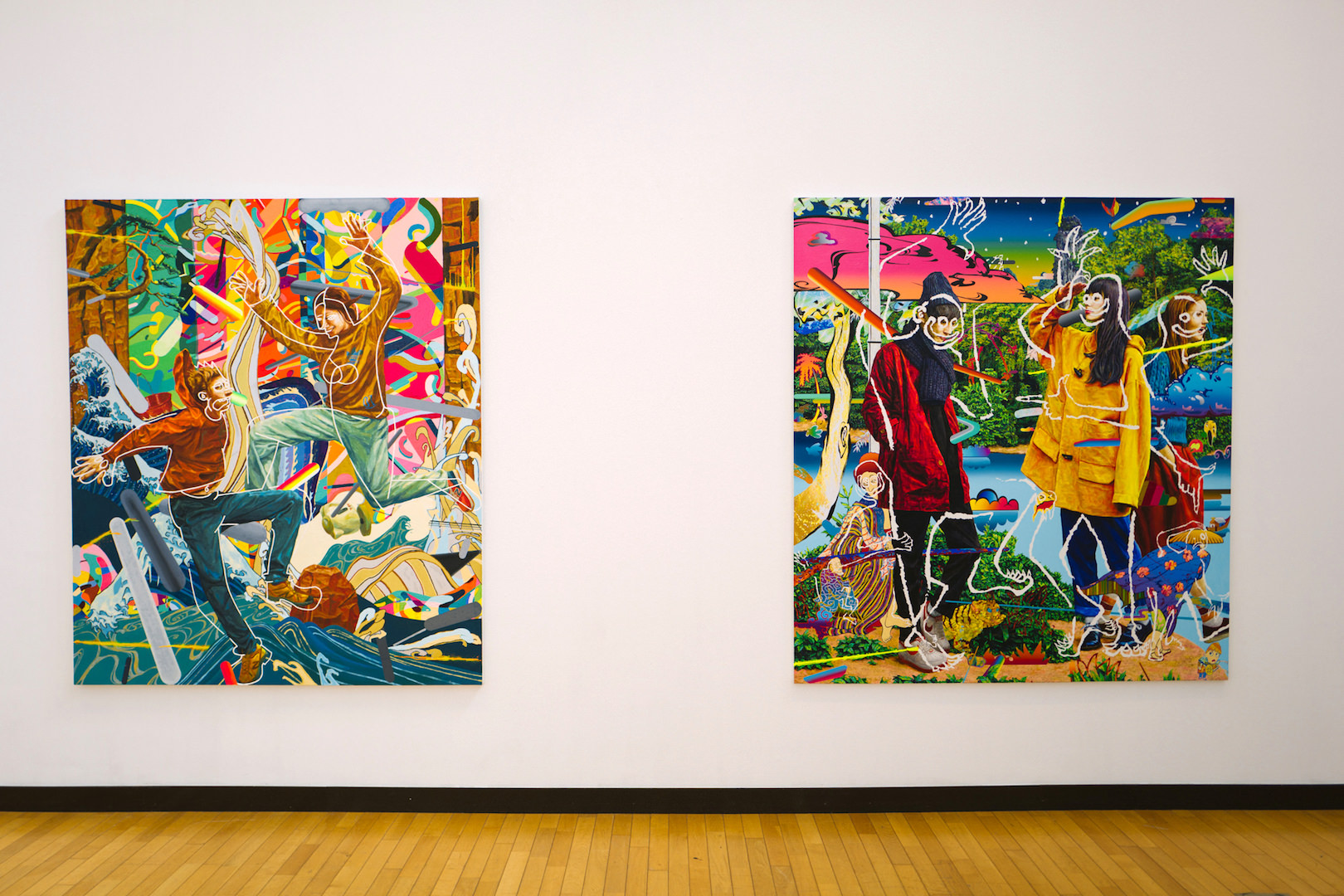
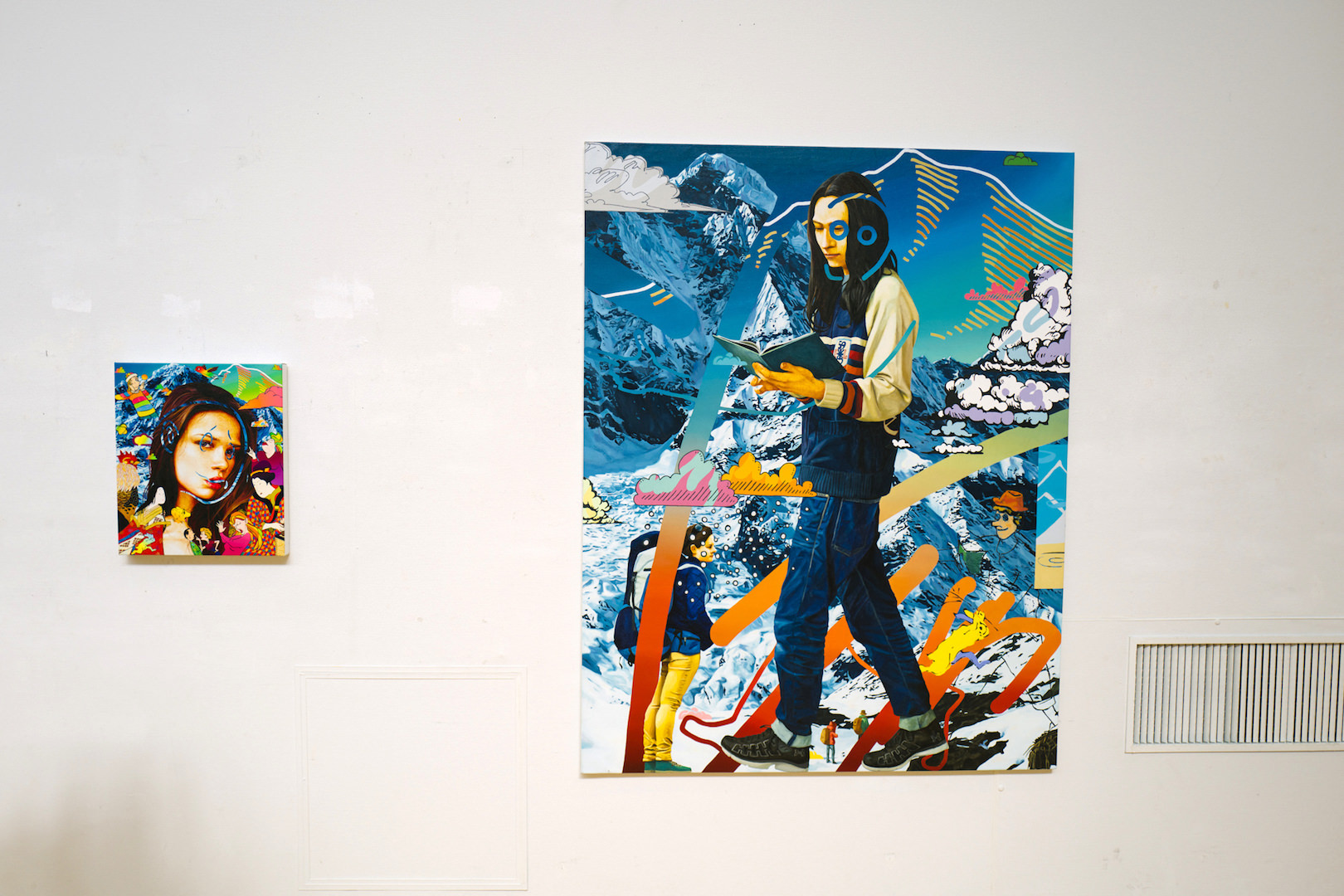
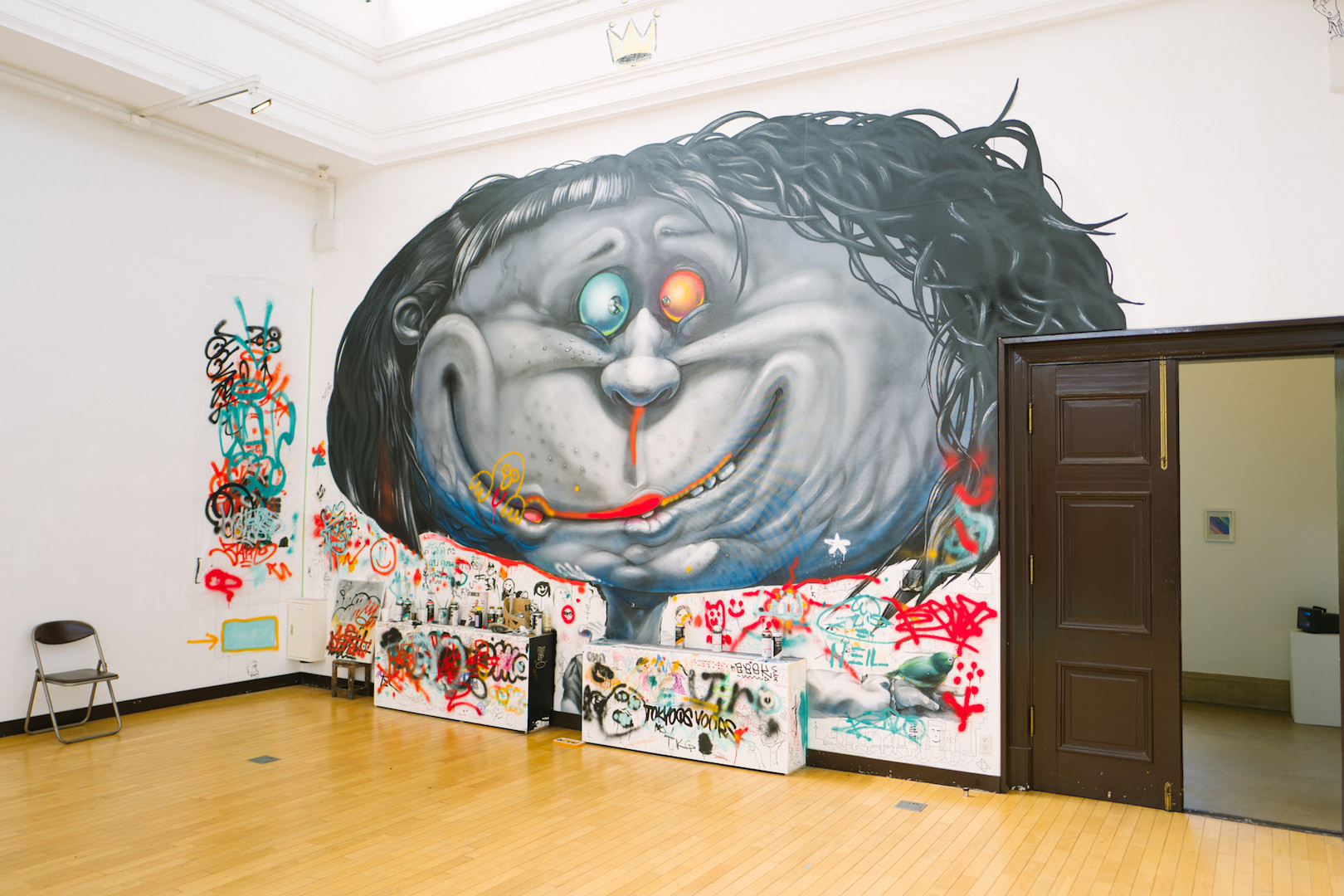
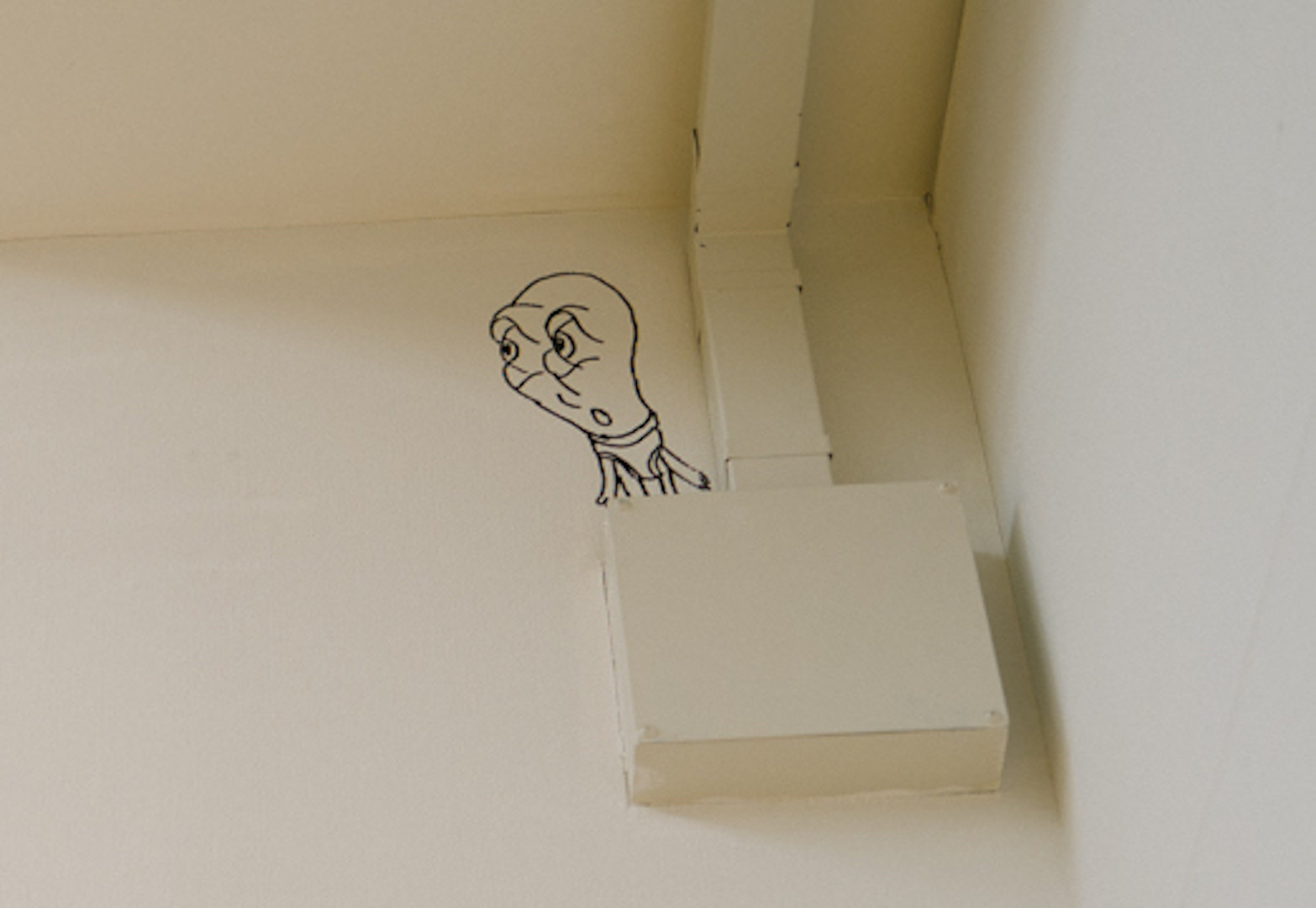
Section 2 presents works that transform the quality of space while involving the viewer’s body. Taku Obata, by rendering the body of a breakdancer in wood carving, and TENGAone, by bringing into the gallery graffiti that is normally painted outdoors, together create a kind of street-like space — that is, a space of play that mediates the boundary between the everyday and the non-everyday. Through video, Shana Moulton questions the diversified states of objects and bodies, presenting the possibility of new relationships between them in a space where the real and the virtual, so characteristic of our time, are intermingled.
Section 2 is shown on the second floor.
SECTION 3
Heterotopias of Play
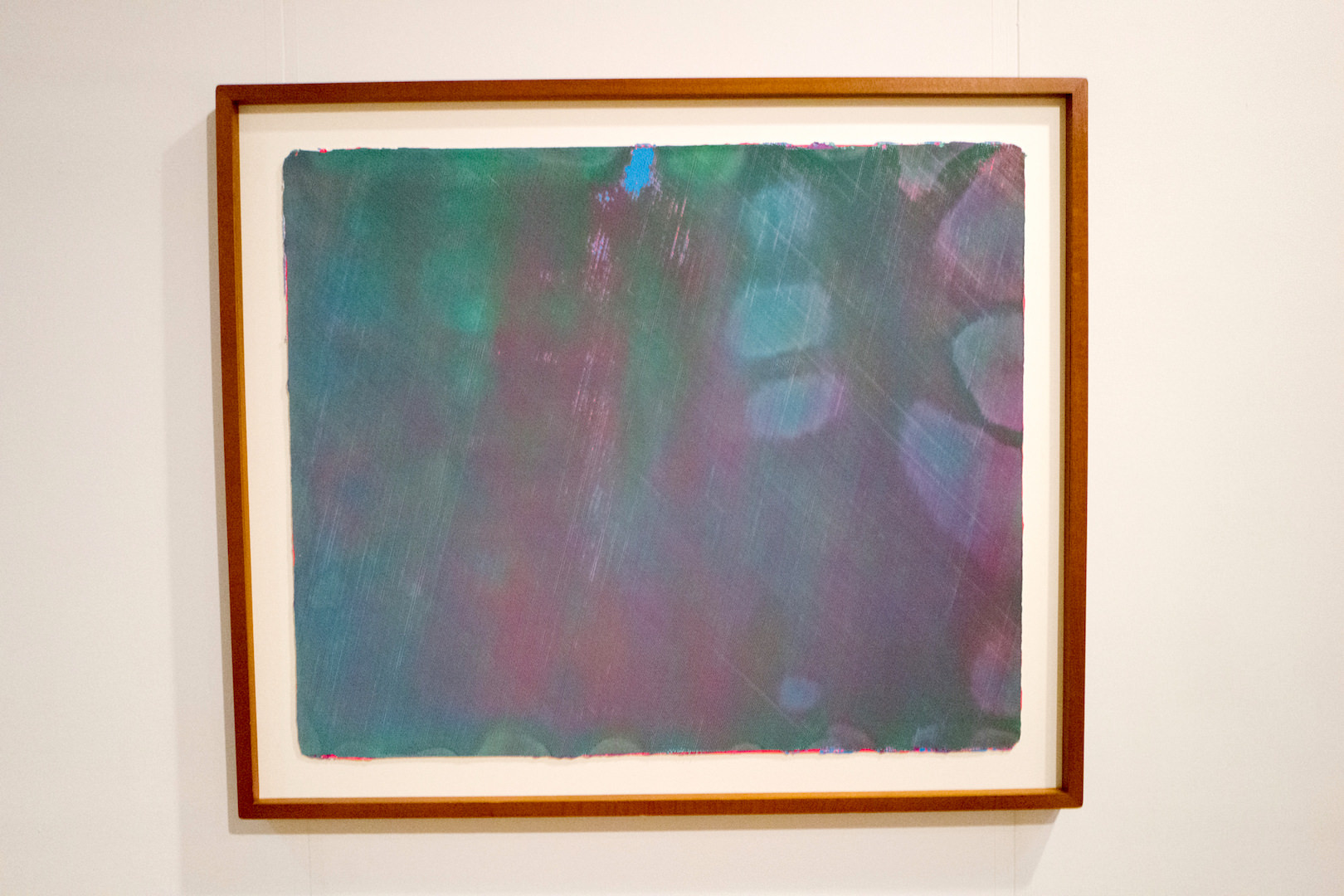
By displaying works not only in the exhibition rooms but also outdoors, it connects the interior and exterior of the museum. TENGAone, by exhibiting graffiti in its original form — that is, outdoors as well — blurs the boundary between the exhibition and everyday life. Koseki Ono’s prints, built up from many superimposed layers, are also shown outdoors, presenting the relationship between light and the body in the work more clearly while exploring a new relationship between the work and its environment. Through these works, the exhibition gently lets the heterotopic quality that arises within the museum space (a different place within the everyday) cross over into the everyday space outside, suggesting the potential of the diverse heterotopias that play brings about.
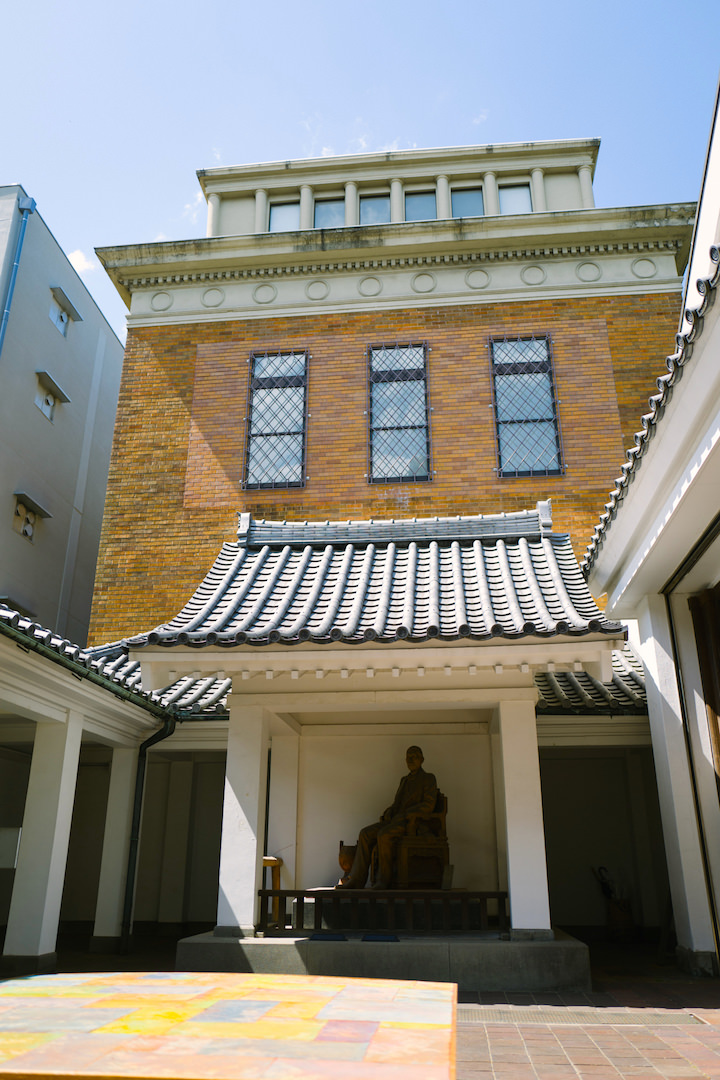
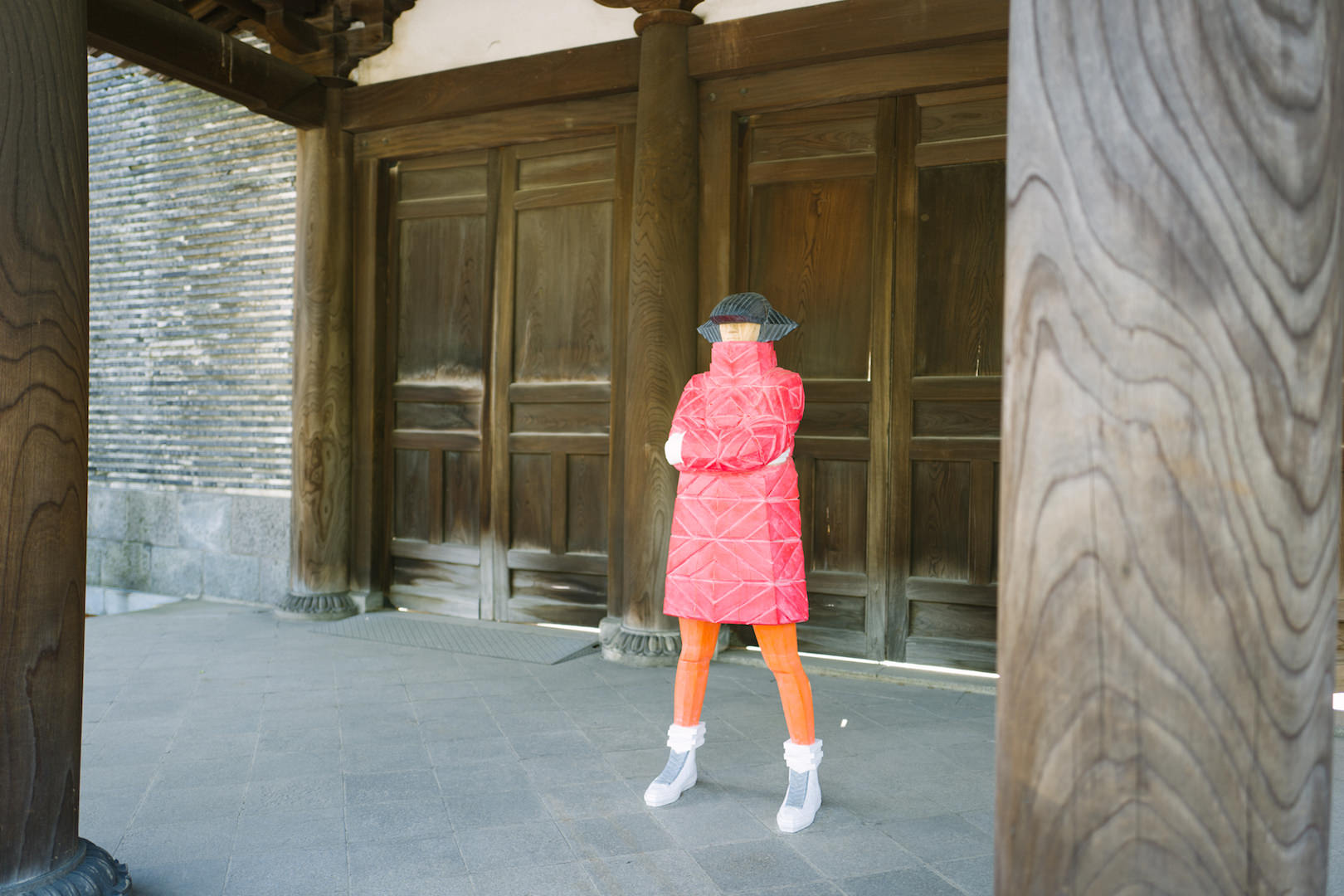
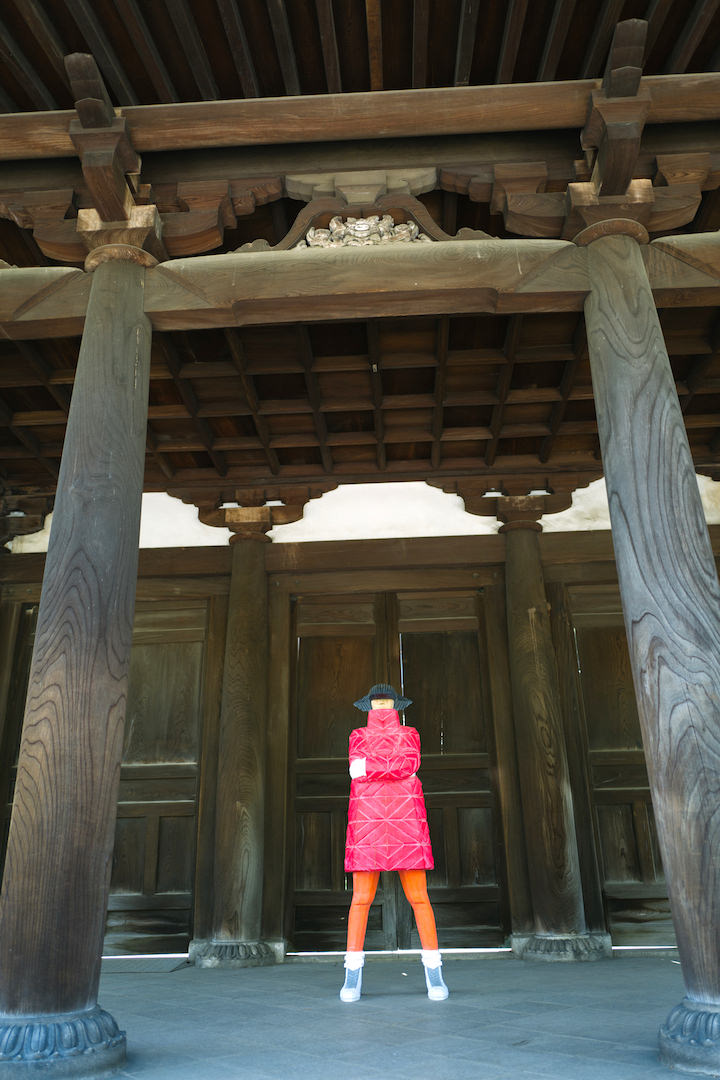
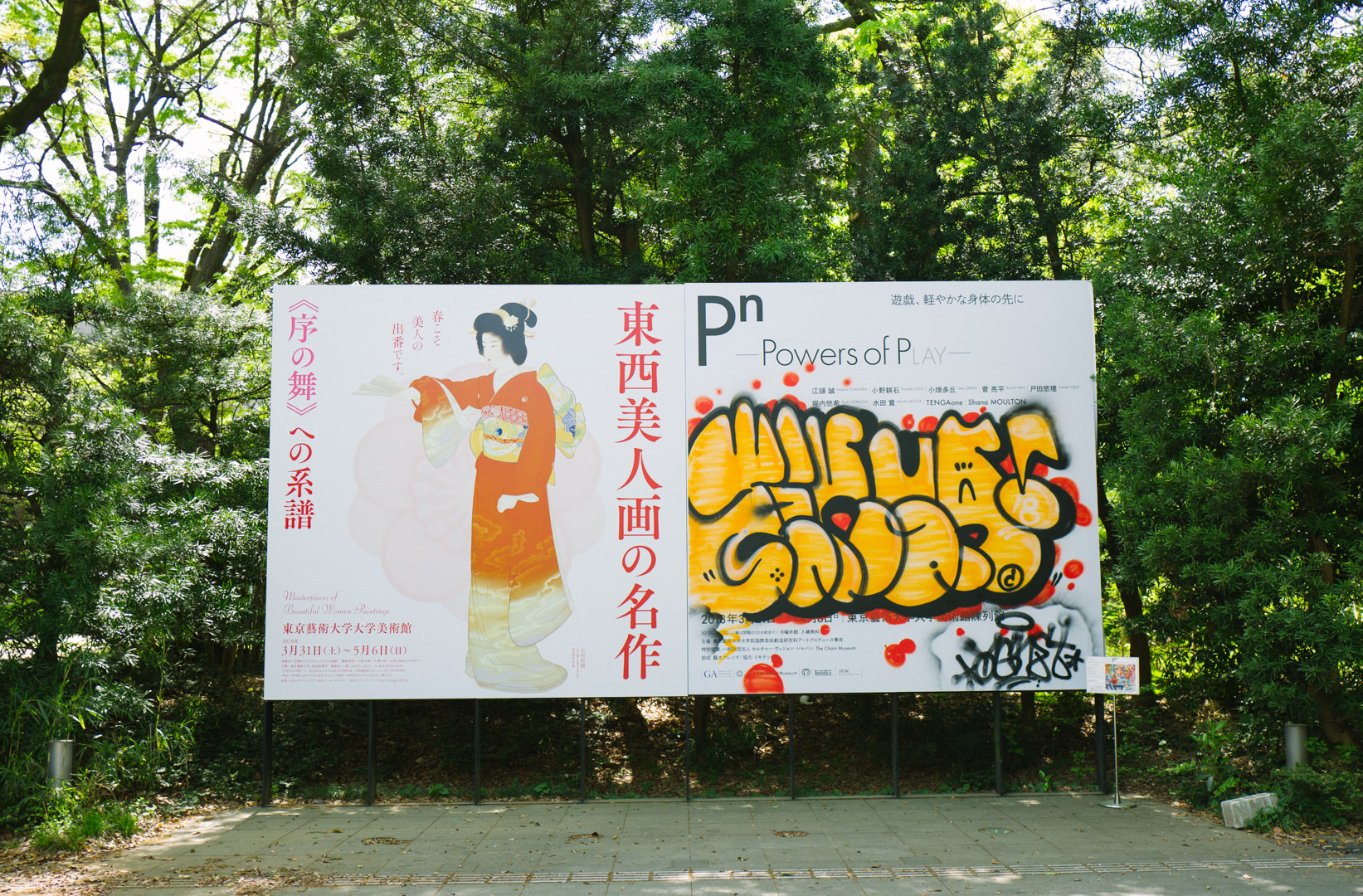
I heard they even commissioned an artist to “bomb” the signboard. Even though they placed the order, the curators apparently had no idea what kind of work would come out of it. This too is one form of PLAY.
Summary
In terms of the number of works, it did not feel especially large in volume, but the concept was interesting and the works answered to it well, making it an enjoyable show to see.
If, beyond artists drawing viewers in through the power of their works alone, curation like this — delivering works to us in a better environment and a better way of presenting them — continues to grow, surely art will spread even further.