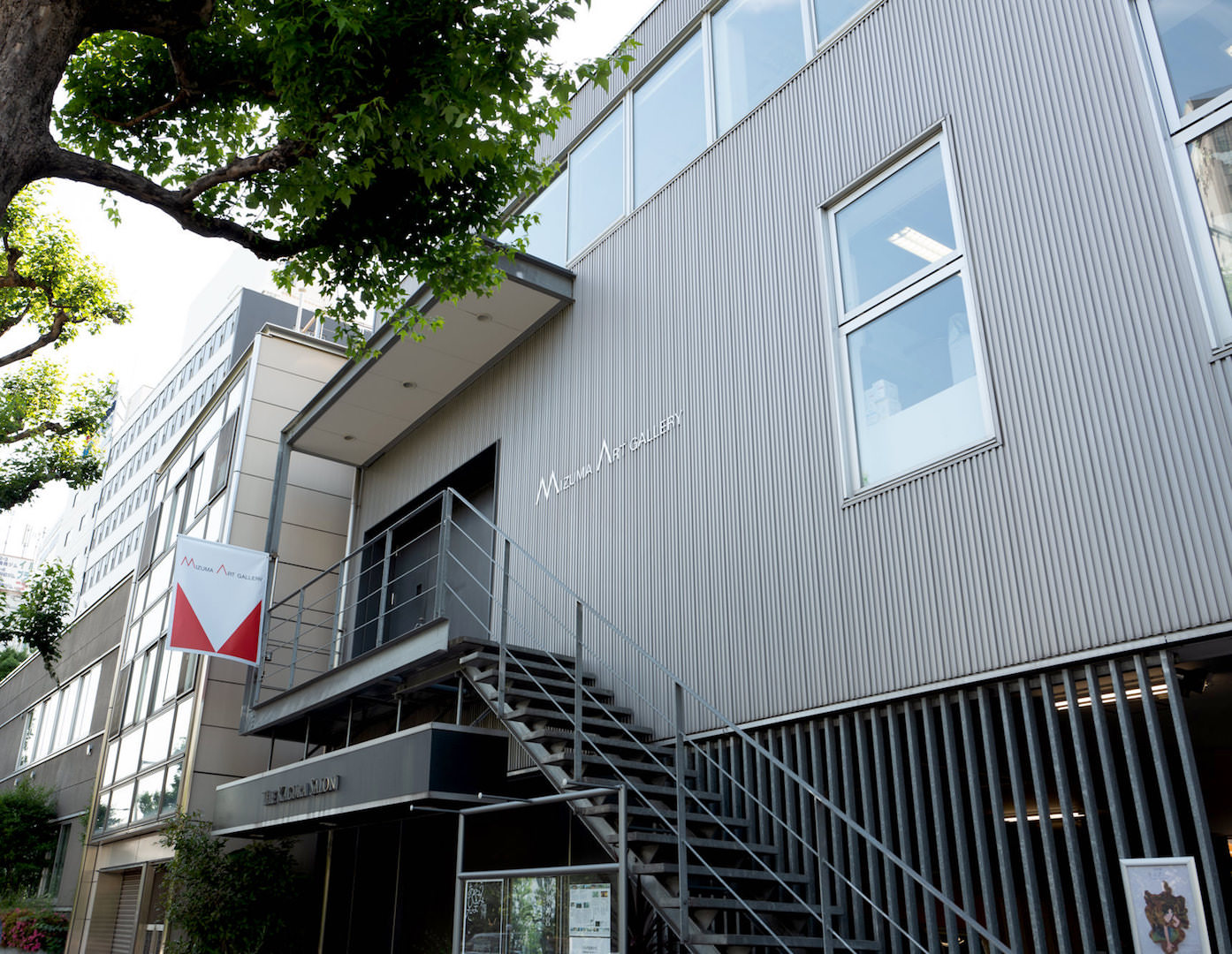
Mizuma Art Gallery
We visited Mizuma Art Gallery, located roughly midway between Ichigaya and Iidabashi.
With its high ceilings and calm surroundings, it is one of this writer’s favorite galleries.
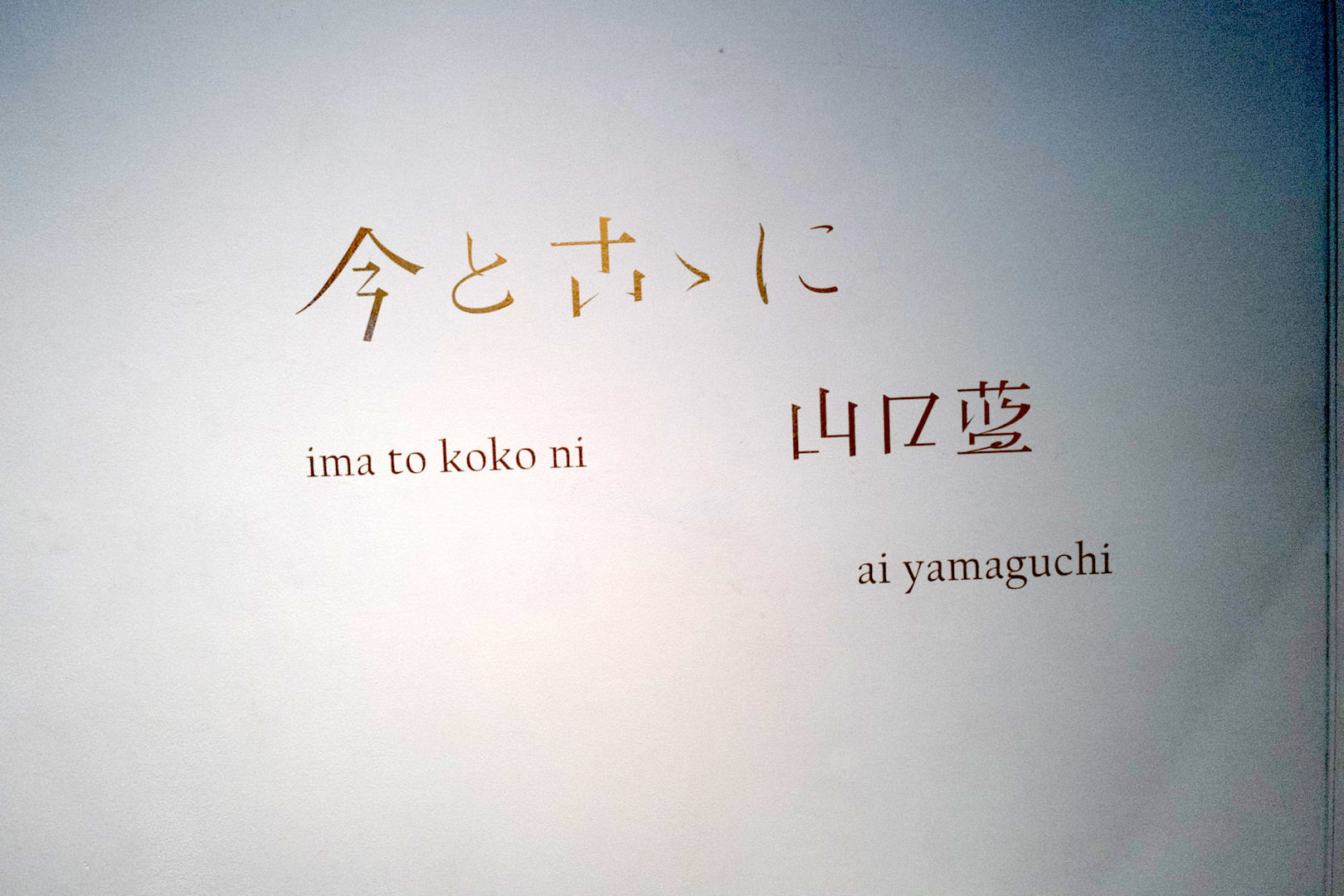
Ai Yamaguchi “ima to koko ni”
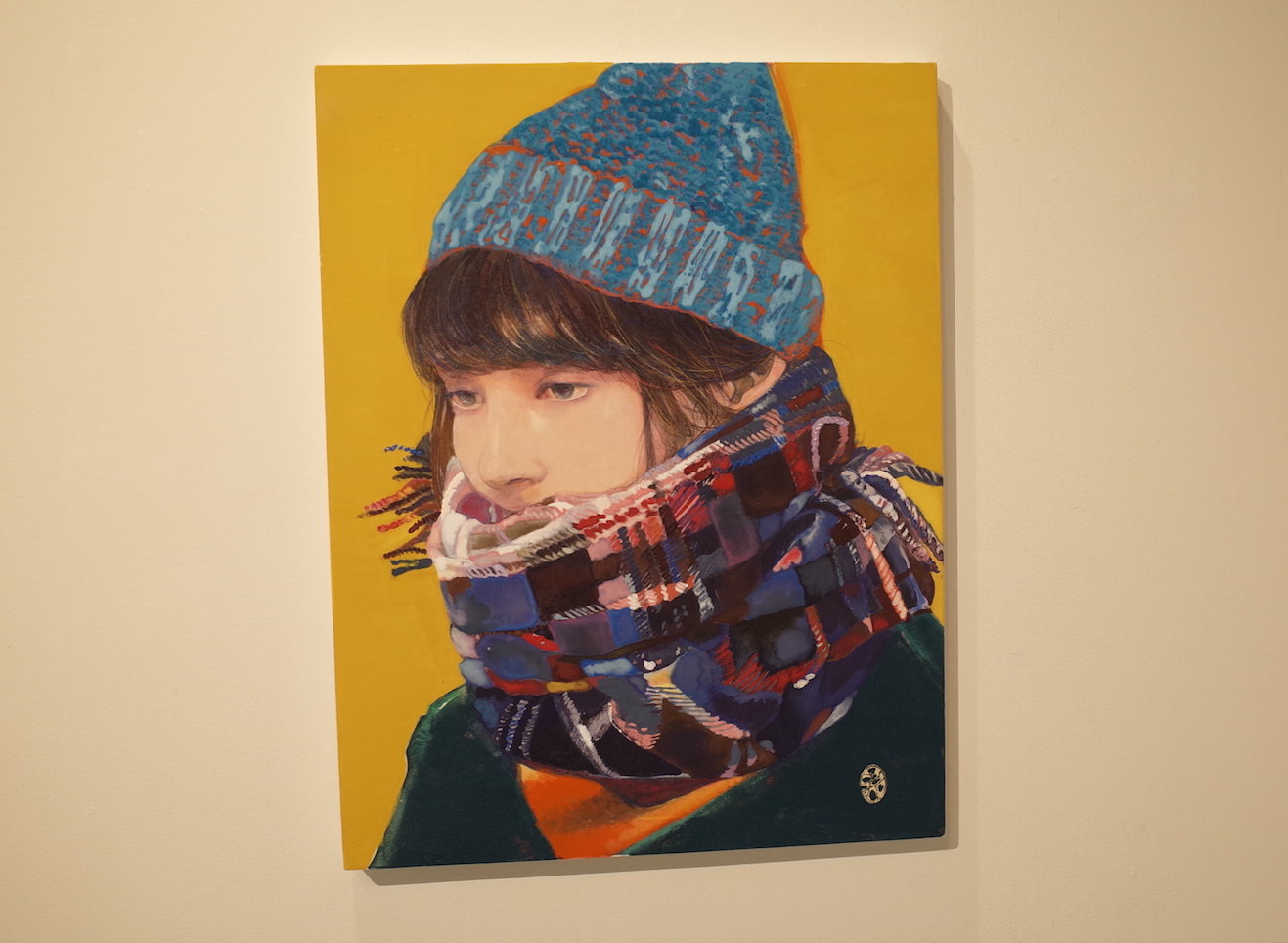
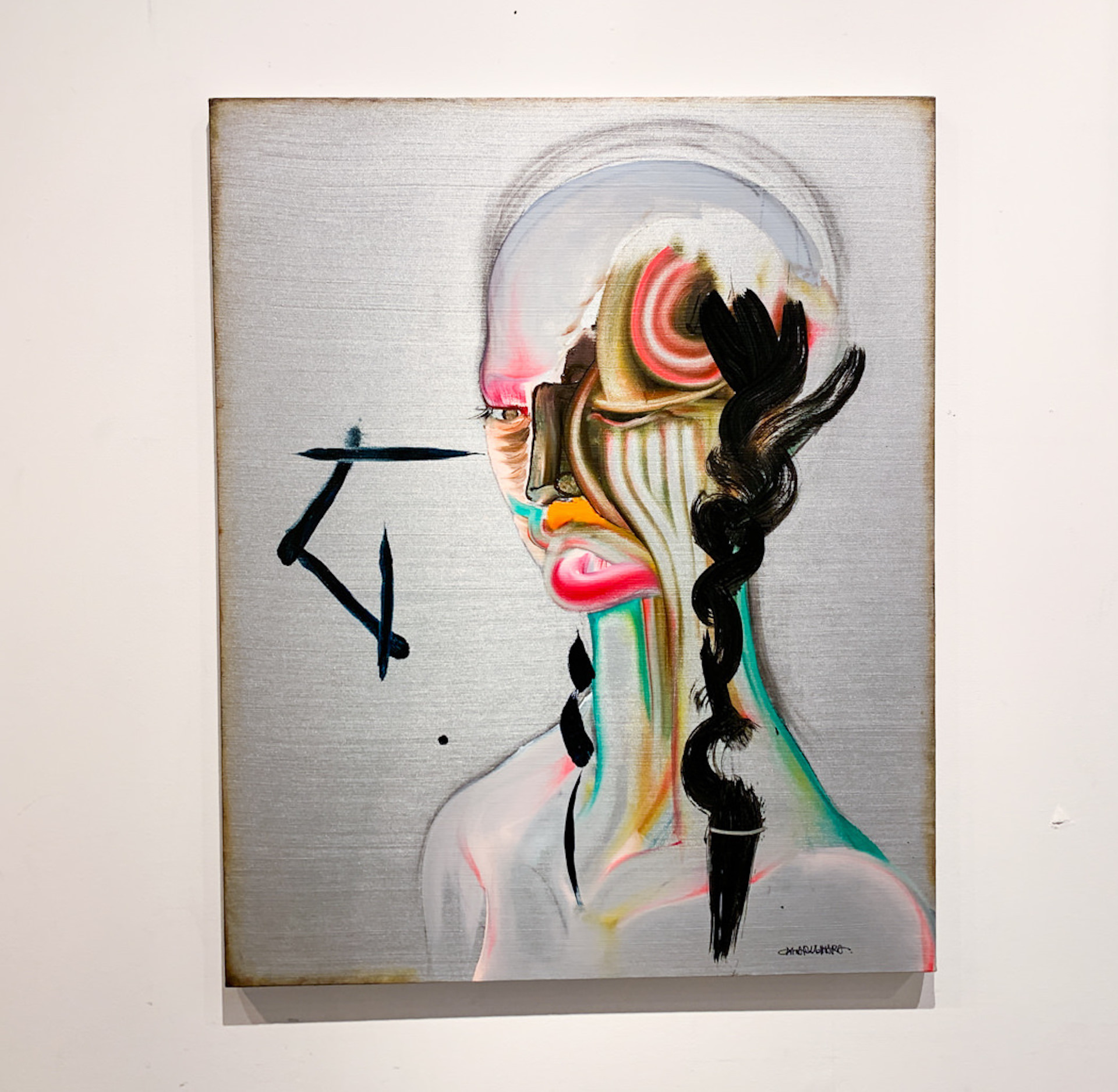
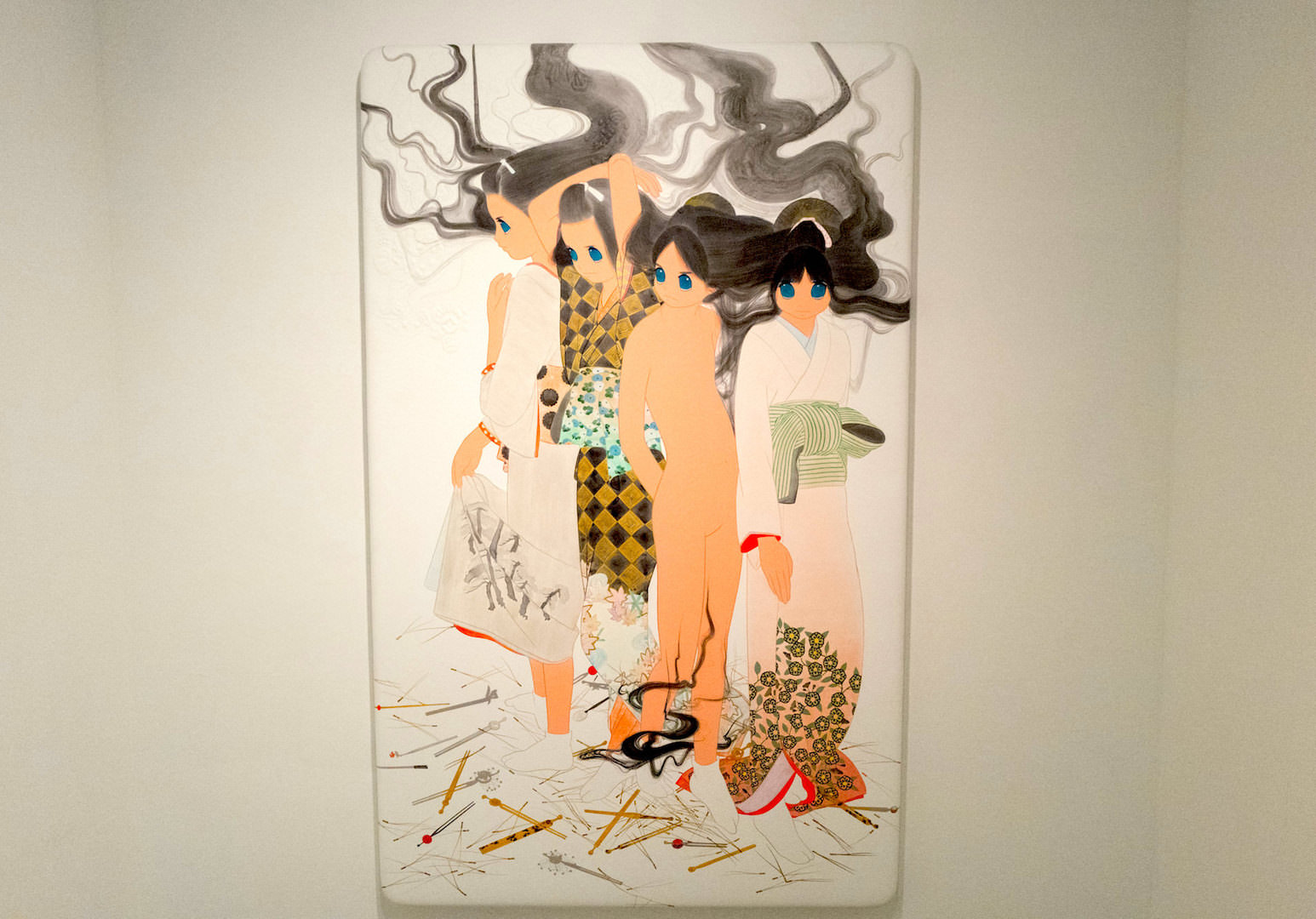
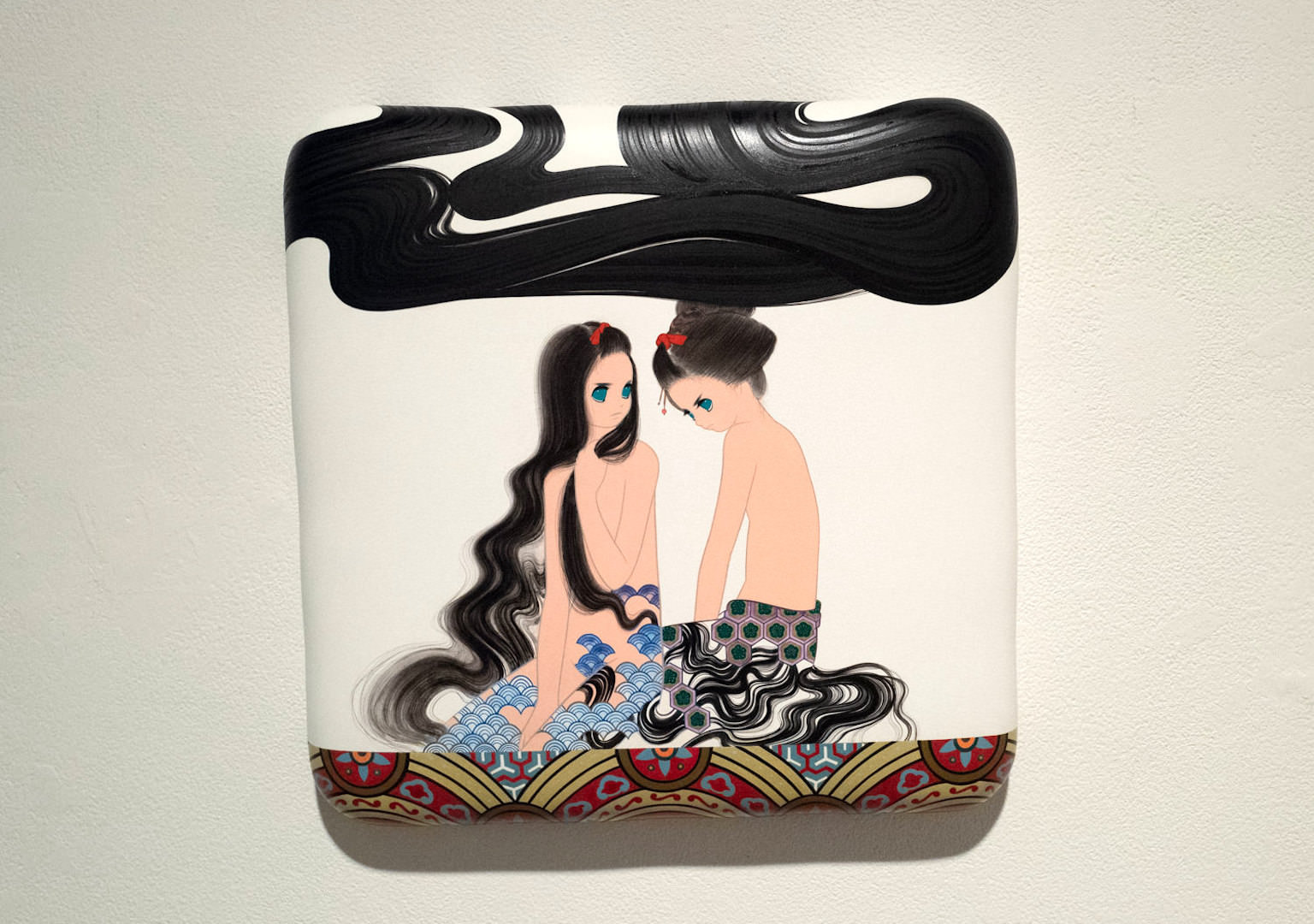
Ai Yamaguchi is an artist who inherits the beauty of old Japan while incorporating the culture and customs of the Edo period into her work. Painting bijin-ga (portraits of beautiful women) that read as both illustration and Nihonga, and using unusual supports such as futon canvas or wooden panels, she has built a wonderfully singular worldview. She is one of this writer’s favorite artists.
On the day of our visit, we were lucky enough to find her at the gallery in person and had the chance to speak with her.
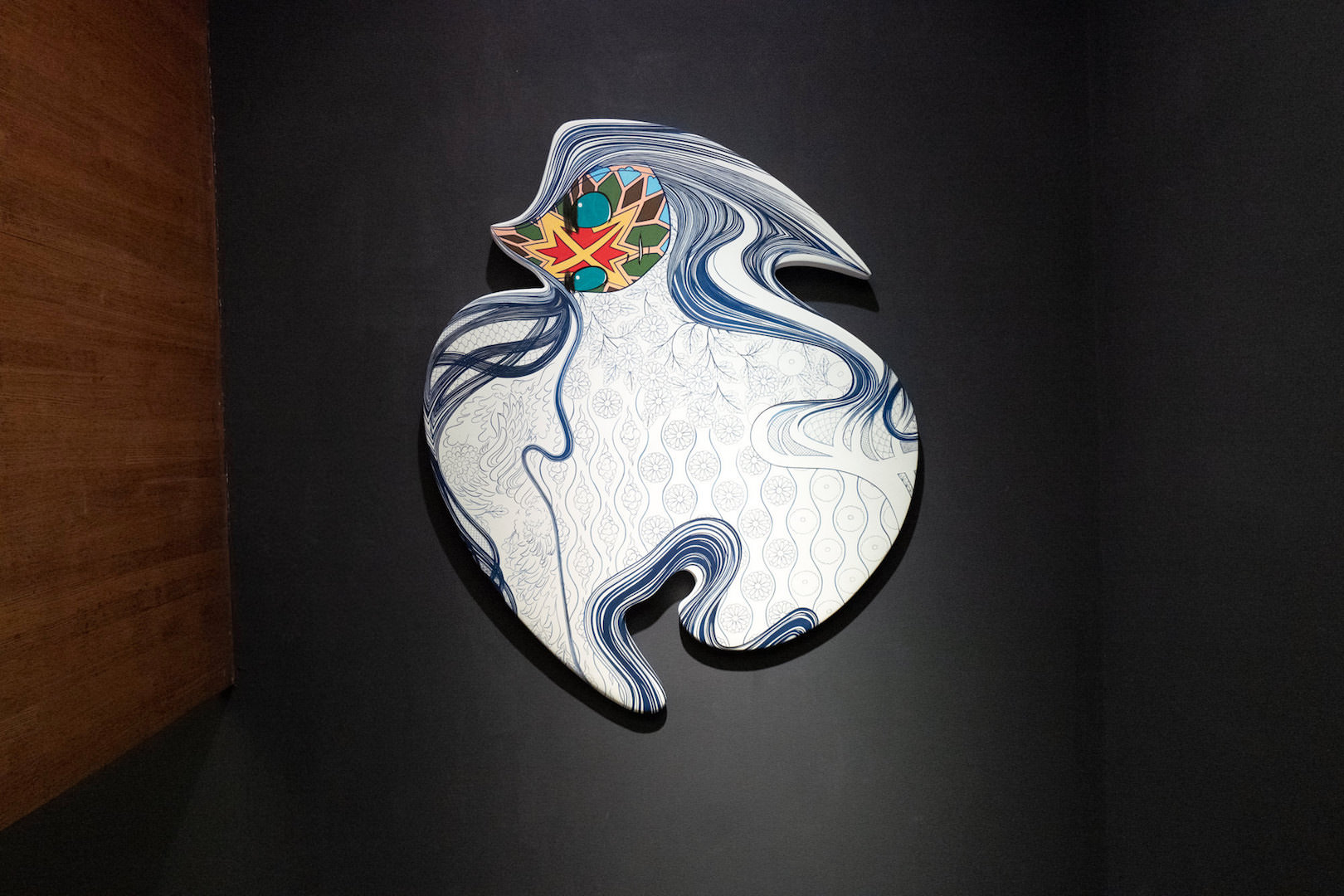
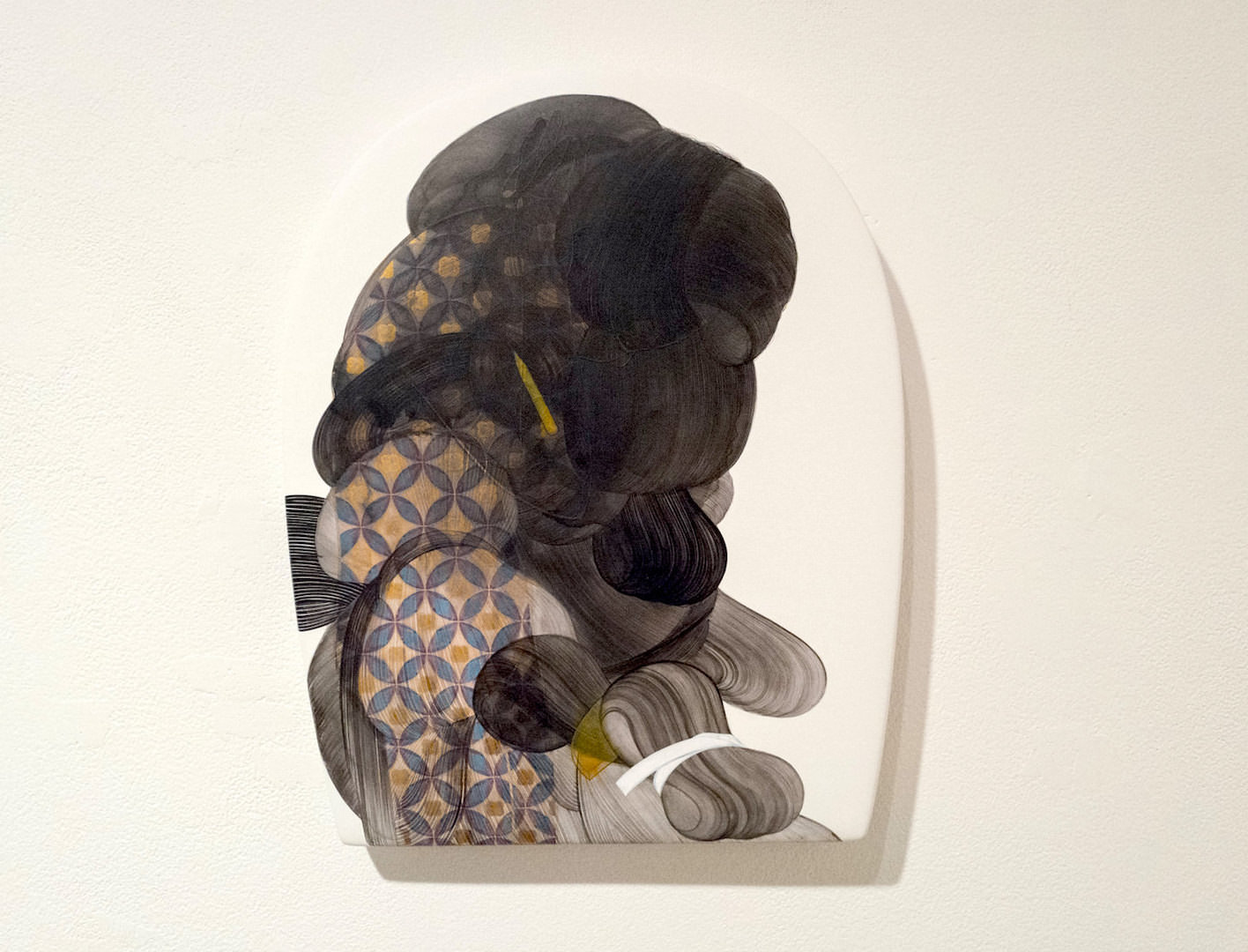
The first two works, just inside the entrance, are painted on wood — cleanly cut panels of bubinga.
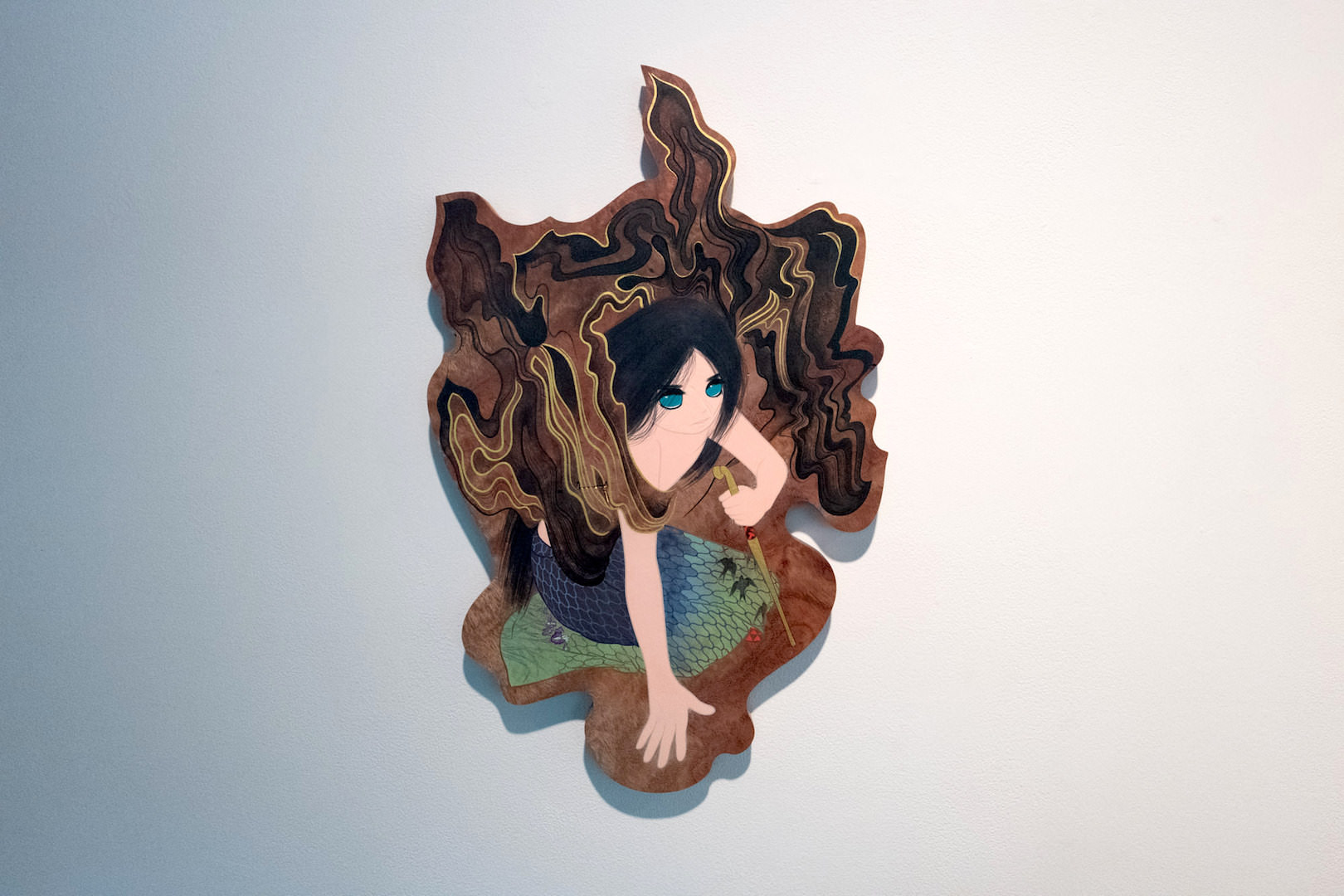
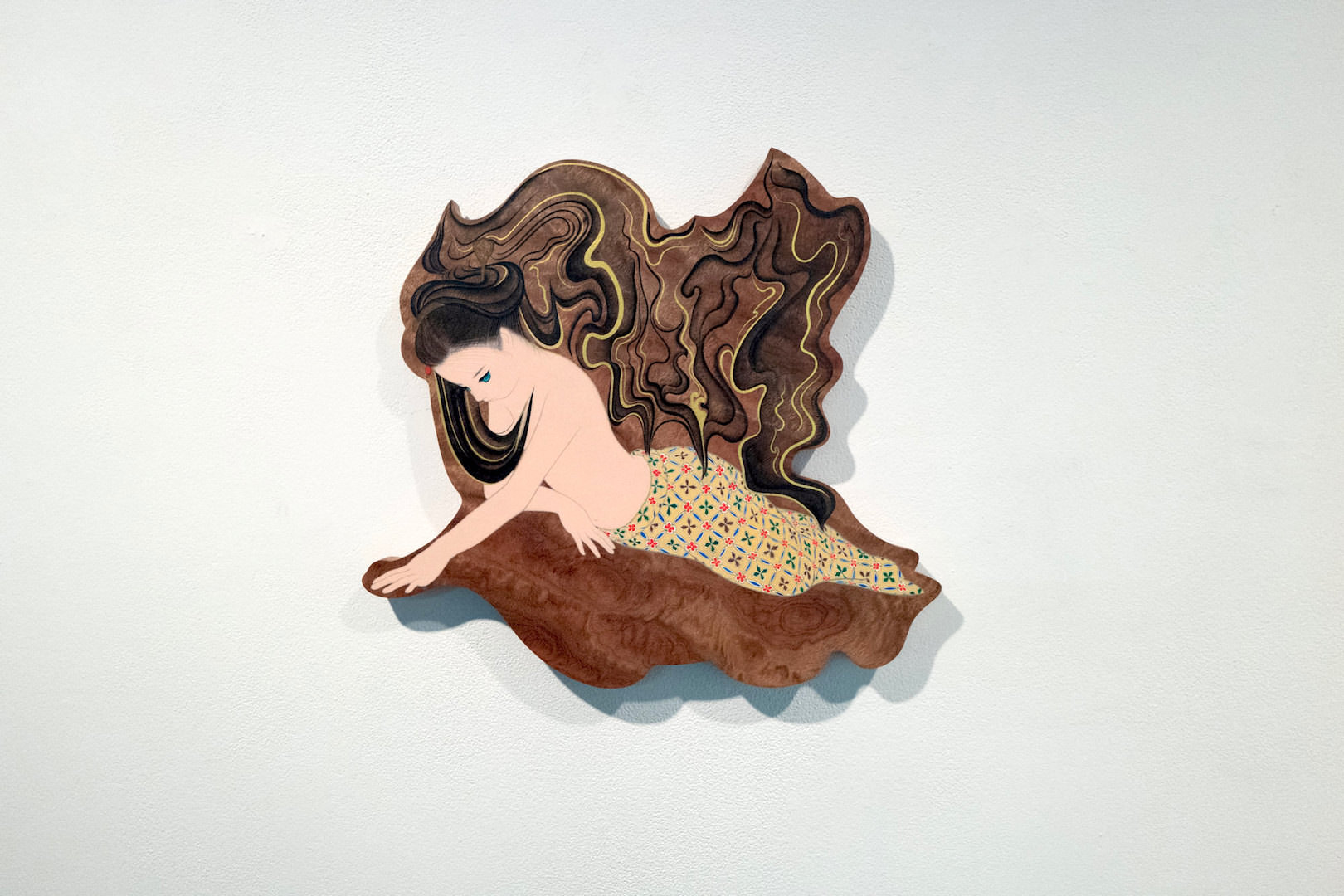
As an aside, the English titles of Ai Yamaguchi’s works are rendered in romaji of the Japanese reading.
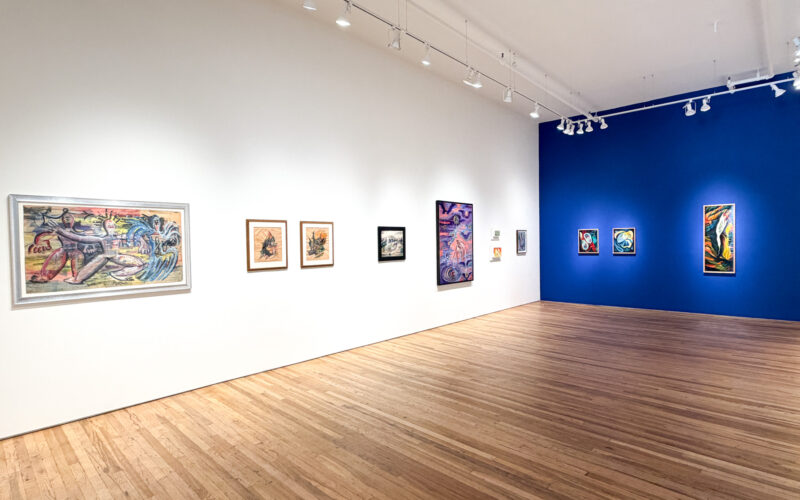
Moving further into the gallery, the works are displayed across a spacious room. Look closely, and you’ll notice something drawn on the white walls.
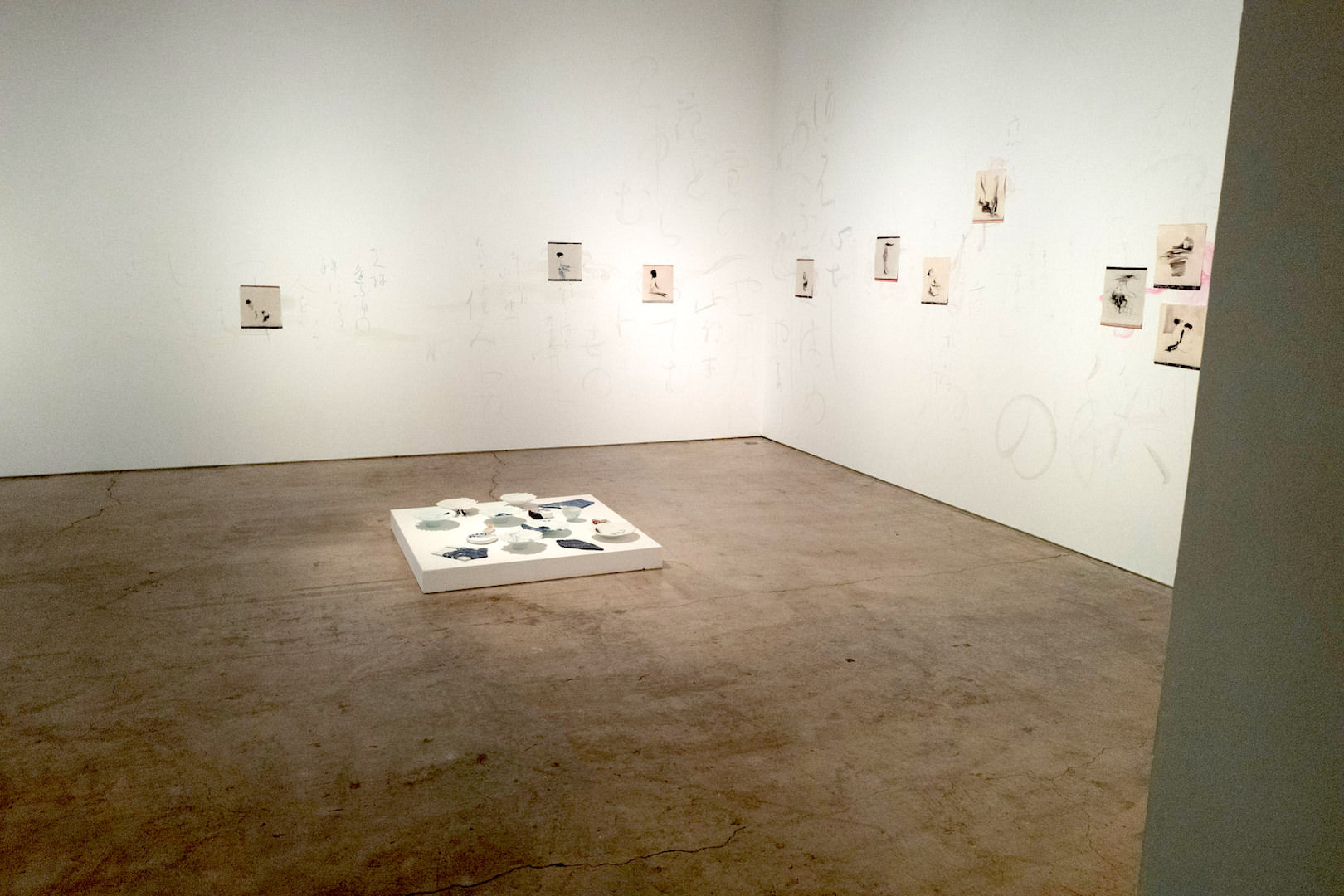
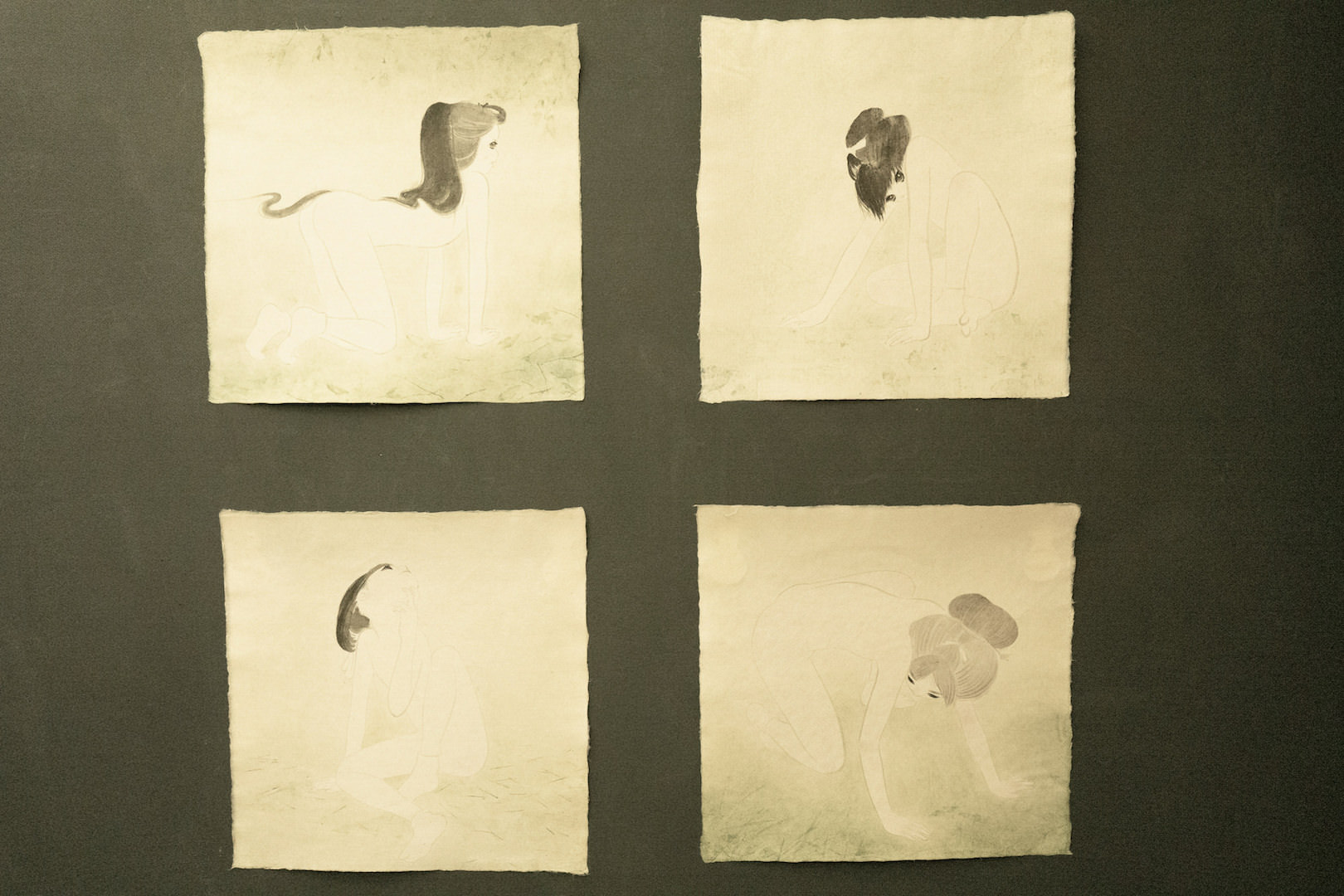
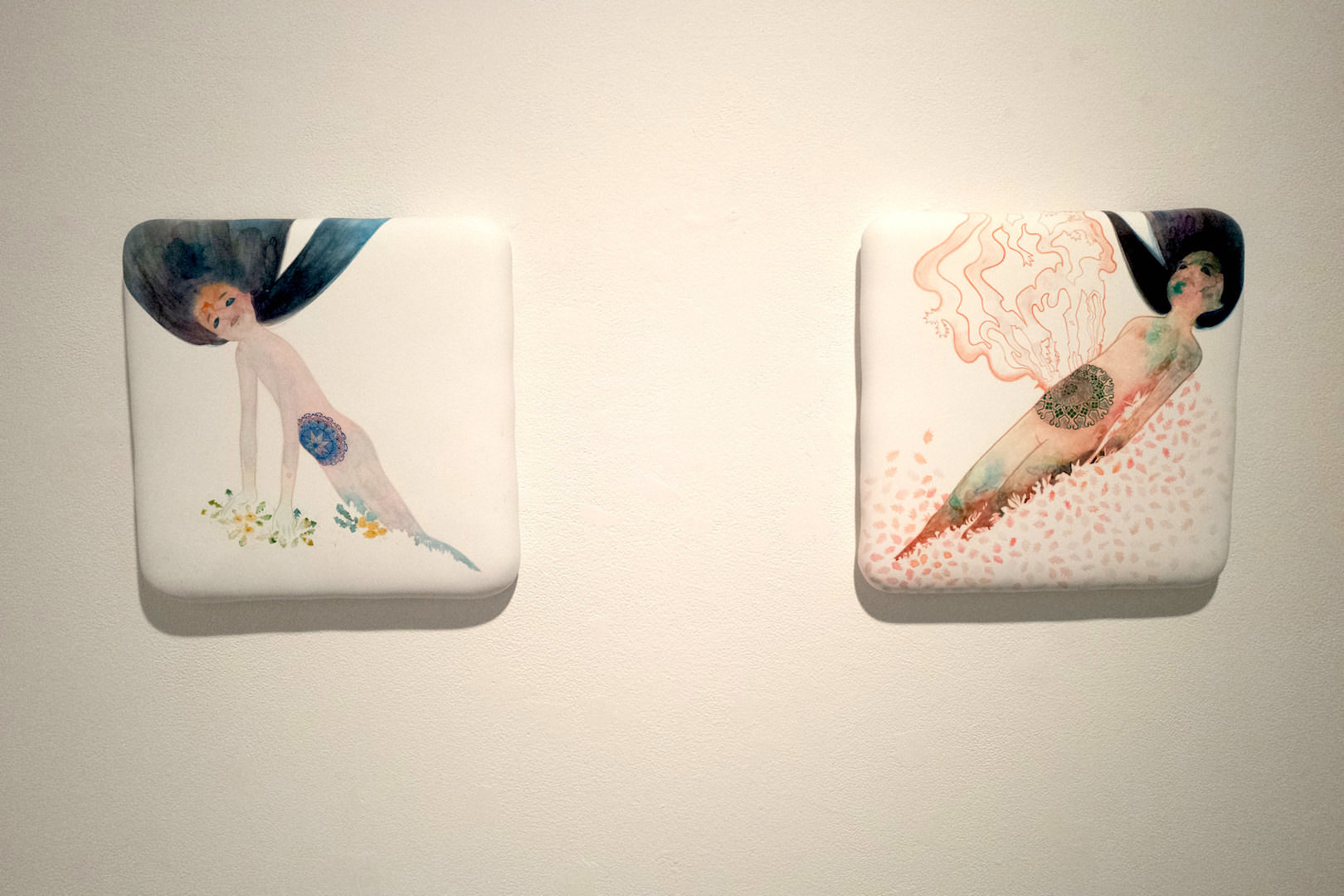
Look carefully — a poem is inscribed there. The exhibited works, all rendered in sumi ink and acrylic on washi paper, numbered twenty-six in total.
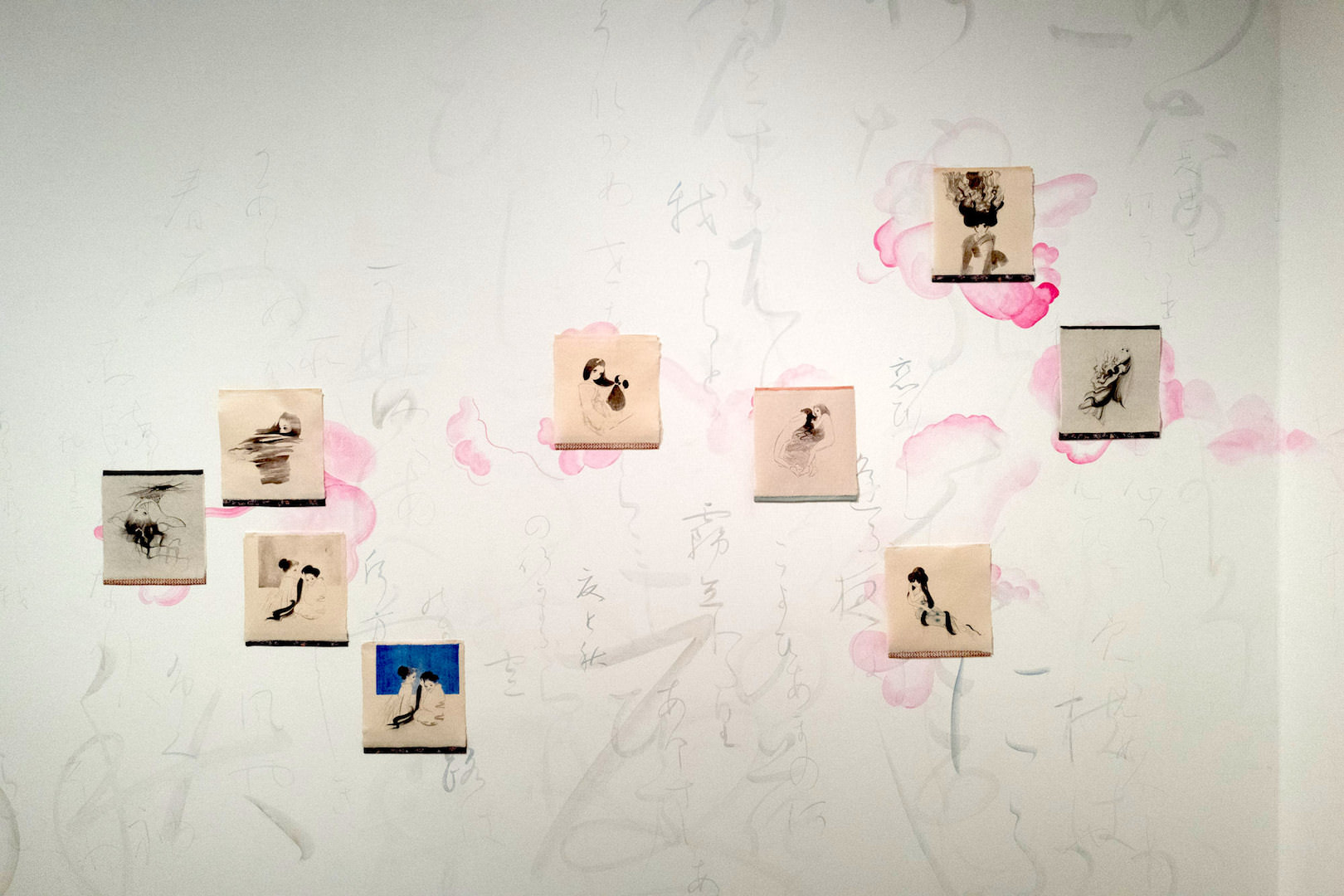
Allow us to quote the artist’s statement for this exhibition.
“ima to koko ni”
When I was thinking about what I was seeking, chasing, and trying to express, as if guided, I picked up “Introduction to Aesthetics” by Masakazu Nakai. As his words gave concrete resolution to my thoughts, I felt that through long years of painting — being carved and shaved away — a certain natural order had emerged and taken root within me.
The exhibition title is drawn from that same book (originally written “ima to koko ni”). Just as a boat glides smoothly forward in harmony with the current, and as the seasons pass without stopping while leaving a beautiful impression upon people’s hearts, I wanted to ride that order and lightly depict what I now think here — that is why I chose this title.
And if the works could translate the wordless emotions of viewers into gentle landscapes, that would be a joy.
Ai Yamaguchi
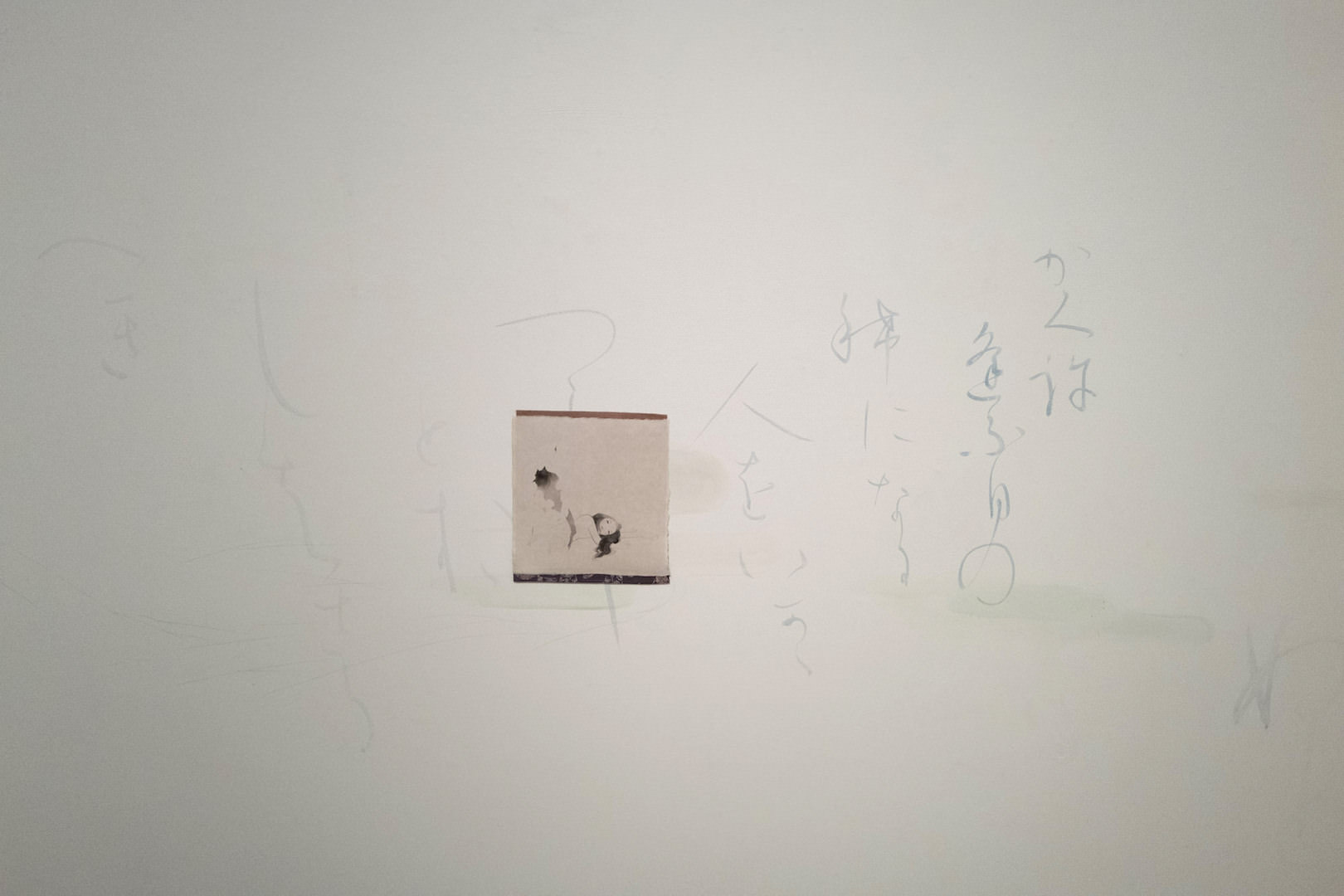
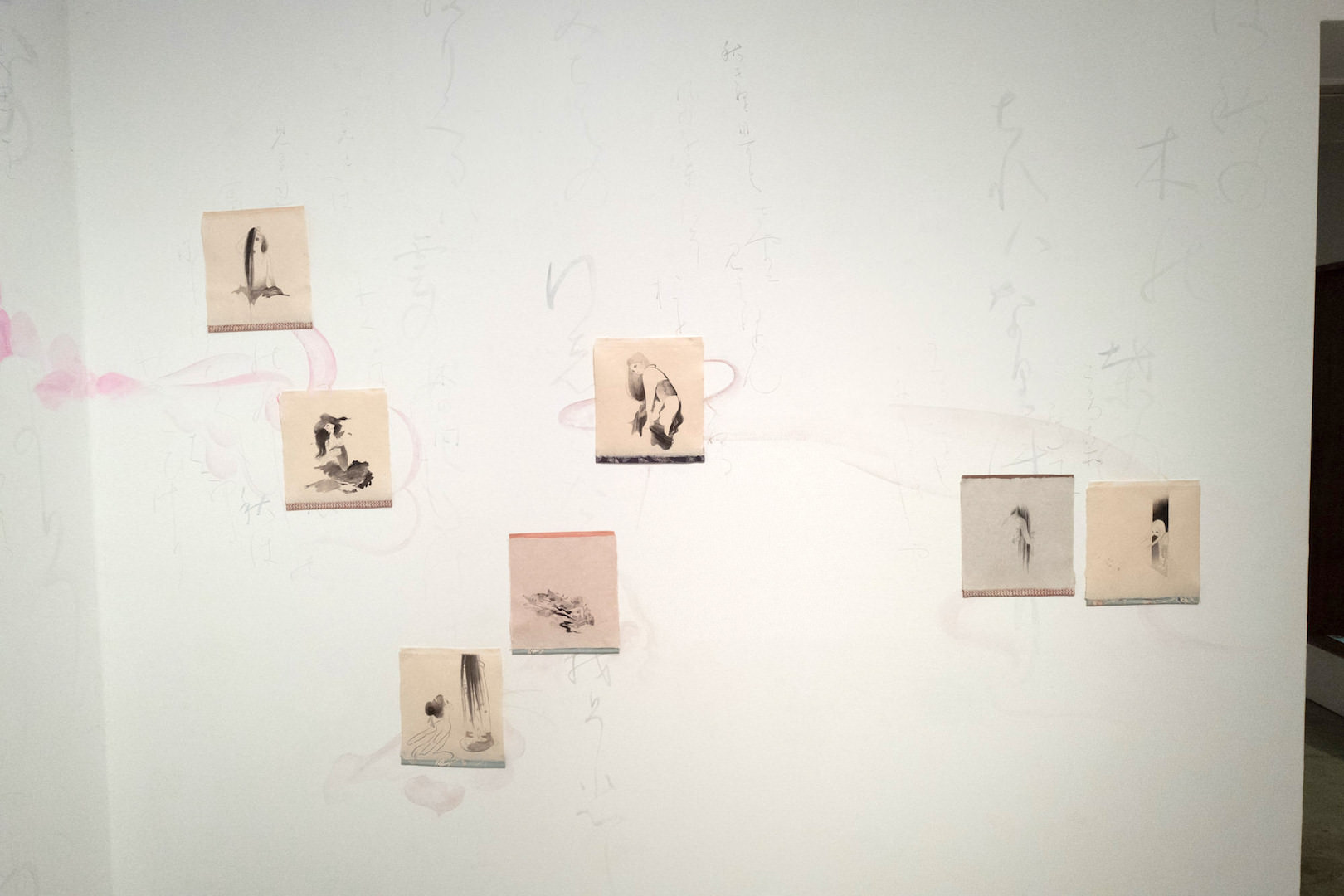
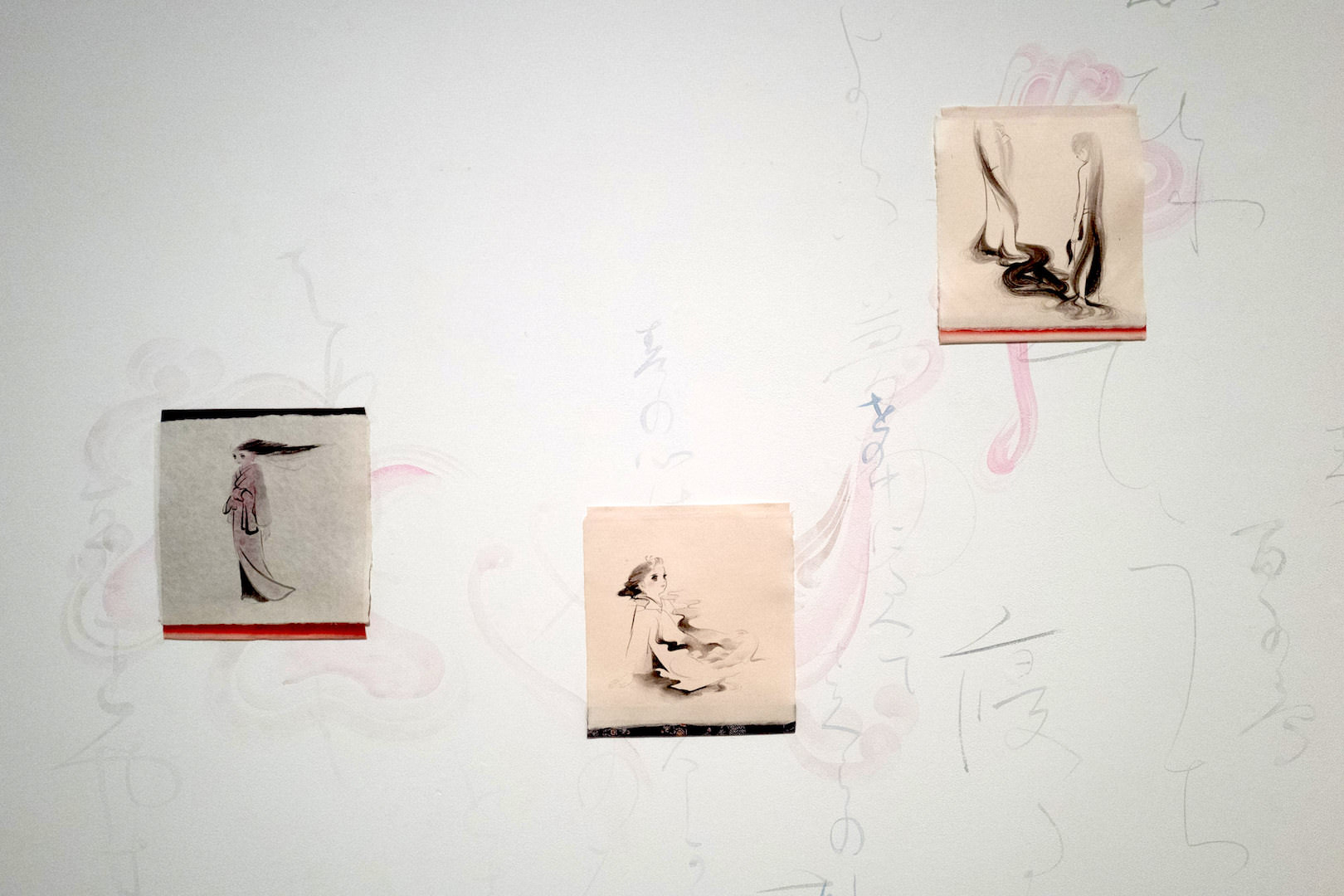
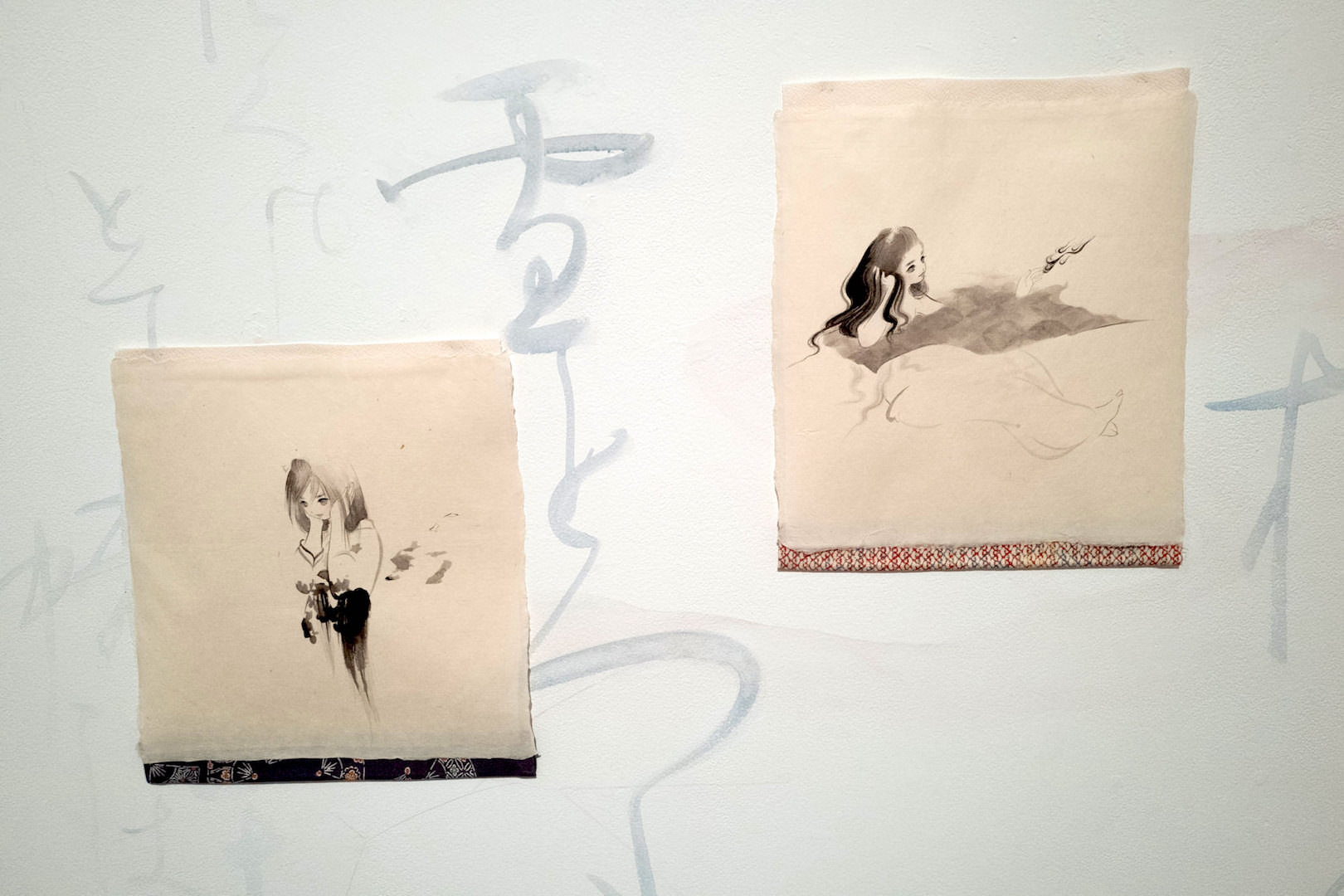
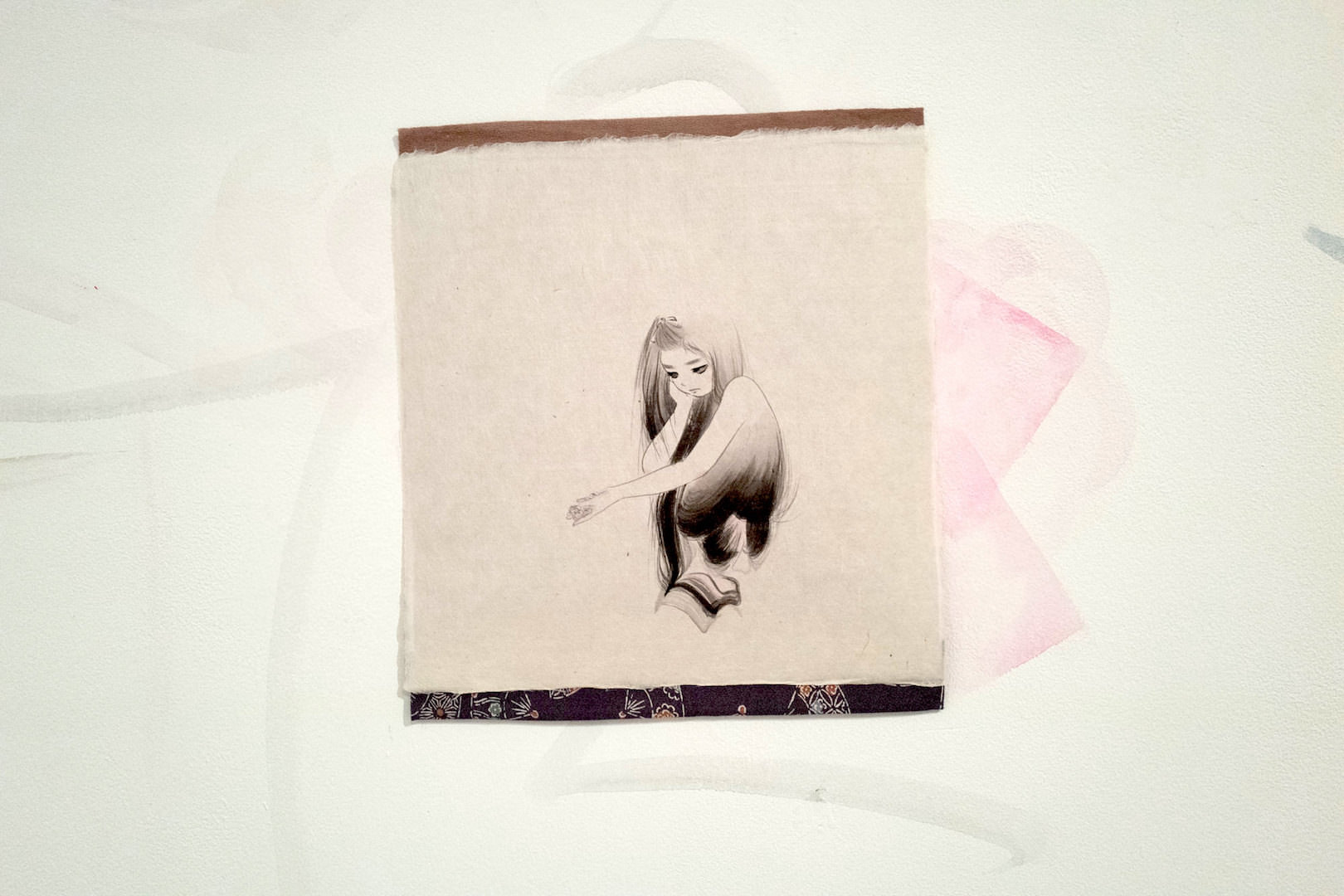
For reference, each work was priced at 200,000 yen (before tax).
Tatami Room
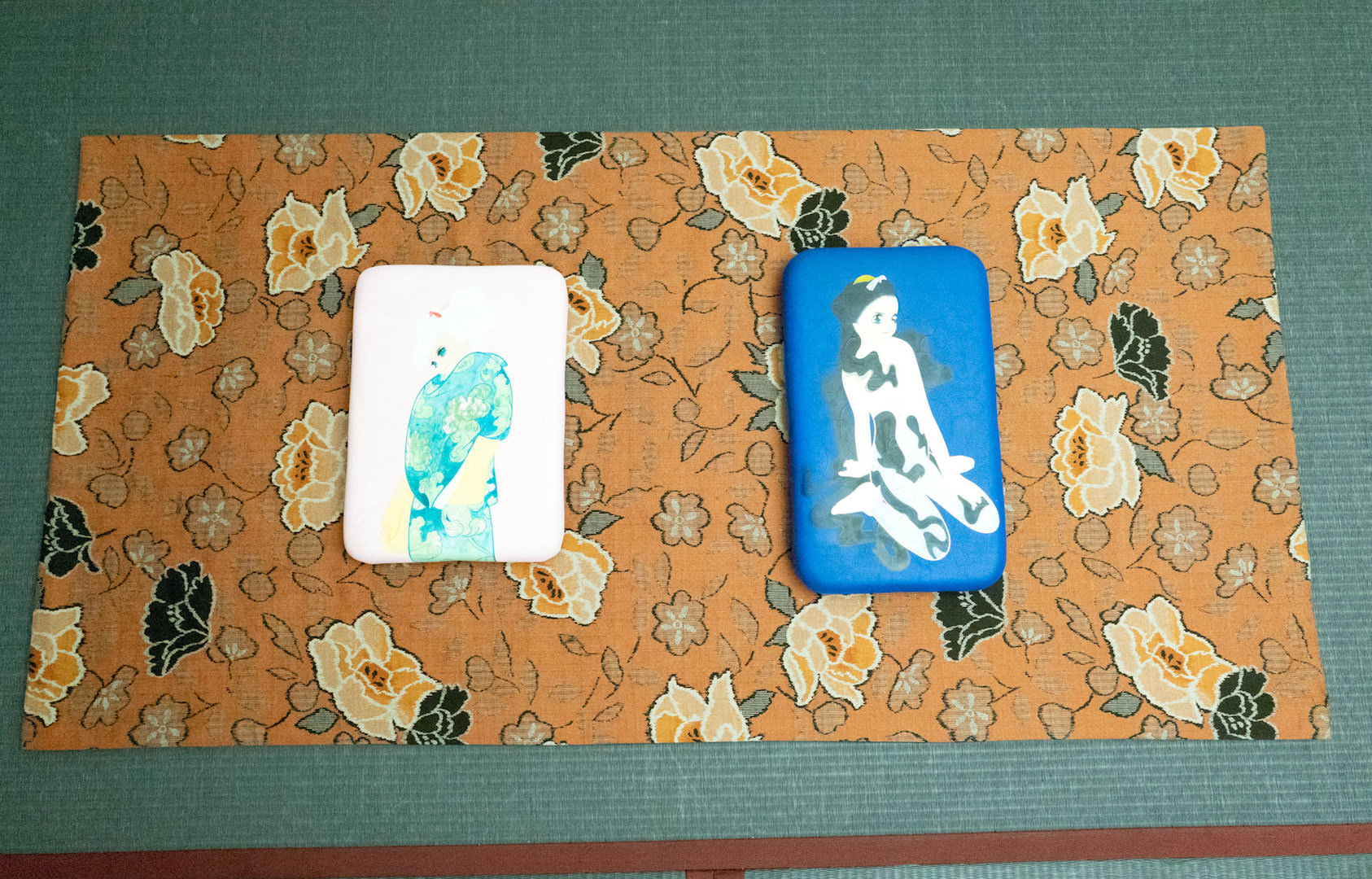
A traditional tatami room was also used as an exhibition space.
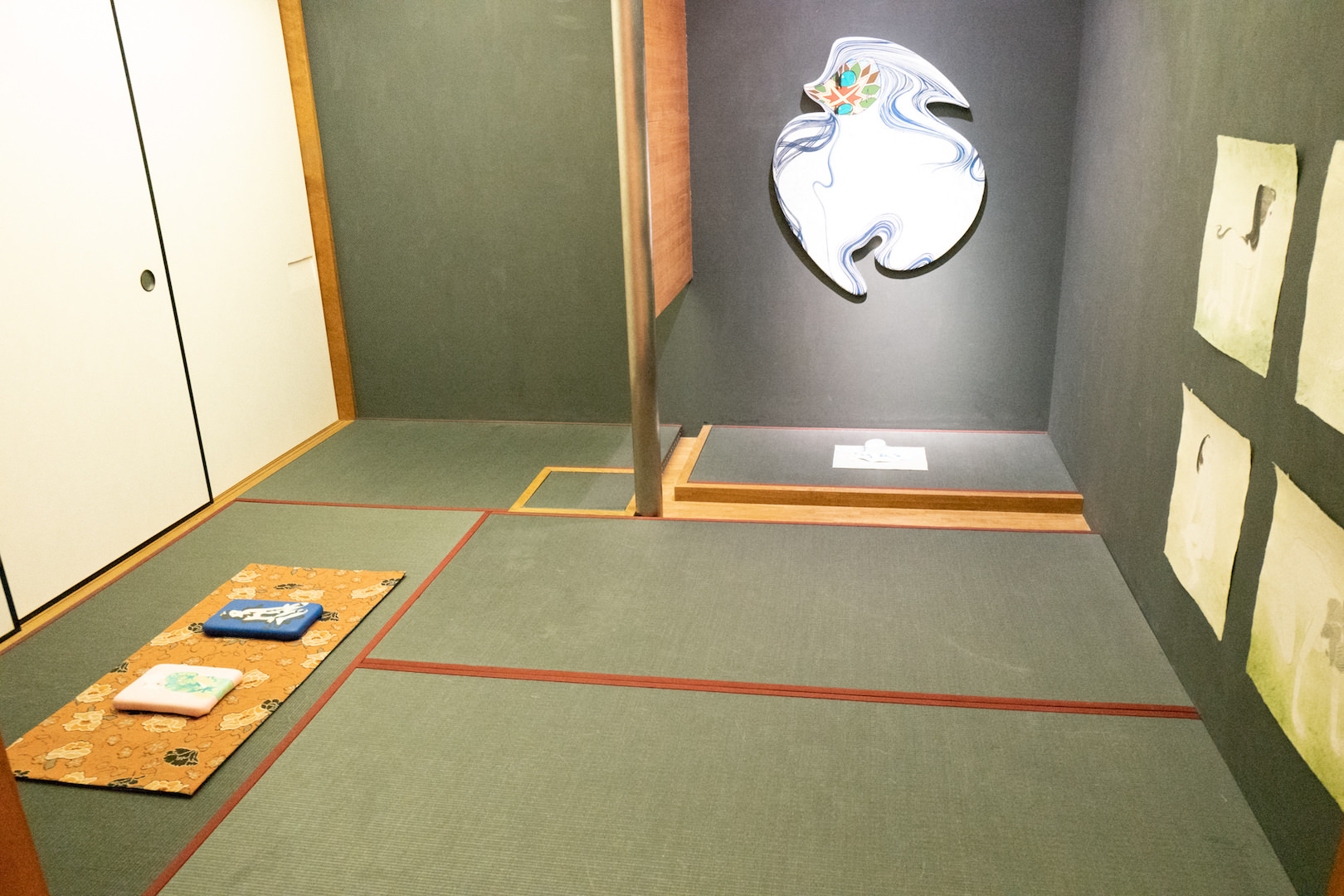
Inner Small Room
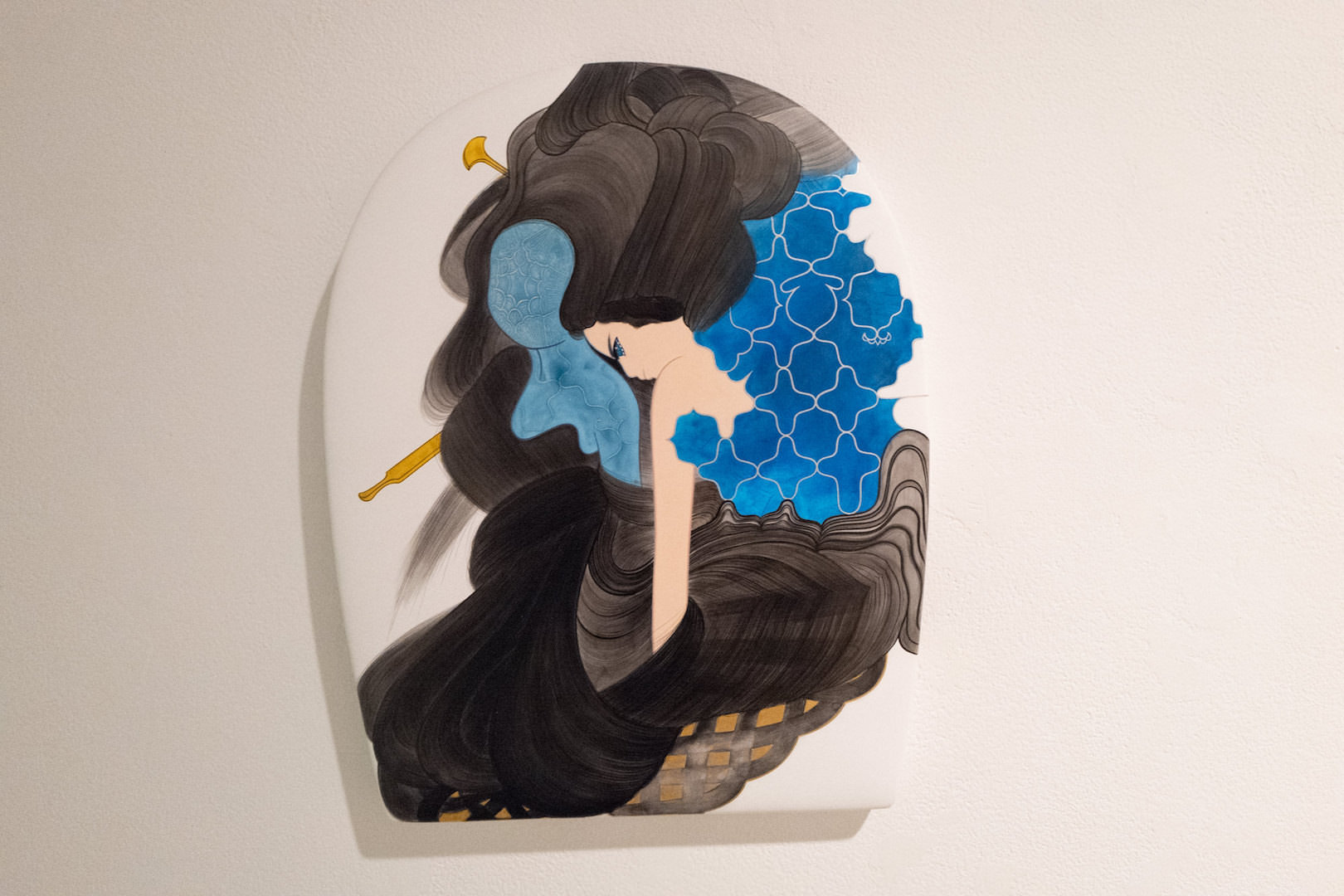
Look carefully, and you’ll see a boat made of washi paper displayed high near the ceiling.
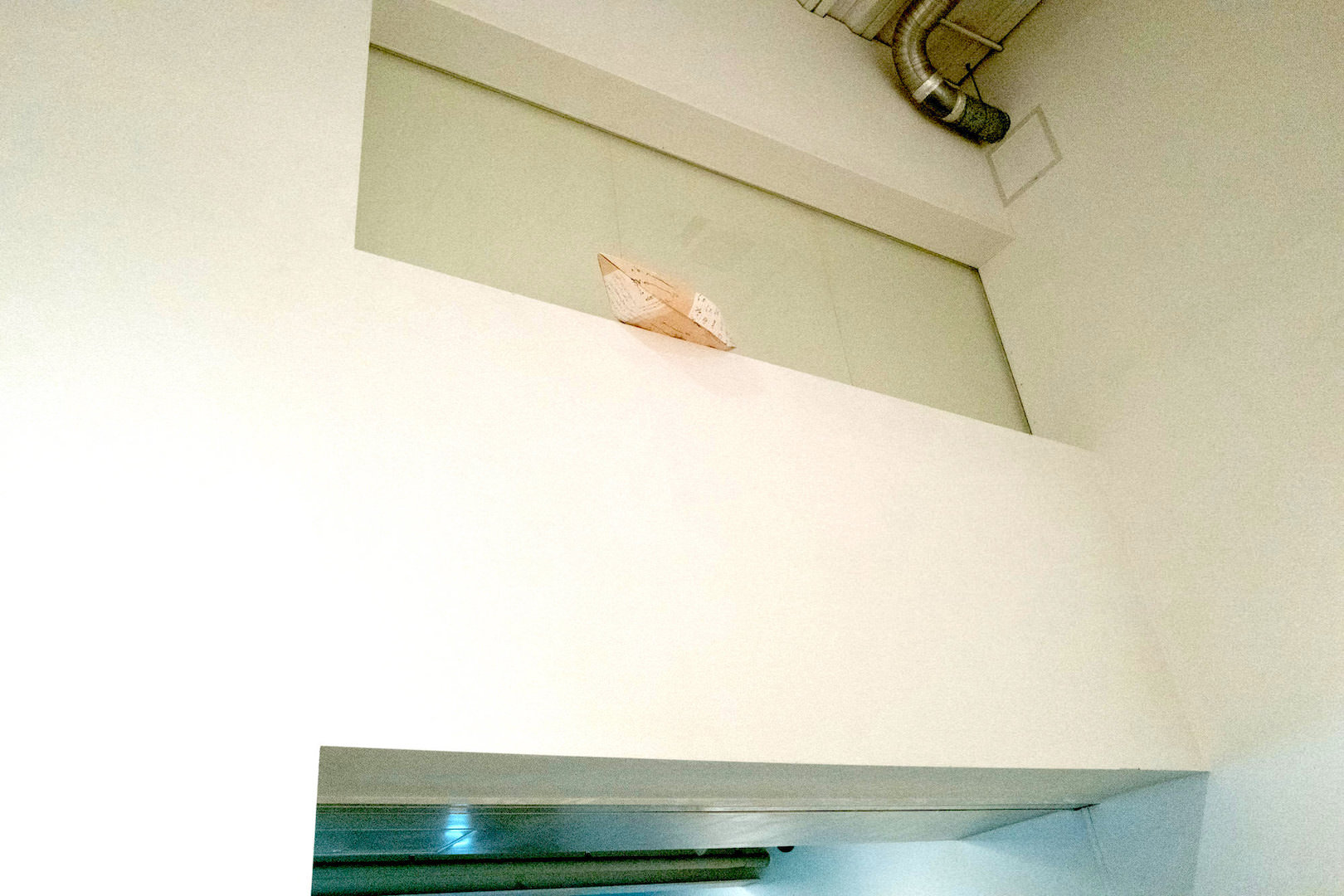
Few visitors seemed to notice this boat, but according to Ai Yamaguchi herself, it is linked to a “small boat” appearing within the group of works displayed at the center of the gallery.
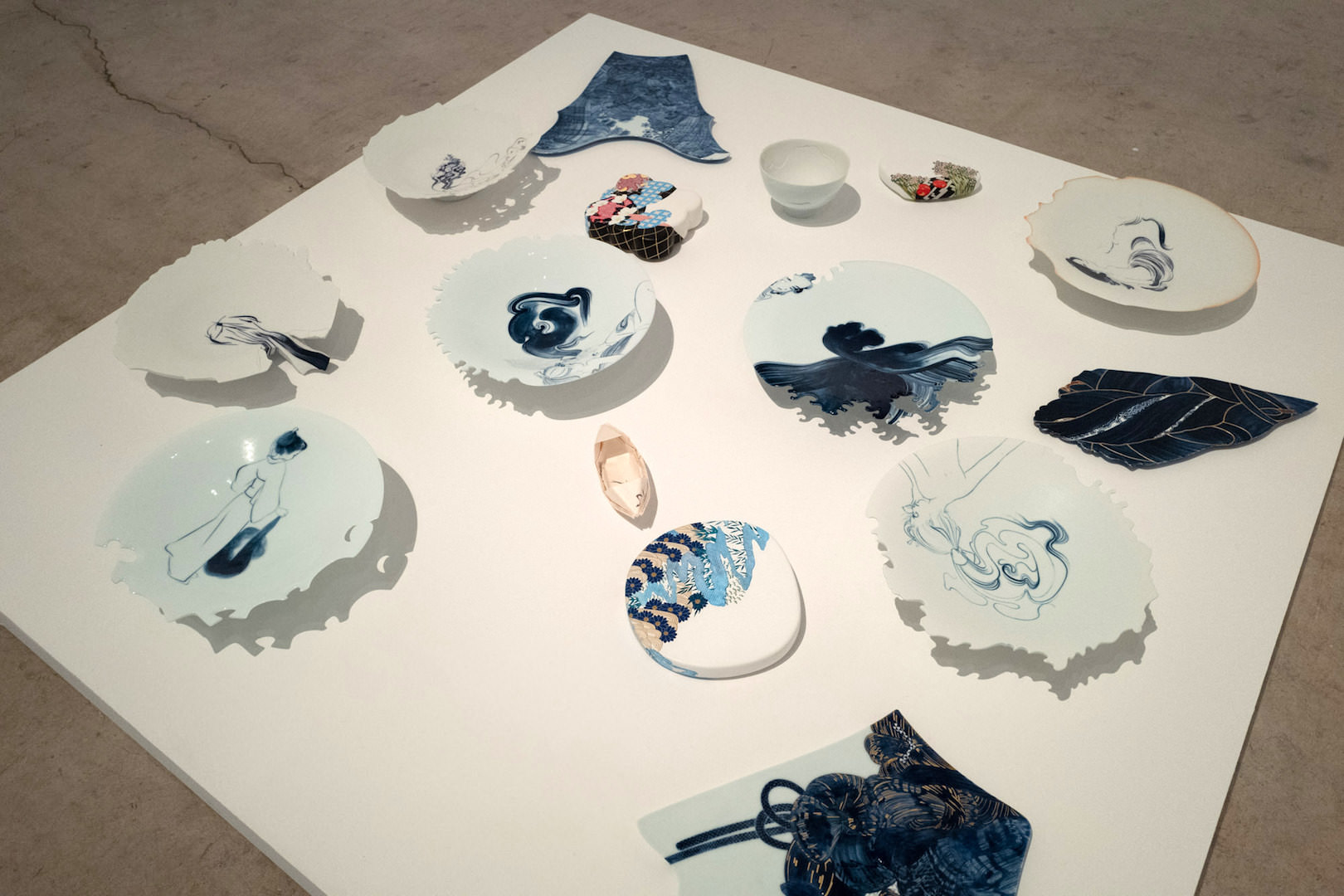
This exhibition centered on Japanese and finely wrought forms of expression — washi, wood, sumi ink. It seems Ai Yamaguchi’s intention was to bind the entire gallery into one: a lightly floating small paper boat placed at the center of the space, and a larger boat set high near the ceiling, echoing each other across the room.
Please also see the interview video.