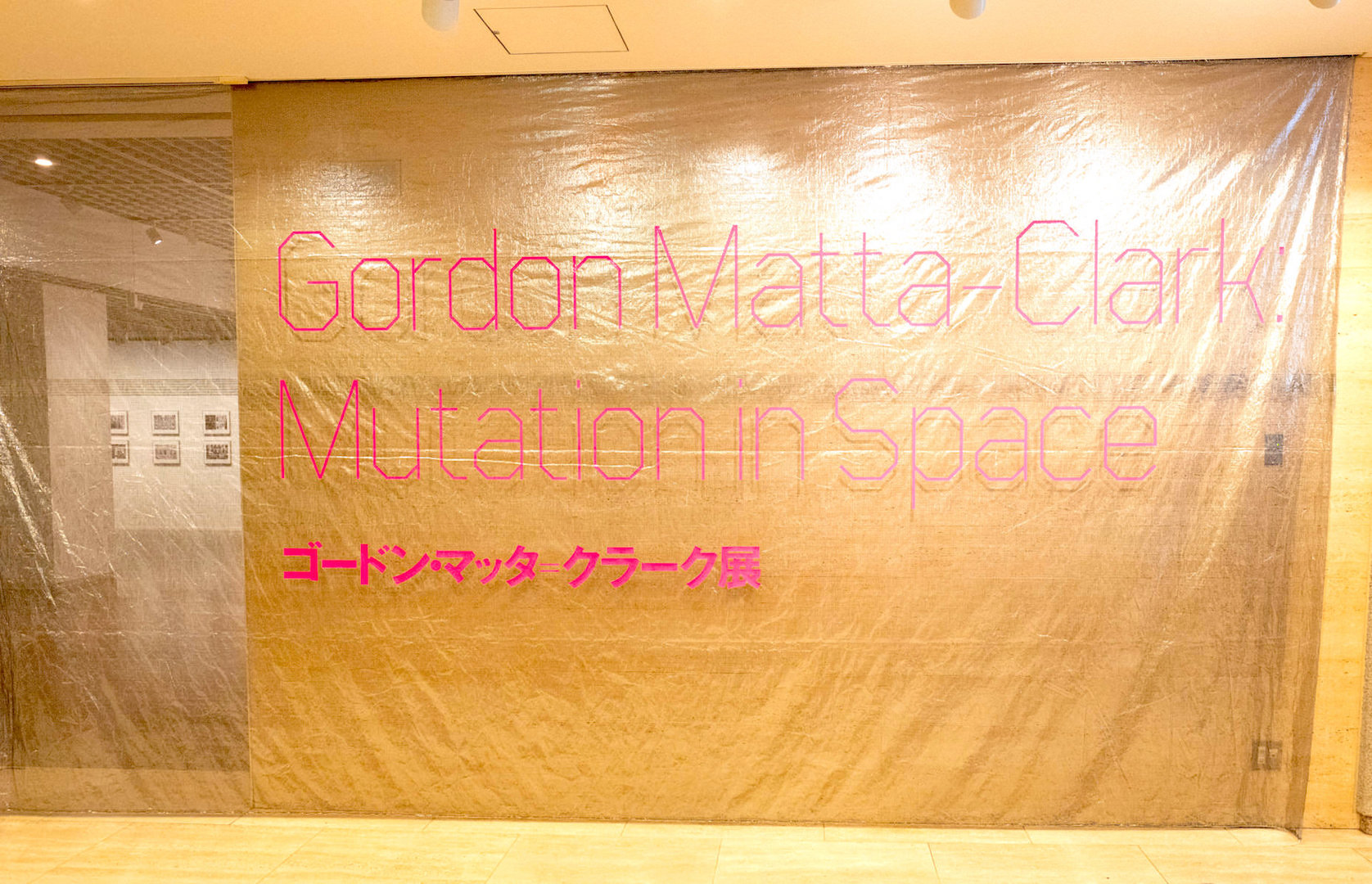
Gordon Matta-Clark Exhibition
The first “Gordon Matta-Clark Exhibition” in Asia — not just Japan — was held. The venue is The National Museum of Modern Art, Tokyo, in Takebashi, Tokyo.
This exhibition is the labor of two experts: Chieko Hirano (Associate Professor, University of Yamanashi), a leading Japanese authority on Gordon Matta-Clark studies, and Kenji Miwa (Senior Curator at The National Museum of Modern Art, Tokyo), who took charge of the planning. And handling the exhibition design — the question of what kind of approach to use within a limited gallery space to give shape to the crucial keyword of “place” — is Keigo Kobayashi (Associate Professor, Waseda University, Department of Architecture). The combination of these three has brought together an exhibition that took roughly five years to reach the public, and it stands as an extraordinarily meaningful show.
For those wondering “who is Gordon Matta-Clark?”, please refer to the article below as well.
Now, at The National Museum of Modern Art, Tokyo, in Takebashi, as soon as you enter the grounds a strange object greets you.
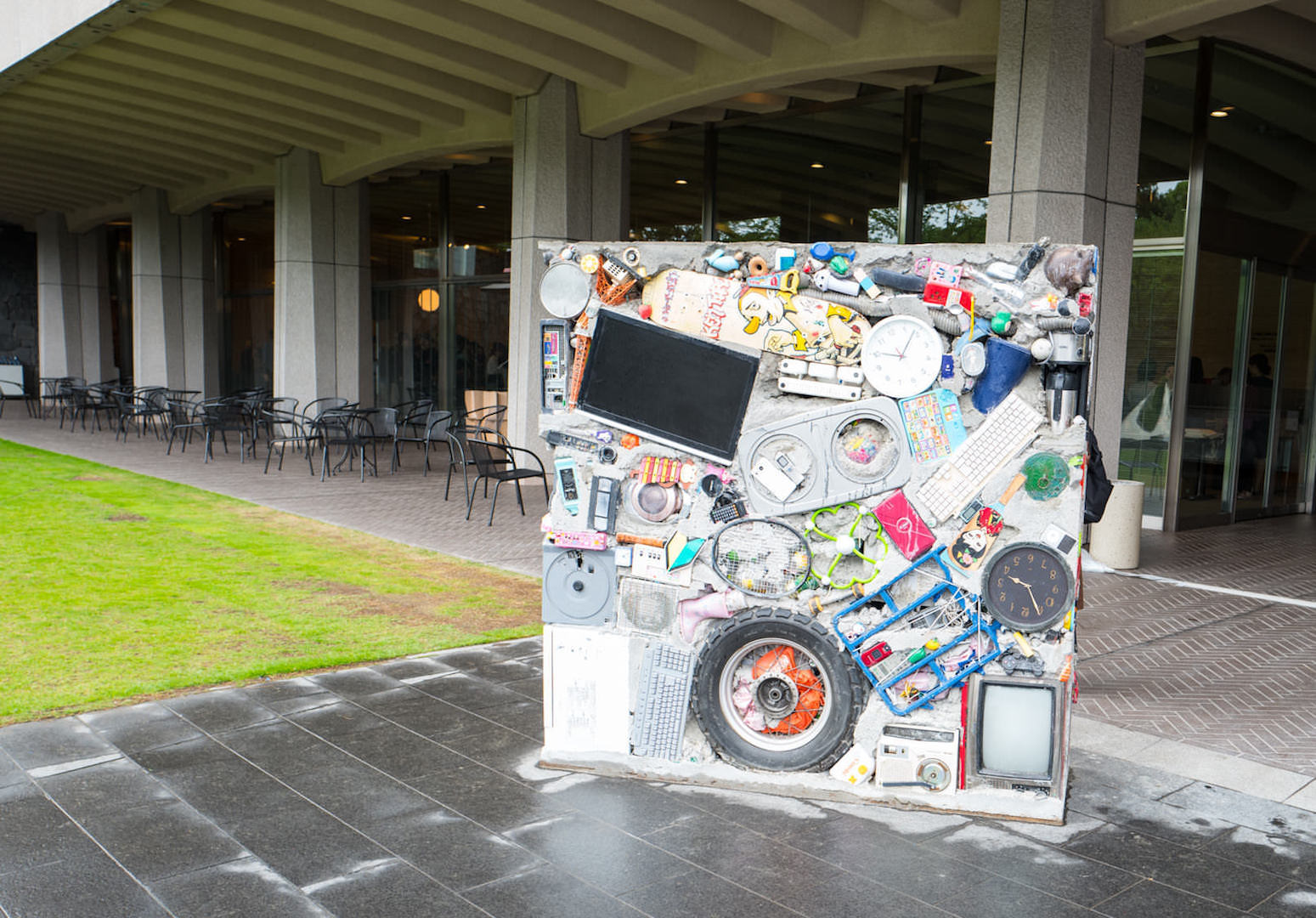
This is a re-creation of “Garbage Wall,” originally produced in 1970, and it has been shown in various places around the world. The rule is that materials specific to each host country are used, and this piece is shaped from trash and waste gathered as symbols of Japan.
A difficult exhibition to realize
Realizing this Asia-first exhibition posed a number of difficulties.
1) The White Cube
Gordon Matta-Clark was skeptical of the “white cube” — museum-like spaces closed off from the outside world. That is why his activity took place mainly outdoors.
Bearing this in mind, lining Matta-Clark’s works up inside gallery rooms risks contradicting the stance he himself took, so the organizers had to build the exhibition as a “package” with careful attention to this point.
2) The absence of the artist himself
On the other hand, the fact that Gordon Matta-Clark is no longer of this world weighs heavily too. Forty years have passed since his death in 1978, and the fact that the artist himself cannot be directly involved in the exhibition brings great difficulty to displaying his mode of expression.
3) The lack of connection with Japan
Then, too, his slender ties to Japan — that is, his low profile here — must have been a high hurdle for mounting a large-scale exhibition.
A museum show is a project that moves forward on a certain budget, and it has to confront the major question of whether it can succeed commercially.
I would like to extend my sincere respect and thanks to everyone involved in realizing this exhibition, which was made possible by overcoming these difficulties.
Structure of the exhibition
This exhibition presents the works through a structure focused on five “places” that were important to Gordon Matta-Clark, who was active in the city. What the five “places” have in common is that they are “always transforming.”
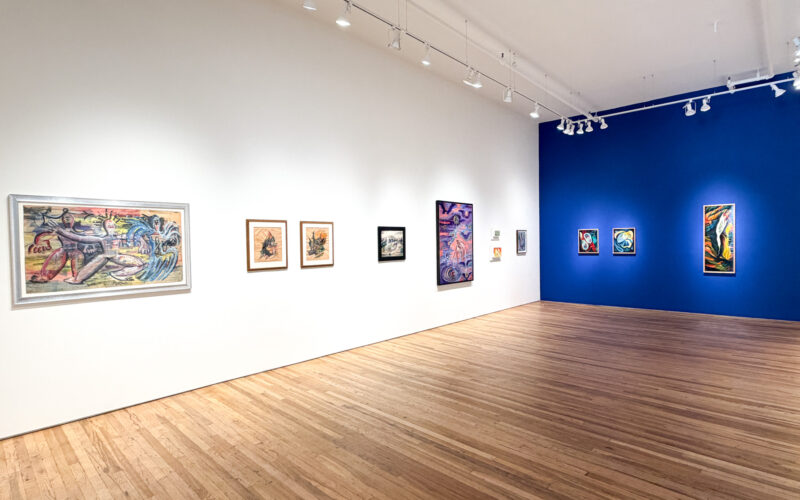
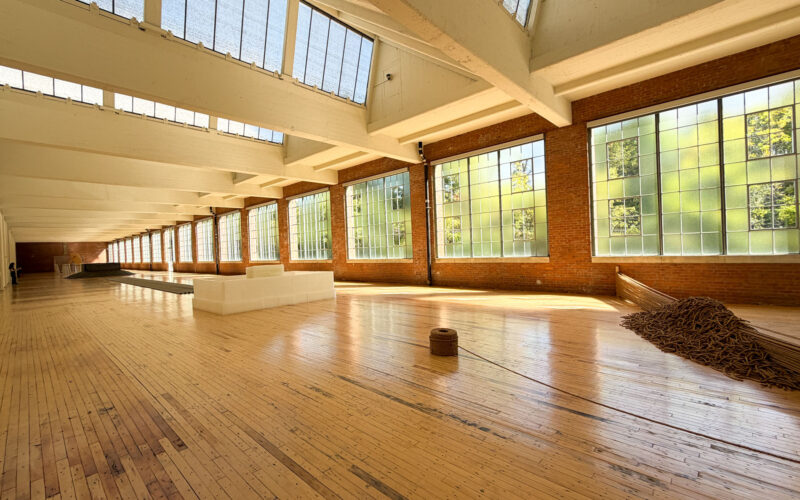
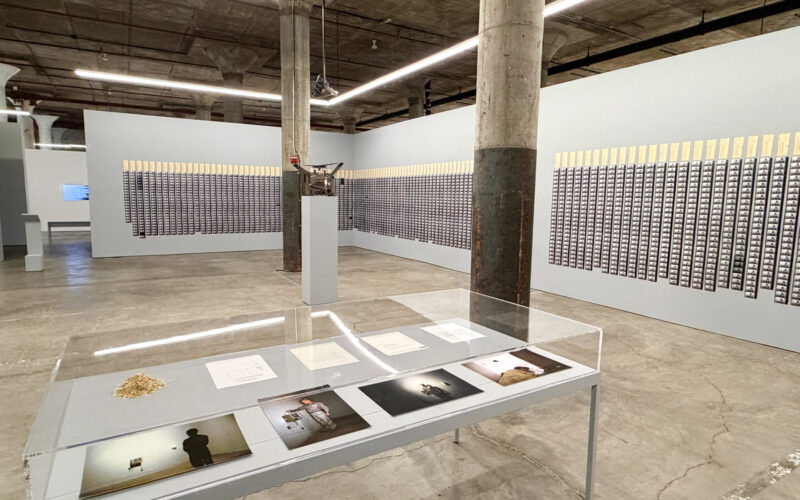
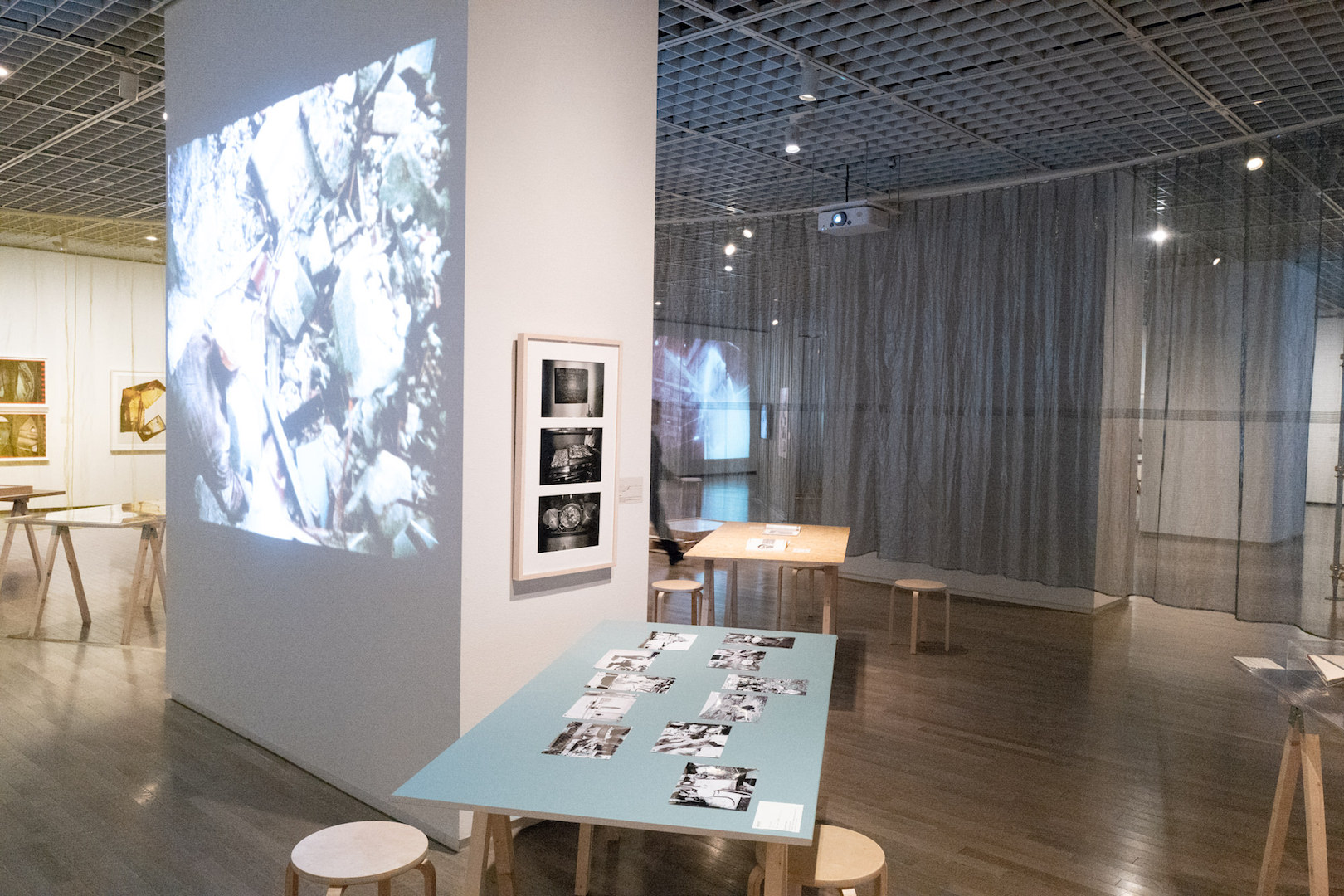
The concept of the exhibition design is “playground.” The show uses materials not usually found in a gallery — corrugated wall panels, metal fencing, colorful nets — to compose the space, so that you can perhaps sense the atmosphere of 1970s New York. Photography is permitted inside the venue (with some exceptions).
Alongside Matta-Clark’s works from each of these places, materials are shown relating to the “context” (the time and environment) of each transforming site. Building these in, the exhibition brings out the contemporary meaning, for us living today, of the practices he pursued.
1 Museum | Exhibiting Matta-Clark
Gordon Matta-Clark was critical of the museum space (the white cube), sealed off from the outside world. Precisely for that reason, he went out into the city to work. Yet in a city that changes at astonishing speed, the buildings that served as the stages for his projects are almost all gone. This section introduces the projects he made in relation to the “museum” and, now that the artist himself is no longer with us, explores the contemporary meaning of “exhibiting” Gordon Matta-Clark as a subject.
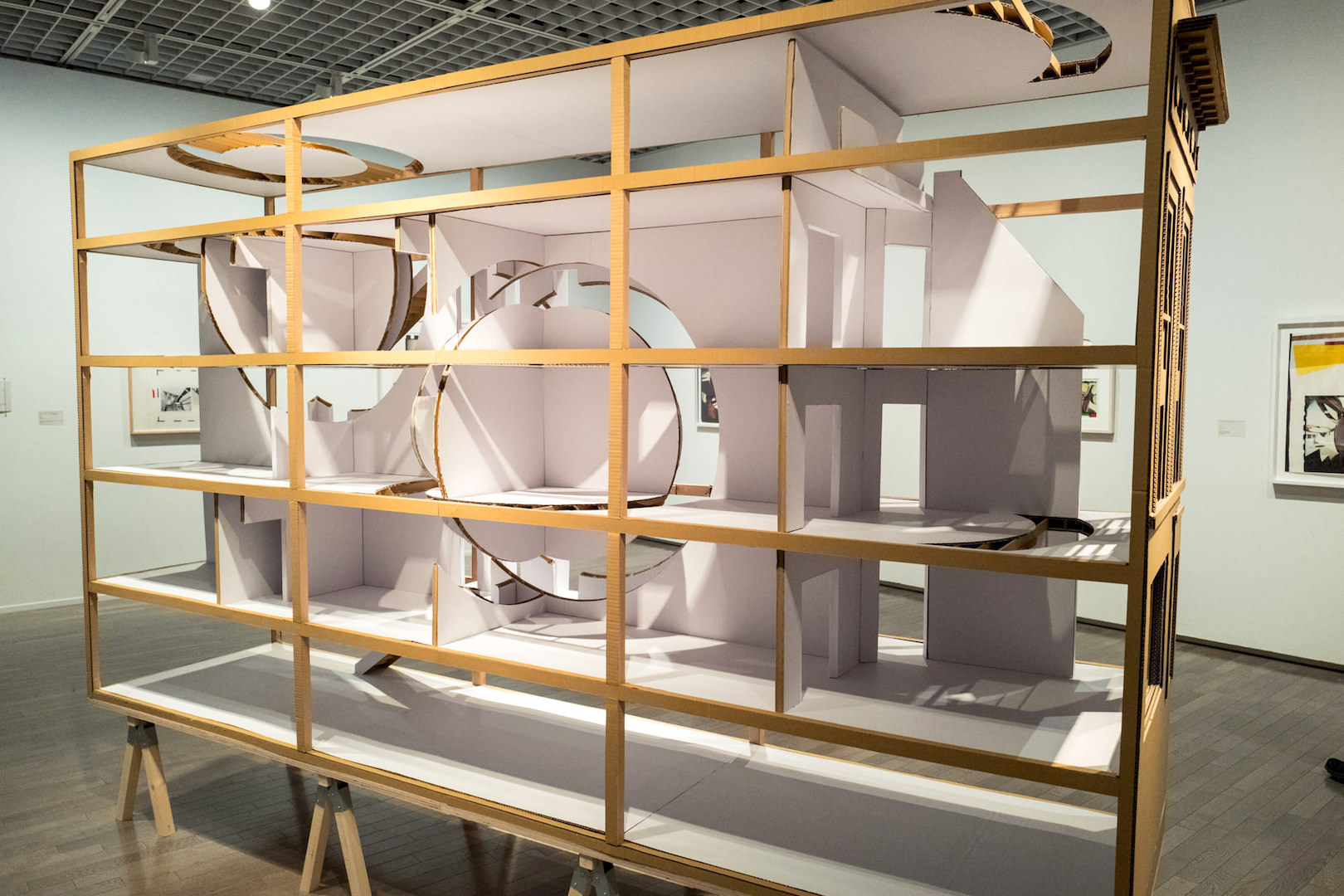
2 Home | Fluid Space and Memory
Securing a home is one of the most important things in life.
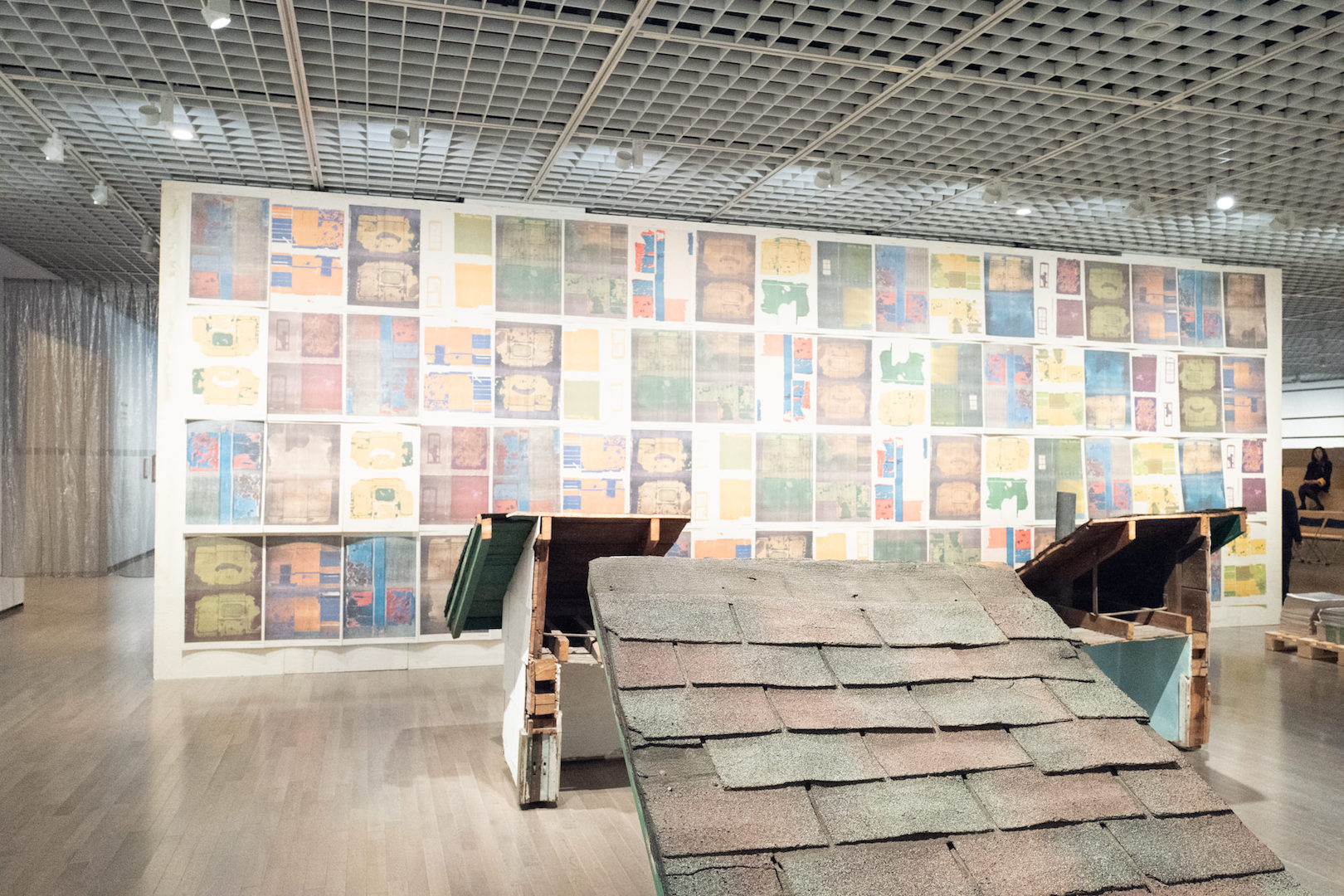
Since the modern era, many of us have not had a home (a hometown) as our dwelling, and have been forced to move from place to place. For Gordon Matta-Clark, what mattered was not architectural style but the human experience of “dwelling.” He intervened in the process by which buildings are demolished during redevelopment, cutting floors and walls of houses and boring holes through them — shining a new light on discarded spaces and letting the histories and memories of those who once lived there rise to the surface.
!["Tree Dance" (1971). [Video] Black-and-white / silent](https://art-on.jp/wp-content/uploads/2018/06/gordon-matta-clark17.jpg)
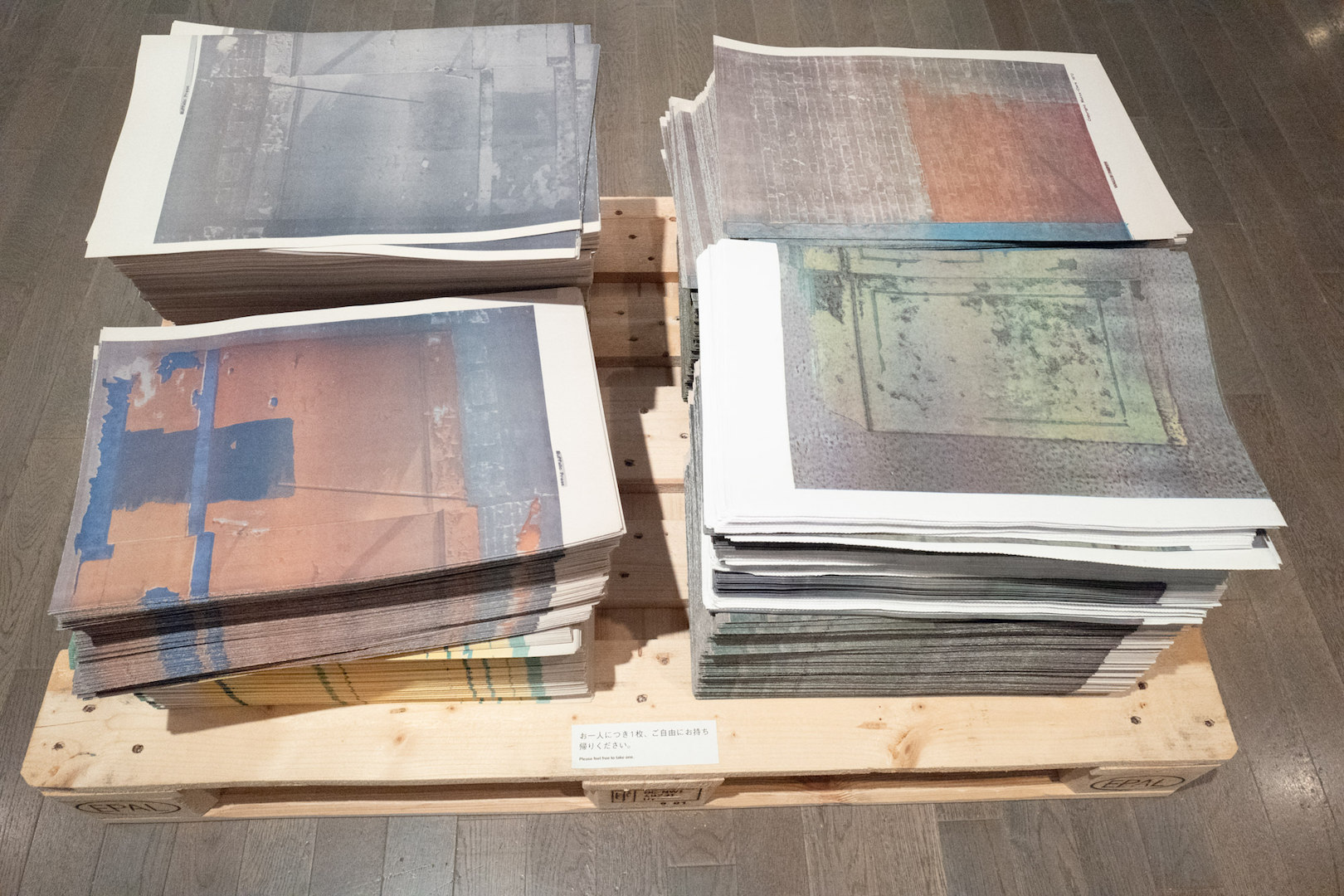
3 Street | Circulation and Transformation of Energy
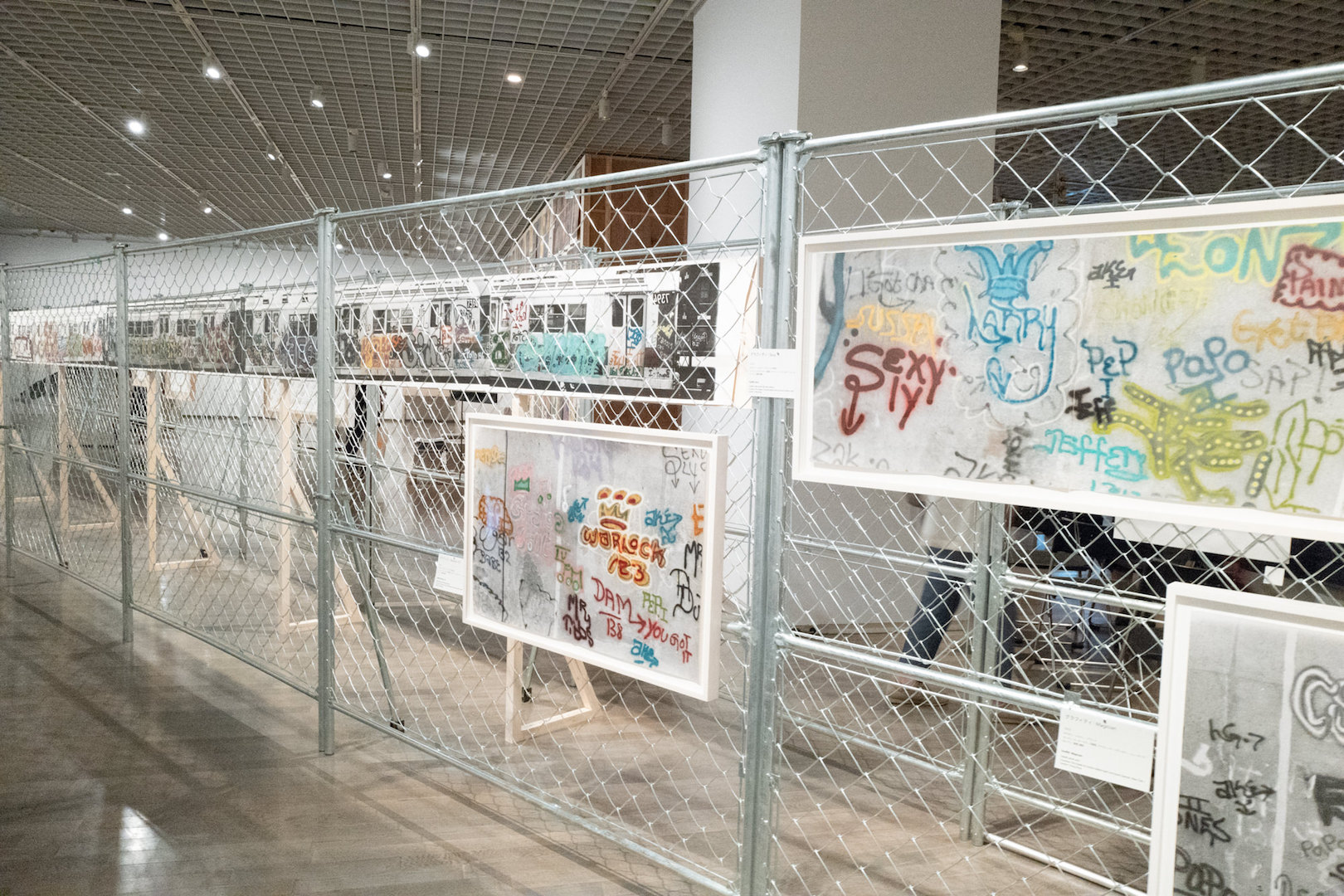
Gordon Matta-Clark often took as the stage for his activity the dynamic sites where people and things pass by — the street. He paid attention to the gaps within functional urban life (small unused plots of land) and its surpluses (garbage overflowing in the streets, graffiti scrawled on walls here and there) and developed projects that visualized the city’s circulation and transformation of energy.
4 Port | The Edge of Water and Land
The port, positioned at the boundary of water and land, has long been the starting point for cities to emerge, a place with the power to change society through the exchange of people and goods. Gordon Matta-Clark carried out a number of projects along the piers of the Hudson River in New York.
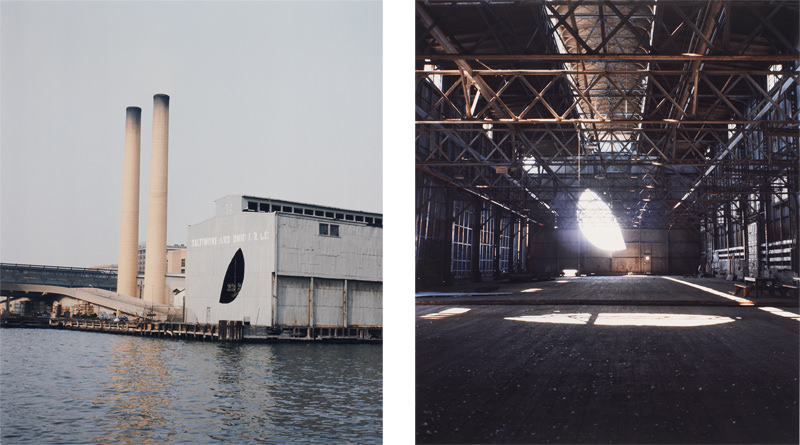
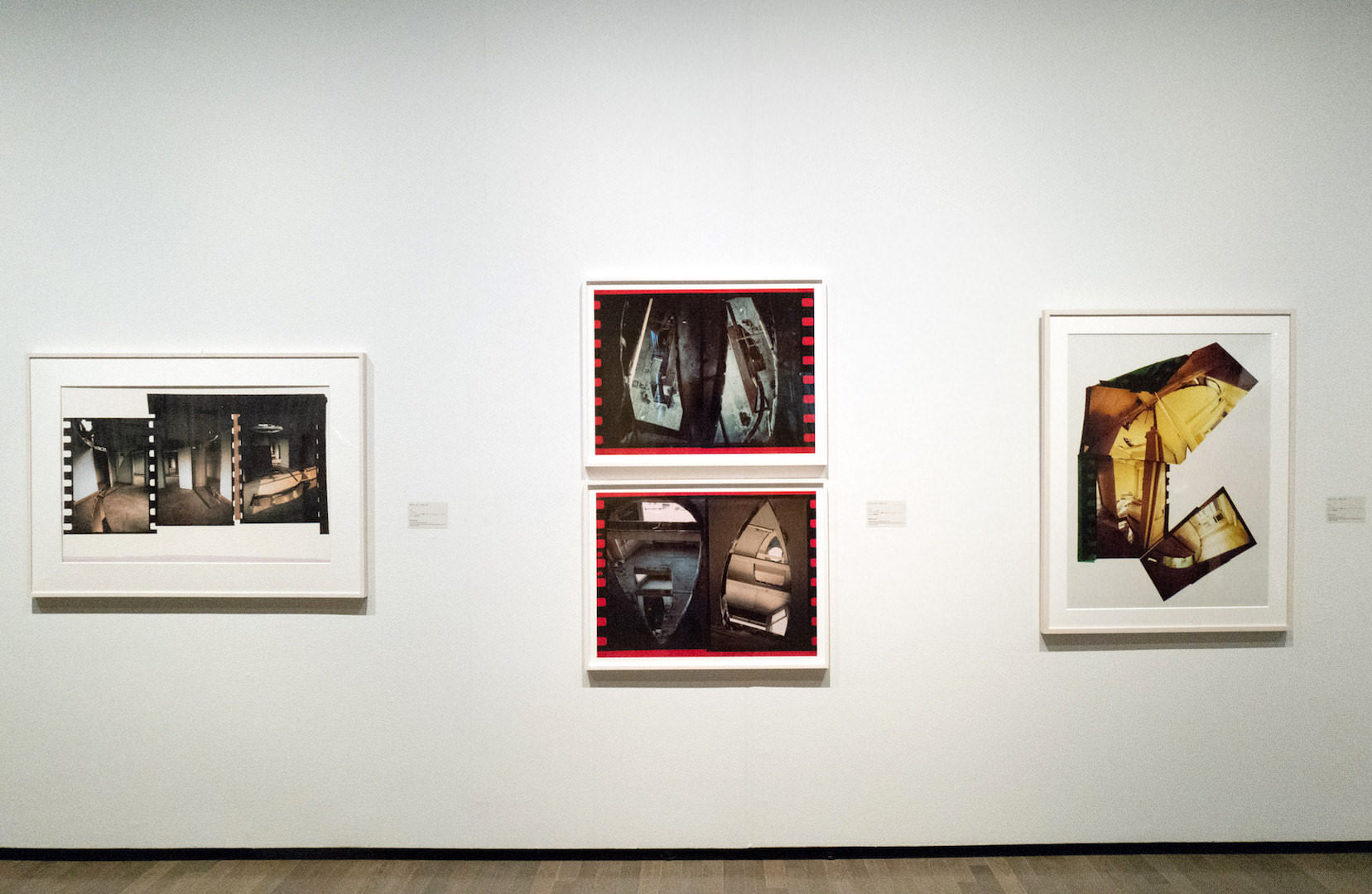
At piers that had already fallen into ruin as the era of maritime shipping and railroads came to an end, his building cuts and performances throw light on the flourishing and decline of port cities that have driven dynamic changes in society.
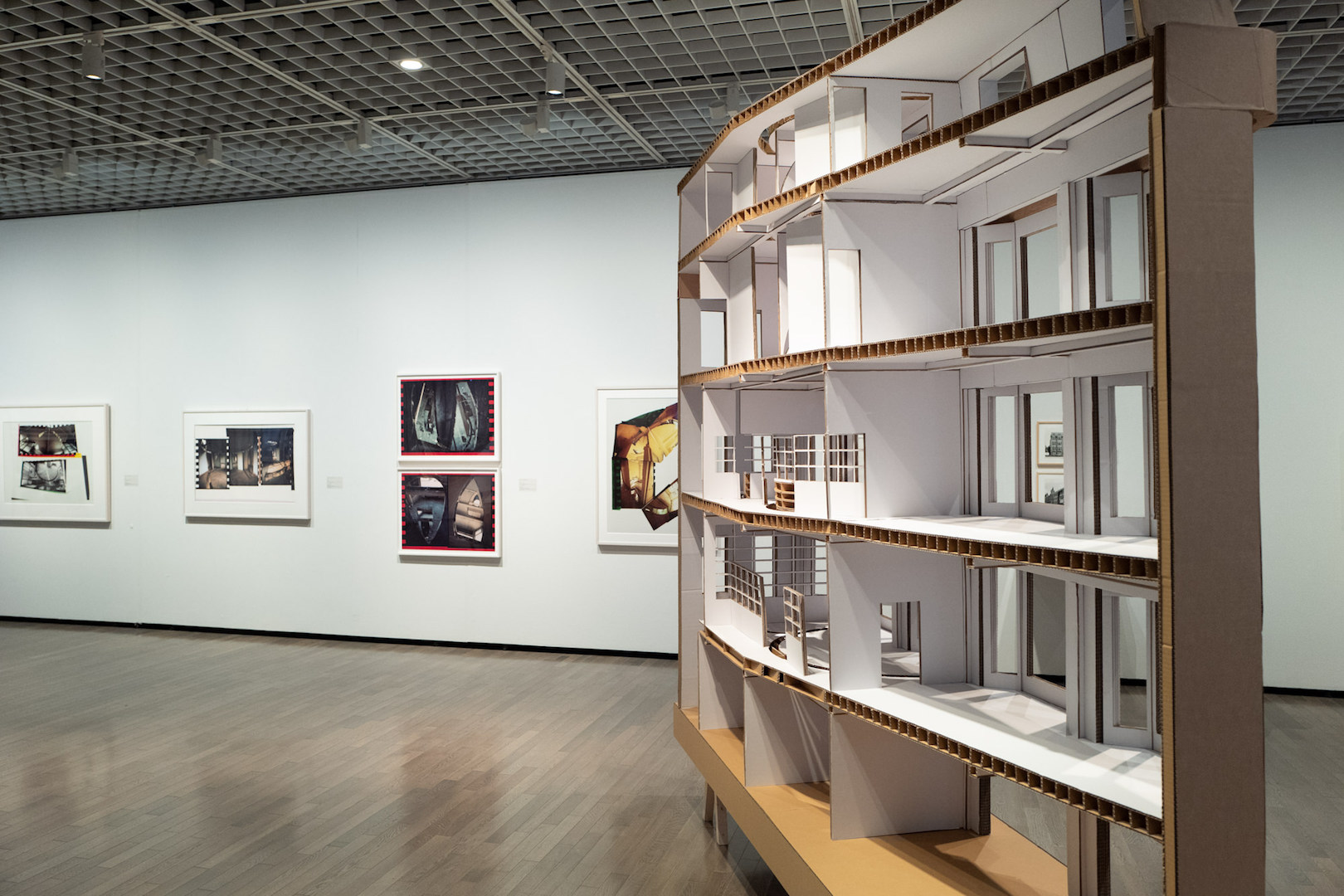
5 Market | Transformation from Nature to Culture
Gordon Matta-Clark was involved in running the restaurant “FOOD,” and food and cooking often became a source of inspiration for his works. For him, the market — where meat, fish, vegetables, and other foods are handled — was an important site where the point of contact between culture and nature is exposed within the city’s cycle of consumption.
His interest in food extends to the process by which life is delivered to human beings, transformed in quality through cooking and digested, and further to the community shaped by that very process.
Summary
It was an exhibition that came with a great deal of stimulation.
The trajectory of Gordon Matta-Clark’s activity, with all the various elements he left behind wrapped up inside the keyword “place,” seems to hold much that speaks to the present, our digital society. That is exactly why the impression left after seeing the exhibition was so deep and so strong.
If he were still active in today’s digital age, how might his practice have transformed? I have a feeling that it would surely have been a universal engagement that does not change.
The catalog for this exhibition has extraordinarily deep content — not just the archived works but also essays and dialogues by the staff who worked on the show. The very act of buying it at the museum and taking it home, and keeping the catalog at home, creates an air in which one feels close to Gordon Matta-Clark’s will and thoughts — a genuinely pleasant feeling.
After seeing this exhibition, feeling as if pushed on my back by his own oft-repeated phrase “You Could do a better! — You can do even better than I did”, I left the museum.