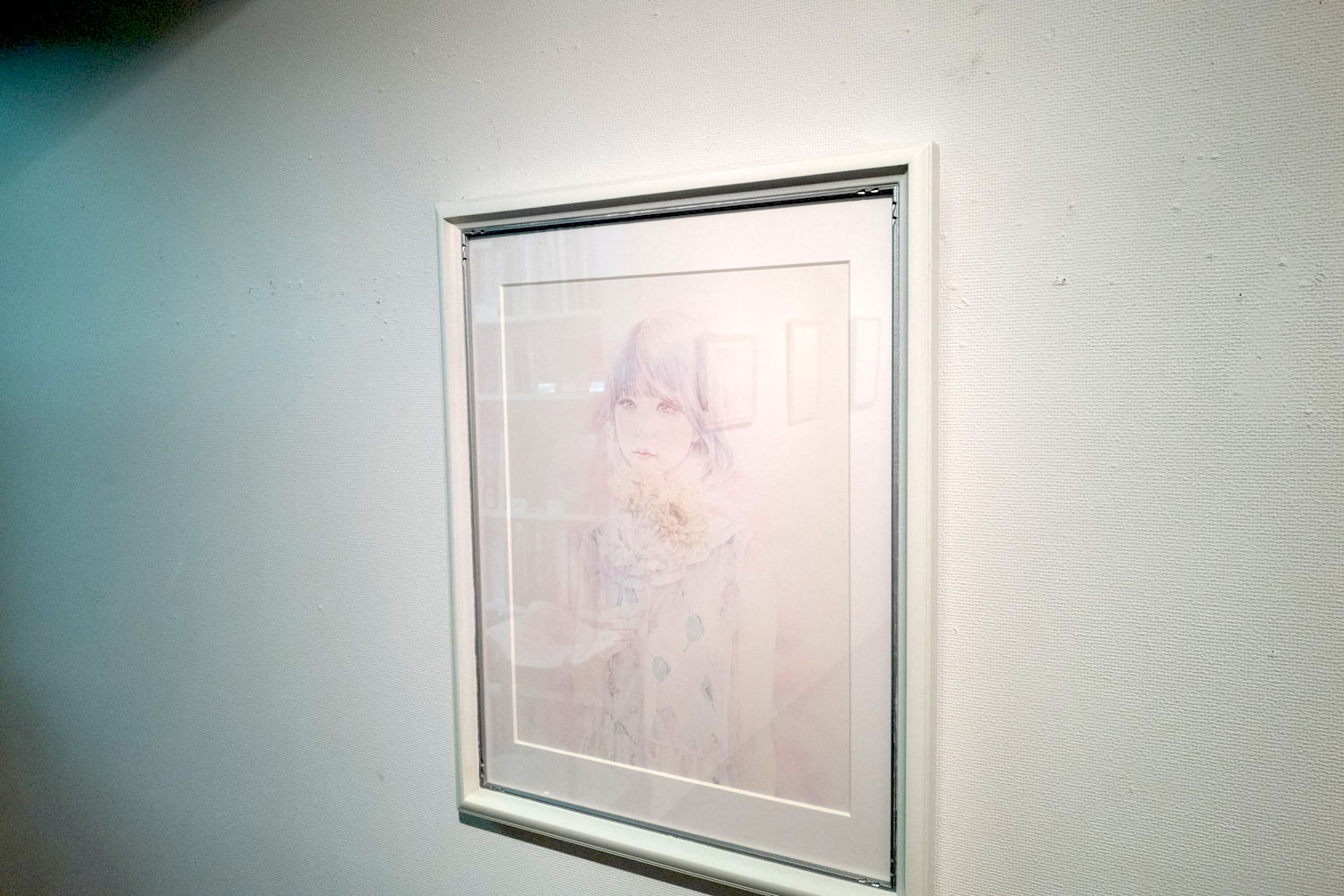
Hina Maekawa “DOUBLE DWELLER”
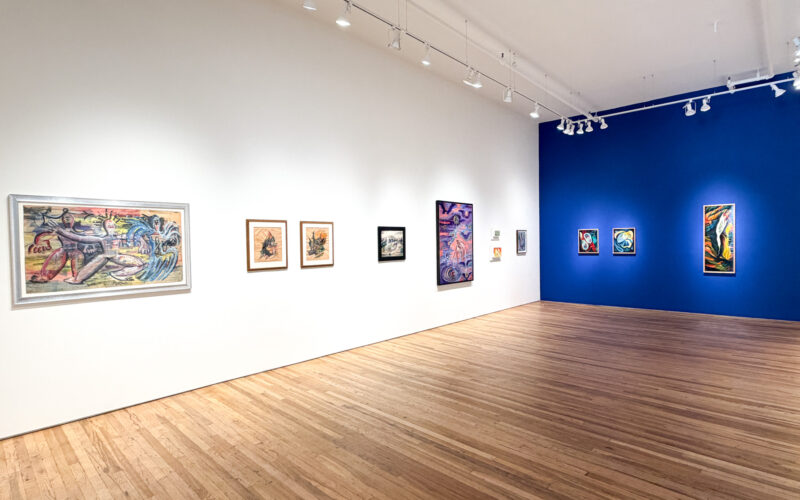
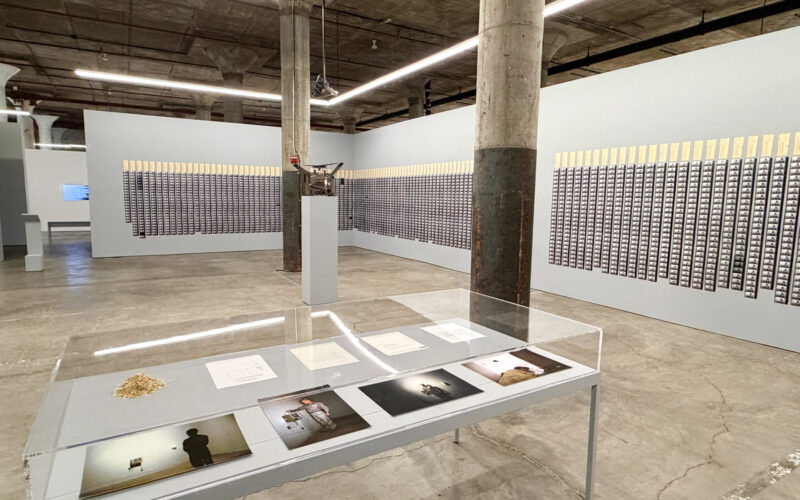
I visited Hina Maekawa’s solo exhibition “DOUBLE DWELLER.” The venue is “MASATAKA CONTEMPORARY” in Nihonbashi.
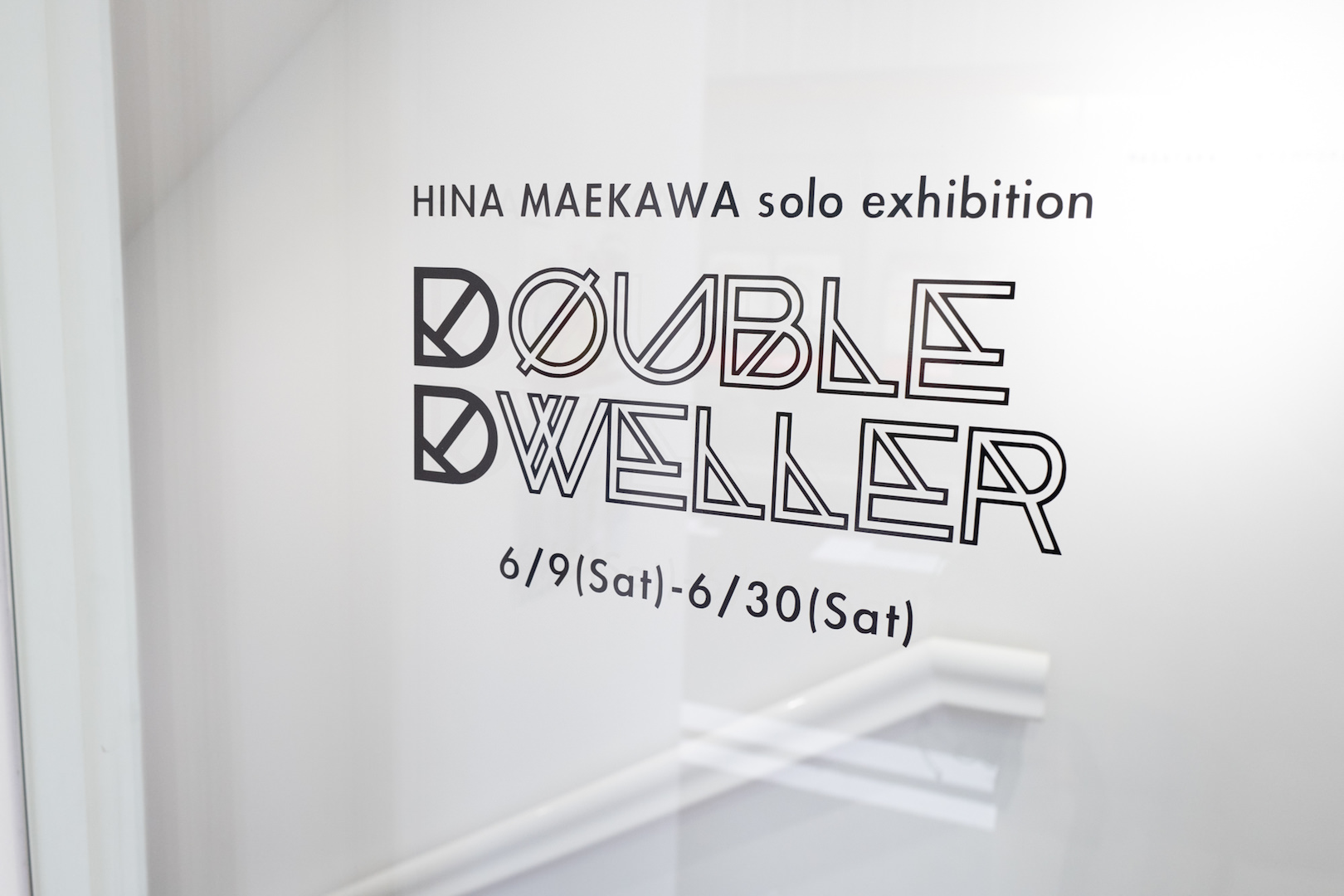
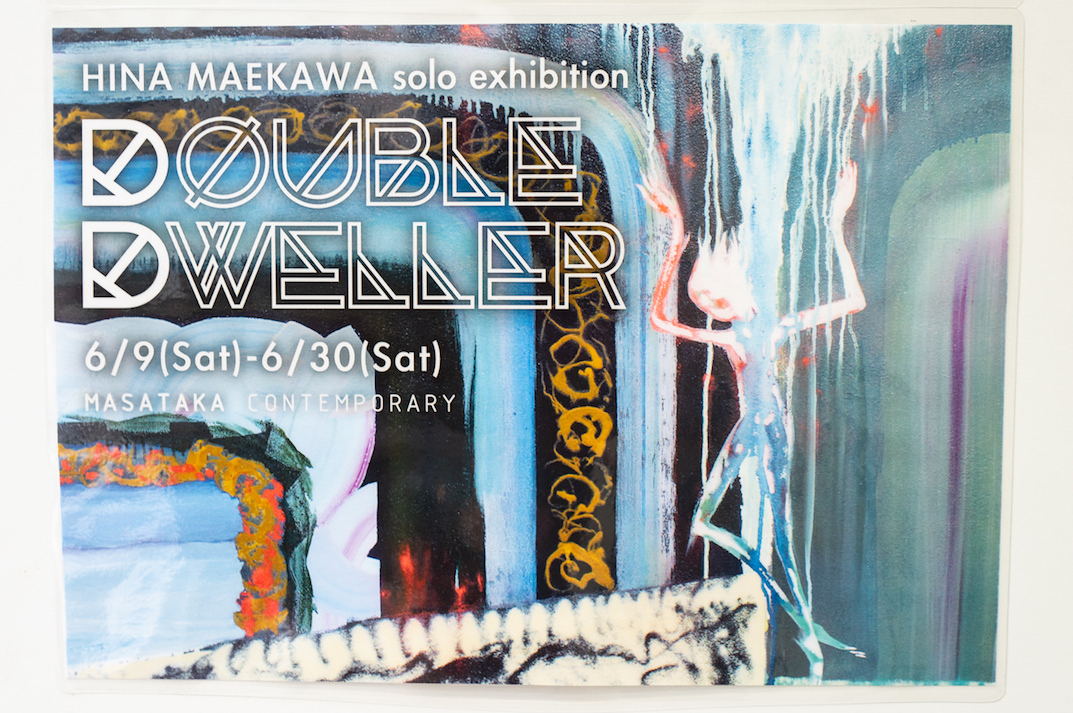
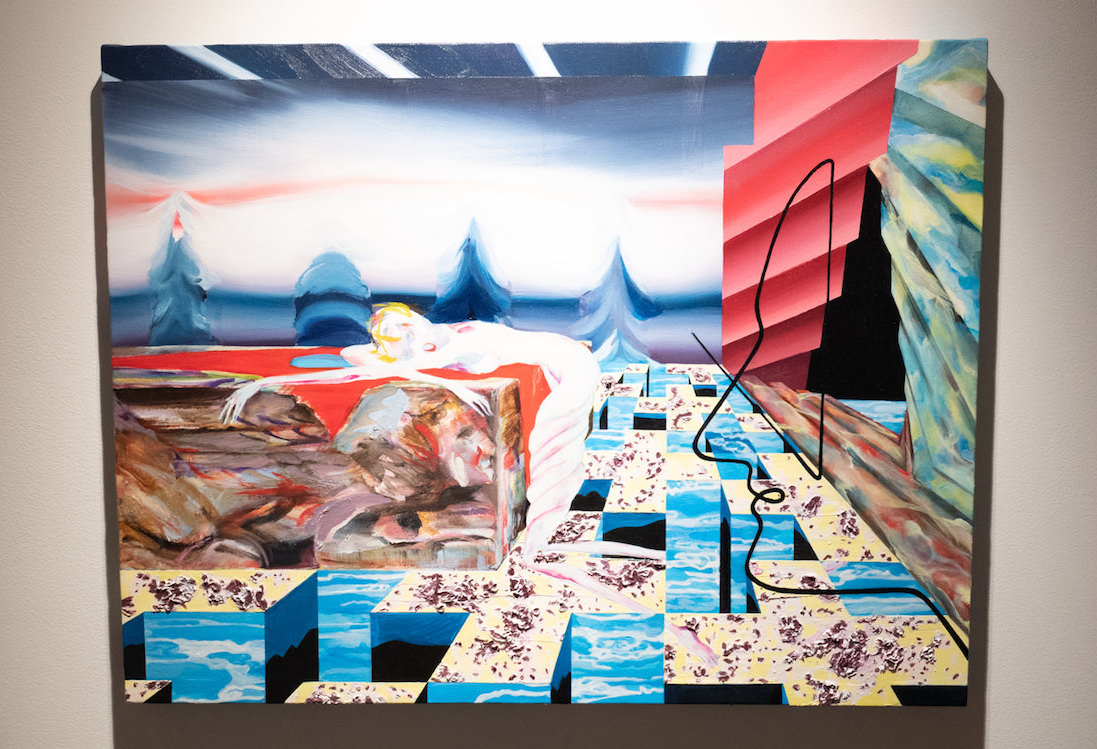
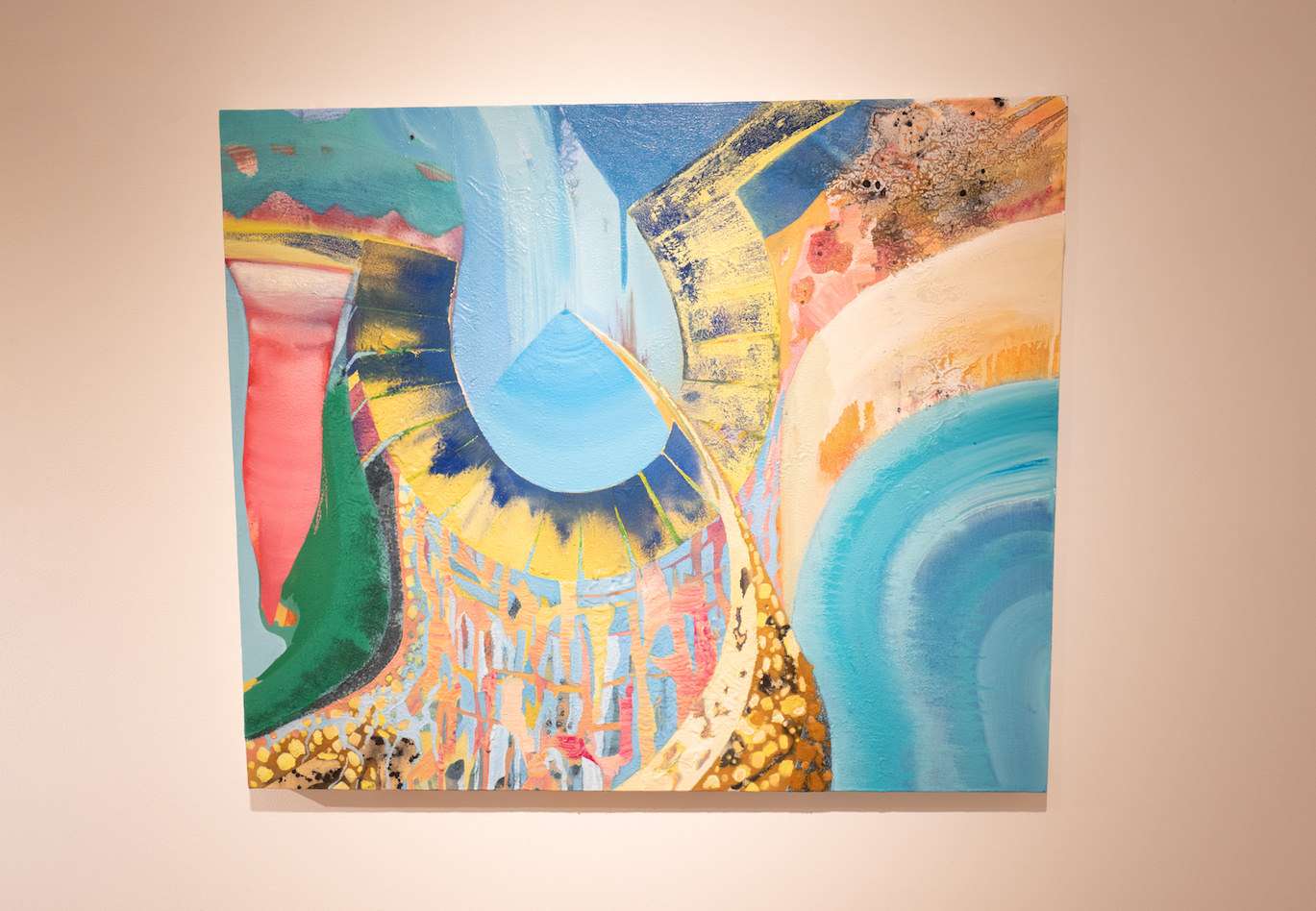
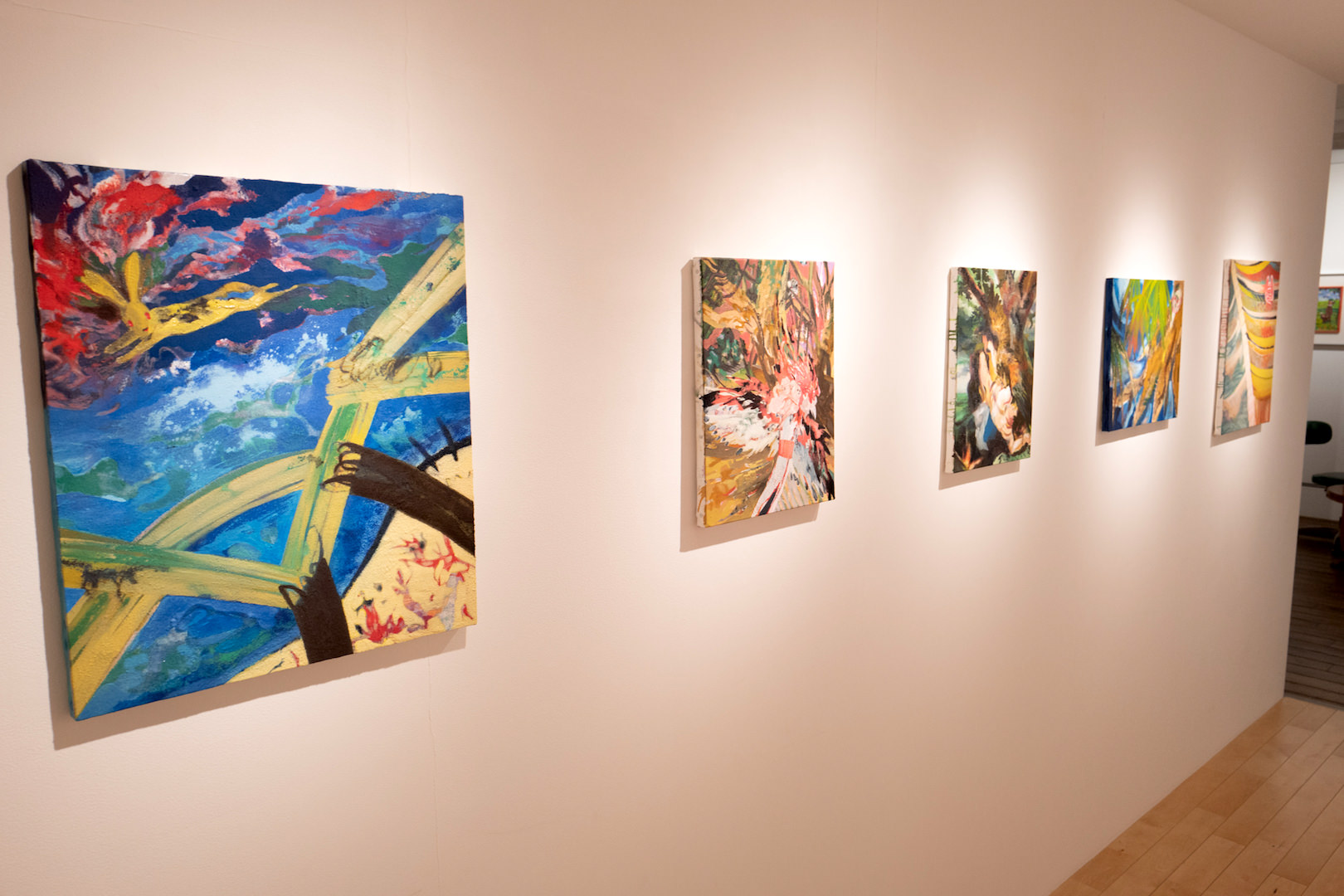
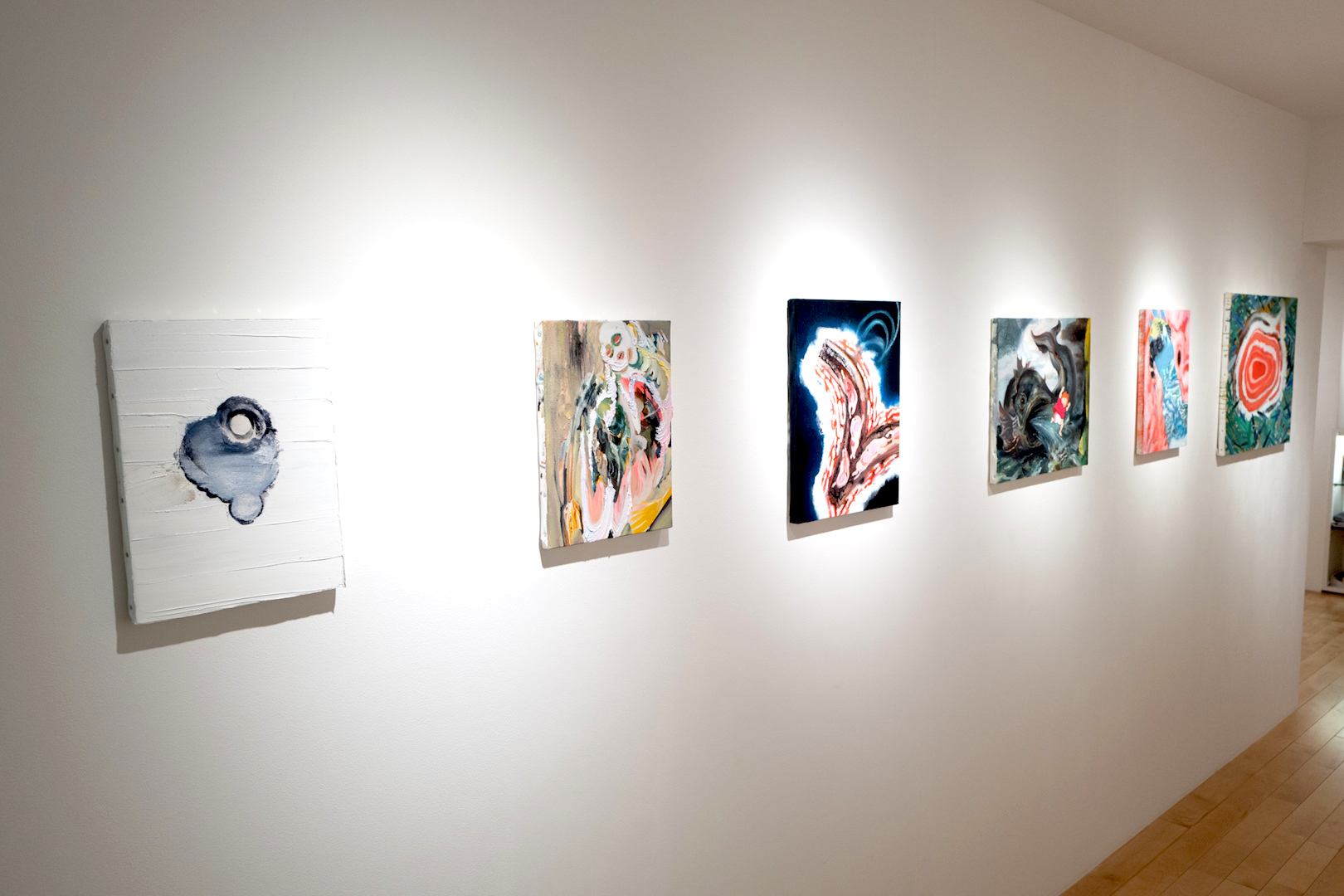
This exhibition lines up works of extremely dense content, and the themes, backgrounds, and motifs embedded in each are so dense that you can’t understand it all without properly engaging with the works.
I was able to hear from the gallery owner, and it seems information is embedded that you can’t grasp in full unless the artist herself explains it.
Maekawa has, until now, focused her practice on the art of magical societies, in which memory and information were transmitted through the body without relying on external devices. Her practice is grounded in the memory-arts research of Frances Yates and others, and in the structural analysis of comparative folklore and mythology—the study of oral tradition developed by Dundes, Campbell, and others. One popular mnemonic technique that developed in medieval Western Europe is the method of loci. This technique, today also called the “mind palace,” involved building a virtual palace, theater, or town in the mind, placing objects across more than 100 rooms and walls, and pasting the things one wanted to remember onto them. Memory-art manuals of the time often present icons from the Bible, Greek myth, Kabbalah, and so on as images (imagines) to be used in mnemonics, and these are archetypal elements in her work as well. Before learning mnemonics, Maekawa had from childhood memorized the contents of literature together with images of floor plans. That experience became the trigger for her interest in the relationship between ease of memory retention and space, and in the peculiarity of the flat, one-dimensional characters in myths/folktales who exist solely to tell the story. A memory art based on the idea of attaching marks and chains to memory, like affixing sticky notes to a book. In contrast, Maekawa states that in modern society only the marks of images float free, while the chains either disappear or are automatically generated. In this exhibition, she shows the “DOUBLE DWELLER” series, with the cosmology of memory arts and magical societies as its motif, and the “CAVERN” and “PROGENITOR” series, drawing on motif-elements from myths/folktales.
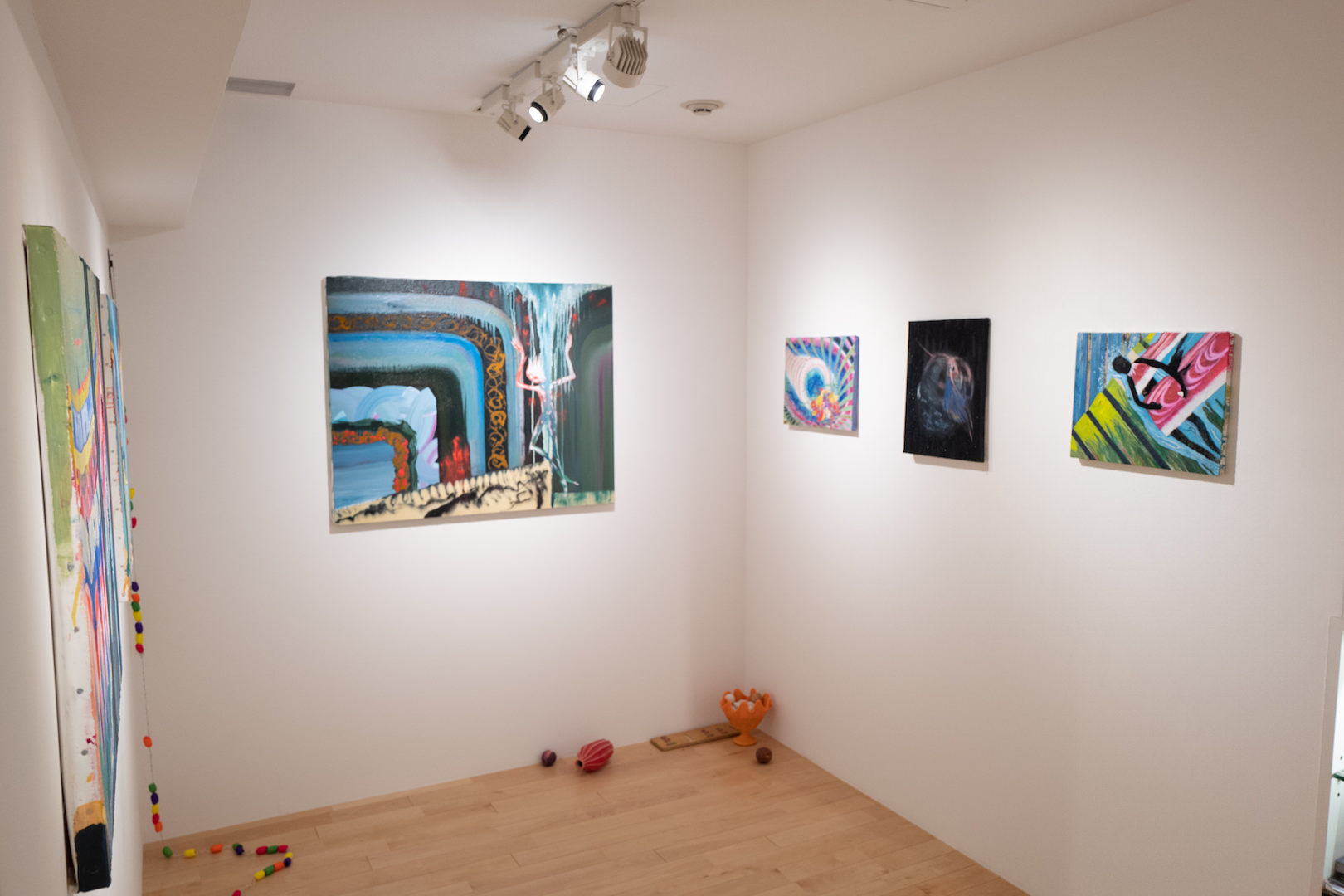
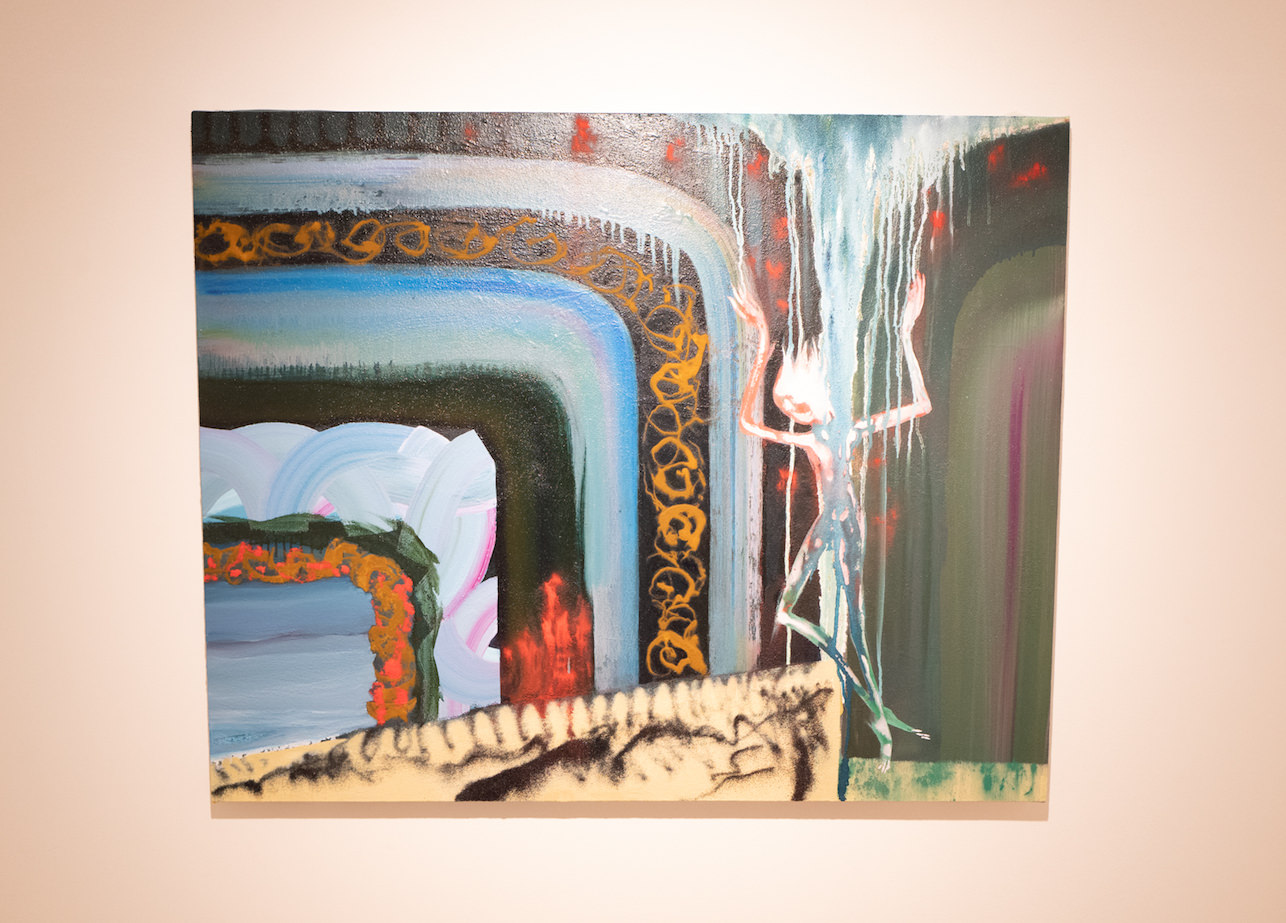
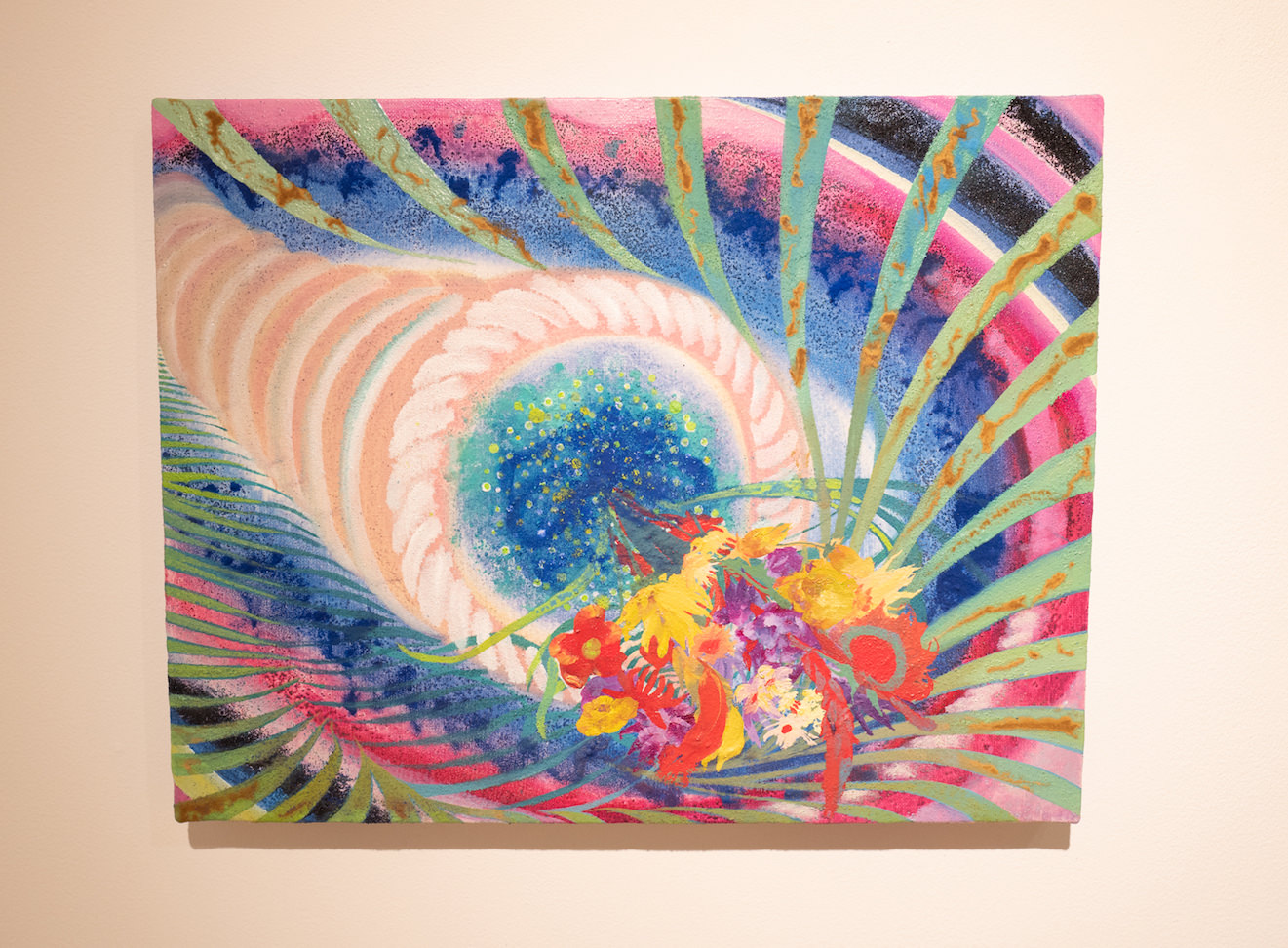
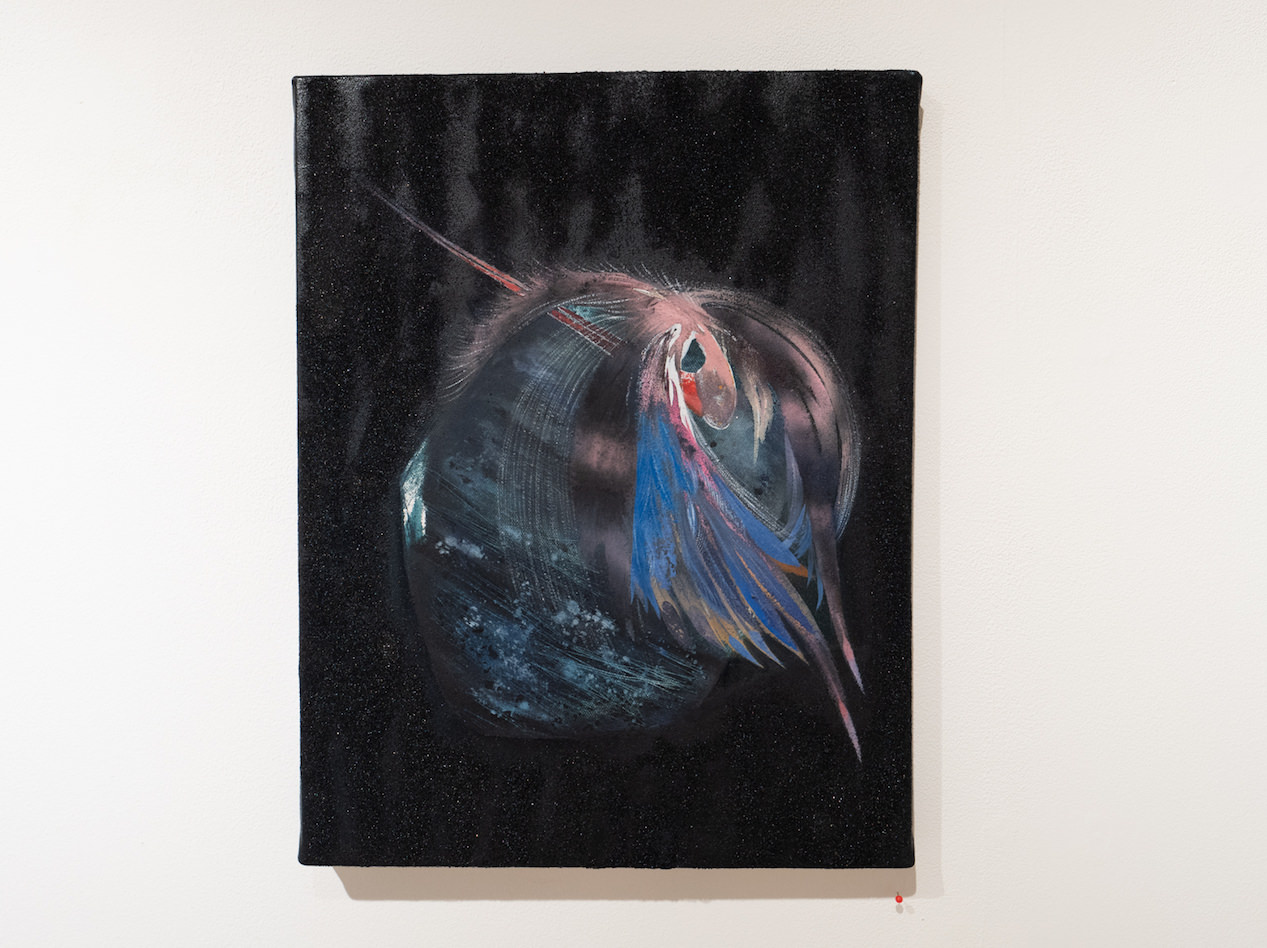
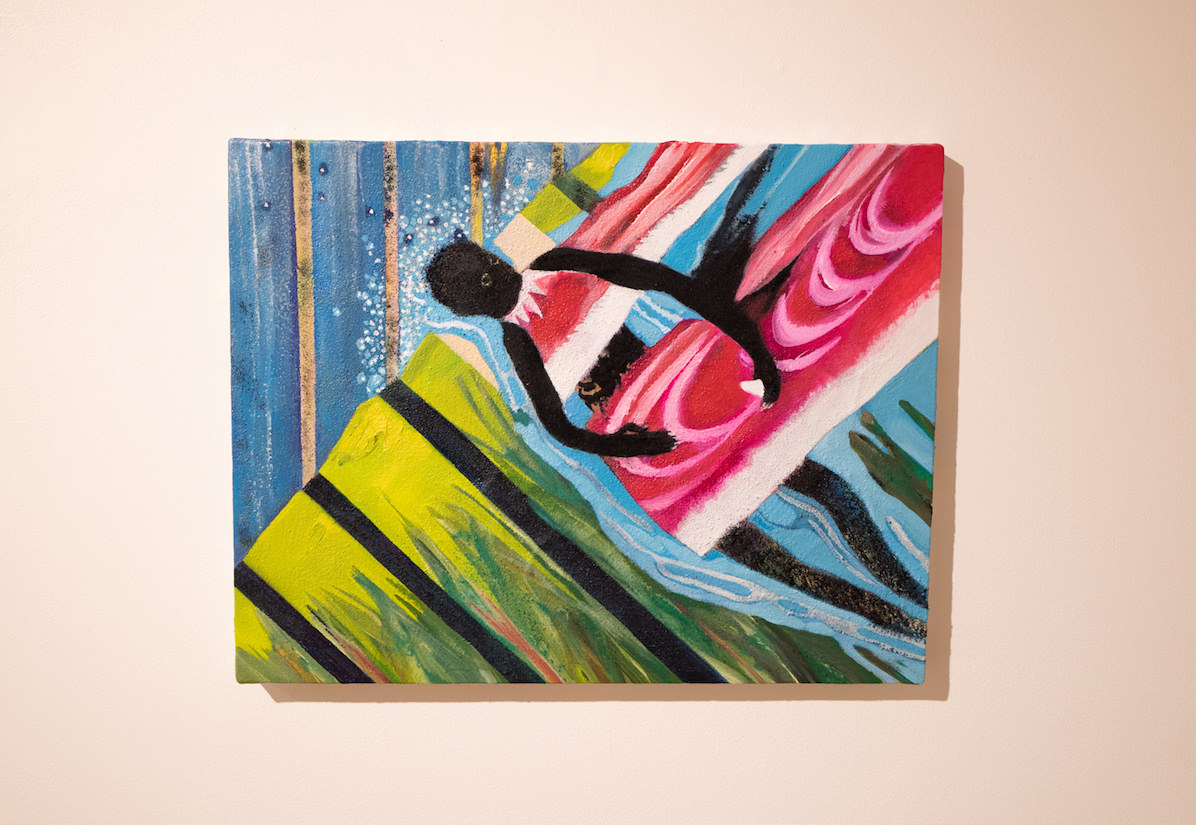
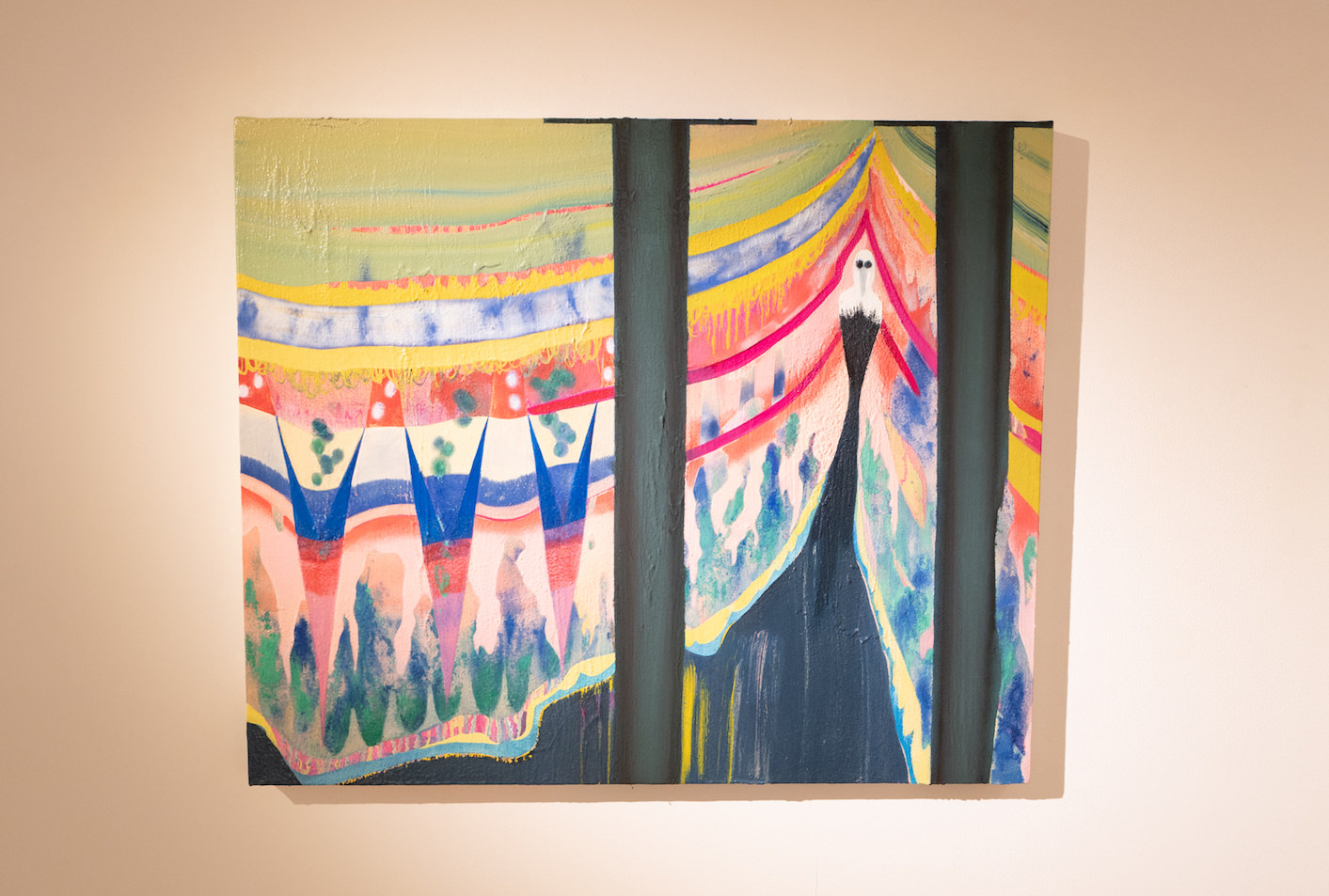
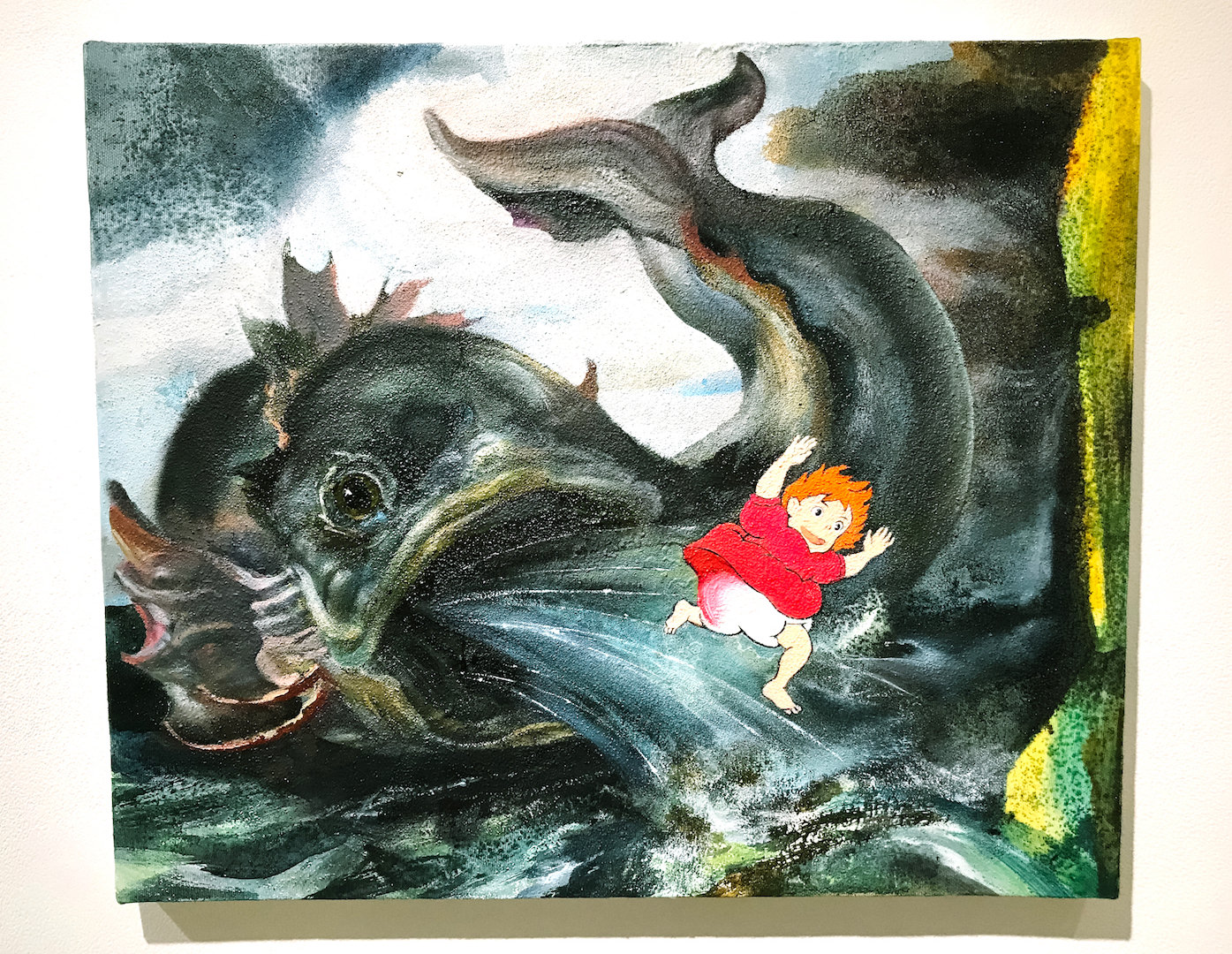
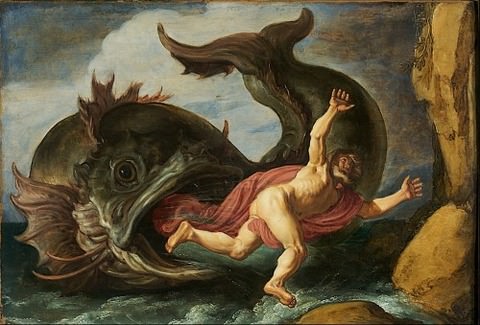
“It’s Ponyo!” I thought—but the motif seems to be quoted from the Old Testament “Book of Jonah.”
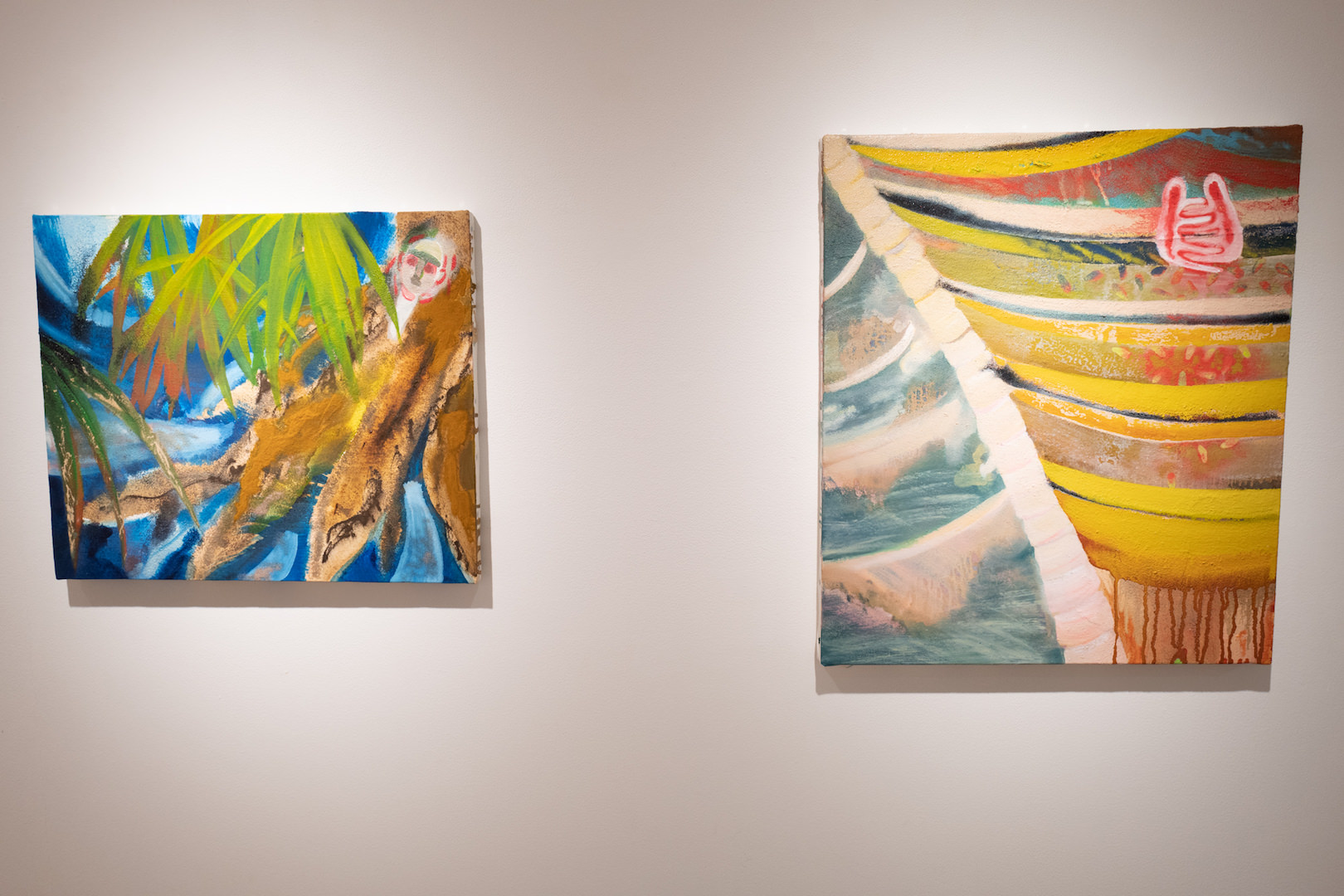
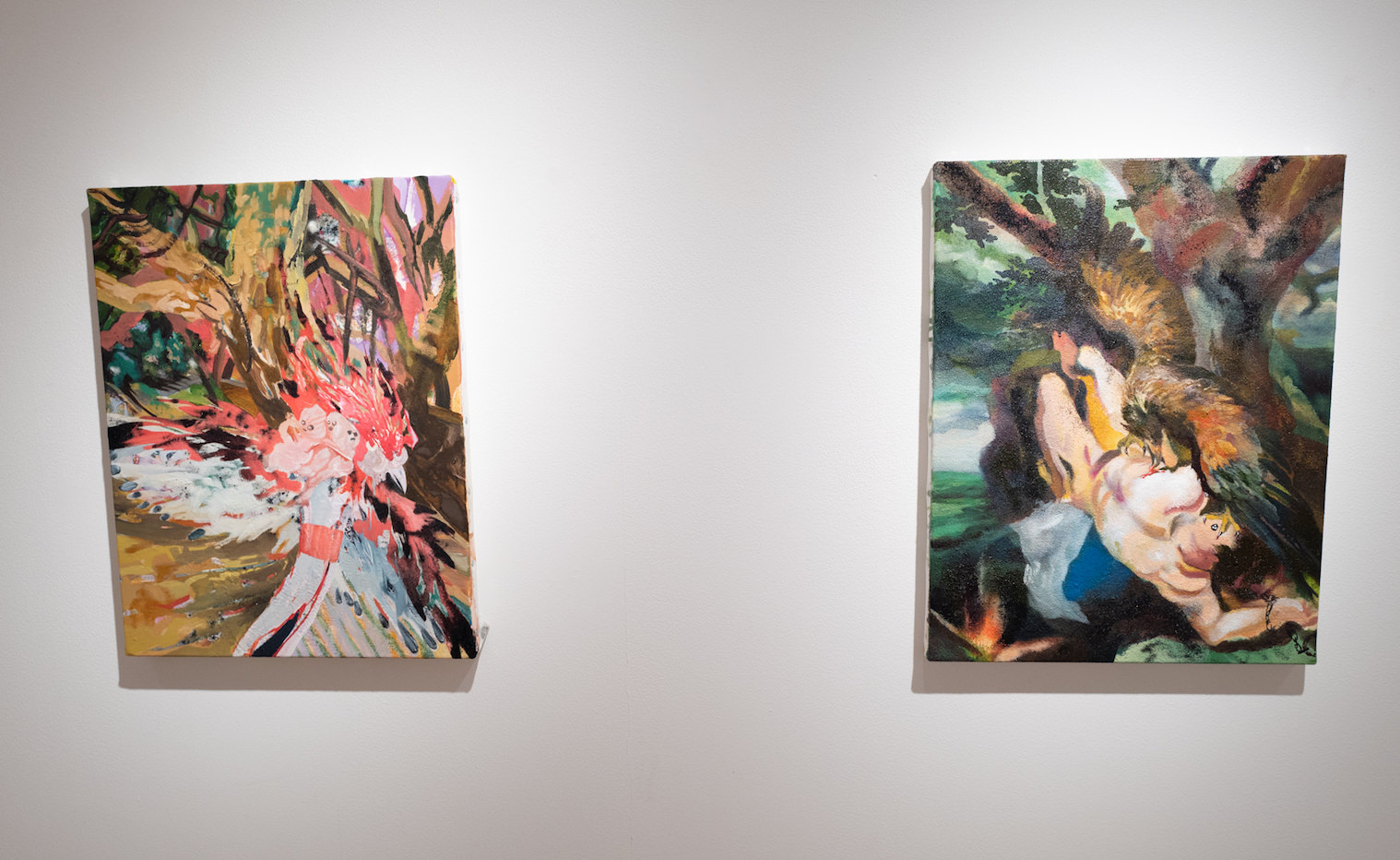
Every work seems to gather the essence of skilled technique, and in the pleasant gallery I fully savored high-quality artworks.
An artist whose future activity I look forward to.