Foujita: A Retrospective — 50 Years After His Death
I visited the “Foujita Retrospective,” the exhibition I have been most looking forward to among all those held in 2018. The venue is the Tokyo Metropolitan Art Museum in Ueno.
Held to mark the milestone year “50 years after his death,” this exhibition surpasses anything that has come before in many respects. It is certain to be recorded in history as “the greatest Foujita exhibition of all time!”. Below I have organized the key points.
- The largest exhibition in history in both quality and quantity
- Many works have come to Japan from major museums in Europe and the United States
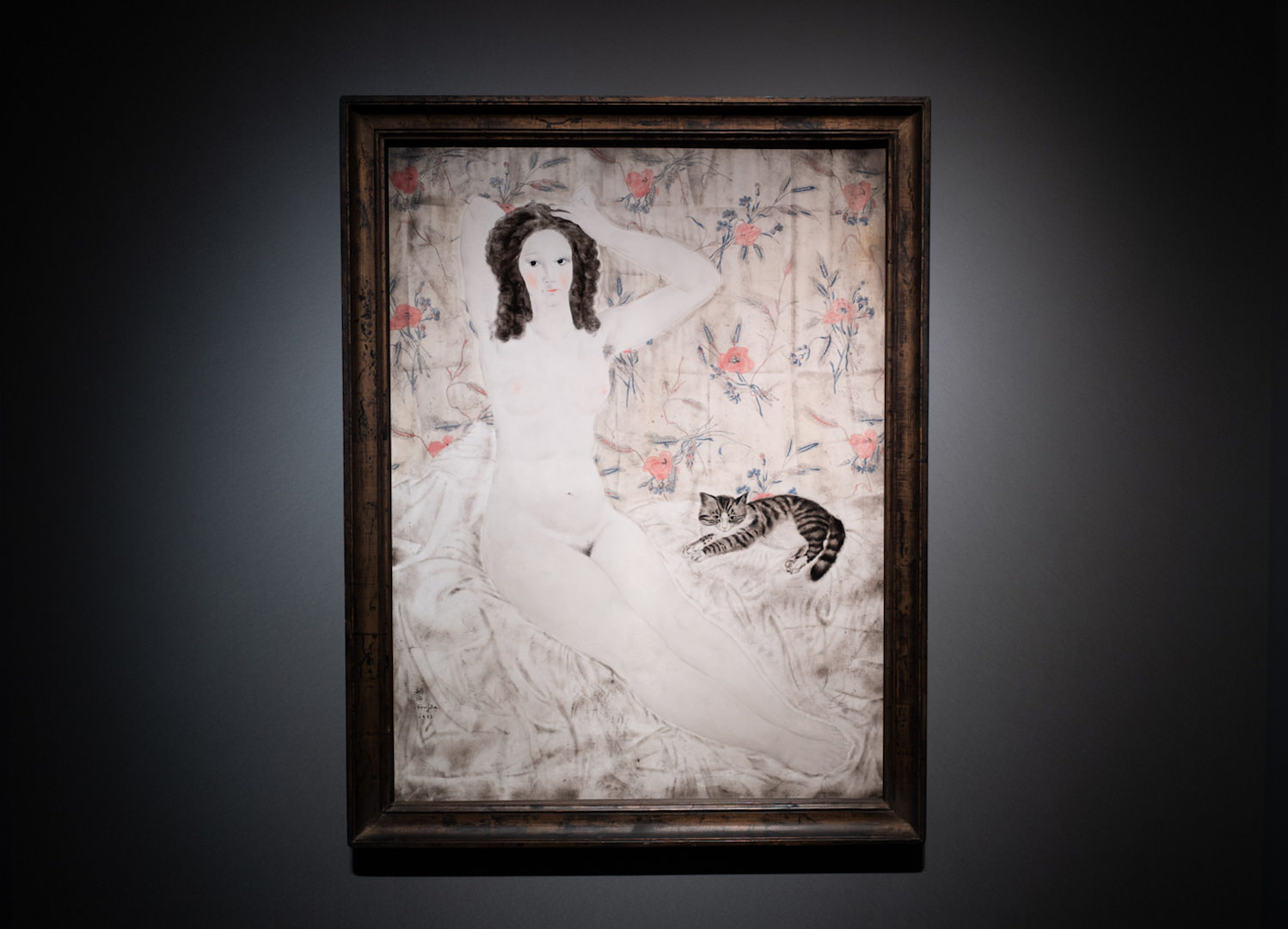
- More than ten female nudes on Foujita’s signature “milky white ground” gathered together
- Numerous “cat paintings” that will delight cat lovers
- An overwhelming matière (paint surface)
Below I would like to describe each of these points.
[1] The largest exhibition in history in both quality and quantity
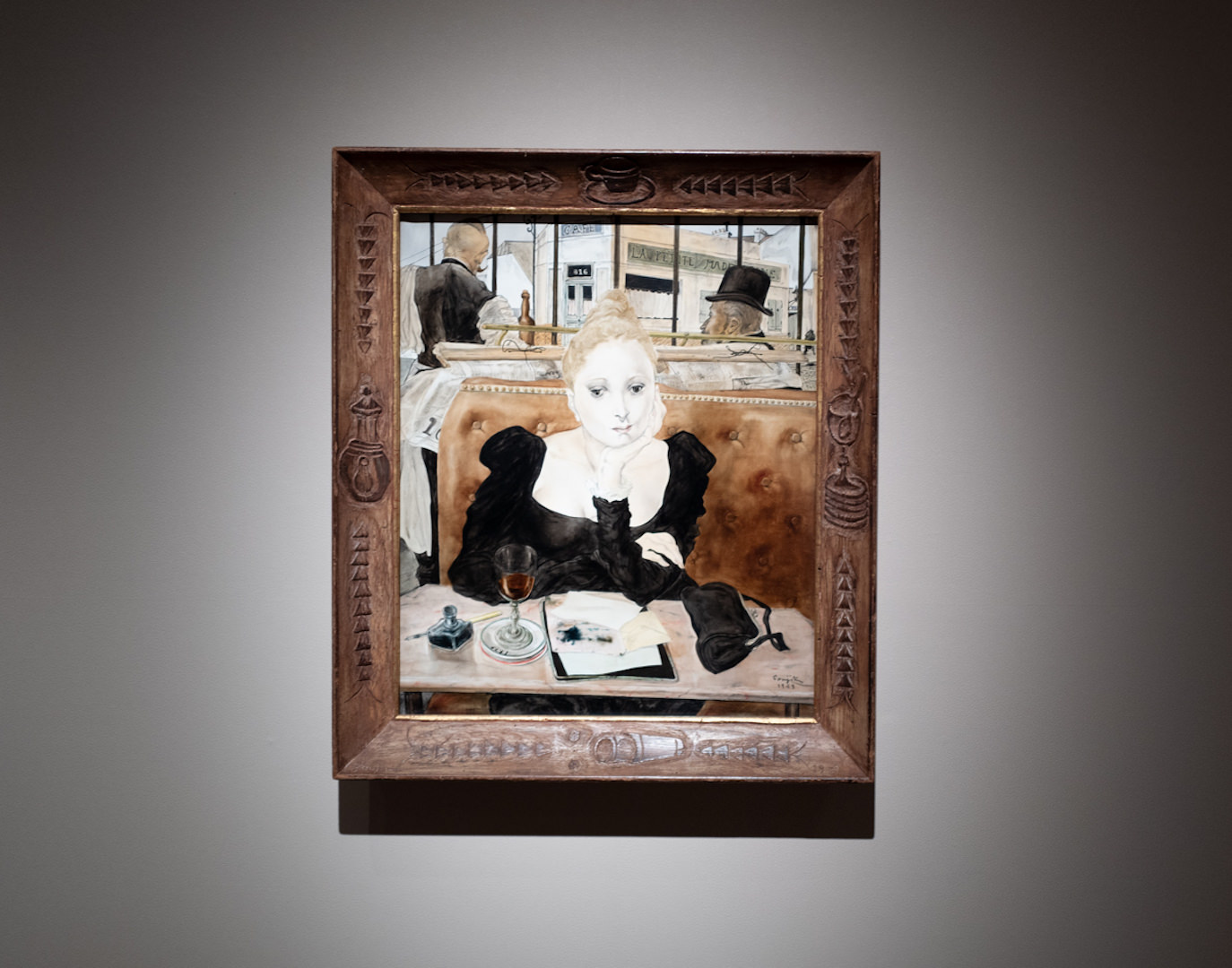
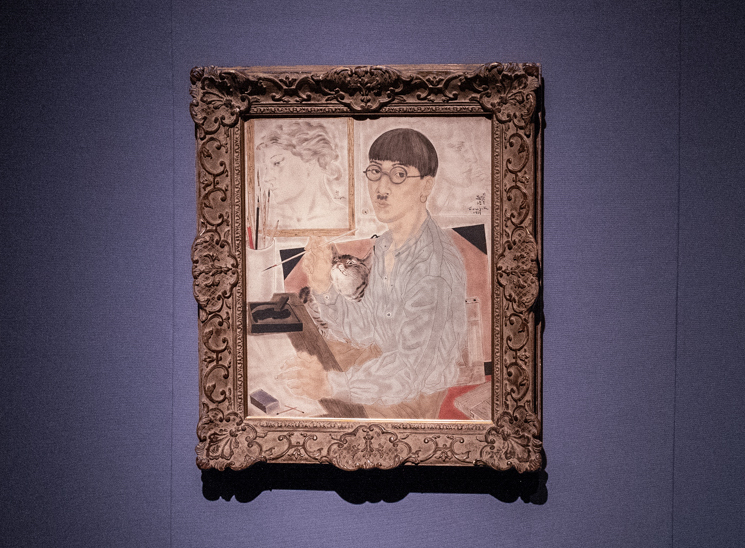
The painter Tsuguharu Foujita (Léonard Foujita, 1886–1968) was born in Japan in the mid-Meiji era, spent about half of his more than eighty years in France, and acquired French citizenship in his later years. Unlike Van Gogh, who was appreciated posthumously, he was recognized internationally from early on, and, having lived in France for so long, many of his works are held in overseas collections.
For the memorial year of “50 years after his death,” with the cooperation of major museums in Japan and — centered on France — Europe and the United States, roughly “120 pieces!” of carefully selected works, including many important ones, have been assembled in one place. It is no exaggeration to call it “an exhibition of his entire artistic career.”
Not just his representative works, but also pieces I had never seen before — the display was rich in volume.
[2] Many works have come to Japan from major museums in Europe and the United States
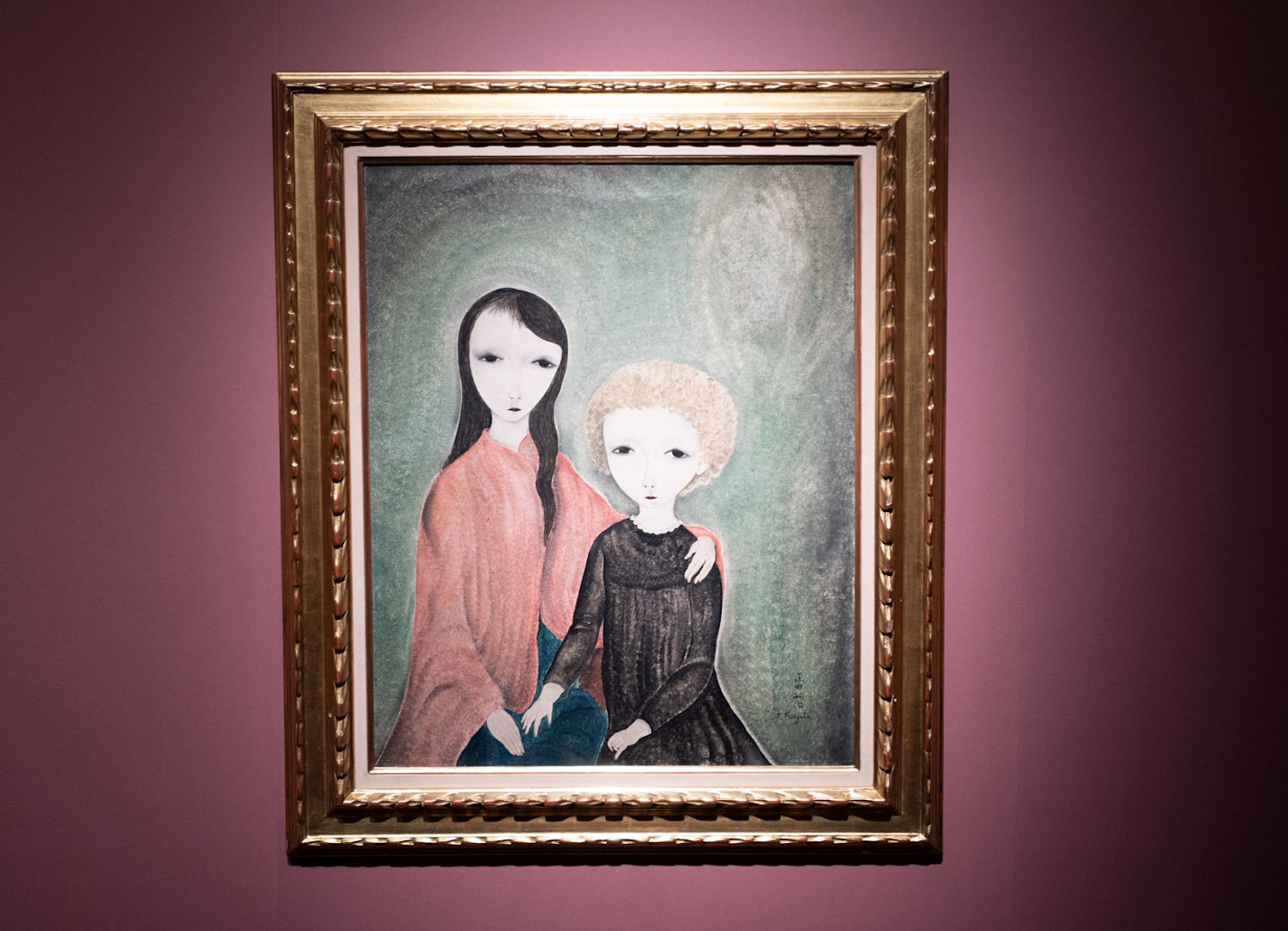
As the art historian Yoko Hayashi, who supervised this exhibition, remarked, “It was realized over five years starting from 2013. Works came together at a remarkable batting average” — and, as she said, some twenty representative works have been gathered from major museums in Europe and the United States, including Centre Pompidou in Paris, the Musée d’Art Moderne de la Ville de Paris, the Royal Museums of Fine Arts of Belgium, Musée du Petit Palais in Geneva, and the Art Institute of Chicago. Works making their first appearance in Japan are among them, and one can only describe the achievement laid out before us as magnificent.
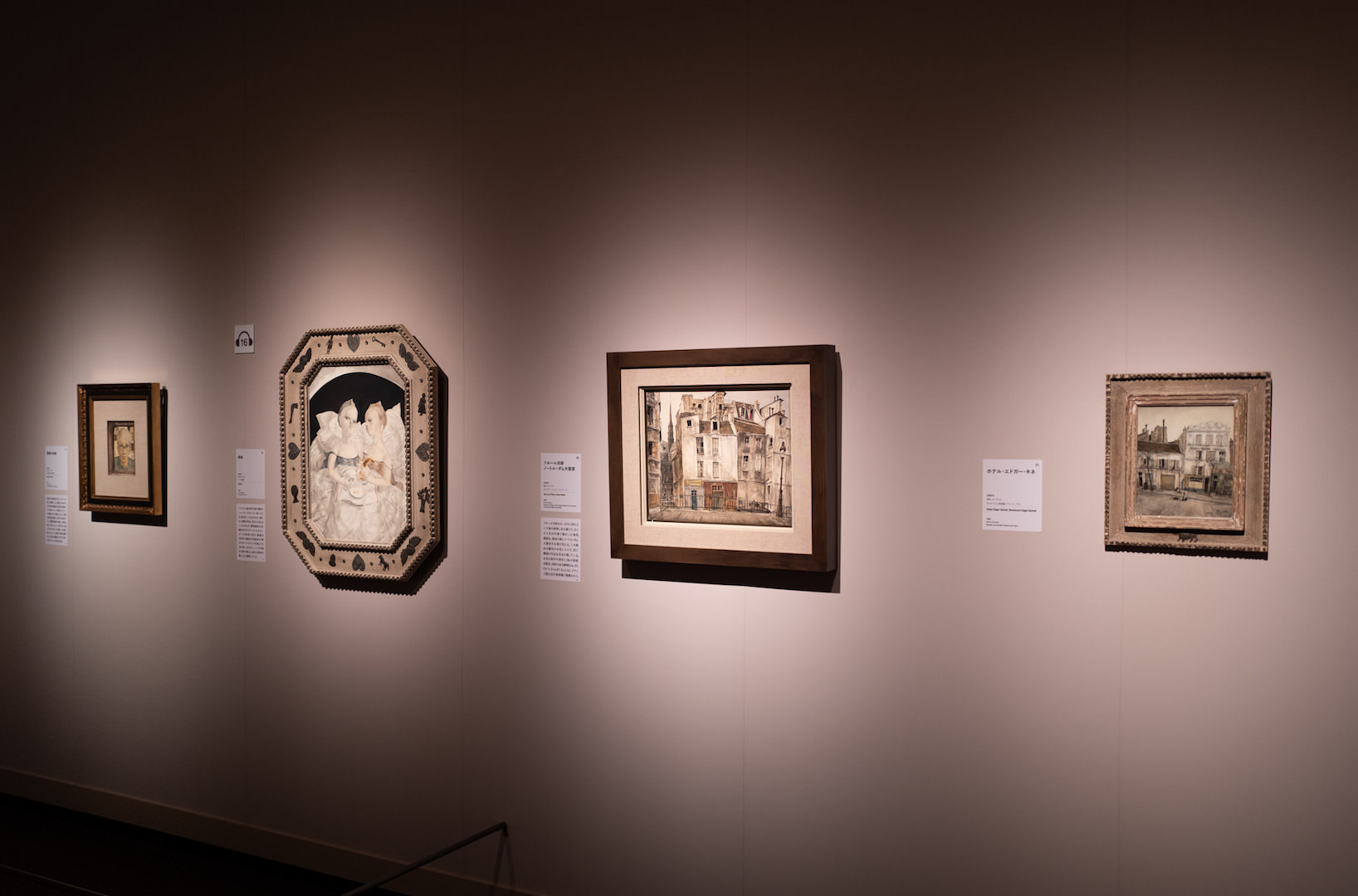
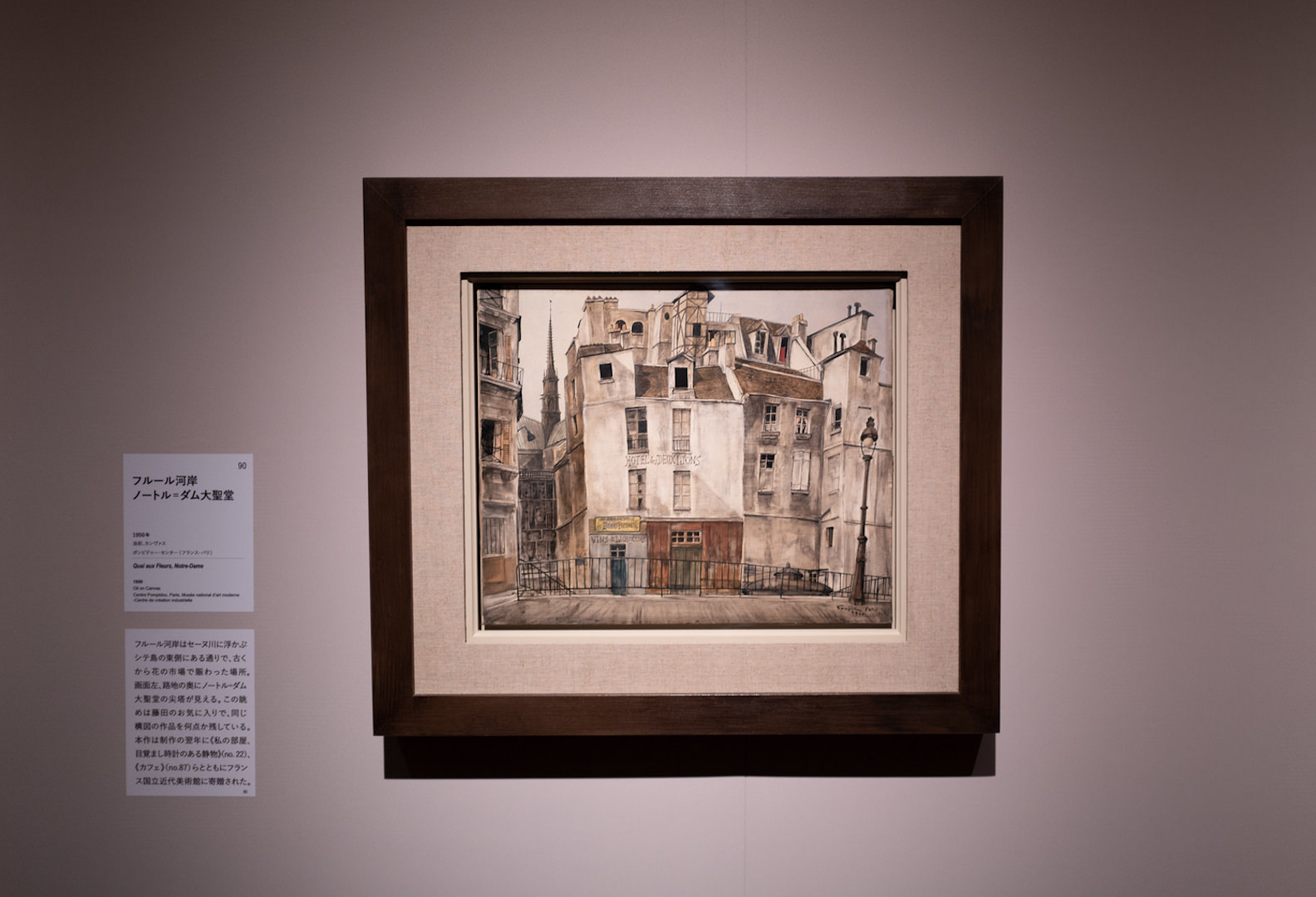
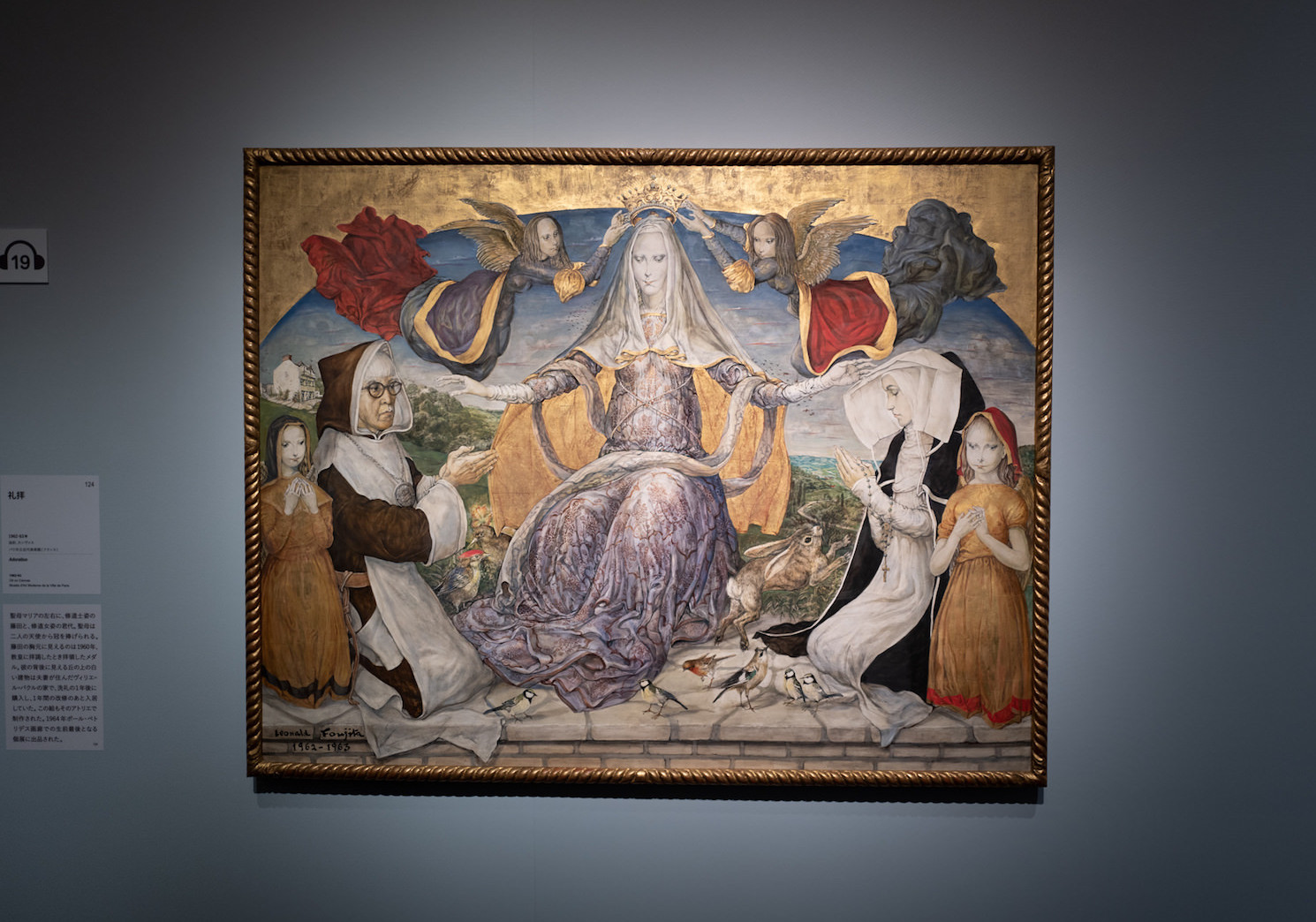
The exhibition sets up themes such as “landscape,” “portrait,” “female nude,” “religious painting,” and “war record painting (war art),” and it is an attempt to reconsider Foujita’s art while incorporating the latest research. One can enjoy the varied drawers of expression — different motifs, different techniques of rendering.
[3] More than ten female nudes on the “milky white ground” gathered together!
More than ten female nudes on the “milky white ground” — a technique that has become synonymous with Foujita — are assembled here.
Alongside major Japanese works such as “Before the Ball,” recently restored at the Ohara Museum of Art, and “Five Nudes” from The National Museum of Modern Art, Tokyo, works from abroad — including Centre Pompidou and Musée du Petit Palais — also converge here, with an emphasis on nudes on the “milky white ground” from the 1920s, his peak period.
“Nude with Tapestry,” which graced the cover of the catalog for the Foujita exhibition held at The National Museum of Modern Art, Tokyo in spring 2006, was also solidly on view.