Toshiyuki Hasegawa
A solo exhibition of Toshiyuki Hasegawa — nicknamed “Rikō” — has opened for the first time in 18 years. This traveling exhibition brought me to its Tokyo venue in the closing days of the run: Fuchu Art Museum.
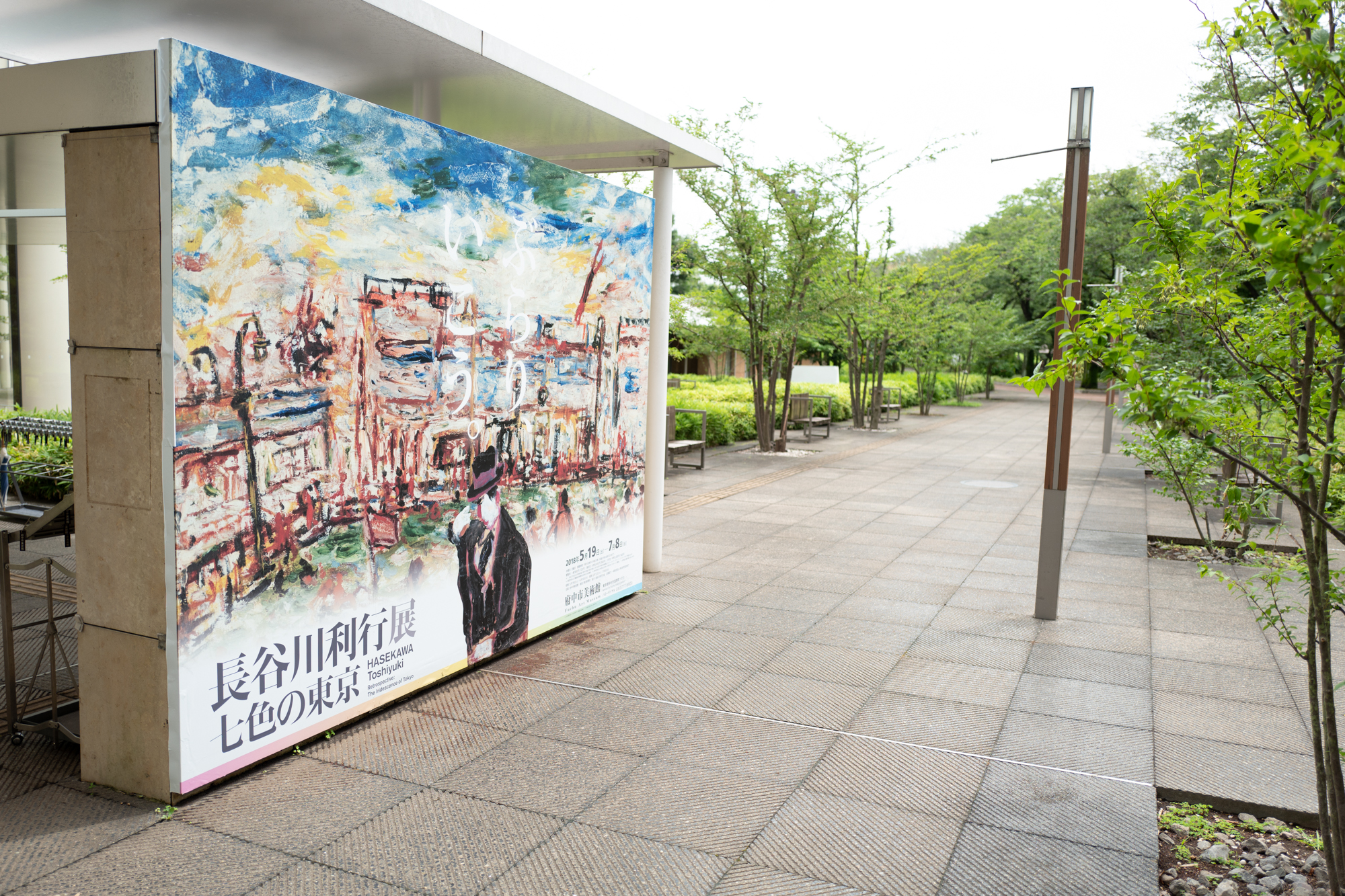
Born in Kyoto in 1891, Toshiyuki Hasegawa first pursued tanka poetry in his twenties and moved to Tokyo after turning thirty. He began working as an artist around age 35 and remained active for roughly fifteen years, until his death from cancer. His largely self-taught oil paintings were recognized at the Nika Exhibition and at the 1930 Association Exhibition.
In life, however — perhaps by nature a wanderer — he drifted through cheap lodgings in Asakusa, San’ya, and Shinjuku, and finally collapsed on a street in Mikawashima. He died at the Tokyo City Educational Foundation Hospital in Itabashi at 49, with no one at his side.
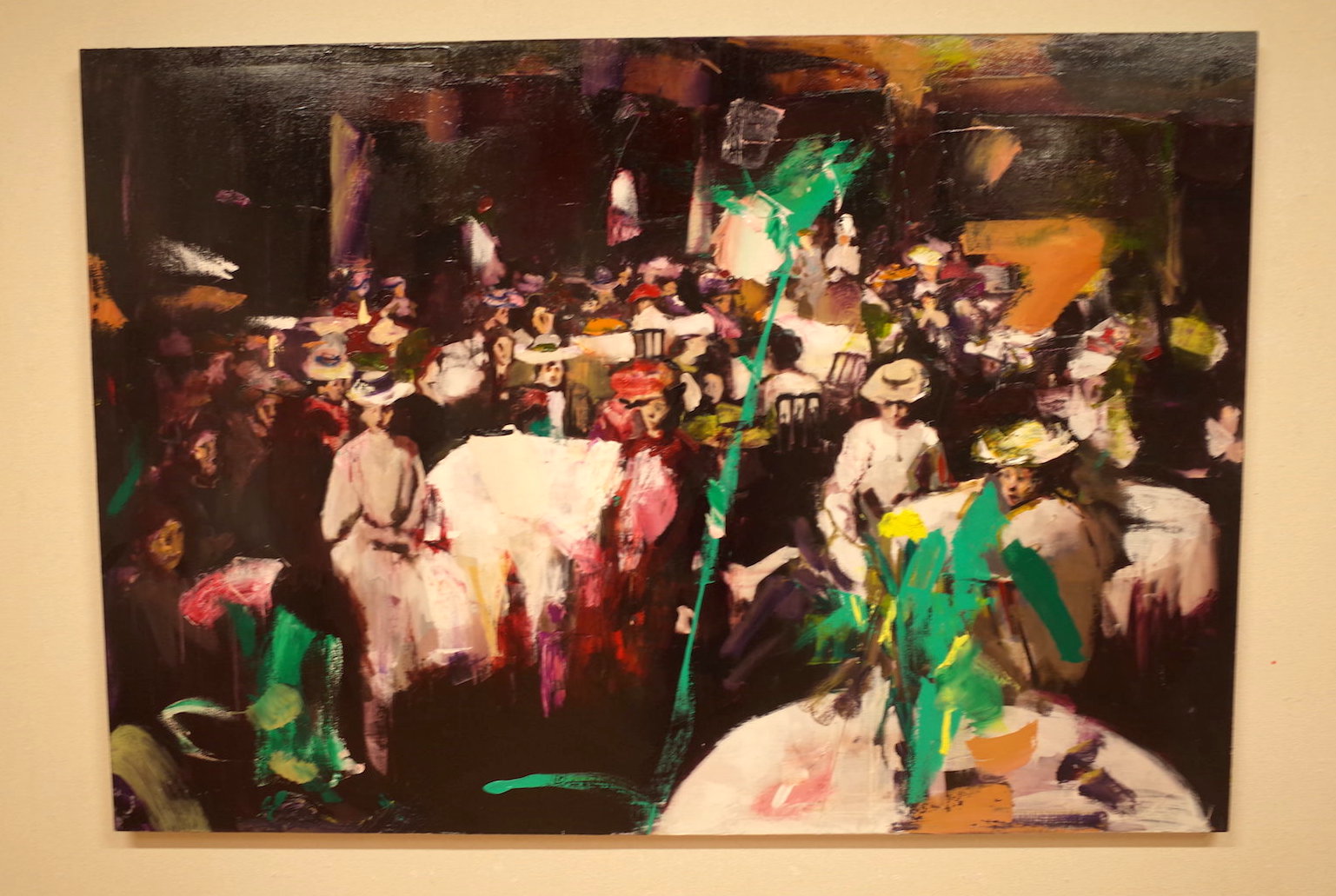
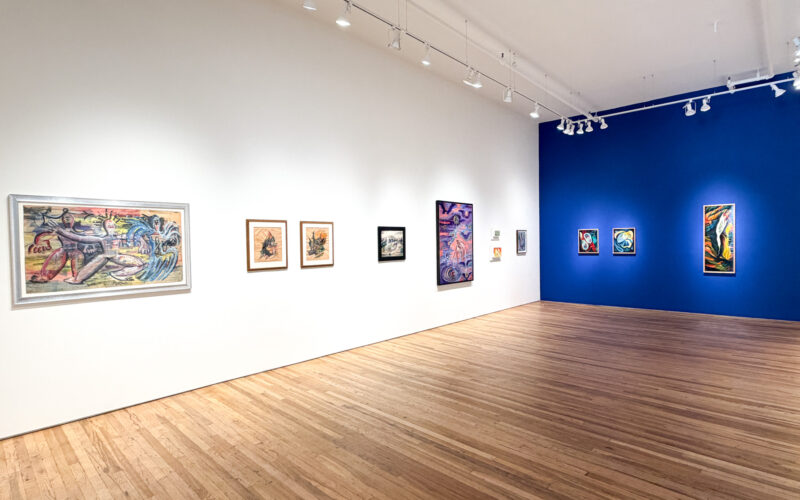
This exhibition presented roughly 140 works including his signature pieces: the recently rediscovered “Café Paulista” and “Swimming Place,” “Summer Amusement Park” (shown for the first time in about 40 years), and the newly discovered large-scale work “Figure Against a White Background.”
Three Divisions
Within Rikō’s short career, this exhibition sorted the display into “three” chronological periods.
First period, moving to Tokyo through 1929, Nippori: walking through the post-earthquake recovery
Second period, 1930–1935, San’ya and Asakusa: the streets become his studio
Third period, 1936 to his death, Shinjuku and Mikawashima: beauty rises from the lowest depths
Major Works
First period, moving to Tokyo through 1929, Nippori: walking through the post-earthquake recovery
The overwhelming power of his work — hard to believe was self-taught — is palpable even in the early pieces. The Western-painting touch of “Liquor Store” carries the raw, on-the-ground atmosphere straight to the viewer; the temperature it conveys is superb.
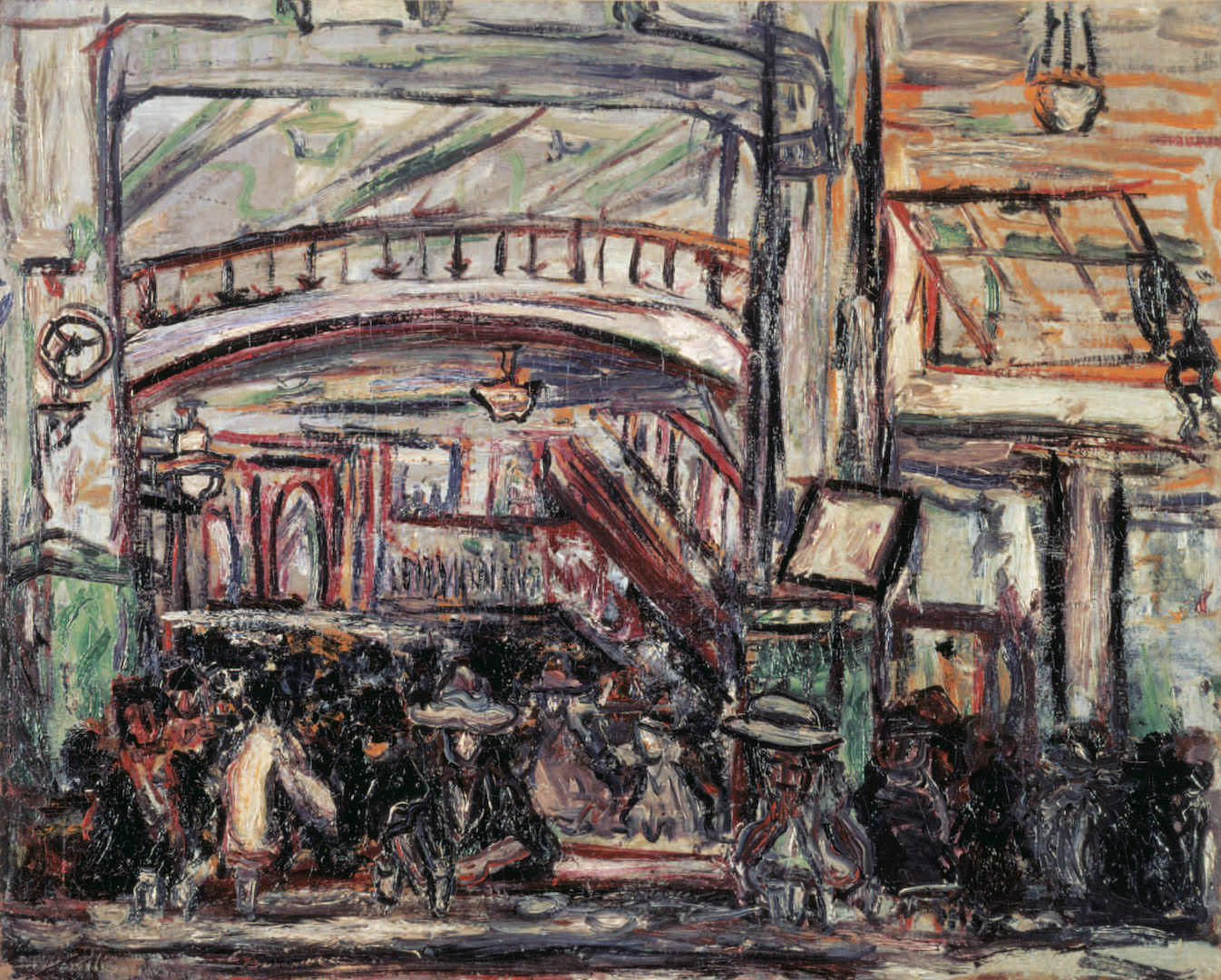
The vivid palette of “Summer Amusement Park” is arresting. The line-work is also extremely skilled, and you feel the high spirits of an artist who simply cannot contain his joy in painting.
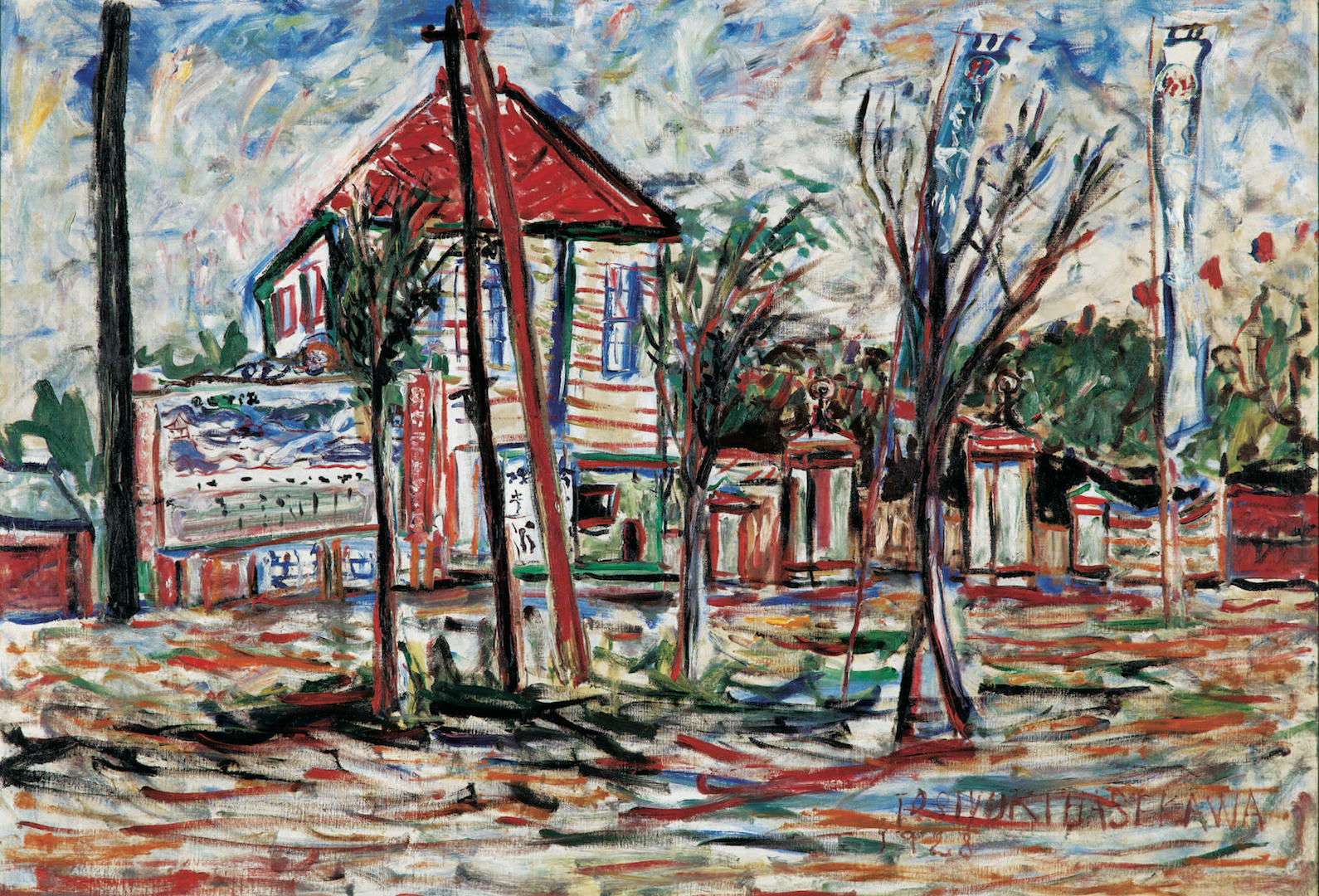
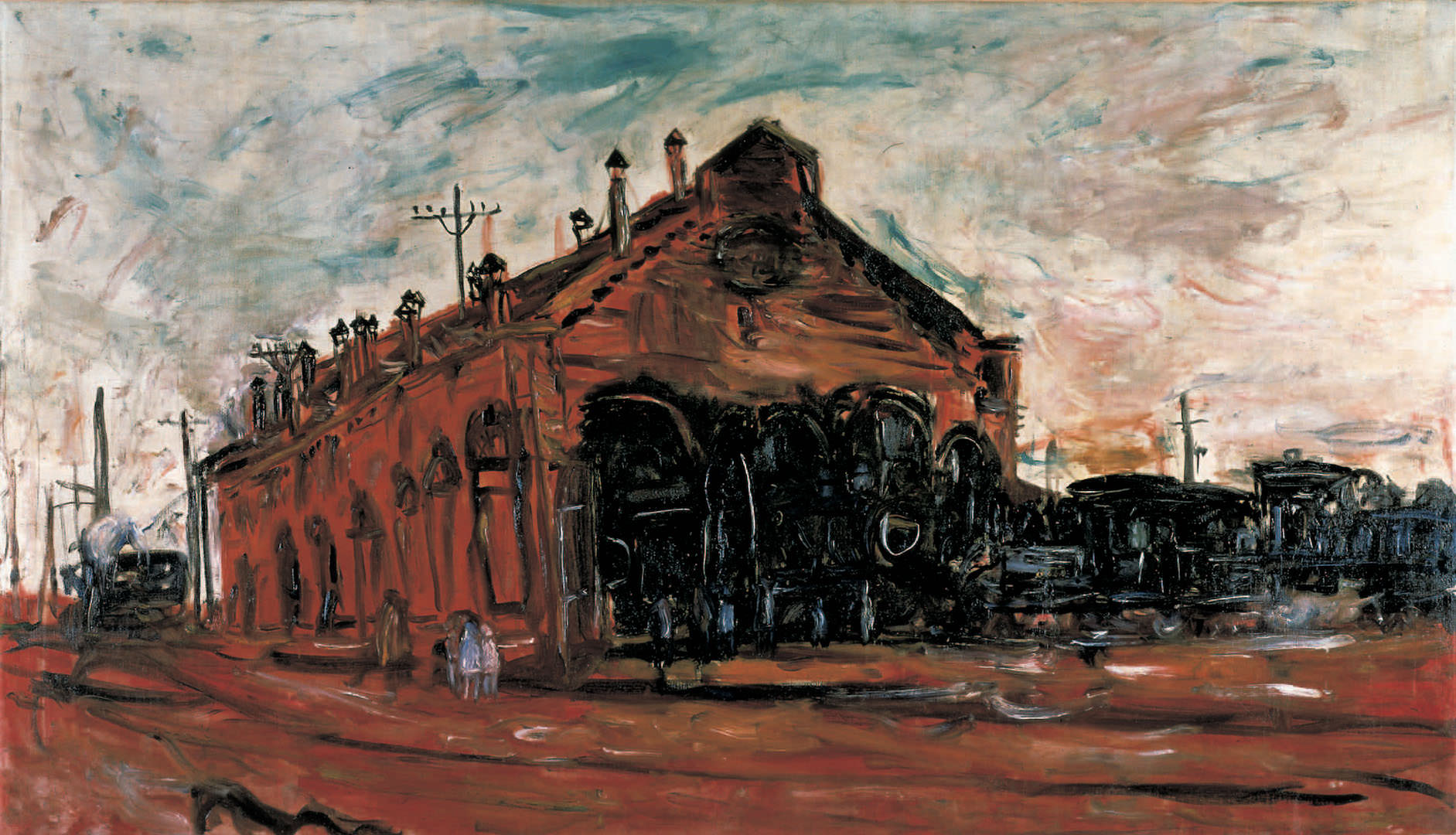
My personal favorite is “Locomotive Depot,” which takes as its motif the engine shed that once stood near Tabata Station on the Yamanote Line.
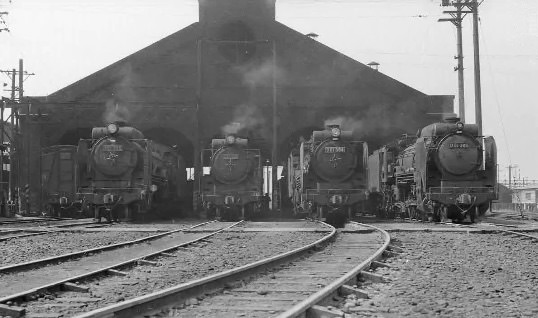
Powerful, restrained in color, cohesive as a composition — a bold touch you can’t help but admire. An overwhelming work.
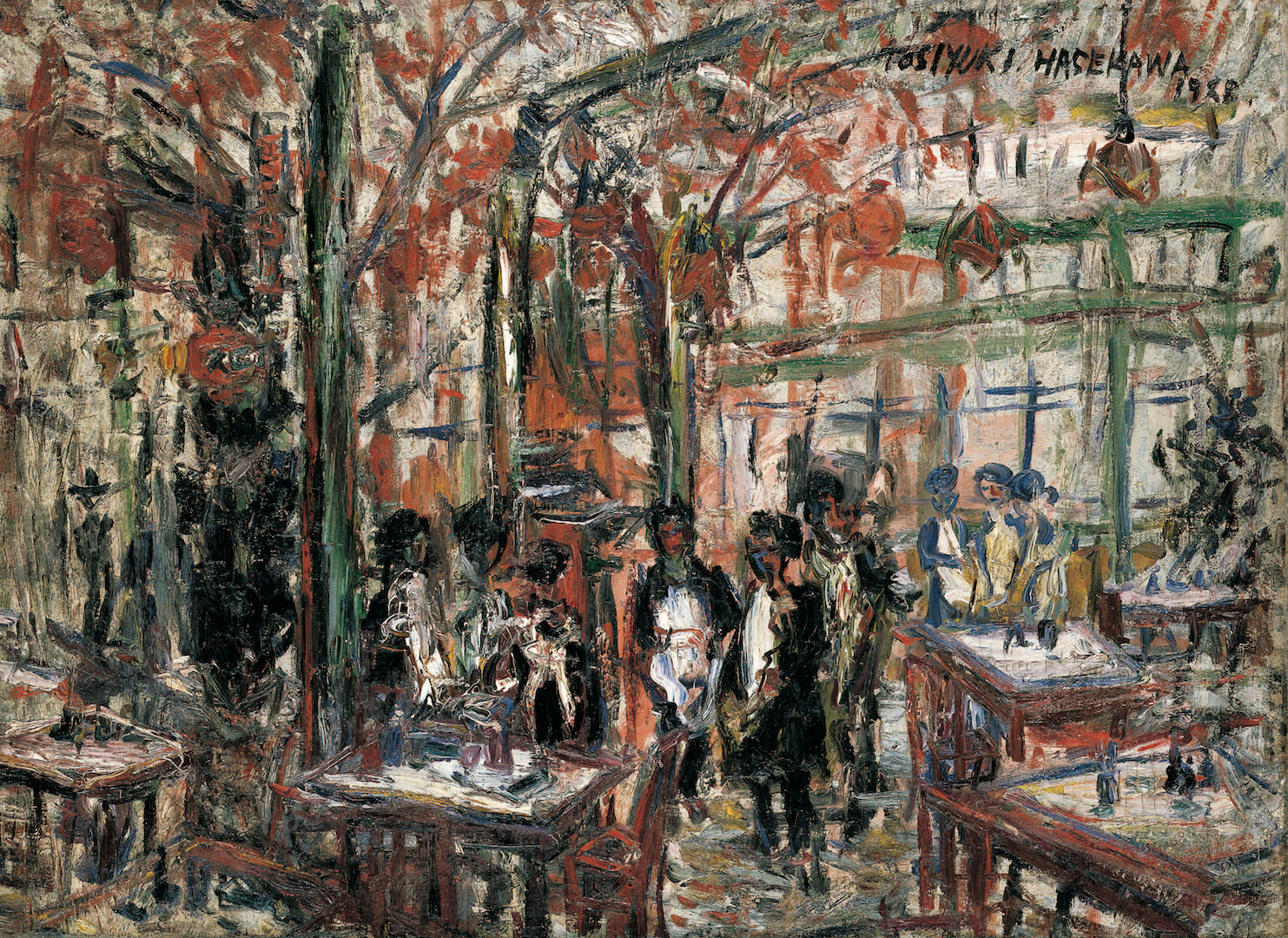
“Café Paulista” was submitted to Japan’s “Kaiun! Nandemo Kanteidan” (broadcast February 24, 2009), where it earned an appraisal of 18 million yen.
Second period, 1930–1935, San’ya and Asakusa: the streets become his studio
His works capturing scenes of everyday life are also wonderful.
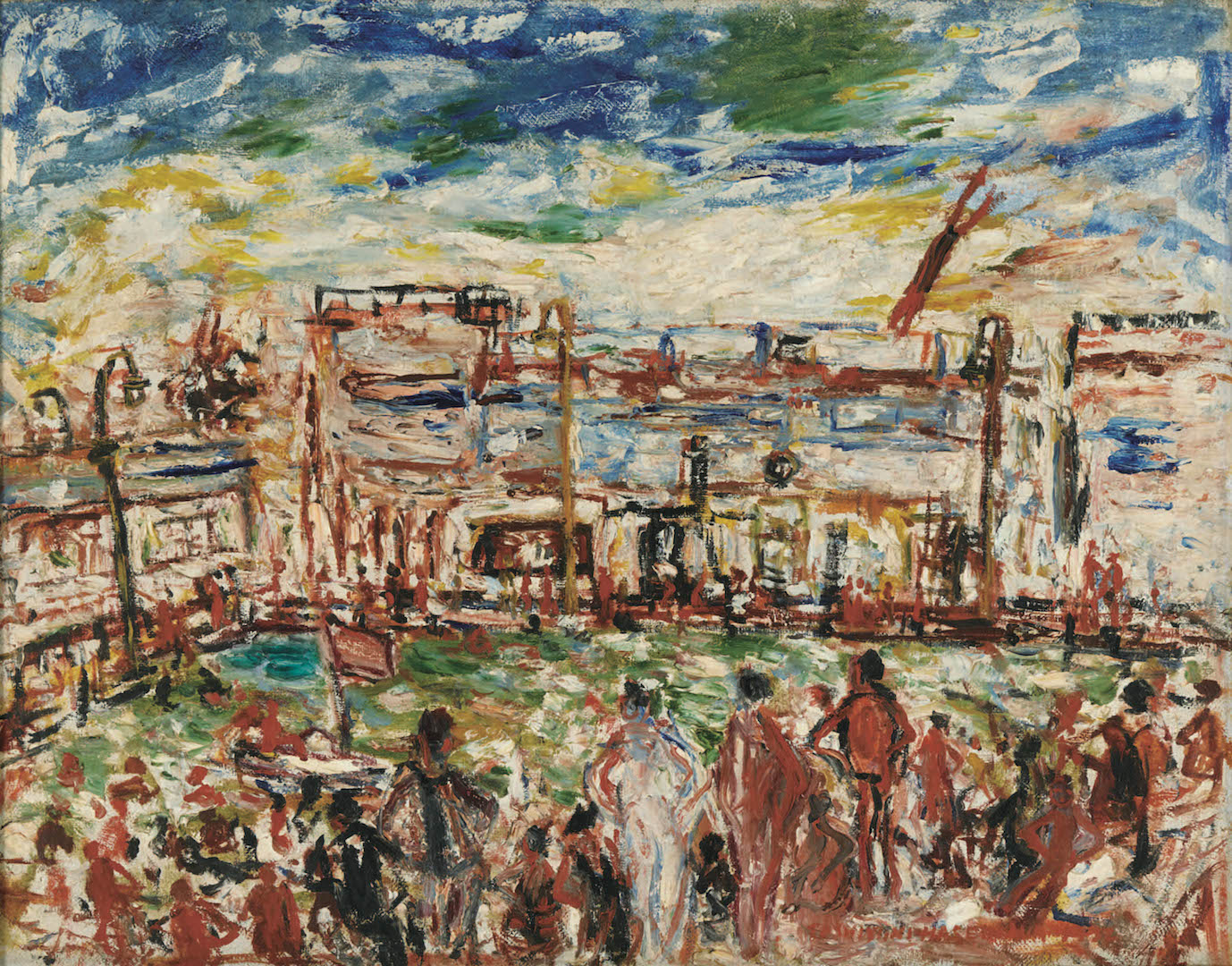
The work “Swimming Place” below depicts a pool along with the Sumida River and the scenery on the far bank.
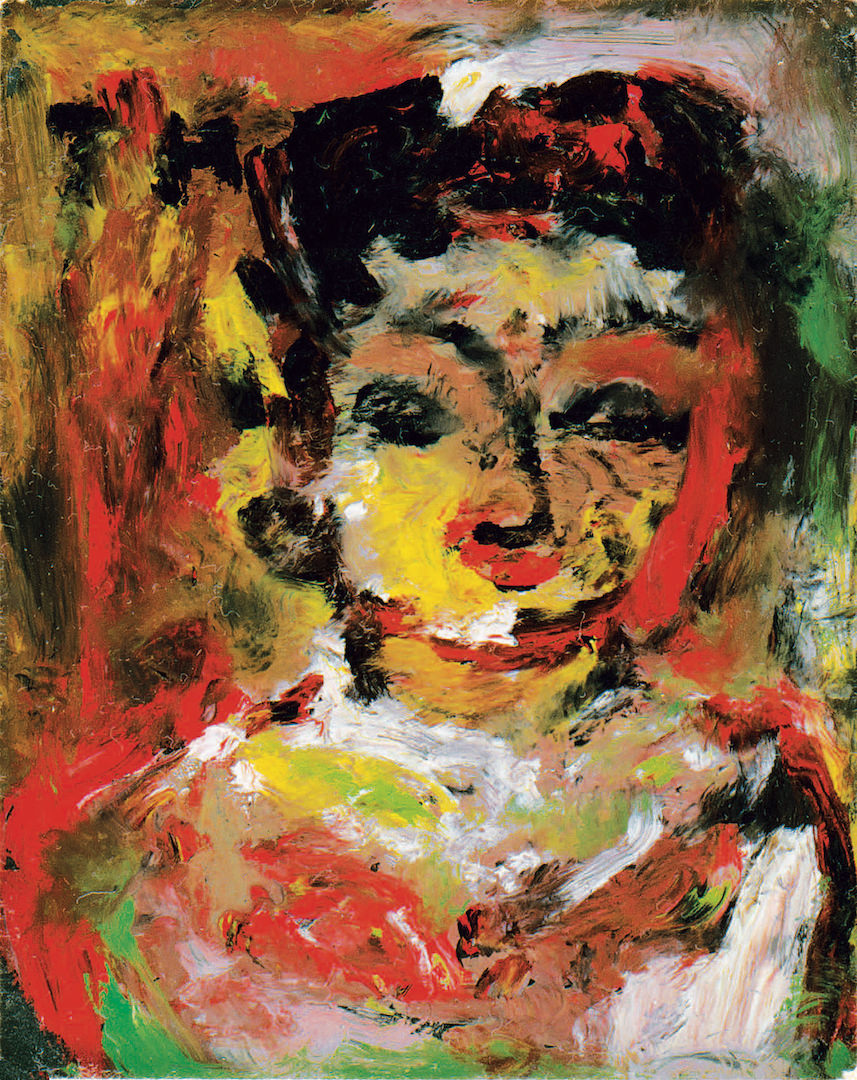
He also painted many portraits.
Third period, 1936 to his death, Shinjuku and Mikawashima: beauty rises from the lowest depths
I came away with a strong impression of him as a painter who uses white masterfully.
Rikō is said to have deeply admired “Van Gogh,” and one senses that resonance in the work.
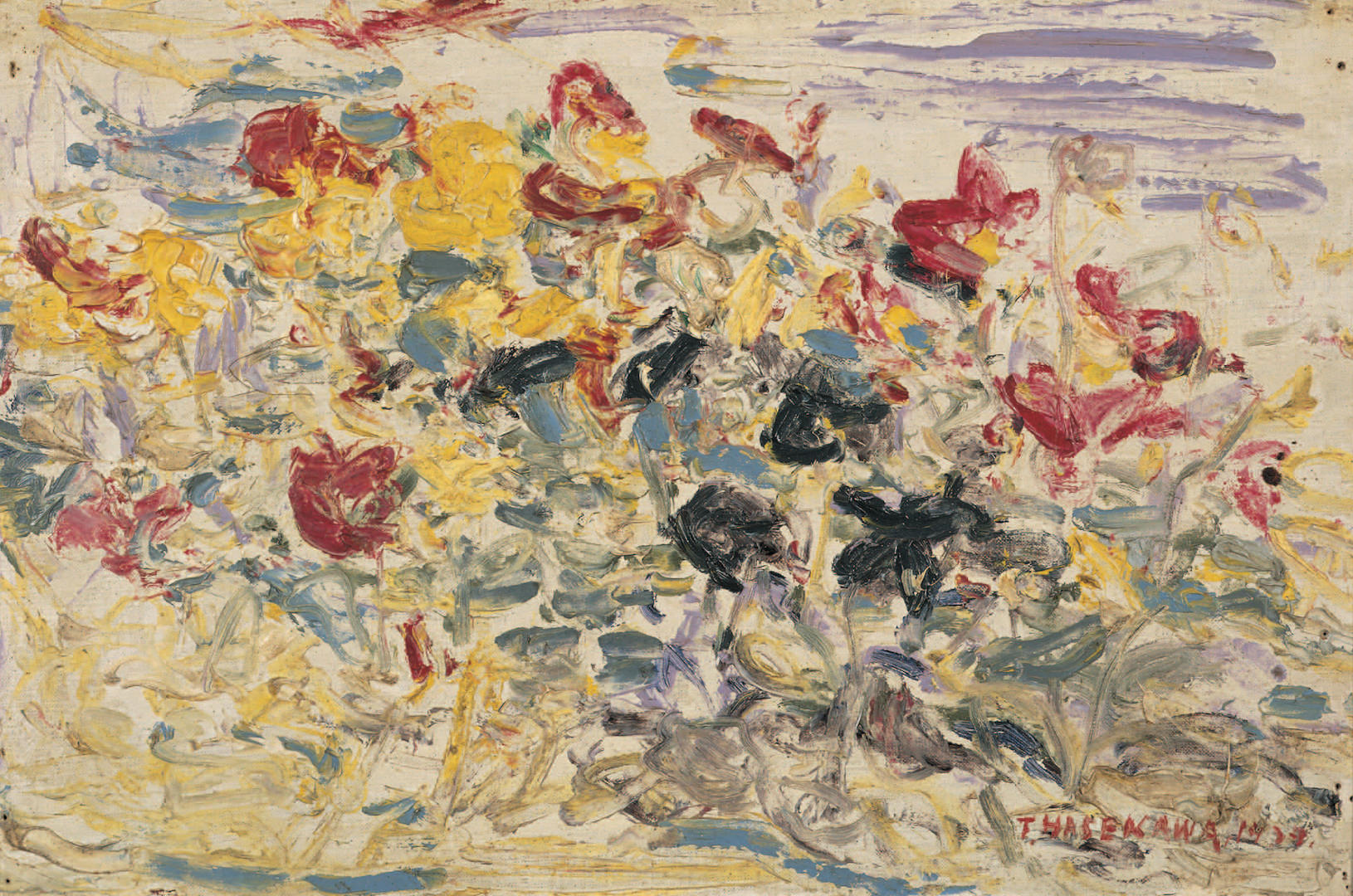
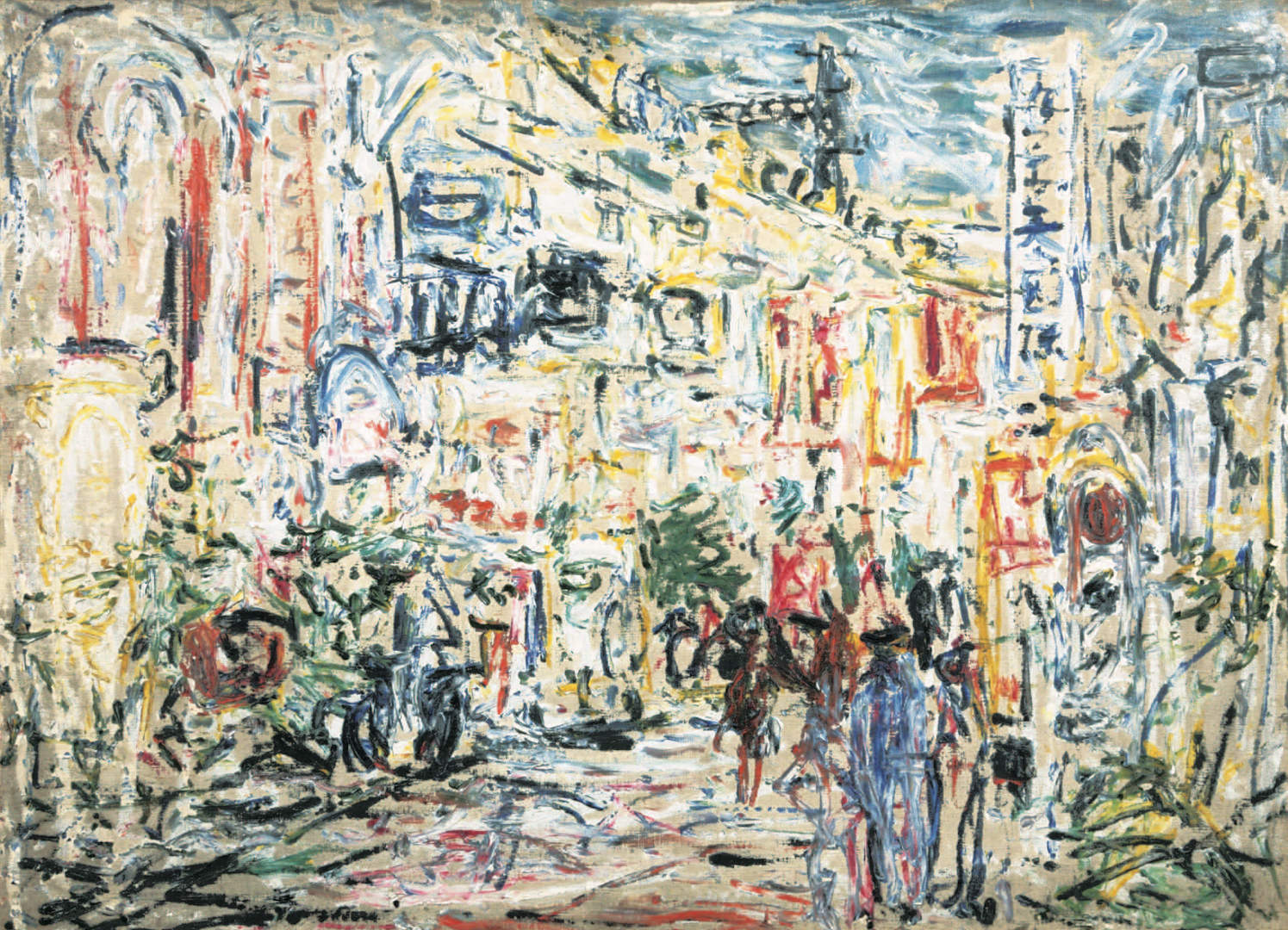
Every piece is magnificent. I found myself standing transfixed before them, as if my heart were being gripped tight.
Gallery Talk
When I visited, a lecture was underway by Hikaru Harada, who played a central role in the 2000 Toshiyuki Hasegawa solo exhibition at The Museum of Modern Art, Kanagawa.
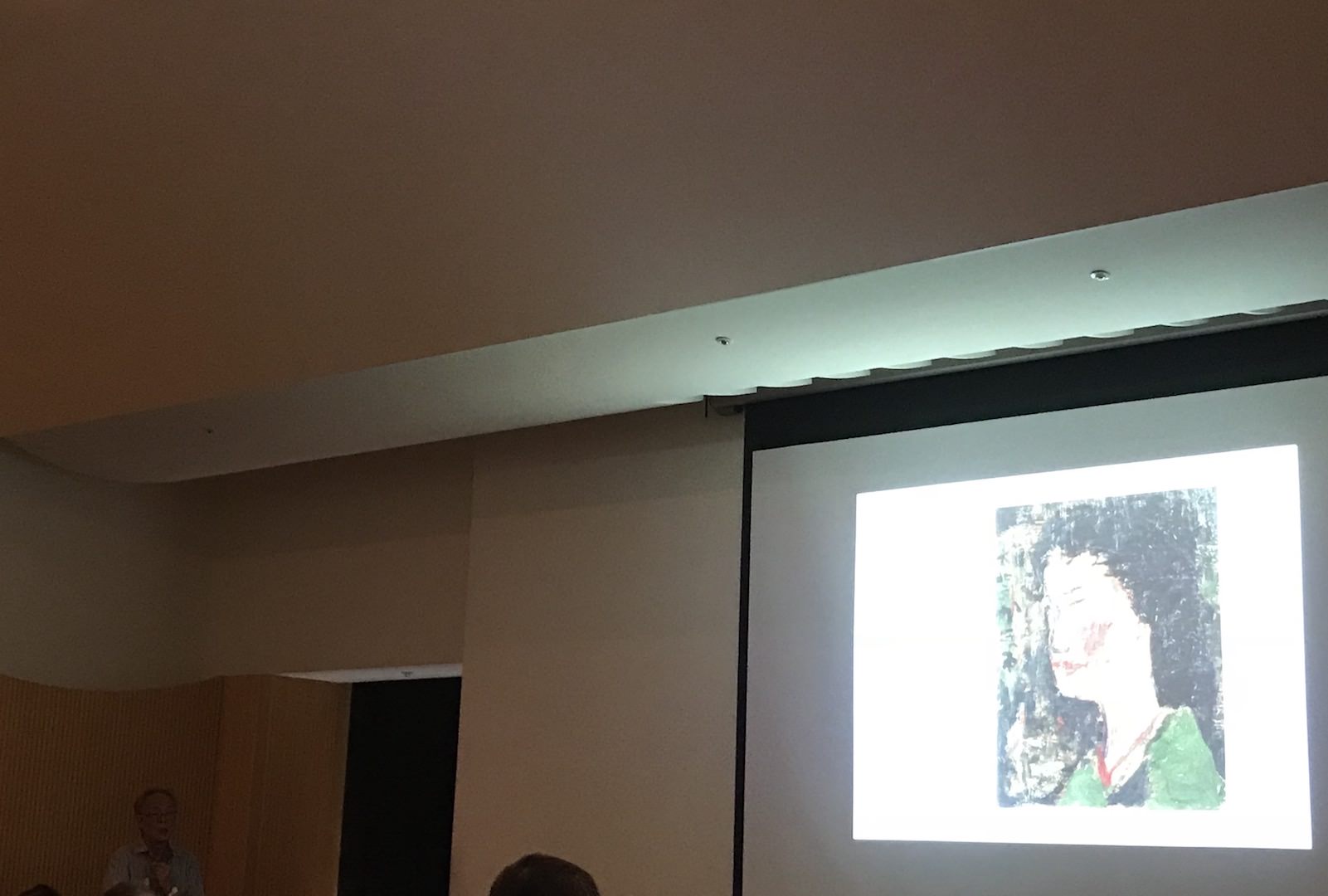
Titled “Art and Life,” the 90-minute lecture drew a full house. Many older attendees were present, and there was the occasional charming snore, but the talk closed to a warm reception.
Summary
The exhibition gathered works from private collections and museum holdings alike, including recent discoveries, staging a rich and lively display.
Rikō’s popularity is sustained by his devoted fans and — through exhibitions like this — seems to be winning ever broader support. This writer is one of them. I purchased the catalogue and left the venue.