Catastrophe and the Power of Art
On October 6, 2018, “Catastrophe and the Power of Art” will open at Mori Art Museum (Roppongi, Tokyo) as the museum’s 15th anniversary exhibition at Roppongi Hills.
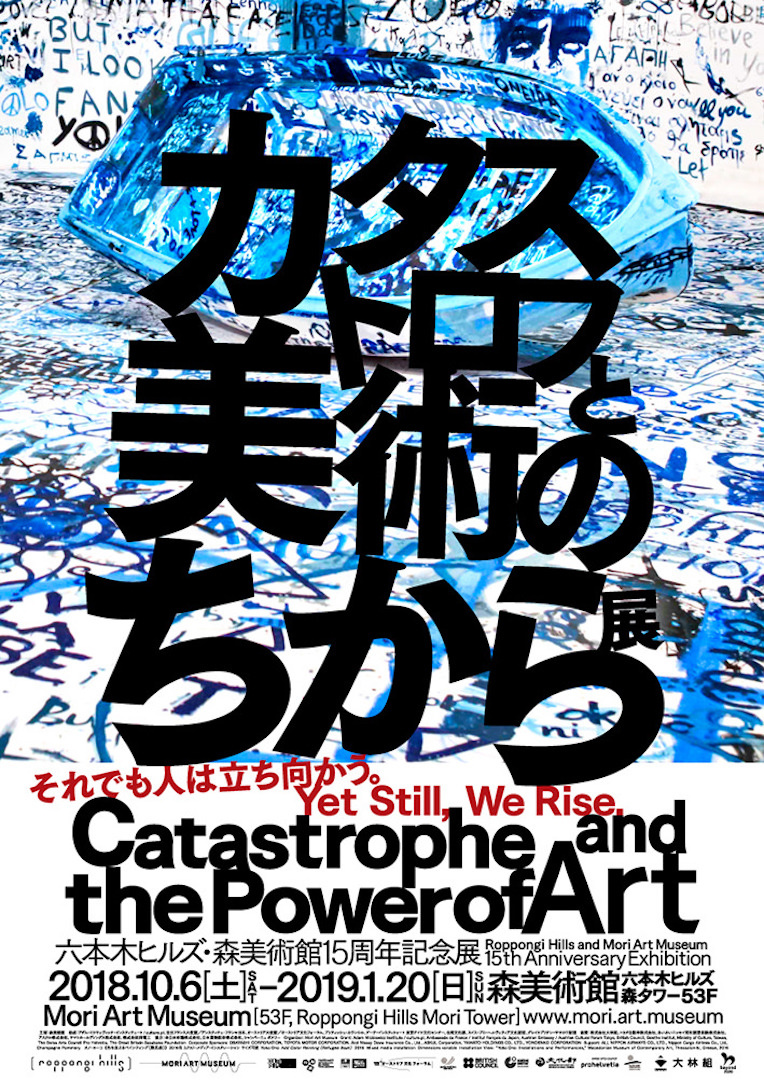
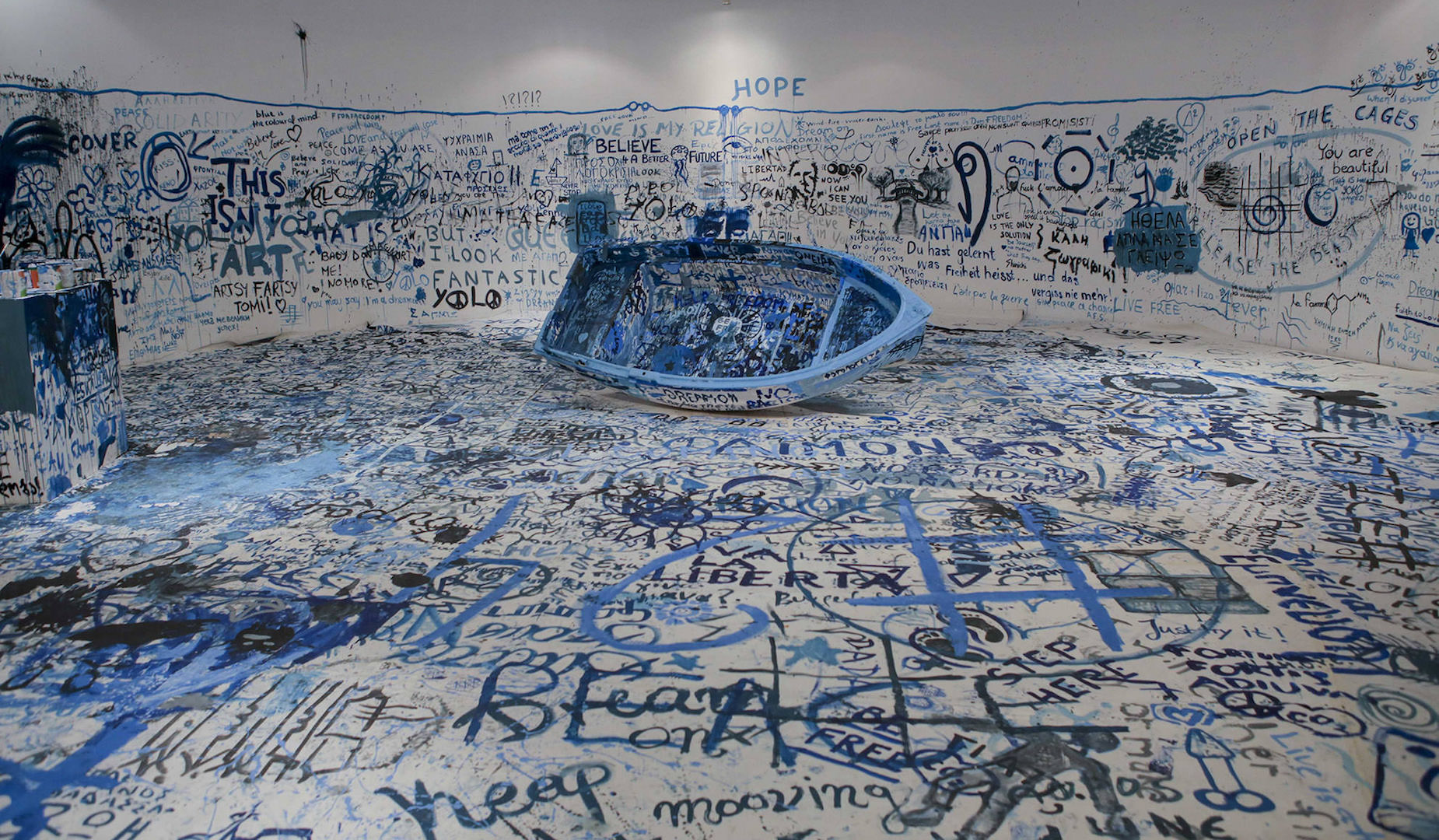
In today’s uncertain and chaotic times, this exhibition seems poised to invite us to reflect head-on on how art can locate its significance in the face of catastrophe (major social upheaval). Yoko Ono’s installation “Add Colour Painting (Refugee Boat),” featured in the main visual, is especially anticipated.
The Great East Japan Earthquake, the September 11 attacks, the Lehman Shock — catastrophes strike every corner of the world without pause. Many artists have taken such tragic disasters as their subject, creating works that bring these calamities to light and pass their memory on to future generations. These records, filtered through a personal viewpoint, differ from the objectivity-driven records of the mass media: they reveal another layer of truth otherwise obscured behind the shadow of majority opinion. Some works aim to make visible the contradictions of society or its concealed problems; others express personal loss and mourning.
Catastrophe drives us toward despair, yet the force that struggles to rise again from that despair stimulates the imagination and can, in itself, become an occasion for creation. Since the Great East Japan Earthquake, many artists both in Japan and abroad have depicted ideals and hopes with the wish for recovery and rebirth, attempting to present new visions for a better society.
In an era piled with critical issues — war and terror, refugees, environmental destruction — how does art confront the disasters that strike society and the personal tragedies that befall individuals, and what role can it play in helping us achieve rebirth? This exhibition focuses on the “power of art” as a dynamic that turns negative into positive, and questions its possibilities. — from the official Mori Art Museum “Catastrophe and the Power of Art” website
Two-Part Structure
The exhibition is broadly divided into two blocks. One centers on “recording,” and the other on “creative approaches.” There is a forward-looking sense of movement from past into future.
Section 1
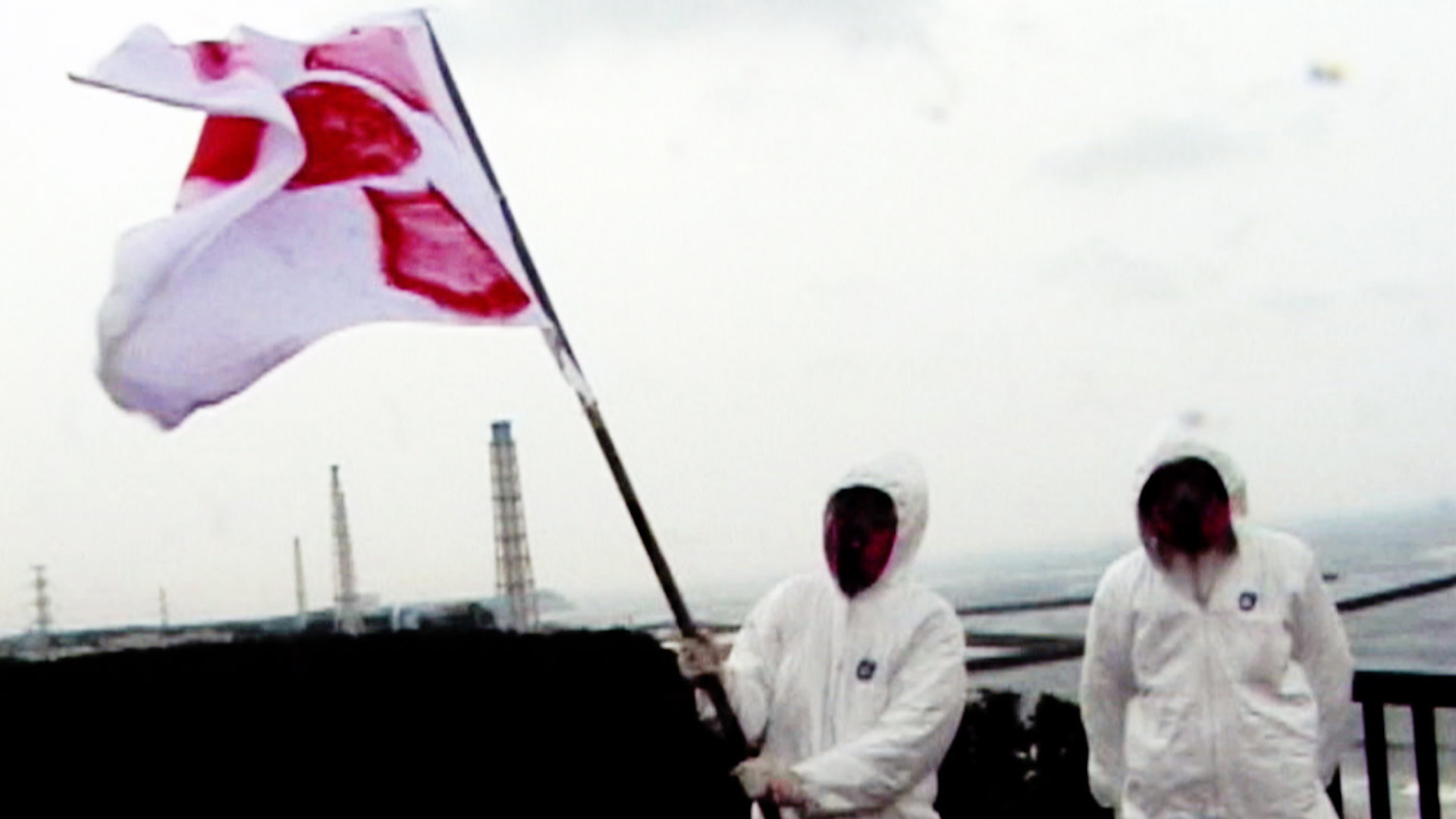
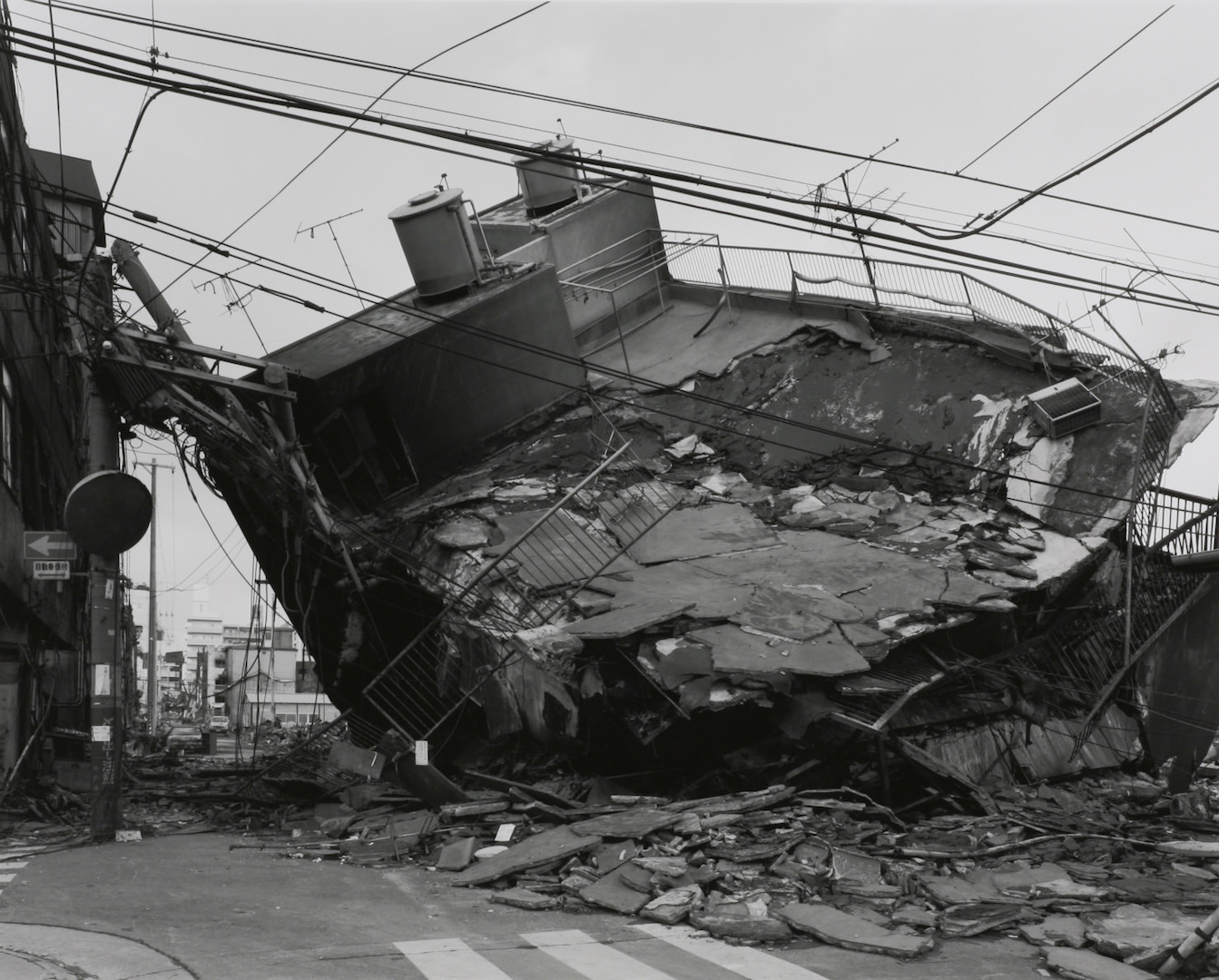
Section 1 introduces a wide range of works — from natural disasters such as earthquakes and tsunamis, to man-made disasters such as accidents and war, to expressions of personal tragedy — focusing on “how art has depicted catastrophic events.”
Even within works that deal with disaster, the approaches vary widely: realism, fiction, extreme abstraction, and much more.
Section 2
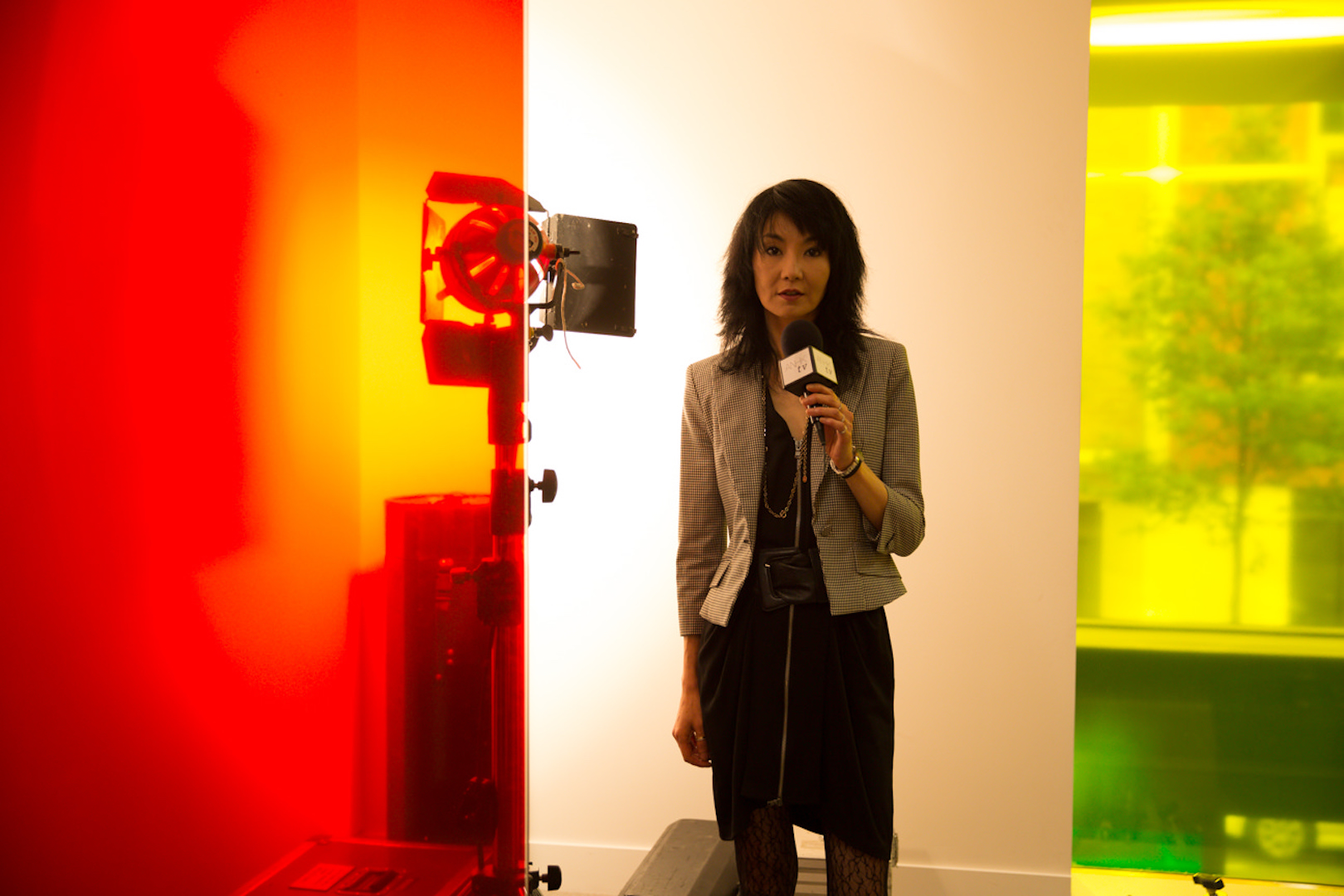
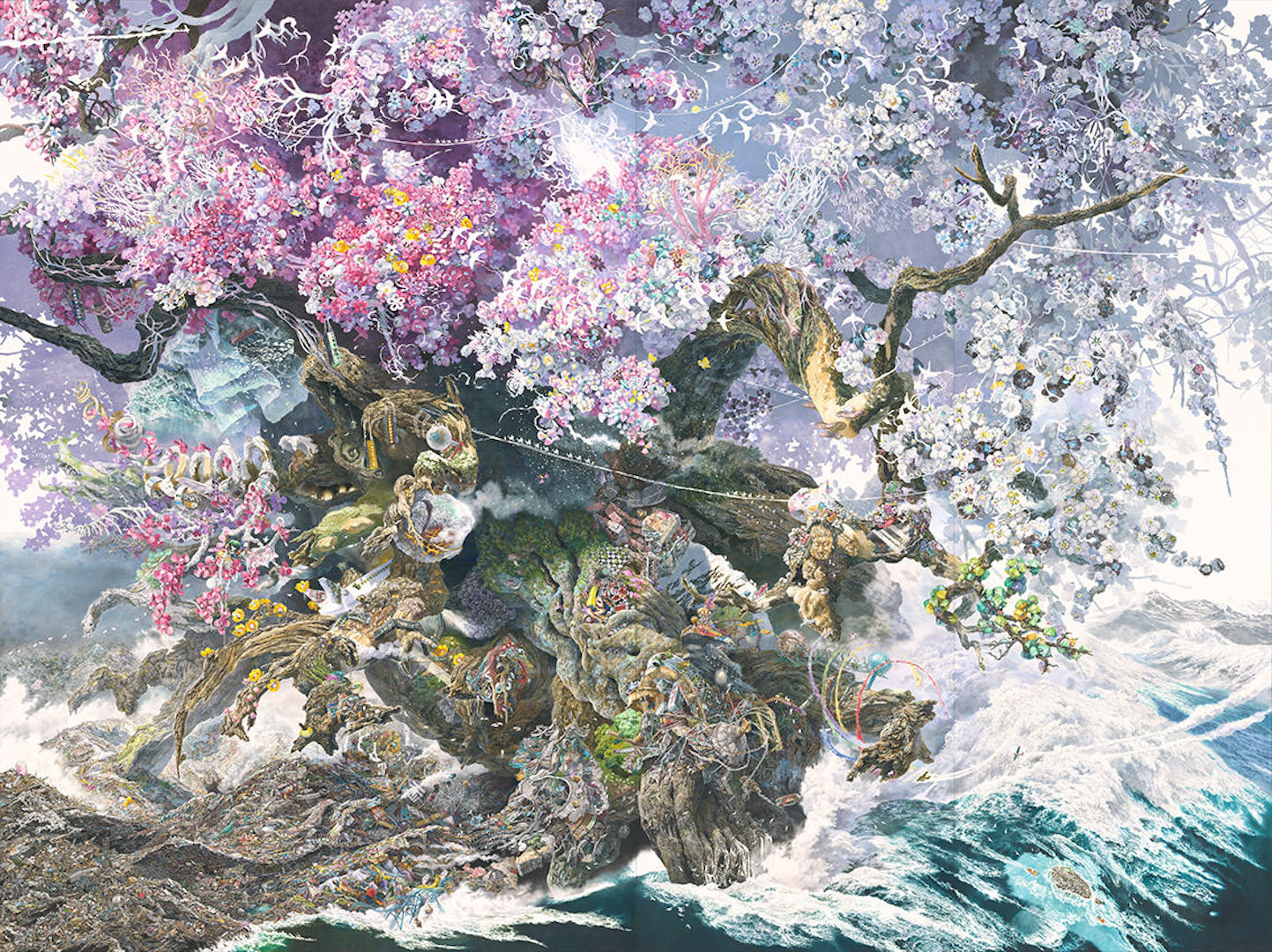
Section 2 introduces the “power of art” that gives birth to creation out of destruction.
Catastrophes and tragedies plunge us into despair, yet it is also true that the very sight of devastation can become the impetus for an artist’s practice.
Works produced through the rich imagination of artists — evoking rebirth, recovery, and a better society — give us the imaginative capacity to think about an ideal future.
Rather than using the katakana loanword “art,” the phrase “power of art” (bijutsu no chikara) is used — and the choice carries a nuance of serious, direct engagement. Might reaffirming our sense of contemporary society through many works lead to some kind of realization, some kind of action? The content of the exhibition is deeply intriguing. We look forward with anticipation to the opening in October 2018.
Overview
Exhibition name: Catastrophe and the Power of Art
Venue: Mori Art Museum (53F, Roppongi Hills Mori Tower, 6-10-1 Roppongi, Minato-ku, Tokyo)
Curator: Kenichi Kondo (Curator, Mori Art Museum)
Period: October 6, 2018 (Sat) – January 20, 2019 (Sun)
Opening hours: 10:00–22:00 | Tue 10:00–17:00
*Last admission 30 minutes before closing *Open every day during the exhibition period
Admission: Adults 1,800 yen, Students (high school / university) 1,200 yen, Children (age 4 – junior high) 600 yen, Seniors (65+) 1,500 yen
Participating Artists / Projects
Shiva Ahmadi
Miroslaw Balka
Shigeru Ban
Chim↑Pom
Thomas Demand
Christoph Draeger
Hikaru Fujii
Naoya Hatakeyama
Mona Hatoum
Kota Hirakawa
Thomas Hirschhorn
Sadaharu Horio
Khaled Hourani
Huang Hai-Hsin
HYOGO AID ’95 by ART
Manabu Ikeda
Isaac Julien
Hiwa K
Tsubasa Kato
Oliver Laric
Eva & Franco Mattes
Tatsuo Miyajima
Ryuji Miyamoto
Yoko Ono
Georges Rousse
Kateřina Šedá
Wolfgang Staehle
Helmut Stallaerts
Swoon
Shimpei Takeda
Koki Tanaka
Gillian Wearing
Tomoko Yoneda
and others
*Images courtesy of Mori Art Museum