Michelangelo and the Ideal Body
I visited the exhibition “Michelangelo and the Ideal Body,” currently on view at The National Museum of Western Art.
Michelangelo Buonarroti (1475–1564) made his name across every discipline — sculpture, painting, and architecture — and was called “the divine one.” Centered on two masterpieces of Michelangelo’s sculpture, “David-Apollo” and “Young Saint John the Baptist,” this exhibition presents around 70 works from ancient Greece and Rome alongside those of the Renaissance, exploring how artists of both ages expressed the ideal beauty of the human body.
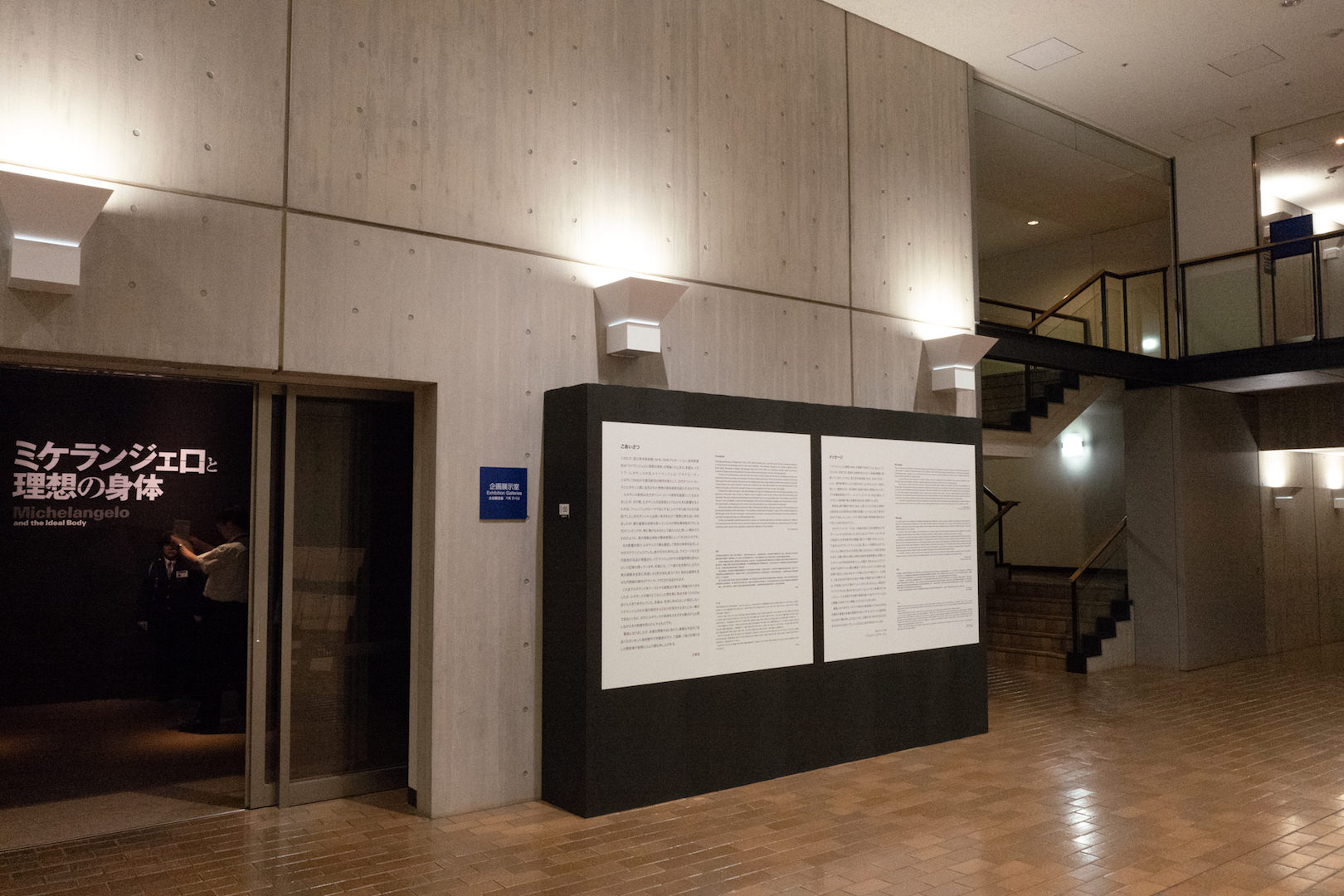
One of the exhibition’s central draws is that “you can see two of Michelangelo’s masterpieces — with only around 40 of his marble sculptures surviving in the world — right here in Japan.” The two masterpieces are the early masterpiece “Young Saint John the Baptist” and the mature-period masterpiece “David-Apollo”. Both are making their first-ever visit to Japan, which makes this a truly major event!
The content, above all, is full of nude figures, each work asserting its own physical beauty. The smooth, sculpted musculature is stunning — like paging through a “Tarzan” magazine special on “the ideal body.” How on earth did people train back then, I wonder.
The final section featured “Laocoön”, where photography was allowed, and young women were enthusiastically snapping shots with no self-consciousness at all. And indeed — there’s nothing erotic about it whatsoever.
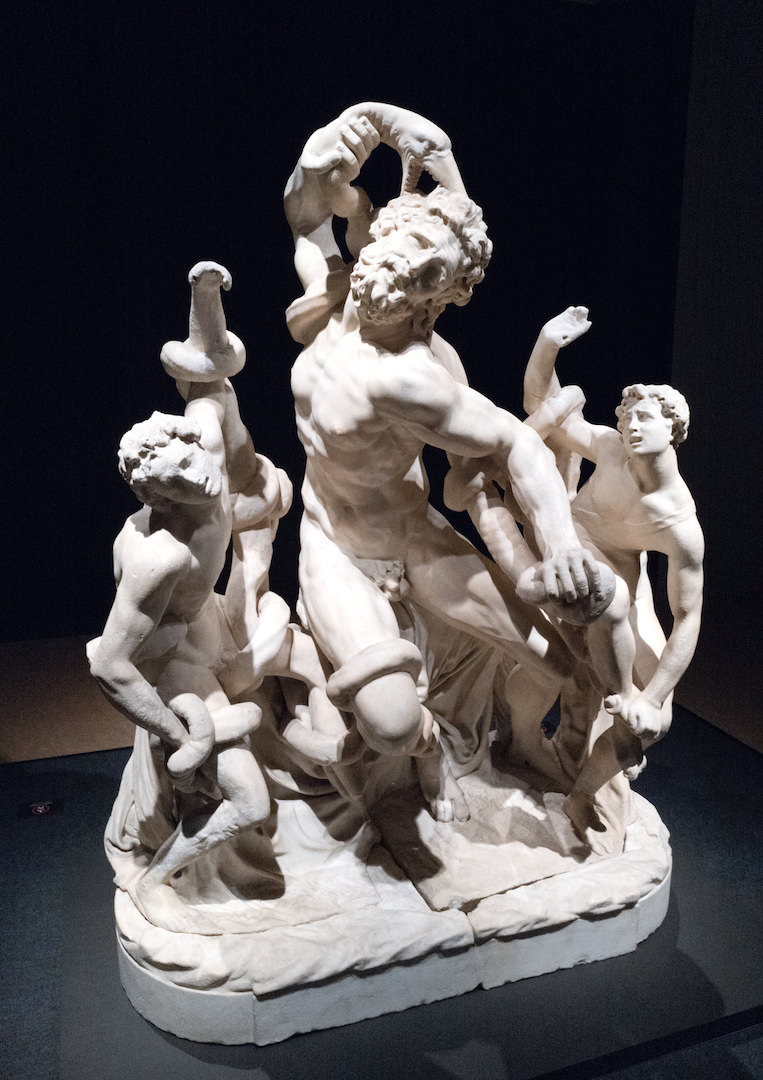
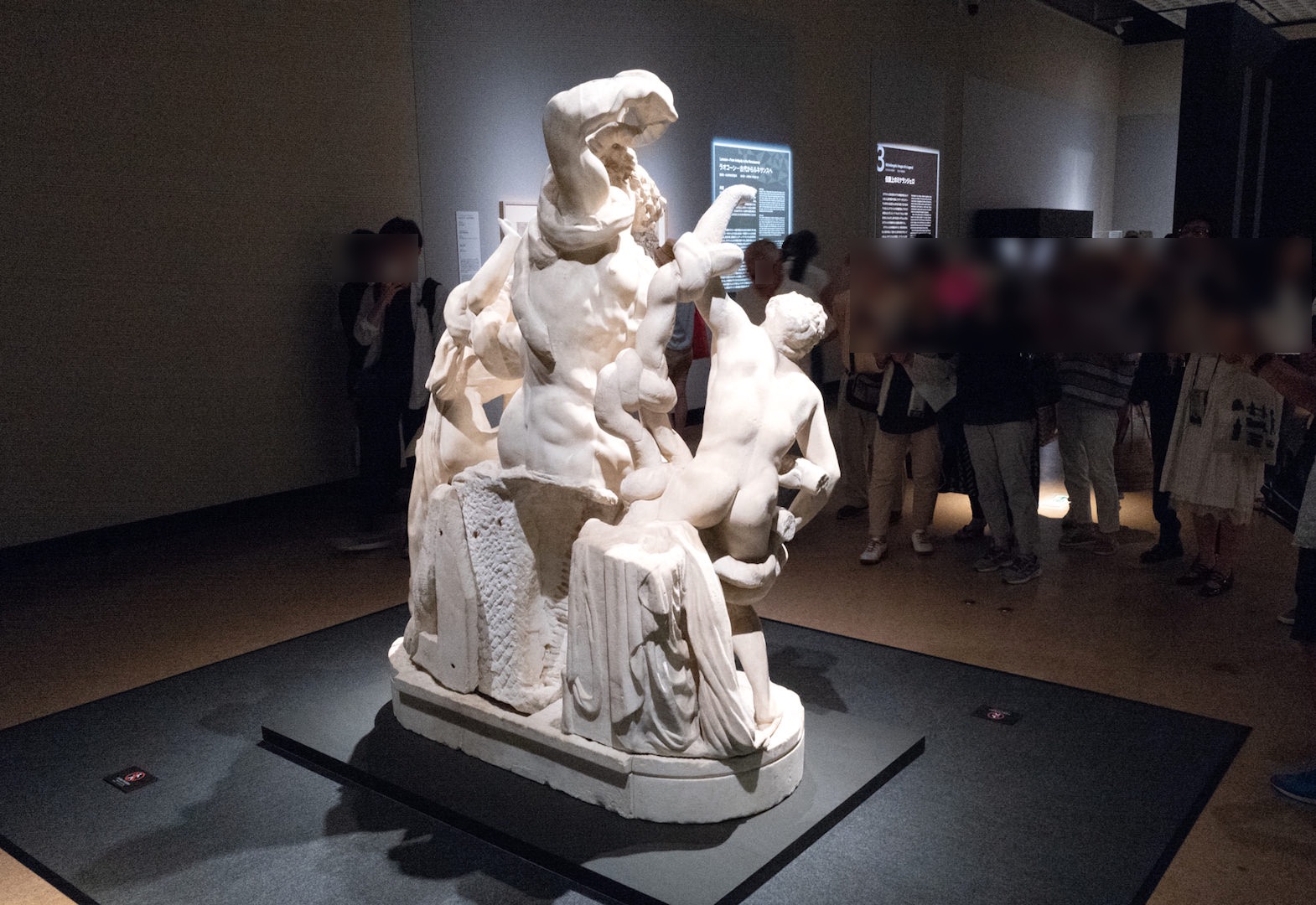
The technical skill of carving hard marble into a smooth, spherical finish is truly extraordinary. So beautiful, in fact, that it feels almost lifeless — the workmanship is so exquisite that I couldn’t quite feel a sense of reality standing in front of it.
The National Museum of Western Art has a wonderful permanent collection as well, so I highly recommend viewing both together.