The National Museum of Western Art’s Permanent Collection
The Ueno area is bustling around the 50th-anniversary “Foujita” retrospective being held at the Tokyo Metropolitan Art Museum.
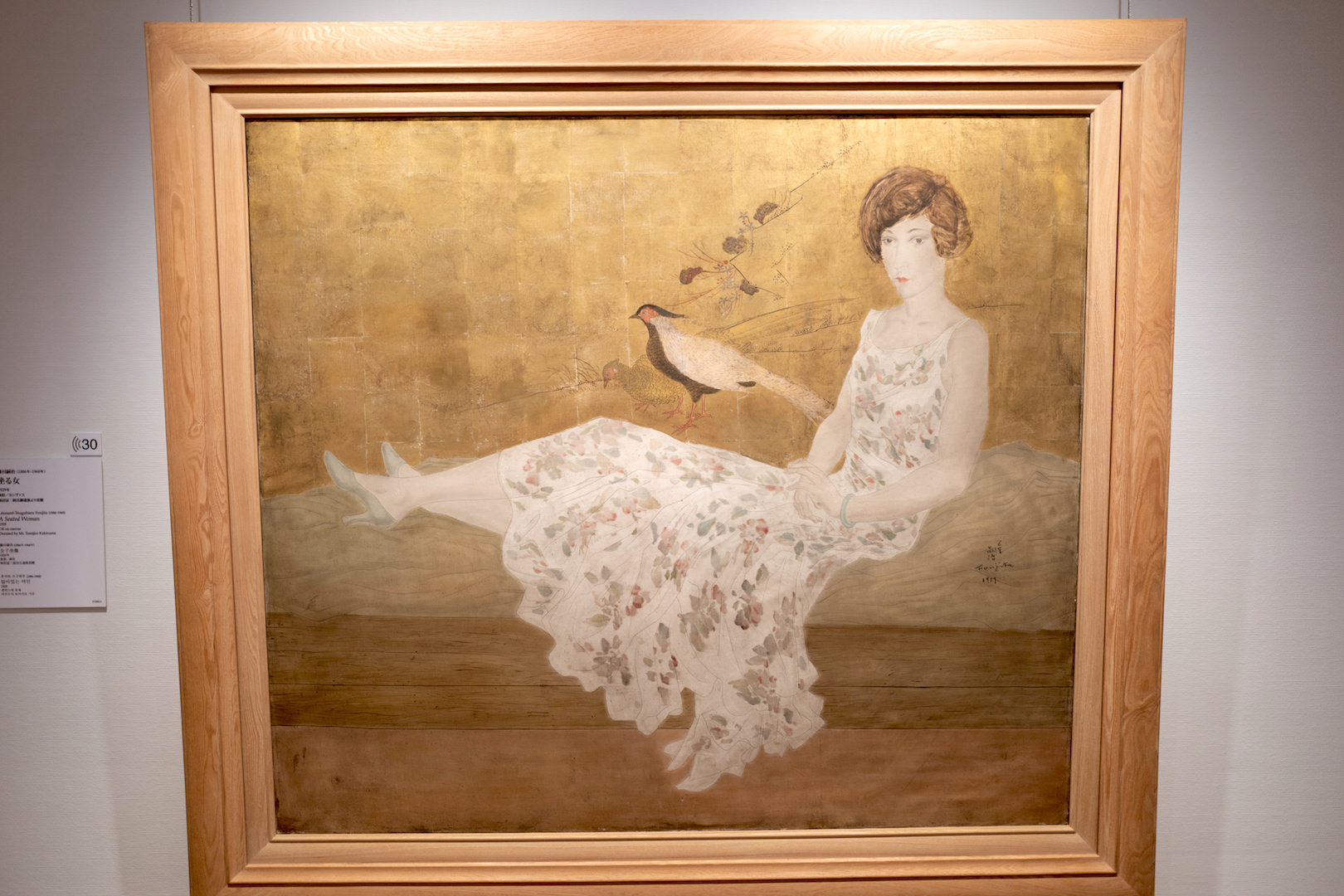
Just a short walk from the Tokyo Metropolitan Art Museum, the permanent collection at The National Museum of Western Art also has works by Tsuguharu Foujita on view — something you definitely don’t want to miss.
It’s such a marvelous work you almost wish it were at the Tokyo Metropolitan Art Museum (apparently not a single work has been loaned from The National Museum of Western Art).
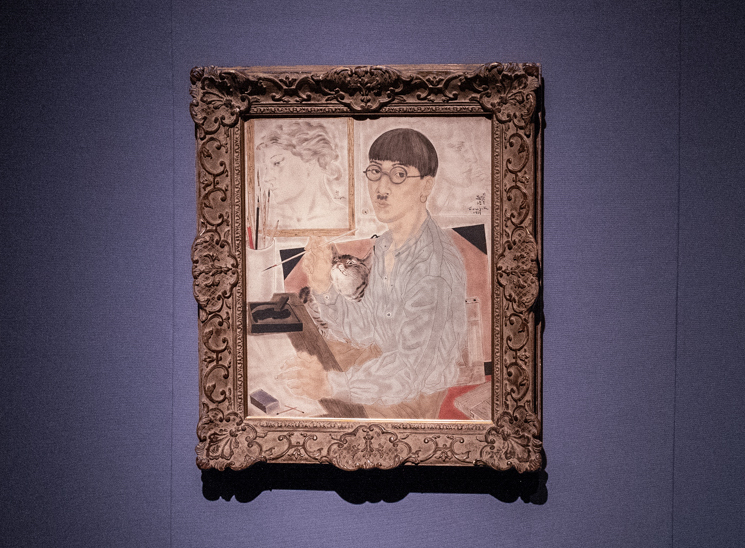
Since it’s from 1929, it was painted around the same time as this well-known self-portrait.
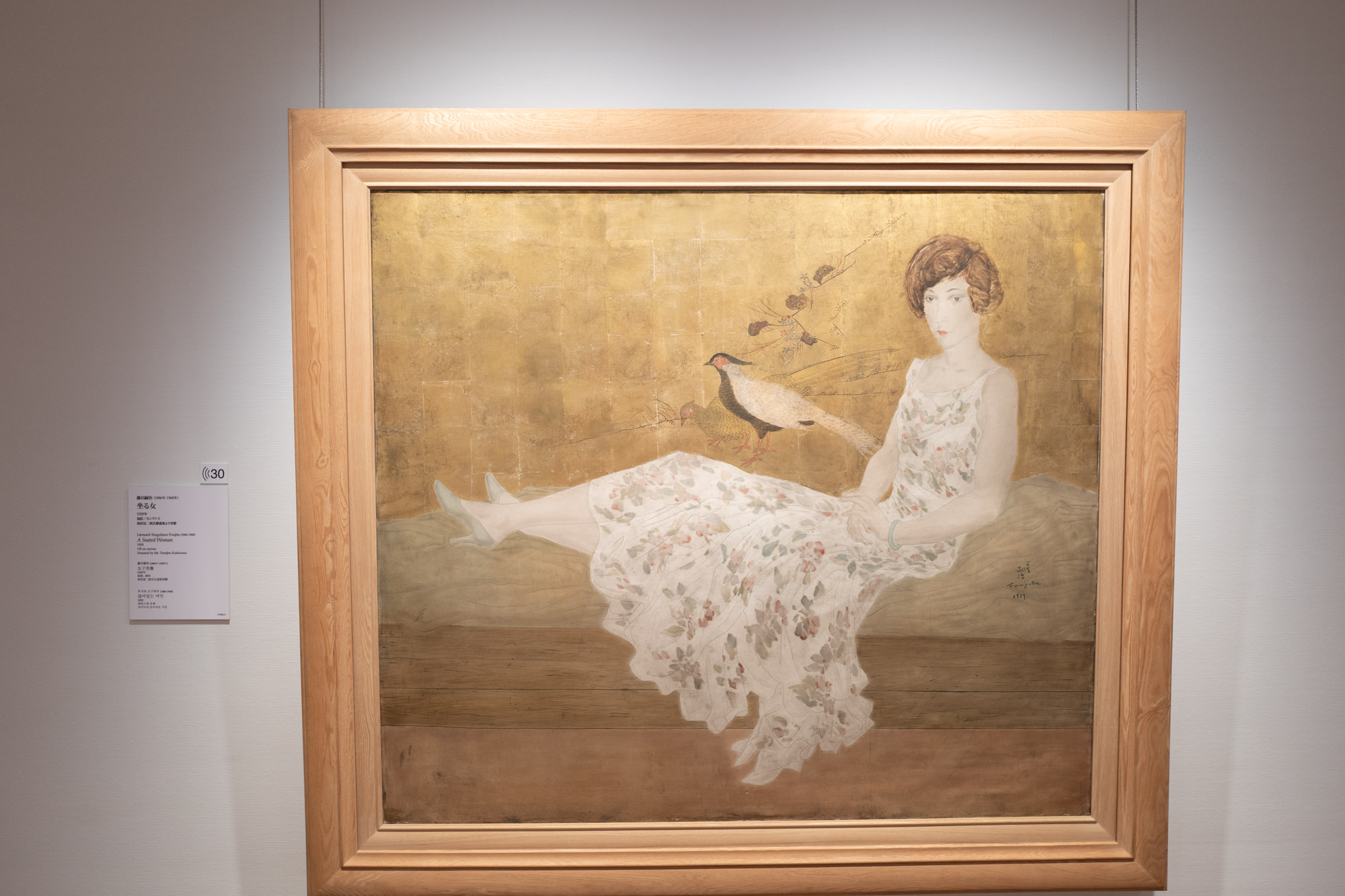
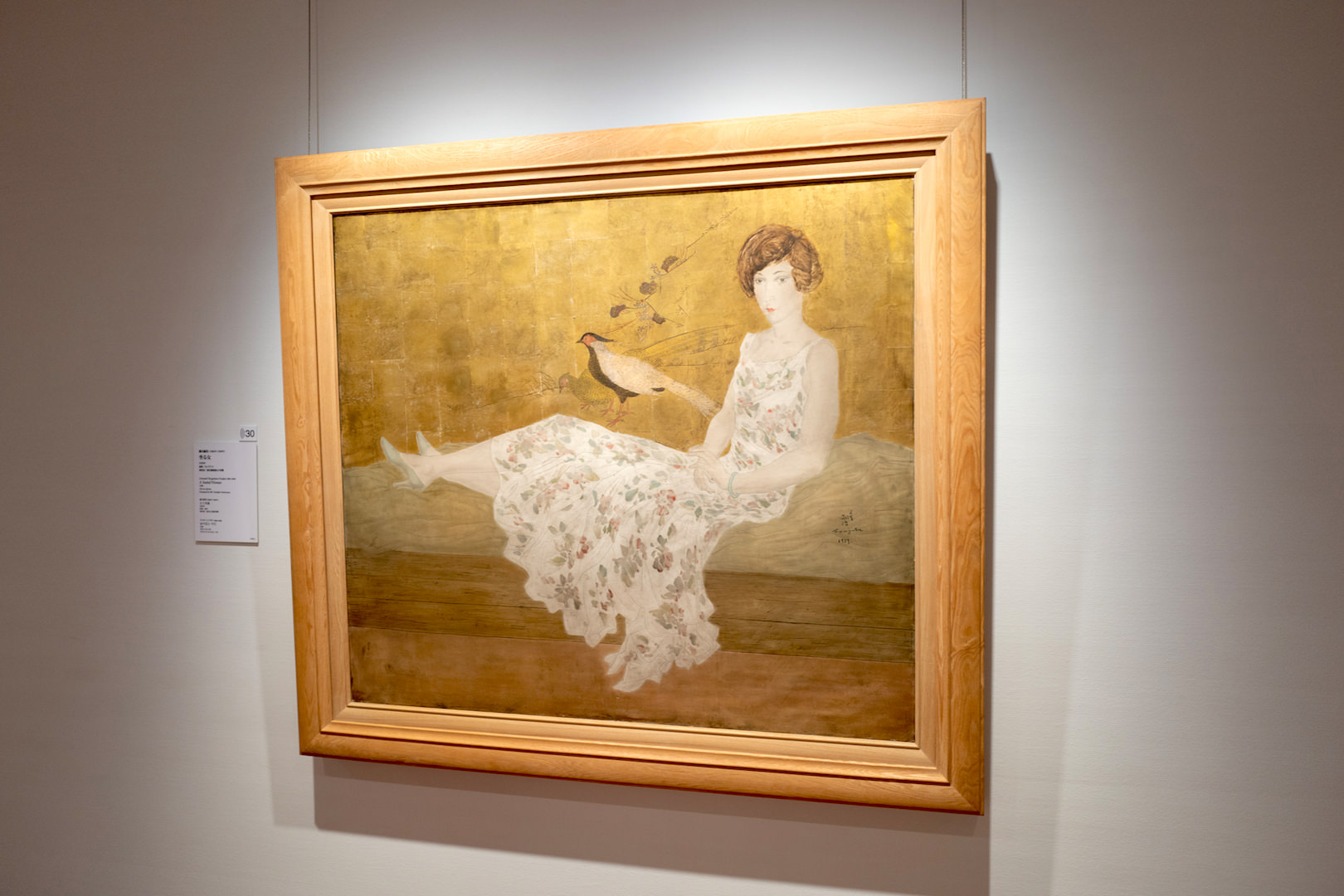
Tsuguharu Foujita, “Seated Woman”
Even from a distance, the balance of gold and milky white in this work is stunning.
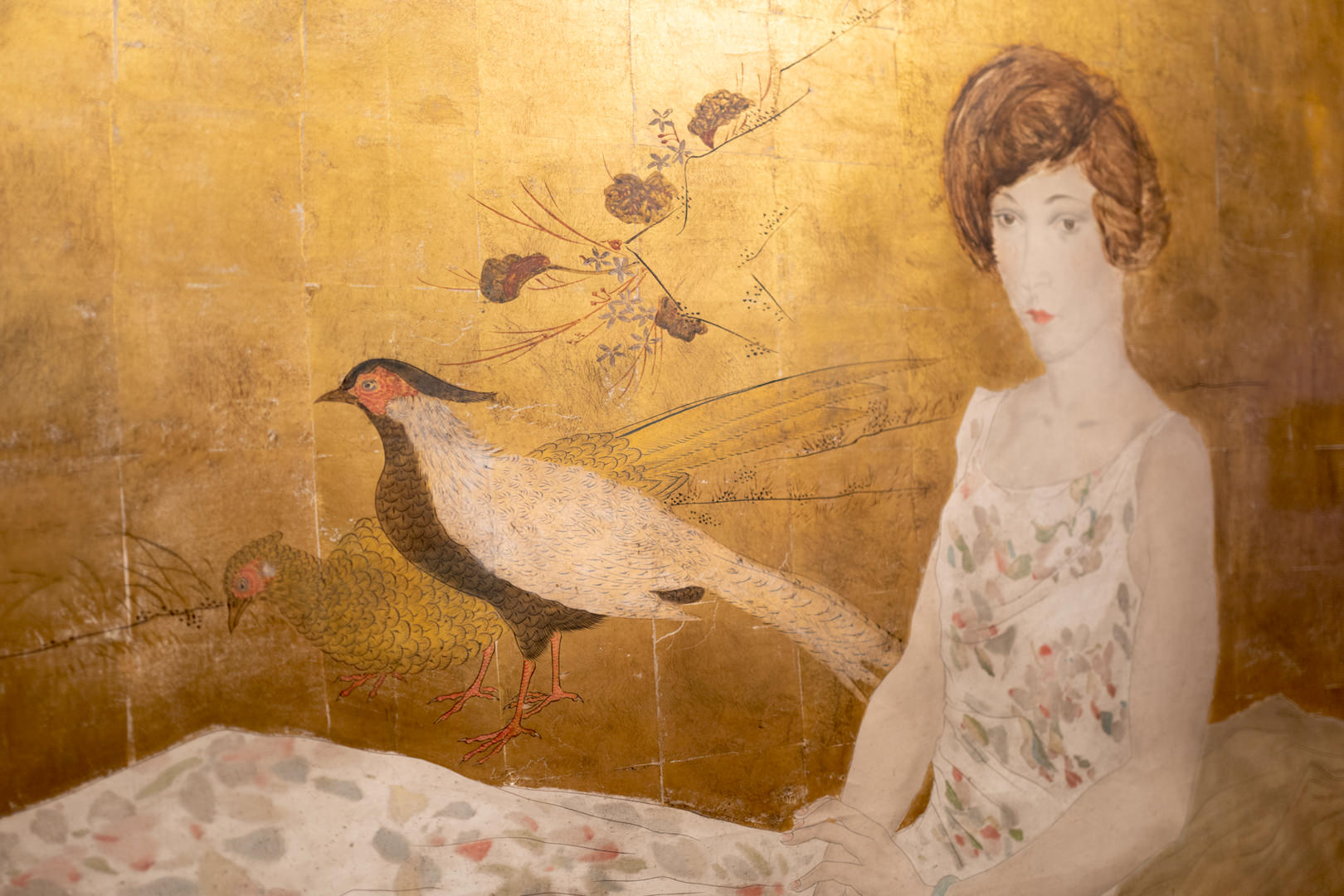
The flower-and-bird scene is beautifully rendered too — his skill is on full display.
The sleeveless, stylish dress and the translucent, milky-white skin present her as a woman of dignified grace.
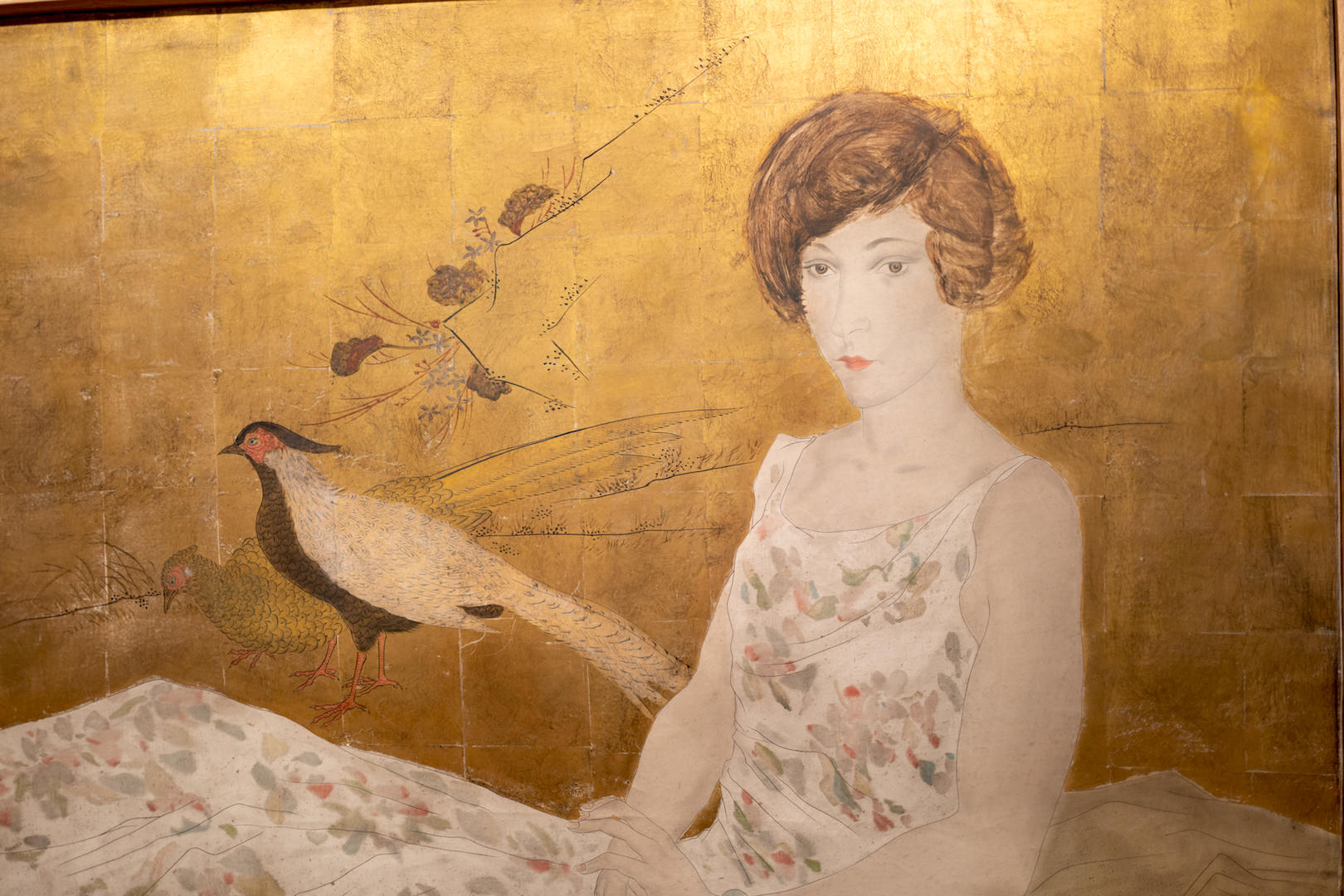
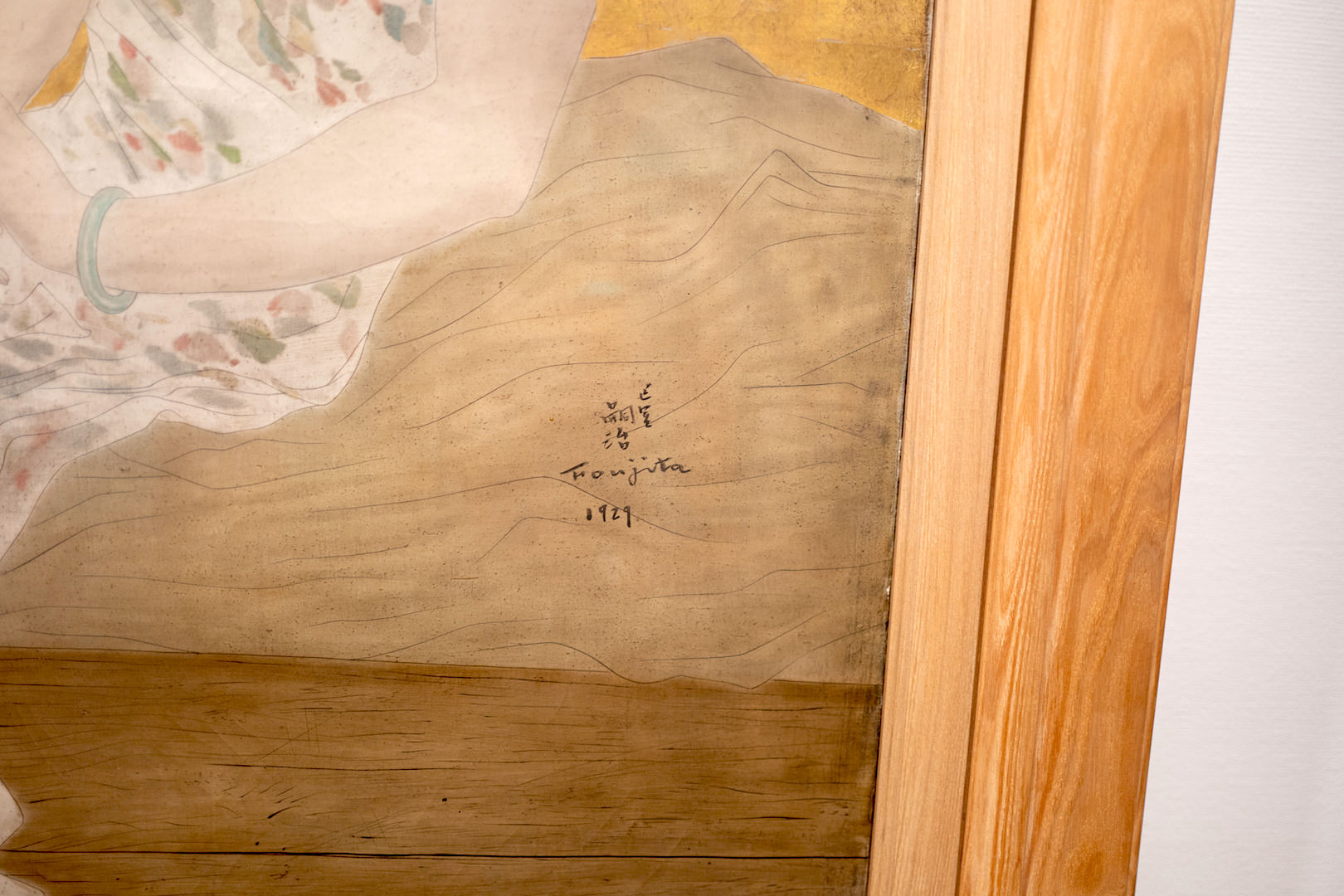
Foujita’s signature also stands out.
Curatorial commentary by The National Museum of Western Art
Tsuguharu Foujita, commonly known as Foujita, completed his studies at Tokyo School of Fine Arts and left for France in 1913. He soon distinguished himself as one of the young painters who would later come to be known as the École de Paris, and by the late 1920s he was internationally recognized as a darling of the art world. This work, signed and dated 1929, was long known only through its preparatory drawing. Alongside motifs such as milky-white nudes, cats, self-portraits, and images of young girls, portraits of women were among Foujita’s most favored subjects. The name of the elegant model — wearing a sleeveless dress and high heels — is not known, but she is presumed to have been a woman from the Parisian social circles in which Foujita moved at the time. In the Paris of “les Années folles” (“the Roaring Twenties”) after the First World War, filled with a glittering atmosphere, Foujita, along with Kees van Dongen and others, was among the most popular portraitists. The composition, designed for the utmost simplicity of effect, is characterized by a porcelain-like softness of surface and the expressive power of virtuoso line work. In the background, a flower-and-bird scene on a gold ground — evoking the gilded folding-screen paintings of the Rinpa and Kano schools — provides a decorative accent. (Source: Heisei 4 Newly Acquired Works [handout]. The National Museum of Western Art, 1993.7.13.)
It was a truly wonderful work.
Details
The National Museum of Western Art — Permanent Collection
Permanent collection: 9:30–17:30
Fridays and Saturdays: 9:30–20:00 (however, Saturday, November 17 is 9:30–17:30)
Closed: every Monday
Permanent collection admission: General 500 yen / University students 250 yen / High school students and under, those aged 18 and younger, those aged 65 and over, persons with disabilities and one accompanying attendant: free
The National Museum of Western Art was founded in 1959 around the Matsukata Collection as its core, and is a museum specializing in Western art. Western paintings from the end of the Middle Ages through the early 20th century, along with modern French sculpture centered on Rodin, are displayed year-round across the main building, the new wing, and the front garden.