“Kansei wa Kandō Shinai” (Sensibility Is Not Moved)
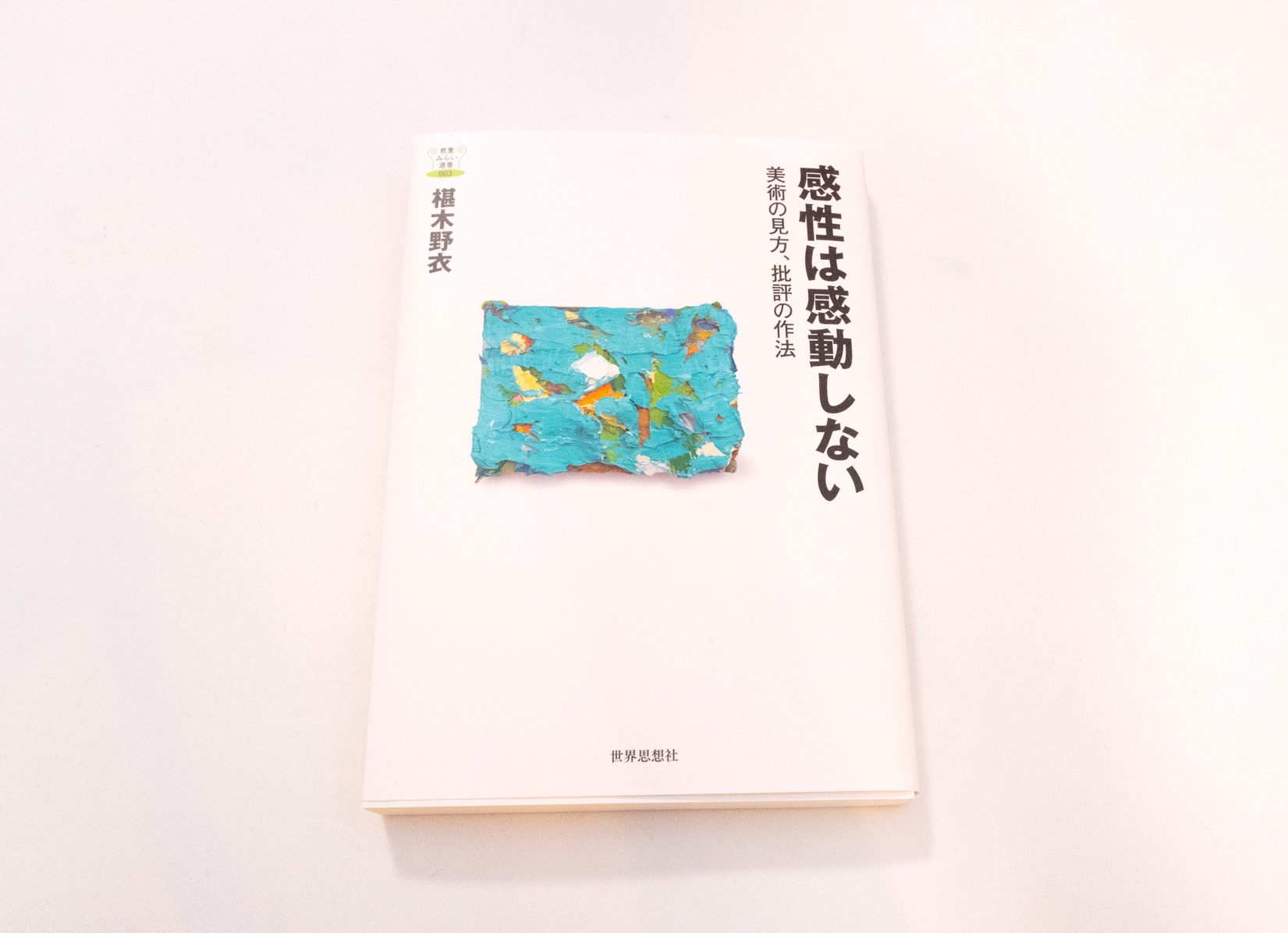
It gathers essays including “Kansei wa Kandō Shinai” (Sekaishiso No. 39, 2012), which has even appeared on university entrance exams. Unusually for the author, gentle, plain writing runs throughout.
It is broadly in three parts: Part 1 on “how to look at artworks,” Part 2 on “the craft of criticism,” and Part 3 on “the author’s own life.”
Ⅰ
How to Look at and Savor Paintings
What struck me most was Chapter 1, on how to look at art. Seeing (feeling) a work as a “mass” is something I’m mindful of day to day, so I related to it strongly. There is much to relate to in his descriptions of how to view works in a museum, and his image as a difficult, hair-splitting critic collapses — in the best sense — which is a delight. Since he writes, “If something catches your eye, don’t fuss over the small details; swallow it whole, stray thoughts and all,” it’s fine to face a work without stiffening up.
Precisely because he uses plain words, it would be a waste to breeze through without thinking deeply about their meaning. The content is richly suggestive, so if you read it savoring each part, every reader will find passages that leave a strong, personal impression.
Ⅱ
How to Read Books, How to Write Criticism
He asserts that “reading is necessary” when you set out to think through the strong impression a work of art has made on you.
From one’s attitude toward reading and how to choose books to how to write criticism, it is all set down in an essayistic style. He introduces recommended books while also touching on things like how we use our smartphones — which makes for interesting reading.
Ⅲ
The Memories and Daily Life at the Root of Criticism
The final chapter gathers episodes ranging from Noi Sawaragi’s childhood memories and stories about his own children to how he chooses a seat on an airplane. The role of this chapter is, perhaps, to show that when we face art, our “sense of self / identity” comes into play as a major factor.
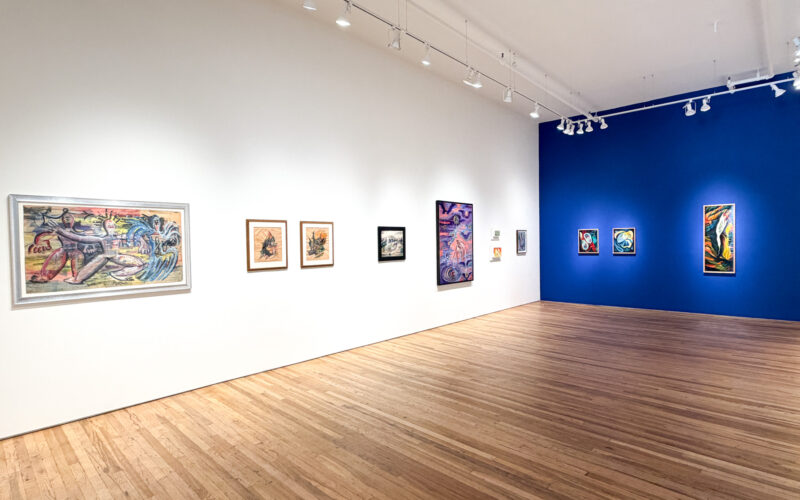
Incidentally, the artwork used on the cover is byDaisuke Takahashi — his piece “Untitled .”
The text makes no mention of this work, yet it is exactly the kind of “mass” Sawaragi describes, and it feels almost like a question posed to us readers: “How will you look at this work?”
![【読書評】芸術家の鼓動が聞こえる・・・小林正人「この星の絵の具[上]一橋大学の木の下で」](https://art-on.jp/wp-content/uploads/2018/12/MasatoKobayashi_Book1.jpg)