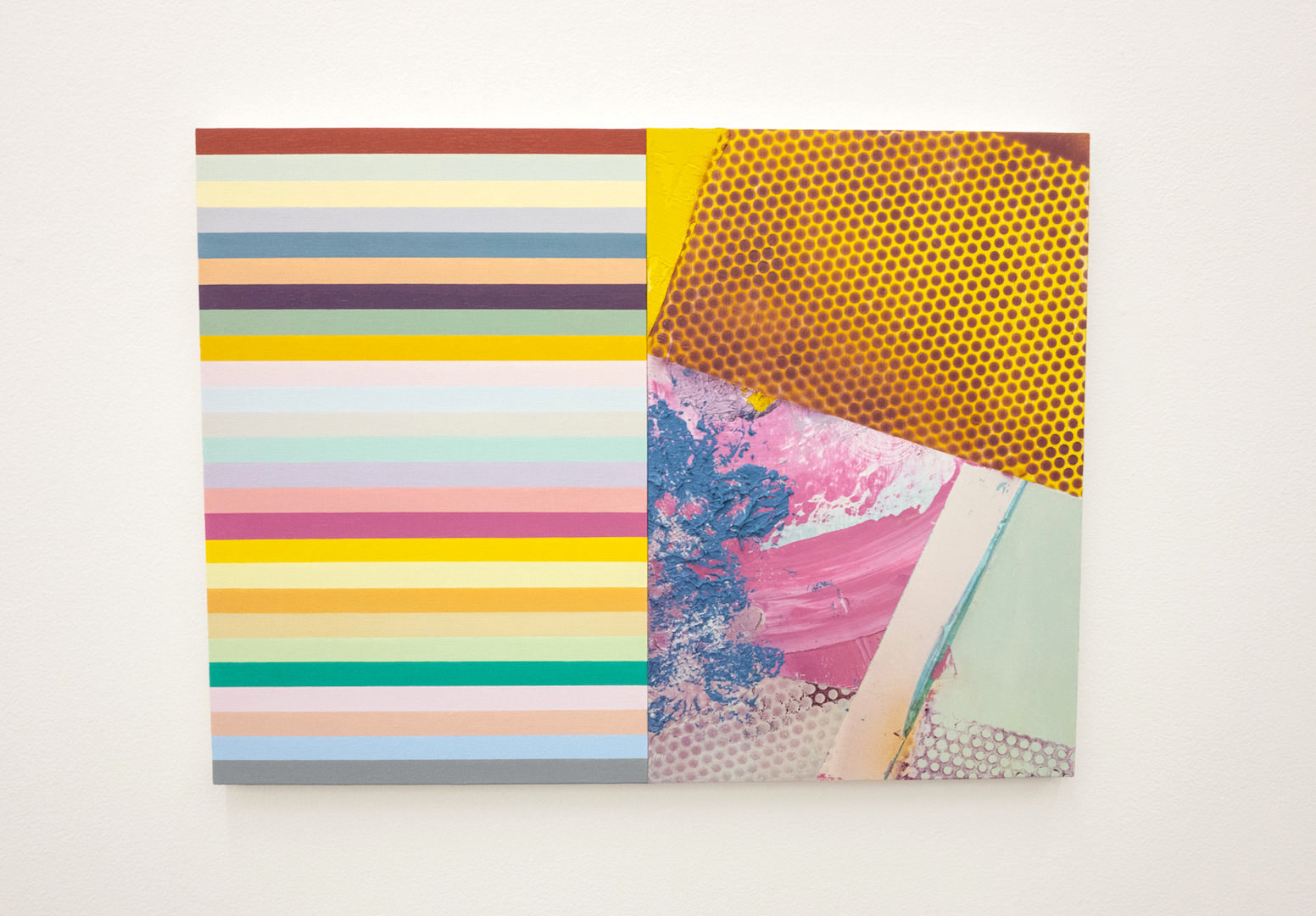
Futo Akiyoshi “We meet only to part”
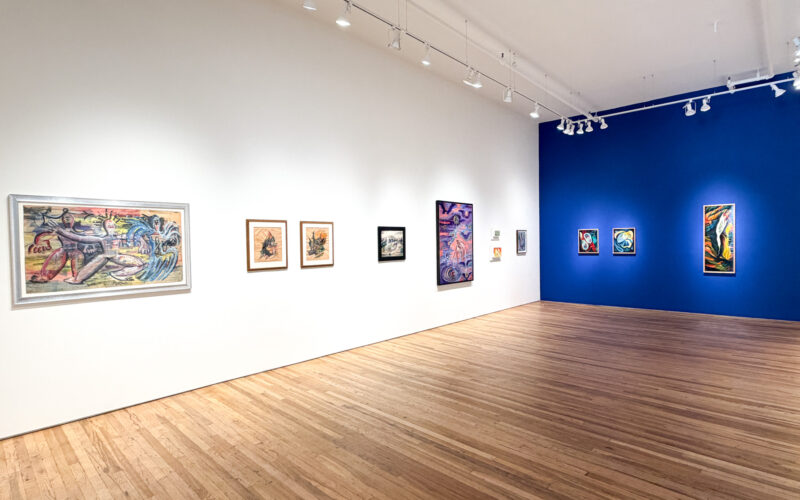
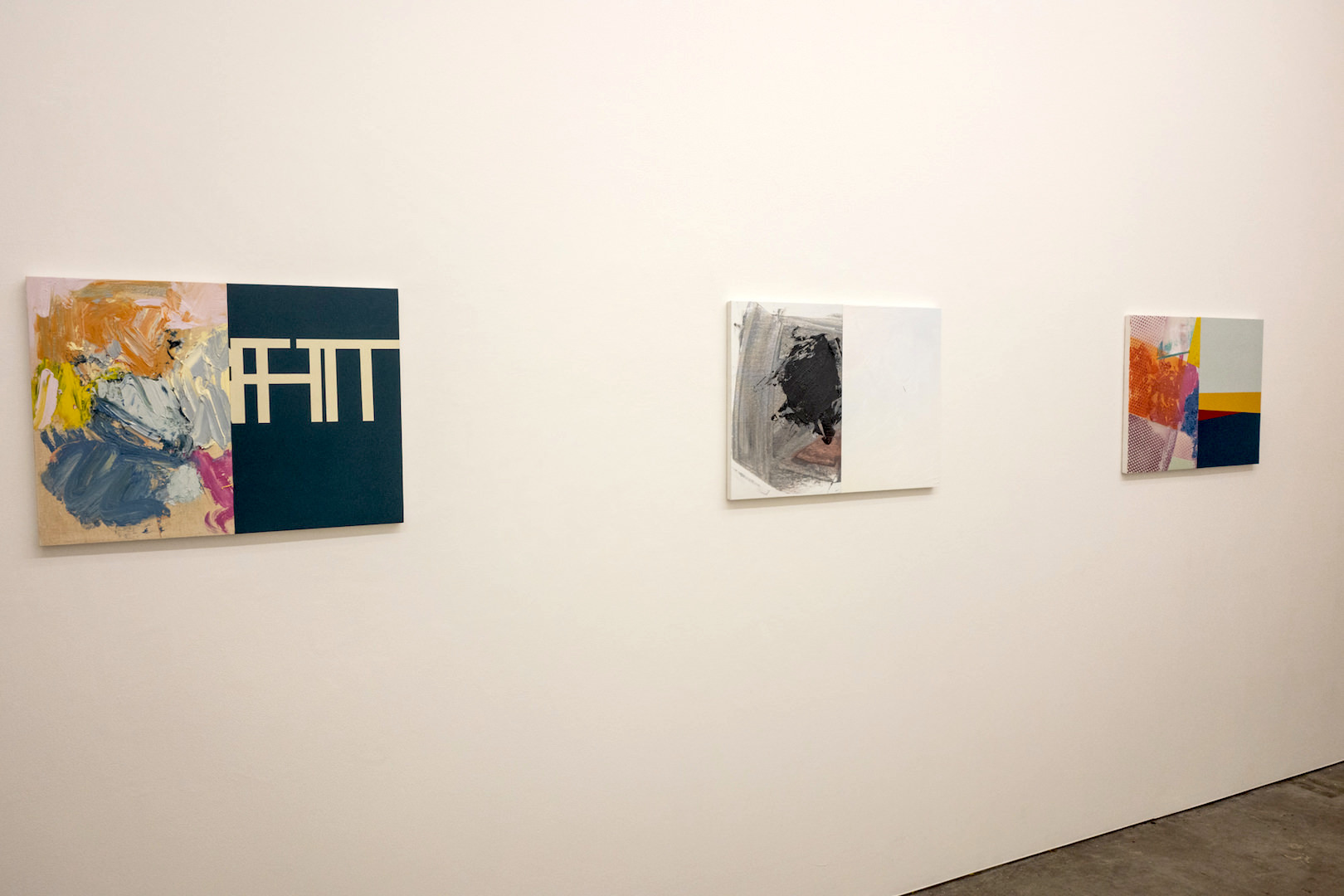
I visited Futo Akiyoshi’s solo exhibition “We meet only to part” at TARO NASU.
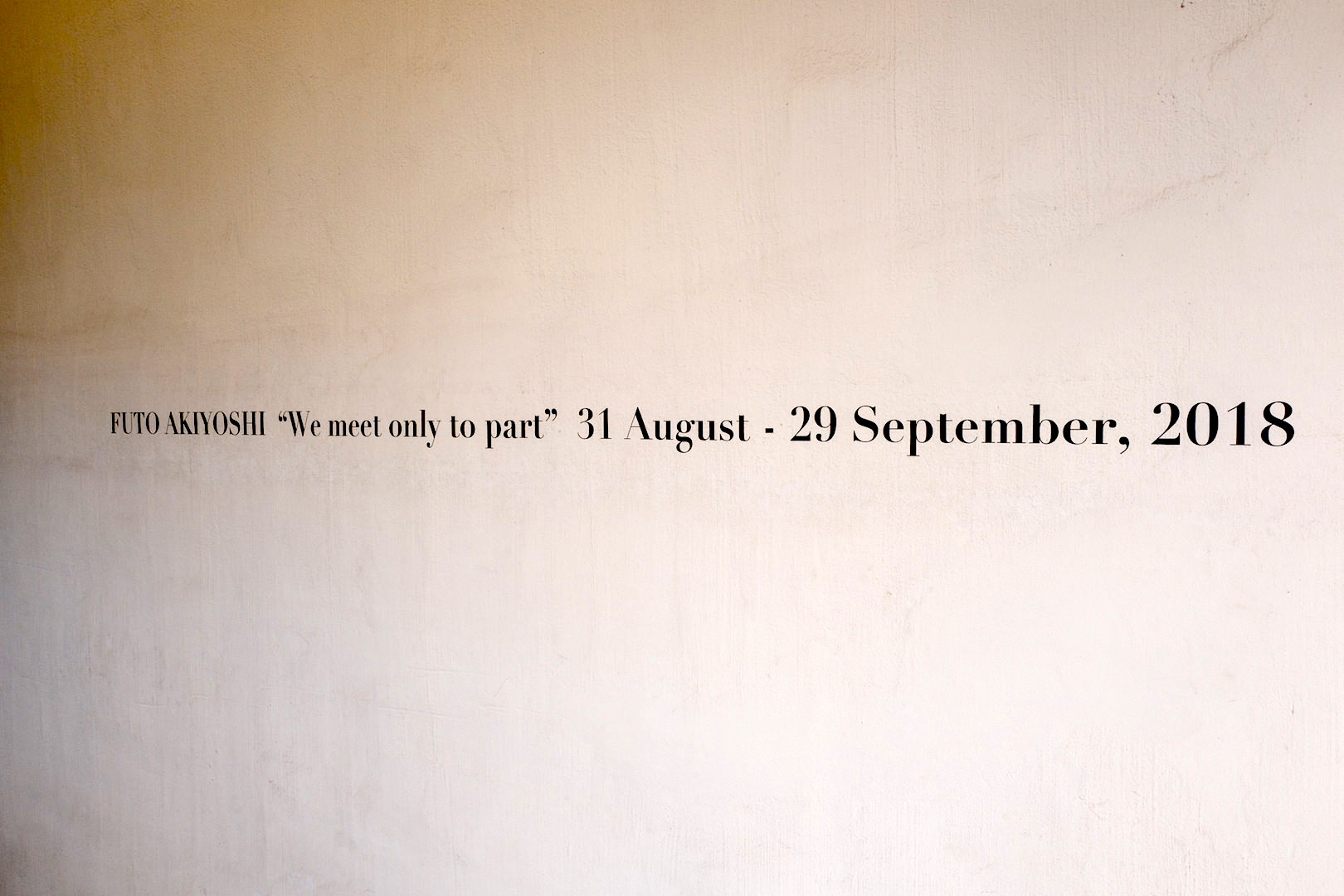
“We meet only to part”
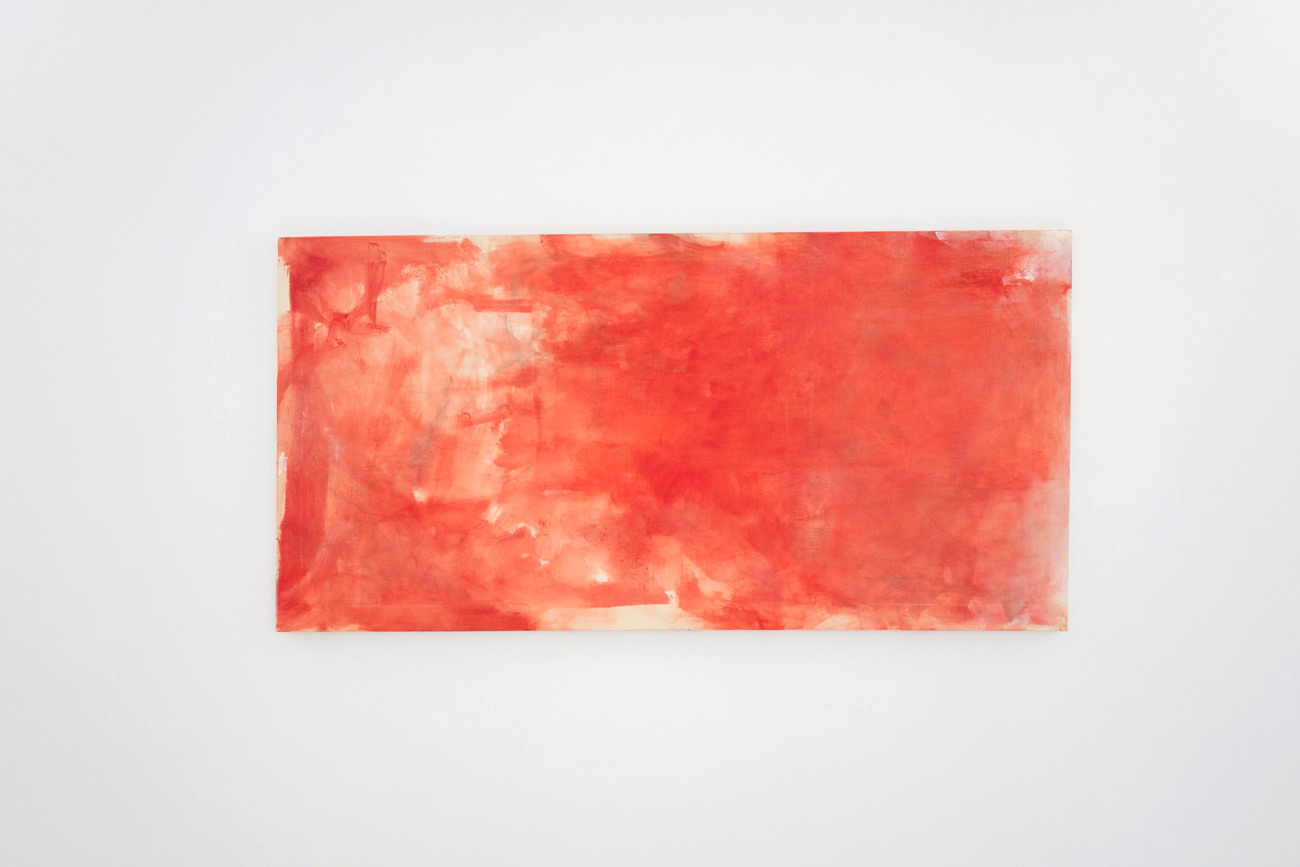
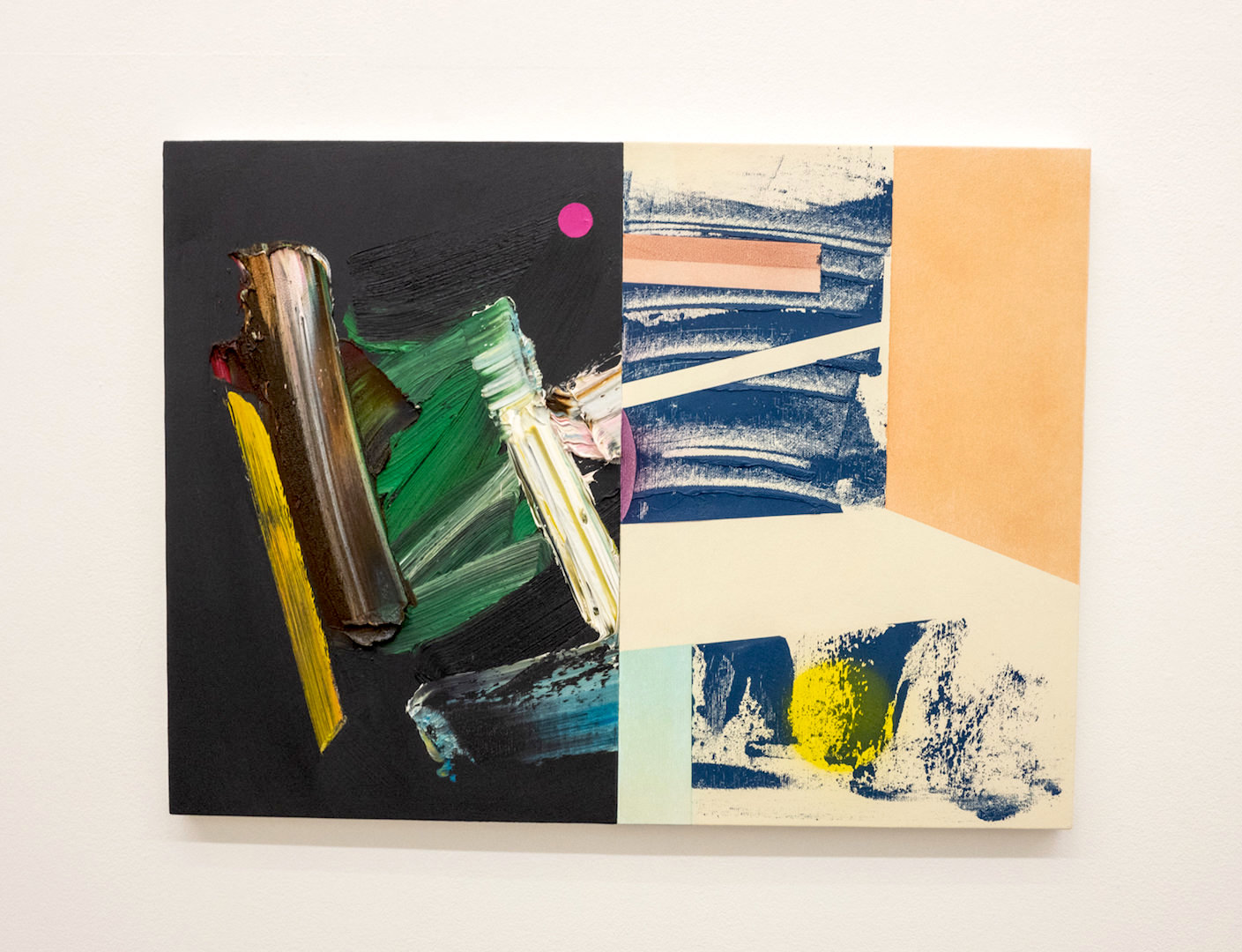
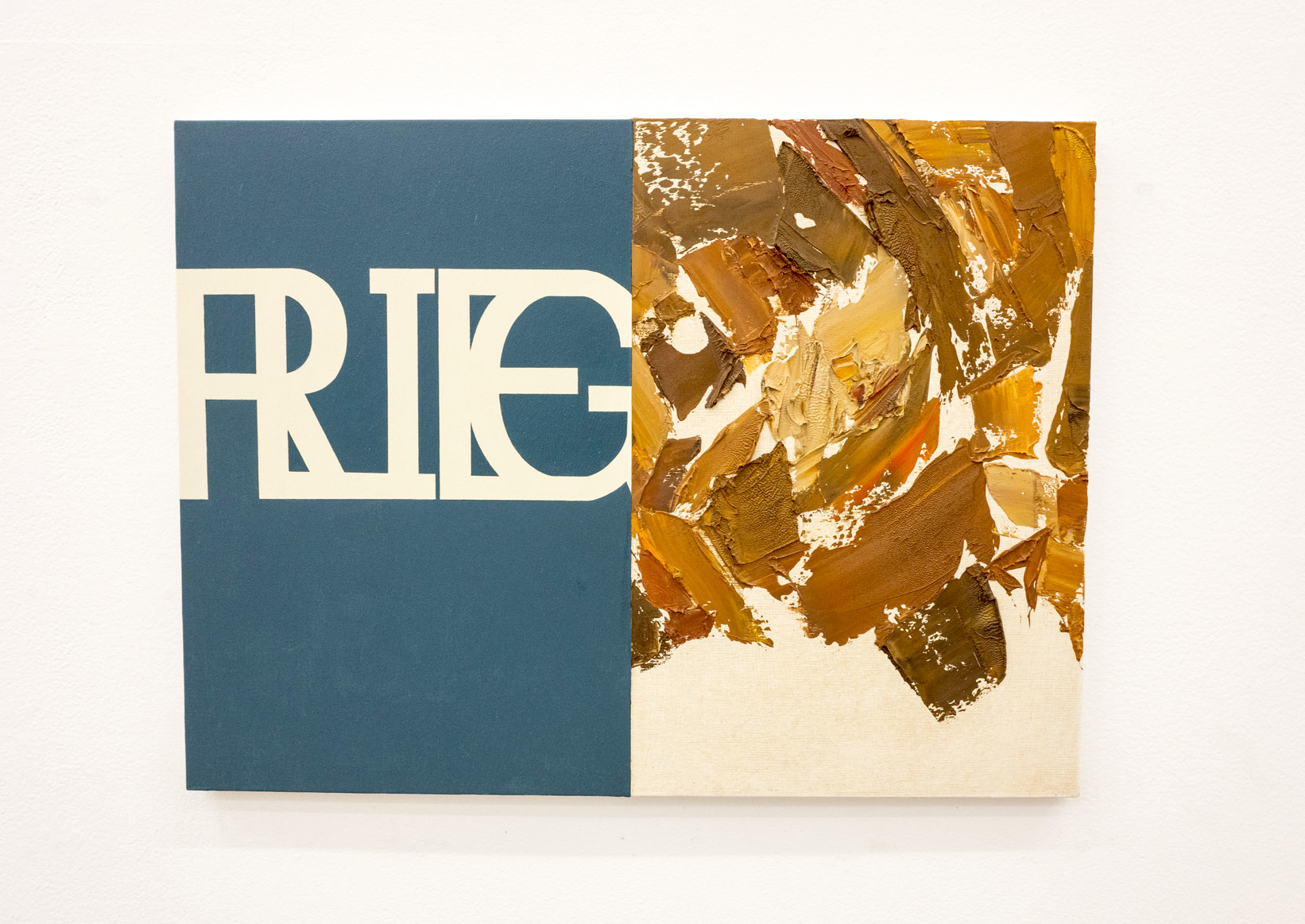
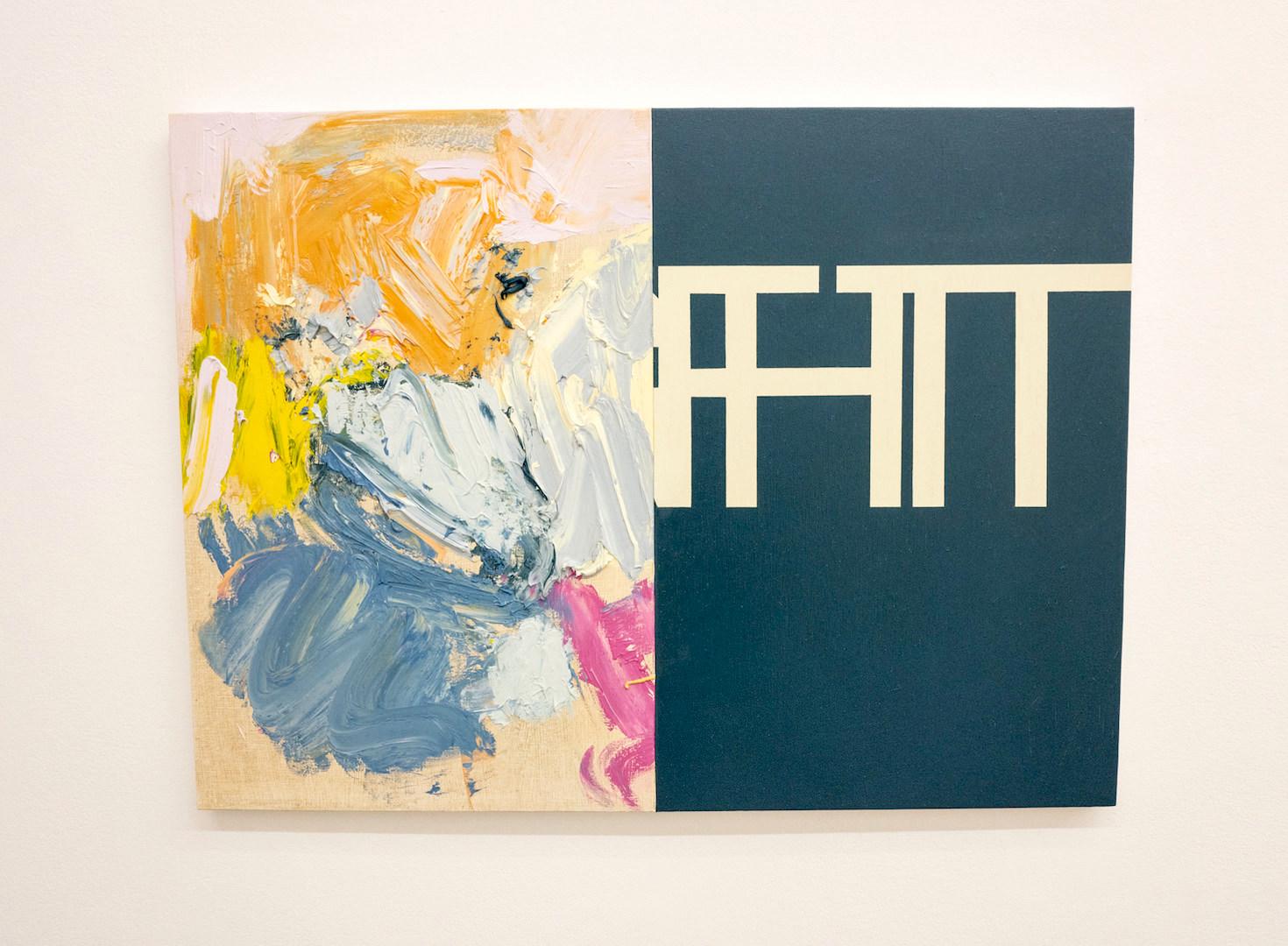
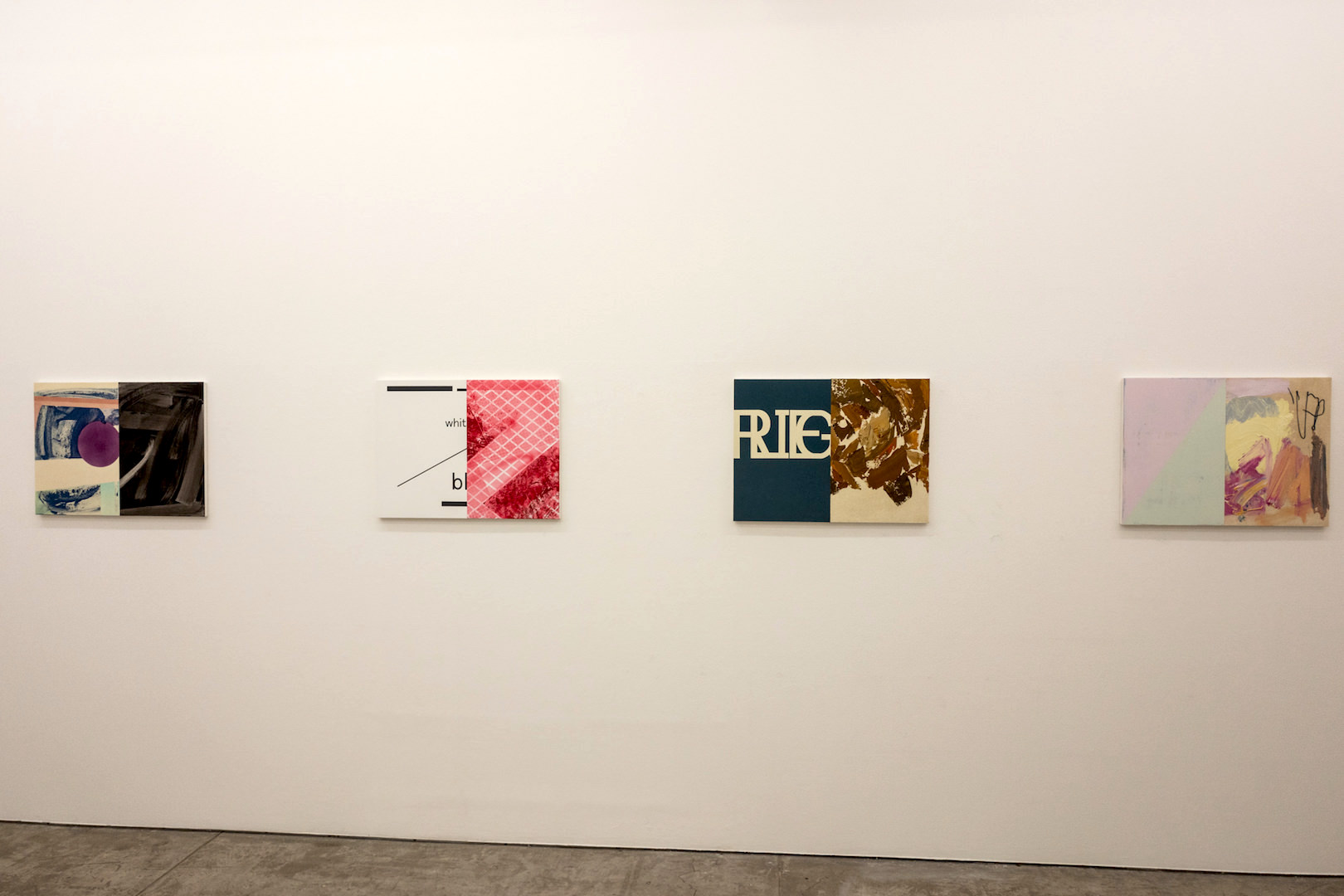
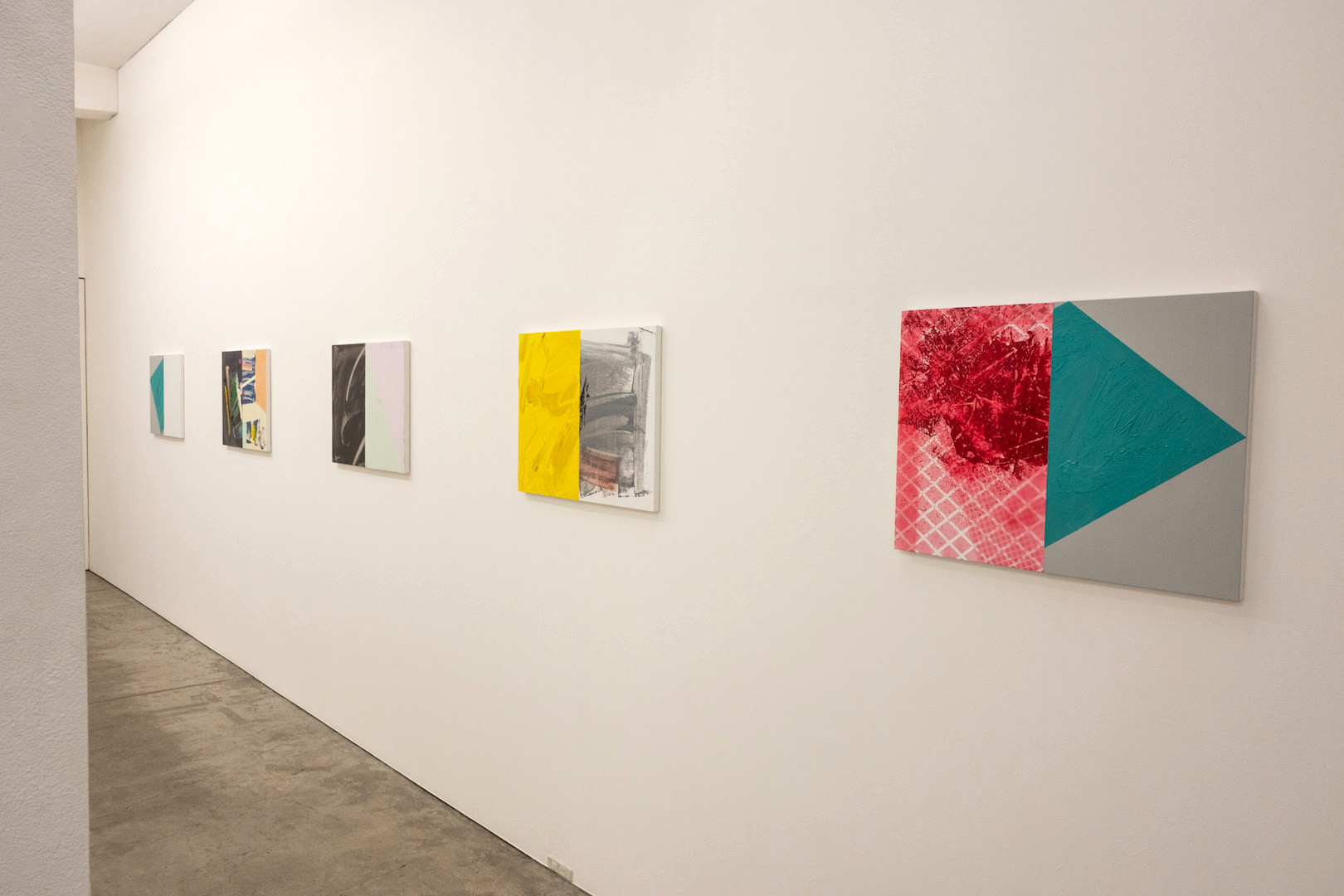
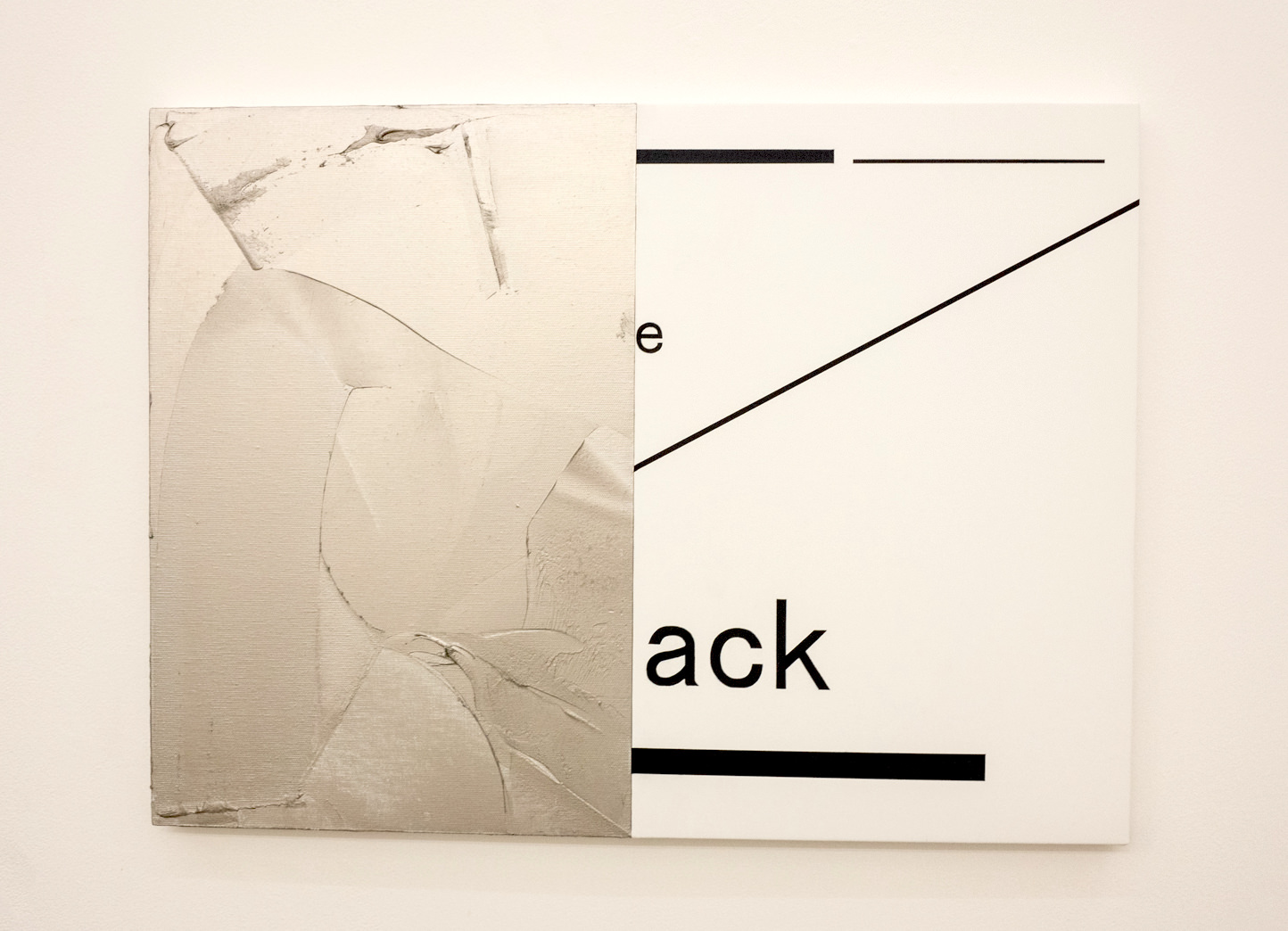
Two canvases are joined together to make a single painting. Once several such double-canvas paintings are complete, each is broken back down into a single canvas, becoming a “half painting.” That half is then joined to another half from a different work to form a new double-panel canvas — the finished piece. This is the working process behind Futo Akiyoshi’s new series. Akiyoshi’s ongoing exploration of what painting can be — an investigation he has pursued across a range of media including painting, photography and, at times, sculpture — is here unfolded with even greater richness, from a new vantage point acquired through a methodology one might call self-reference within his own practice.
Setting rules, introducing chance, mixing multiple techniques, making the process visible, foregrounding materiality.
Using these methods, which can also be read as a form of play, Akiyoshi has continued to ask what it is that makes a painting a painting. This is the pursuit of an extremely pure “art for art’s sake” in that it is painting about painting, and its thoroughness in deliberately shutting out any context outside of art — together with the distinctive humor that runs through the titles of each series — has become a signature quality of his work.However, the new works in this exhibition contain elements that can be read as a metaphor for human existence within society, and the artist himself does not deny this. The balance between chance and necessity within a set of rules, improvisation and planning, encounter and separation, freedom within rules and rules within freedom — these elements overlap with the figure of a human being who, while accepting a certain set of rules as a social being, still longs for freedom as an individual and continually meets and accepts the unexpected. Is the freedom that a human being enjoys within society truly freedom at all? This series, which seems to mirror the relationships between individuals, and between the individual and society, also alludes to Akiyoshi’s personal experience of the multinational society of Berlin, where he spent seven years — leaving one with the sense that the artist is stepping onto a new stage in his practice.
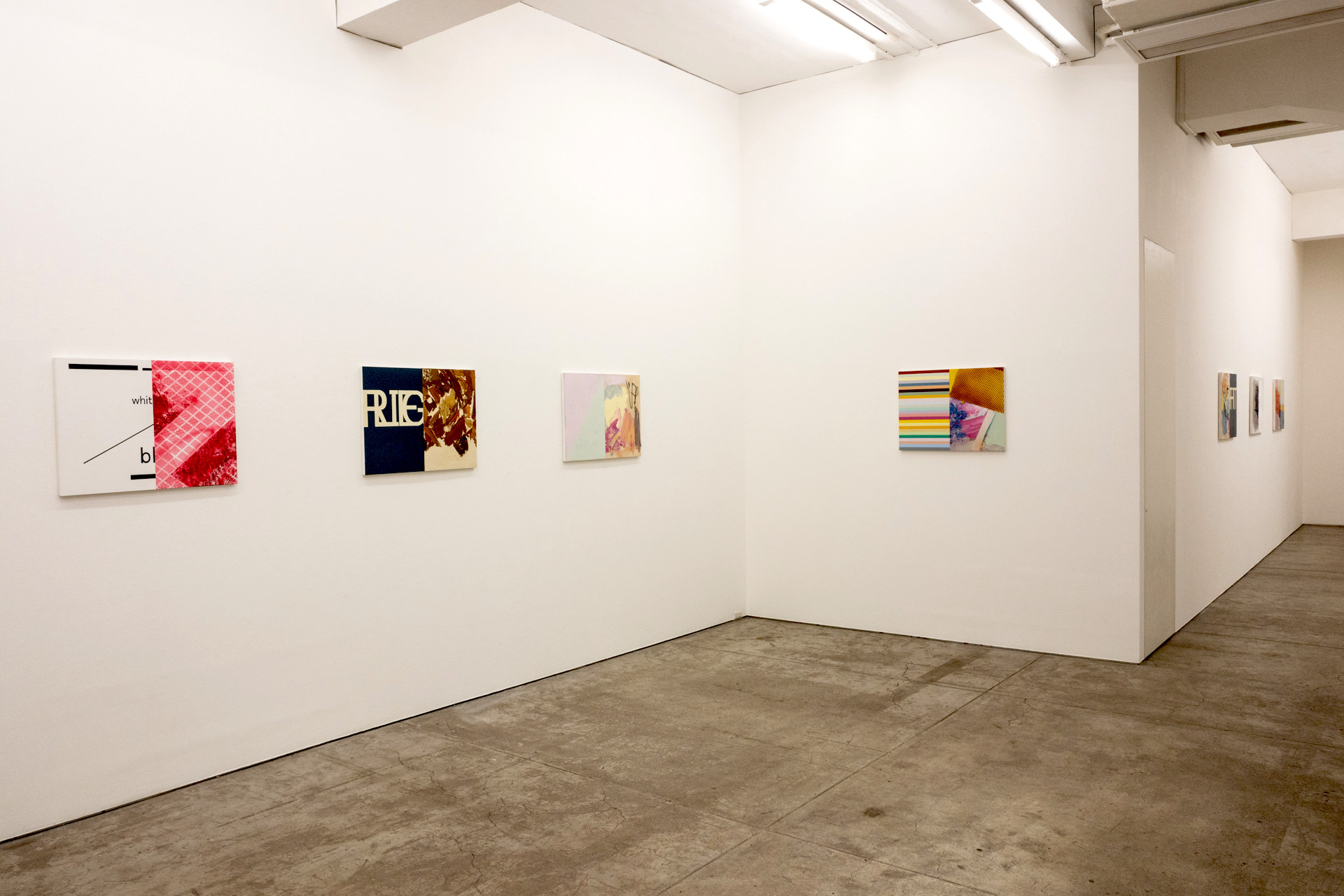
The works Futo Akiyoshi is showing this time have a distinctive character. They are made via the following process.
- Join two canvases together to paint one painting.
- Once several such joined double-canvas works are complete, disassemble each back into single canvases — turning them into “half-paintings.”
- Take one “half-painting” and join it to a different “half-painting,” creating a new double-panel “finished work.”
Split in half, the works offer the pleasure of spotting a familiar piece, savoring the interplay of combinations, and asking yourself how you can digest the odd, half-different work — an interesting mode of viewing that makes this a compelling experiment.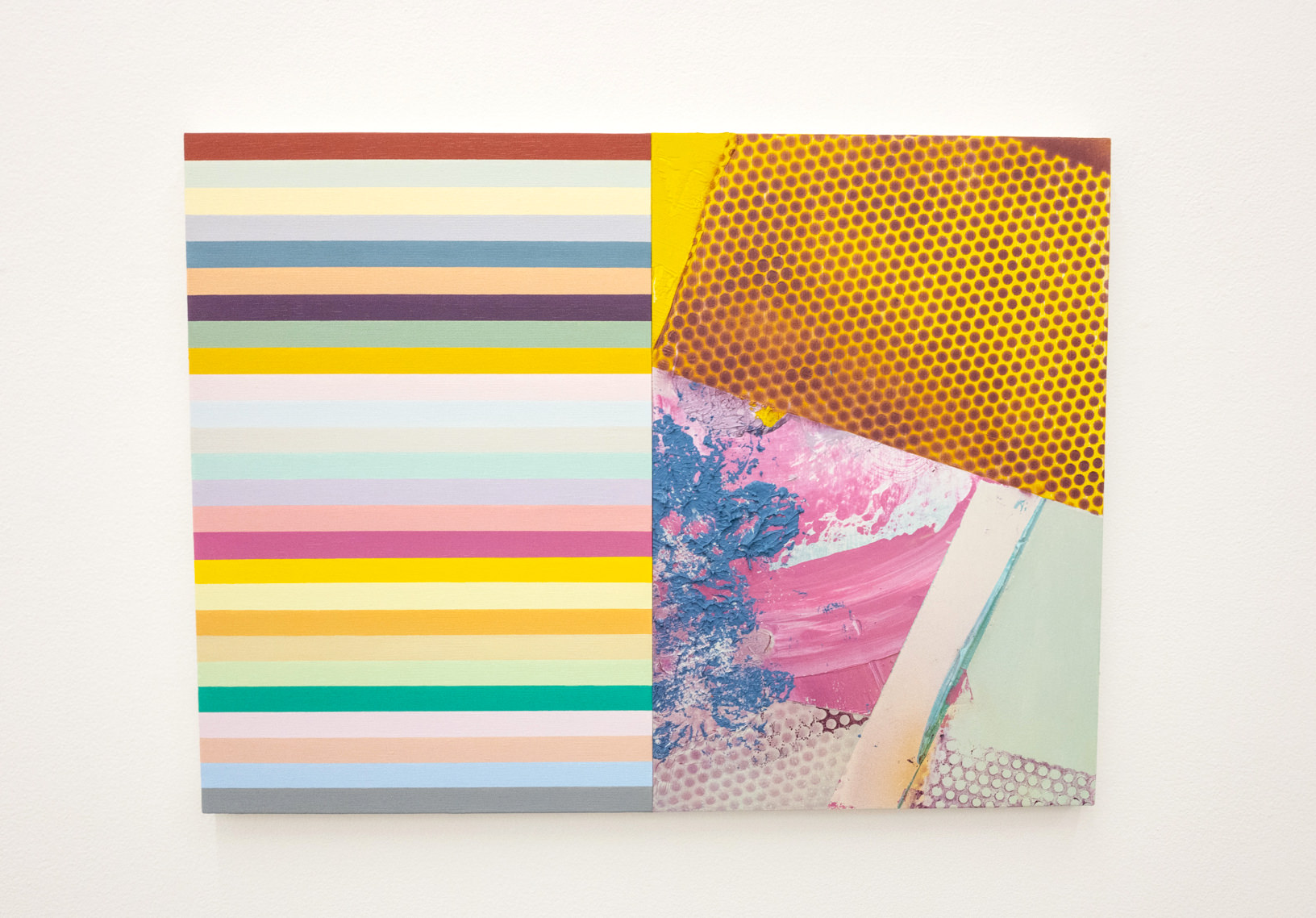
 In our own human societies, too, we go through moments in which others bring us any number of changes and influences. There is something in this work that questions those ways of relating and being, and I found it a fascinating approach.