Noritaka Tatehana — I was invited to the reception party for Noritaka Tatehana’s solo exhibition.
The venue was the former Yamaguchi Manukichi Residence (Kudan House) in Kudan, Tokyo — a building with one basement level and three above-ground floors, with an incredibly nice atmosphere.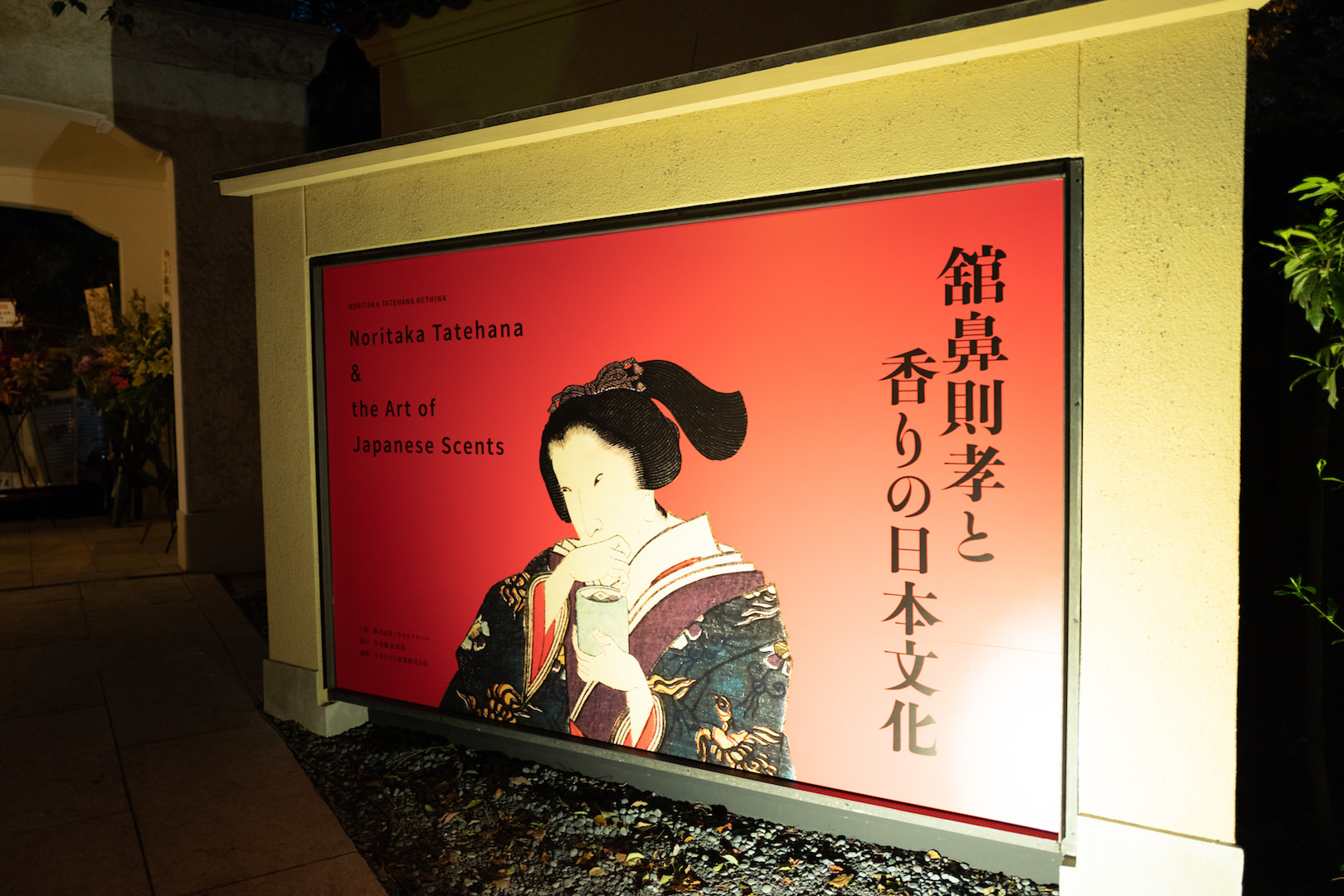
[Solo Exhibition] “NORITAKA TATEHANA RETHINK — Noritaka Tatehana and the Japanese Culture of Fragrance”
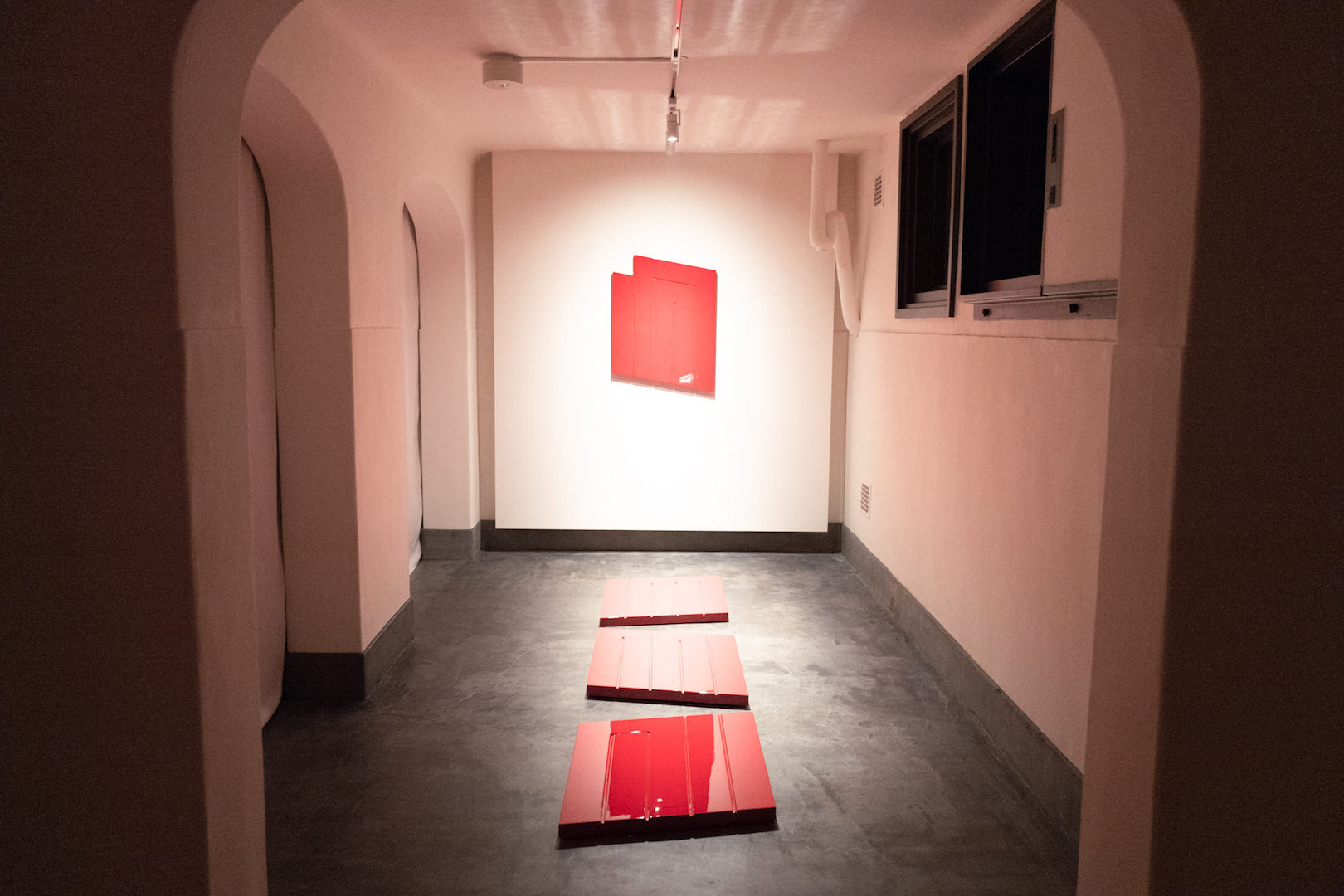
Noritaka Tatehana is a fashion designer who graduated from the Faculty of Fine Arts at Tokyo University of the Arts. He is best known for creating the “Heel-less Shoes” worn by Lady Gaga. Within this exhibition, his work was on view throughout the venue, and mature, finished pieces in a variety of designs were displayed.
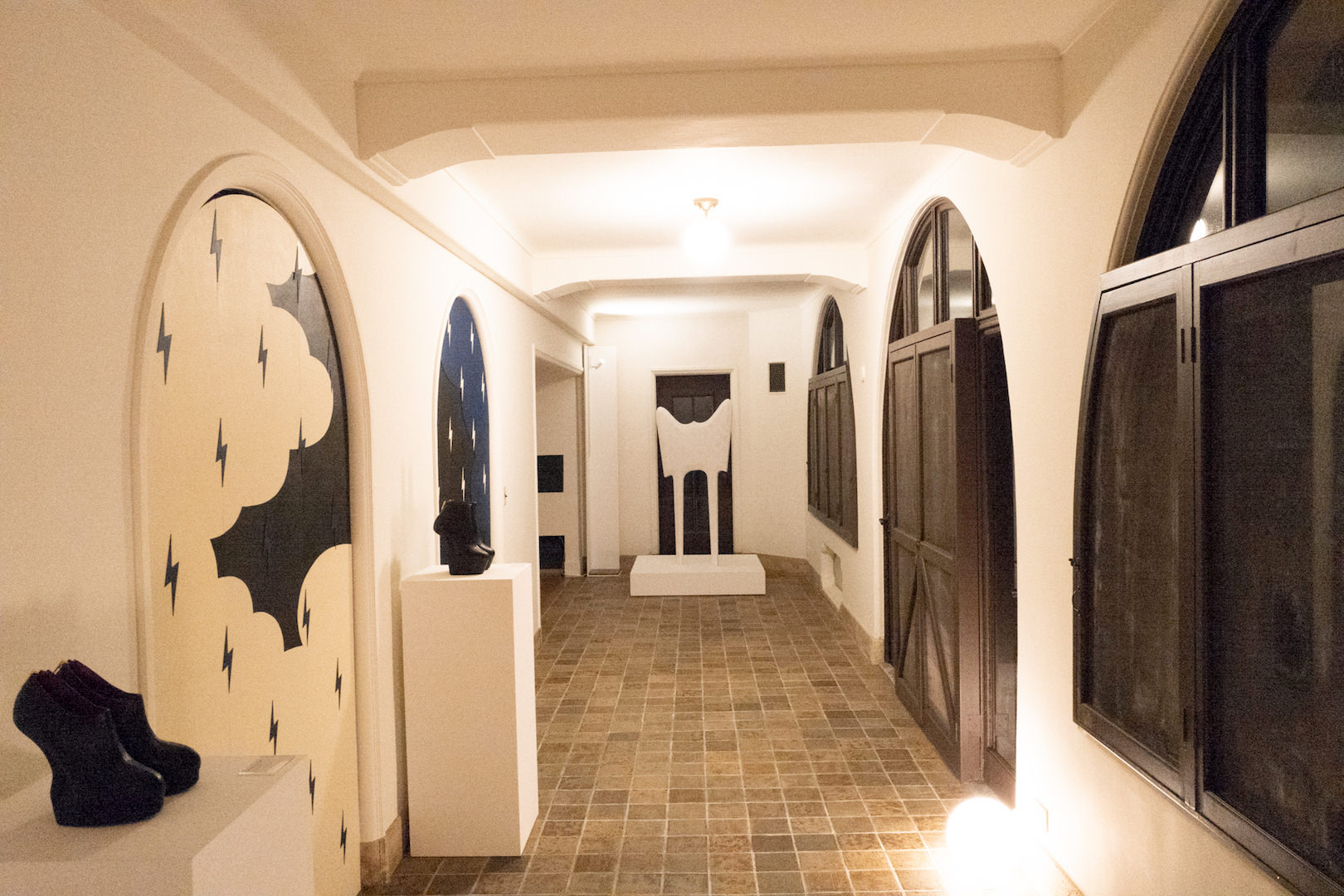
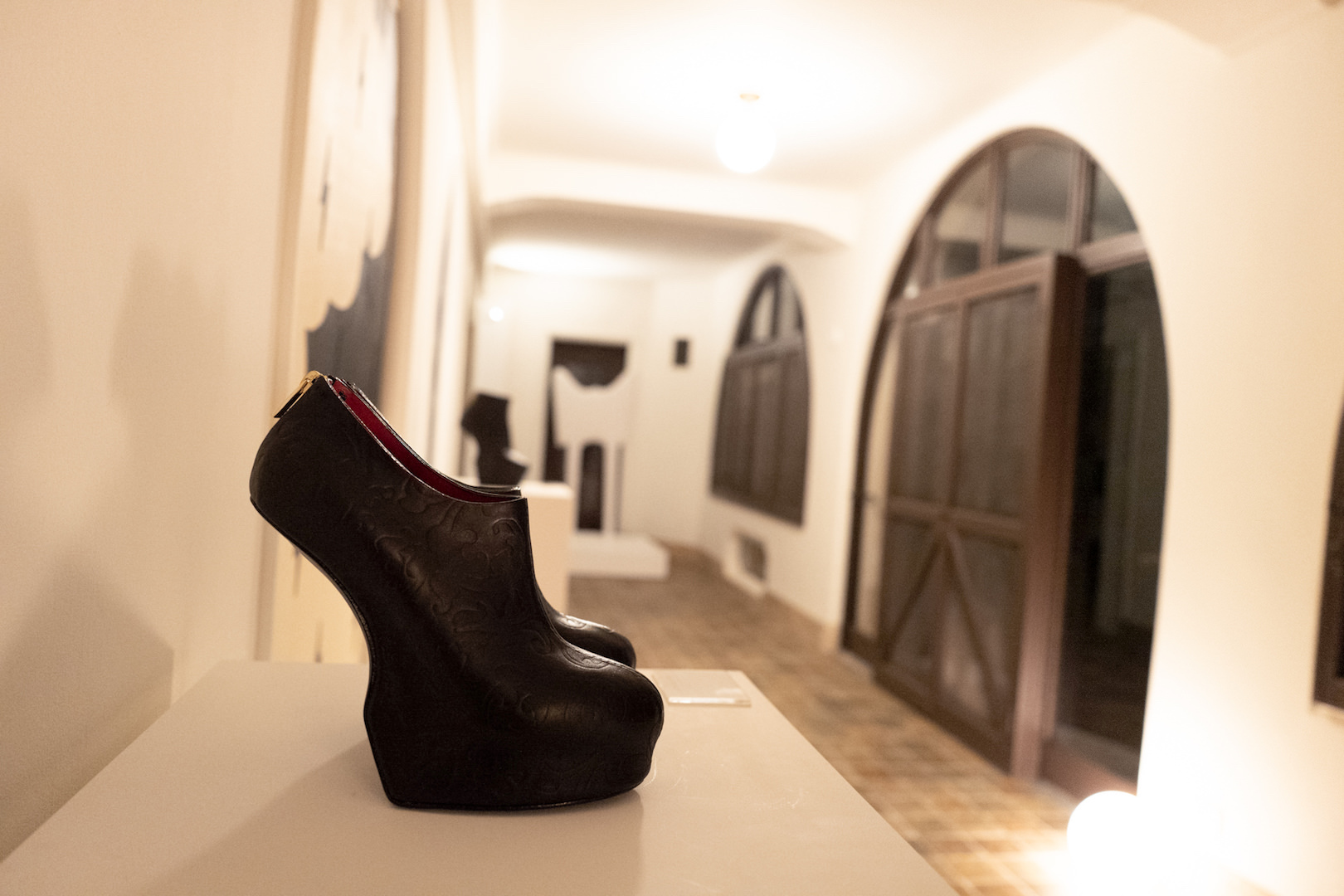
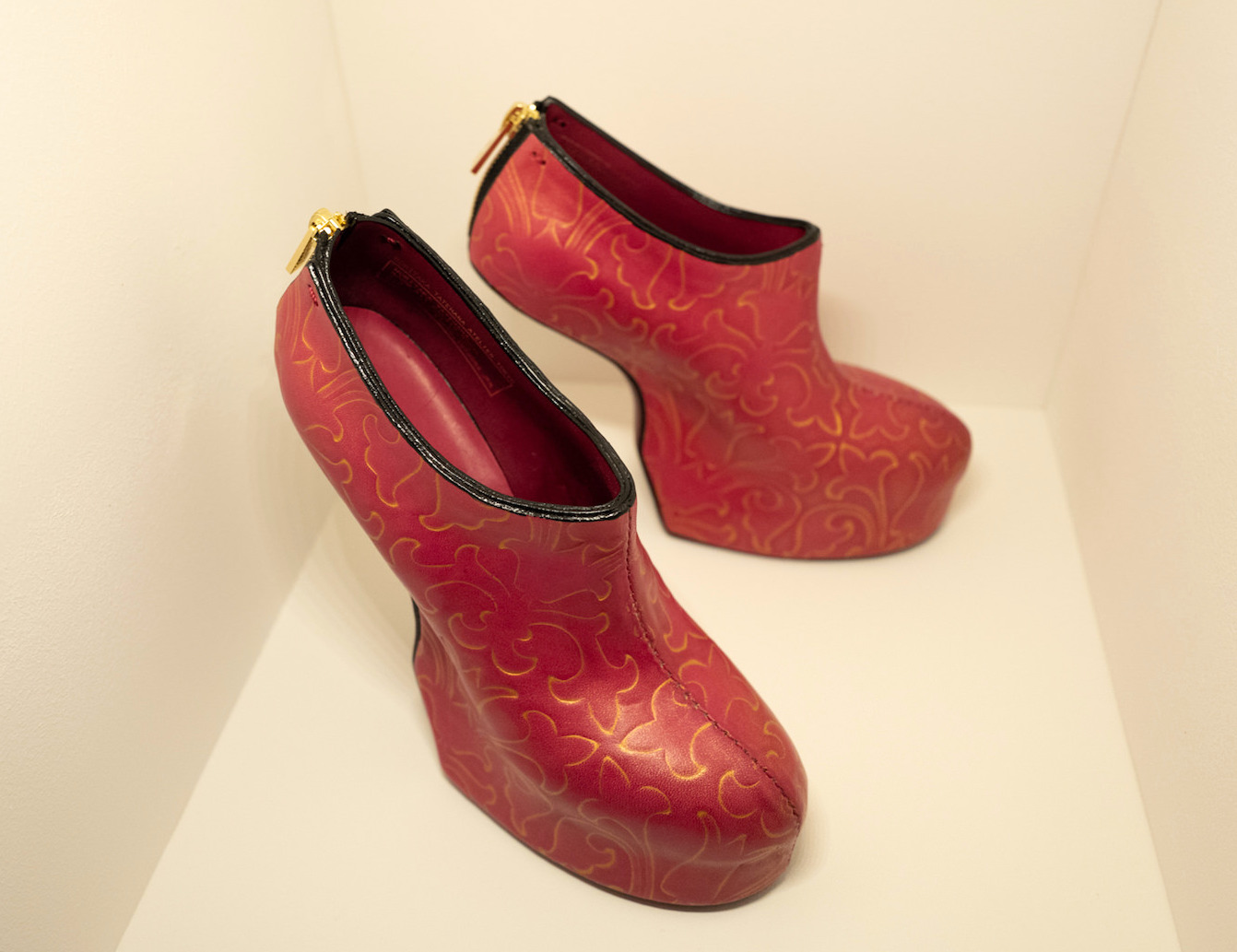
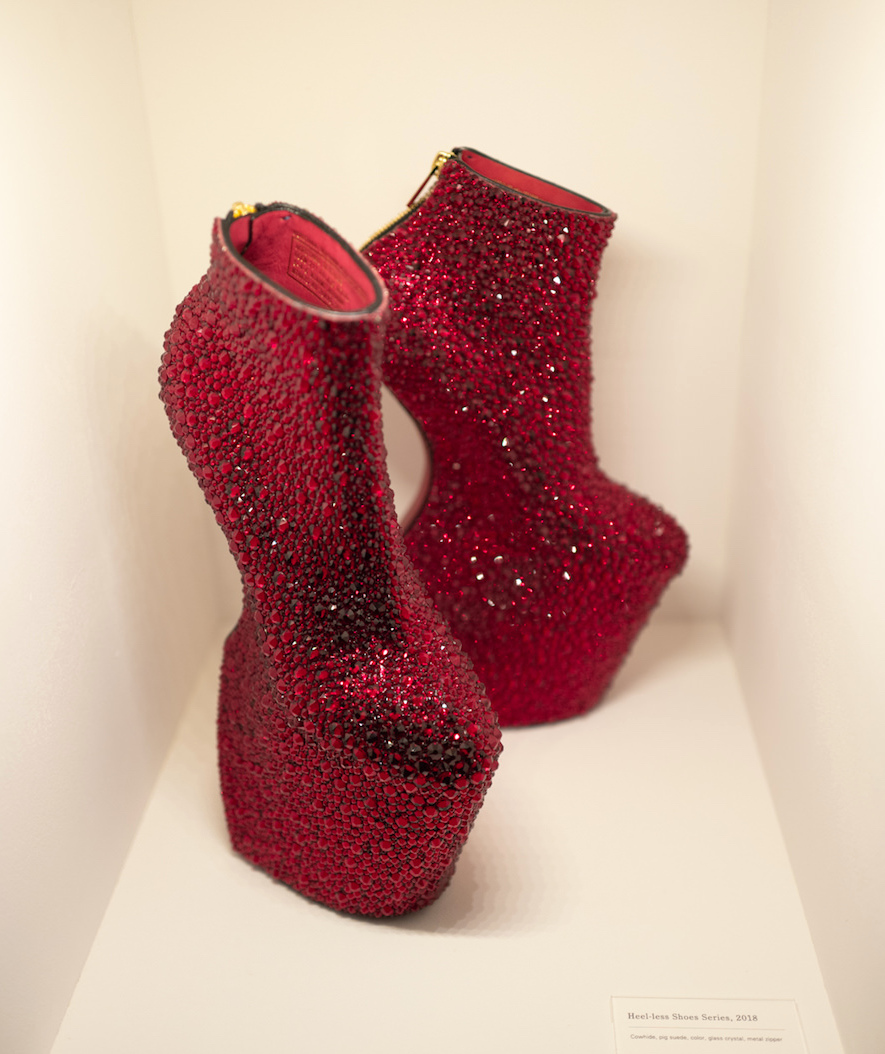
Heel-less Shoes Series
The oiran, a recurring motif in Tatehana’s work since his university days, was in many ways a fashion leader of the Edo period. Within her attire, the high geta and hairpins were also symbols of the oiran’s hierarchy.
“Heel-less Shoes” (2010), presented as his graduation project at Tokyo University of the Arts, reimagines the oiran’s high geta as a contemporary Japanese platform shoe and has been acquired into the permanent collections of major museums around the world, including the Metropolitan Museum of Art. His “Hairpin Series” (2014), inspired by the kanzashi hairpin, and “Theory of the Elements” (2015), a contemporary take on the kiseru pipe, are also part of a body of work drawn from the oiran.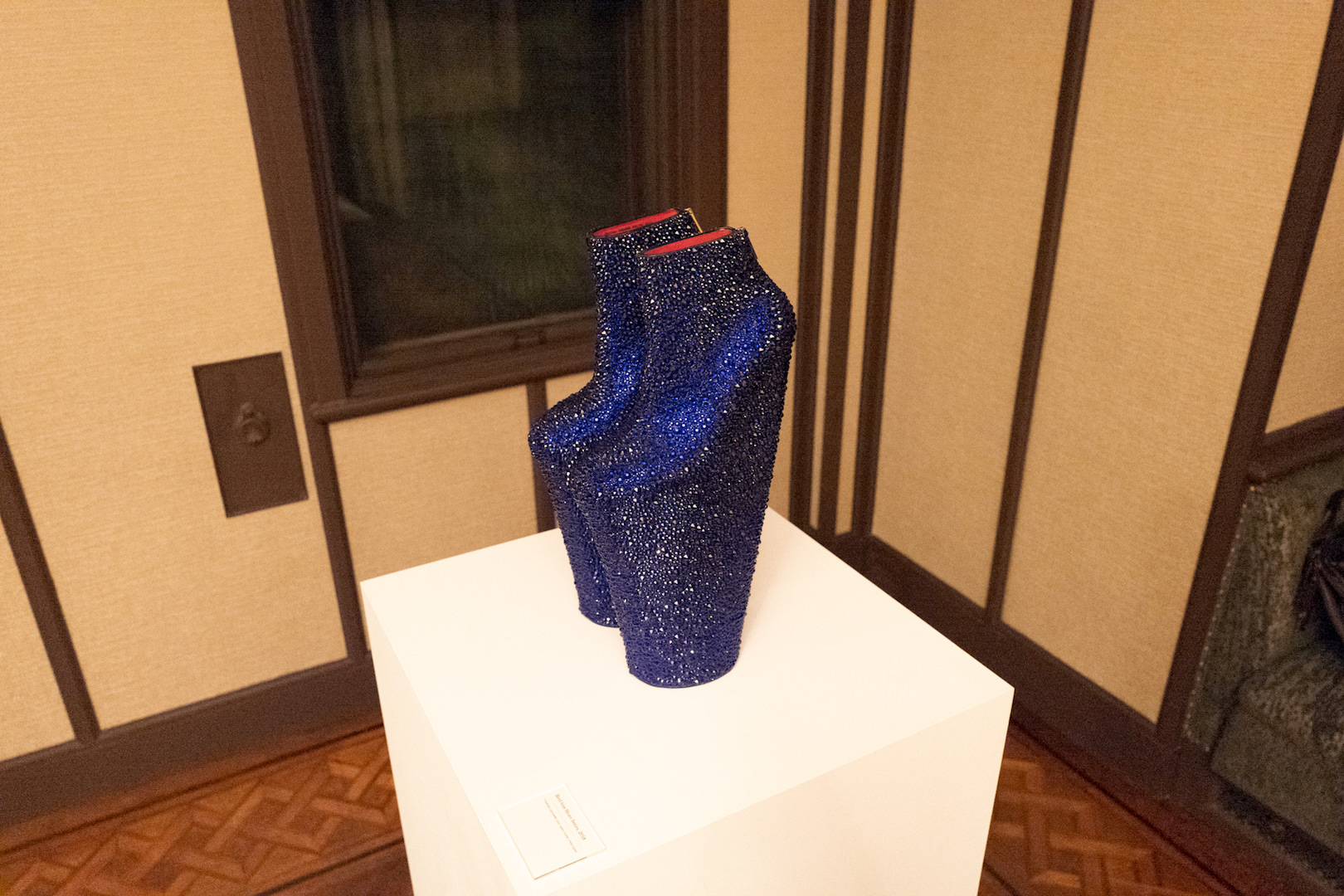
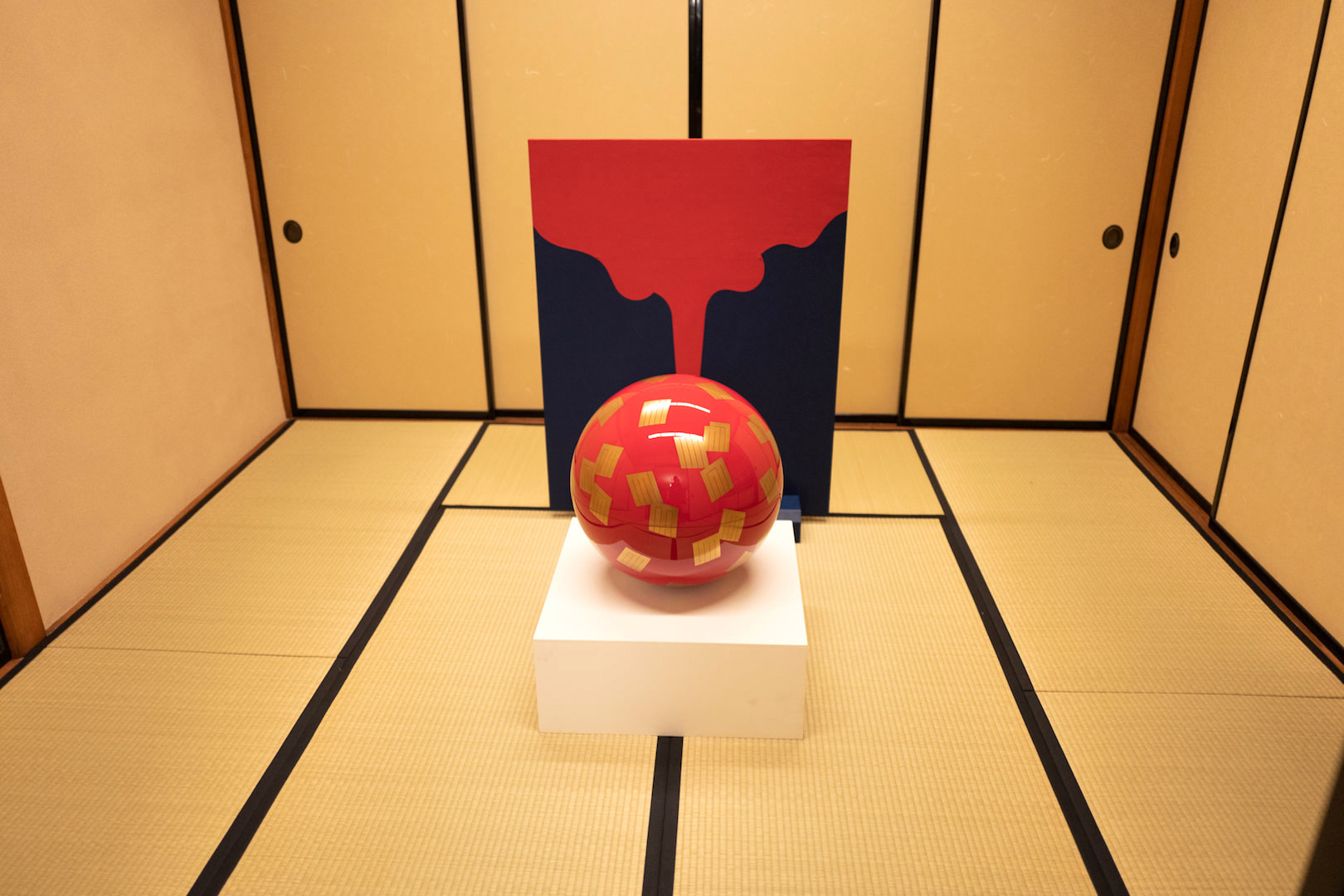
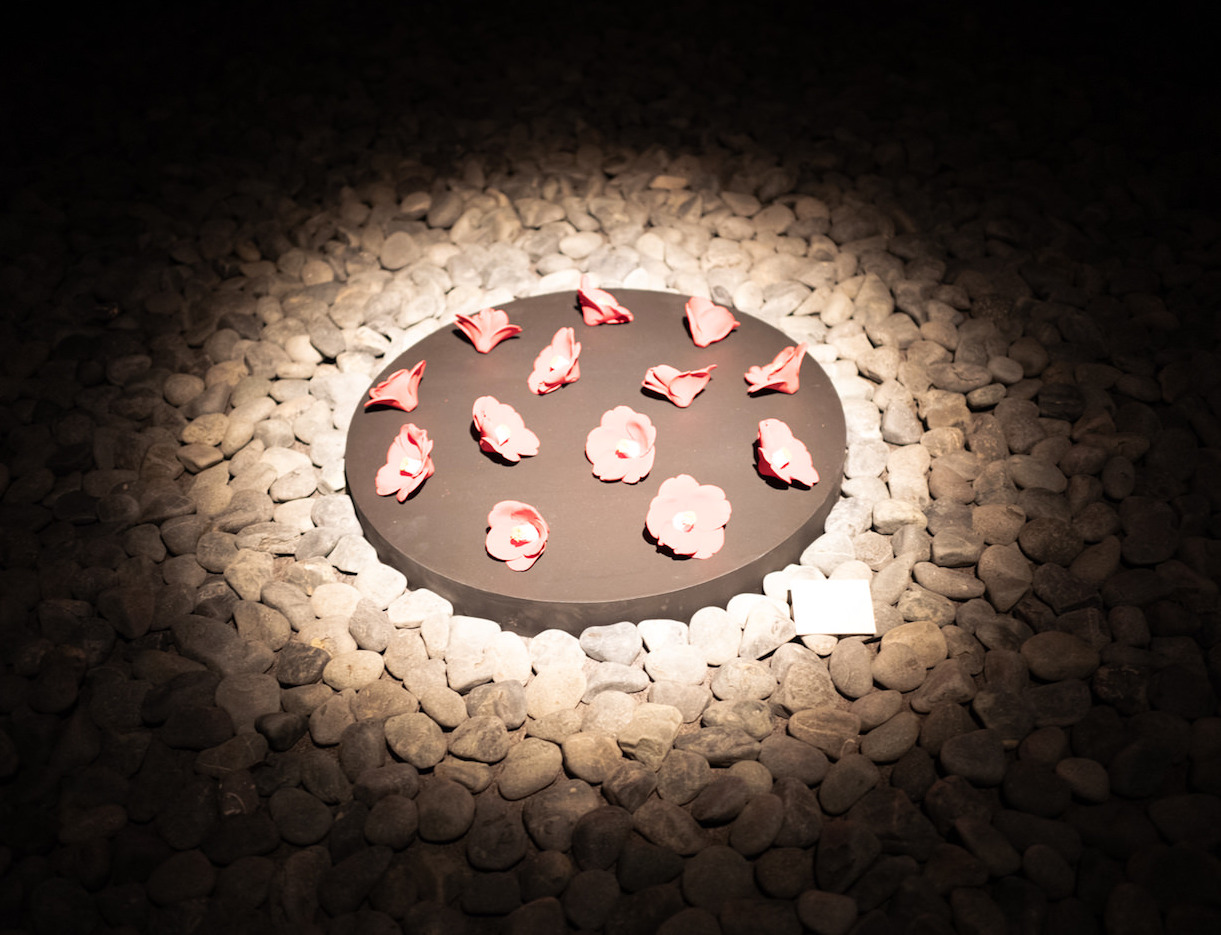
As represented by “Camellia Fields” (2017), a sculpture based on the camellia, Tatehana has produced many works exploring “Japan’s unique view of life and death.”
Extending that line, the motif of his new works is the legend of “hangon-kō” (soul-recalling incense). Based on a Chinese tale in which the figure of the deceased appears in the smoke when the incense is burned, it is also familiar in Japan as a piece of classical rakugo.
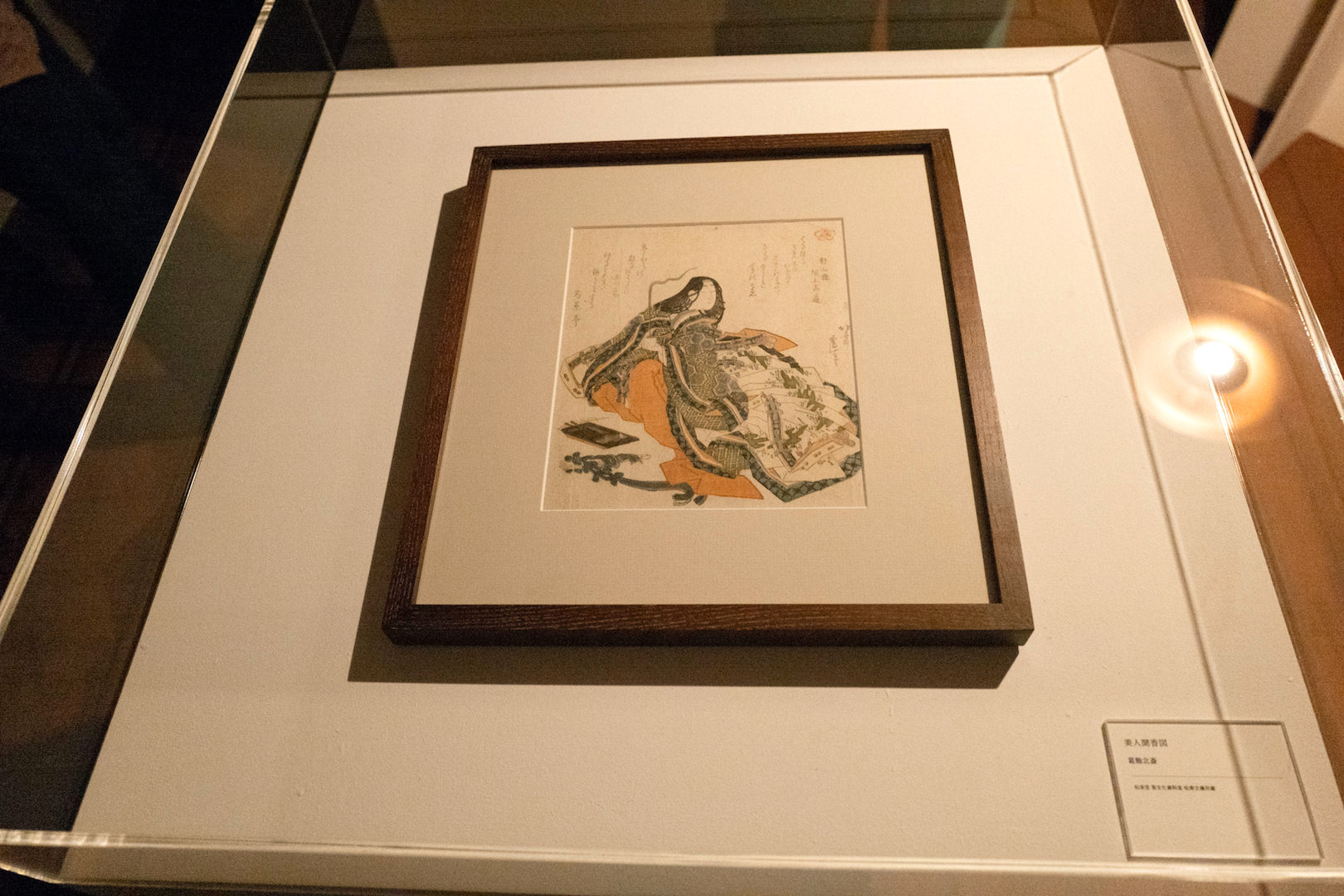
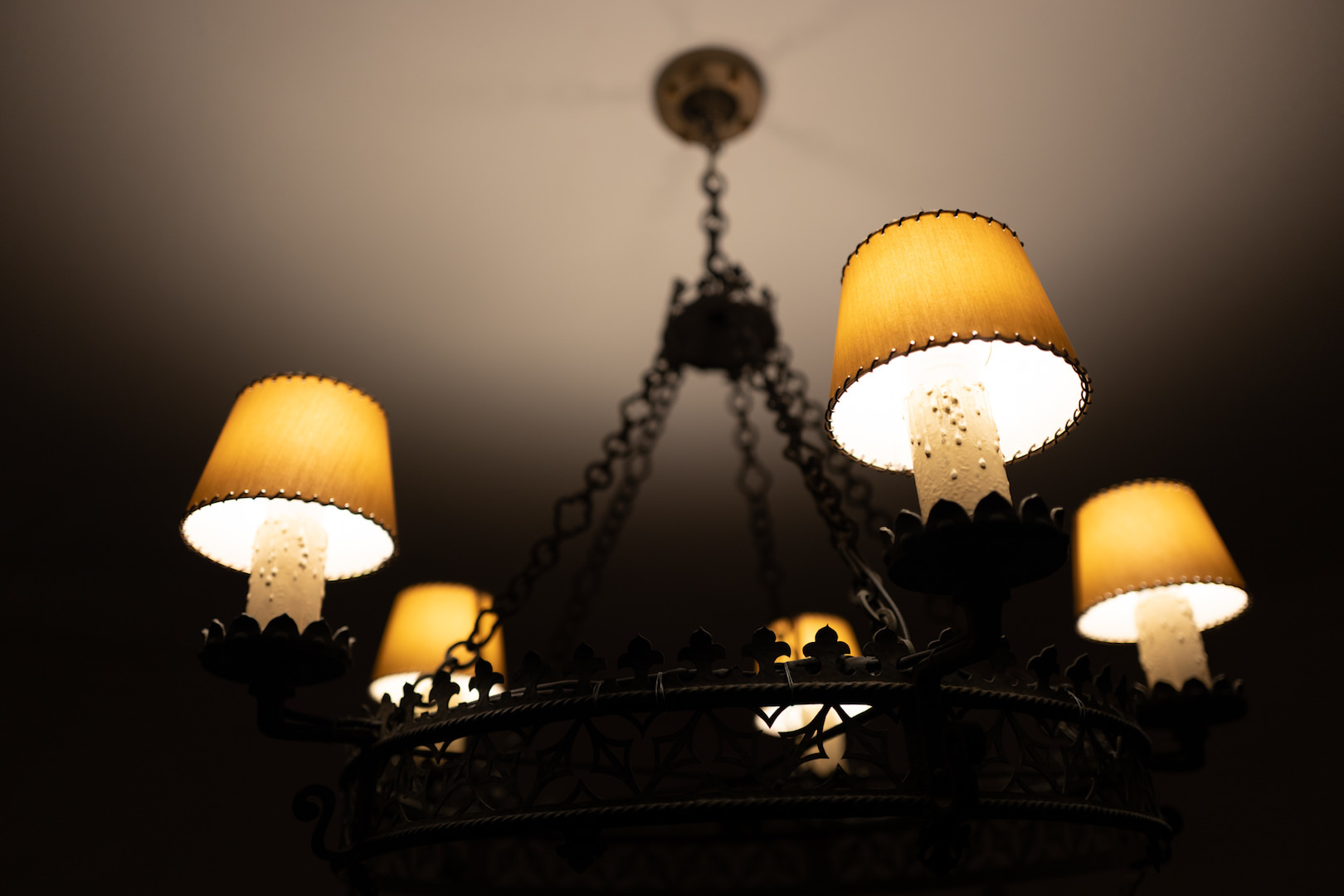
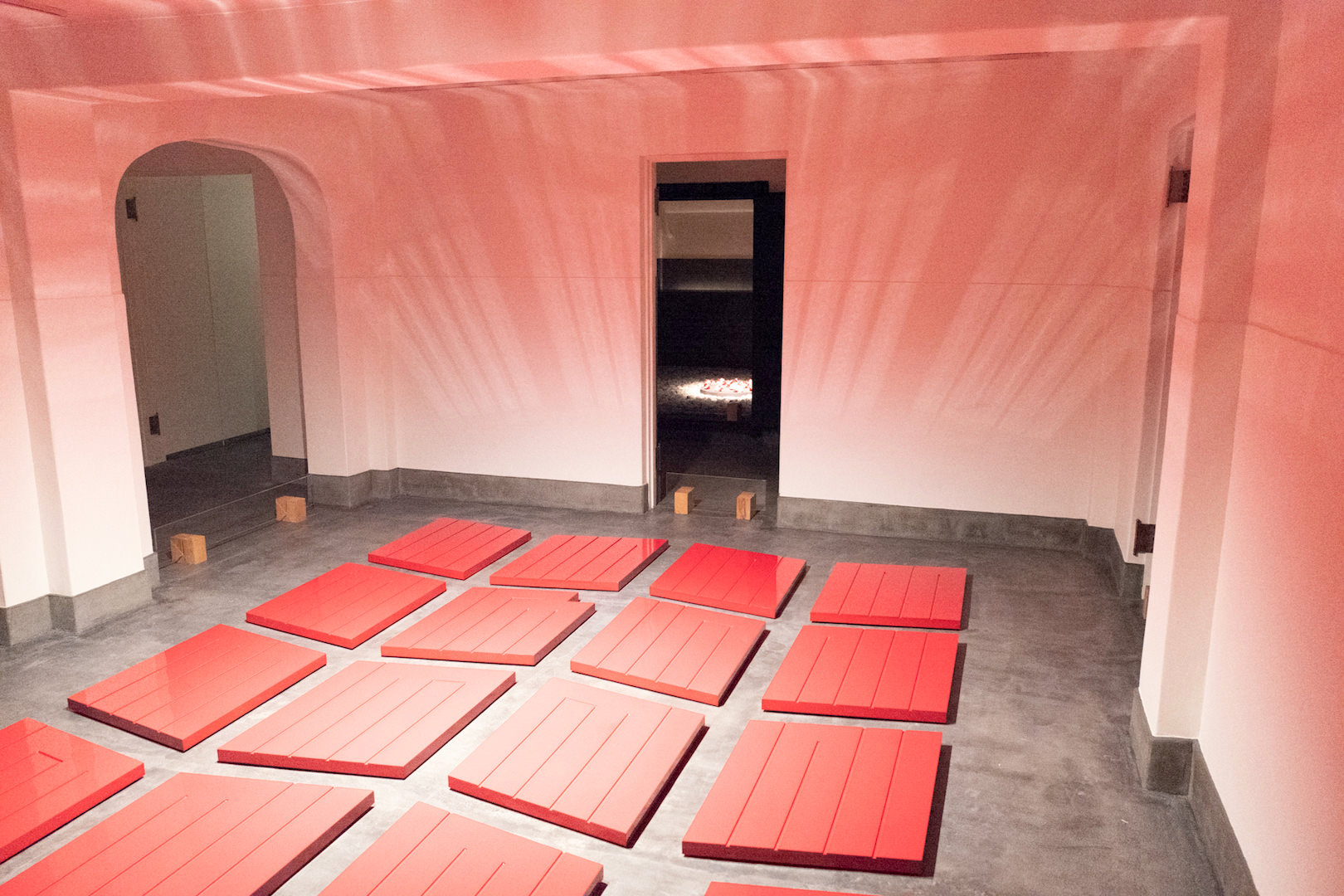
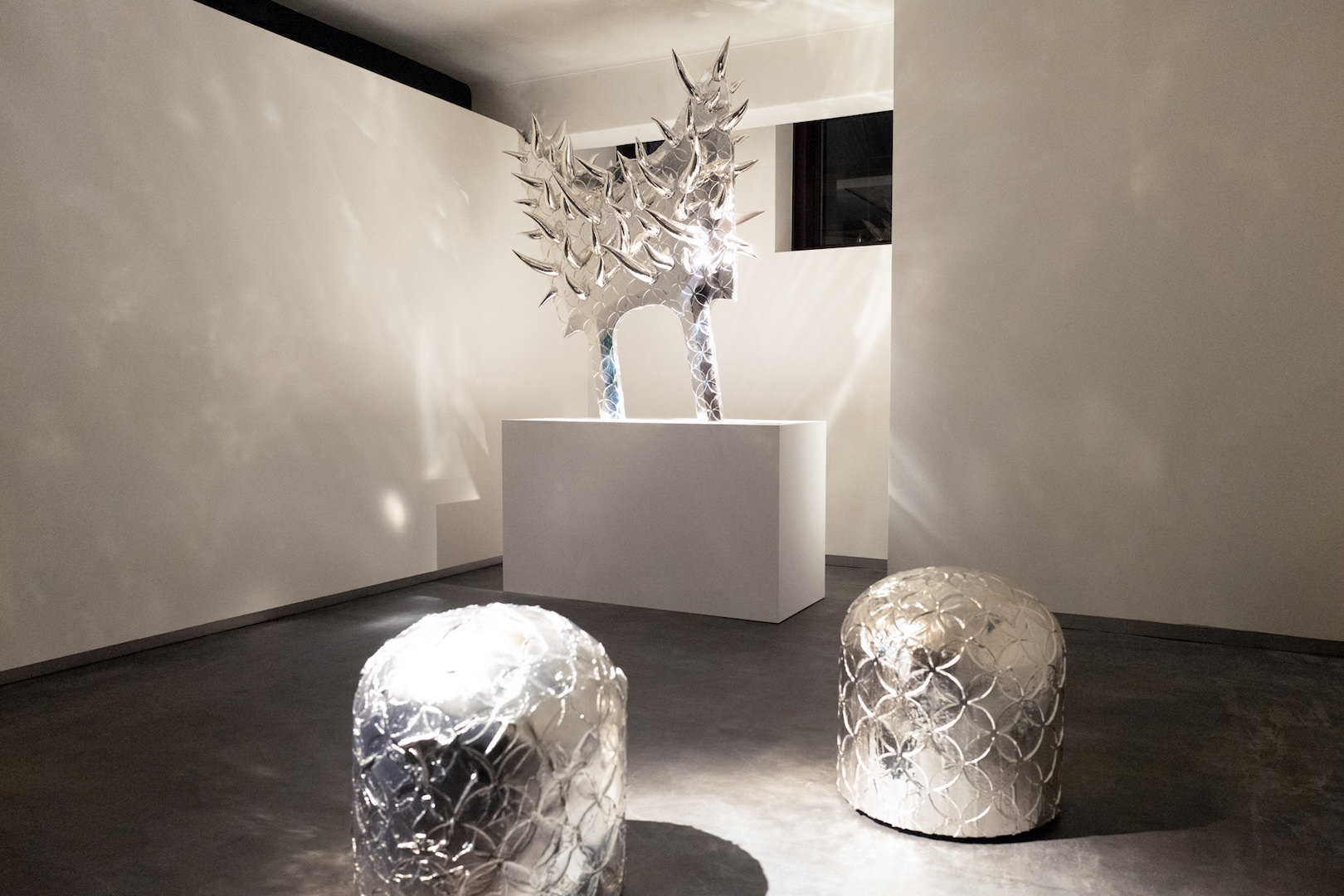
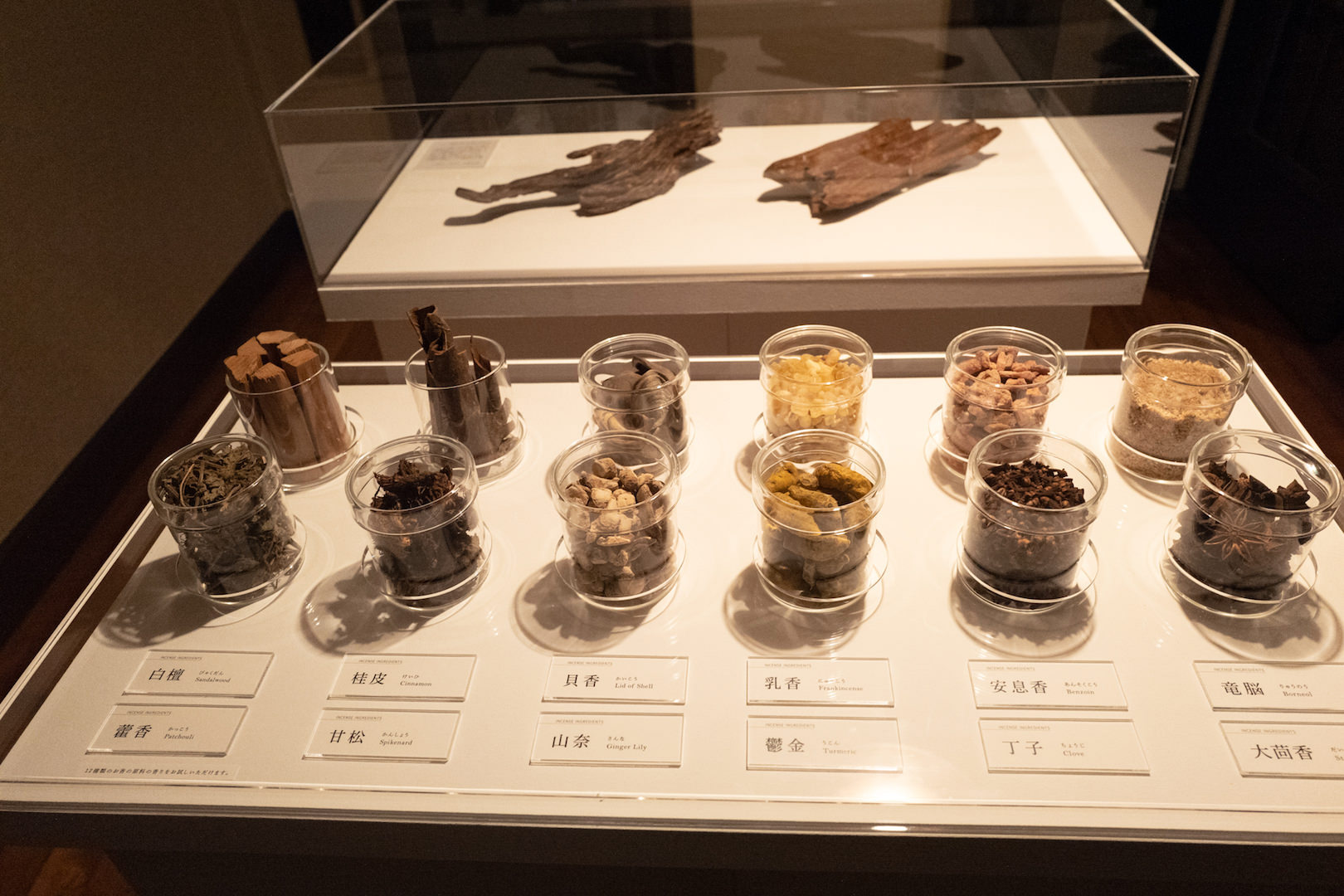
 Fragrance was the theme, and the venue was filled with a pleasant air. The scents were produced by Shoyeido, the long-established incense house of Kyoto. Among the five senses in an exhibition, “smell” surely deserves far more attention.

Unlike an art-world preview, the room was filled with a glamorous crowd from the fashion world.
With the exhibition running only three days, there must have been many who regretted missing it. I too would have liked to view it in a more relaxed setting.
I look forward to following his future activities.