The Reflection Problem
I’ve been receiving private photography lessons from a professional photographer.
I want to know more about cameras, improve my shooting skills, record artists’ works as close to the real thing as possible, and deliver them to everyone.
Amid that, a shooting item my teacher taught me is absolutely superb! So, I’d like to report on it while introducing the images I actually shot.
PL Filter
What I’m introducing this time is a shooting item called the “PL filter”. It’s a polarizing filter that screws onto the tip of a camera lens.
The PL filter is generally essential for landscape photography, where it renders colors vividly. It’s an excellent tool that mainly delivers two effects.
The first is removing surface reflections of light on water, glass, and the like—“reflection removal.” This article describes that.
The second is the effect of “color contrast,” deepening blue skies and making the colors of foliage, mountain surfaces, buildings, and so on vivid (I’ll write about that in a later article).
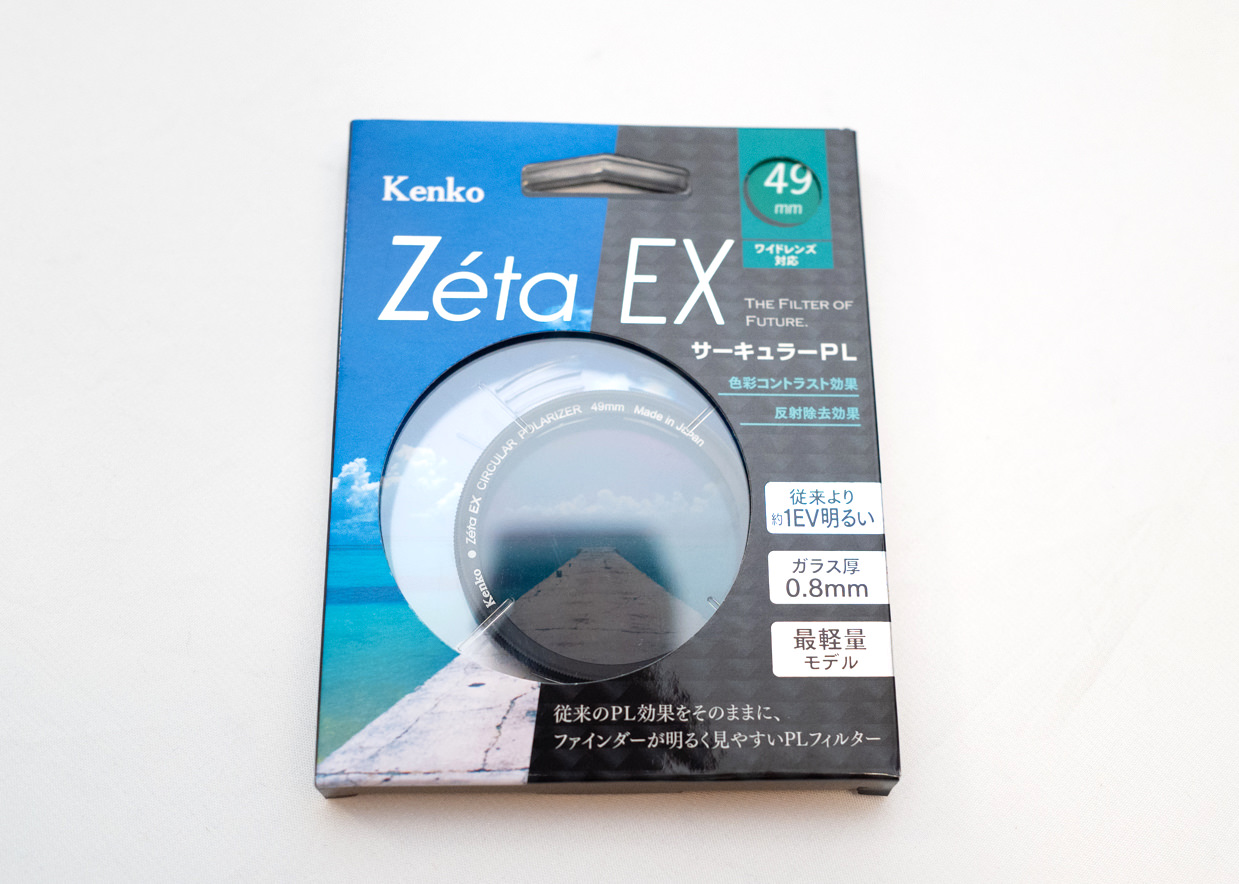
The product I purchased this time is a thin filter compatible with the wide-angle camera I use, Kenko’s PL filter “Zeta EX” Circular PL. Many filters are sold by various makers, so it’s good to choose the one that fits you based on your preferred brand, price, and so on.
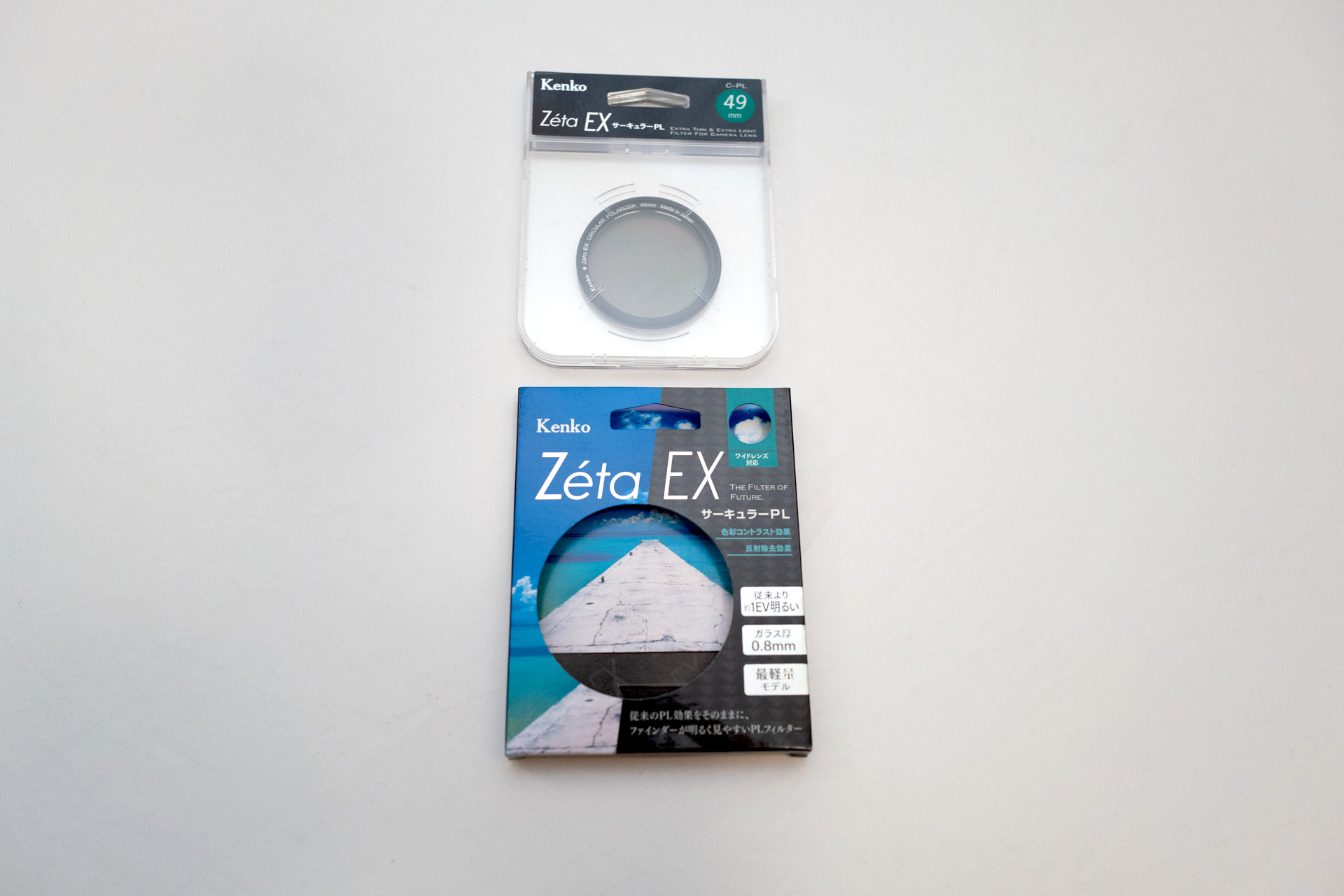
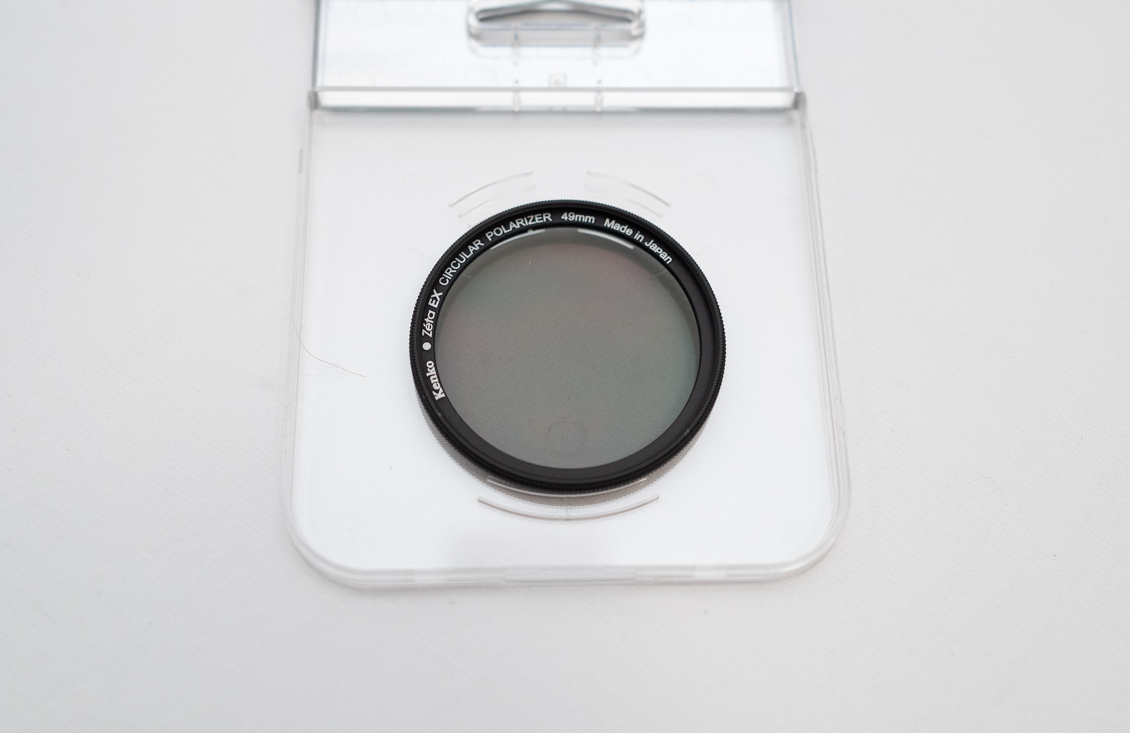
“Circular” means the filter part can be manually rotated round and round, “allowing adjustment to the appropriate position”—a filter with a wonderful structure. Of course, there are also ordinary PL filters without this function. It’s good to choose according to your purpose.
Actually Trying to Shoot
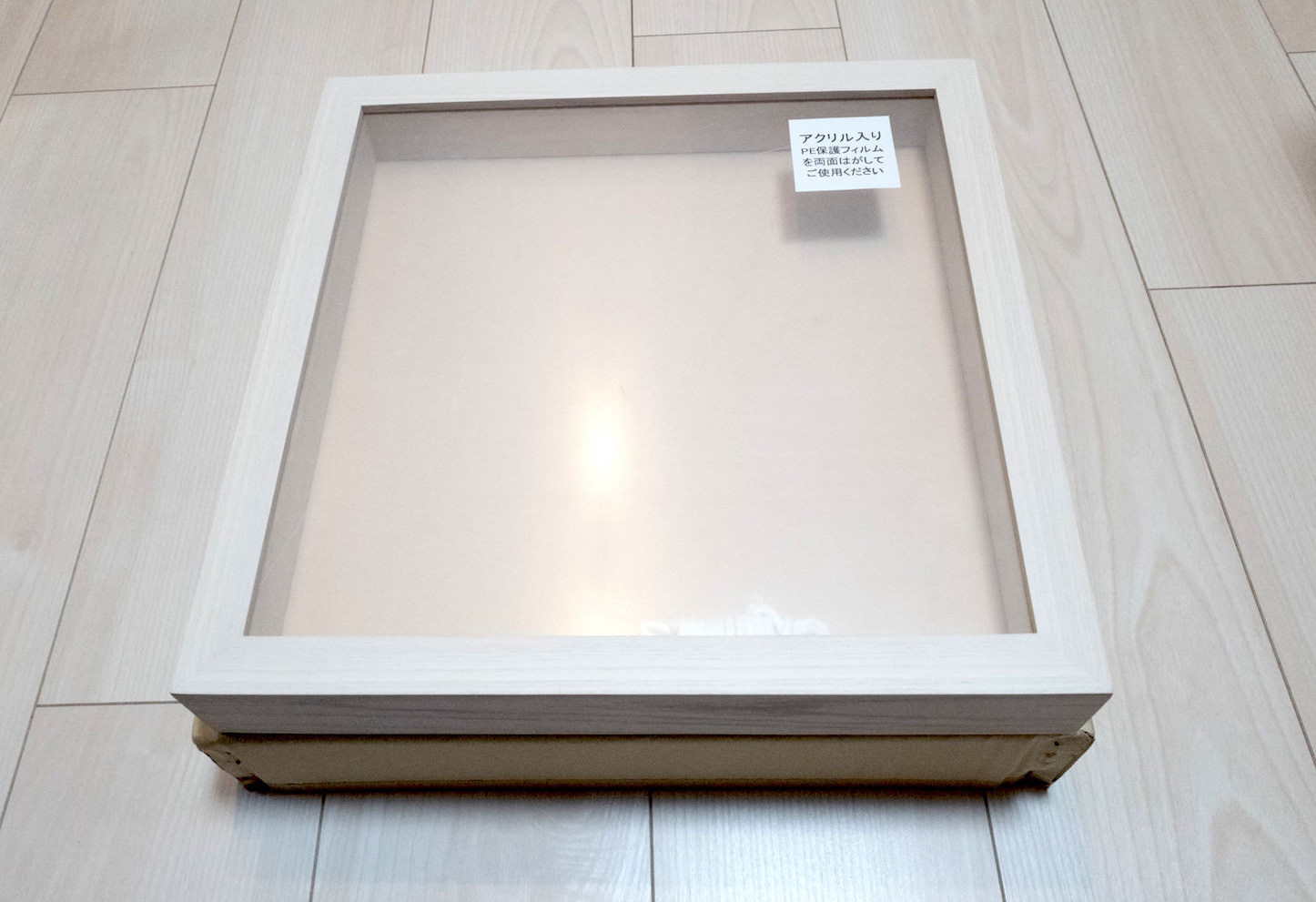
To gauge the filter’s effect, I shot the difference from the no-filter state with the camera fixed on a tripod (indoor use). The work used for shooting is Yukimasa Ida’s “end of today,” box-framed (purchased at the Gallery Naüf Gendai solo exhibition). Now let’s attach the PL filter introduced this time and shoot.
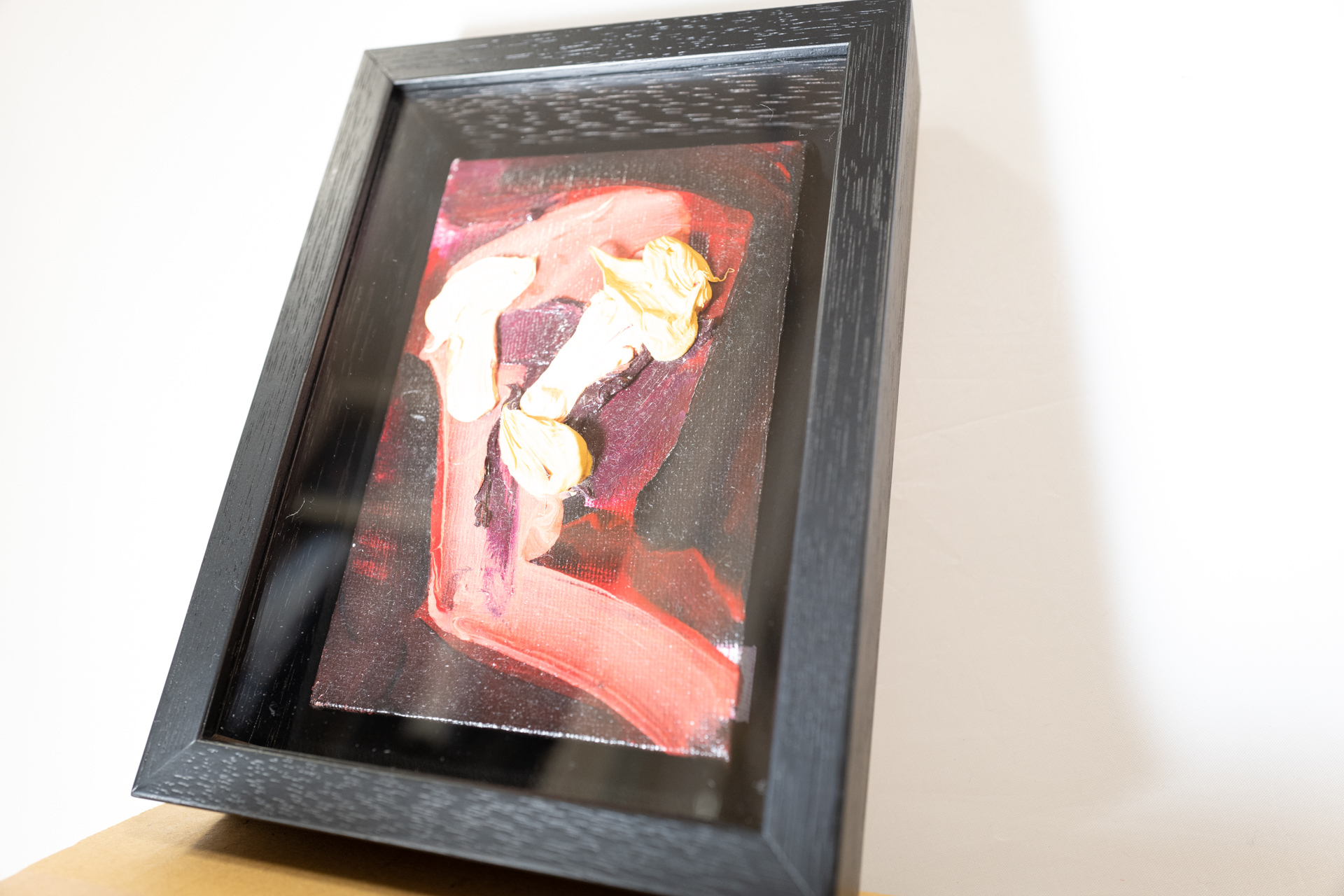
The shooting settings are all under identical conditions. (Camera used: Leica Q, 28mm, ISO800, f4.0, 1/50 sec.) Of course, no image processing was done at all.
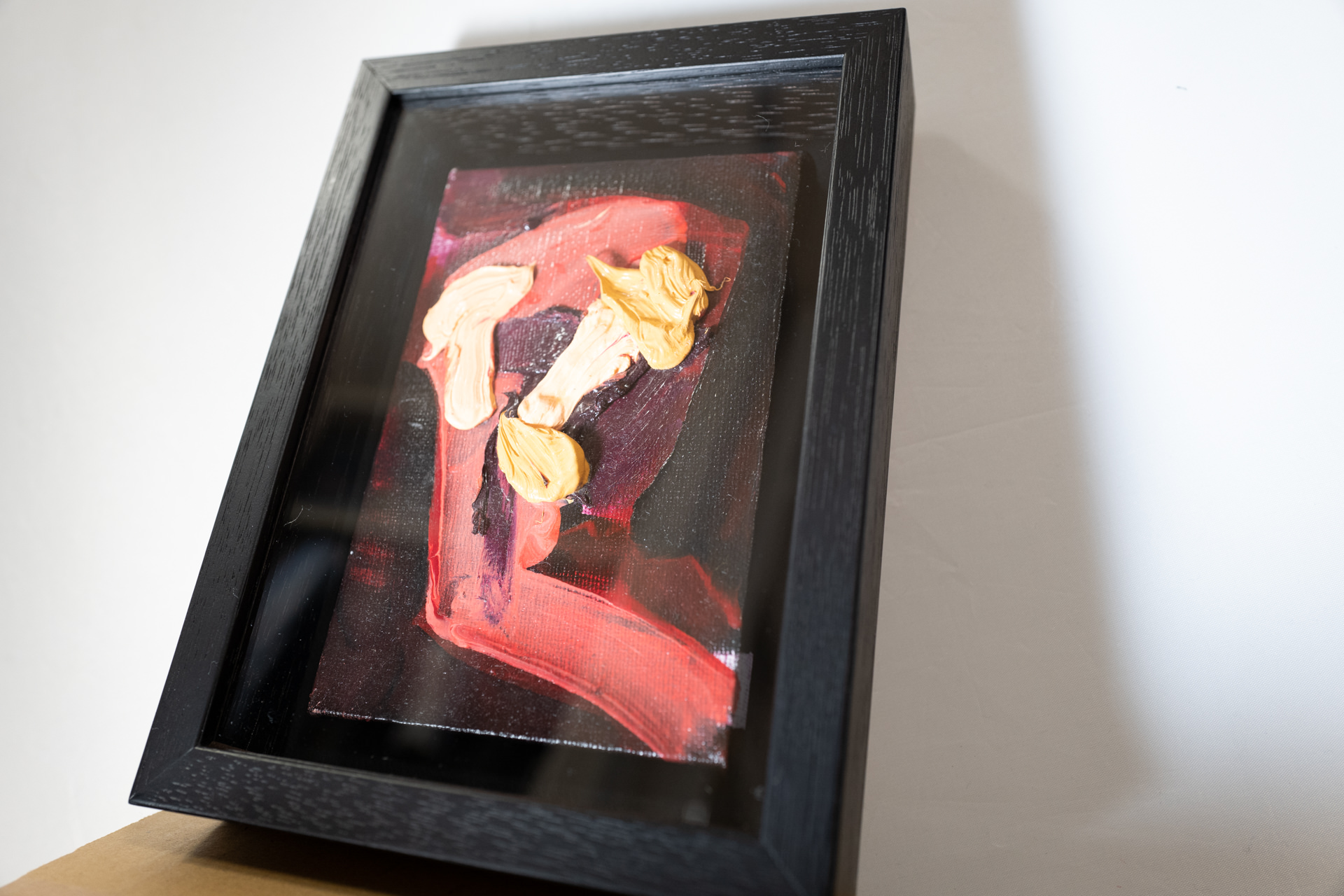
The Circular PL filter delivered its effect right away, but there’s still strong reflection, so I adjust while checking the reflection through the viewfinder.
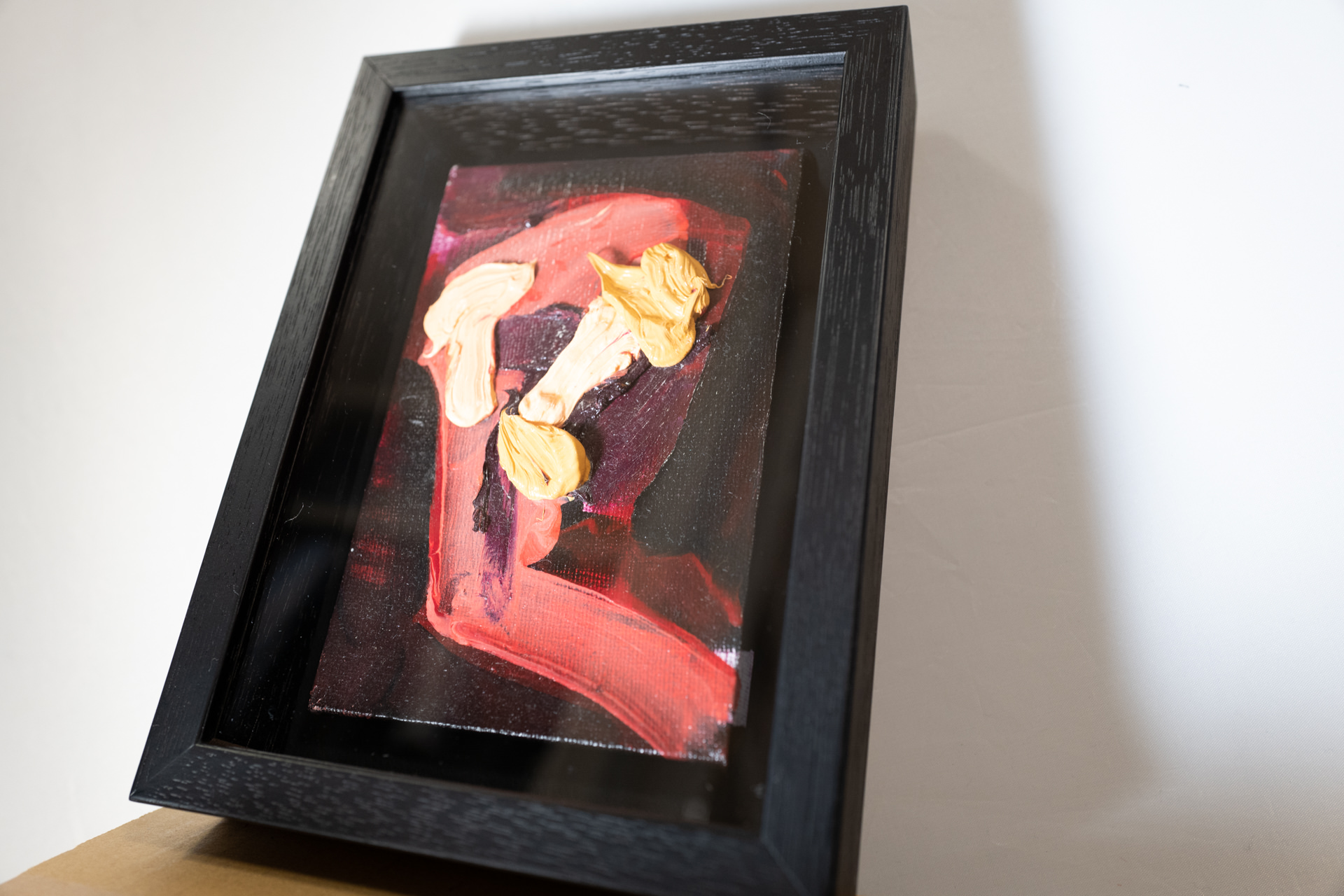
Could you tell the difference? For easy comparison, please view the slide-style image comparison (try sliding the pointer in the center).
What do you think? Quite an effect, right! I further adjusted the filter to find the best position.
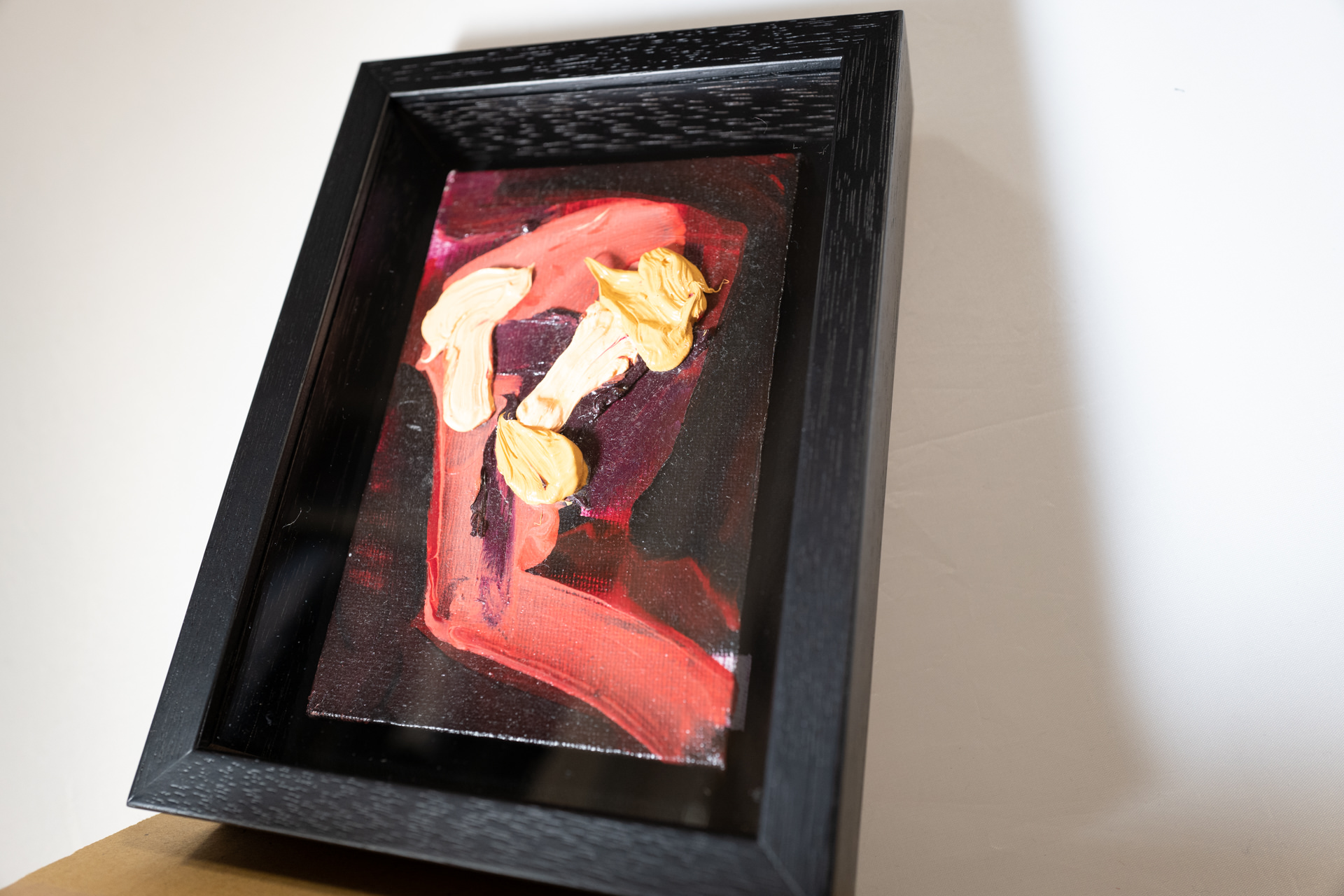
Now, let me finally compare no-filter use with the PL filter’s best position.
Yes, it’s obvious at a glance! You can feel the amazing effect.
I never thought a single filter could make this much difference. Shooting at museums and galleries looks set to become even more enjoyable. I recommend it to everyone!