Toshinao Yoshioka “Plastic Scenes”
I visited the solo show by printmaker Toshinao Yoshioka, “Plastic Scenes.” The venue is “Gallery OUT of PLACE TOKIO” on the second floor of Arts Chiyoda 3331.
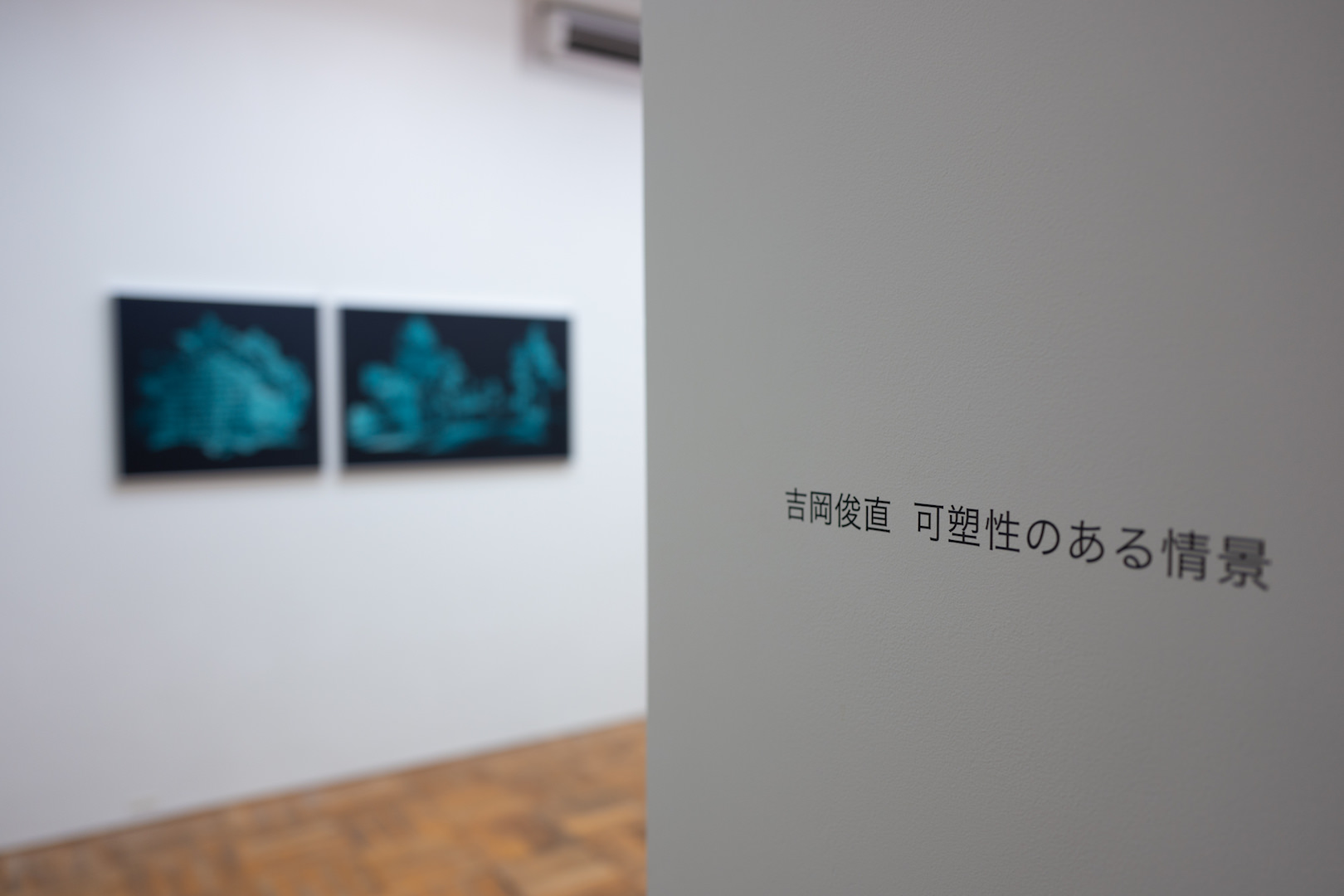
What you sense intuitively the moment you enter is that these works have been made with some kind of unusual technique.
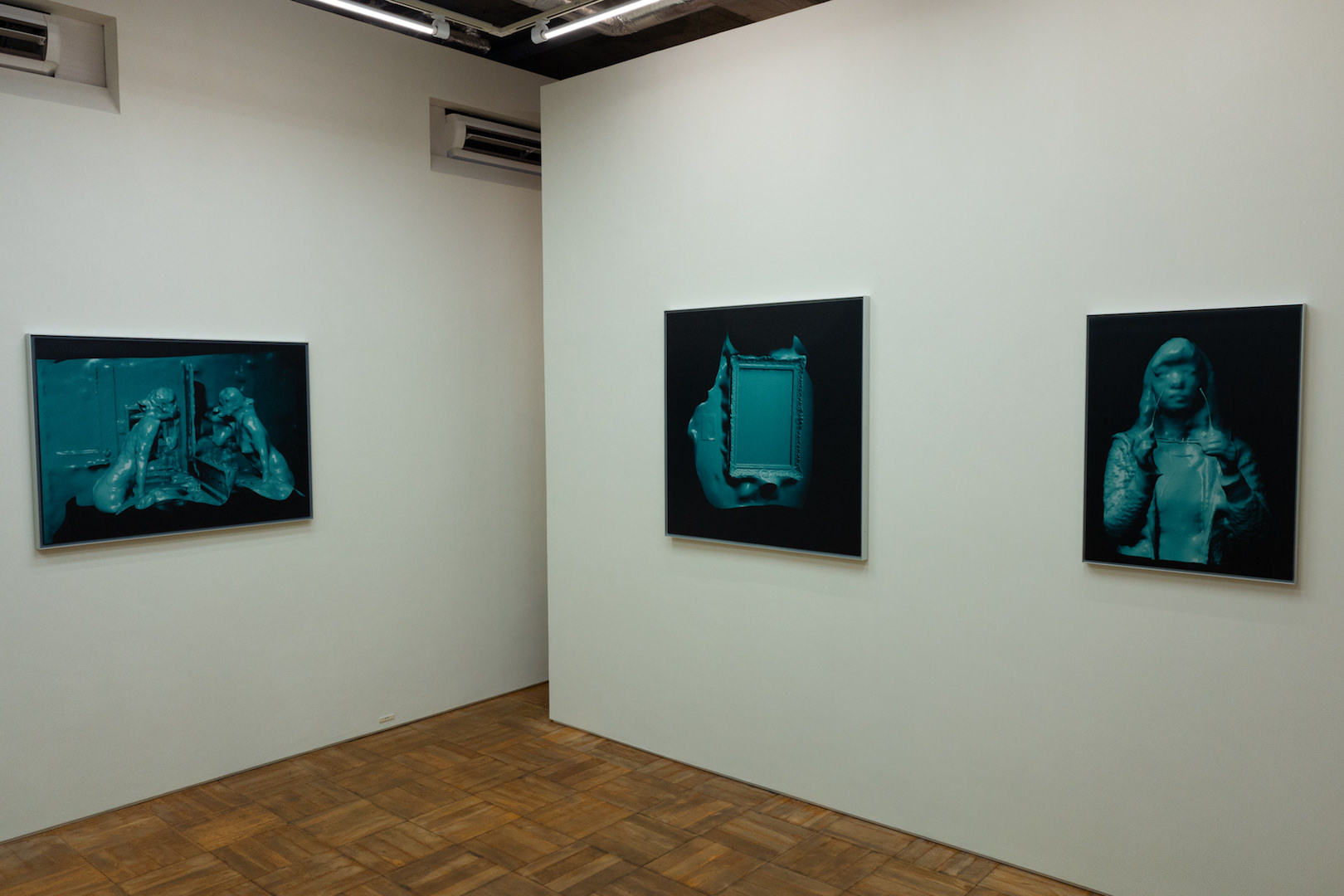
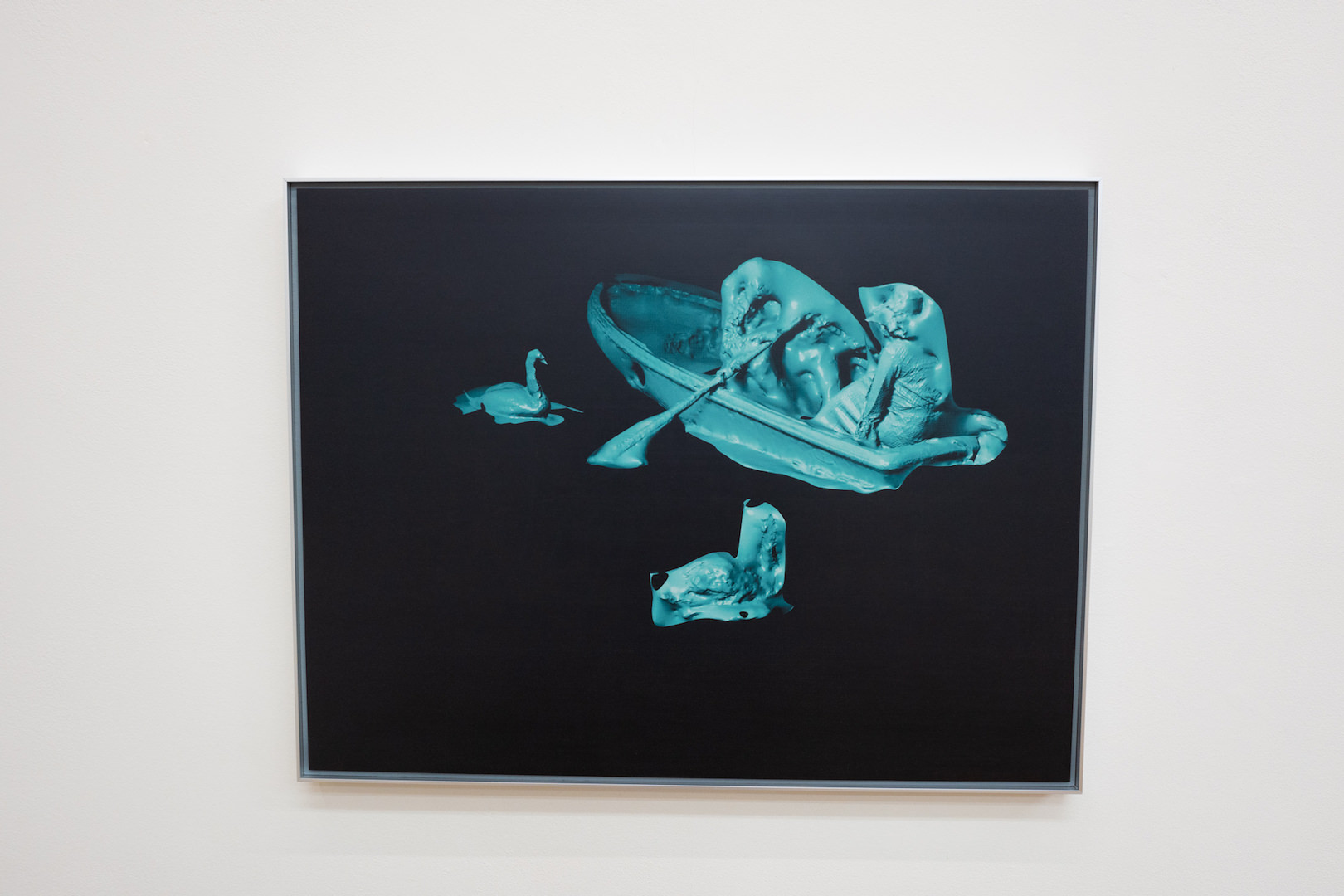
Look at the works and you see 3D-like objects — you might even think they were made with a 3D printer. What technique is this, exactly? Something anyone would wonder about.
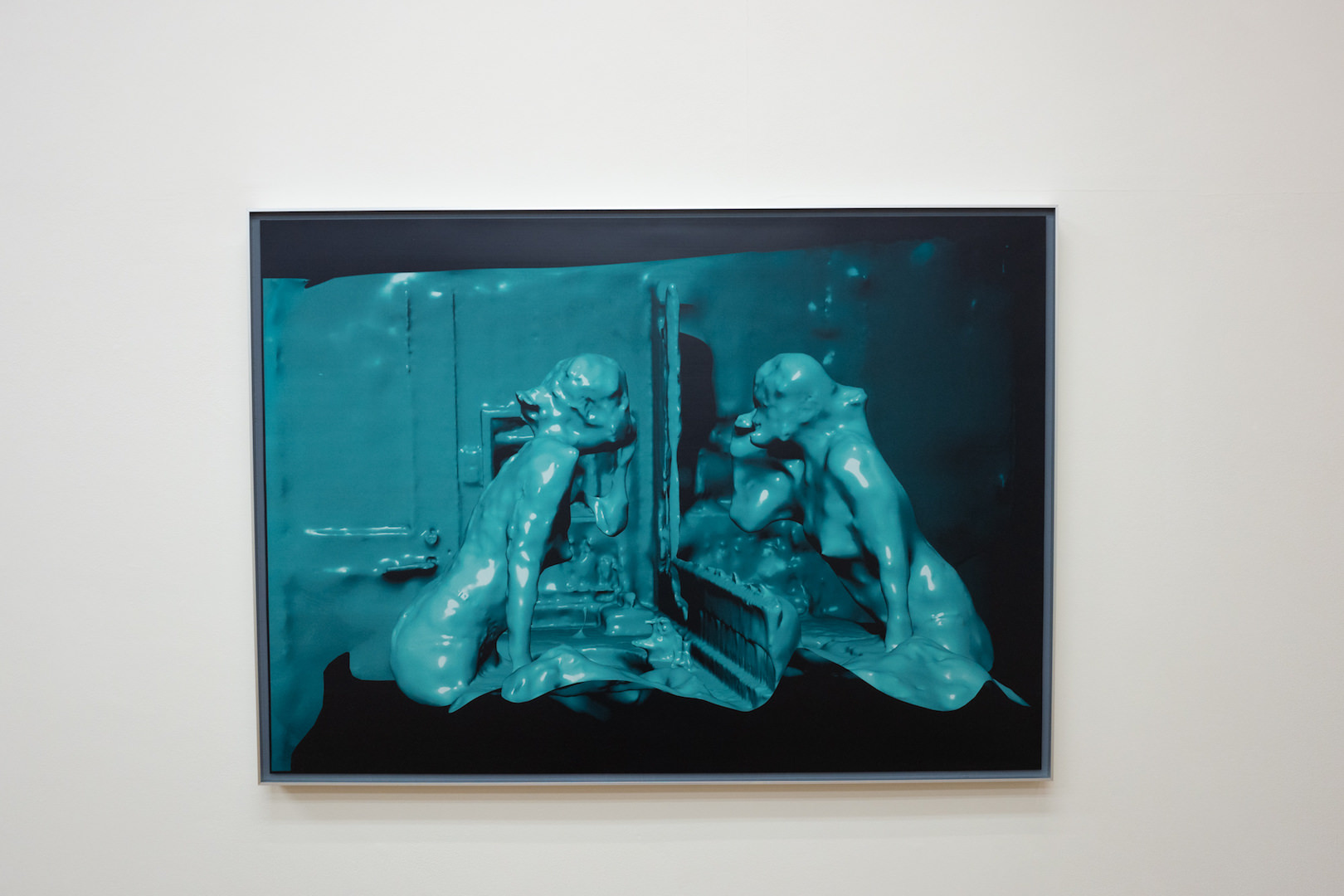
I asked the always-helpful gallery staff, and this is roughly the process, as I understand it. *If my understanding is off, someone please correct me.
- Photograph the subject that will serve as the motif.
- Shoot many photographs of the same composition from different angles. *The gallerist mentioned around 30 shots (varies by work).
- Turn those photographs into 3D on a PC.
- Further process the resulting 3D data on the PC — deformations, etc.
- Export the processed 3D data as a 2D flat image.
- Use the exported flat image to make a silkscreen print.
- The support is a rubber plate; the print uses four ink layers including white (for reflection highlights).
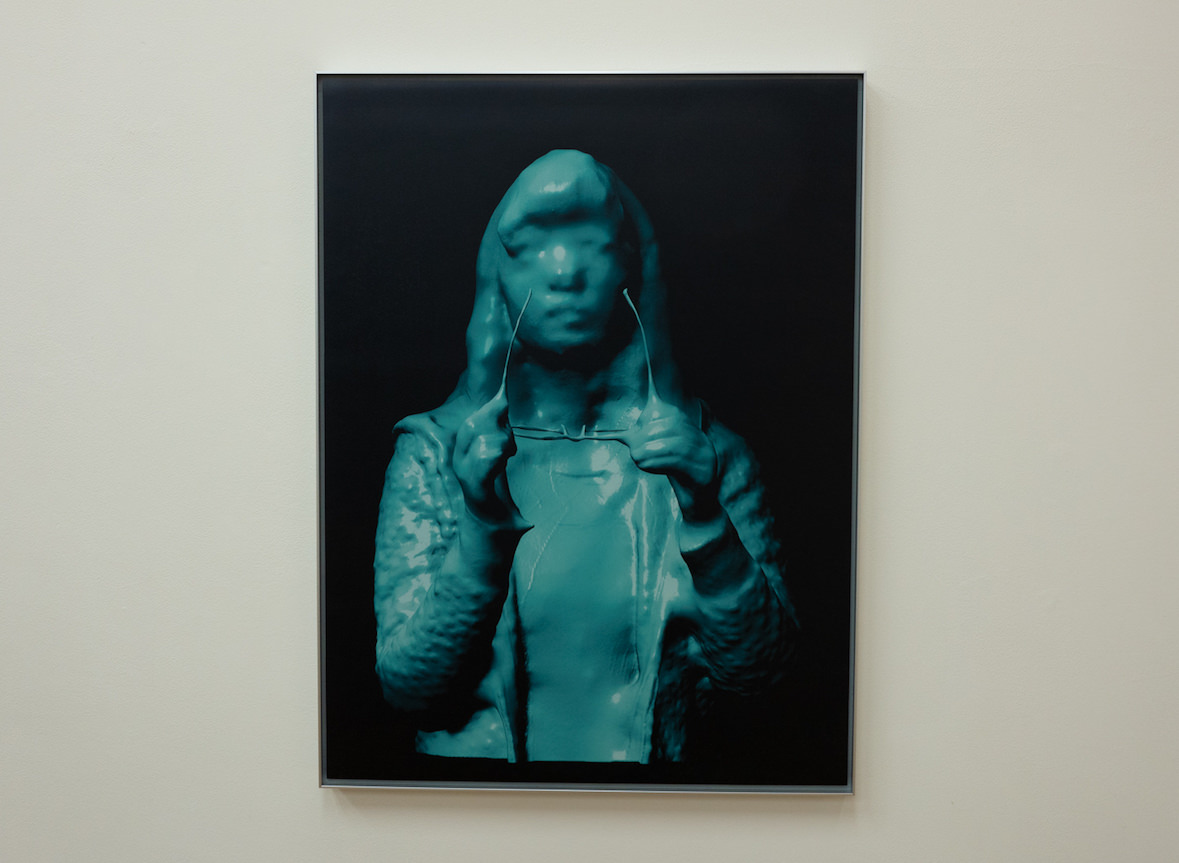
I looked up the technique a bit — it’s called “photogrammetry,” a photo-surveying technique that acquires 3D data from photographs. The same technique as the image-processing example introduced next (the following case uses a total of 110 photographs, so the data processing goes into serious detail).
Why a black rubber plate? Why green? Both are matters of the artist’s preference and how the colors come out — black and green really do go well together, and the works exude a texture there’s no words for.
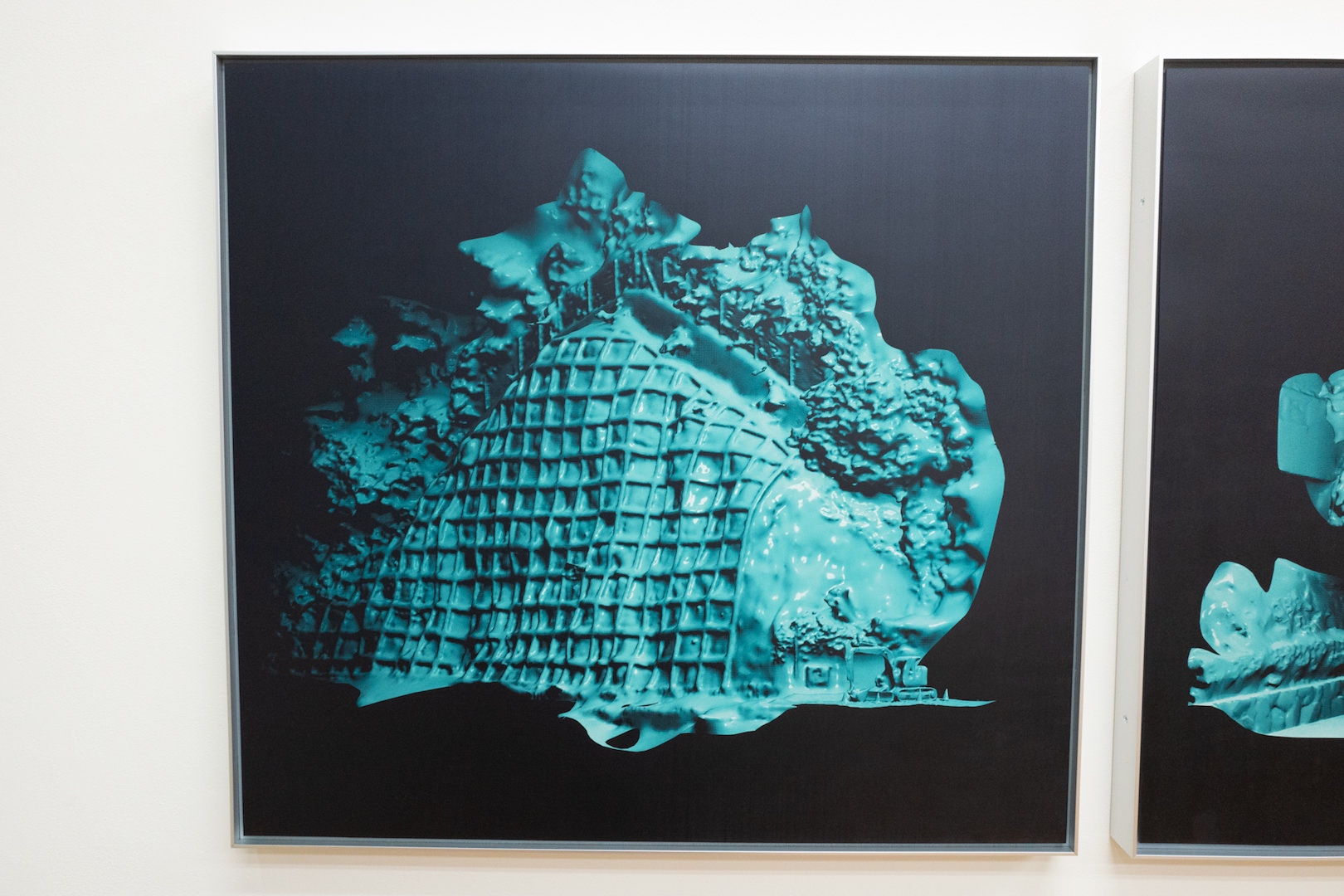
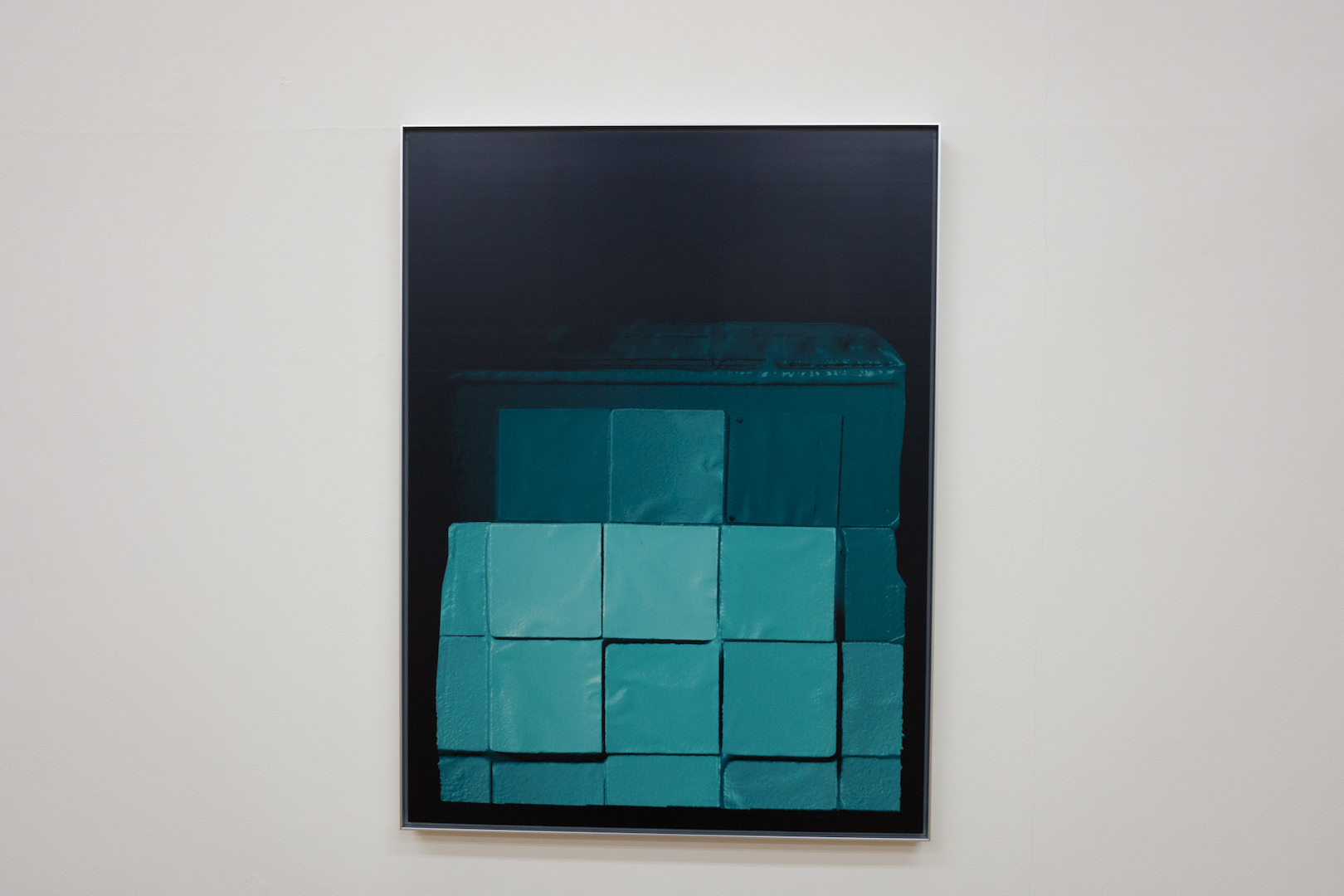
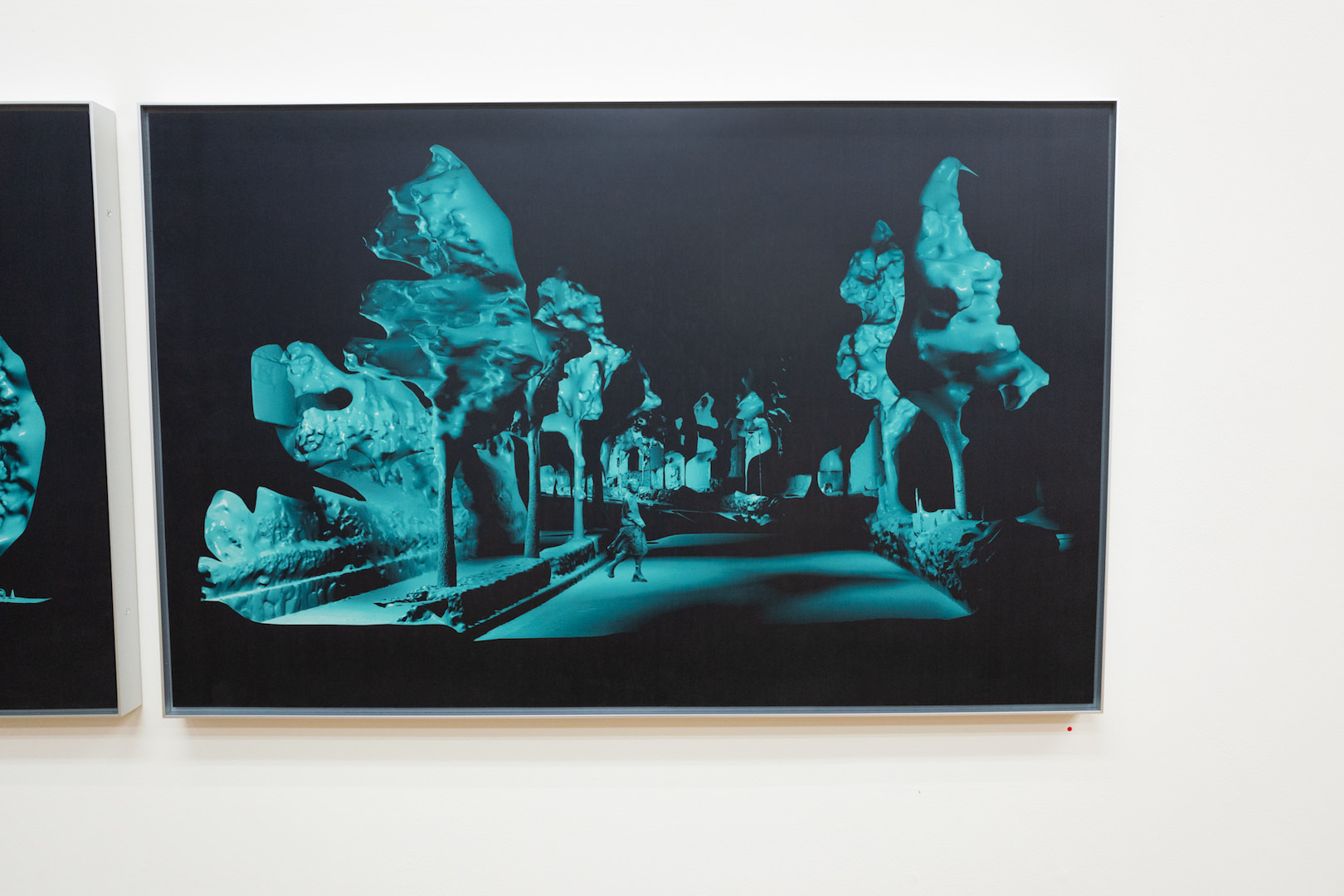
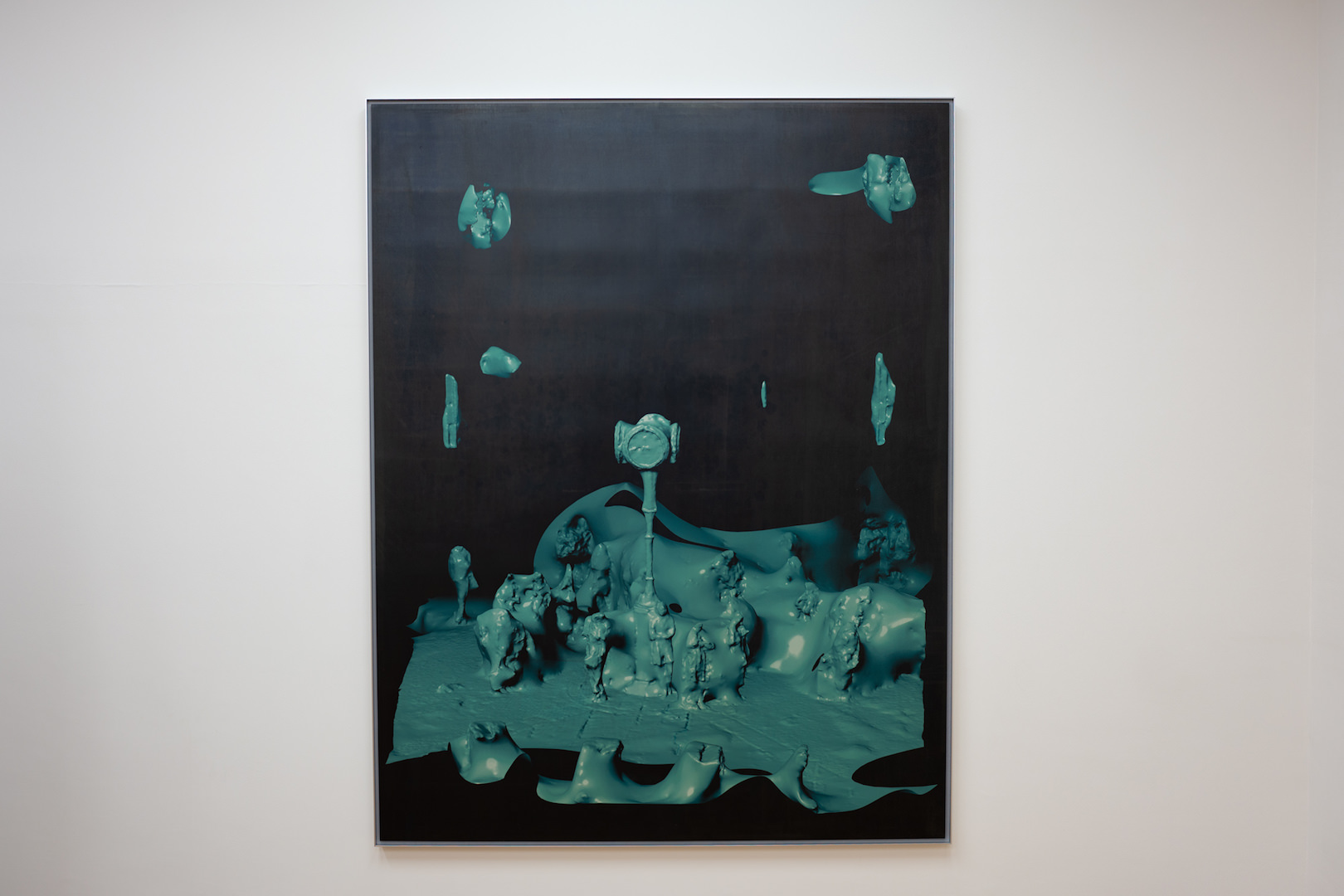
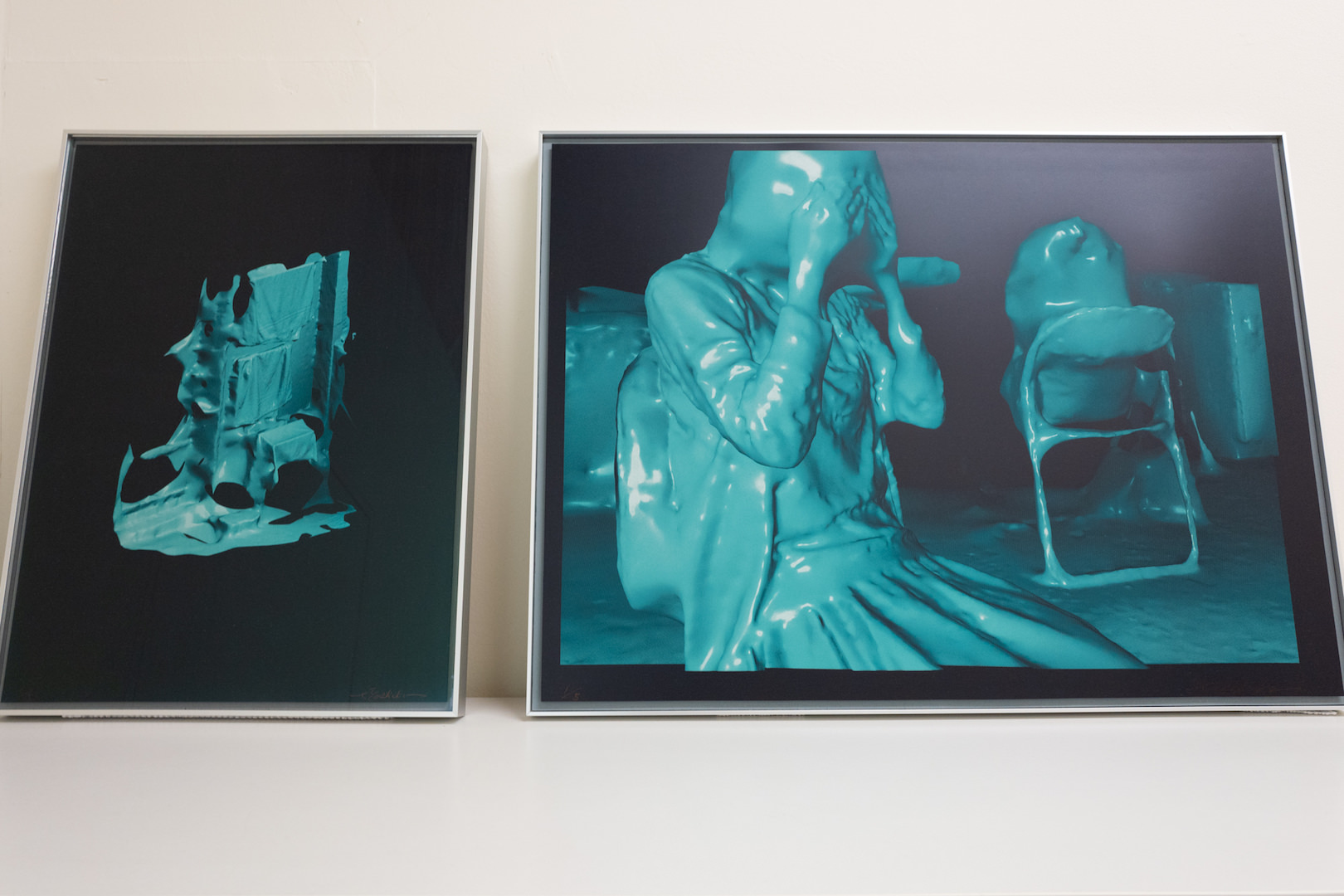
The processing gives the works a melting quality, and that’s what works so well. It’s just emo.
Summary
He now teaches at Kyoto City University of Arts while continuing his own practice. It’s exciting to imagine the new works that will come out of this technique. Definitely one to keep watching.