Yumiko Utsu, “Zaku Zaku Bara Bara Nnnn…”
I visited photographer Yumiko Utsu’s solo exhibition.
The venue is one unit of a two-story apartment building drenched in Showa atmosphere, a 7- to 8-minute walk from Machiya Station.
It sits at the end of tangled alleys, and if it’s your first visit you can easily lose your way.
The layout is a small space of about 2K. She’s opened up the room she normally uses as her studio for the exhibition. I knocked before entering, and of course shoes had to come off — the viewing system involves stepping up into the room itself.
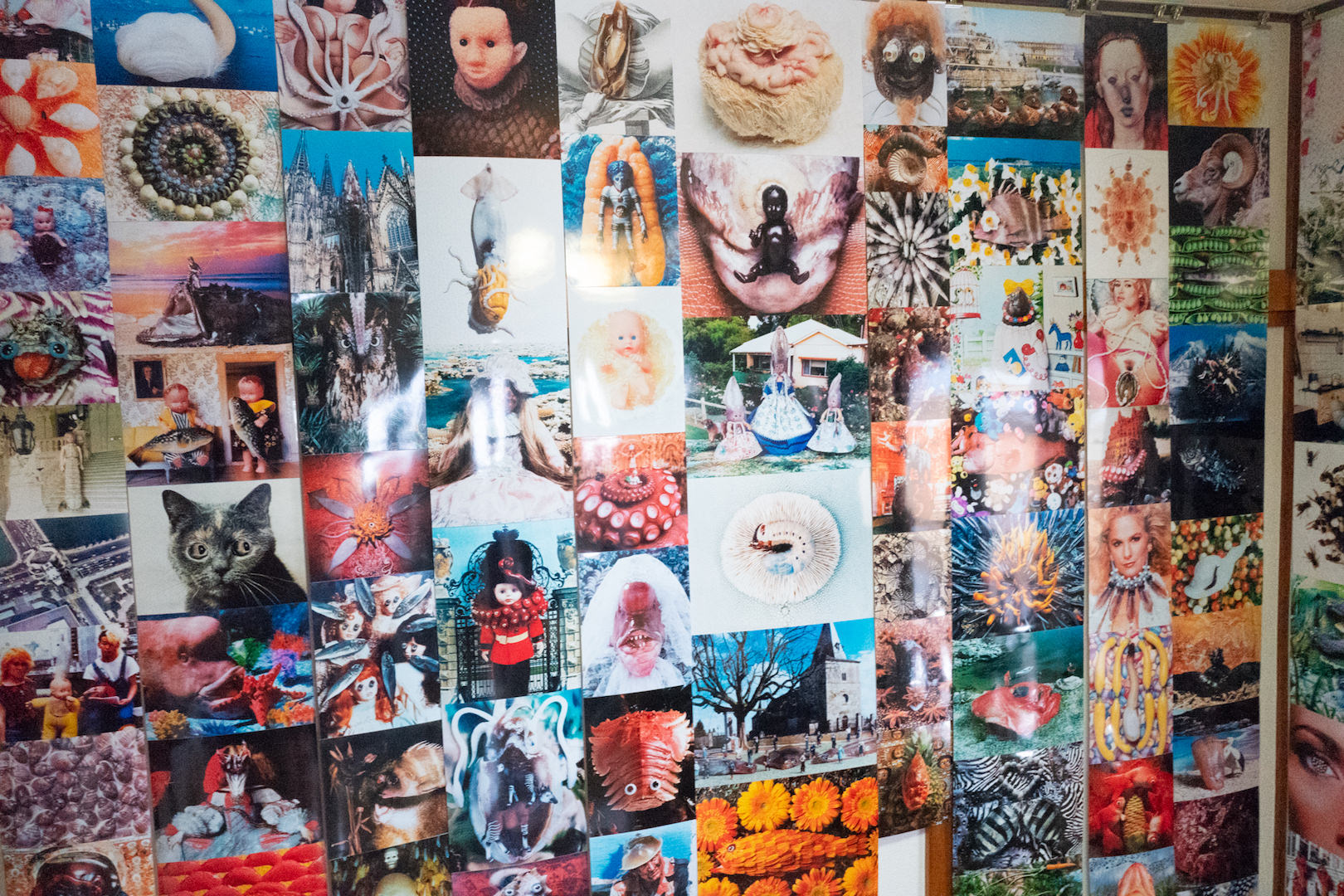
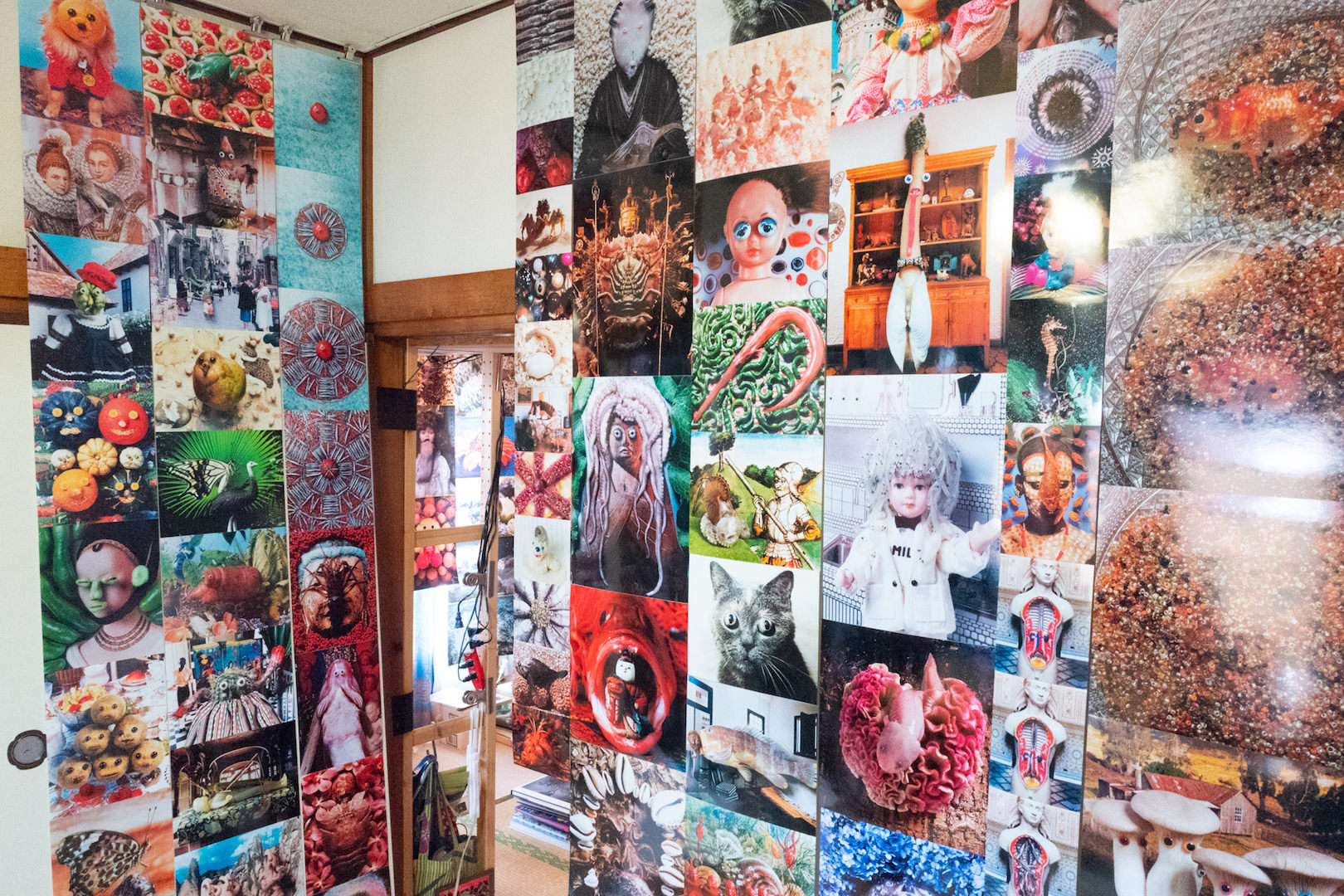
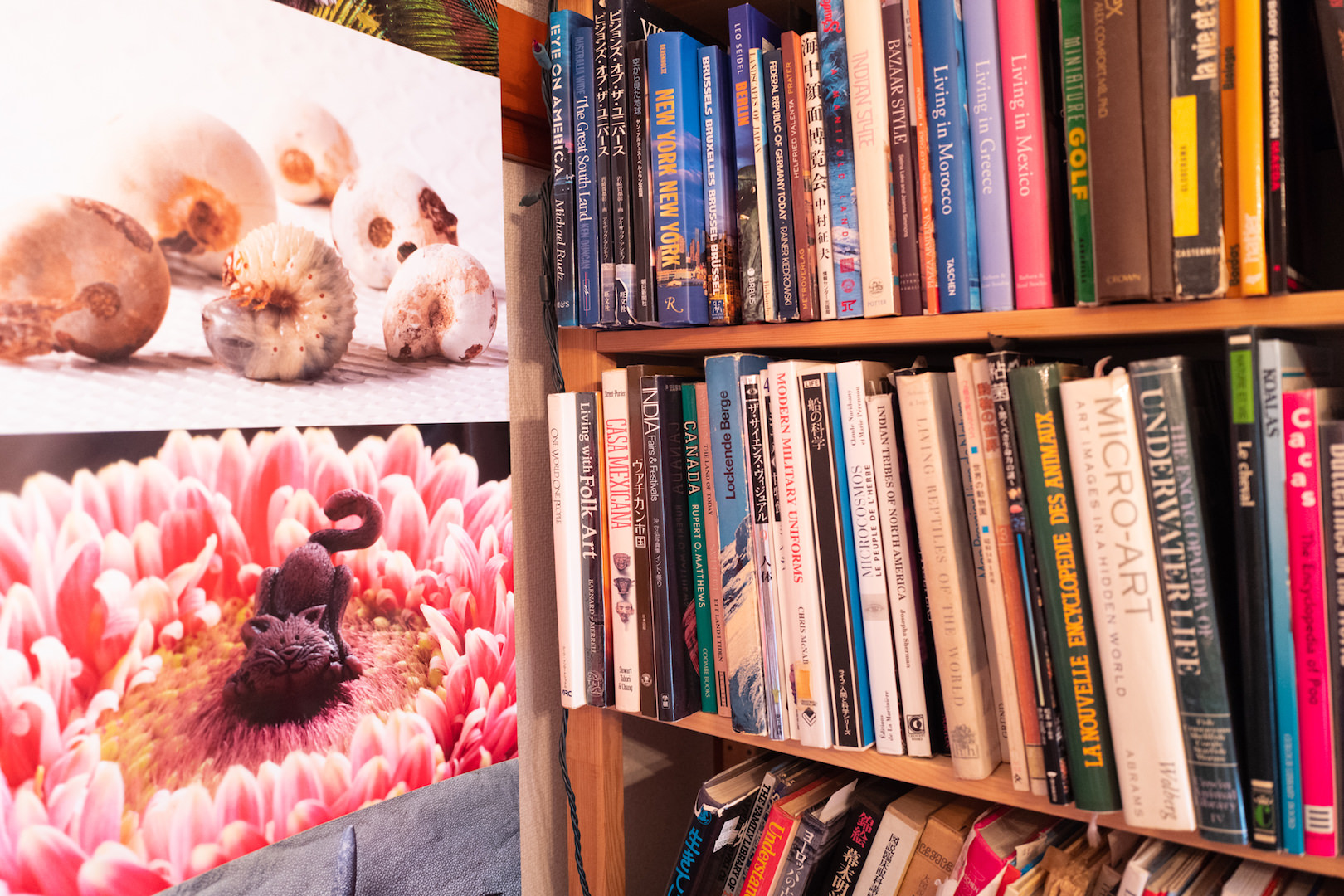
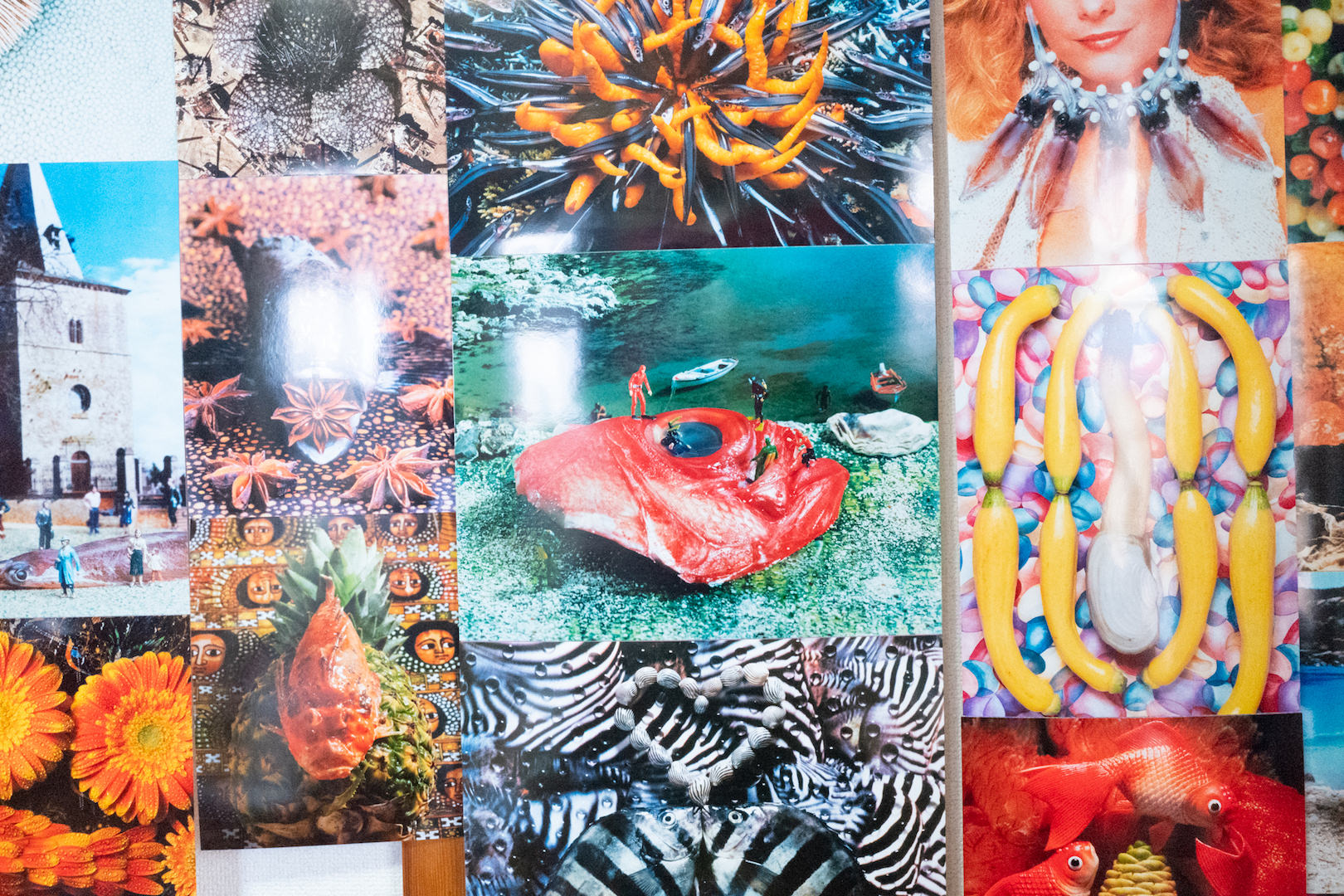 The works were displayed bare, without frames — prints pasted straight onto the walls, gap-free, covering entire surfaces. One glance is enough to see: every single work is a photograph born from a truly unusual set of motifs.
She constructs distinctive backdrops from books and various objects, and creates entire worlds using miniature figures, fish, insects, food, and more. 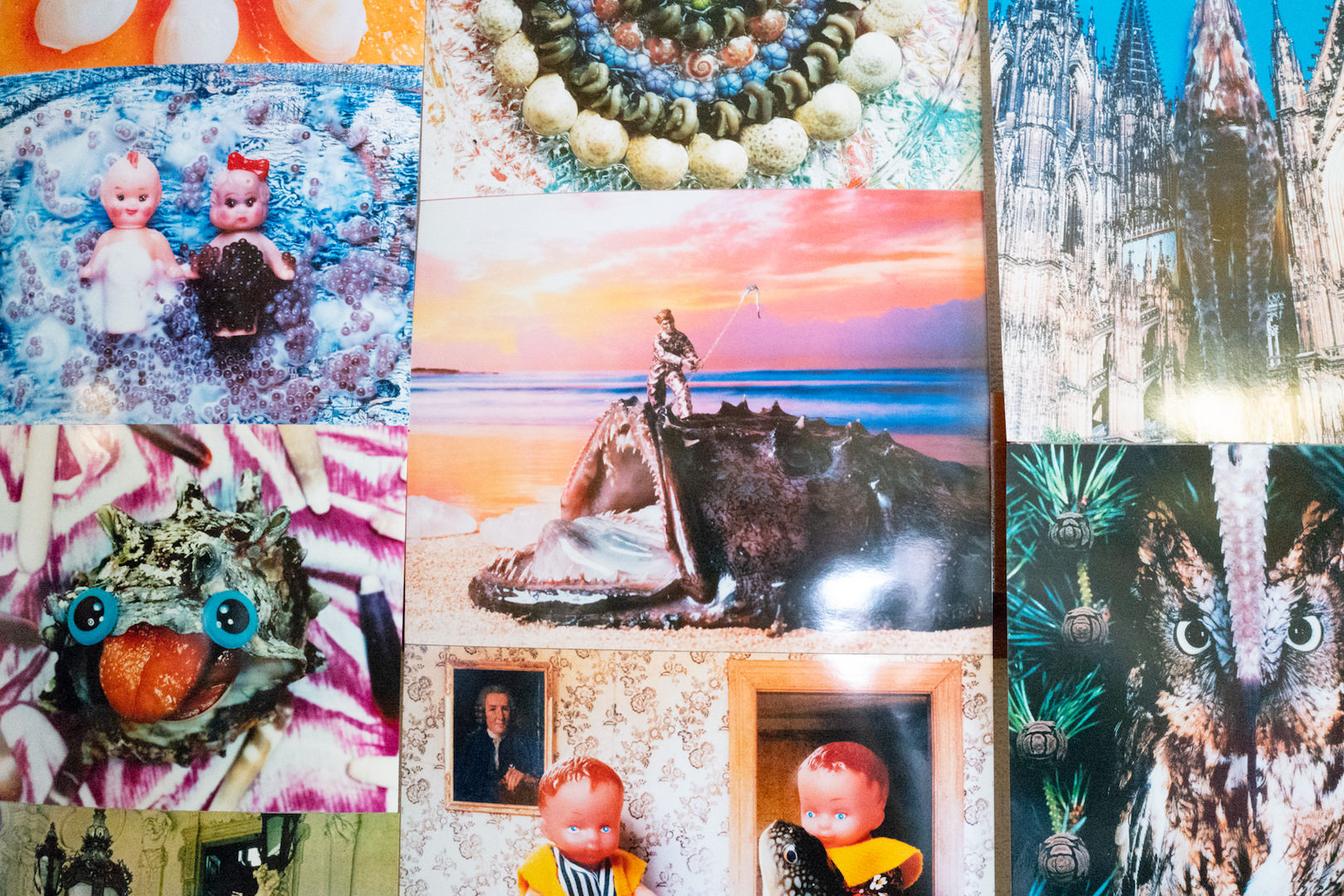 “If I have the objects, the combinations just come naturally,” says Yumiko Utsu — and I follow her point, but every single work unfolded a world I’d never seen before, and I couldn’t take my eyes off any of it. She shared all sorts of stories about the works.
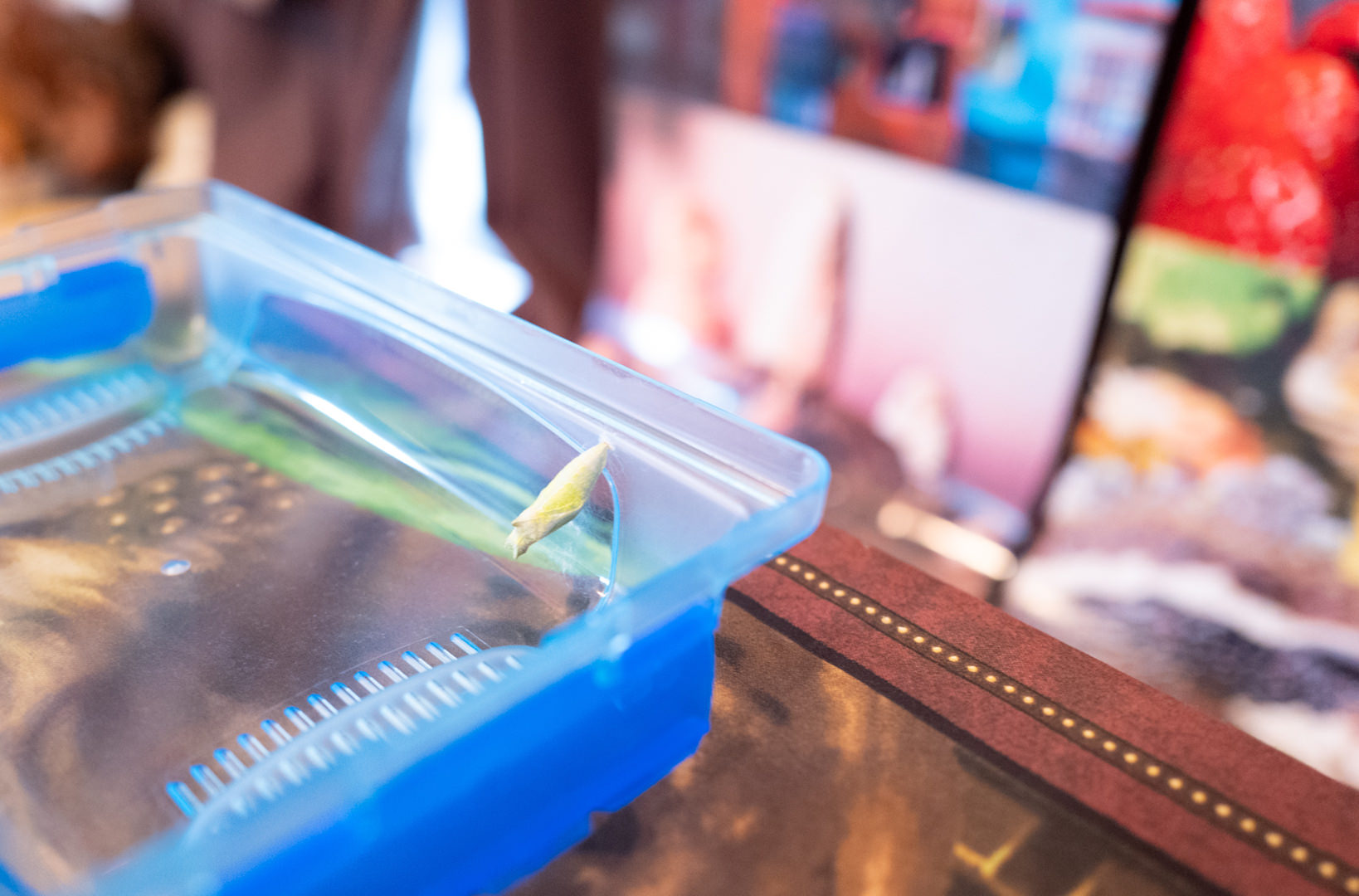
At one point she pulled frozen baby mice out of the freezer to show me; at another, she brought out a chrysalis, saying “turning from a squishy liquid into a butterfly is such a mystery.” She seems to have a heightened sensitivity to living creatures, and it clearly feeds directly into the work. The pieces are indeed full of a deep affection for life, and even the subjects themselves seem happy in them.
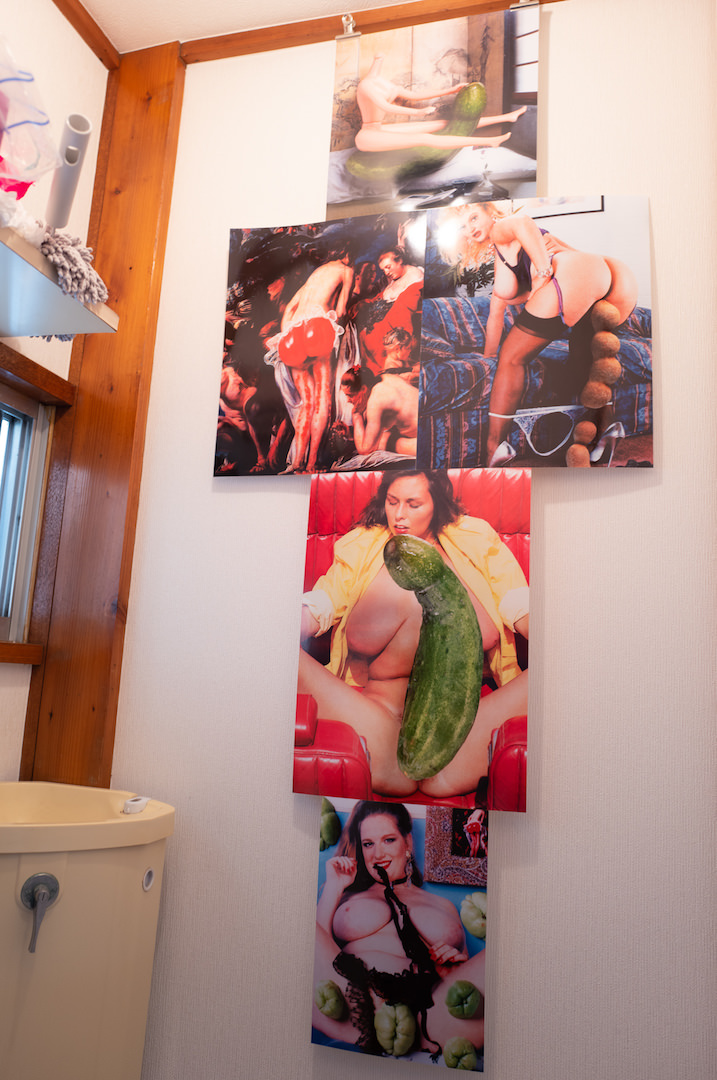
Notably, there were also works inside the Japanese-style toilet, where a distinctly R-18 world was unfolding…
Mini-Frame Works Corner
The “Mini-Frame Works Corner” — all 3,000 yen (tax included) — was so much fun that I ended up spending a good long while hunting for pieces.
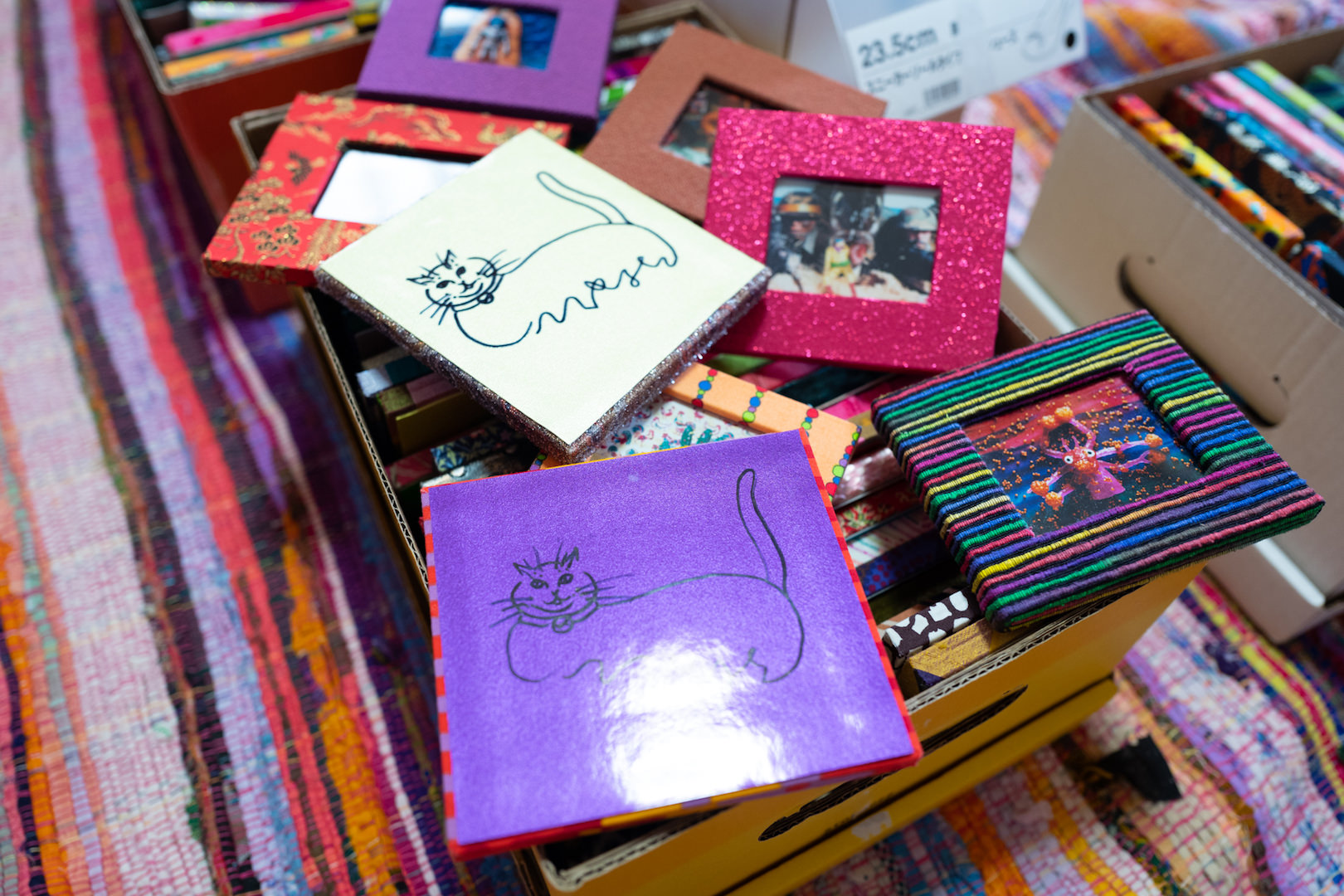
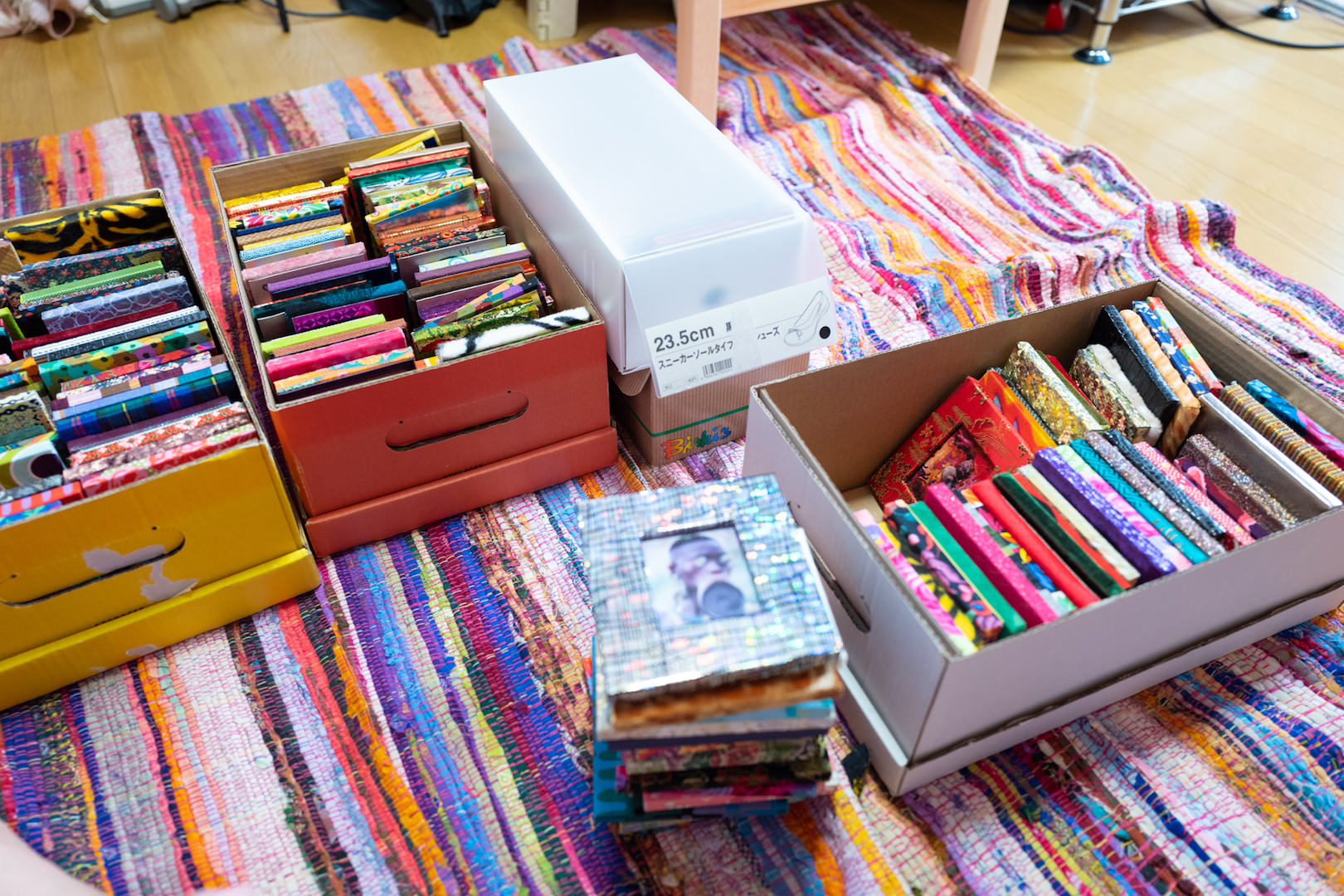
Calling it a “corner” is generous — it was more like a bargain-bin format, where visitors themselves rummaged through a box of framed works, examining each one and picking out their favorite.
Apparently one person bought “30 works!” on their own. Buying a lot and then framing them again could be another approach → double framing!
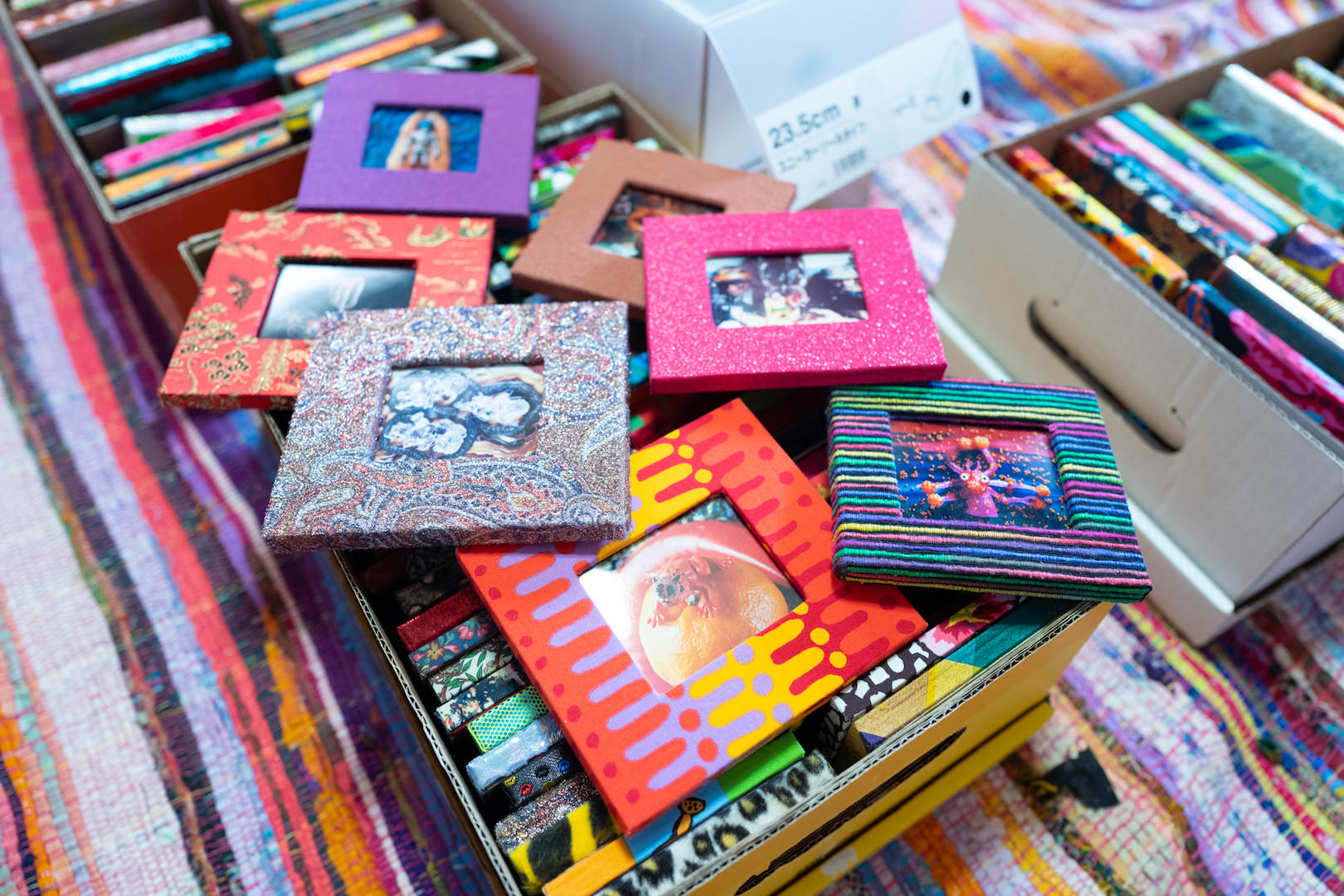 Even in small works, the subject’s details are printed with astonishing precision. For the piece I bought, she told me, “if you look at it with a magnifying glass, things you couldn’t see before become visible.”
*Apparently the technique used is called “contact printing” (contact print / beta-yaki).
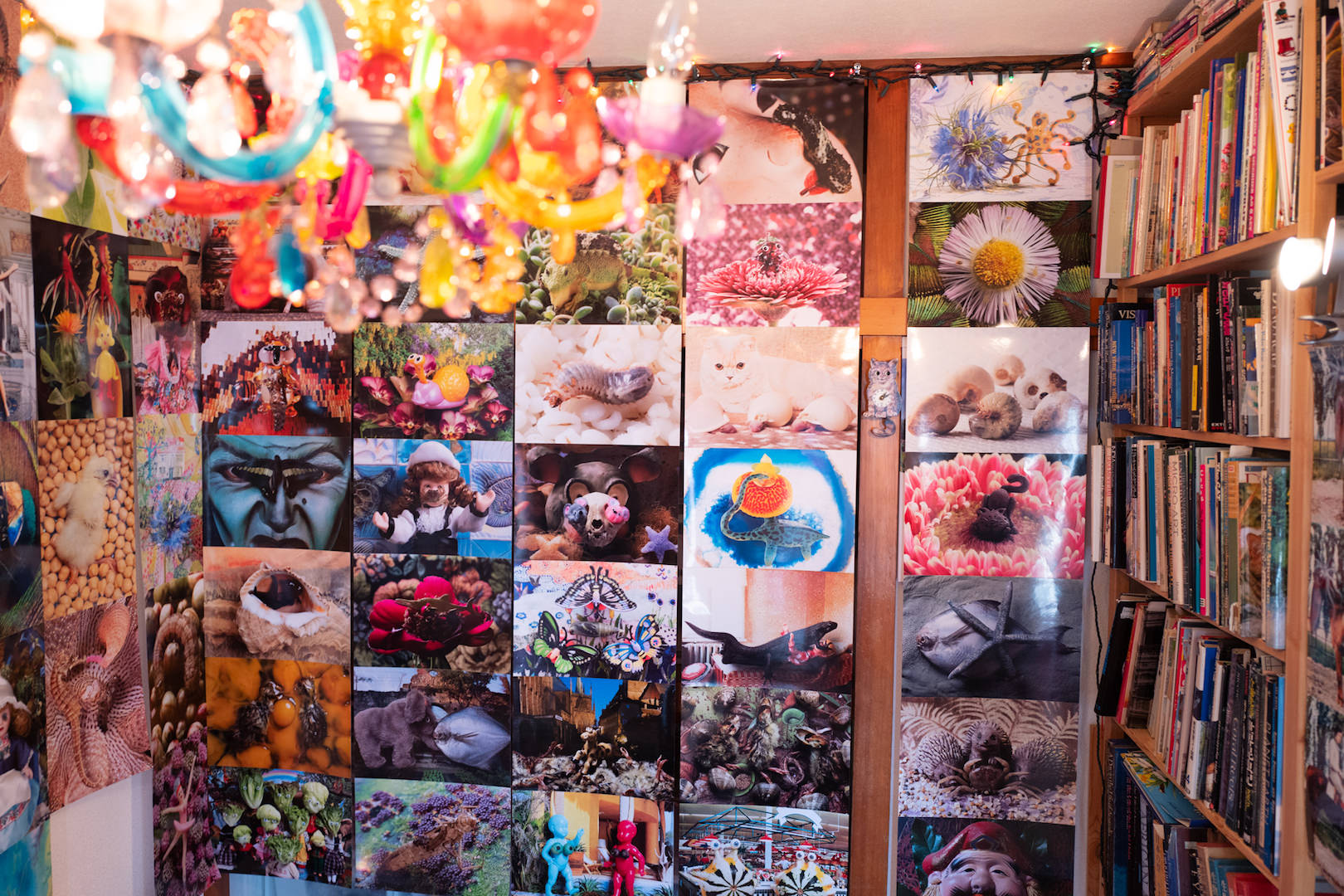
Also, since Yumiko Utsu is represented by G/P Gallery, the works pasted on the walls have to be purchased through the gallery. She herself put it as “prices to match,” and when I actually asked, the numbers were indeed those of a serious photographer. The mini-frame corner is apparently a much more accessible offer.
Even within Tokyo, the Machiya location is a bit off the beaten track, but precisely because of this town’s Showa-era apartment, the aura the works give off is dense, and it turned out to be a rare time that stirred my artistic senses.