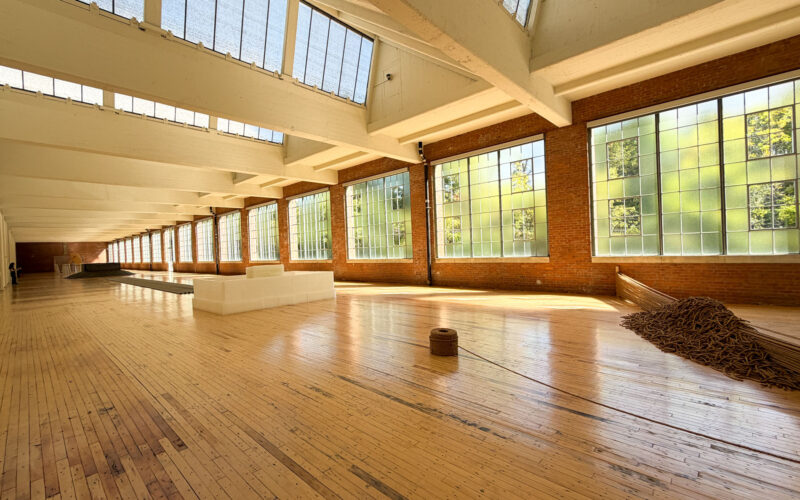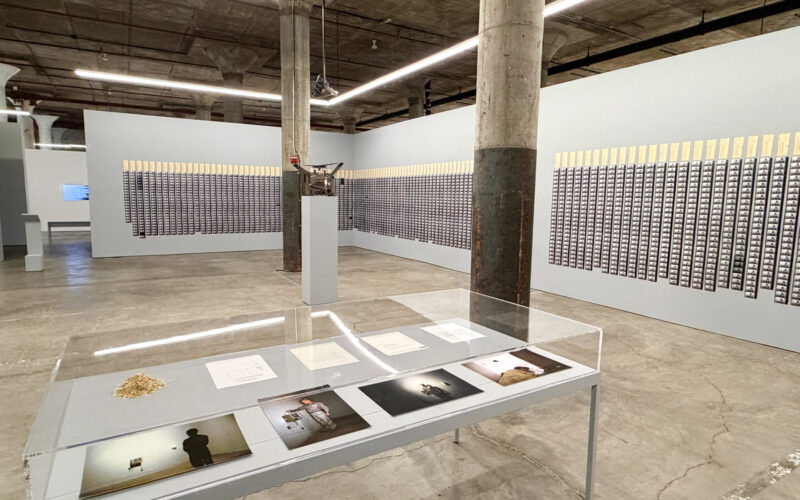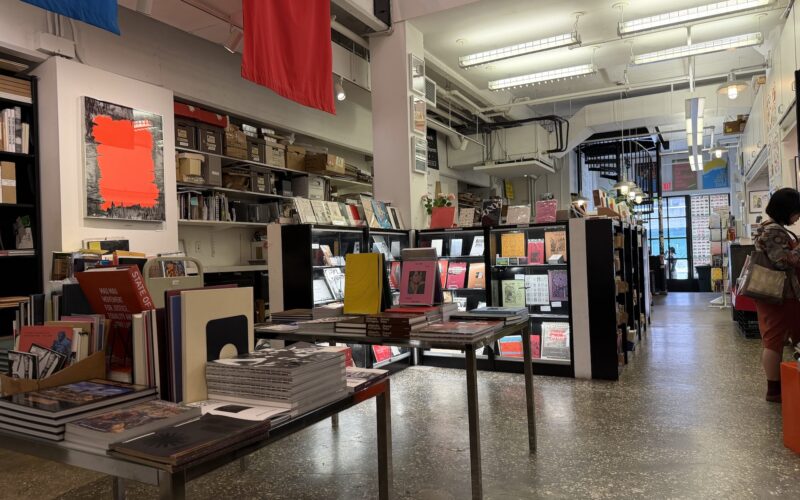
Michinooku Art Festival — Yamagata Biennale 2018
Held every two years, the Michinooku Art Festival “Yamagata Biennale.”
Born in 2014 in the wake of the Great East Japan Earthquake, this was its third edition, held in 2018, and I made the trip.
Despite an unusual, short-run schedule of just 13 days — running only on Fridays, Saturdays, Sundays, and public holidays — it turned out to be a genuinely fascinating art festival, so I would like to file a report.
I visited near the very end of the run, catching the final two days. Reflecting on those two days of enjoyment, I distilled my thoughts, which I think come down to the following seven points.
- Easy access, and comfortable to stay in.
- A moderate scale that can be seen in one or two days
- Free admission, with few crowds
- A well-balanced program spanning young and veteran artists — with a curatorial approach that crosses historical works with contemporary ones.
- A welcoming atmosphere thanks to the devoted hospitality of volunteer staff
- Content that can be enjoyed across generations
- Rich food culture — the charm of Yamagata cuisine
7 Reasons the Yamagata Biennale Is Wonderful!
[1] Easy access, and comfortable to stay in.
Many people probably feel Yamagata is geographically distant, but it is directly connected to Tokyo by a single Shinkansen ride — about 2 hours and 40 minutes. I left Tokyo just after 7 a.m. and arrived at Yamagata Station by 10 a.m., leaving me with a full day to spend at leisure.
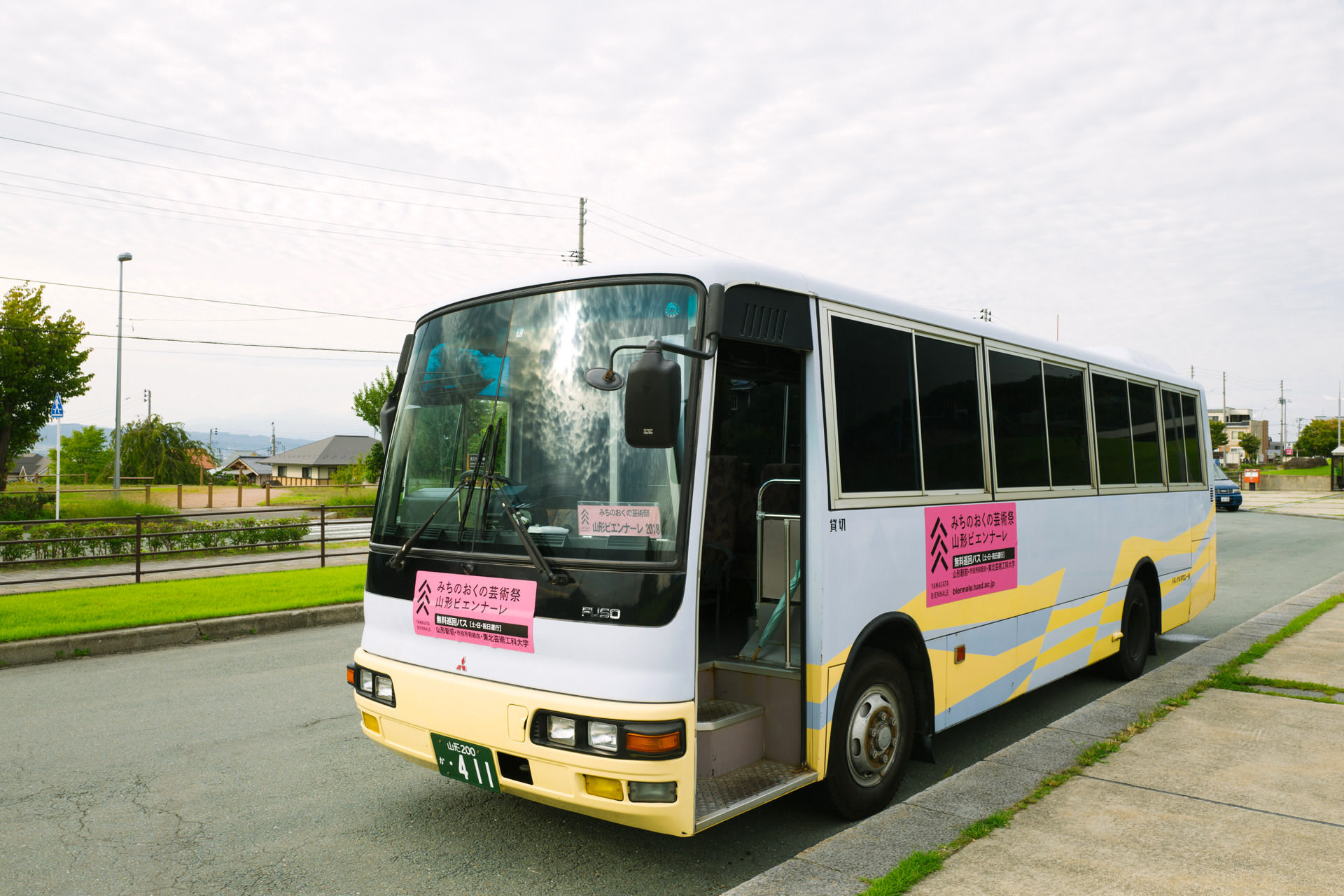
The festival is concentrated in two areas, both connected by a free shuttle bus, so a day trip is possible. But if you want to take your time with the festival — and truly enjoy the many charms of Yamagata itself, since you have come all this way — a two-day, one-night schedule is what I would recommend. You will want to take full advantage of “Yamagata gourmet” too, which I touch on later.
I booked a JR View Tour (two days / one night, hotel included, round-trip Shinkansen) for 24,000 yen (tax included), reserving one week before the tour date.
[2] An art festival at a moderate scale — see it in 1-2 days
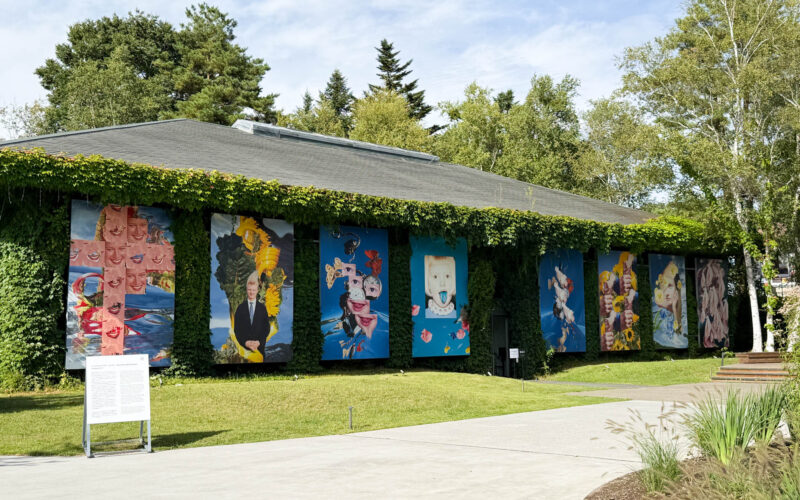
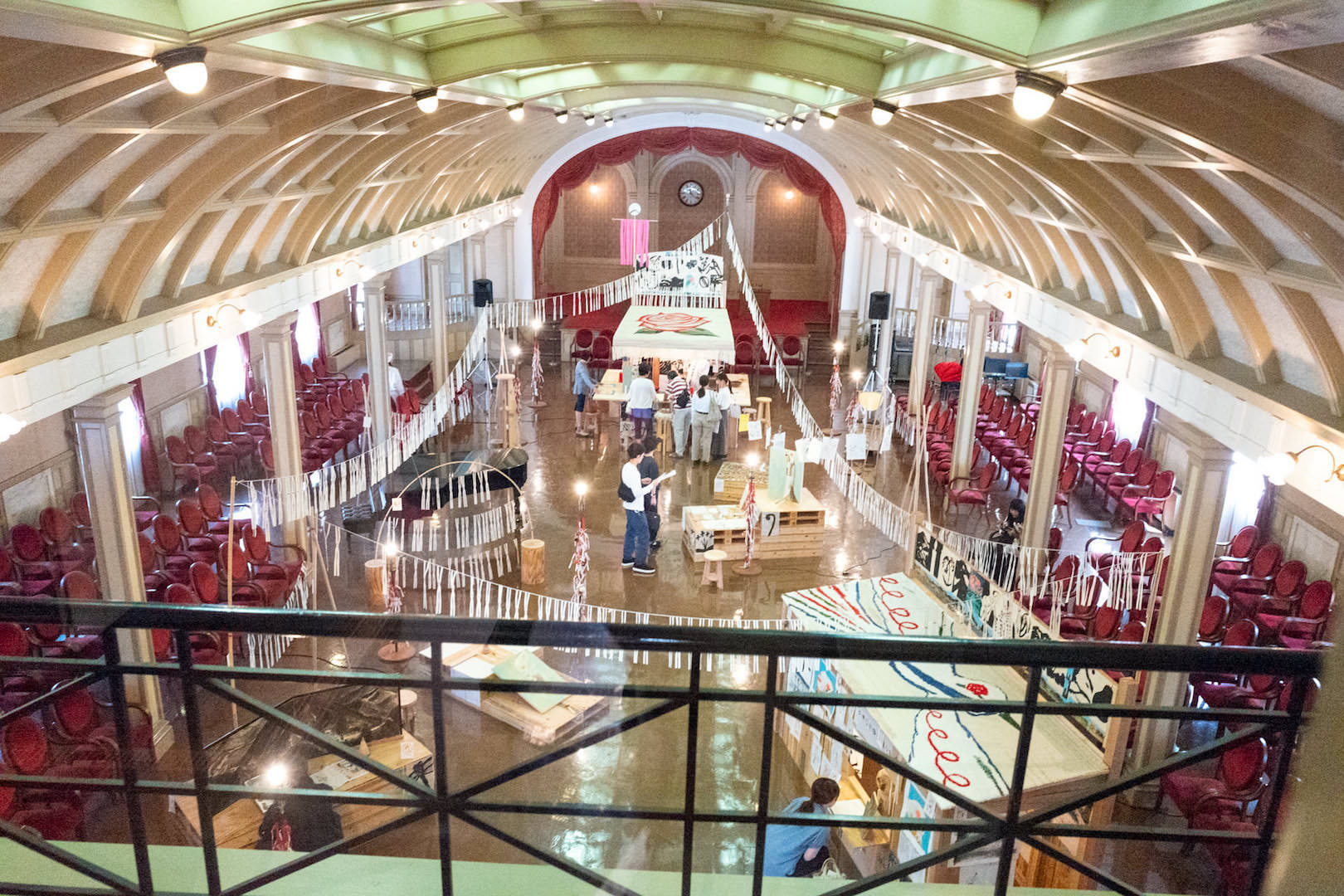
The Yamagata Biennale is held across two areas: the Yamagata Prefectural Local Museum “Bunshokan” and its surrounding neighborhood, roughly a 20-minute walk from JR Yamagata Station, and the grounds of Tohoku University of Art and Design.
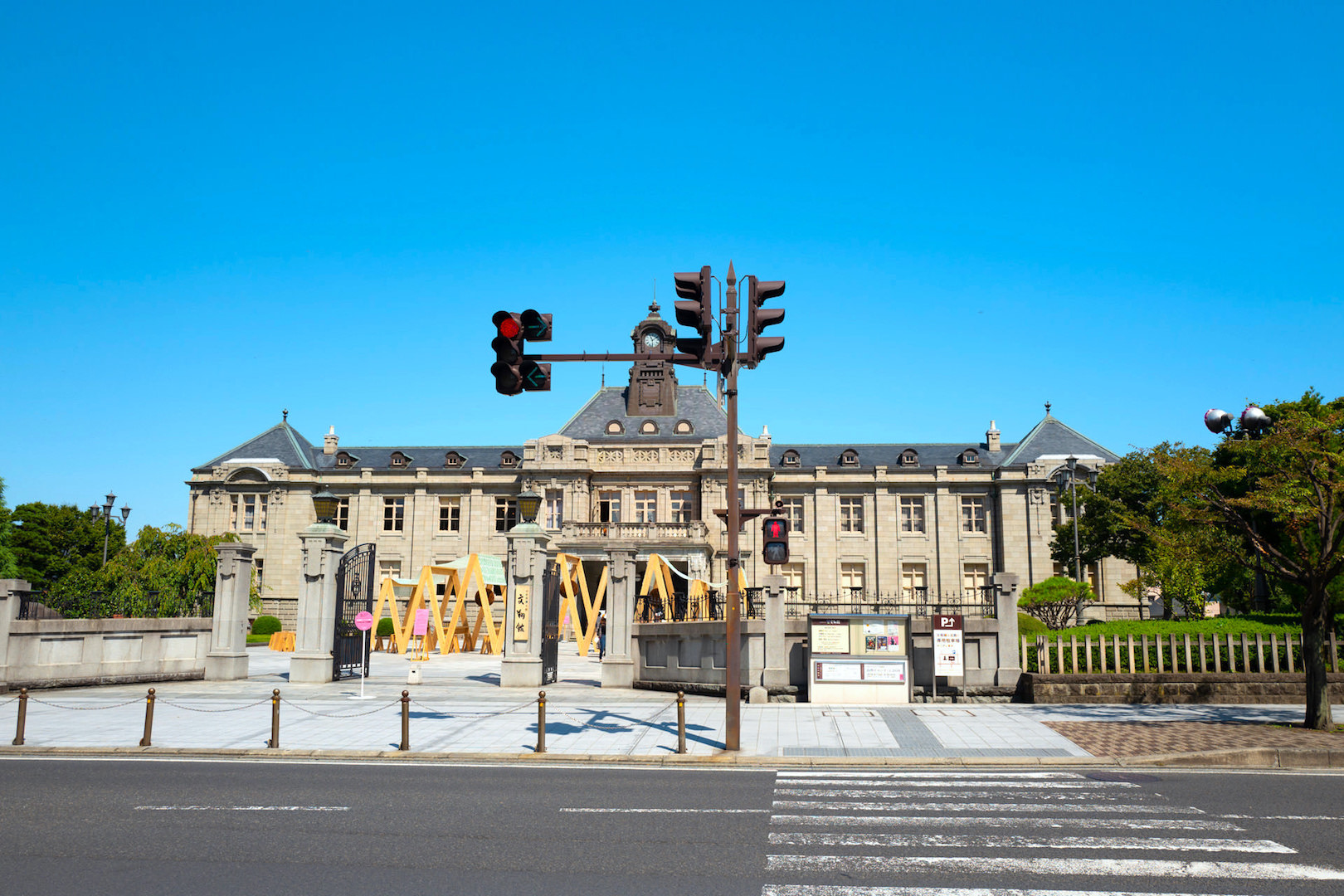
Small-venue exhibitions were also held within a few minutes’ walk of Bunshokan — at Tongari Building, Nagatoya Hinatagura & Nurigura, and gura, among others — but everything is compactly arranged, so moving between venues never feels like a chore.
Tohoku University of Art and Design is a 15-minute shuttle bus ride from Bunshokan.
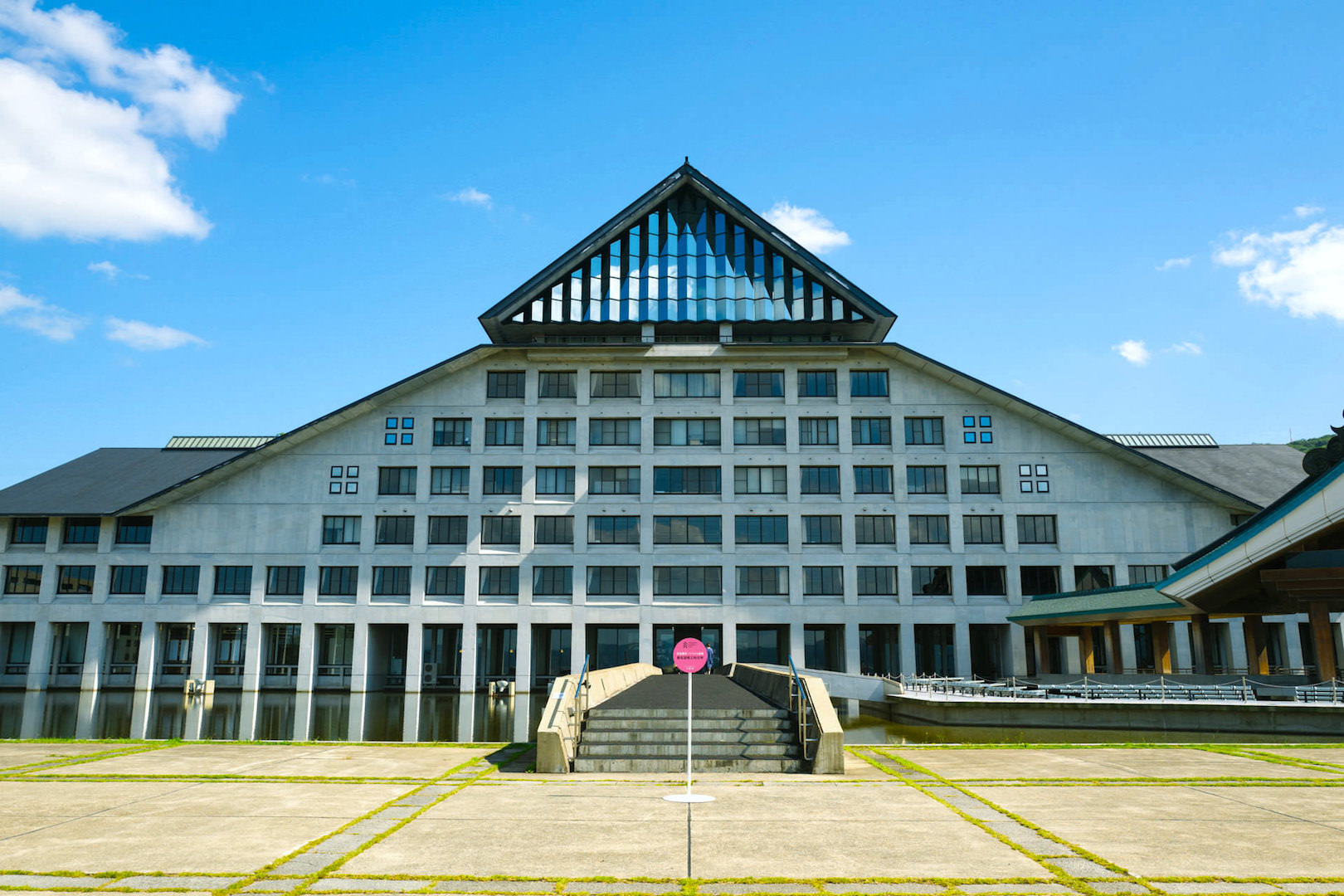
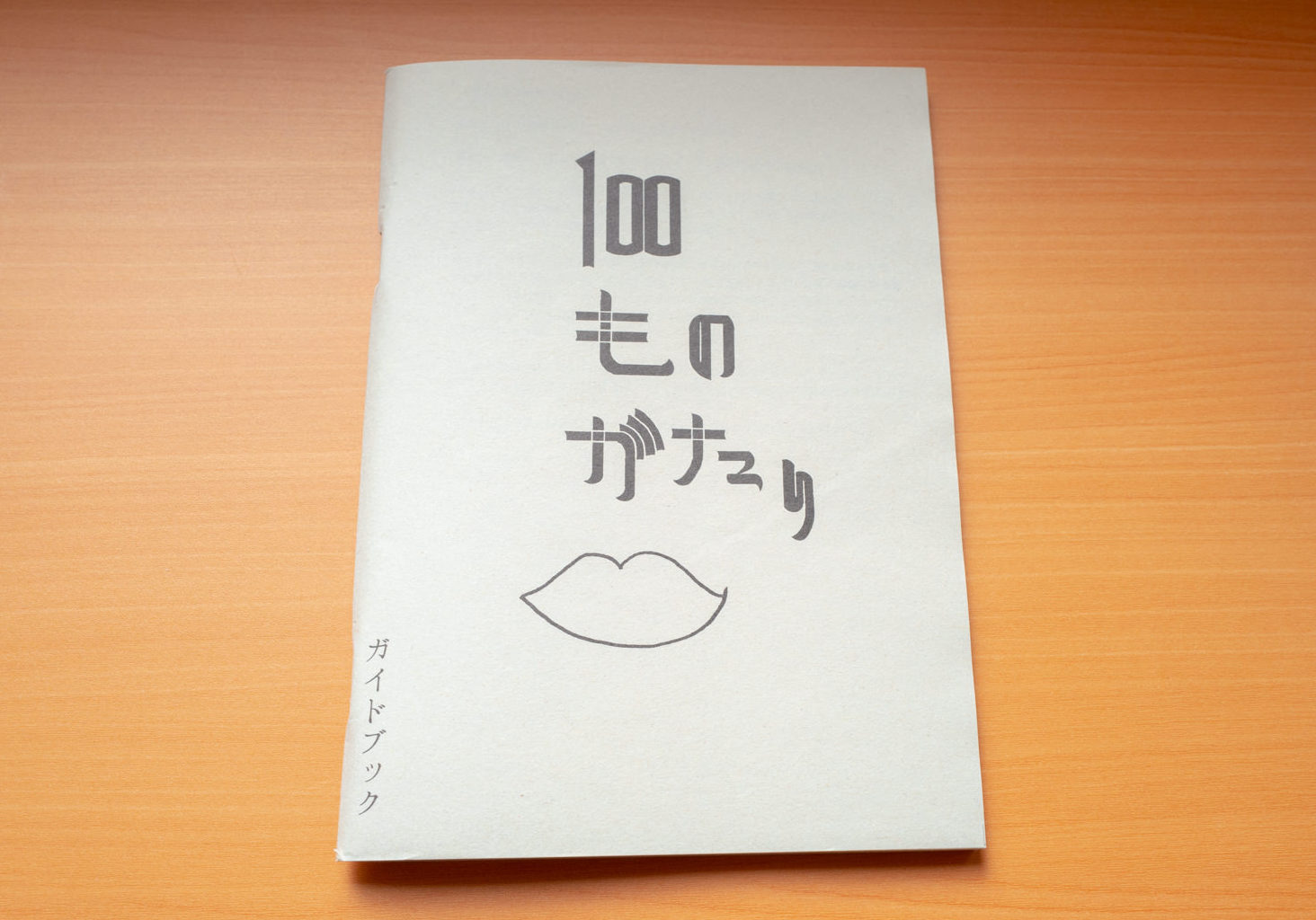
At Tohoku University of Art and Design, an art project titled “100 Stories” featuring 100 works was on view.
There were many memorable installations, but among them “New Sakurada no Yu” was especially fun to experience.
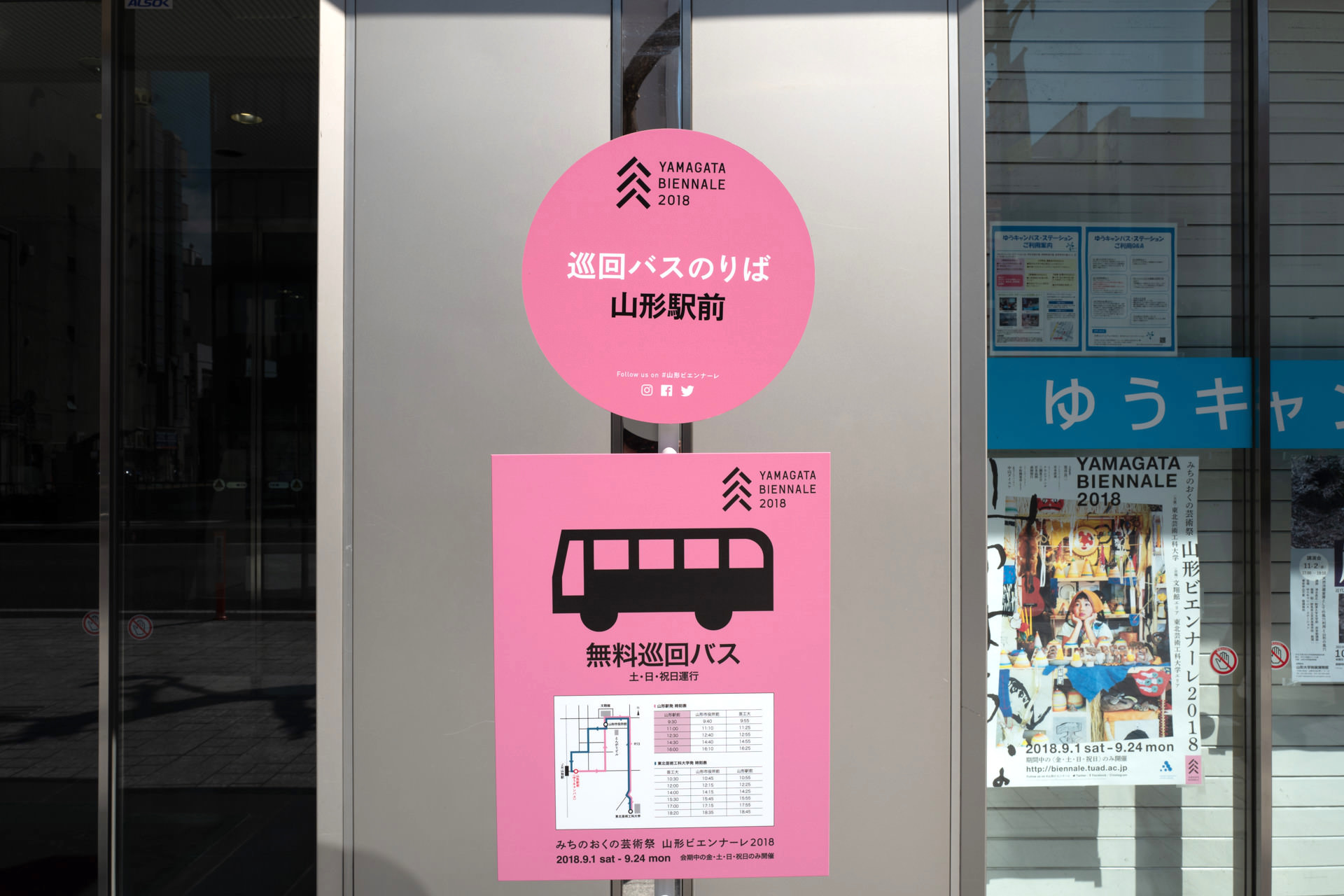
A free loop bus runs between JR Yamagata Station and the two areas, and visitors were consulting the timetable to plan their viewing time. The timetable is also printed in the pamphlet.
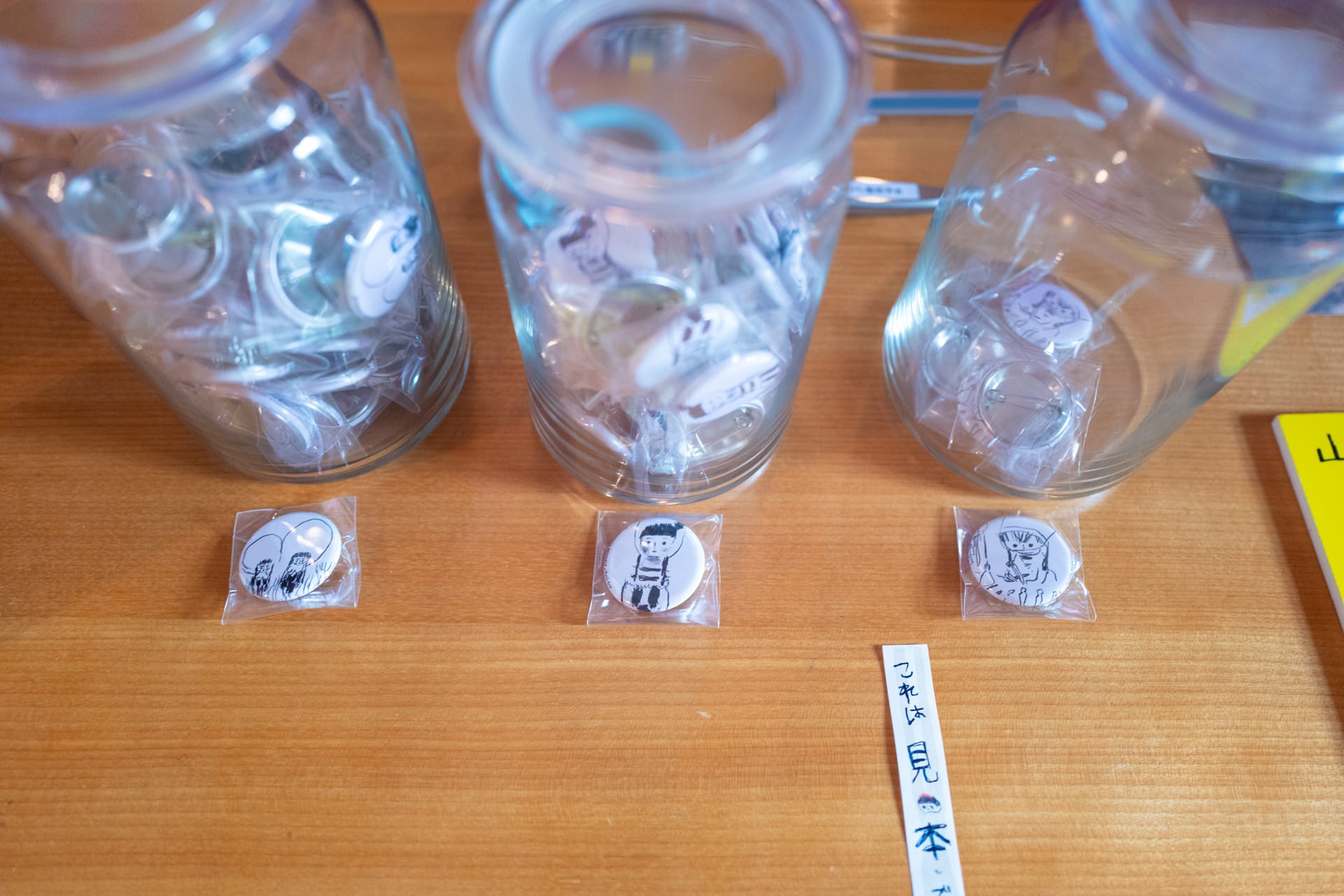
[3] Free admission (and few crowds)
[4] A well-balanced program from emerging to veteran artists — and a curatorial approach that crosses history with the present
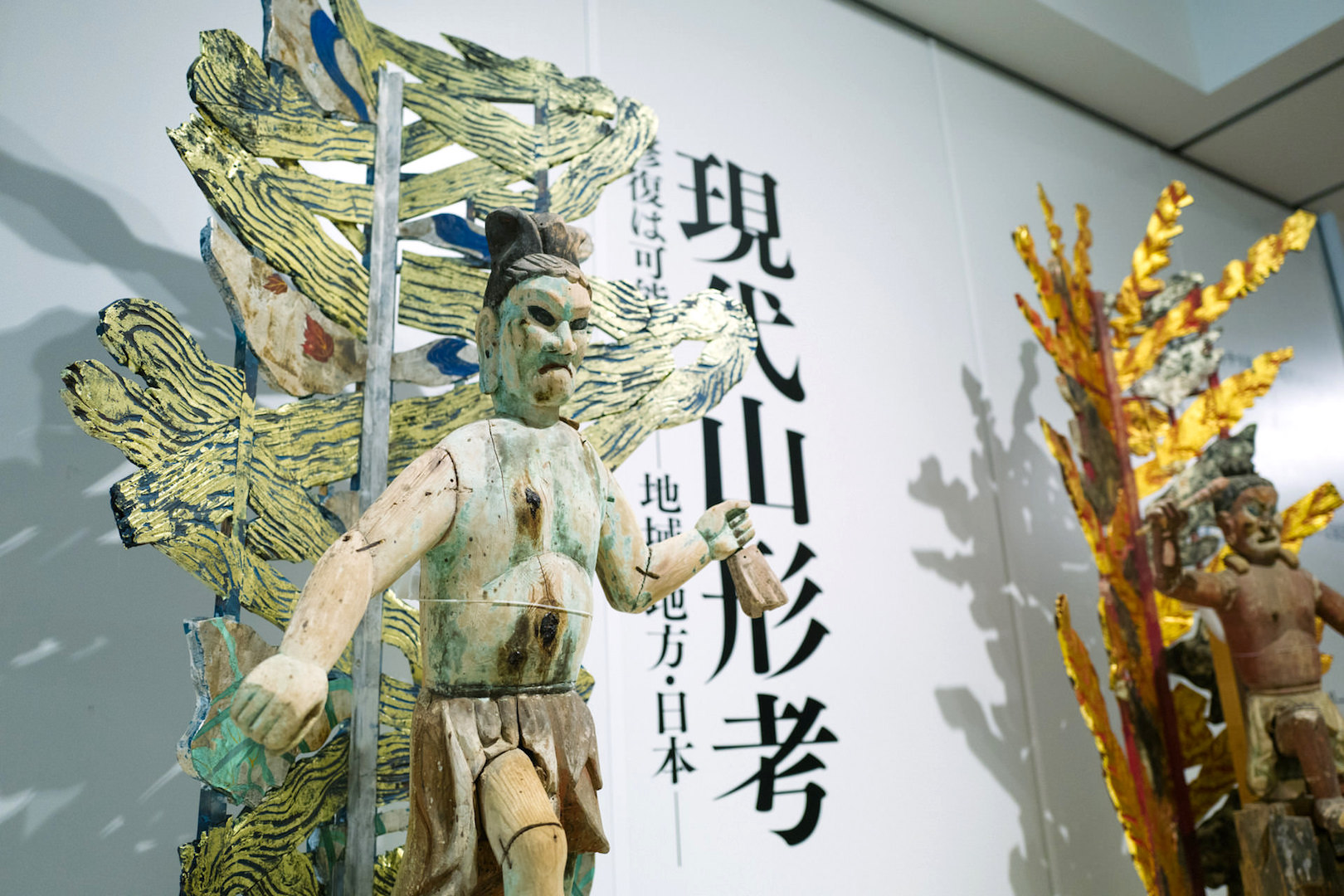
Alongside students and emerging artists, veteran artists, historical artworks, and historic architecture were also included.
This is not a shallow, tourism-boost-style art festival, but one that gives a clear impression of being properly curated.
[5] A welcoming atmosphere thanks to the devoted hospitality of volunteers
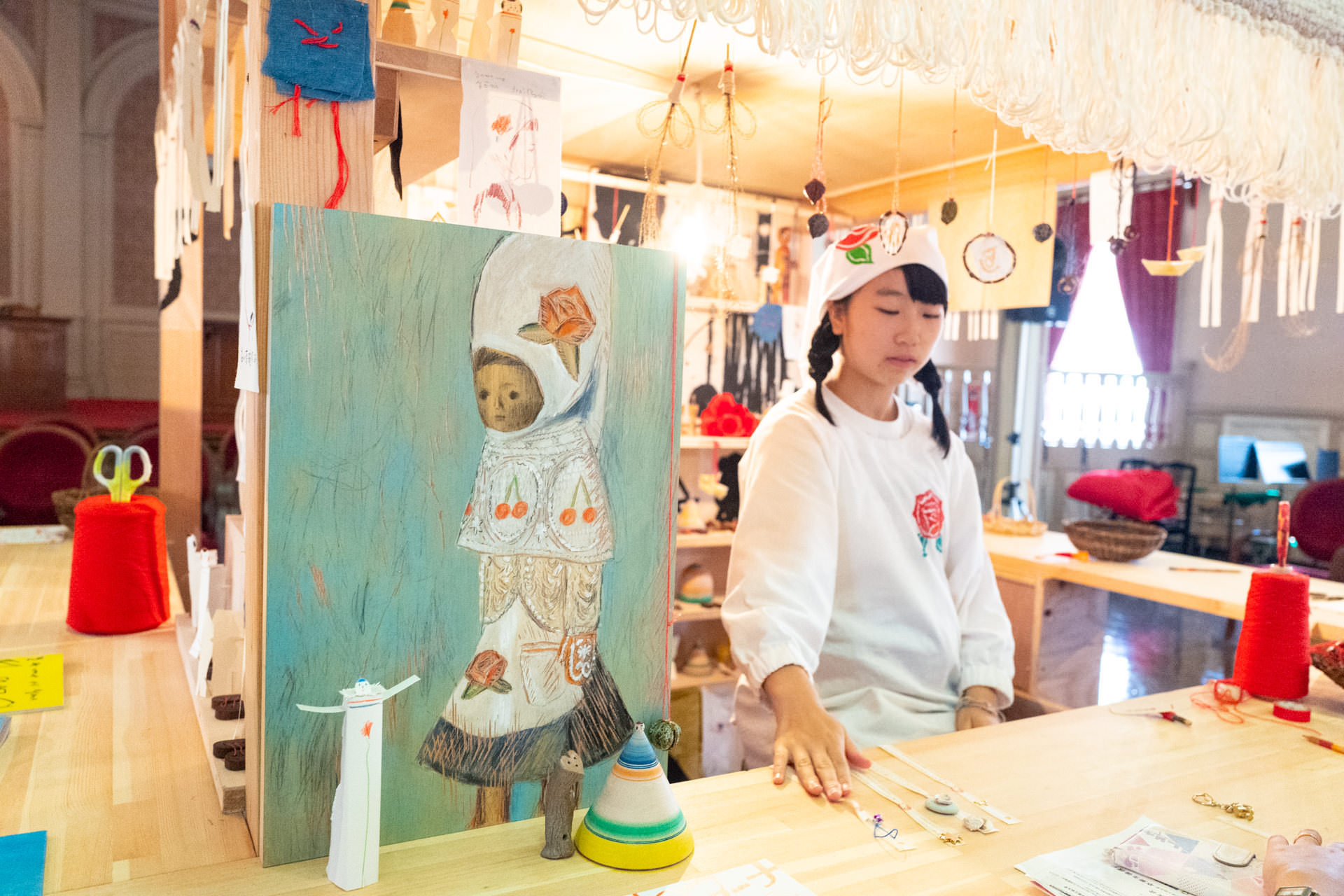
Not just the volunteers — the people of Yamagata as a whole were warm and welcoming. Freed from everyday stress, I was able to fully immerse myself in the art.
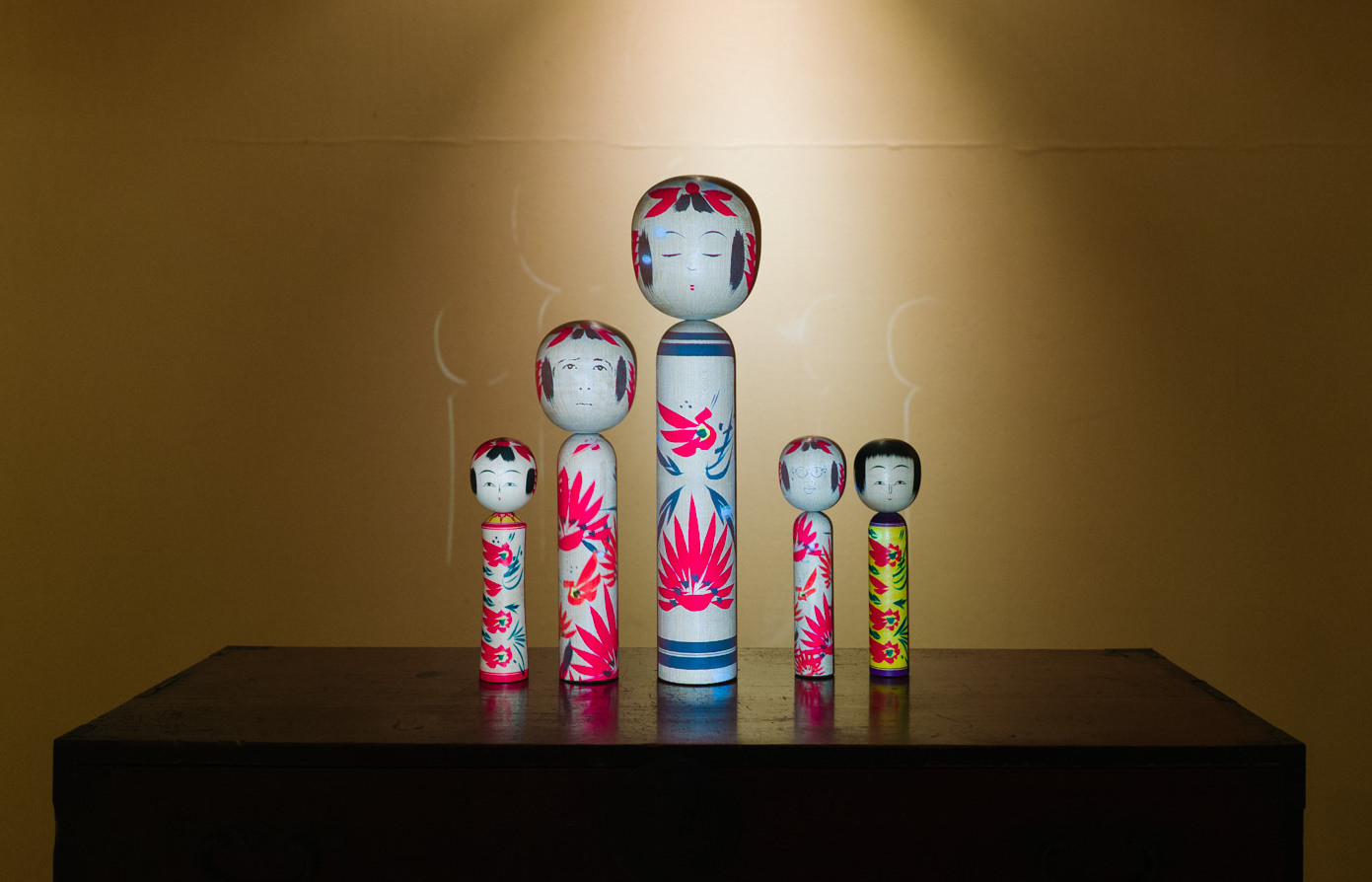
[6] Content that can be enjoyed across generations
[7] Rich food culture — Yamagata gourmet
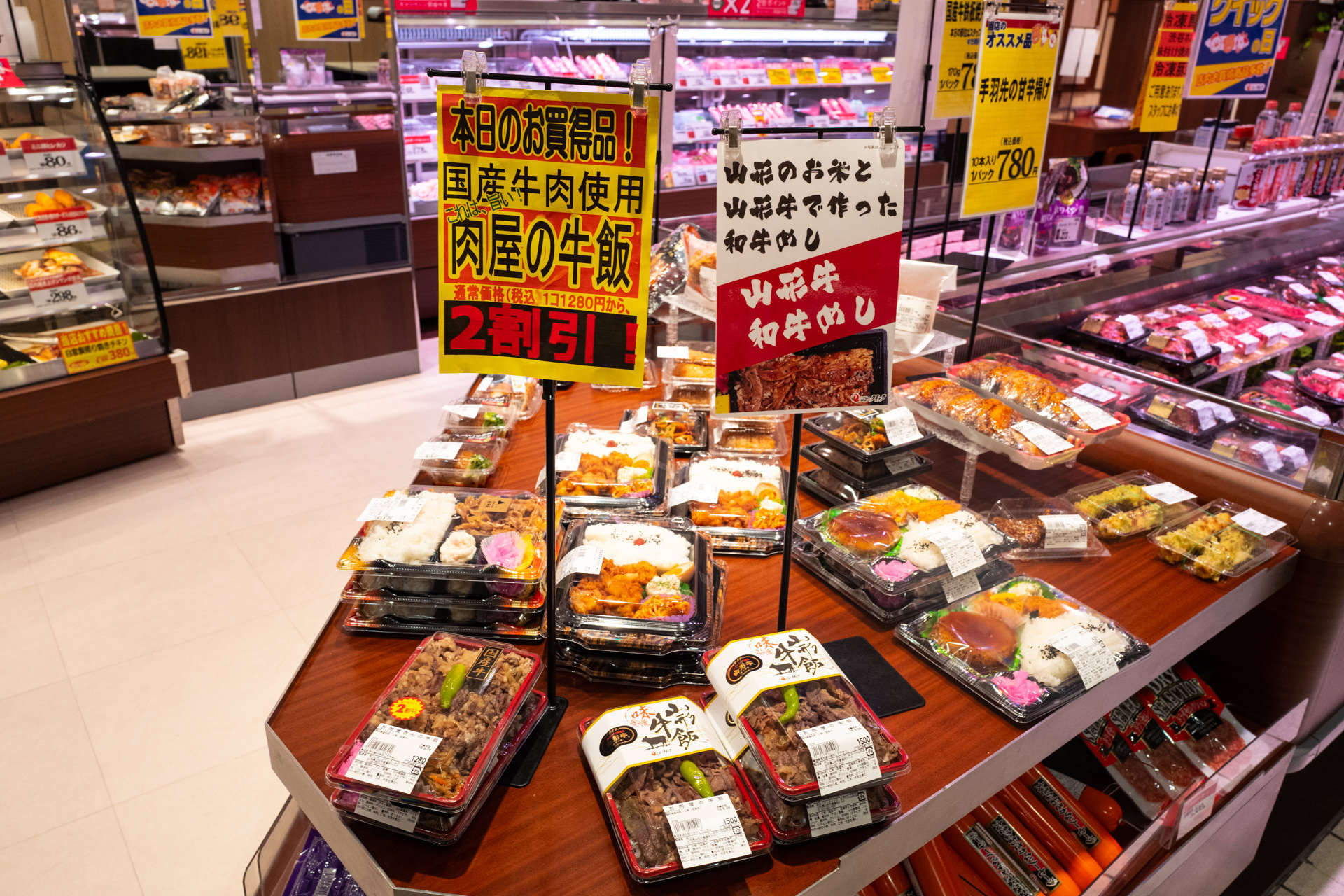
Soba, Yamagata beef, tama-konnyaku, imoni… the list goes on, but for me it is “niku soba” (meat soba) that left the deepest impression.
Prices are not particularly high, so it is a town where you can enjoy yourself without straining your wallet. The first and second floors of Yamagata Station’s station building have prepared-food counters and souvenir shops — perfect for picking up bento boxes and drinks for the ride back on the Shinkansen.
Room for improvement
- The Yamagata Museum of Art was not involved at all.
- There was some variation in the awareness of volunteer staff — I ran into a volunteer who did not know information they really ought to have known. * Their manner, however, was excellent.
- There was almost no outdoor programming, and few works that engaged the natural landscape or worked at a large scale.
Summary
This time I set out to give a clear overview of the Yamagata Biennale in a “summary article” format. I intend to write up individual pieces of content in separate posts, but first I hope you can get a general sense of what makes it appealing — and perhaps use it as a reference next time.
It is not a sprawling, exhausting-to-navigate festival like the Echigo-Tsumari Art Field, nor is it the kind of festival you finish in a single venue in one go. It is a rare festival where you can spend your time gently, feeling the character of the region, while still engaging with substantial art.
The next edition, two years from now, will be in 2020 — the year of the Tokyo Olympics. I am looking forward to it!
Overview
Michinooku Art Festival — Yamagata Biennale 2018
Dates: September 1 – September 24 (open only on Fridays, Saturdays, Sundays, and Monday holidays during the period) * 13 days in total
Venues: Bunshokan (the former prefectural government building and former prefectural assembly hall), Tongari Building, Ikubundo Books, BOTA theater, gura, Nagatoya Hinatagura & Nurigura, and the Tohoku University of Art and Design campus
Artistic Director: Ryoji Arai (artist / picture-book author)
Program Director: Takenori Miyamoto
<Participating Artists>
Ryoji Arai, Akaoni, Shinji Ishii, Daijiro Ohara, Kohei Kawamura, Kuki Kodan, Daizaburo Sakamoto, spoken words project, Saho Terao, TORAFU ARCHITECTS, Takahiro Nagasawa, Kunio Nakamura, Makoto Nomura, Miroco Machiko, Ayako Mogi, Morioka Shoten, Yama Foods, WOW, Ryoichi Wago, Shoji Ikenaga, Ani Watanabe, Ishinomaki Laboratory, Makiji Kojima, Hiromichi Sakamoto, Emma Maeda, Junko Oki, Masaya Hashimoto, Tomoko Sakaki, Yamagata Symphony Orchestra
Special exhibition “100 Mountain-Like Stories” <Participants / Exhibitors>
Suginoshita Ishoshitsu + Aya Nakashima, Hiroaki Kano, Is Tohoku Painting Possible?, Yukiko Hata, Yuriko Asano, Hideki Otsuchi, Hiroaki Ido, Daizaburo Sakamoto, Keiichiro Sakata, Shingo Suzuki, Taisuke Fujiwara, Takuro Goto, Daisuke Taketani, Sakura Koretsune, Tomoya Iozawa, Daisuke Shimizu, Chikuzo Shinkai, Kakuo Shinkai, Chikutaro Shinkai, Shingaku Kikuchi, Yuichi Takahashi, Genkichi Takahashi, Tomoko Hisamatsu, Takeshi Shibuya, Tomiyuki Kaneko, Naoto Sunohara, Kodai Ujiie, Kenichiro Mizuno, Tonbo-sensei, Makito Takagi, Yoshimaru Shin, Eiki Okuda, Jun Tsuzuki, Koichiro Takei, Teppei Takeda, Chisato Hotta, Nana Shibuya, Daisuke Nagaoka, Koji Kumagai, Izumi Iguchi, Kohei Sato, Taku Kaneko, AGAIN-ST, L PACK., Yo Ishihara + Gecko Parade, OF THE BOX., Yama no Yona Yatai Festival, Tomoyuki Hodai, Mitsuo Bamba, Akira Nagasawa, Soichiro Fukai, Toshihiro Yashiro, Hiroyuki Aoyama, Masatake Kozaki, Tomoki Kaneko, Shin Yoshiga, Tatsuaki Oyama, Natsunosuke Mise, Takafumi Hara, Naoki Imamura, LLP Amefurashi, Shigeo Murakami, Yamagata Character Research Team
(order arbitrary; includes individuals, group names, and project names)