“7 Ways” to Buy Art Works
In this article, I’d like to comprehensively summarize “how to buy art works,” which I’ve long wanted to write about.
Unlike overseas, in Japan the buying and selling of art works can’t be said to be a common custom, but if you read this article you should notice that there are many options for anyone to buy easily, and I’d like to widely convey that it’s not something stiff and high-threshold like entering an antique shop in Ginza.
This time I’d like to write, centering on “contemporary art works”—which are also what I myself collect—about where you should buy art works, the point being that. Bluntly, there are about seven methods to buy “contemporary art works.” You select among them as appropriate depending on the artist and work.
[1] Buying at a department store
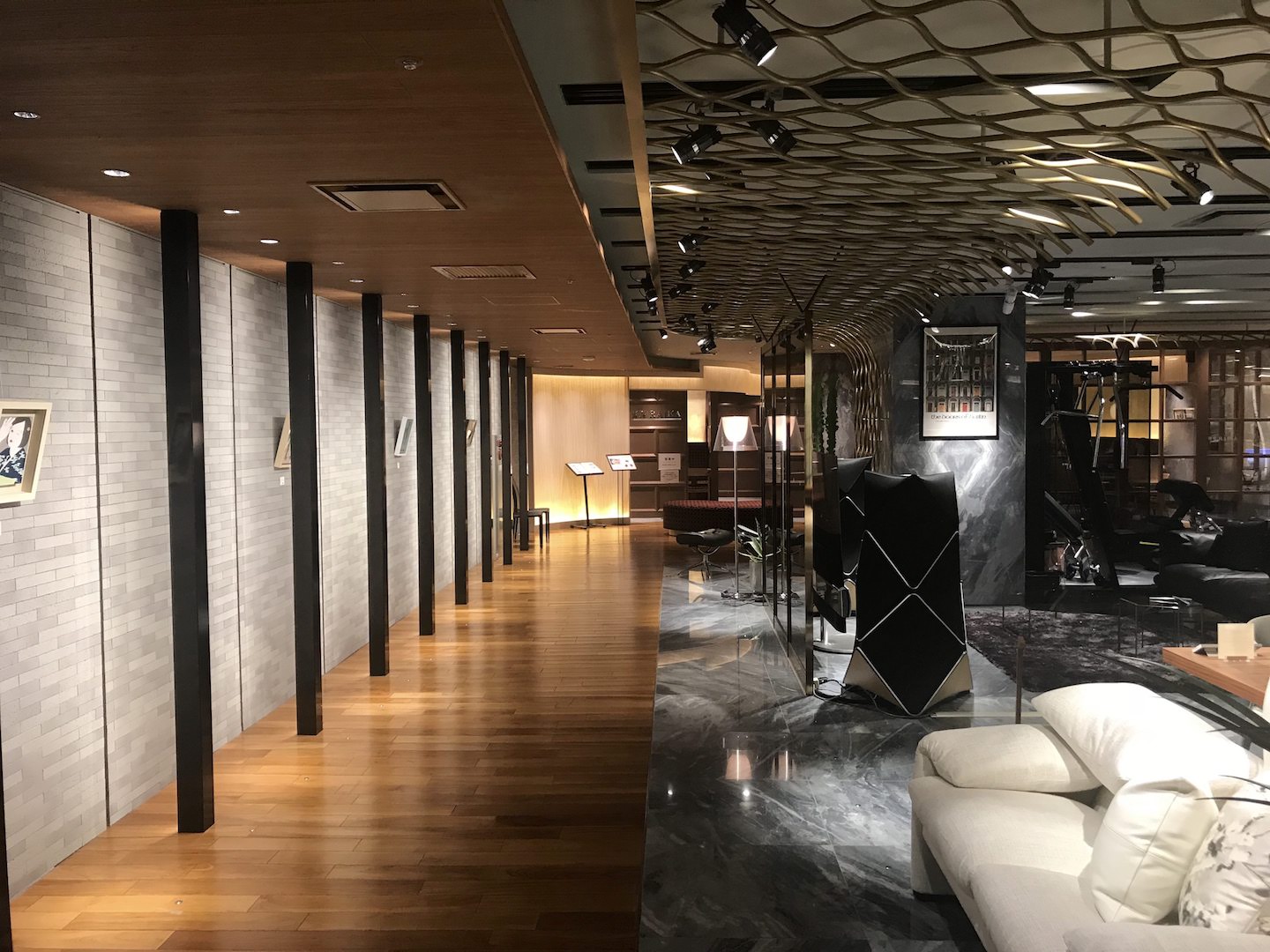
The department stores called general department stores (or similar commercial facilities) have art-goods sections and permanent galleries. Artworks are displayed to be sold as products, and in the galleries, fixed-period planned exhibitions and solo shows are held, with works displayed with price tags properly shown.
Department stores often have a designated staff member with “art representative” printed on their business card; once you get friendly, they’ll tell you work information before exhibitions or accept advance reservations. Of course, even without befriending staff, department stores are courteous and will respond politely to individual inquiries. Also, artworks are often displayed and sold in salons that only a department store’s best customers may enter, and entry to such limited spaces may be possible depending on the case.
Also, from my experience, if a planned exhibition’s sales aren’t going well, in the middle of the run“you can consult about a discount” in some cases. Of course, a department store’s stance may be not to discount. Since responses differ by individual store, please be careful.
Also, depending on the plan, the gallery may hold the sales initiative. Even if it looks like a department store’s plan, there are not a few cases where the arrangement of artists and works is effectively left to a gallery. If there’s an artist you’re after, inquiring at their affiliated or handling gallery is also a way.
[2] Buying at a gallery
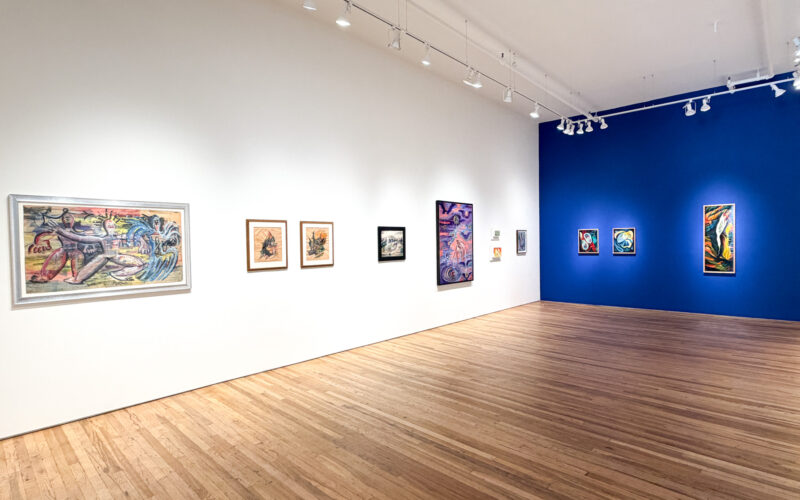
Buying at a gallery is the basic style when buying contemporary art works.
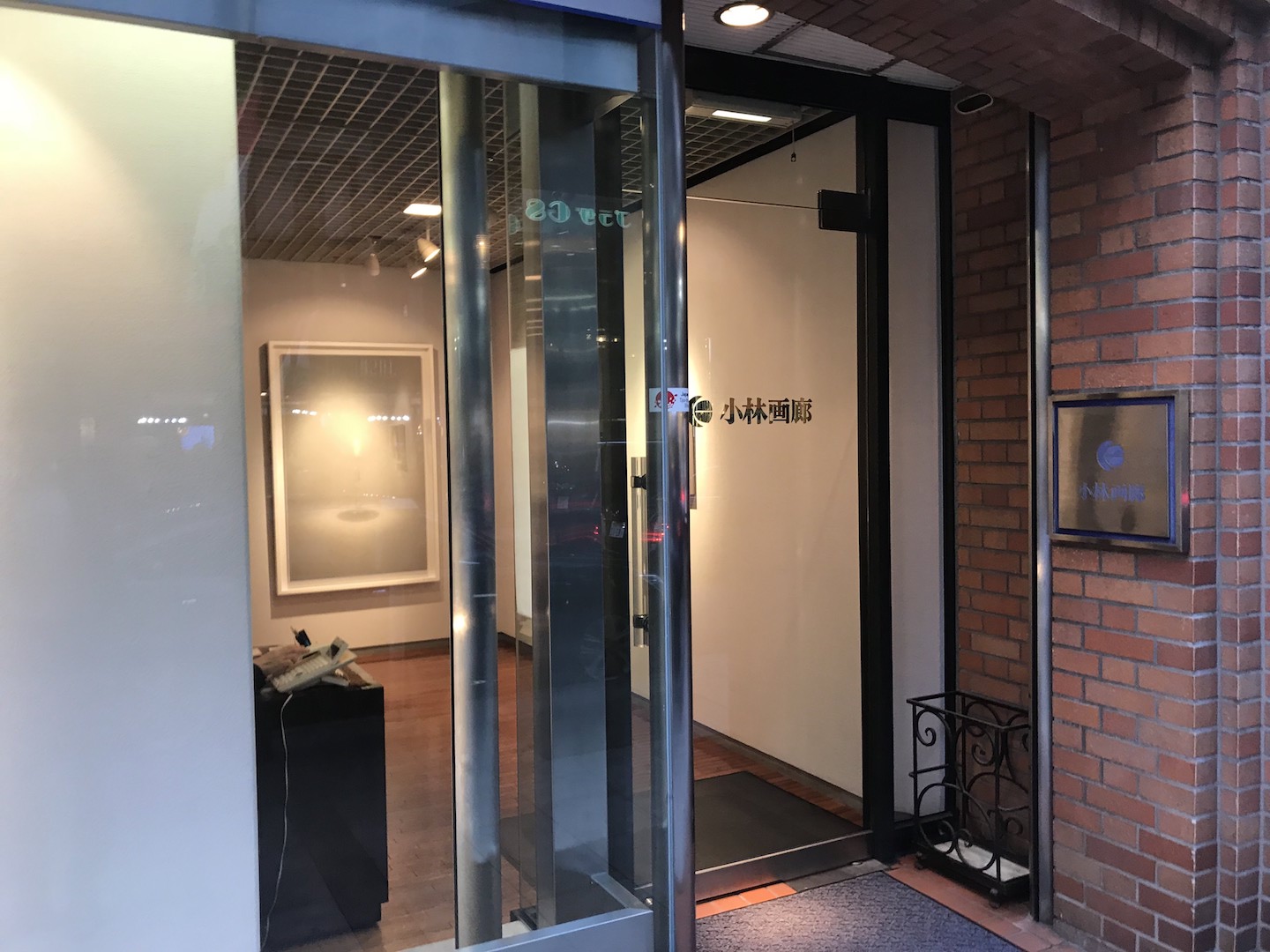
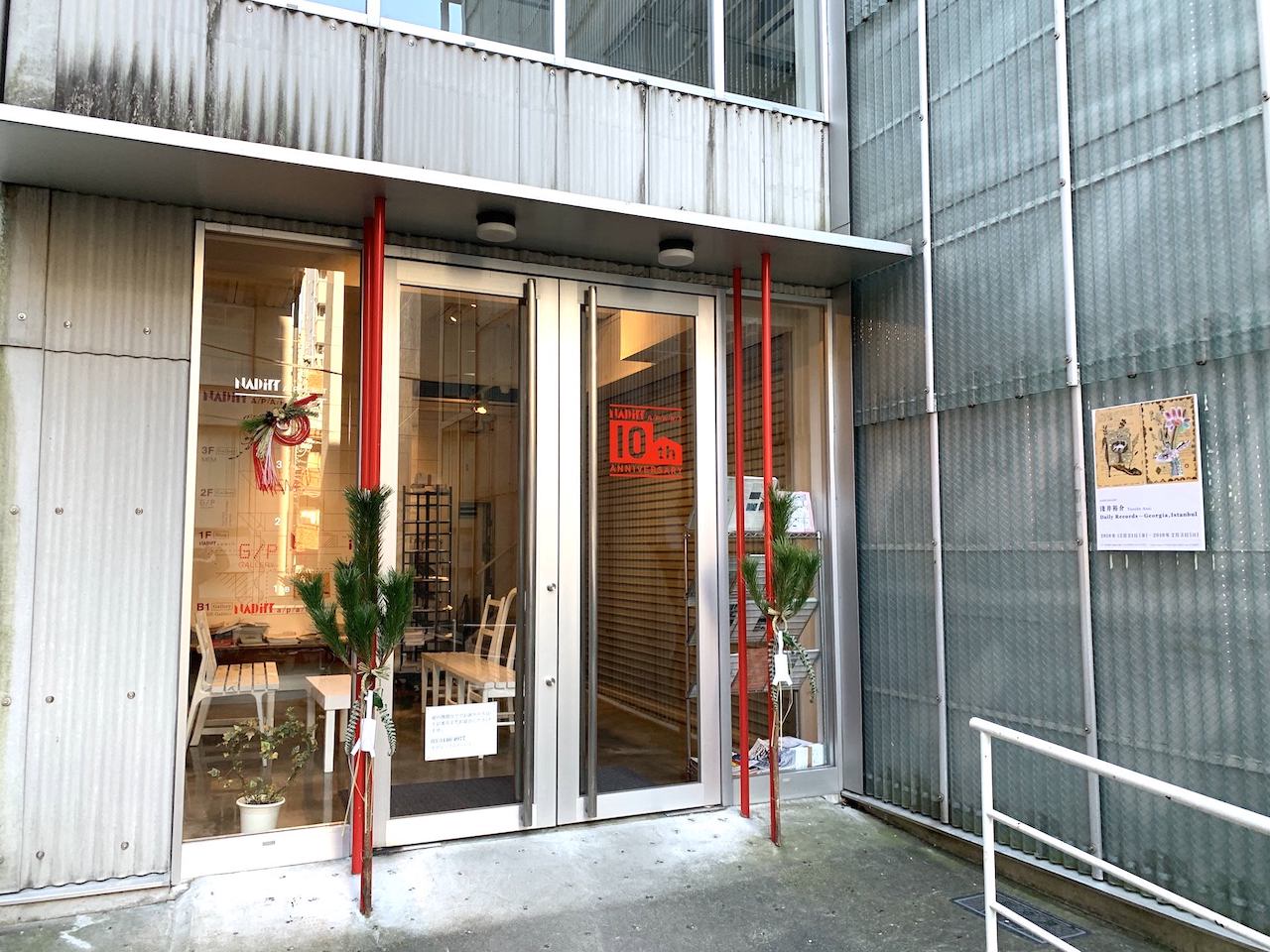
In Tokyo, at commercial galleries in areas like Ginza, Kyobashi, and Nihonbashi, Kanda and Asakusabashi, Roppongi and Aoyama, and the Shinjuku-Yotsuya area, many exhibitions are always being held.
Exhibitions held during pre-scheduled periods, unlike large art exhibitions at museums, basically allow “free entry.” In some cases tea, coffee, or sweets come out and you receive unexpected hospitality—strange, isn’t it? Why is that…? The answer is simple: they operate through the “sale” of works.
At these galleries’ exhibitions, the works entrusted from the artist are sold for the first time—called the “primary market”—and the business model is that the gallery receives “50%” of the work price as commission (commission rates vary by case).Purchase is, in principle, “first-come, first-served” as the norm. If there’s an artist or work you’re aiming for, you’ll end up swallowing tears unless you go in the first half of the run. Please be careful.
Buying at a gallery gets into quite detailed content, so I’d like to properly organize it on another occasion. *I’ll update the article later.
It may be hard to enter at first, but once you step in, the art world opens up!
[3] Buying at an art fair
Solo exhibitions held at galleries are wonderful opportunities to view one or a few artists face to face, but an art fair, with encounters with many artists and works, seems to serve a certain function in Japan too as a huge art trading market. The largest market in Japan would be “Art Fair Tokyo.” It’s a paid event but a major art festival bustling with many works and visitors.
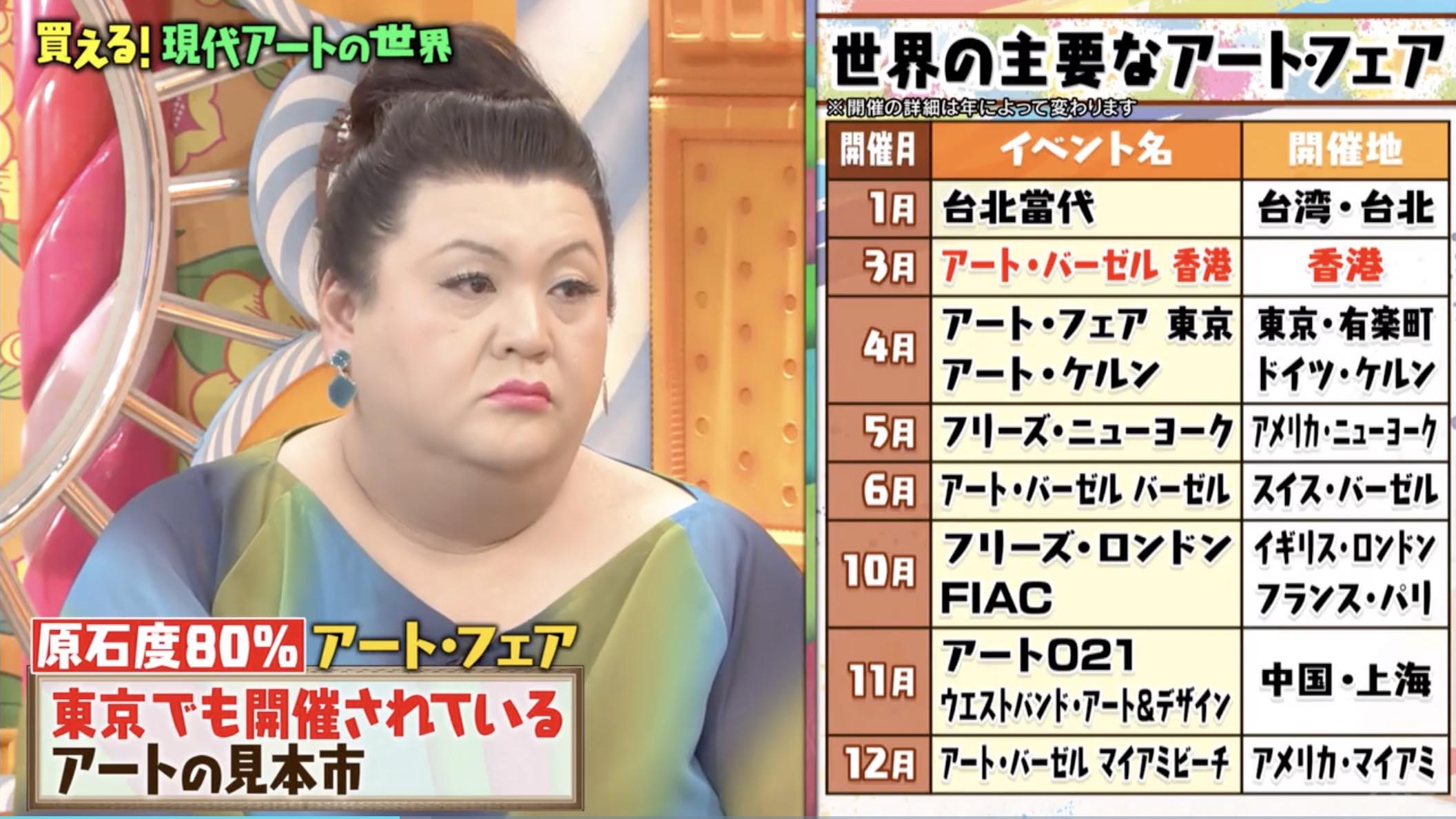
At “Art Fair Tokyo,” many domestic galleries, including exhibitors from abroad, gather and display works for sale, but it doesn’t have the international name recognition of Art Basel, and international artists like Yoshitomo Nara don’t participate; still, it’s a chance for galleries to show their skill and a plan that becomes a kind of status for artists too.
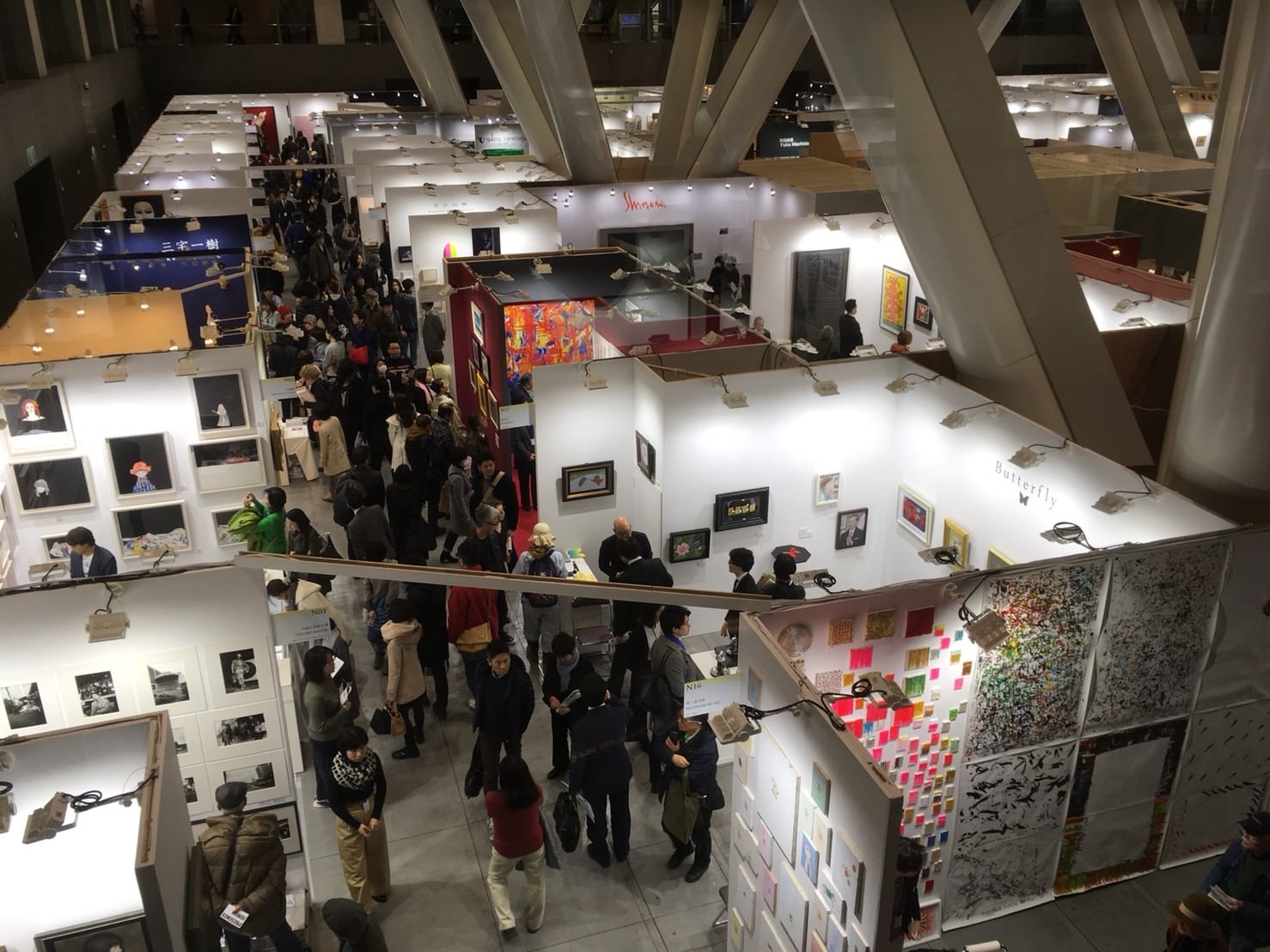
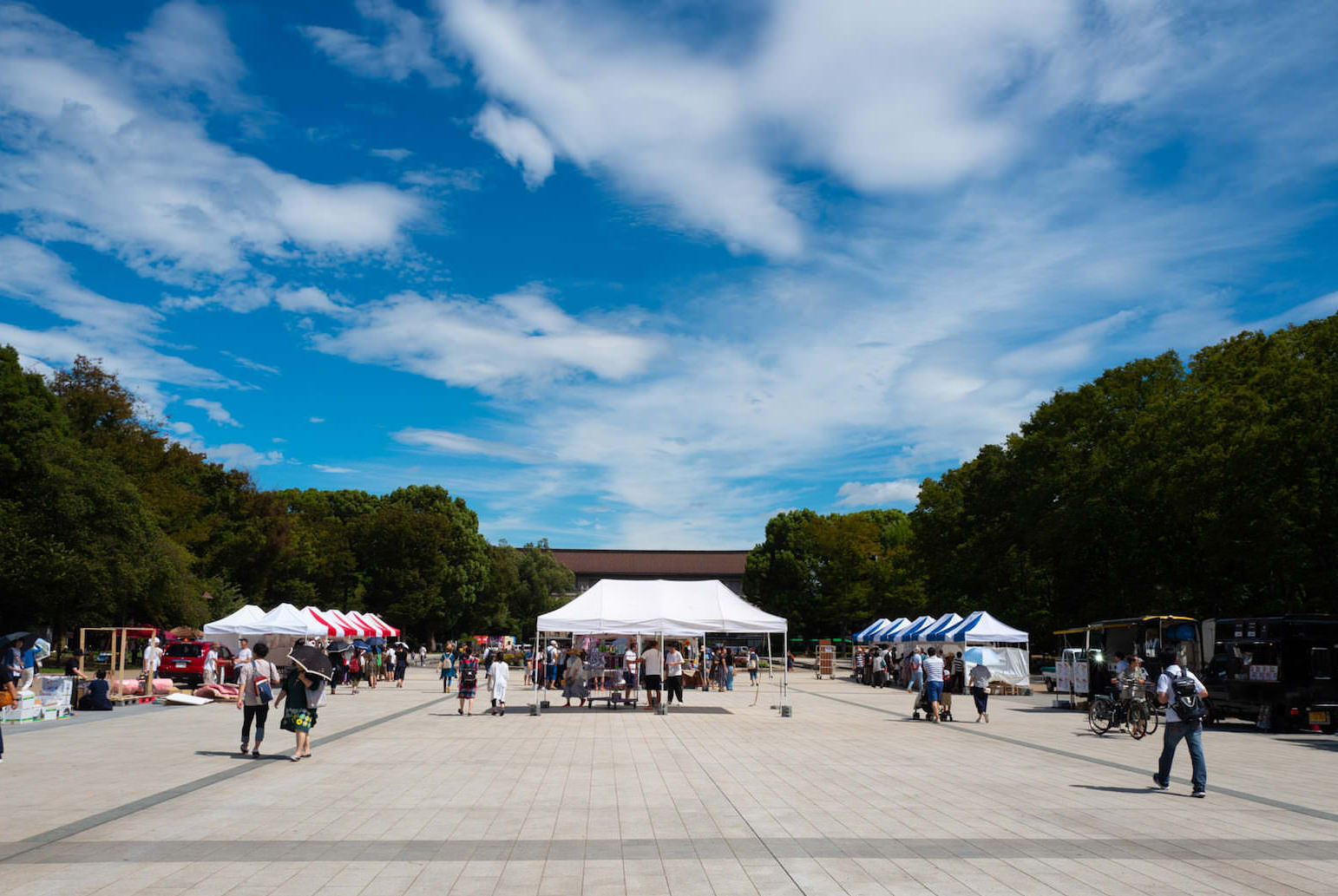
Also, it’s an event set apart from contemporary art, but at festivals of young creators like “Design Festa,” like “Design Festa,” artists included in the art category exhibit and draw attention.
From my perspective, I hope promising artists emerge from such culture. It’s a high-energy event, so please go on-site and feel the atmosphere.
[4] Buying online
Buying via online mail-order through sites like Amazon and Rakuten also seems familiar in the contemporary-art industry. Globally there’s Artsy, and in Japan platforms such as 「TAGBOAT」, and the aforementioned department stores also have, as online measures, online sales.
There are also efforts like Terrada Warehouse’s “BAZART,” which does everything from art-work rental to sales, and services lowering the hurdle to purchase have begun.
*BAZART ended its service on Thursday, December 26, 2019.
As media that can be accessed casually, next-generation efforts that invigorate the art market will likely increase, centered on the digital domain. Something to look forward to.
[5] Buying directly from the artist
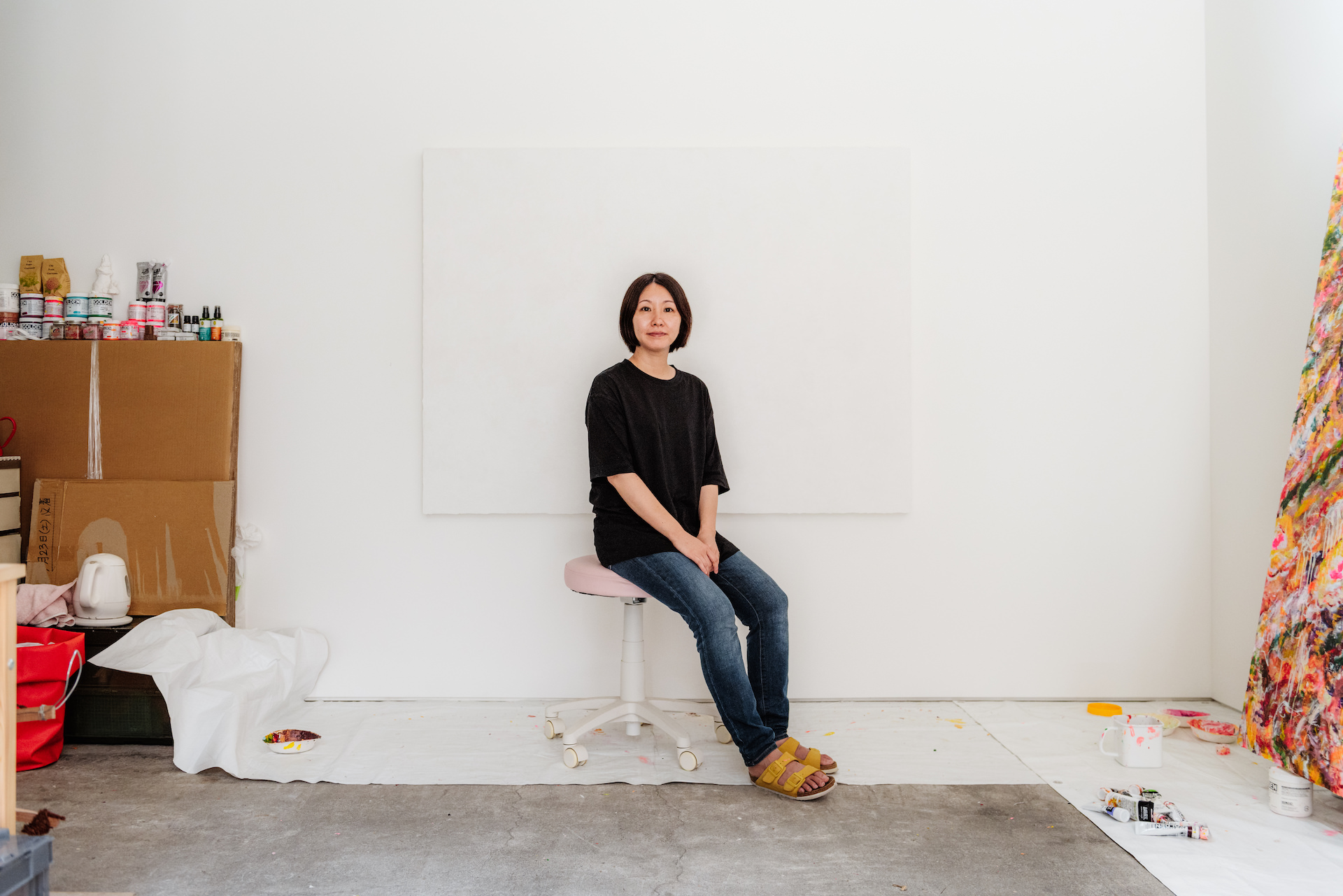
Most art practitioners use web services like their official sites, Twitter, Instagram, and Tumblr to send out their profiles, work portfolios, and activity information. They disclose contact points where you can reach them directly, and we’ve entered an era where you can communicate directly with artists.
Sensitive collectors diligently gather information, and there are cases of approaching directly. Artists respond positively to inquiries and advance communication where interests align.
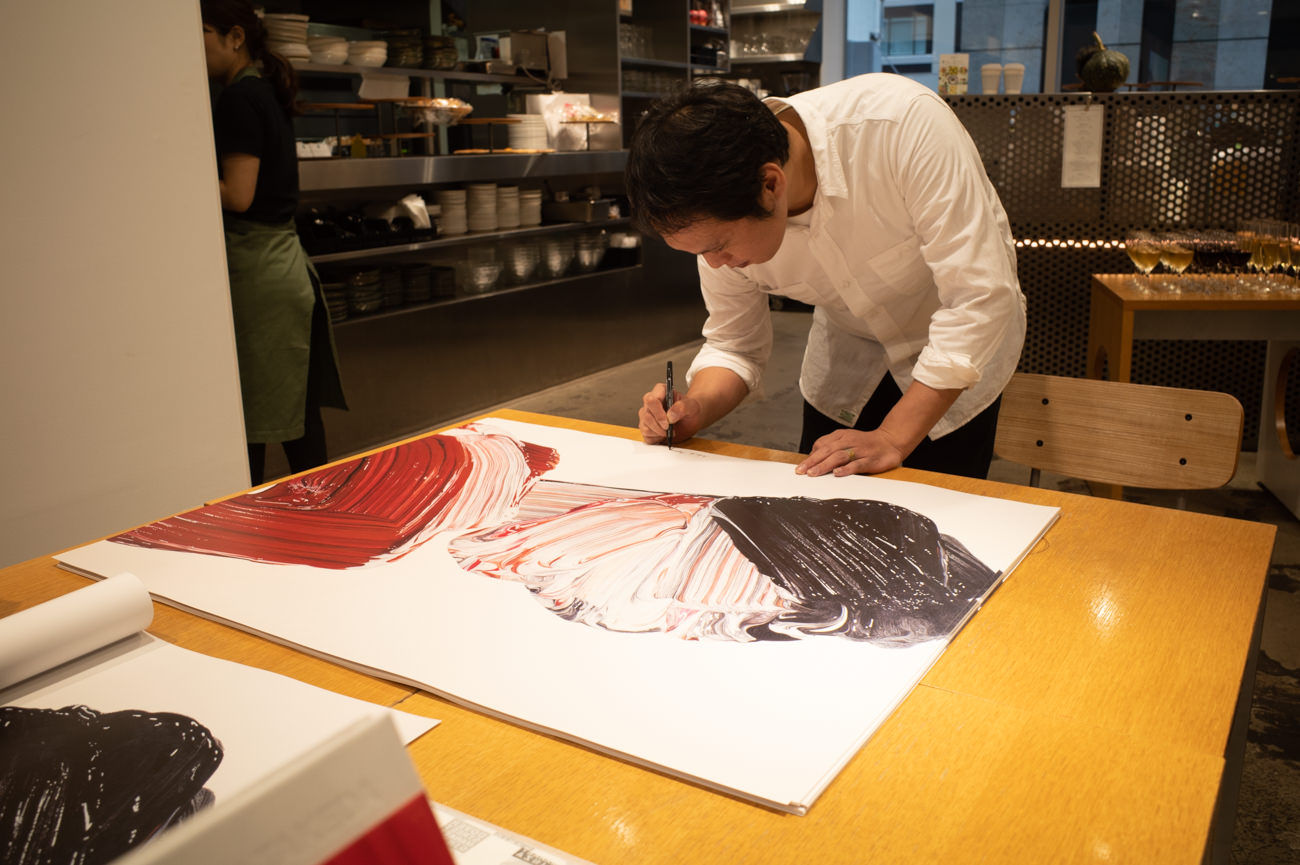
Buying directly from the artist is also possible, and there seem to be several patterns. I’ve organized what roughly falls within this range.
- A method of confirming purchasable works through inquiry. Payment to a personal account; packing and shipping done by the artist.
- Cases connected to sales platforms like BASE and STORES.JP, developing broad sales including work introductions. Payment via the platform; packing and shipping by the artist.
- Cases listing on Mercari. Payment via Mercari; packing and shipping by the artist.
As an extension of this case, commissioning the artist to make a work (commission work) is also possible. Whether or not the artist accepts is up to them, but it’s one of the options with a high possibility of getting a work close to your taste.
[6] Buying at auction
The auctions taken up in this section are neither “Yahoo! Auctions (Yahuoku)” nor “Mercari.” I don’t intend to deny either, but the current understanding is better put as: in the art industry, where provenance (purchase history) is valued, they don’t quite fit.
Globally, auction houses like Sotheby’s and Christie’s, and domestically SBI, Shinwa, Mainichi, and others, hold catalogs and pre-exhibitions, and carefully acquired art works are, as the name suggests, traded at auction. The works put up are provided more from collectors or galleries who have already purchased than directly from artists. You could call it a so-called “secondary distribution place.”
The provided works are displayed at preview venues. An exhibition you can view for free, full of masterpieces—truly fun!, so it is. Even without actually buying, you can enter the venue without registration. I think art also requires seeing many works to train the eye.
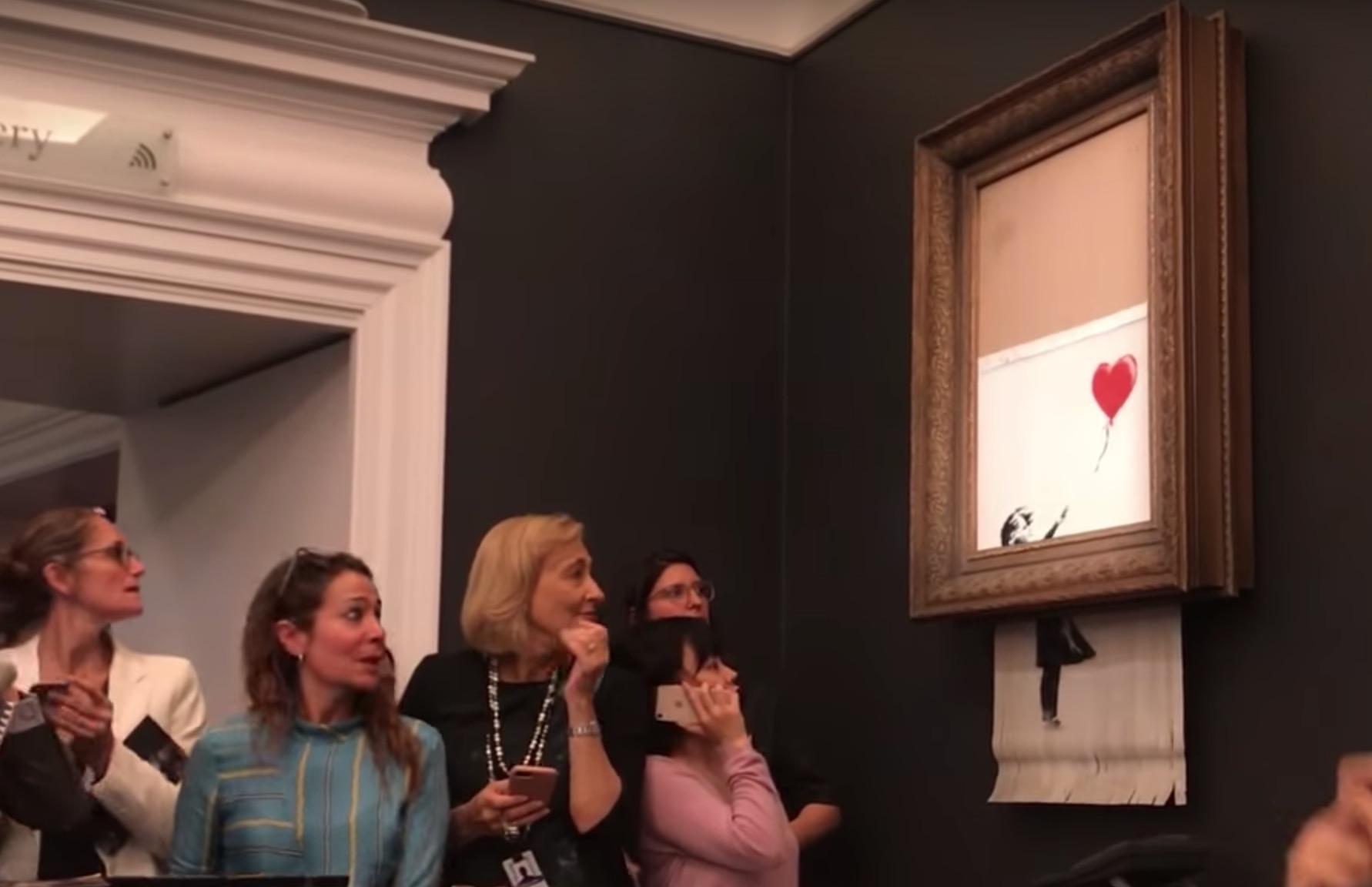
At auctions, works on the higher end price-wise are lined up.
Even if not for the purpose of buying, I think just knowing what kind of works get what prices has meaning. Just looking at the free catalog you can get is fun and educational, I think.
[7] Exchange or trade among collectors
There are collectors who routinely exchange information through SNS connections. Exchange and trade with trustworthy collectors are done not a little. Recently, “collector exhibitions” that display works owned by collectors themselves are being held mainly at galleries, and I feel that places to show one’s own collection to the public have increased.
It’s not a place to directly sell owned works, but there are cases where an exhibition space for the owned artists is set up alongside, providing an opportunity to sell works.

Even just secretly enjoying works by yourself is plenty meaningful, but exchange with fellow art lovers is fun.
Information exchange, exchanging owned works and episodes—relationships with fellows you can empathize with will surely broaden the joy of art.
Collectors exchanging or trading among themselves may still be rare, but I’d be glad if such a culture dwells among the many options.
Summary
Above, I’ve conveyed the “7 ways” to buy art works.
If you clearly have an artist you’re after, you can get the work by going to an exhibition held at a gallery. If you have no favorite artist, or don’t know what to buy, I think it’s good to use sites like Tagboat to gauge your own taste, such as the price feel according to work and size.
Or, by seeing many works at art fairs, accumulating encounters with the artists themselves, you may organize your own tastes.
My own awareness of art blossomed the moment I got a certain inexpensive work. I think if you buy one work, you can make this rich world your own.
Have a wonderful art life!