Kaii Higashiyama: 110th Anniversary Exhibition
An exhibition commemorating the 110th anniversary of the birth of Kaii Higashiyama, a leading nihonga painter representative of postwar Japan, has opened in Tokyo.
It is the first large-scale exhibition to be held in Tokyo in ten years, since the one at The National Museum of Modern Art, Tokyo.
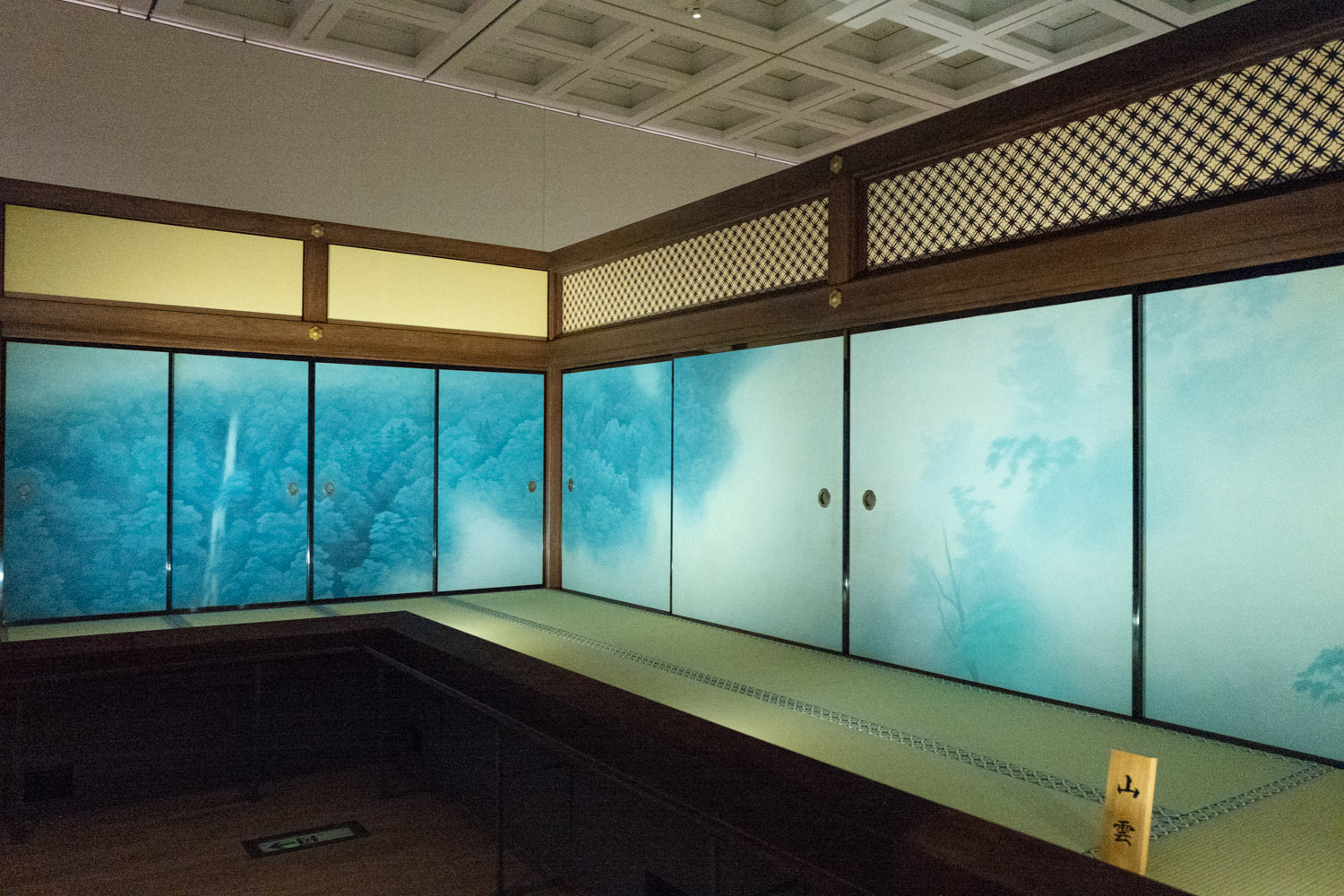
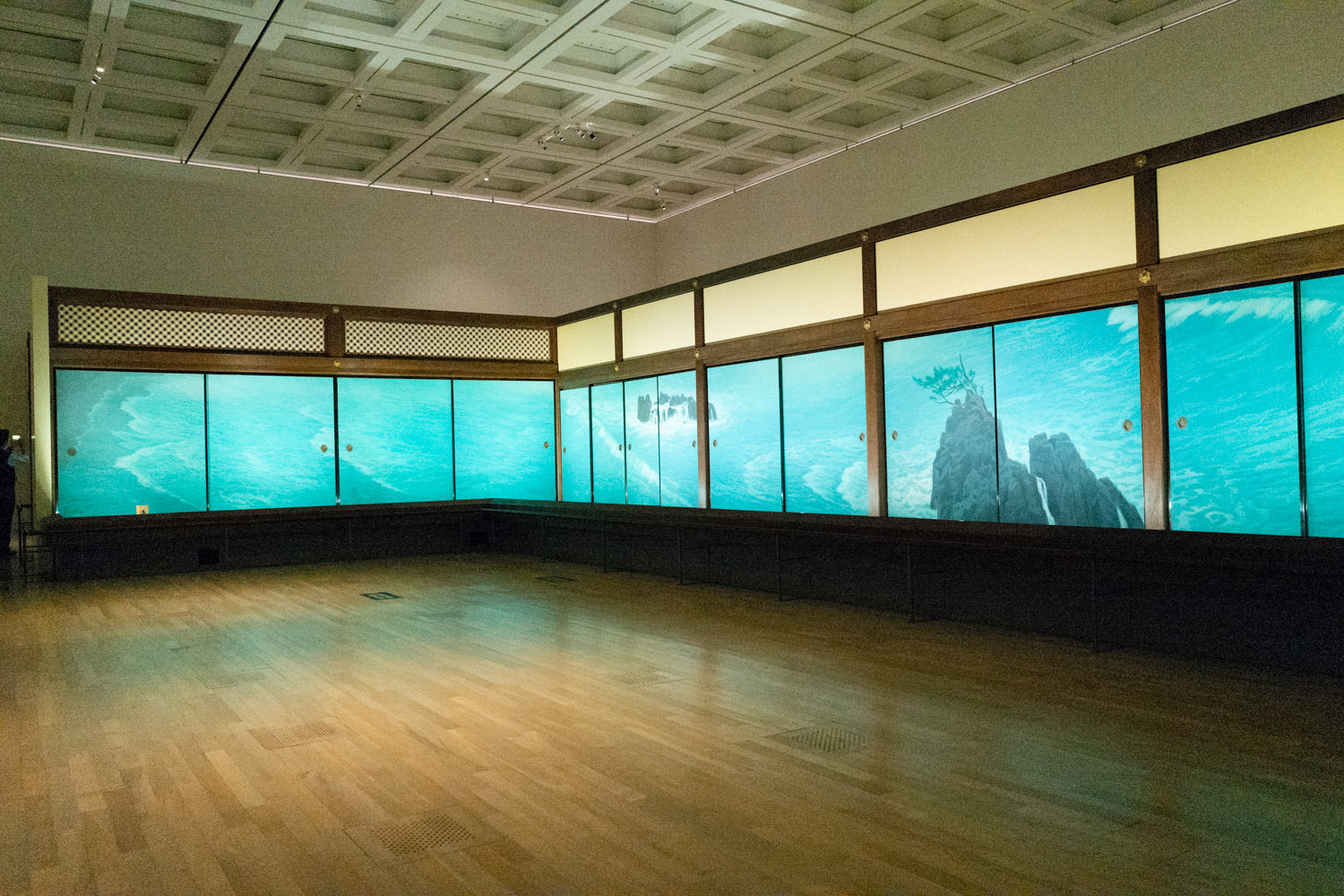
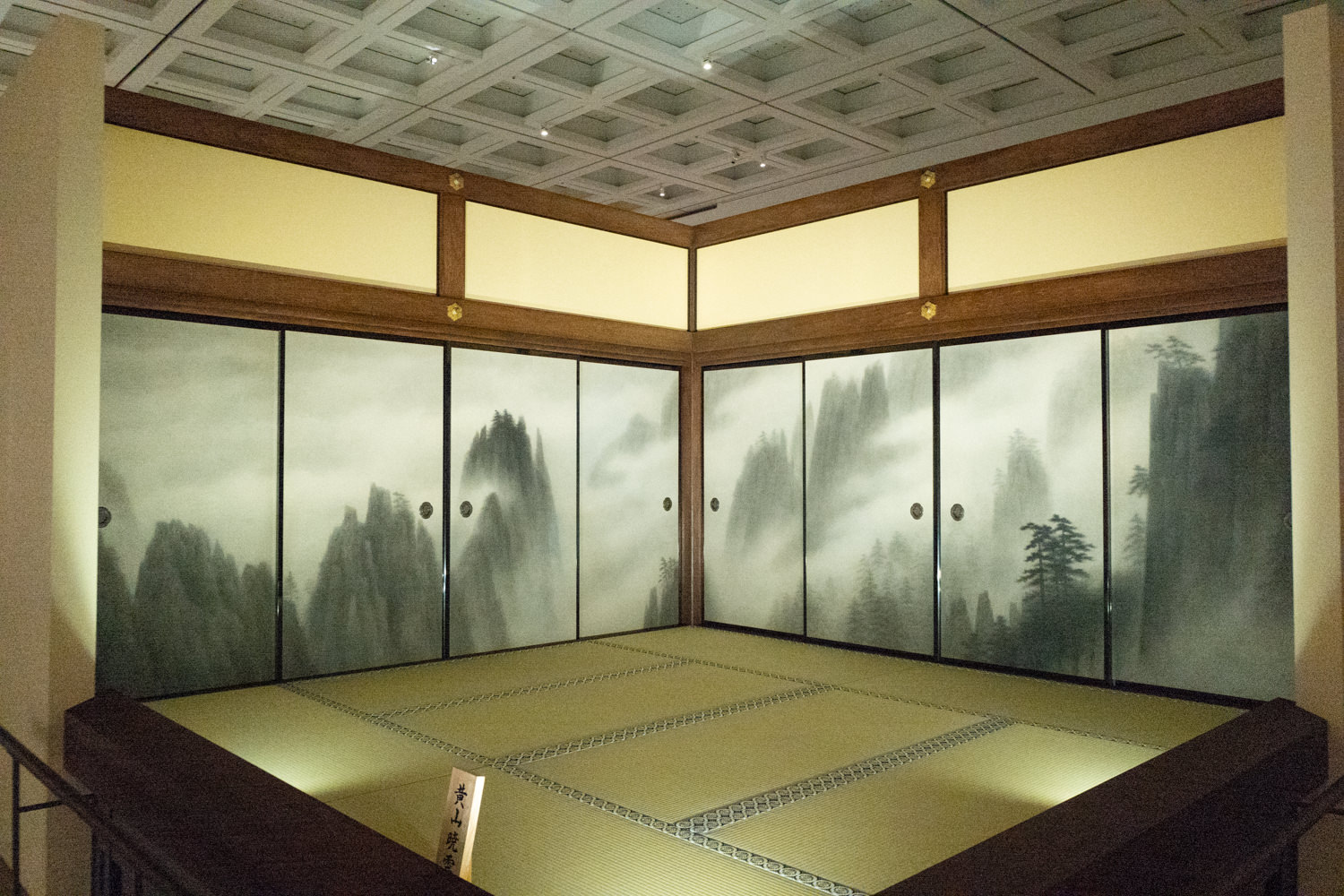
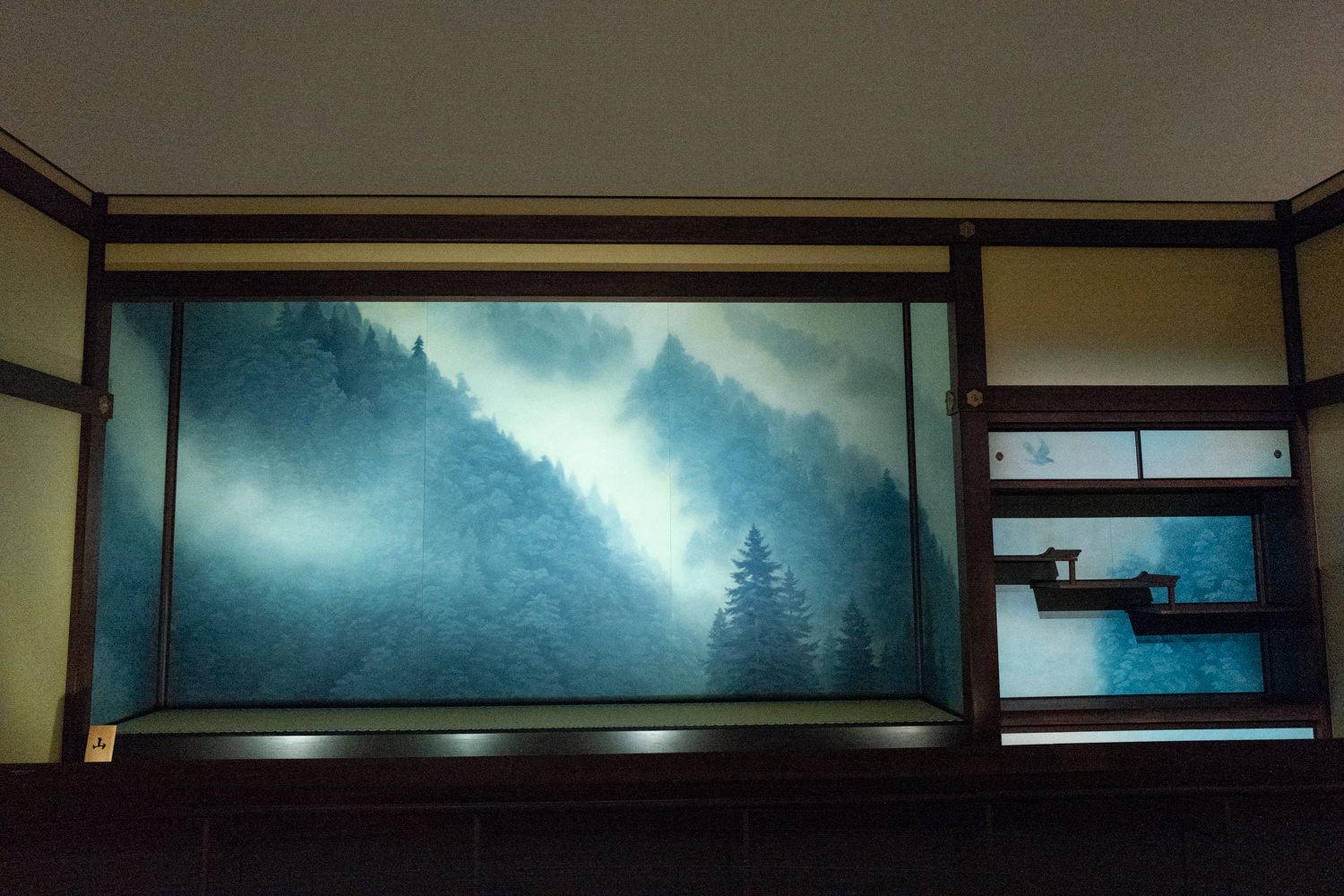
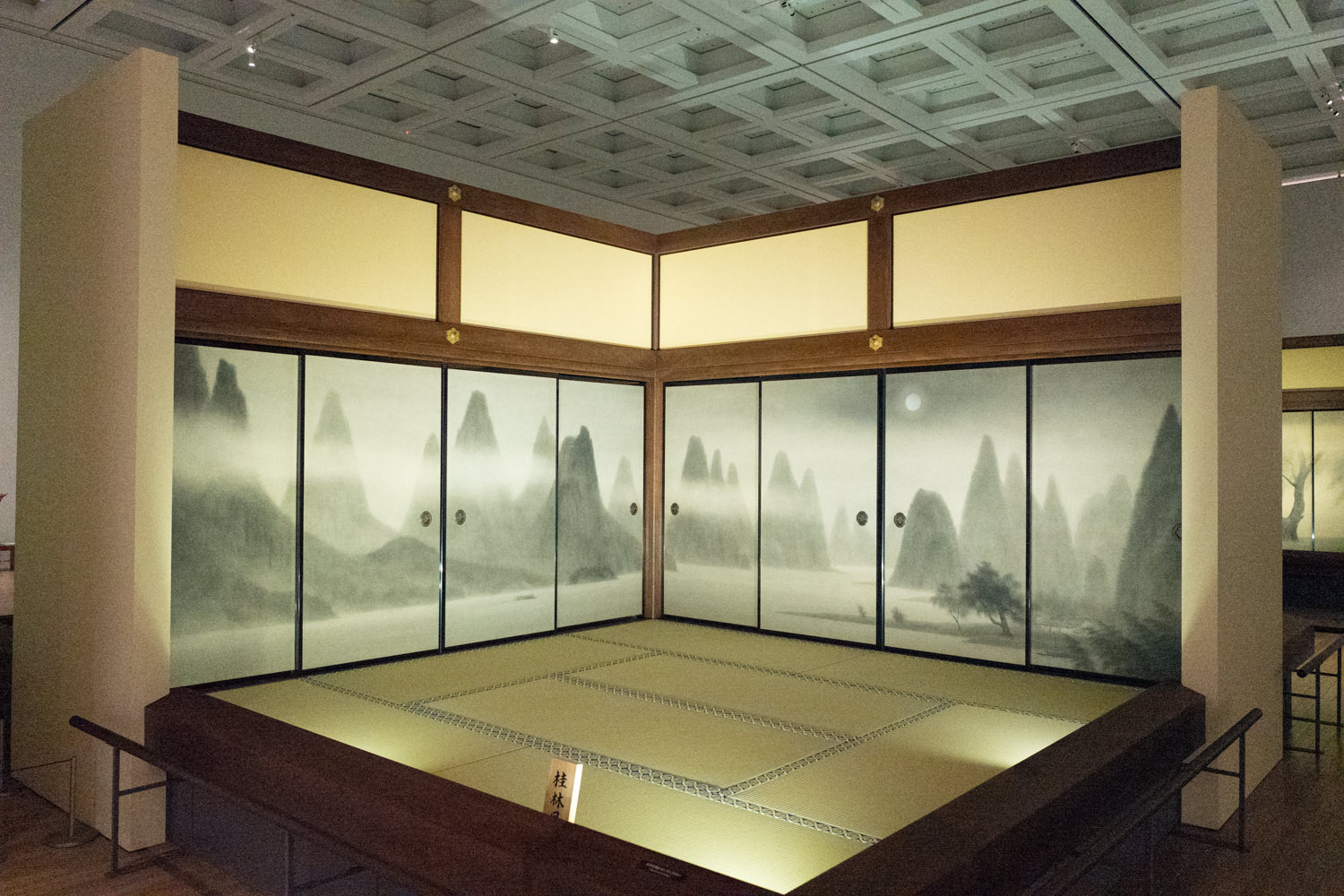
The highlight this time is the special recreation of “The Wall Paintings of the Miei-do at Toshodaiji Temple.”
A considerably large space has been devoted to their display.
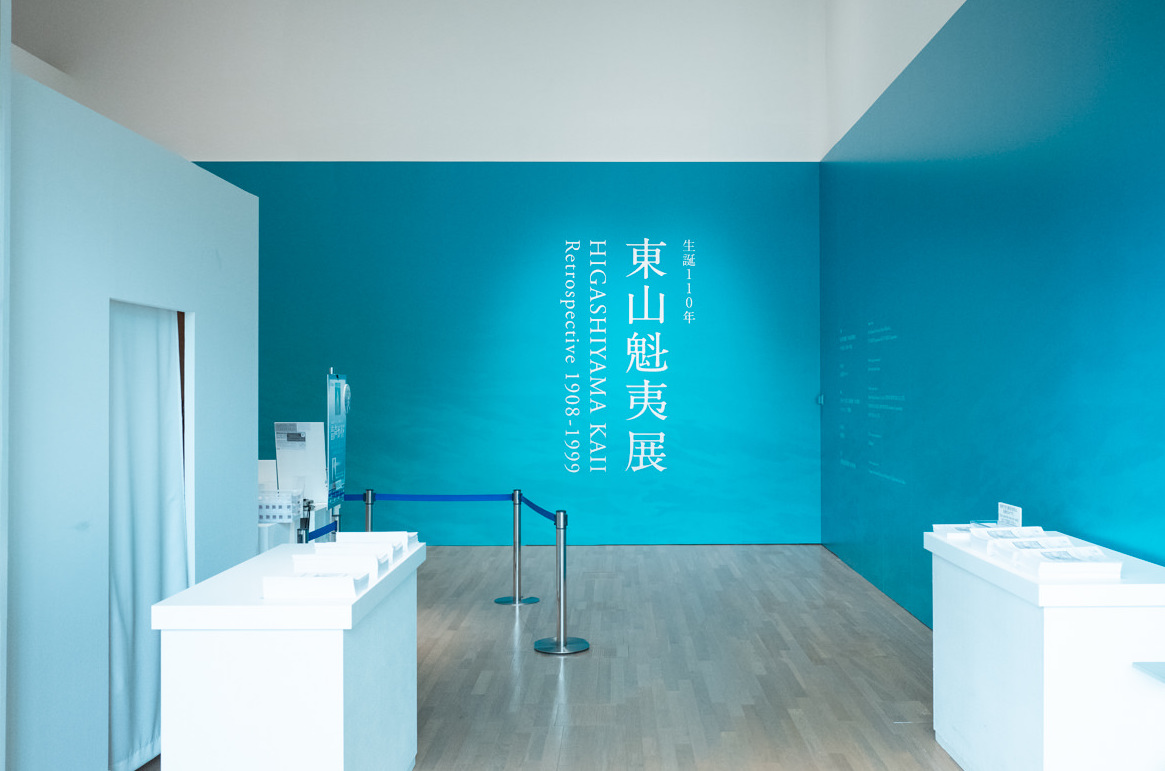
The exhibition is organized into “six chapters.” Let me follow along chapter by chapter.
Chapter 1: A National Landscape Painter
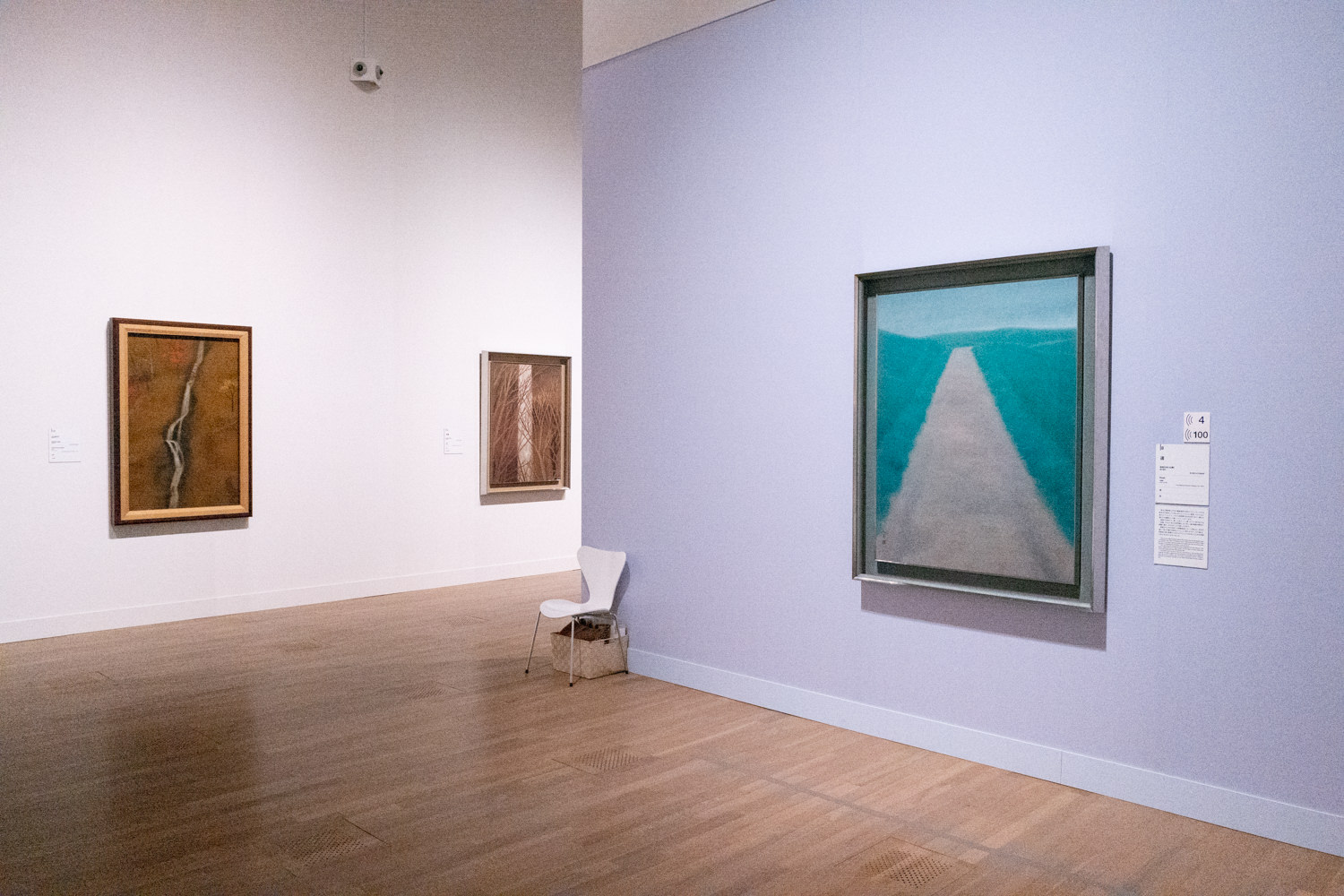
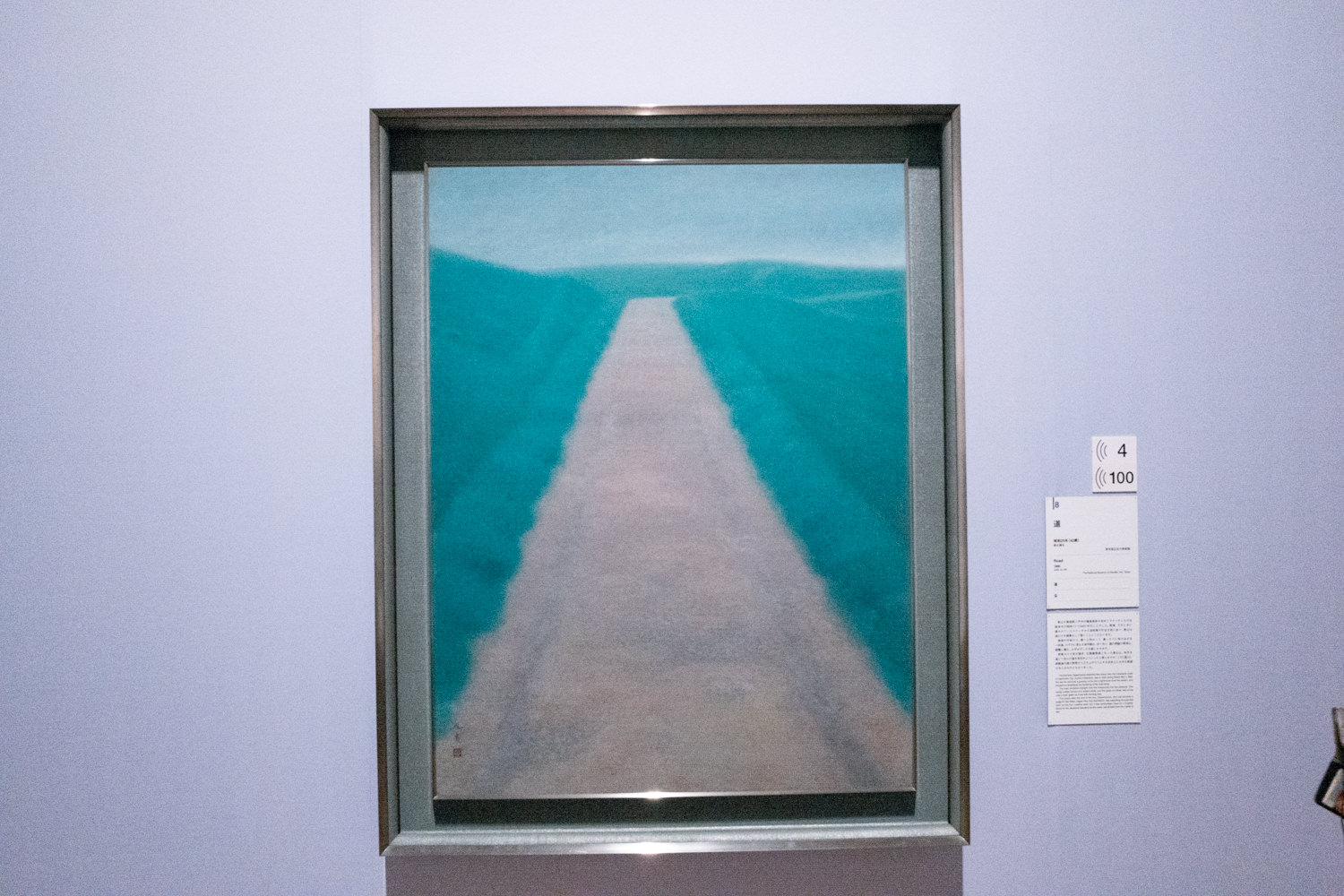
Above all, Kaii Higashiyama’s signature strength lies in landscape painting. His acclaimed masterpiece “Road” is also on display.
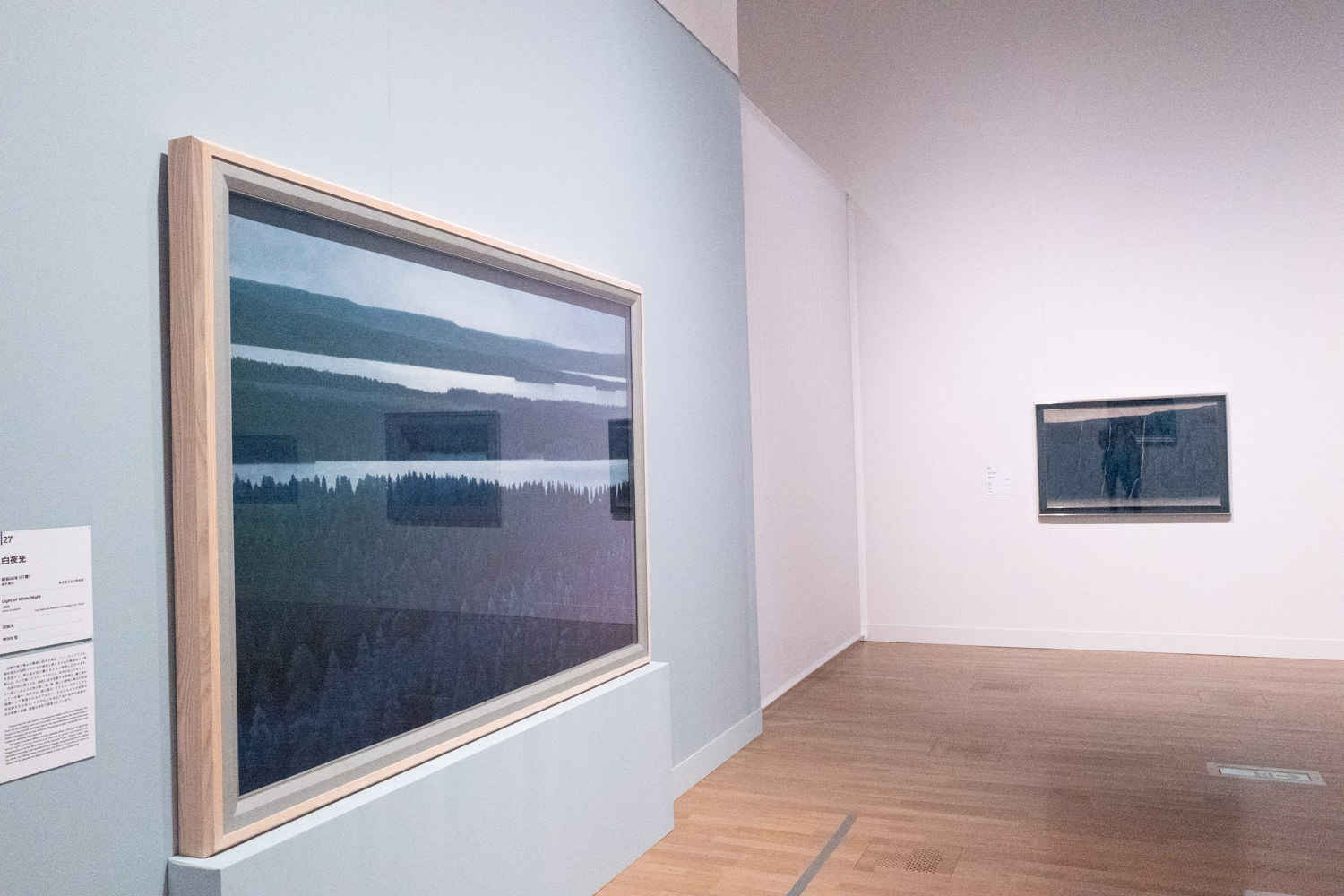
Chapter 2: Depicting Northern Europe
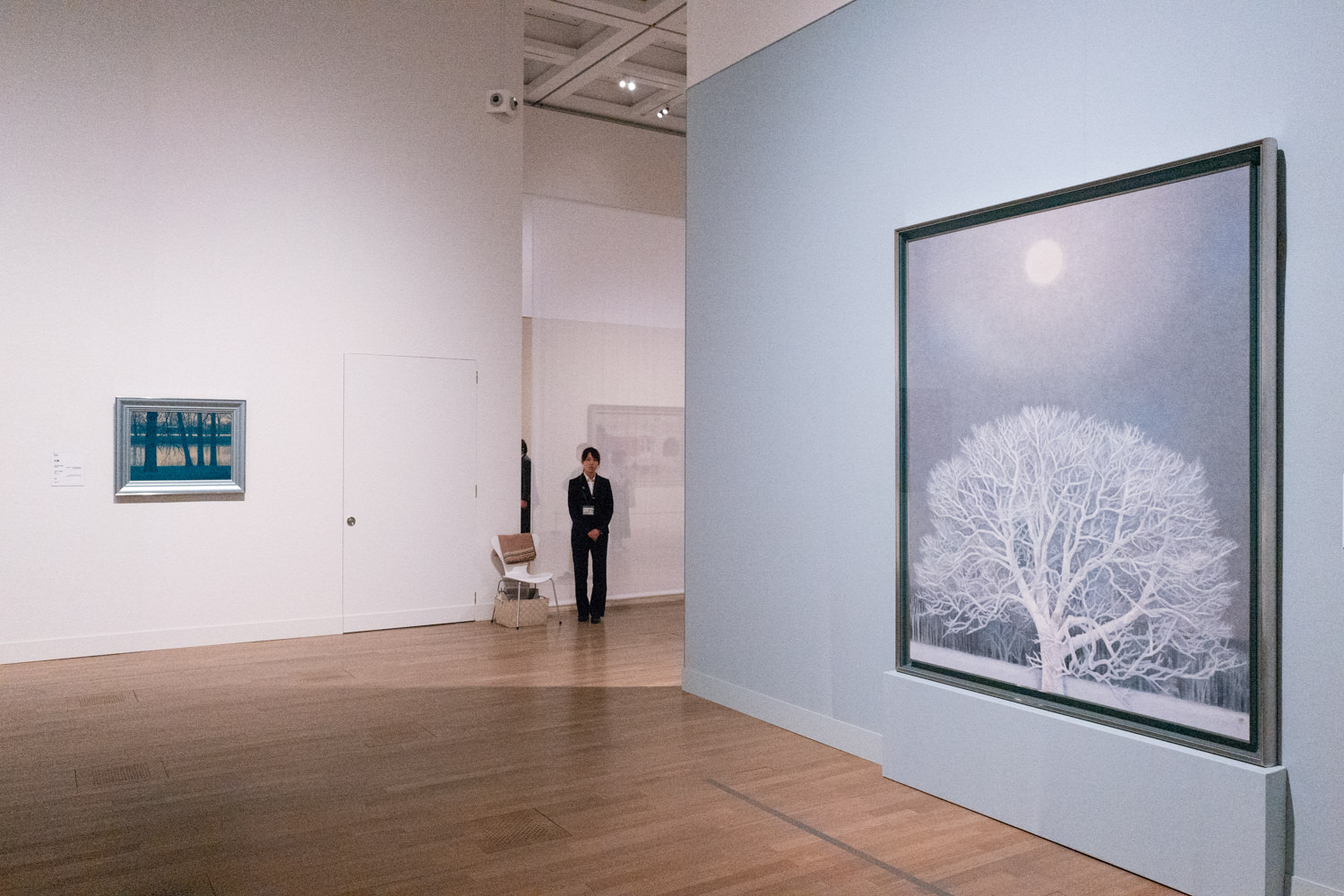
Chapter 3: Depicting the Ancient Capital — Kyoto
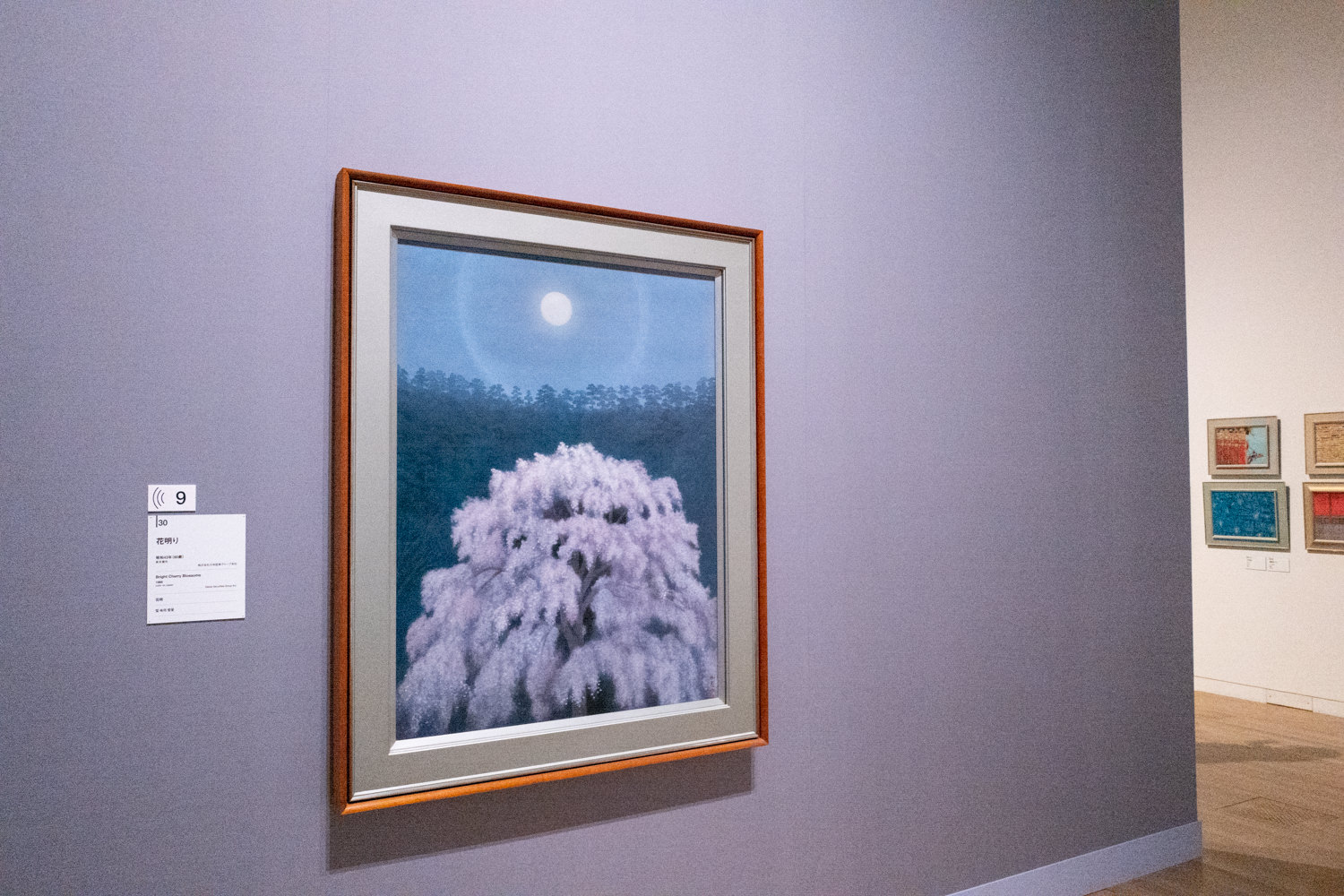
“Blossoms Aglow” is a painting I like for its intriguing composition. Its earnestness seems to come through in the composition itself, making it a highly appealing work.
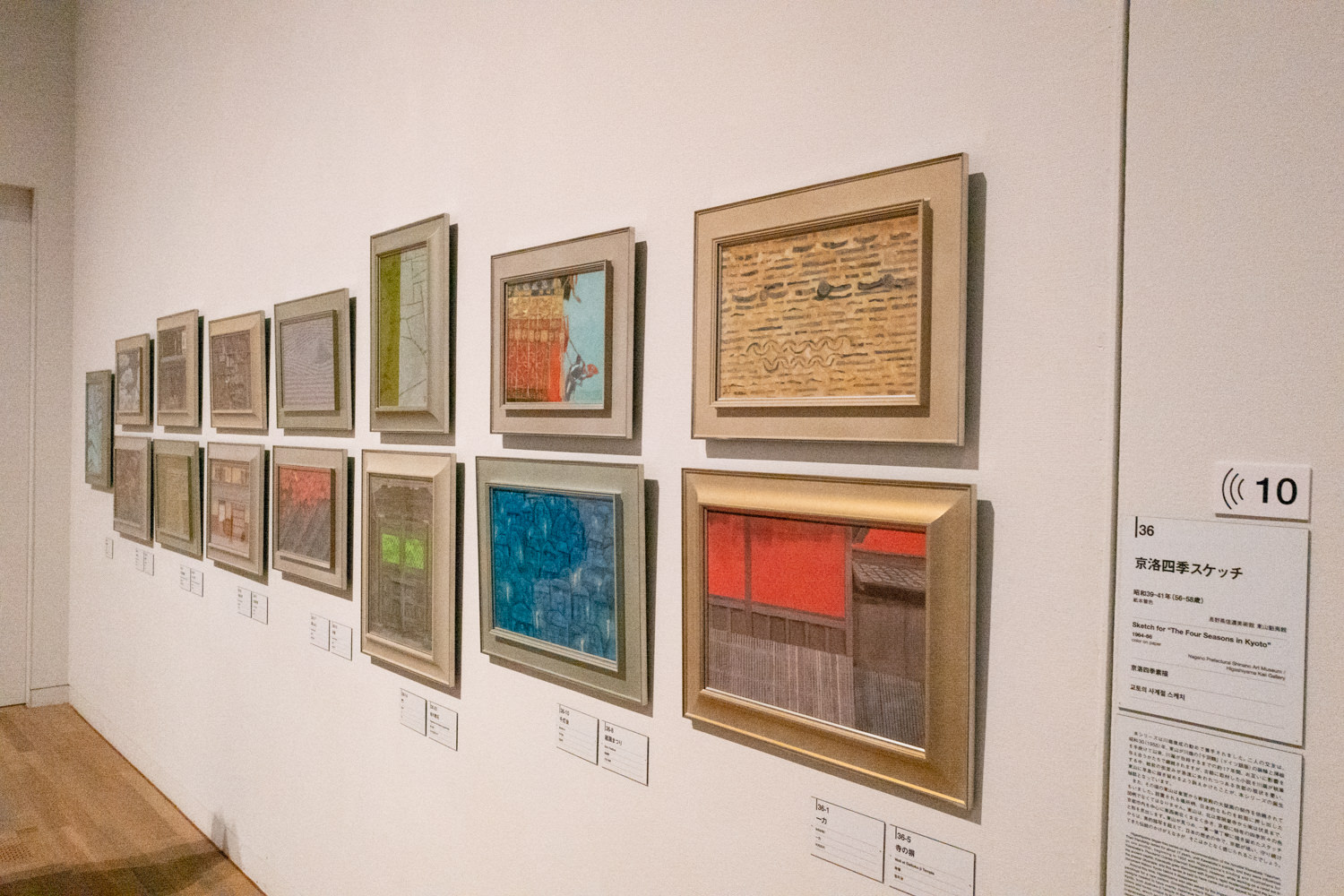
The smaller works were unexpectedly wonderful, each one rendered in a way that felt quintessentially Higashiyama.
The “Four Seasons of Kyoto” series was a lineup of true gems.
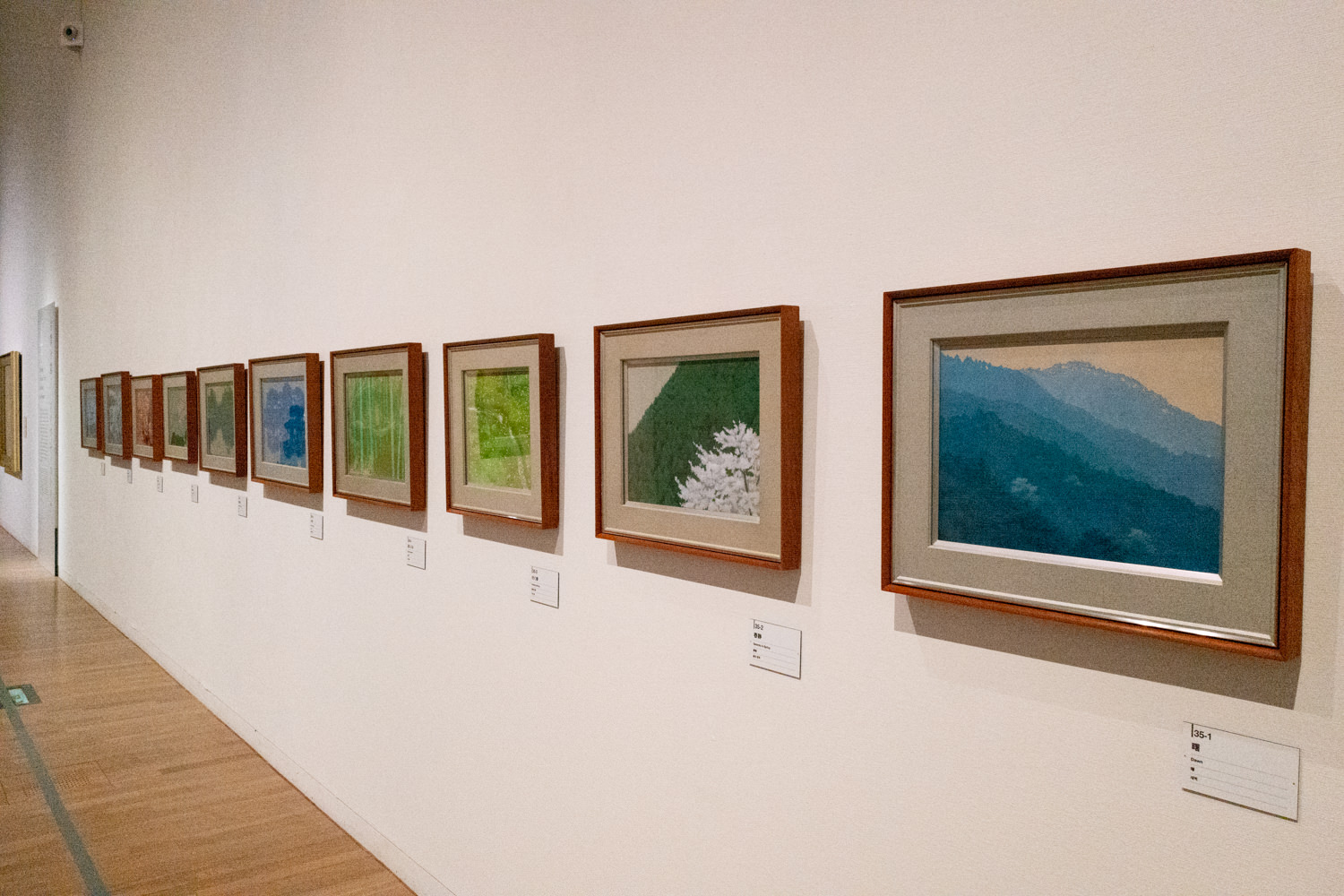
Chapter 4: Depicting Ancient Cities — Germany and Austria
The works depicting overseas scenes take architecture as their motif, and the atmosphere seems to shift subtly in this section alone.
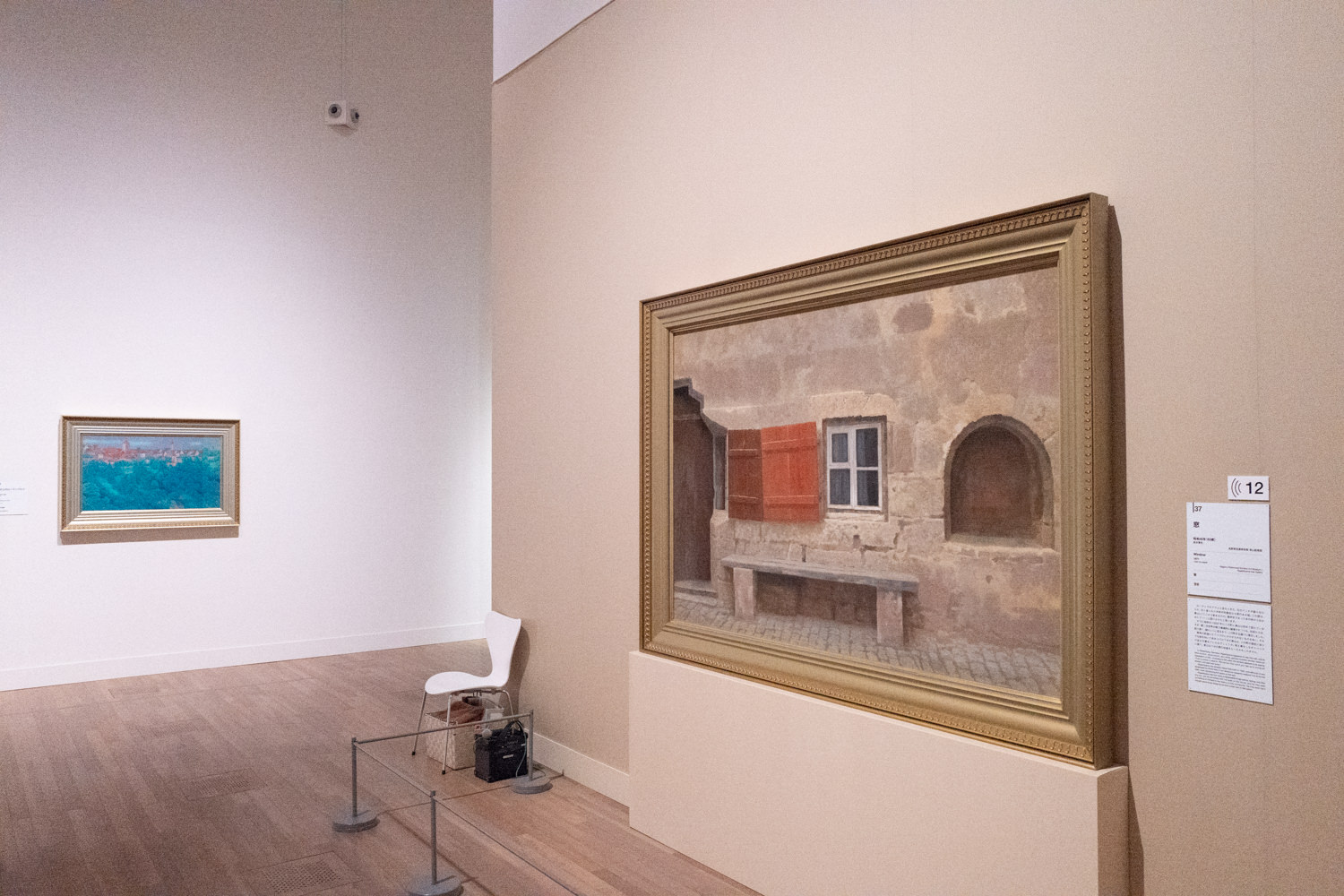
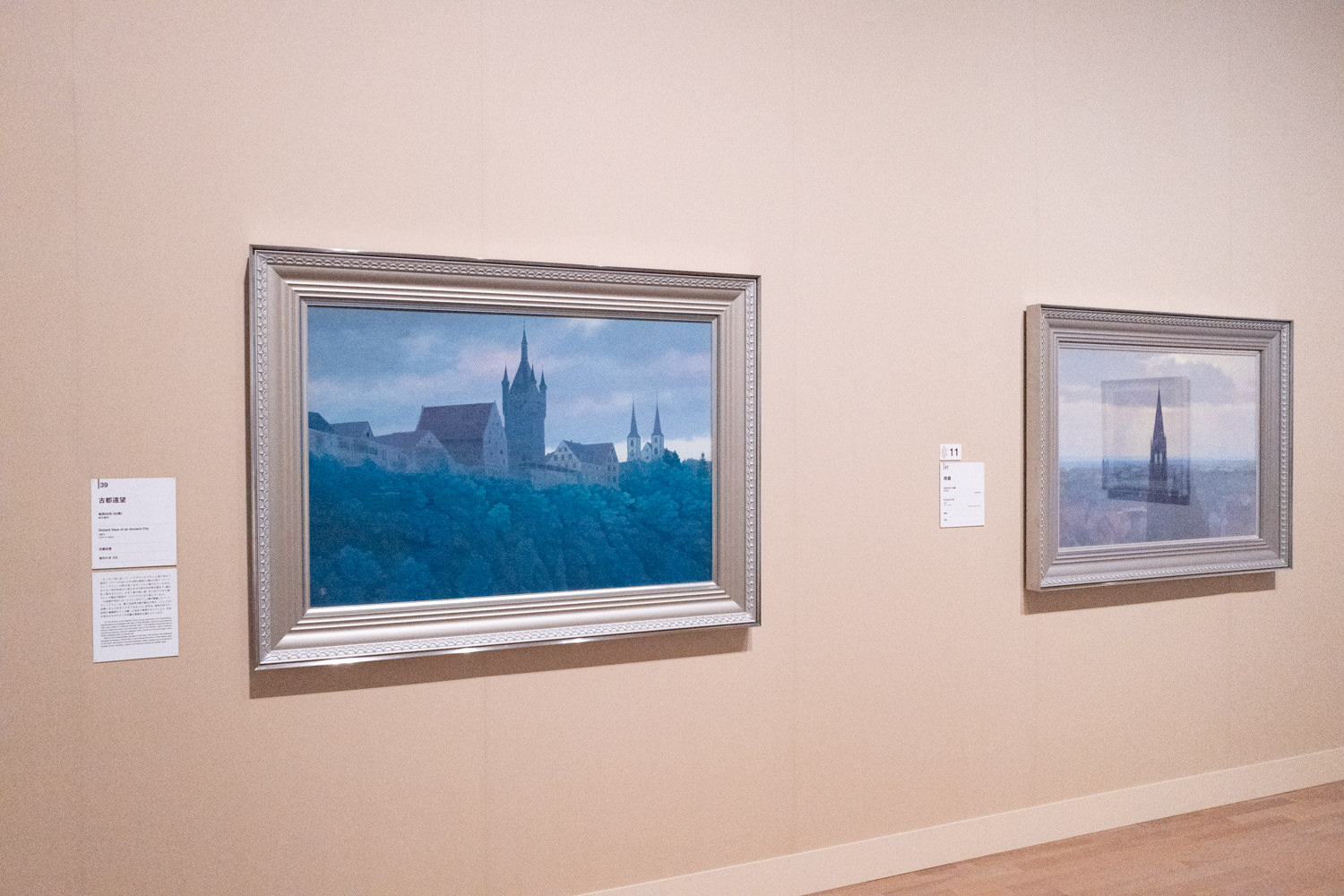
Chapter 5: The Wall Paintings of the Miei-do at Toshodaiji Temple
Occupying a major place in this exhibition is the full-scale recreation of “The Wall Paintings of the Miei-do at Toshodaiji Temple.”
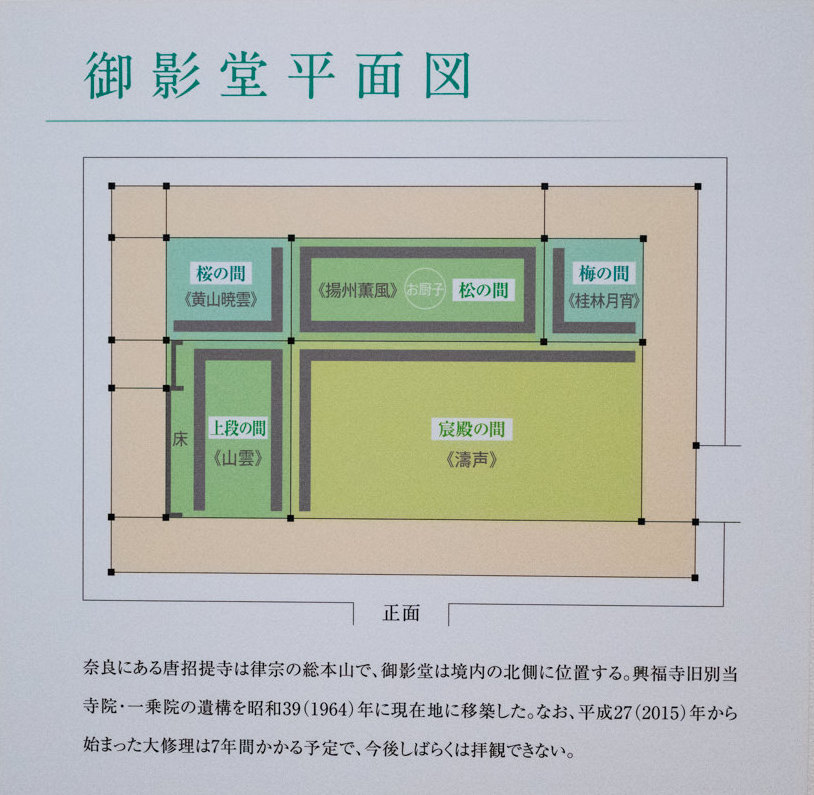
There are 68 sliding-door panels in total, forming a work that stretches to 83 meters when lined up horizontally. The display uses a considerably large space.
The work was made when Kaii Higashiyama was 63 years old.
Chapter 6: Landscapes That Mirror the Heart
Chapter 6, which brings the exhibition to a close, is devoted to landscape painting.
Late works are lined up here, including his final piece from 1999.
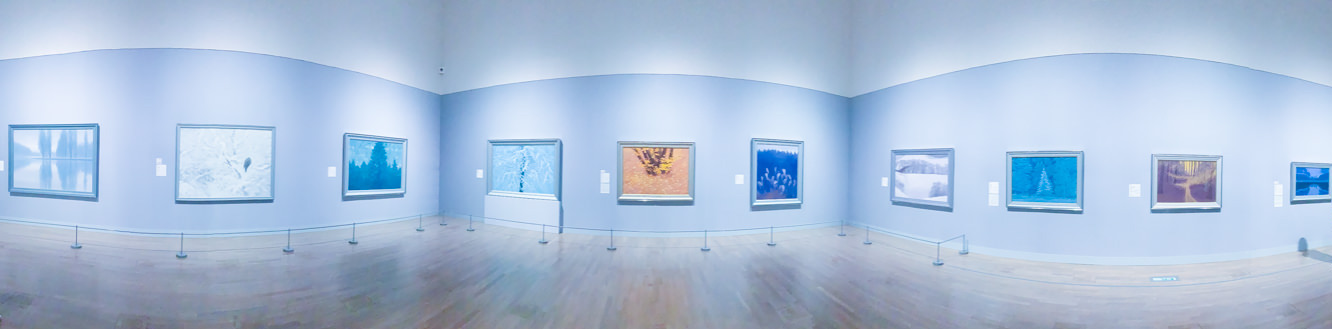
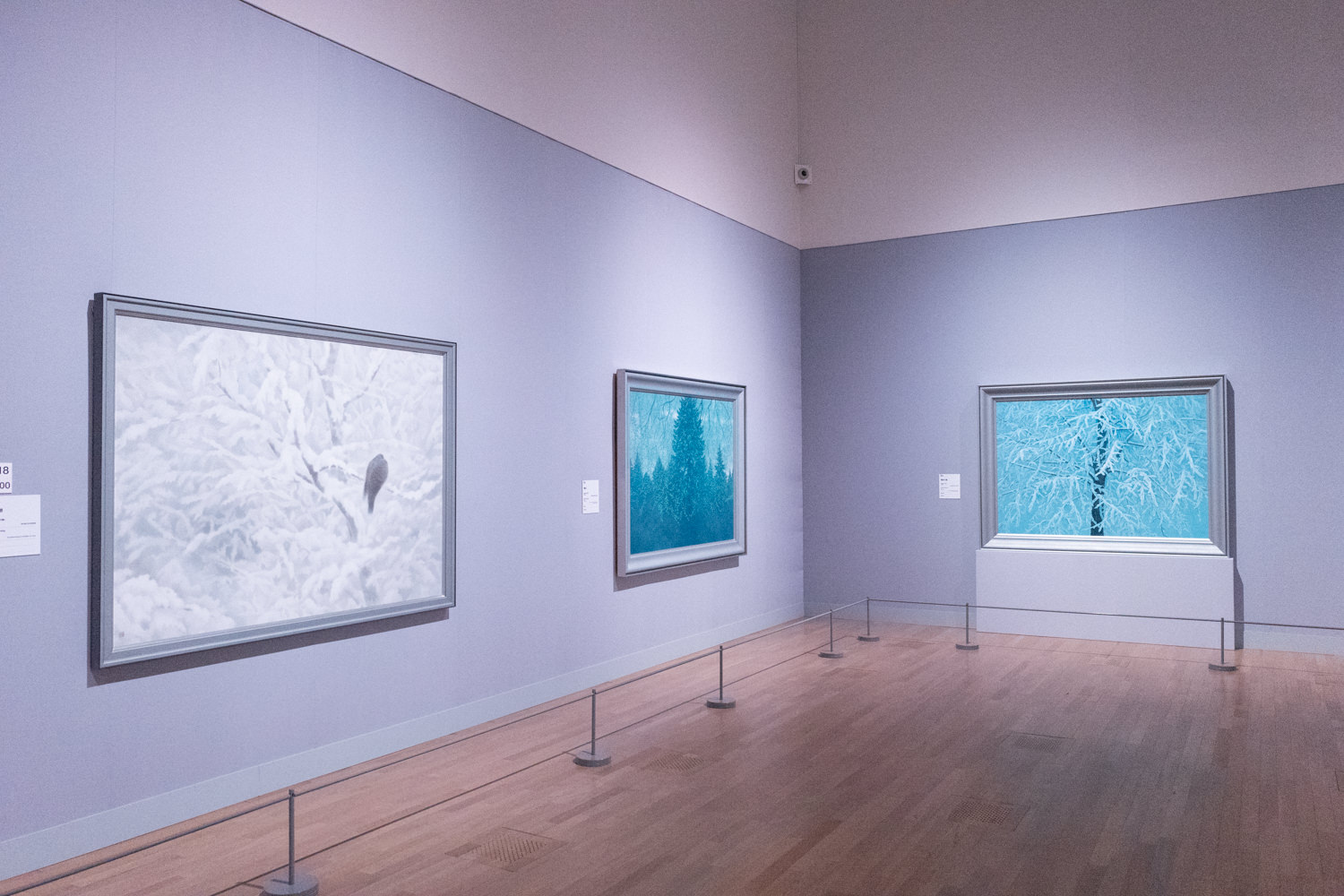
The exhibition reaches its ending as you savor a sense of highly refined quality.
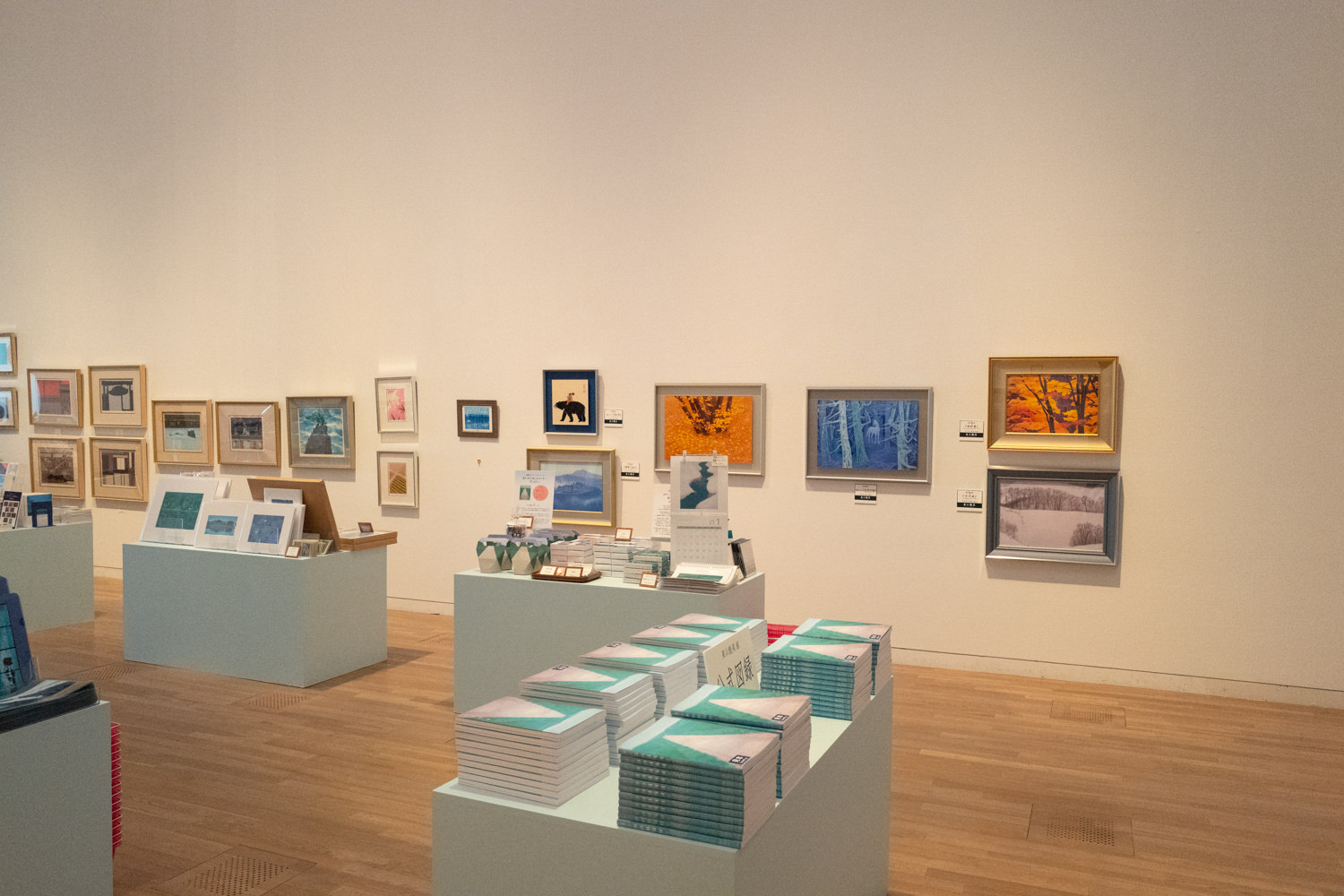
In Closing
Kaii Higashiyama’s monumental works, seen in the vast halls of The National Art Center, Tokyo, carry an overwhelming presence, standing gracefully within the space.
Every work is wrapped in an air of refinement, gentleness, and warmth, and time seems to flow slowly around them.
The one regret was that most works were framed behind acrylic, which felt like a distance stood between the viewer and the raw movement of the brush (this is the writer’s personal impression). Visitors who enjoy sensing the very breath of a painting may find it slightly unsatisfying.
This is the first large-scale exhibition in Tokyo in a decade.
Miss it and you may not see one again for another ten years — do not let it slip by!