Munch: A Retrospective
Did you know that Munch’s iconic “The Scream” exists in four versions?
One of these, held by the Munch Museum in Oslo, has made its first-ever visit to Japan and is now unveiled in “Munch: A Retrospective.”
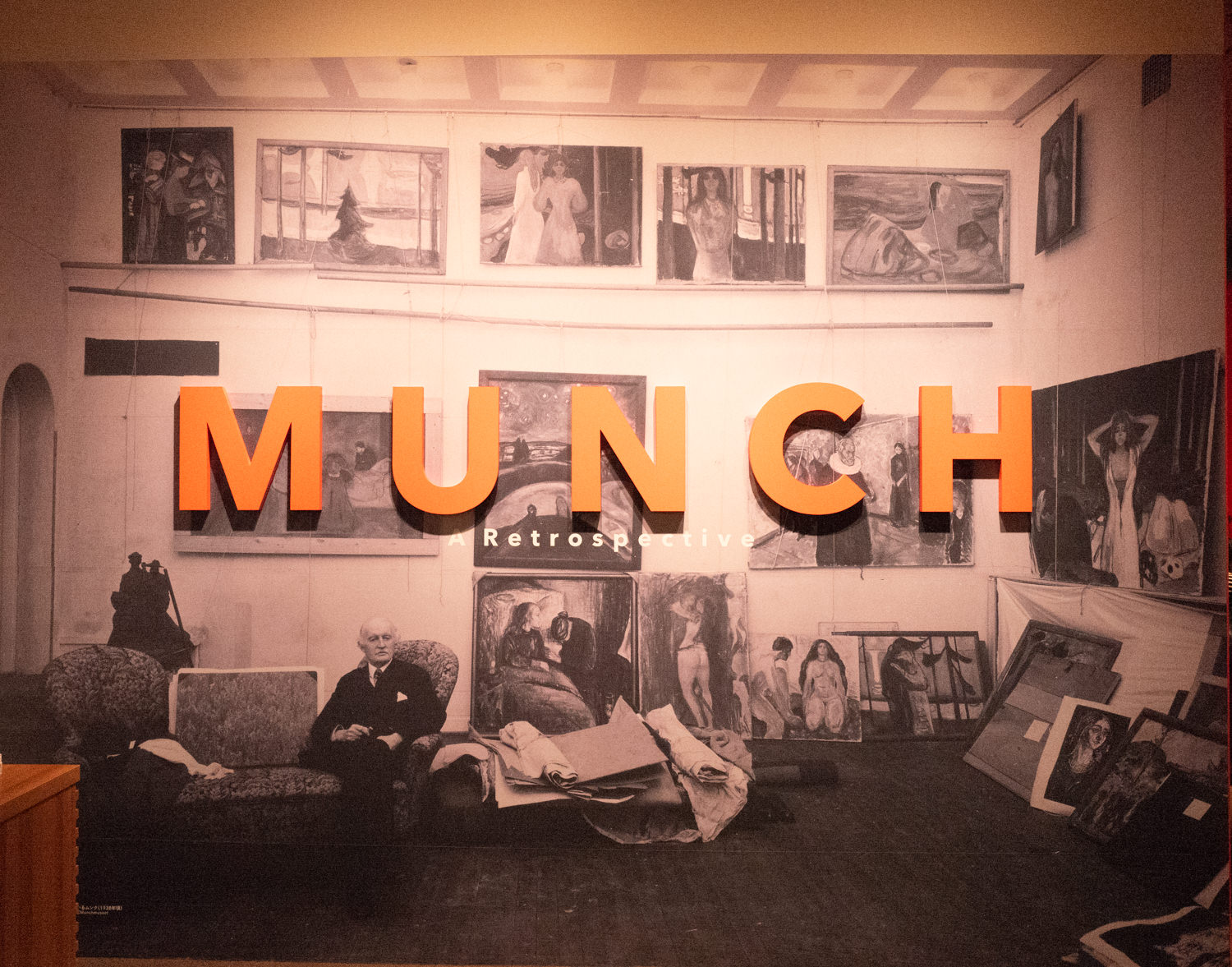
The exhibition is organized into “nine chapters.”
Let me introduce them in order.
Chapter 1: Who Was Munch?
This exhibition presents a total of “100 works” — 60 oil paintings and 40 prints and other pieces, assembled with the cooperation of the Munch Museum in Oslo.
Each chapter is gently arranged toward his later years, with each grouping set around a specific theme.
Chapter 2: Family — Death and Loss
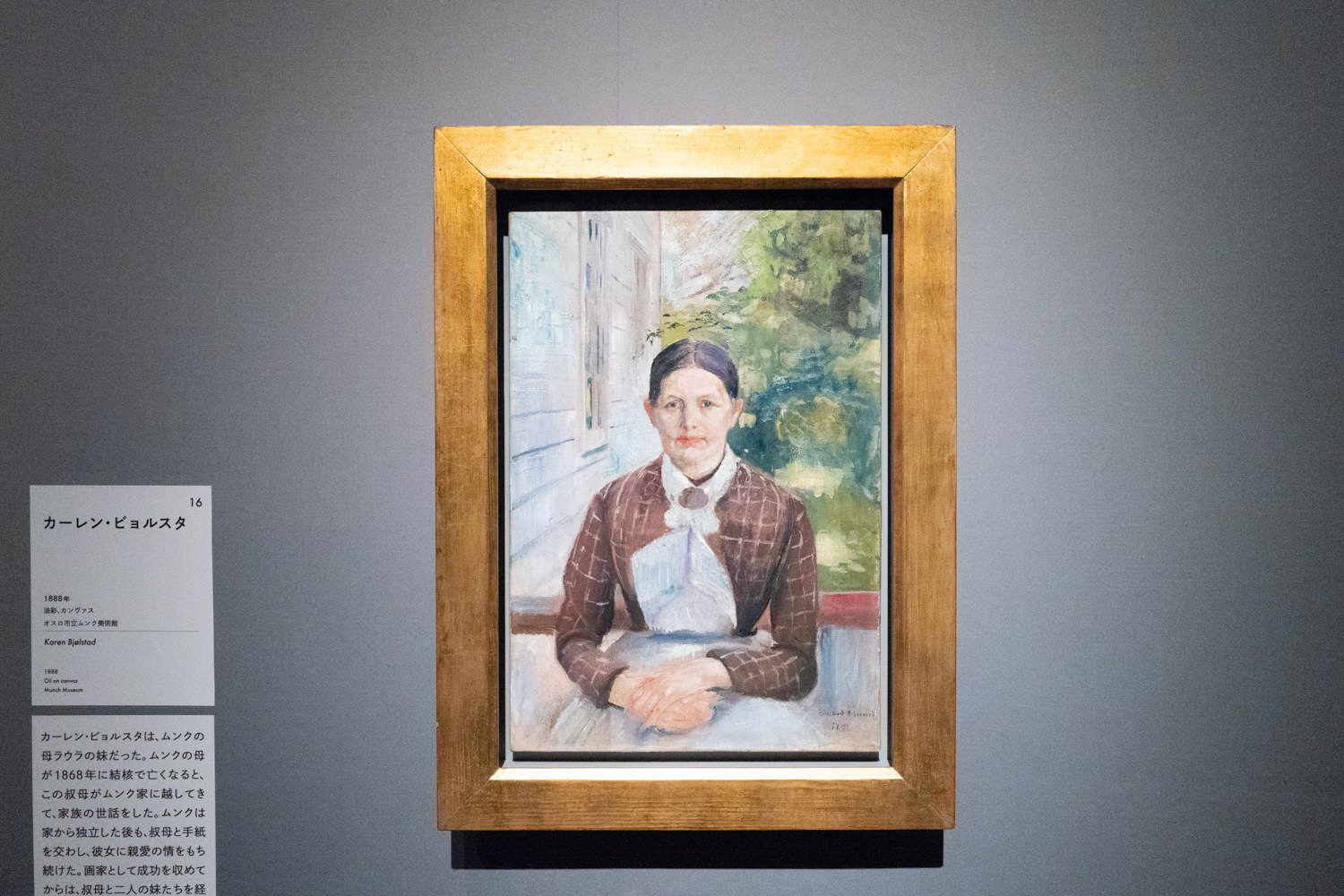
Chapter 2 presents early works, including those from his apprenticeship years.
What you notice from these early works is that Munch possessed remarkable painting skills.
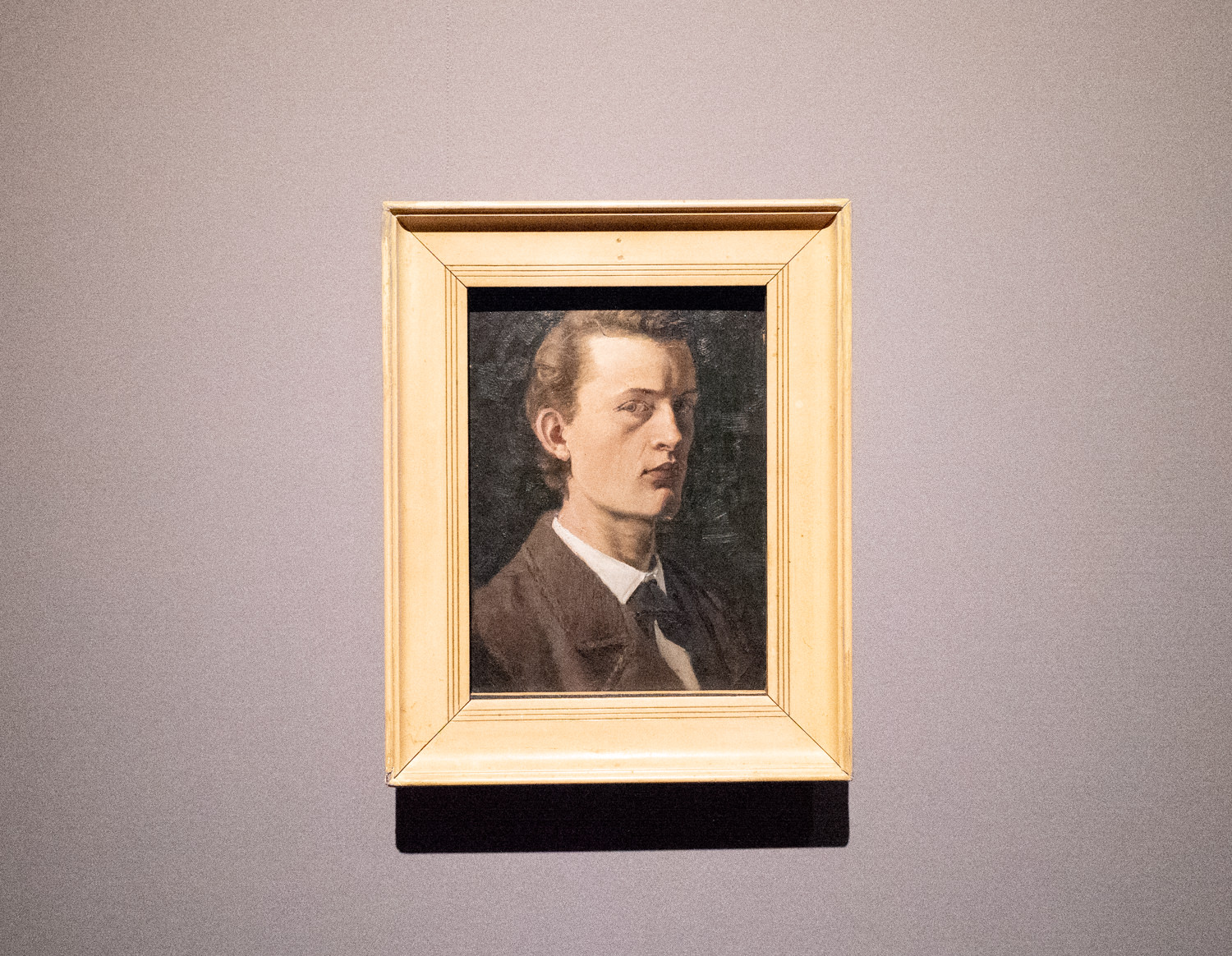
His solid technical grounding is clearly apparent.
Ms. Kobayashi, curator at the Tokyo Metropolitan Art Museum, cited “The Sick Child” as one of the highlights of the show.
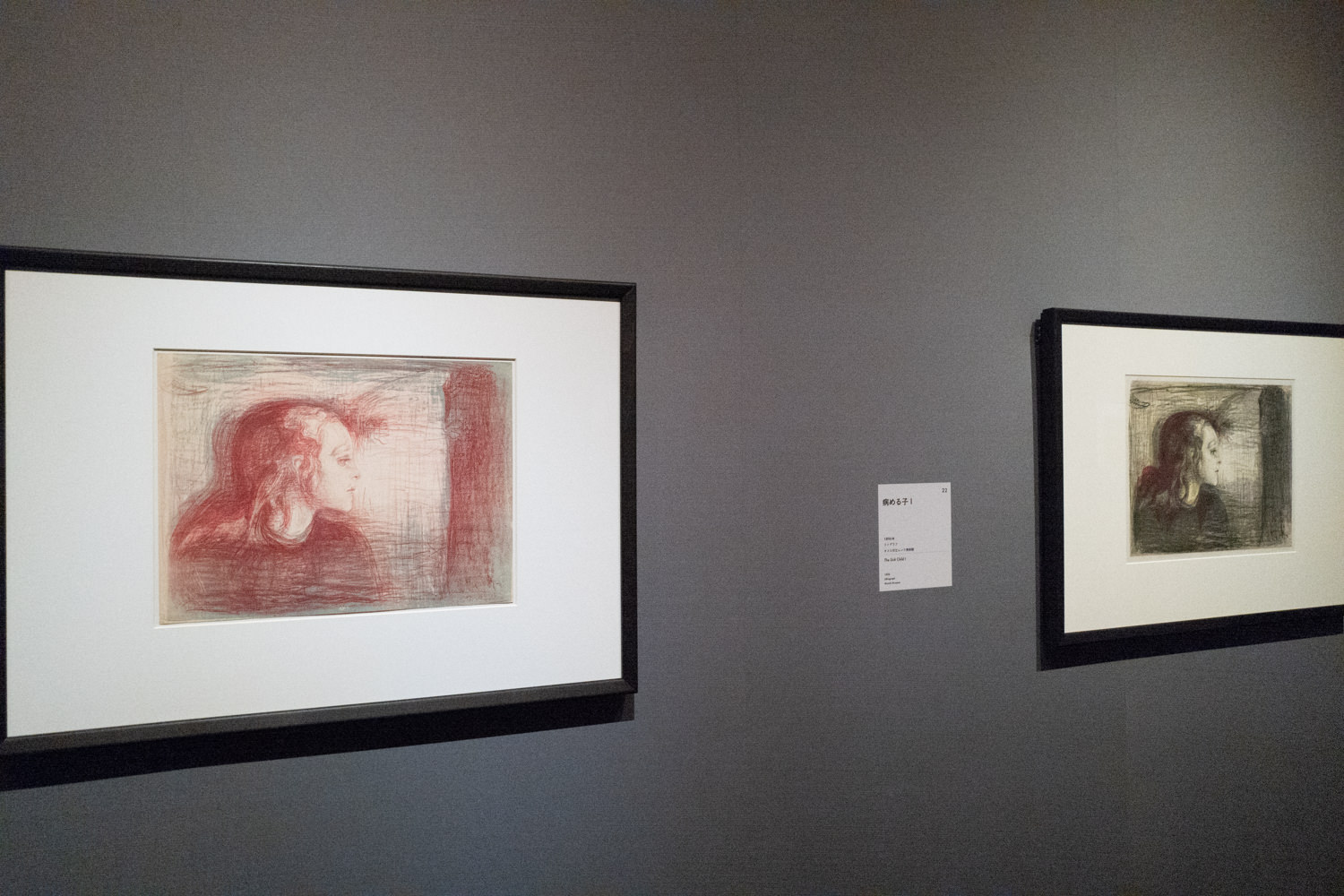
Edvard Munch, an artist who probed the inner human psyche, is said to have used this series as a breakthrough — a work through which he expressed the depths of human emotion in his own distinctive manner. It is regarded as one of his defining early works.
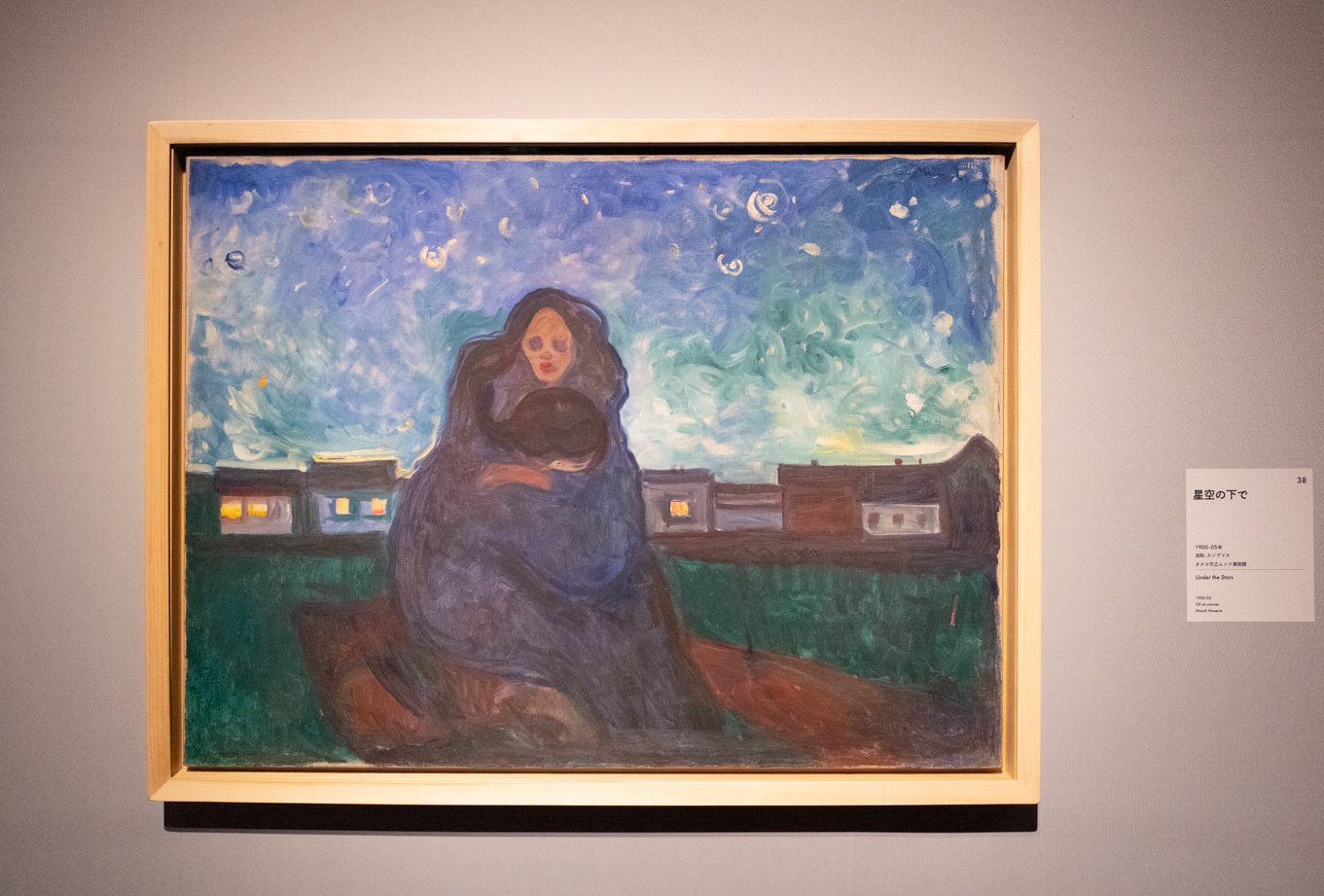
Chapter 3: Summer Nights — Solitude and Melancholy
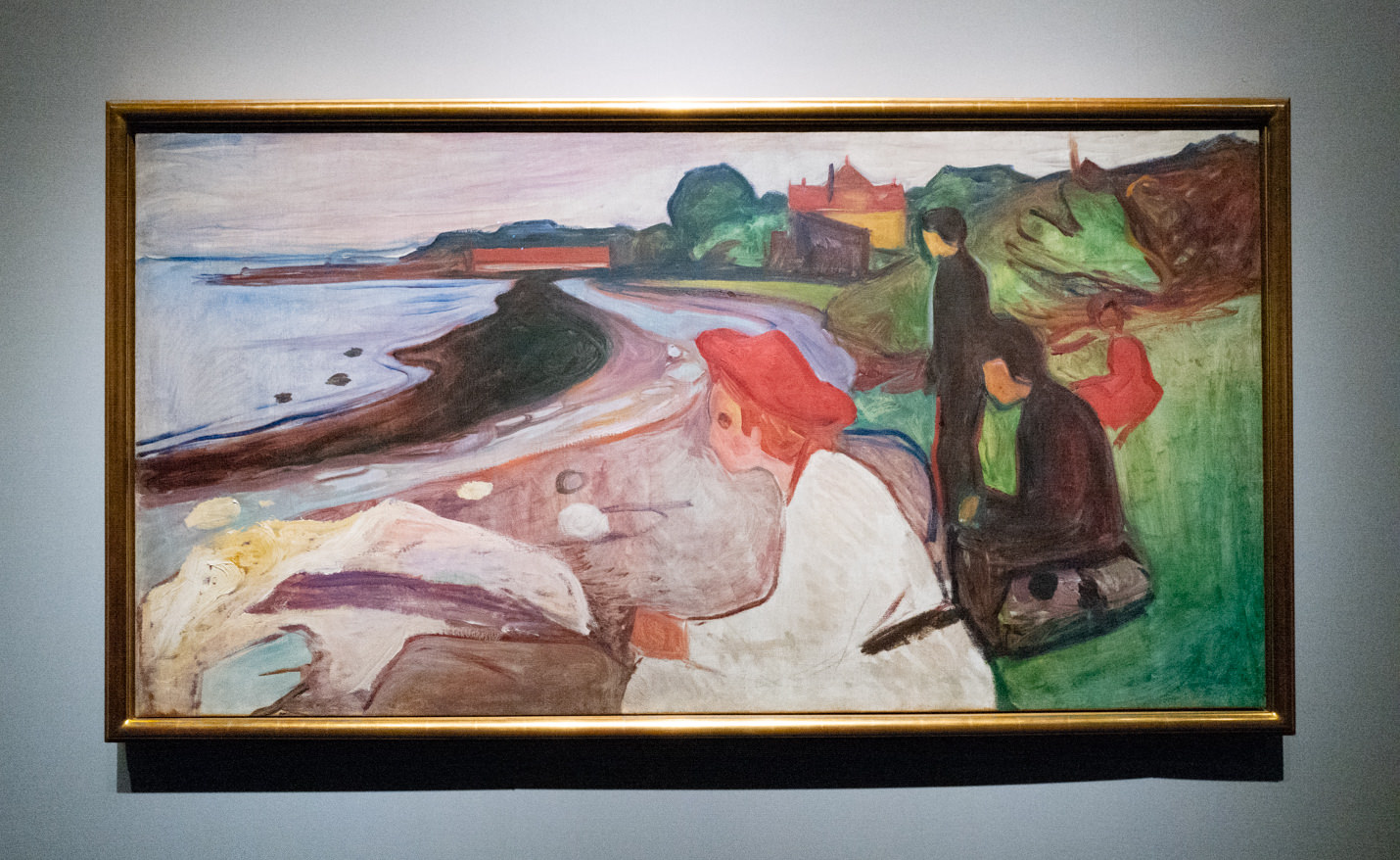
Here you can appreciate works drawn from Norway’s distinctive Nordic landscape.
The emotional interplay of figure and landscape draws out a singular flavor and stirs the heart.
Chapter 4: The Scream of Nature — Anxiety and Despair
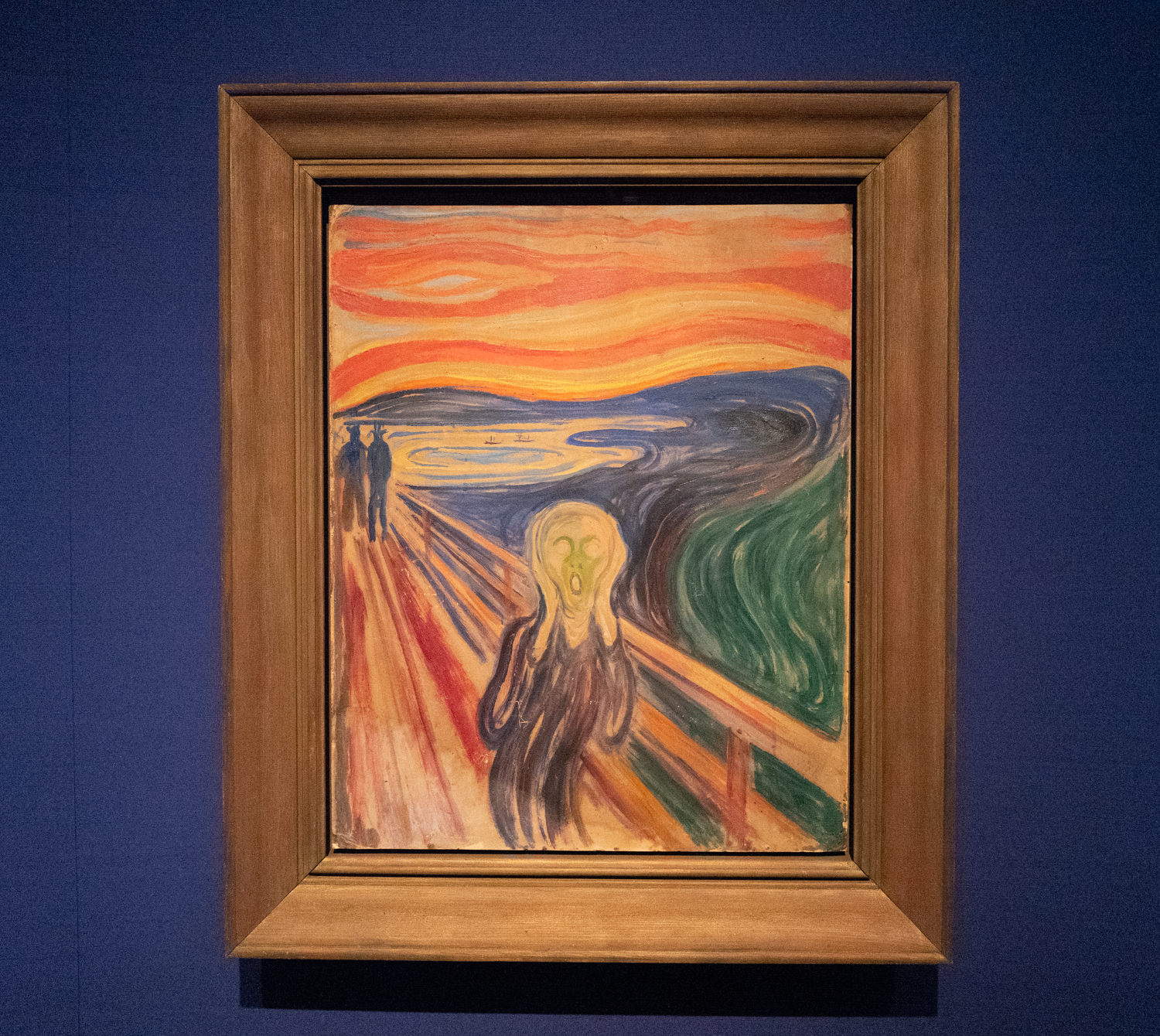
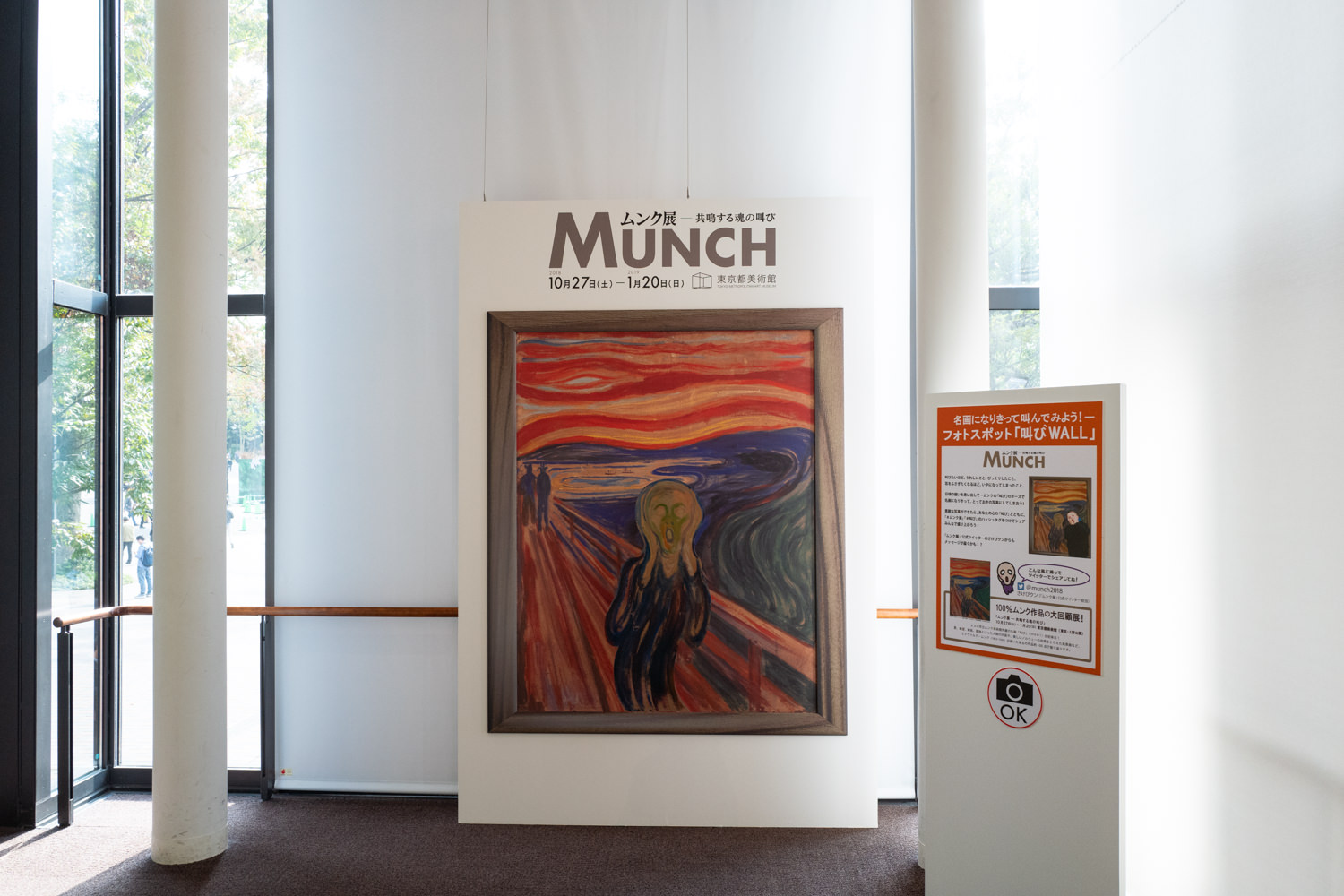
This is the chapter where the exhibition’s headline work, “The Scream,” is displayed.
There are four painted versions of “The Scream,” and the one presented here — executed in tempera and oil — is being shown in Japan for the first time.
It is held by the aforementioned Munch Museum in Oslo, but perhaps because of its “cardboard” support, even at the Munch Museum it is not on constant display due to conservation concerns. In that sense as well, this presentation is a rare opportunity.
Only this area of the gallery is dimly lit to protect the work, further amplifying the sense of anxiety, solitude, and despair that this work embodies.
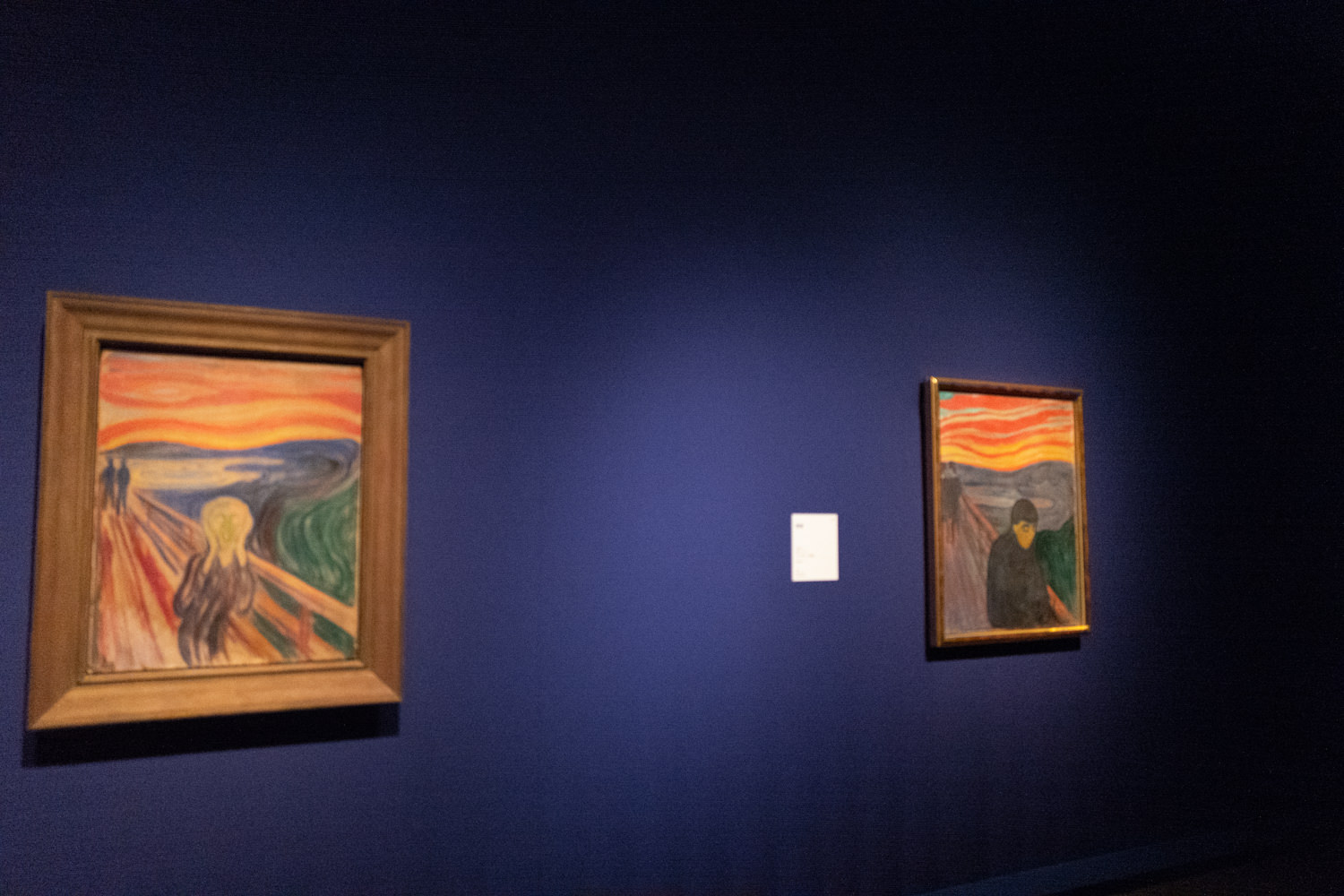
Seeing “The Scream” in person, the impression was not quite so gloomy — rather, it seemed to sit naturally among Munch’s many other works.
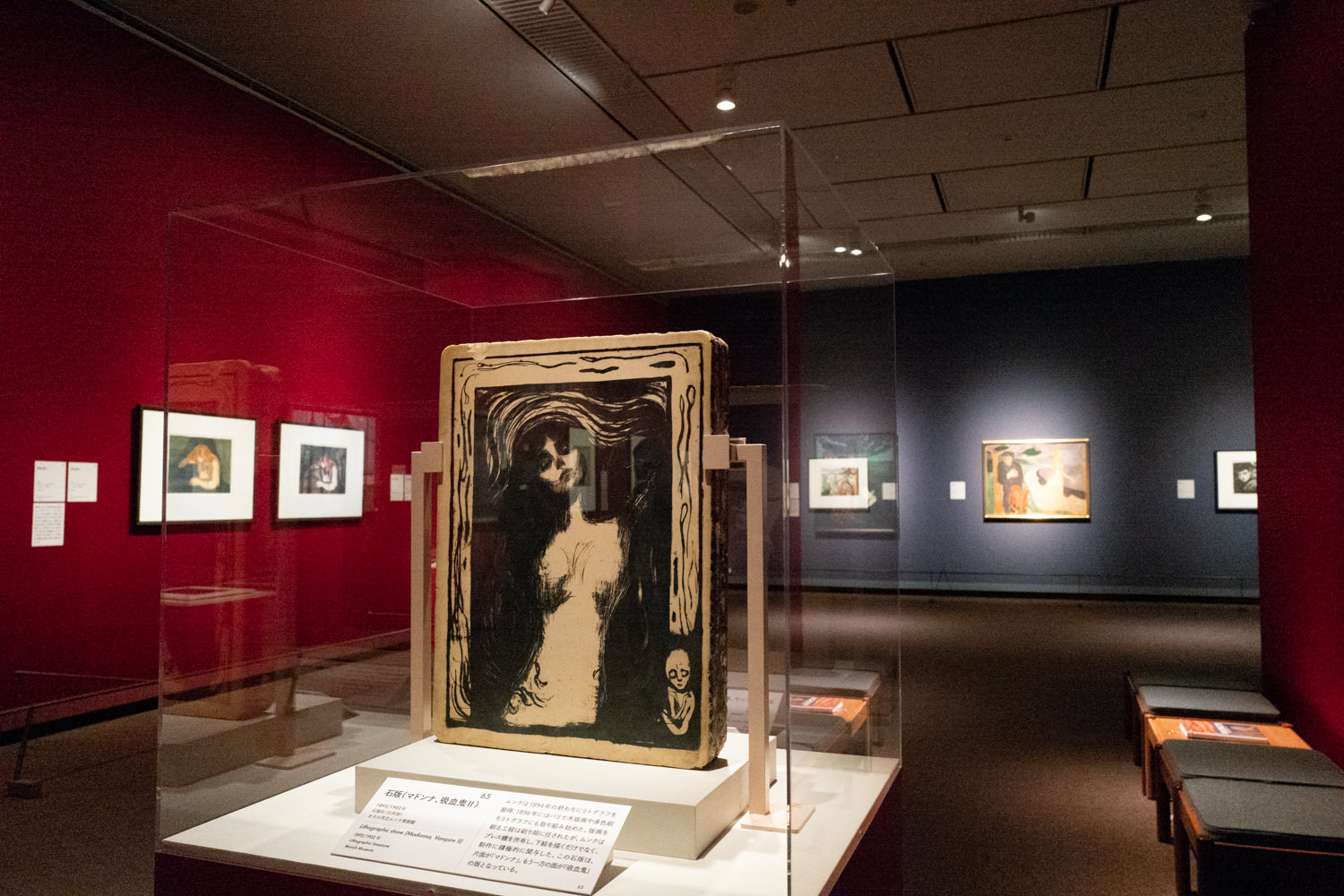
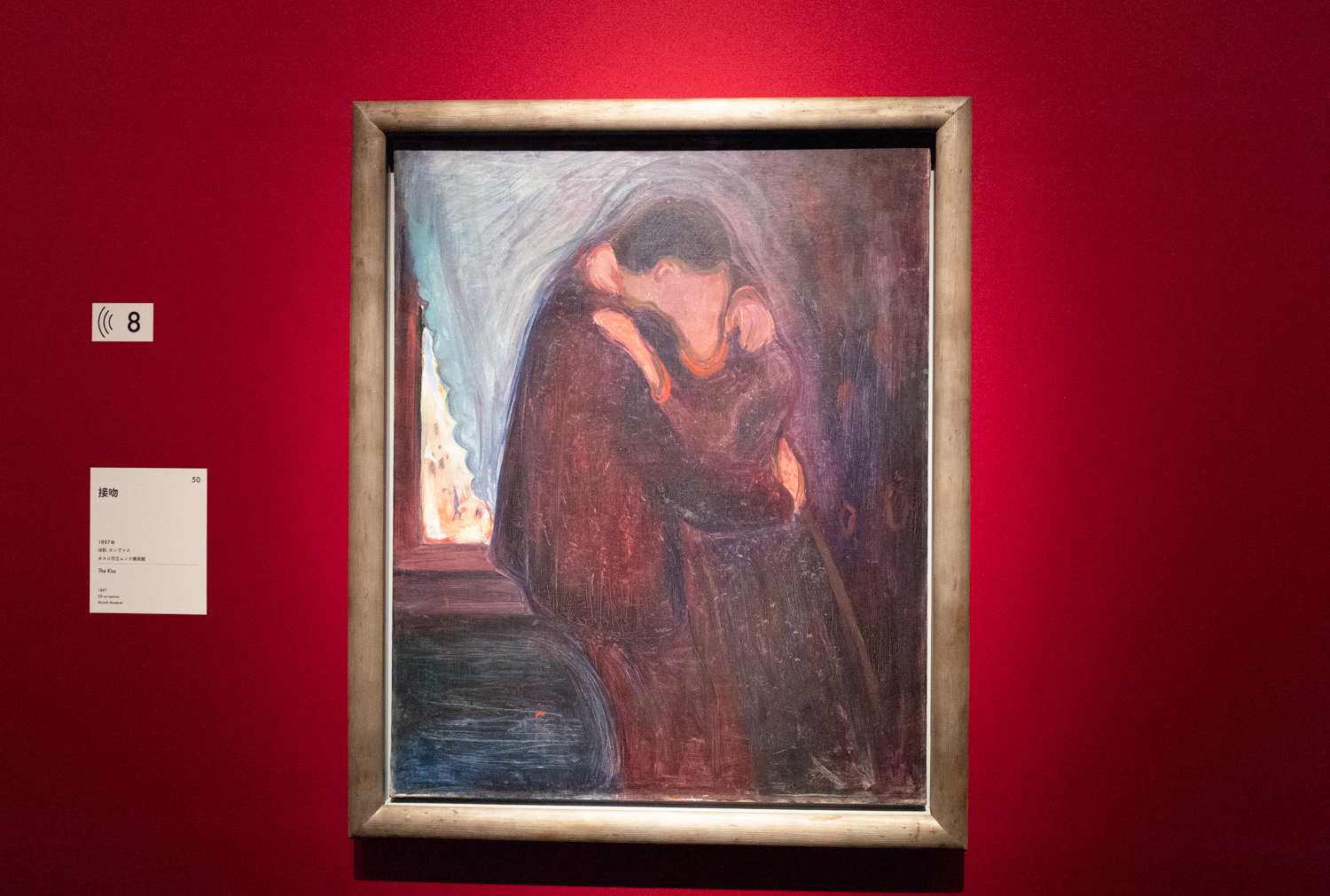
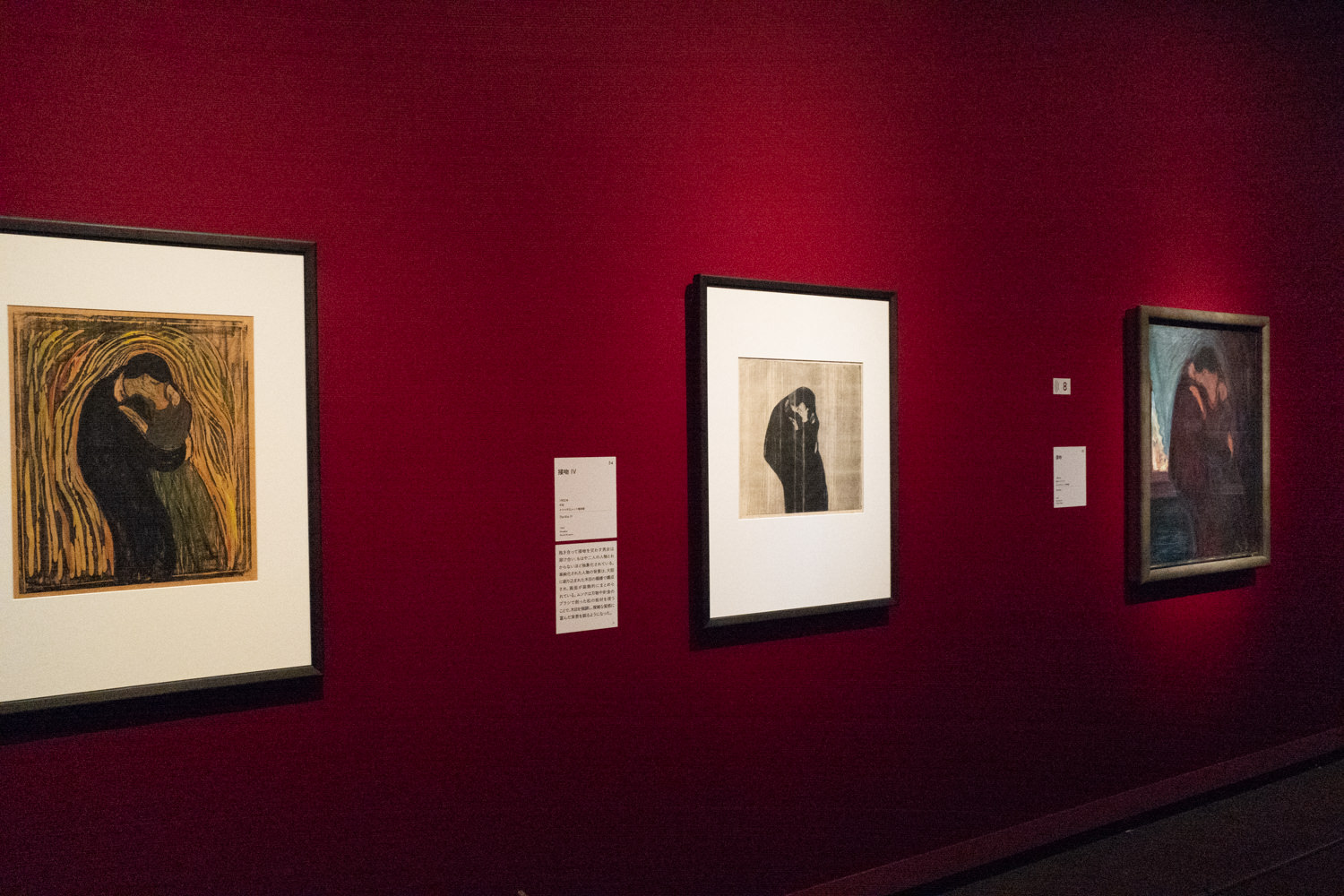
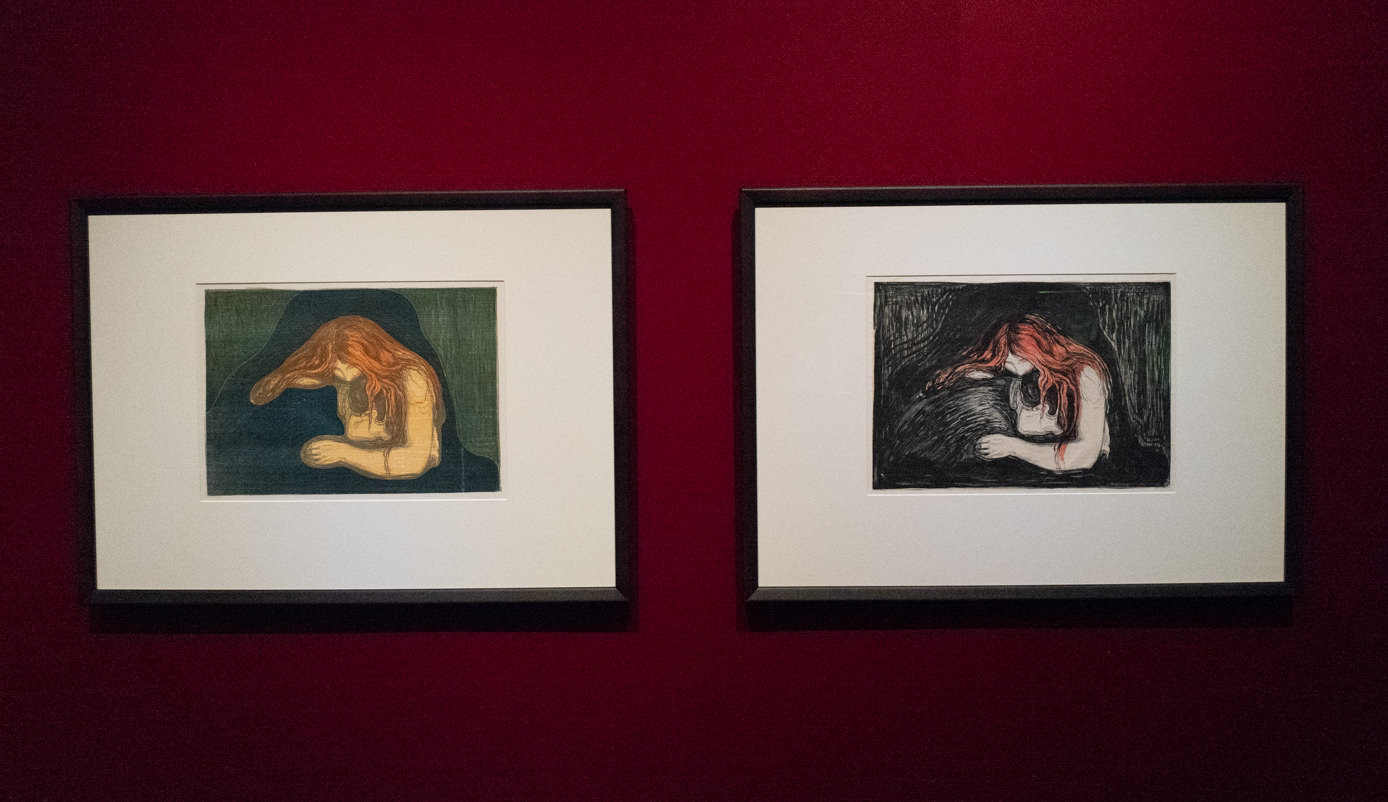
Chapter 5: The Kiss, Vampire, and Madonna
The Kiss, Vampire, and Madonna are important motifs that shape Munch’s work. He is said to have returned to them again and again throughout his life.
Depicting the human interior
Chapter 6: Man and Woman — Love, Jealousy, Parting
What expressive power in “Jealousy”! The raw intensity of its composition is astonishing.
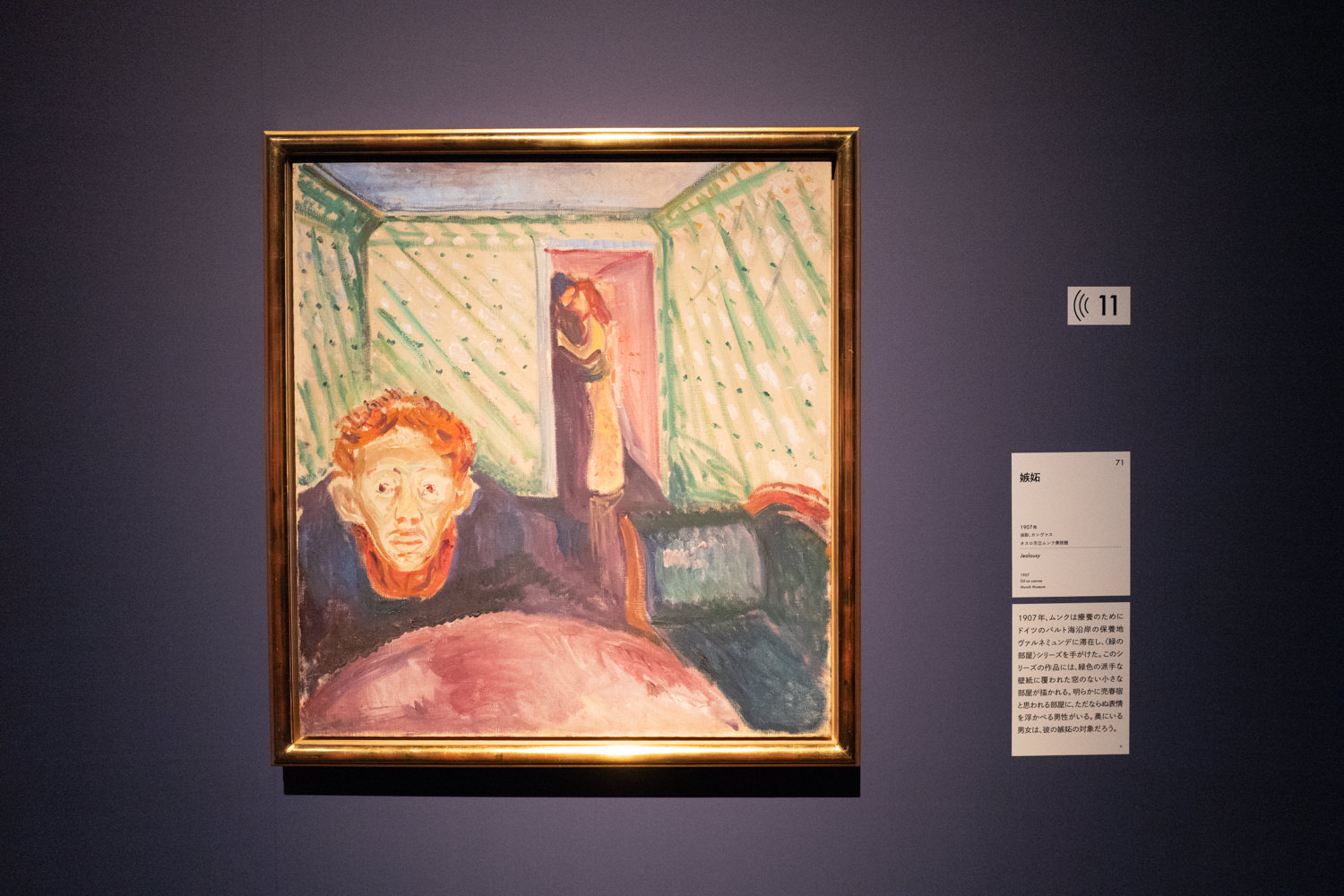
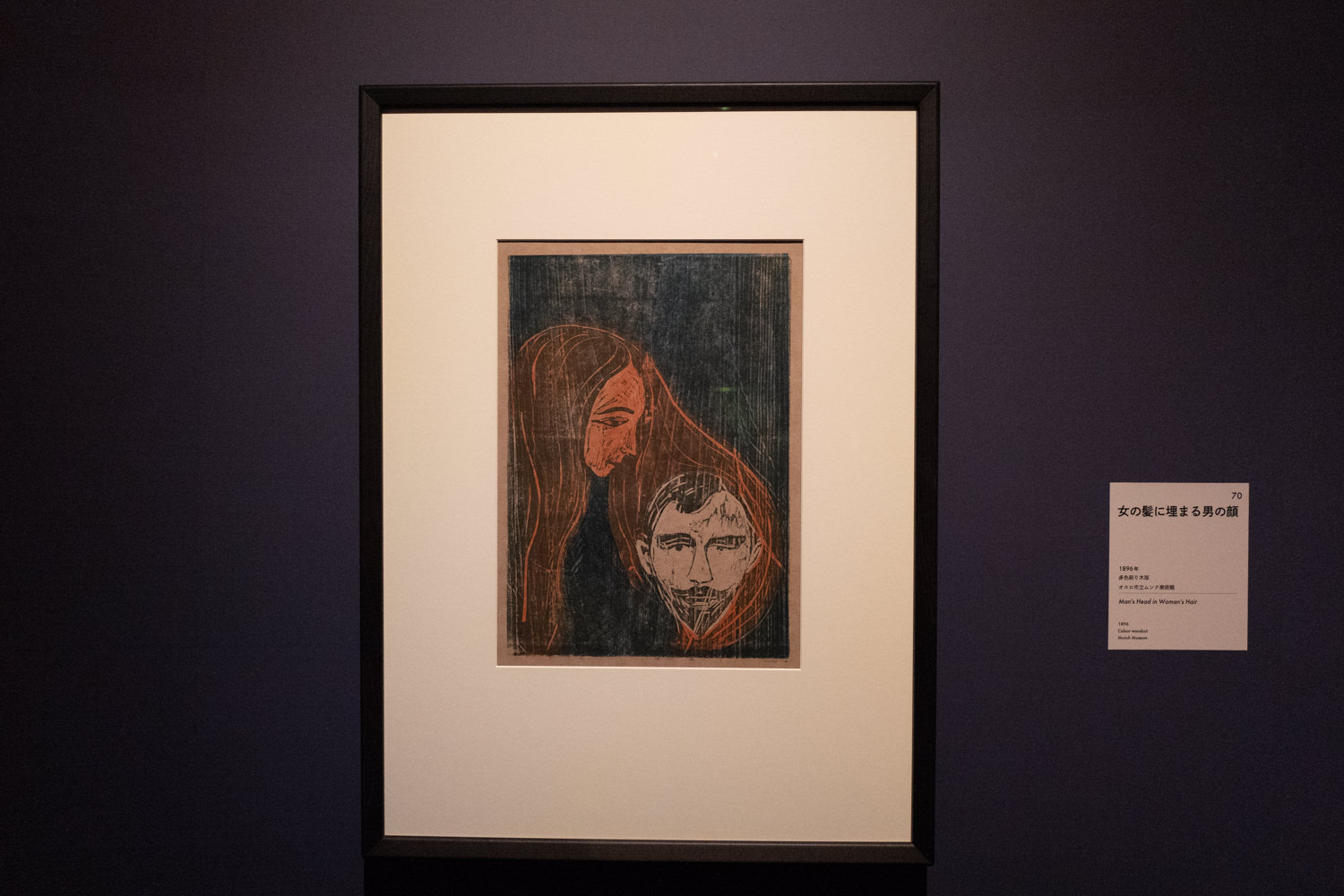
Munch sought to render the tangled dynamics of the “male-female relationship” that are so intimately tied to human emotion. Look closely, and the sight becomes frightening.
Chapter 7: Portraits
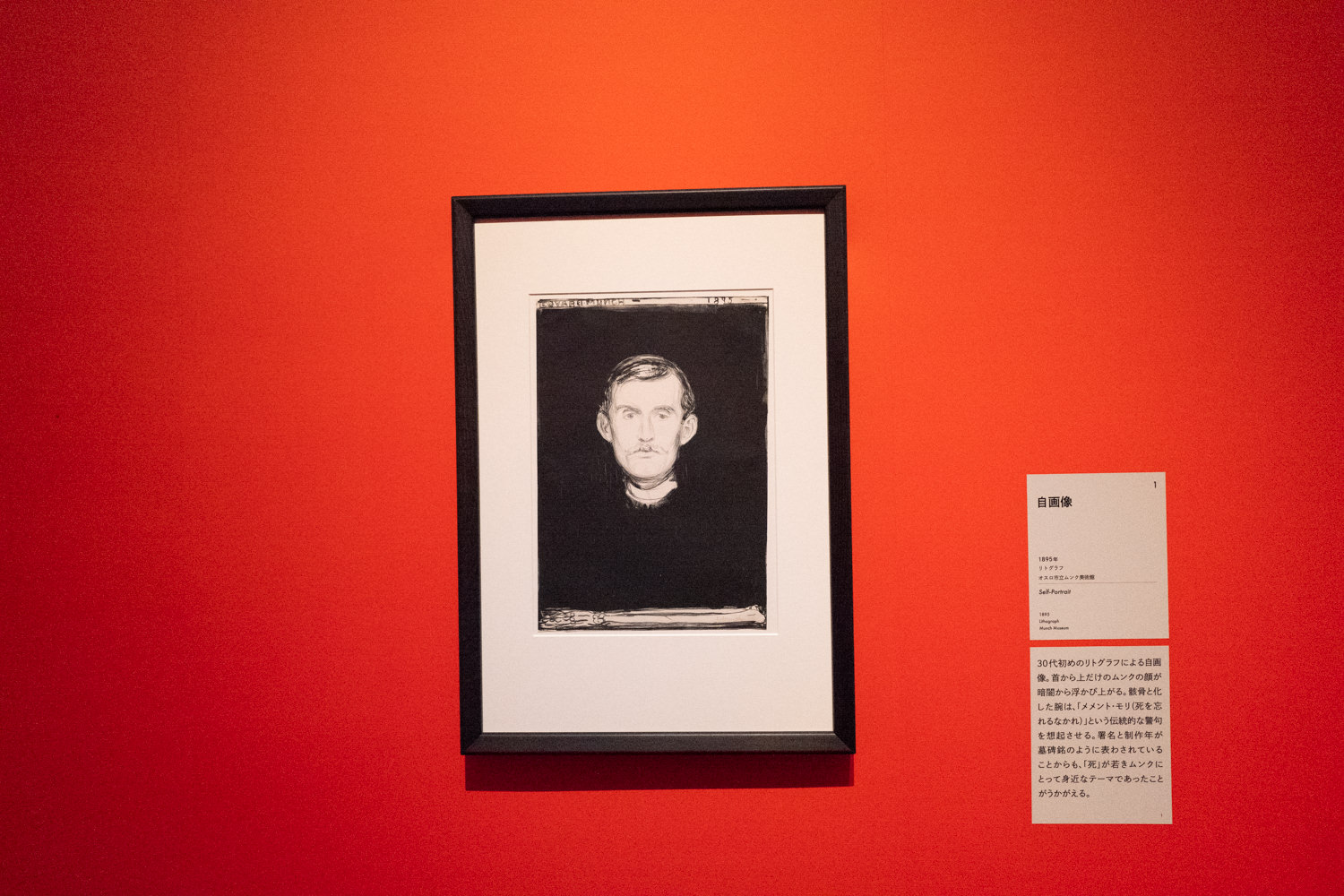
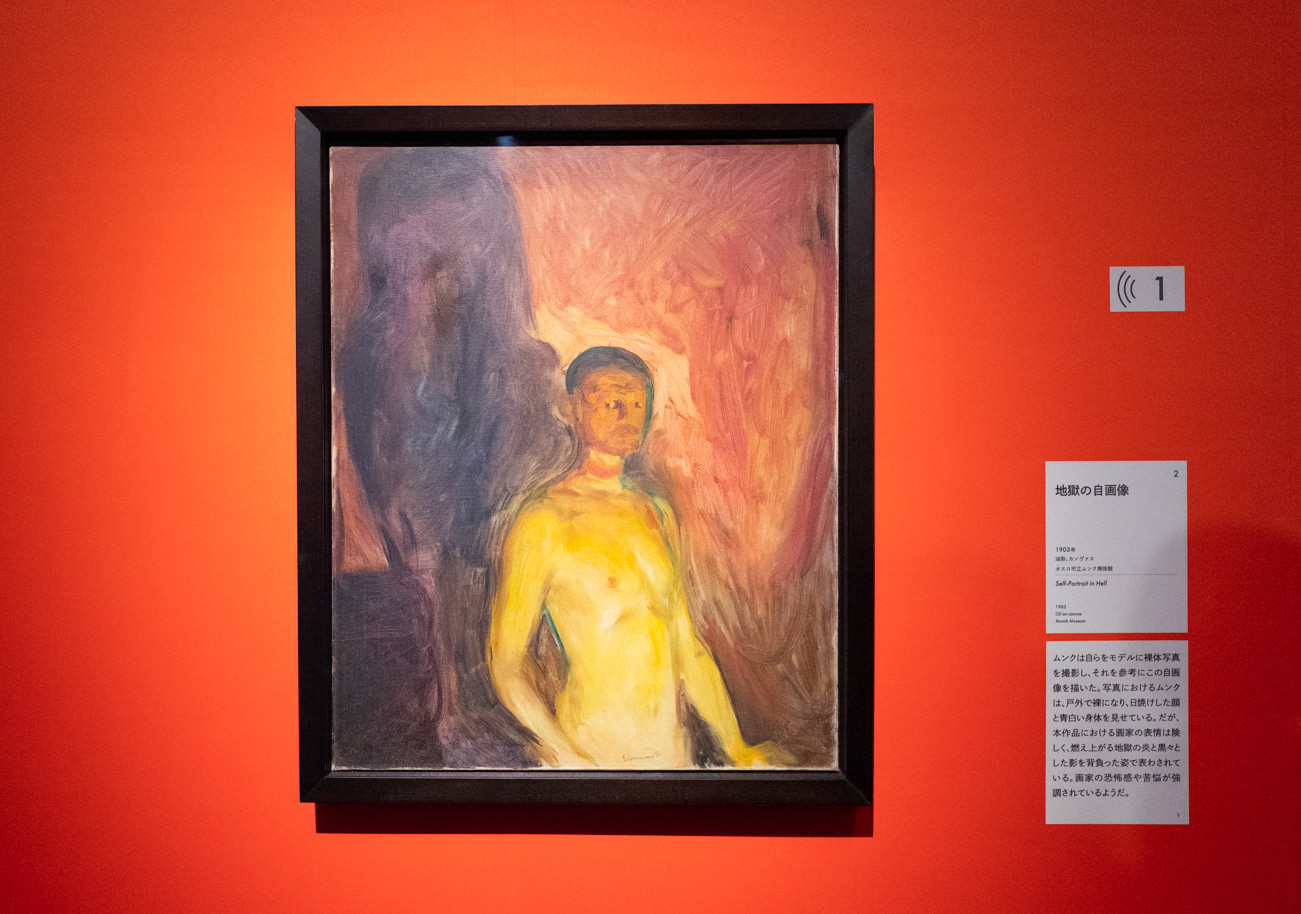
Munch produced many self-portraits, but he also painted commissioned portraits.
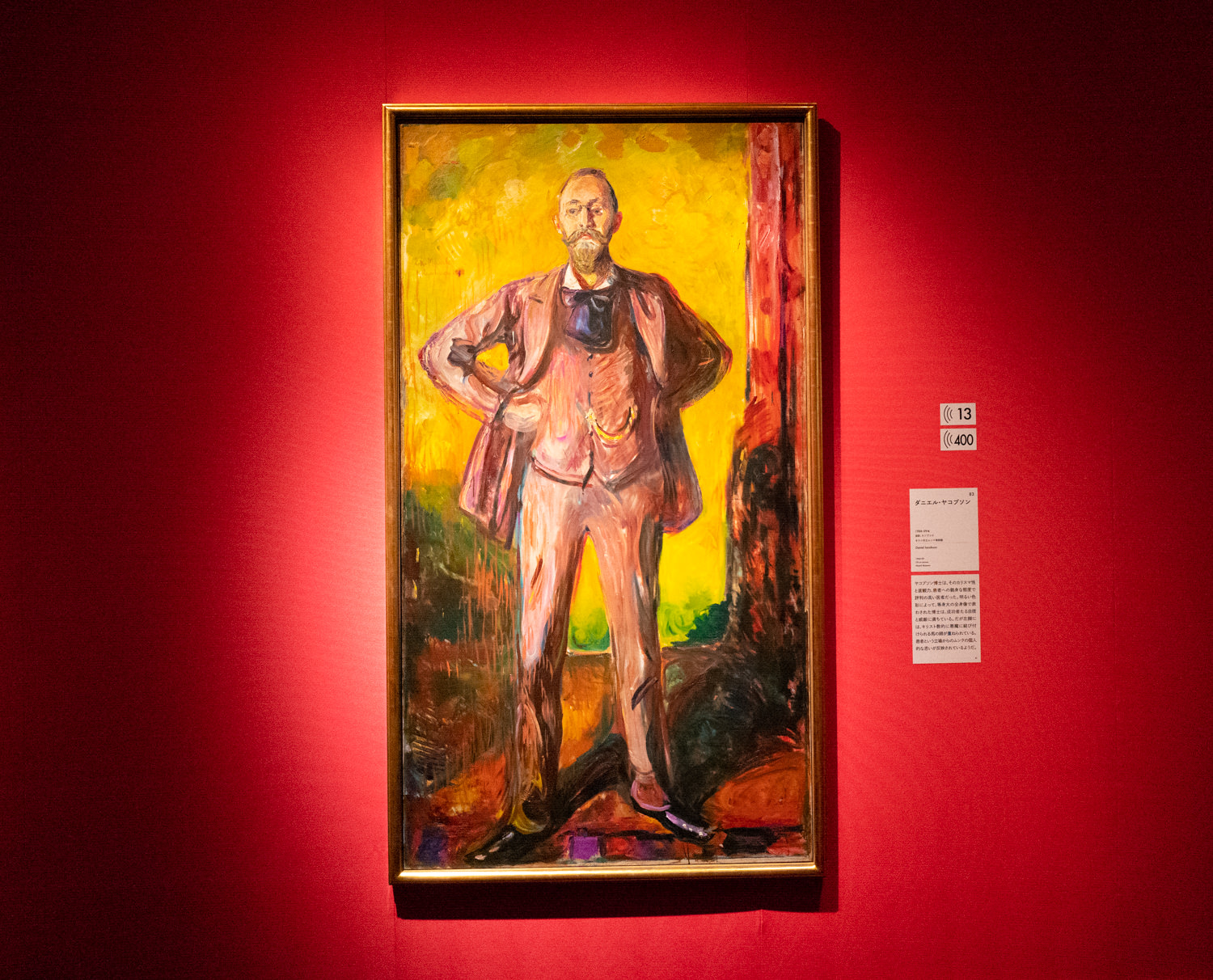
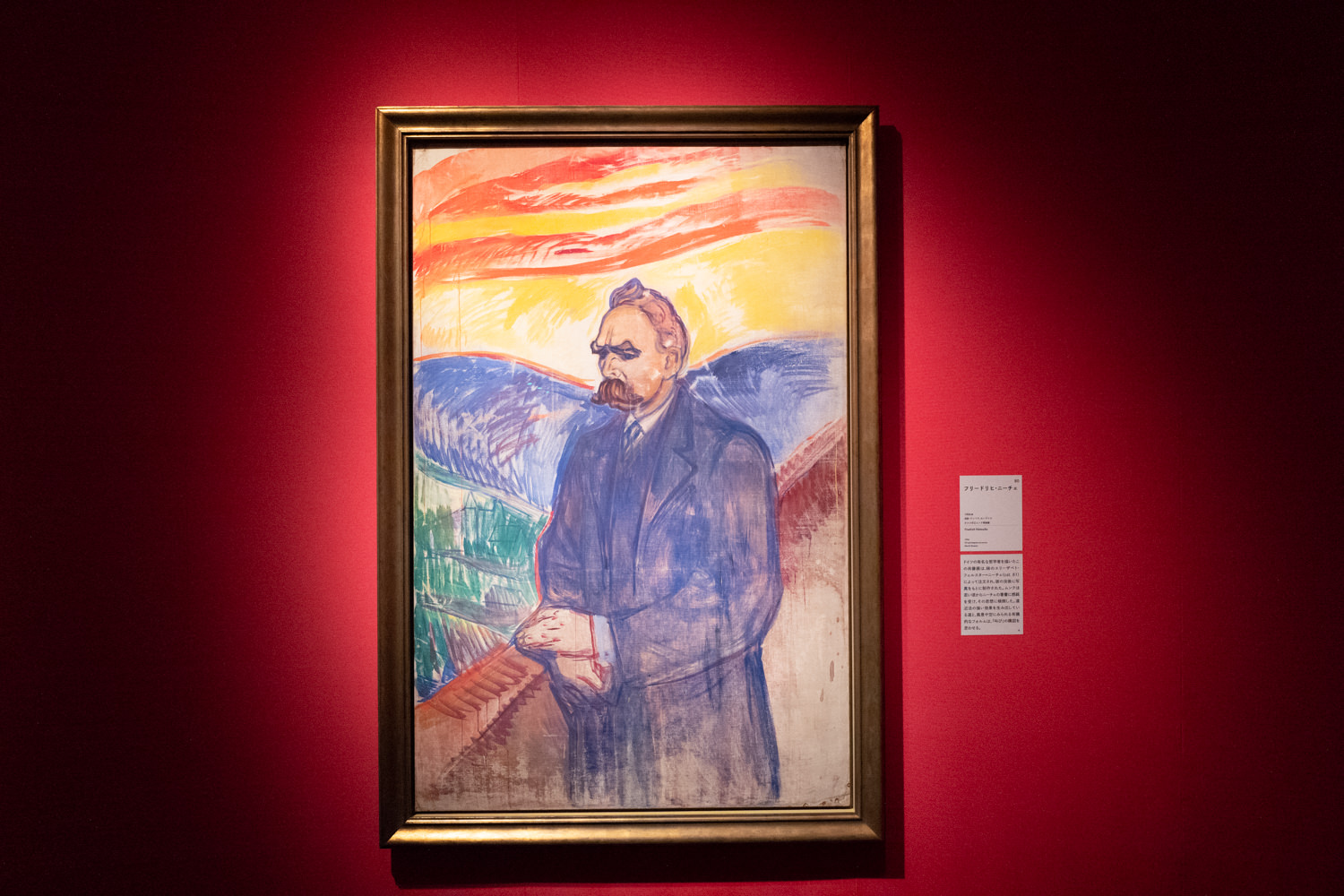
Chapter 8: Dynamic Landscapes
If you enter with only the image of “The Scream” in mind, Chapter 8 will surprise you.
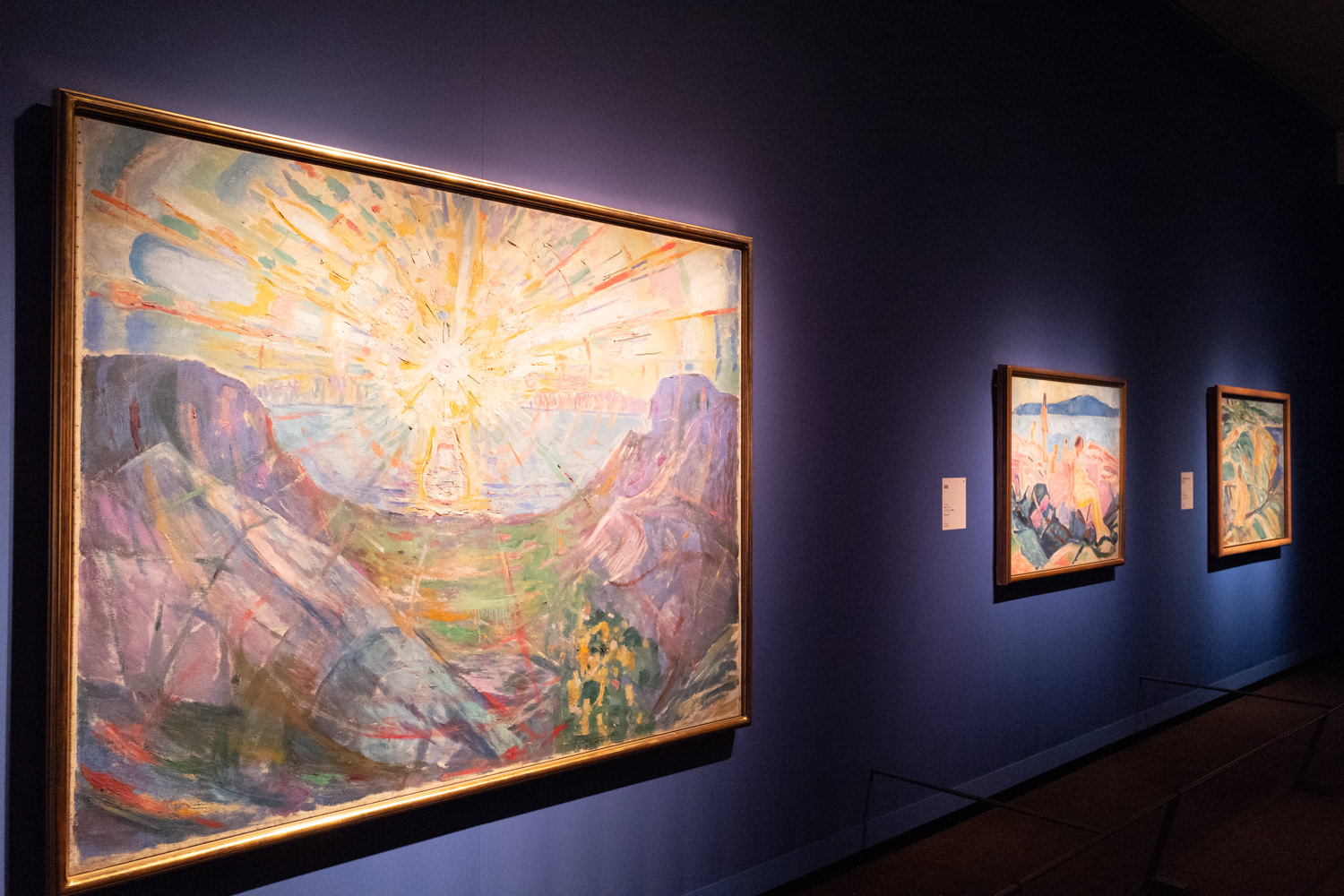
Munch’s later years are marked by vividly colored landscape paintings that leave an unexpected impression.
Chapter 9: The Painter’s Final Years
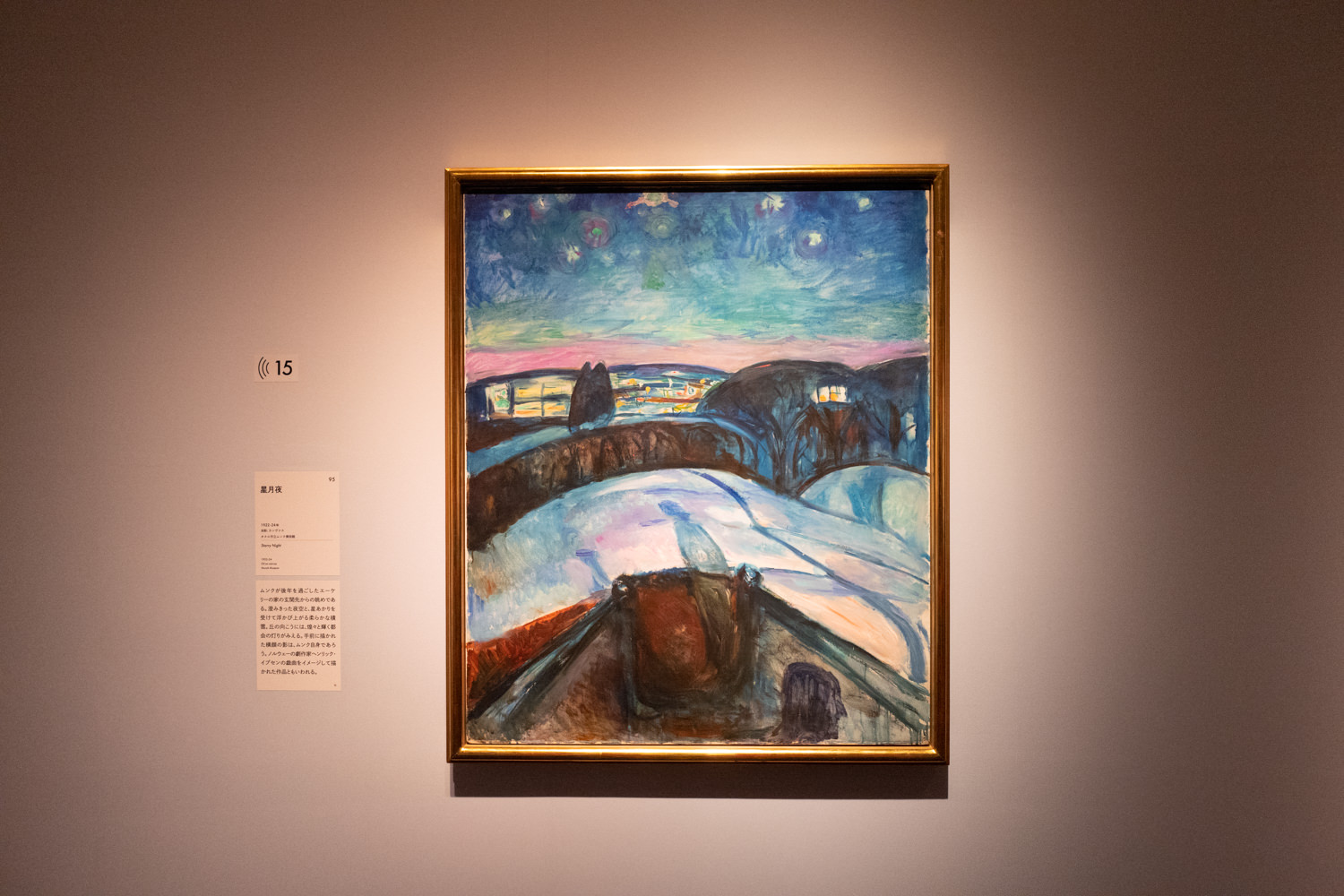
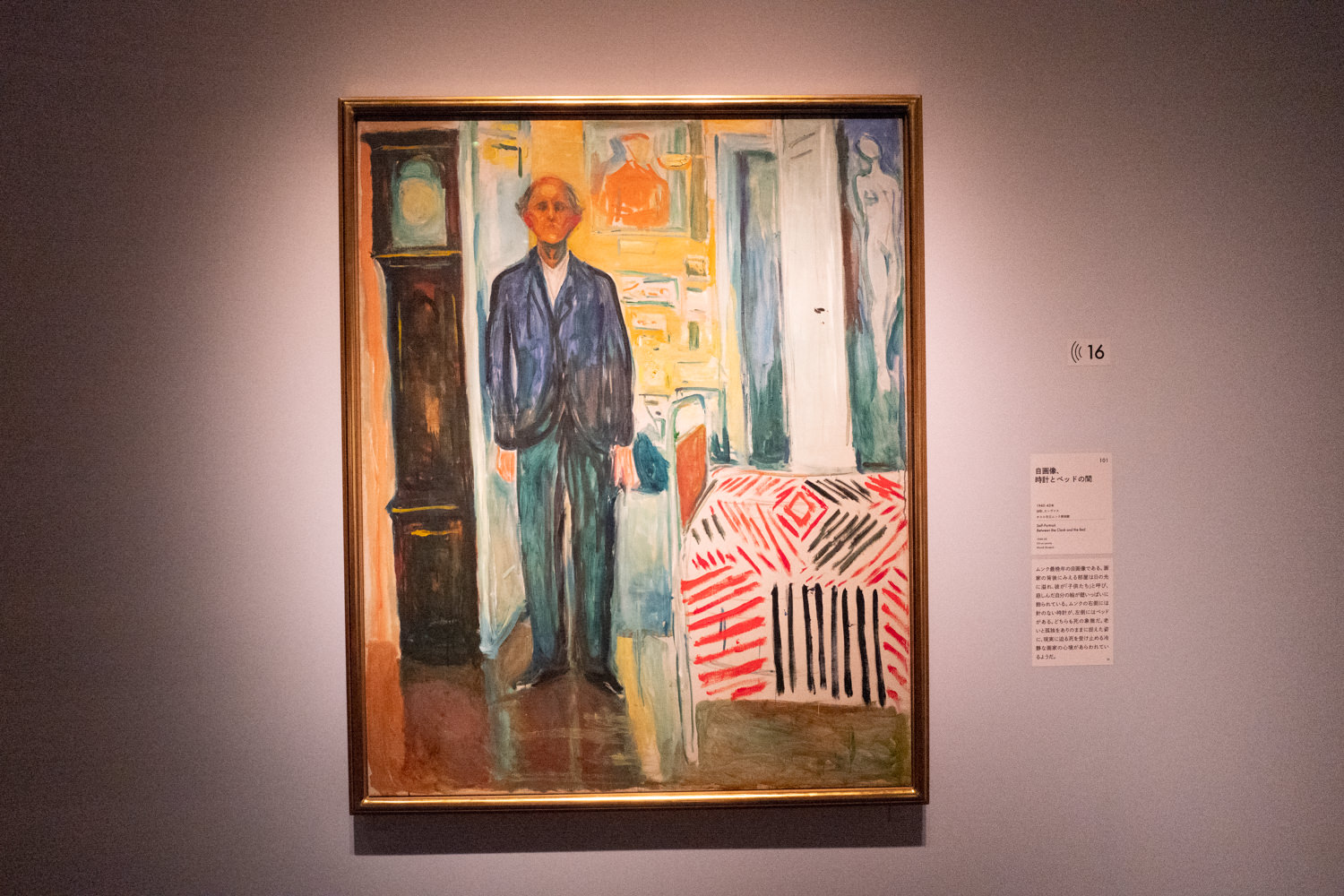
Munch closed his life in 1944 at age 80. He is said to have continued producing work into his very last years.
In Closing
The exhibition began with the chapter “Who Was Munch?”, but as I progressed from chapter to chapter, I felt as if the question had shifted to “Who am I?”
Munch was an artist who continually asked, through painting, what it means to live.
Encountering so many of his works felt like being handed an occasion to look back on my present self.
I couldn’t tell where it came from, but I felt as if Munch’s own cry had reached me.
The subtitle “A Retrospective (Resonating Cries of the Soul)” might well express the relationship between Munch and ourselves.