The Best Selection
I visited “The Best Selection”, a commemorative exhibition marking the 30th anniversary of Nagoya City Art Museum, which reached its milestone in 2018.
Nagoya City Art Museum opened its doors on April 22, 1988.
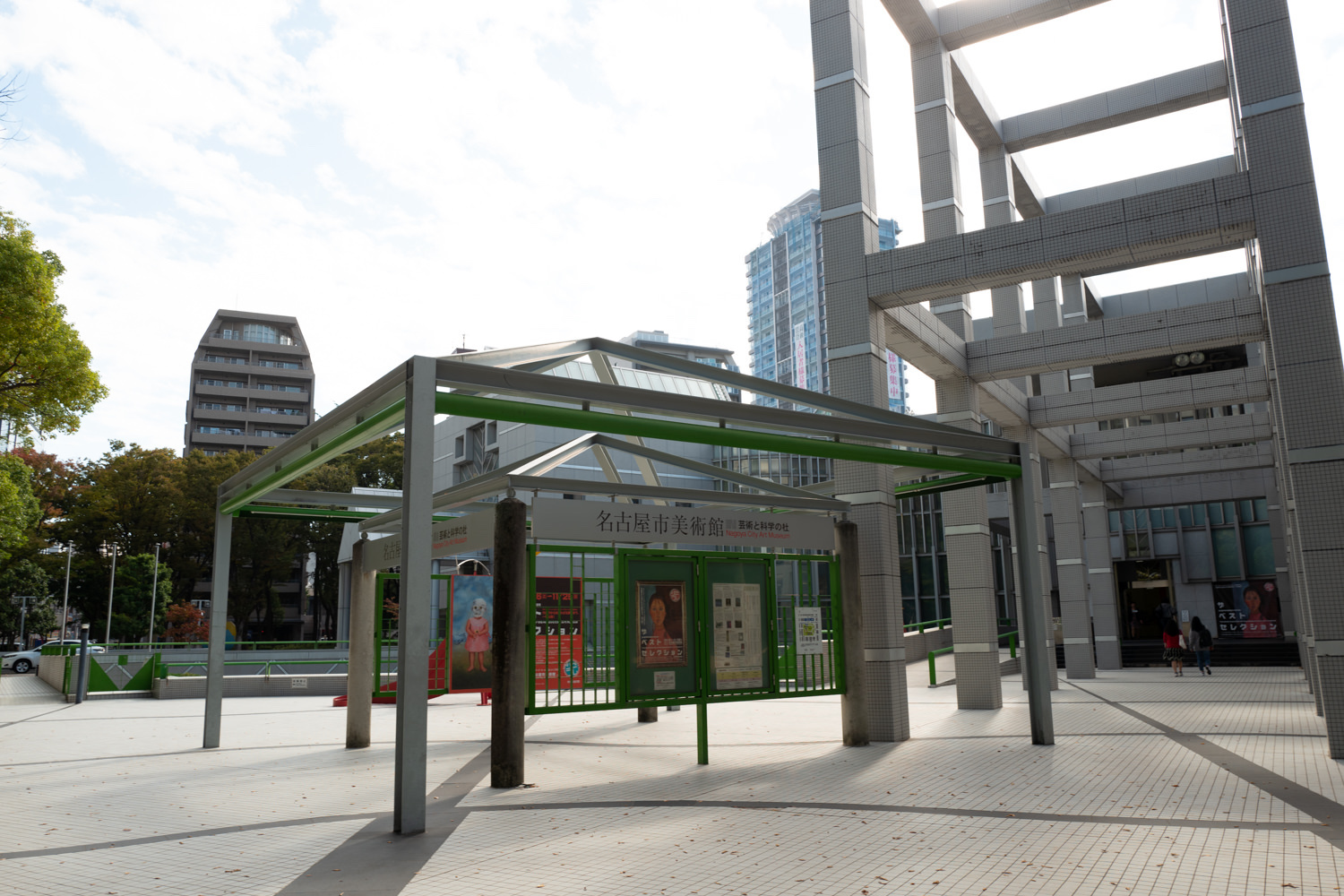
I traveled all the way from Tokyo by shinkansen, and just as the title suggests, the exhibition truly delivered a “BEST!” lineup with many outstanding works — it was excellent.
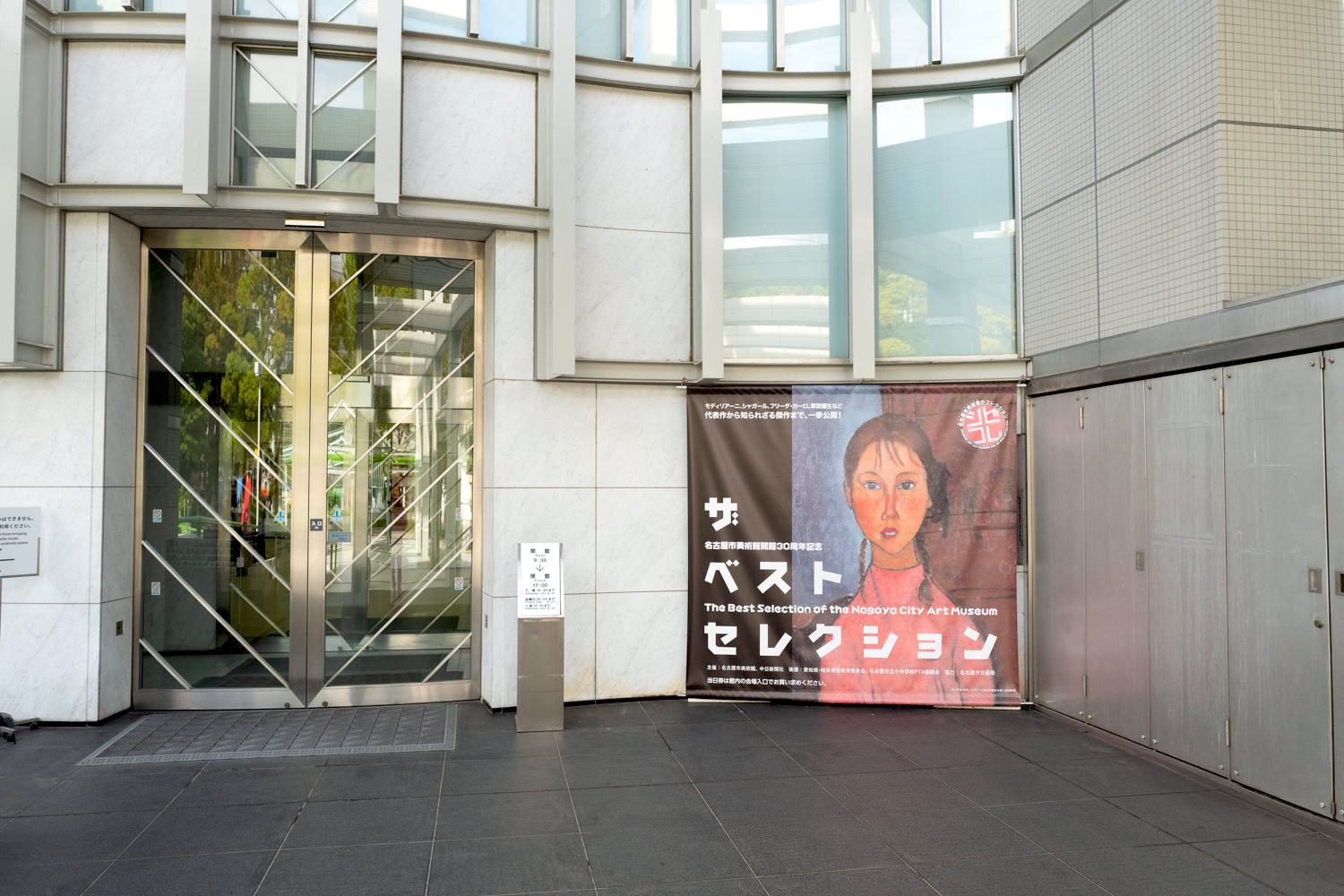
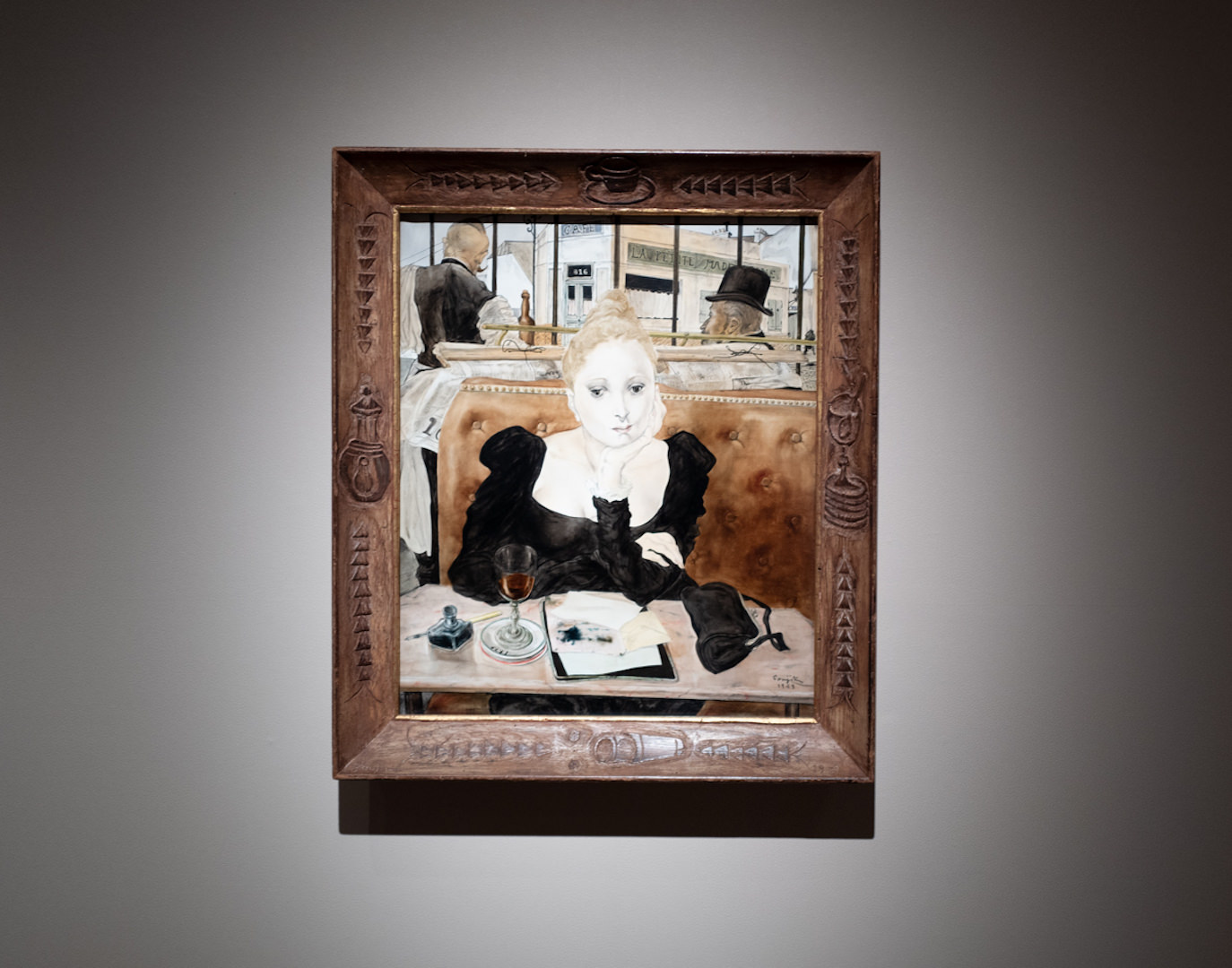
Nagoya City Art Museum’s collection to date exceeds 6,000 works, and I was able to view at one glance a selection of masterpieces representative of its distinctive holdings, including Chagall, Modigliani, Yayoi Kusama, and Léonard Foujita.
Modigliani’s “Girl with Braids”, also featured on the main visual, was purchased in 1986 — two years before the museum’s opening — as the centerpiece of the collection, at a price of 360 million yen at the time. Many other works from the École de Paris were also on display.

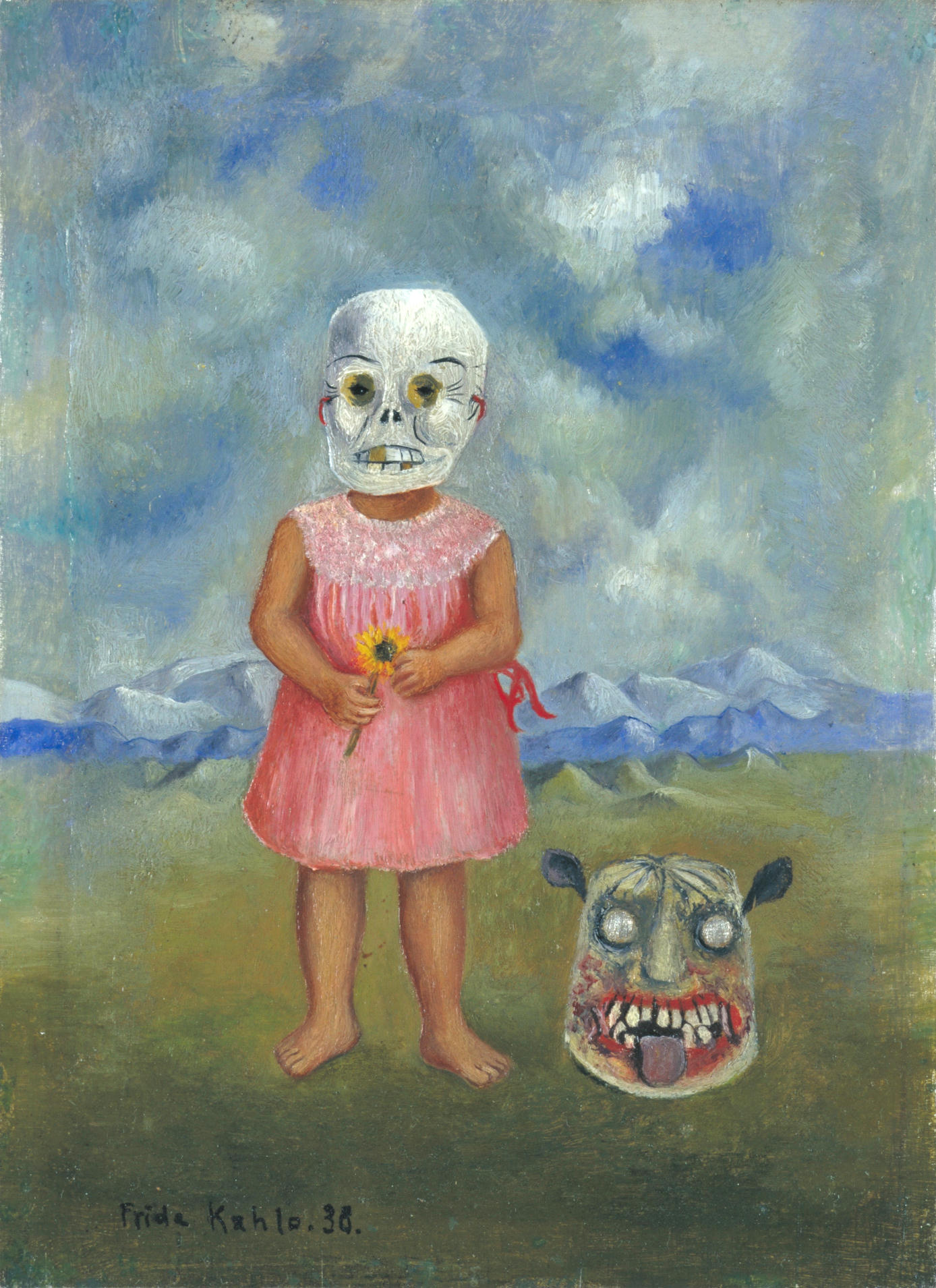
In addition, the exhibition featured “Girl with Death Mask” by Mexican painter Frida Kahlo — the only Frida Kahlo painting to be seen in Japan, held by Nagoya City Art Museum — leaving a deep and lasting impression.
Many of the displayed works were framed without acrylic glazing, and I was struck by being able to see the actual paint surfaces up close without any reflections. Displayed in a state where the matière could be appreciated directly and realistically, viewers could face the works at intimate distance.
》1940年頃.jpg)
Local-born artists such as On Kawara, Noboru Kitawaki, and Kawai Gyokudo are also properly represented.


.jpg)
The permanent exhibition was also extremely rich in content, with Anselm Kiefer’s “The Princess of Siberia” and 15 works from On Kawara’s iconic “Today” Series — the local-born artist’s signature body of work — all on display at once, making for a substantial viewing experience.
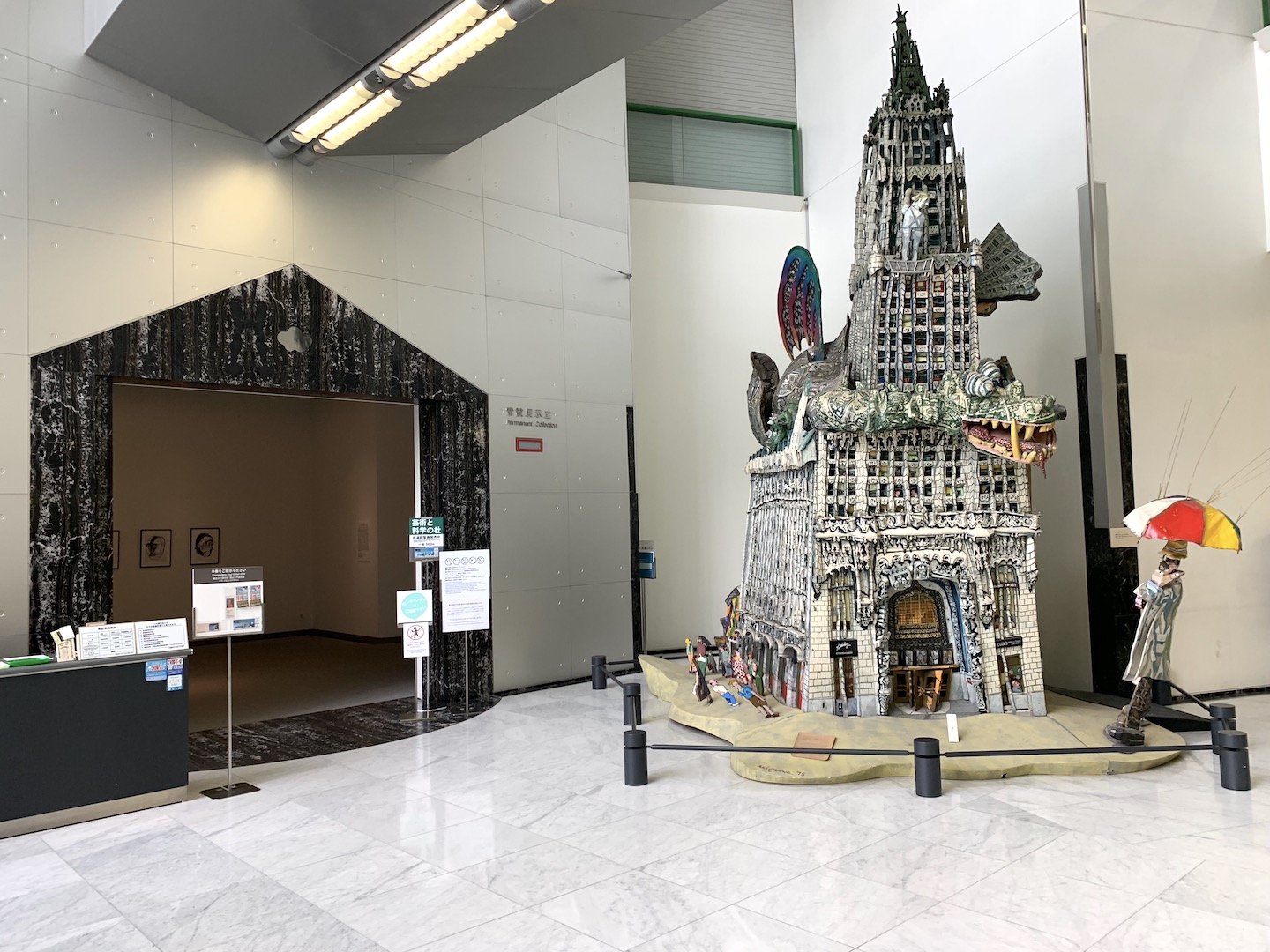
Jonathan Borofsky’s “Hammering Man” was working away steadily as well.
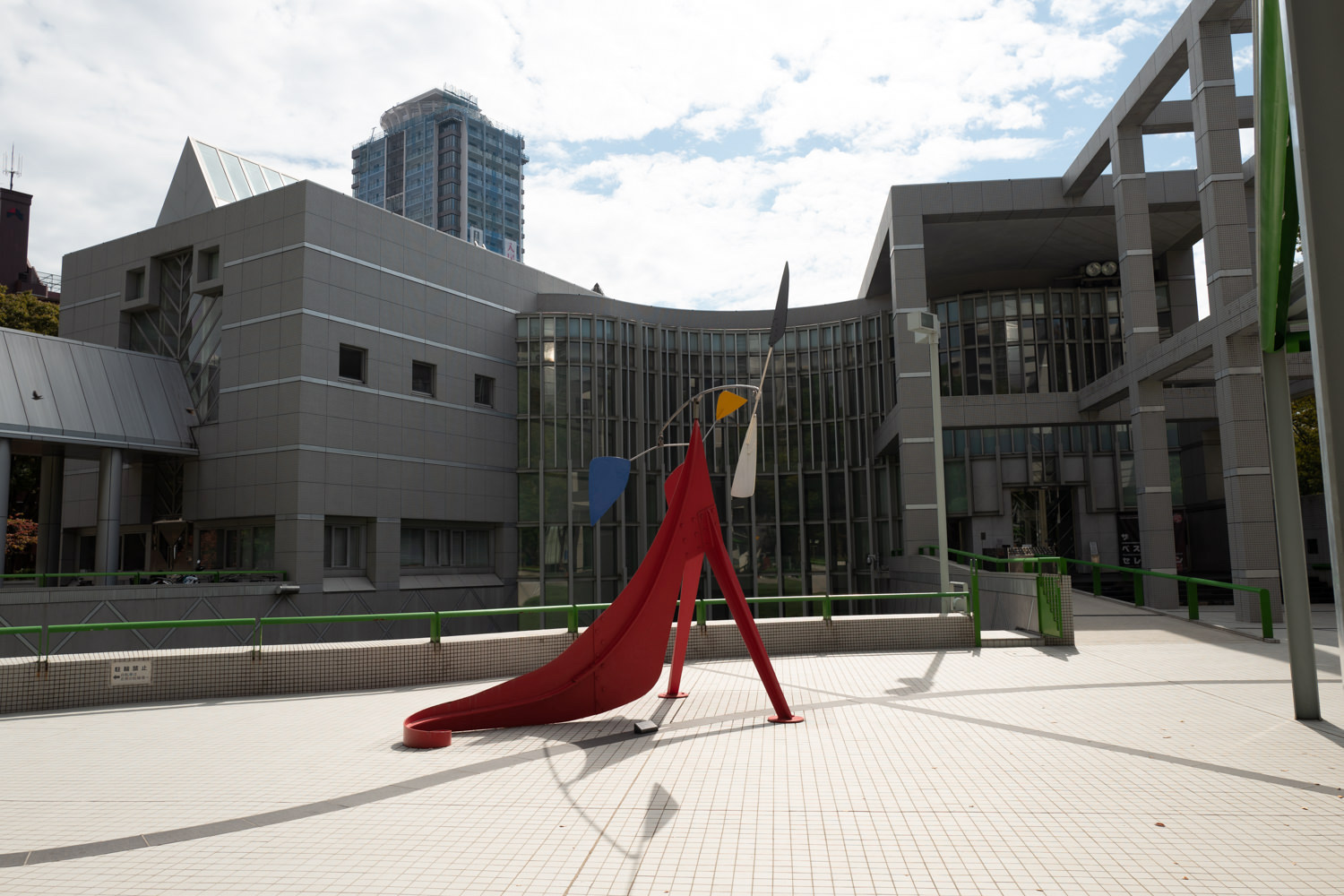
With few crowds, this was a wonderful exhibition where one could take one’s time. Blockbuster shows drawing crowds around the same time — such as the Vermeer exhibition and the Munch exhibition in Ueno, Tokyo — are certainly worthwhile, but there is also a way of enjoying masterpieces at a leisurely pace by avoiding the crowds.
A recommended exhibition for the autumn art season.