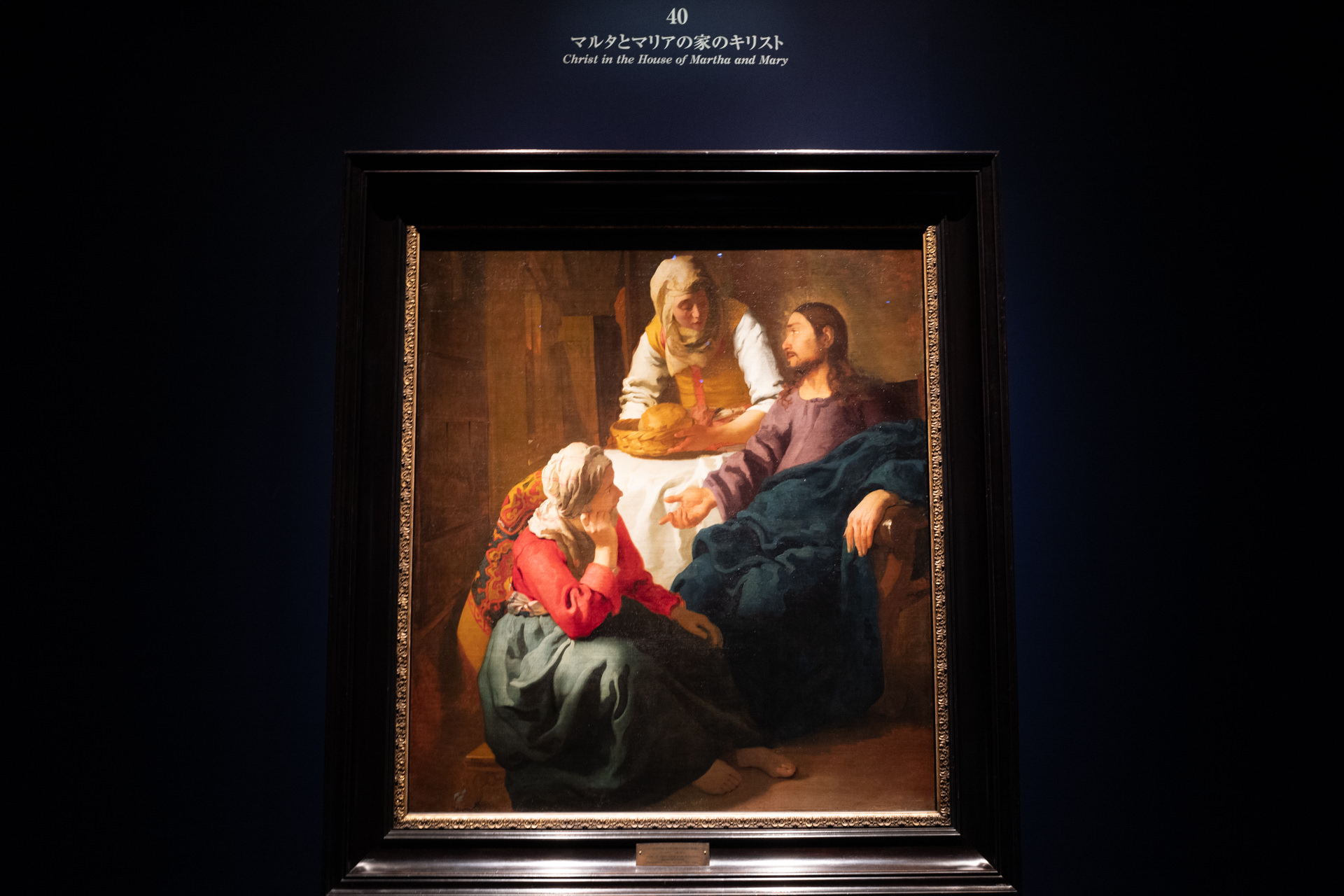
Vermeer and the Masters of Genre Painting
“Vermeer and the Masters of Genre Painting,” the biggest art exhibition of 2018, opened at the Ueno Royal Museum on October 5.
We were invited to the press preview, so we would like to report on it right away.
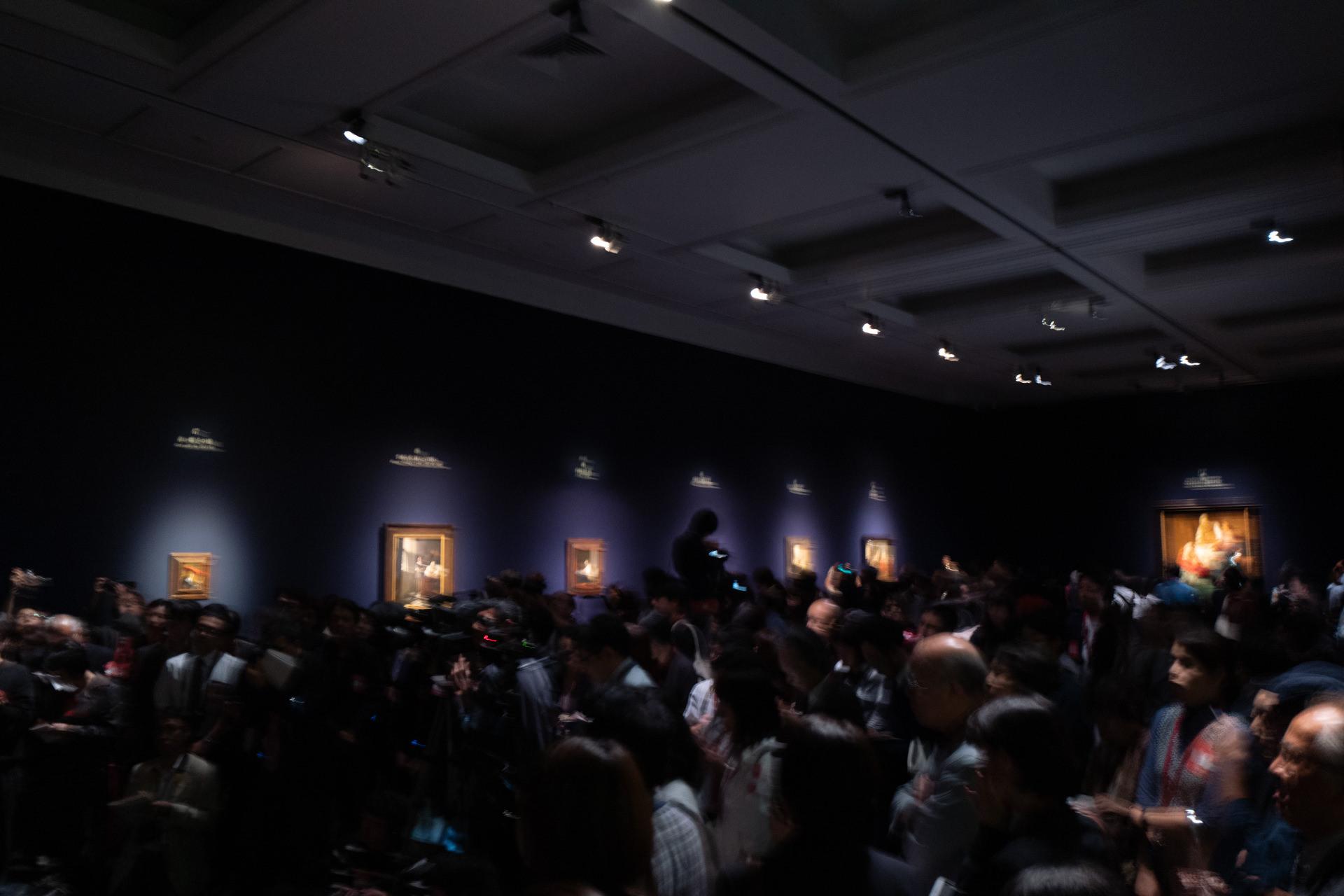
Our site is often invited to press previews at museums, but it has been a while since we saw one this crowded. Even the Jakuchu exhibition we attended at the Tokyo Metropolitan Art Museum in 2016 was not quite this packed, as we recall. Vermeer, formidable indeed.
Highlights of the Vermeer Exhibition
The highlights of this exhibition can be broadly divided into two. One is the array of 17th-century Dutch paintings, and the other is, of course, the works by Vermeer himself. The exhibition is organized into six chapters.
- Encounters with the Dutch: Portraiture
- Stories of the Distant Past: Mythological and Religious Paintings
- Painters in the Open Air: Landscape Painting
- The Beauty of Lifeless Things: Still Life
- Everyday Life: Genre Painting
- Vermeer *”Vermeer Room”
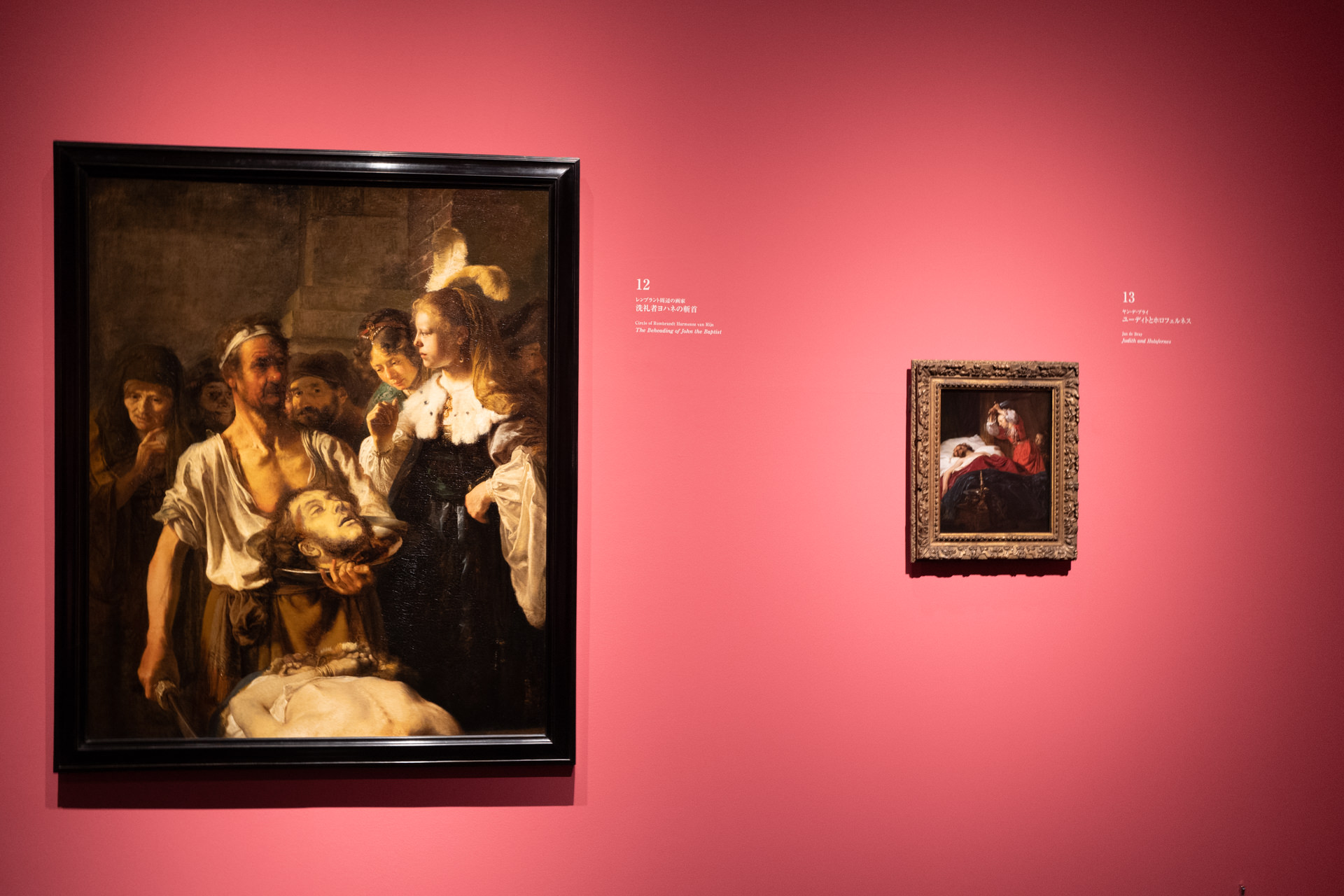
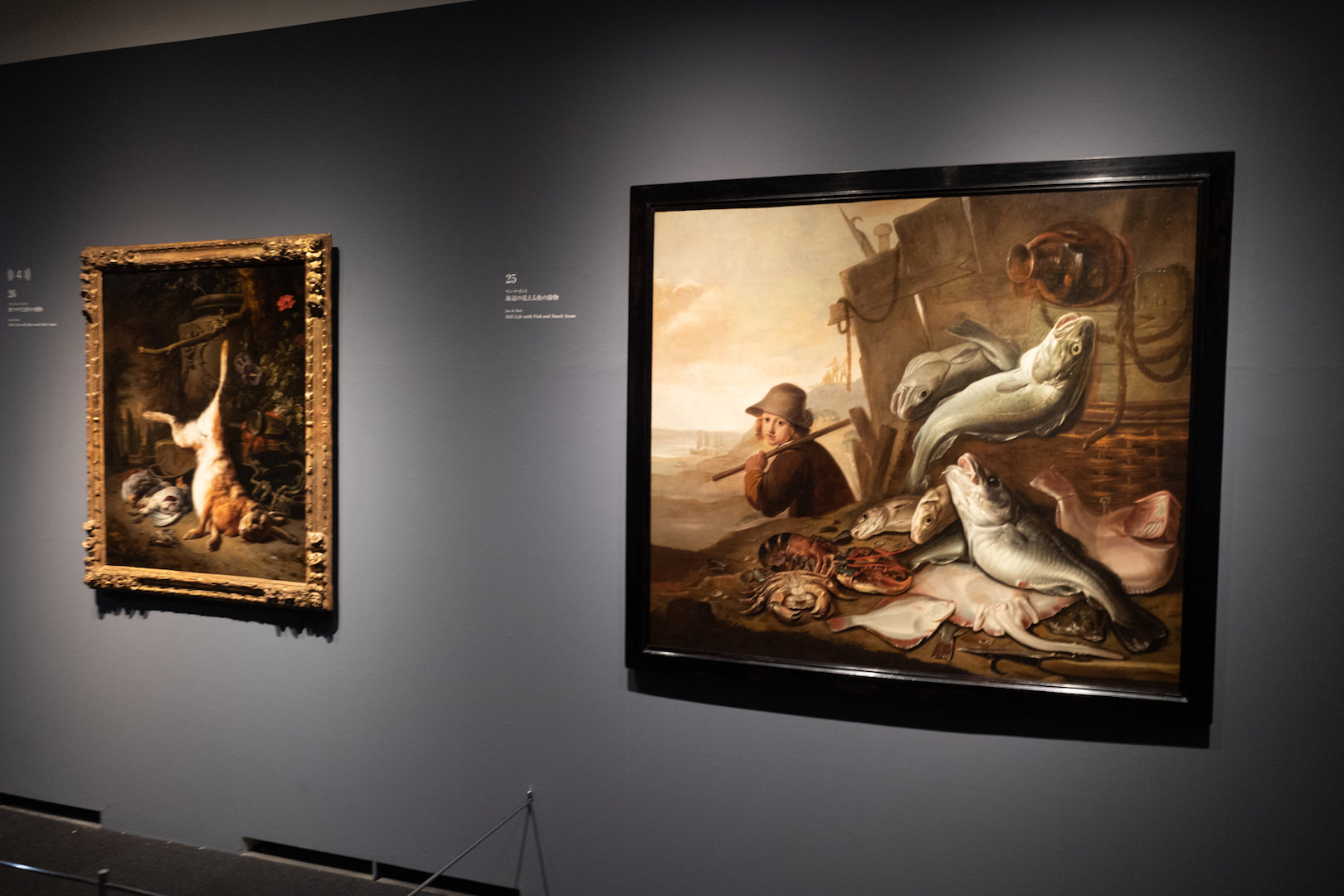
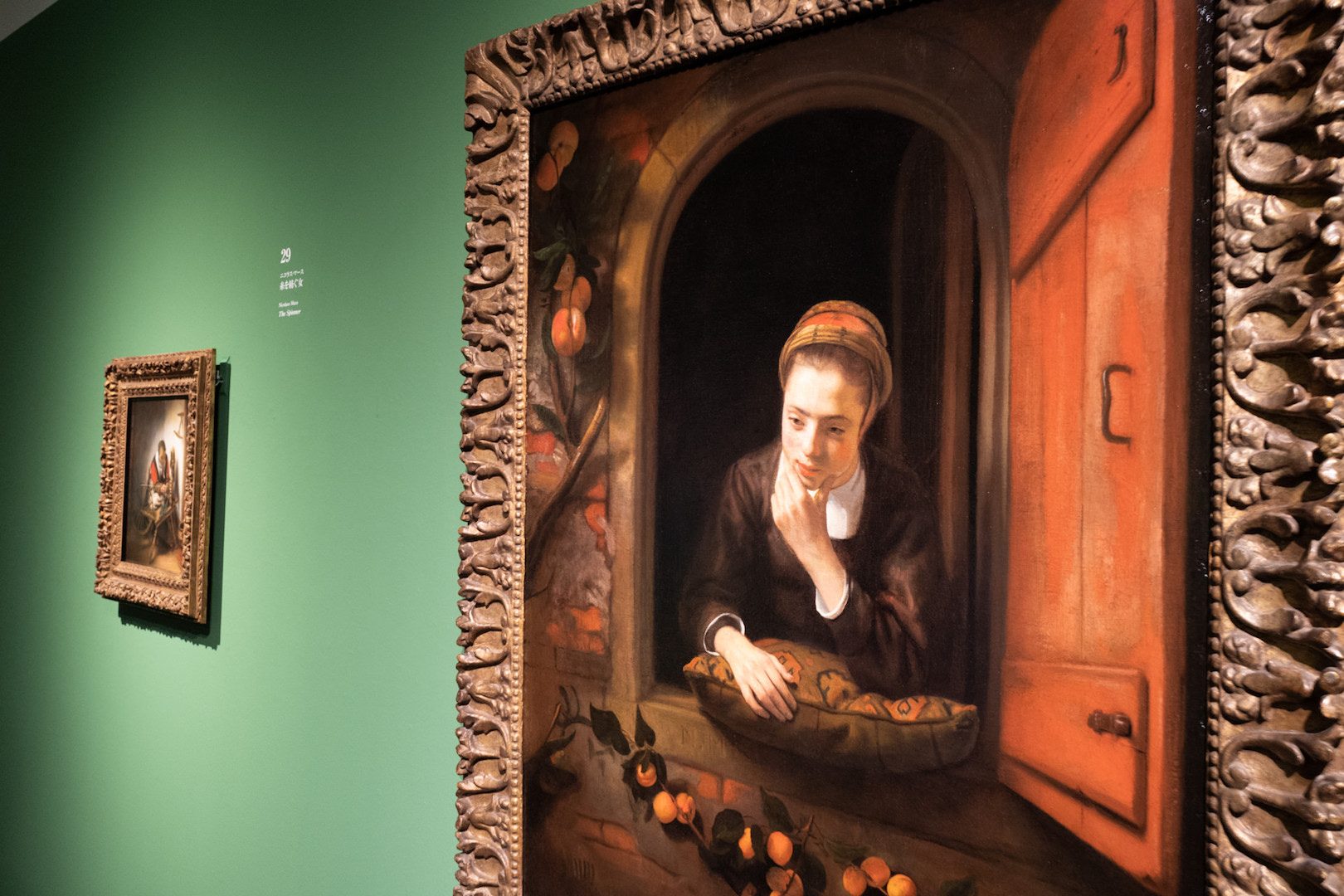
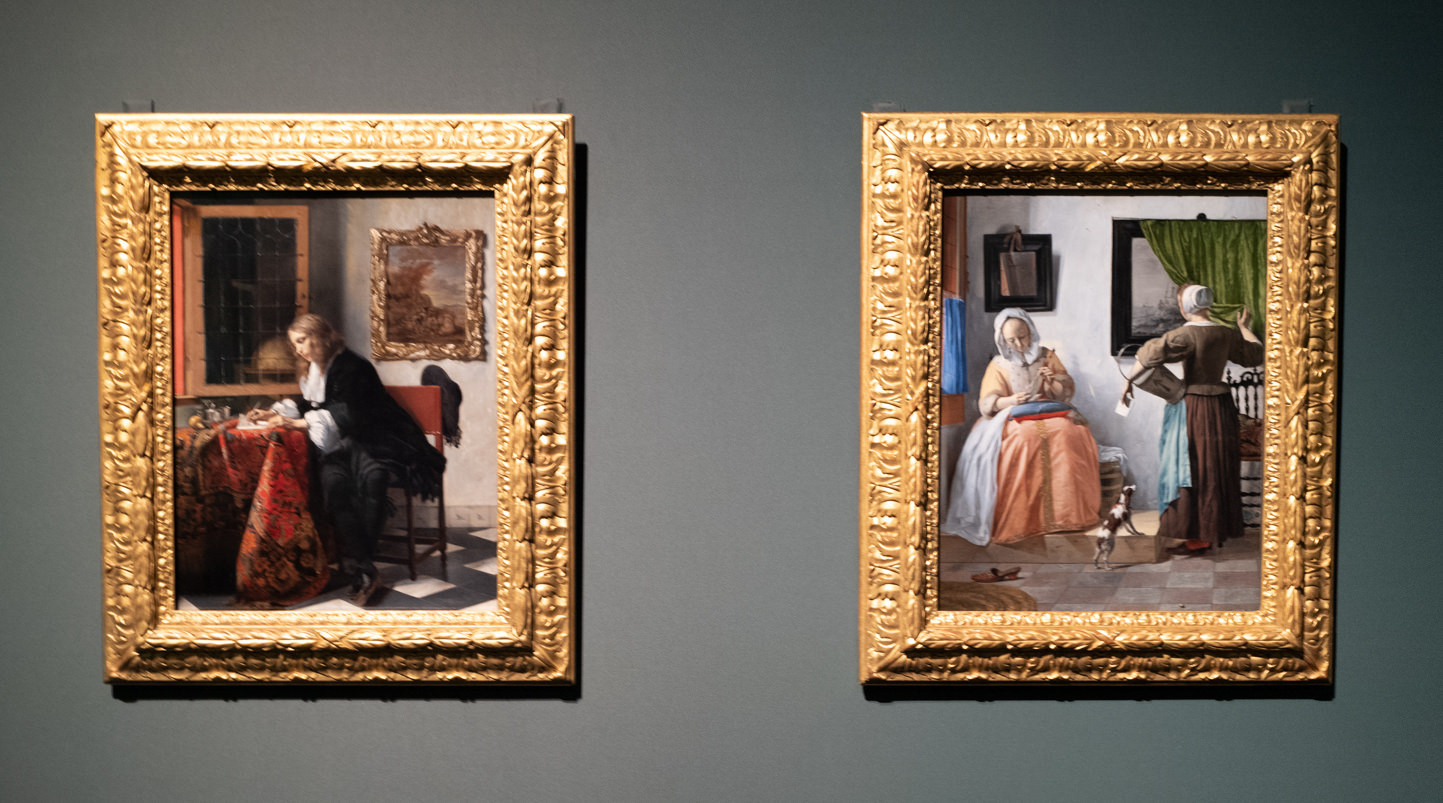
1) 17th-Century Dutch Paintings
Vermeer’s works do not appear right after you enter the venue.
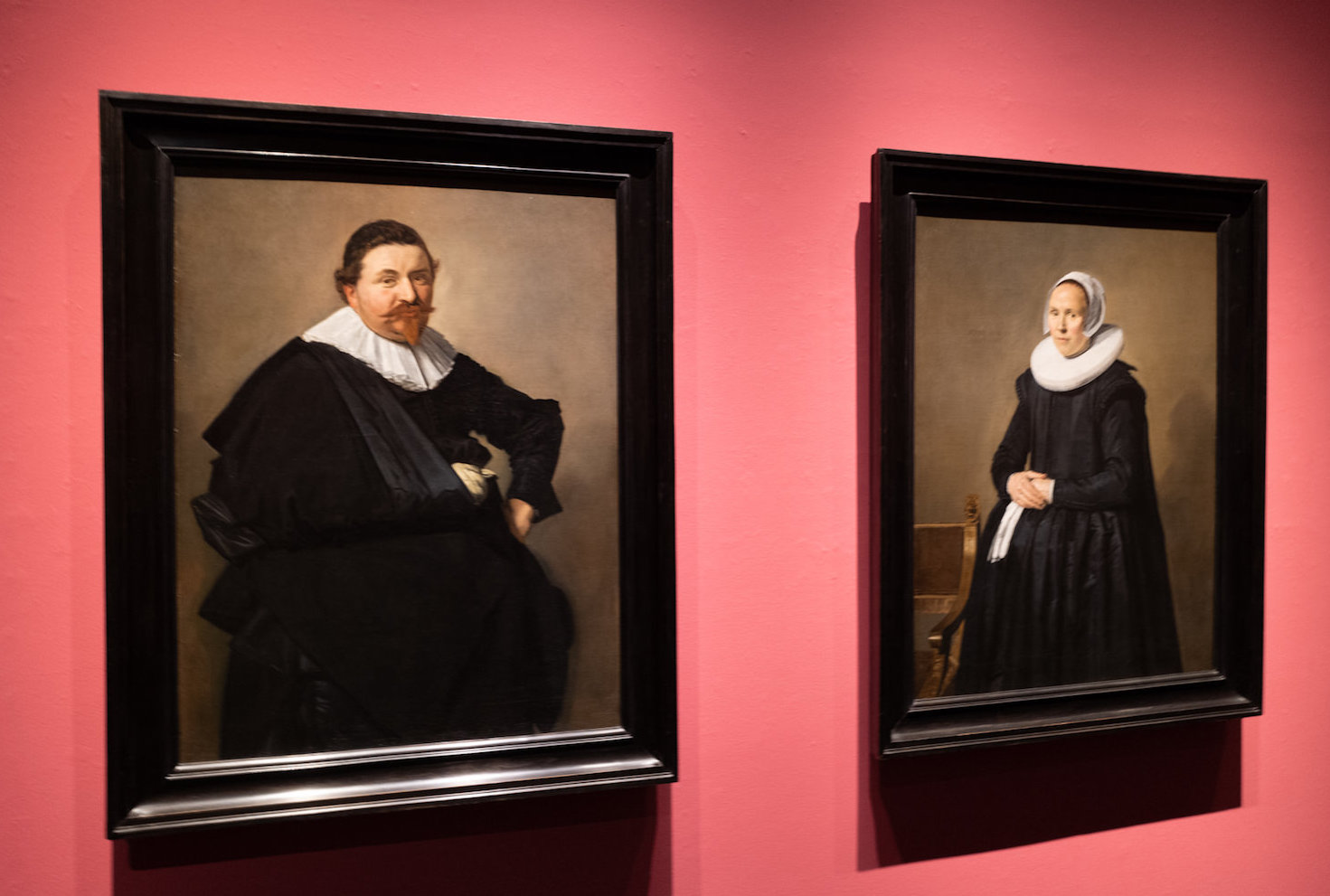
Of the six chapters in total, the first five present approximately 50 Dutch paintings. You start by viewing these. The Dutch paintings are excellent in their own right, and you can see just how high the level of Dutch painting was at the time.
2) Vermeer’s Works
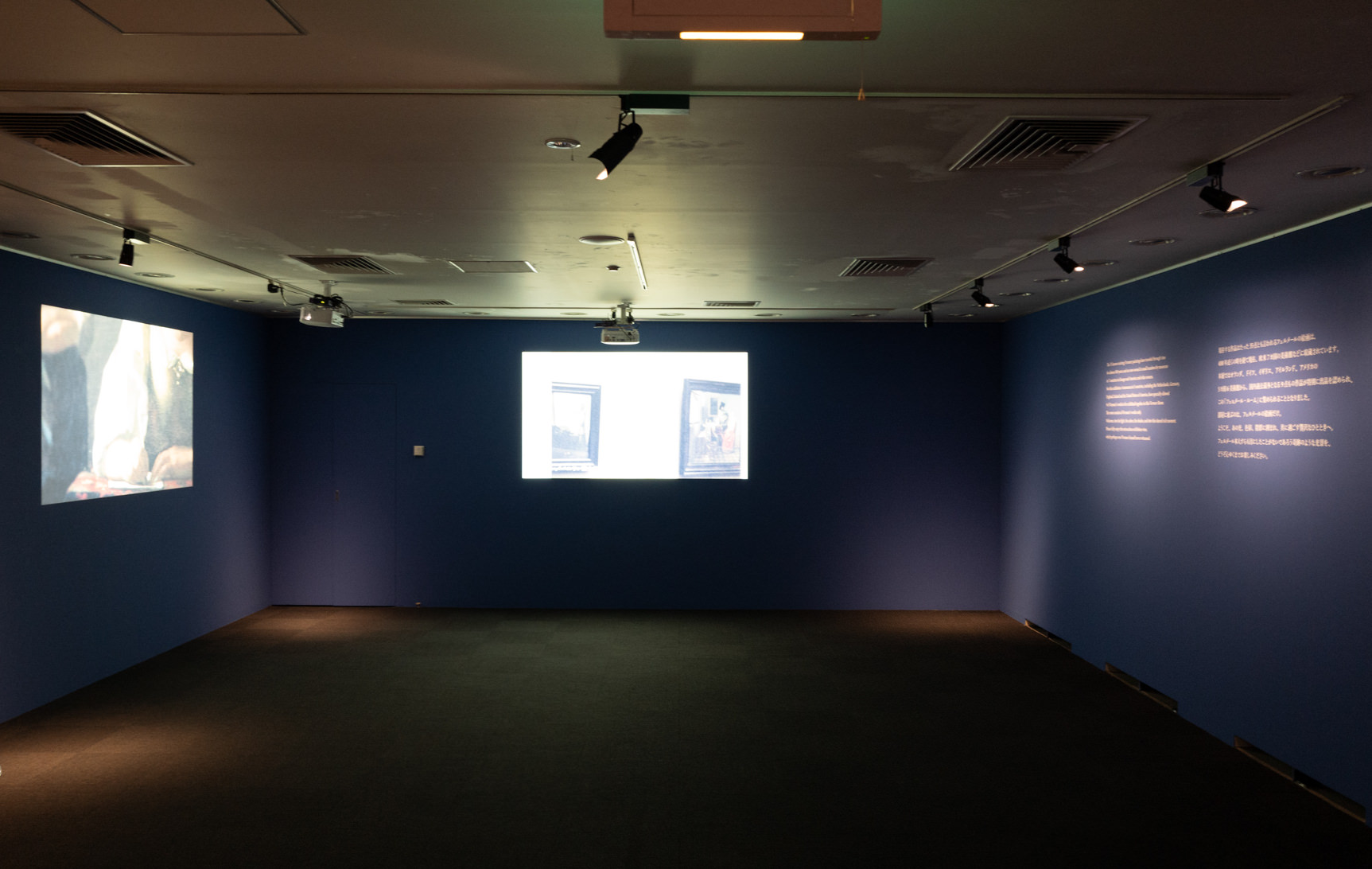
Vermeer’s works are all gathered together in a large room called the “Vermeer Room.” That is the room in the crowded shot at the top of this article.
After viewing the Dutch paintings, you arrive at the room shown in the image below.
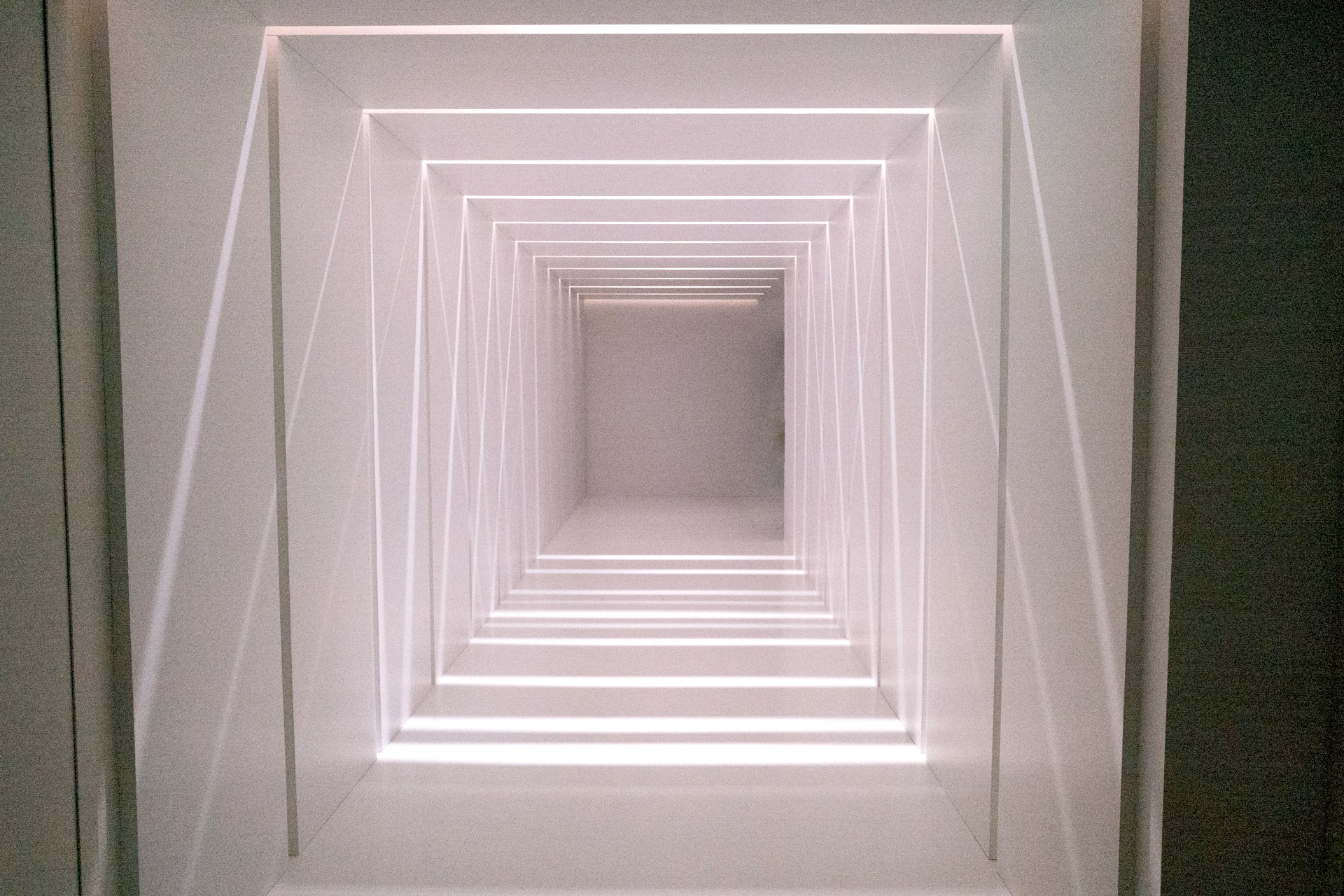
The mysterious passage from this room leading into the “Vermeer Room” left a strong impression. The lighting has been designed with a sensibility that seems to lead you into the world of Vermeer, “the magician of light.”
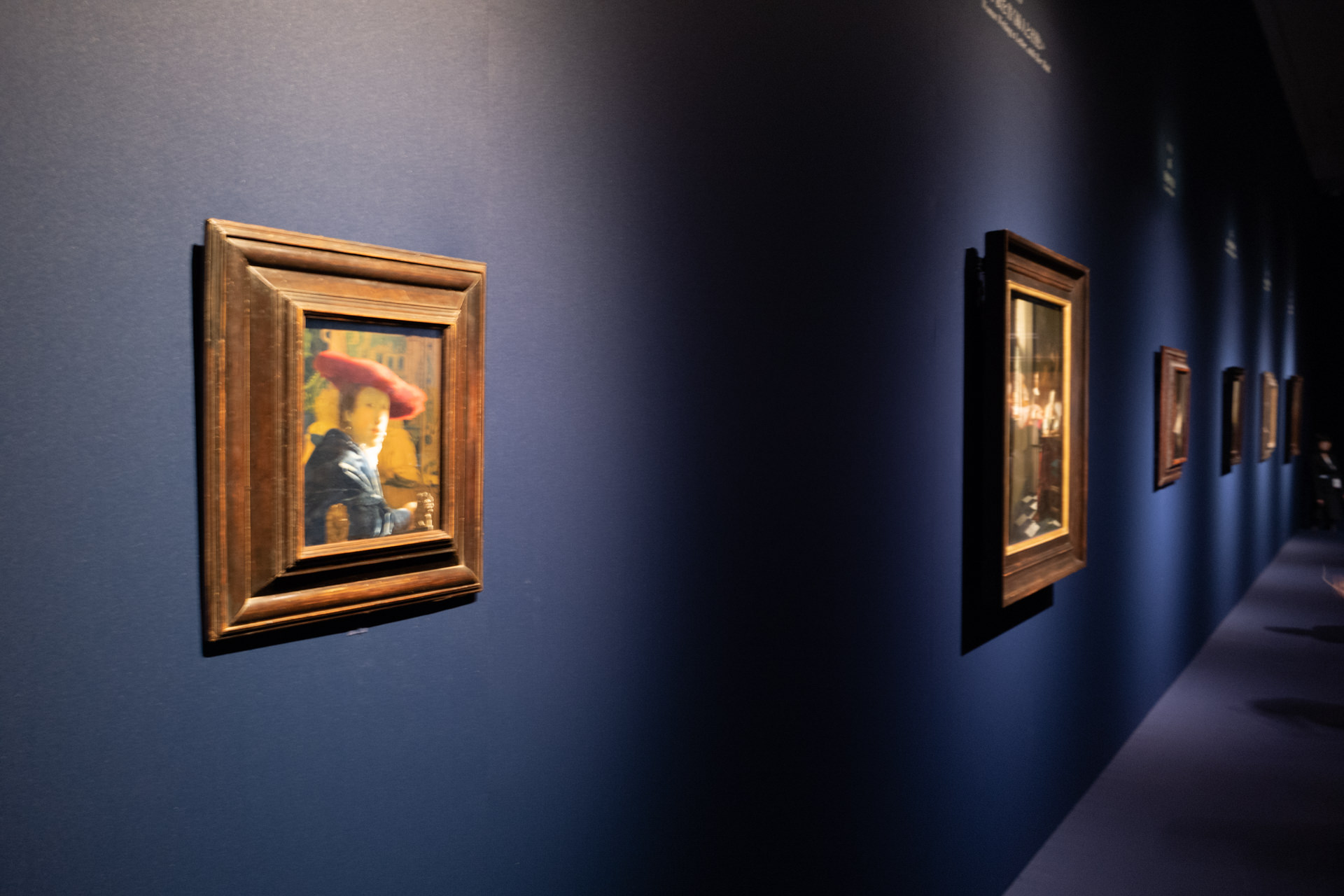
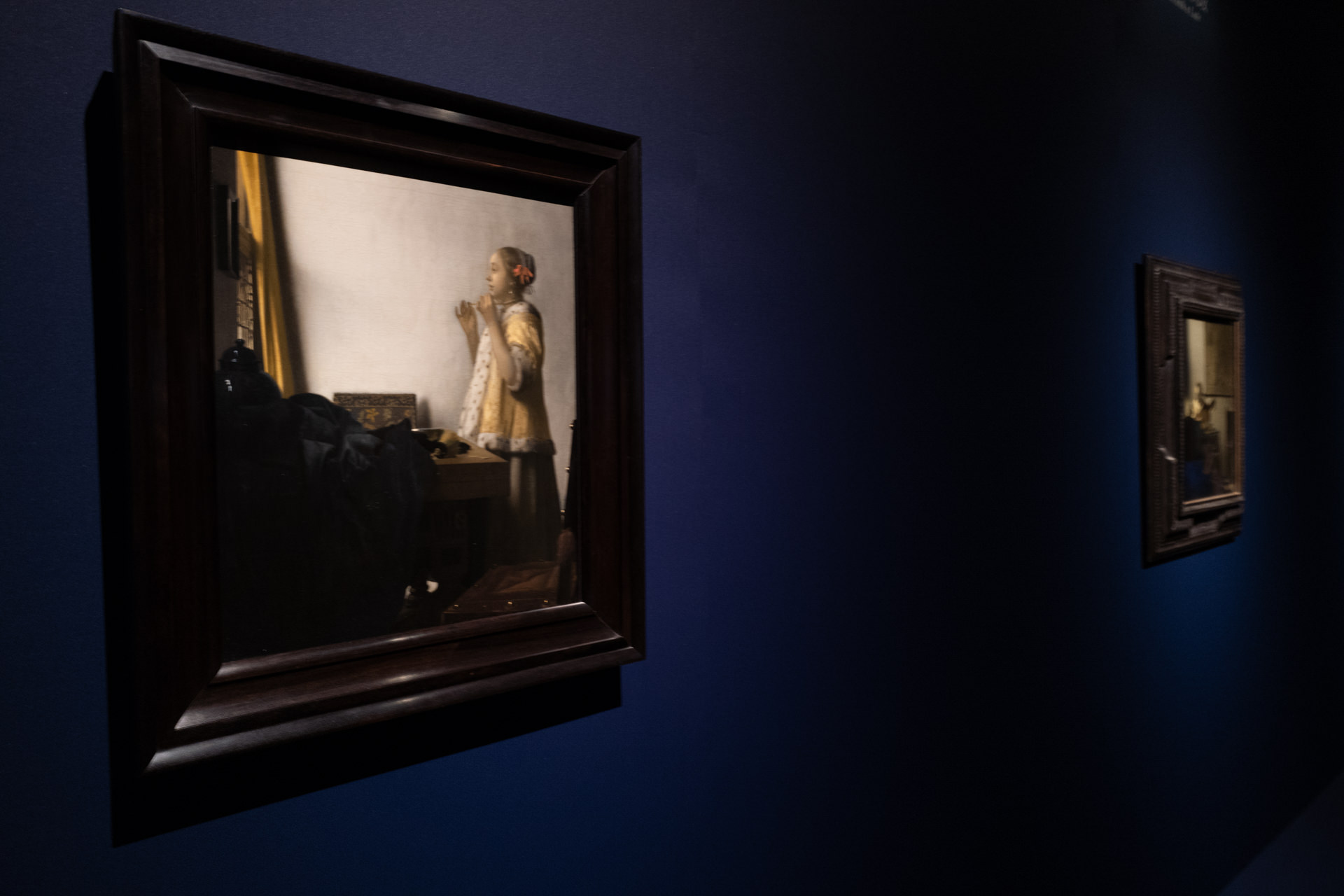
Now, we would like you to enjoy Vermeer’s works to the fullest at the venue itself, but we will share a few images here.
*Official images are also provided; if you would like to see them, please visit here.
Speaking personally as the author, the work that impressed us the most was the smallest painting in the exhibition, Girl with a Red Hat.
The Milkmaid, which is also used as the main visual for the exhibition, was displayed alone as a single work in the most striking position near the exit of the venue.
At press previews, “single-work shots” — that is, publishing a piece on its own — are not permitted, so we were unable to capture it in a position where it could be photographed together with other works, and we ultimately gave up on including it here. Please see this work with your own eyes.
It was our first opportunity to see so many Vermeer paintings all at once, and the atmosphere was wonderfully refined. The sense of being soothed by them is almost overwhelming.
[Important] The Mystery of the “10” Vermeer Works Coming to Japan
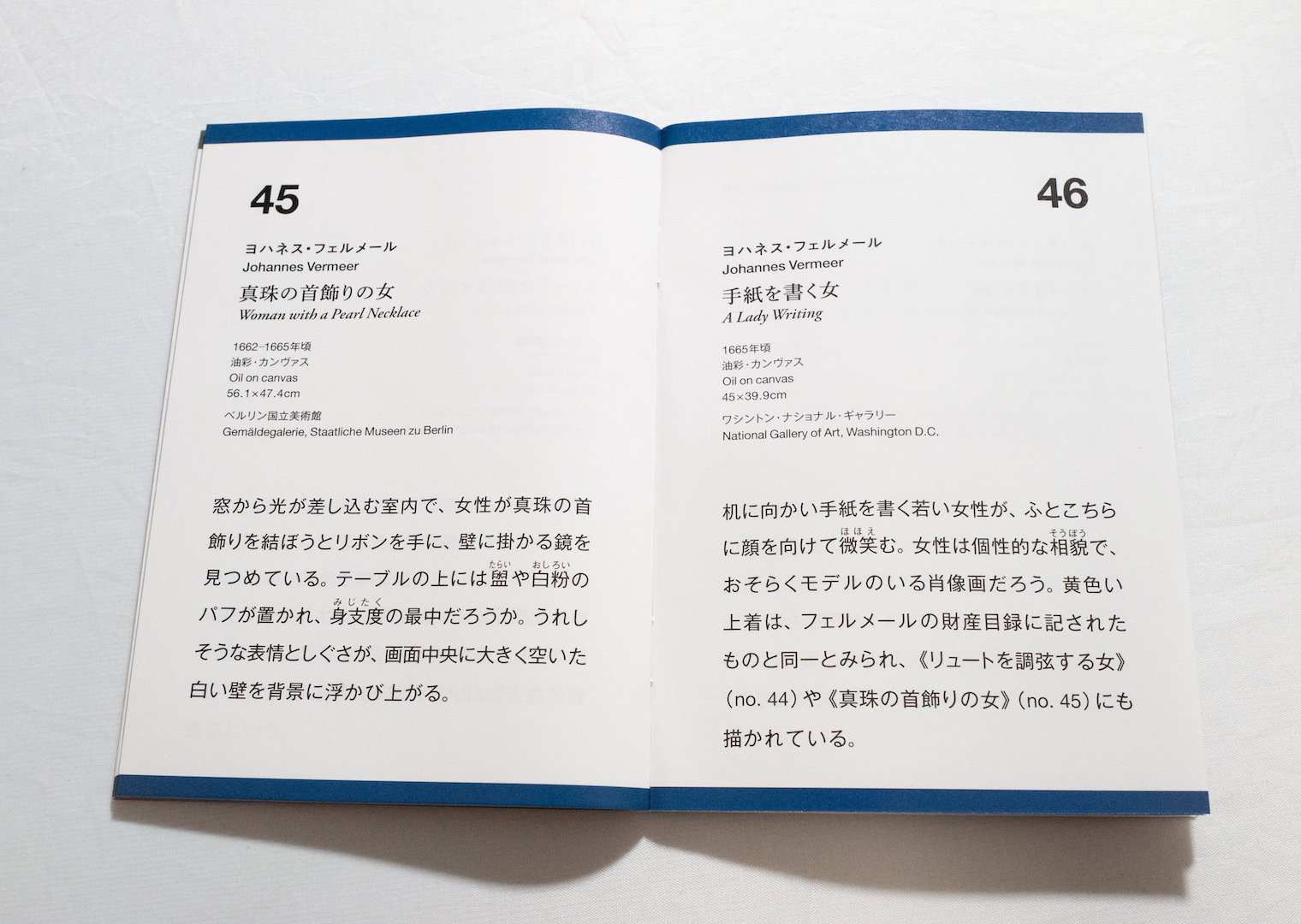
Now, regarding this Vermeer exhibition, art blogger Akina has done a detailed analysis in her article at this link, but between the Tokyo and Osaka legs of the show, “10 Vermeer works will come to Japan.” Only 35 works by Vermeer are known to survive from his lifetime, so this is a remarkable gathering. However, you cannot see them all at once — a real shame!
To see all 10 works, you have no choice but to time your visits to the right locations using the chart below.
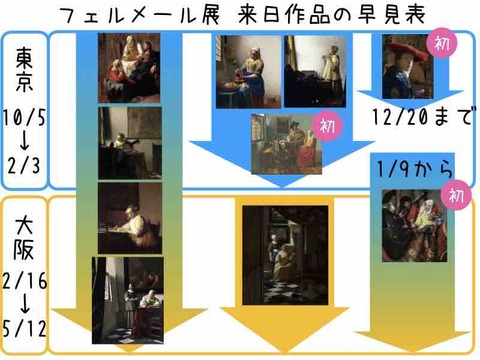
Here is the chart organized by work title.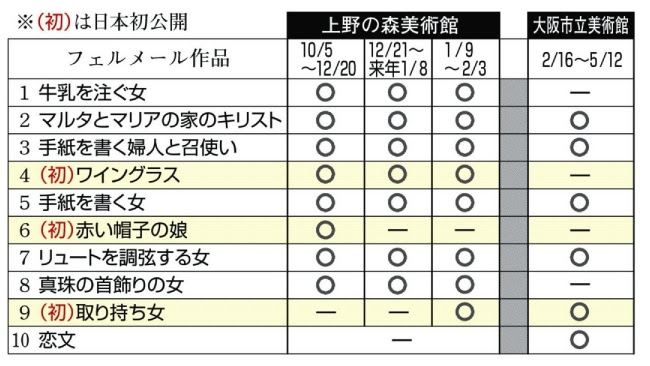
Summary
There was a boldness to the decision to gather all the Vermeers together in the “Vermeer Room.” Each of Vermeer’s works seemed to resonate with the others, creating an exhibition space thick with a dense atmosphere.
Rather than teasingly scattering the works throughout the venue, the choice to present every Vermeer at once deserves our applause.
The exhibition employs a “timed-entry ticket” sales system (Tokyo venue only).
Given how the works are presented, the “Vermeer Room” is bound to become extraordinarily crowded, and that made us realize the reason behind this ticketing method. The 2,500 yen ticket price is on the high side (audio guide by Satomi Ishihara included), but when you imagine the level of congestion in the Vermeer Room, this may well have been the best possible approach.
This is the largest exhibition ever held in Japan, where Vermeer is enormously popular. Reserve your tickets in advance and be sure to go!
Collaboration projects are also being rolled out. Check them out as well!
For those who could not view the works at leisure, the official catalog is highly recommended!