1968: Art in the Turbulent Age
I visited “1968: Art in the Turbulent Age,” an exhibition that looks back on art from 50 years before 2018. The venue is the Chiba City Museum of Art.
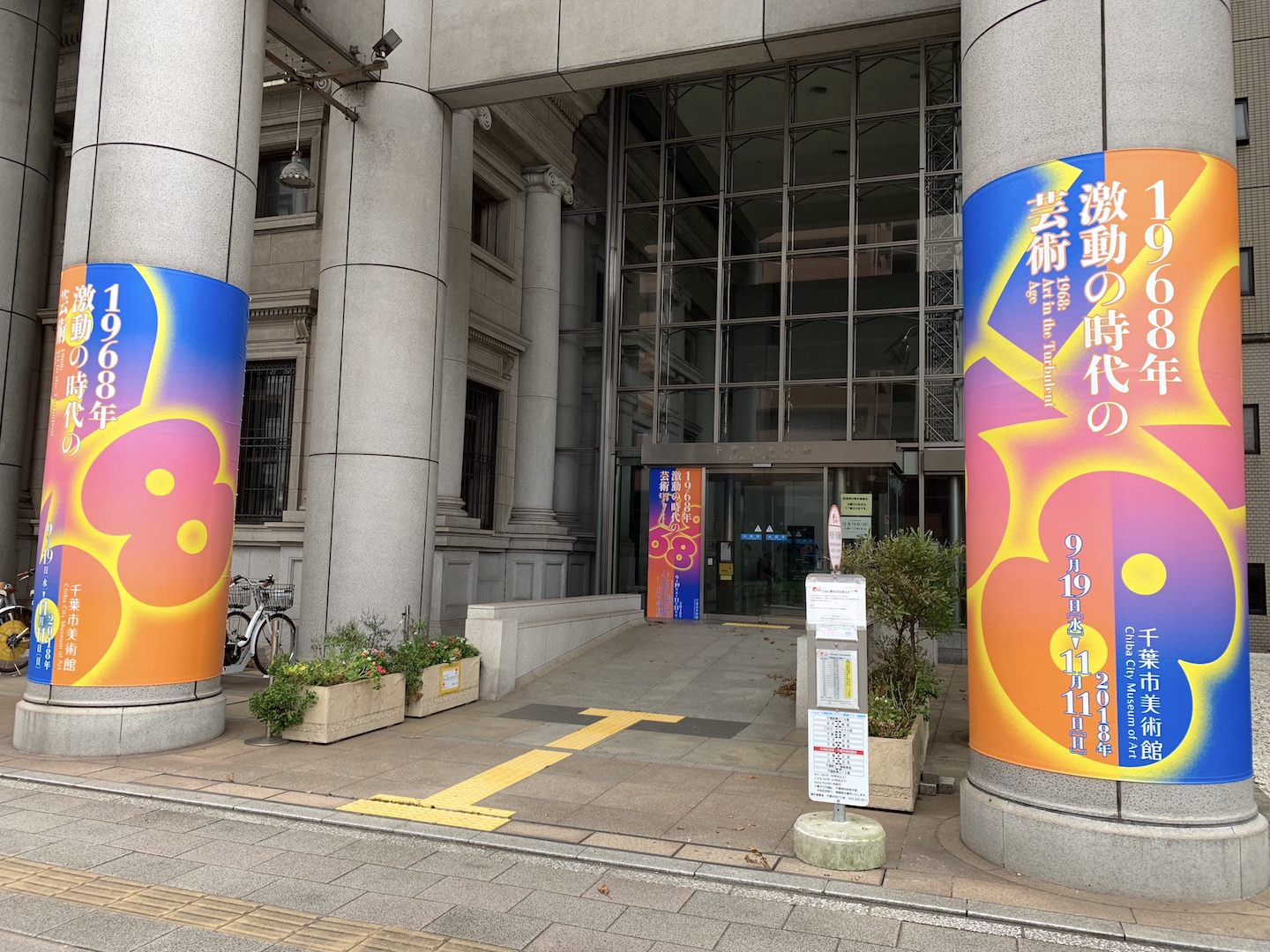
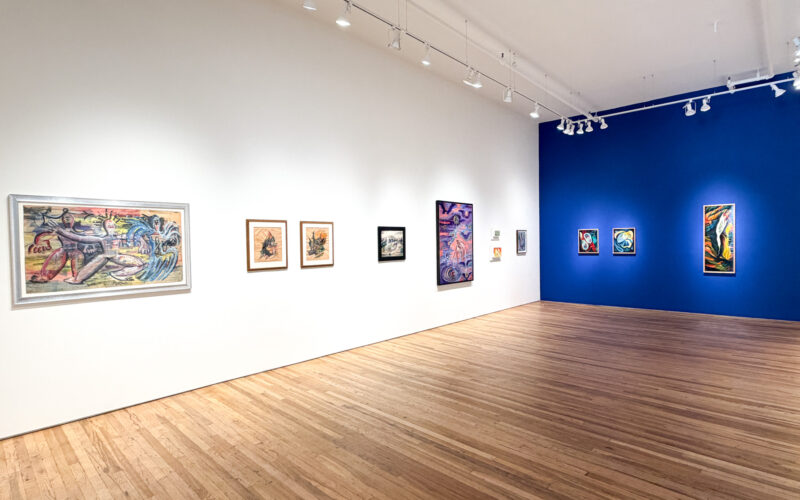
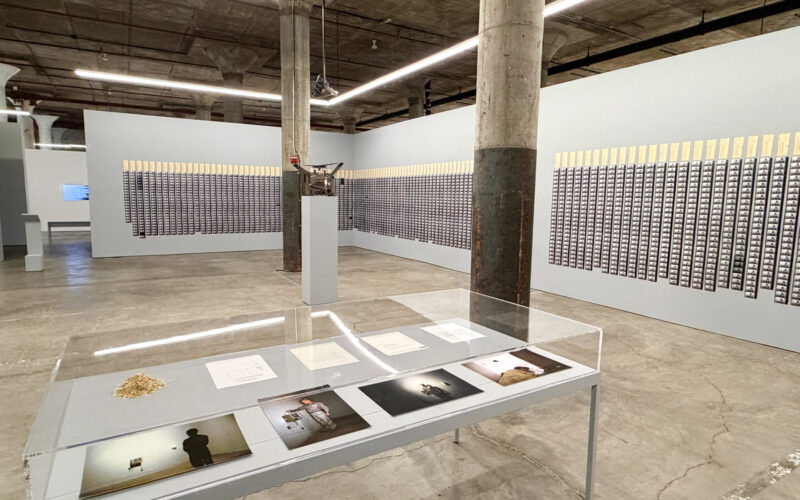
“1968: Art in the Turbulent Age” is, as the title suggests, an exhibition organized around the flow of art centered on the era around 1968, including its social context.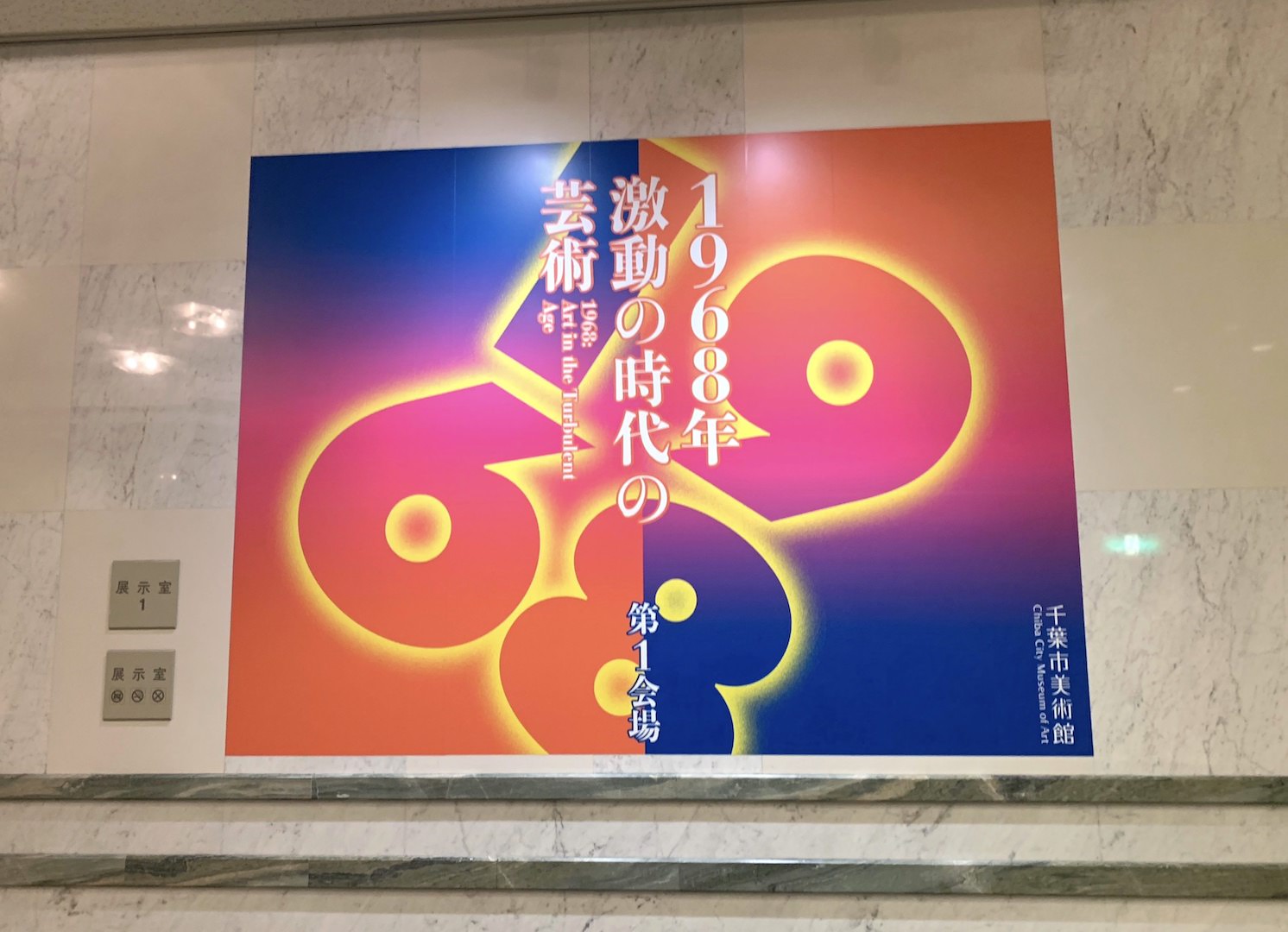 The display feels like a time slip back to 1968 — Showa 43 — and gathers not only paintings and three-dimensional works but also crucial reference materials for revisiting the period, with the total exhibits reaching some 400 items. The two-floor exhibition space at the Chiba City Museum of Art was charged with an intensity that felt as if the dense atmosphere of the time itself had been reconstituted.
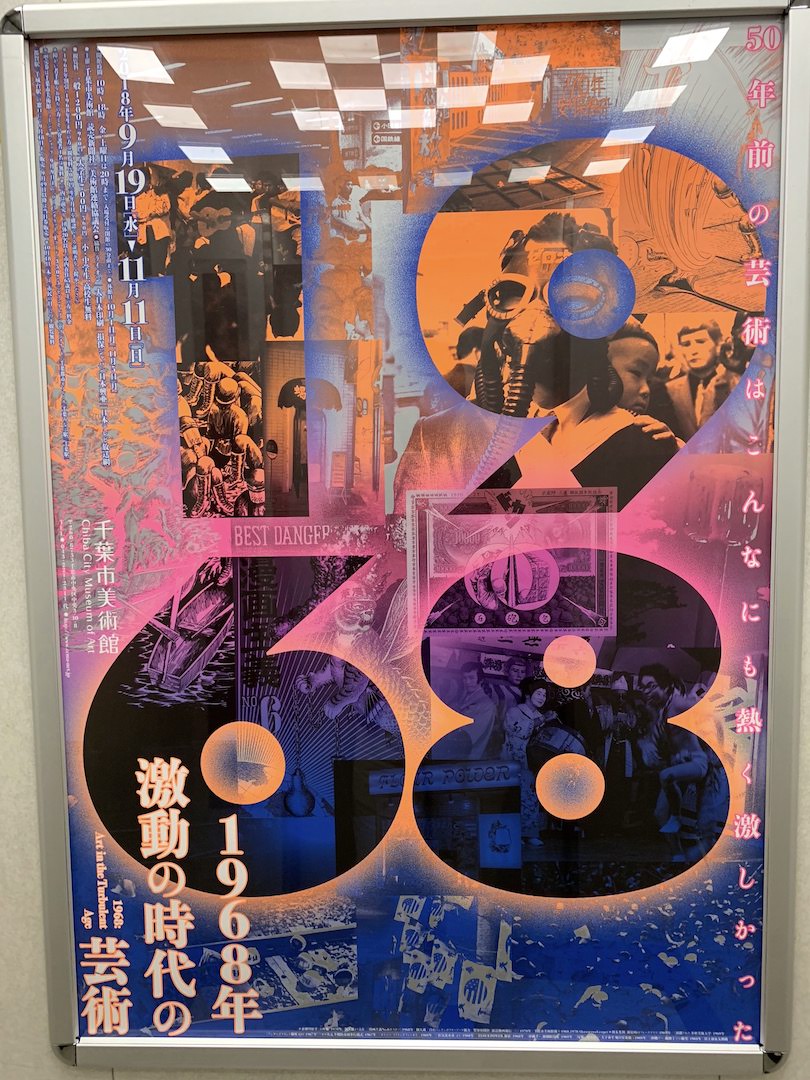
Against a backdrop in which the student movement was in full swing, the artists of the day had highly acute antennae for politics and culture, and the exhibition made it clear that they engaged in the work of making art from a place of powerful conviction.
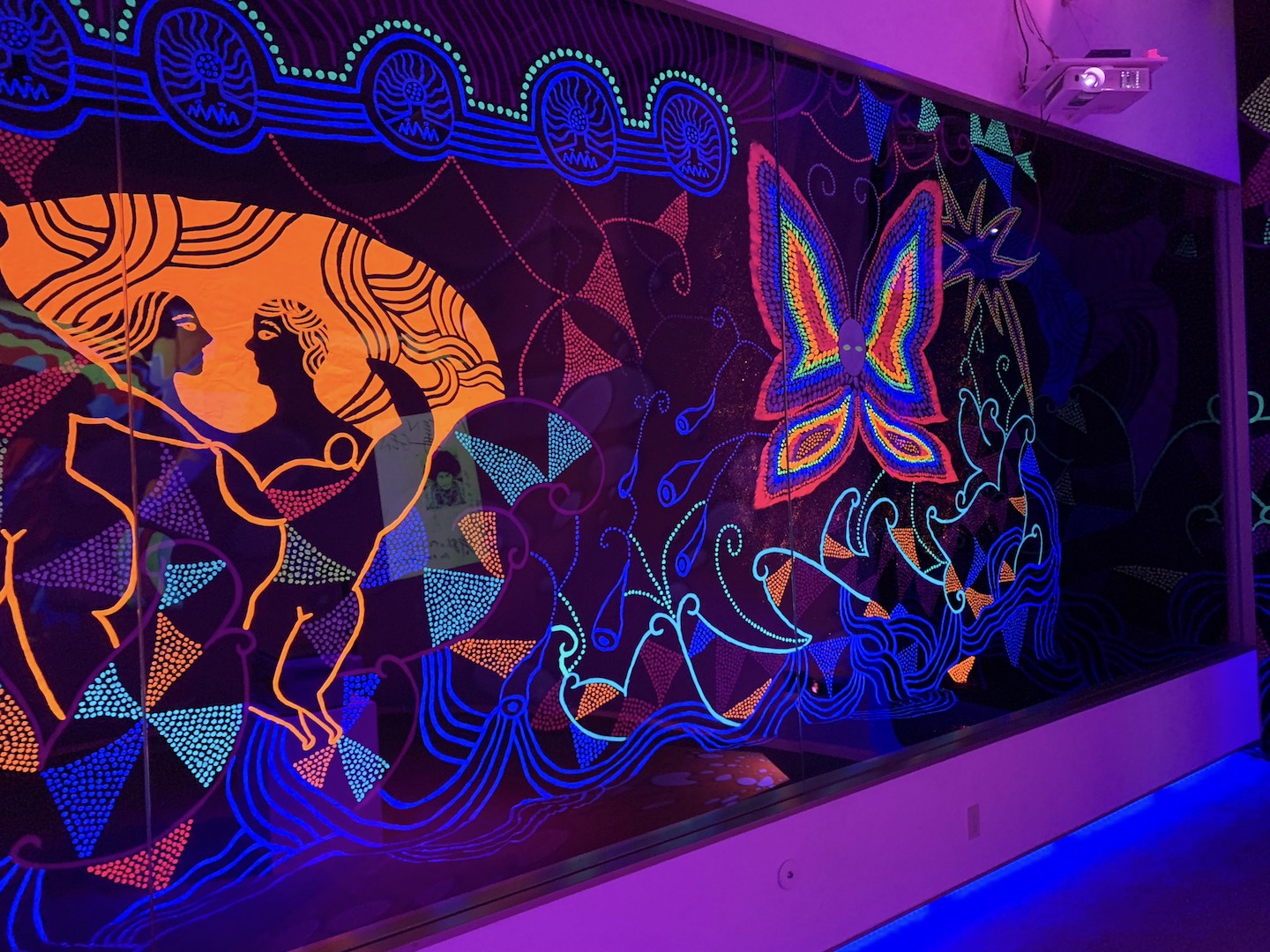
The legendary discotheque MUGEN’s light show revived
“MUGEN,” the flagship psychedelic discotheque that opened in 1968, was recreated.
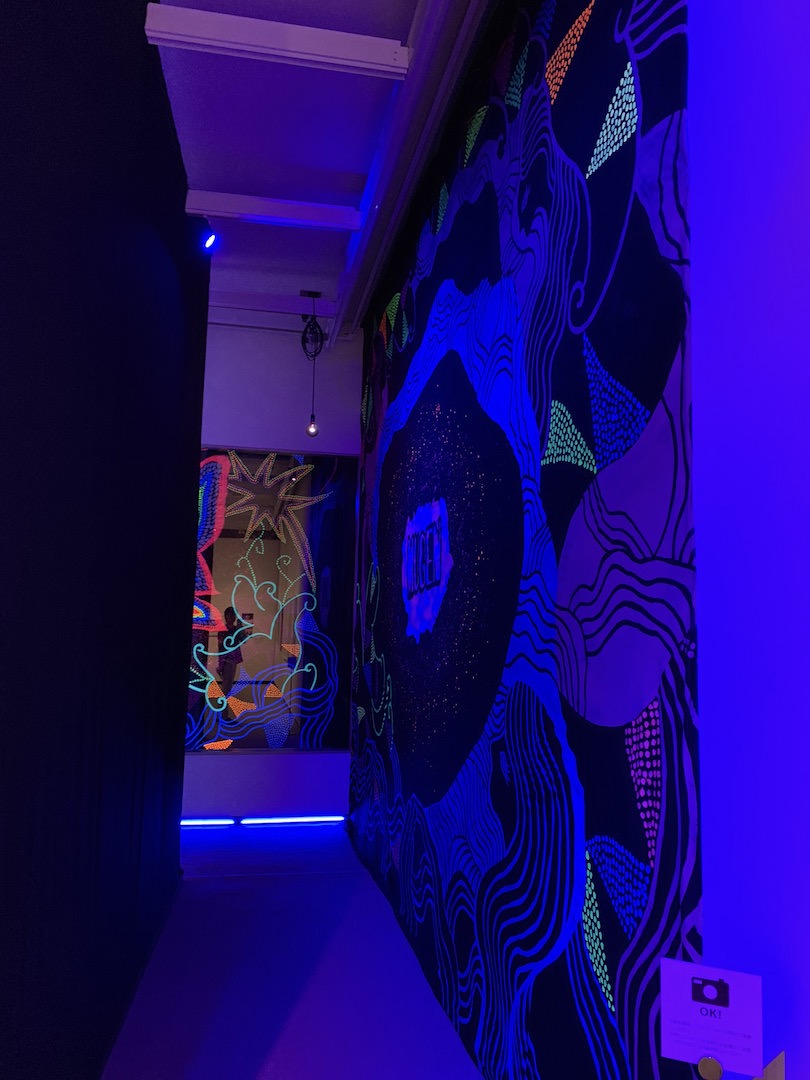
The music and living voices coming from the video work still brim with tension and a live-performance charge 50 years on, hitting the ear with real force.
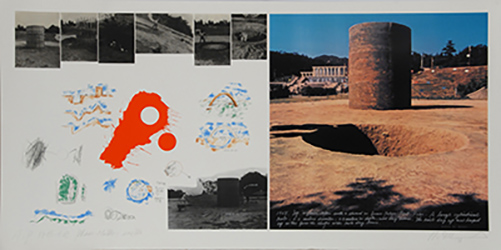
I was also struck by how the exhibition covers, without omission, phenomena that mark real turning points when viewed from the present — the new form of artistic practice known as Mono-ha, and the fever and counter-movements surrounding Expo ’70 in Osaka.
It was a superb, content-packed exhibition in which the time flew by.