Joseph Cornell: Collage & Montage (tentative title)
An exhibition of Joseph Cornell, known as “the artist of boxes,” titled “Joseph Cornell: Collage & Montage (tentative title),” will open next March at the DIC Kawamura Memorial Museum of Art.
The DIC Kawamura Memorial Museum of Art holds 7 of Cornell’s box works and 9 collages — one of Japan’s leading Cornell collections — and in 1992–93 it held the retrospective “Joseph Cornell Exhibition” together with the Museum of Modern Art, Kamakura & Hayama (Kanagawa), the Museum of Modern Art, Shiga, and the Ohara Museum of Art.
This will be the museum’s first Cornell show since its 2010 “Joseph Cornell × Mutsuo Takahashi” exhibition. Beyond the museum’s own celebrated Cornell collection, Cornell works held by Japanese museums and private collectors will gather together. Alongside his signature “box series” and collages, the show is planned to be comprehensive — also presenting film works, printed matter such as magazines Cornell laid out, and related materials including photographs, letters, and diaries.
His box works are famous, but I hadn’t known he was an artist who made films. It’s a fascinating exhibition I’ll be keeping an eye on.
Who Was Joseph Cornell?Joseph Cornell was born in Nyack, New York, in 1903, and grew up as the eldest of a family of six.
Having lost his father to illness at a young age, from around 17 he commuted to Manhattan, supporting the household by working as a textile broker and in textile design.
In 1929 he moved with his family to Utopia Parkway in the Queens borough of New York City, where he lived until his death at 69. Using the basement of this home as his studio, Cornell is said to have thrown himself into his work from the dead of night until dawn, after the family had gone to sleep.
Cornell began making art in the 1930s, sparked by seeing works by European Surrealists at the Julien Levy Gallery in Manhattan in 1931. At first he mainly made collages, but eventually arrived at works incorporating his original “box” form — favorite trinkets found at Manhattan’s used-book shops and antique stores, placed inside handmade wooden boxes.
In the 1940s and ’50s, when Cornell worked most ambitiously, the themes of his boxes narrowed and grew increasingly serial. Though best known as “the artist of boxes,” from the 1960s to his later years collage once again became the center of his work.
Cornell is also known as an experimental filmmaker, involved for over 30 years from the 1930s in directing and editing some 20 film works.
Cornell isn’t especially well known in Japan, but it’s said that among the artists Yayoi Kusama admired, Joseph Cornell held a special place.
Below, I introduce some of the works planned for the exhibition.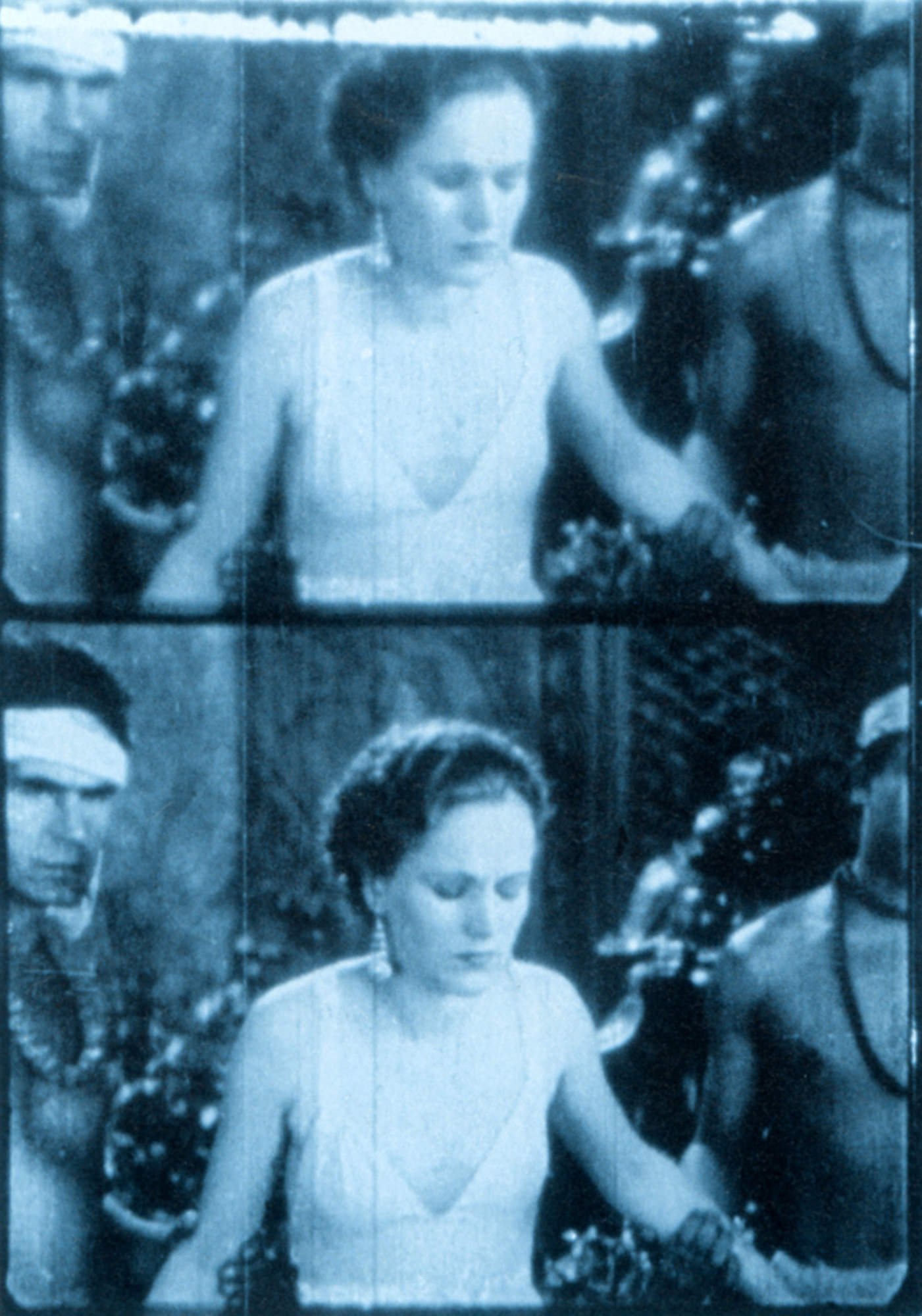
Courtesy The Museum of Modern Art, New York ©️ 1995 The Museum of Modern Art
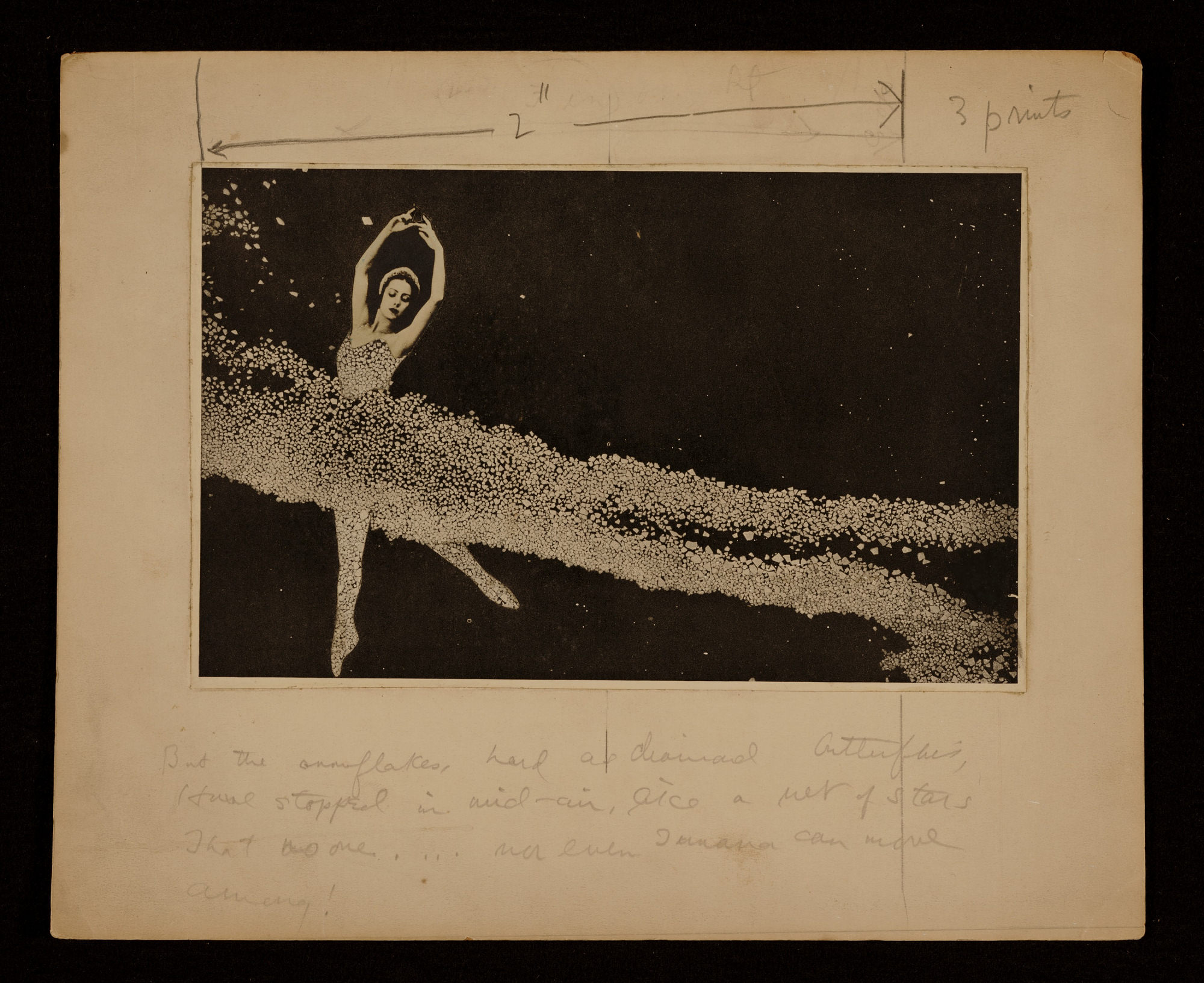
Joseph Cornell papers, Archives of American Art, Smithsonian Institution.
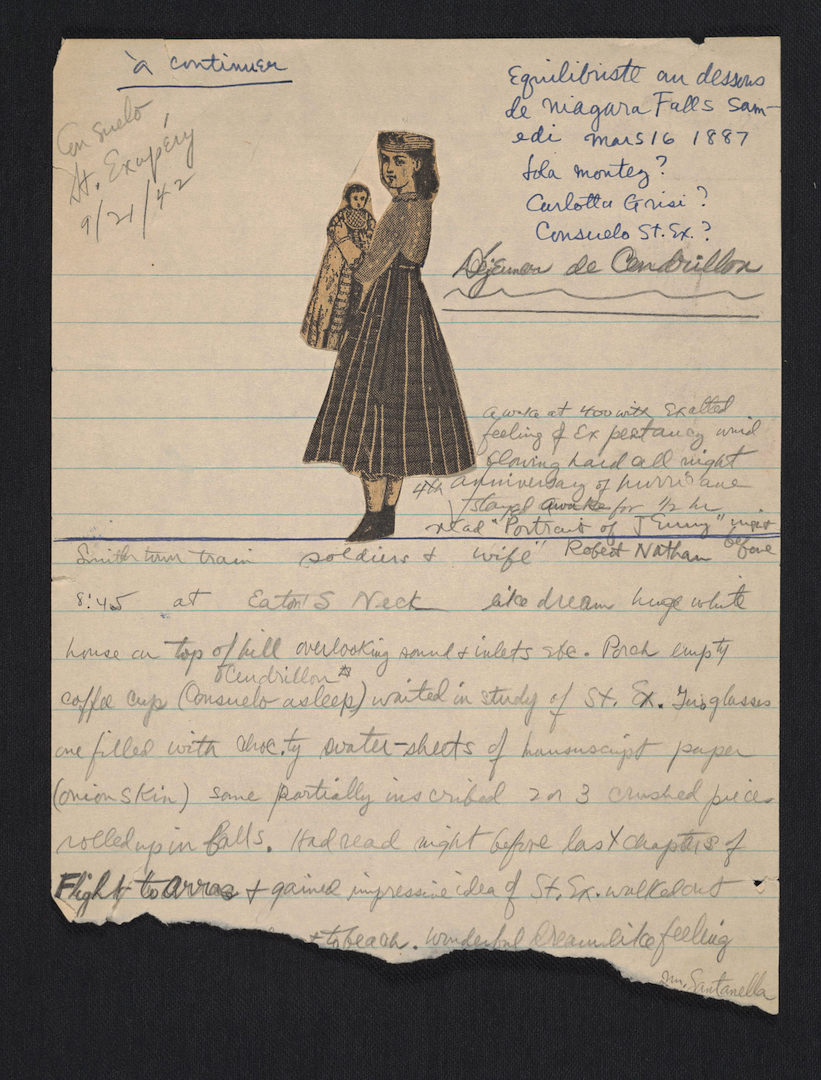
Joseph Cornell papers, Archives of American Art, Smithsonian Institution.
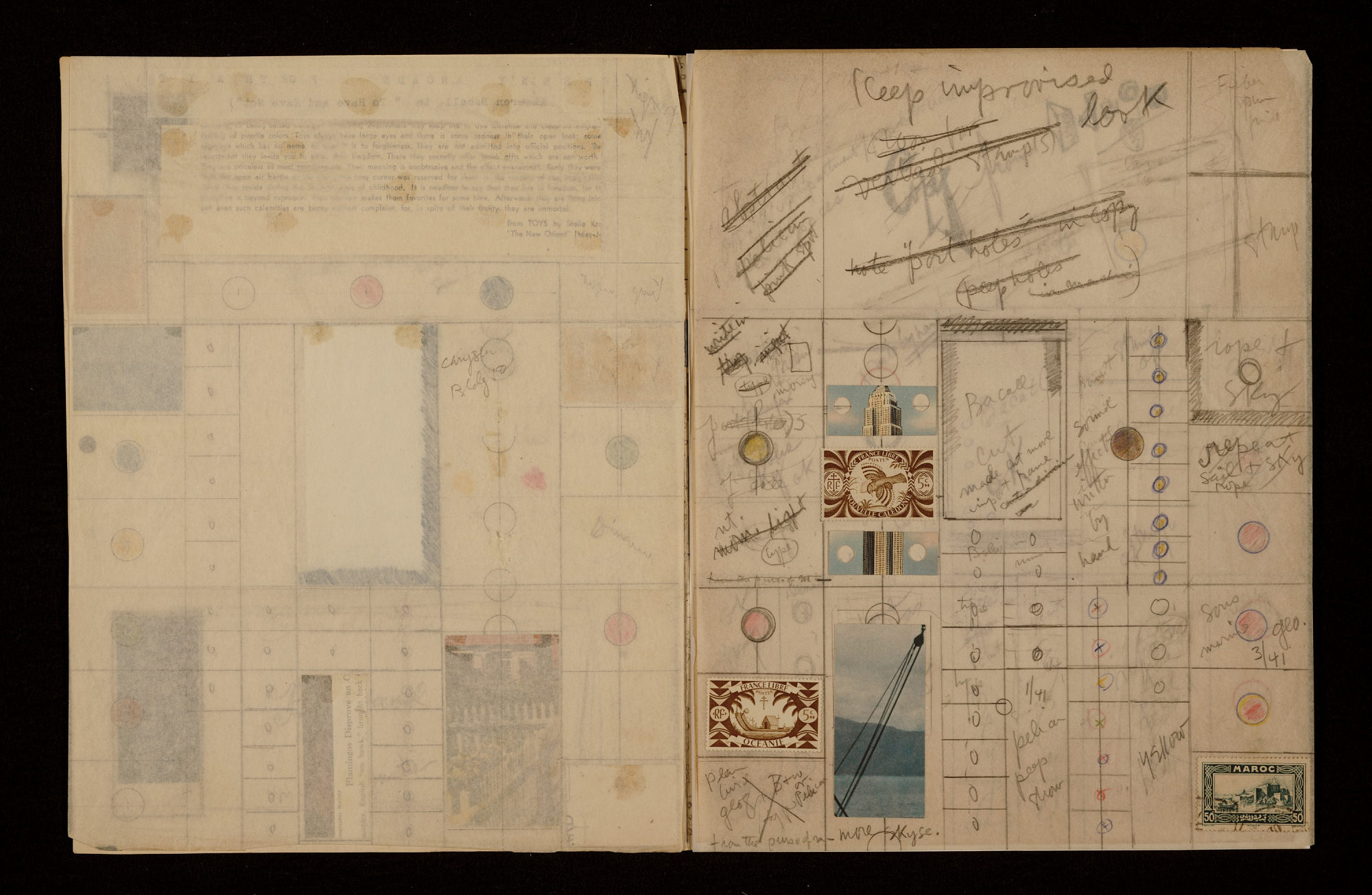
1945–1946, 28 x 22 cm
Joseph Cornell papers, Archives of American Art, Smithsonian Institution.
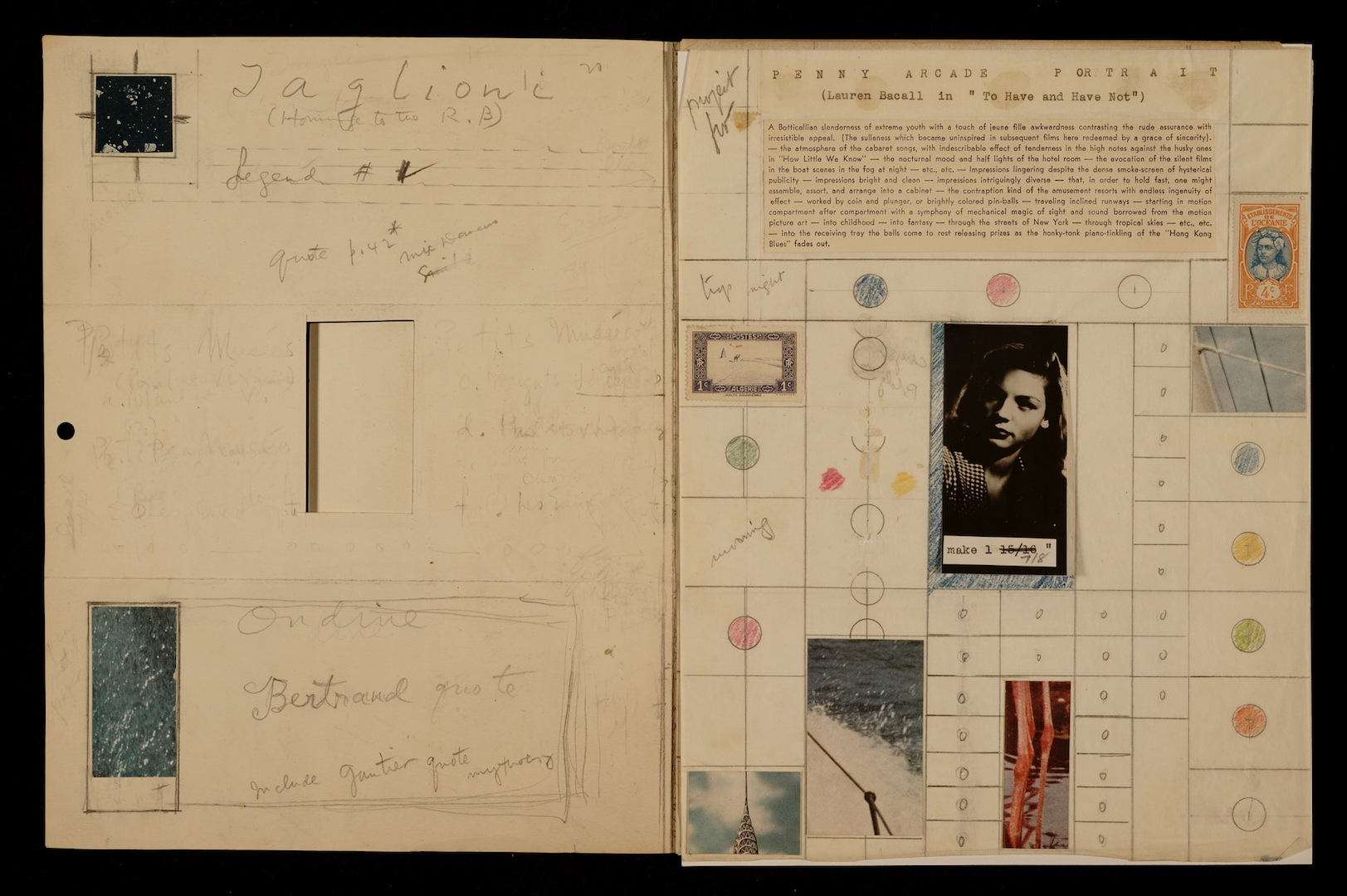
1945–1946, 28 x 22 cm
Joseph Cornell papers, Archives of American Art, Smithsonian Institution.
Works on Display (planned)
About 30 works selected mainly from boxes (and objects) and collages held by Japanese museums; 10–15 film works; 16 boxes and collages from the DIC Kawamura Memorial Museum of Art’s own collection; plus related materials such as magazines and photographs.
Details
Joseph Cornell Exhibition
Collage & Montage (tentative title)
Venue: DIC Kawamura Memorial Museum of Art
Dates: March 23 (Sat) – June 16 (Sun), 2019
Hours: 9:30 – 17:00 (last admission 16:30)
Closed: Mondays (open April 29 and May 6), April 30 (Tue), May 7 (Tue)
Organizer: DIC Corporation