Rikako Kawauchi “human wears human / bloom wears bloom”
I visited Rikako Kawauchi’s solo exhibition “human wears human / bloom wears bloom,” held at Kamakura Gallery in Kamakurayama.
The gallery is a stylish, beautiful space that does not feel weighed down by history. I was able to view the works comfortably.
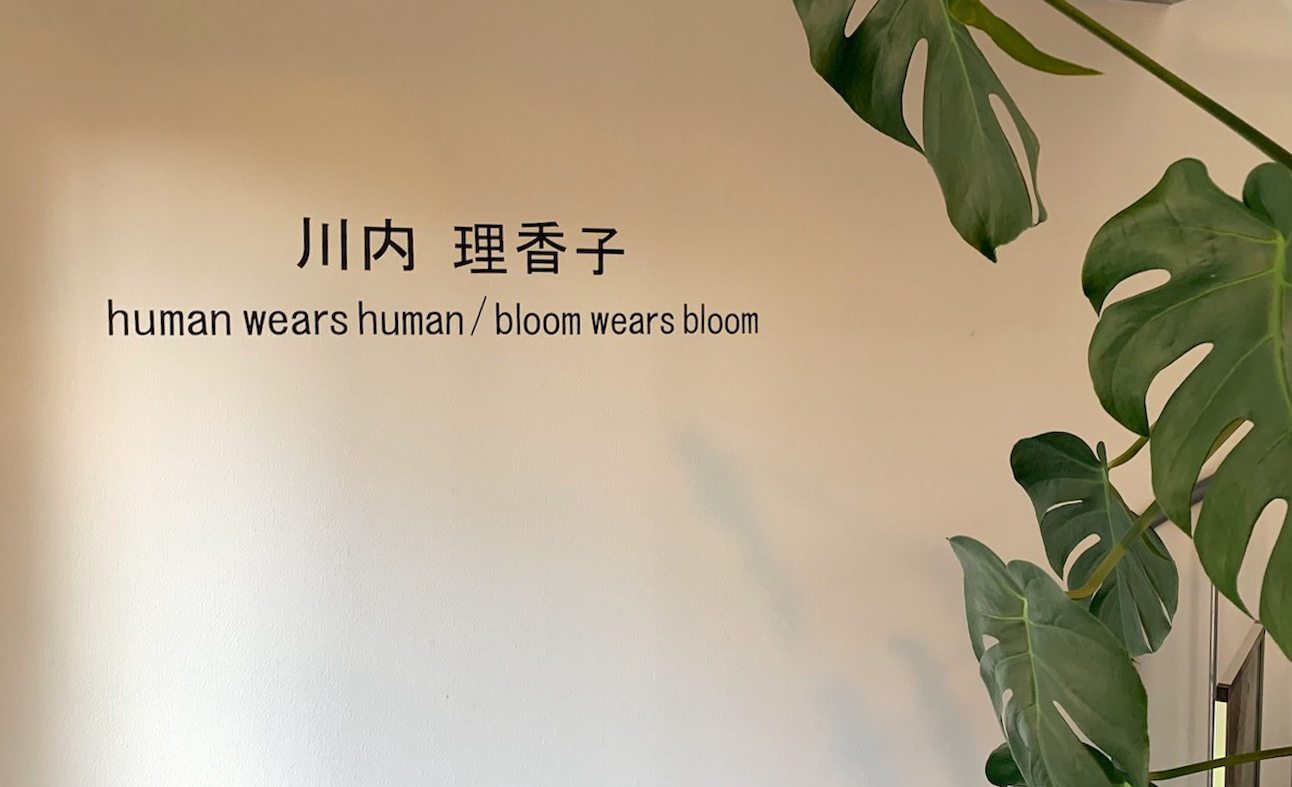
Rikako Kawauchi is an artist whose practice starts from the theme of “the body.” As the title of this exhibition, “human wears human / bloom wears bloom,” suggests, her approach probes from the outer surfaces of humans and plants toward their inner realms.
Statement
When you peel away the fine details of humans, animals, plants, food — of all things — and narrow your eyes, sometimes a “shared form” comes into view.
In animistic thinking, the bodily features that differentiate humans and animals are understood as clothes or garments, and once “undressed” all become the same soul.
What does the naked form look like, stripped of the singularity that each thing wears?
Can I touch the primordial sensations, forms, and presences that flicker behind the veil and cross every boundary?September 2018, Rikako Kawauchi
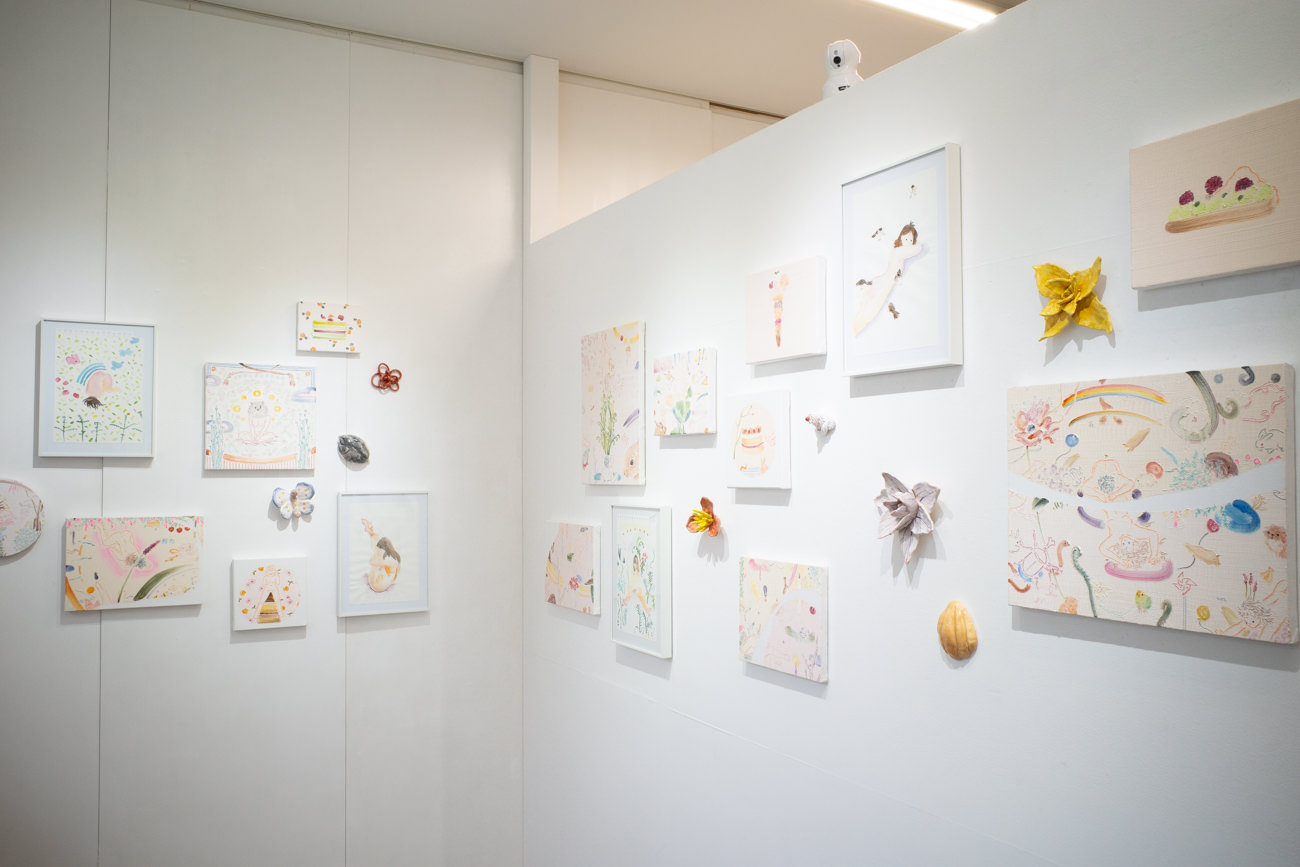
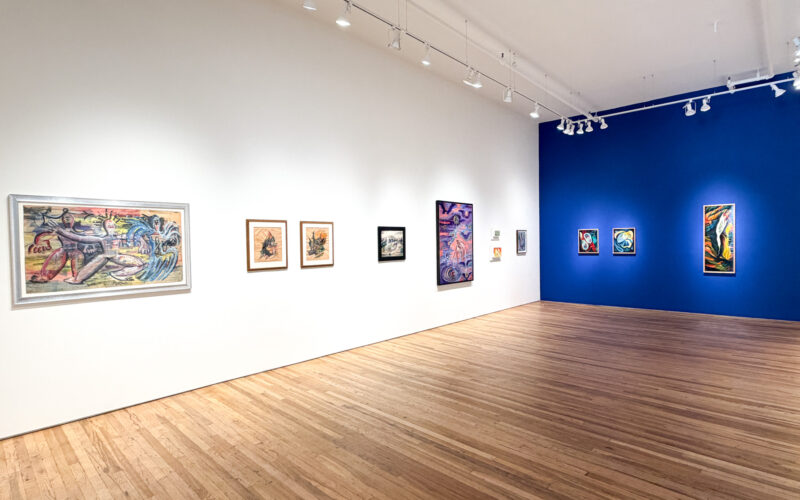
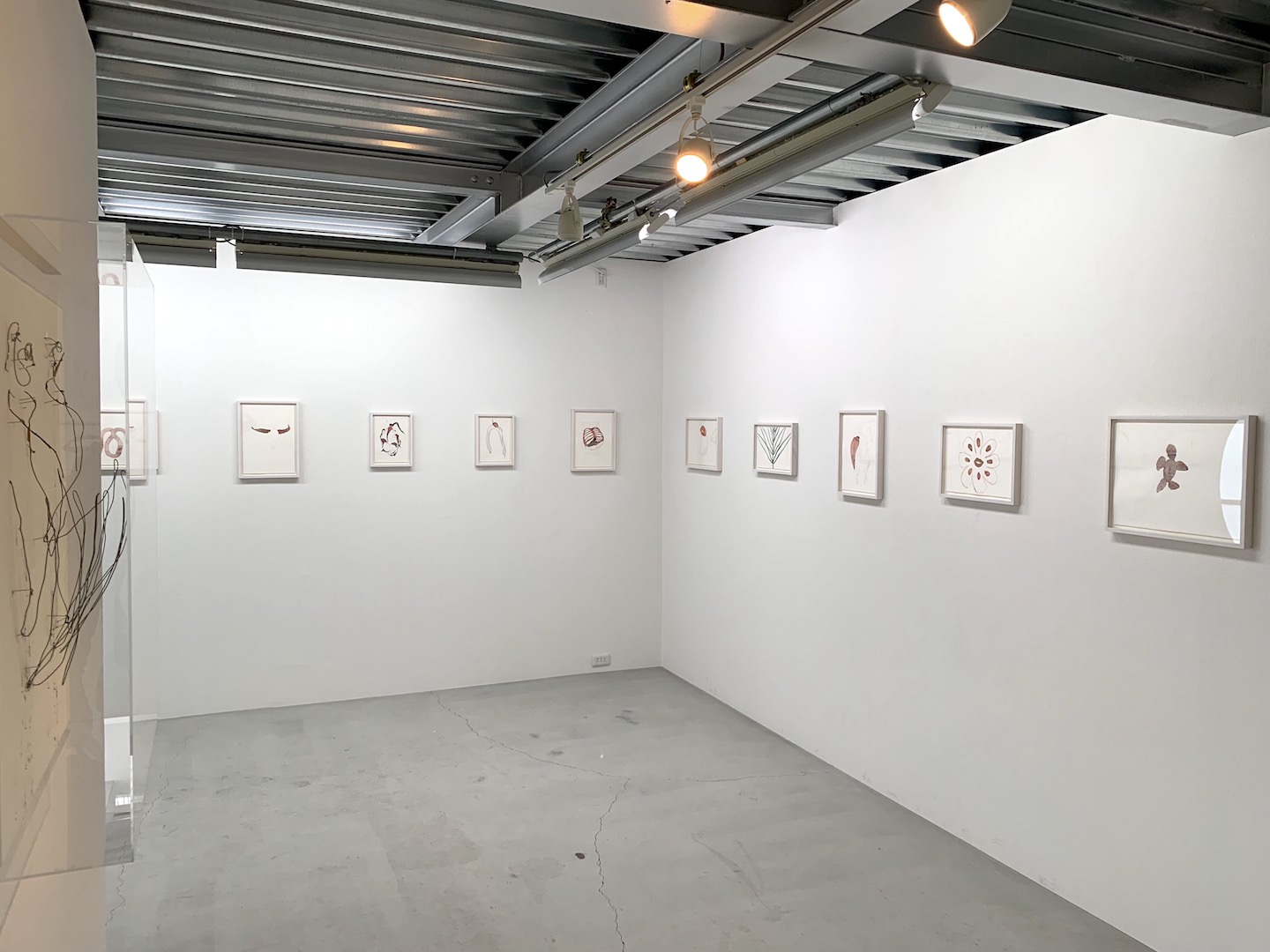
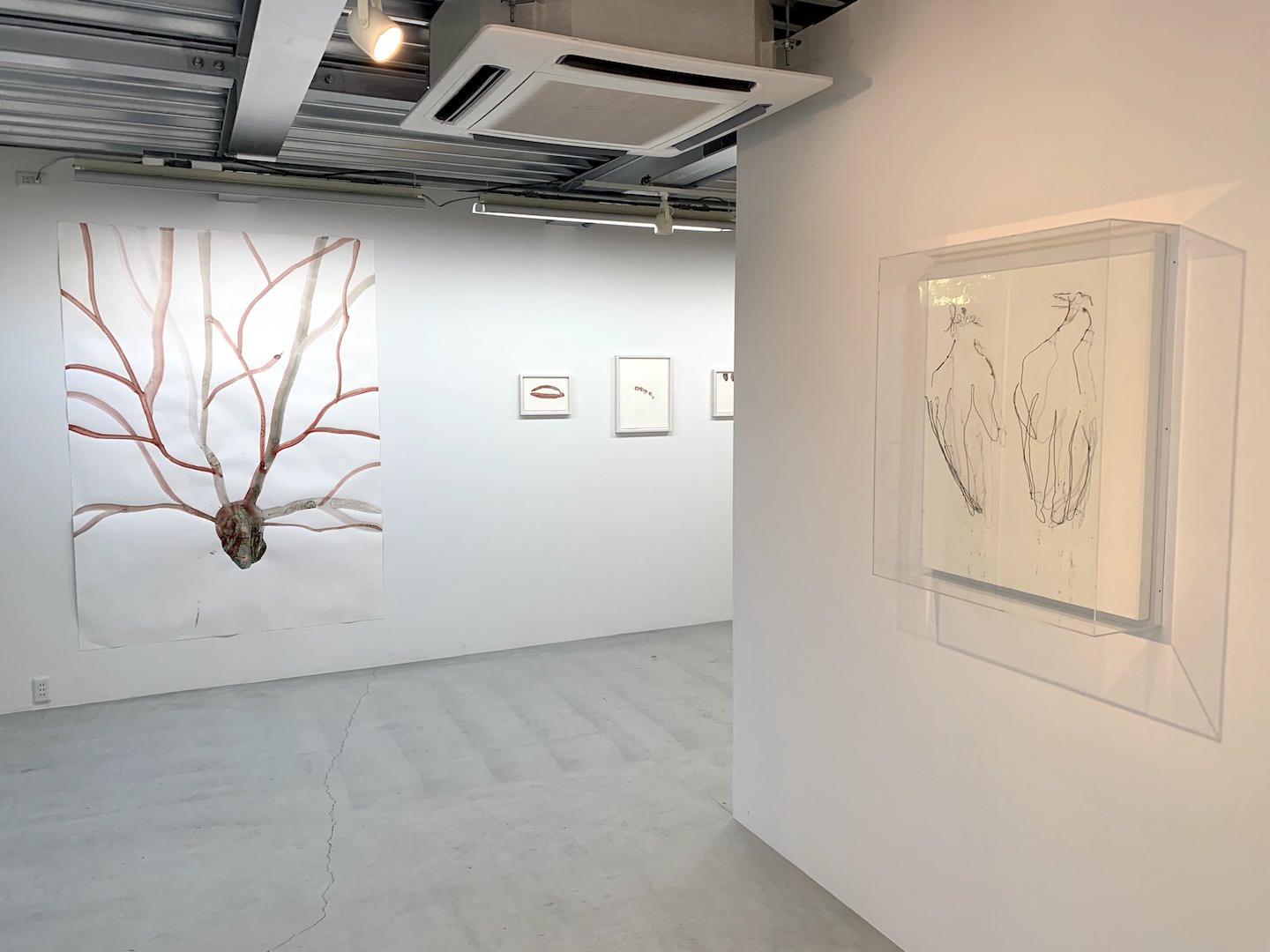
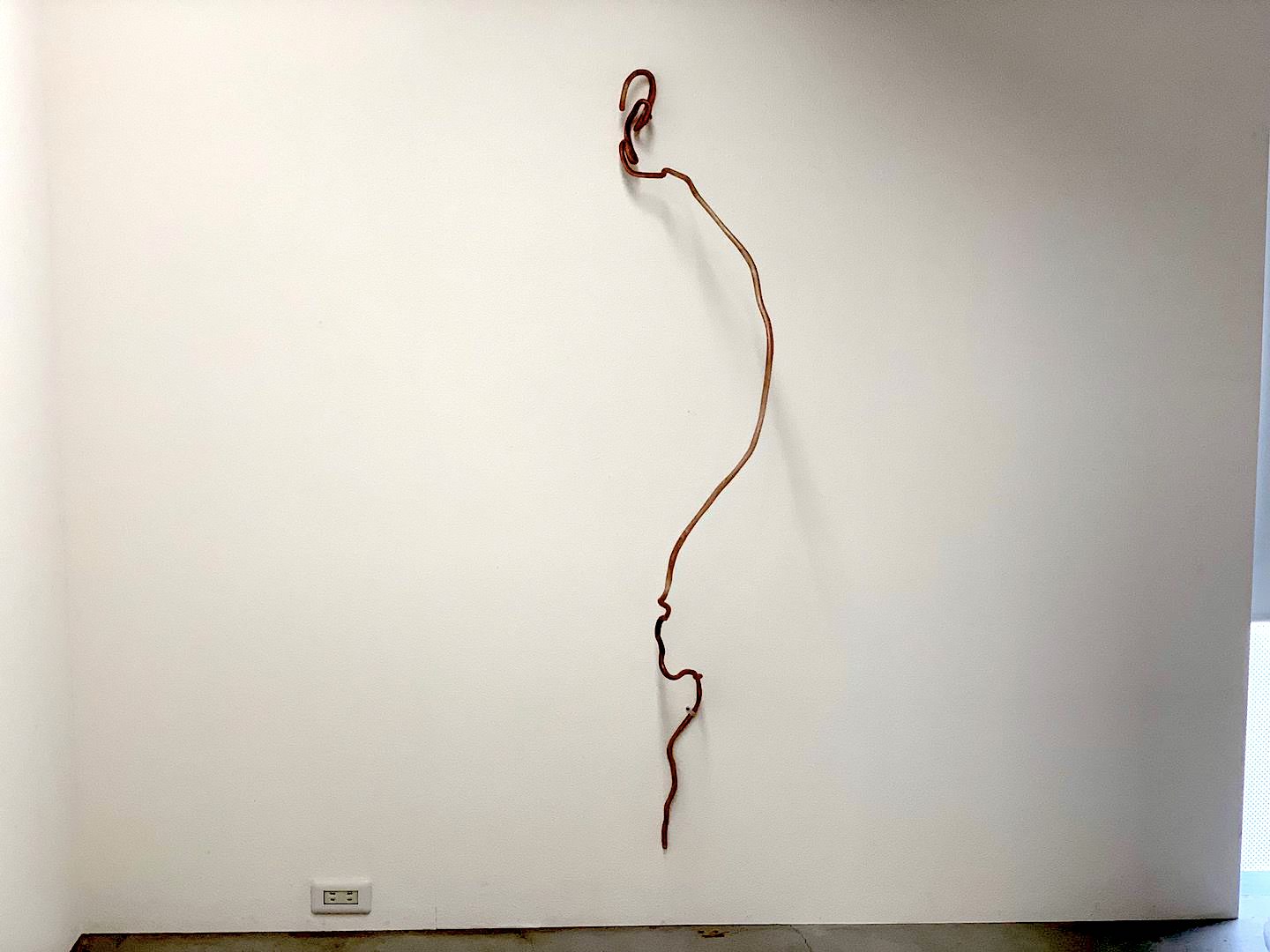
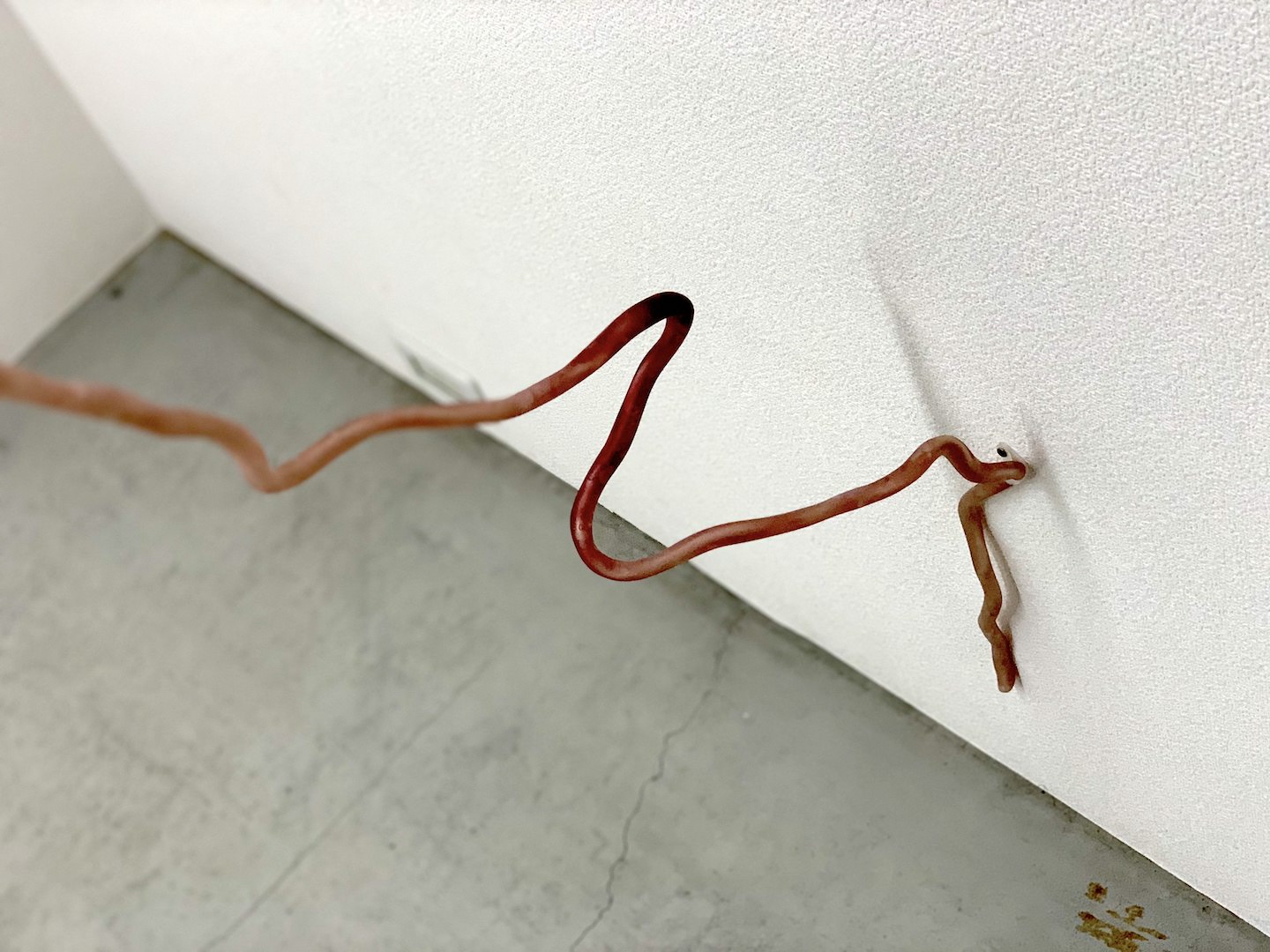
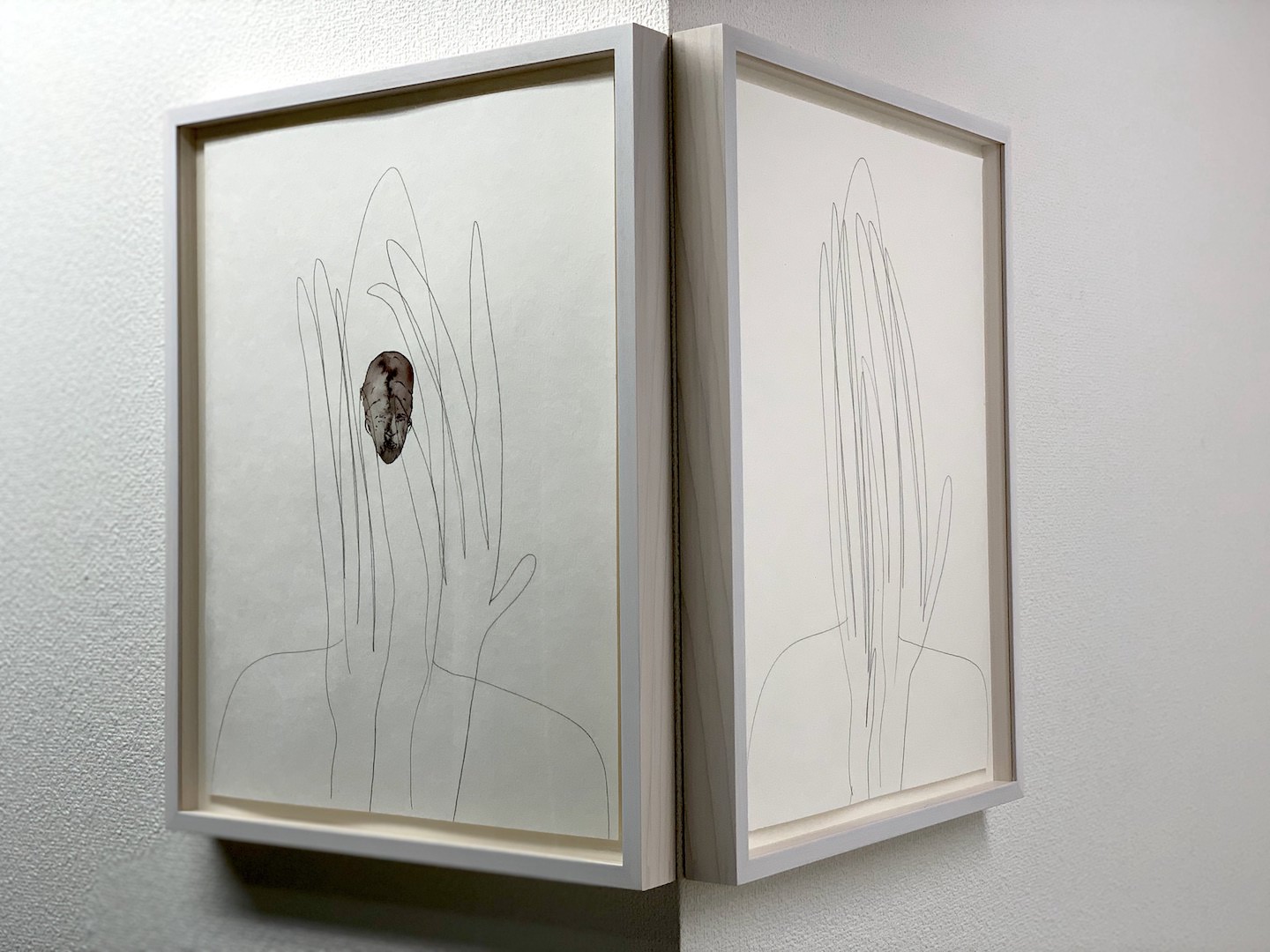
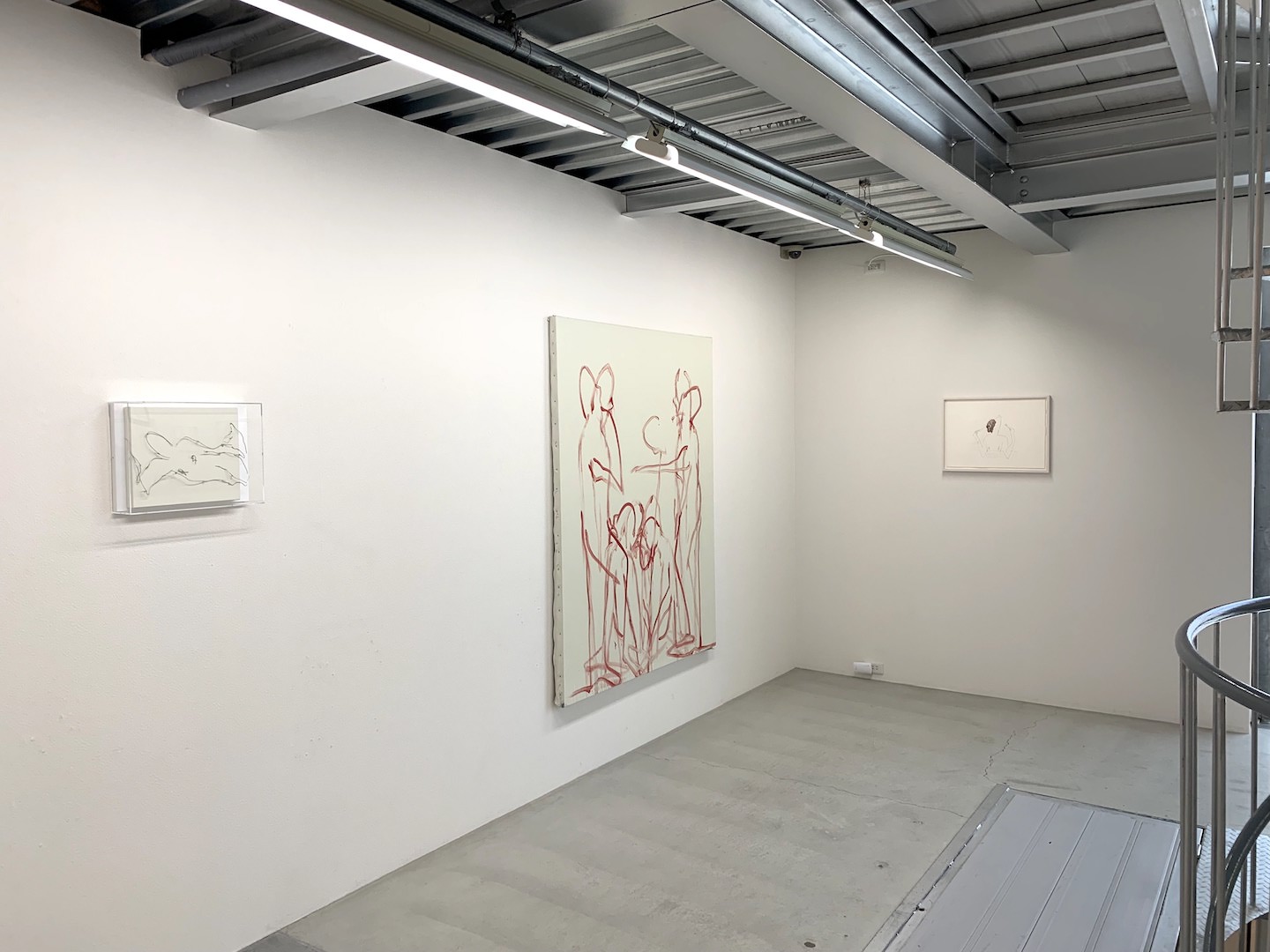
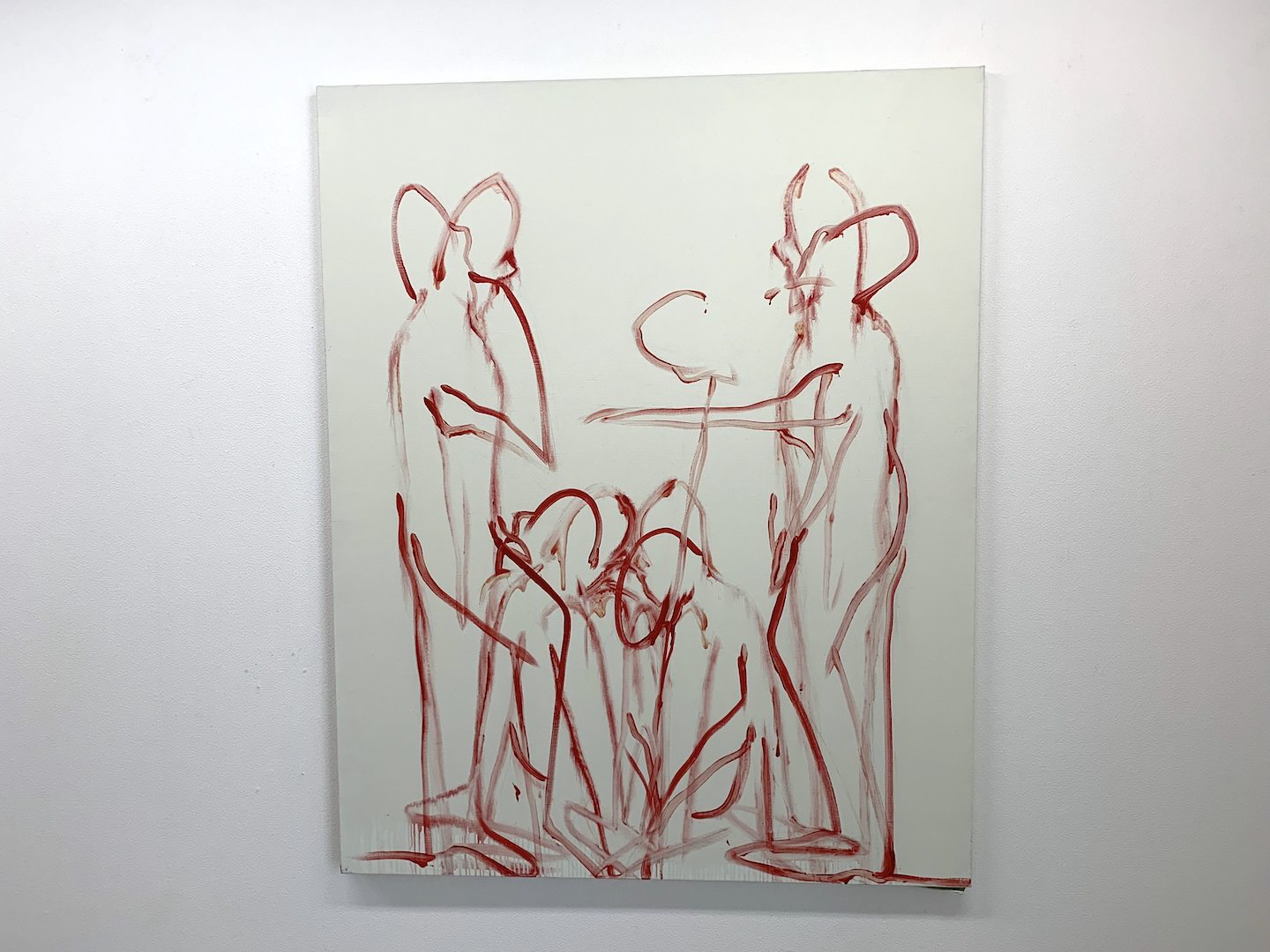
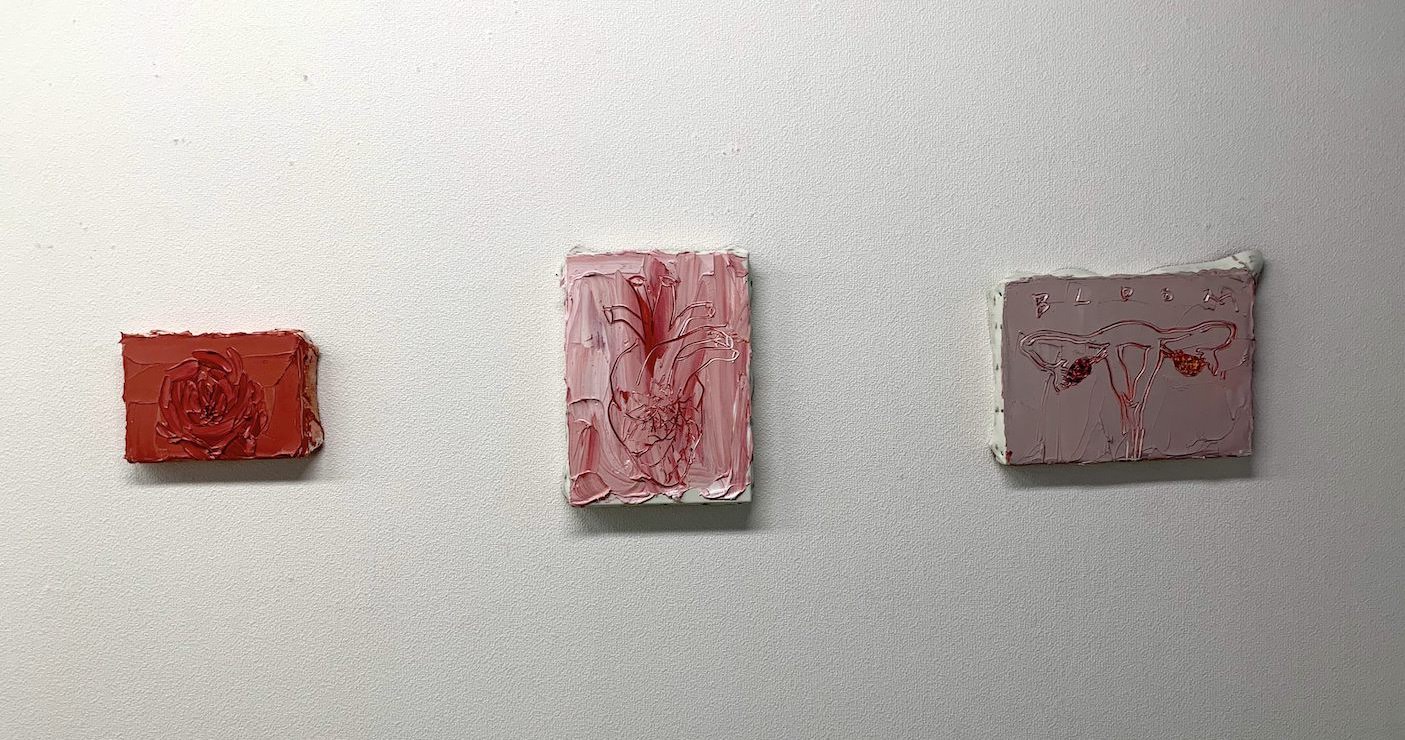
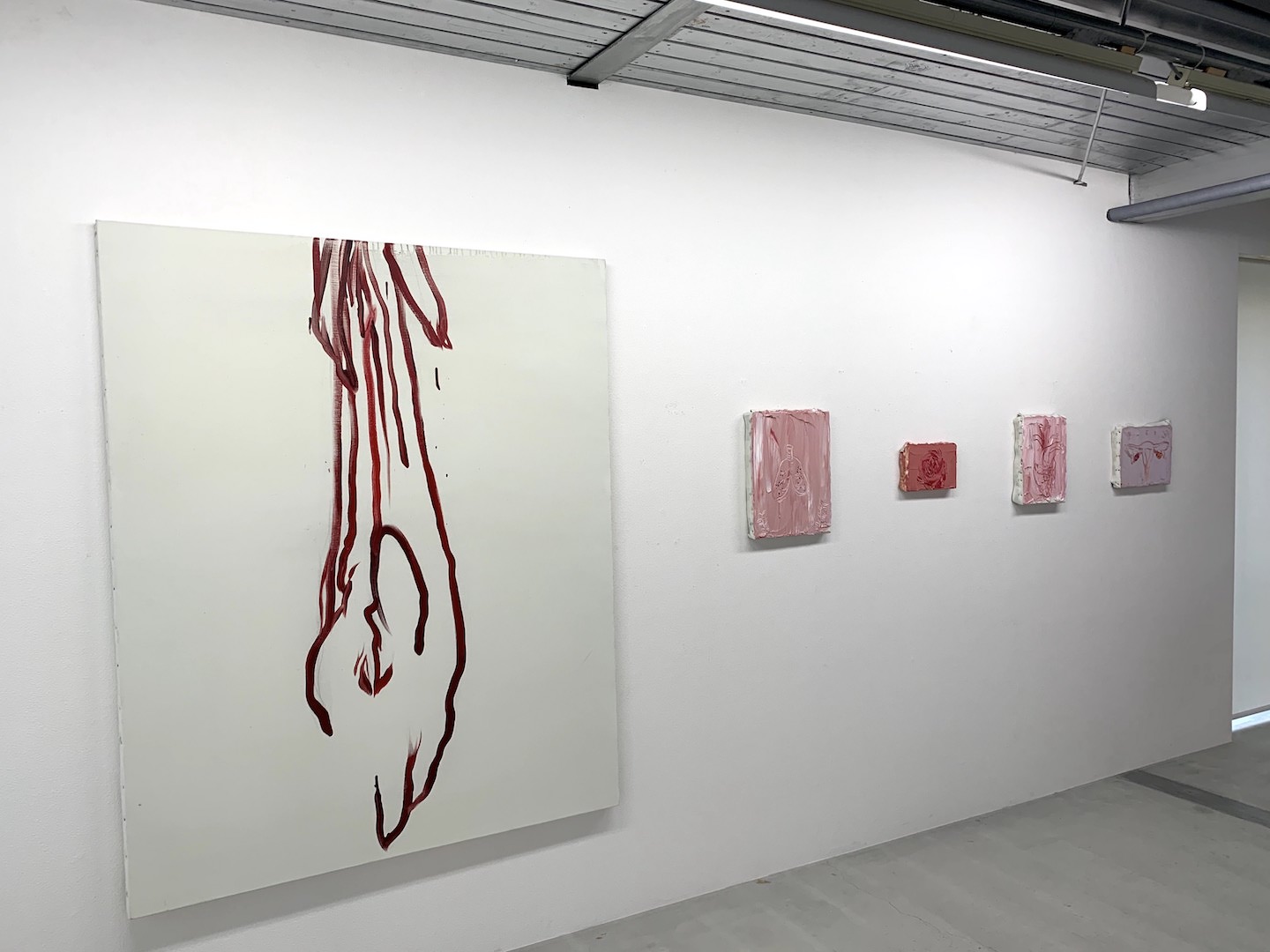
Around 40 works are on view in total, centered on drawings, along with oil paintings, three-dimensional works whose forms are shaped by wire stapled onto canvas, resin sculptures, and more.
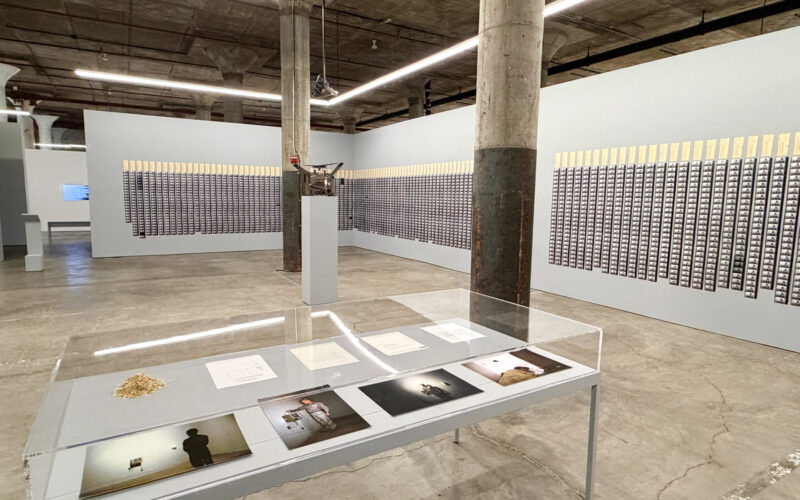
1st Floor
At Kamakura Gallery, the ground floor is mainly for the reception and administrative office, while the main exhibition rooms are on the 2nd and 3rd floors.
On the 1st floor, works were displayed inside cases.
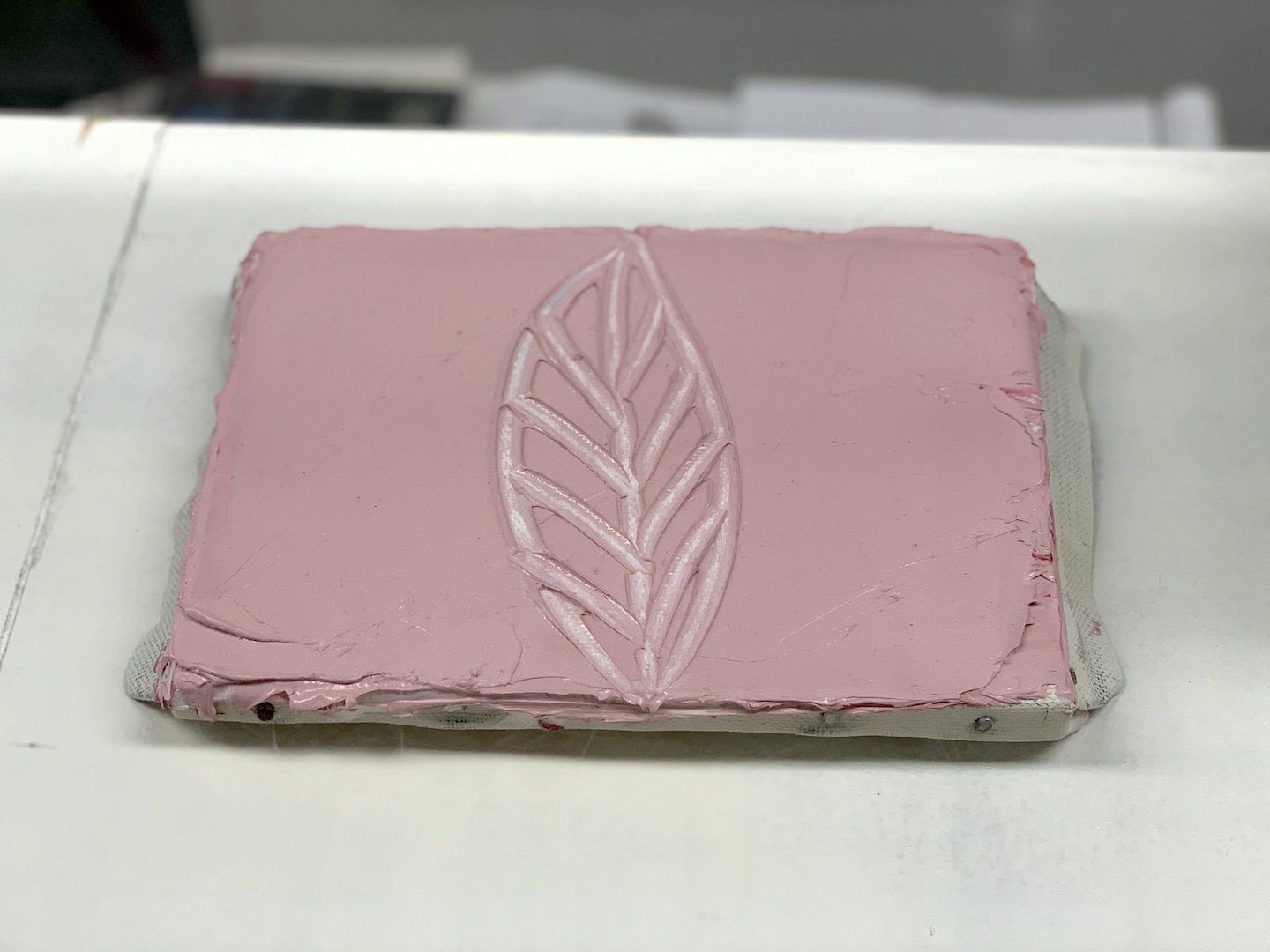
2nd Floor
I went up to the 2nd floor via the sloped stairway. The floor is laid out roughly like the character 口.
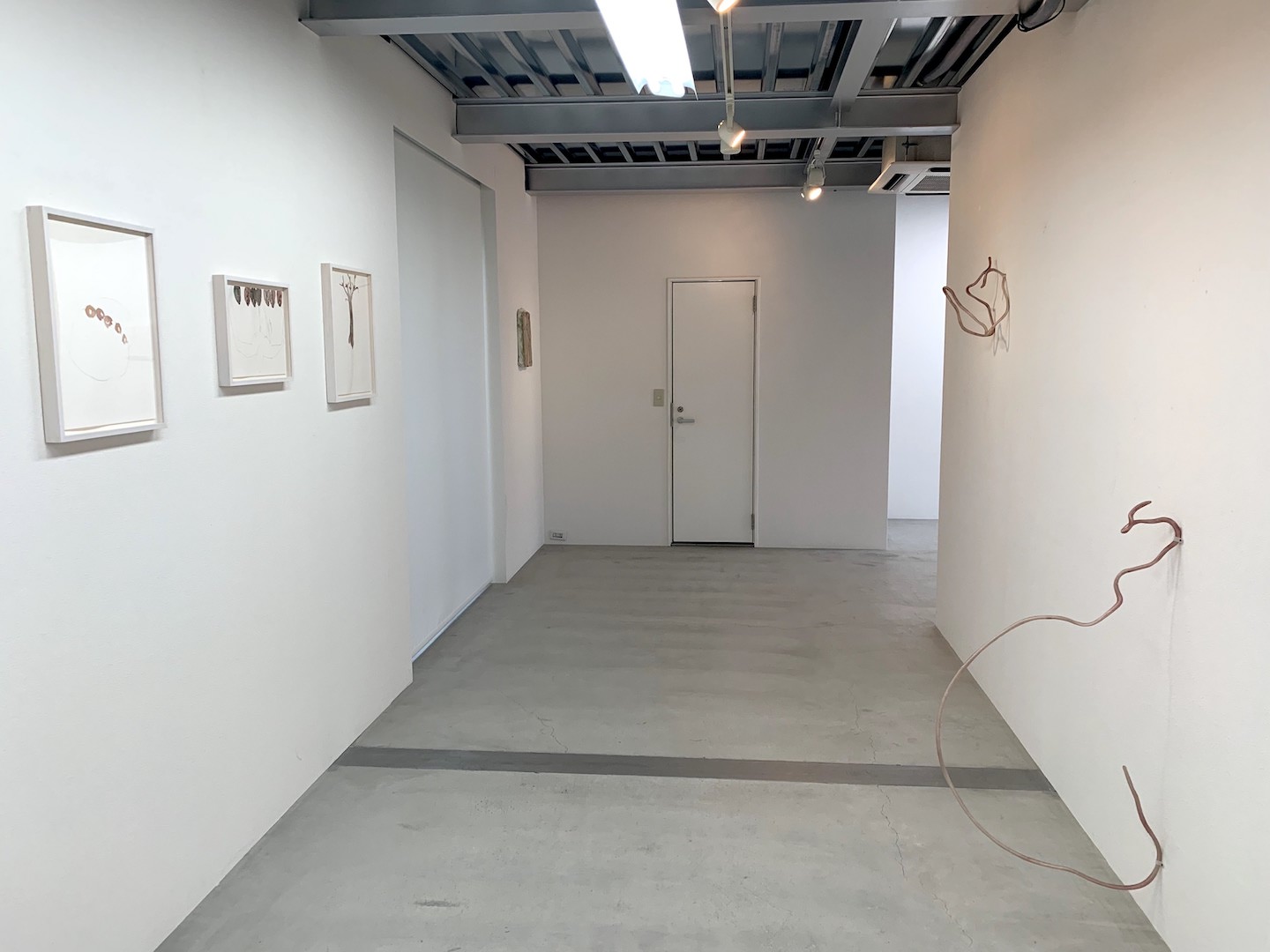
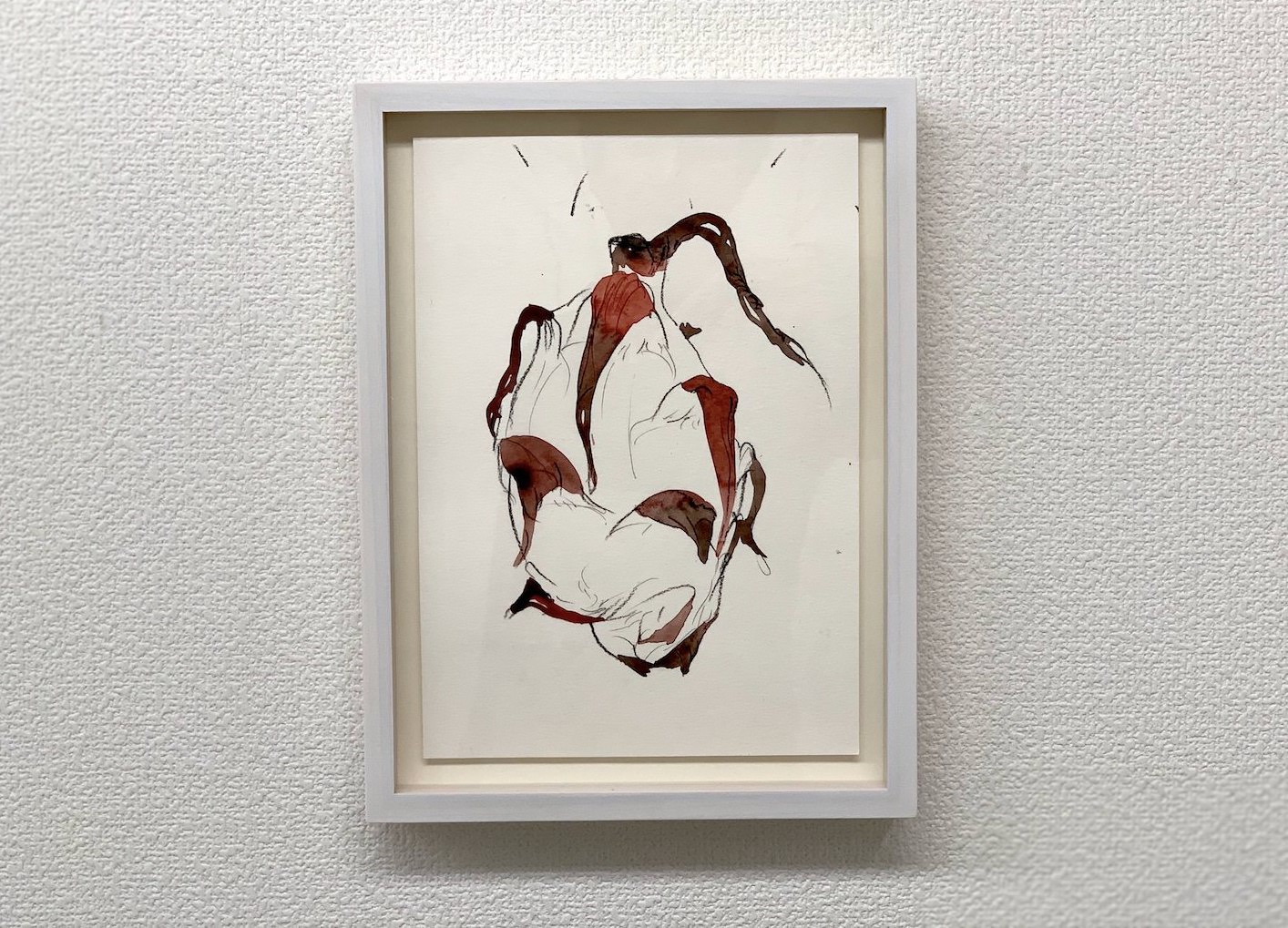
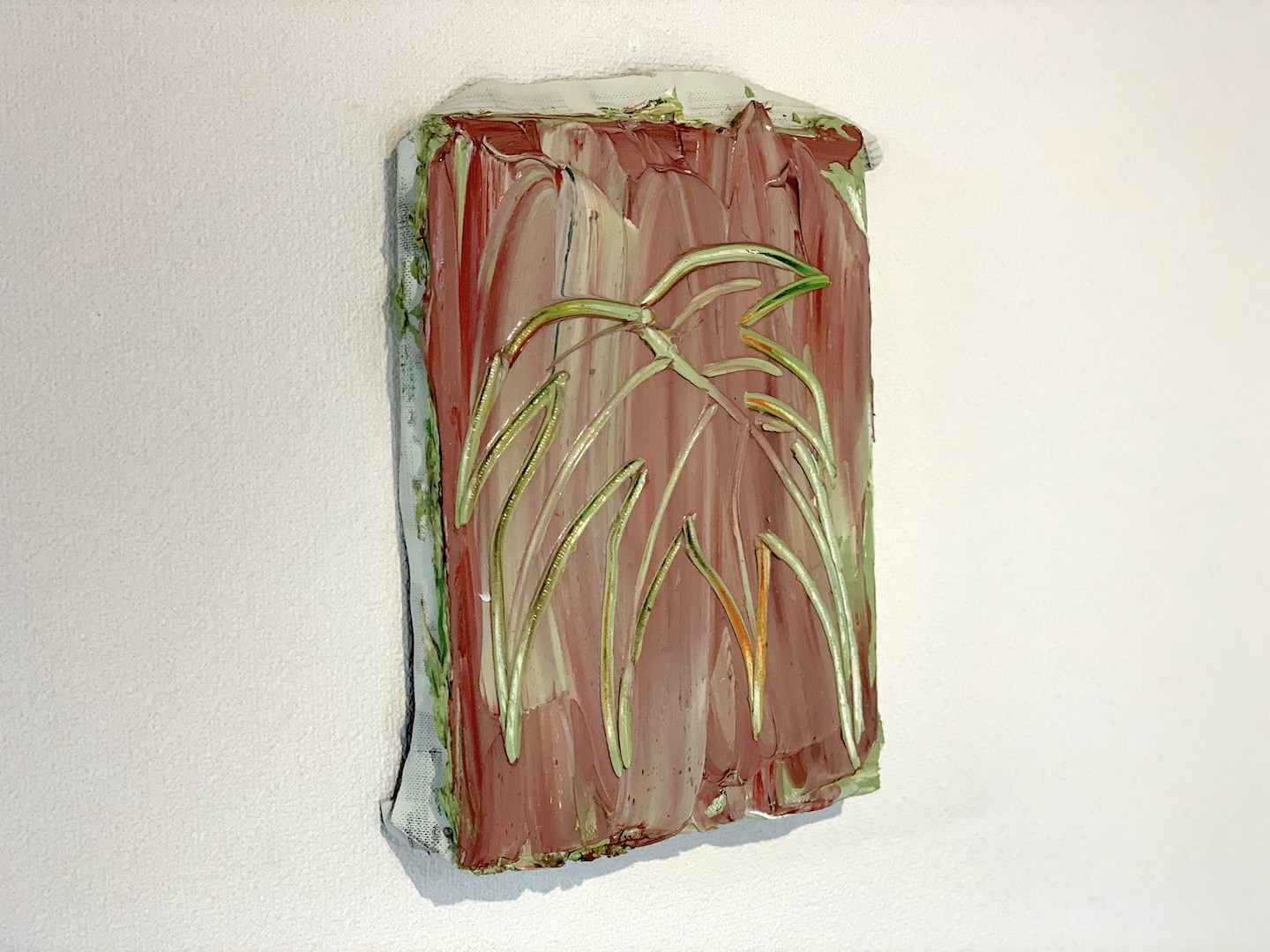
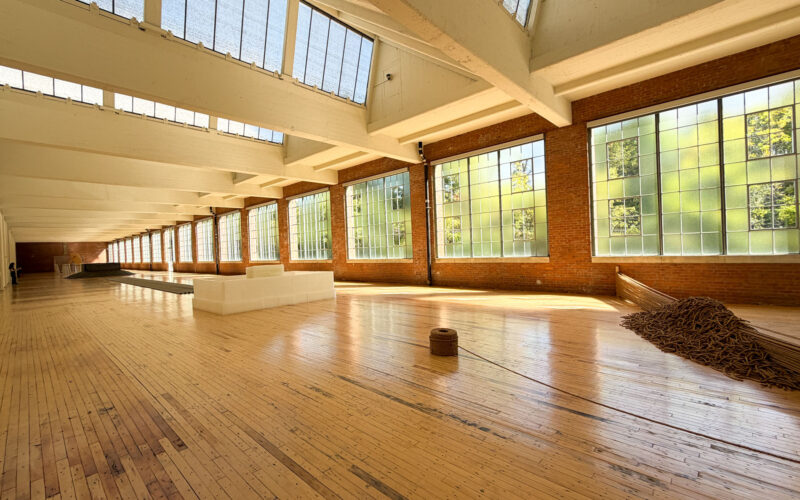
3rd Floor
The 3rd floor is a large exhibition space, roomy enough to host a talk event.
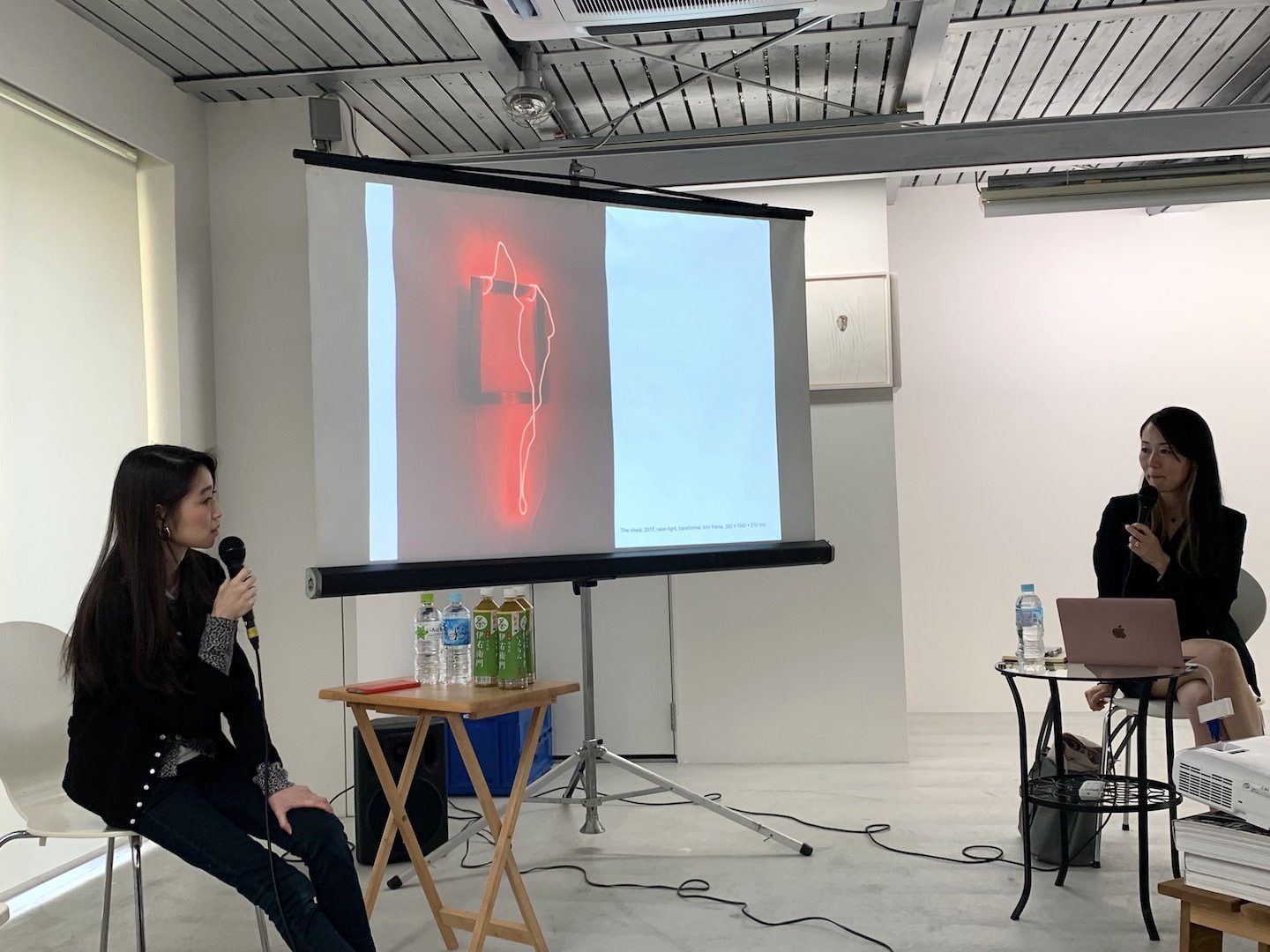
Artist Talk
On the opening day of the solo exhibition, an artist talk by Rikako Kawauchi was held. The navigator was Tomoko Ashikawa of “WAITINGROOM,” the owner of the gallery that hosted “Tiger Tiger, burning bright,” another Kawauchi solo exhibition held in 2018. The talk proceeded by revisiting past works and drawing out Kawauchi’s stance and thinking around her practice.
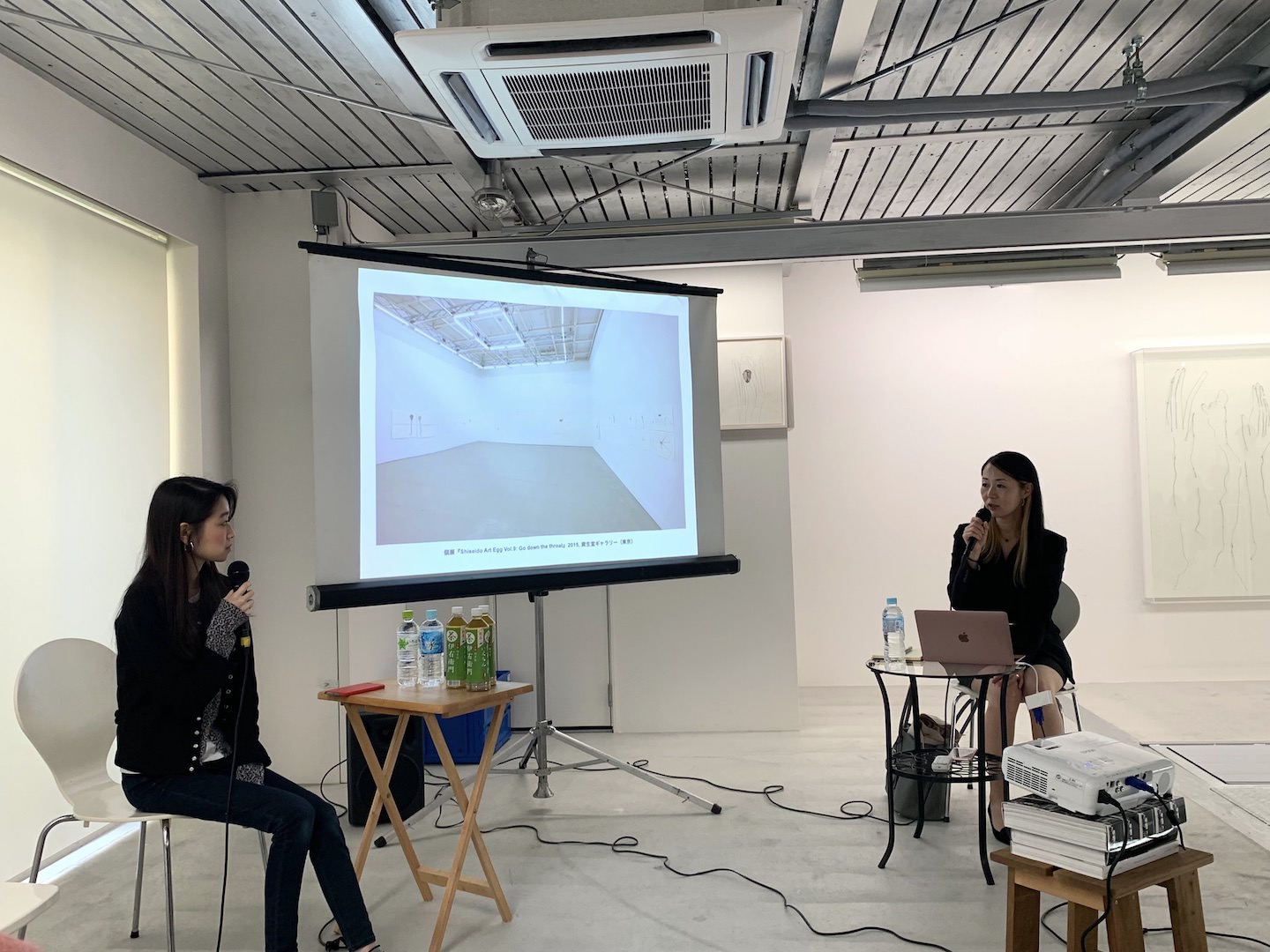
The talk began with Kawauchi saying that she is interested in the physical changes and unmanageable sensations that occur in the body, and that she takes them up as motifs. She also mentioned a strong interest in food since childhood, and the slimness of her body — visible through her skinny jeans — left a striking impression.
The balance between Tomoko Ashikawa’s precise, well-aimed questions and Kawauchi’s soft, gentle responses was exquisite.
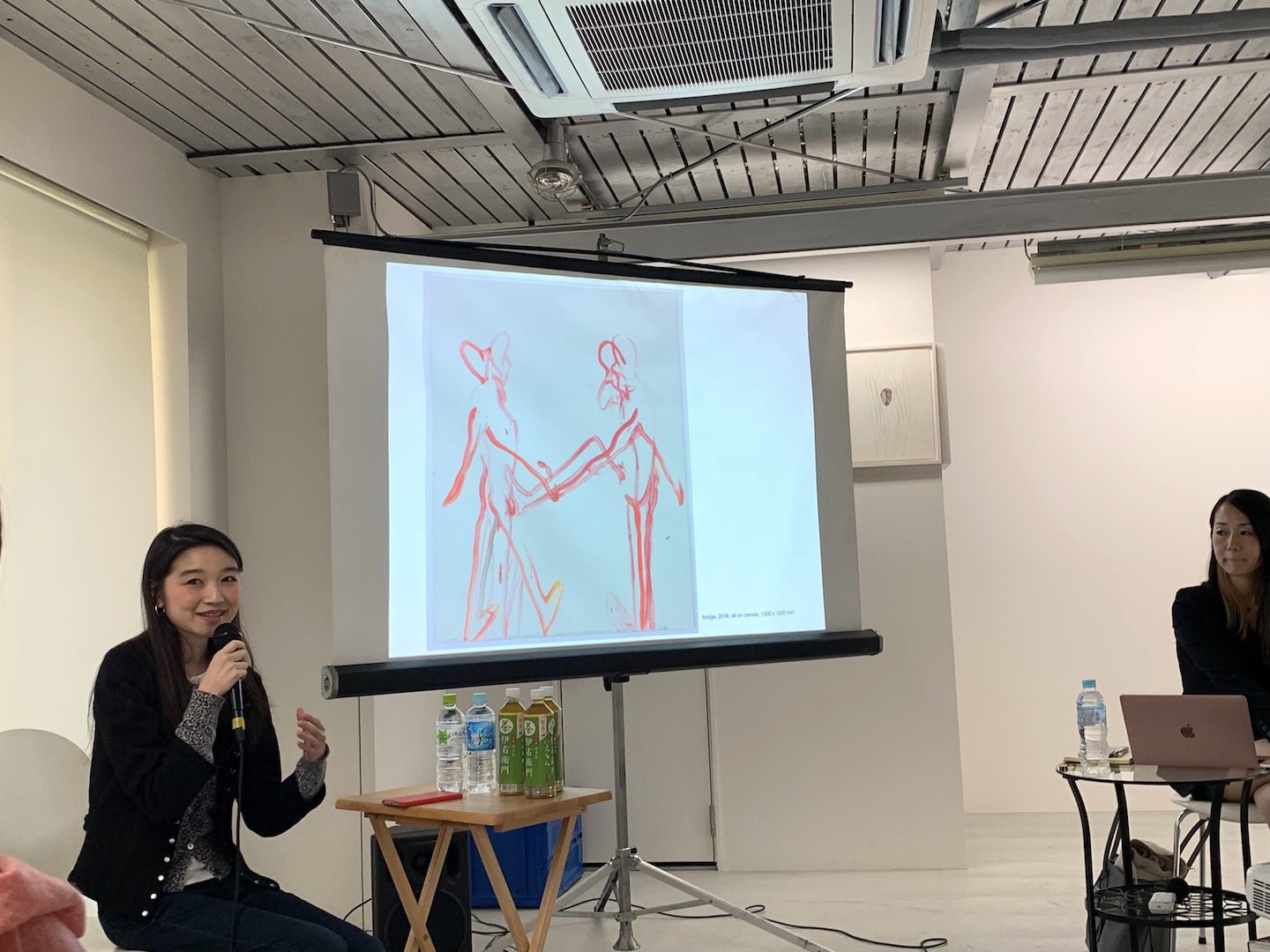
Throughout her artist talk, Kawauchi seemed to search for her own words and grope for language in response to each question.
Her wire works, too, are apparently made not so much with a finished form in mind as by bending and shaping as she goes; and even her earlier neon works felt to me as though they had been made intuitively rather than driven by any clear intent.
Strong attention to the bodily, and to the food that constitutes the body, seems to be what drives her practice.
Kawauchi herself is an abstract presence — she does not draw clear boundaries around the concept of “boundary” either, and it felt as though a fuzzy, loosely-held mode of thinking flows through into her works.
Her sensitivity to materials also feels acute — hearing her say she “sees them as living beings,” I could accept the link back to a bodily awareness and recognized anew the unified theme running through her work.
Works by artists like this tend to be the kind you can look at for a long time, slowly. I, too, was strongly drawn to the pieces on view (a personal impression). I am now thinking about where to start with a first Kawauchi work of my own.