Wien Modern — Klimt, Schiele: The Road to Fin-de-Siècle
Details have been announced for one of 2019’s most anticipated exhibitions, “Wien Modern — Klimt, Schiele: The Road to Fin-de-Siècle.”
Commemorating the 150th anniversary of Japan-Austria diplomatic relations, “Wien Modern — Klimt, Schiele: The Road to Fin-de-Siècle” will open at The National Art Center, Tokyo from Wednesday, April 24 to Monday, August 5, 2019. Following the Tokyo run, the exhibition travels to the National Museum of Art, Osaka, where it will run from Tuesday, August 27 to Sunday, December 8.
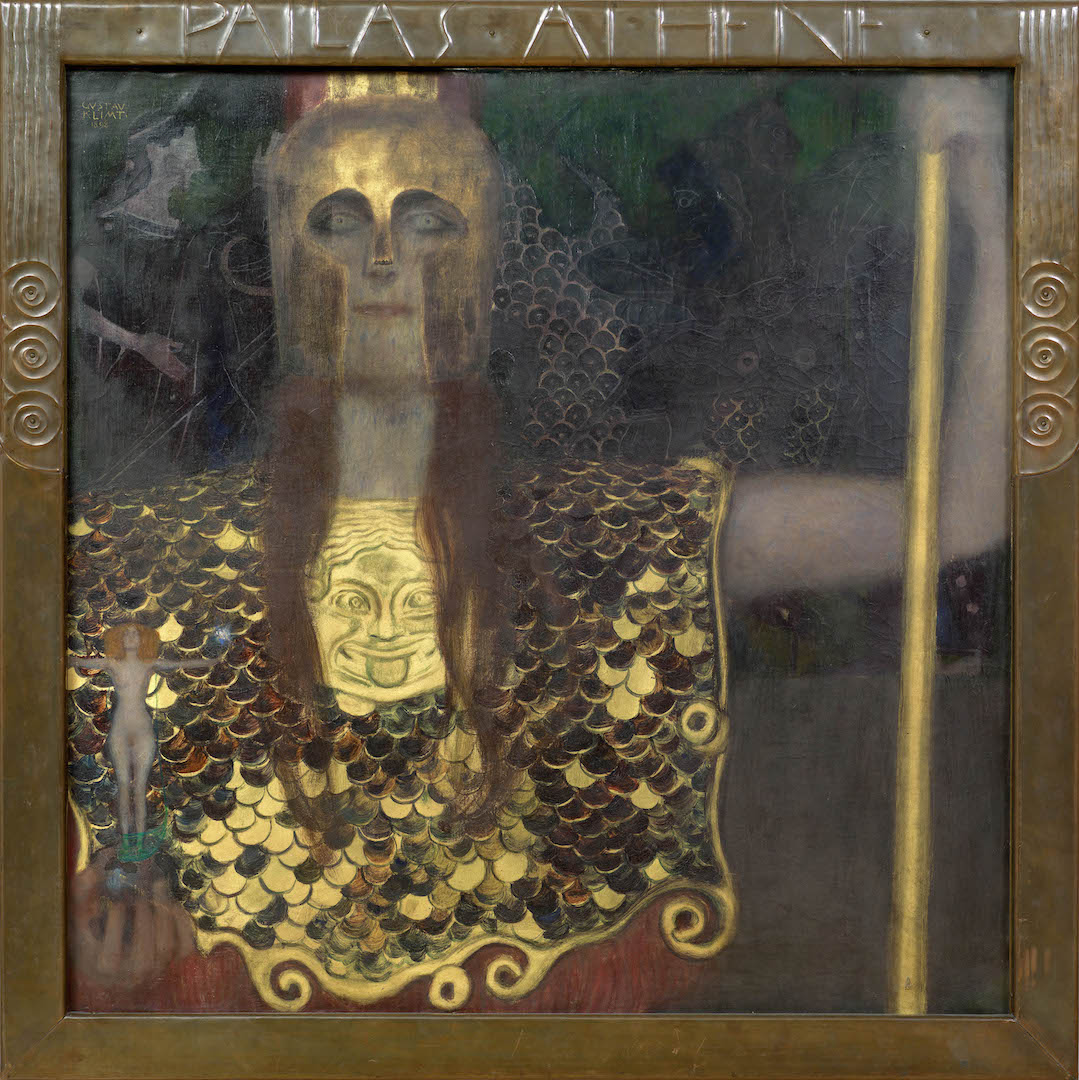
From the late 19th to the early 20th century, Vienna witnessed the flowering of a decorative, dazzling culture unique to the city, as painting, architecture, design, and other fields transcended their boundaries in the pursuit of new art.
This era, today known as “fin-de-siècle art,” saw the emergence of leading figures from every discipline — painters Gustav Klimt (1862–1918) and Egon Schiele (1890–1918), architects Otto Wagner (1841–1918) and Adolf Loos (1870–1933) — as Viennese culture entered its golden age.
This exhibition is a new attempt to unravel Vienna’s fin-de-siècle culture through the lens of “the process of modernization (modernism).” Tracing the trajectory from Enlightenment thought under the 18th-century Empress Maria Theresa, its development in the Biedermeier era, its emergence as the seedbed of Viennese modernist culture, and its unfolding into the lavish artistic movements of the fin-de-siècle, this show is the definitive exhibition for understanding Vienna’s rich culture.
Three Highlights of the Exhibition
The exhibition’s most noteworthy points can be summarized in three highlights.
Point 1 Painting, Architecture, Applied Arts, Music — A Comprehensive View of Vienna’s Artistic Culture
Tracing back to the mid-18th century, the exhibition spotlights the historical background leading up to Vienna’s fin-de-siècle culture, including Biedermeier-era crafts that later influenced the Wiener Werkstätte and the urban redevelopment plans that gave rise to Vienna as an artistic city. Alongside painting and crafts, it also comprehensively presents architecture, design, interiors, fashion, graphic design, period photographs and documents, and a specially produced video of Vienna’s urban transformation — an all-encompassing introduction to the artistic world nurtured in the “capital of the arts.”
.jpg)
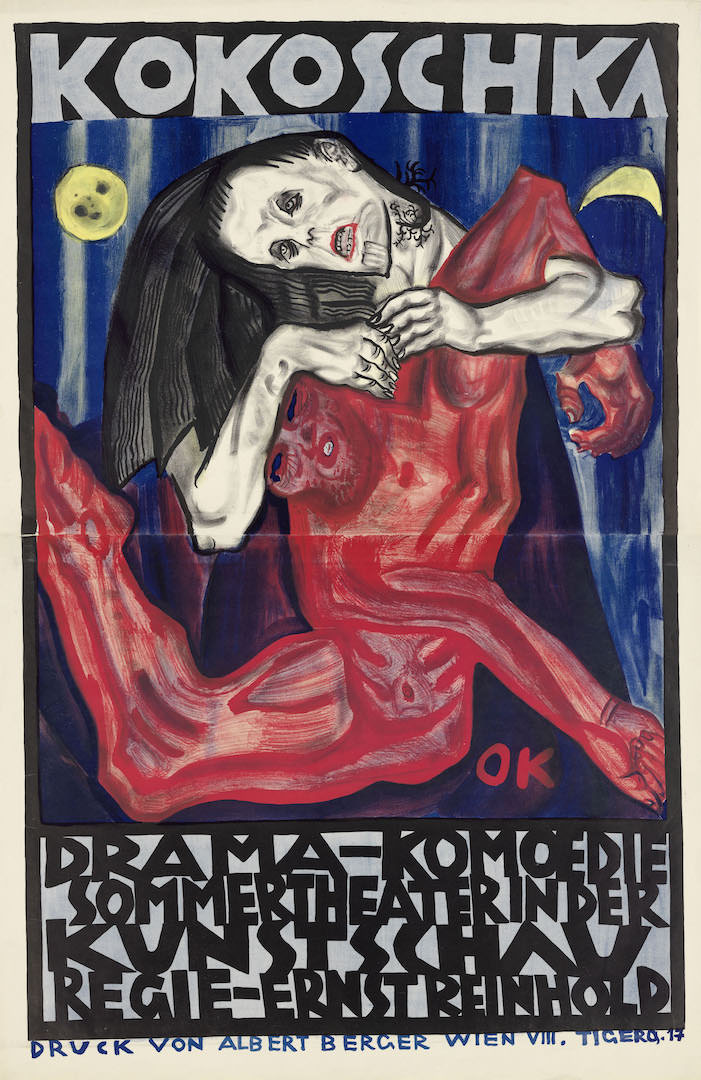
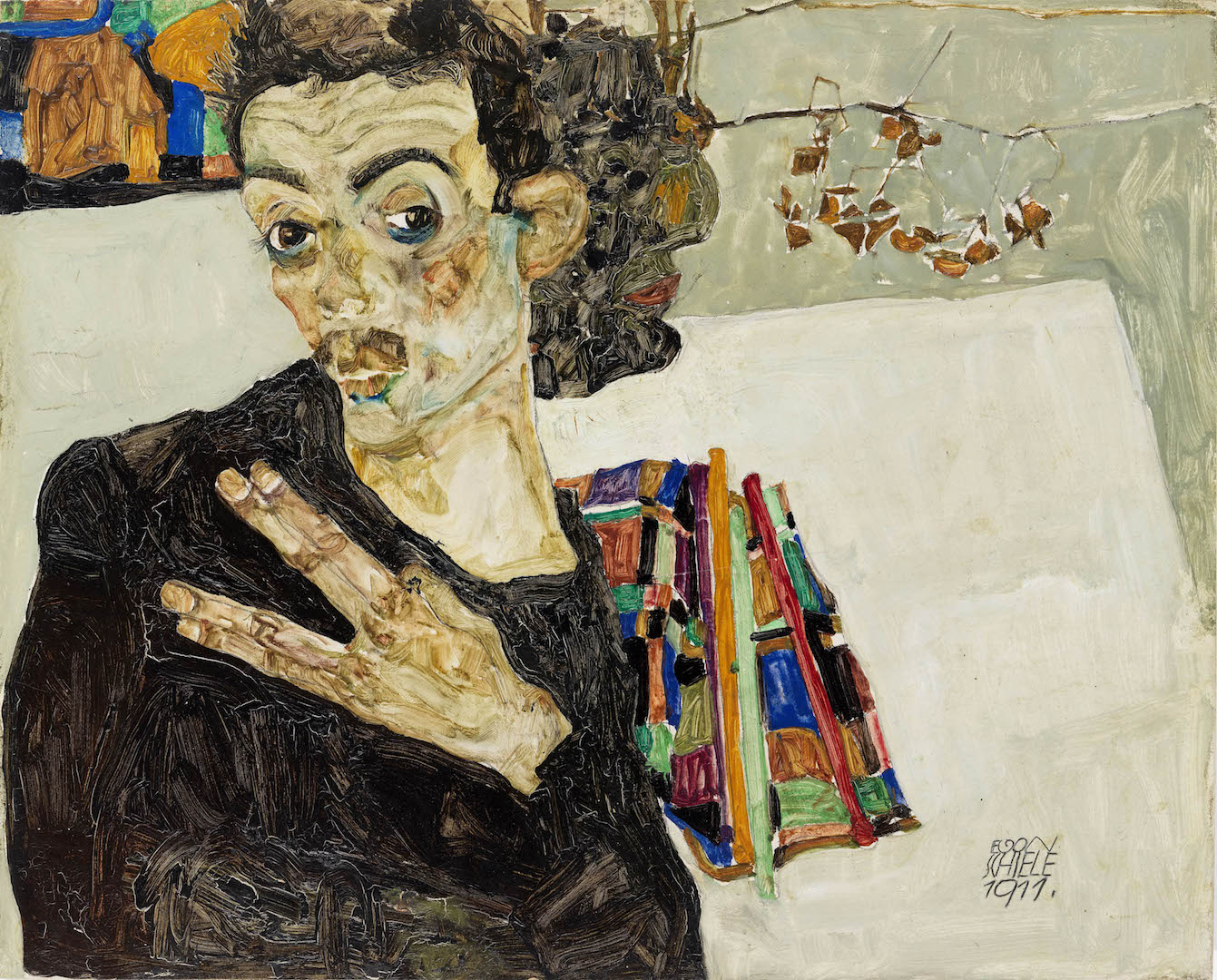
Point 2 In Tokyo: 47 Klimts, 22 Schieles, 17 Kokoschkas — Masterpieces of Vienna’s Fin-de-Siècle Masters Assembled
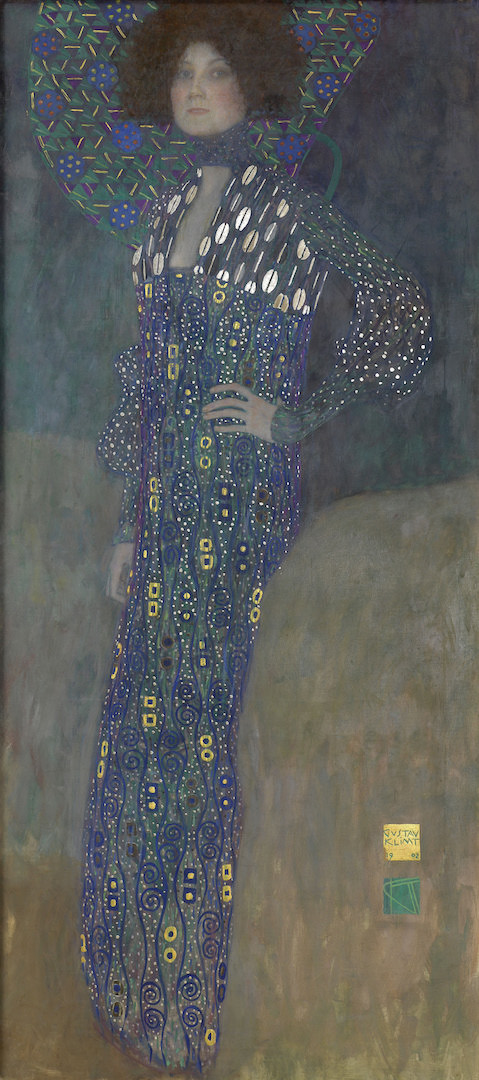
47 works by Klimt, 22 by Schiele, and 17 by Kokoschka — the exhibition gathers a wealth of works left by Vienna’s fin-de-siècle masters. Alongside oils including Klimt’s “Portrait of Emilie Flöge” (Wien Museum collection), which depicts his most beloved woman, the show delves deeply into the artistic worlds of the figures who built modernism’s golden age through drawings, posters, and other graphic works.
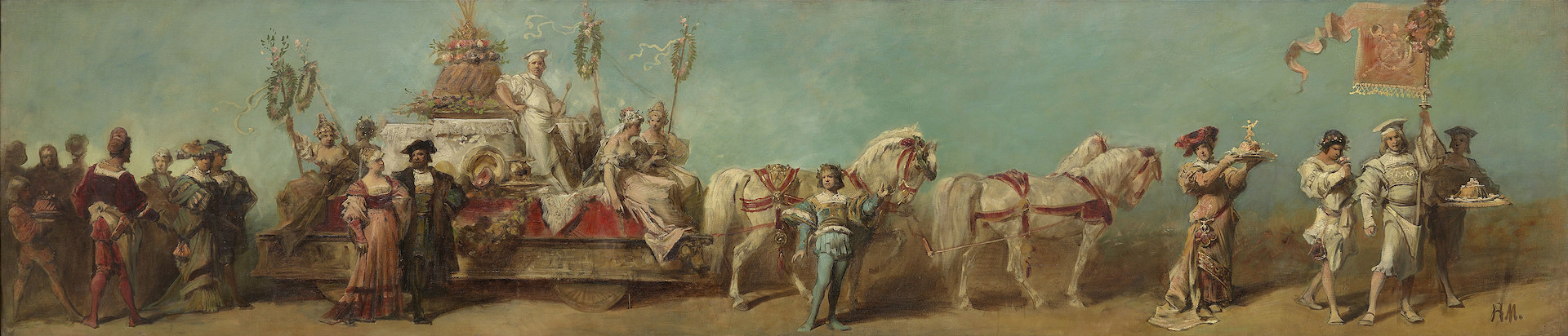
Also on view are highlights such as a painting by Hans Makart (1840–1884), a painter who influenced Klimt, depicting the 1879 silver-wedding-anniversary parade of Emperor Franz Joseph and Empress Elisabeth, as well as paintings by the composer Arnold Schoenberg (1874–1951).
*The Osaka exhibition features 18 works by Klimt, 11 by Schiele, and 8 by Kokoschka.

Point 3
Exhibition Structure
The exhibition is broadly divided into four sections.
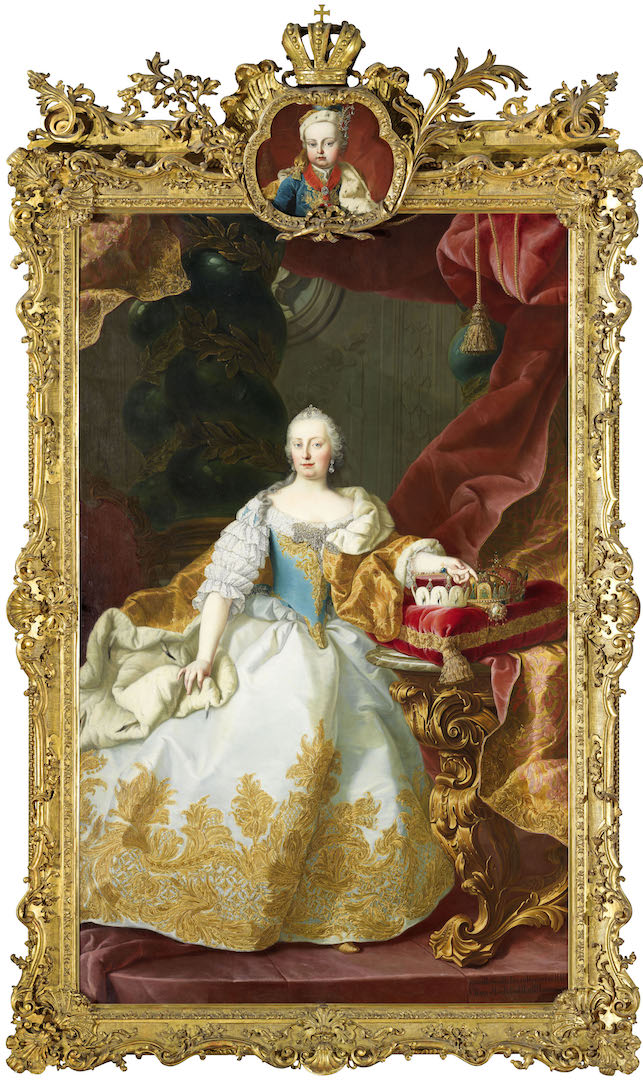
Chapter 1 Vienna in the Age of Enlightenment
Enlightenment ideas — aimed at social renewal through reason and rationalism — did not enter Vienna earlier than in other European countries, but Joseph II, a fervent advocate of these ideas, carried out sweeping reforms in administration, law, economy, and education, including religious toleration, the abolition of the death penalty and serfdom, and the construction of hospitals and orphanages.
Vienna captivated intellectuals of free spirit and, by becoming a hub for their exchanges, gradually transformed into a center of European culture.
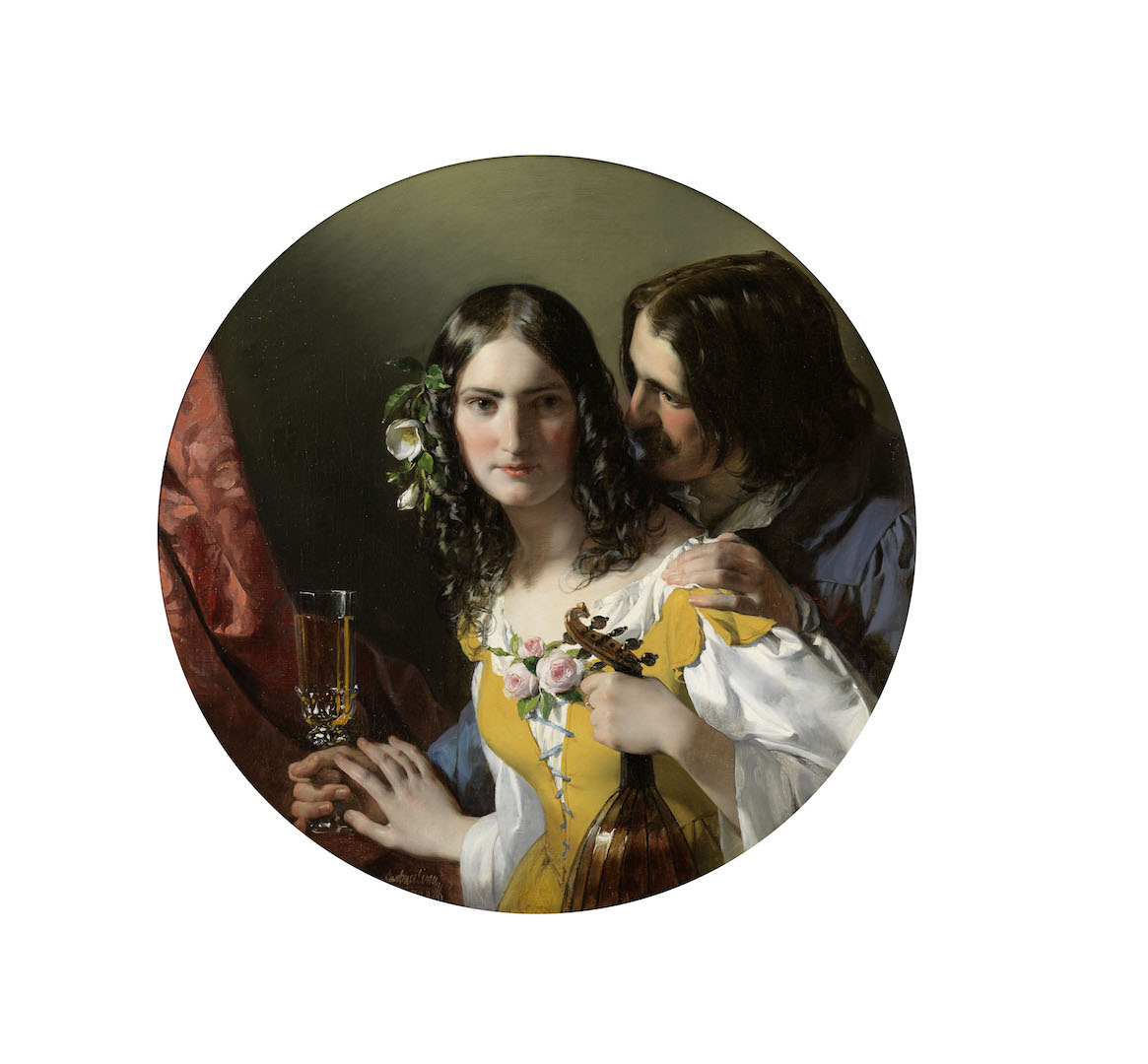
Chapter 2 Vienna in the Biedermeier Era
The term originally referred to a style of furniture, but eventually came to describe the general lifestyle and mental outlook of the era. In a time of rapid urbanization and strong political repression, people’s interests turned in reaction to “the private sphere.” Under an oppressive environment in which every published work was subjected to censorship, painters chose as their themes daily life and the tranquil, familiar landscapes of city and countryside.
In Vienna around 1900, when fin-de-siècle art flourished, the Biedermeier era was drawn upon as a source of cultural inspiration. Finding practical beauty in everyday life, the Biedermeier later became a model for modernism.
Chapter 3 The Ringstrasse and Vienna
The transformation into a modern city began in 1857 when the emperor ordered the demolition of the city walls and opened the Ringstrasse (Ringstraße), the new main artery of Vienna. One by one, buildings essential to the empire were built along it.
The Ringstrasse can be called the symbol of 19th-century Vienna. In 1879, a grand celebratory parade directed by the painter Hans Makart was held to mark the emperor and empress’s silver wedding anniversary. Along the boulevard rose a variety of historicist buildings — the neoclassical Parliament, the Gothic Votive Church, the Renaissance-style University — and by the late 19th century, members of the Vienna Secession had also erected buildings there.
Chapter 4 1900 — Fin-de-Siècle Vienna
In painting, a group of young painters led by Gustav Klimt formed the Vienna Association of Fine Artists (Vienna Secession) in 1897. Then, in 1903, the Wiener Werkstätte was founded, its core members being artists from the School of Applied Arts.
The most important patrons of the Vienna Secession and the Wiener Werkstätte were wealthy Jewish families. The experimental spirit and uncompromising creativity of the artists gave rise to the countless masterpieces of this era.
Other Works
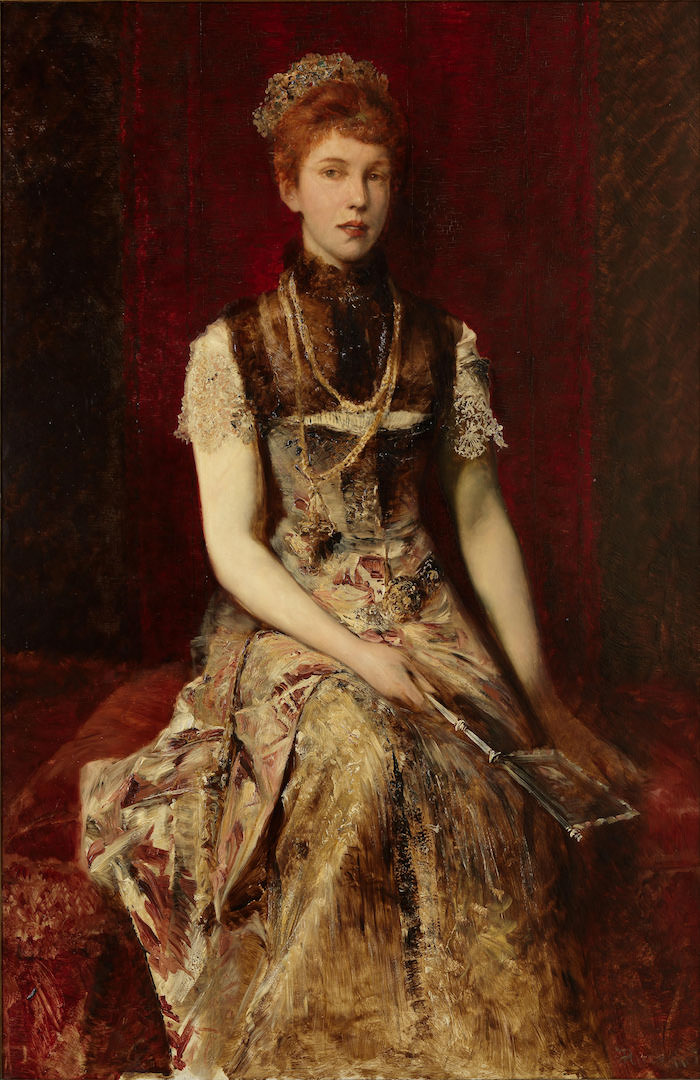
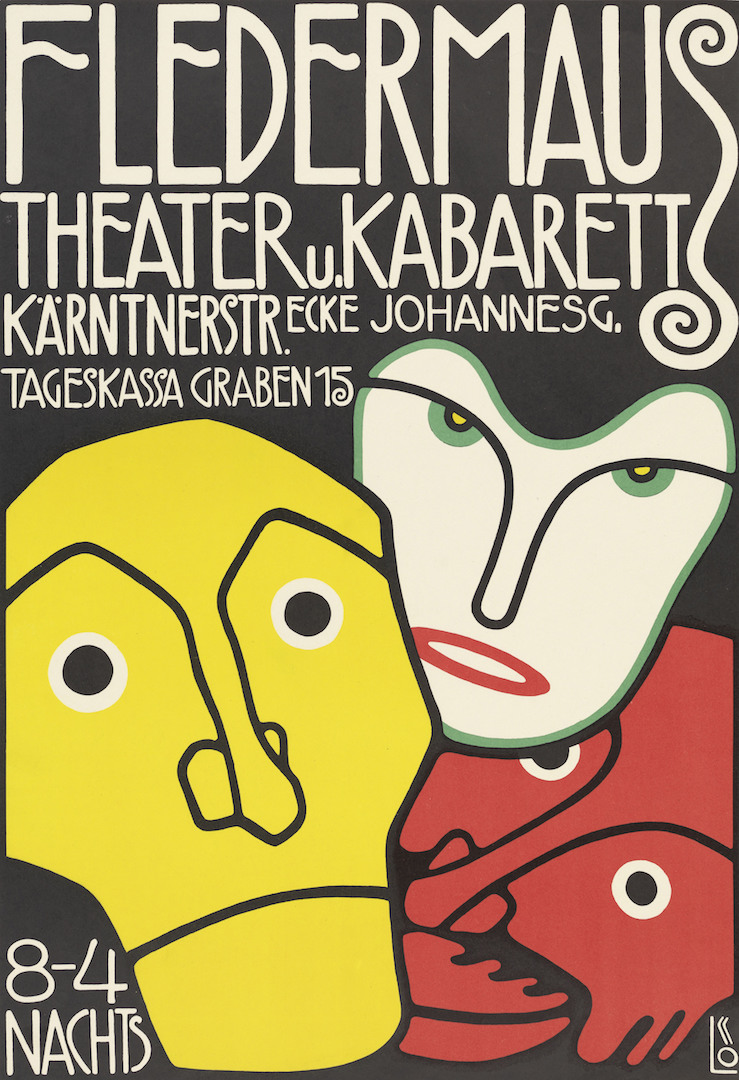
Below is a small selection from the roughly 400 works (Tokyo exhibition) that will be on view.
》.jpg)
《皇后エリーザベト》.jpg)
Tokyo Exhibition Summary
・An exhibition that comprehensively introduces the artistic world nurtured in the “capital of the arts,” Vienna.
・About 400 works are gathered at once, including 47 by Klimt — a volume that could fill two or three typical exhibitions.
・A wealth of items from various fields — architecture, interiors, music, fashion, and more.
・Viewable in the spacious galleries of The National Art Center, Tokyo.
・Numerous collaborative initiatives are apparently being planned.
…and so on. This looks set to be one of the most talked-about exhibitions of 2019. Looking forward to it!
Overview
Commemorating the 150th Anniversary of Japan-Austria Diplomatic Relations
“Wien Modern — Klimt, Schiele: The Road to Fin-de-Siècle”
[Tokyo Exhibition]
Dates: April 24 (Wed) – August 5 (Mon), 2019
Venue: The National Art Center, Tokyo, Special Exhibition Gallery 1E (Roppongi, Tokyo)
Closed: Every Tuesday *Open on April 30
Opening hours: 10:00–18:00
*Fridays and Saturdays open until 20:00 in April, May, and June; until 21:00 in July and August.
*Open until 20:00 from April 28 (Sun) through May 2 (Thu) and on May 5 (Sun).
*Last admission 30 minutes before closing.
Organized by: The National Art Center, Tokyo; Wien Museum; The Yomiuri Shimbun
Supported by: Ministry of Foreign Affairs; Austrian Embassy / Austrian Cultural Forum; Vienna Tourist Board
Special Sponsor: Canon
Sponsor: Dai Nippon Printing
Cooperation: DNP Art Communications; Yamato Global Logistics Japan; Lufthansa Cargo AG
Inquiries: 03-5777-8600 (Hello Dial)
[Osaka Exhibition]
Dates: August 27 (Tue) – December 8 (Sun), 2019
Venue: The National Museum of Art, Osaka (Nakanoshima, Osaka)
Closed: Every Monday *However, open on September 16, September 23, October 14, and November 4, with the following day closed.
Organized by: The National Museum of Art, Osaka; Wien Museum; The Yomiuri Shimbun; Yomiuri Telecasting Corporation
Supported by: Ministry of Foreign Affairs; Austrian Embassy / Austrian Cultural Forum; Vienna Tourist Board
Special Sponsor: Canon
Sponsor: Dai Nippon Printing
Cooperation: DNP Art Communications; Yamato Global Logistics Japan; Lufthansa Cargo AG; Daikin Foundation for Contemporary Arts
Inquiries: 06-6447-4680 (The National Museum of Art, Osaka)
Exhibition website: https://artexhibition.jp/wienmodern2019/