Yigal Ozeri “Reflection”
We visited “Reflection,” the solo exhibition of Israeli artist Yigal Ozeri. The venue is the Yurakucho gallery Whitestone Gallery.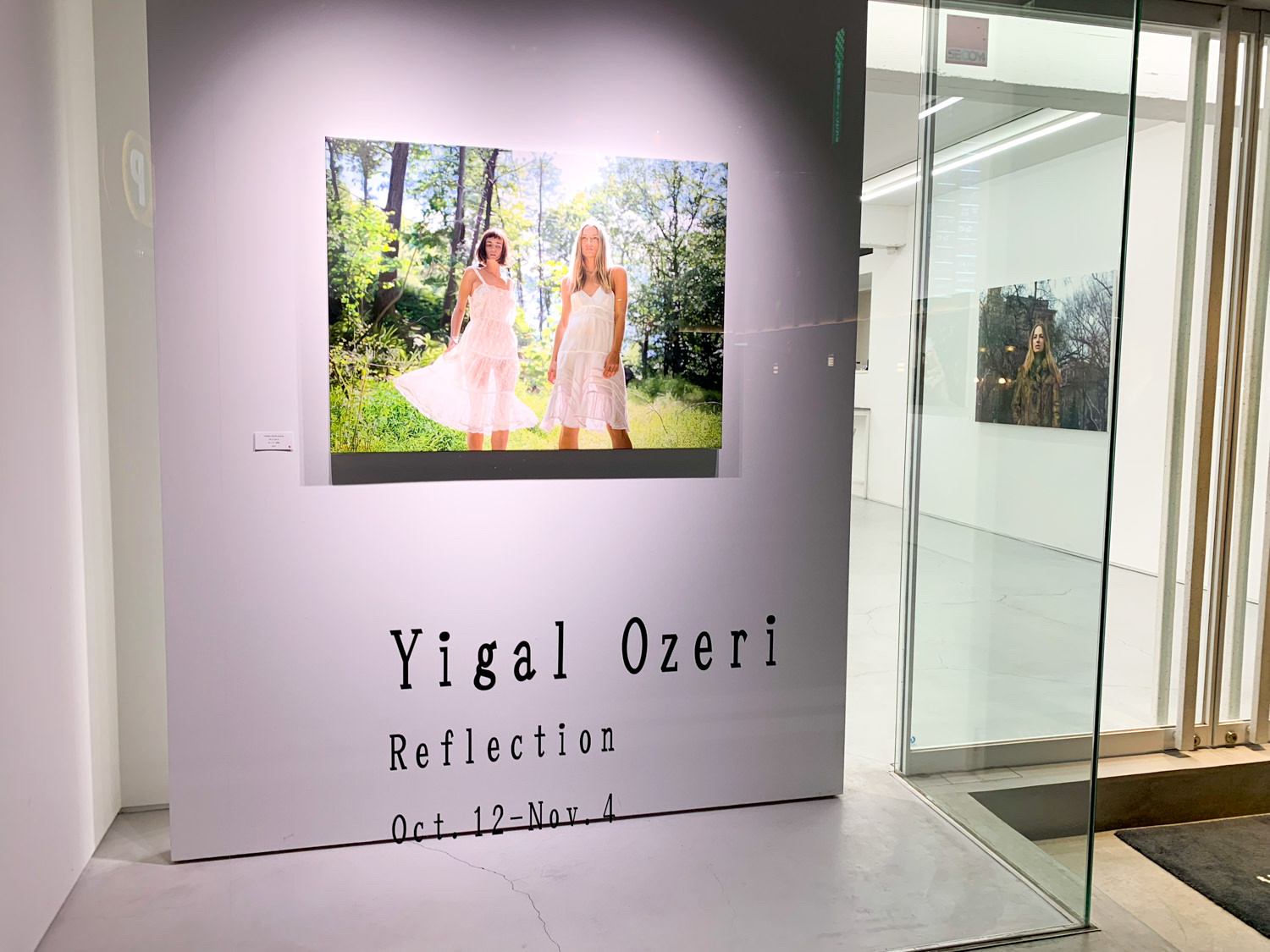
We regularly receive DMs from Whitestone Gallery, and this time we thought, “It’s a photography exhibition featuring beautiful models”… but no! It turned out to be photorealistic painting. What a surprise!
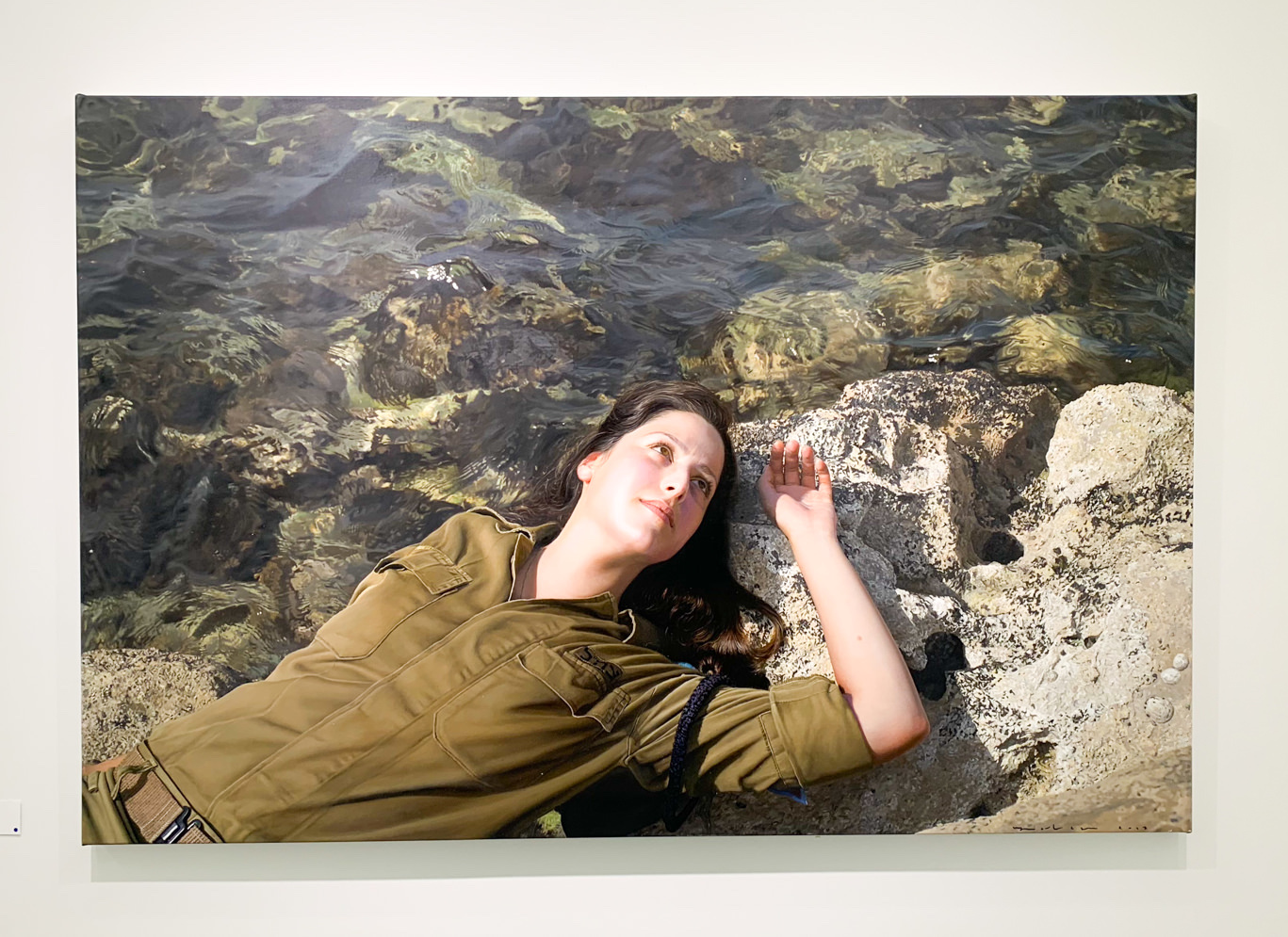 Yigal Ozeri produces oil paintings featuring supermodels, with a quality that could easily be mistaken for photographs.
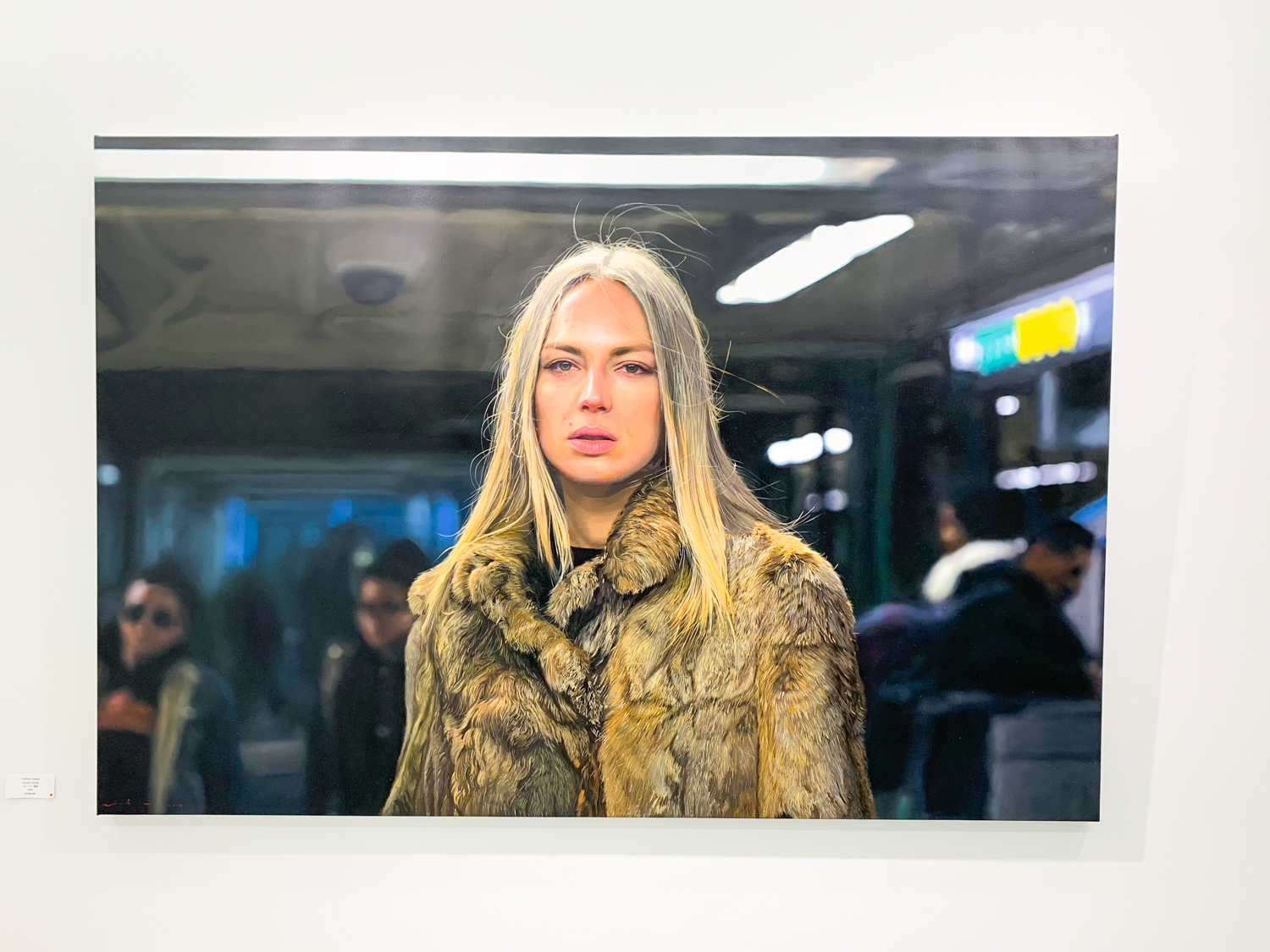
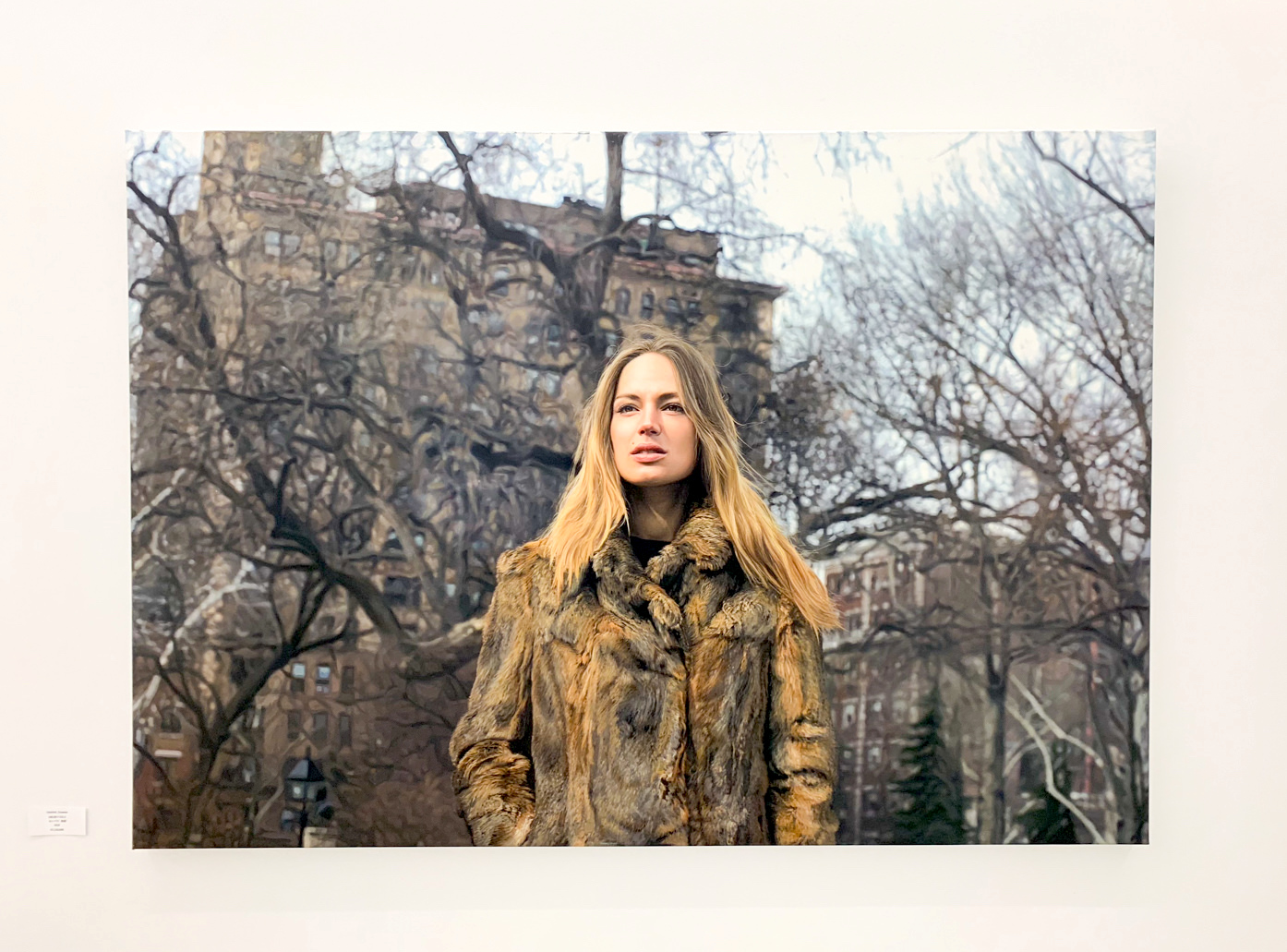 When we spoke with the gallerist, they described Yigal Ozeri as “hyperrealism” — an expression that goes beyond superrealism.
So, where does the difference between superrealism and hyperrealism lie?
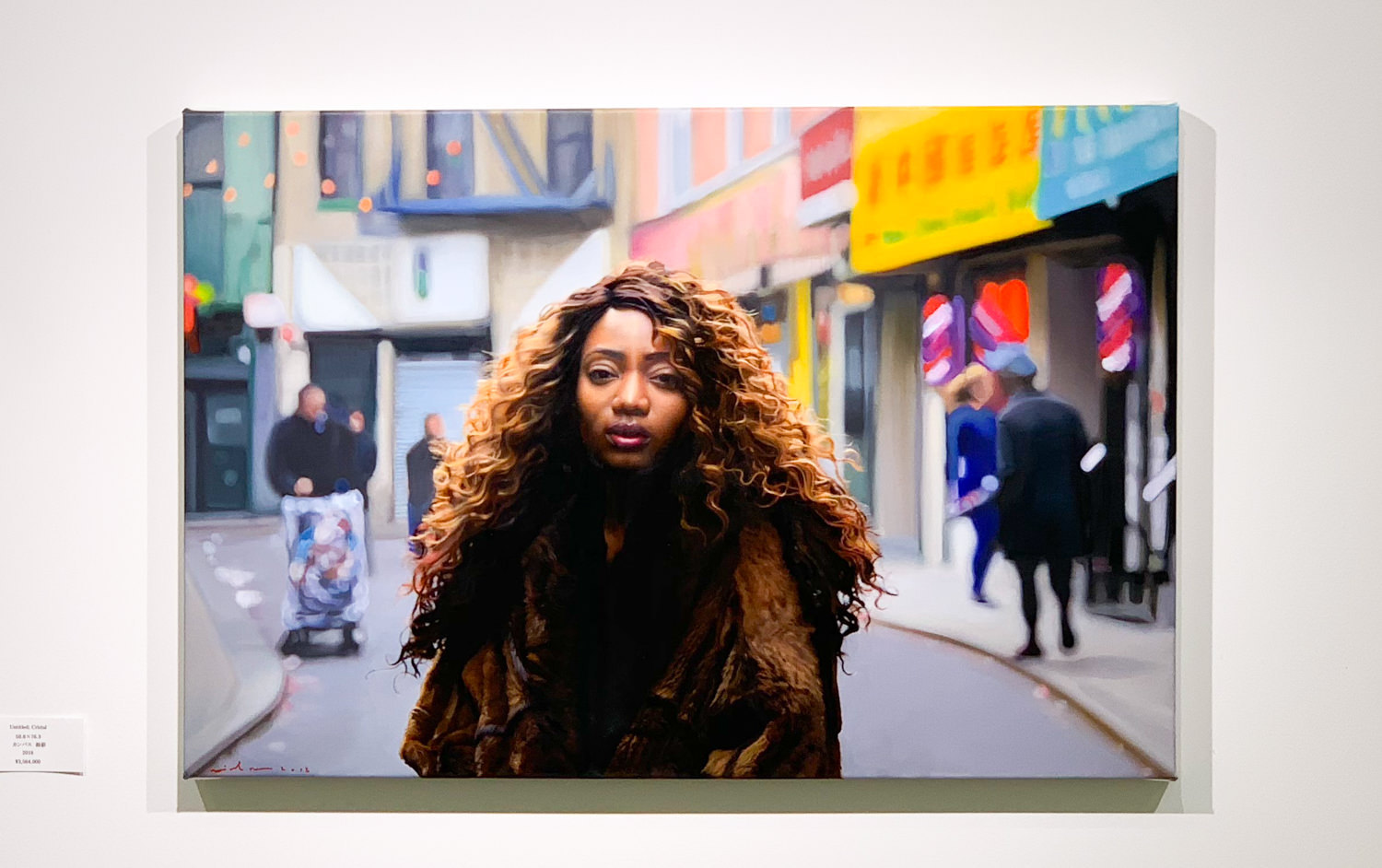 The answer, in short, lies in “how the background is rendered.”
The distinction from ordinary photorealistic painting is whether the background is fully and precisely painted, apparently. And indeed, the realism is remarkable.He also handles the notoriously difficult technique of “oil on paper” with ease, showing his exceptional skill.
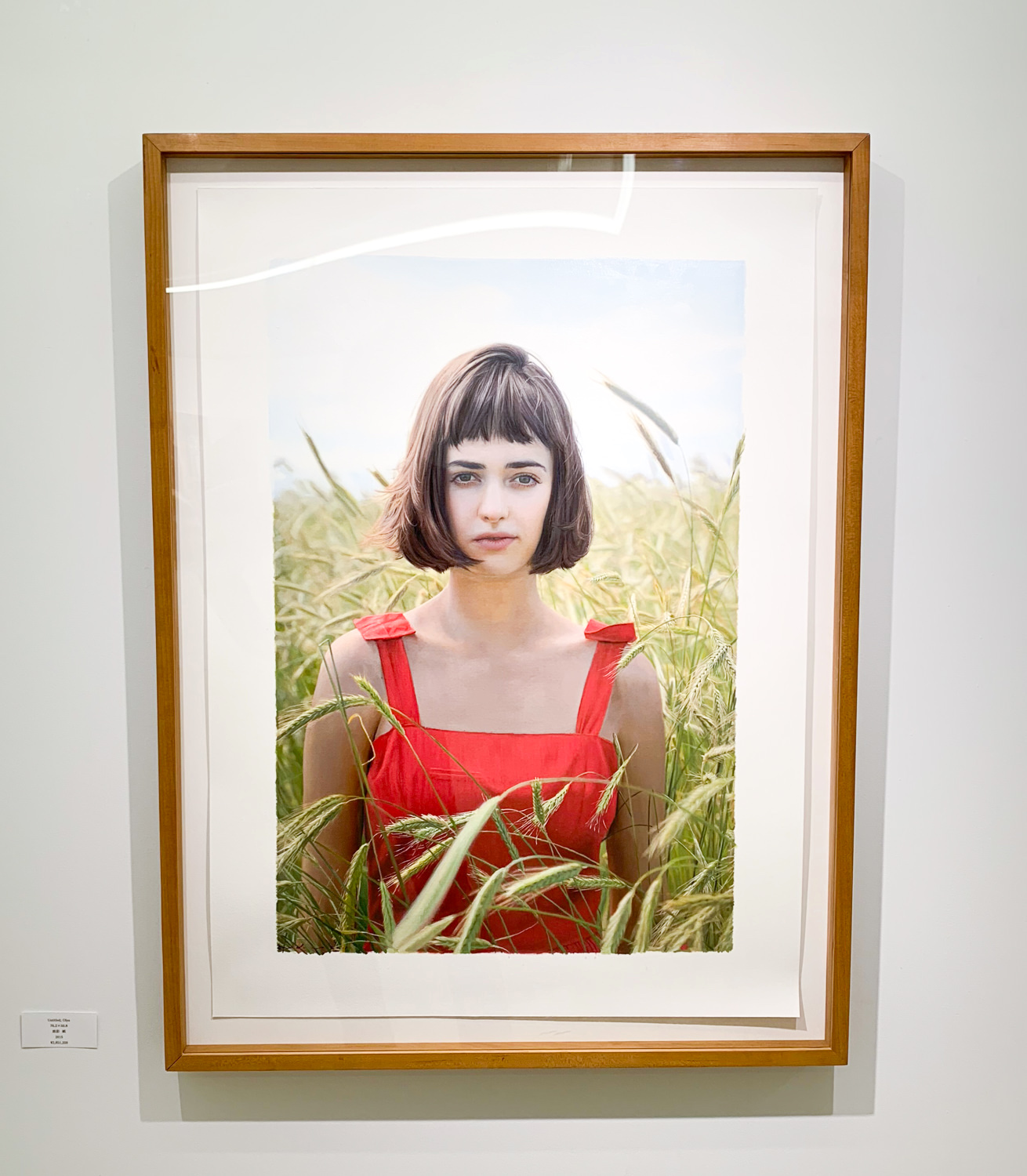
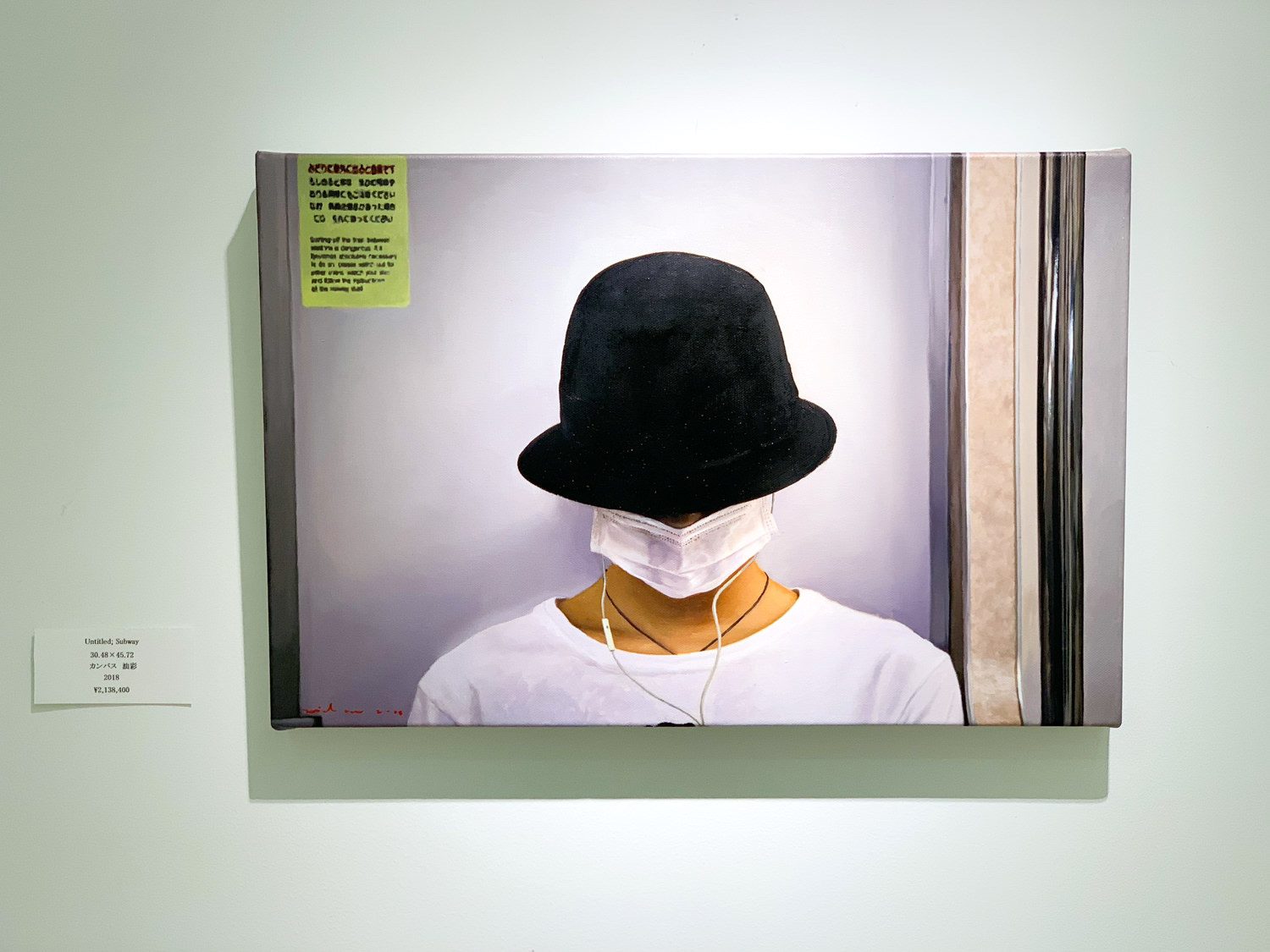
There were also a few unsettling pieces, which were fascinating in their own way. Perhaps they capture supermodels on their off-days.
 The works appear to be produced with the help of assistants — much like Takashi Murakami’s studio approach.
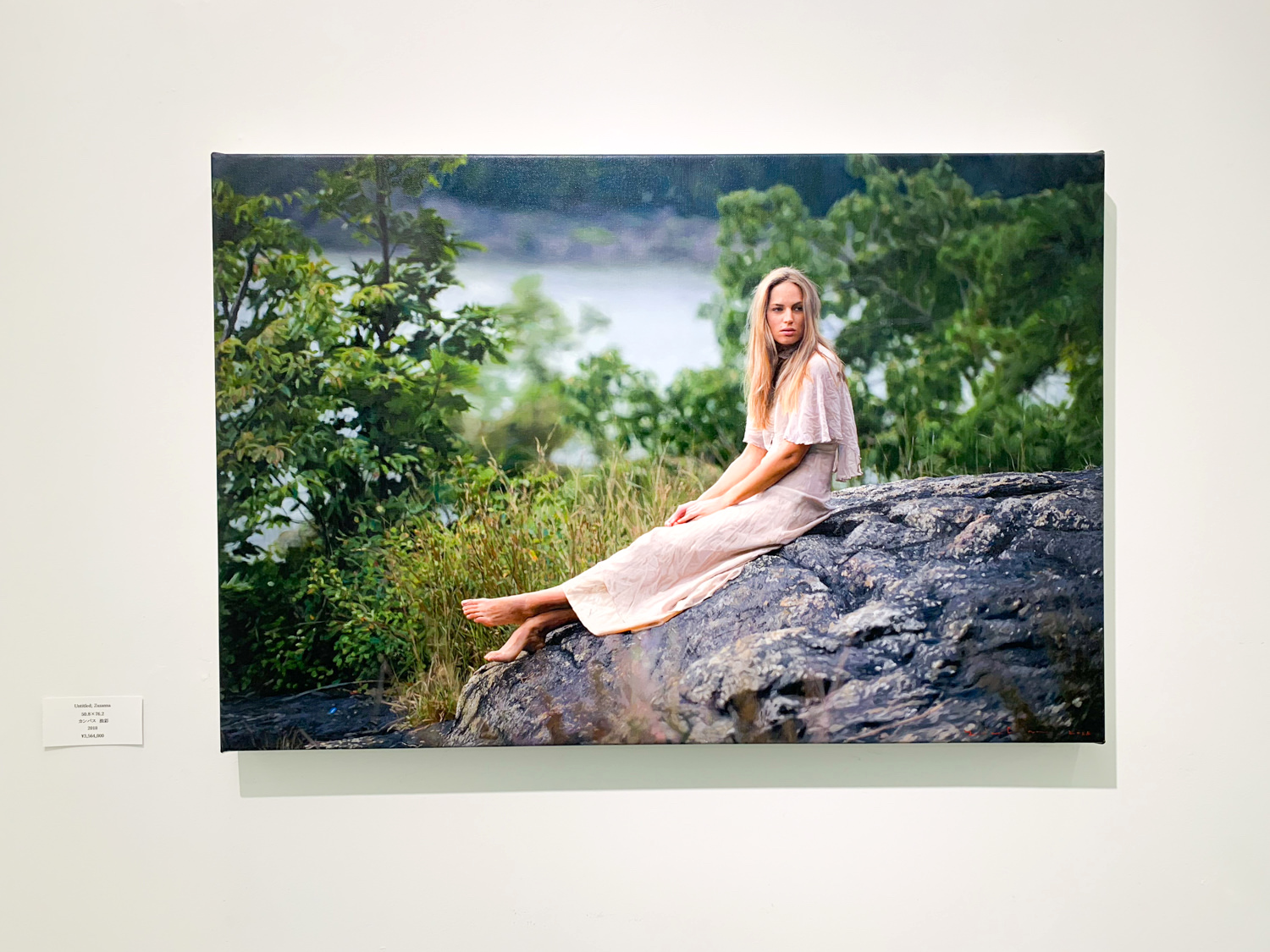 The works are held by museums mainly in Israel and the United States, and they command high prices at auction markets such as Sotheby’s. As a result, the prices are quite substantial, with major works exceeding 6 million yen.
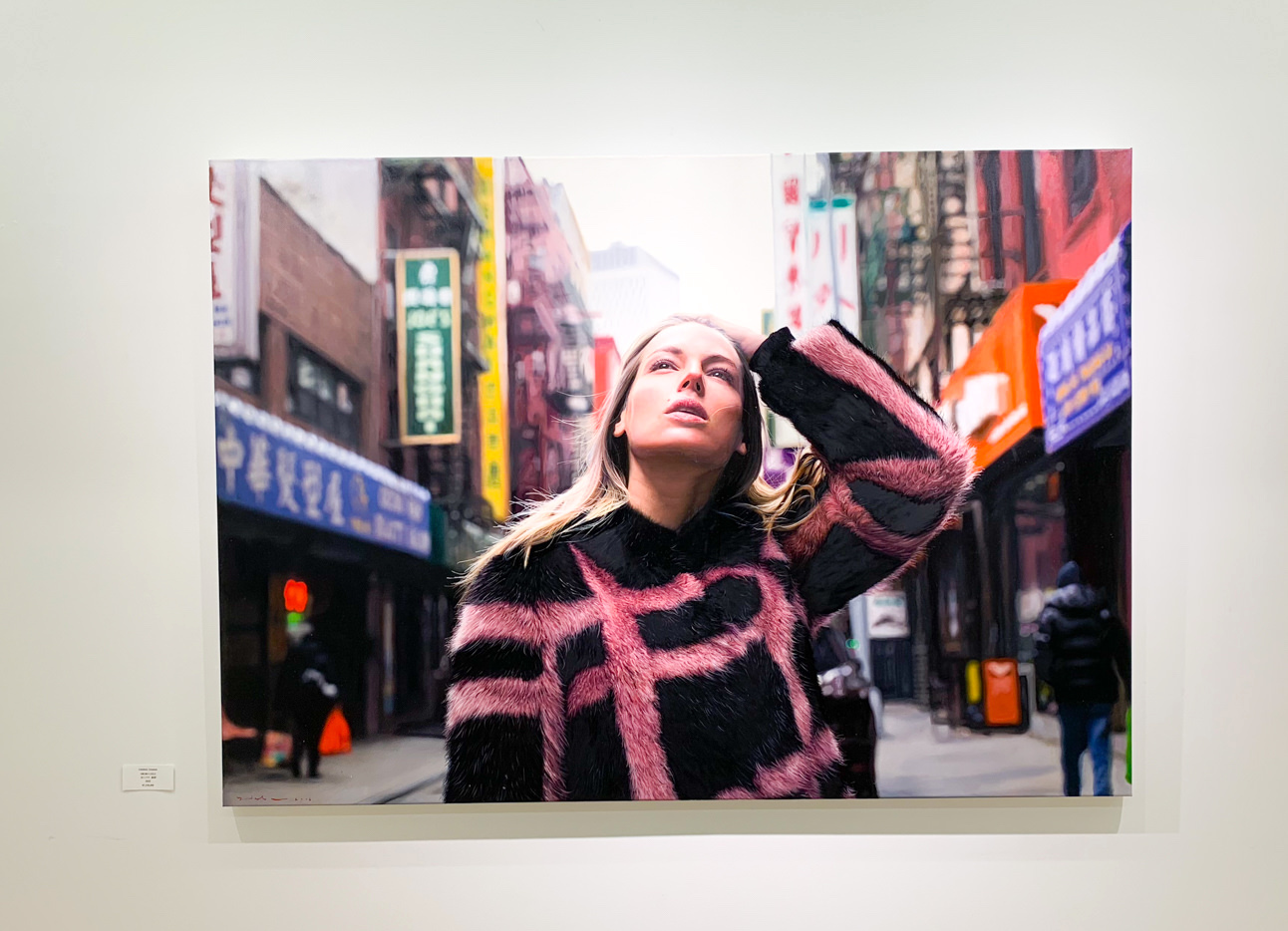 Each work seems to carry a subtle inner life of its female model, sparking the viewer’s imagination.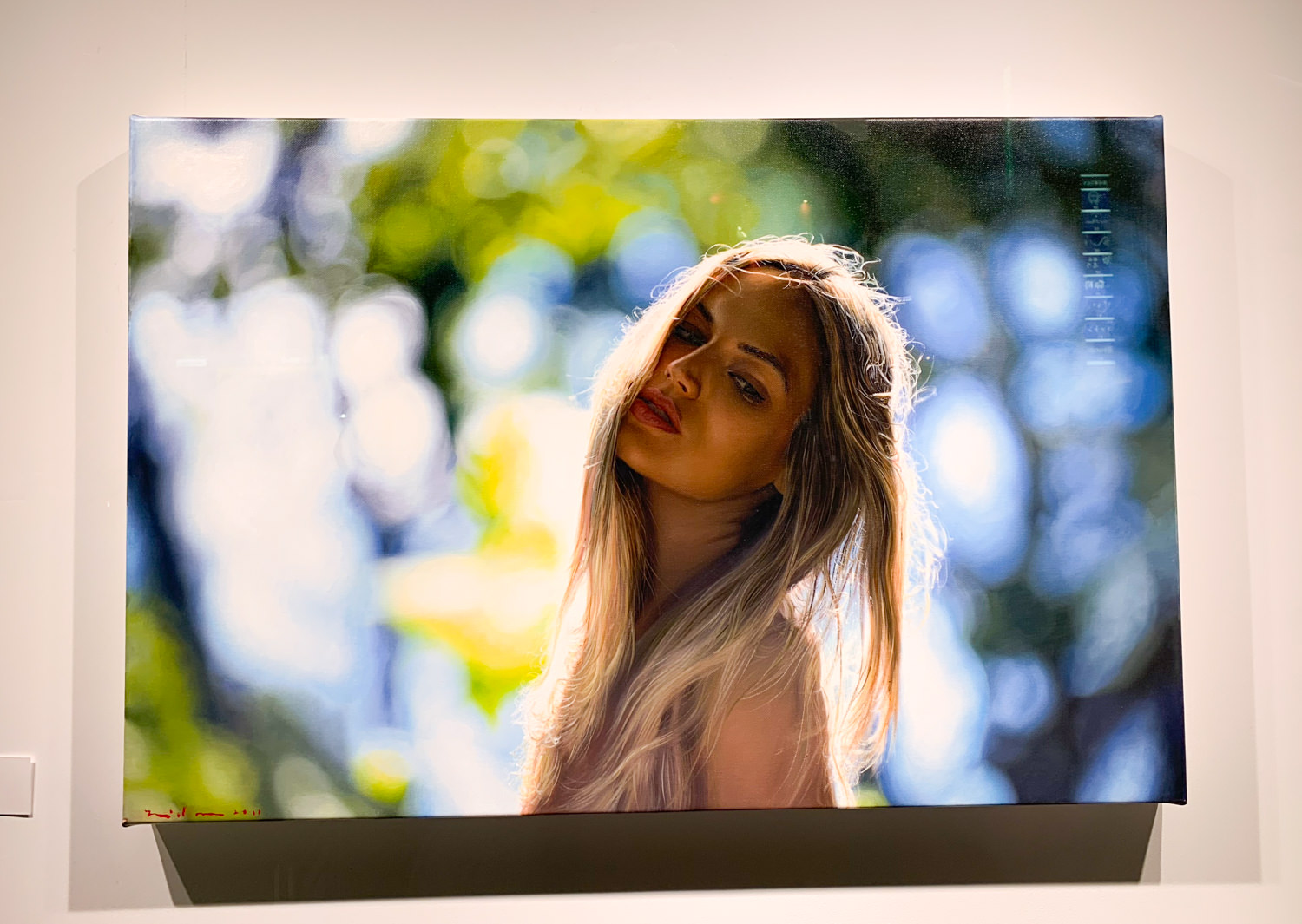
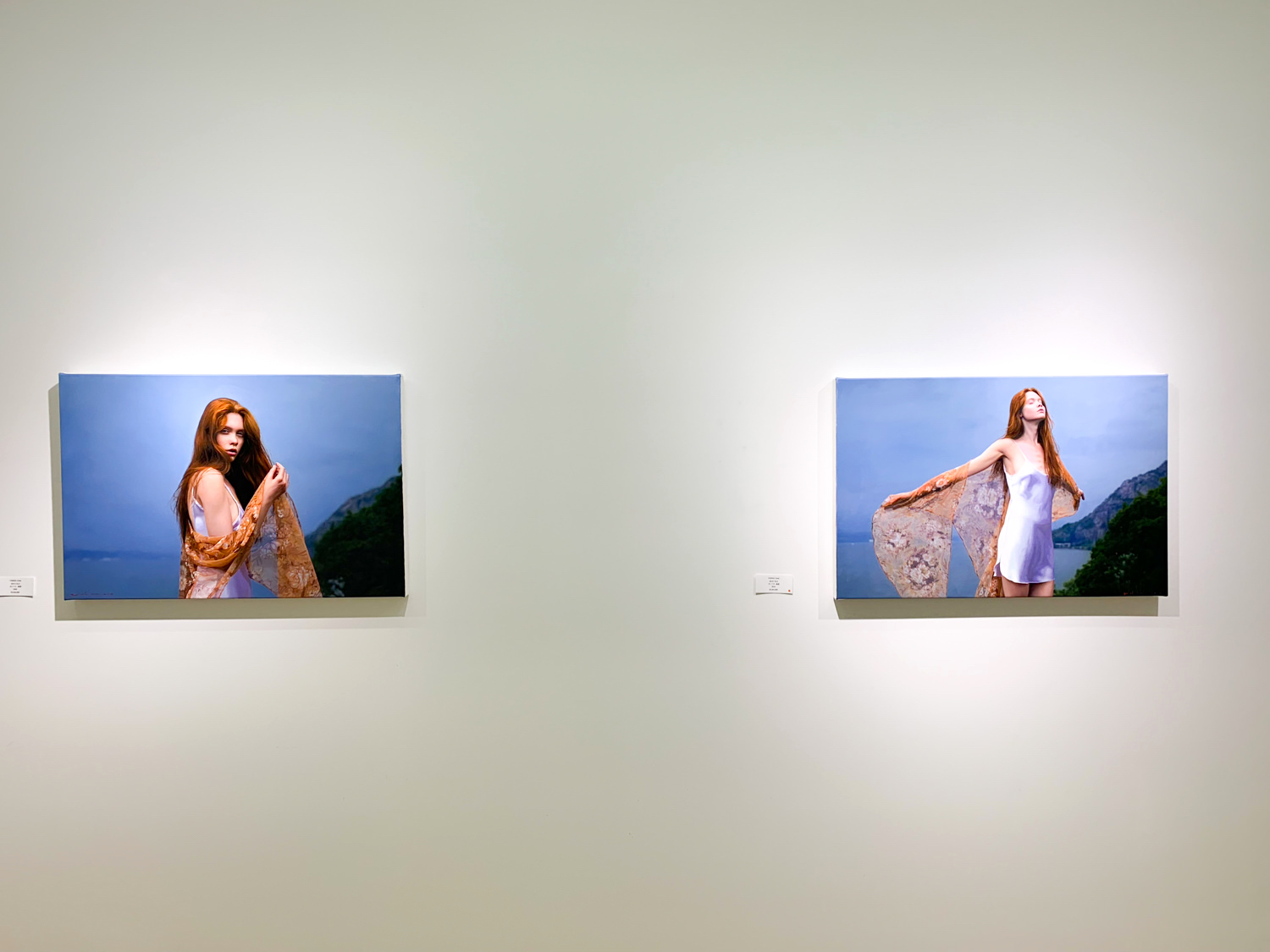
In Summary
Photorealistic painting has been in vogue lately.
Some argue that if a work approaches a photograph so closely, one might as well use a photograph — but photorealistic painters, as if anticipating that debate, each add their own distinctive essence to their works.
Yigal Ozeri’s paintings make effective use of perspectival blur, positioning his works on the same plane as photographs.
By using supermodels as subjects, he seems to throw down a gauntlet to photography itself.
Yet the actual works retain the “lingering scent” of oil paint everywhere, and one senses a strong assertion of them being paintings in their own right.