21st DOMANI: The Art of Tomorrow — At the End of the Heisei Era
DOMANI: The Art of Tomorrow, which launched in 1998, will be held at The National Art Center, Tokyo from January 23 to March 3, 2019.
The DOMANI exhibition is a young-artist development program run by the Agency for Cultural Affairs; it is widely known as a chance to introduce artists who have been sent overseas back to the Japanese art scene.
The 21st DOMANI exhibition takes “At the End of the Heisei Era” as its subtitle and makes full use of the generous space of The National Art Center, Tokyo, showcasing fresh artists who have relatively recently returned from their residencies.
Nine artists born in the Showa 50s who set their sights on becoming artists during the Heisei era are featured, along with guest artist Natsunosuke Mise, who has himself completed a residency in Florence, Italy.
Participating Artists
Here we introduce the nine featured artists of this exhibition together with the guest artist.
Each is an artist who will help carry the contemporary art world into its next generation.
* In Japanese syllabary order. Artist info given as name, field of expression, year of dispatch, and country/city of dispatch.
Tsubasa Kato (Contemporary Art)
Dispatched 2015 for two years — United States (Seattle)
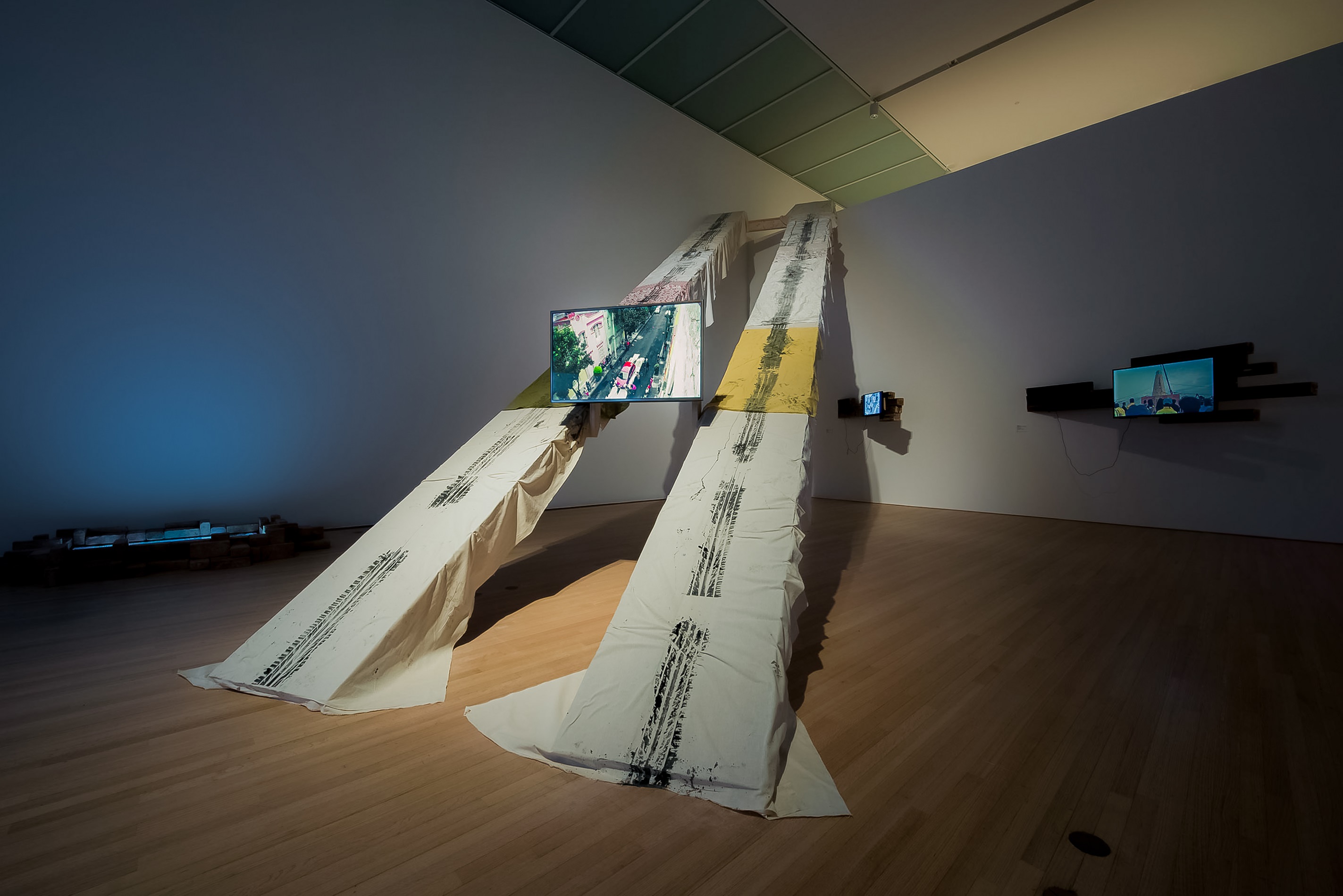
2015 Courtesy of Toyota Municipal Museum of Art and MUJIN-TO Production
Pass Between Magnetic Tea Party, 2015, Courtesy of Toyota Municipal Museum of Art and MUJIN-TO Production
Born in Saitama Prefecture in 1984. Completed the master’s course in oil painting at the Graduate School of Fine Arts, Tokyo University of the Arts. Currently based in Tokyo. He conducts participatory art projects called “pulling down” or “pulling up,” in which large structures laid out in public spaces are hoisted upright by many people pulling on ropes. By involving many people in the whole process, participants share a sense of accomplishment; the time spent reflecting on the stories the structures embody builds relationships between people, and archives of the events are exhibited. In his first solo exhibition after returning from the United States, all of the projects he carried out with local residents were presented under the theme of movement and distance, opening a new direction that stimulates the imagination toward the distances from “where I am now” to various other places.
Notable exhibitions include “Catastrophe and the Power of Art” (Mori Art Museum, Tokyo, 2018); “TARO Award — 20 Years / 20 Enfants Terribles” (Taro Okamoto Memorial Museum, Tokyo, 2017); “The Spider’s Thread” (Toyota Municipal Museum of Art, Aichi, 2016); “3.11 and Artists: Ongoing Documentation” (Art Tower Mito, Ibaraki, 2012); “Roppongi Crossing: Can There Be Art?” (Mori Art Museum, Tokyo, 2010).
Yoi Kawakubo (Photography / Contemporary Art)
Dispatched 2016 — United Kingdom (London)
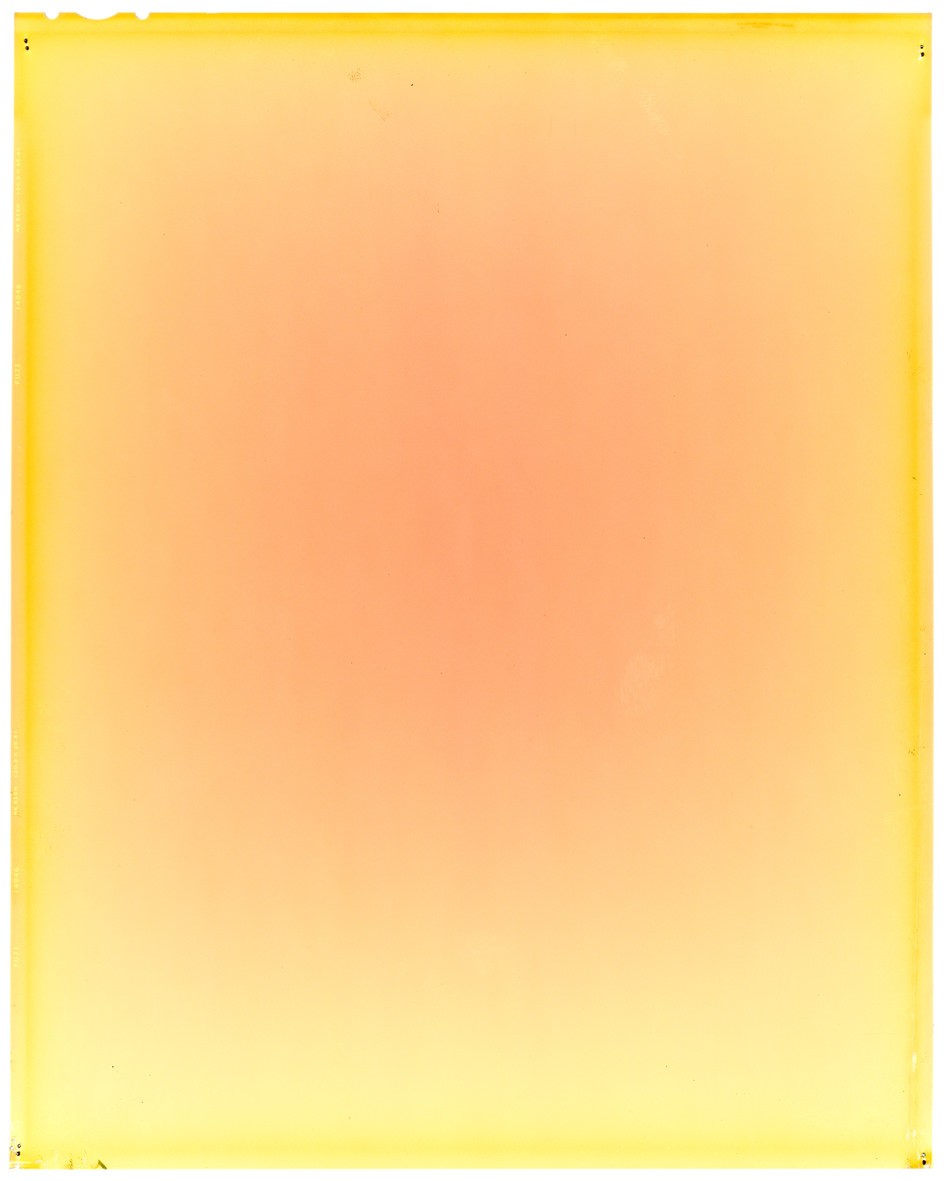
Born in Spain in 1979. Graduated from the College of Human Sciences, University of Tsukuba. Currently based in London. Trained in neuropsychology and having also worked as a financial trader, Kawakubo creates bodies of work in a wide range of media — photography, language, and spatial installation — that mediate personal experiences and various historical events into universal questions. In recent years, projects focused on human activity such as economics, nuclear issues, and religion have become more frequent; he draws viewers into a space between “yes” and “no” by presenting widely separated points along axes of time and value.
Notable exhibitions and awards include “Yokohama Triennale 2017” (Yokohama Museum of Art, Kanagawa, 2017); “19th Taro Okamoto Award for Contemporary Art” (Taro Okamoto Museum of Art, Kawasaki, Kanagawa, 2016); “Fall” (Shiseido Gallery, Tokyo, 2016); “Stella Maris was a name I found in a dream” (Daiwa Anglo-Japanese Foundation, London, 2016); “VOCA2015” (Ohara Museum of Art Prize, The Ueno Royal Museum, Tokyo, 2015).
Noriyuki Kimura (Media Art)
Dispatched 2016 — Germany (Cologne)
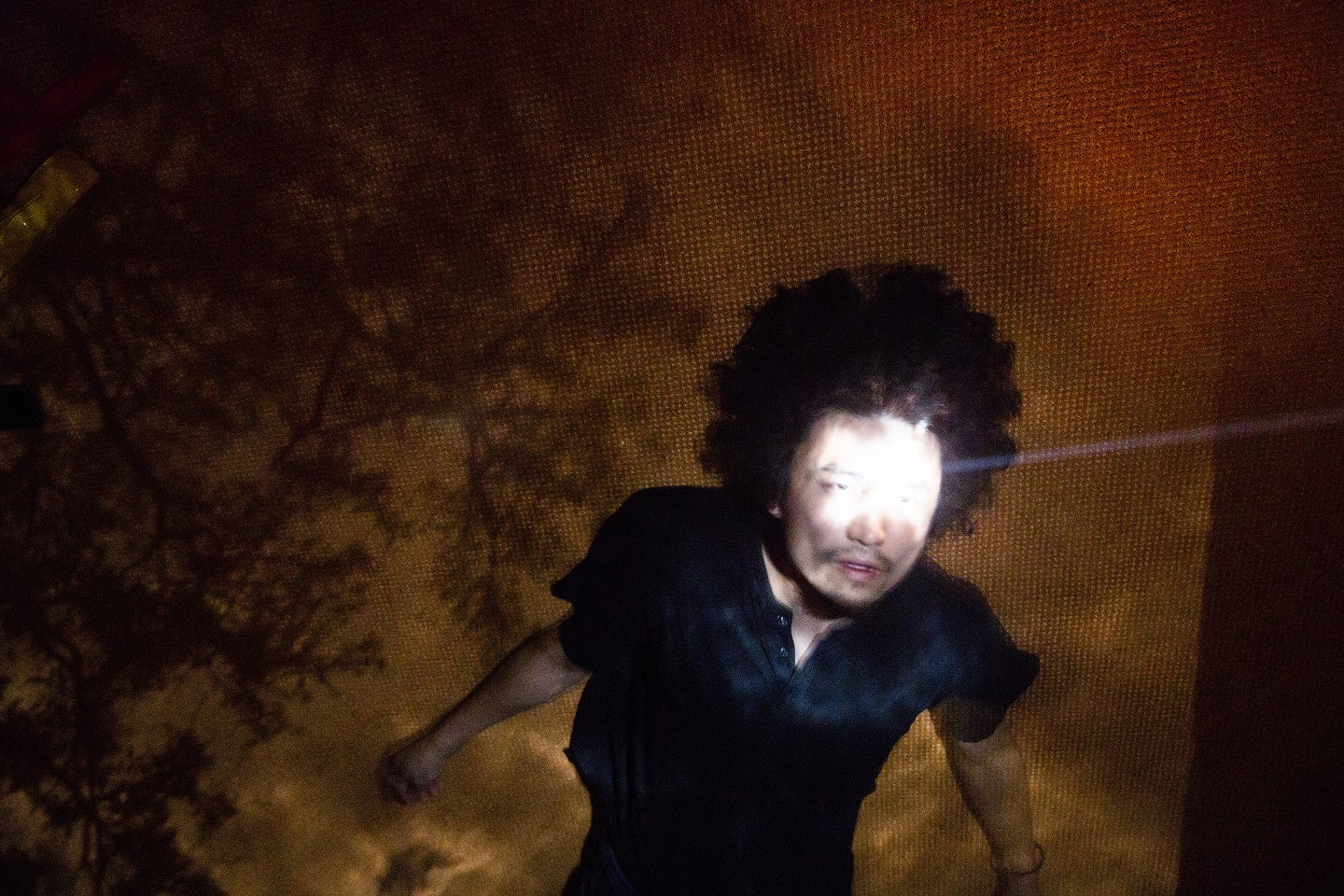
Born in Gunma Prefecture in 1977. Completed the master’s course in Media Creation at the Institute of Advanced Media Arts and Sciences (IAMAS). Currently based in Ishikawa Prefecture. His practice consists of performances and their video documentation — including the “Trajectory Cinema” series, in which the photographer is bound by rules that determine time, place, and direction, and the work unfolds through the changing environment during movement and the photographer’s bodily reactions; and CINEMA (2015), in which letters projected slowly by sunlight inside a darkened room converted into a pinhole camera are recorded and played back at 100× speed.
Notable screenings and awards include the 18th Japan Media Arts Festival (“CINEMA,” selected as a Jury Recommended Work; The National Art Center, Tokyo, 2015); the 60th International Short Film Festival Oberhausen (“UNSER HAUS FOR THE NEW ERA,” Muvi Award, Music Video category, 2nd Prize, Germany, 2014); and FILM BY MUSIC Competition (Jury Special Prize, YCAM, Yamaguchi, 2013).
Nobuhiro Shimura (Contemporary Art)
Dispatched 2015 for two years — France (Paris)
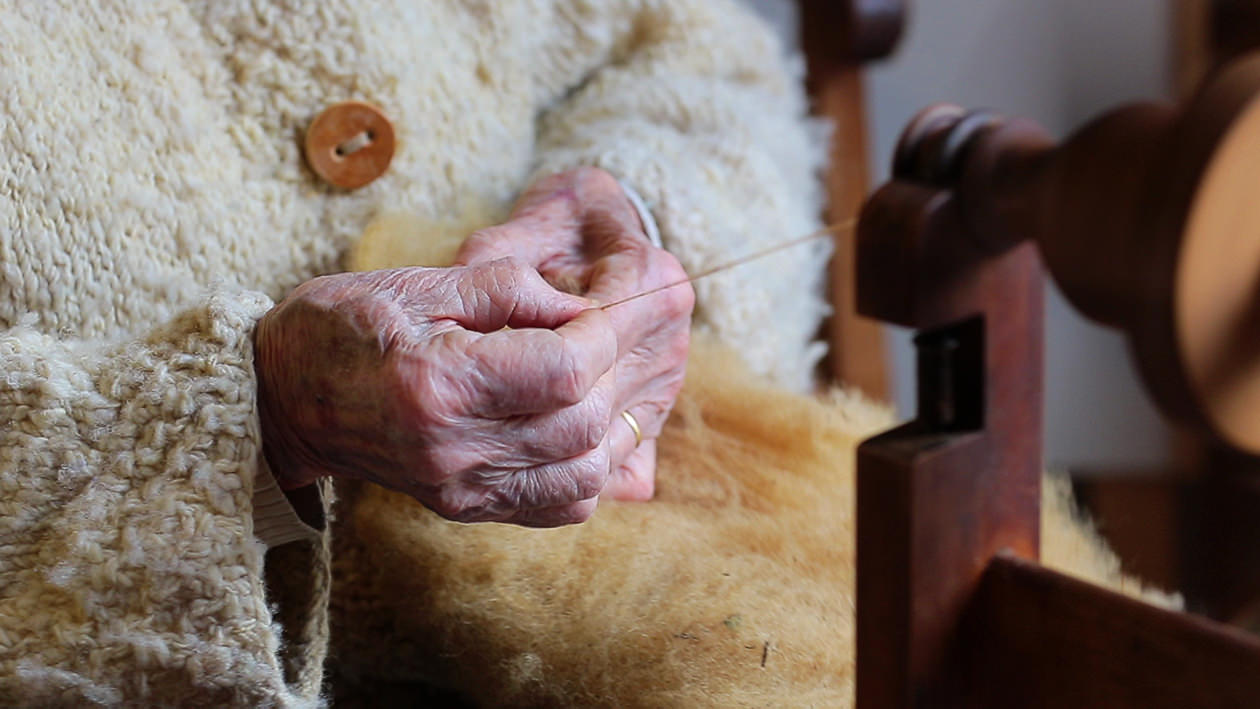
Born in Tokyo in 1982. Completed the master’s course in the Film and Video Course of the Graduate School of Art and Design, Musashino Art University. Currently based in Chiba Prefecture. Under the theme of “casting light,” he has presented numerous video projection installations in Japan and abroad. Overlaying live-action footage of everyday objects onto familiar scenes, he generates new relationships within landscapes we take for granted, drawing on memory and sense of place brought forth by light. In recent years he has taken up new modes of expression as well, including projects documenting the life of remote islands cut off from globalism, and works that attempt to re-narrate and re-read history through art.
Notable exhibitions include “Mono no Ke” (Warrnambool Art Gallery, Australia, 2018); “Roppongi Crossing 2016” (Mori Art Museum, Tokyo, 2016); “The Unseen Constellation — Practices of Connection and Discovery” (Museum of Contemporary Art Tokyo, 2015); “Vangi Sculpture Garden Museum Collection Exhibition: On This Earth” (Vangi Sculpture Garden Museum, Shizuoka, 2013).
Asako Shiroki (Contemporary Art)
Dispatched 2015 — Germany (Berlin)
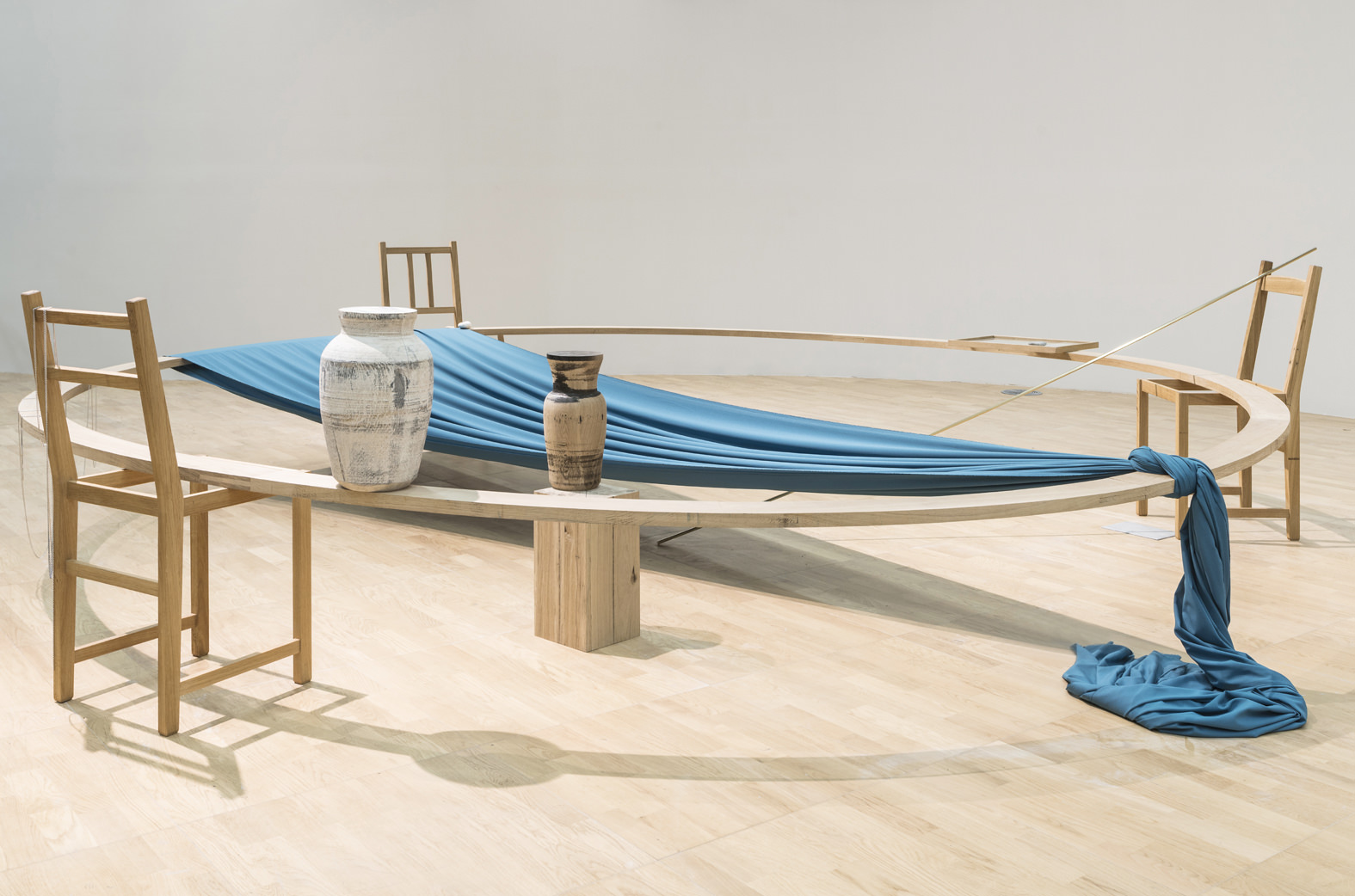
Born in Tokyo in 1979. Completed the later-stage doctoral program in Fine Arts at the Graduate School of Fine Arts, Tokyo University of the Arts. Currently based in Berlin and Tokyo. Her practice takes as its own form the act of re-reading a world opened up within the constant tension between “replaying the memory of things” and “forgetting form and subject”; she presents charged sculptural works built from parts that self-support and can be disassembled through balances of gravity and mass, and spatial installations composed of them. While the forms of the sculptural works recall parts of existing furniture such as chairs and desks, or of architecture, they lack the functionality originally implied by such forms and, through this abstraction, become perceptible as new forms.
Notable exhibitions include “City × Art Museum Program: Art Represents the City — Cities of Circulating Commons” (Mori Building, Mori Art Museum, Nishi-shimbashi area, Tokyo, 2018); “The Other Face of the Moon” (Asia Culture Center, Gwangju, Korea, 2017); “56th October Salon — The Pleasure of Love” (Belgrade City Museum, Belgrade, Serbia, 2016); “4th Moscow International Biennale for Young Art — Time for Dreams” (Moscow Museum of Modern Art, Moscow, Russia, 2014); “On the Floor, Behind the Window” (Künstlerhaus Bethanien, Berlin, Germany, 2014).
Masahiro Hasunuma (Contemporary Art)
Dispatched 2016 — Germany (Frankfurt)
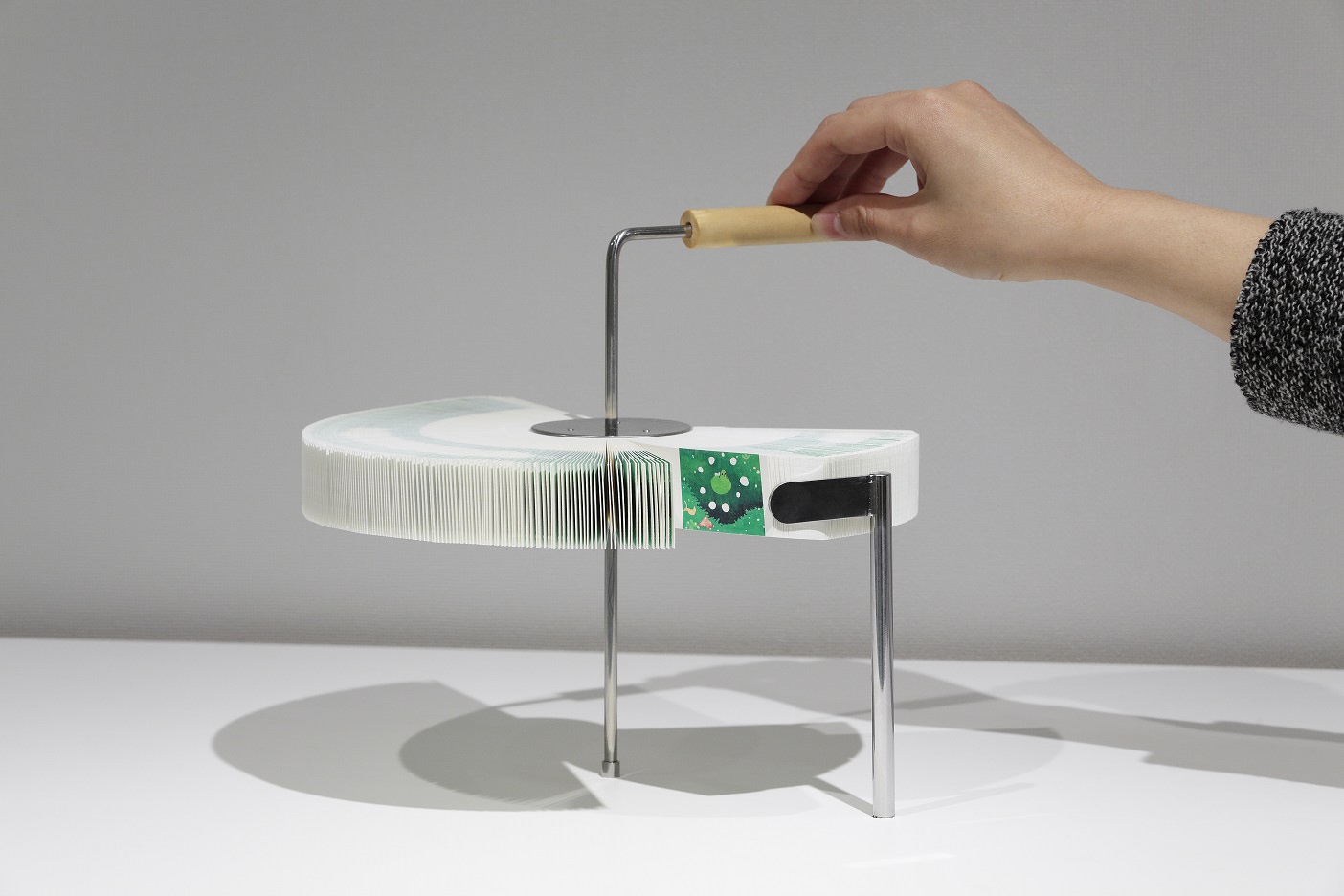
Born in Tokyo in 1981. Completed the doctoral program in the Laboratory of Anatomy for Art, Graduate School of Fine Arts, Tokyo University of the Arts. Currently based in Aichi Prefecture. With an interest in the autonomy of images and the strangeness of dreams, he centers his practice on the “Kinora,” a device conceived in the late 19th century that animates pictures by the same flip-book principle, alongside photography and painting. He also presented Kinora works in the previous “20th DOMANI: The Art of Tomorrow PLUS” (Hibiya Library and Museum), and expectations run high for the new development he will show at The National Art Center, Tokyo this time.
Notable exhibitions include “20th DOMANI: The Art of Tomorrow PLUS” (Hibiya Library and Museum, Tokyo, 2017); “Setouchi Triennale” (Kagawa, Okayama, 2016); “Echigo-Tsumari Art Triennale” (Niigata, 2015).
Megumi Matsubara (Installation / Architecture)
Dispatched 2013 — Morocco (Rabat)
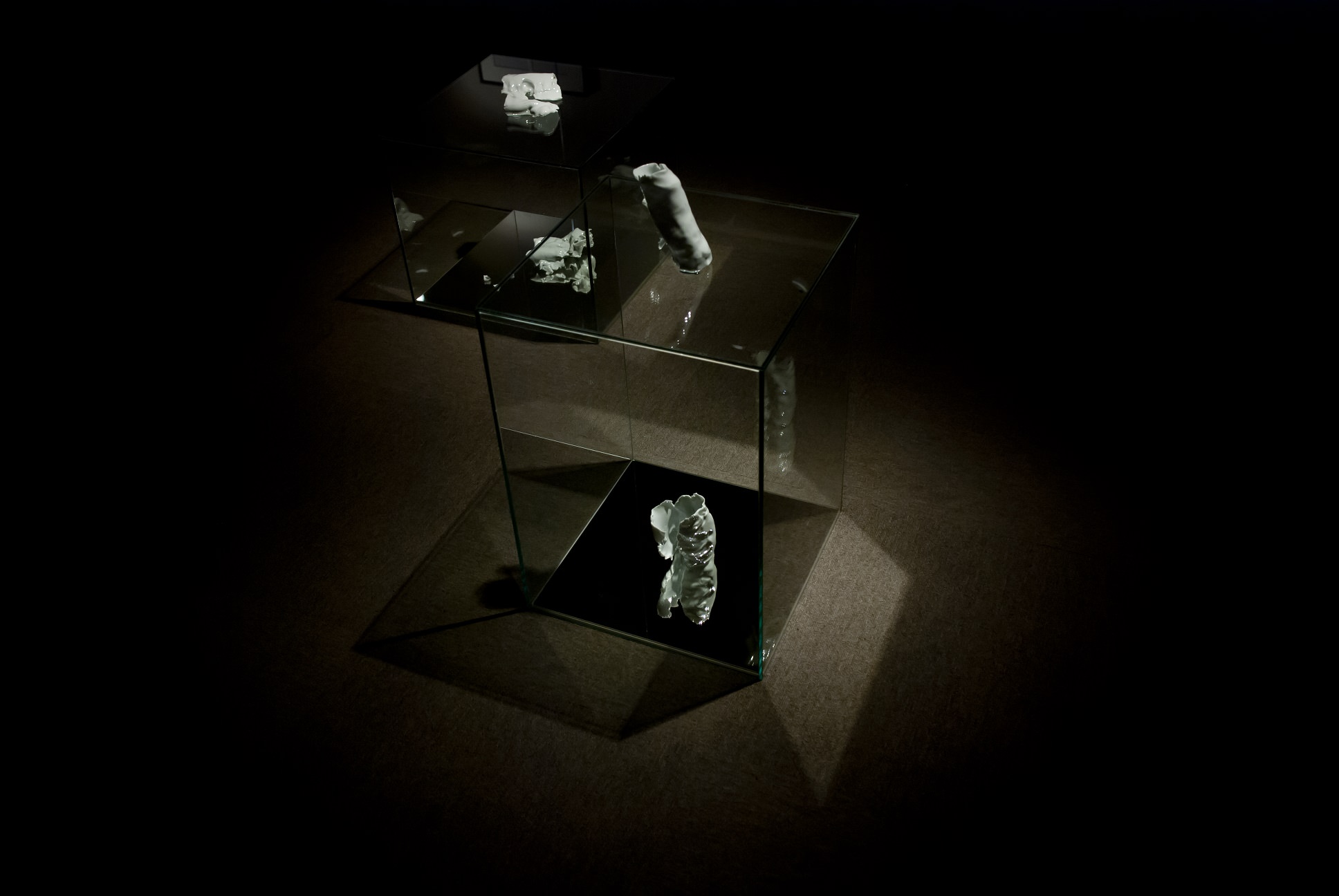
Born in Tokyo in 1977. Completed the MA program at the Bartlett School of Architecture, University College London. Currently based in Fez (Morocco) and Tokyo. She presents narratives about spaces composed of a wide range of expressions — photographs, sound, text, phenomena of light — and interrogates the balance between presence and absence. Through installations, performances, and artist books built on language and image, she pursues a distinctive sense of space that overlays images experienced as dreams or consciousness onto the visual world. At ASSISTANT, the architecture studio she founded with Hiroshi Ariyama in 2002, she has also produced architectural works such as House in the 33rd Year and IT IS A GARDEN.
Notable exhibitions include “Aichi Triennale 2016” (Aichi Prefectural Museum of Art, 2016); “Marrakech Biennale 6” (El Badi Palace, Marrakech, Morocco, 2016); “A proposal for a textbook to learn Braille, English, and other languages” (Fonderia Artistica Battaglia, Milan, Italy, 2015); “The Blind Dream” (Dar Bellarj Foundation / Douiria Mouassine Museum, Marrakech, Morocco, 2014).
Goro Murayama (Painting)
Dispatched 2015 for two years — Austria (Vienna)
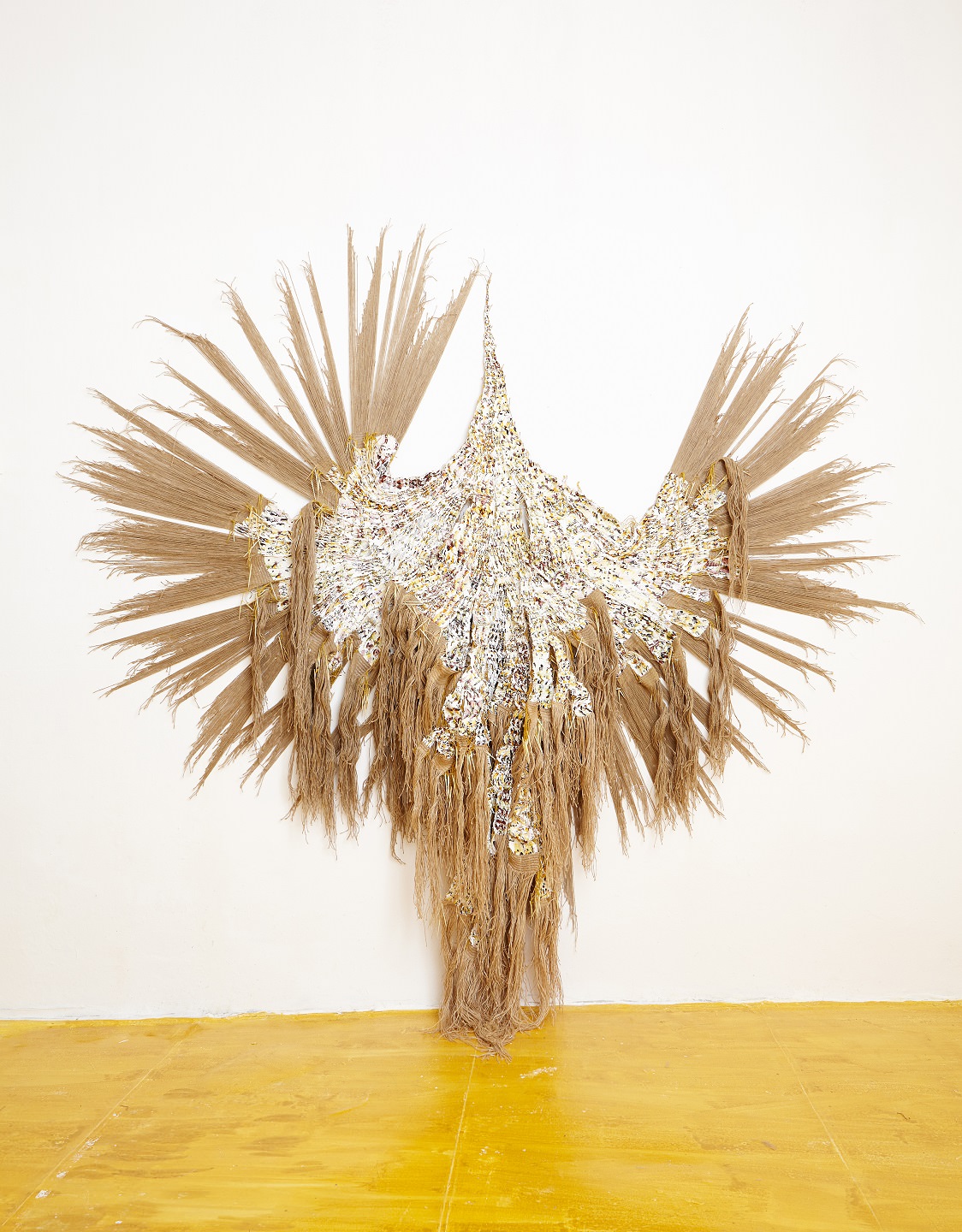
Born in Tokyo in 1983. Completed the later-stage doctoral program in the field of Oil Painting (Mural) at the Graduate School of Fine Arts, Tokyo University of the Arts. Currently based in Tokyo. He expresses self-organizing processes and patterns seen in organic structures — snowflakes, ant nests, the formation of cell membranes — through painting and drawing. In woven paintings, for example, he weaves a canvas from hemp cord and repeats layers of ground and drawing on it; through work structures that grow through long-term, sustained making, he develops the idea he formed during his stay in Vienna that “human creativity may be brought forth by the asynchrony of multiple processes and by the temporal changes within the processes themselves.”
Notable exhibitions include “Emergence of Order” (Daiwa Anglo-Japanese Foundation, Japan House London, 2018); “The Fantasy of the Prison” (Koganei Art Spot Chateau 2F, Tokyo, 2015); “The Visual of Generation — Chains of Instigation” (Takuro Someya Contemporary Art, Kashiwa, Chiba, 2013); “Stratosphere vol.6 — Where I Am Headed: Goro Murayama” (Gallery αM, Tokyo, 2012); “4th Shiseido Art Egg — Re-enchantment of the Painterly Subject” (Shiseido Gallery, Tokyo, 2010).
Akira Wada (Ceramics)
Special dispatch, 2007 — France (Paris)
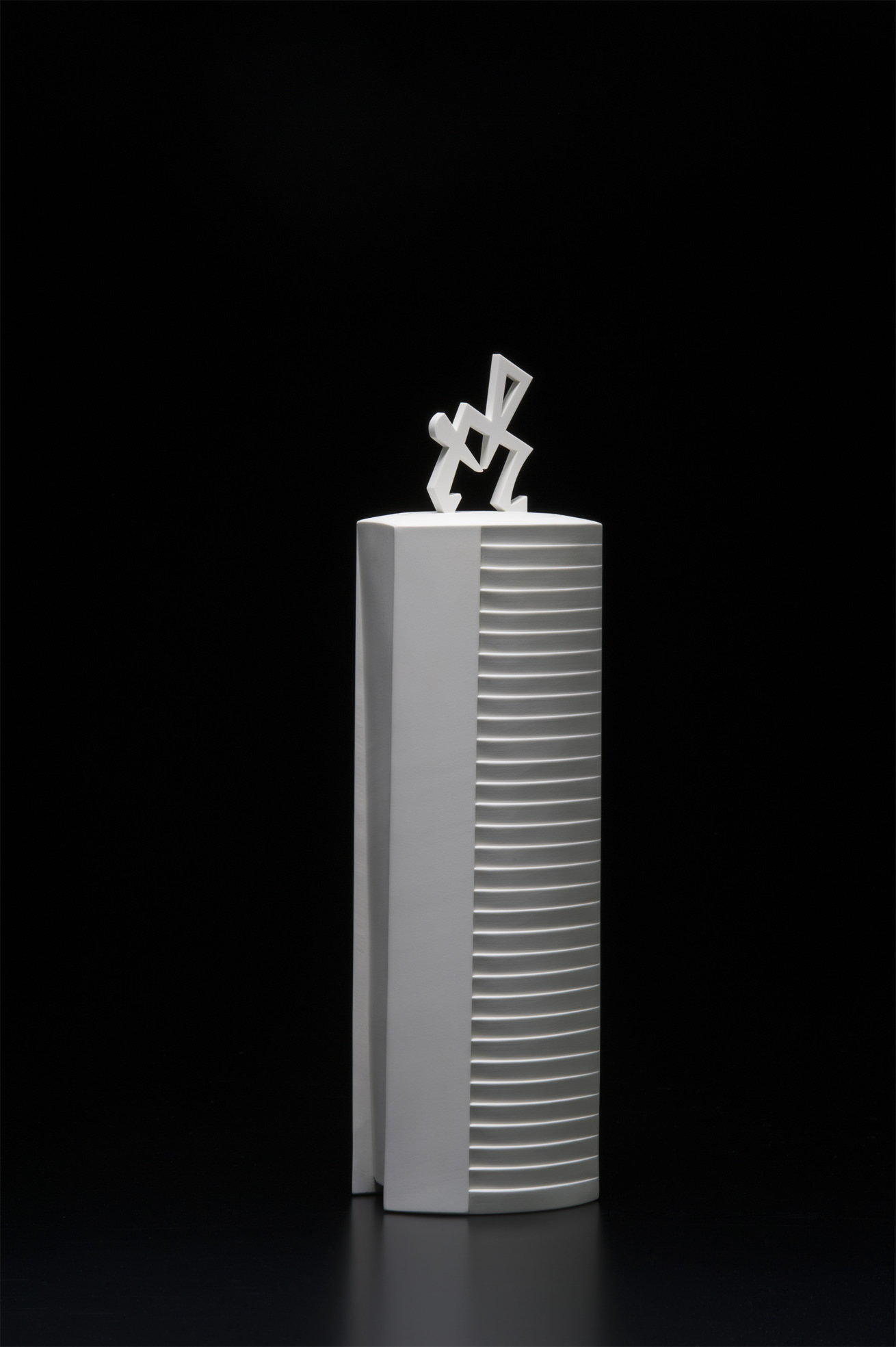
Born in Chiba Prefecture in 1978. Graduated from the Ceramics Department, Bunka Gakuin. Currently a regular member of the Japan Kogei Association, based in Chiba Prefecture. He shapes white porcelain clay on the wheel, then, after drying, carves it with sculptural knives before firing; he also works with resin and metal as materials. Placing great importance on carving by hand, he draws contrasts between motion and stillness, light and shadow, straight lines and curves, imparting a solid presence to serenely composed forms and drawing attention as a new expression in ceramics. He is also active in teaching younger generations through slide lectures and workshops.
Notable exhibitions and awards include “Tobi Art Fair — Akira Wada Exhibition” (Tokyo Art Club, 2017); “Evolving Porcelain — From the 1980s to the Present” (The Museum of Ceramic Art, Ibaraki, 2017); “64th Japan Traditional Kōgei Exhibition,” White Vessel “Dai / Base,” Tokyo Metropolitan Governor’s Award (Nihombashi Mitsukoshi Main Store, Tokyo, 2017); “REVALUE NIPPON PROJECT Exhibition” (Panasonic Shiodome Museum, Tokyo, 2016).
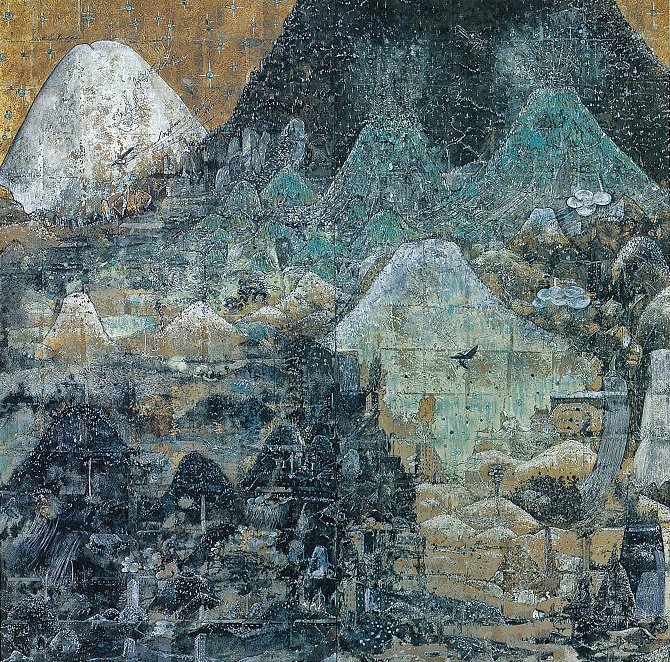
[Guest Artist] Natsunosuke Mise (Painting)
Born in Nara Prefecture in 1973. Completed the master’s course in painting at the Graduate School of Fine Arts, Kyoto City University of Arts. Received the Gotoh Memorial Foundation Cultural Award in 2006 and resided in Florence in 2007 with the support of the Gotoh Memorial Foundation. Currently professor at the Department of Fine Arts, Faculty of Art & Design, Tohoku University of Art & Design, and based in Yamagata Prefecture. Alongside traditional Japanese painting materials such as washi, sumi ink, and gold leaf, he uses acrylic paint, inkjet-print collages, and enormous flag-like works stitched roughly together with grommets and thread — a body of work that goes beyond the conventional boundaries of Japanese painting. Figuration and abstraction mingle in richly diverse imagery, and he continues to pursue the possibilities of painting while asking “what is Japanese painting?” After his residency in Florence he set up his base in Yamagata, and since 2009 he has developed the tutorial-style project “Is Painting in the Tohoku Sense Possible?”
Notable exhibitions and awards include “Takahashi Collection: Mindfulness 2017” (Yamagata Museum of Art, 2017); “Yamagata Biennale 2016 — Pictures of Yamagata: Cosmos of a Small Basin” (Senshin-an, Yamagata, 2016); “Japanese Pictures — Ostinato” (Kyoto Municipal Museum of Art Annex, 2015); the 32nd Kyoto Prefectural Cultural Prize Encouragement Award (2014).
We have high expectations for the works of the participating artists!
Overview
Artists Who Will Shape the Future — 21st DOMANI: The Art of Tomorrow — The Achievements of the Program of Overseas Study for Upcoming Artists
Dates: January 23 (Wed.) – March 3 (Sun.), 2019
Closed: every Tuesday
Venue: The National Art Center, Tokyo, Special Exhibition Gallery 2E
Hours: 10:00 a.m. – 6:00 p.m. * Fridays and Saturdays until 8:00 p.m.
* Last admission 30 minutes before closing
Admission: General 1,000 yen (800 yen); University students 500 yen (300 yen)
* Prices in parentheses are for advance tickets and groups of 20 or more
Organizers: Agency for Cultural Affairs; The National Art Center, Tokyo
Cooperation: Japan Airlines; Eizo Center Co., Ltd.
■ Participating Artists
(* In Japanese syllabary order, with year of birth, field of expression, fiscal year of dispatch, and country/city of dispatch)
———-
Tsubasa Kato
1984 / Contemporary Art / FY Heisei 26 (2 years) / United States (Seattle)
———-
Yoi Kawakubo
1979 / Photography, Contemporary Art / FY Heisei 28 / United Kingdom (London)
———-
Noriyuki Kimura
1977 / Media Art / FY Heisei 28 / Germany (Cologne)
———-
Nobuhiro Shimura
1982 / Contemporary Art / FY Heisei 27 (2 years) / France (Paris)
———-
Asako Shiroki
1979 / Contemporary Art / FY Heisei 27 / Germany (Berlin)
———-
Masahiro Hasunuma
1981 / Contemporary Art / FY Heisei 28 / Germany (Frankfurt)
———-
Megumi Matsubara
1977 / Installation, Architecture / FY Heisei 24 / Morocco (Rabat)
———-
Goro Murayama
1983 / Painting / FY Heisei 27 (2 years) / Austria (Vienna)
———-
Akira Wada
1978 / Ceramics / FY Heisei 19 Special / France (Paris)
———-
○ Guest Artist
Natsunosuke Mise
1973 / Painting