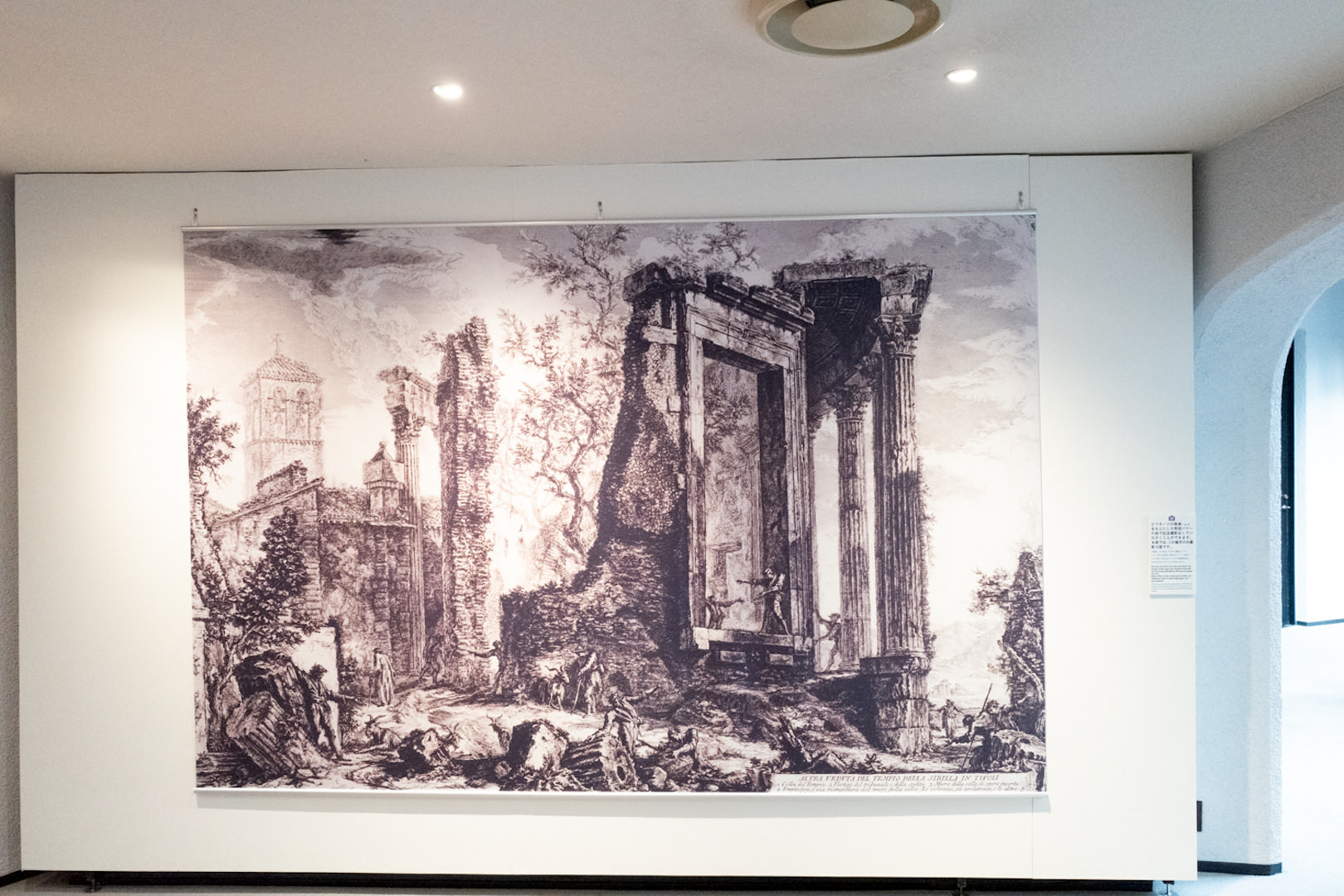
Beyond the End: An Art History of Ruins
I visited “Beyond the End: An Art History of Ruins,” an exhibition held at the Shoto Museum of Art. The venue is the Shoto Museum of Art, about a 15-minute walk from Shibuya Station.
The nearest station to the Shoto Museum of Art is Shinsen Station on the Keio Inokashira Line, only 5 minutes on foot, but for this exhibition I recommend walking from Shibuya Station. Even if not on both legs, either on the way in or the way back, passing through the crowds of Shibuya Station carries meaning for this show. I explain why later in the article.
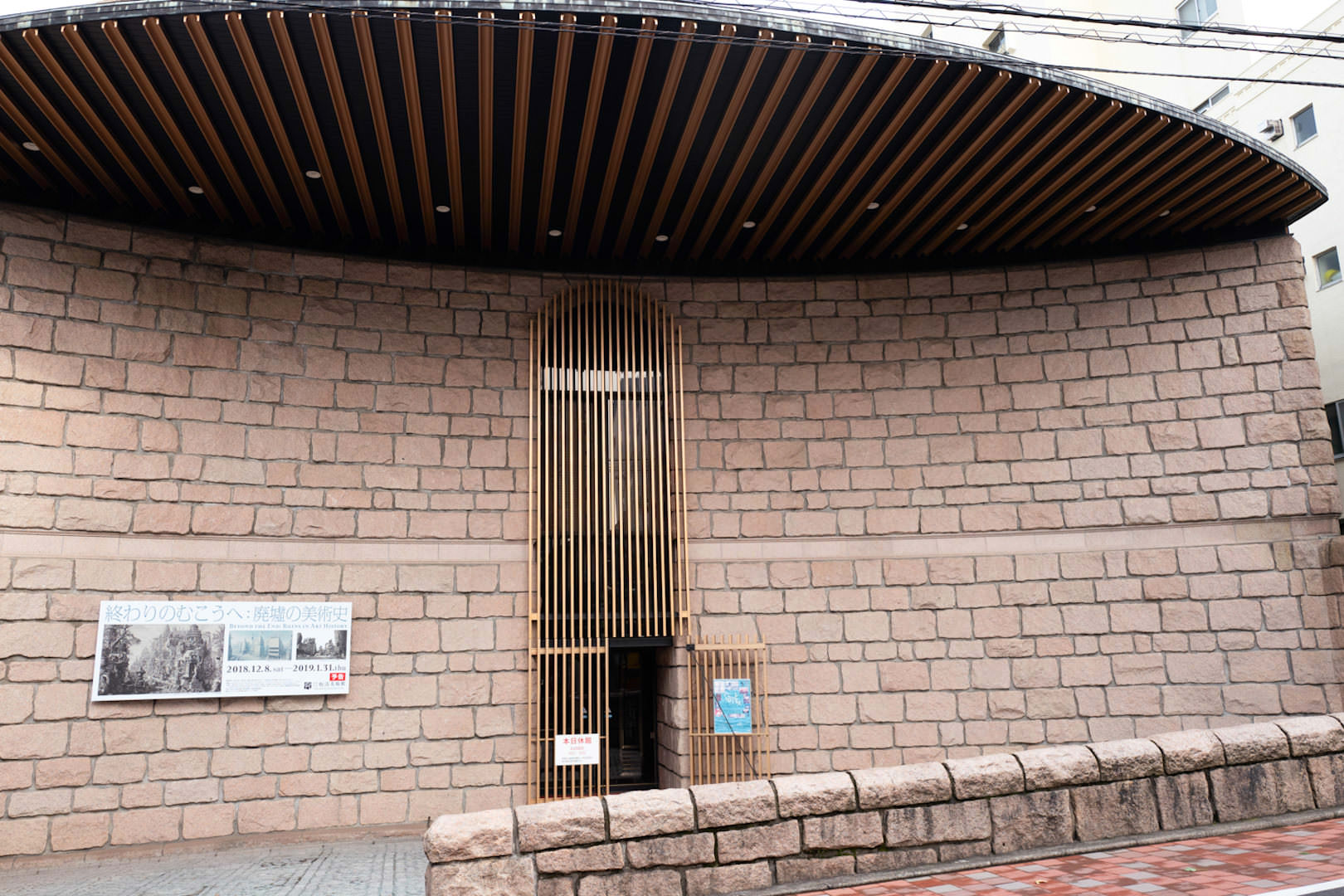
This exhibition gathers paintings unified under the word “ruins.”
According to the Nihon Kokugo Daijiten, “ruins” mean “the desolate remains of buildings or urban areas.” But the works in this exhibition offer a diverse artistic interpretation of ruins.
The exhibition is organized into the following four chapter structure.
Exhibition Structure
Chapter I. Picturesque Ruins: Classical Ruin Motifs in Western Art
Chapter II. Fantastical Ruins and Relics
Chapter III. Japanese Painters Encountering Ruins: Early Modern and Modern Japanese Art and the Ruin Motif
Chapter IV. Ruins within Surrealism
Chapter V. Ruins within Fantasy: The World of Ruins in Showa-era Japan
Chapter VI. Dreaming of the Distant Future: Contemporary Painters Depicting Days to Come
First Venue: 2nd Floor
The Shoto Museum of Art’s design places the reception on the 1st floor, but the exhibition rooms are arranged in an unusual configuration on the 2nd floor and B1. The recommended route begins on the 2nd floor.
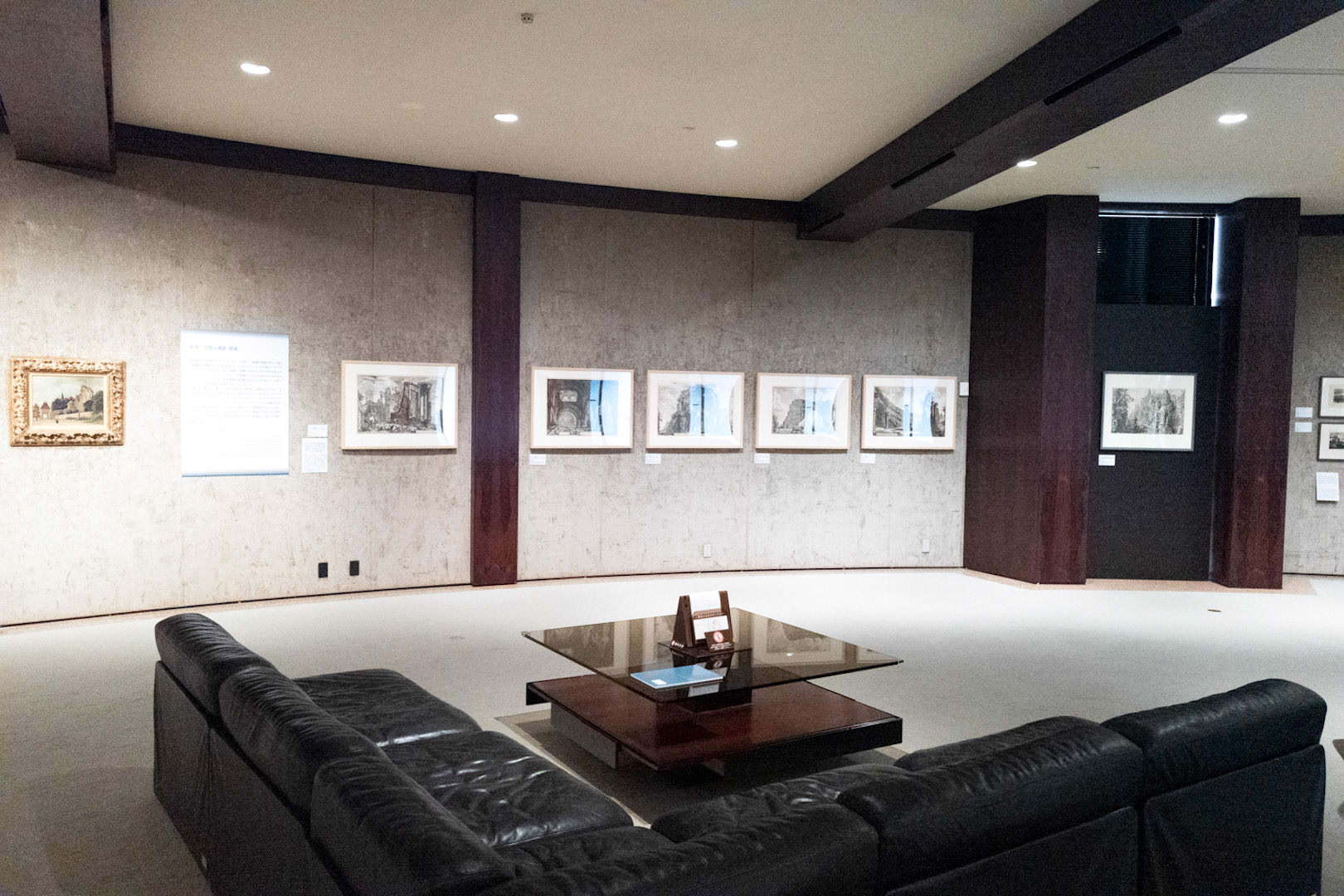
Chapter I. Picturesque Ruins: Classical Ruin Motifs in Western Art
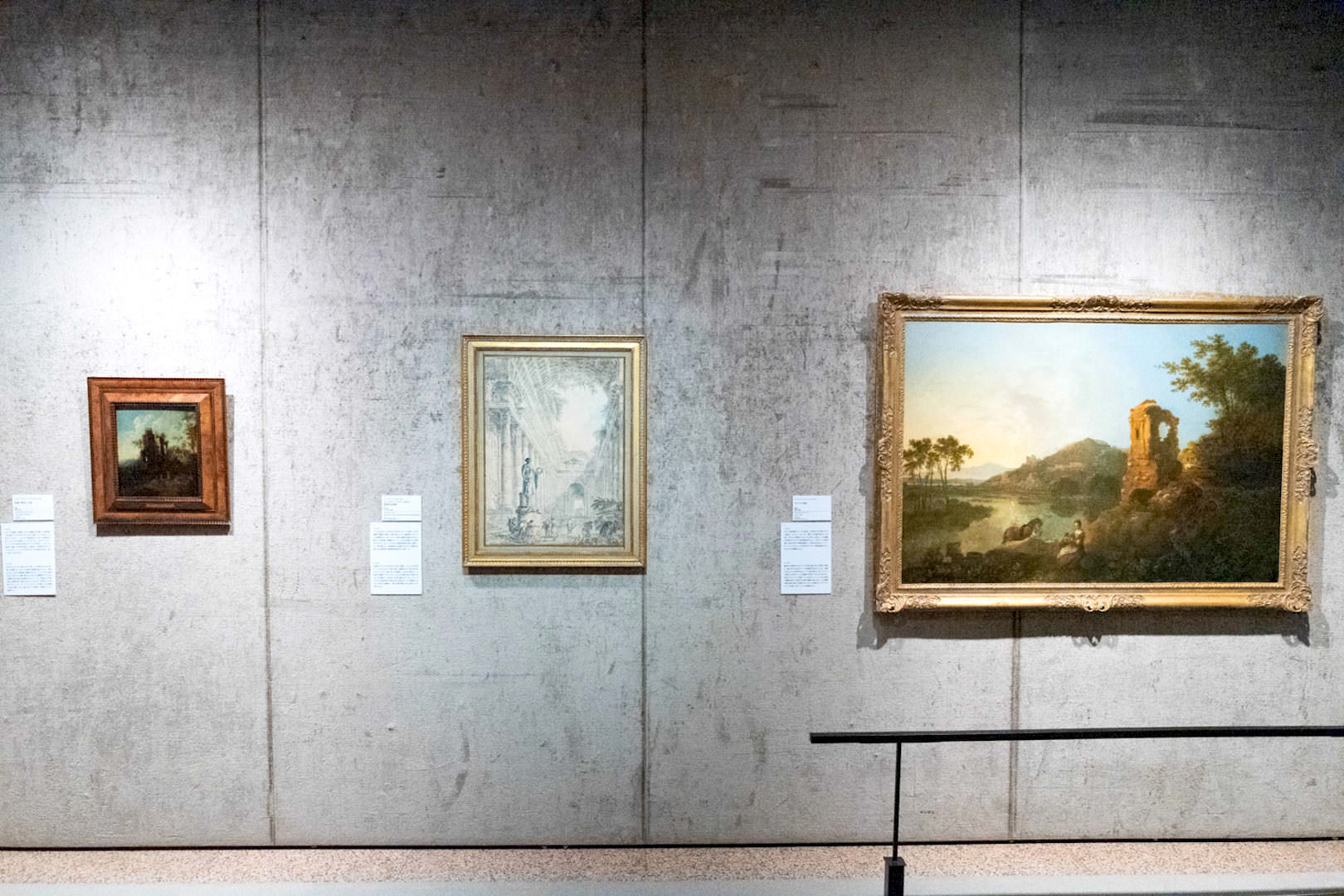
Center: Hubert Robert, “Architectural Capriccio with the Pantheon in Rome”
Right: Richard Wilson, “Cicero’s Villa”
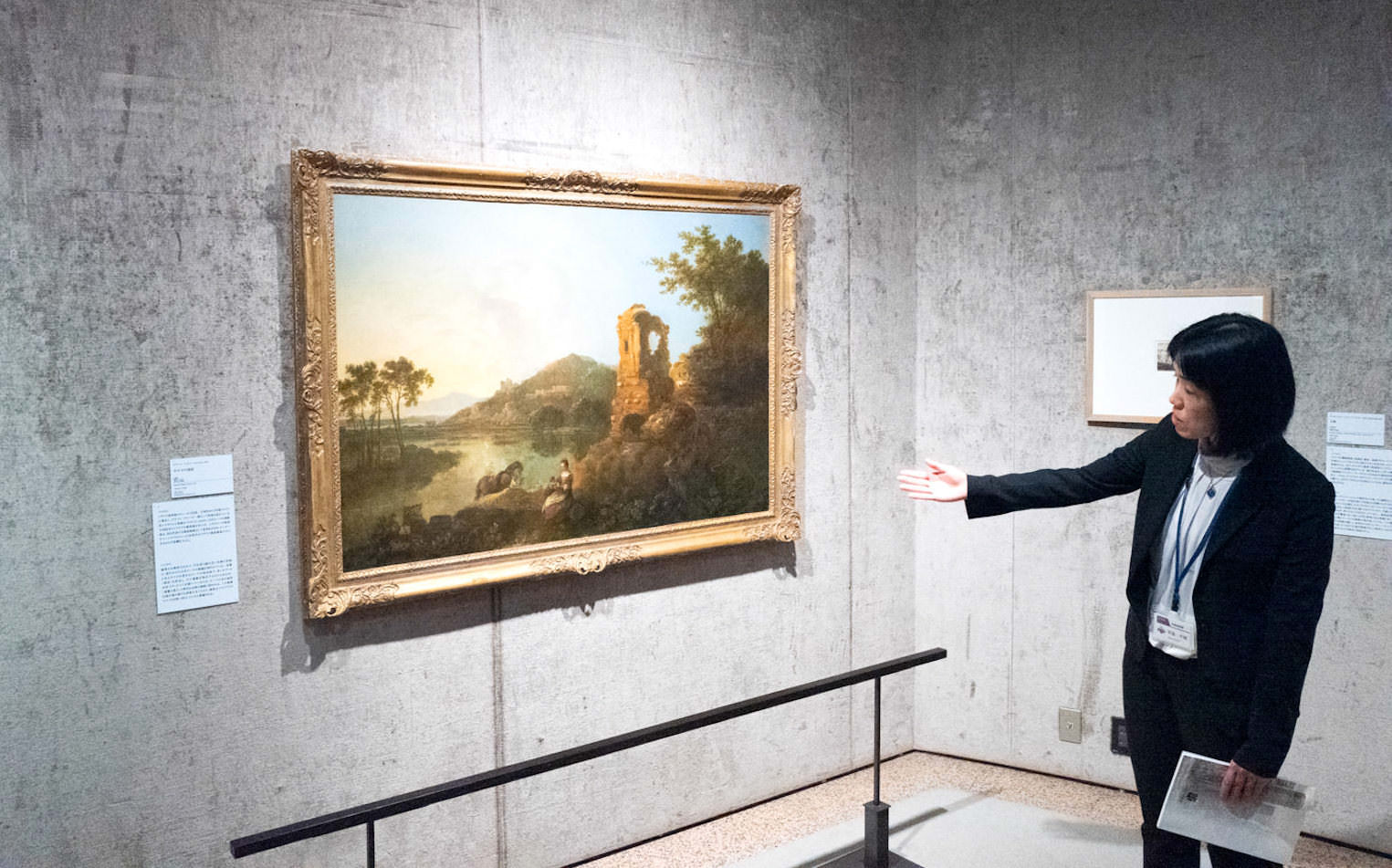
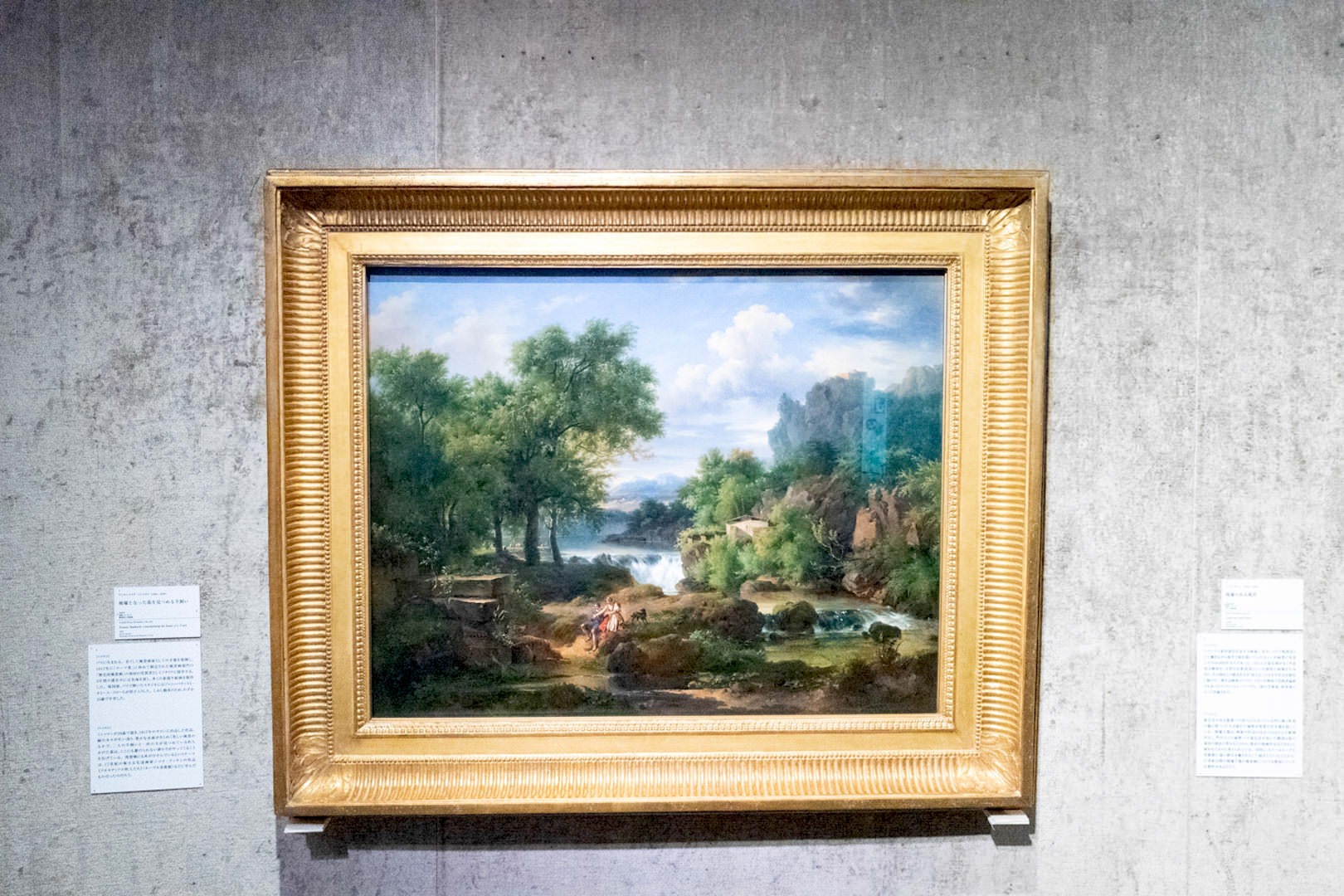
Chapter II. Fantastical Ruins and Relics
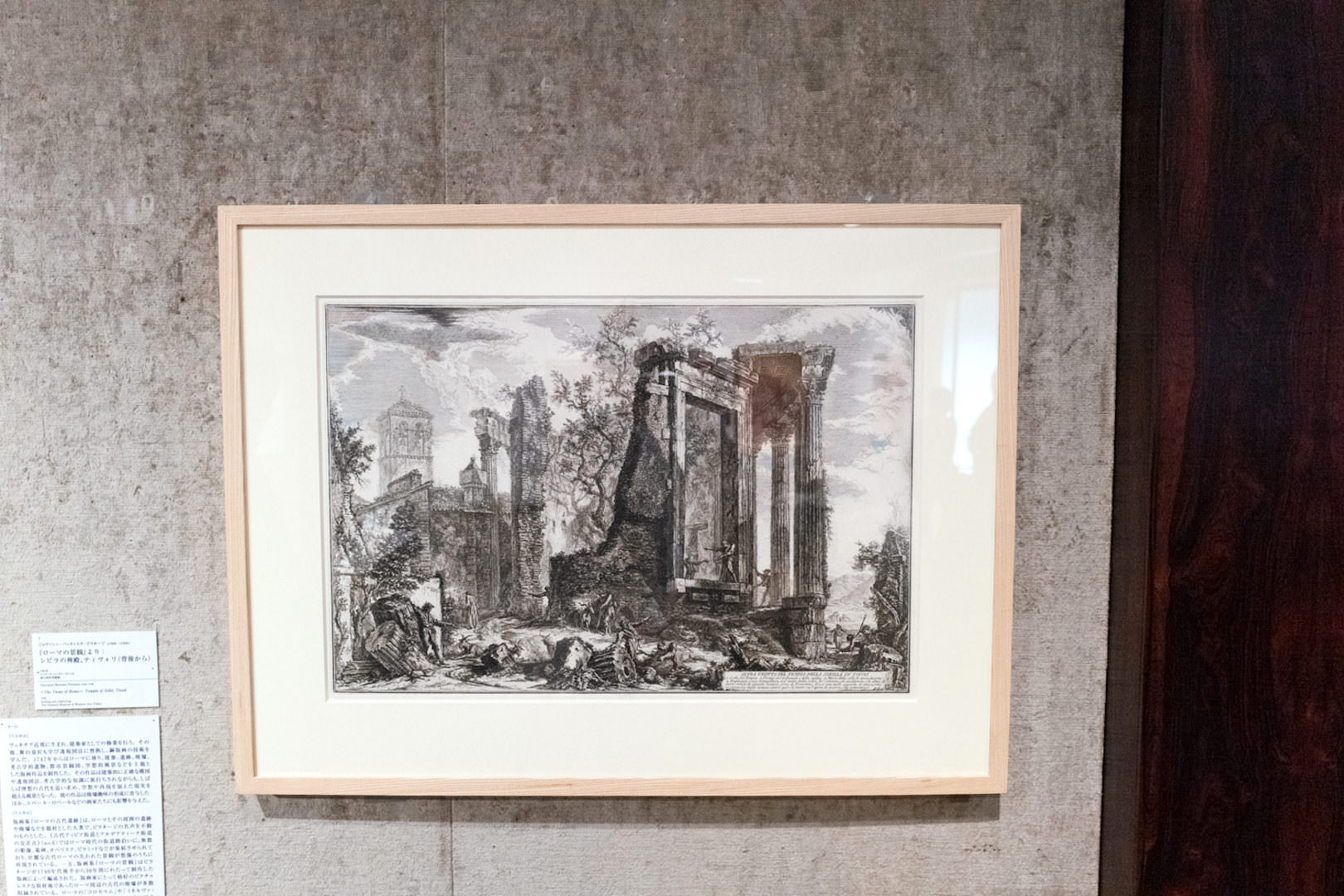
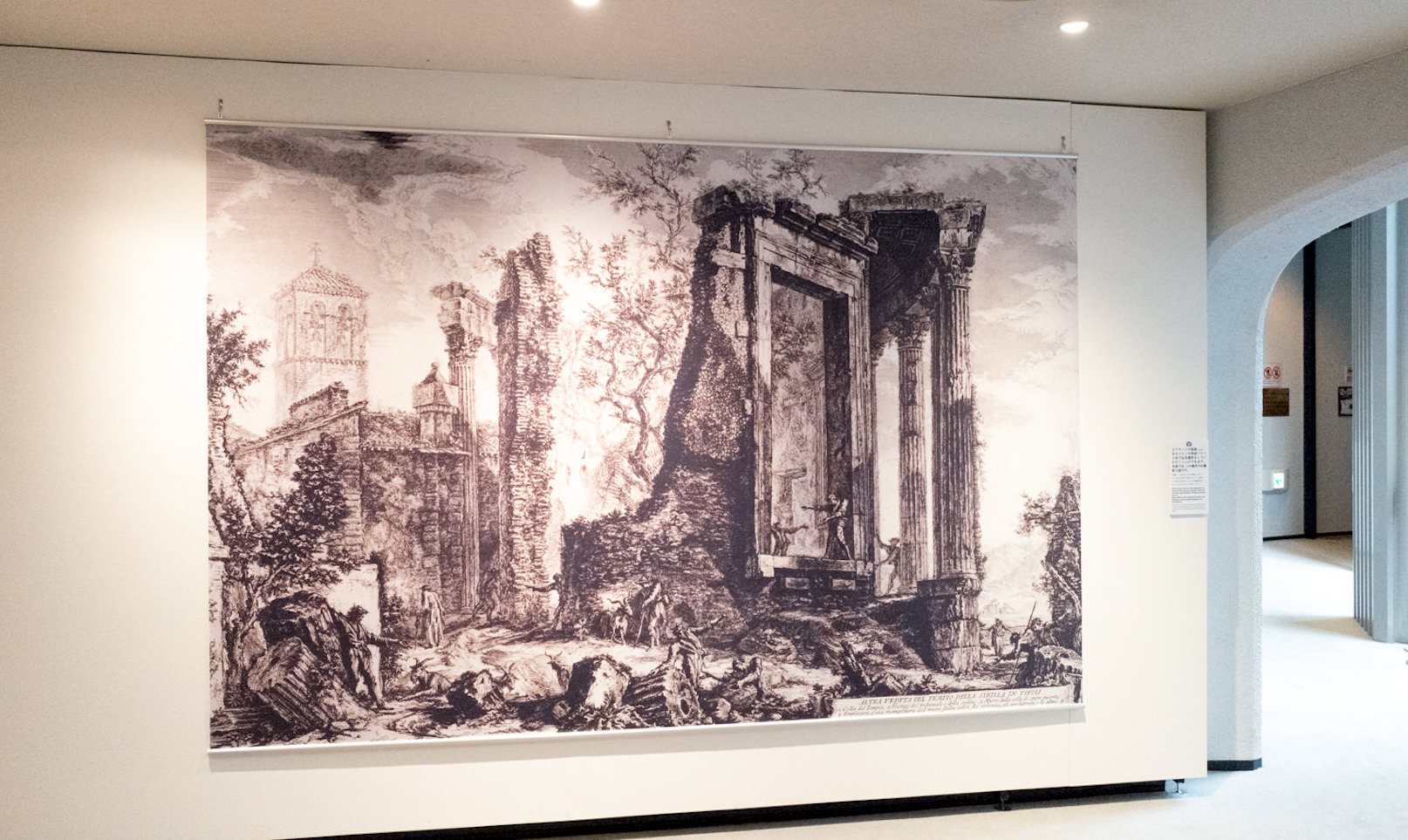
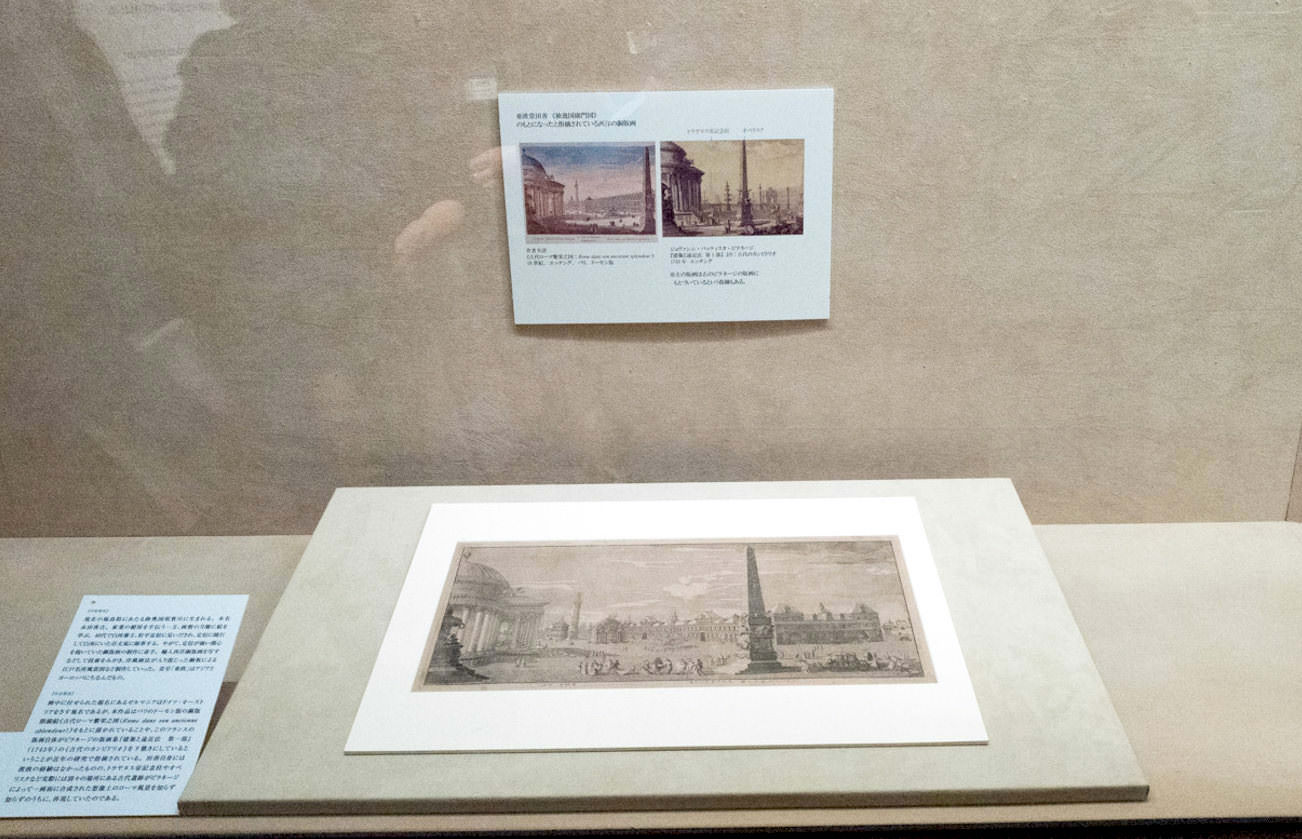
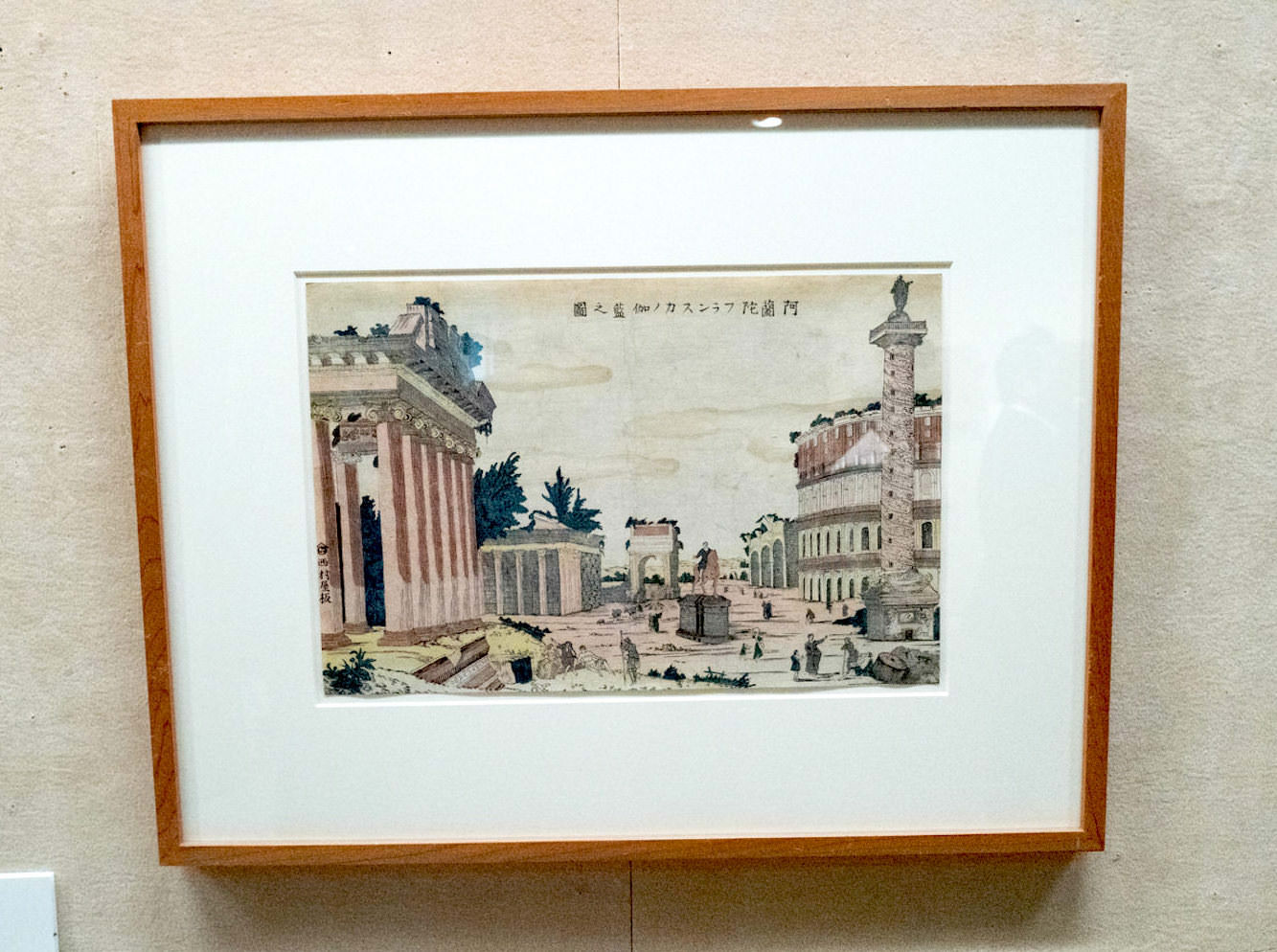
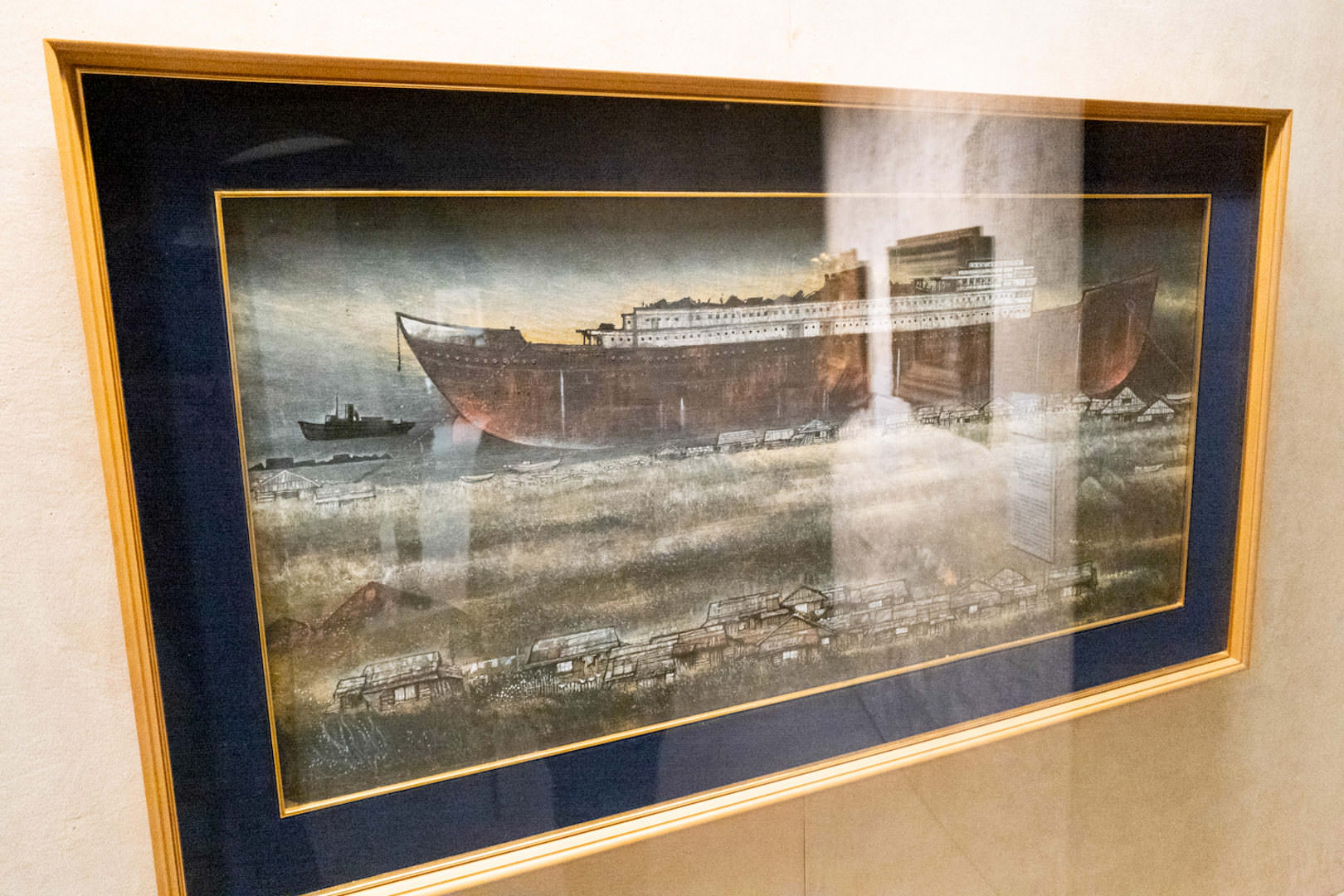
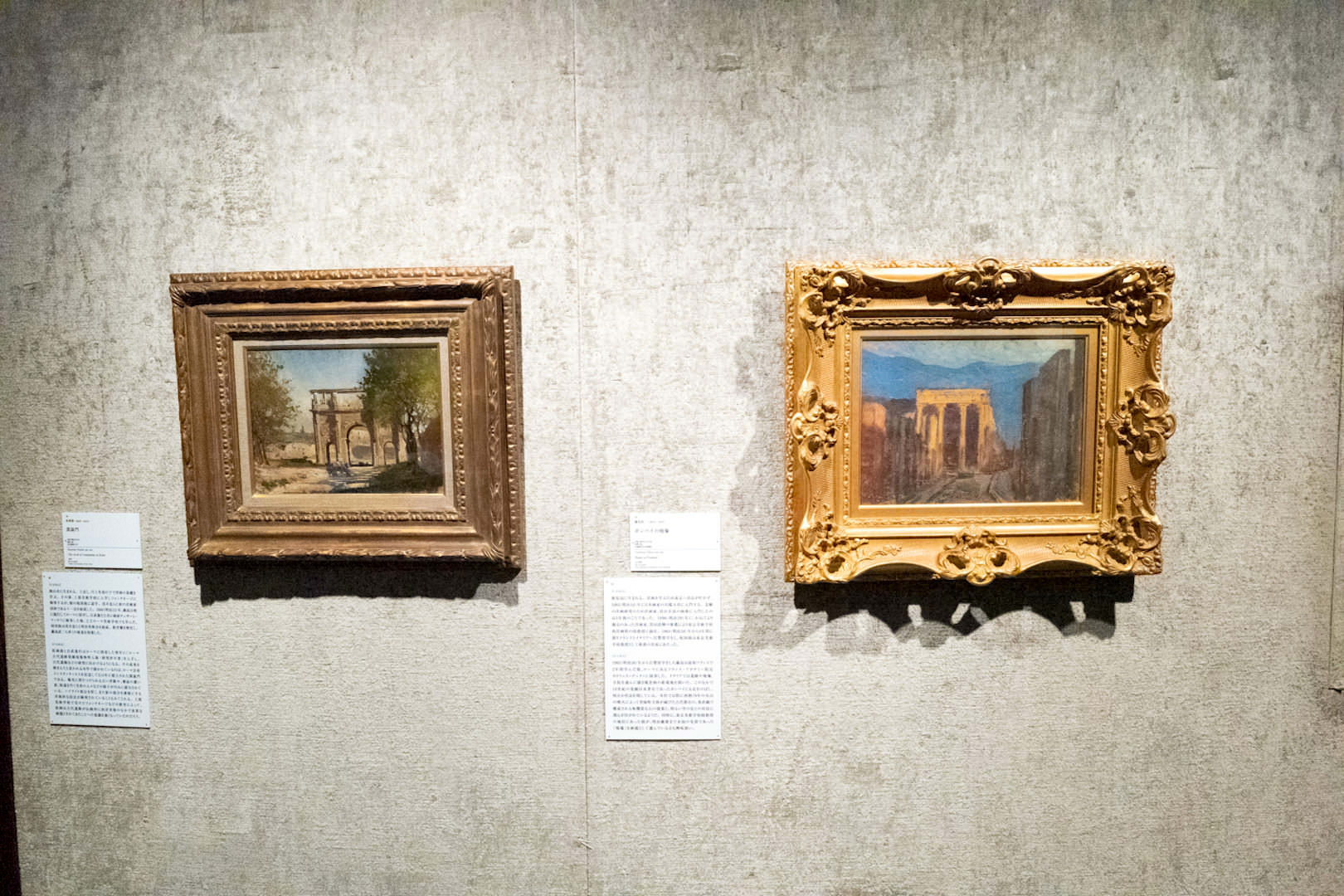
Chapter III. Japanese Painters Encountering Ruins: Early Modern and Modern Japanese Art and the Ruin Motif
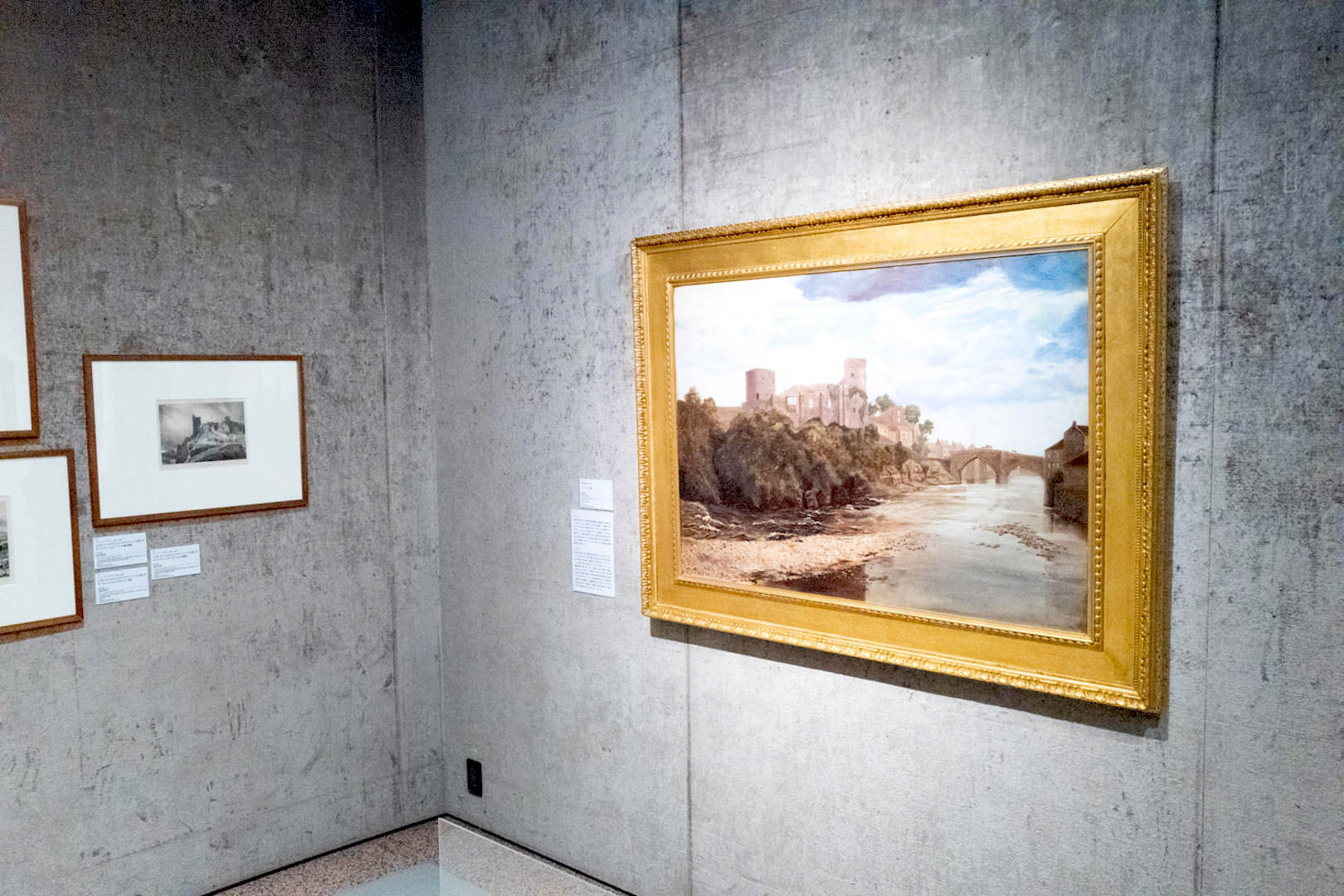
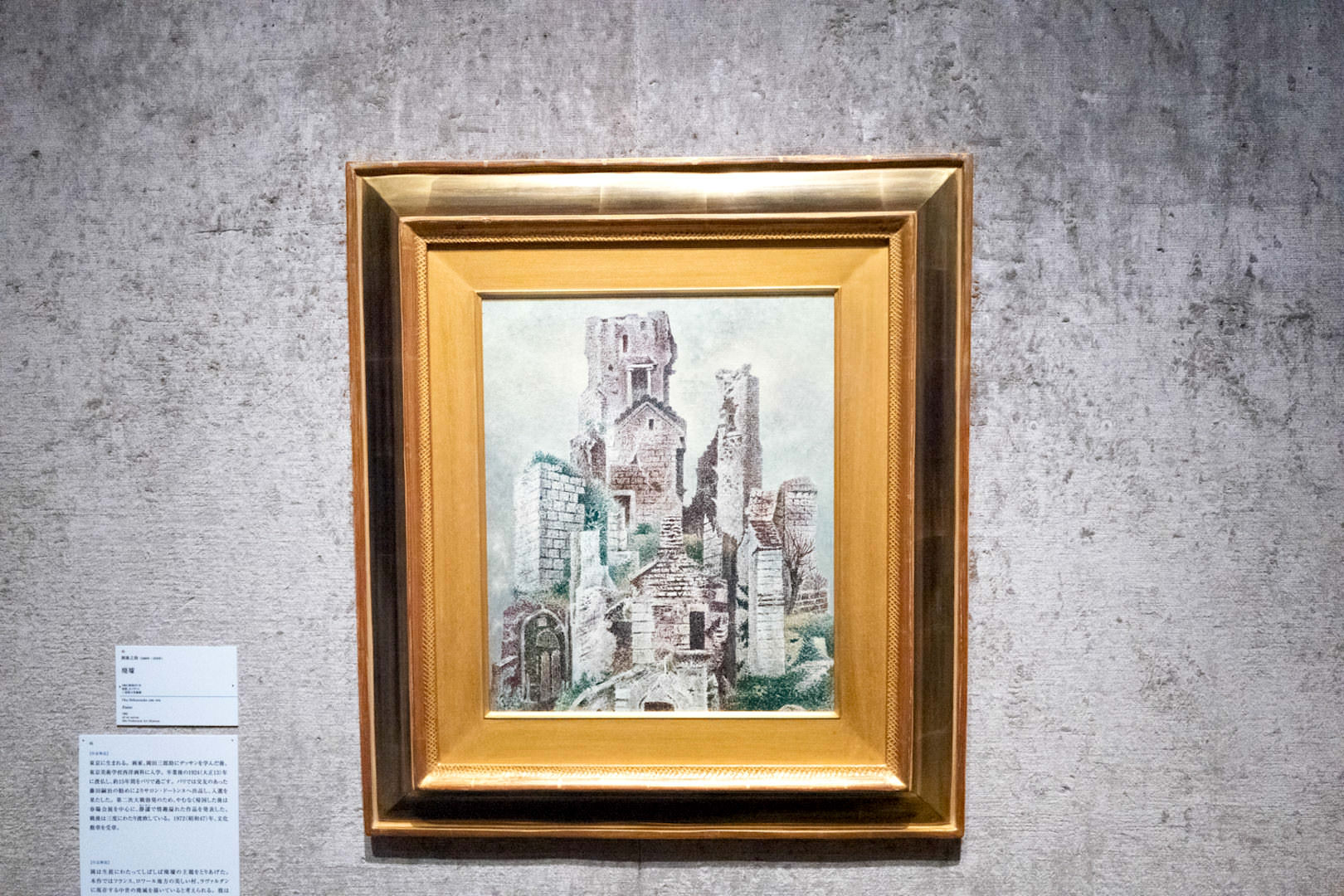
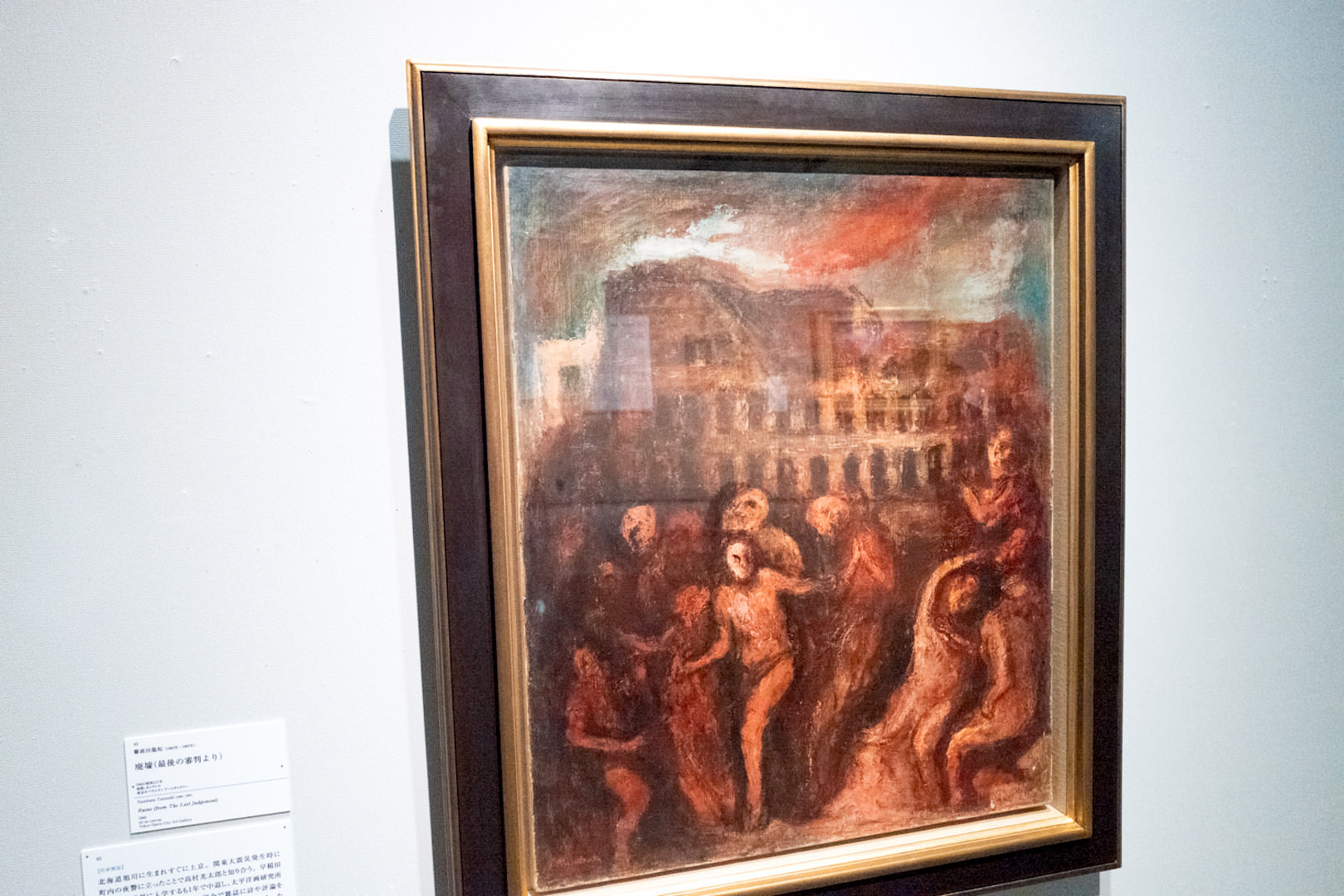
Second Venue: B1
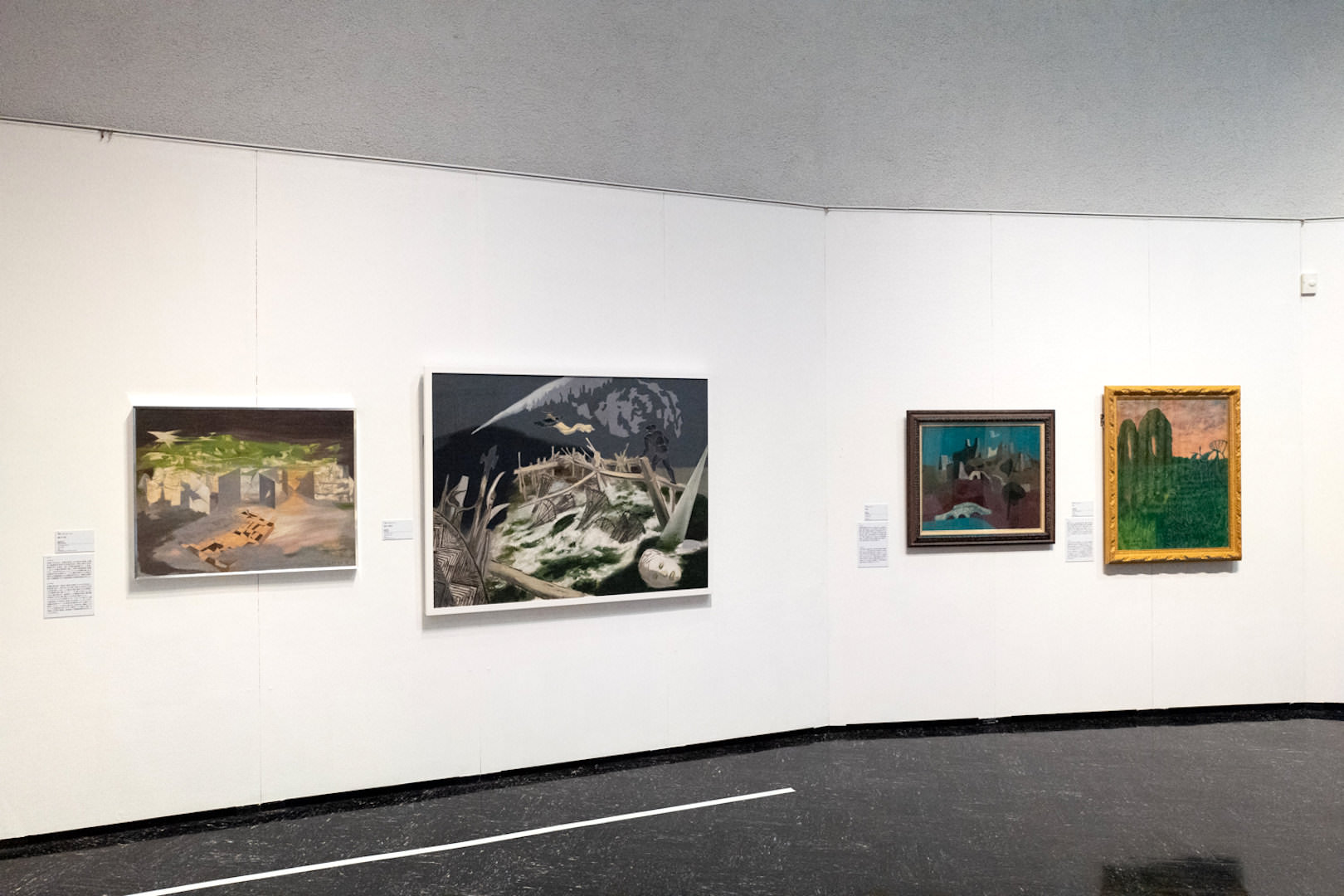
Chapter IV. Ruins within Surrealism
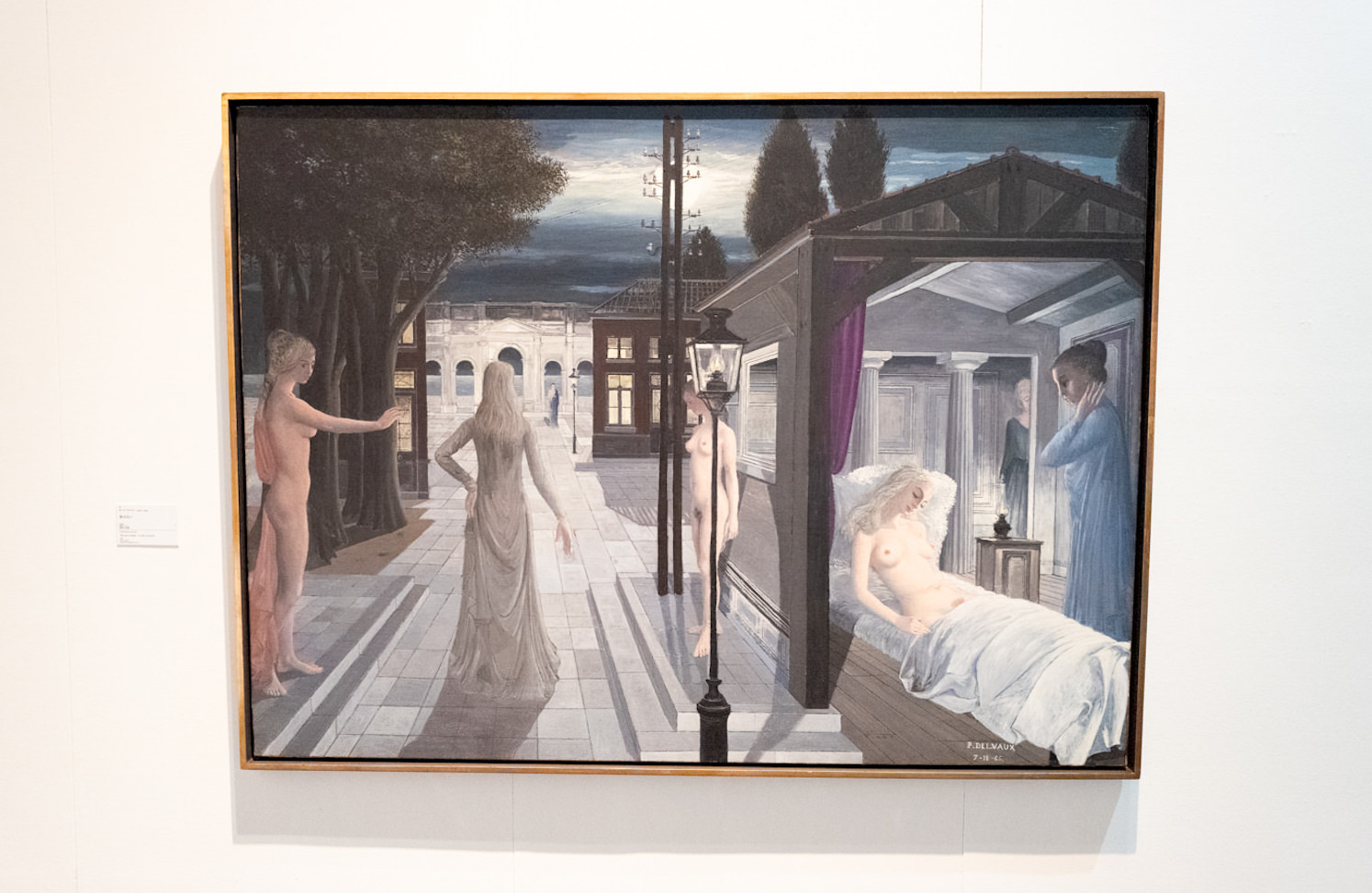
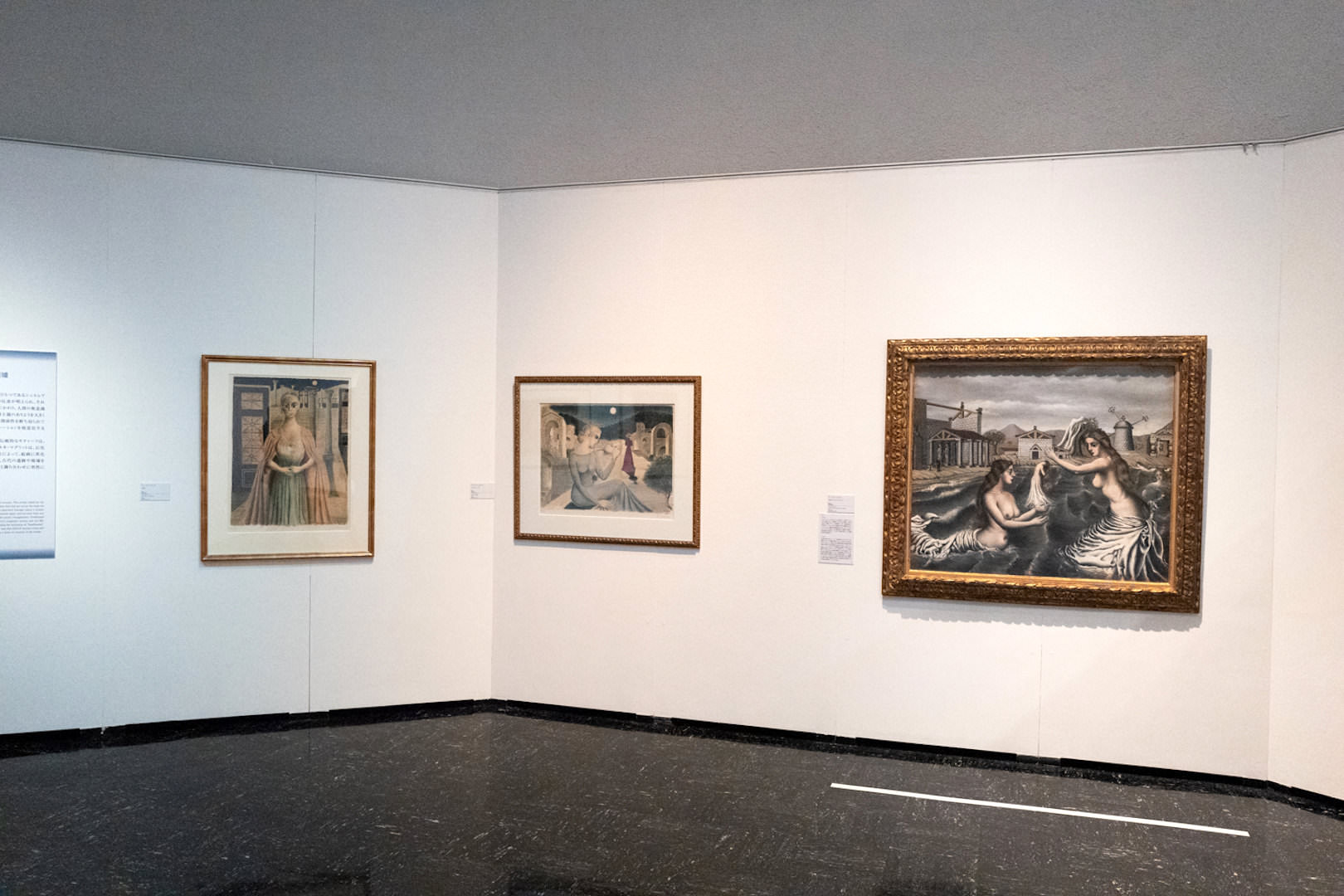
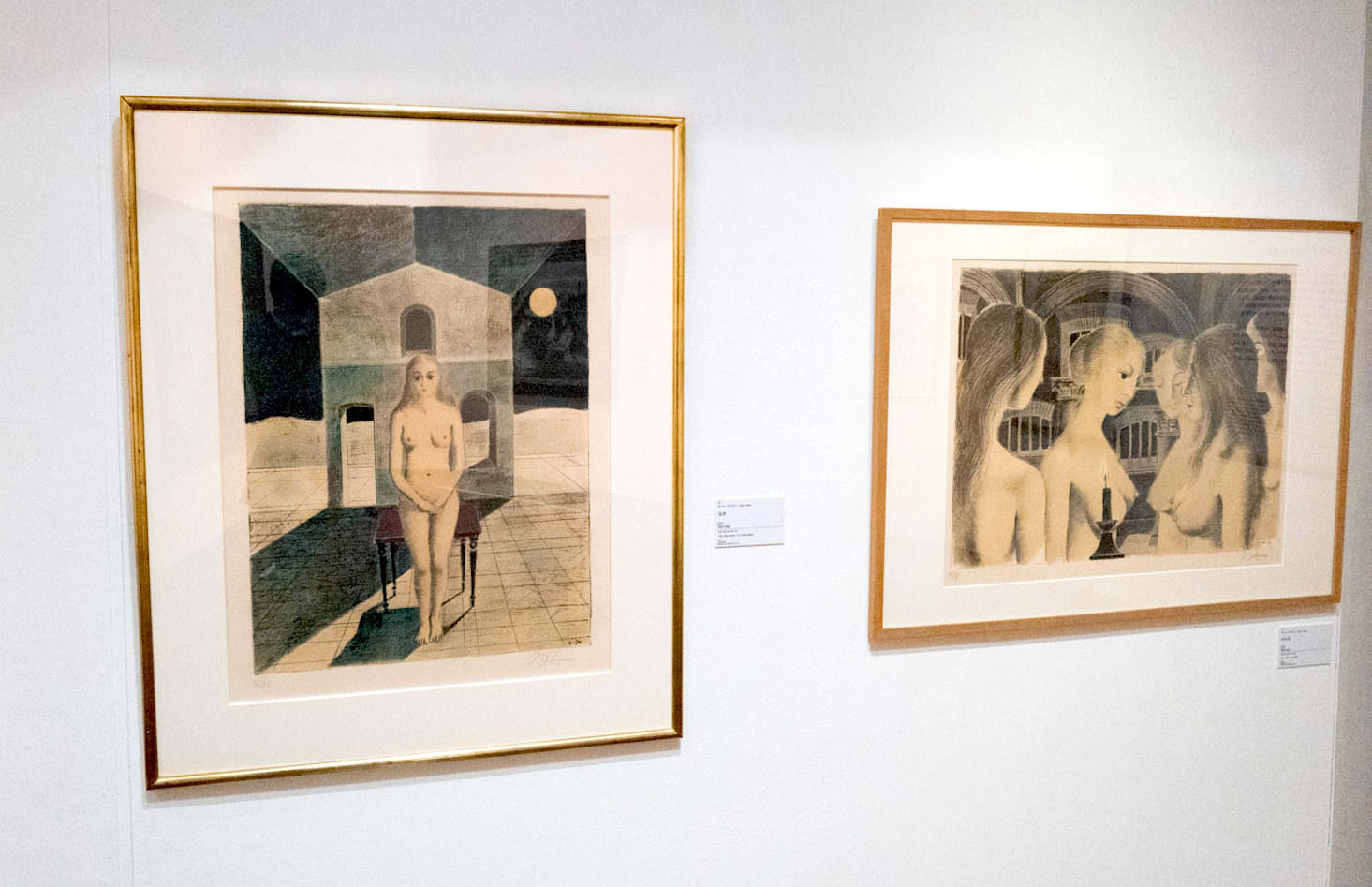
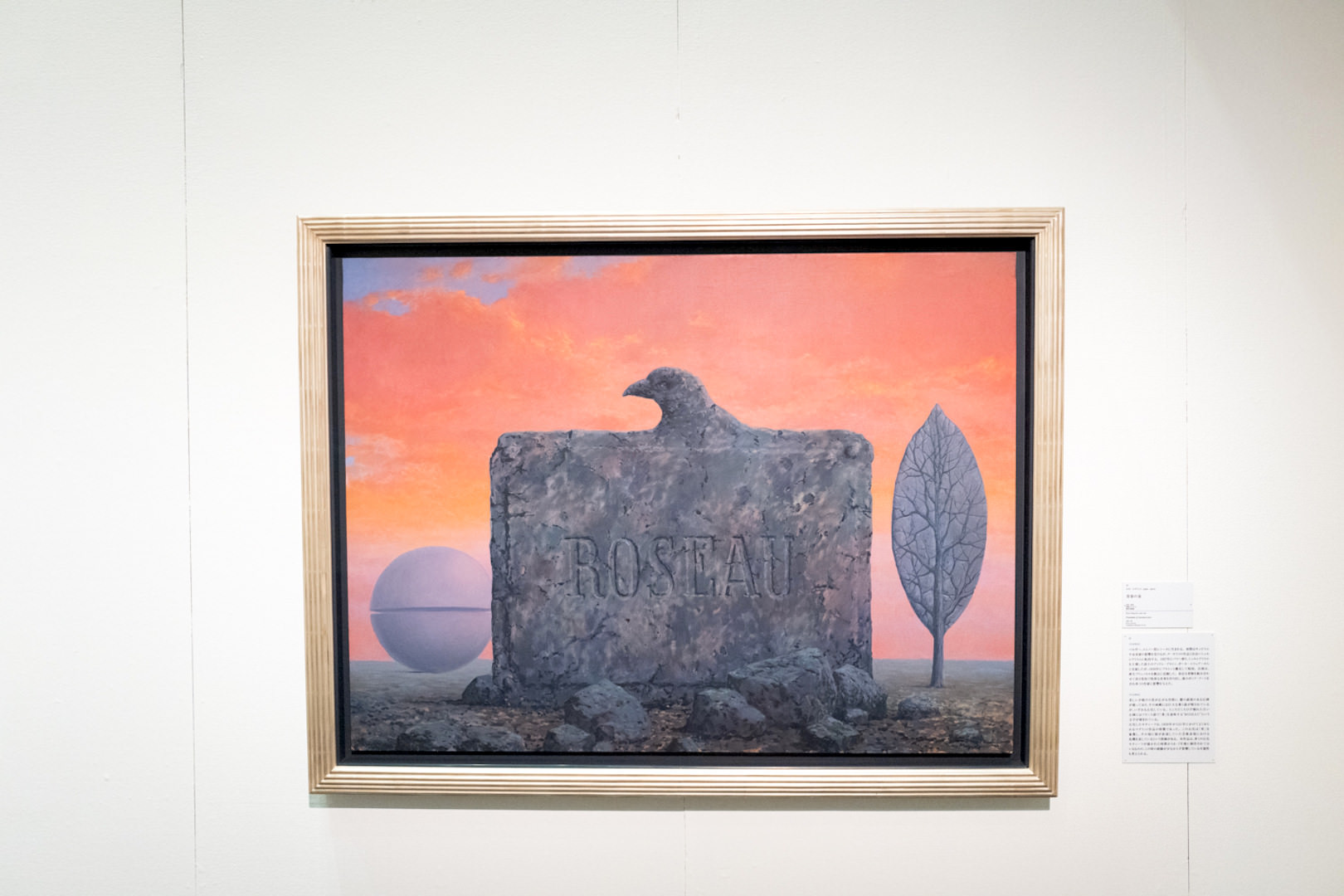
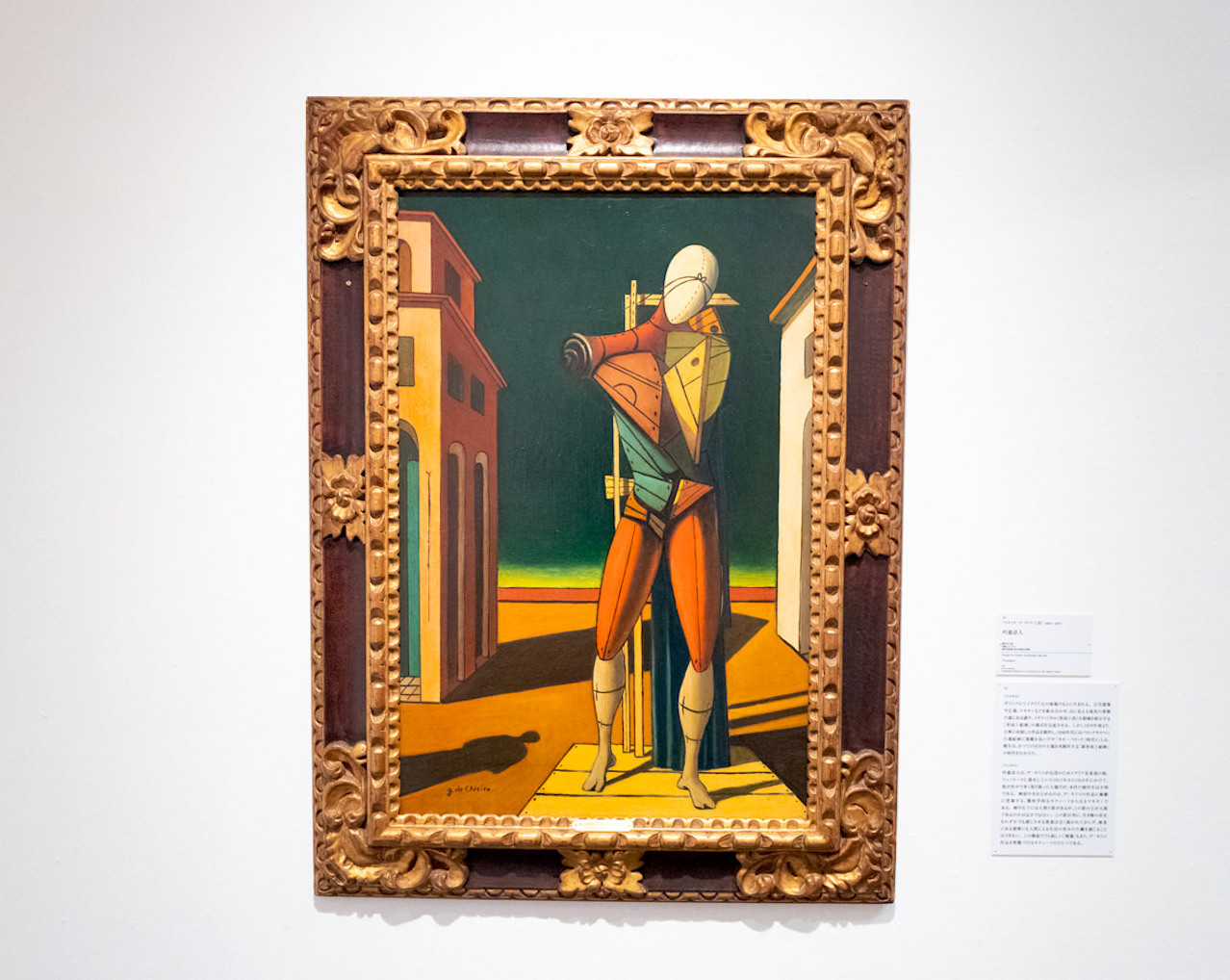
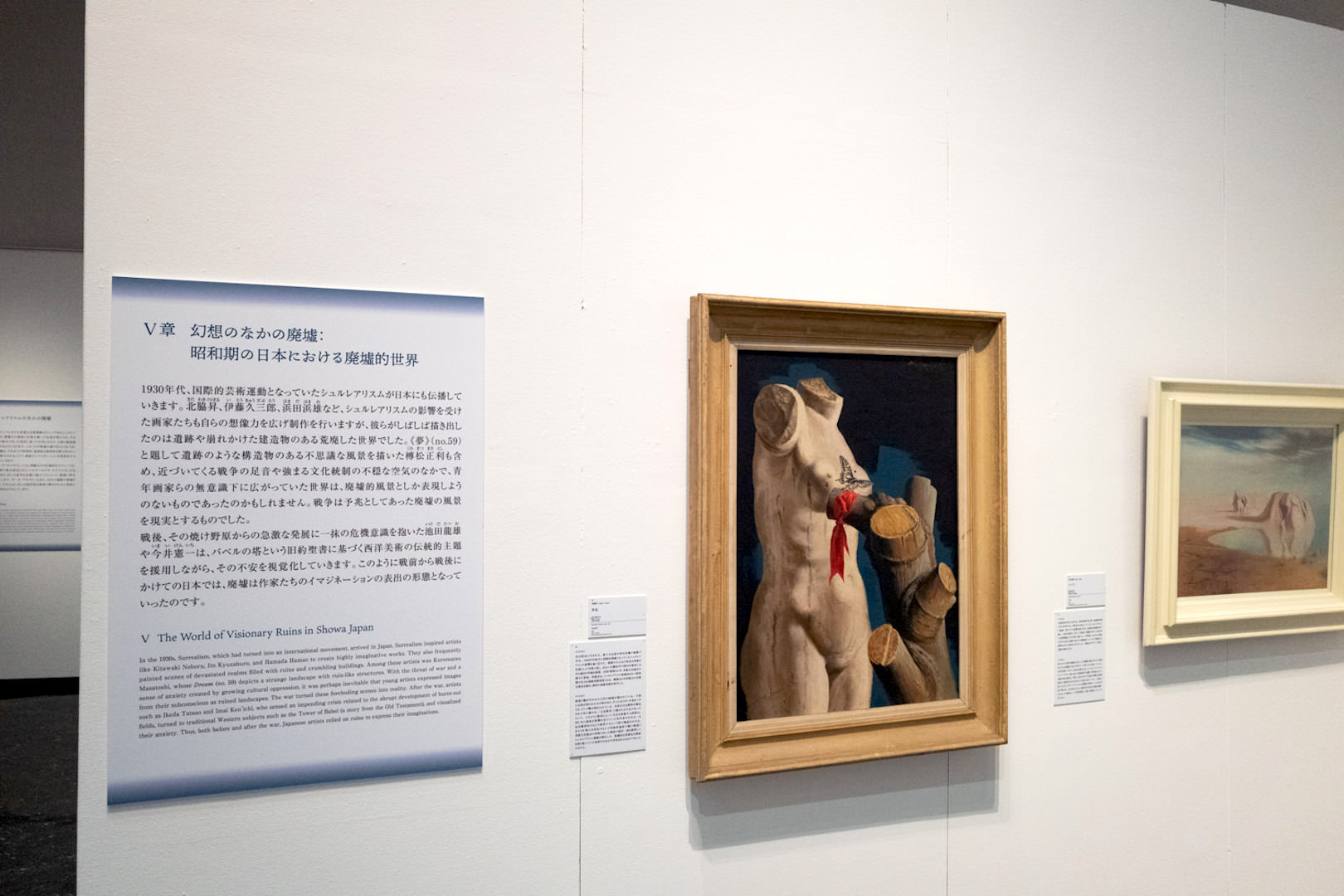
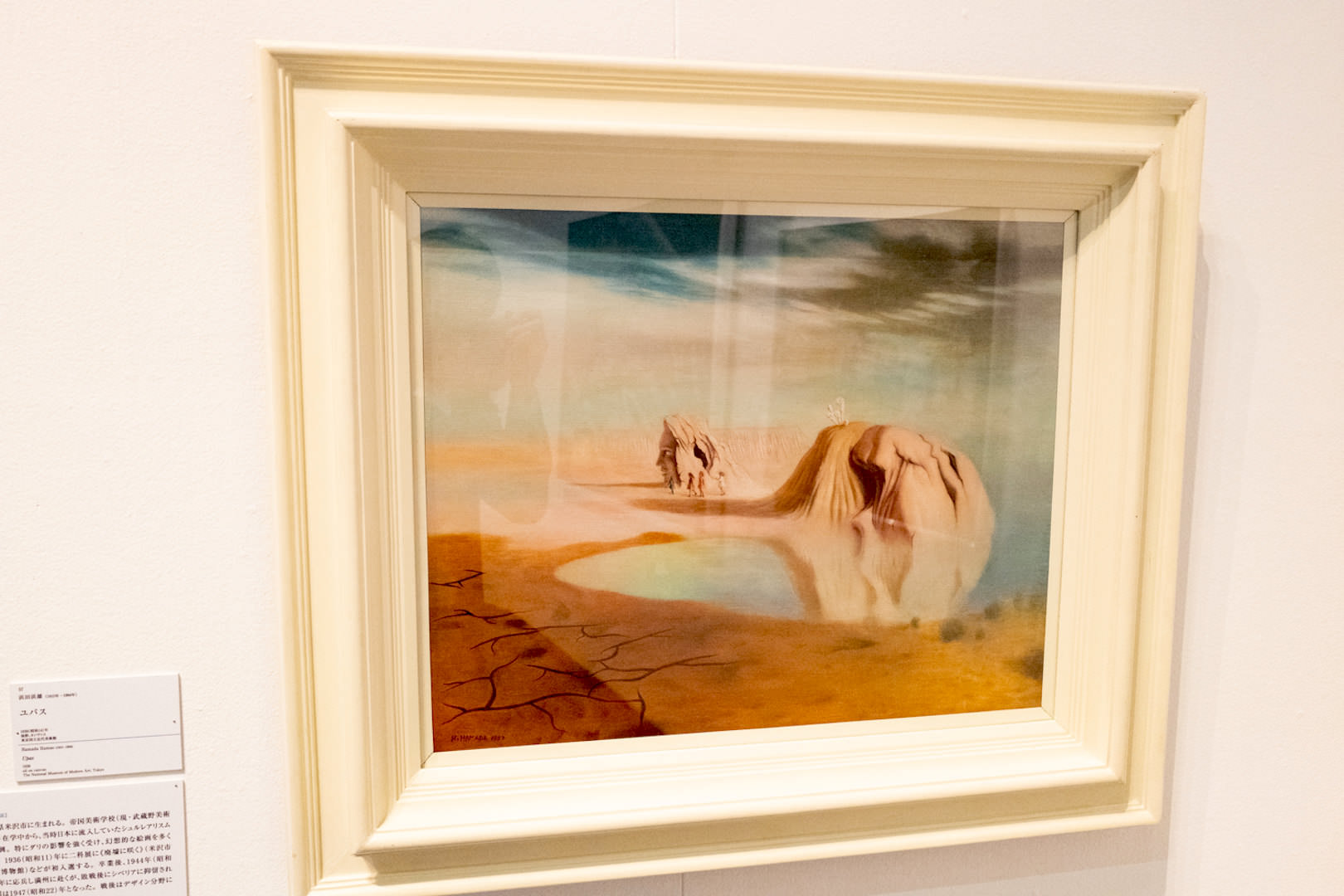
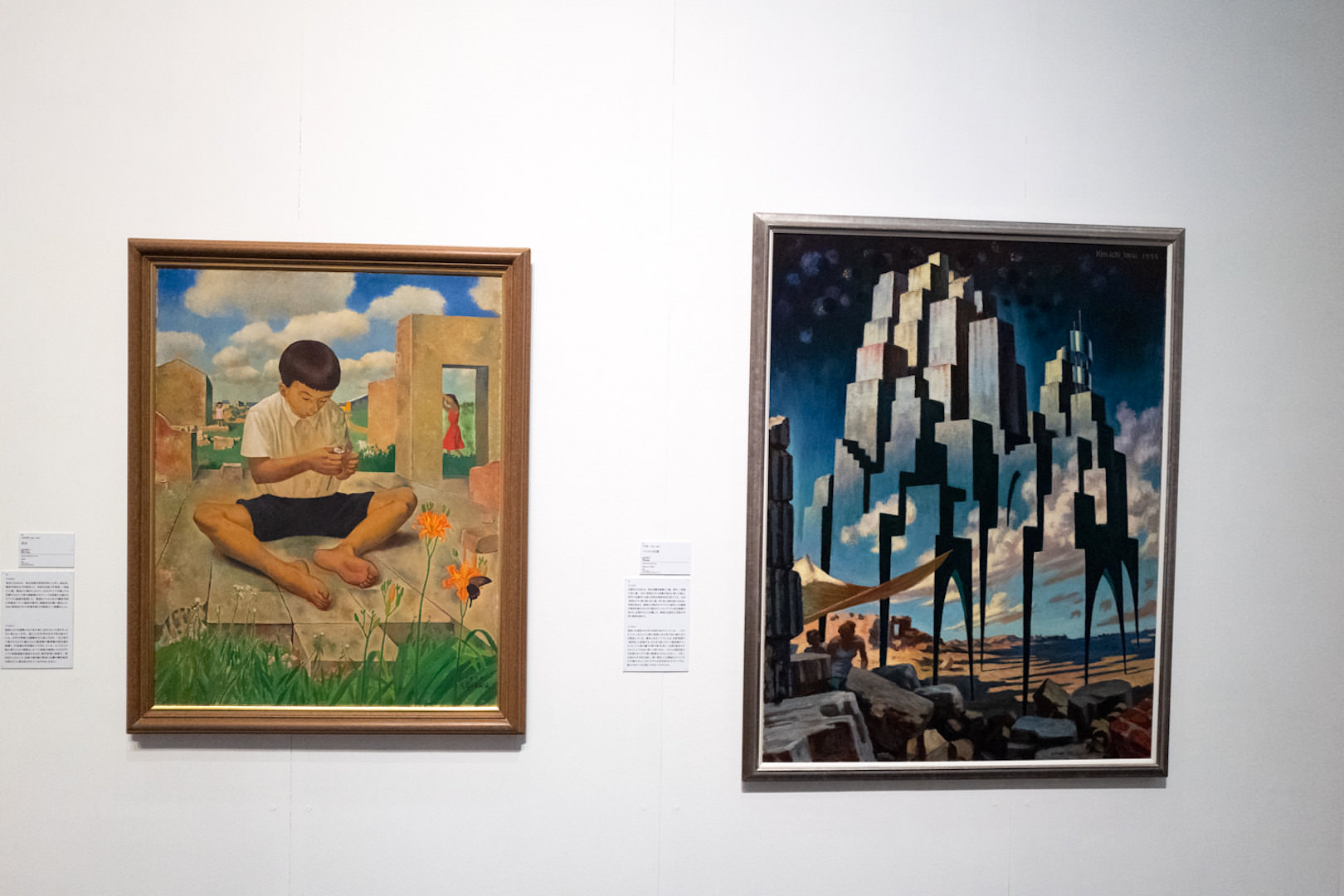
Chapter V. Ruins within Fantasy: The World of Ruins in Showa-era Japan
Chapter VI. Dreaming of the Distant Future: Contemporary Painters Depicting Days to Come
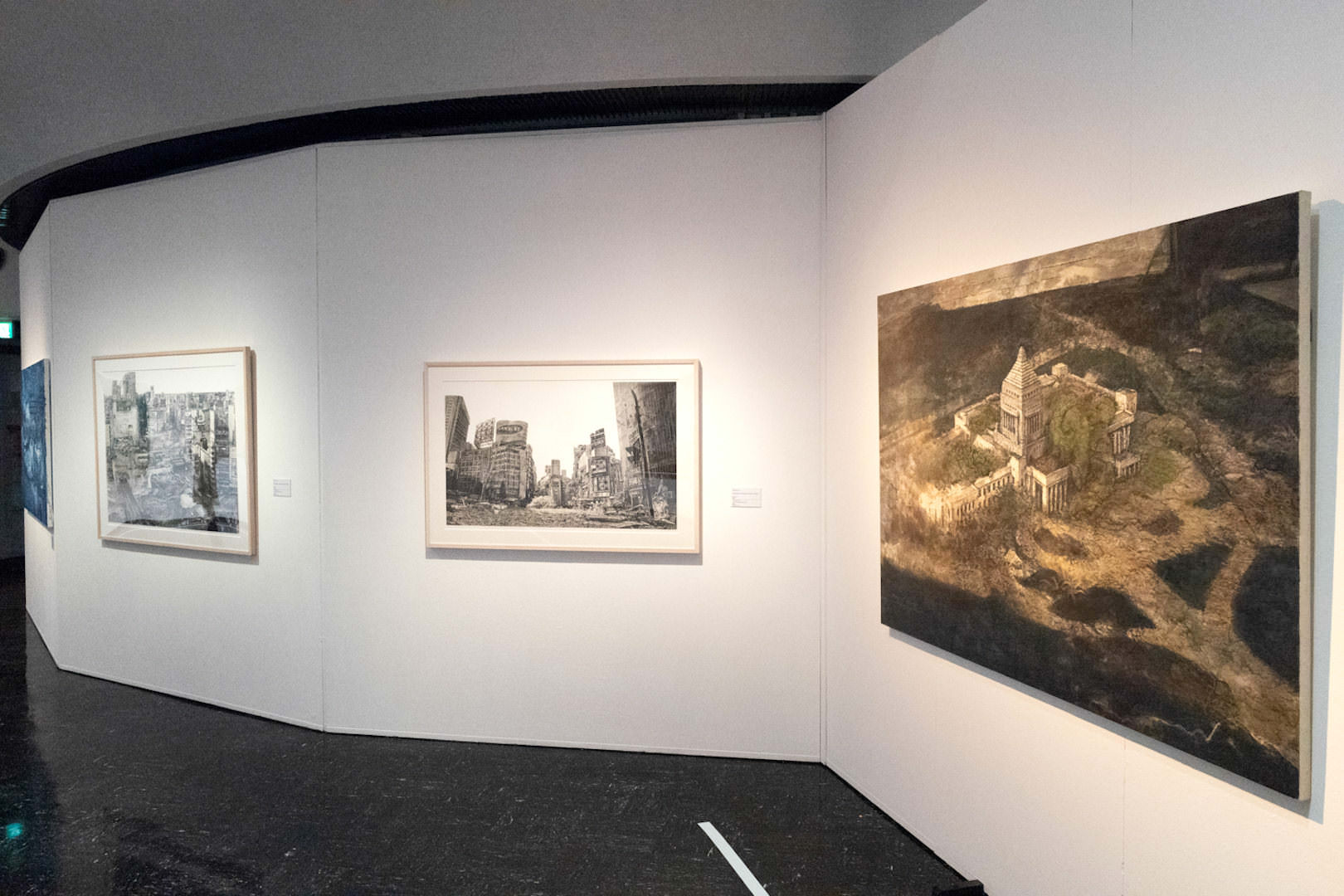
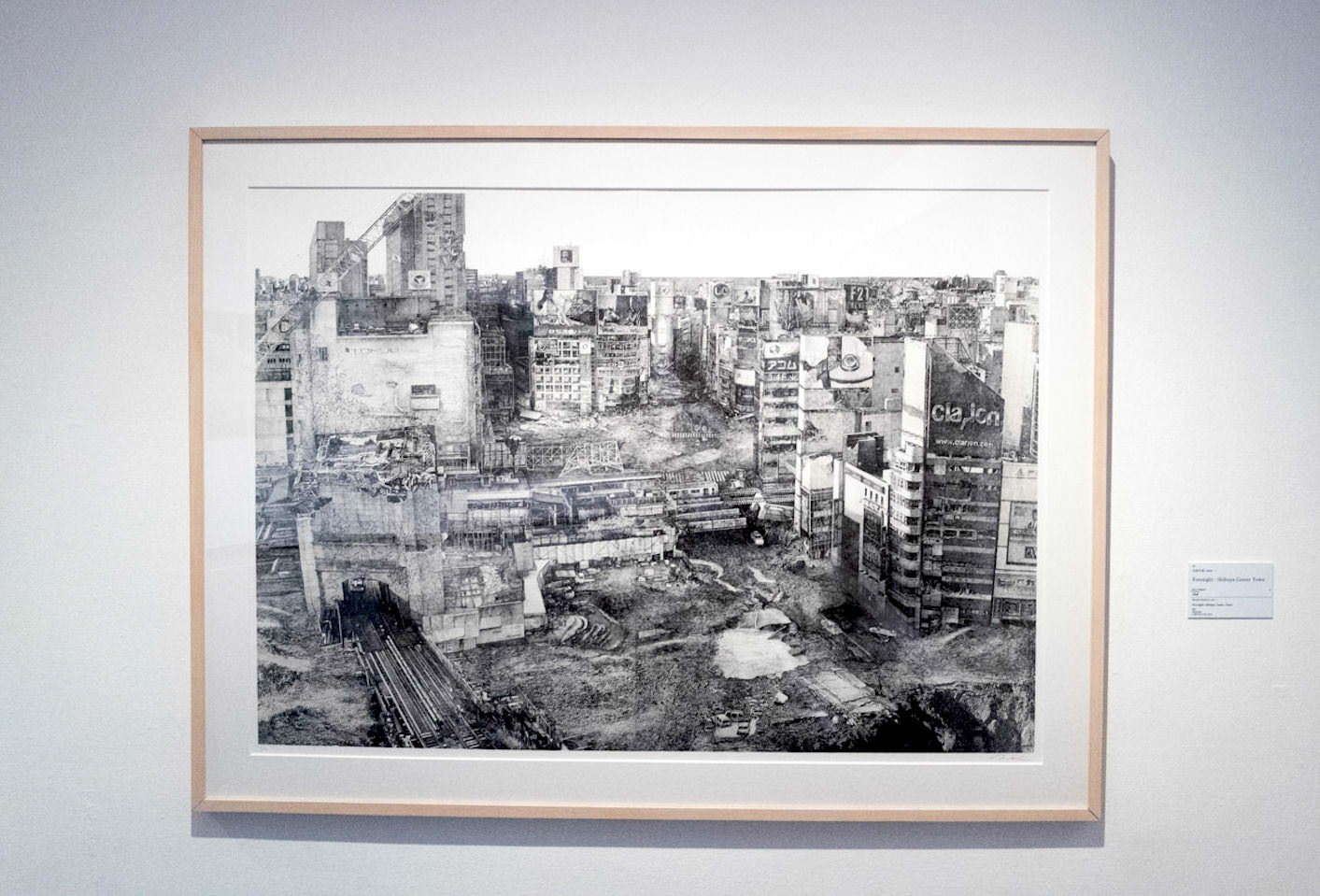
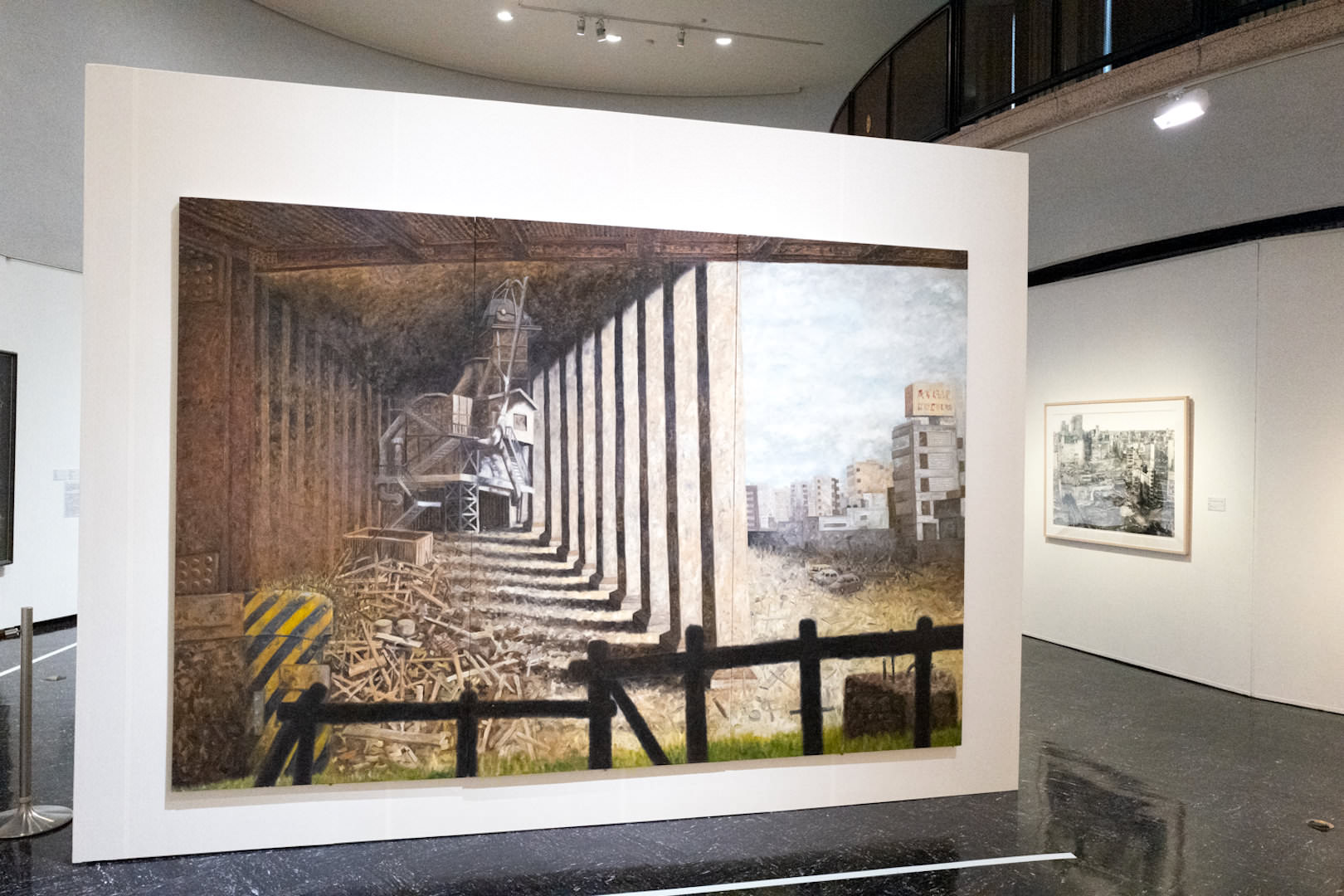
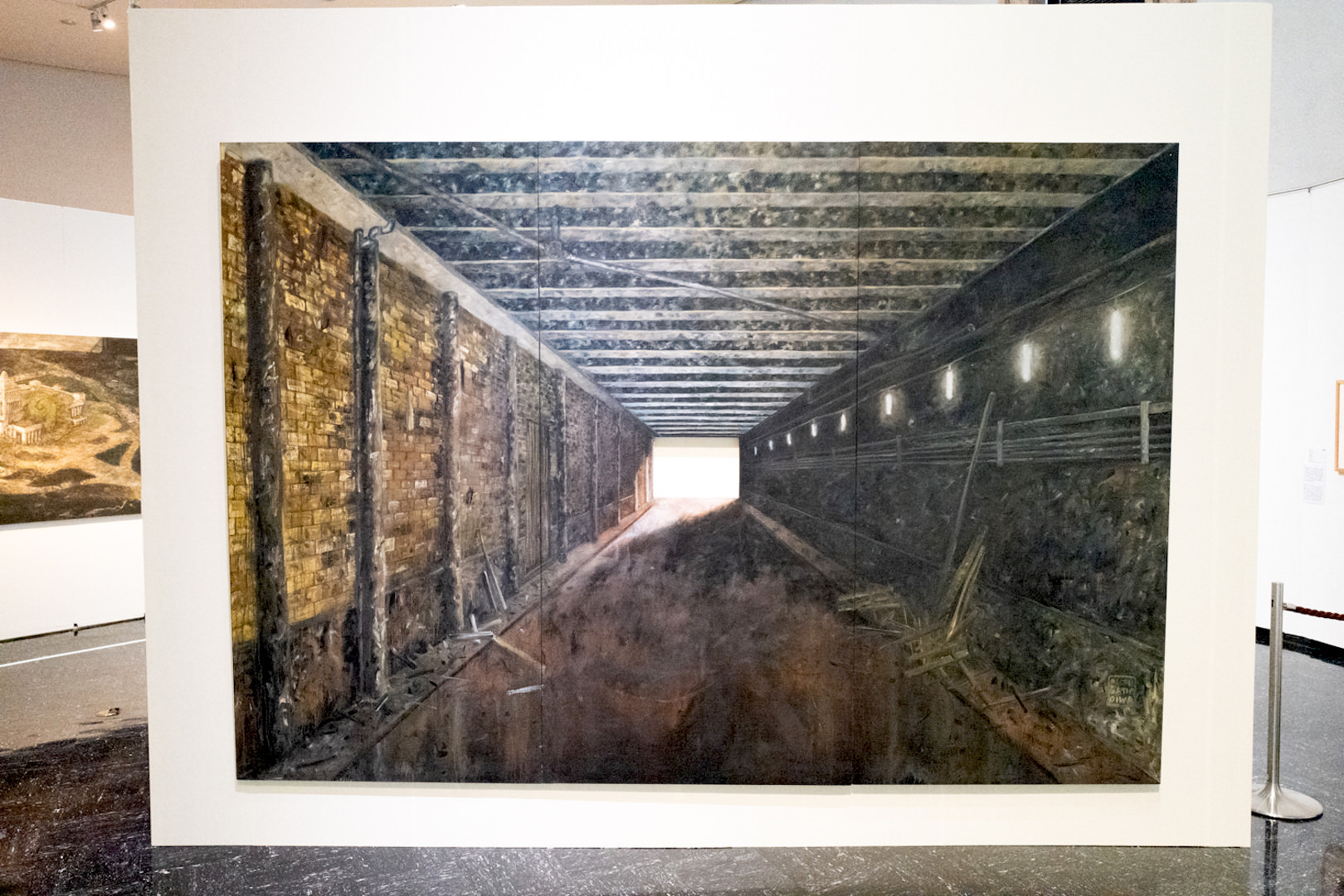
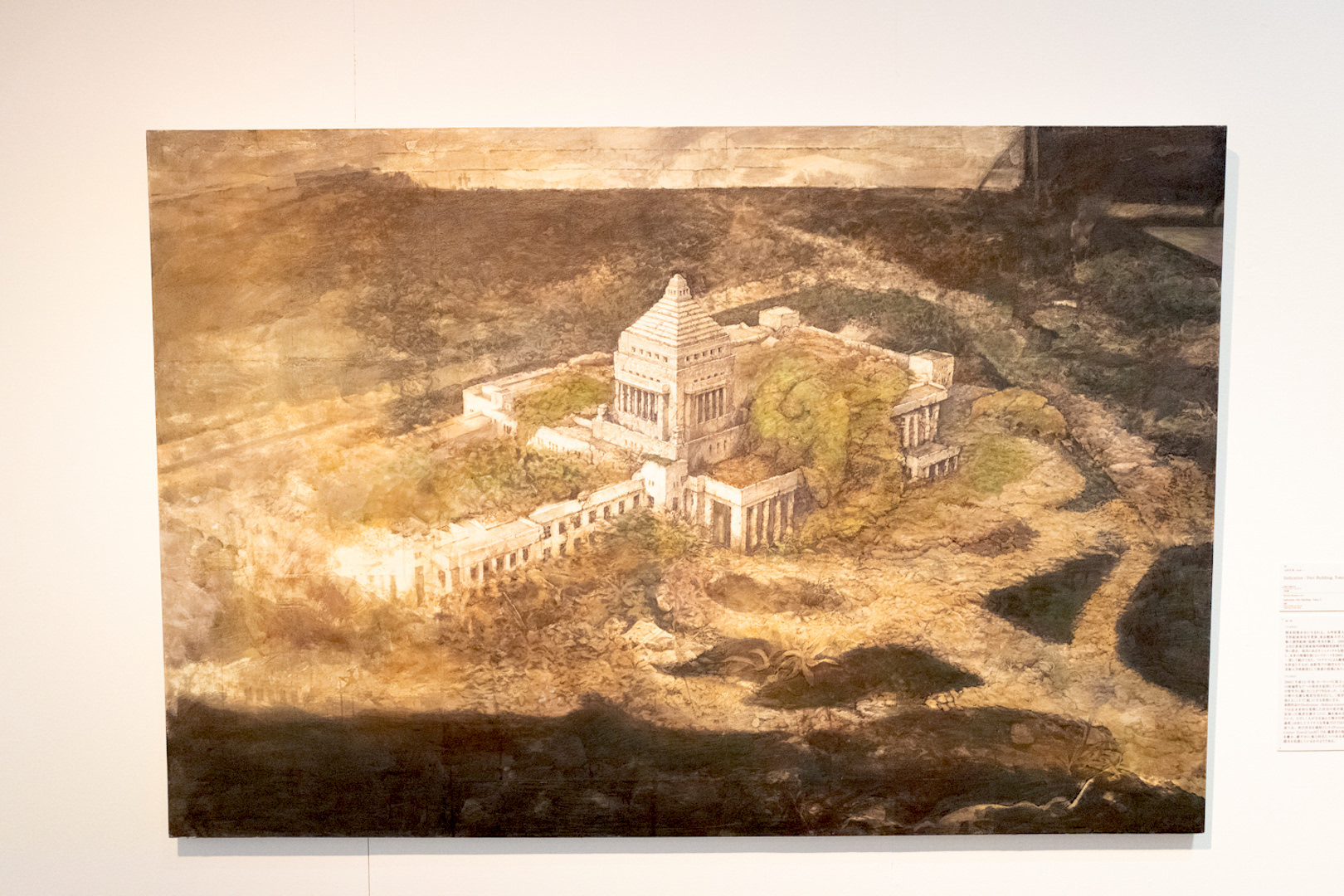
Hisaharu Motoda
Hisaharu Motoda’s works are miniatures, yet possess a softness that makes him one of my favorite artists.
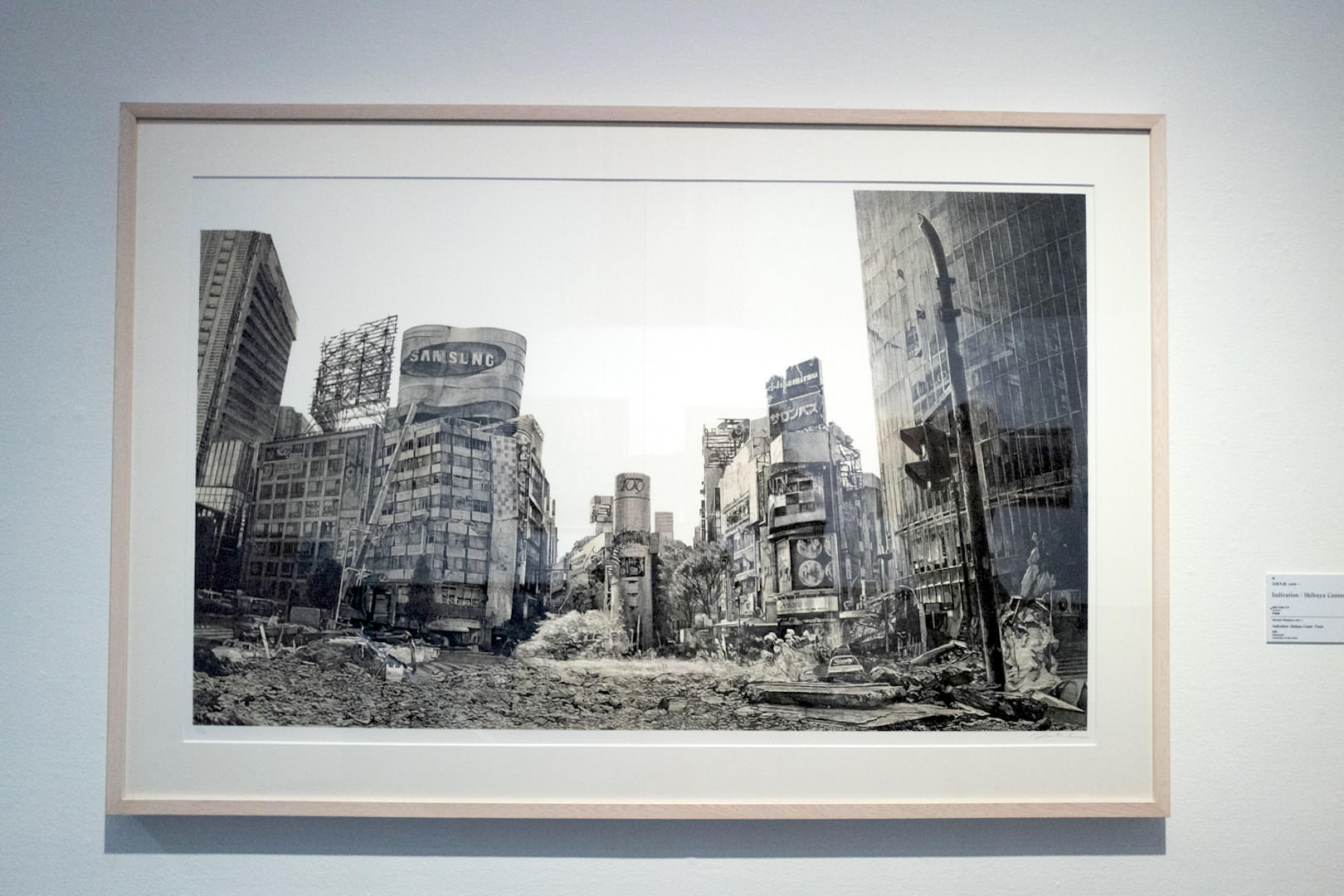
His work “Indication: Shibuya Center Town” depicts the Shibuya intersection in a decadent light.
Stepping into the crowds of Shibuya Station after seeing this piece gives rise to a fascinating sensation. When one fully engages the imagination and pictures the negative, one arrives at the thought of firmly living in the here and now. Impressions will differ from person to person, but I imagine viewers will find themselves reflecting on the streets and living environments we inhabit, which are transforming day by day.
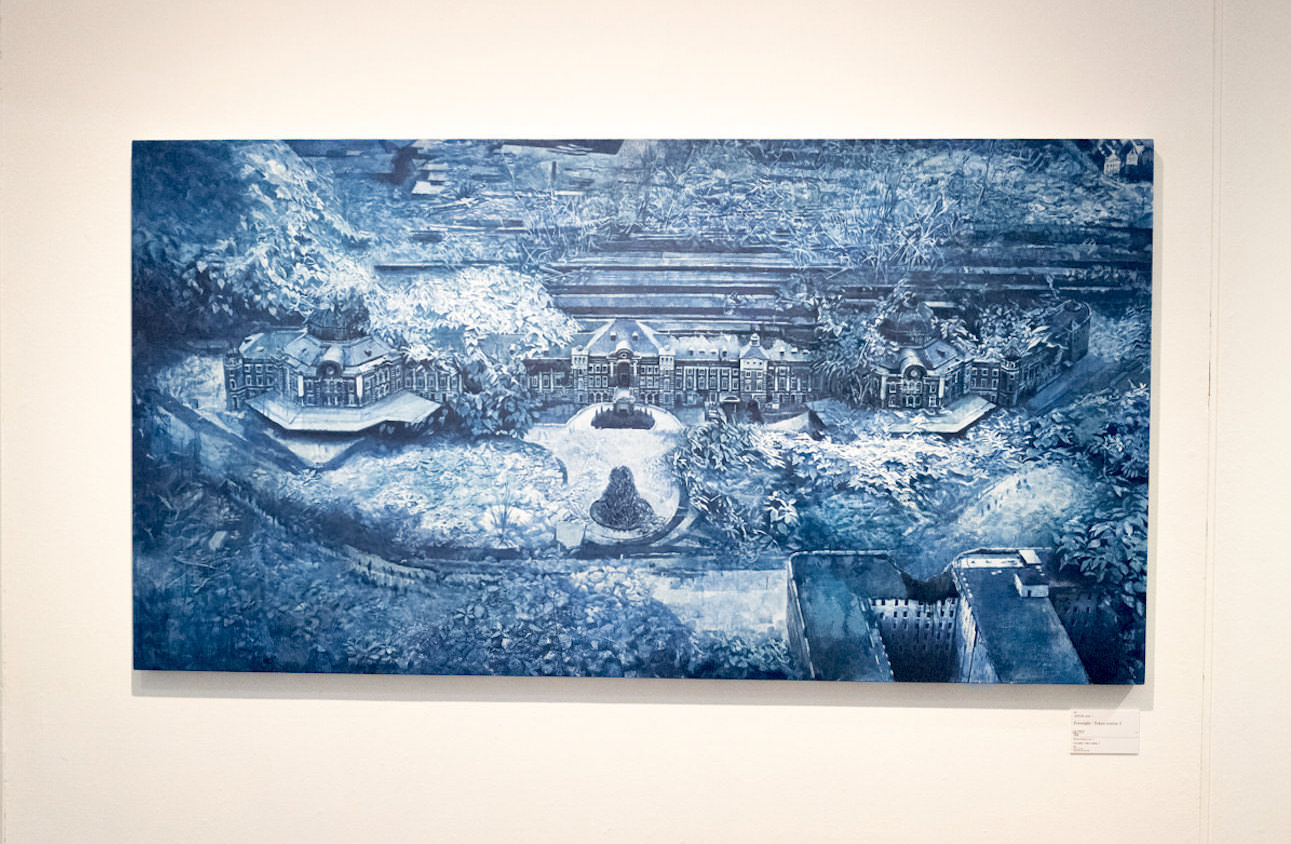
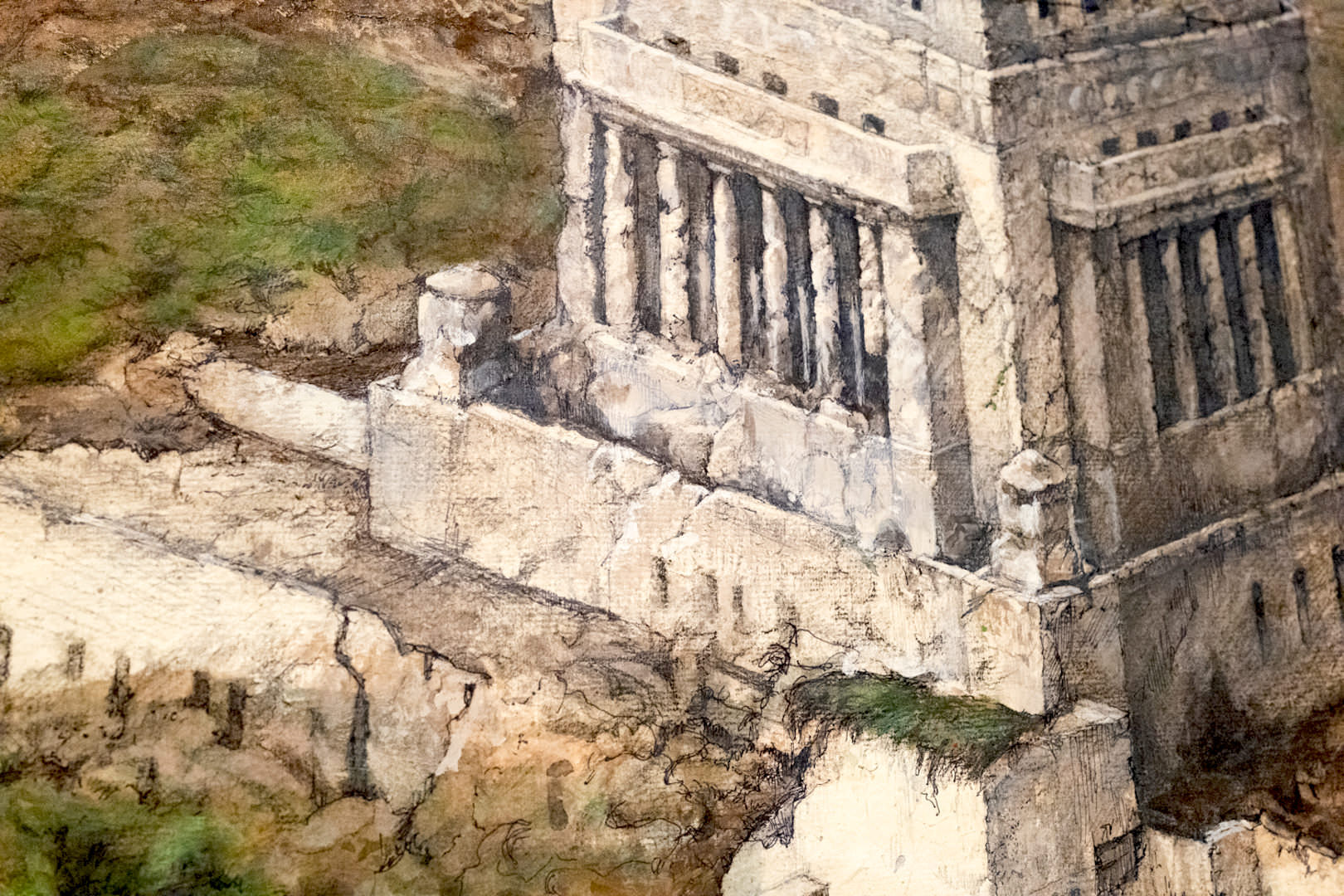
Minoru Nomata
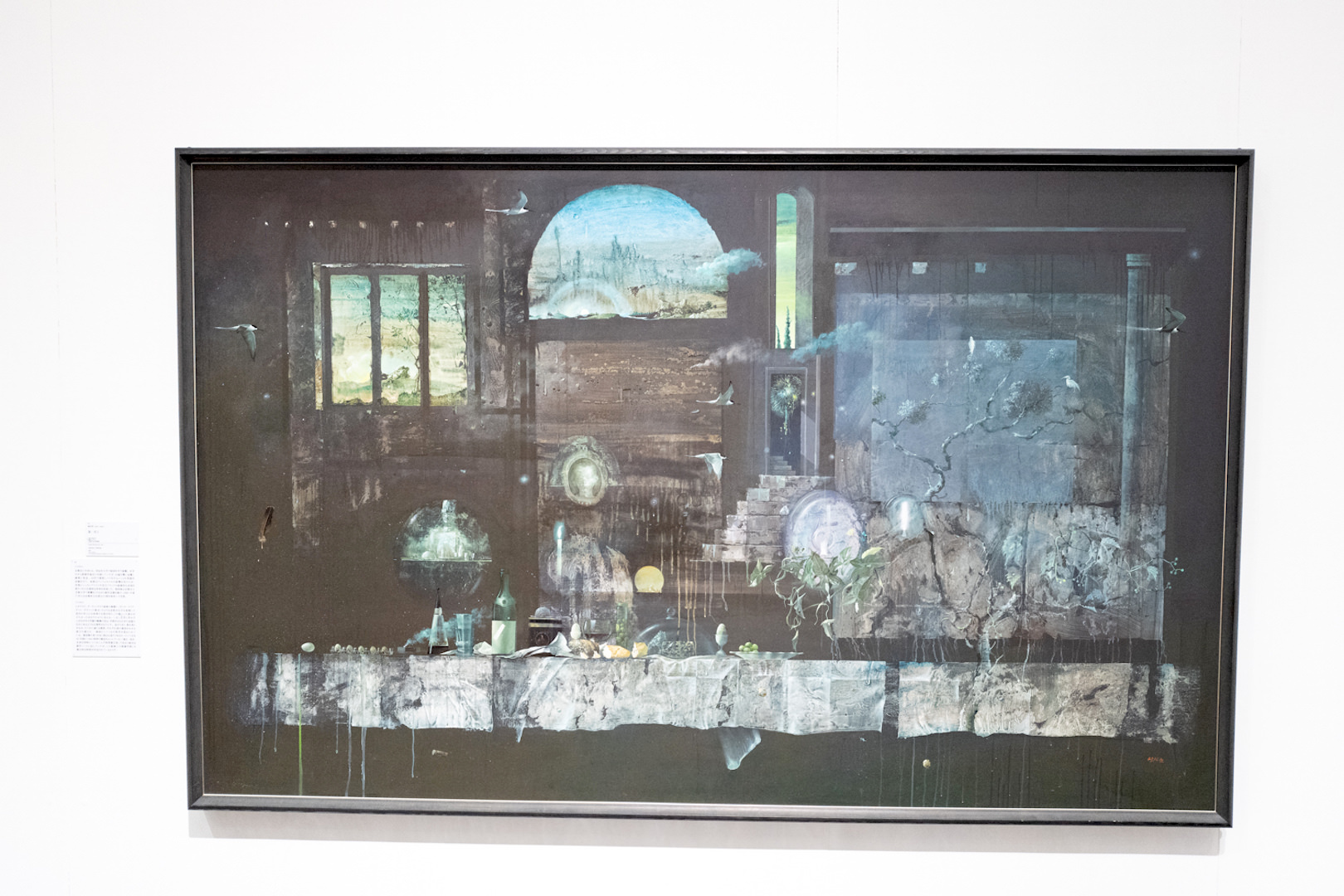
Minoru Nomata’s works, painted with a palette based on pale blue, conjure mysterious spaces.
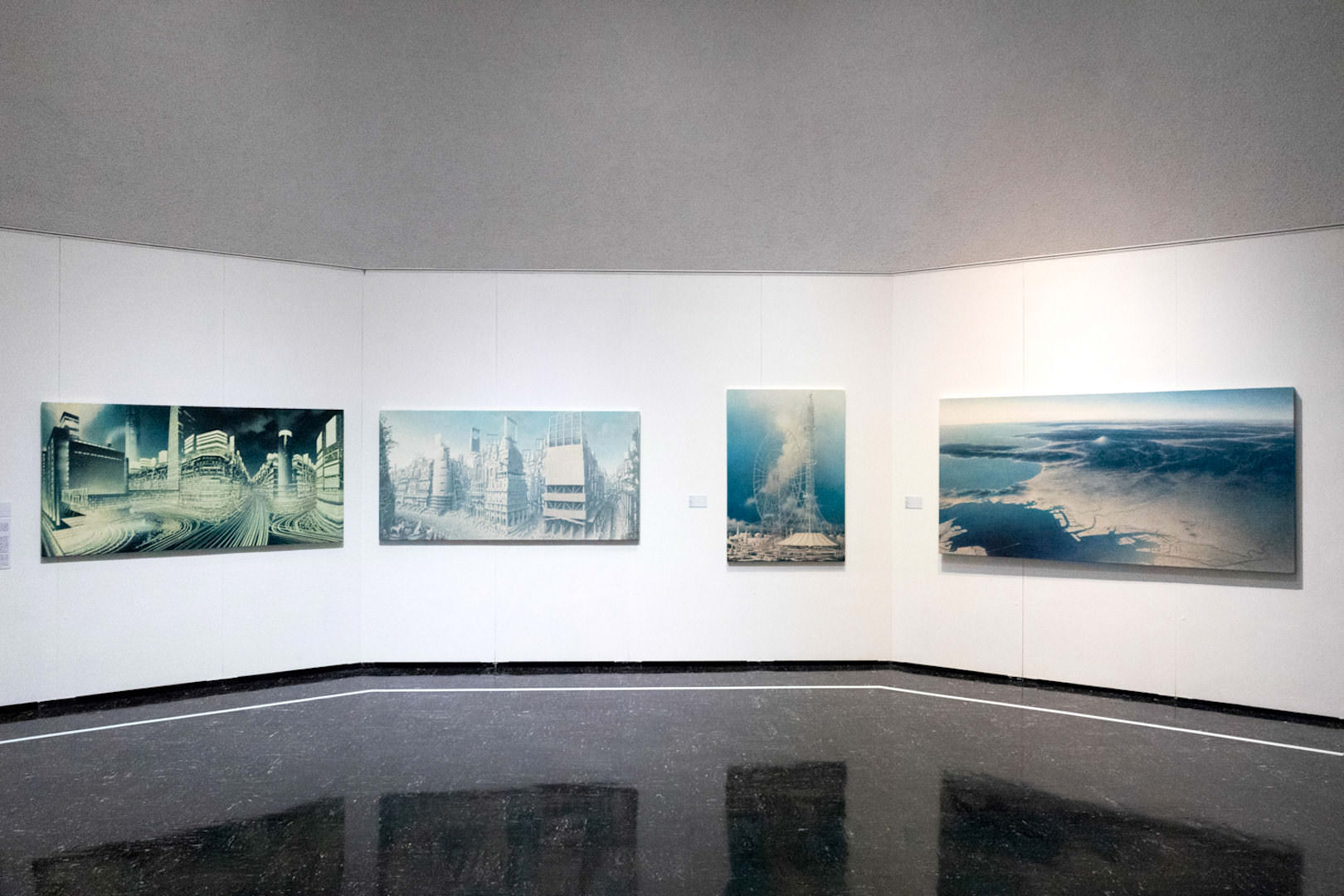
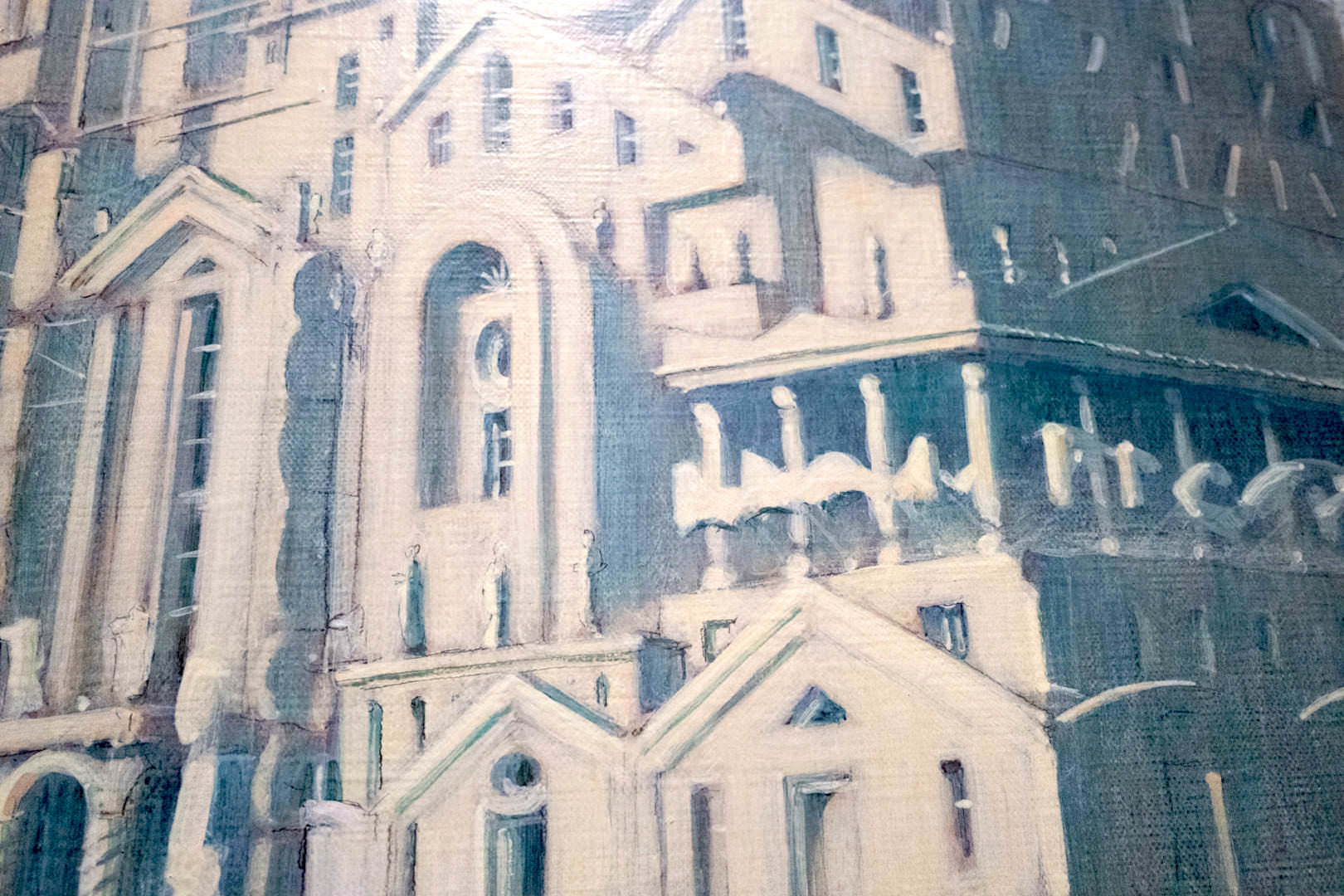
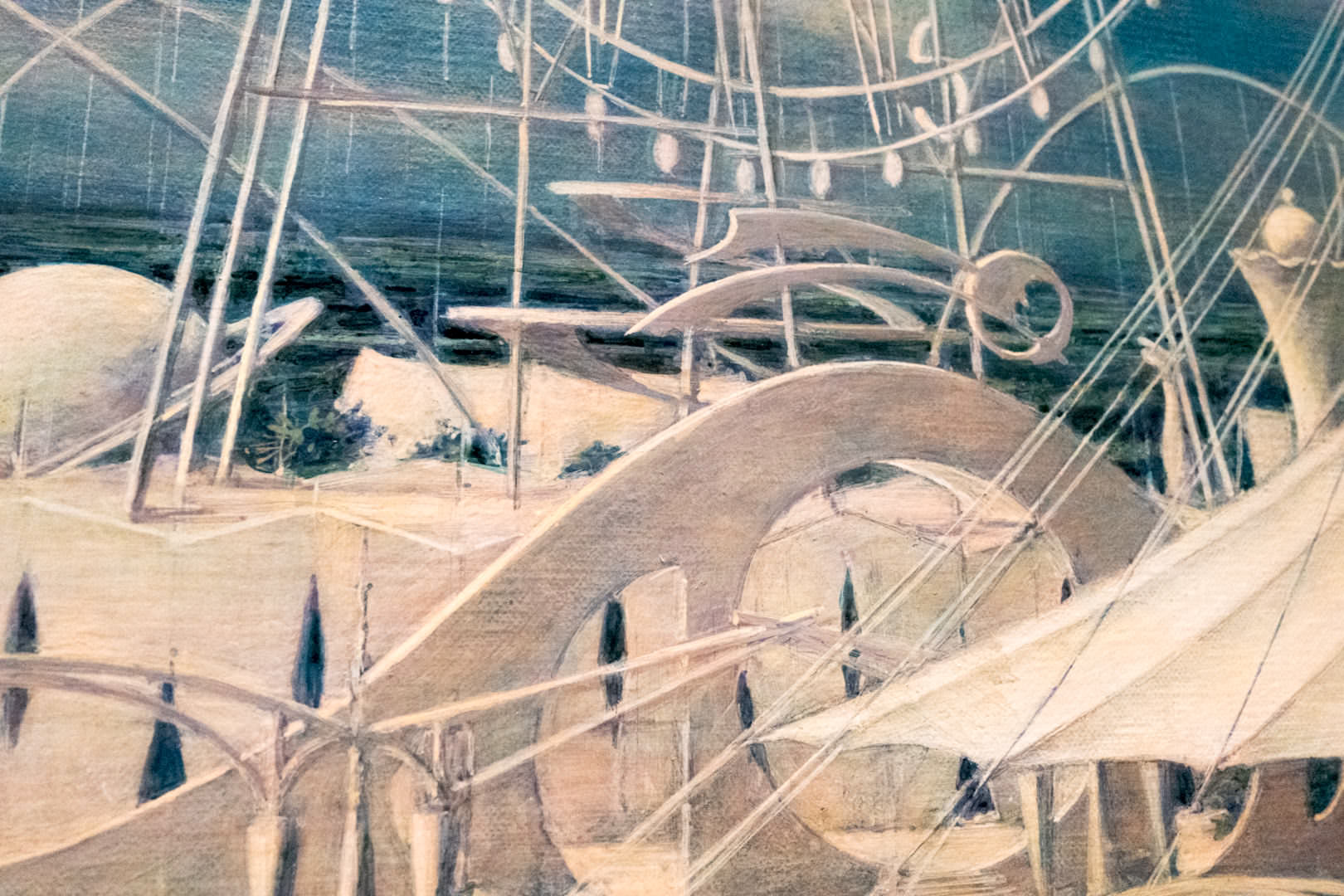
I love Minoru Nomata’s matière, so I took a close-up photograph. Photographs can only convey so much, but his brushwork feels wonderfully gentle, soft, and inviting to the touch.
Please see the article I previously wrote covering his solo exhibition at the link below.
Nomata’s Work Paying Homage to Piranesi
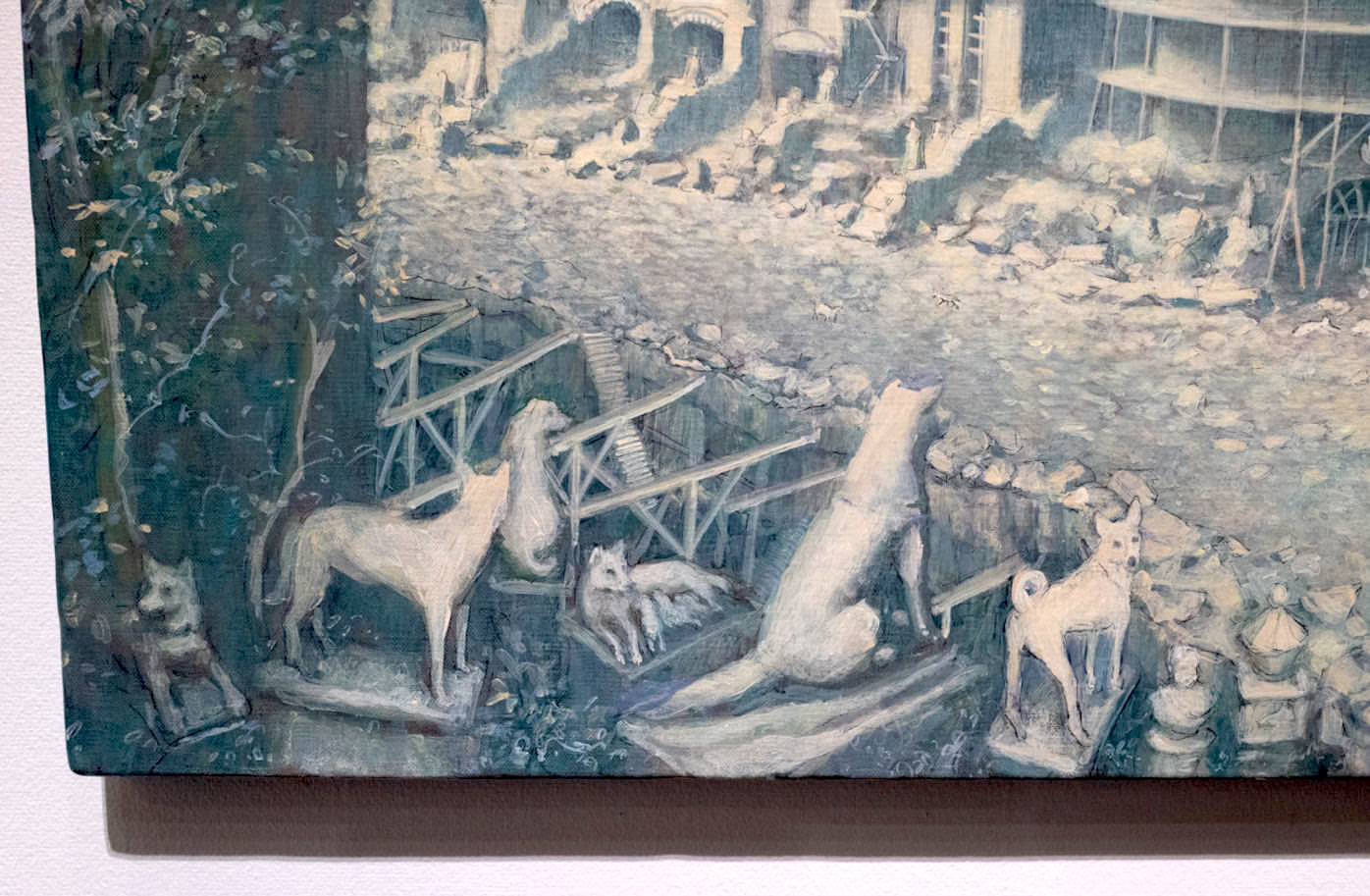
Minoru Nomata’s piece “While Waiting at the Crossroads — Listen to the Tales” was painted for the 2013 exhibition “Imaginary Architecture: From Piranesi to Minoru Nomata.”
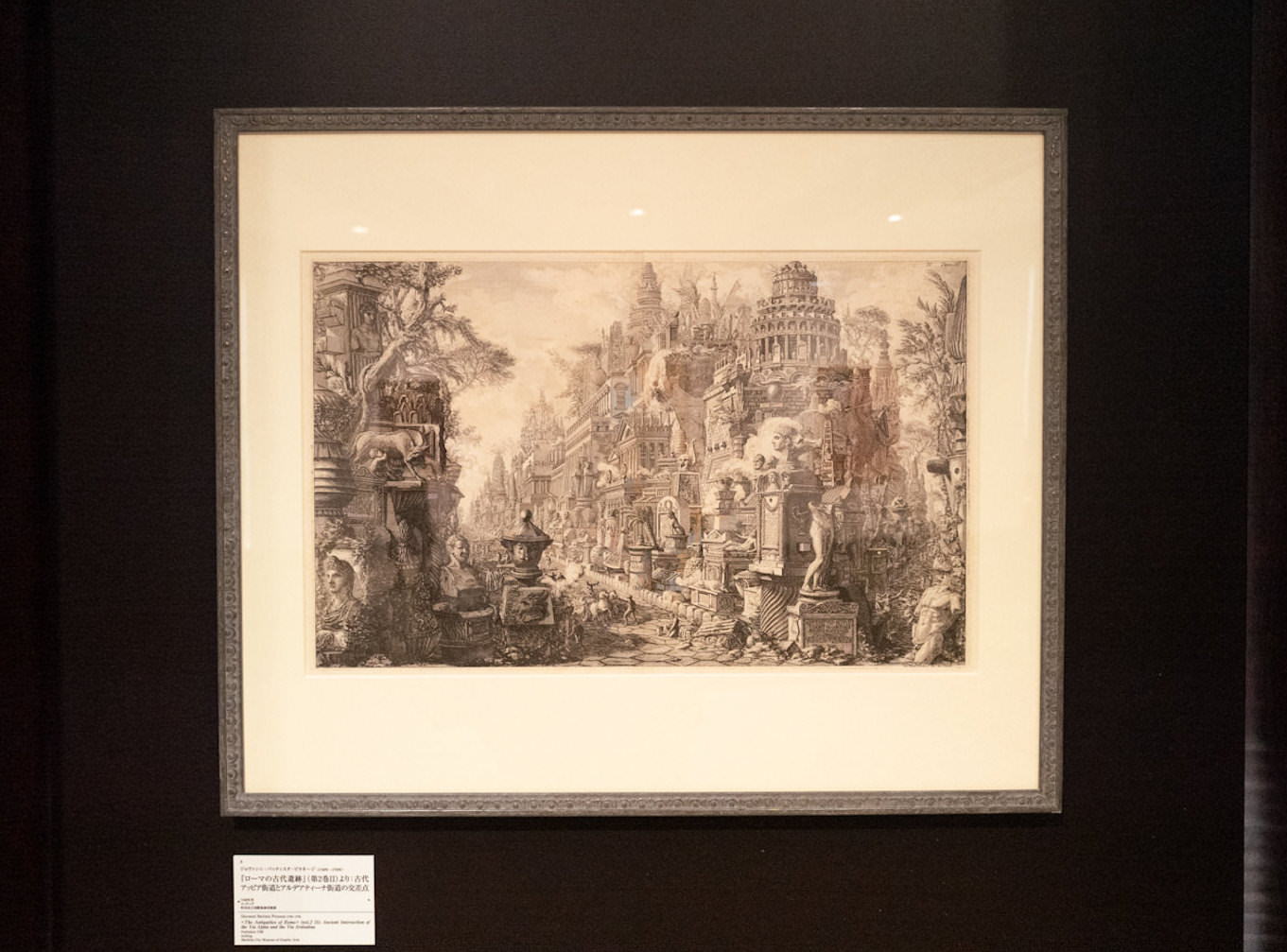
Depicted on the left-hand side of the work above is a fox.
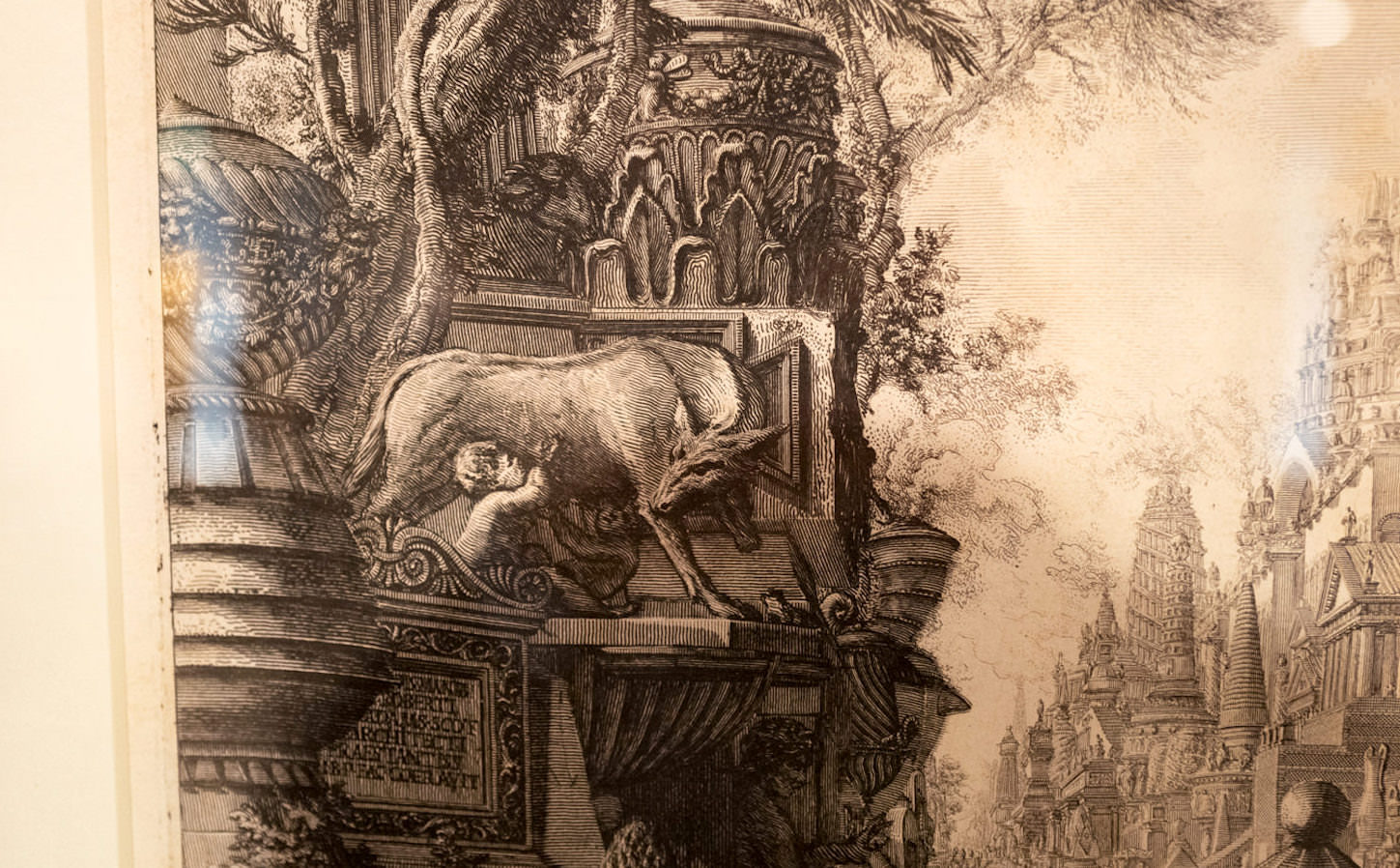
And on the lower-left portion of Minoru Nomata’s work “While Waiting at the Crossroads — Listen to the Tales” sits Hachiko, the iconic symbol of Shibuya, together with other dogs, turned in another direction.

Minoru Nomata’s artist talk was also lively.
Ancient Rome and present-day Shibuya — the shared motif of an intersection seems to synchronize across time under the rubric of “ruins,” making us feel the flow of the present time we are also living through. It is as if we are being swept away toward “the far side of the end,” the phrase in the exhibition’s title.
A ruin is, as noted at the beginning, “the desolate remains of buildings or urban areas,” and it also represents “the unavoidable passage of time.” Perhaps we are enchanted by ruins because our daily lives are likewise governed by the same inescapable time. Reflecting on such thoughts, I made my way through the Shibuya intersection toward the station.
*The exhibition list can be found here.