Leiko Ikemura: Our New Sky – Earth & Star
A large-scale solo exhibition by Leiko Ikemura, who has long been based in Europe and is internationally acclaimed, will be held. The exhibition runs from January 18 (Fri) to April 1 (Mon), 2019, at The National Art Center, Tokyo.
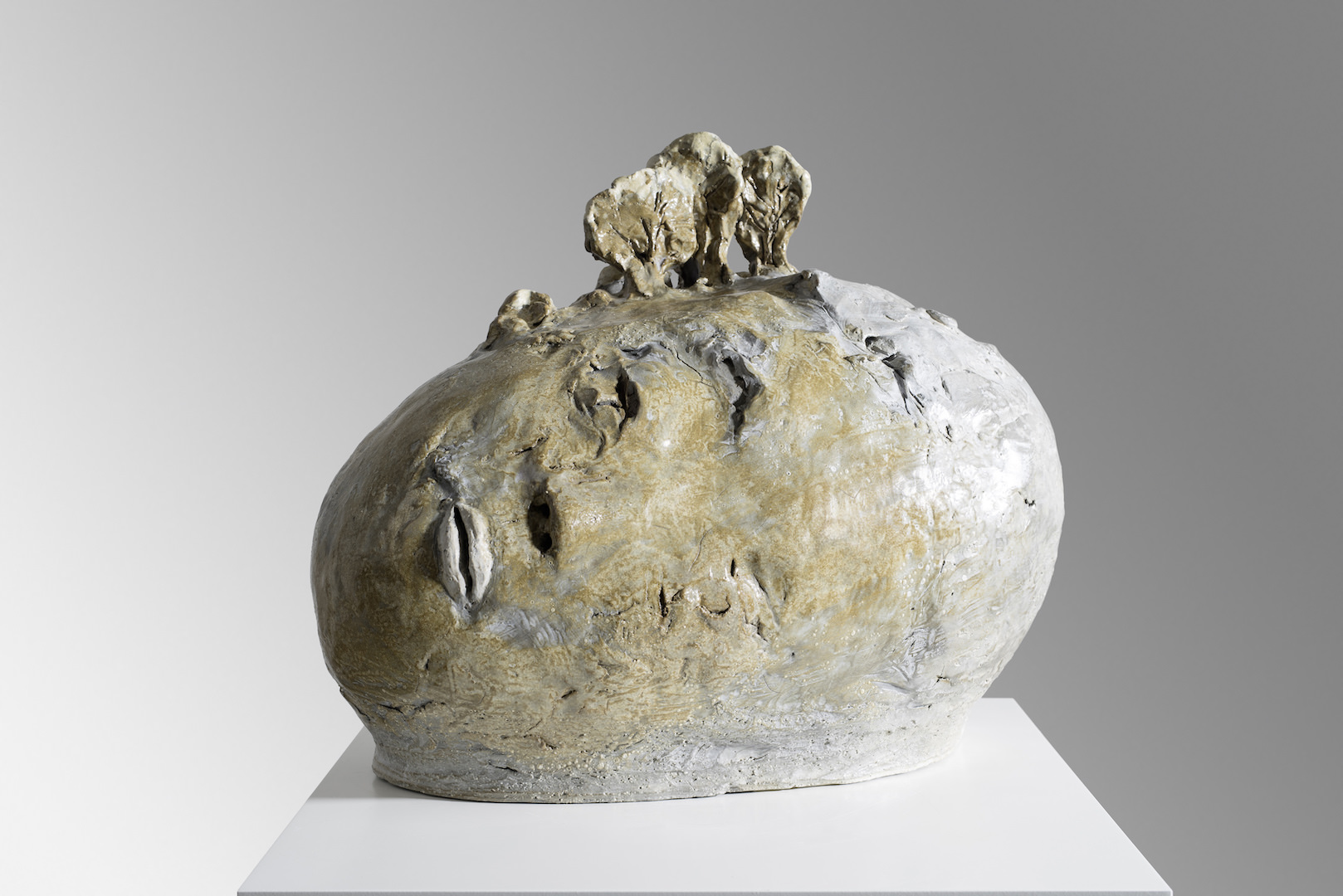
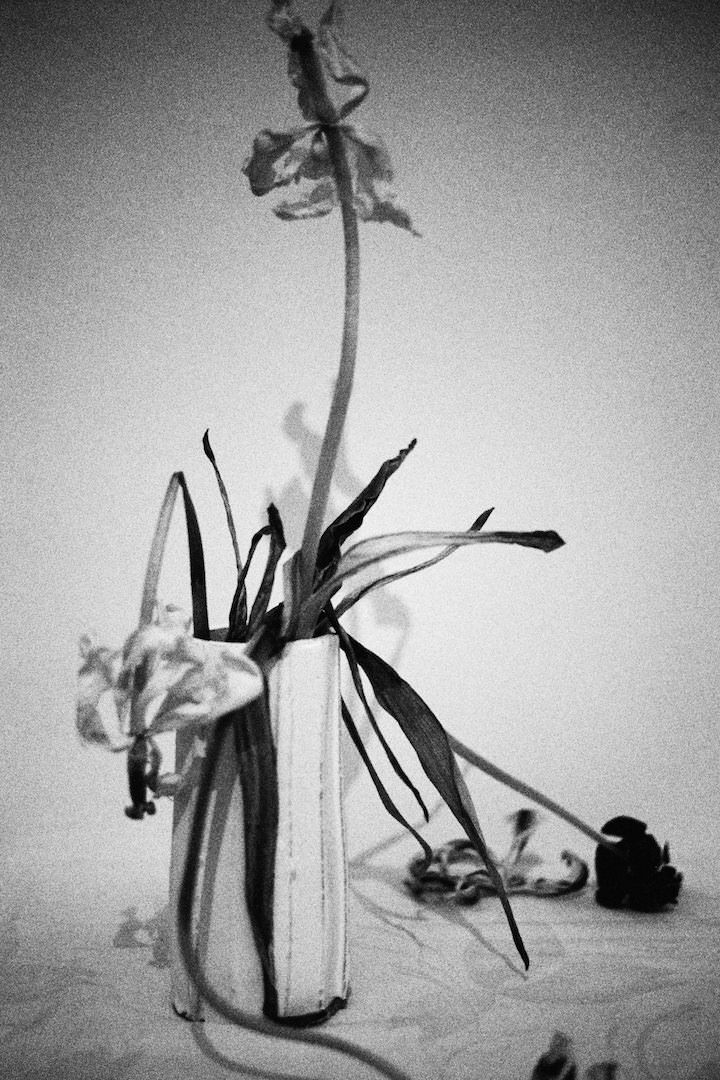
Courtesy Galerie Karsten Greve AG, St. Moritz
Leiko Ikemura moved to Spain in the 1970s, then to Switzerland, and from the early 1980s has been based in Germany. Her practice spans many media — painting, sculpture, drawing, watercolor, printmaking, and photography. This range attests to how Ikemura has taken up the singular artistic task of expressing infinite possibilities latent in the moment before something comes into being — possibilities not yet clearly visible — through a diverse array of media.
This exhibition traces the trajectory of Ikemura’s creative work, in which she has confronted such seemingly impossible goals with sincerity, through some 210 pieces.
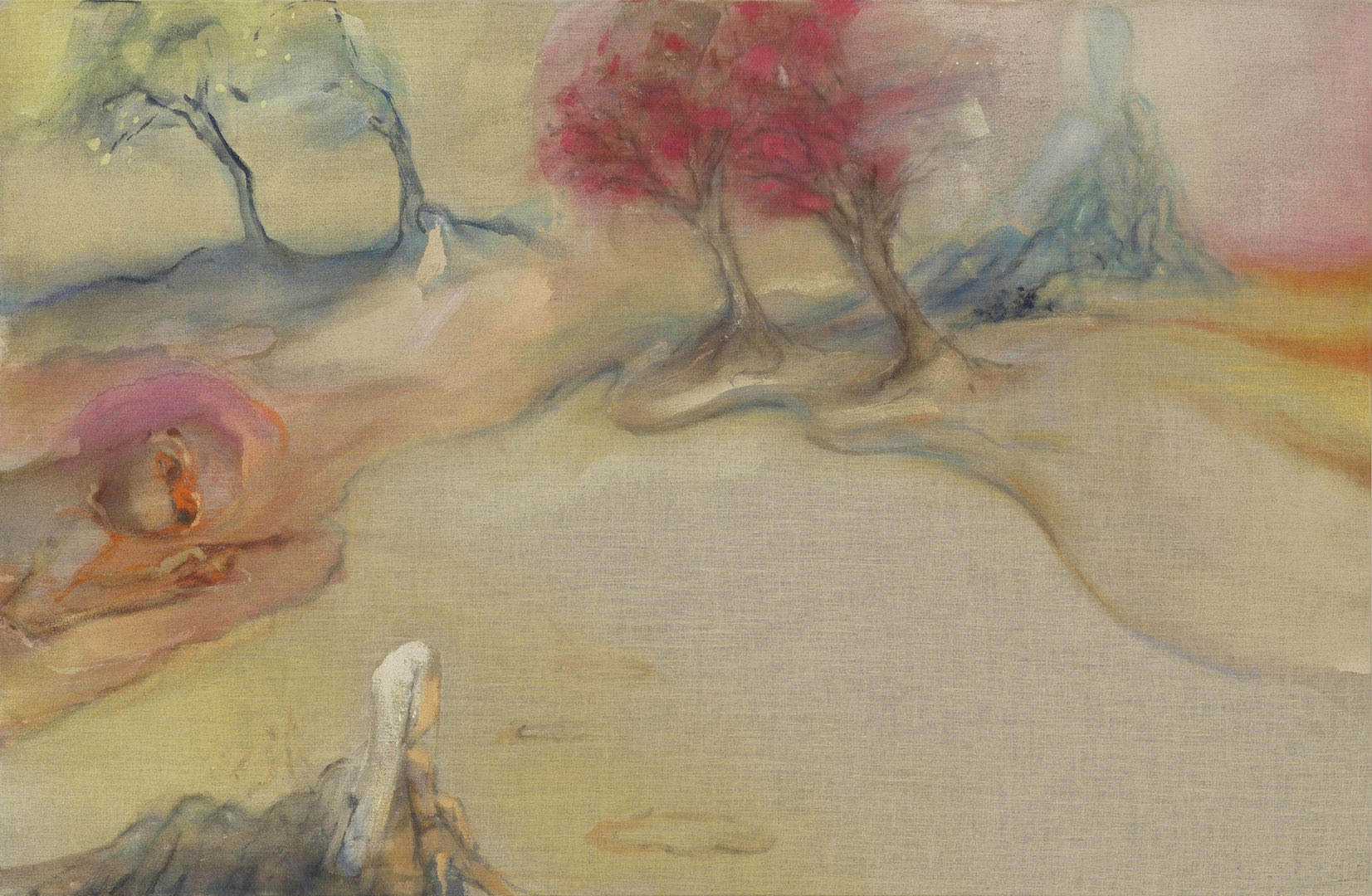
Having begun her career as a painter in earnest in Switzerland, Ikemura moved to Germany in 1983.
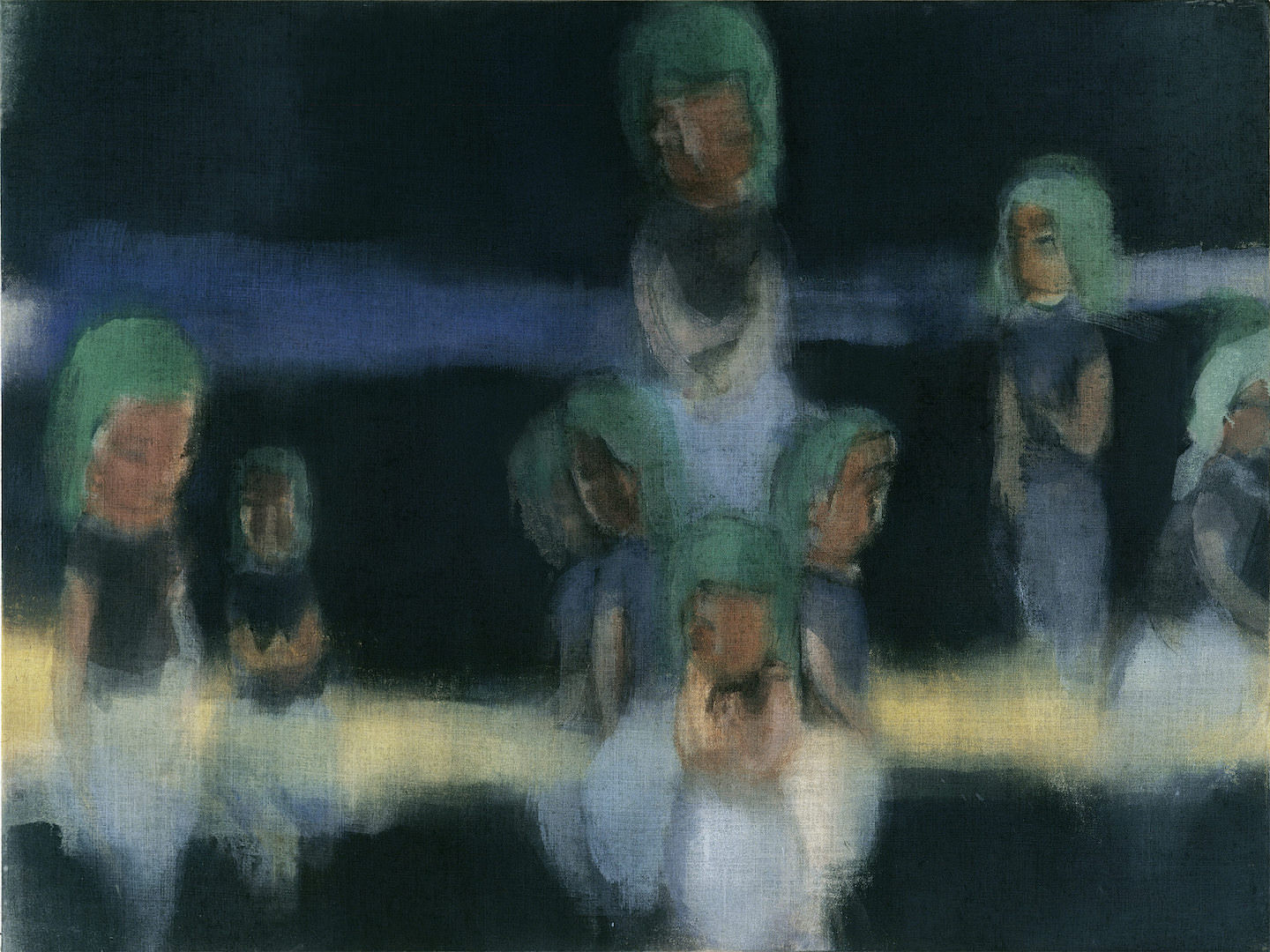
Painting at the time was dominated by Neo-Expressionism, a movement that expressed raw human emotion through powerful colors and forms. Ikemura, too, immersed herself in experimental work: rough paintings that seemed to resist the difficulties of being a woman and a foreigner, and humorous, deeply human drawings composed of varied lines. Through such work, from the 1990s onward there emerged small, nameless animals, innocent young girls, mothers and children, figures merging with trees and mountains, and mythic primordial landscapes encompassing both birth and death.
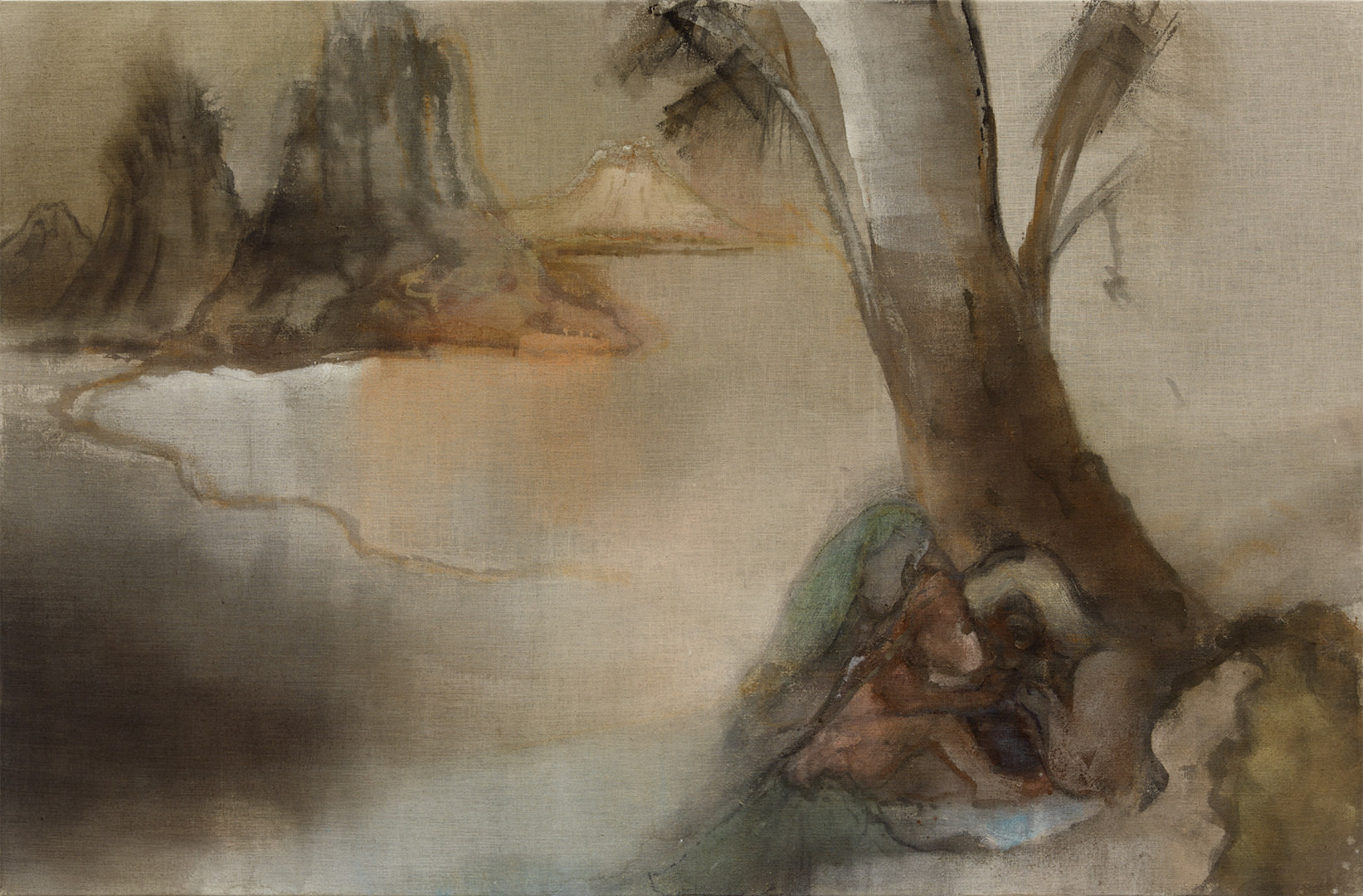
Today’s society, which is founded on controlling and systematizing people and nature, is being shaken not only by natural disasters but also by the many distortions of human making, such as nuclear accidents.
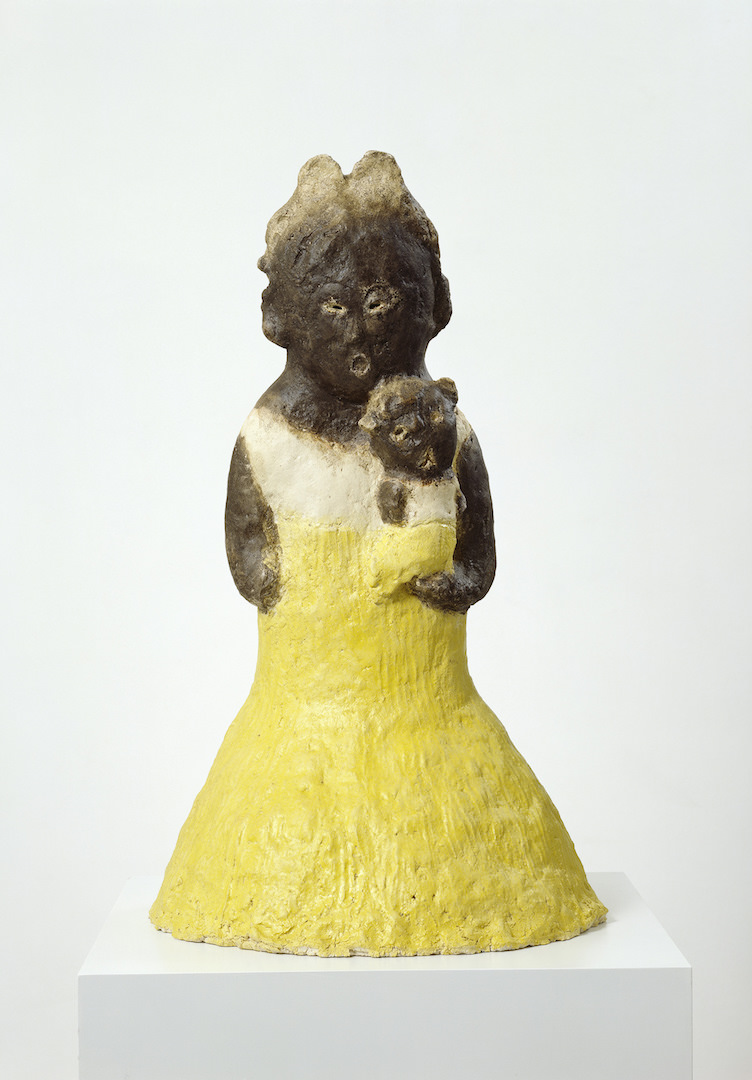
In her ephemeral young girls drifting in hollow spaces, in her mother-and-child figures — a subject seldom taken up head-on in contemporary art — and in her fantastical small creatures fused with nature, one senses a resolute philosophy that would accept, as they are, the diversity of beings that have come into this world, or that are yet to be born.
Reticent, modest, and inwardly turned, her body of work is, precisely on this point, filled with a strikingly contemporary critical edge. It is a landscape rich in revelation, one that only Ikemura — with her keen sensibility honed on the different soils of Japan and Europe — could have discovered.
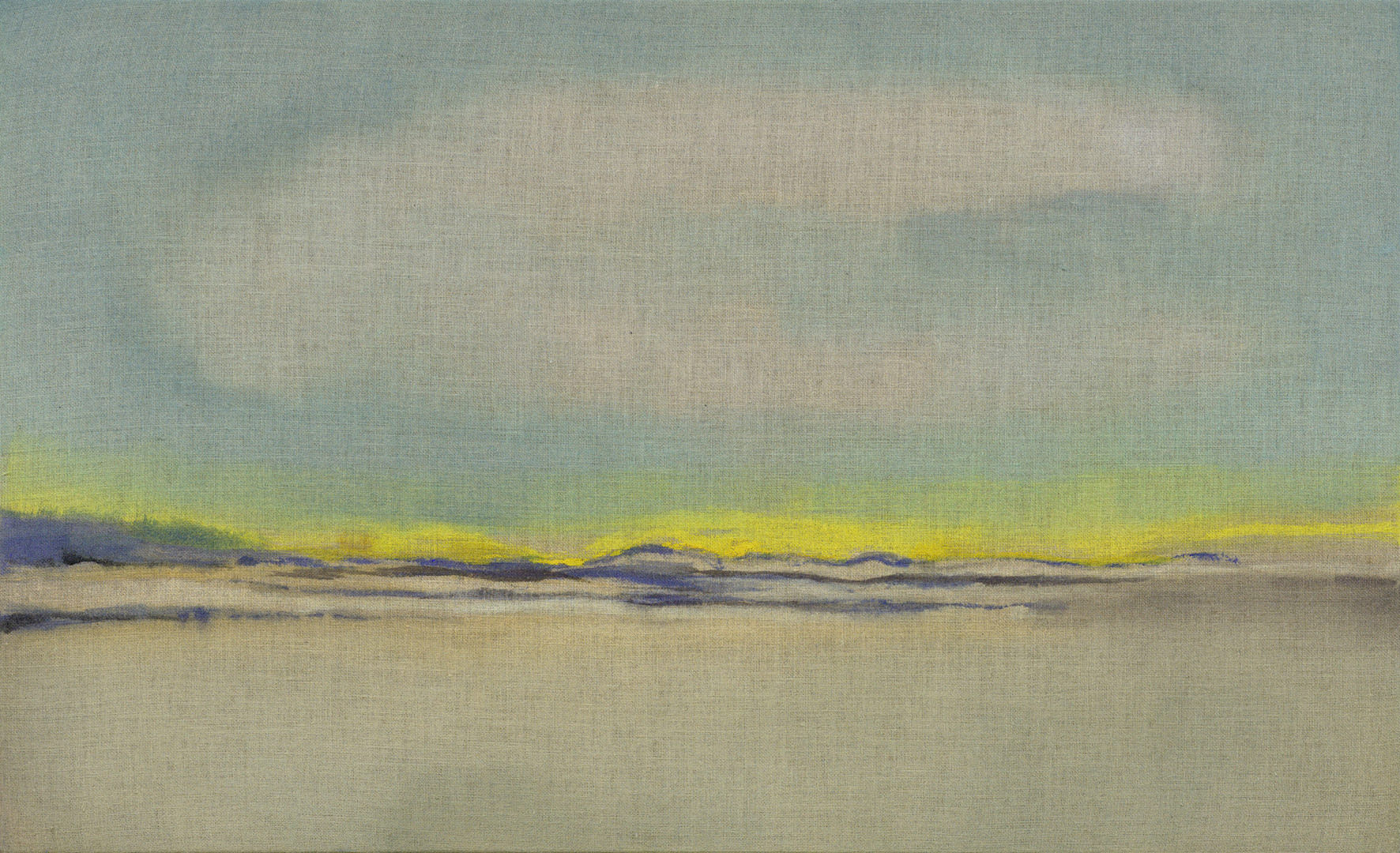
Since her 2011 exhibition “Leiko Ikemura: Transfiguration” at The National Museum of Modern Art, Tokyo, and Mie Prefectural Art Museum, Ikemura says she has become more conscious of her stance toward society.
This exhibition is organized as a set of sixteen installations, so that visitors may retrace and multifariously re-experience Ikemura’s art — an art whose original creative work reaches all the way into the fractured structures of society. As the climax of the exhibition, a room of large-scale landscape paintings appears, projecting her recent all-encompassing worldview into a mythic space.
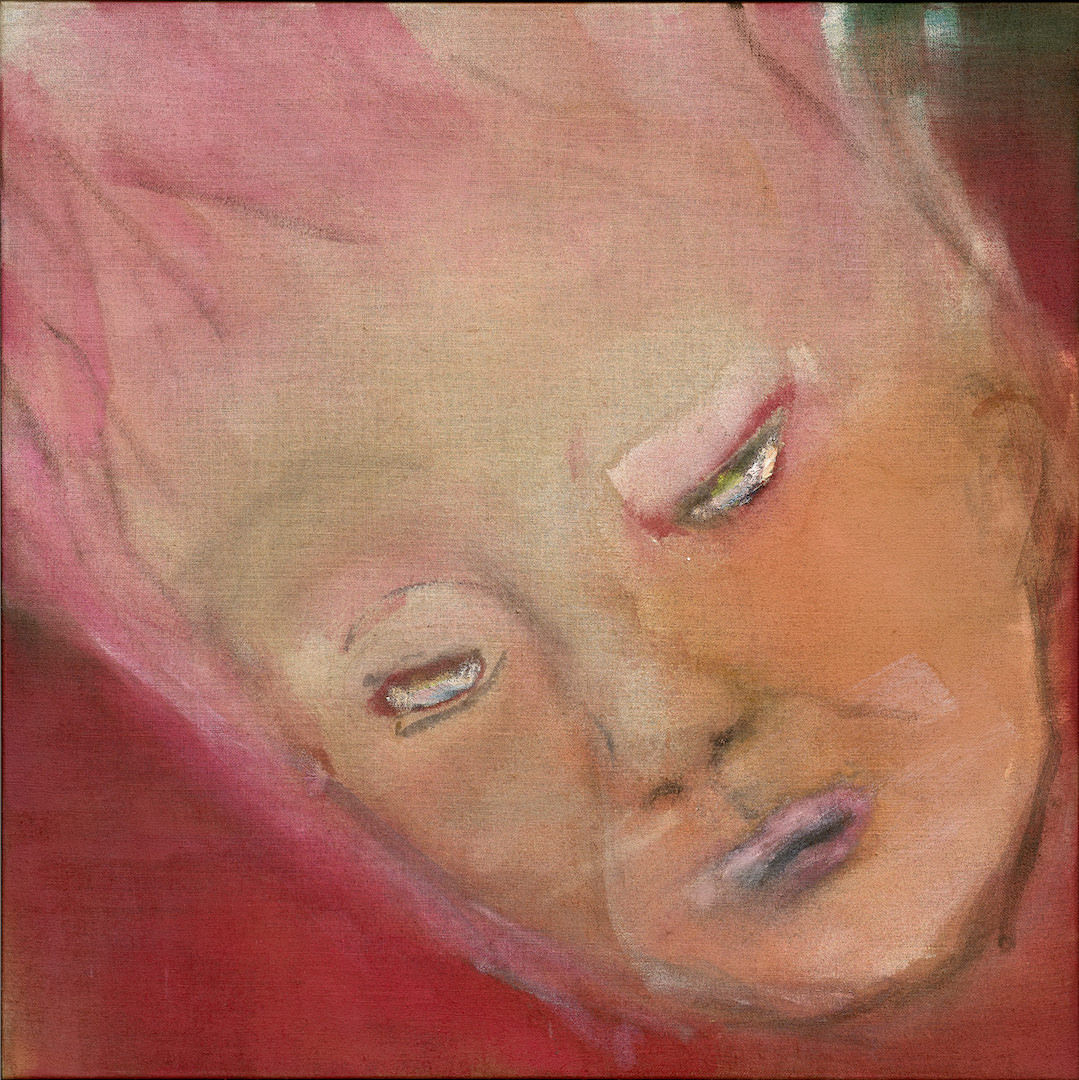
Courtesy of Jim Murren, Chairman of MGM Resorts
Five Highlights
The exhibition offers roughly five major highlights.
1. Her Largest Solo Exhibition to Date
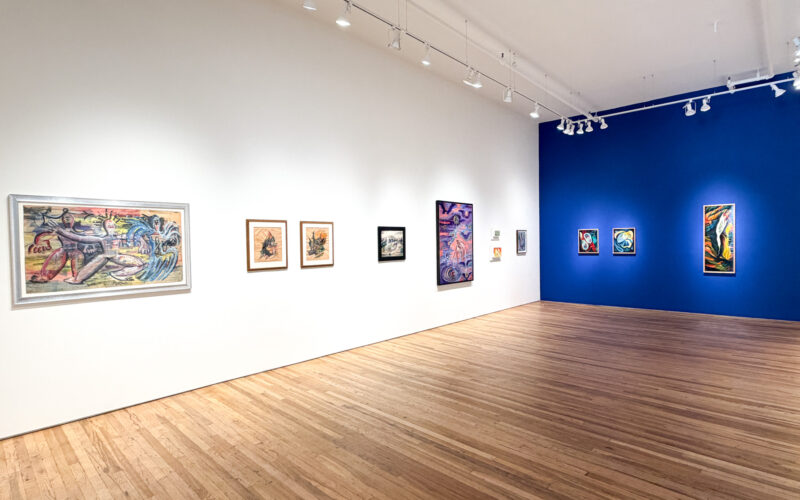
Using 2,000 square meters of gallery space plus the outdoor exhibition area, some 210 works are on view.
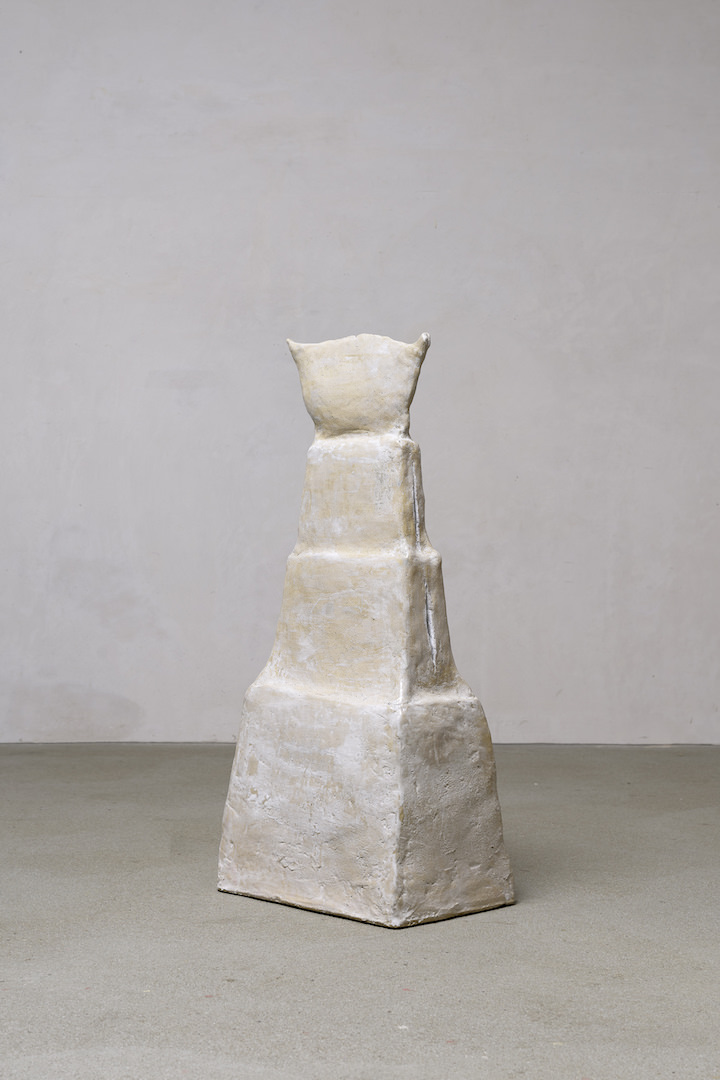
The works span all the media Ikemura has worked in — painting, sculpture, drawing, watercolor, printmaking, photography, and video.
Ikemura’s poetry, which showcases her rich literary gifts, will also be scattered throughout the venue.
2. Sixteen Installations
The exhibition is structured as sixteen installations, based on the sixteen themes Ikemura has explored.
Visitors will be given a map to serve as a guide through these installations.
The exhibition design was handled by architect Philippe von Matt, a longtime collaborator of Ikemura.
3. Early Drawings and Paintings
Ikemura studied at the Faculty of Fine Arts of the University of Seville in Spain from 1973, and in 1979 she moved to Switzerland and began her career as a contemporary artist in earnest.
This exhibition brings from Switzerland — a place with deep ties to the artist — some forty early drawings and large Expressionist-style paintings. Through these works, one can glimpse the unchanging concerns that connect Ikemura’s early practice to her recent work.
4. Recent New Ventures
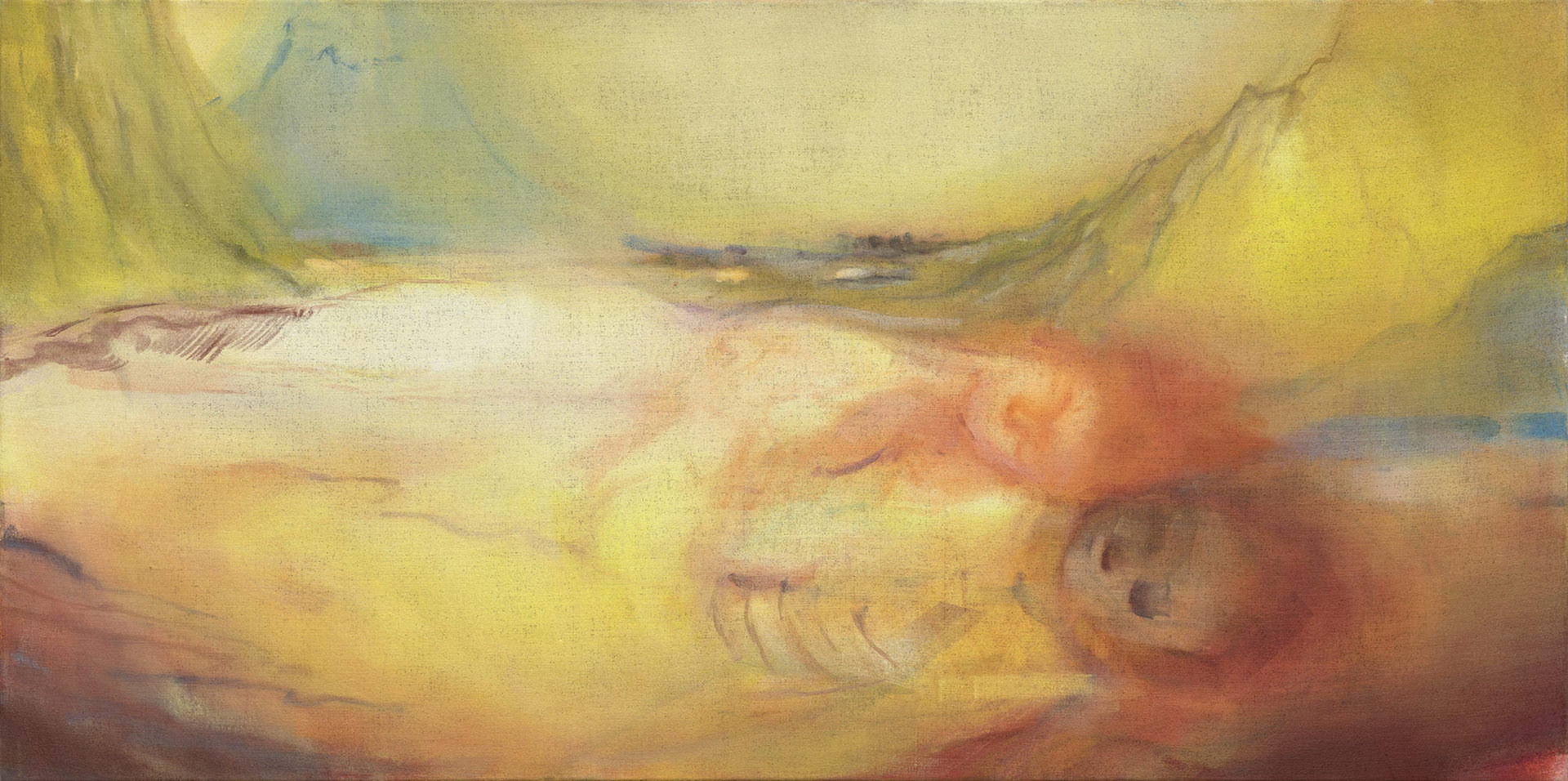
Ikemura’s paintings have again been growing larger in scale in recent years.
Her subtle, mist-veiled landscapes, reminiscent of Chinese landscape painting, dissolve human figures and animals into their scenery.
Her latest work “Undulating Spring” is grounded in bright, warm colors — fitting for a spring motif that evokes the surge of life. Enjoy the experience of body and mind merging with landscape paintings that fill the vast exhibition space.
5. Chains of Imagery
In Ikemura’s works, humans, animals, trees, and mountains change shape, transforming from one image into another in continuous succession.
The images have a flexibility of appearance, shifting in response to the viewer’s memory and state of mind.
The exhibition offers not only a chance to retrace Ikemura’s vision, but also to weave images entirely one’s own.
As an unprecedentedly large-scale exhibition that also includes recent new work, this is a rare opportunity to view the wide breadth of Leiko Ikemura’s practice. We look forward to it with great anticipation.
The exhibition is co-organized with Kunstmuseum Basel, Switzerland.
A reconfigured touring version of the Tokyo exhibition is scheduled to be held at Kunstmuseum Basel (Switzerland) from May 11 to September 1, 2019.
Overview
Leiko Ikemura: Our New Sky – Earth & Star
Dates: January 18 (Fri) – April 1 (Mon), 2019
Closed: Every Tuesday
Hours: 10:00–18:00 * Open until 20:00 on Fridays and Saturdays * Admission until 30 minutes before closing
Venue: The National Art Center, Tokyo, Special Exhibition Gallery 1E [Roppongi, Tokyo]
Organized by: The National Art Center, Tokyo; Kunstmuseum Basel
Supported by: Embassy of Switzerland
Admission (tax included)
Day of visit: General 1,000 yen / University students 500 yen
Advance / Group: General 800 yen / University students 300 yen