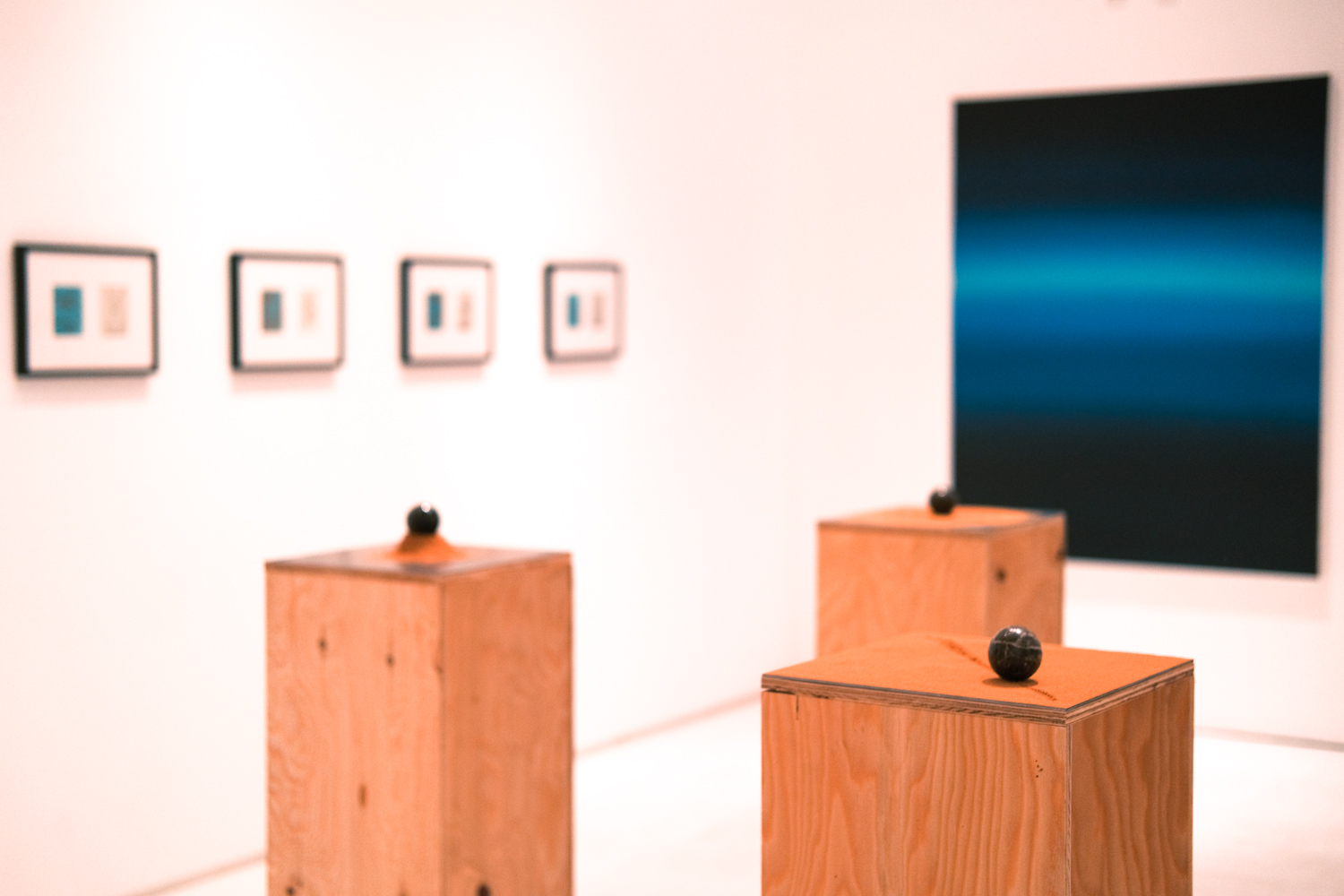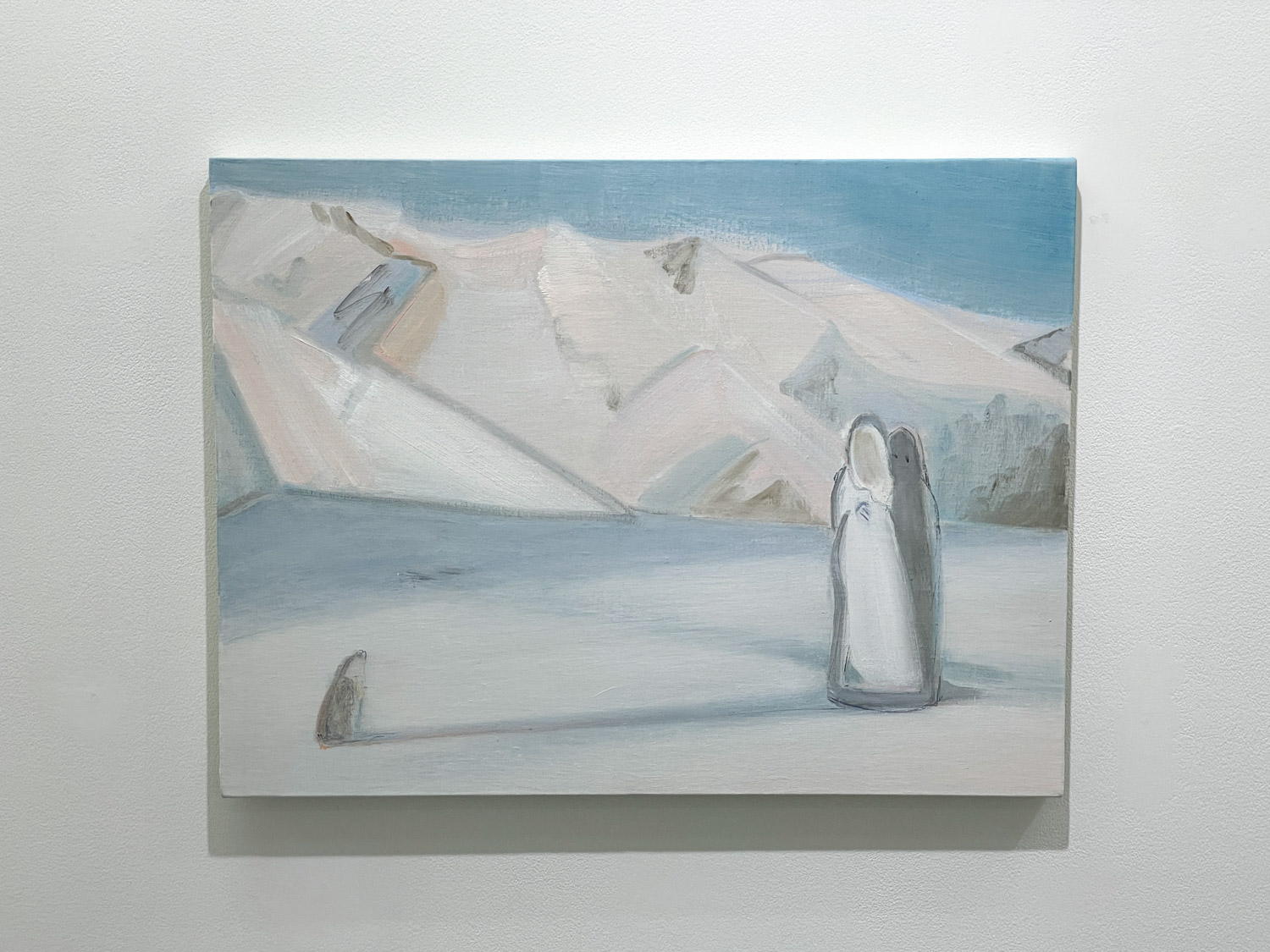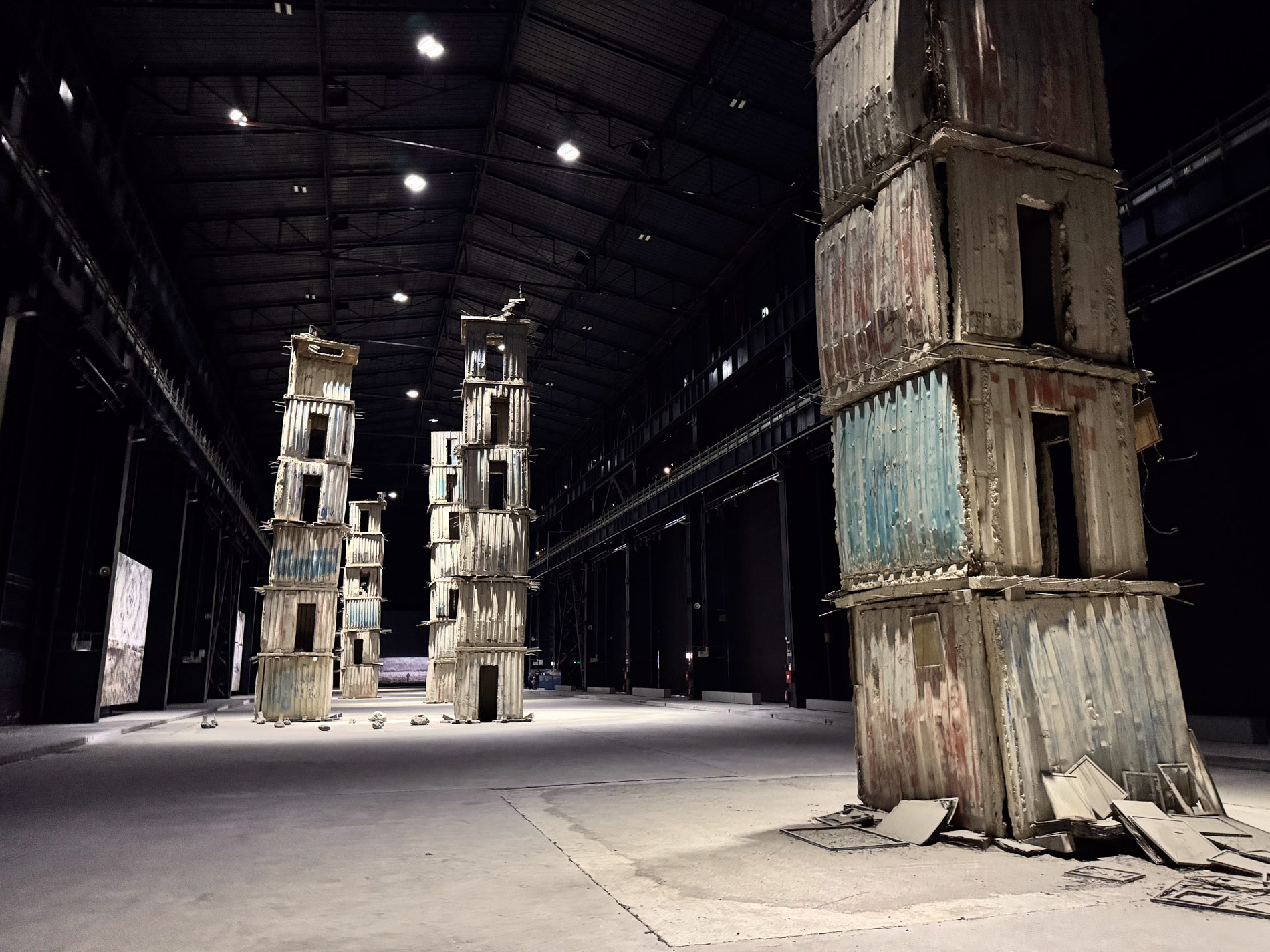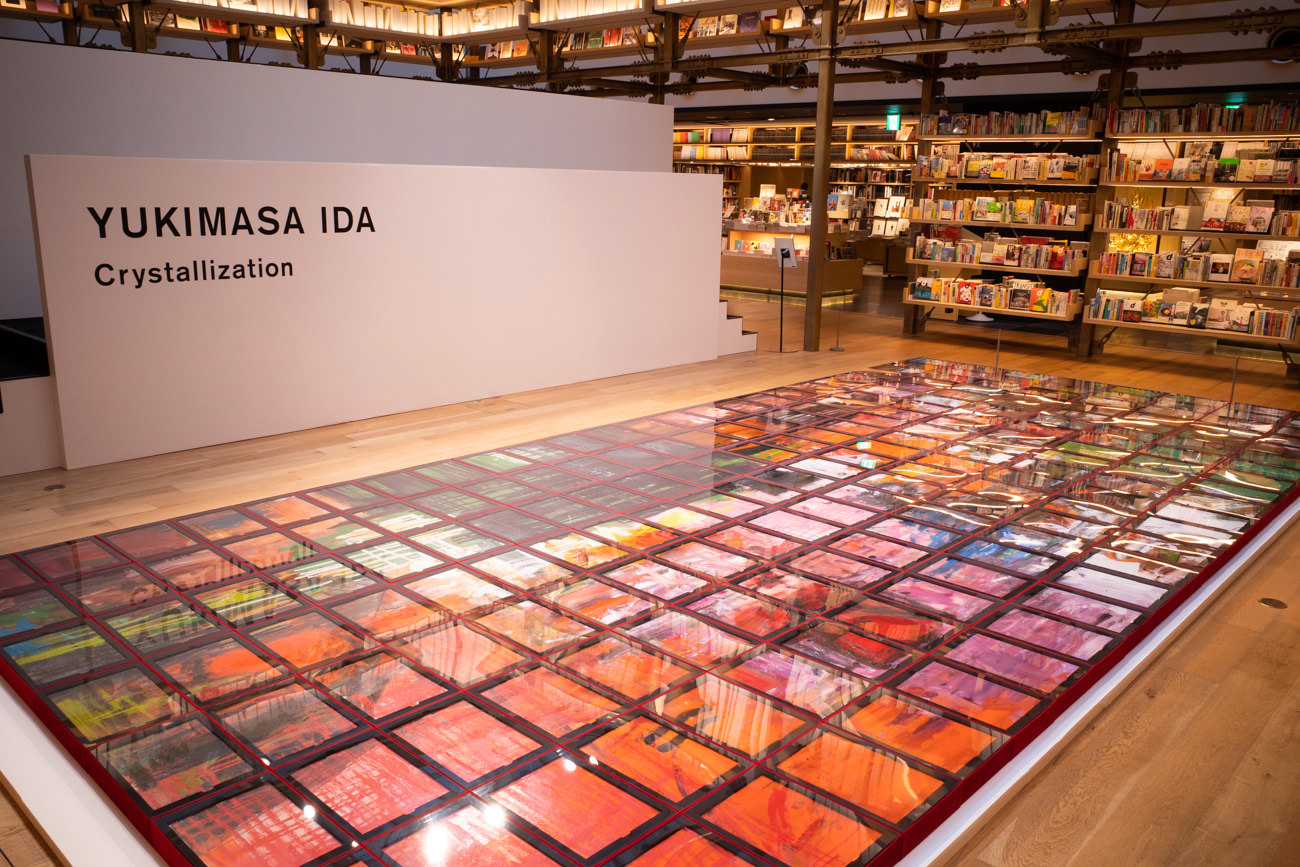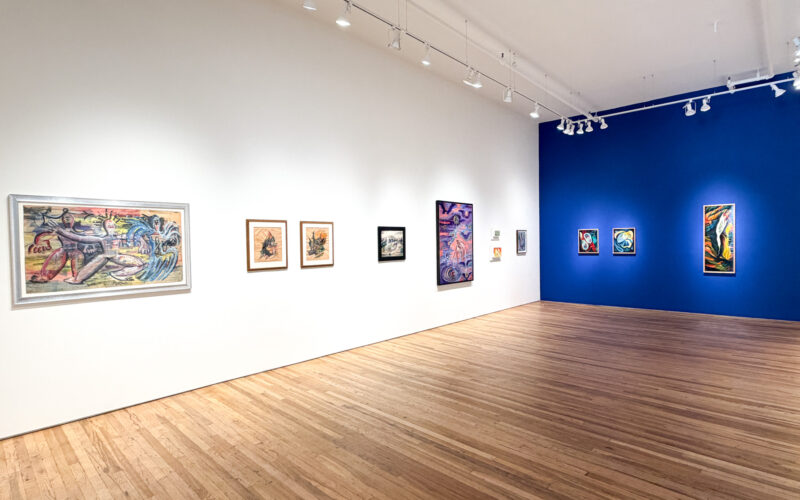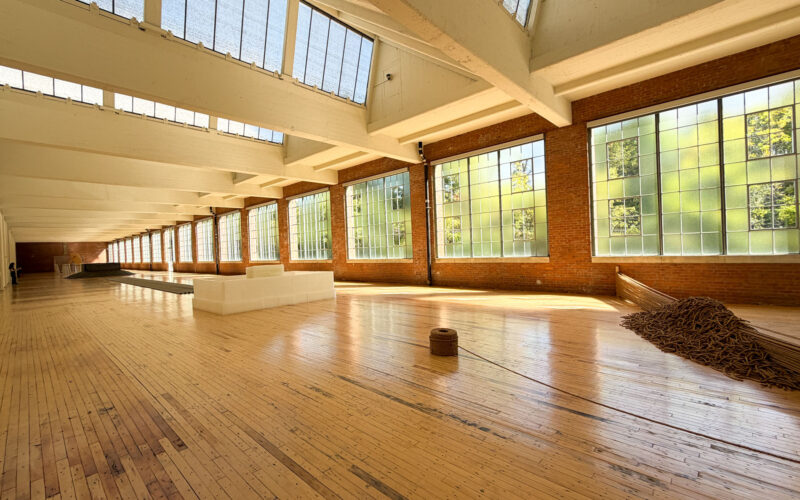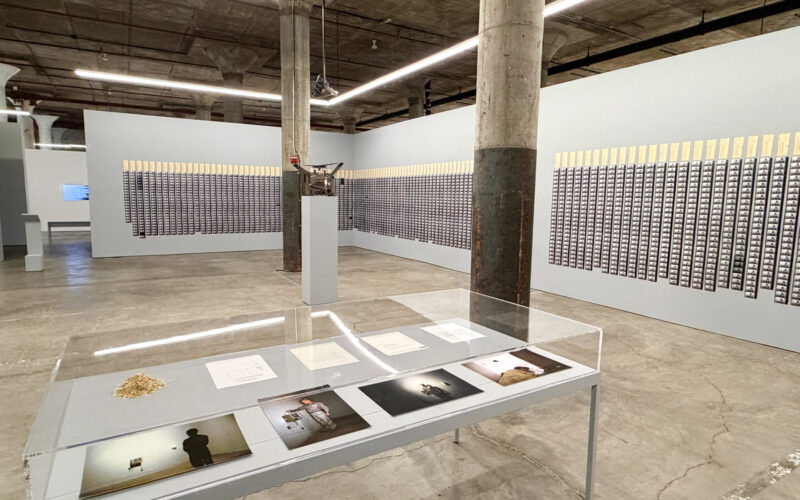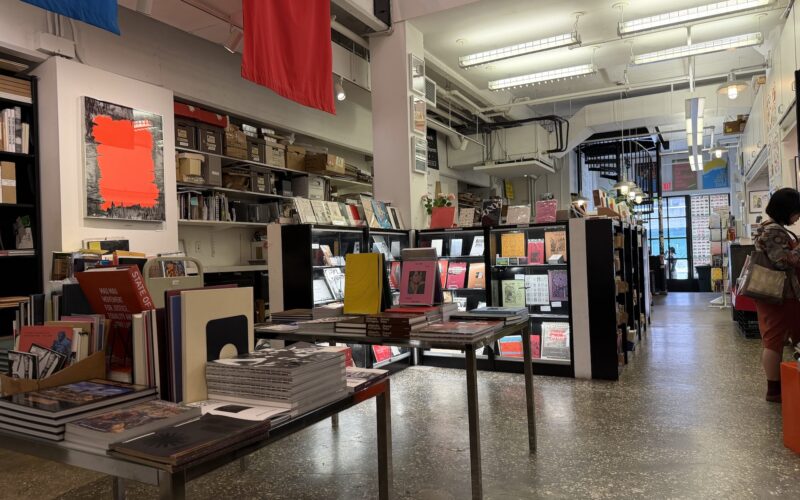
This is perhaps my fifth time visiting an exhibition at Yotsuya Mikakunin Studio?
Each time I pay the “¥500” admission and enjoy myself.
The exhibition I visited this time, “Map of Solitude,” is held under the curation of the artist Rintaro Fuse.
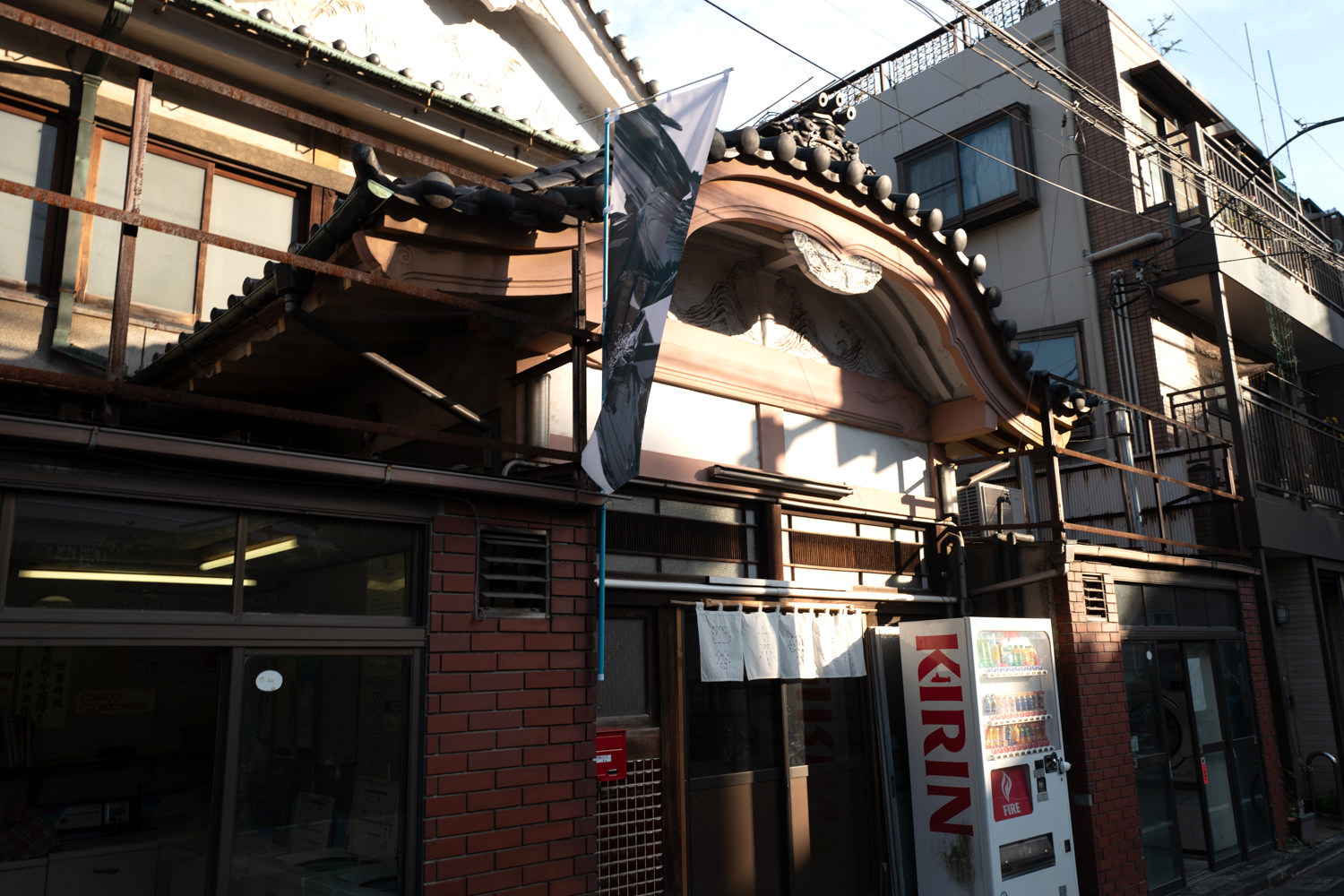
A venue map is distributed at entry.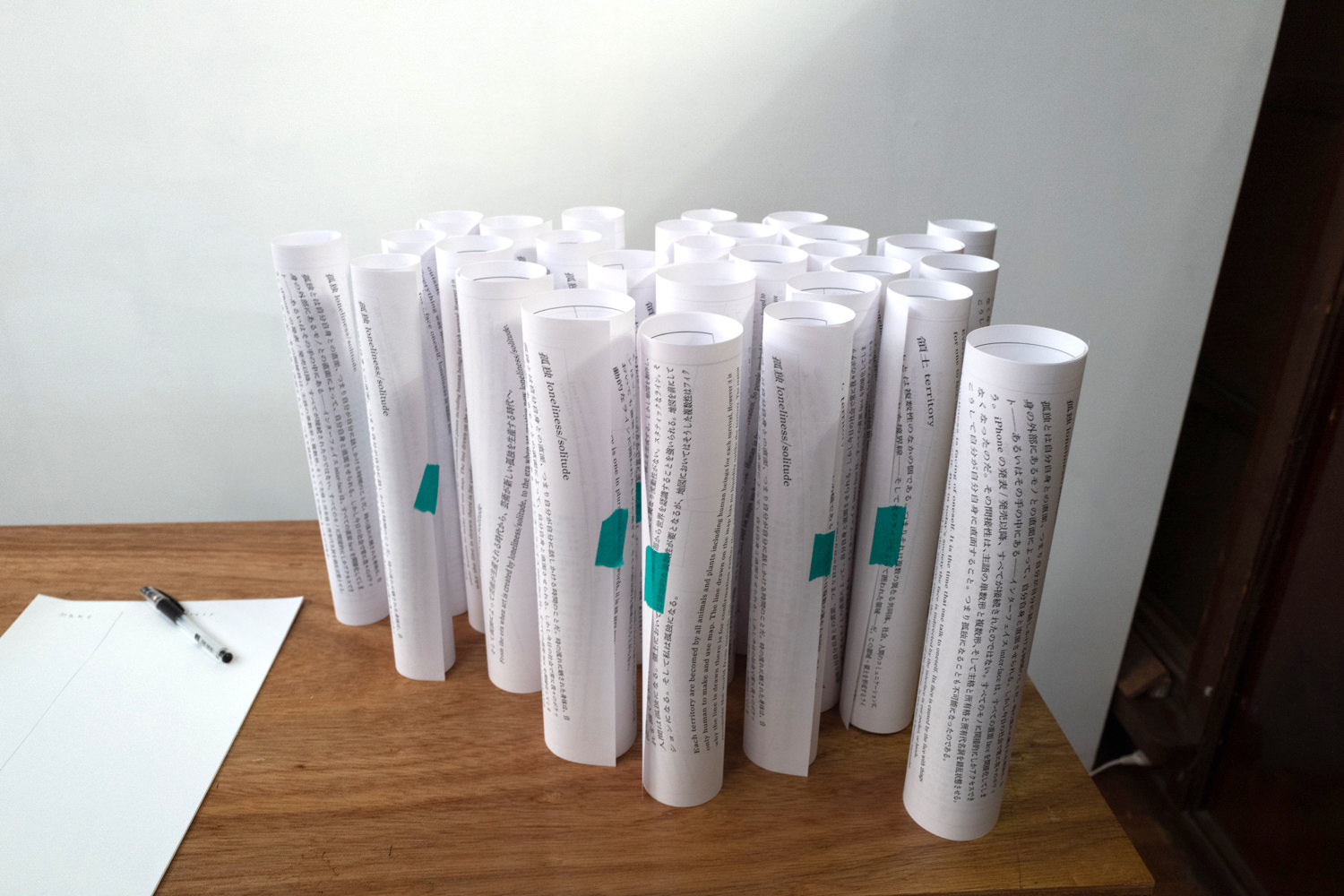
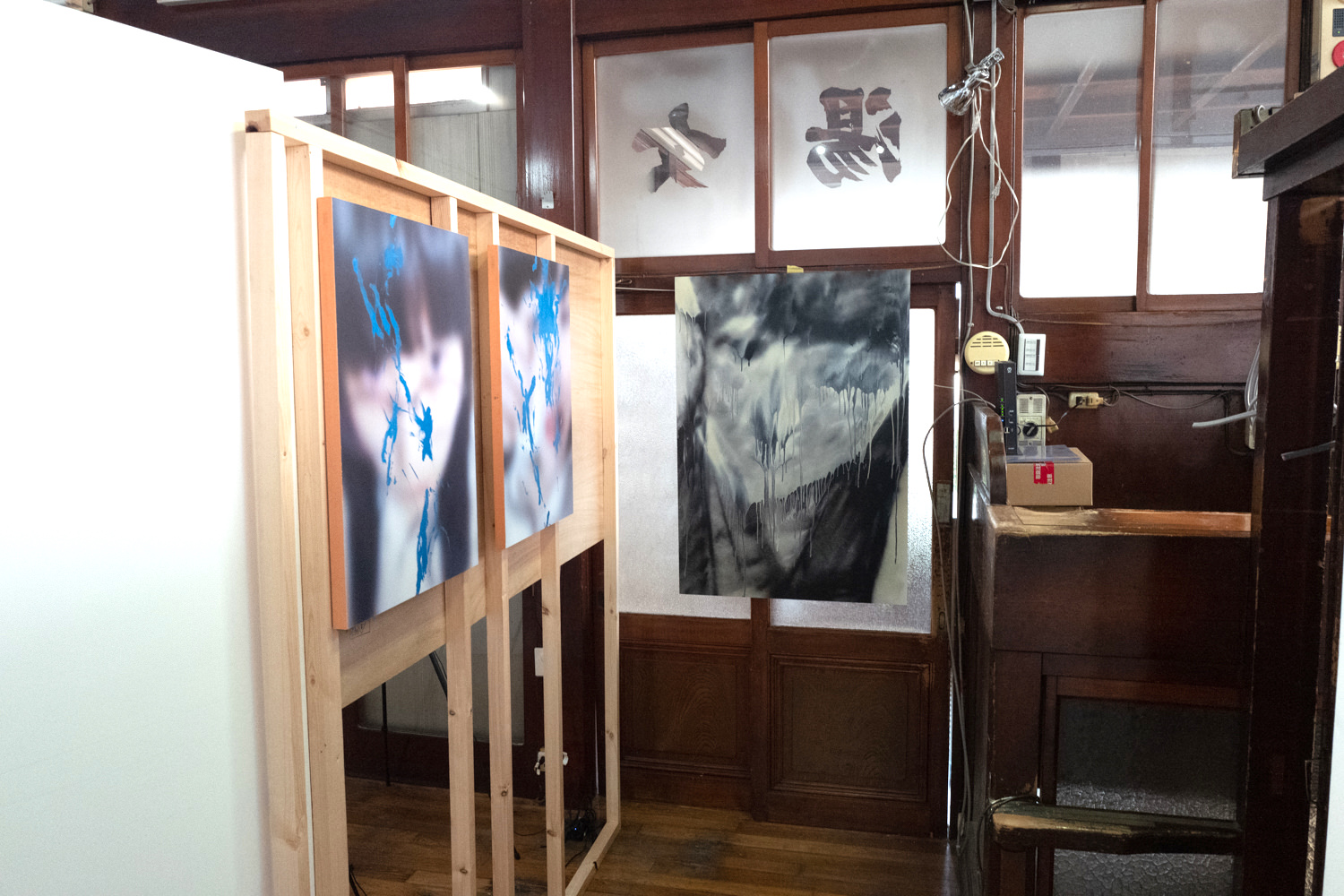
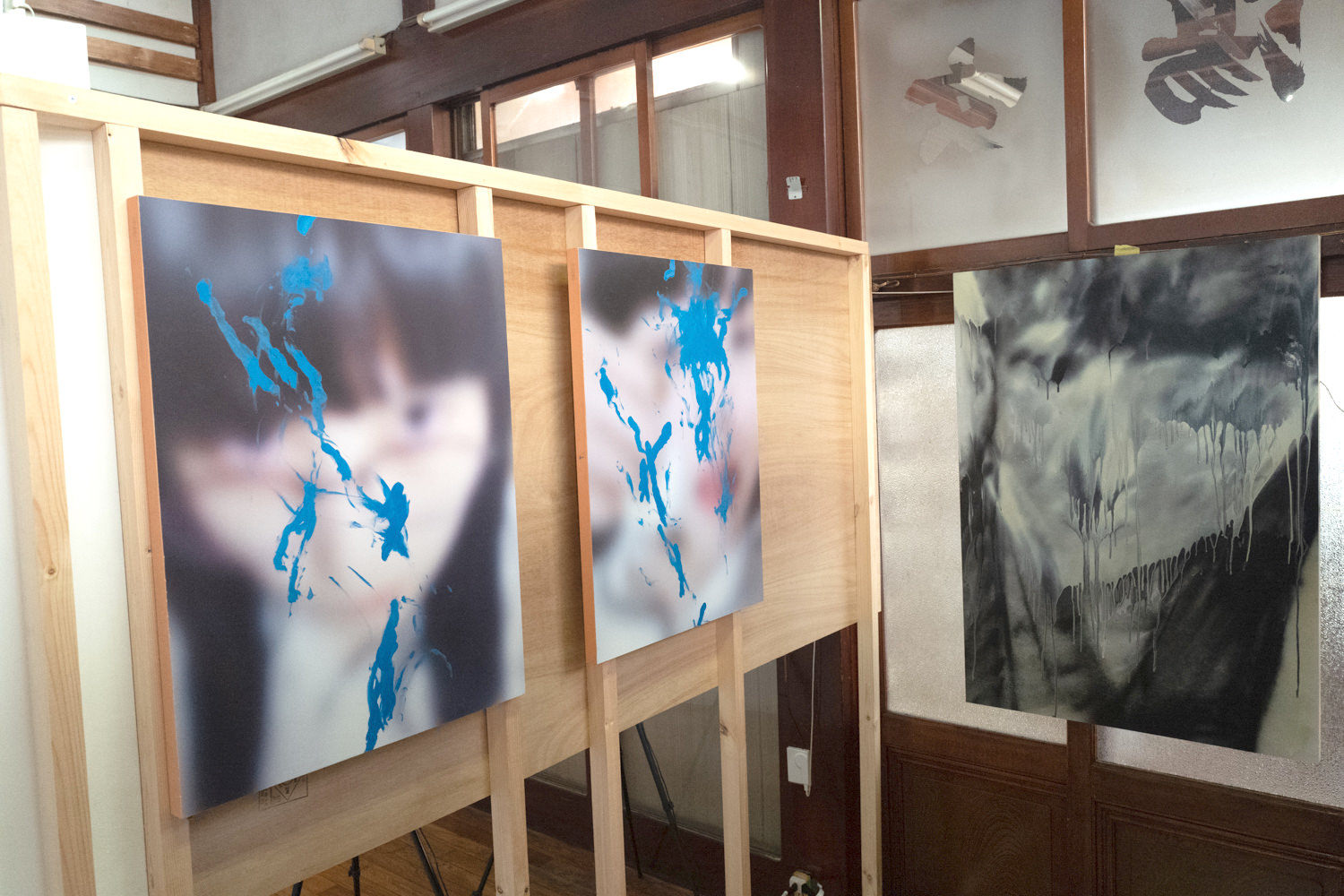
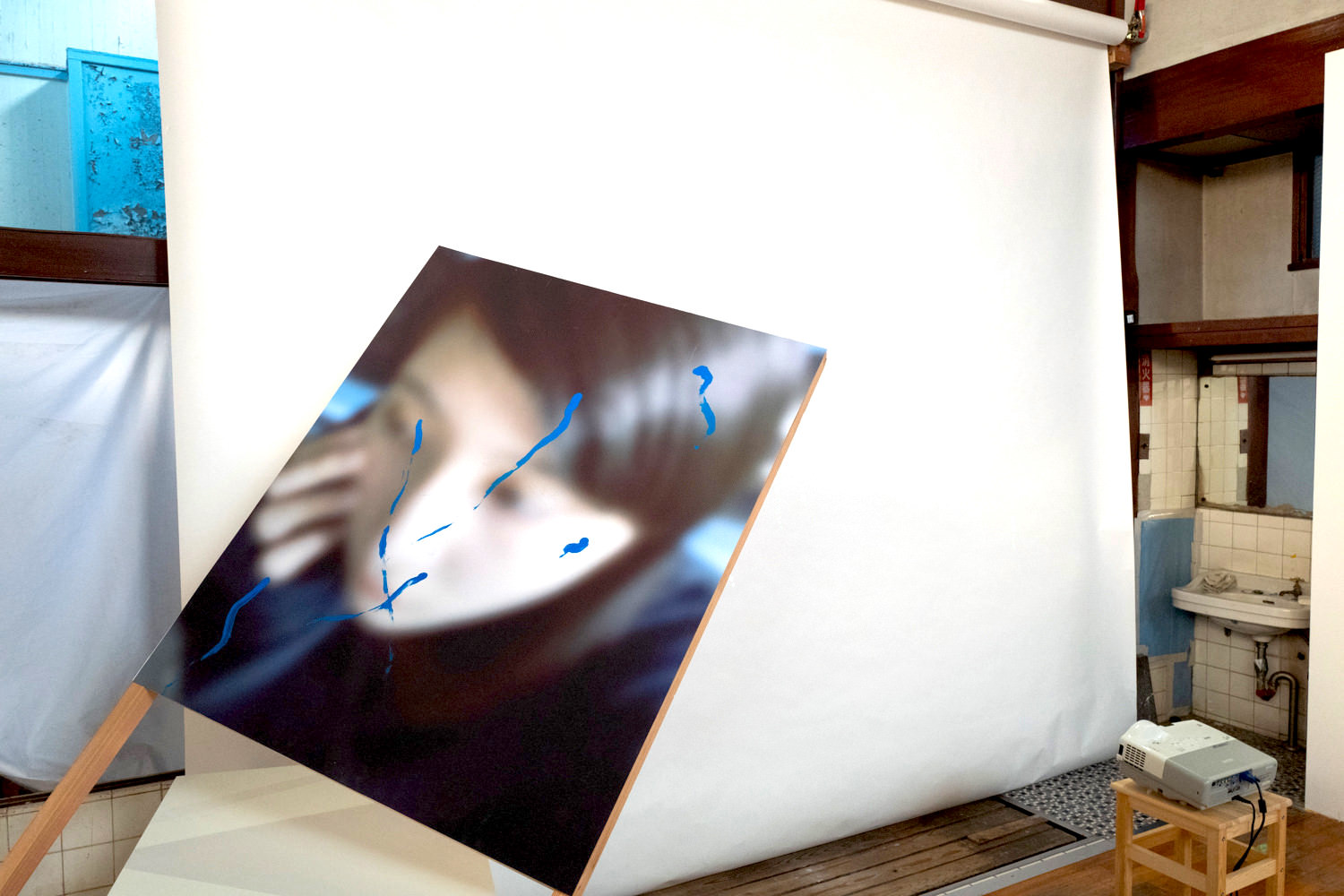
Fuse’s works—drawing directly with fingers on photographs, or works drawn with spray alone without using hands at all—draw attention for a production symbolic of the digital-native era.
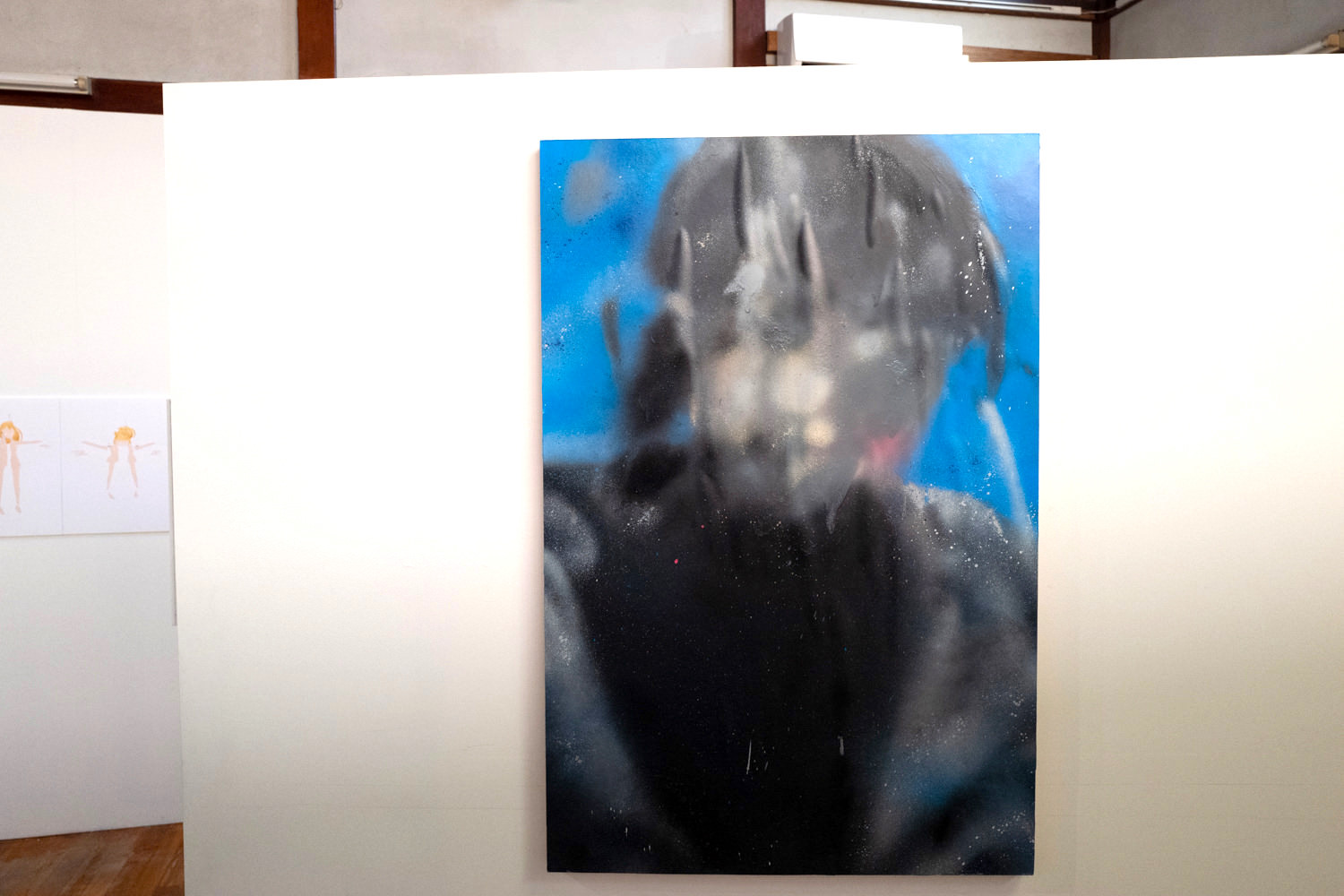
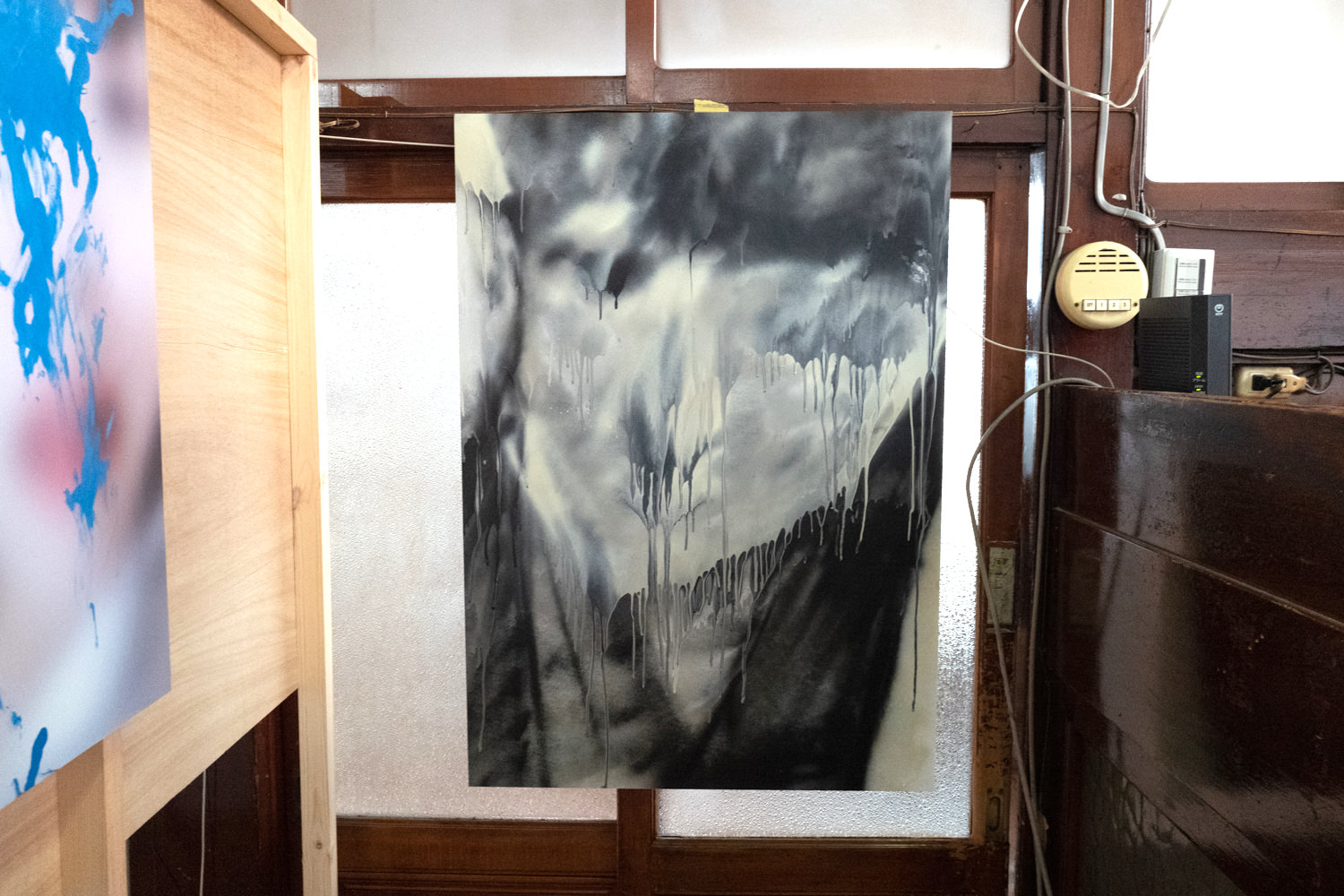
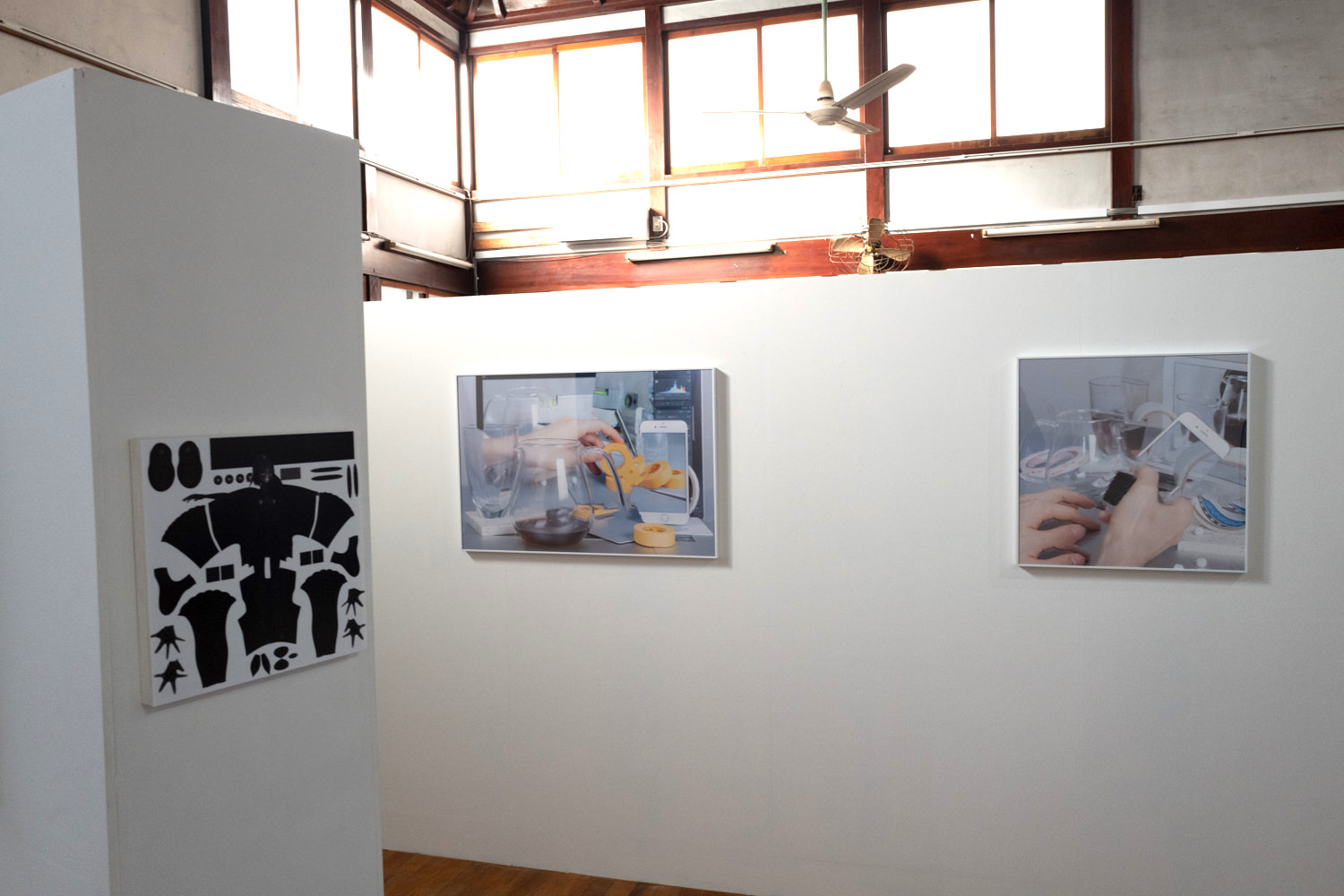
Kodai Iwasaki’s works could be enjoyed from an interesting perspective.
They are works where the subject is photographed through a small peephole in the camera lens.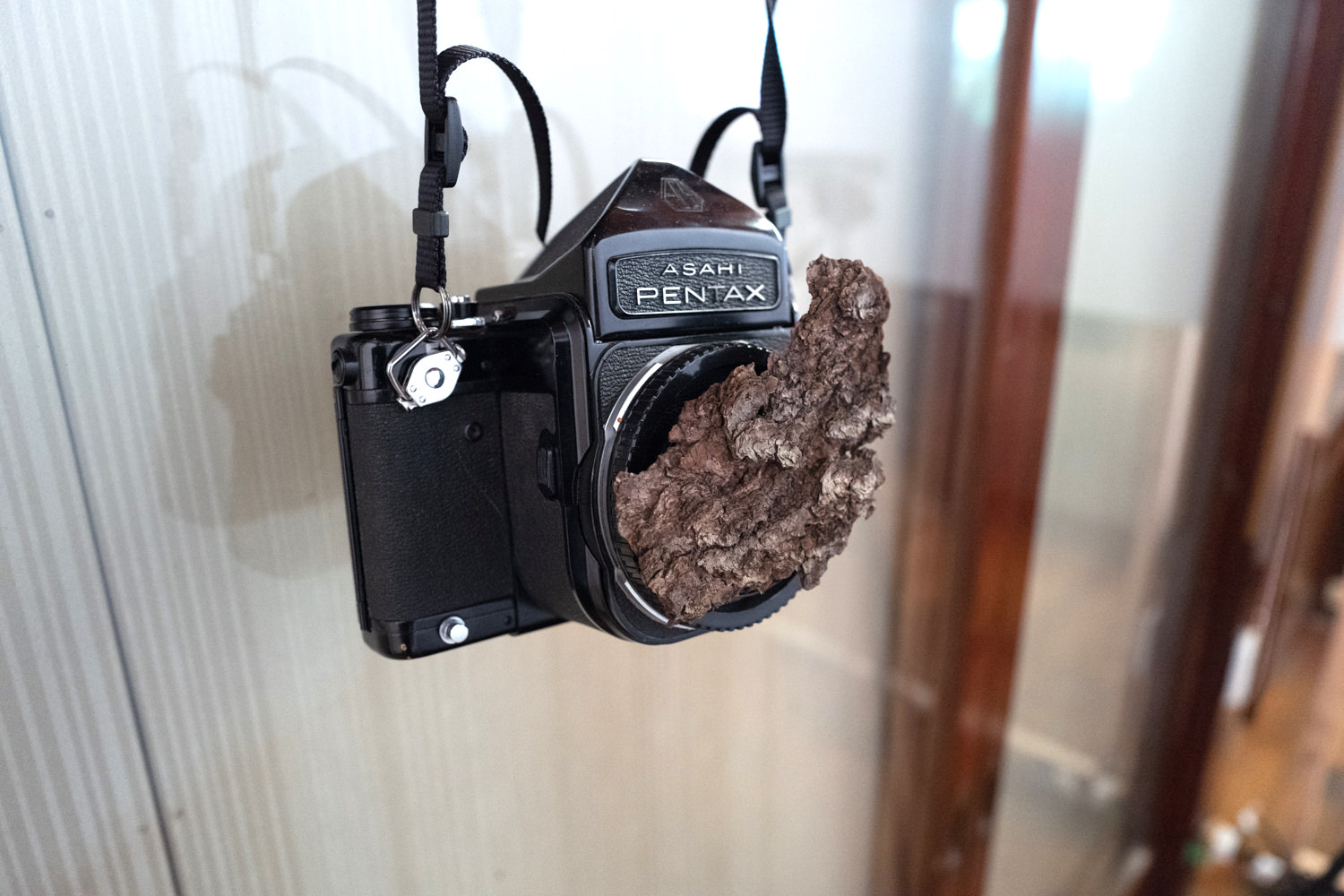
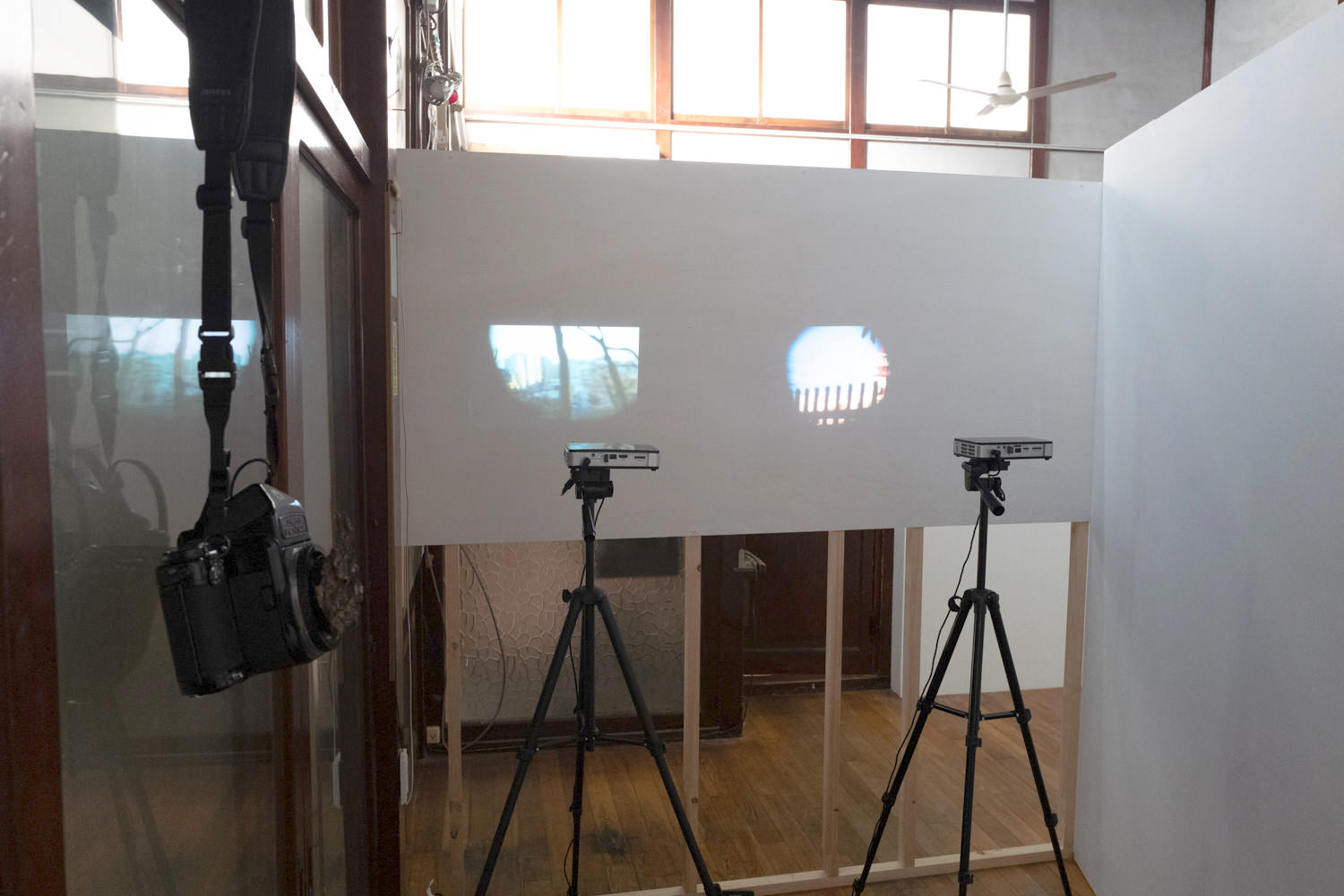
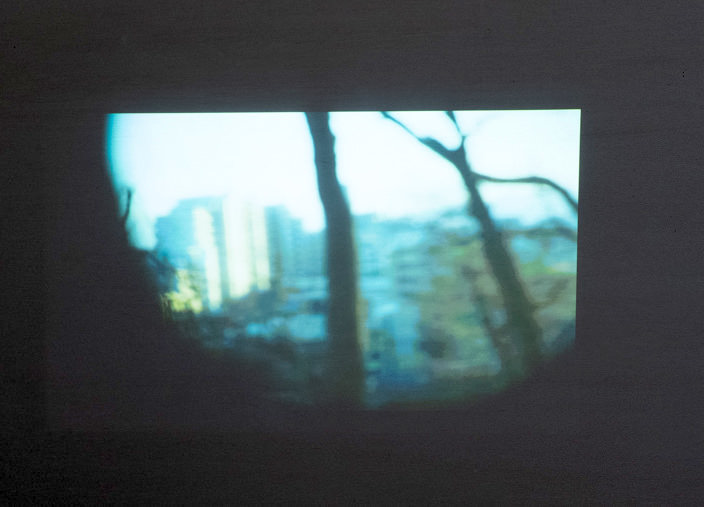
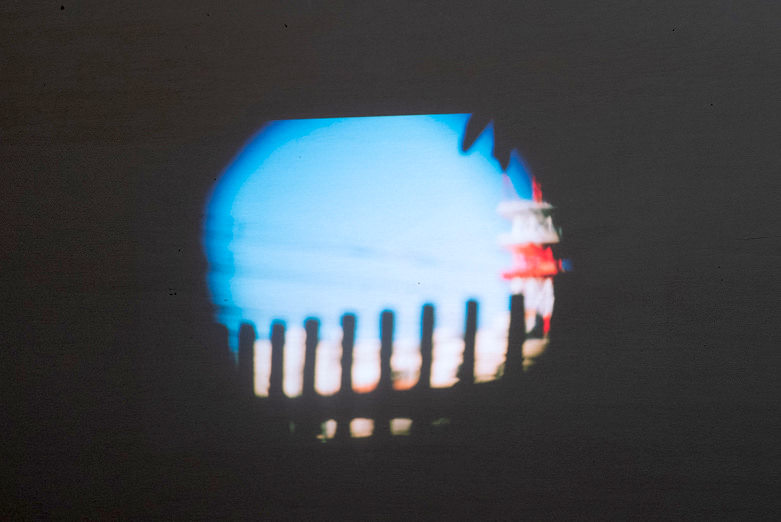
There were also works printed onto specimens. These are also Iwasaki’s works.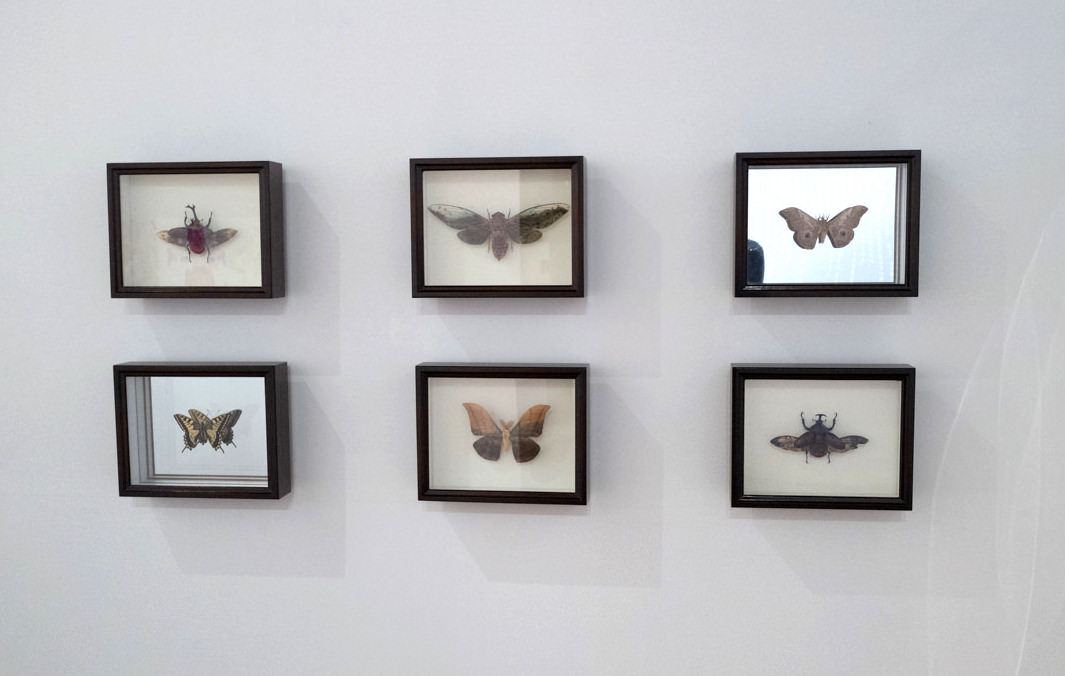
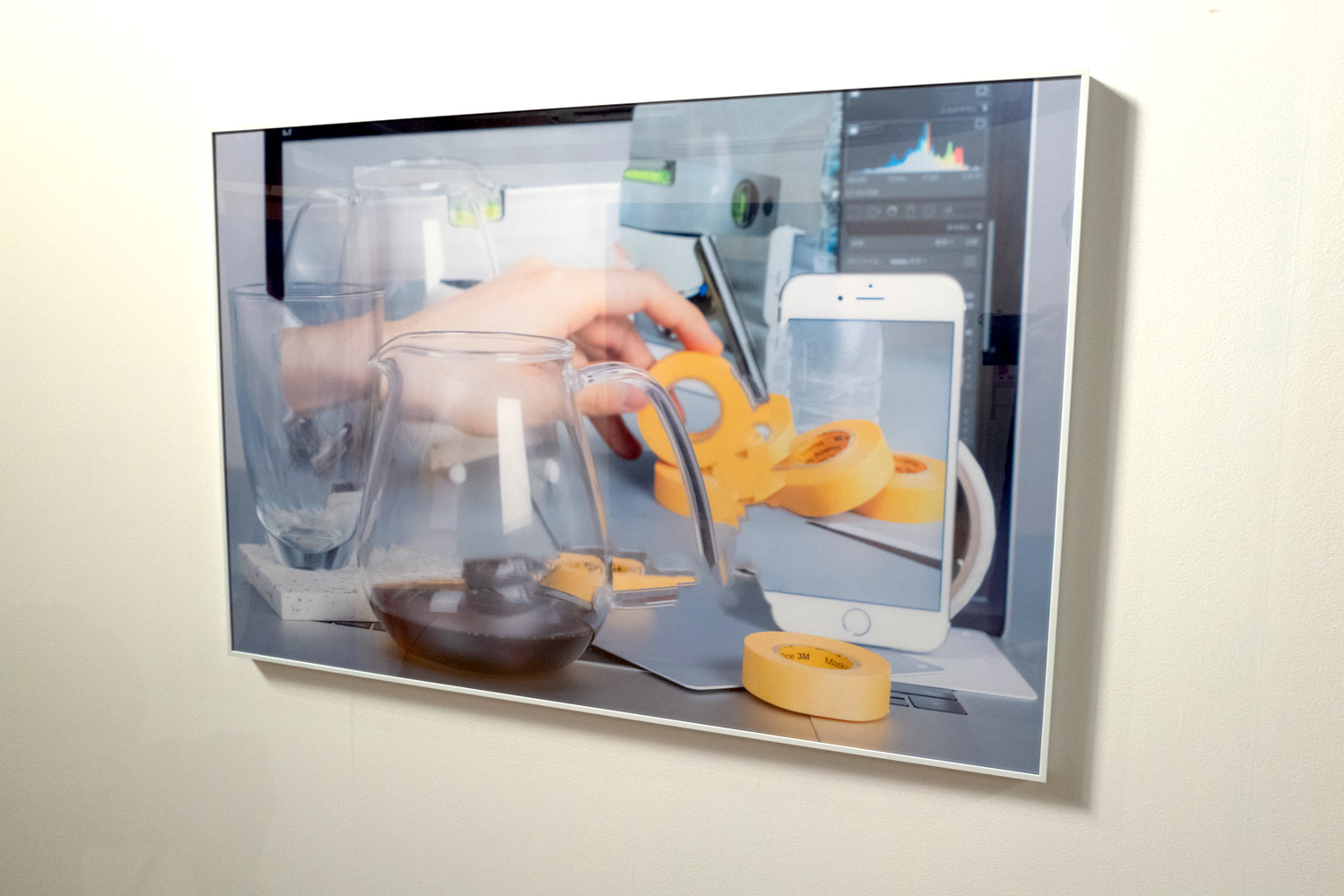
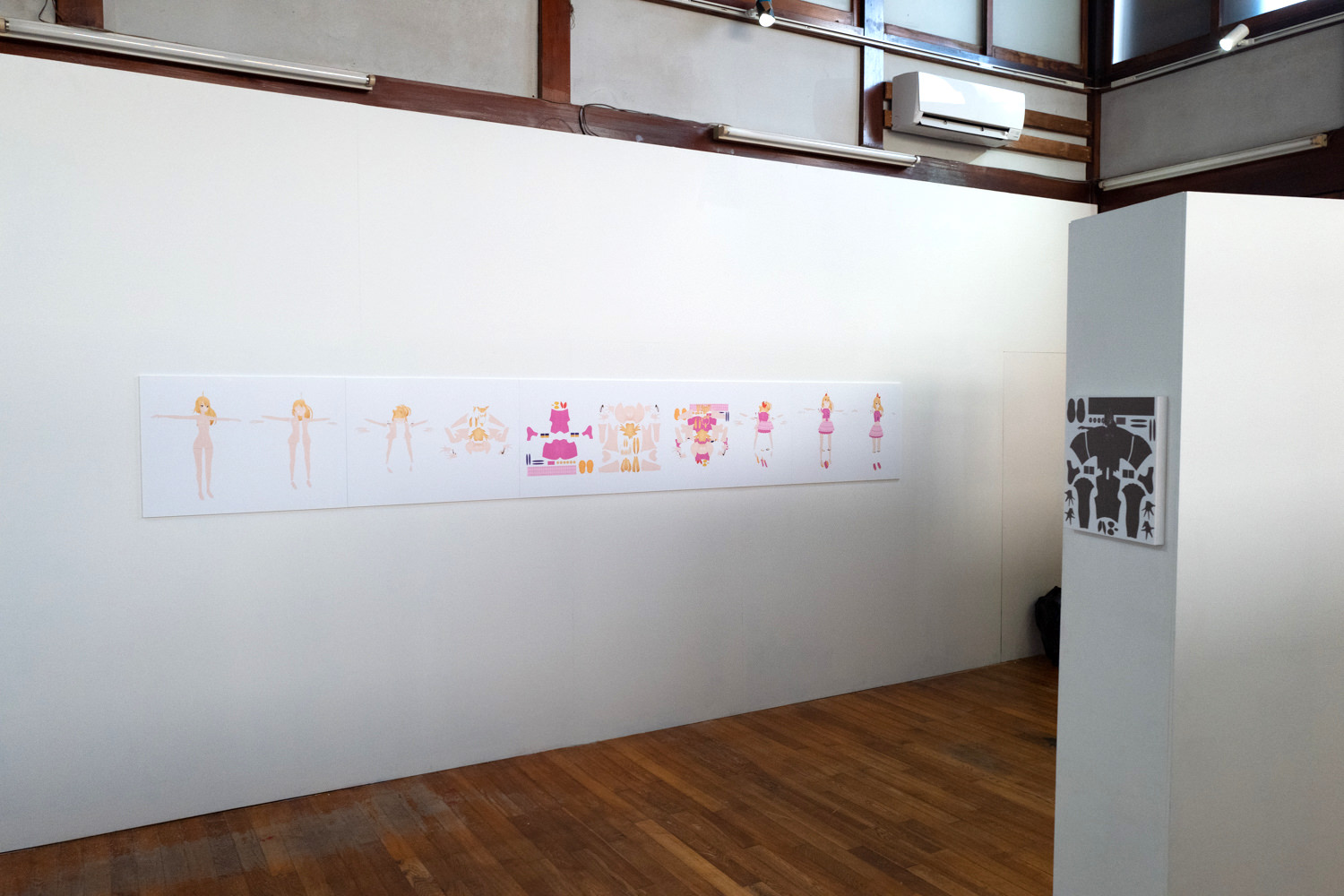
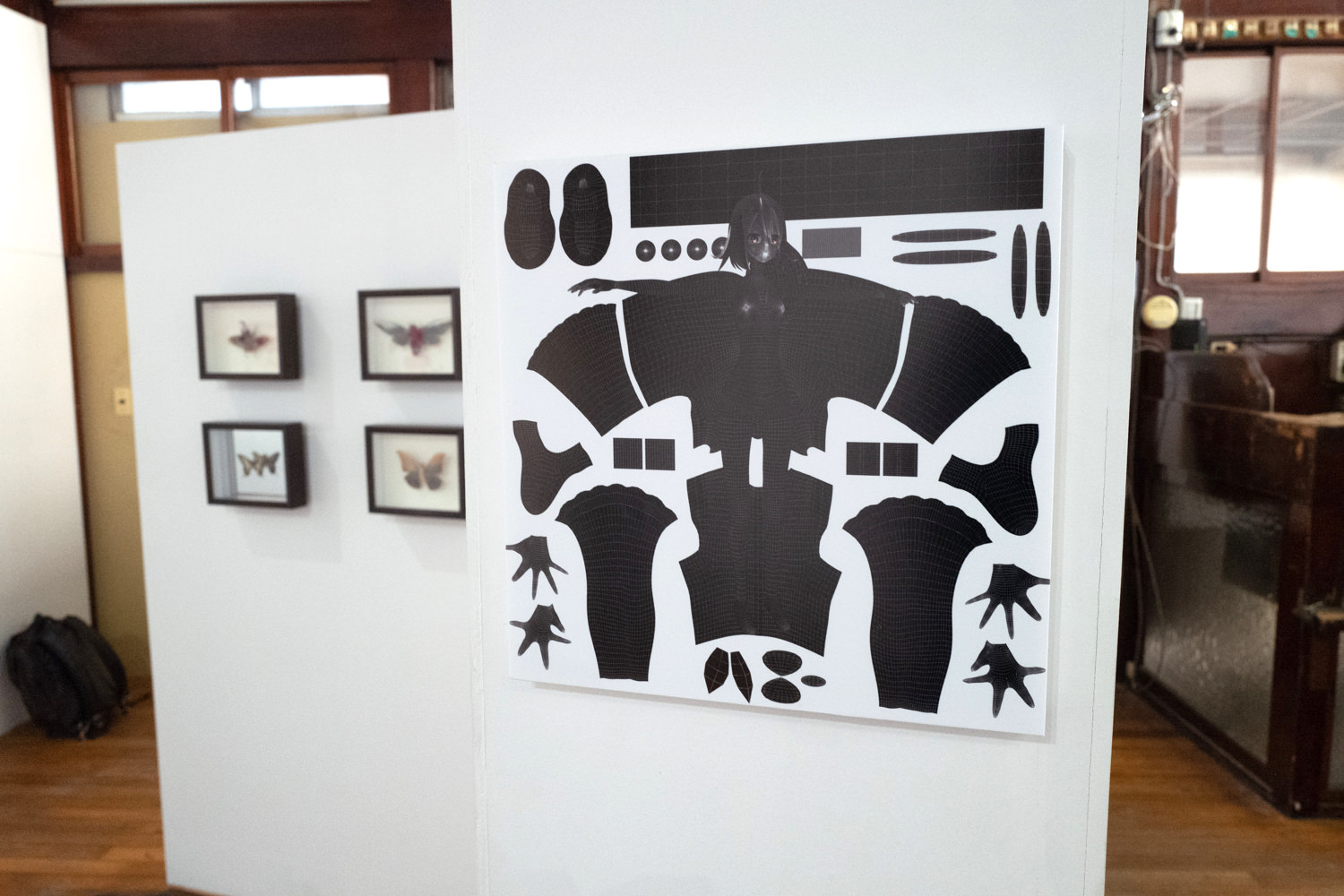
A work of 3D-modeling development diagrams by cottolink feat. Saki Komikado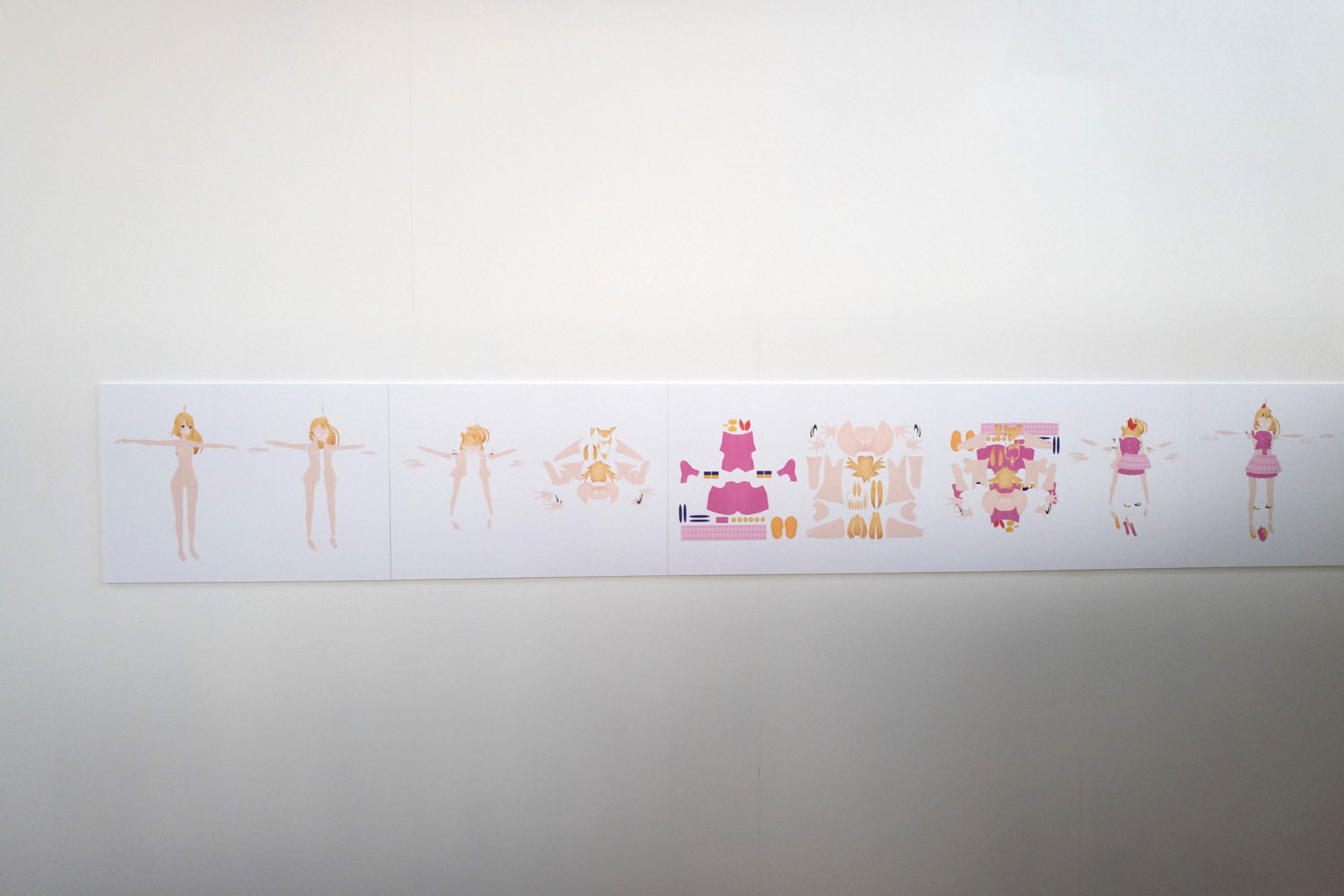
The map is older than writing. But this doesn’t mean the map is simpler than writing, or that writing evolved out of the map. The map is a medium and interface that externalizes the human recognition of the world. It has a simple form, but within it, complex human thought is compressed.
A map doesn’t merely diagram the path to reach a destination. On a map, the form of the world—recognized in different ways according to each era, region, and custom—is represented. For example, in prehistoric times, multiple places such as dwellings and hunting grounds were described on sand or animal hide, freely enlarged and reduced according to the priorities and interests of human society. Or in ancient Greece, the form of maps changed due to the result that the earth, measured using mathematics and astronomy, is a sphere. And in the Western Middle Ages, the world was re-recognized as a plane centered on Rome. To look at each map is to glimpse the form of the world, which differs for each human who uses it.
So today, what kind of map can we draw?
A map is generated by distorting and folding the dynamic, organic world into a static form. In this project, I gathered works by artists who can be thought of as stepping into representing and mapping the form of today’s world. These works are juxtaposed within the exhibition and reconstructed into a single map.
What is recovered in this process is the property of “solitude,” which is fundamental and cannot be ignored in the relationship between the map and the human. Solitude is the time when one speaks to oneself. When a human draws or looks at a map, the objects composing oneself and the world are juxtaposed on a single horizon. There, an attempt is made to separate one’s own perception from the body and to provisionally place it outside the world. This is precisely solitude. A floating from territory. That is: the positing of various boundaries through the exchange of subject and object, communication with others, and the anticipation of the future by past and present. And this human perception provisionally placed outside re-recognizes the world. Toward such provisional placement—not the production of art through solitude, but for the production of solitude through art—”Map of Solitude” is released.
Rintaro Fuse
After visiting the venue as many as five times, various things come into view.
While looking forward to future consideration, I’ll note below the realizations I gained from experiencing this exhibition.
Incidentally, our site has overwhelmingly more search traffic, but for those who accessed it out of interest in this exhibition or Yotsuya Mikakunin Studio, I’d be grateful if you’d keep the following points in mind. Since there are still many young artists, I hope you’ll view them with a warm eye.
A summary of improvement wishes, integrating my impressions of Yotsuya Mikakunin Studio’s previous exhibitions and this one
- The ¥500 admission is the same, but there’s variation in exhibition content
- A work-list MAP is prepared, but there are almost always omissions or deficiencies in its entries
- There was a staff member serving customers while eating something (this exhibition)
- There is no price list (it wasn’t ready in time because it was the start of the run)
Of course, I look forward to it undergoing various changes going forward.
*I don’t want it to continue on inertia, without tension, as it is.