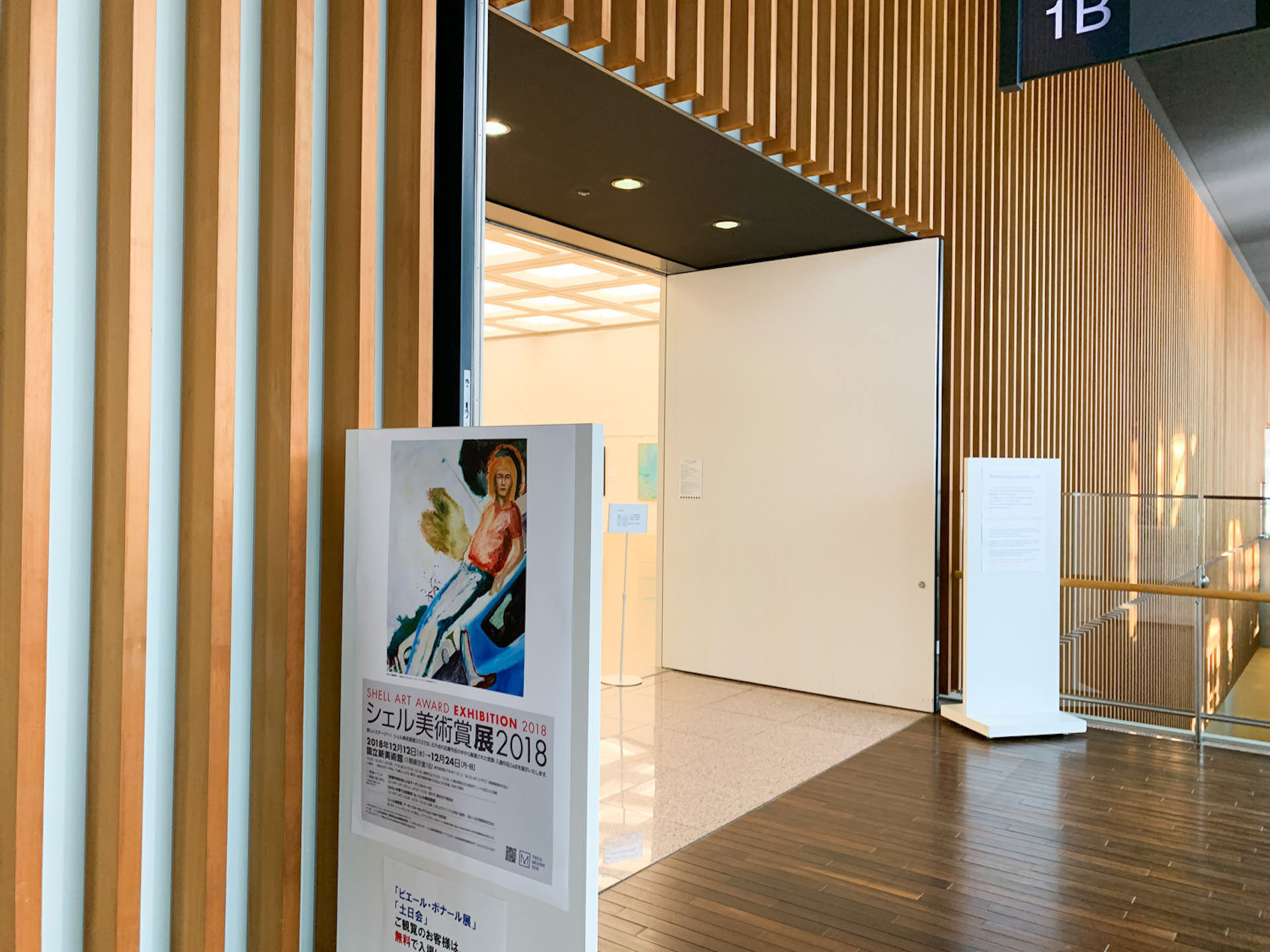
Shell Art Award Exhibition 2018
The Shell Art Award, now in its 47th edition, is an open-call exhibition for contemporary art.
It is an art prize for young artists carrying the next generation, and since its founding it has been run on a fully open-call basis.
In 2018, entries came from 593 artists with 839 works, and were judged by a panel of five jurors.
Every work was rewarding to look at, and many strong pieces stood out.
It is a fulfilling open-call exhibition where young contemporary artists gather.
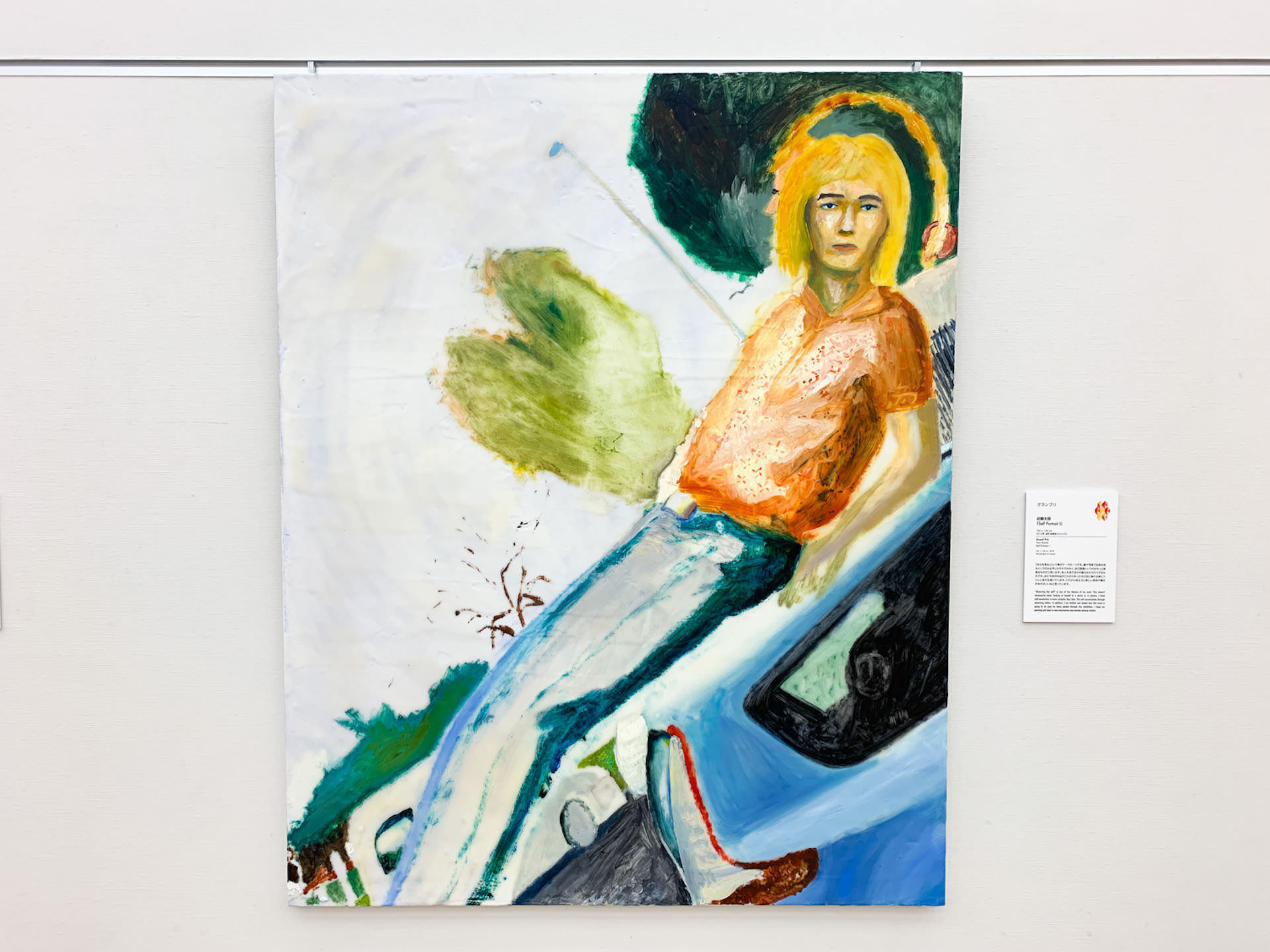
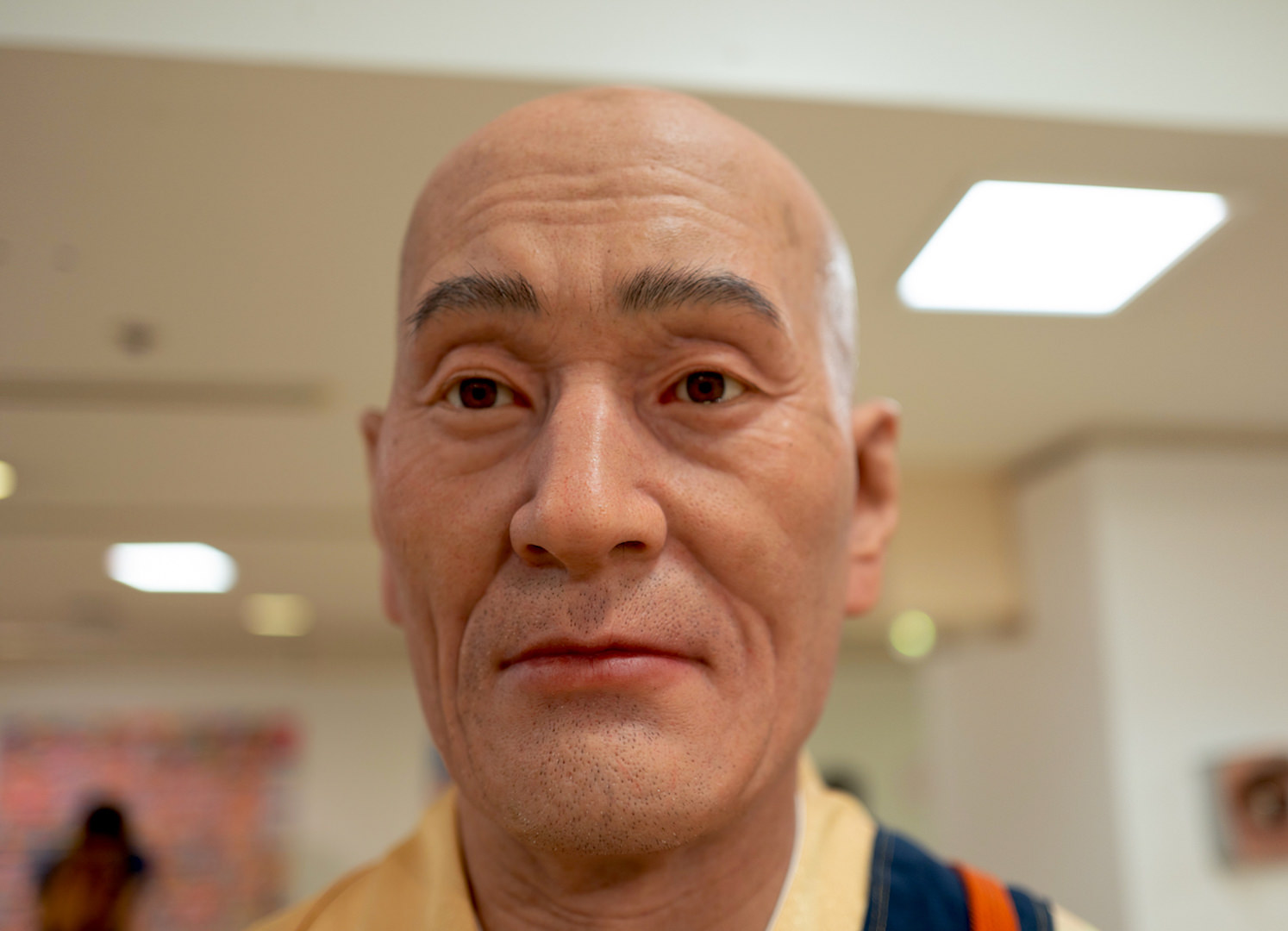
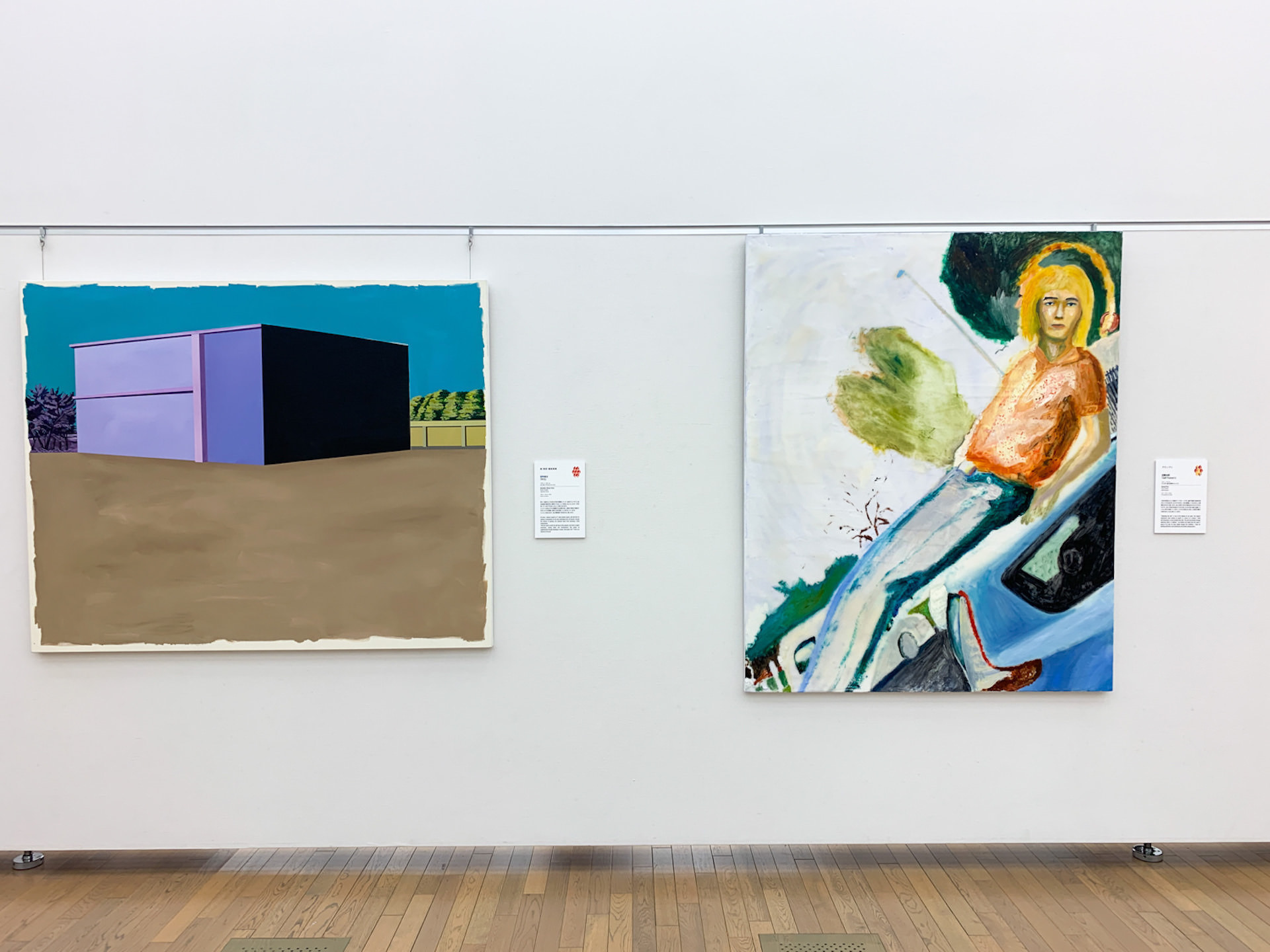
“Looking at oneself” is one of the themes. Seeing yourself in a mirror or a photograph is not necessarily the whole of self-recognition; I think self-recognition is something more complex. We look at others and superimpose ourselves onto them. I also feel a thrill and happiness that this work will now be seen by many people. I hope viewers will find something new and surprising in it.
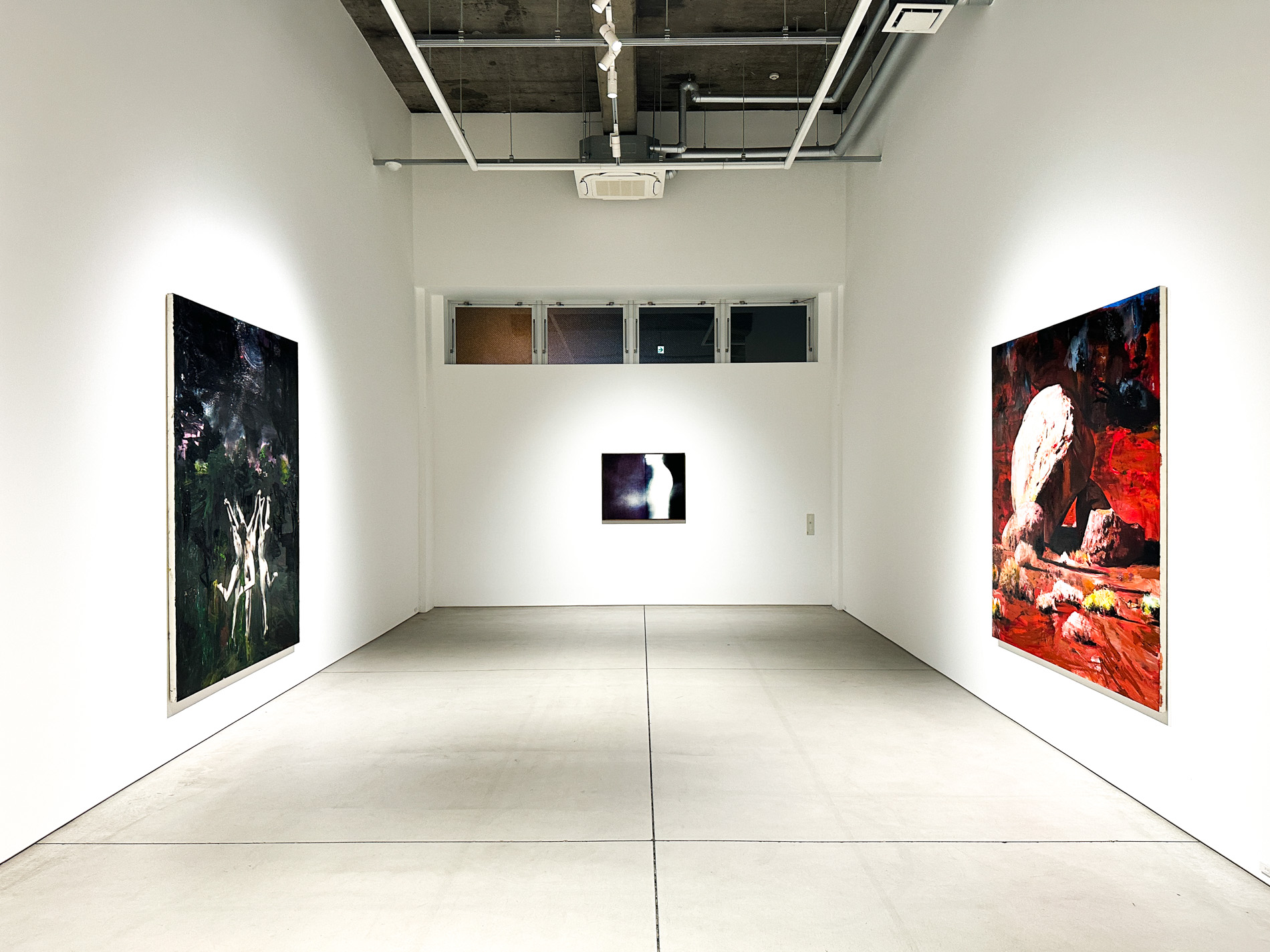
At times I feel that another self, like a stranger, is observing me, waiting for the next move as if enjoying the fact that the image before them, mediated through a painting, is not fixed in its interpretation. The “me” that is here needs to confirm that, so I paint consciousness, states, and situations that cannot be filled in by meanings or reasons. The “me” that is here is, I think, also an observer of me.
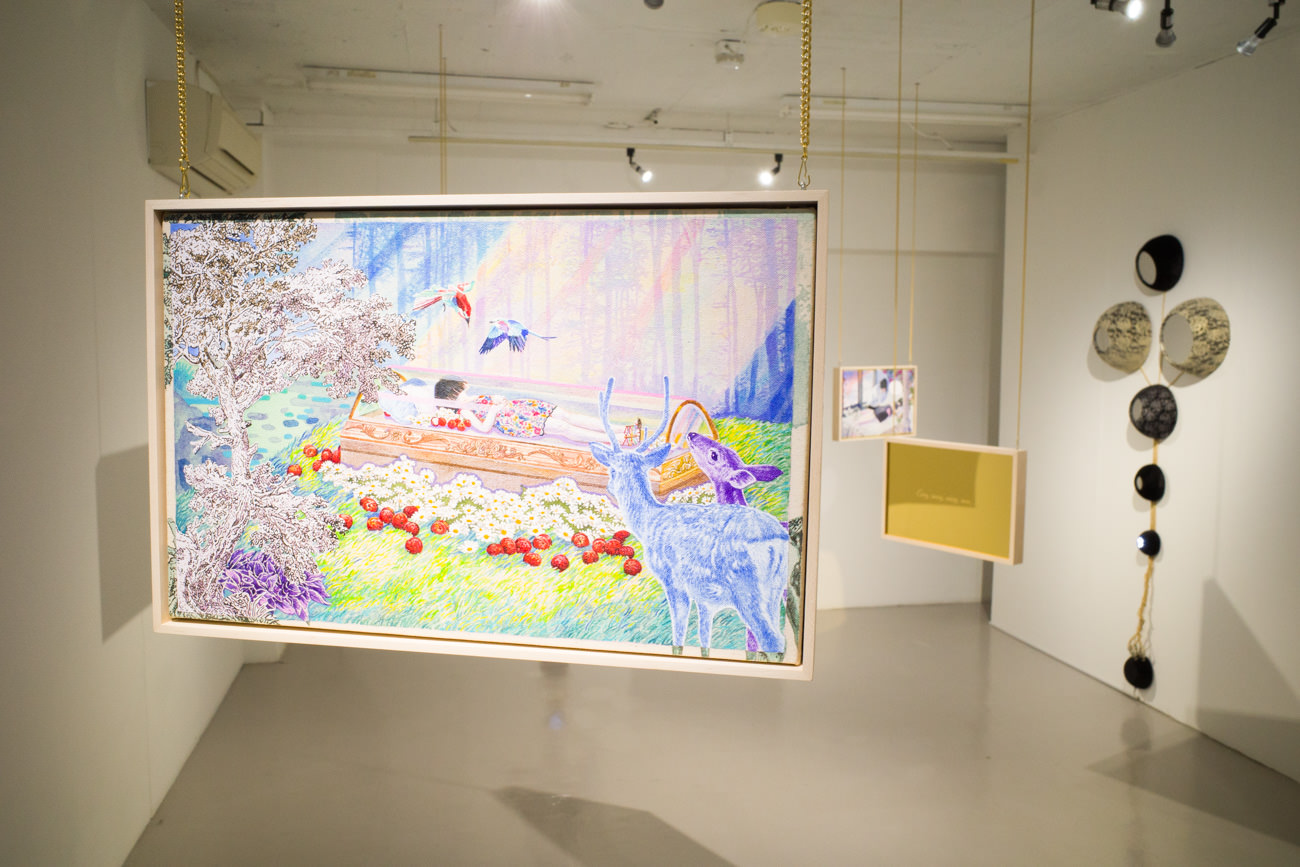
Atsuko Yamashita’s work “The Moon Is Beautiful, Isn’t It” borrows its title from Soseki Natsume’s famous rendering of “I love you” as “The moon is beautiful, isn’t it.”
I make work directed at the canvas, capturing what I am thinking, feeling, considering, and wanting to do — everything happening inside my head. My practice begins with making the support itself. As if building up a story, I assemble the wood and prepare a primed canvas, and then, as if in conversation with the work (or with the state before it becomes a work), I paint in oil and pencil. All of it — like breathing — I want myself and the work to stay perfectly close together.
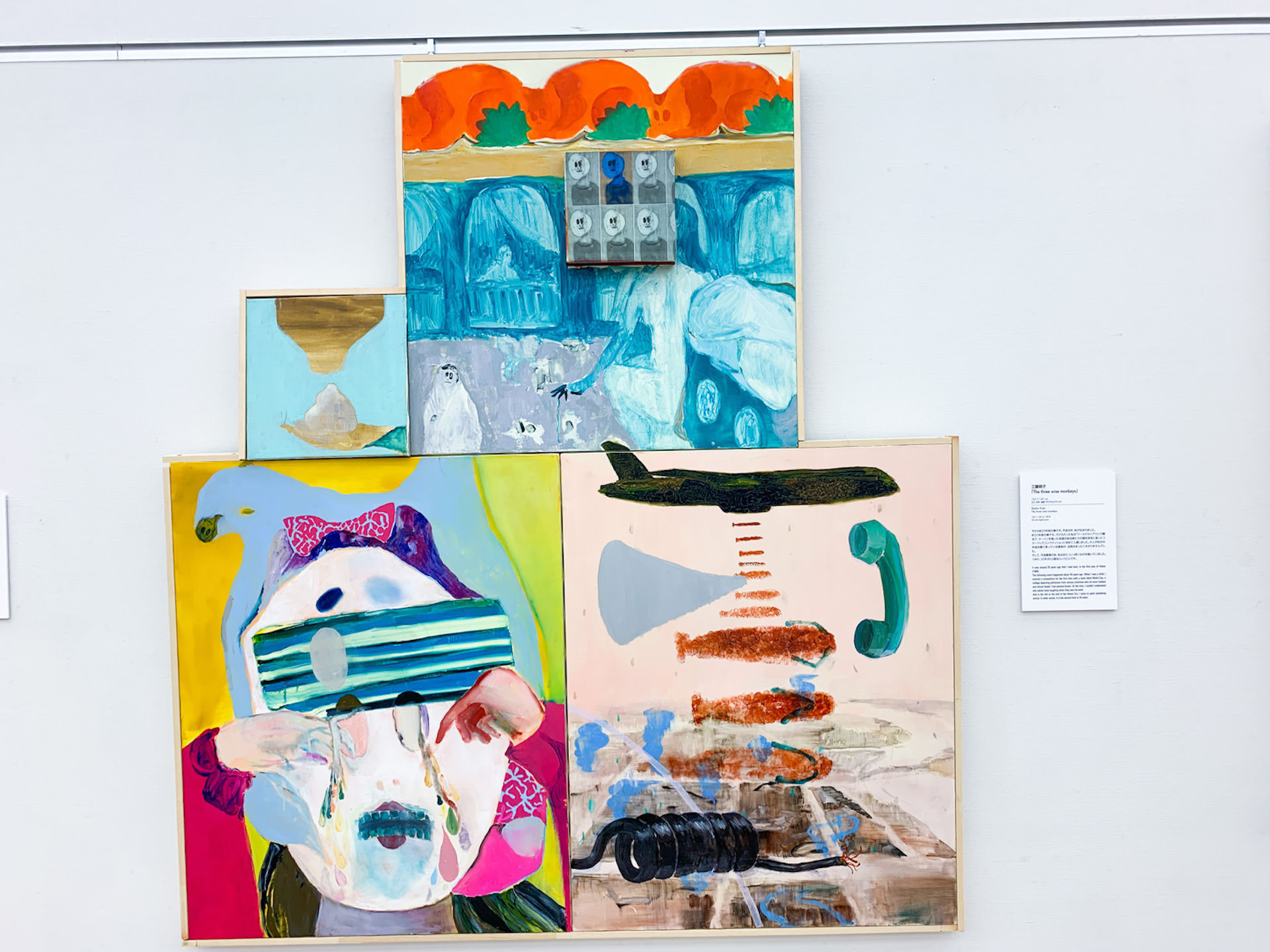
About 29 years ago, in the first year of the Heisei era, I was born. About 20 years ago, as a child, I was selected for the first time in a competition with a collage titled “World Cup,” in which the heads of turbaned politicians from various countries were painted brown. At the time I could not understand at all why adults were laughing when they looked at my work. And so, in the final autumn of the Heisei era, I was drawing something like that again. In other words, this is my second selection after a 20-year gap.
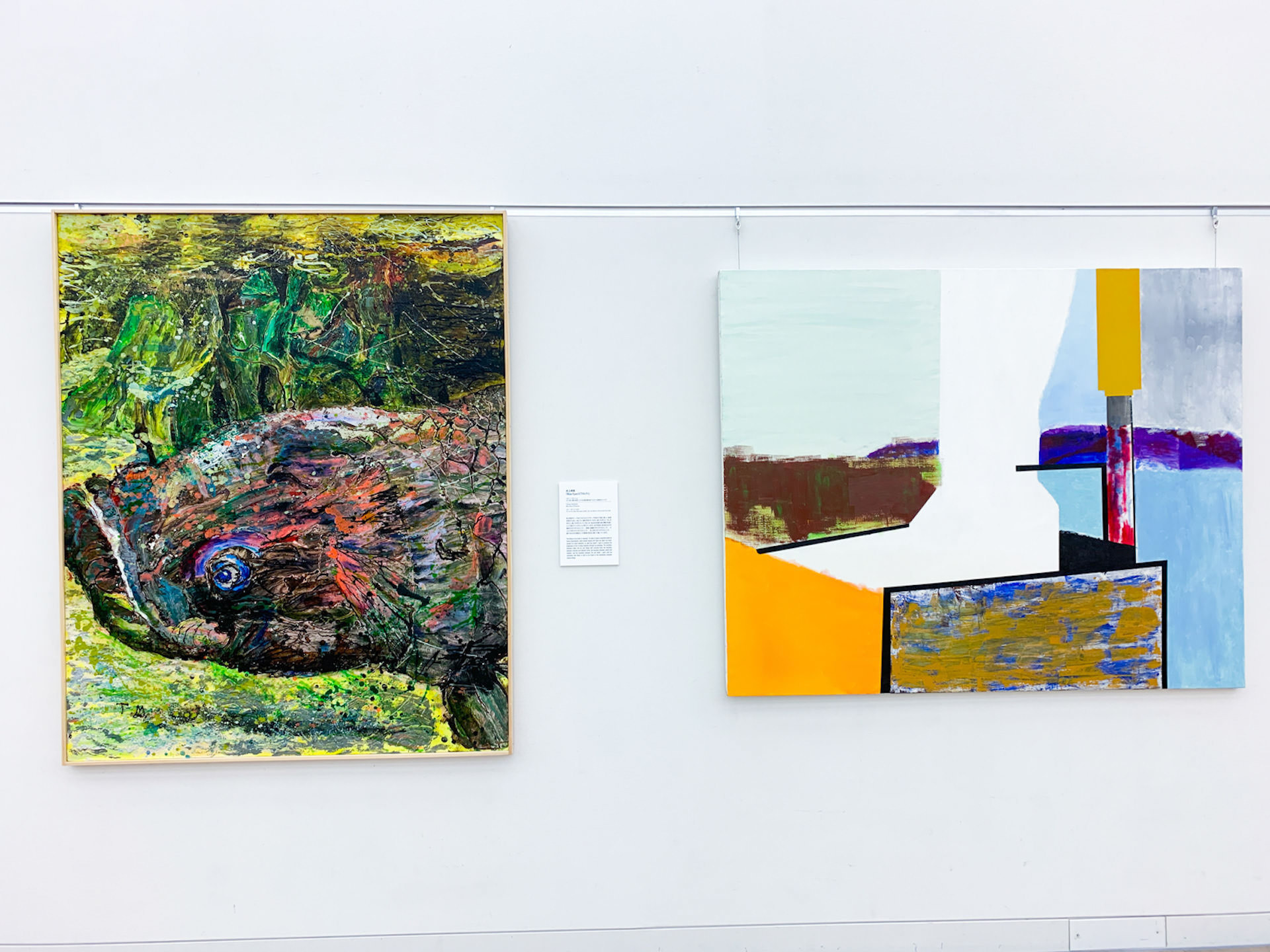
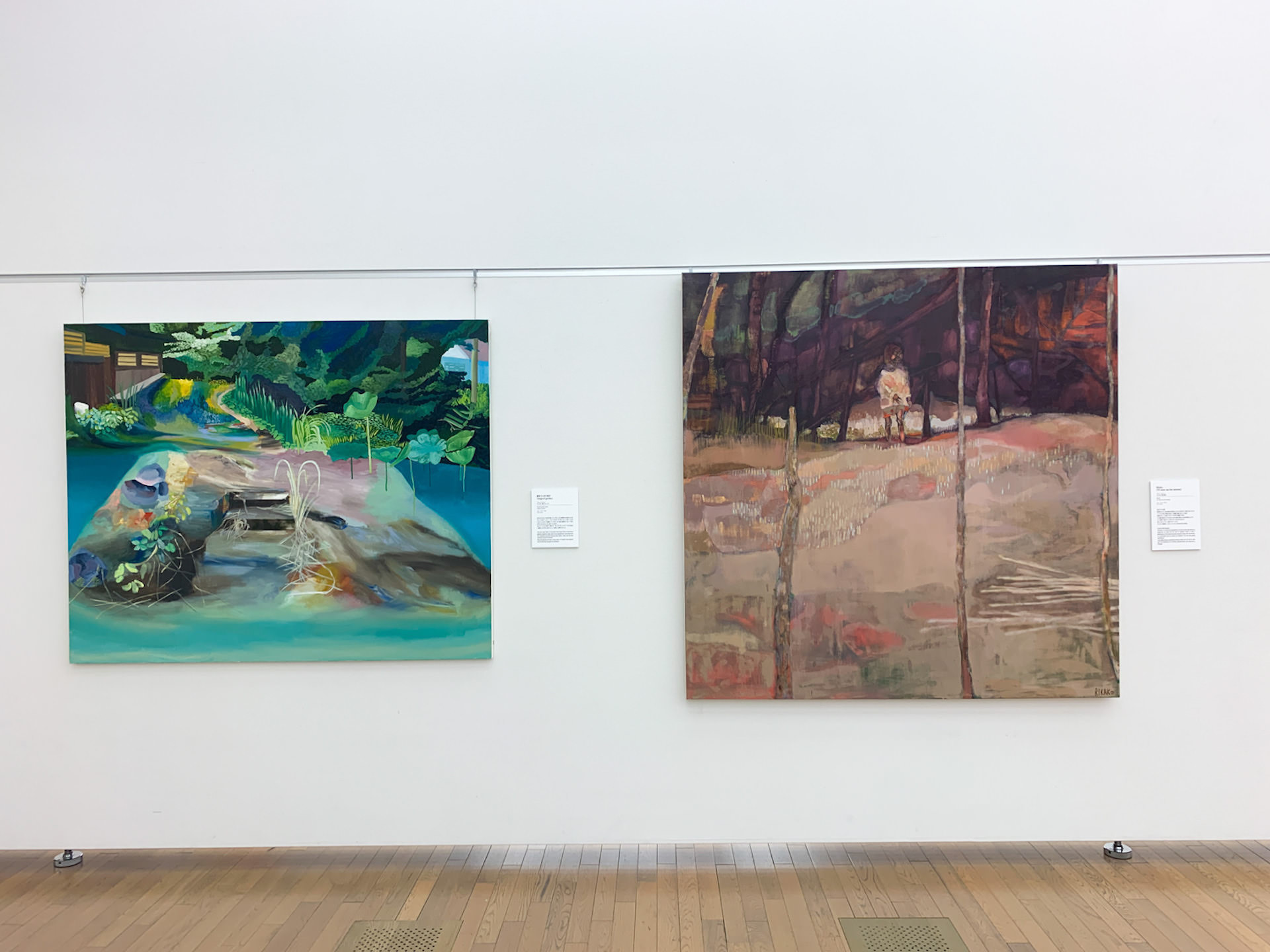
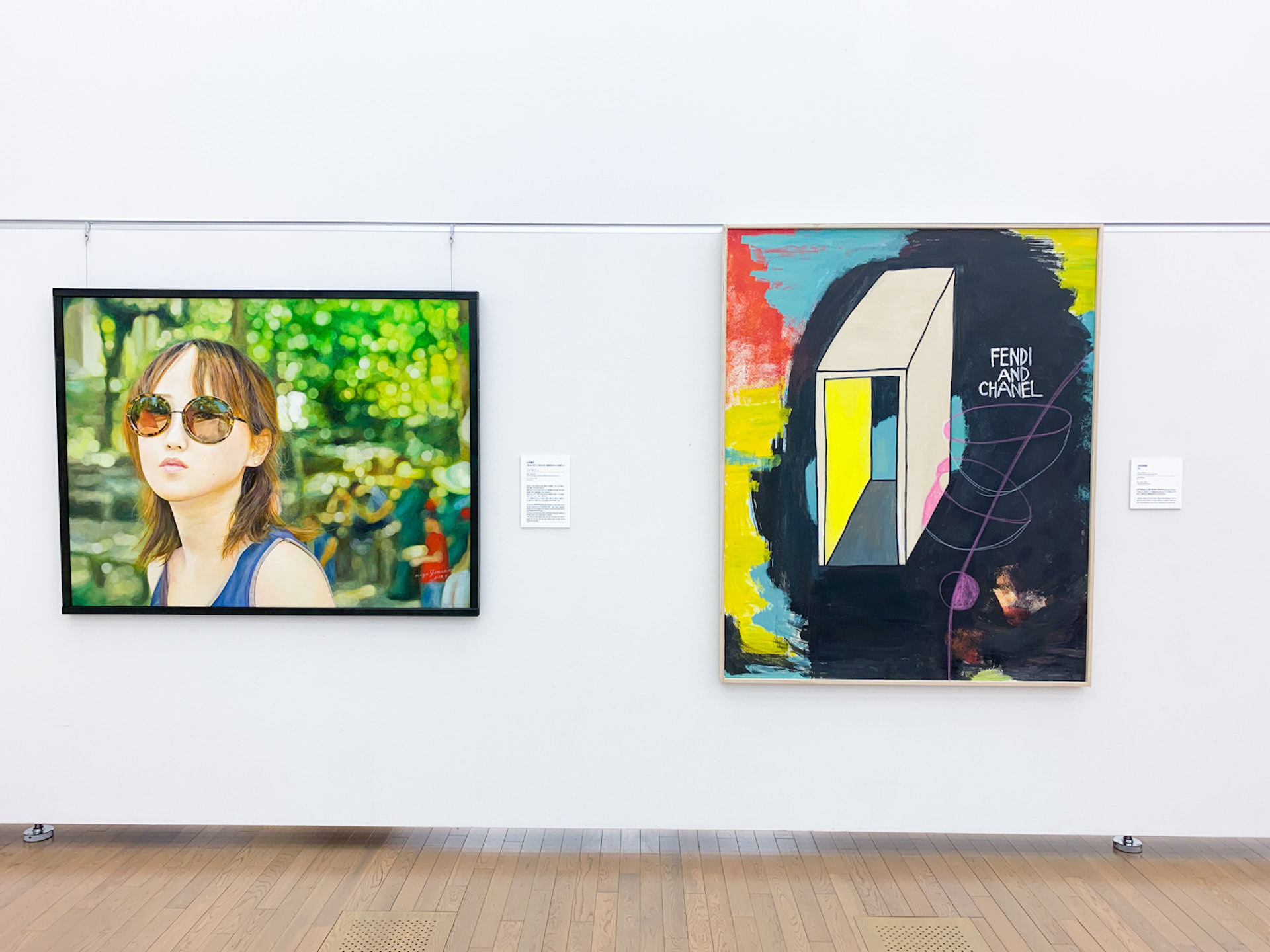
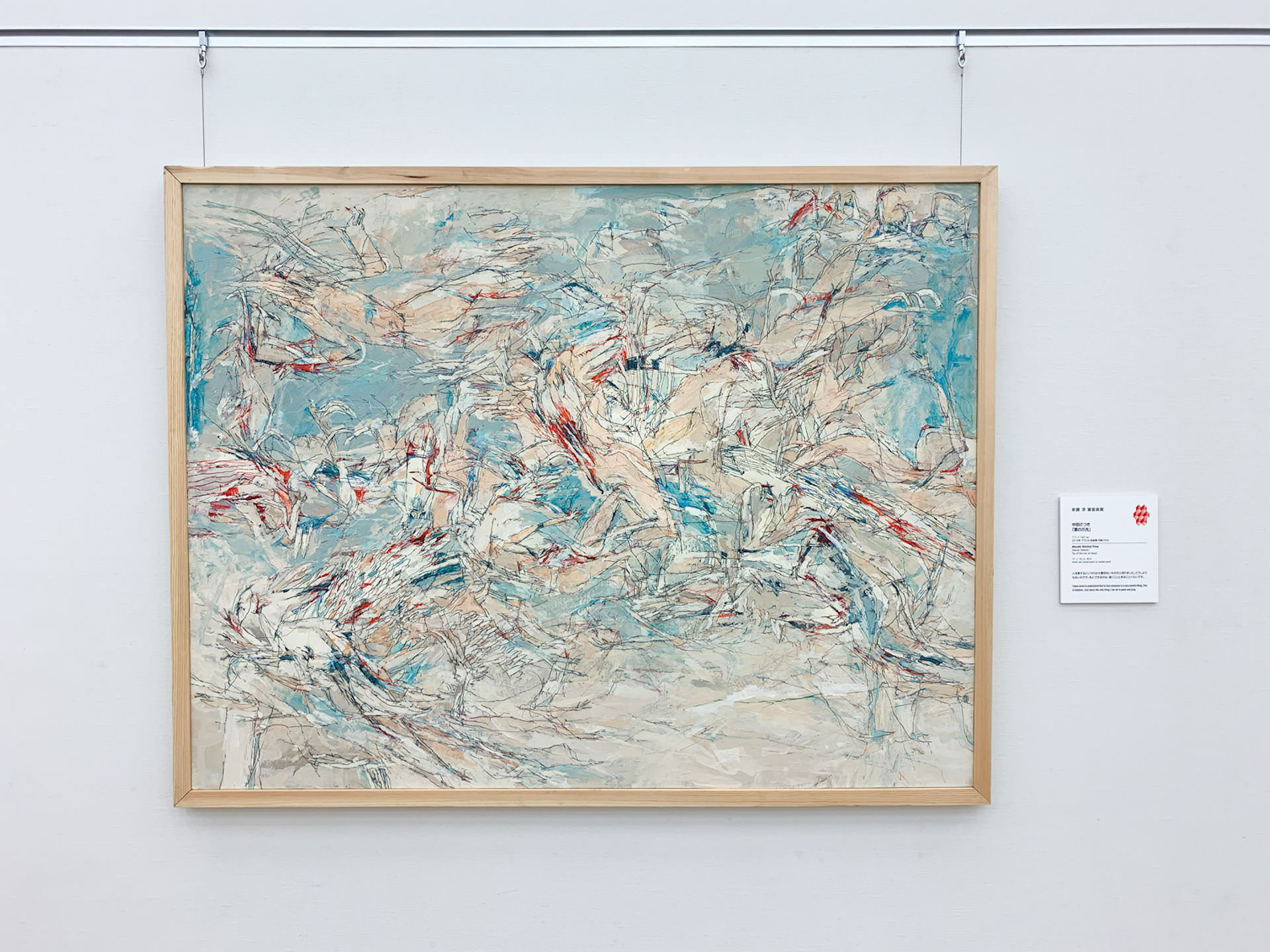
I have learned that to love someone is something extraordinarily painful. There is nothing to be done about it. All I can do is paint, and pray.
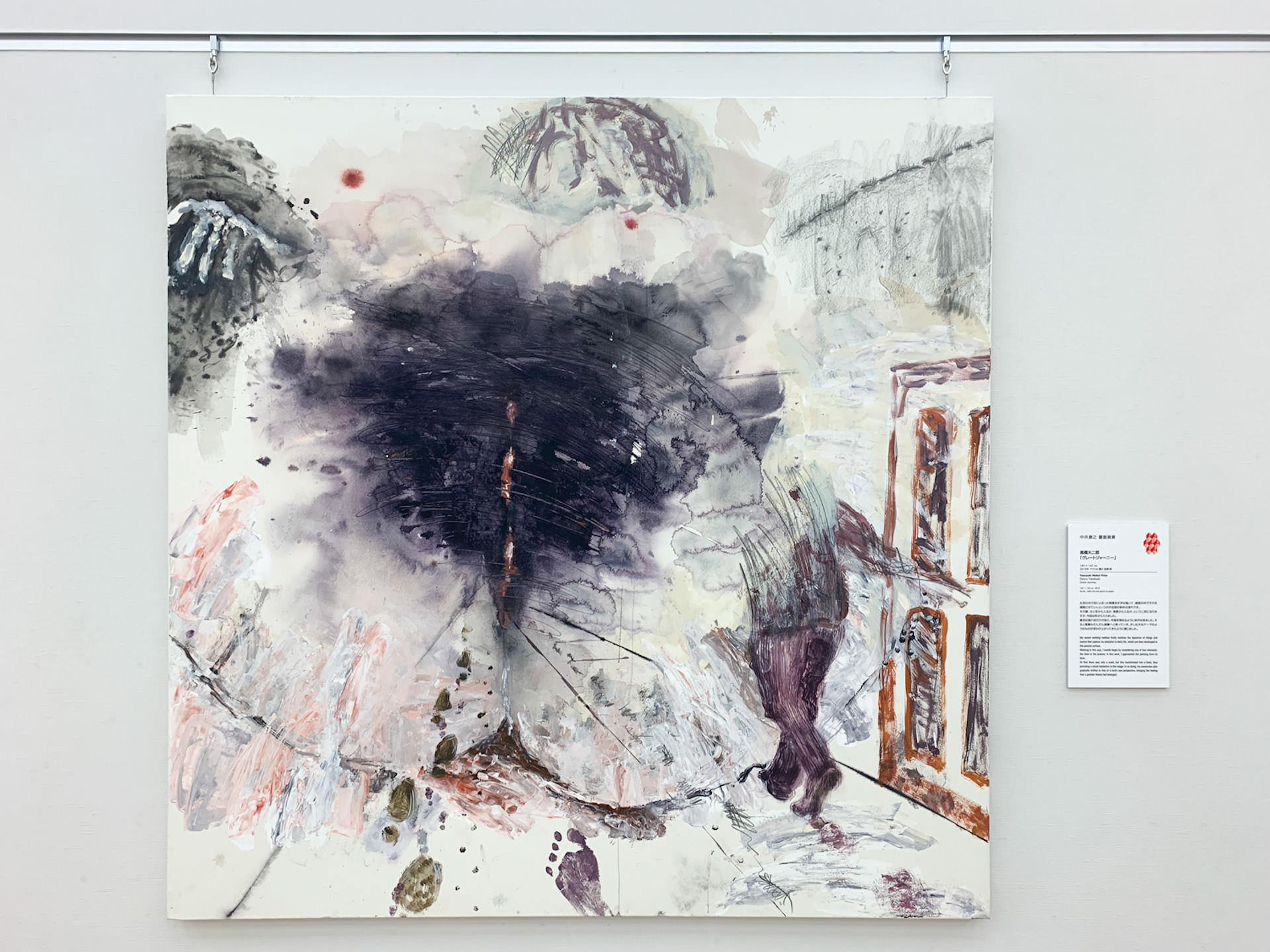
Lately my process has been to first paint something I noticed in daily life, and then develop it further within the picture plane. In doing so, I usually choose between starting from form or starting from scene, and this time I started from form. At first there was only a crack, and then, as if filling in the outer moat, a body took shape. As I did this, my perspective gradually shifted to a bird’s-eye view, and it felt as though a somewhat grand theme rose into view.
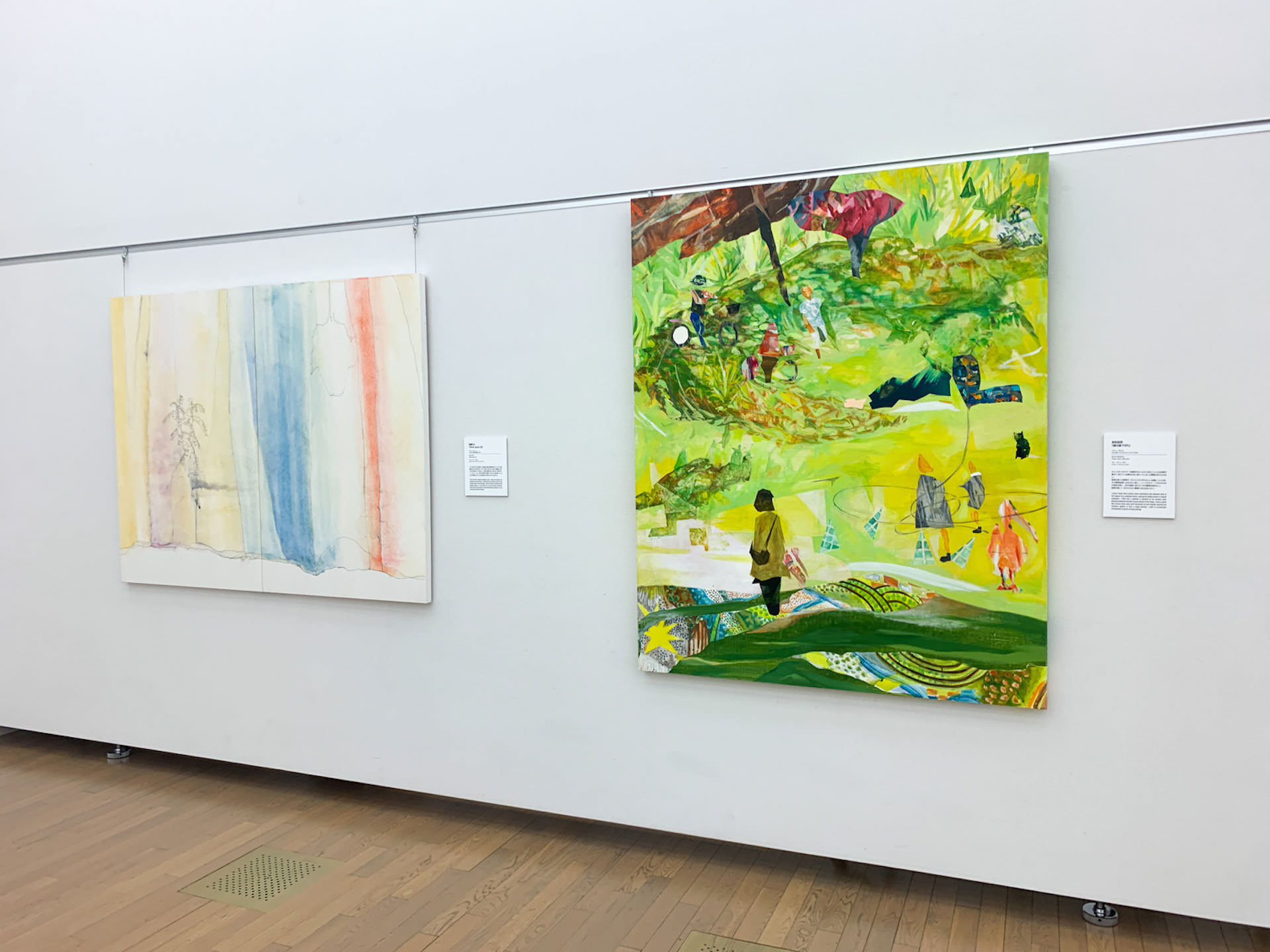
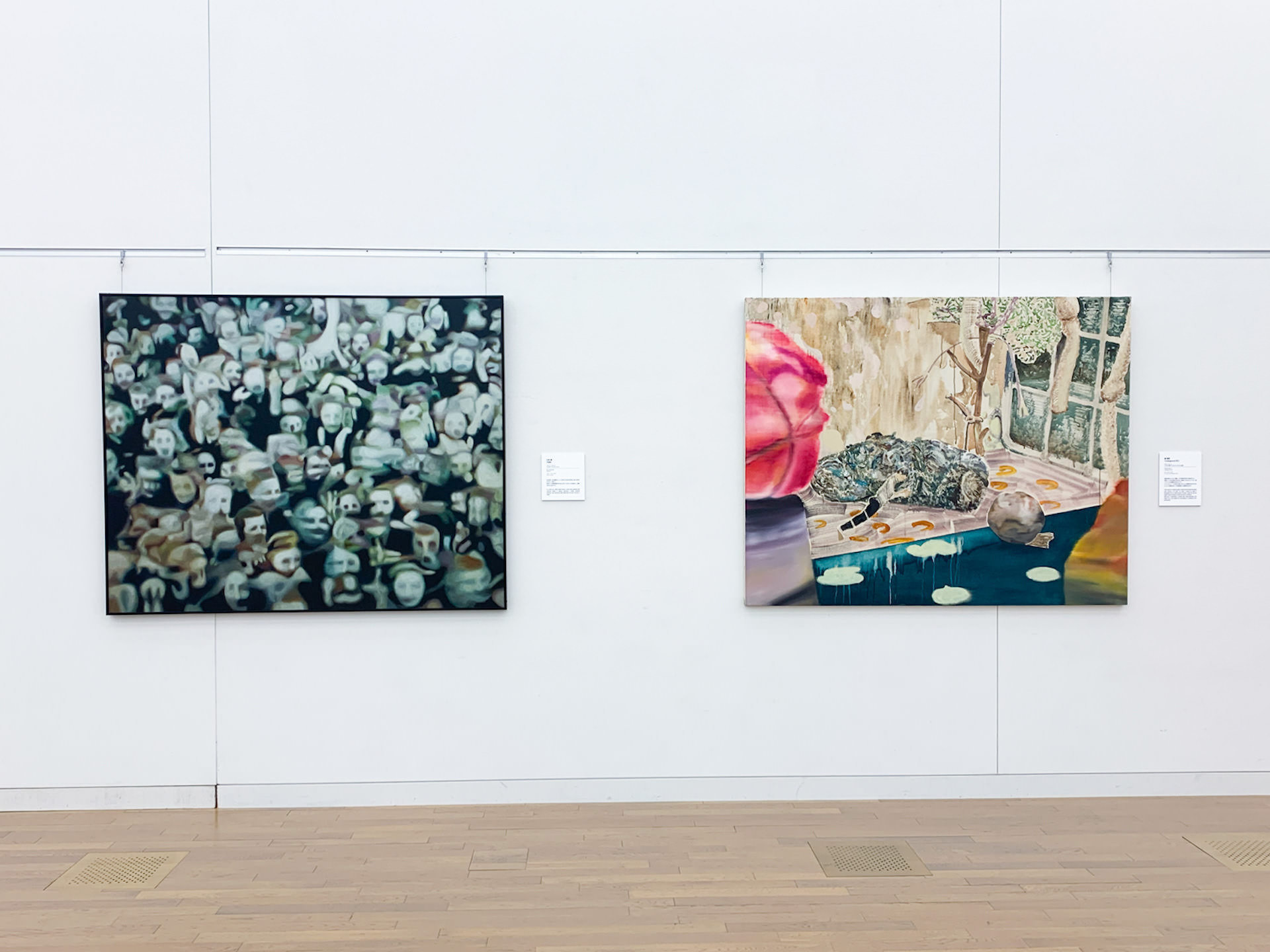
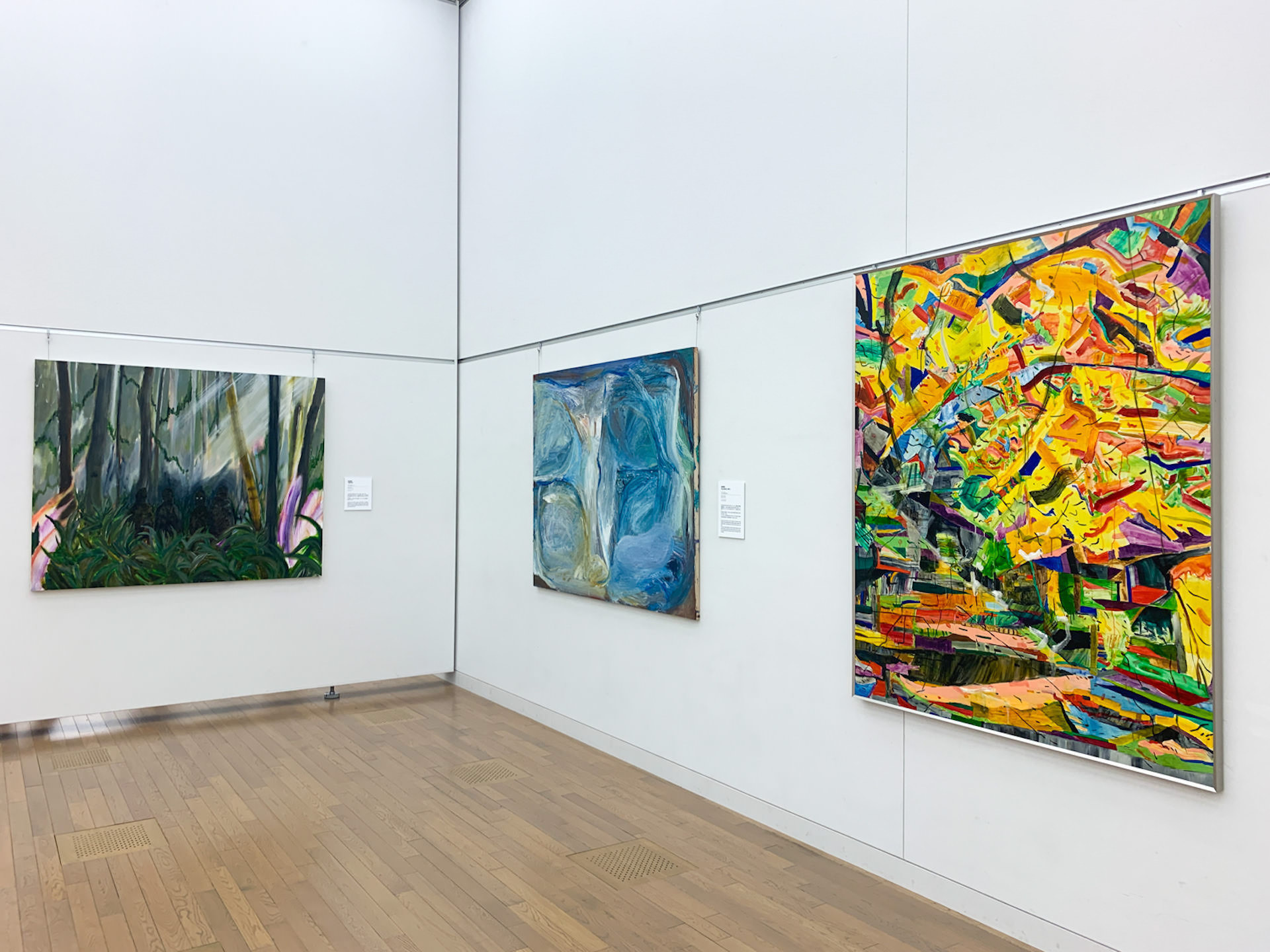
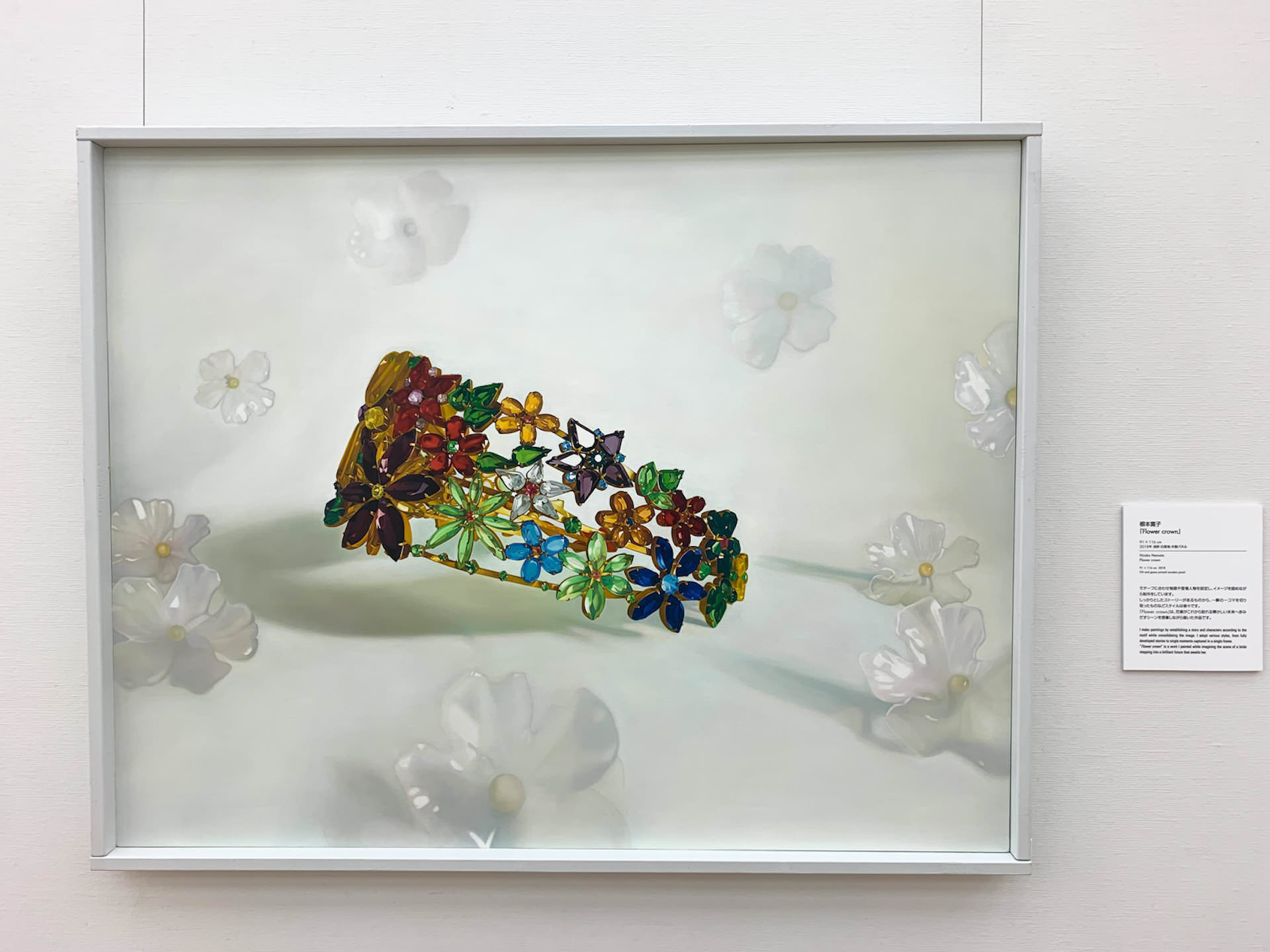
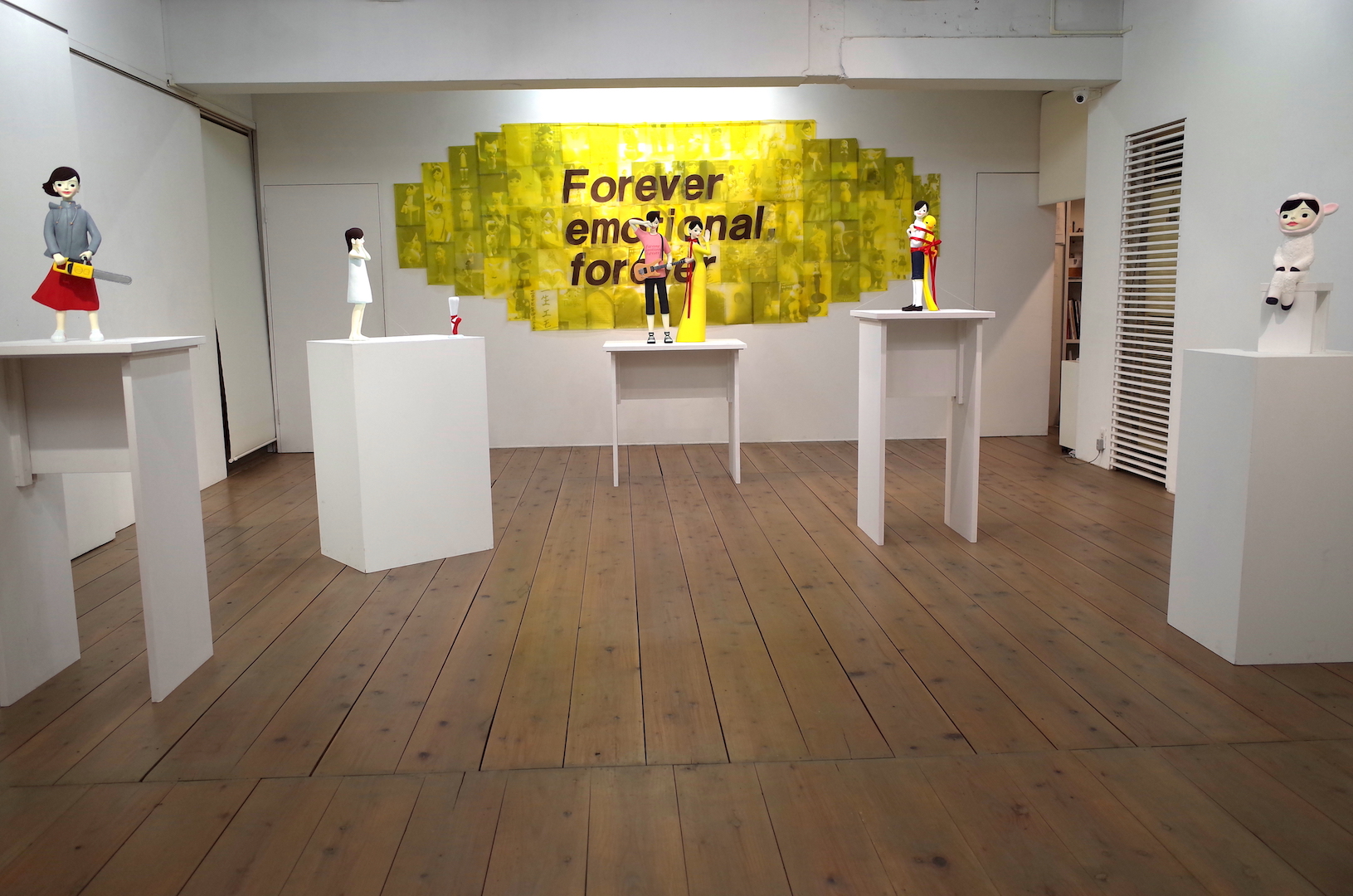
I set up stories and characters to match each motif, and shape my images as I work. My styles vary — from pieces built on a solid narrative to those that capture a single fleeting moment. “Flower crown” was made while imagining the scene of a bride stepping toward the radiant future that awaits her.
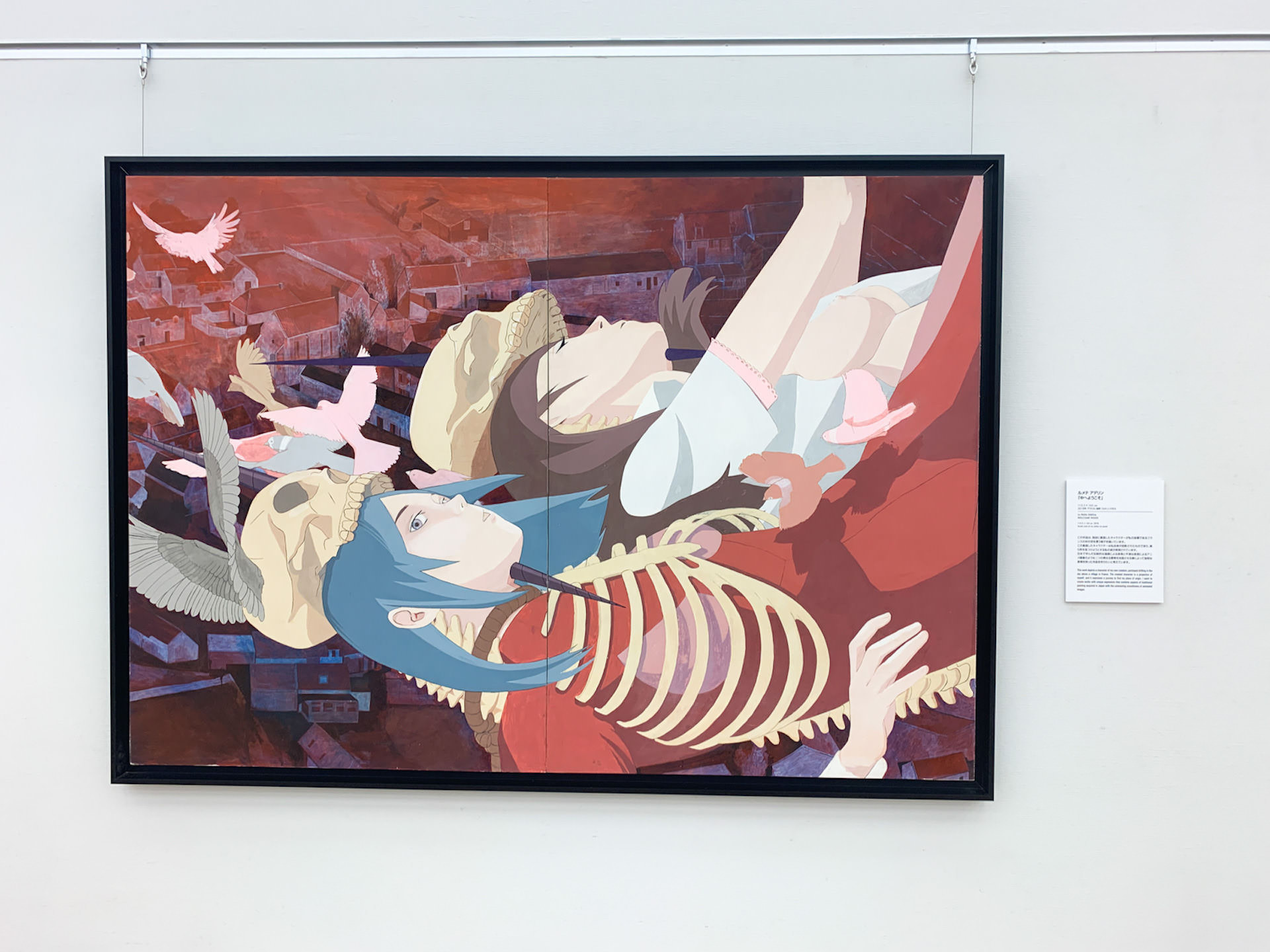
This work depicts an original character I created, drifting through the sky of the village in France where I am from. The character is a projection of myself, expressing my own figure searching for a place to belong. By bringing together two distinct elements — traditional drawing techniques I learned in Japan and a smooth, anime-like flatness — I hope to make work with a unique expression.
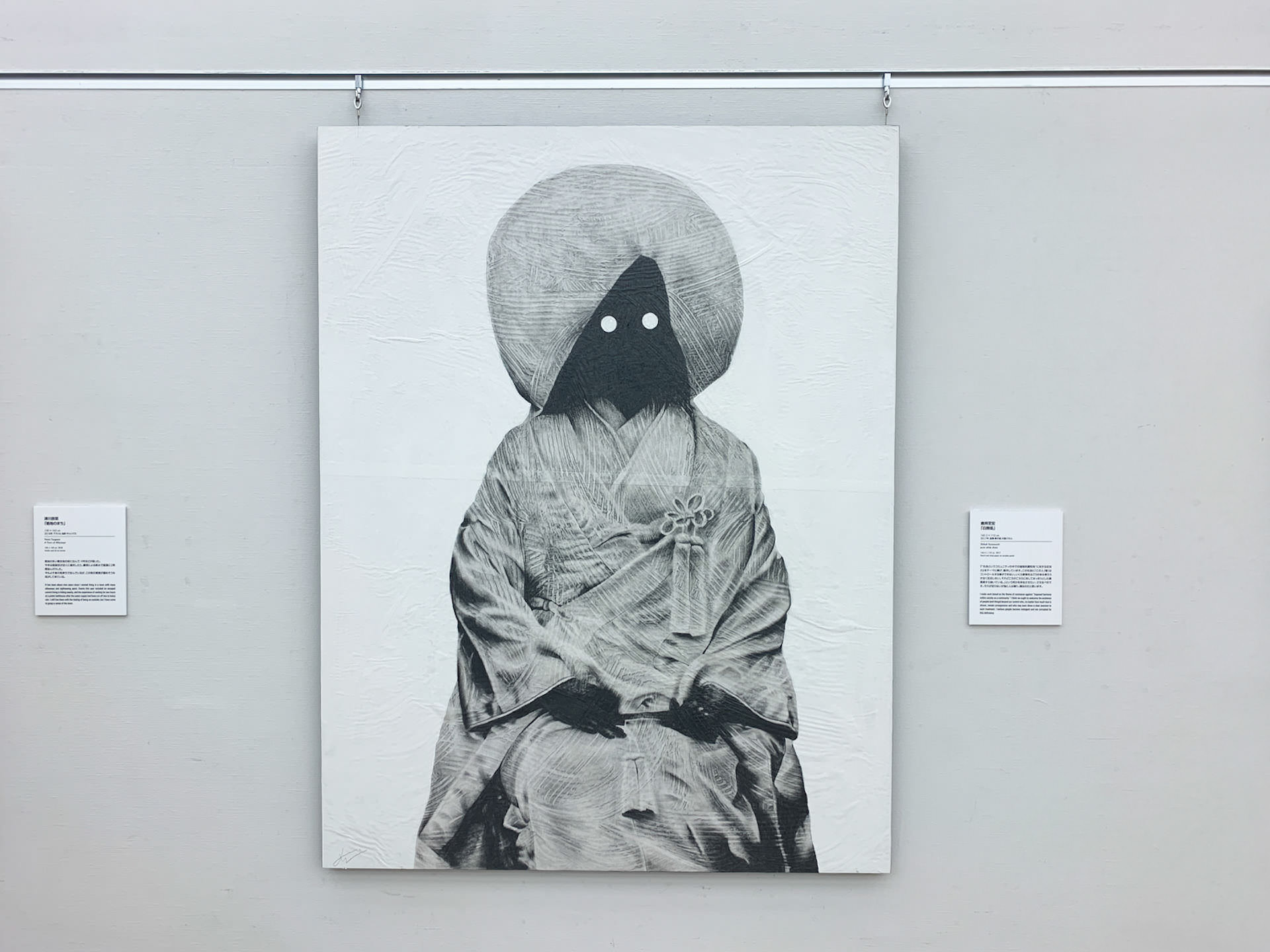
I work under the theme of “a counter-force against the coercive harmony within the community called society.” I want — I feel we ought — to let something exist in this society that is “uncontrollable; no matter how much affection or approach you offer it will not respond at all; on the contrary it clearly feels revulsion toward you.” I think it is because such a thing is lacking that people grow arrogant and rot.
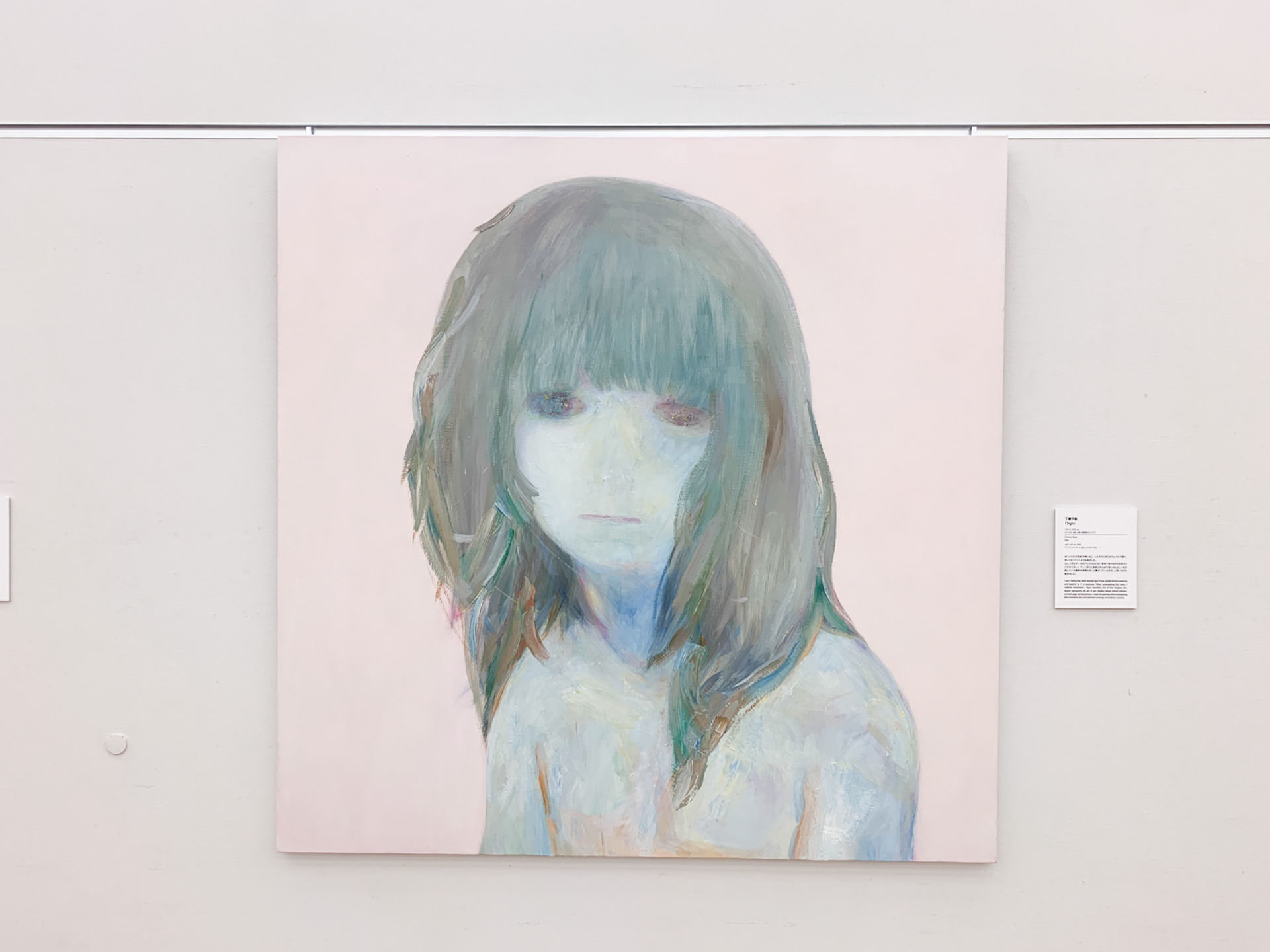
I had the feeling that when people sense the approach of war they become, as if in resistance, more charming and more beautiful. Suddenly I recalled the “Ares Borghese” — a god of war and yet without roughness, beautiful, and holding both wrath and mercy. I worked while thinking that even feelings and matters that seem contradictory at a glance must surely be connected.