Leiko Ikemura: Our Planet — Earth & Stars
Leiko Ikemura’s solo exhibition “Leiko Ikemura: Our Planet — Earth & Stars” opened at The National Art Center, Tokyo.
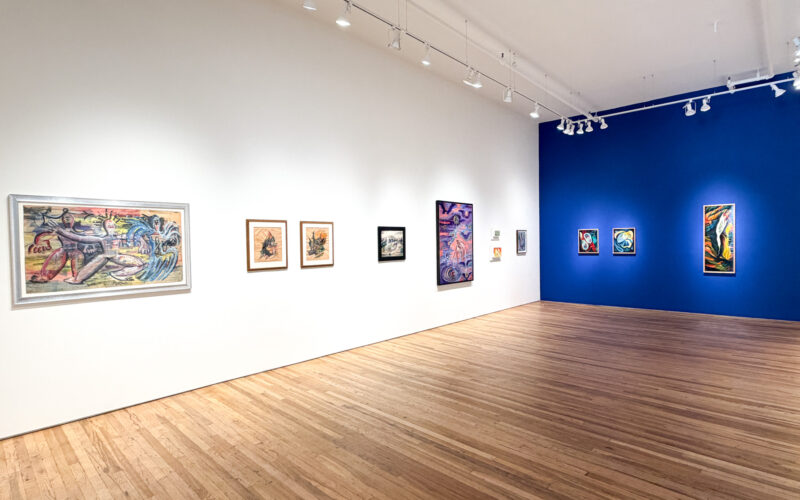
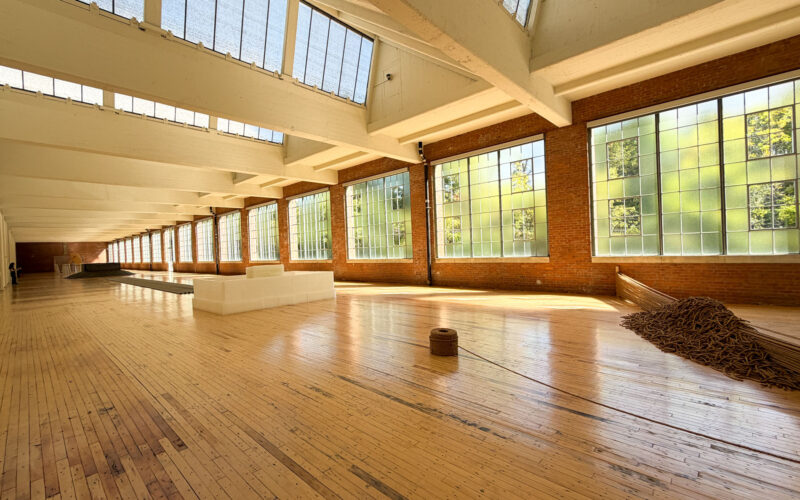
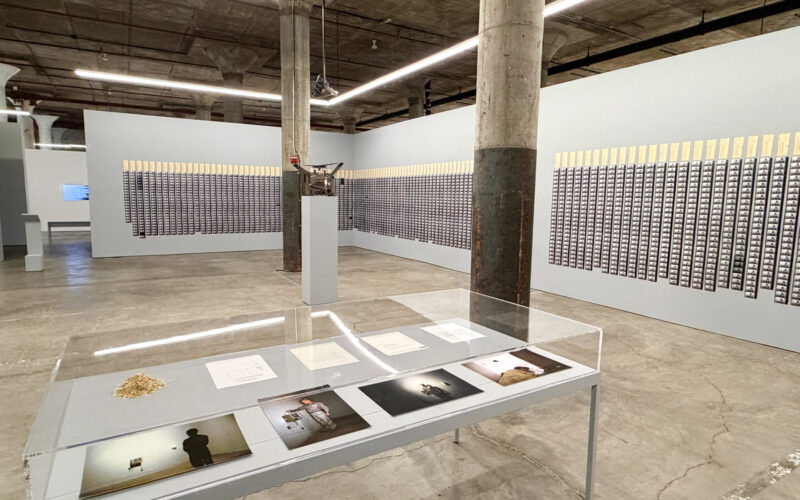
*All photographs below show installation views from “Leiko Ikemura: Our Planet — Earth & Stars,” 2019, The National Art Center, Tokyo.
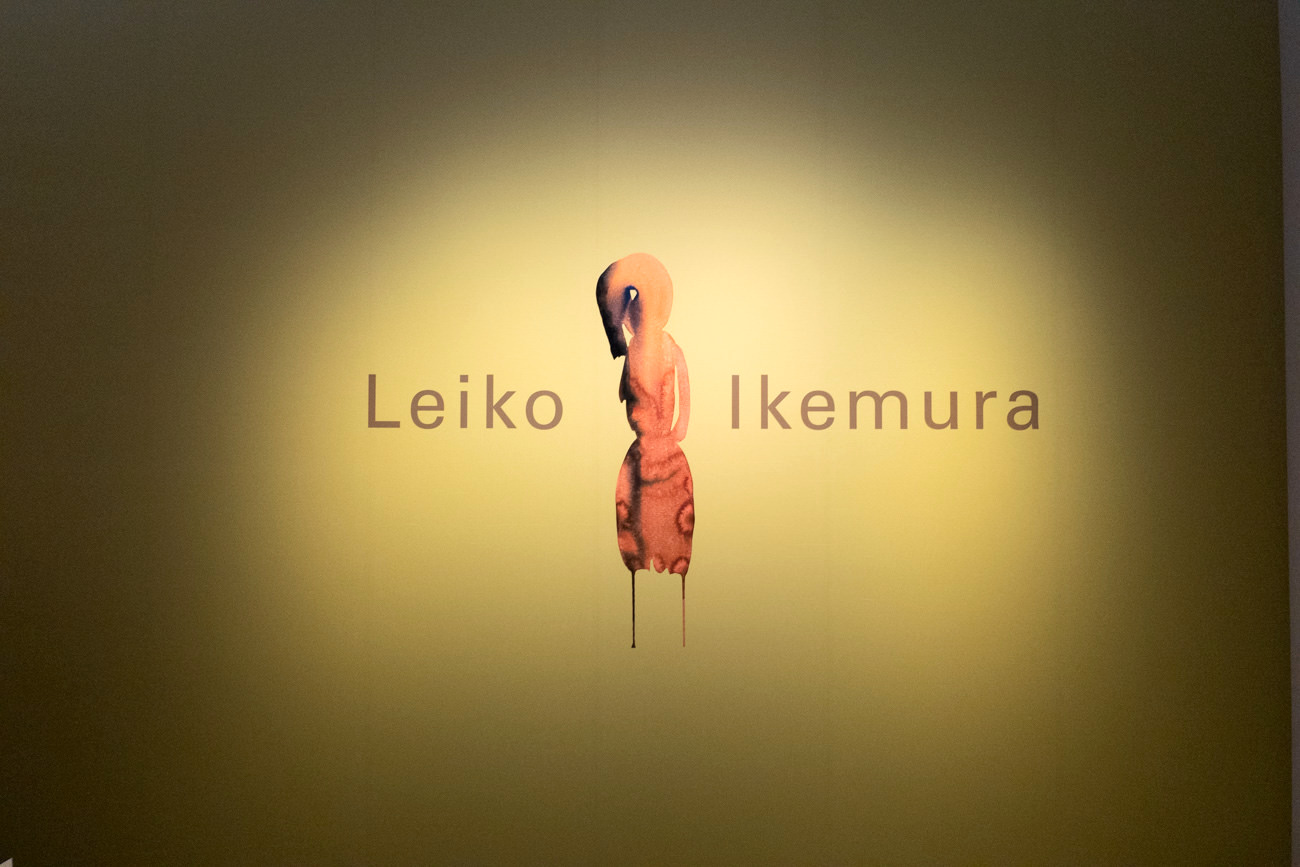
Leiko Ikemura
Leiko Ikemura left Japan about 45 years ago and has lived abroad ever since — first in Spain, then Switzerland, and today based in Berlin, Germany. Long active in Europe, Ikemura has earned high international acclaim. This marks her first solo museum exhibition in Japan since the 2011 shows at The National Museum of Modern Art, Tokyo and Mie Prefectural Art Museum. Because works profoundly shaped by the Great East Japan Earthquake form the core of this show, presenting them in Japan carries deep personal meaning for the artist herself.
At the opening talk during her visit for the exhibition, she was memorably moved to the point of losing her words — “I don’t have the words…” It seems that being away from Japan has only intensified her feelings.
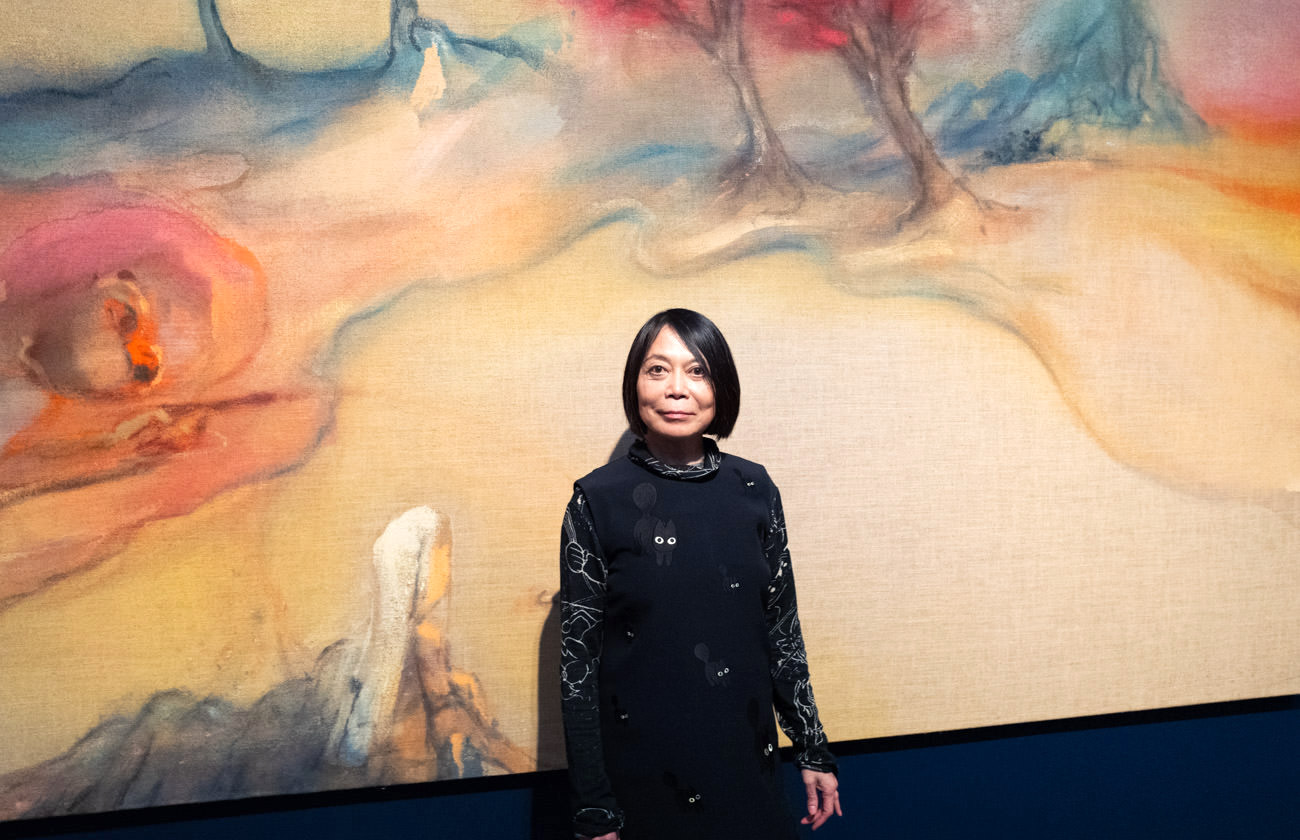
Leiko Ikemura’s practice is remarkably wide-ranging.
Drawings, watercolors, paintings, sculpture, prints, photographs, and video — plus poems inscribed on the gallery walls — reveal the depth of her talent.
Painters expanding into sculpture is not uncommon on today’s art scene, but it is notable that Ikemura has been working in that field since the 1980s. Around 210 works in this show — abundant proof of the multi-directional gifts she has exercised from early on — offer more than enough to take in.
“Leiko Ikemura: Our Planet — Earth & Stars” — 16 Themes
The exhibition is divided into 16 sections.
Each section is complete in itself as an independent installation.
I’ll introduce them briefly below, but what I most want to convey is the “importance of viewing the works in space.”
The brilliance of the space cannot be communicated through flat images — please visit the museum in person to experience it.
1. Prologue
The moment you enter, a large illuminated panel is mounted beside a sculpture.
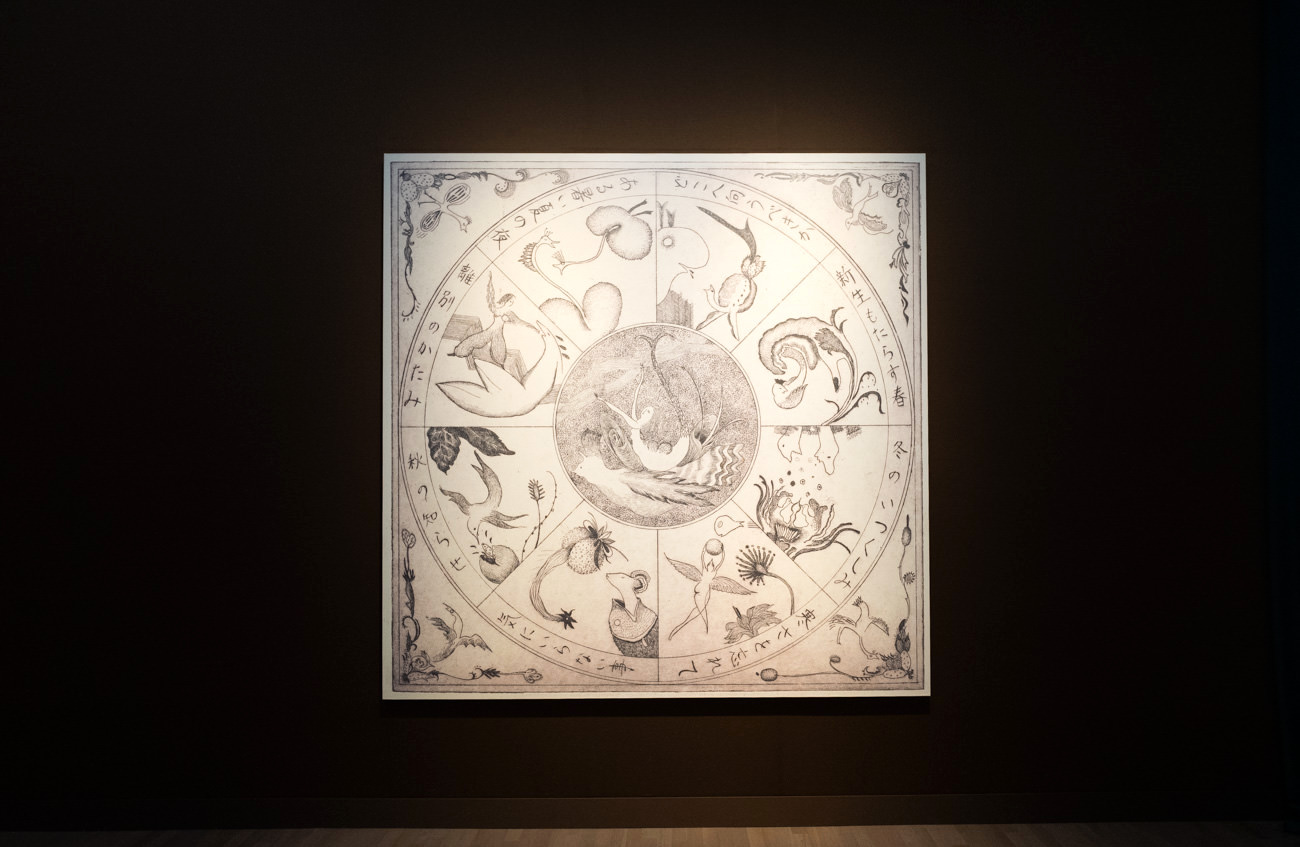
It is an enlargement of The Cycle of Life, a work tied to a major theme of the show.
Visitors move through each section holding the keyword “cycle,” as expressed by this work, in mind.
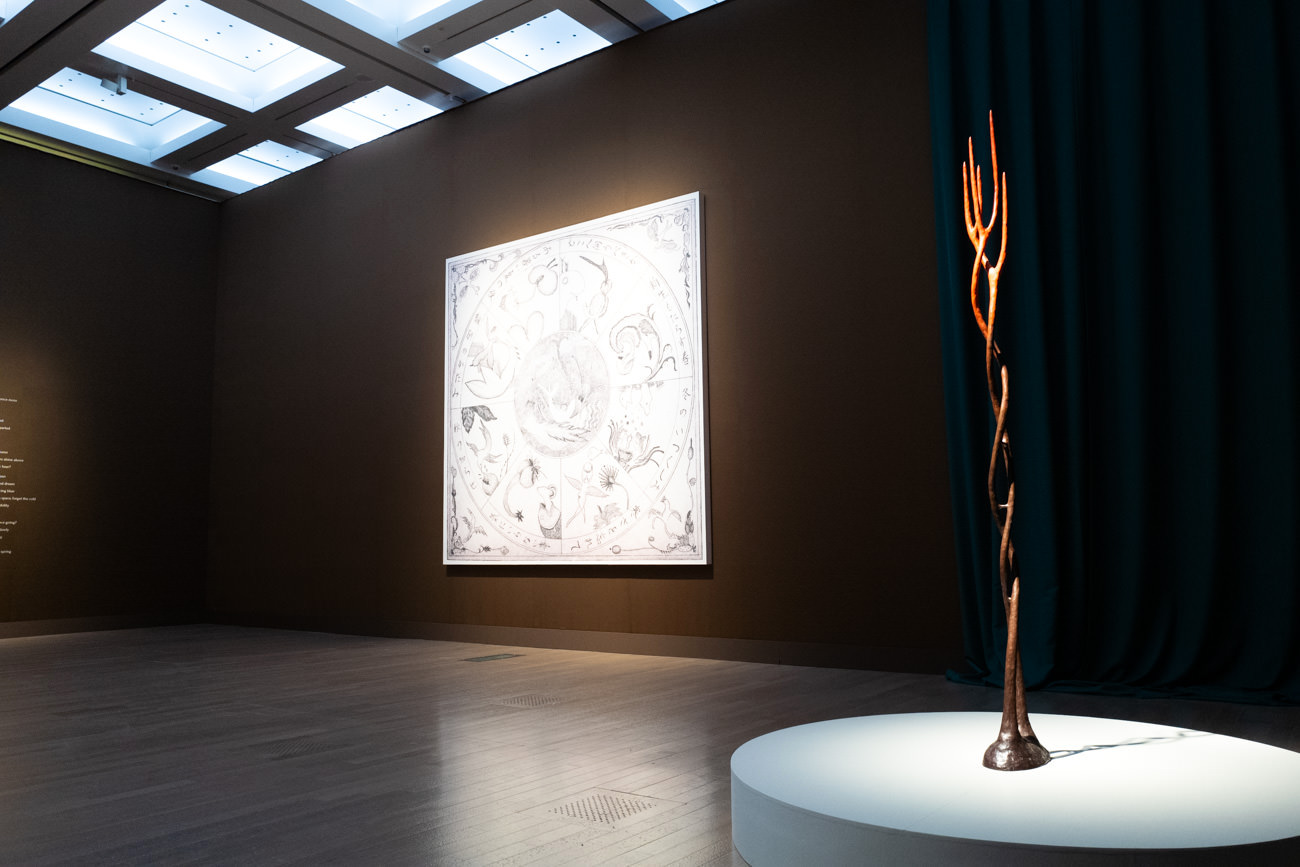
The Cycle of Life is linked to the overall concept of the exhibition; the 16 independent zones each hold their own as an installation, while a current flows through them as if each one were encroaching on its neighbor.
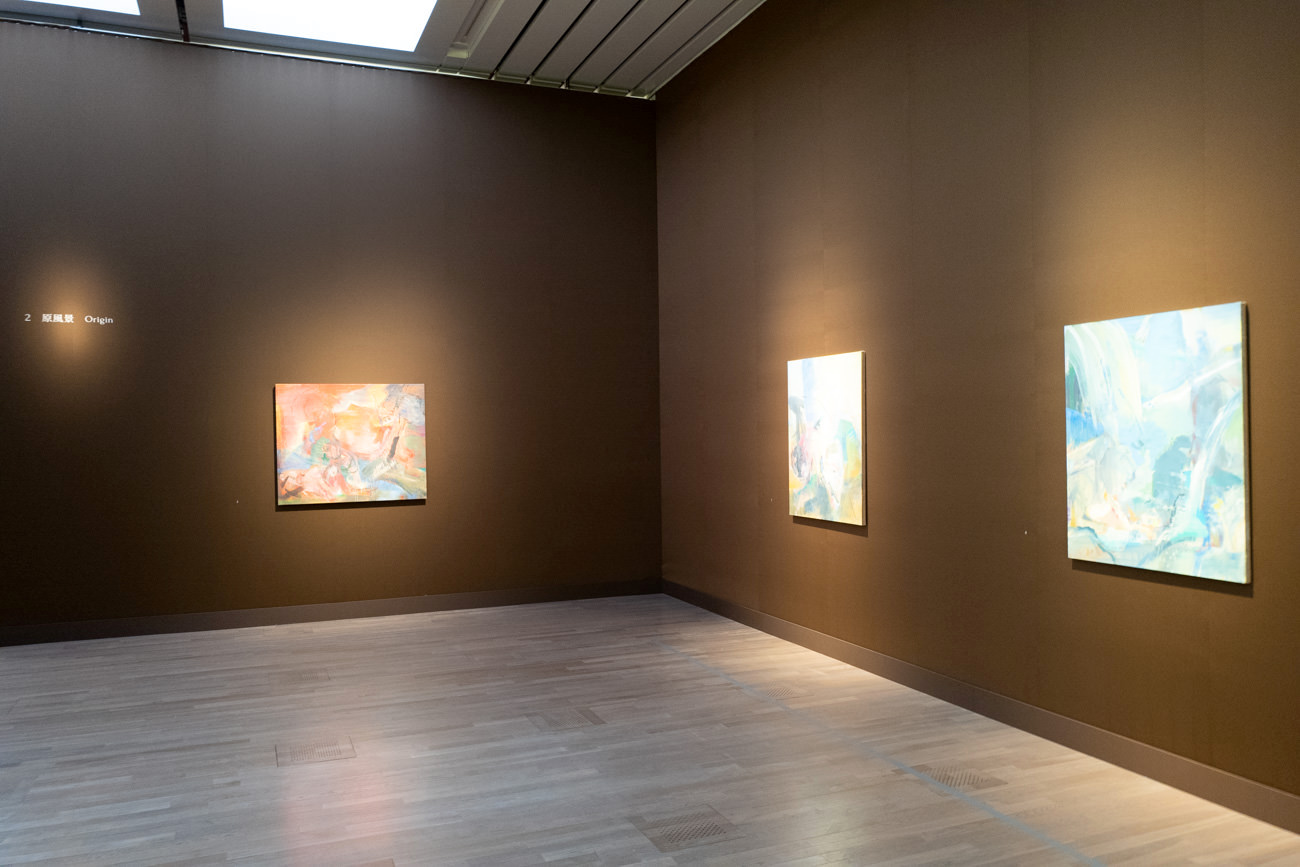
2. Origin
The opening section centers on paintings from 1989–1990.
Captions have been eliminated in this show, letting you take the works and the walls that compose the space into your whole body as you view them.
There is no audio guide either; a solemn atmosphere reigns over the space.
3. Organic and Inorganic
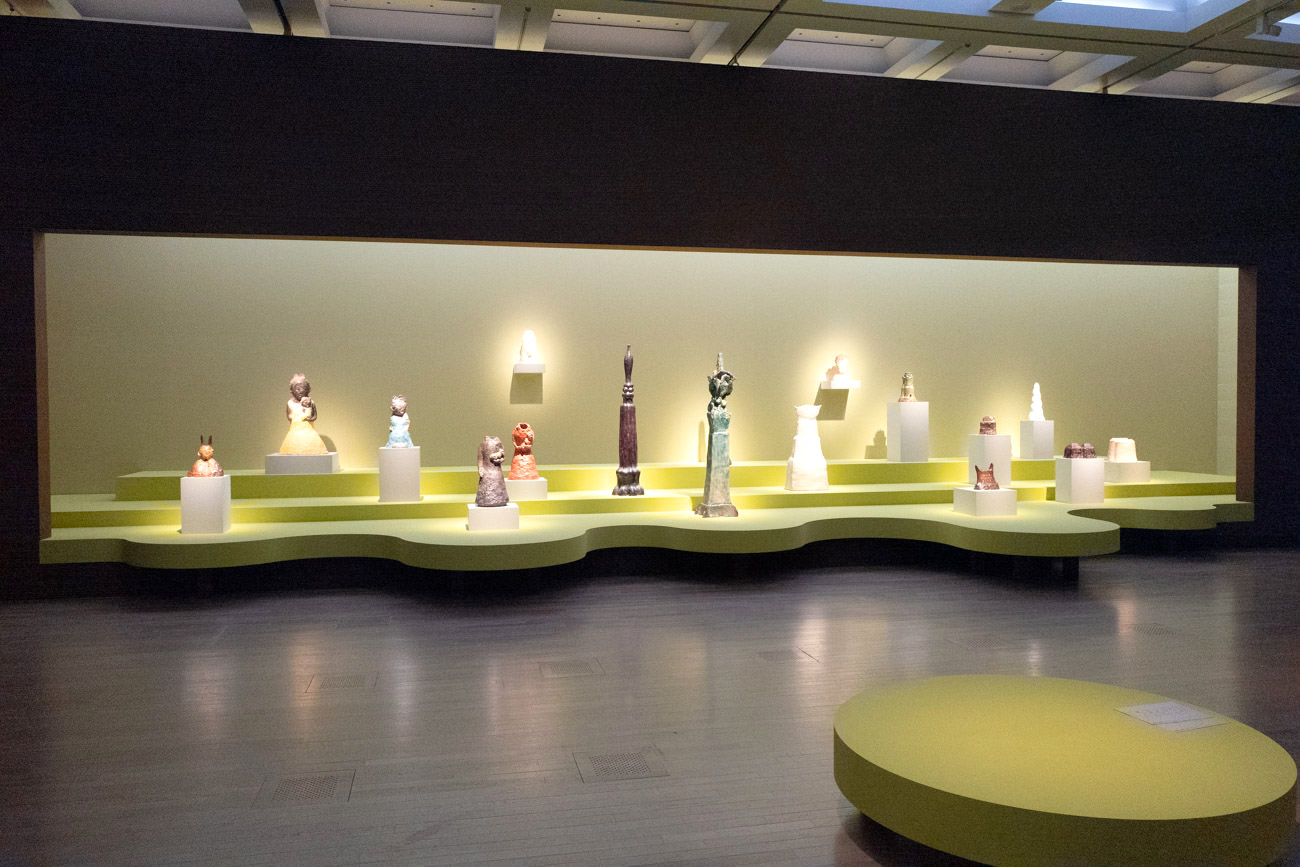
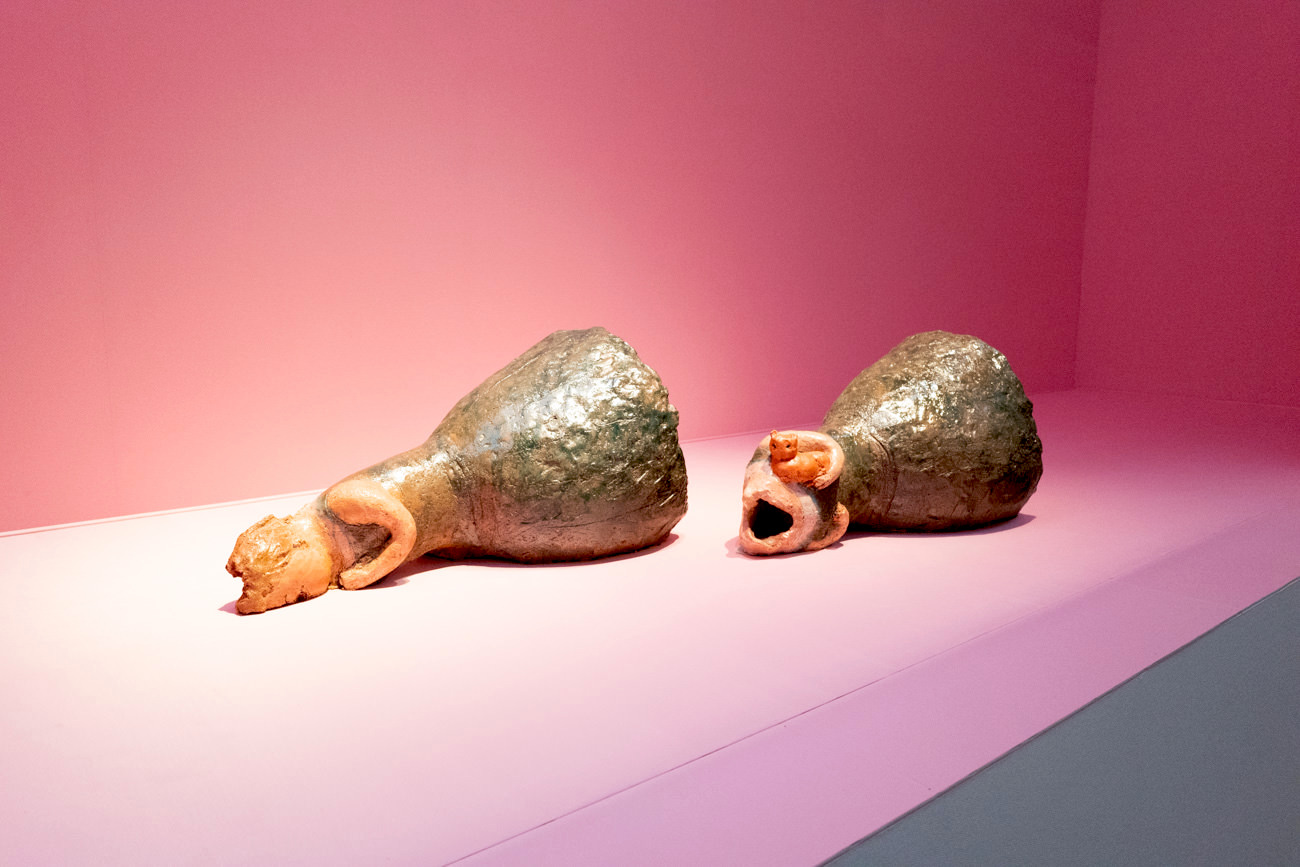
In the next section, sculptures lined the spacious hall.
Terracotta works from the early 1990s are the focus — pieces with a rustic, gentle palette that carry traces of hand-kneading.
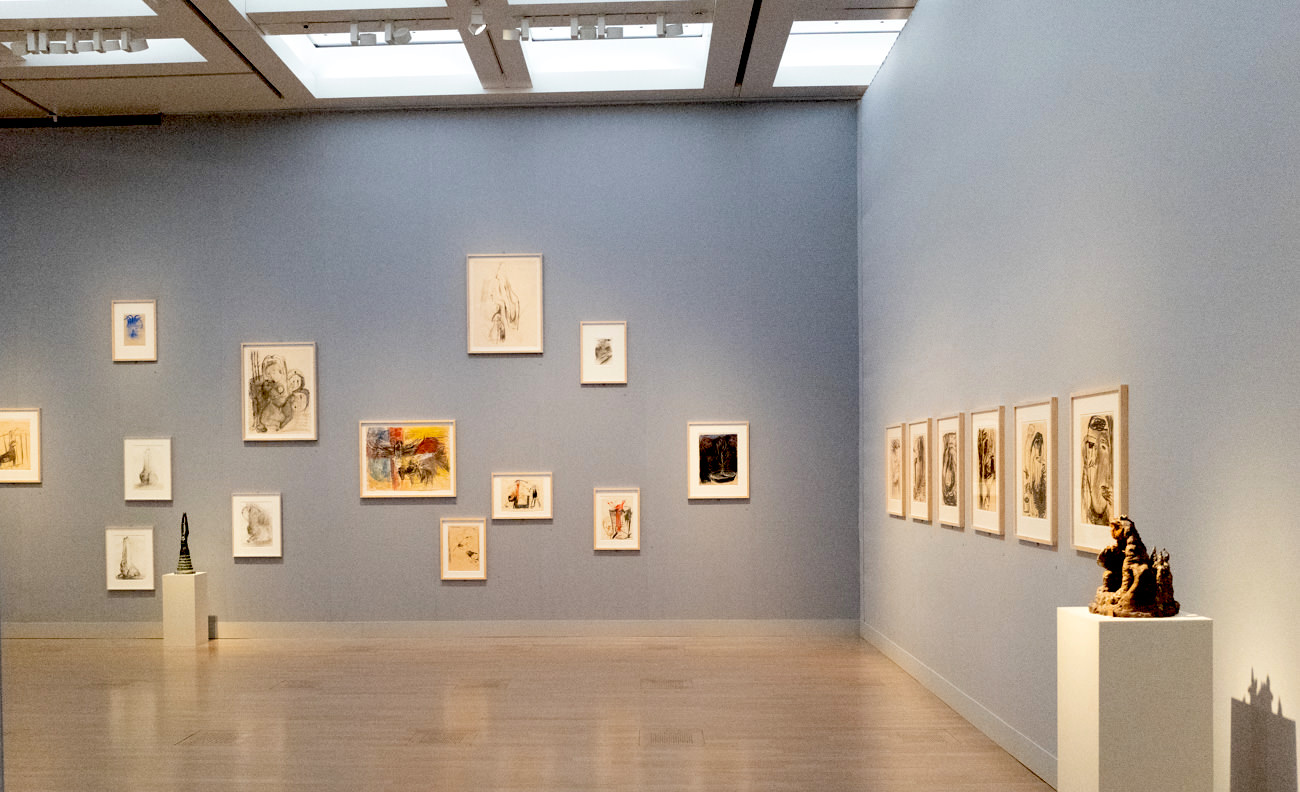
4. Realm of Drawings
Works from 1980 to 1987 are displayed chronologically.
Leiko Ikemura’s earliest recognition, I’m told, came for her drawings.
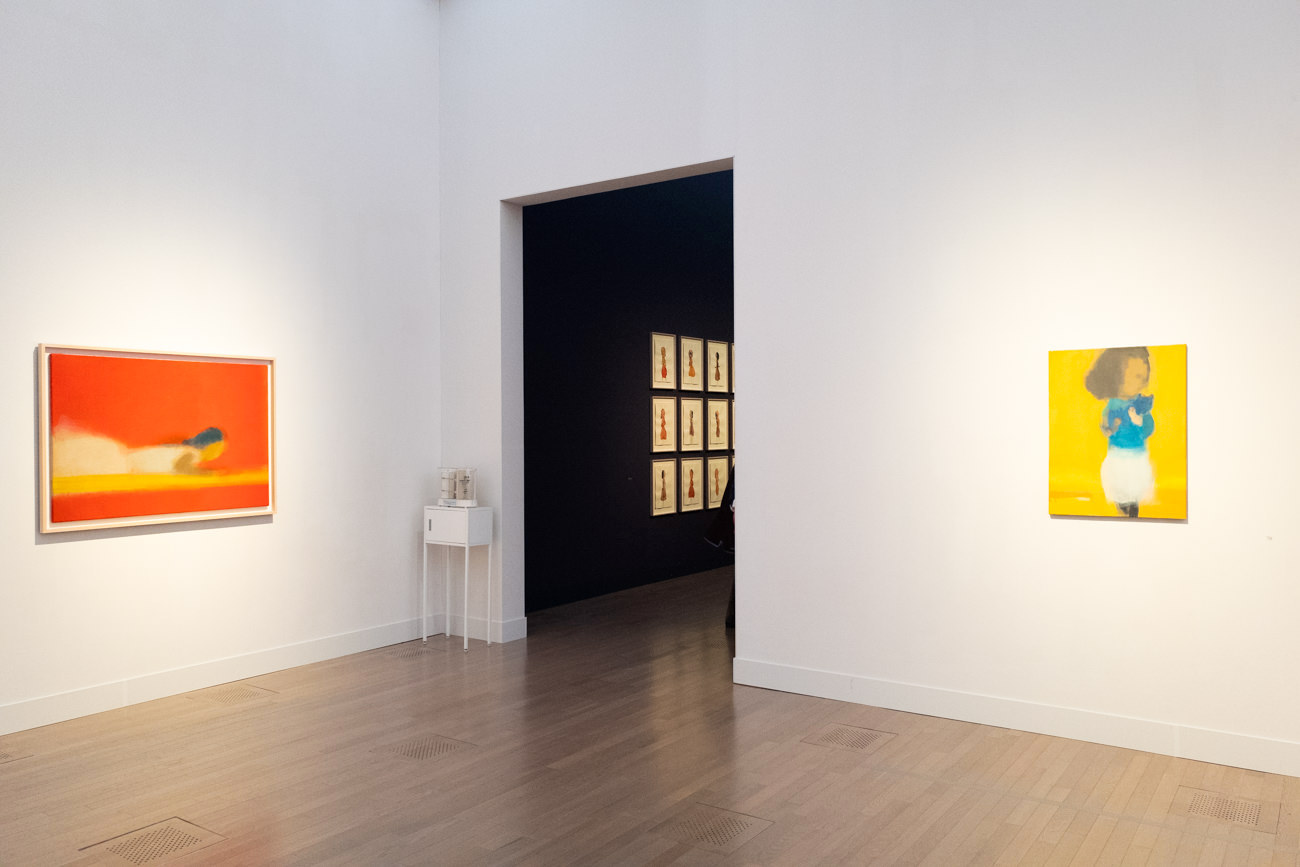
5. Girls
In the Girls section, the paintings in particular stood out.
Their ambiguous, fantastical depictions seem to stir the imagination.
Ambiguous, solitary, and somehow standing up to something — I found myself struck by the sense that they mirror the artist’s own way of life, spent for so many years in foreign lands.
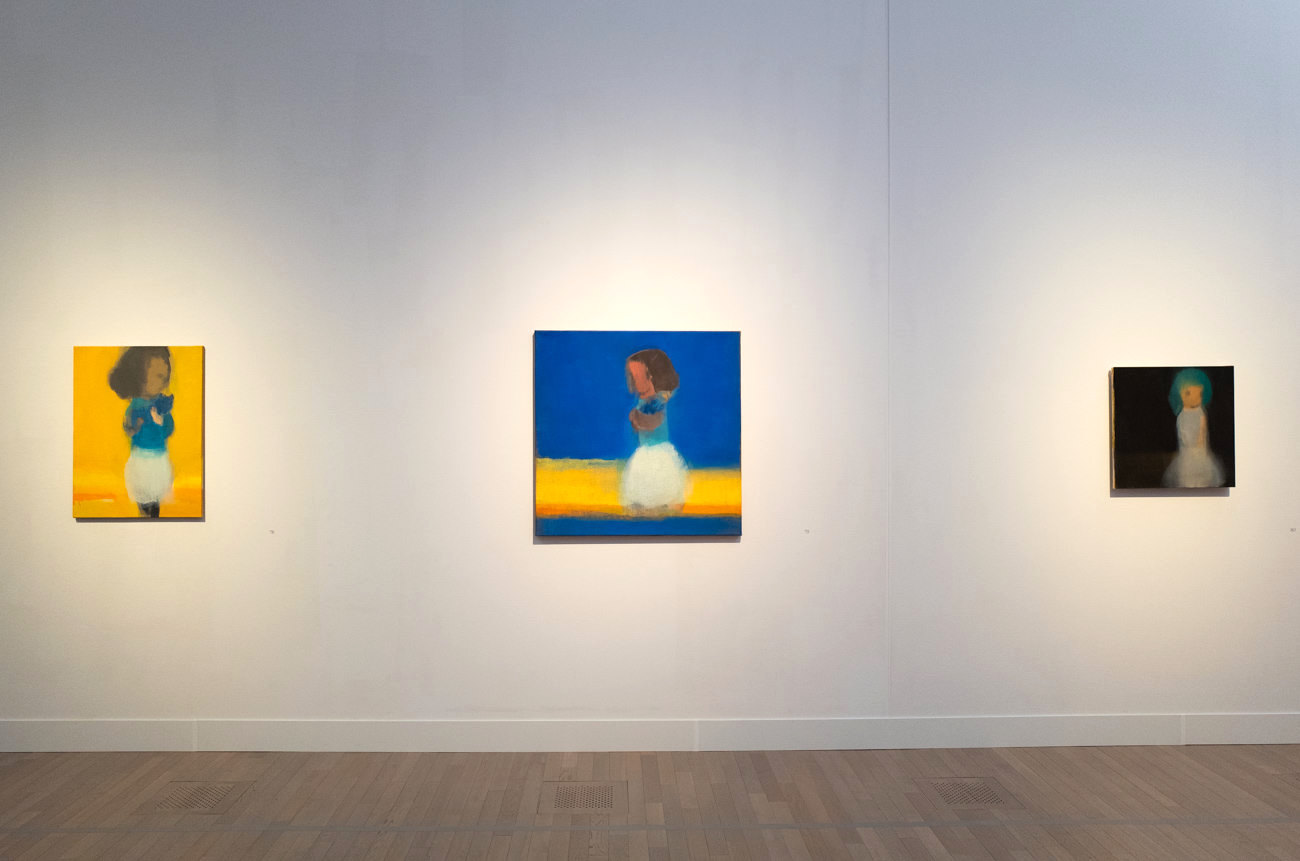
Left: Holding Miko in the Yellow, 1995/96, oil on canvas, 83.2×62.5 cm, artist’s collection
Center: Yellow Path, 1996, oil on canvas, 100×100 cm, private collection
Right: Standing in Black, 1997, oil on canvas, 60×60 cm, private collection
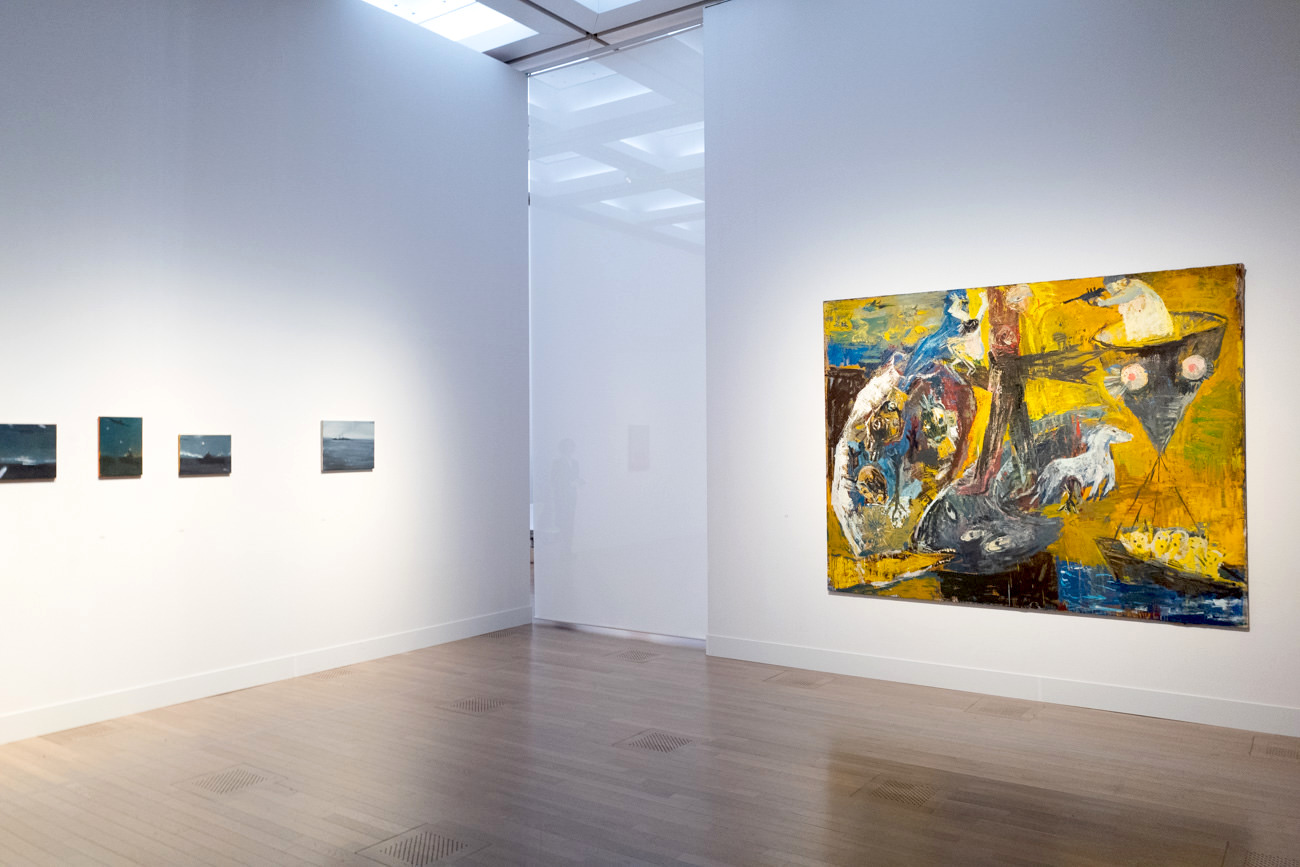
6. Amazon
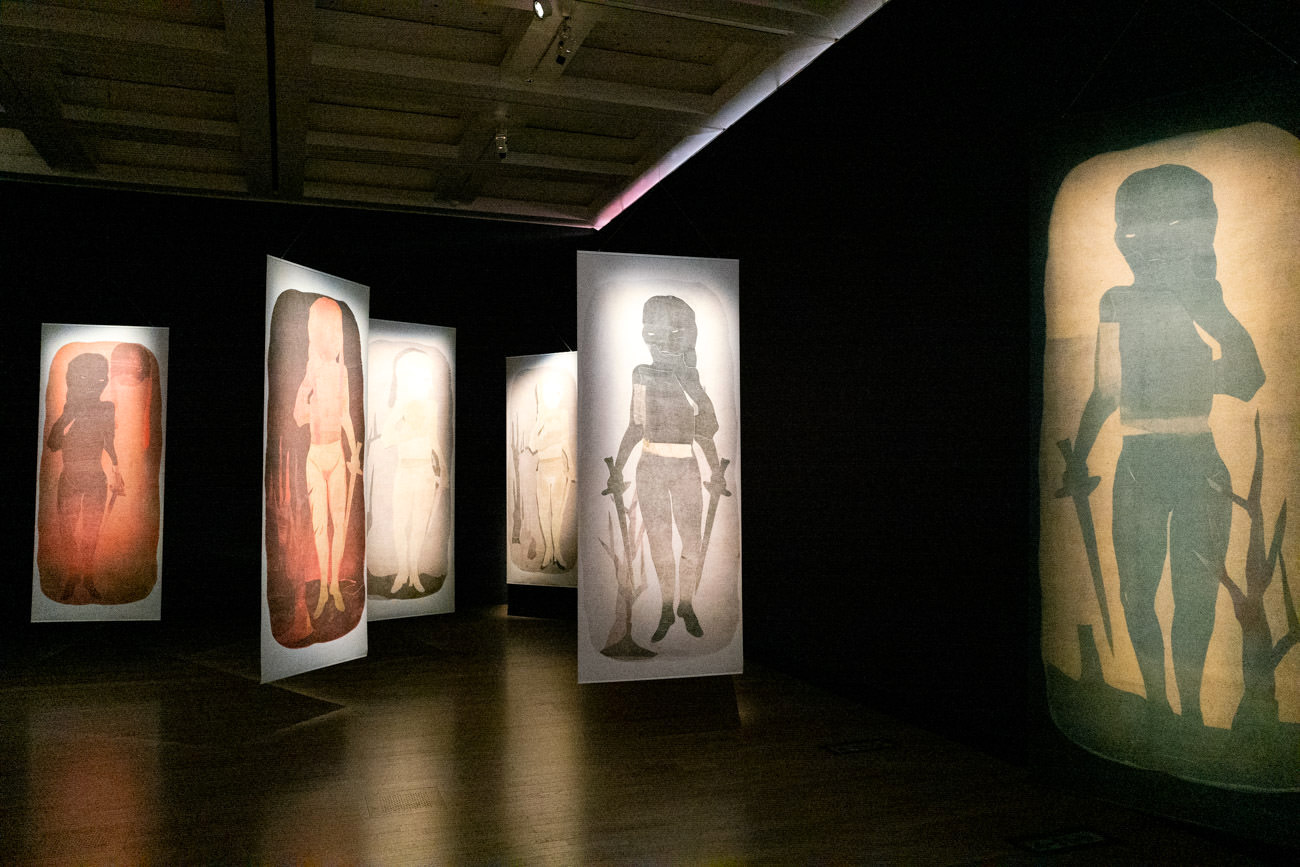
7. War
8. Usagi Kannon
“Usagi Kannon,” in which a rabbit is fused with an Asian-style Kannon (Bodhisattva of Compassion), was made in the wake of the disaster.
Wearing a skirt and with a girlish expression that seems almost to smile, it stands with the air of embodying maternal love, and its gaze felt as though it overlapped with Ikemura’s own.
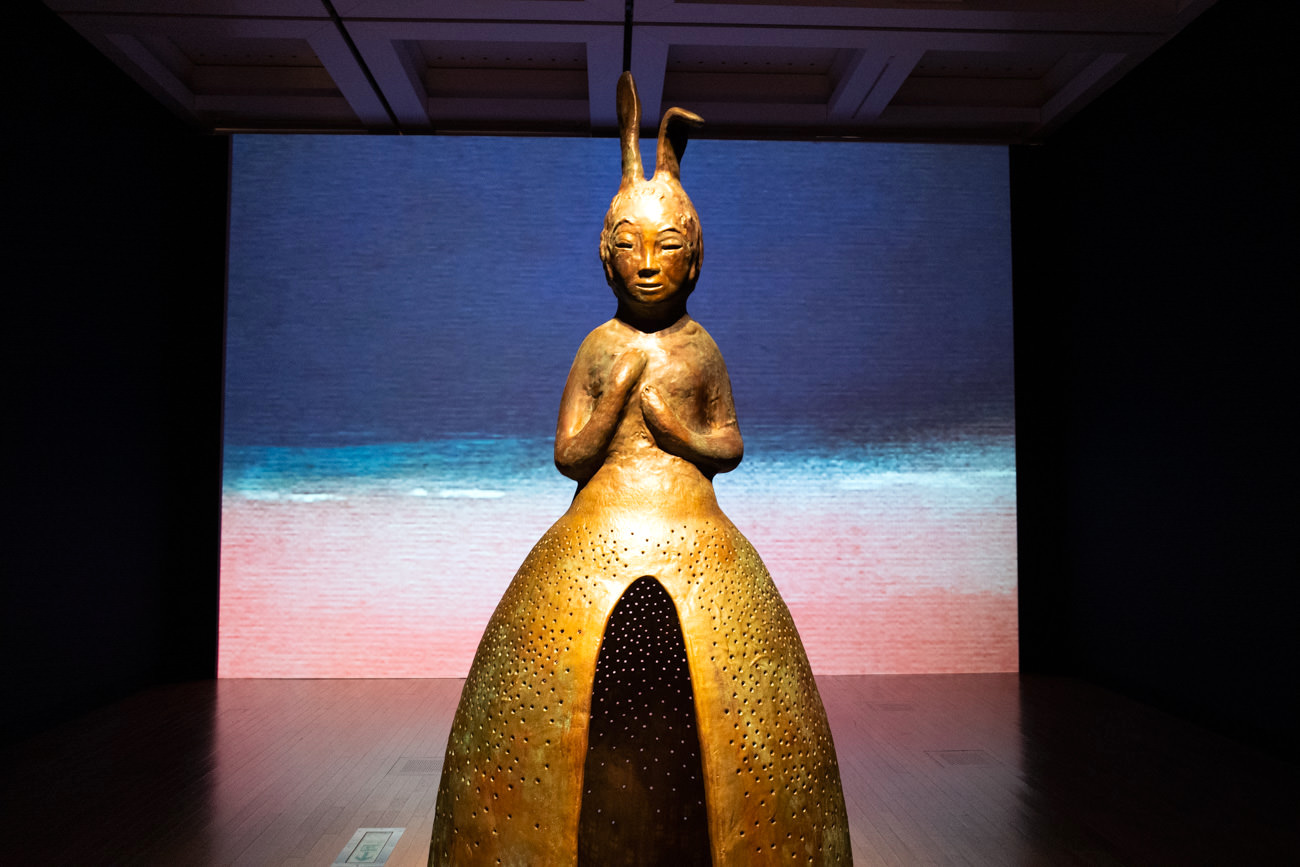
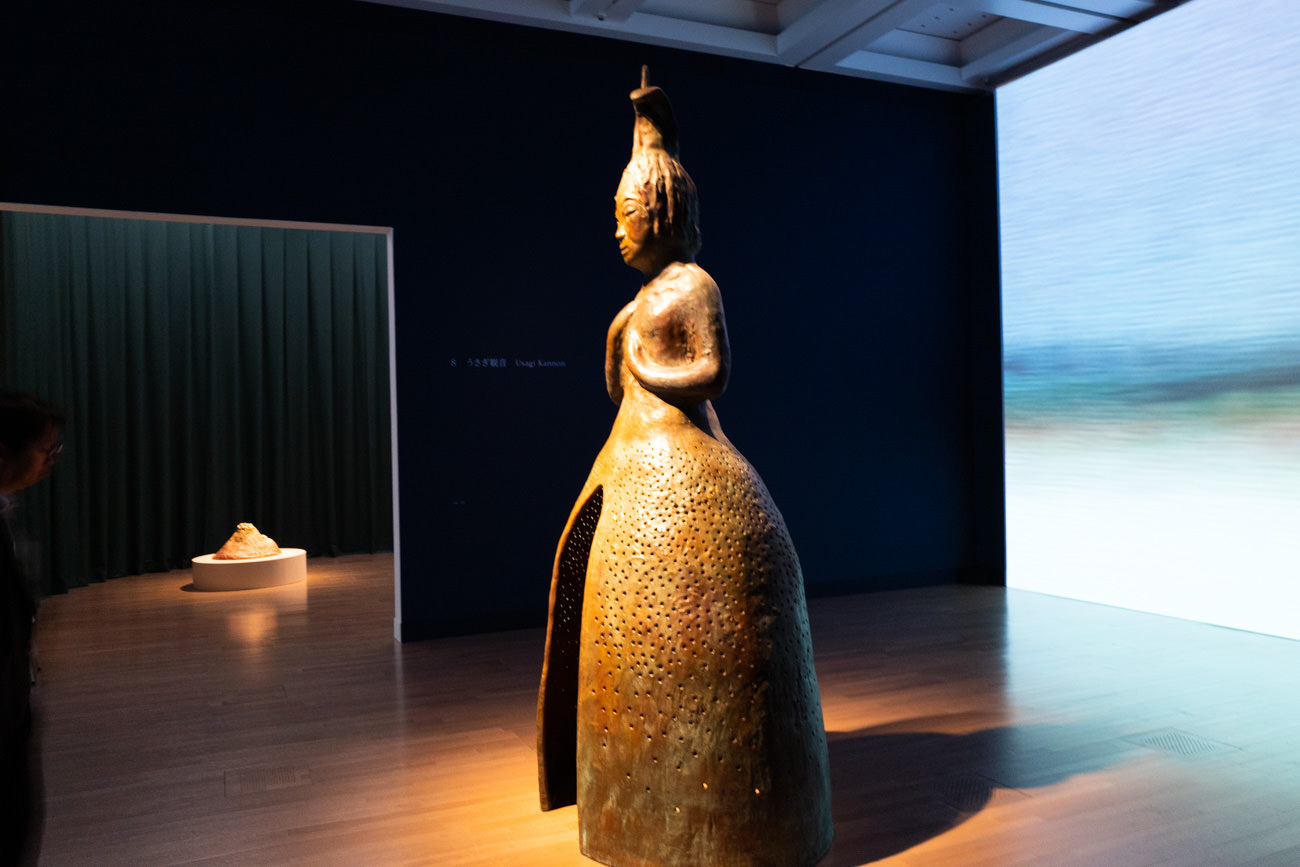
Usagi Kannon reappears in later sections; a total of two figures are on view.
9. Mountains
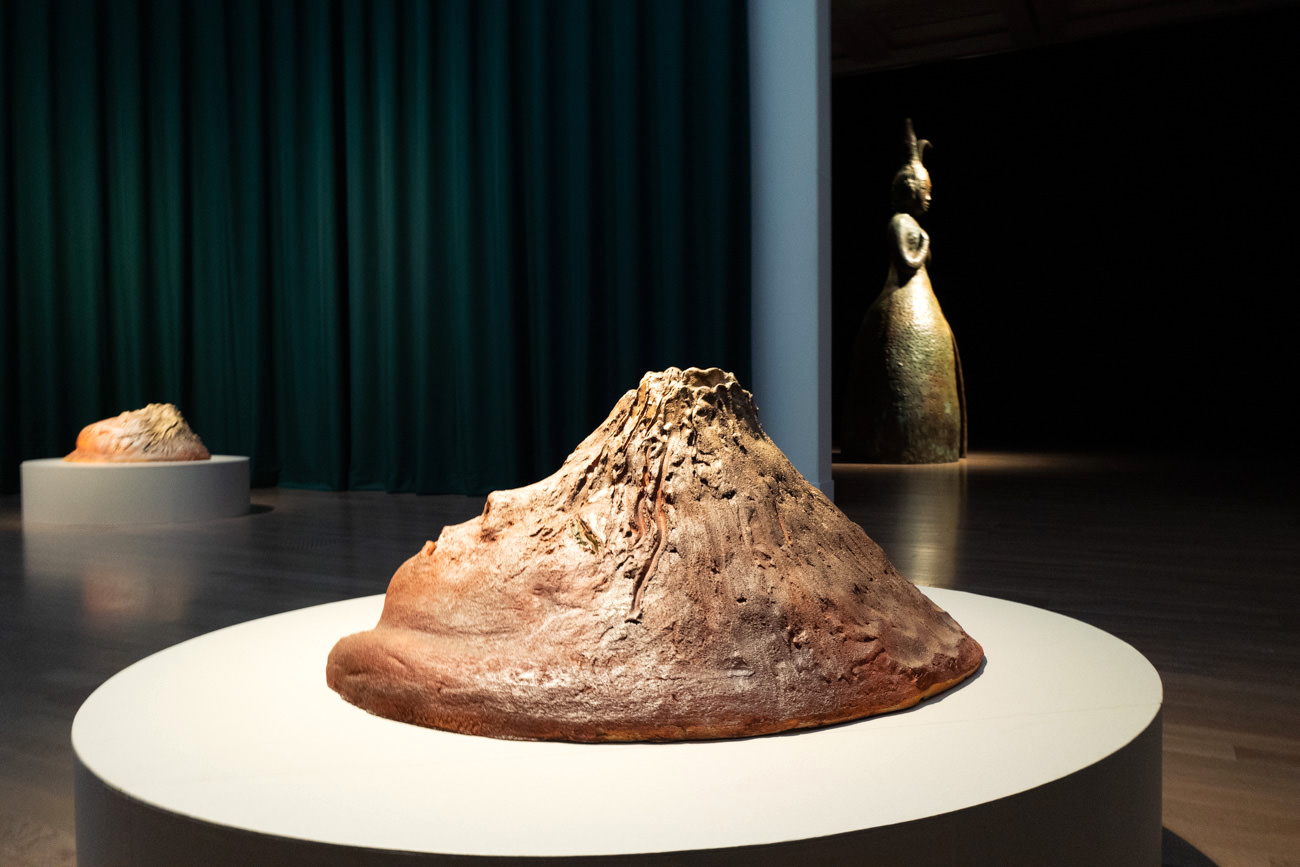
Fuji Face, 2013, terracotta and glaze, 42×87×70 cm, artist’s collection
10. Garden
A work similar to the earlier Usagi Kannon — this time a Shigaraki-ware ceramic piece. Its height reaches about 3.4 m.
Looking closely, it appears to be shedding tears. The impression seems to shift depending on the time of day; illuminated at night, the piece takes on a dreamlike air.
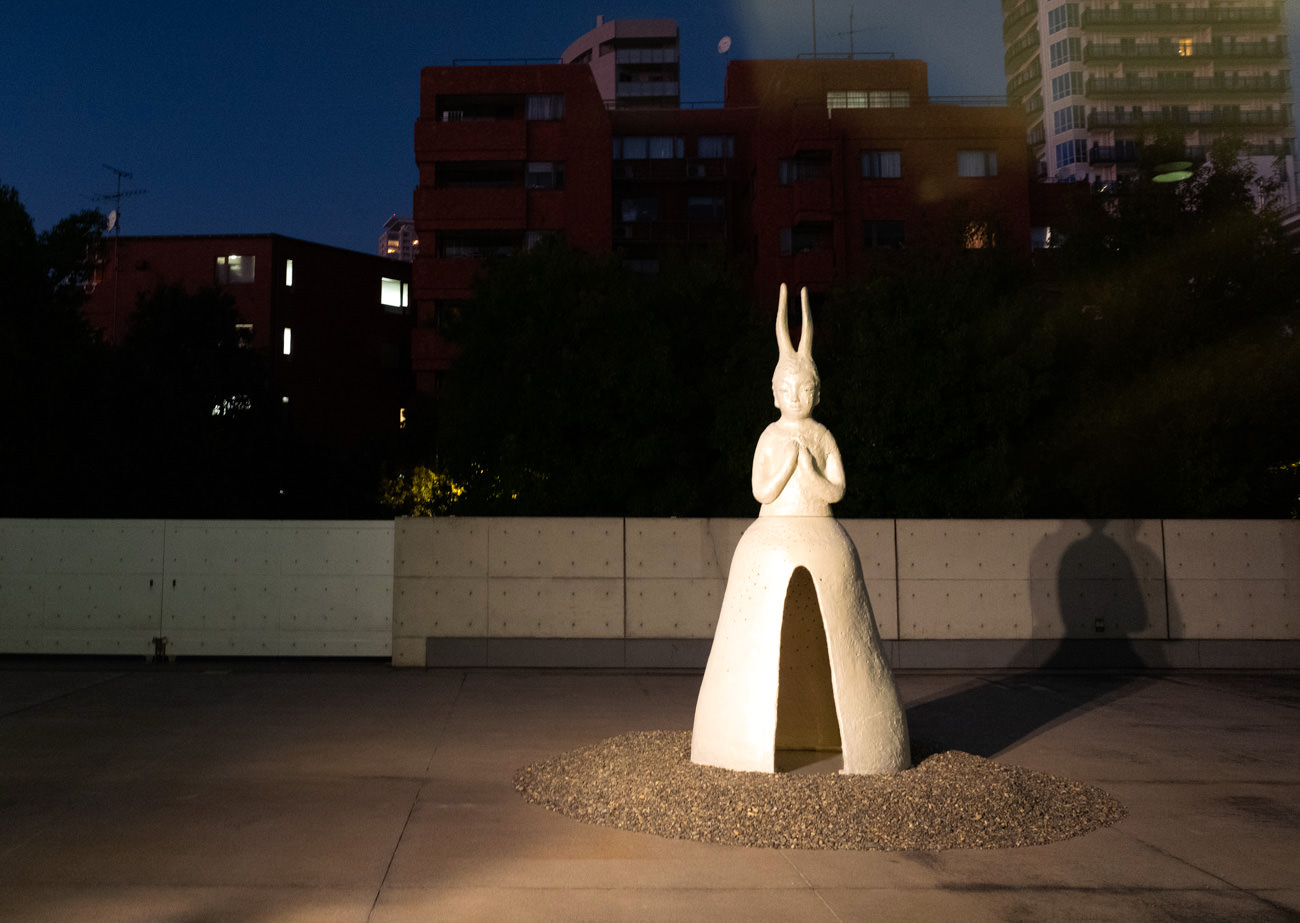
11. Trees
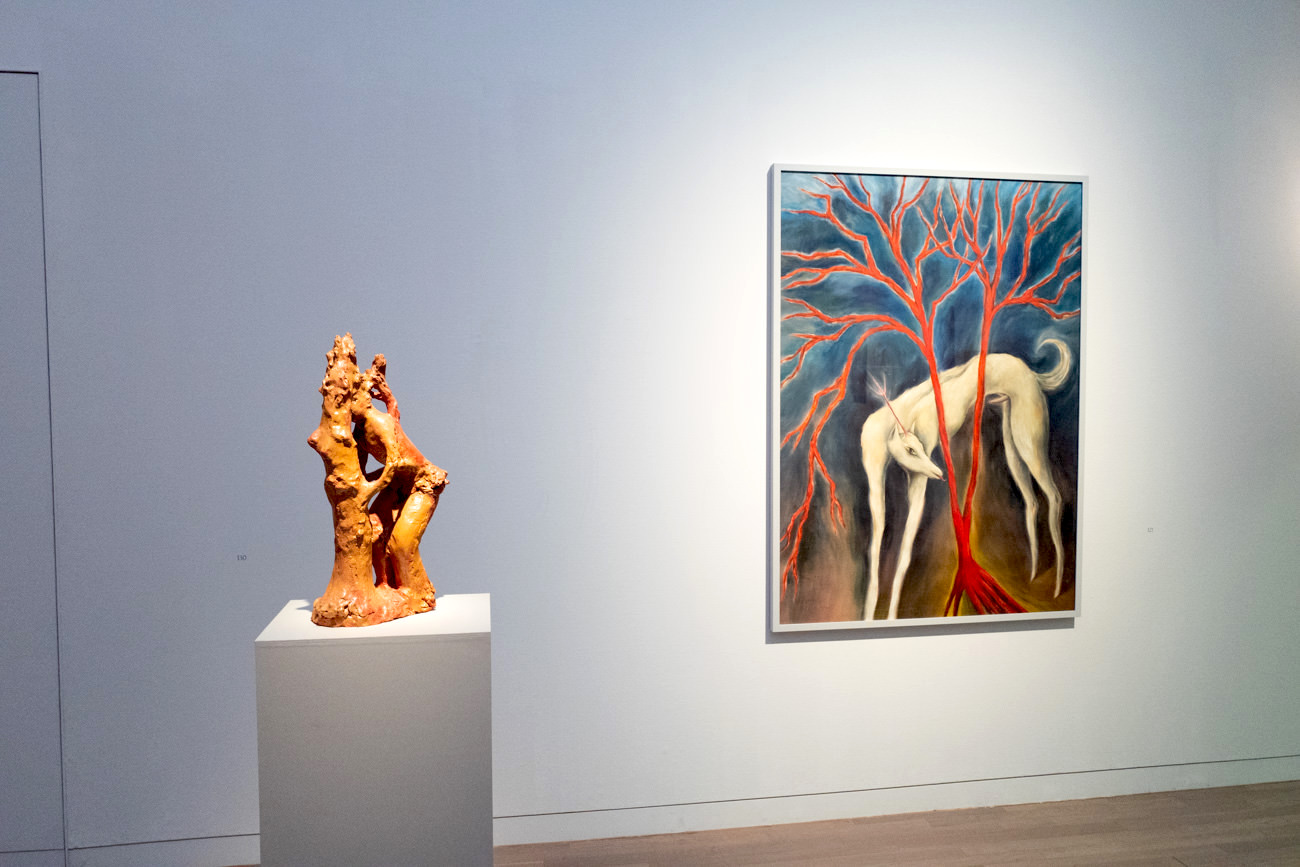
Left: Presence of a Tree / Right: Stag
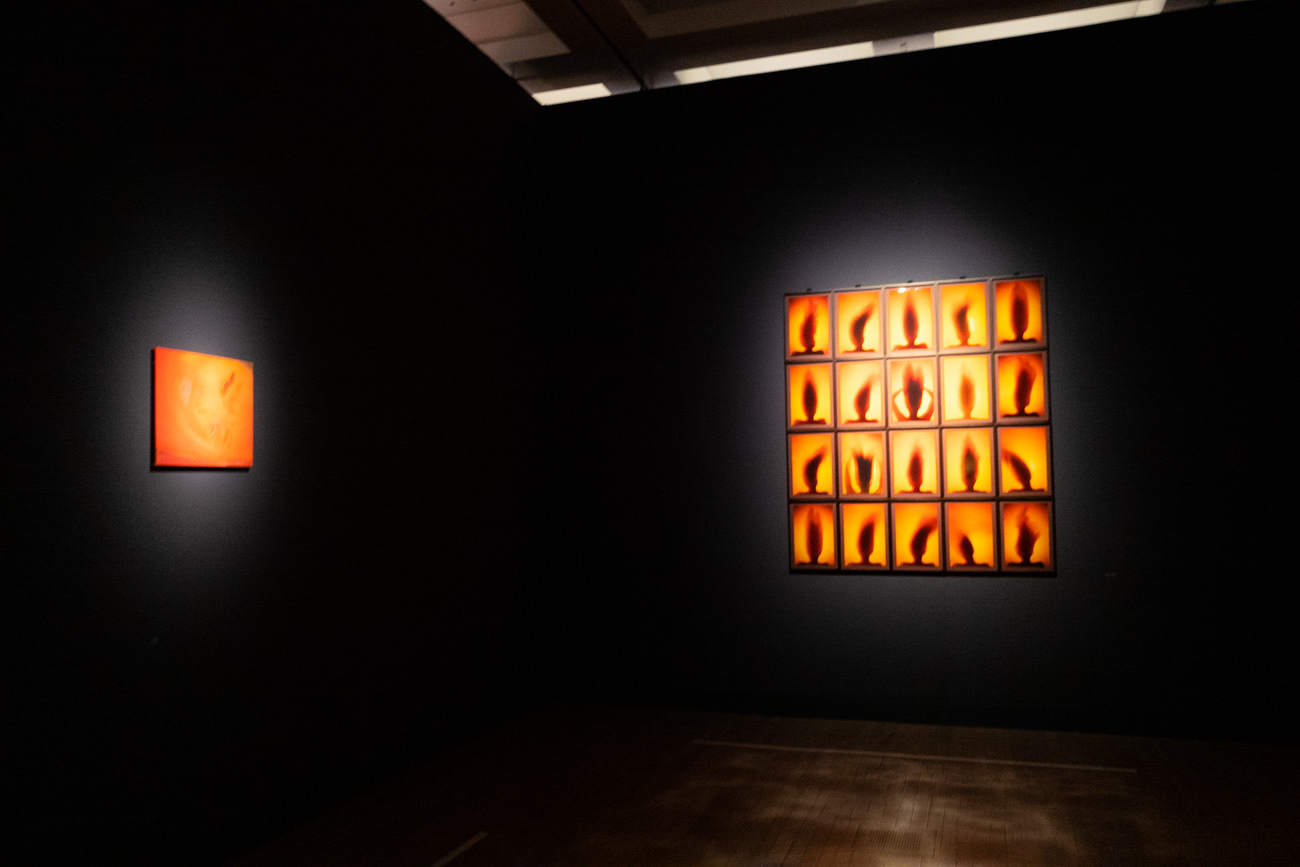
12. Flame
13. Horizon
The supports Ikemura chooses for her works are also distinctive. The matière of pieces on jute (hemp) has a wonderful character all its own.
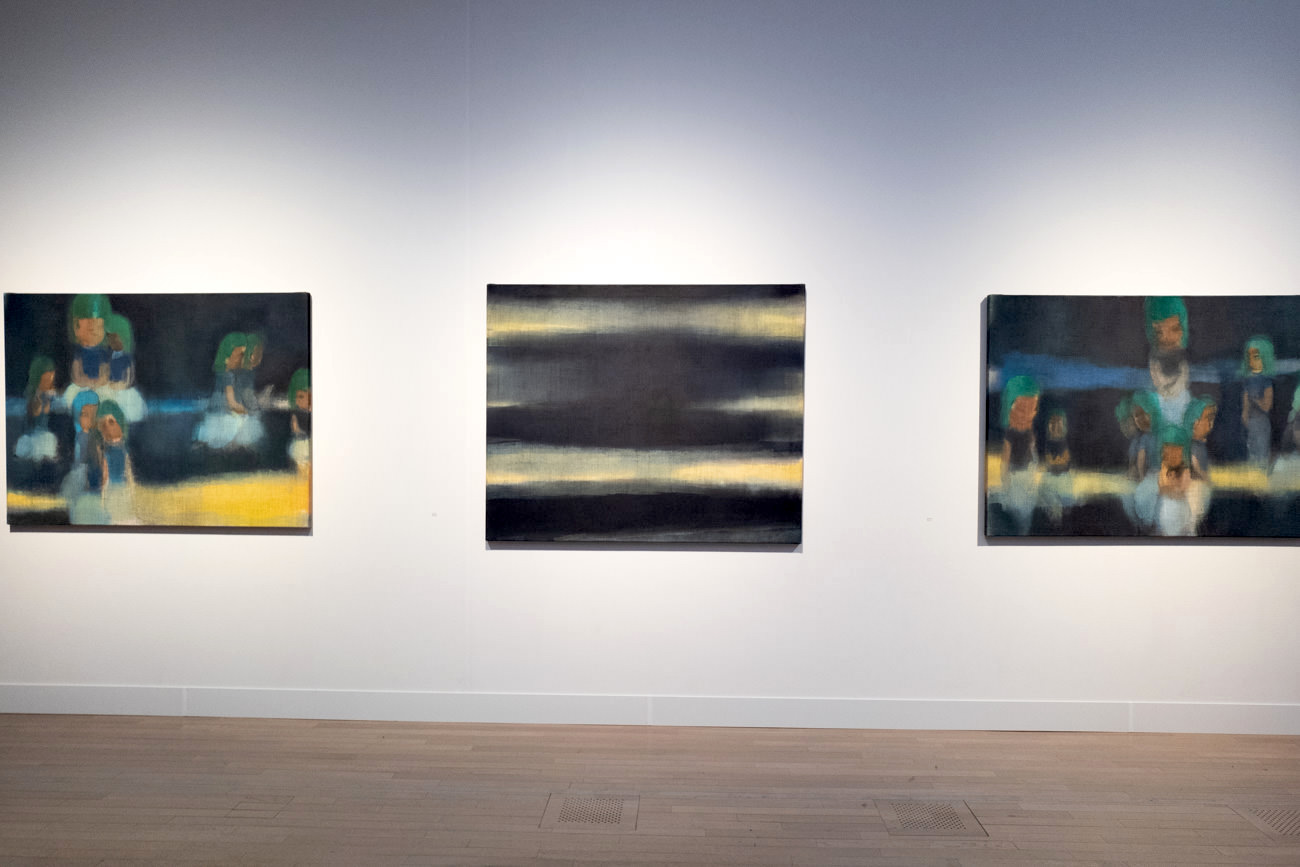
Left: Ocean I, 2000/01, oil on jute, 120×160 cm, Hilti Art Foundation
Center: Ocean II, 2000/01, oil on jute, 130×160 cm, Hilti Art Foundation
Right: Ocean III, 2000/01, oil on jute, 120×160 cm, Hilti Art Foundation
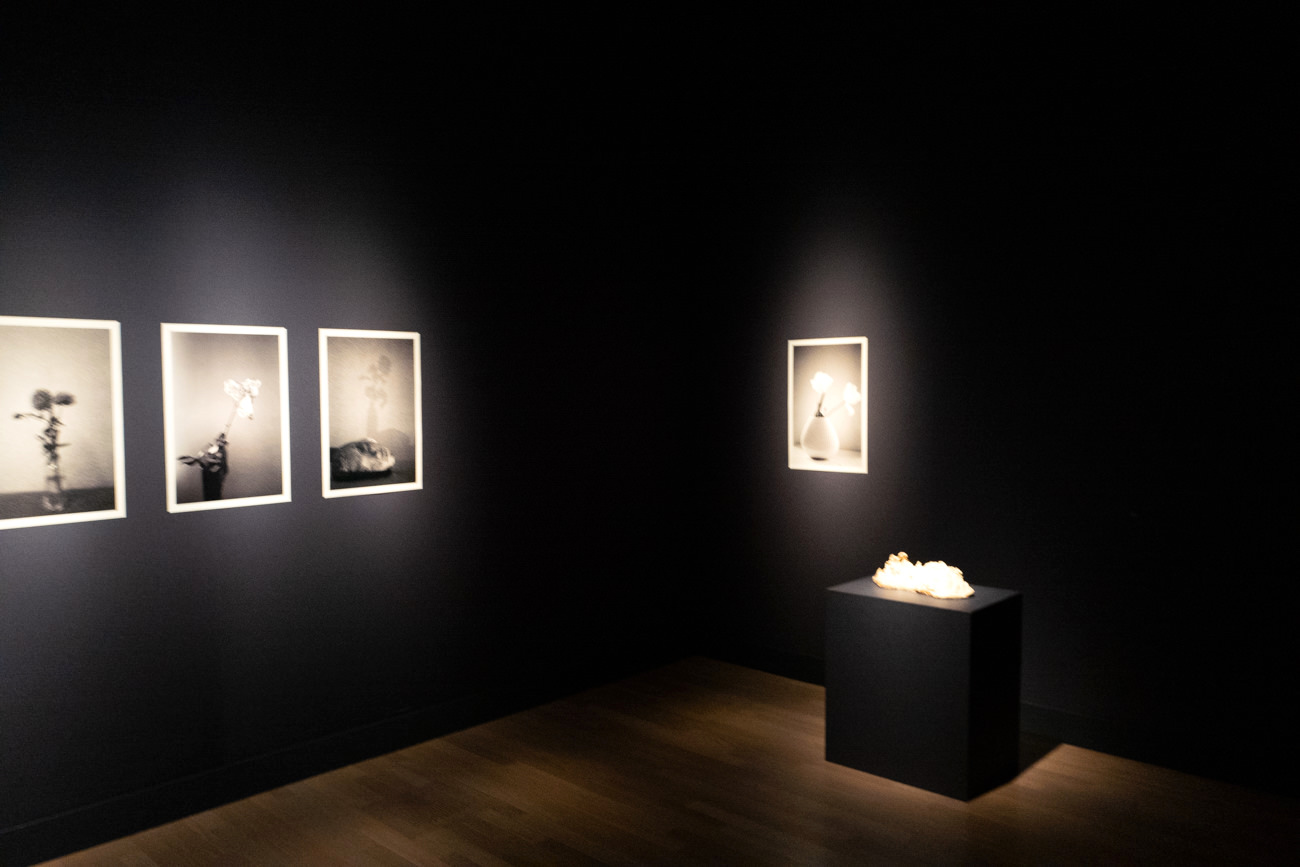
14. Memento Mori
A section giving form to “death,” which occupies a crucial place in the exhibition’s concept of “The Cycle of Life.”
Leiko Ikemura seems to interpret “death” as “a concept that connects to a beginning.”
Framed as “nothingness” in the exhibition catalogue, the Memento Mori series was made after the earthquake.
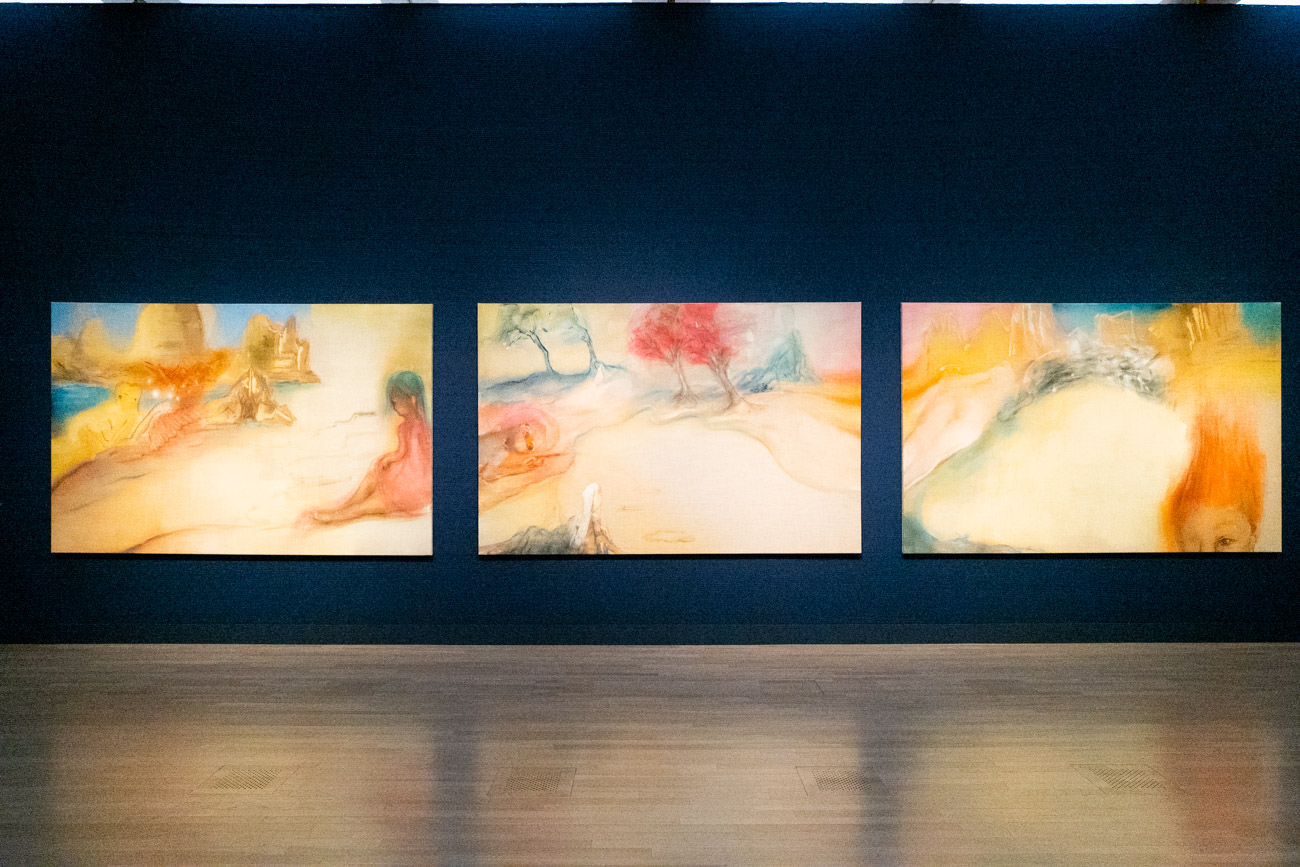
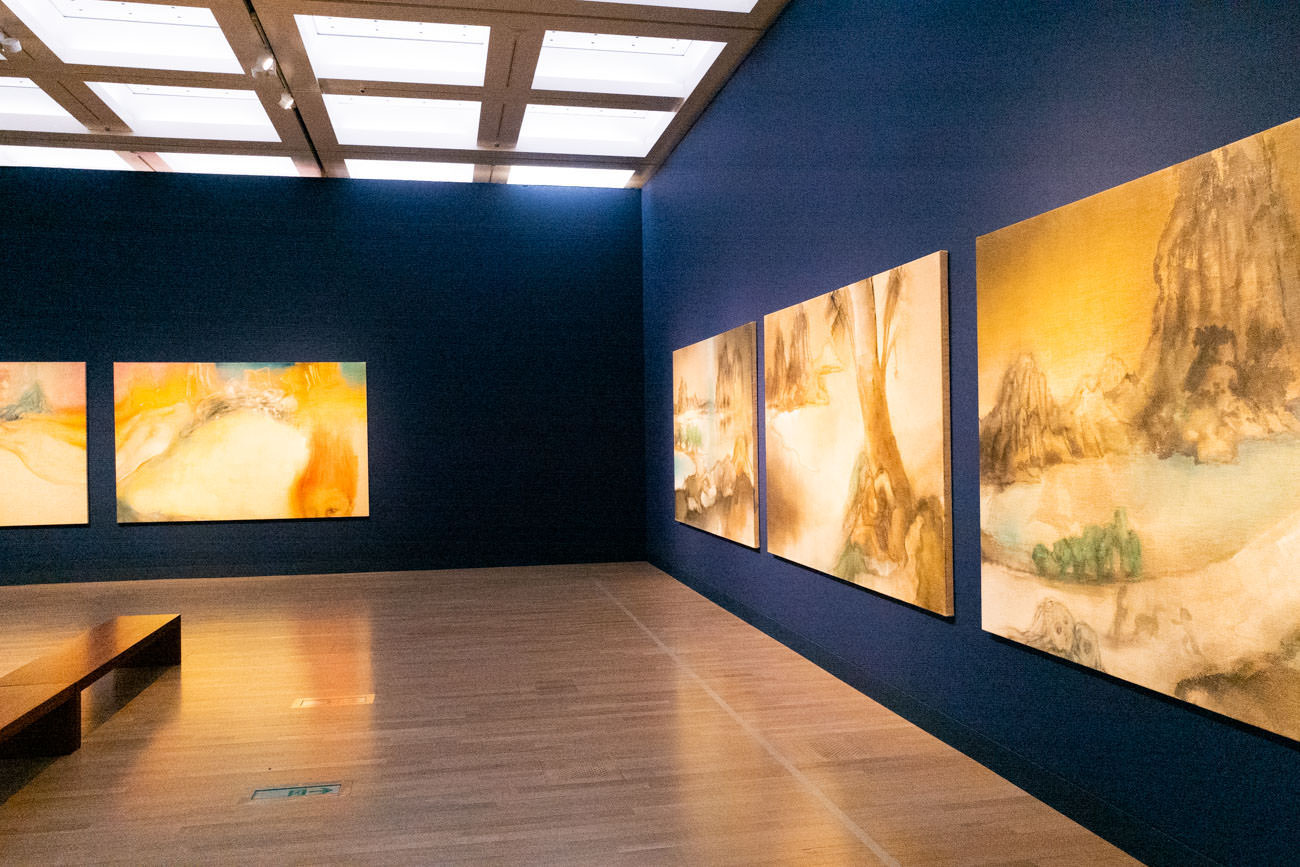
15. Cosmicscape
A section surrounded by the most recent works.
Effectively the climax of the exhibition, this is also its largest hall.
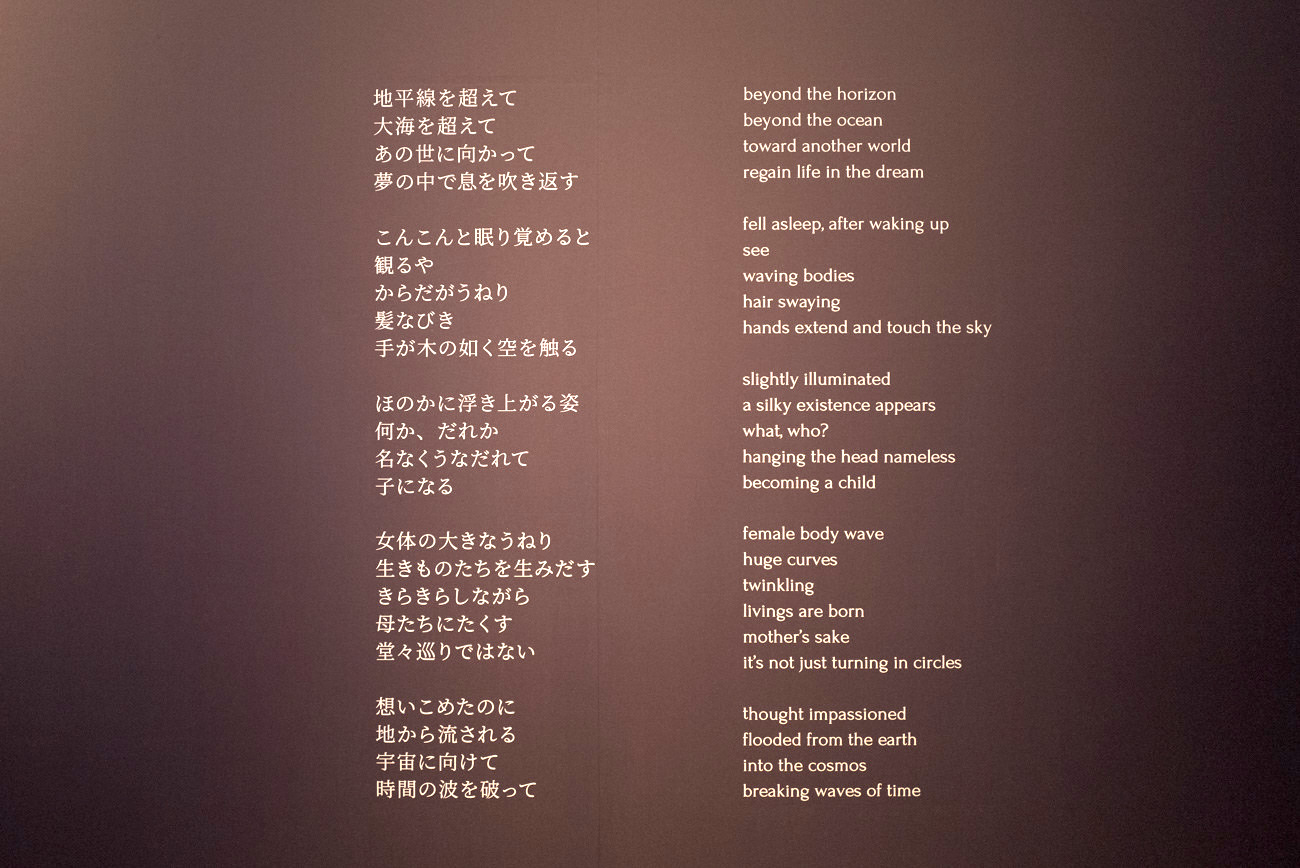
Tempera works with an Eastern atmosphere.
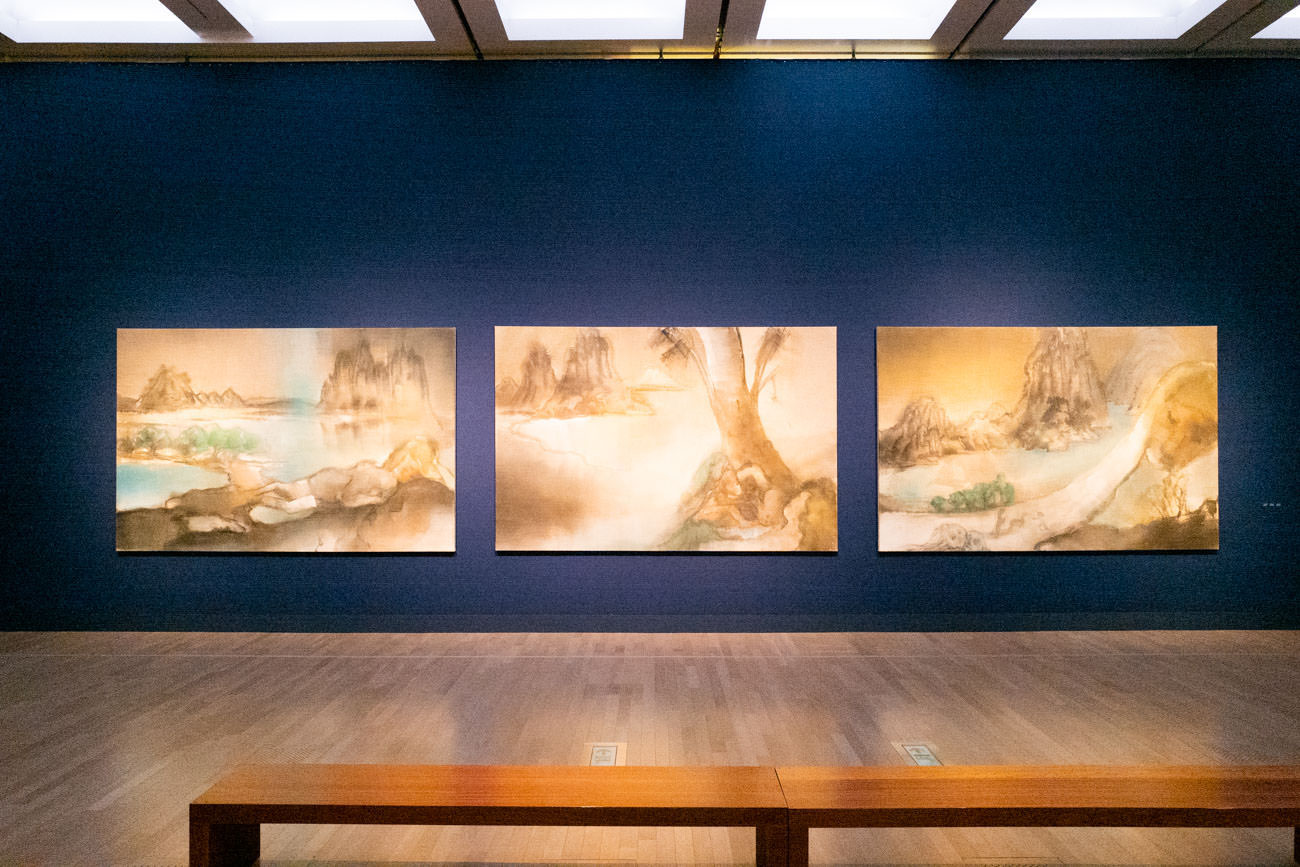
The newest work, Undulating Spring, gives the impression that Ikemura is showing us a fresh side of herself.
There was a sense of space in which Ikemura herself cycles and discovers a new self.
16. Epilogue
The final section is titled “Epilogue,” yet the words “there is no beginning nor end” belong to Ikemura herself.
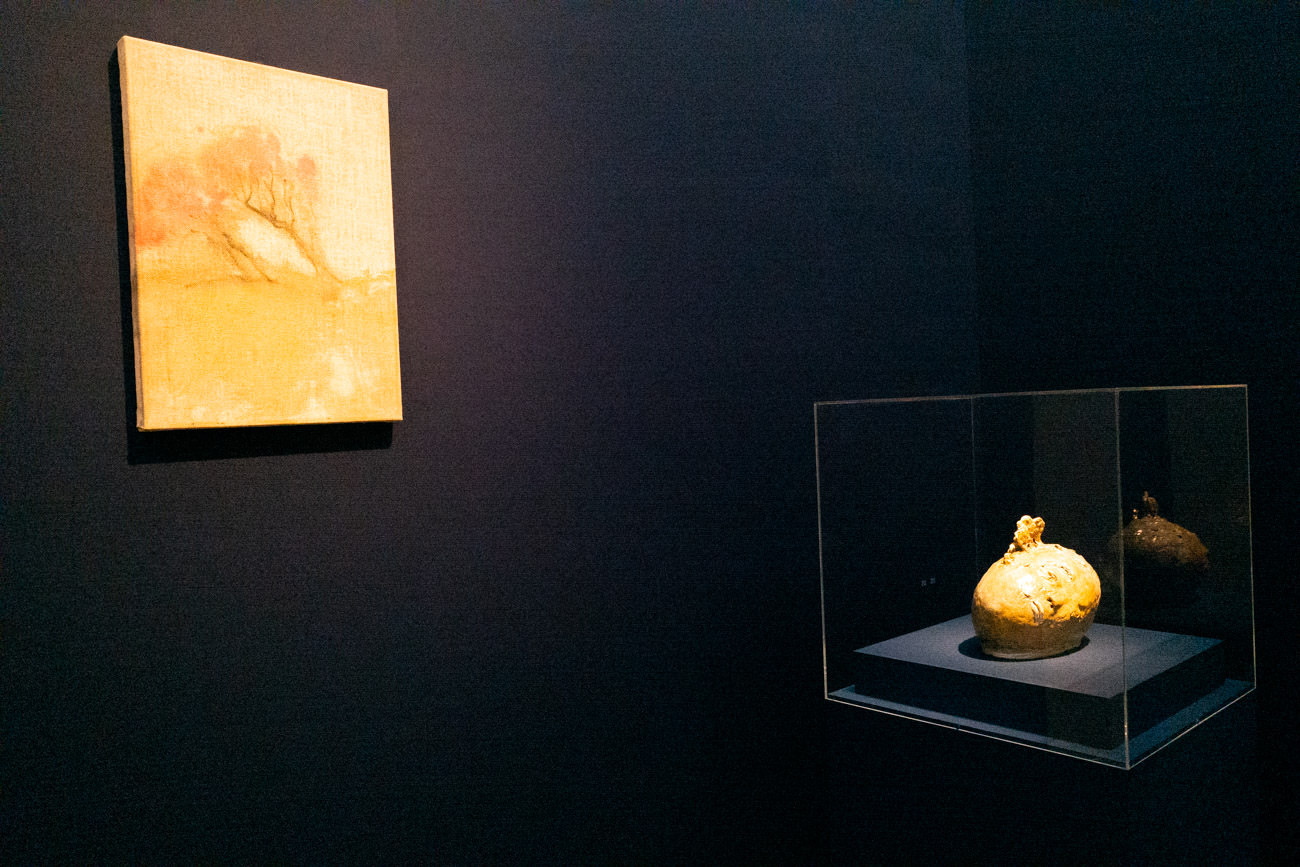
The last work you encounter is the original version of The Cycle of Life touched on at the beginning.
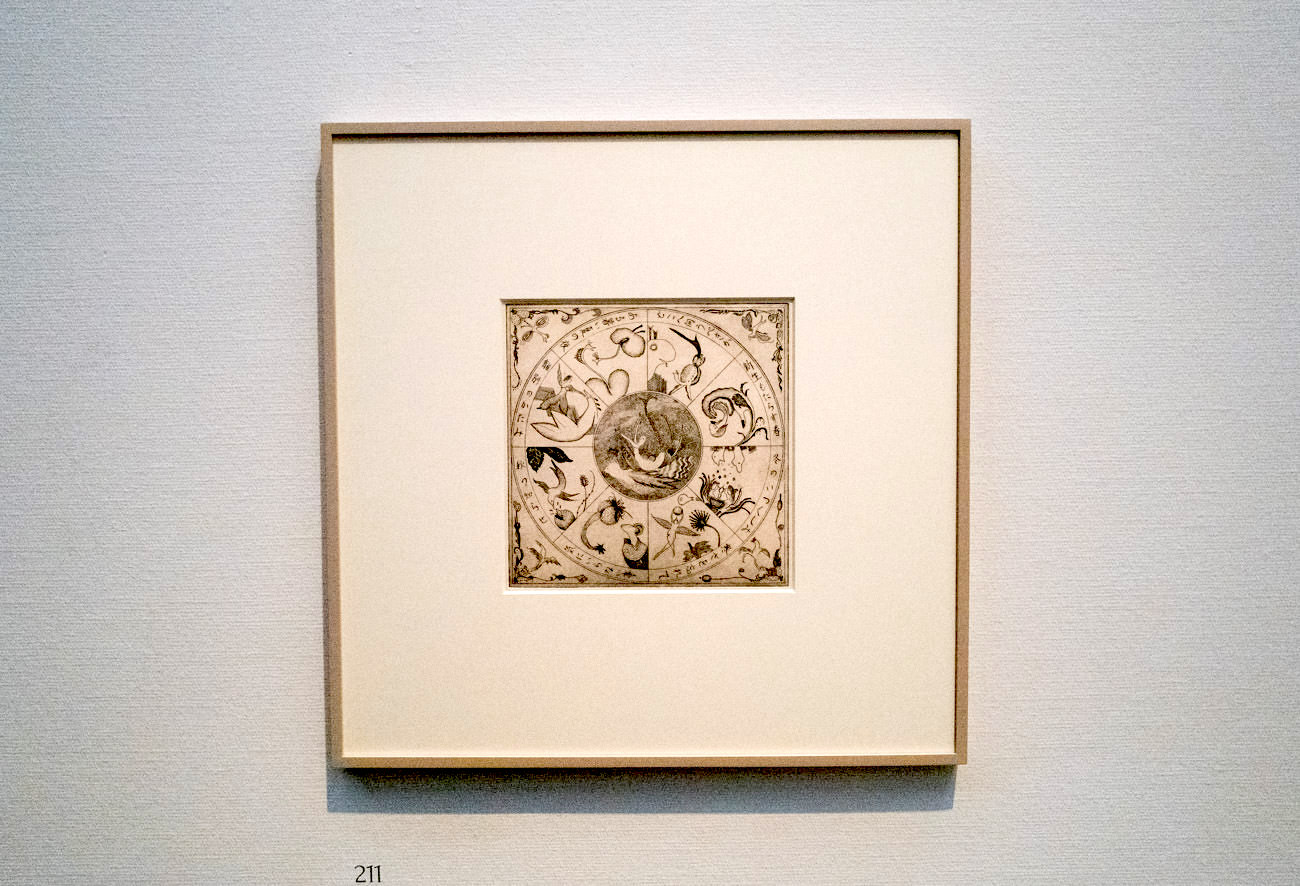
The opening work loops back to the closing work — a fitting close in which all the exhibited pieces feel as though they are cycling.
Exhibition Design
The exhibition design and installation composition are the work of Ikemura’s partner, Philipp von Matt.
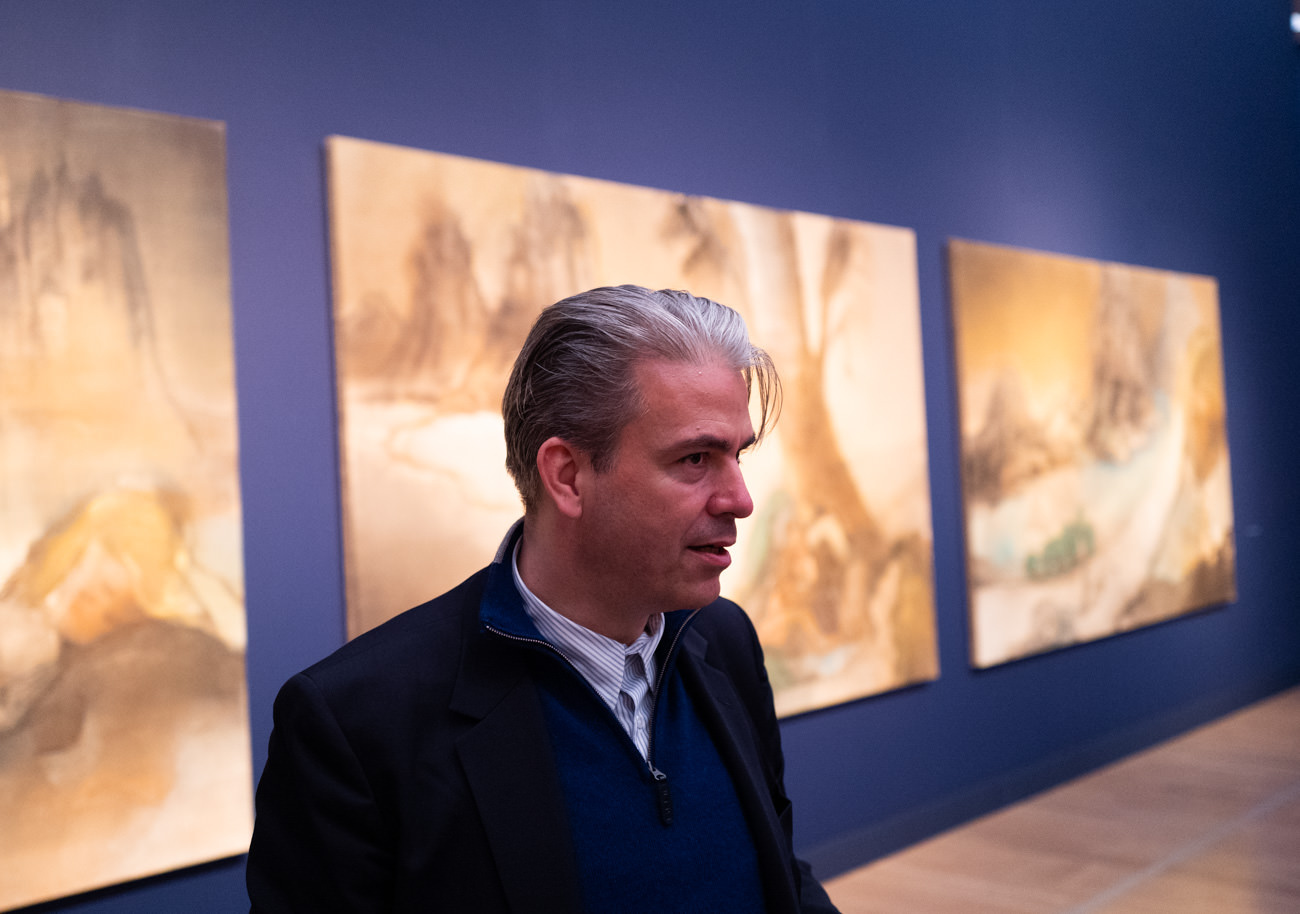
The many turns and open sight lines built into the hall reflect the connections and relationships between sections, designed so that the sense of time and thematic weight each work carries might cycle through the show.
He works primarily as an architect but has designed a great many art exhibitions, including several notable projects in Japan.
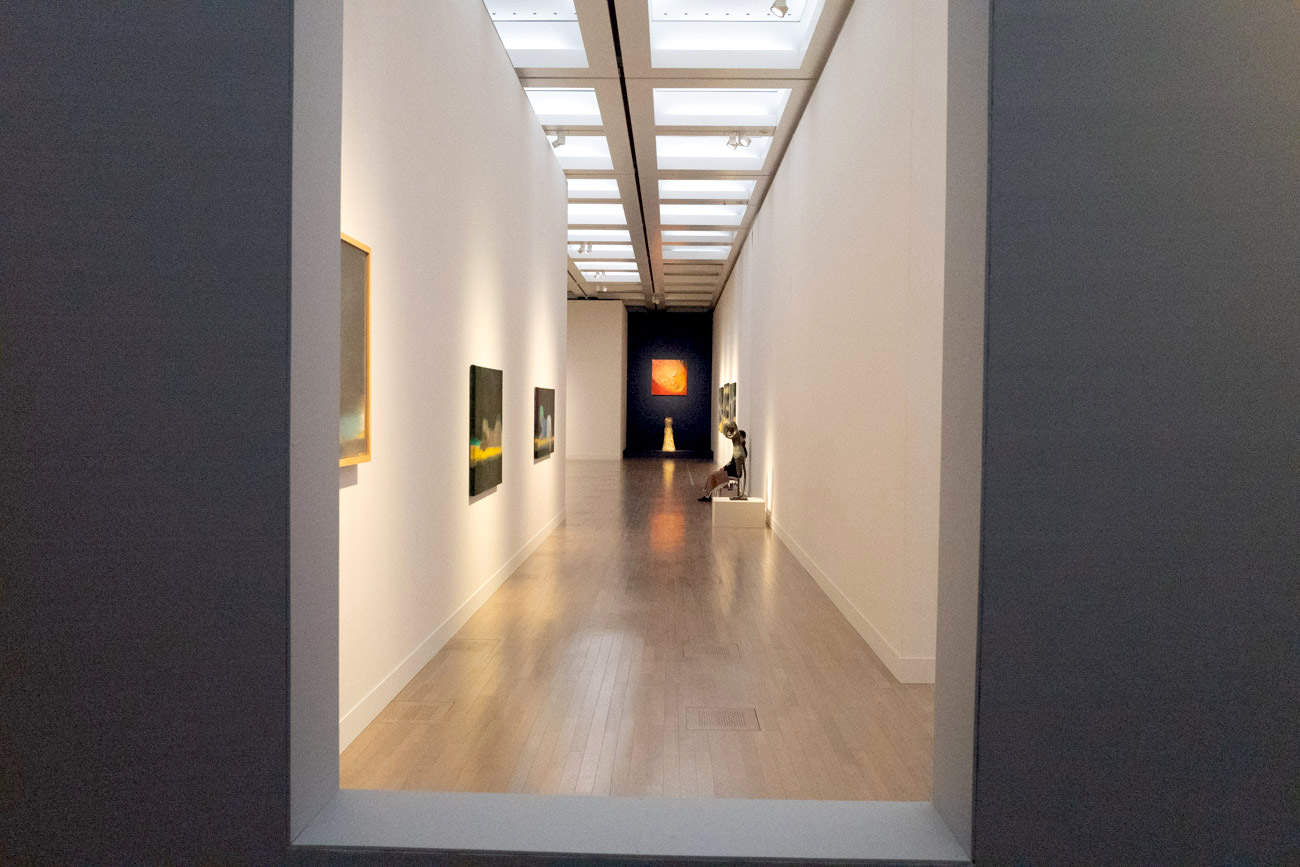
The way the design keeps in tone and manner with the works, holding back its own inflection, is superb.
Philipp’s contribution feels enormous, as an integral component of the installation itself.
Museum Shop
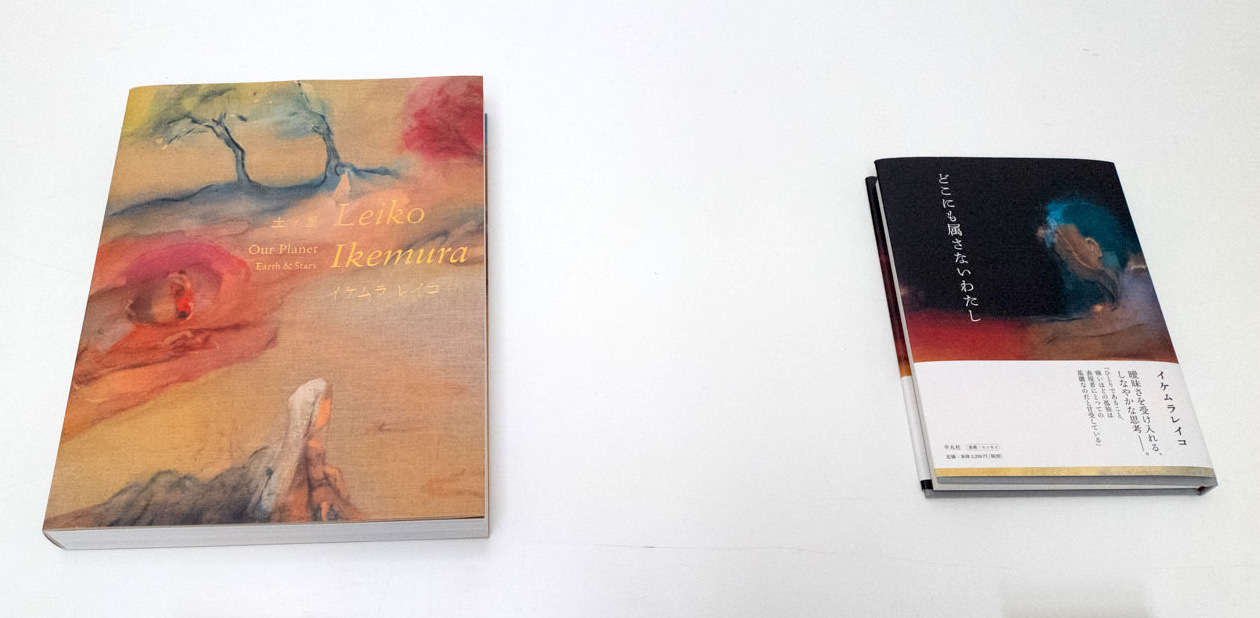
The shop inside the venue carries just two items: the exhibition catalogue and the book “Watashi, Doko ni mo Zoku sanai” (I Belong Nowhere).
The catalogue, of course, features photographs of the works, but it also gathers many contributions from those close to the project — a carefully compiled volume with real editorial and reference value. Its polish makes it a book worth owning.
Summary
From prologue to epilogue, how you make your way through the 16 sections is up to you, but the space fully rewards you with quiet, strongly-willed works. Among the many pieces spread across the expansive hall, you can sense elements of both East and West mingling, mirroring the career Leiko Ikemura has forged. The way those mingling elements are magnificently fused reflects, in full, the career she has continued to build as an artist.
Below are the key points for viewing this exhibition.
This is a 2019 blockbuster we can enthusiastically recommend to everyone!
- The largest solo show of her career to date, in terms of both space and volume (around 210 works)
- Ikemura’s wide-ranging works span her earliest pieces through her most recent
- Attention worth paying not only to individual works but also to the exhibition space composed as an installation
- An opportunity to think deeply about the theme of “The Cycle of Life”
- The venue’s composition and design are outstanding — a rare chance to experience art in the fullest sense