![【読書評】芸術家の鼓動が聞こえる・・・小林正人「この星の絵の具[上]一橋大学の木の下で」](https://art-on.jp/wp-content/uploads/2018/12/MasatoKobayashi_Book1.jpg)
Painter Masato Kobayashi
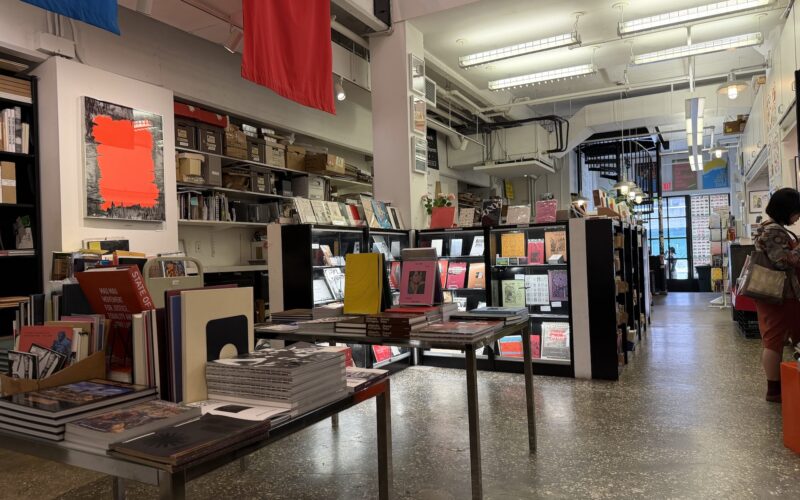
I love Masato Kobayashi’s paintings, and the other day I happened upon the sales area at Tsutaya Books in GINZA SIX where his work “Model of This Planet” was being sold, and I found myself drawn in, gazing at it for a long time.
The two works, placed in a glass case in one corner of the bookstore, were each a very small size-0 work; precisely because they were small, the fine details of the canvas caught my eye, and I kept looking, bringing my face right up to the glass without reserve. To those around me, I may have looked like a suspicious person simply staring at one point. I must have kept looking for about ten minutes—or perhaps even longer. Even after taking my time, there still seemed to be more depth beyond, and time passed without my growing tired.
The Paint of This Planet
The reason the work was being sold at Tsutaya Books may also be that it coincided with the timing when hisfirst autobiographical book“The Paint of This Planet [Vol. 1]: Under the Trees of Hitotsubashi University”was published. This article is a review after reading it.
Masato Kobayashi, “The Paint of This Planet [Vol. 1]: Under the Trees of Hitotsubashi University,” published by Art Diver
Right after viewing the aforementioned work, I was fortunately given a complimentary copy by the publisher, so I luckily got hold of the book. And I read itin one sitting, in the blink of an eye. Like the work itself, it was an unadorned autobiographical coming-of-age story that pulls you in. It depicts the story of the artist’s young days—human yet still artist-like, at times fierce, at times delicate—in a way that makes you want to laugh off critical approaches like theoretical analysis of art or tracing art-historical context.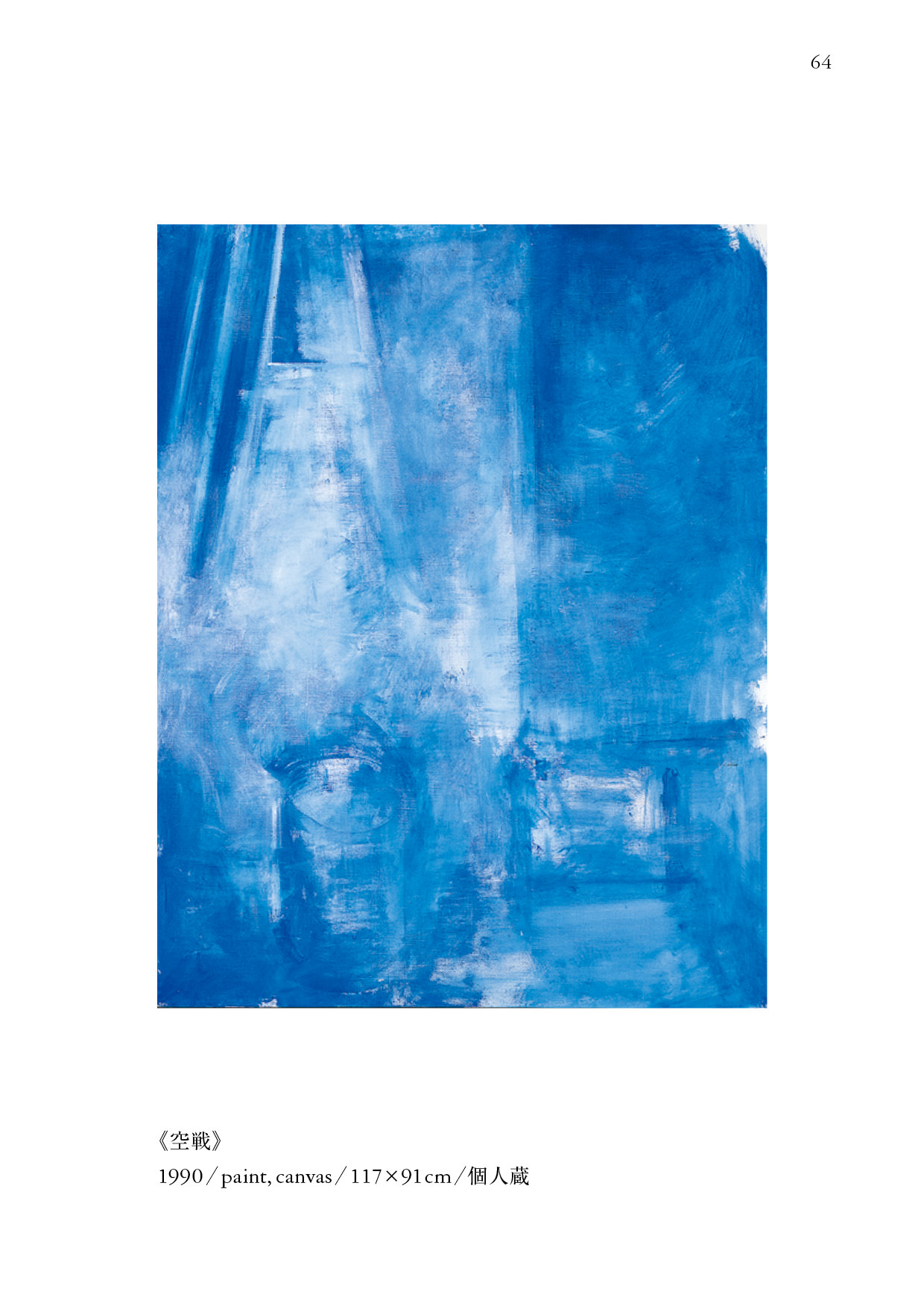
The exchanges with Shugo Satani, the current owner of ShugoArts—beginning with an approach for a planned exhibition from Satani Gallery—retain the raw conversations of the art scene as they were, reproducing in the present, with a raw texture, the young days of an artist who represents Japan.
A particularly key episode concerns the subtle relationship between Kobayashi and a female teacher he met in high school, and how it ended.
The story that connects to his life as an artist—young, fierce, and poignant—is written in the artist’s own realistic prose, showing how readers too are moved.
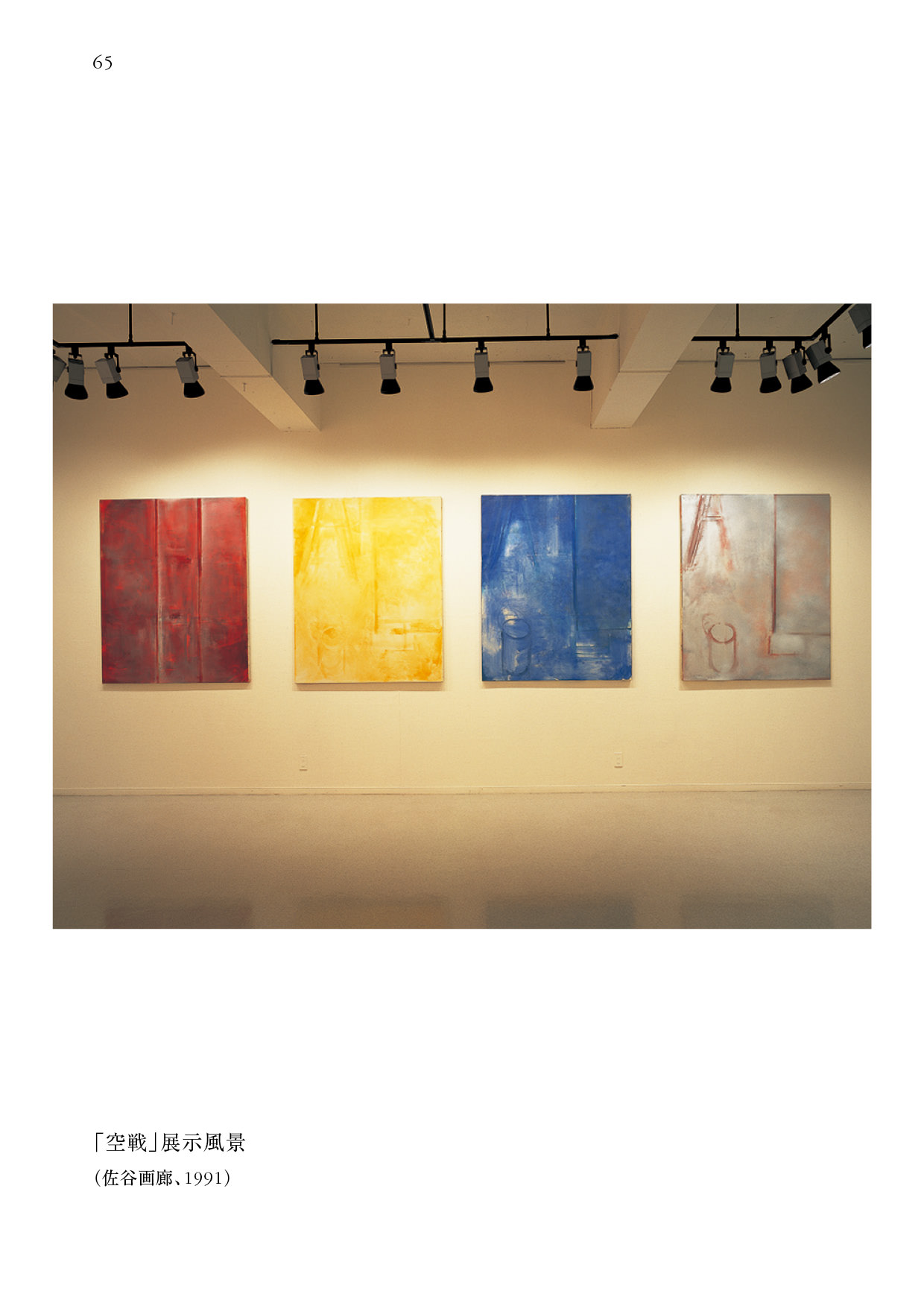
This book also includes plates of Kobayashi’s works (16 pages in all). Being able to check the works in between as you read on is a nice point. The descriptions of making the works, and the painterly expression conveyed through the writing, are also wonderful.
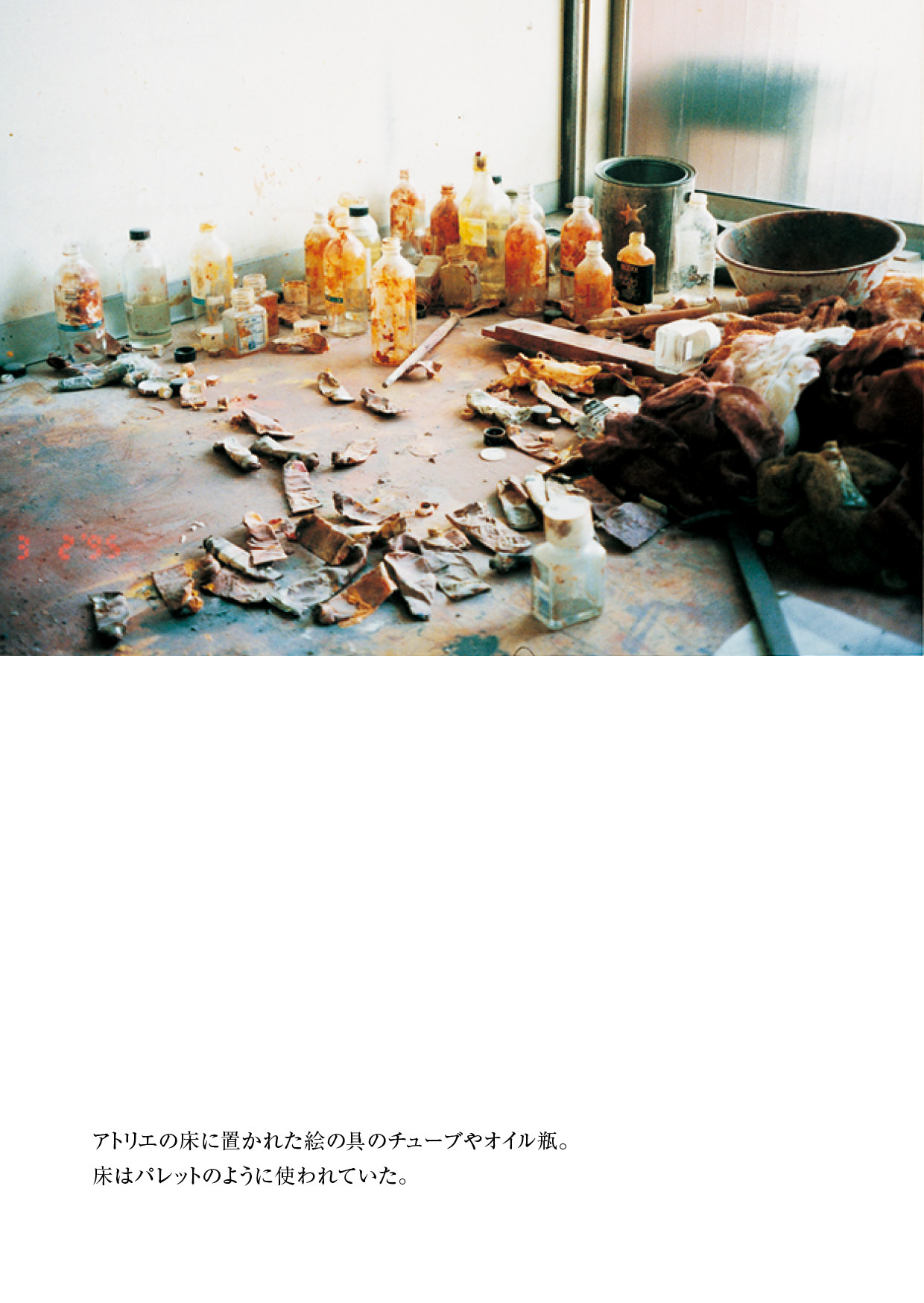
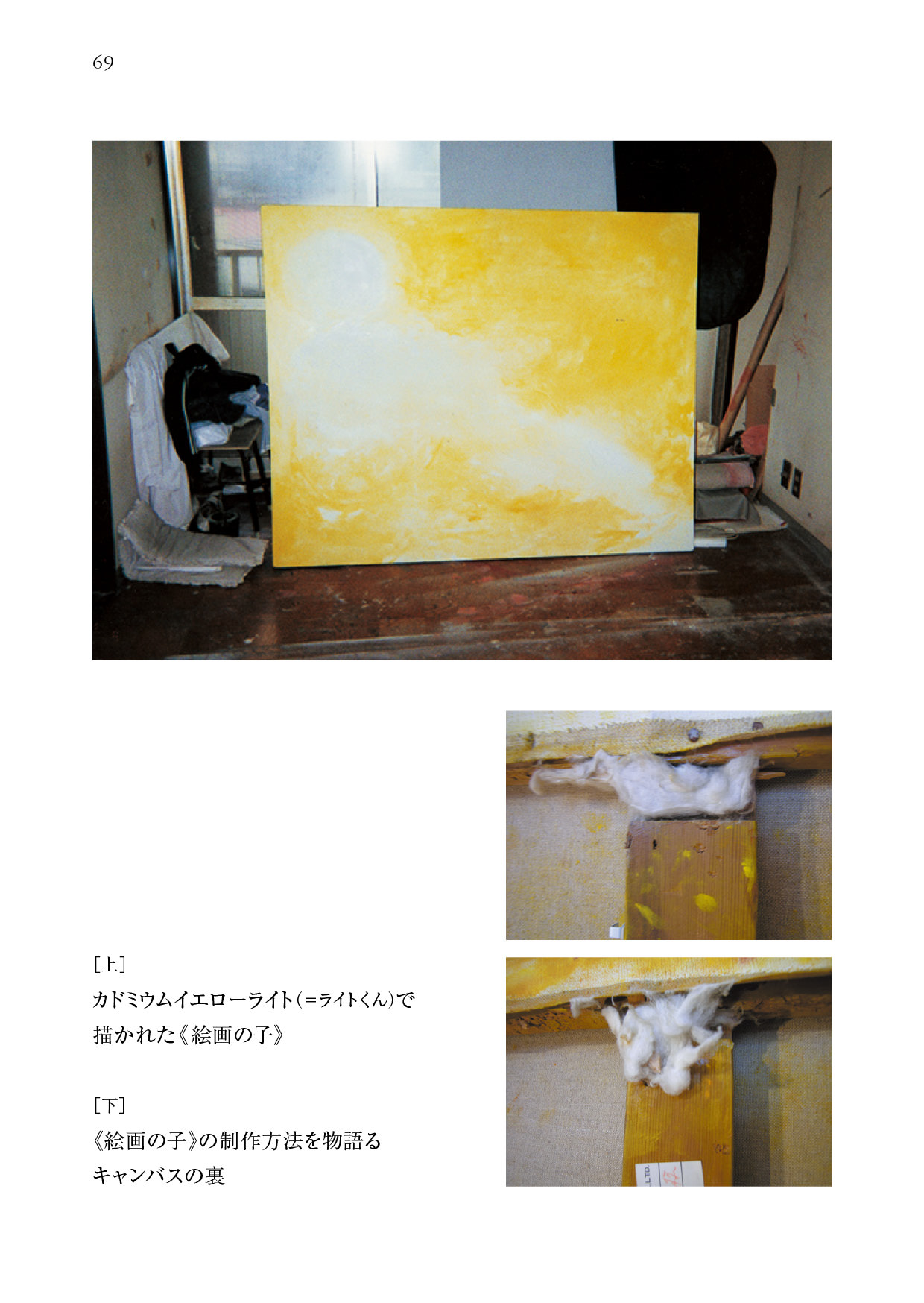
Masato Kobayashi is characterized by a style of painting directly with his hands while assembling the canvas.
As expressed by the phrase “oil with canvas” rather than “oil on canvas,” his immersive mentality—becoming one with the painting—is astonishing. His thoughts and actions when facing the making of a work are carefully reproduced, and as I read on, I came to feel his formidable power as an artist.
This book reaches a break point at descriptions up to around 1996.
The next volume gives a premonition that an “overseas chapter,” in which he is called to Ghent, Belgium by the contemporary-art curator “Jan Hoet,” will unfold.
With all three volumes planned, this book is the story of the first half. How will the coming-of-age story of the young artist Masato Kobayashi develop after this? A big reason readers are drawn in must be that he writes candidly, in his own words, at a good tempo.
Summary
The reason one is drawn into Kobayashi’s works is, of course, the inherent perfection of the works themselves.
When I looked at them again after reading, they shone even more than before, and I felt as though a strong energy was being emitted from behind the paint on the canvas.
- A coming-of-age story of a painter with few parallels
- An autobiography in unadorned words
- Writing that reads at a good tempo
- Raw, candid content depicting an artist’s life
- The many color plates of works inserted throughout
I already want to read the next chapter.
It is a book I’d like to recommend to art lovers and art practitioners.
INDEX
One Painting = Sky, 1985–1986
“Painting there is too late! (Beautiful Square)”
Shugo
Two: Having the Sun Paint for Me / A Picked-Up Panel
Christmas White, 1989–1990
Three: Air Battle, 1990–1991
Painting by hand while stretching the canvas!
A “certain place” where the air battle happens
Opening (April 17)
Spring Storm — Work = Music
It was the morning of May 3
Four: Once Upon a Time…
“Kobayashi, want to try painting?”
A brand-new paint set
My first painting
Waking the one who fell asleep first (sleep and death)
Five: Child of Painting, 1992–1996
New light
The art-supply shop in Kokubunji
On brightness
Light-kun
Almost-square, almost-flat oil with canvas!
Twilight — Magic Hour
Under the trees of Hitotsubashi University
That which has not fallen by existing
The paint of this planet — so much brightness
Plates
Overview
Author: Masato Kobayashi
Title: “The Paint of This Planet [Vol. 1]: Under the Trees of Hitotsubashi University”
Pages: 160 pages (16 color pages including work plates, 144 monochrome)
Binding: softcover
Size: bunko format
Design: Toshimasa Kimura
ISBN: 978-4-908122-10-1
Published December 2018