Kyoto University of Art and Design Graduation Show & Graduate School Completion Show
Hearing from gallerists and collectors that “the Kyoto University of Art and Design graduation show is fascinating,” I decided to go and see it for myself.
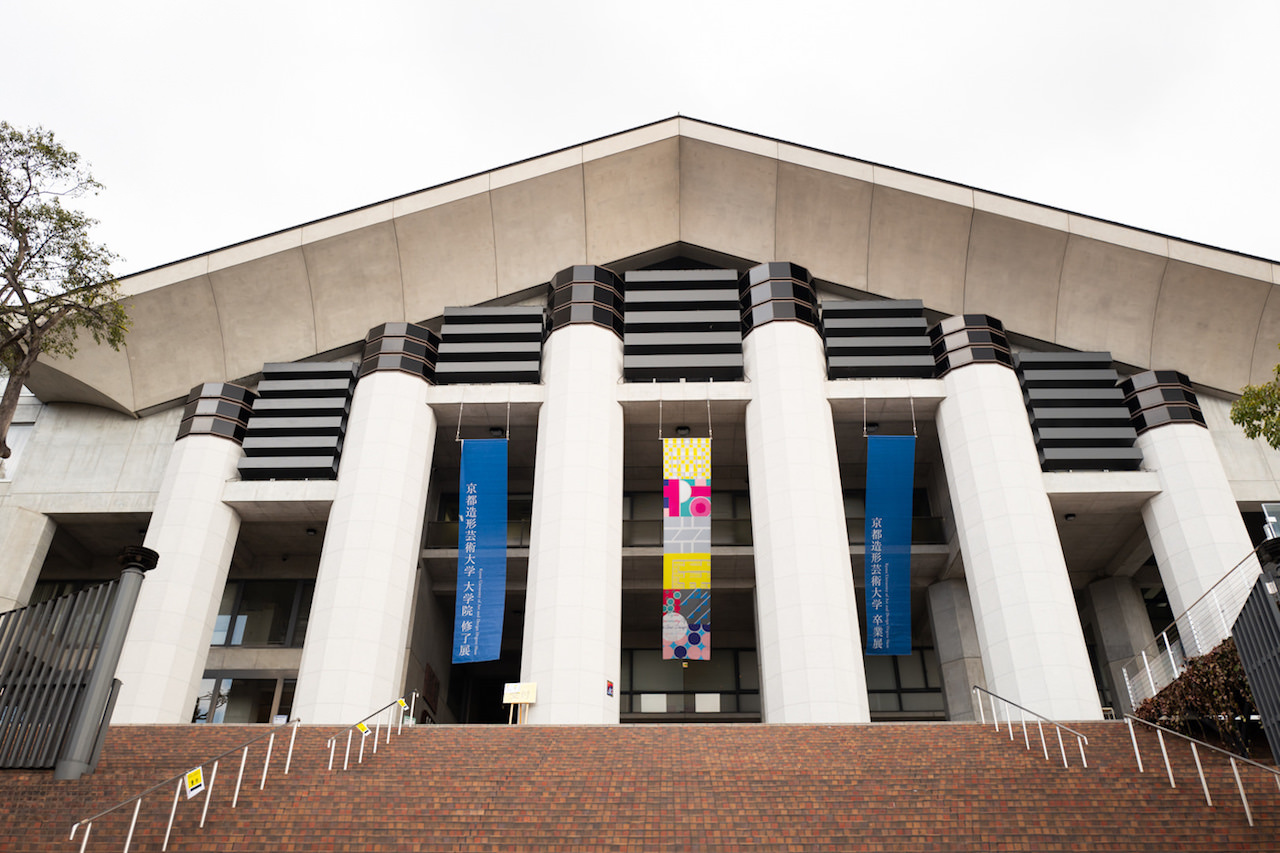
Kyoto University of Art and Design has been designed to make use of the sloping terrain of Uryuyama, so there are many stairs, and walking around the campus can be quite a challenge.
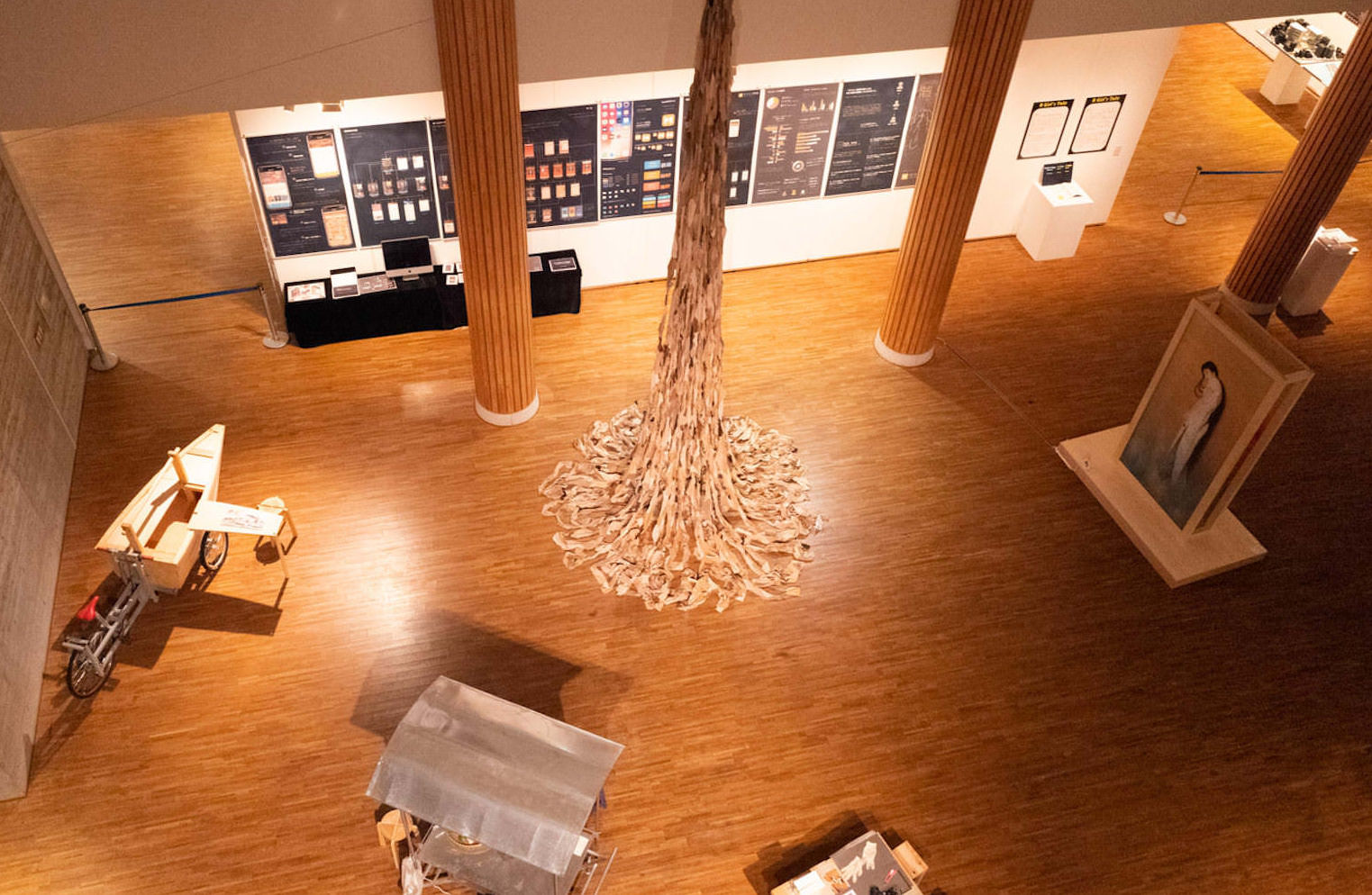
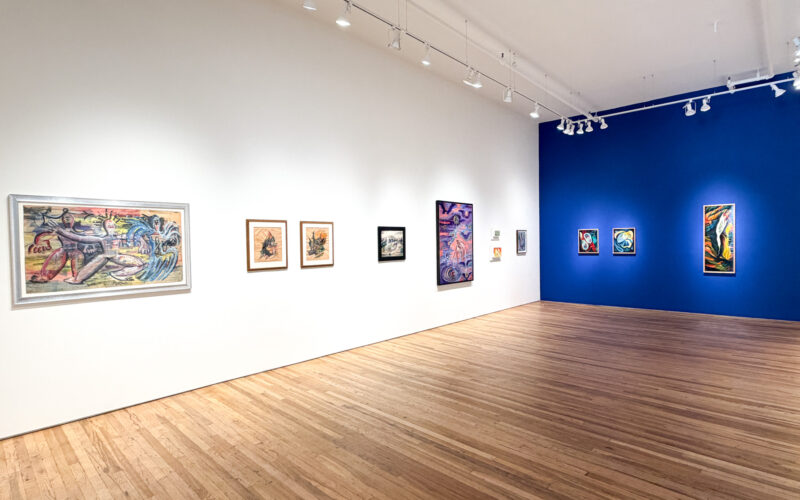
The exhibition space of “Galerie Aube” on the first floor is wide and has a high ceiling, allowing the works to stand out beautifully.
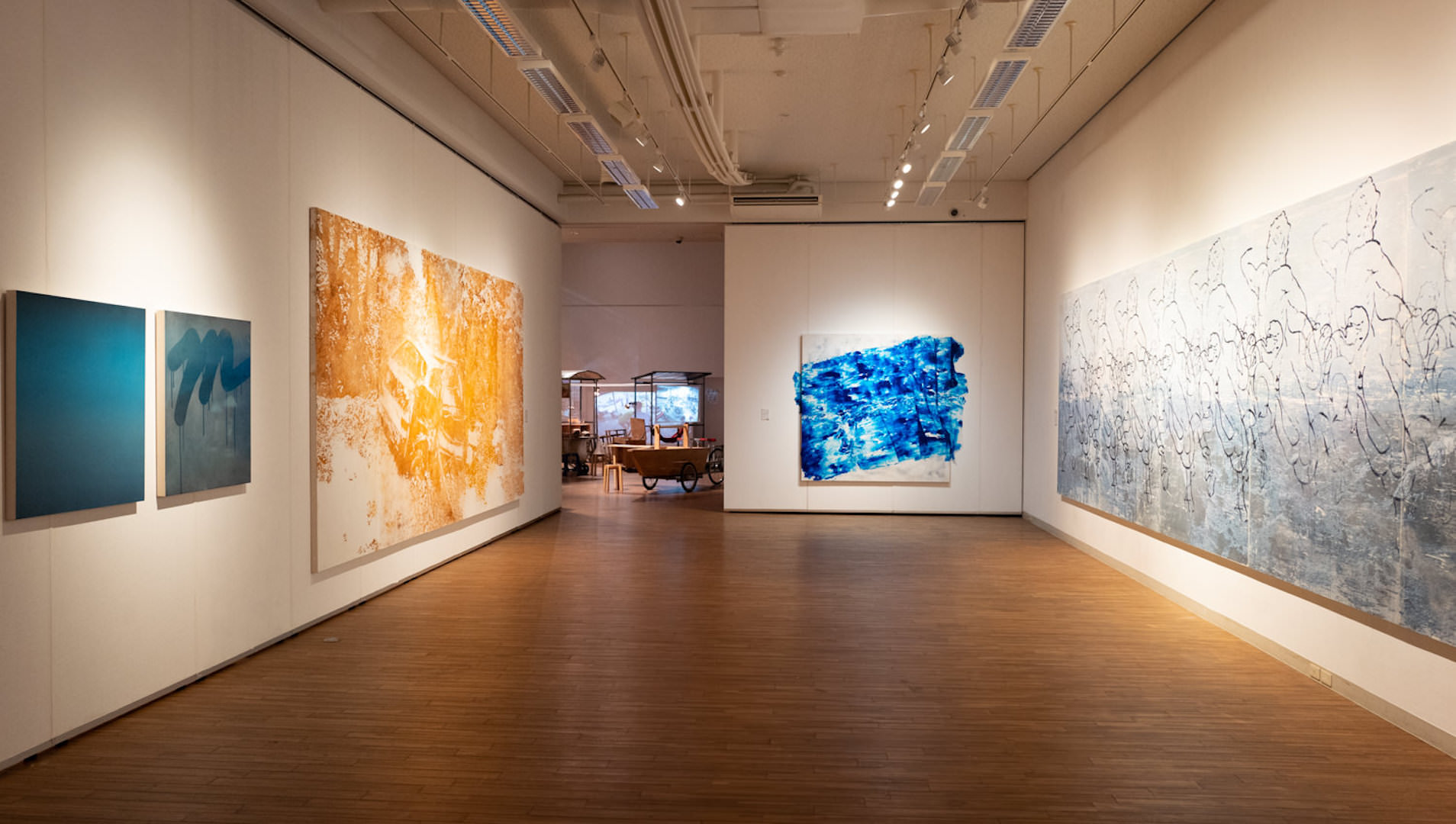
An Exhibition Where You Can Buy the Works
Kyoto University of Art and Design seems to place strong emphasis on nurturing students into independent artists as they leave school.
One of the reasons the author decided to visit this time was that the school has established a rule allowing the graduation and completion works to be purchased, just like at an art fair.
By actually selling their works, the students are given the chance to experience firsthand a variety of promotional and communication activities, such as explaining their works to viewers and setting prices.
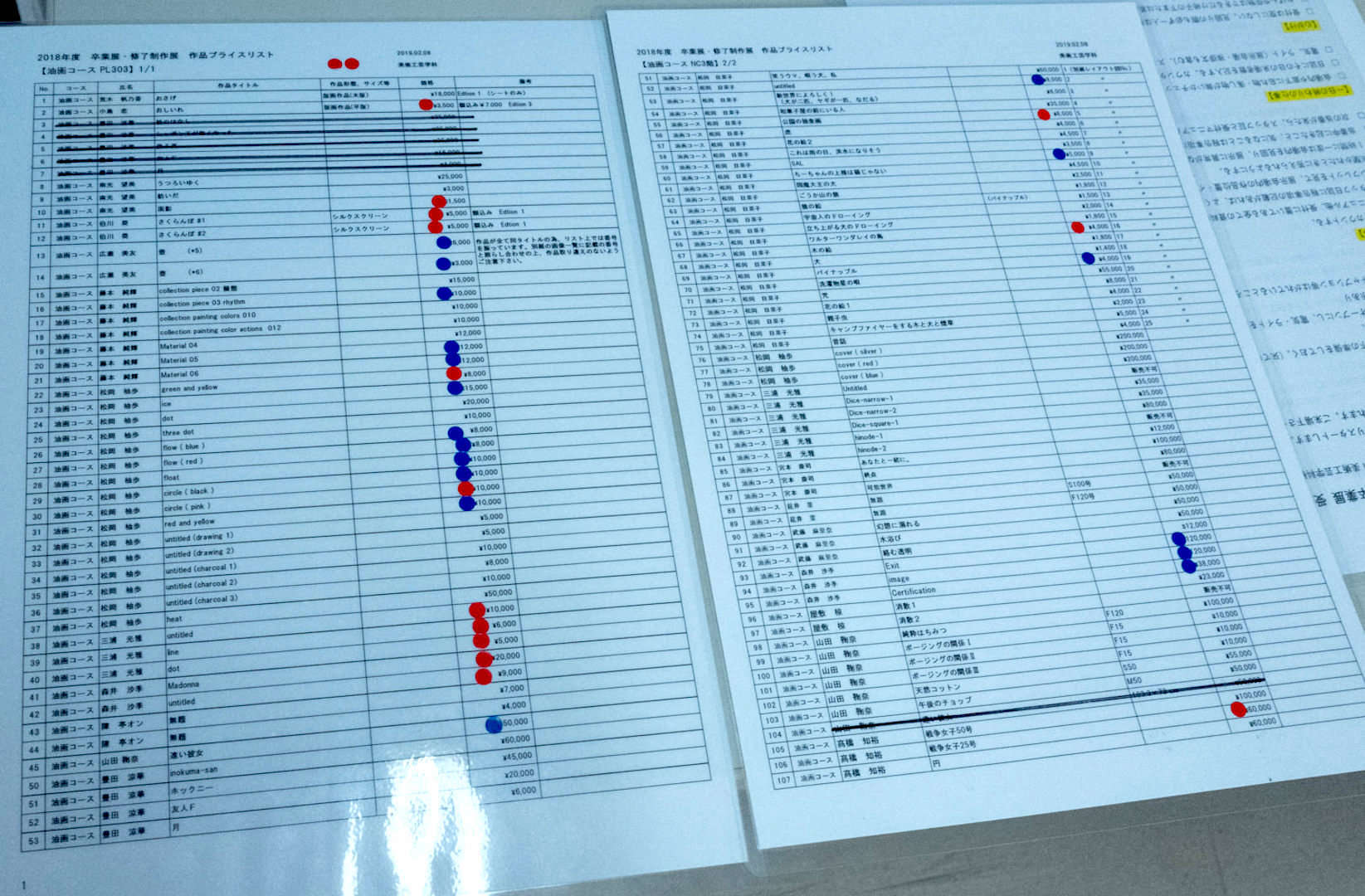
The prices set by the students are quite reasonable. The students themselves also handle communication with their buyers.
Everything through to the final handover of the work is carried out as part of their education.
Students Who Caught My Attention
Below, I introduce some of the students whose works I found particularly interesting.
Fukumi Nakazawa
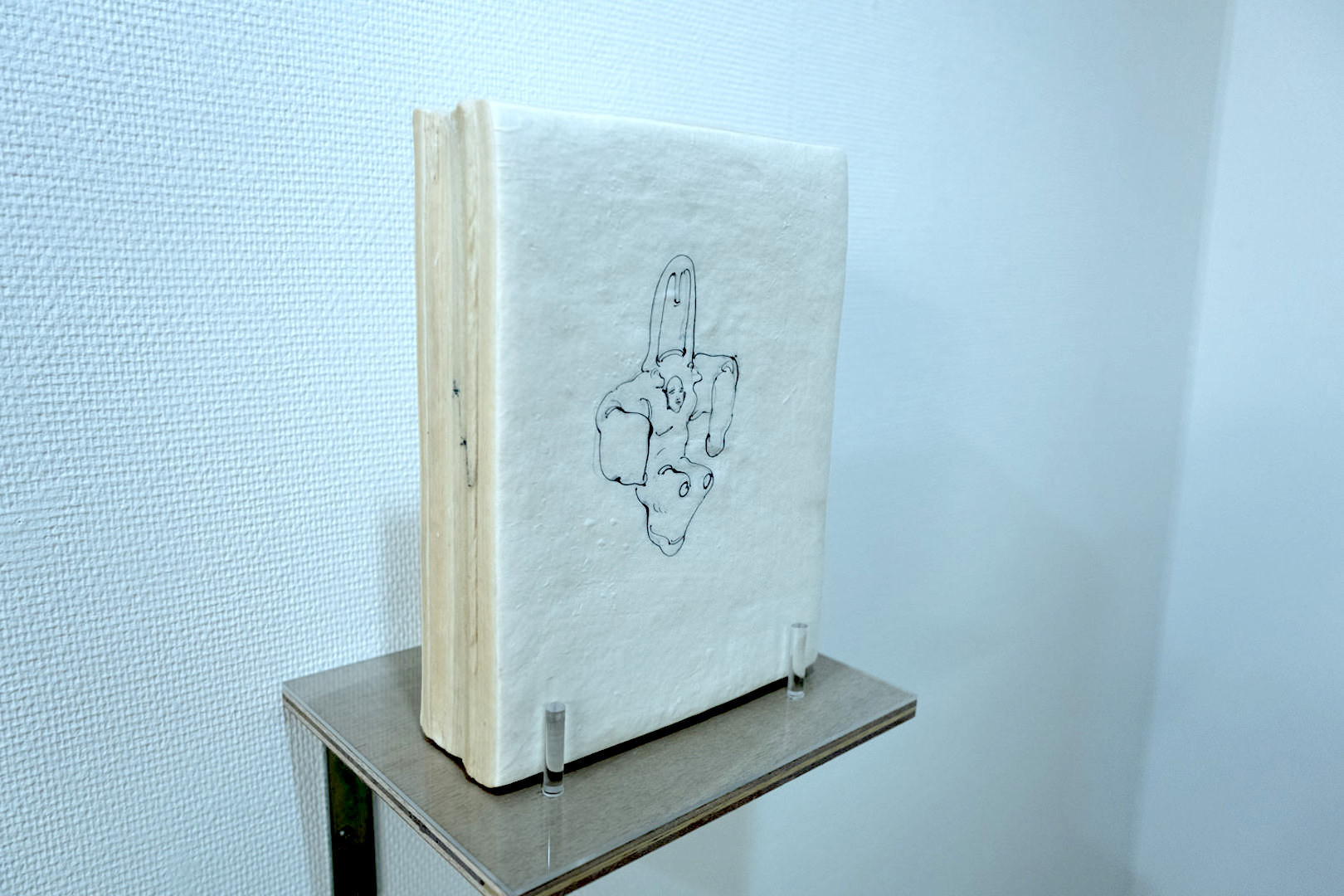
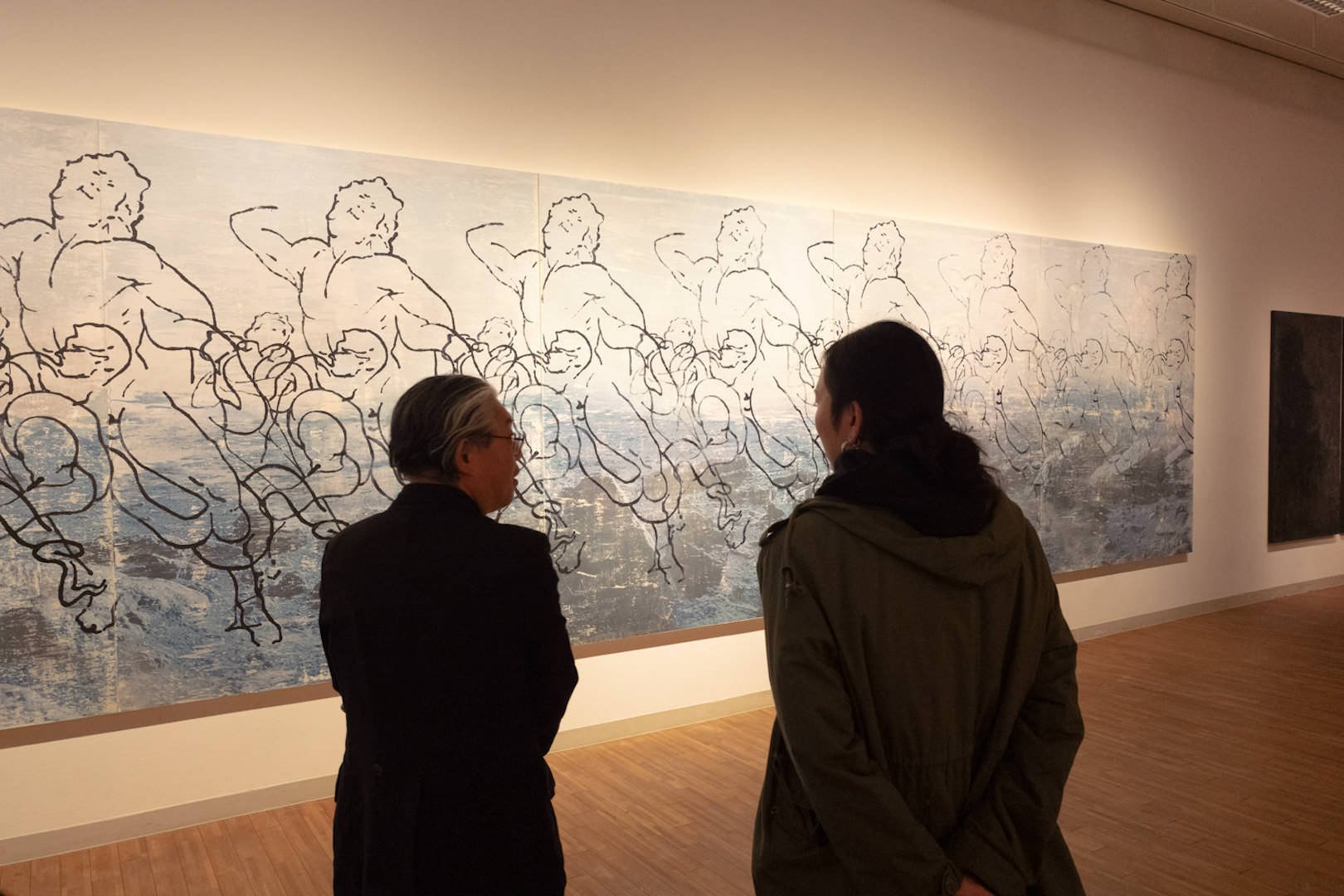
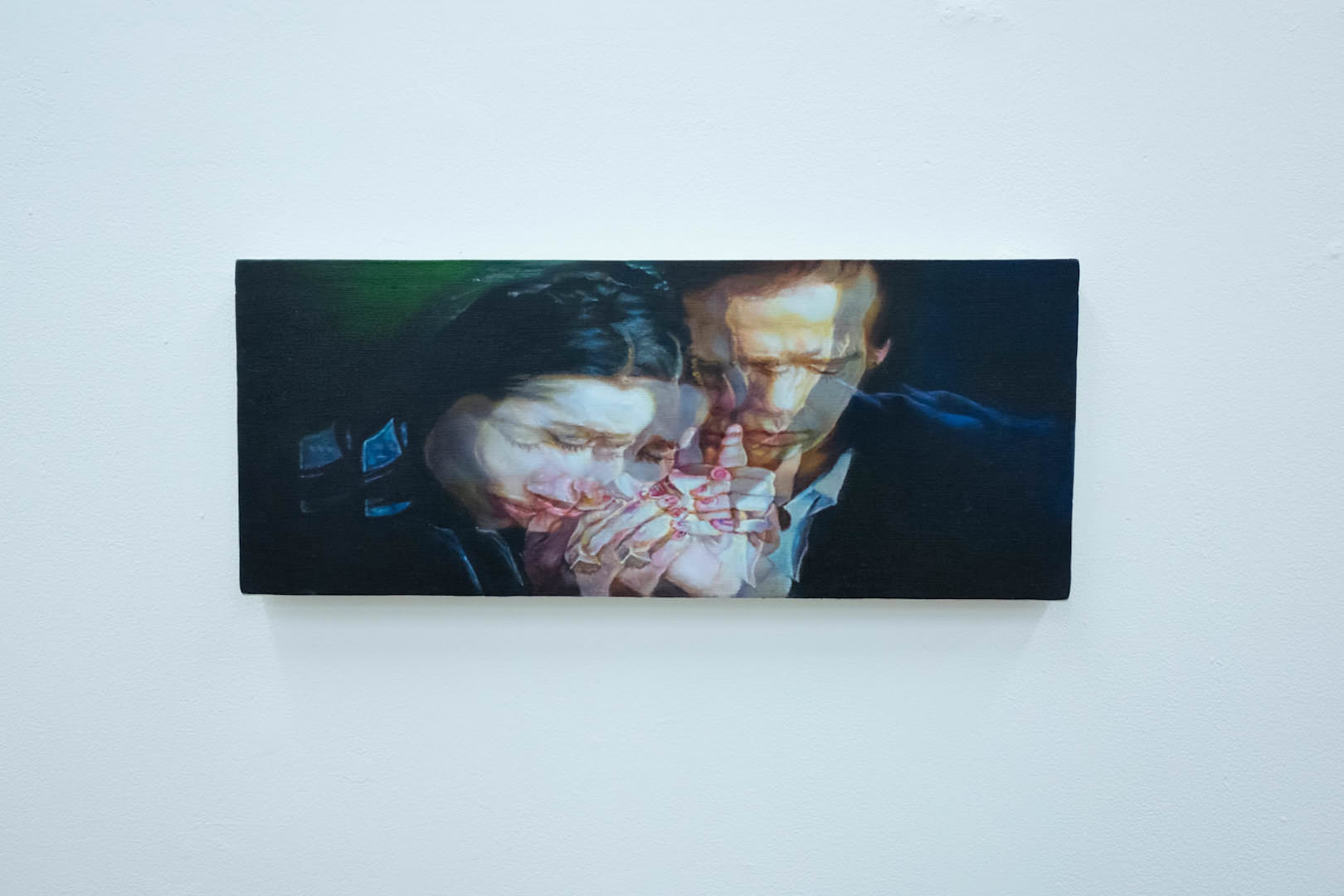
Fukumi Nakazawa’s works are made by drawing on individual sheets of Japanese paper (washi), turning them into an animation, and then gluing all the sheets together into a single piece.
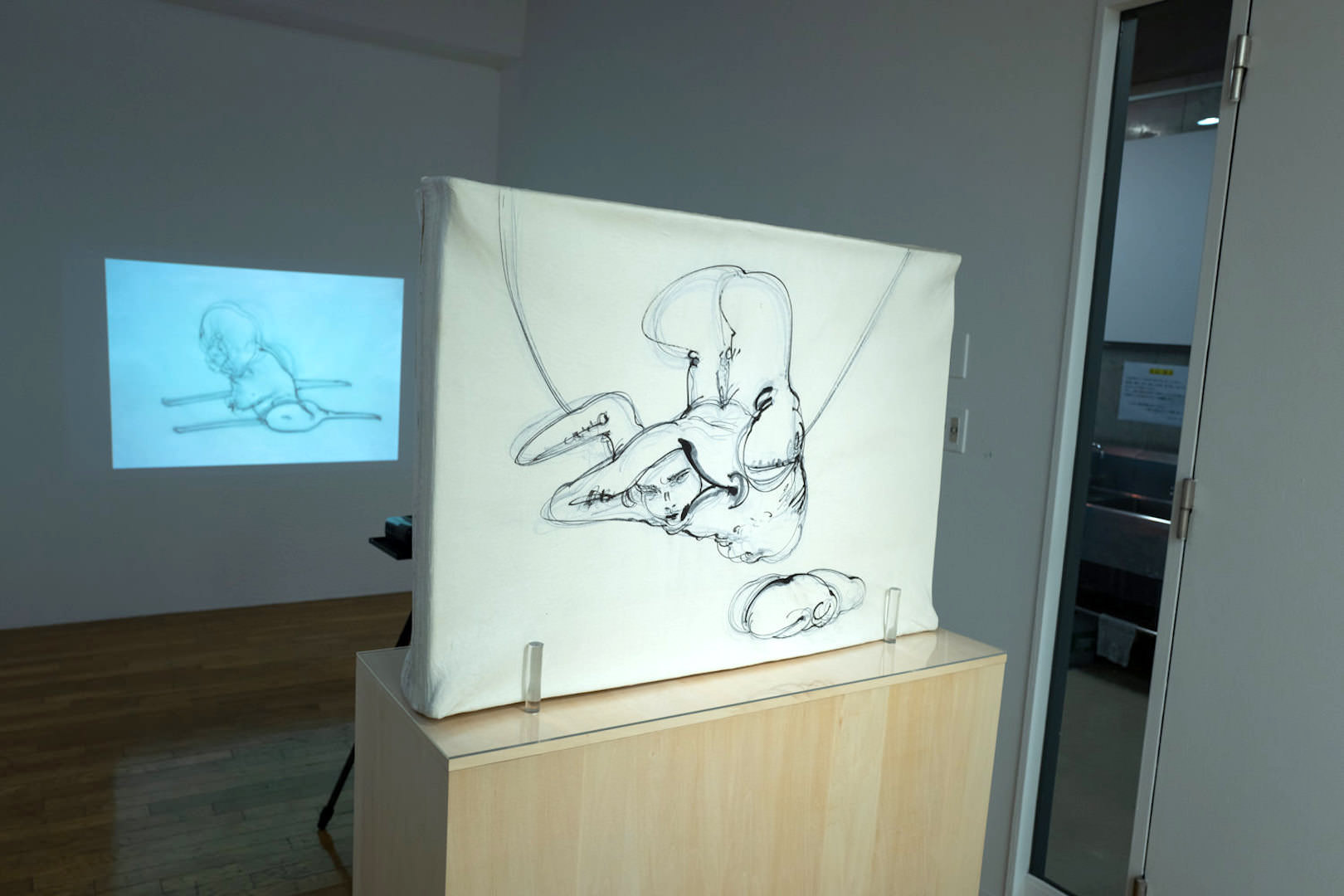
The stacked sheets of washi are translucent, so the lines from the drawings behind faintly appear through, layering like afterimages.
Yuki Murai
Yuki Murai is an artist deeply committed to the color blue — specifically a shade called “Phthalo Blue.”
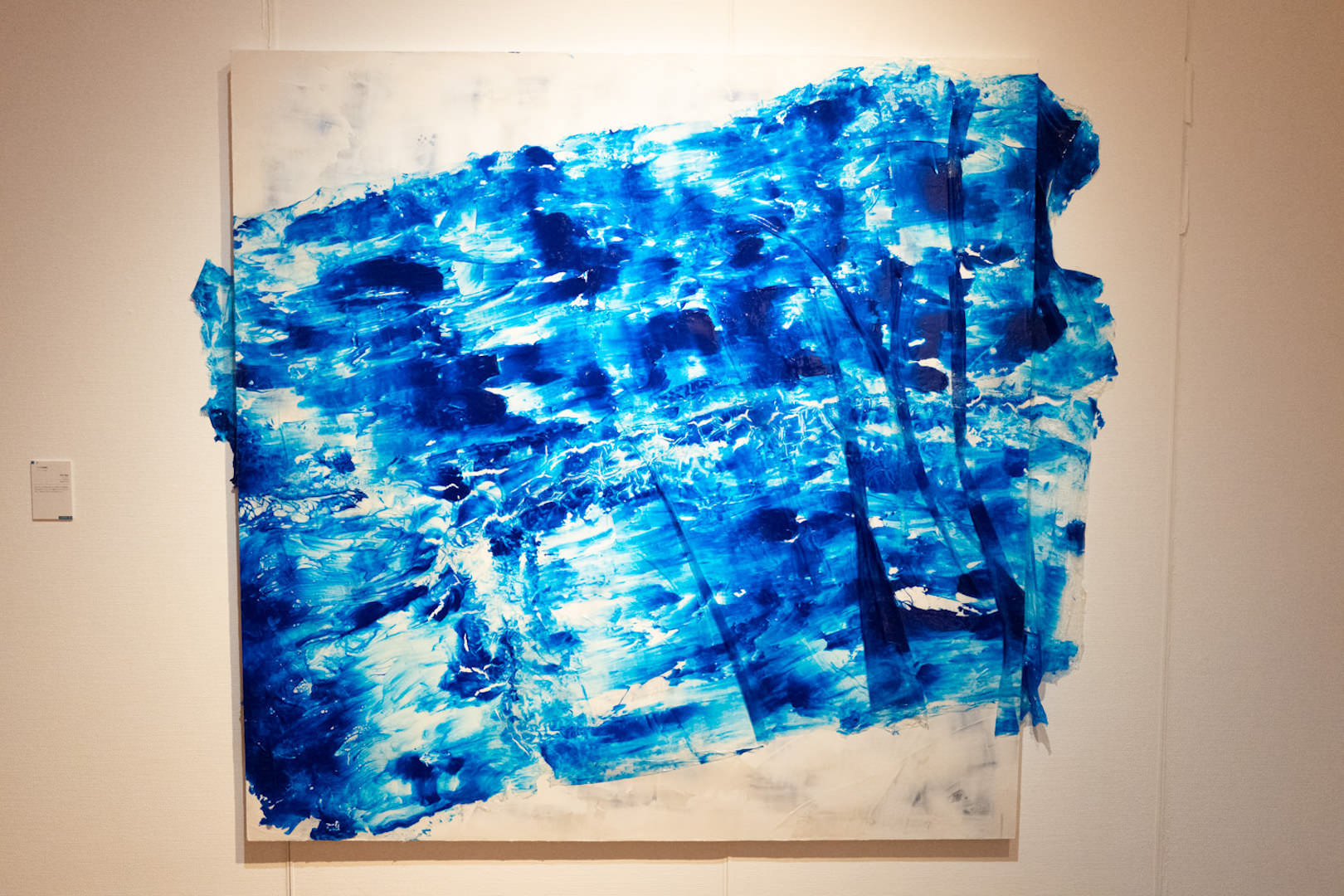
She primes the canvas and then naturally pours paint onto a material called Kutzkarne to create blue patterns.
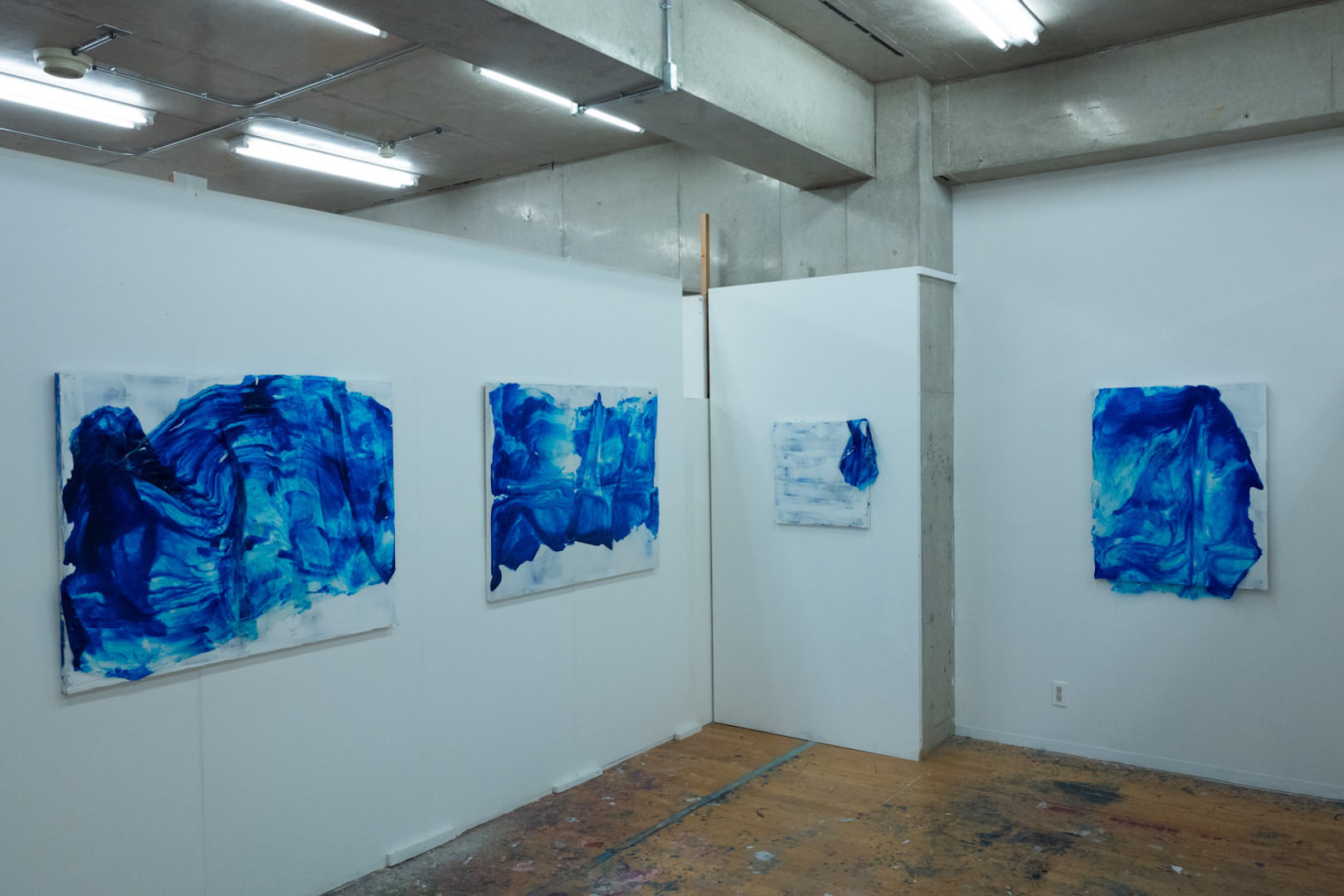
The texture of the primed canvas surface is intriguing, and she has succeeded in a treatment that makes the beautiful blue shine even more vividly.
Shohei Yamamoto
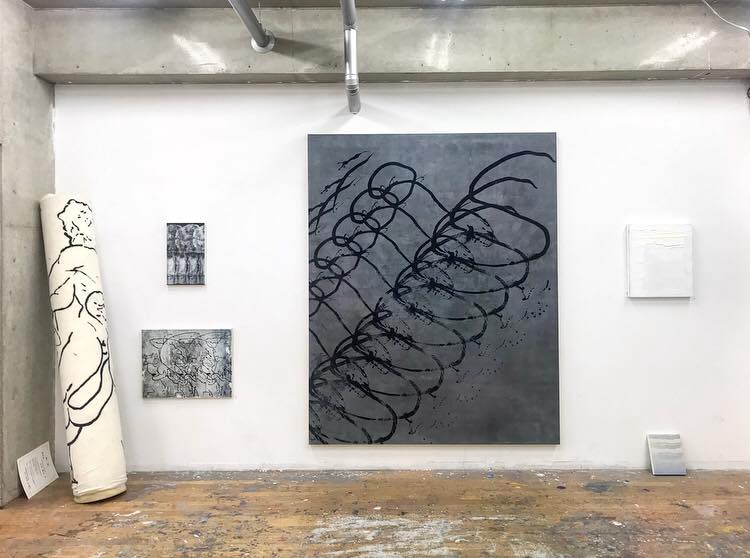
Shohei Yamamoto focuses on materials in his work.
He uses hand-made rollers to imprint repeating patterns onto the canvas.
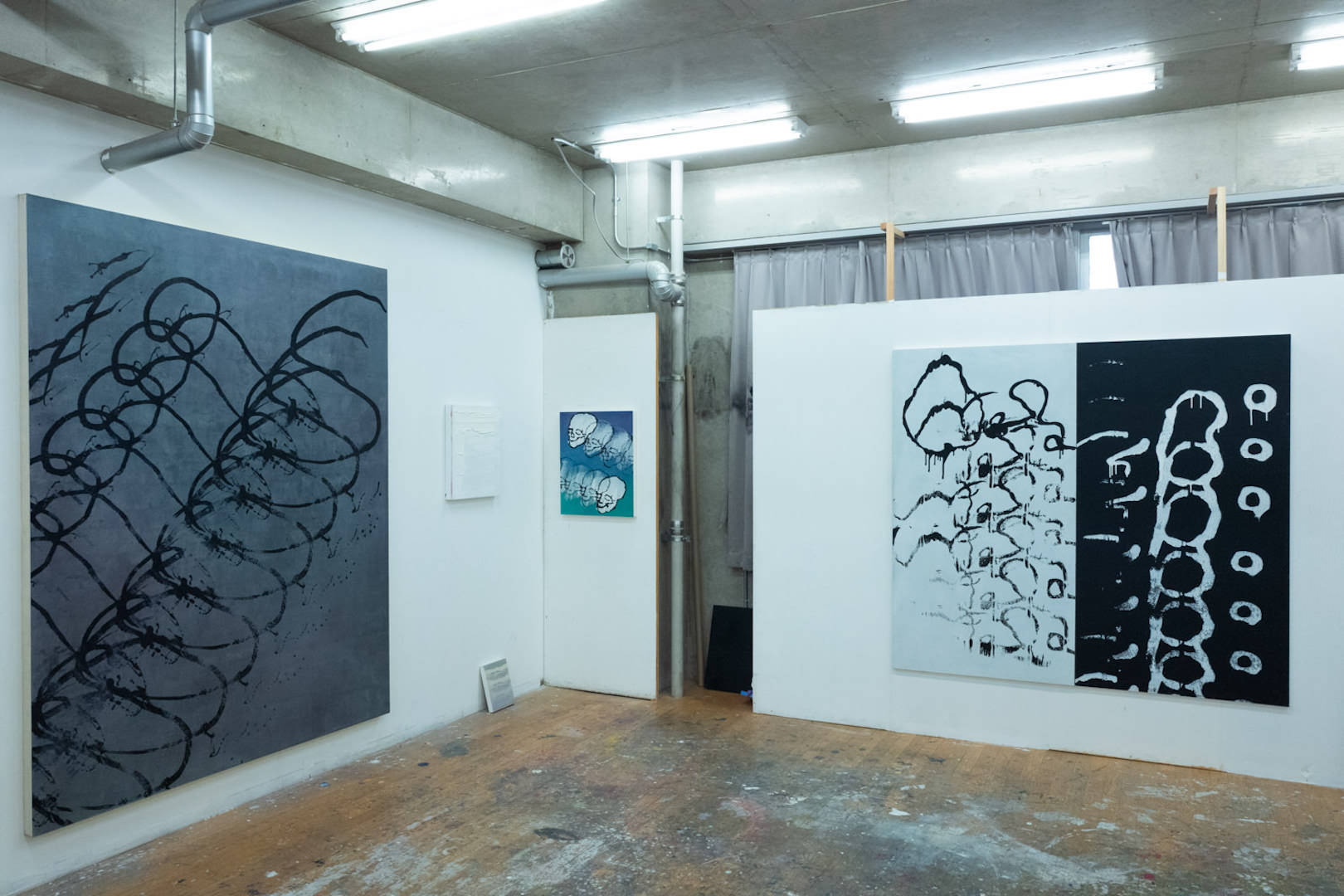
The complex abstract works, drawn with rollers, are engraved with geometric patterns.
I especially liked how, when he leans toward the figurative — as in his skeleton pieces — the afterimage-like quality becomes even more pronounced.
Saki Morii
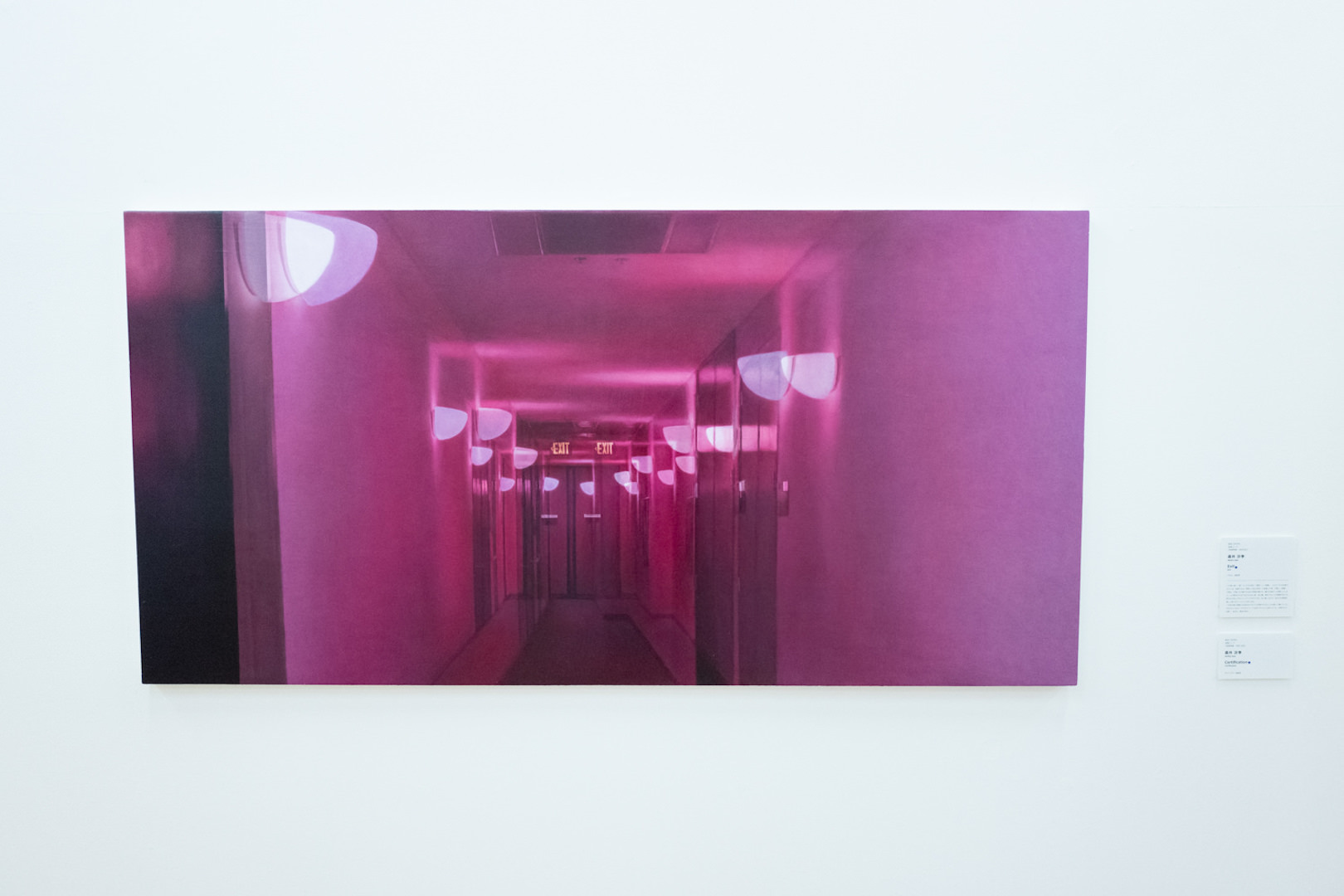
Saki Morii is a painter who brings opposing pairs of elements — light and shadow, front and back — onto her canvases.
The viewer’s gaze is drawn back and forth, and the works hold you spellbound.
Ryoko Ishikawa
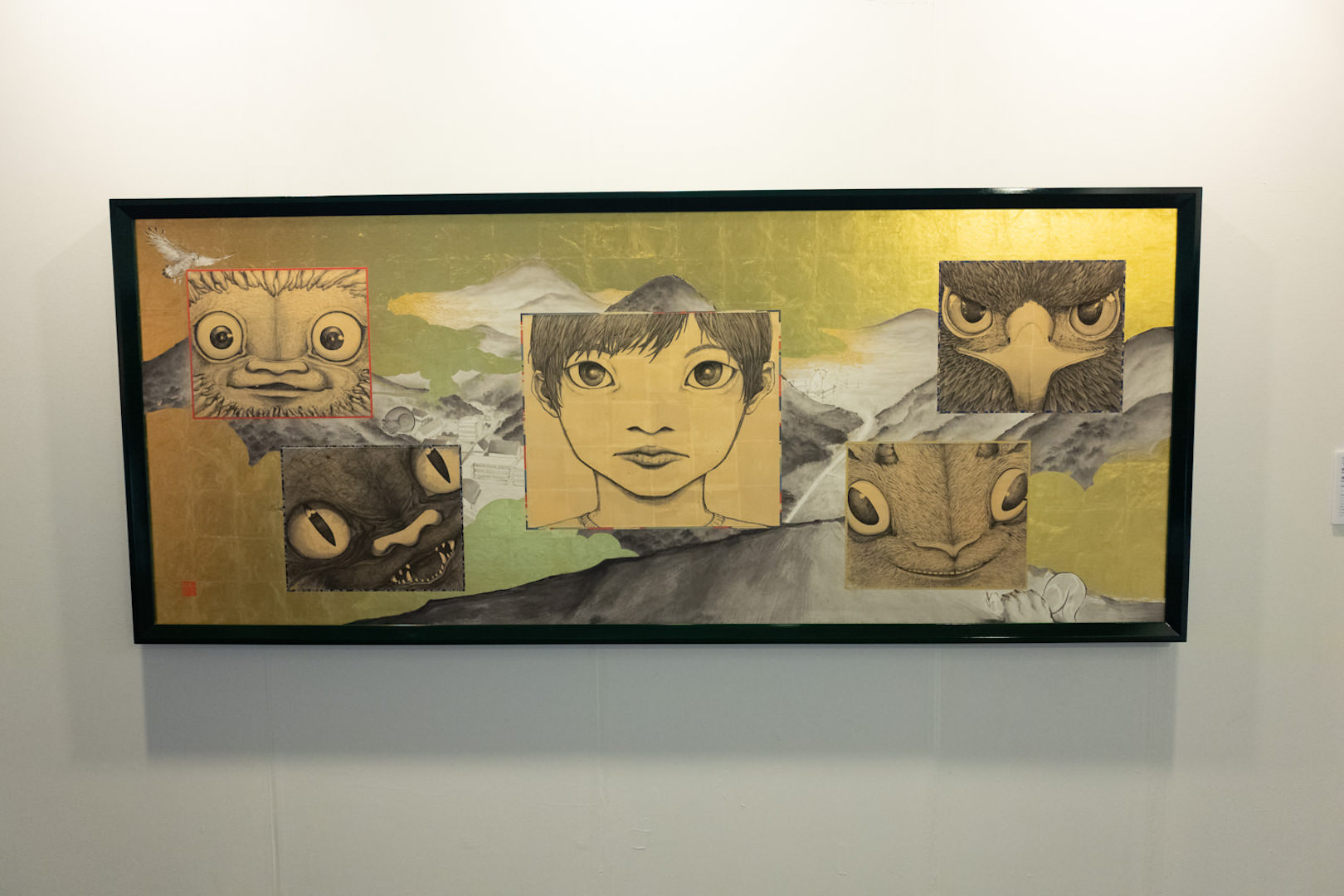
The Japanese-painting students delighted us with a broad range of works.
Ryoko Ishikawa is an artist whose works cast a gentle gaze toward living creatures.
Rema Narita
The one who most vividly projected a unique worldview was Rema Narita (REMA), a student in the Integrated Fine Arts department.
His exhibition space was packed with obsessive detail — self-portrait works developed into a variety of forms, including footage of him driving a decorated car through the city and a mannequin cast of himself.


There were many more students I would have liked to introduce, but from every one of them I felt a strong energy — the drive to pursue a serious career as an artist.
I have written separate articles about Shinya Azuma and Kurumi Kotani, so please see those as well.
Sales of the students’ works appeared to be going very well.
Prices were friendly, of course, but what left the strongest impression was seeing the students engaging viewers face-to-face, carefully explaining their ideas as artists and describing their works.
When I spoke with a Japanese-painting student, I heard some fascinating things about the university’s educational program.
What struck me was that this is not a top-down, imposed curriculum, but rather one that encourages the students’ independence.
Lastly, I want to note how warmly the students hosted visitors — a very positive impression indeed.
This was a graduation and completion show that I would happily attend again.