The Problem of Storing Artworks
Once your collection accumulates to over 100 artworks—including smaller pieces—you inevitably run into the problem of storage space.
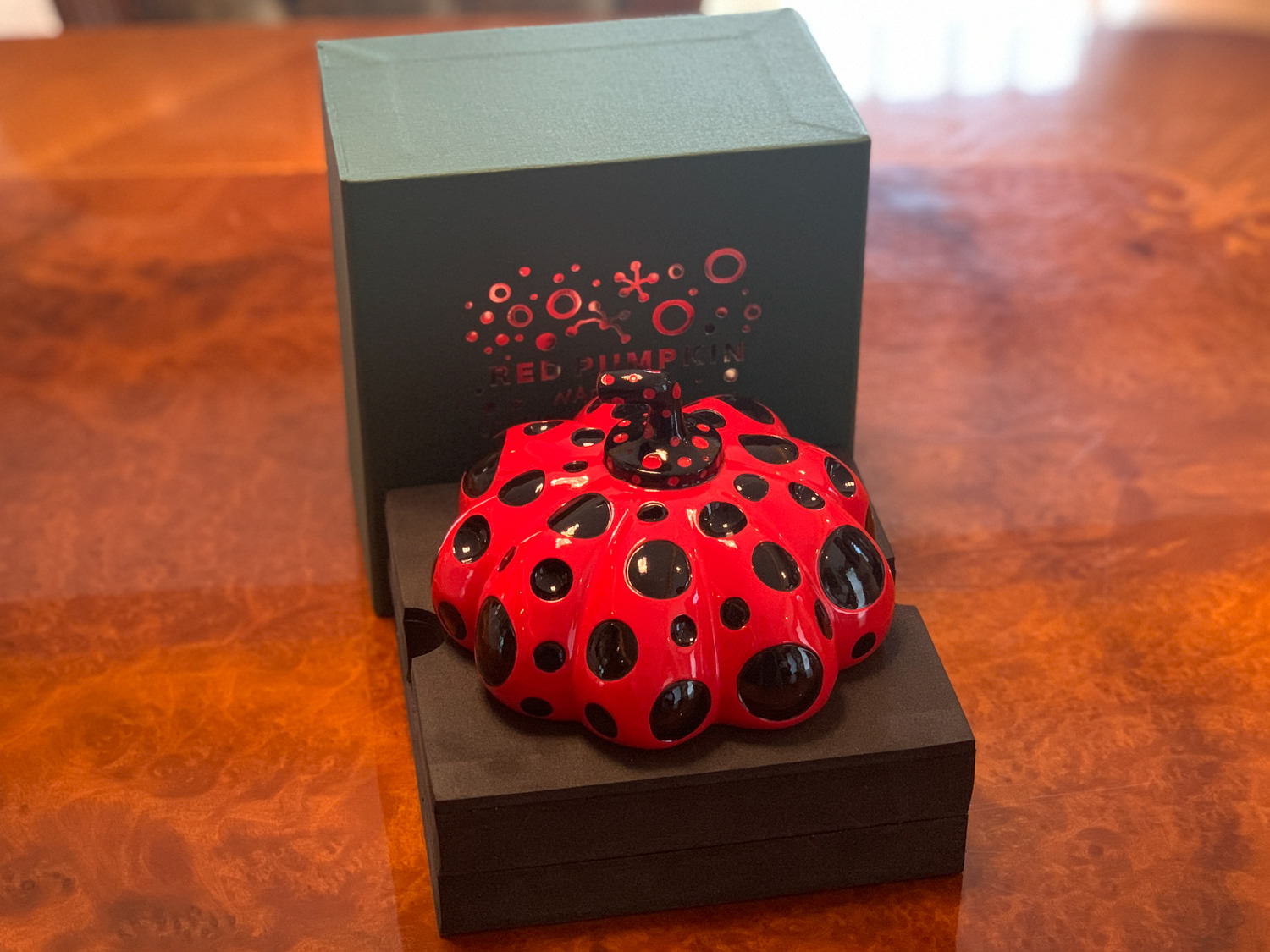
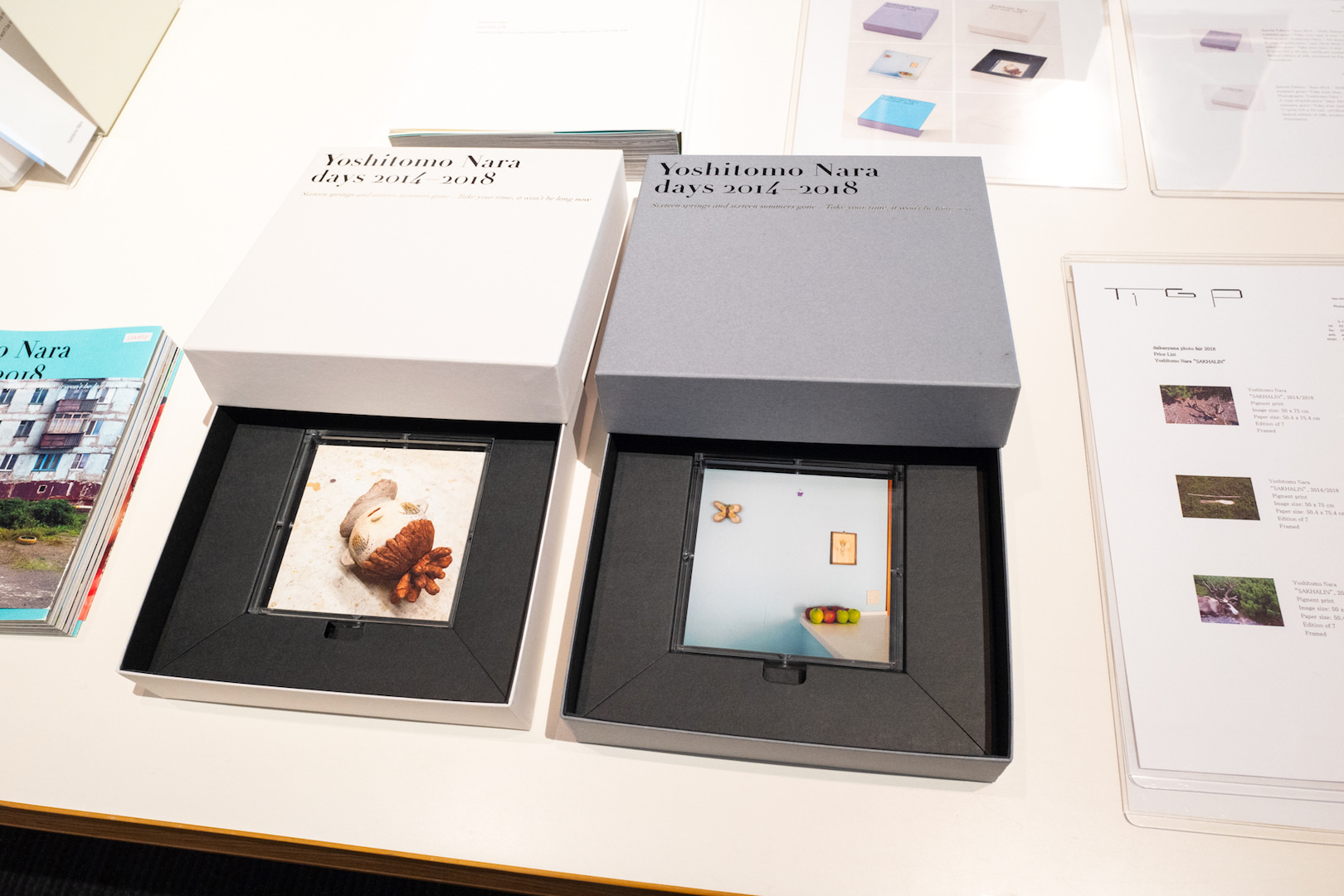
When you take a work into your home and display it, both the physical artwork and the storage box it originally came in remain, and you realize your collection is effectively swelling to double the volume.
Some might say, “Just throw away the boxes!”—but there are also moments when you need to store a piece while rotating a display, so the boxes are indispensable.
Concerned about condition control ahead of the rainy season, I finally took the plunge and decided to rent a storage unit.
Renting a Storage Facility
When it comes to storing artworks, the first name that springs to mind is the industry’s No.1, “Terada Warehouse.”
With their remarkable corporate philosophy of “not just storing things, but safeguarding value,” they are the leading company in the industry.
When I contacted Terada Warehouse to inquire, I was told there are three types of storage services available. ※As of June 2019
- Art Storage Warehouse ※Area: 1 tsubo to 30 tsubo, Ceiling height: 2.1m–4.8m, Location: Tennozu Isle, Rate: from ¥40,000/tsubo (excl. tax) per month
- Art Locker ※S size (65×120×135) Monthly rate from ¥20,000 (excl. tax), Locations: 13 sites in Tokyo and Yokohama
- TERRADA ART STORAGE ※Per-piece basis, SSS size 90×180×100, monthly rate from ¥7,000, plus data creation fees etc.
Option ① at Tennozu had poor access from home, so I passed; option ③ was priced per piece and out of the question (I’d love to entrust it with the masterpiece of a renowned artist someday); so I decided to consider option ②, the “Art Locker.” ¥20,000 per month (excl. tax) seemed within reach. …However, there was no branch nearby.
So, keeping the “Art Locker” possibility on the table, I looked into whether any new alternatives existed—researching similar services.
Trunk Rooms
As a result of my search, the service that came up was “QURAZ.”
With 44 locations across Tokyo (as of writing) and further expansion into Kanagawa, Chiba, Nagoya, Osaka, Fukuoka and beyond, QURAZ is a major player in the trunk room industry.
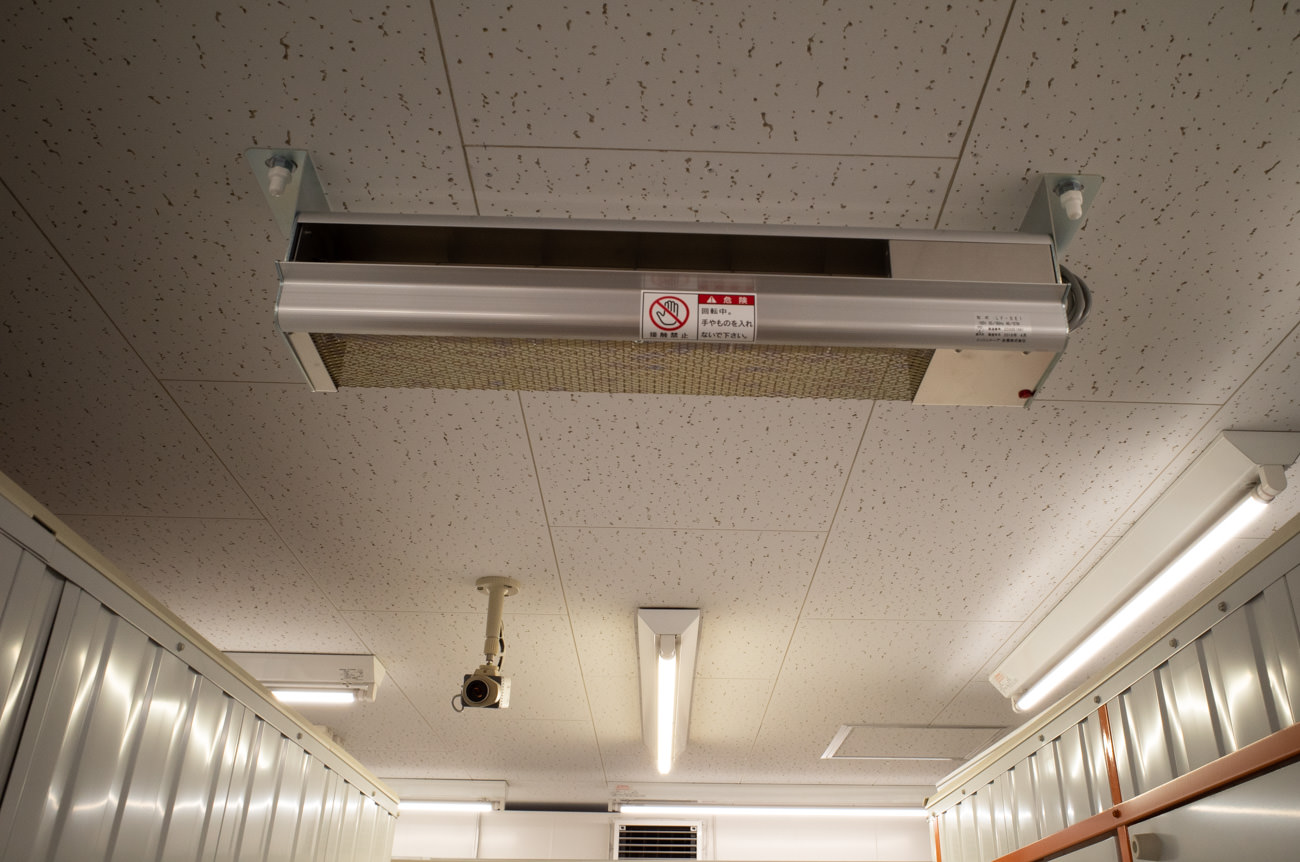
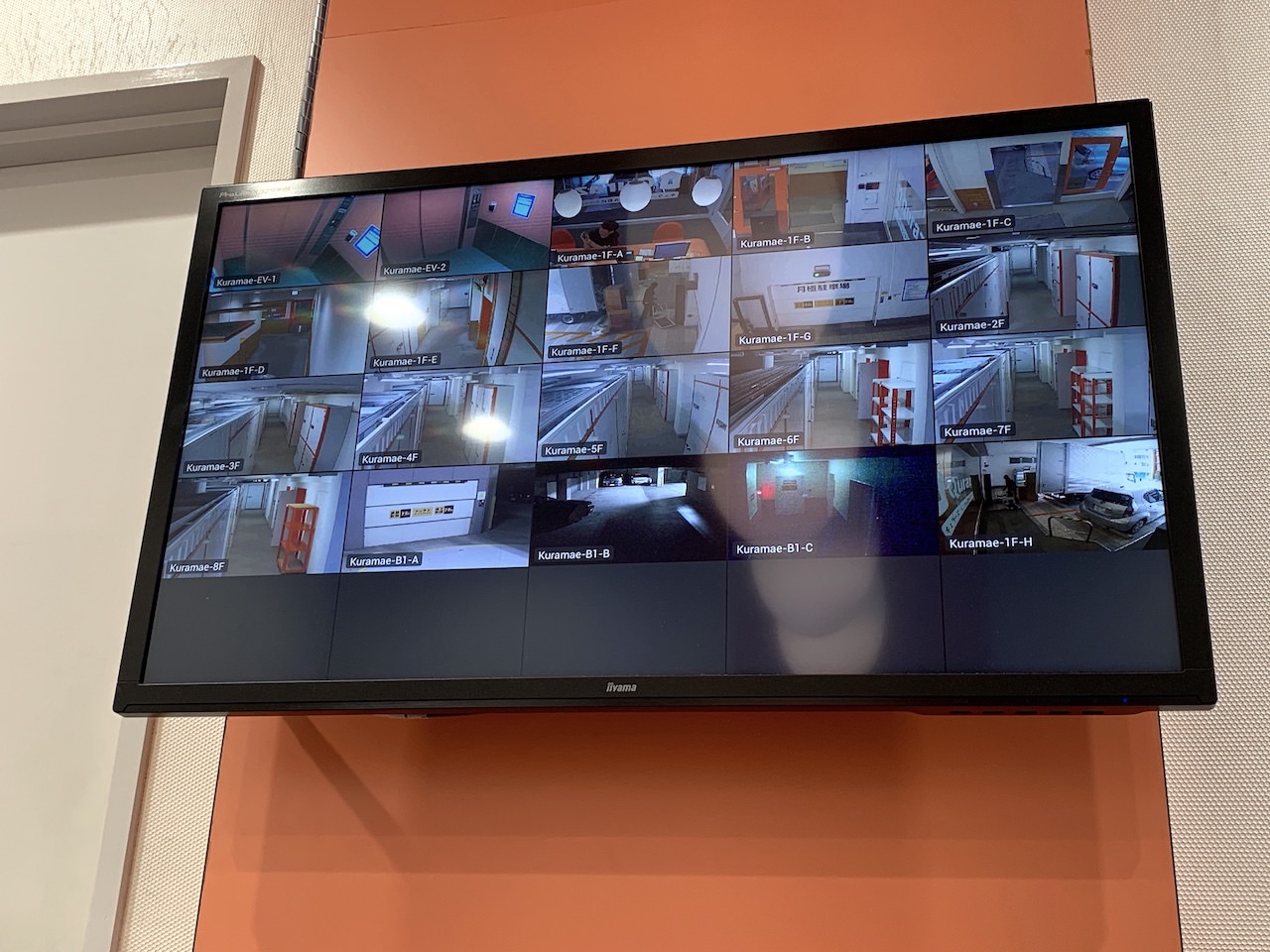
QURAZ operates entire buildings dedicated to trunk rooms, meaning they manage everything from security to storage environment in-house.
※Warehouse services are premises rental contracts under real-estate leasing law, whereas trunk rooms are deposit-of-goods contracts—there’s a legal distinction between the two.
※This article is editorial content. QURAZ has not provided any monetary compensation or favors for its inclusion.
I promptly signed up for a free tour via the website. Even weekend slots were relatively easy to book, though last-minute availability was gone.
A staff member gave me a personal tour of the facility.
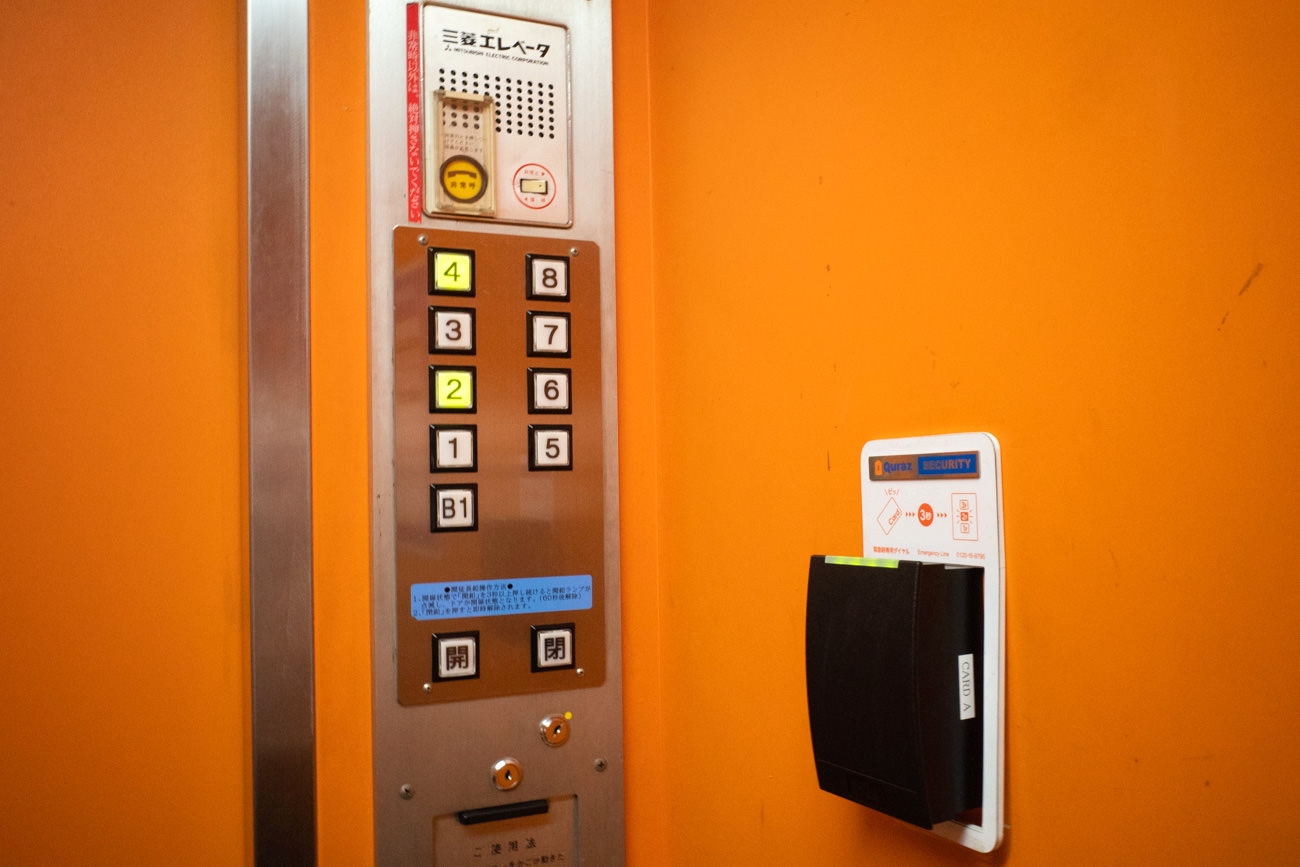
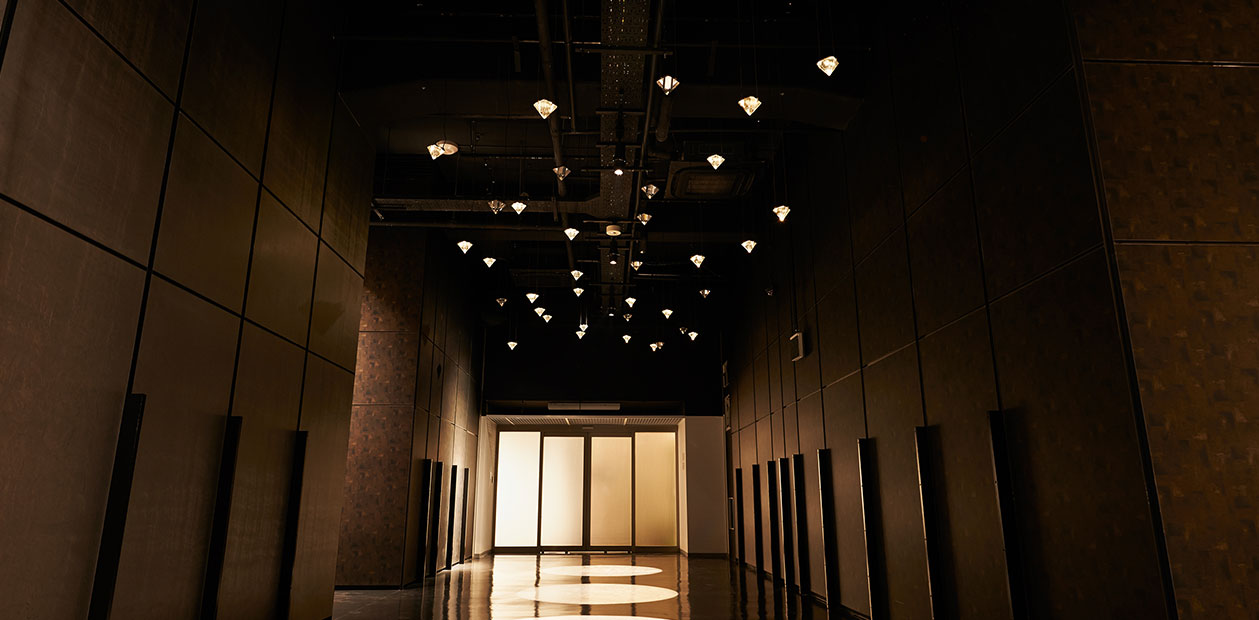
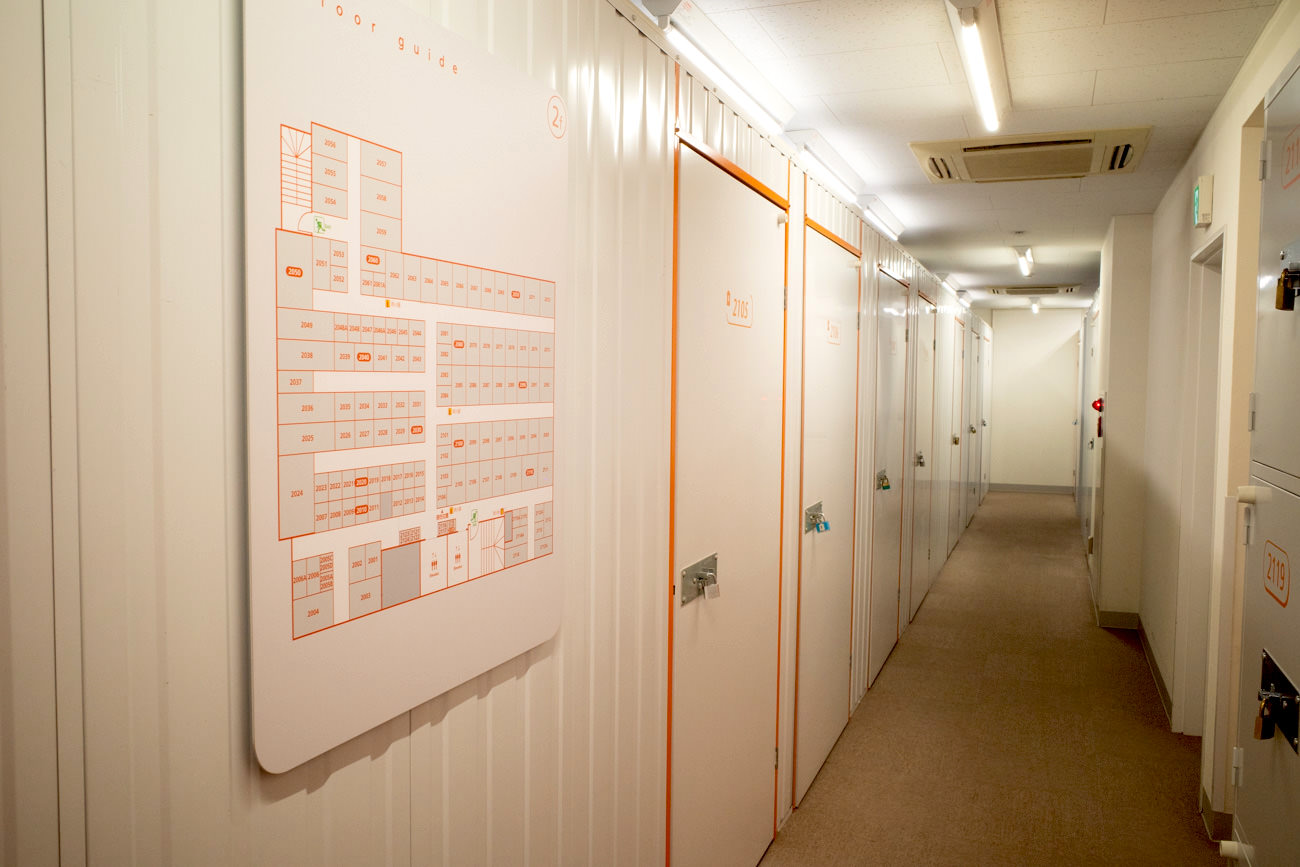
Riding the elevator down to the floor, I was met with a scene I had never encountered before. It goes without saying, but the place was covered in rooms….
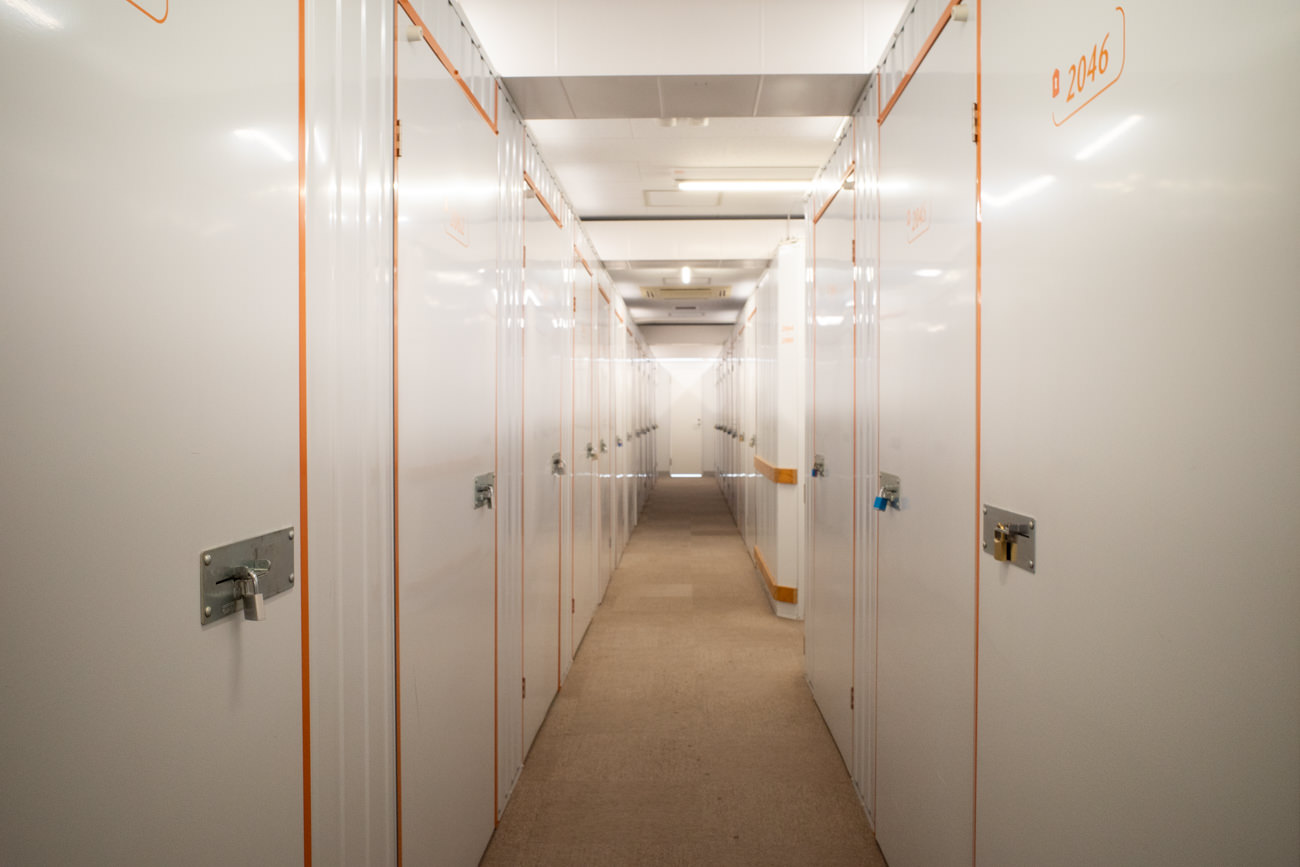
I had requested to view rooms of about 1 tatami mat in size. The staff consulted a list of vacancies as they guided me, but it wasn’t easy to reach the destination—the layout was complex enough to confuse even the staff.
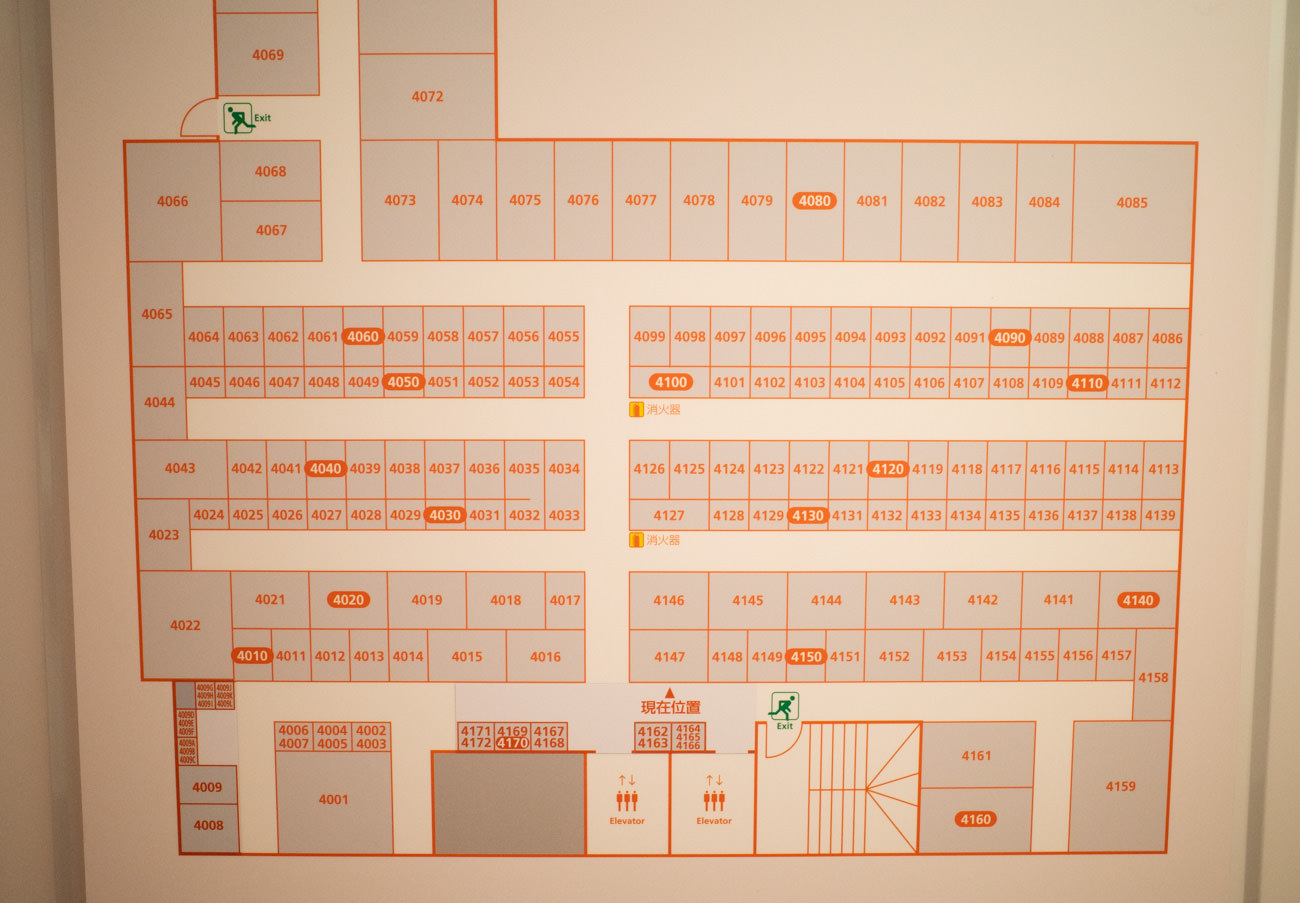
Walking toward our destination, I found myself enjoying the variety of room sizes.
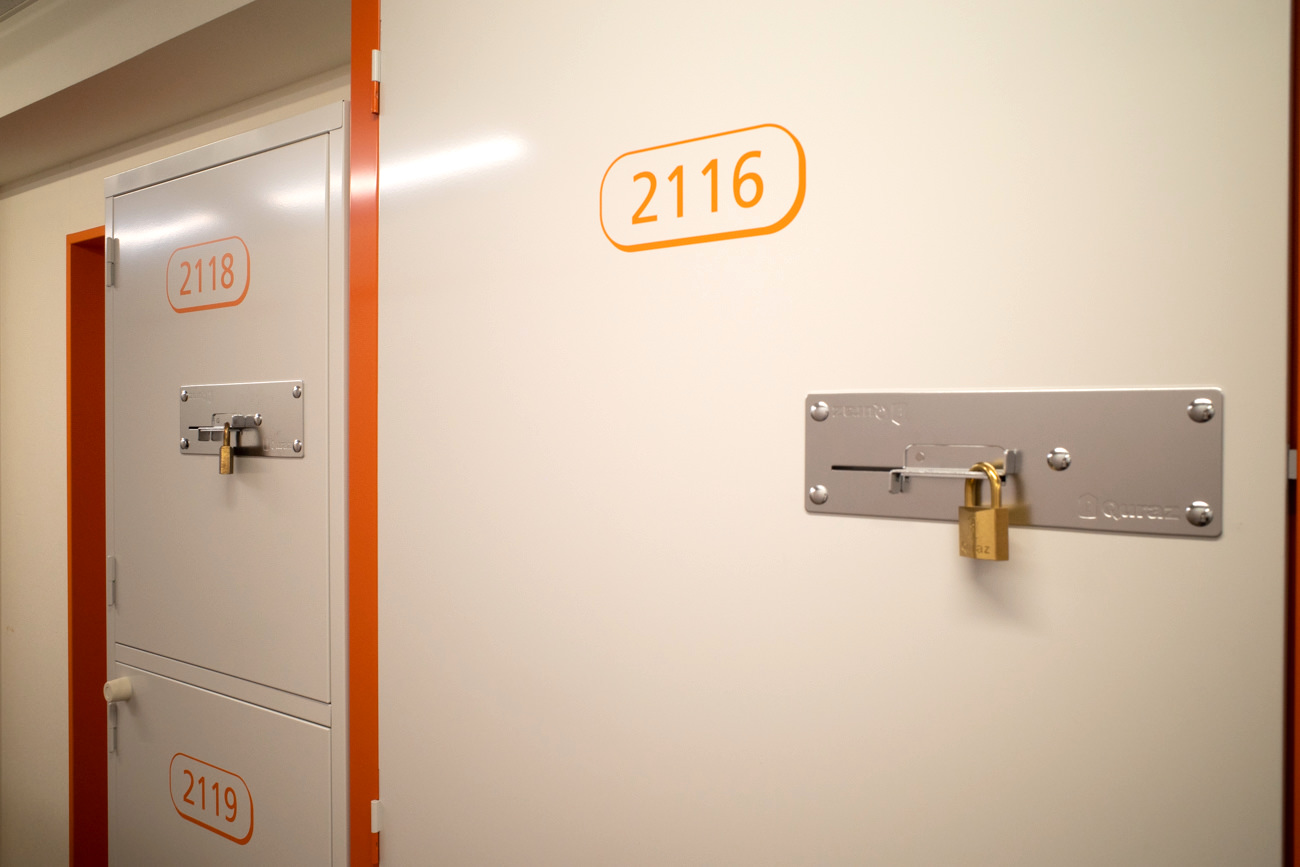
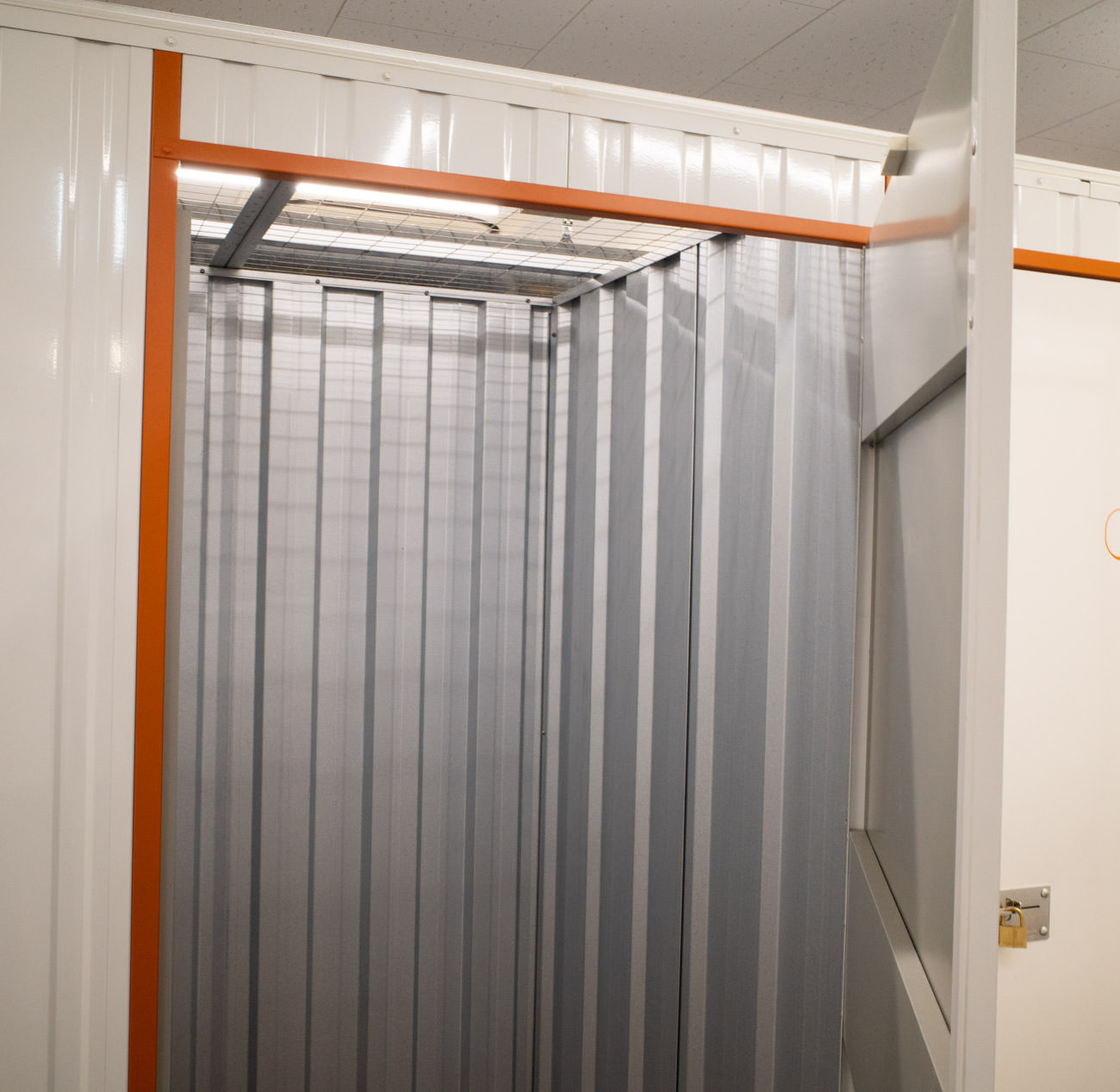
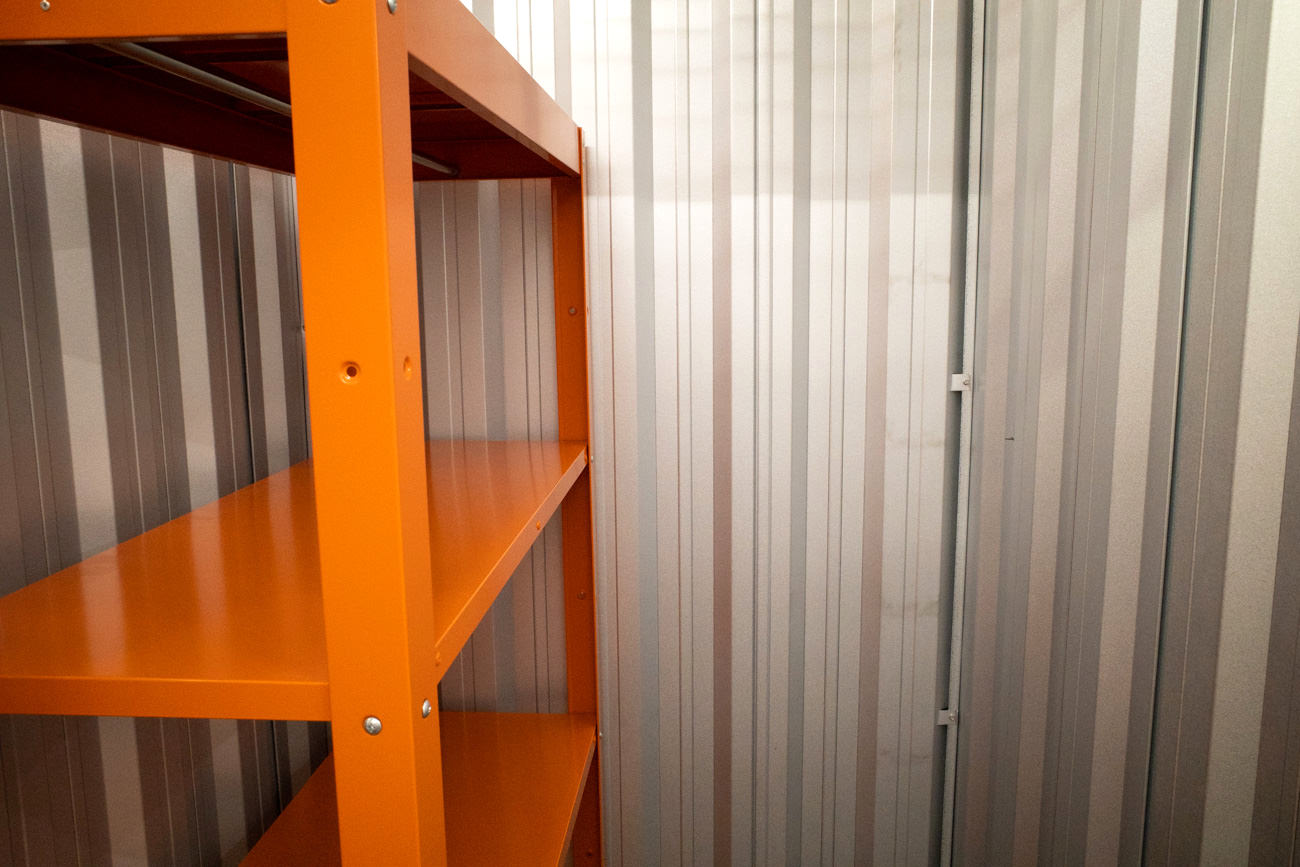
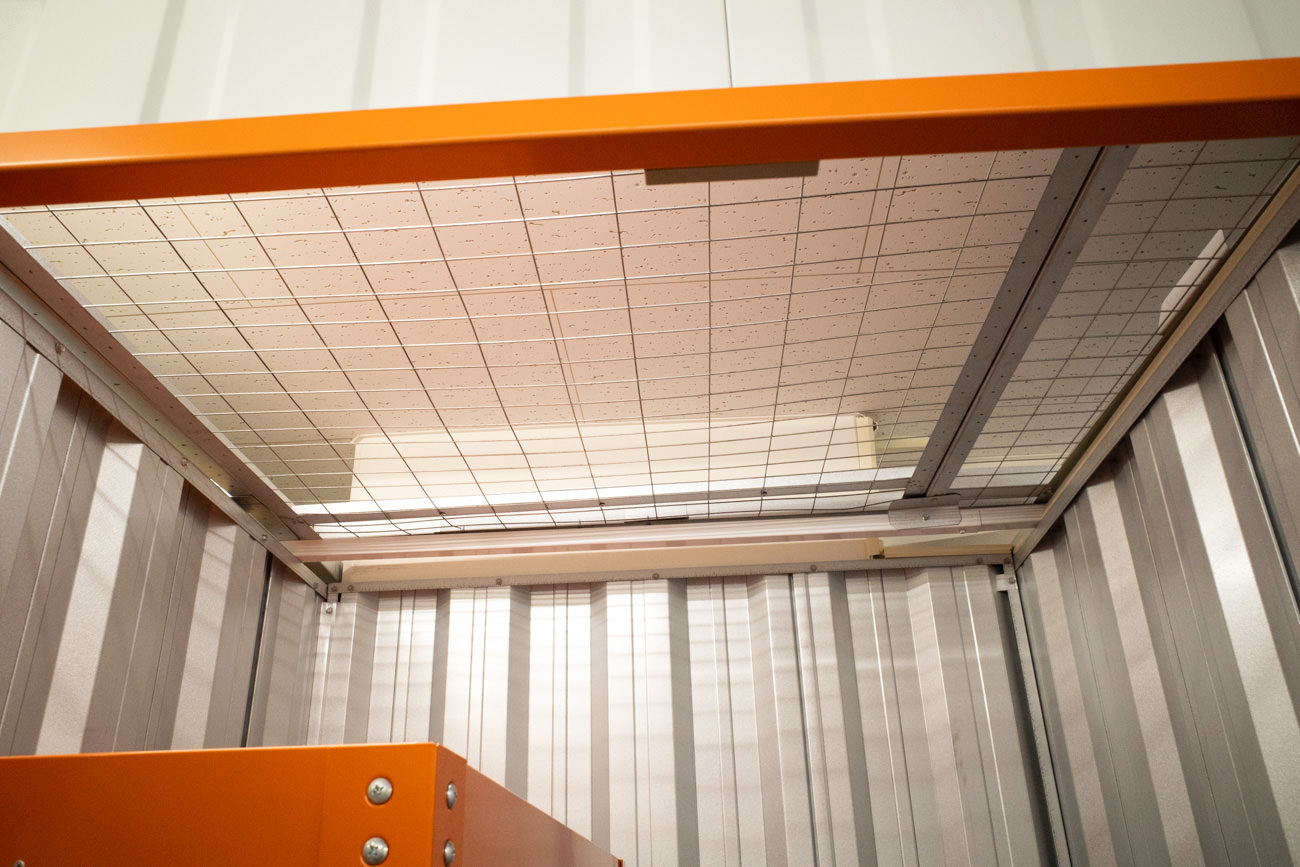
Pricing is based on floor area—0.8 tatami, 1 tatami, and so on—but even within the same 0.8-tatami category, the width and depth vary by room, so caution is warranted.
Since I was picturing paintings, I was drawn to rectangular shapes longer than they are wide, so I toured various rooms while imagining how my works would fit.
Even with centralized climate control, might the conditions differ from spot to spot when an entire building is being leased? That question crossed my mind.
Sure enough, I noticed that rooms near the windows tended to be more vacant. Windows would be hot in midsummer! Temperature swings must have some effect! So I ruled those out.
The criteria I ultimately chose were:
- Rectangular over square (higher chance of accommodating large works). ※Even at the same price, sizes differ subtly.
- Avoiding window-facing spots vulnerable to temperature swings (heat from windows could build up in summer).
- Lower floors over higher (less affected by temperature).
- Zones where climate control is effective (rooms near the blowers).
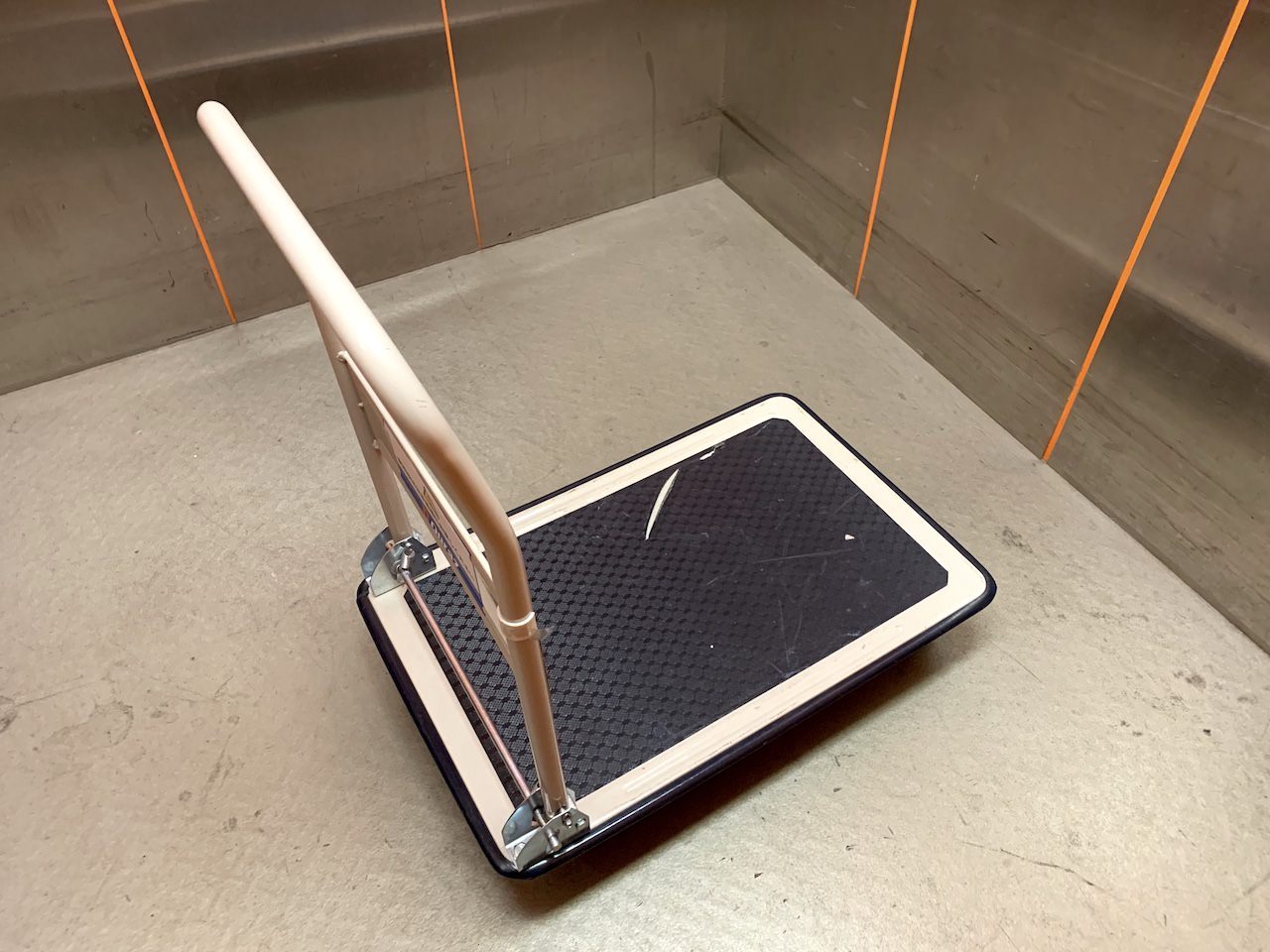
- Locations close to the elevator (easier to move items in and out).
I made a point of choosing spots where air circulates well (spots most influenced by the blowers).
The Contract
Narrowing down to three options—0.5-tatami (¥10,300), 0.8-tatami (¥13,700), and 1-tatami (¥15,800)—and having seen them all, I decided to contract the 0.8-tatami room! ※All prices excl. tax. A 30%-off campaign for the first 5 months was included.
For reference, the standard estimate is that one tatami can hold “48 boxes” of typical mikan-crate-sized cardboard boxes. Something to bear in mind.
The deciding factors for choosing QURAZ over Terada Warehouse were:
- Lower price
- Easy access from home (walking distance)
- 24-hour access, freely in and out
- Flexible sizing options for trunk rooms
- Free luggage pickup from home (one-time only)
Which criteria matter most to you will determine how you make your choice.
In my case, price and access were the biggest deciding factors.
My collection is constantly growing, and rotations bring in new pieces too.
How to Use It
Renting a trunk room isn’t just a matter of cramming in artworks and empty boxes.
The key is to make effective use of the space you’ve been given.
The photo below shows the current state of my trunk after simply loading it up.
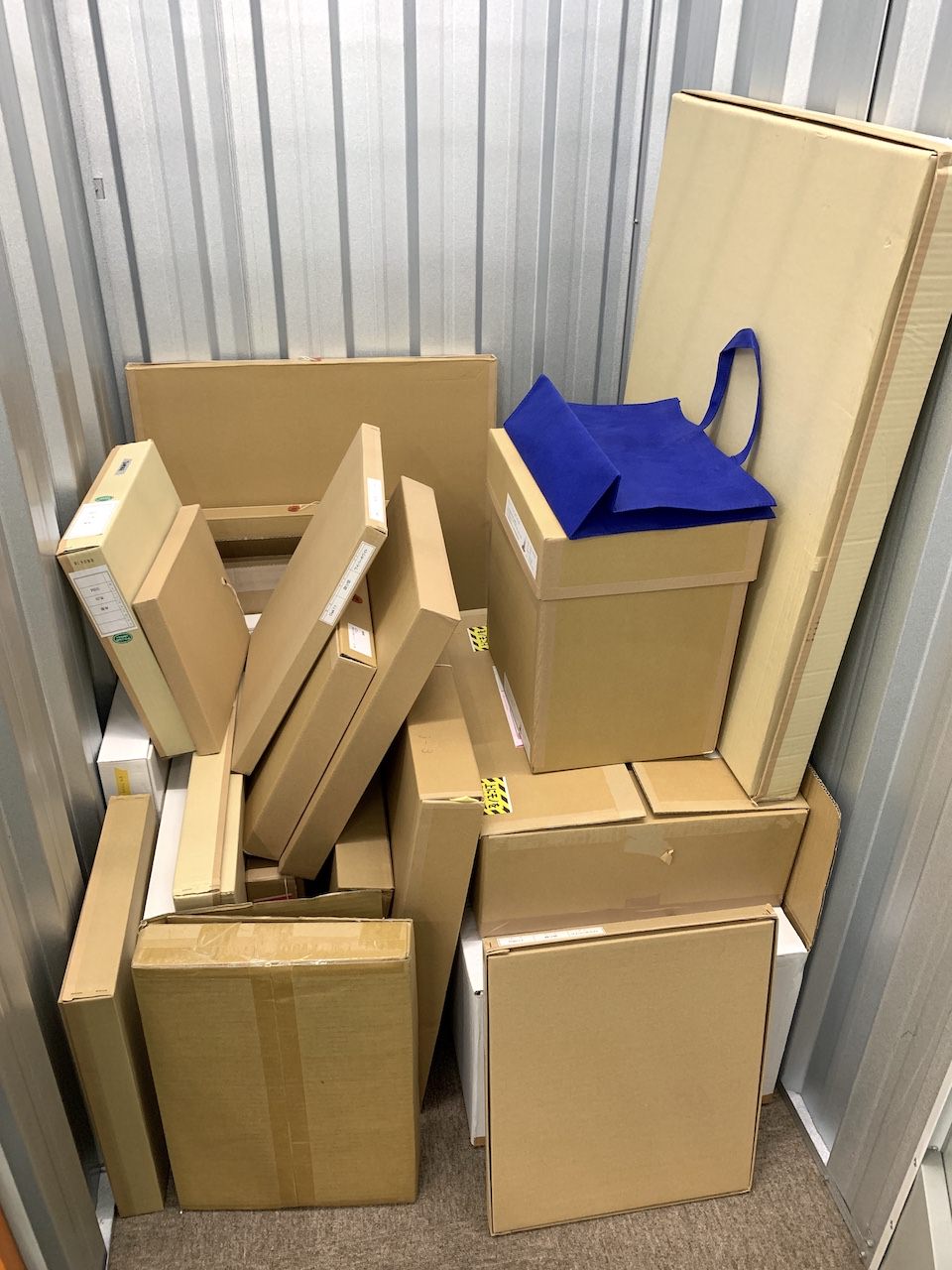
As you can see, once you place boxes directly on the floor, you inevitably end up with wasted vertical space.
The rental shelves mentioned earlier would work, but they cost ¥1,000 per month.
In the long run, buying a cheap shelf and installing it inside the trunk seems better; I’m currently looking into options.
Anything can be stored in the trunk aside from a handful of prohibited items (perishables, etc.), so I’d like to keep searching for smart storage methods.
What About Insurance?
Signing up with QURAZ automatically enrolls you in insurance (covered by QURAZ).
It applies in worst-case scenarios, but the staff mentioned they had never heard of a theft incident.
Security is well handled so there’s little to worry about, but having compensation on standby is reassuring.
Coverage amounts vary by room size.
- BOX: ¥200,000
- Up to 0.8 tatami: ¥400,000
- 1–1.6 tatami: ¥600,000
- 2–3.3 tatami: ¥800,000
- 4–6.5 tatami: ¥1,000,000
- 8 tatami+: ¥1,200,000
※The above caps are per-incident, per-room limits.
Conclusion
Signing a trunk-room contract instantly moved my home organization forward.
The space became so much more comfortable that I found myself wondering, “Why didn’t I do this sooner?”
That said, a fixed cost of ¥15,000 per month adds up to ¥180,000 a year. ※For the 0.8-tatami contract
¥180,000 is a substantial amount. It’s enough to purchase a fair number of artworks.
Still, the benefit of enjoying daily life alongside your art collection in a comfortable home is significant.
For readers considering this yourself, I’d urge careful thought—but personally, I felt it wasn’t a bad option at all.
※This article introduces the specific trunk-room service “QURAS,” but similar services are offered by many companies. Please consider location, pricing, and services when comparing.