The Matsukata Collection: A One-Hundred-Year Odyssey — National Museum of Western Art 60th Anniversary
Ever since reading the book Maha Harada wrote for this exhibition, I had made up my mind: “I’m going to see The Matsukata Collection exhibition.”
The book is “Utsukushiki Orokamono-tachi no Tableau” (The Tableau of Beautiful Fools).
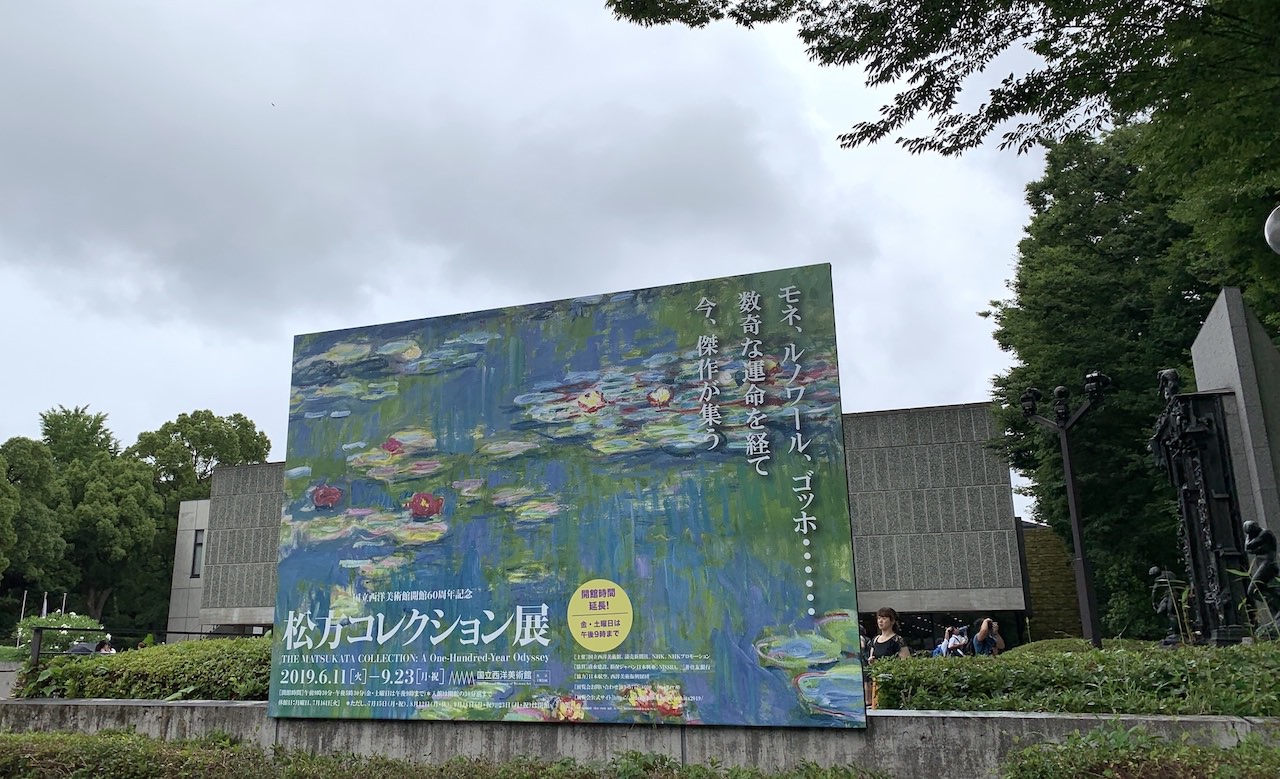
Timed to the 60th anniversary of the founding of the National Museum of Western Art, this exhibition, “The Matsukata Collection,” has been planned to mark the occasion.
Standing here after reading “The Tableau of Beautiful Fools,” and layering Kojiro Matsukata’s dying wishes over the reality of being in this very place, one feels deeply moved — even a sense of solemn resolve.
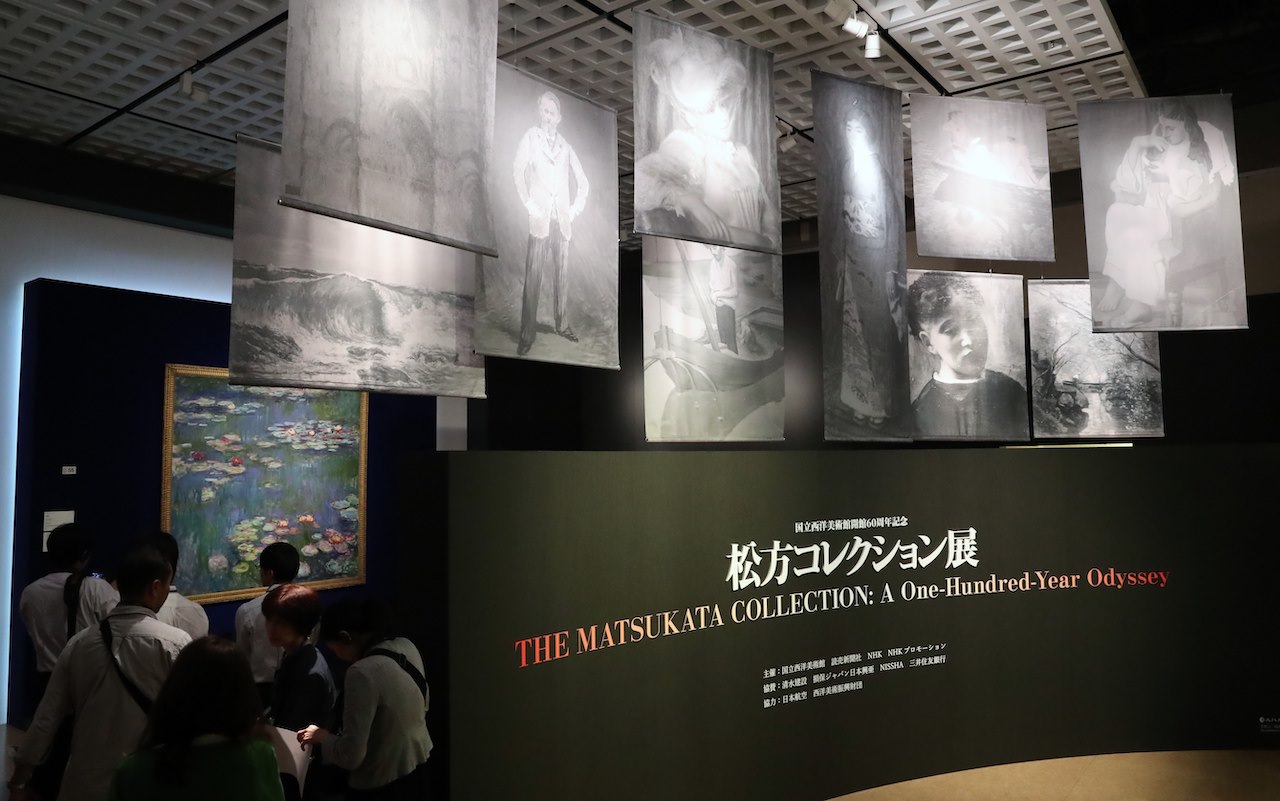
The Matsukata Collection
The Matsukata Collection is an assemblage of art gathered across Europe in the 1910s and 20s by Kojiro Matsukata, who served as the founding president of the Kawasaki Dockyard in Kobe (today’s Kawasaki Heavy Industries, Ltd.), among other positions.
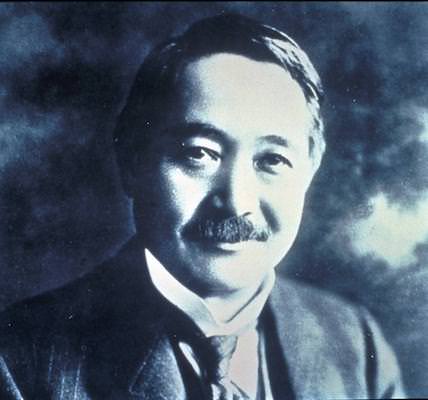
Alongside around 8,000 ukiyo-e prints, the collection encompasses nearly 3,000 additional works — Western paintings, drawings, prints, sculptures, decorative arts, and more. Many were dispersed or destroyed before and after the Second World War, but a portion was returned to Japan after the war as gifts, forming what is known today as “The Matsukata Collection.”
The National Museum of Western Art was founded in 1959 to house and exhibit these works.
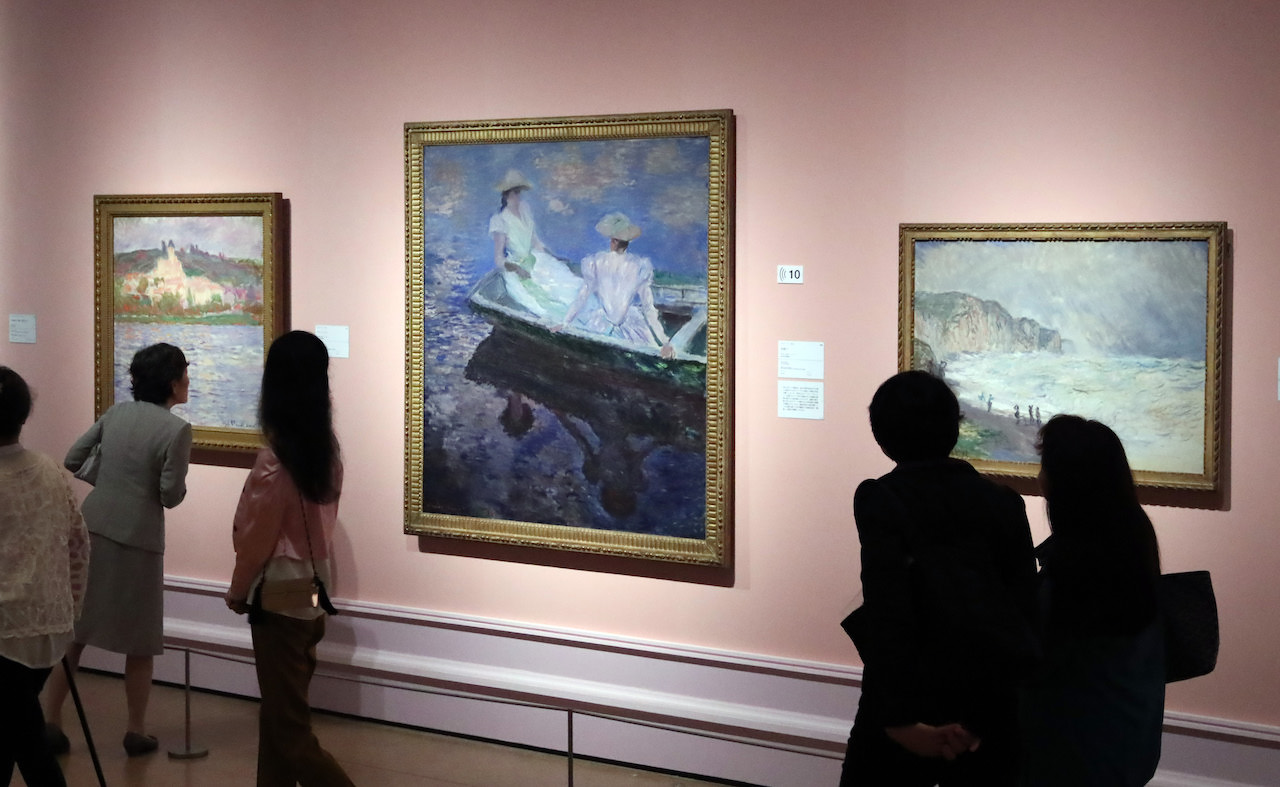
The exhibition is organized chronologically, letting visitors trace the collection’s evolution.
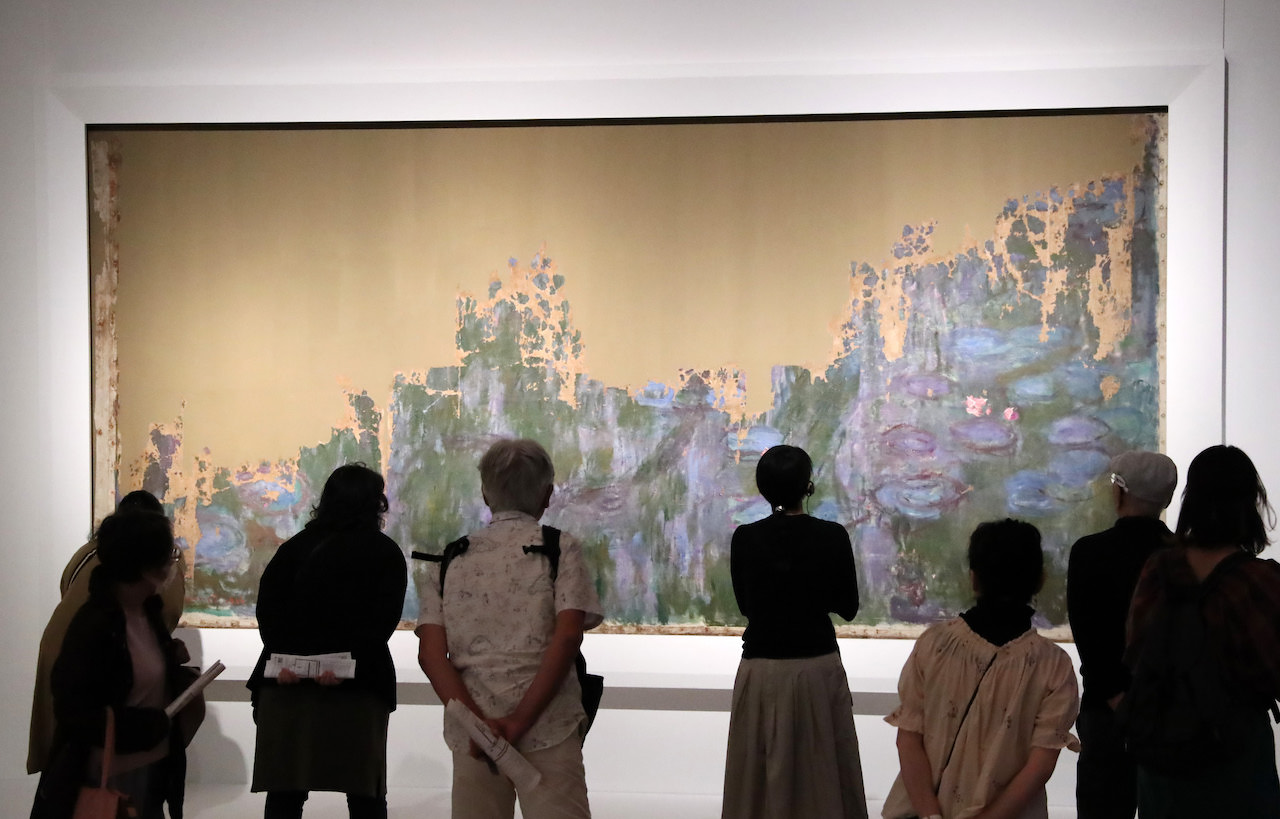
Just past the entrance, Claude Monet’s “Water Lilies” appears.
It is astonishing that a single collector had gathered masterworks and treasures of this caliber.
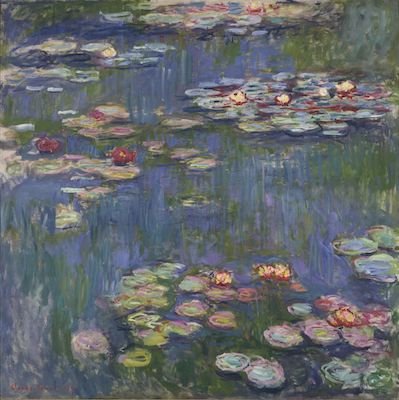
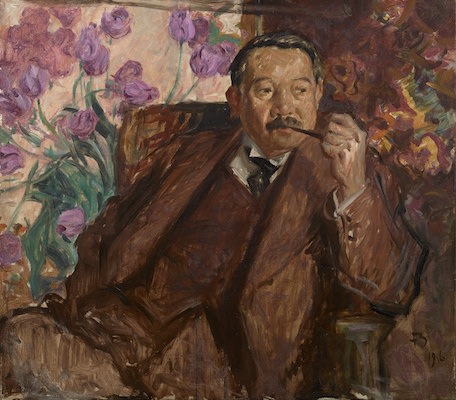
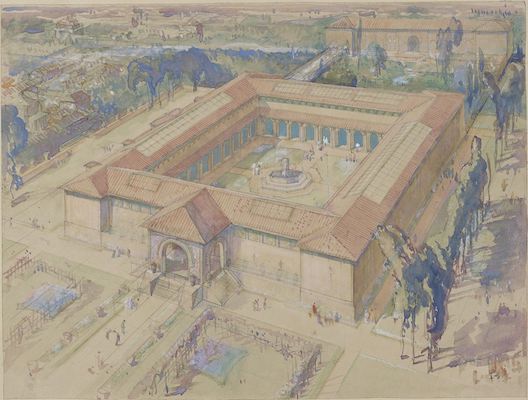
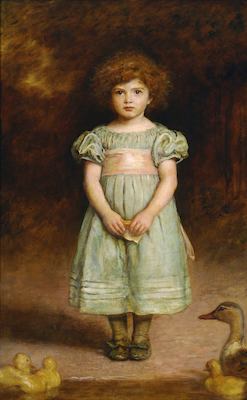
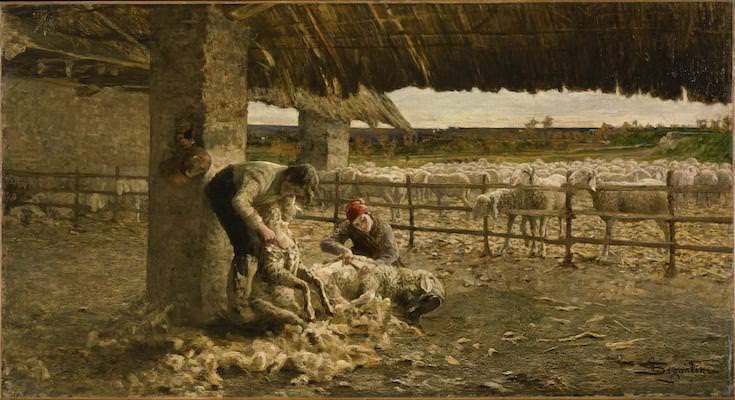
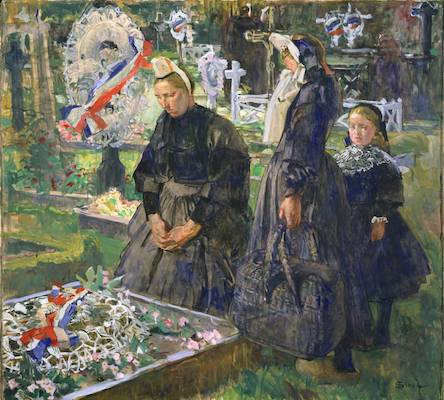
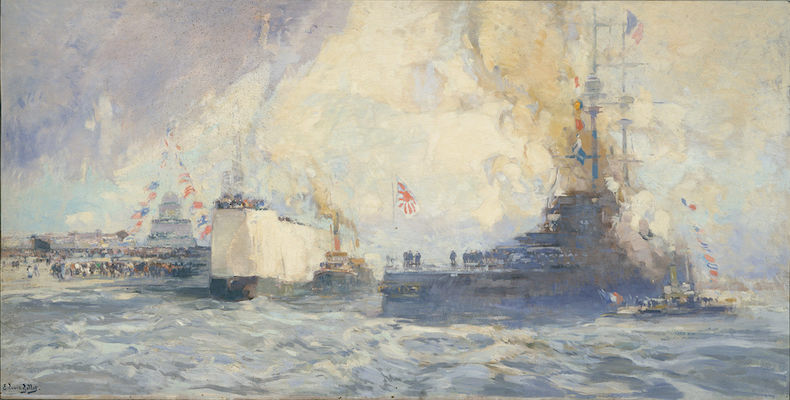
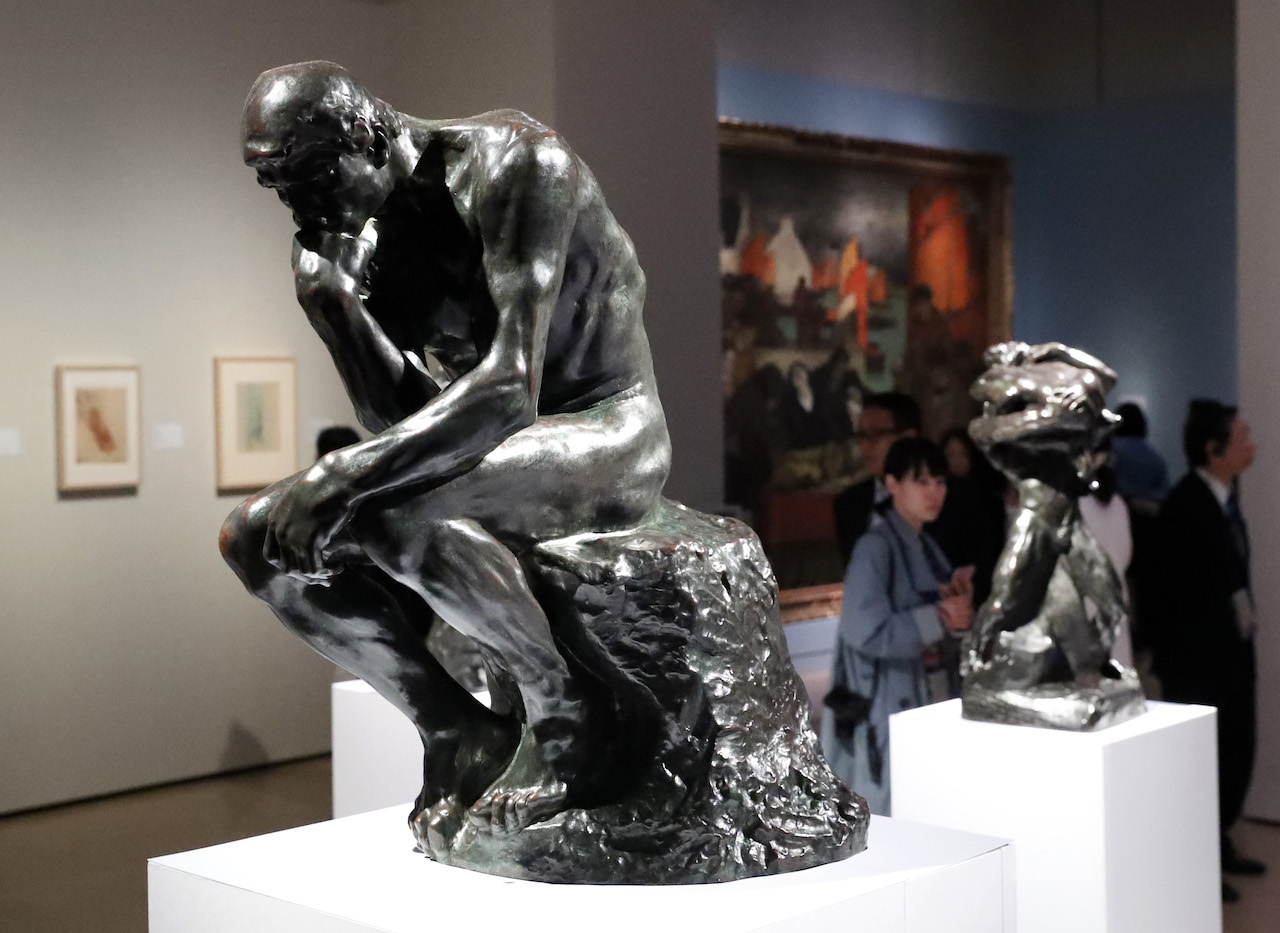
Paris, musée d’Orsay, cédé aux musées nationaux en application du traité de paix avec le Japon, 1959
Photo © RMN-Grand Palais (musée d’Orsay) / Hervé Lewandowski / distributed by AMF
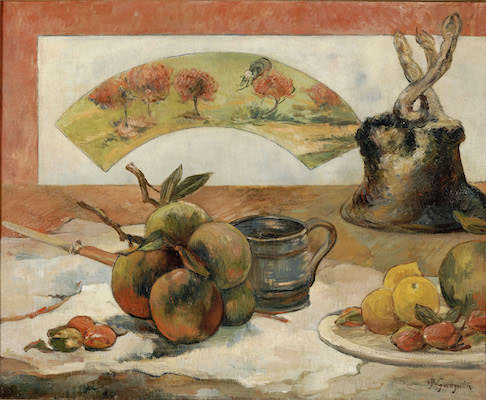
Paris, musée d’Orsay, cédé aux musées nationaux en application du traité de paix avec le Japon, 1959
Photo © RMN-Grand Palais (musée d’Orsay) / Hervé Lewandowski / distributed by AMF
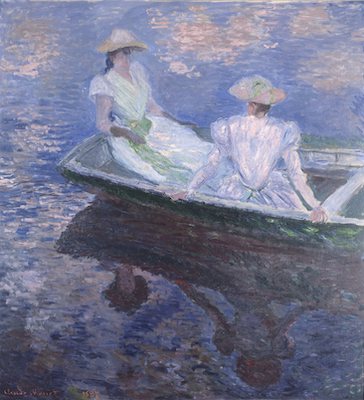
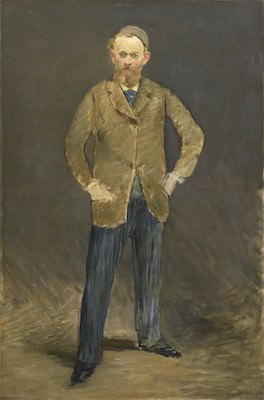
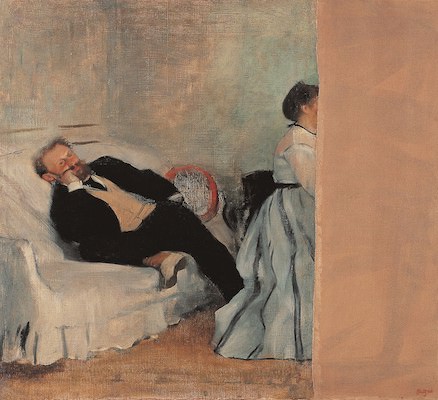
Oil on canvas. Kitakyushu Municipal Museum of Art.
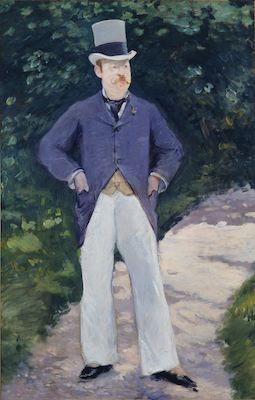
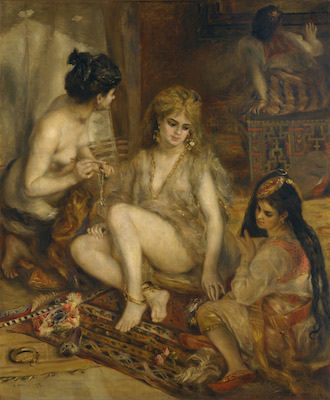
In Summary
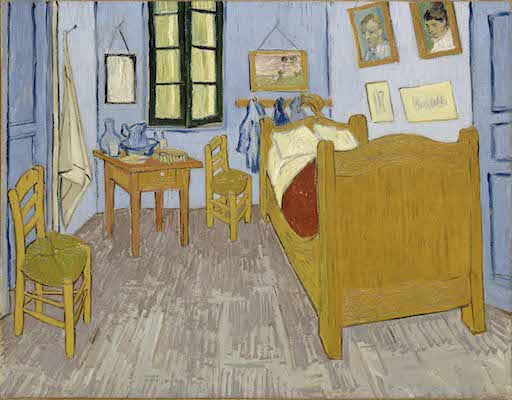
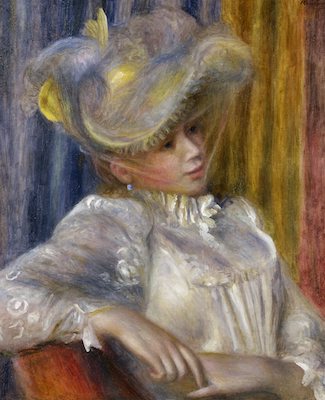
In Maha Harada’s “The Tableau of Beautiful Fools,” Van Gogh’s “The Bedroom in Arles” is given a major push, but for this writer, it was Renoir’s “Woman in a Hat” that stood out.
The canvas radiated a shimmering brilliance, the paint holding light as though it were jewels.
It felt as if some unknown pigment or unfamiliar element were emitting color; I was riveted. What an astonishing work!
The paintings we admired here were actually purchased by Kojiro Matsukata himself, at galleries in European cities and in the studios of the artists.
Imagining those scenes as if I had traveled back in time on a time machine, I found my thoughts drifting to some masterpiece somewhere out in the world of today.