Reborn-Art Festival 2019
The second edition of “Reborn-Art Festival 2019 (RAF2019),” a festival staged on the Oshika Peninsula and central Ishinomaki City in Miyagi Prefecture. More than just an art festival, it is a celebration where visitors can also enjoy music and food.
RAF2019 is spread across seven areas.
One of them is the “Ajishima Area.”
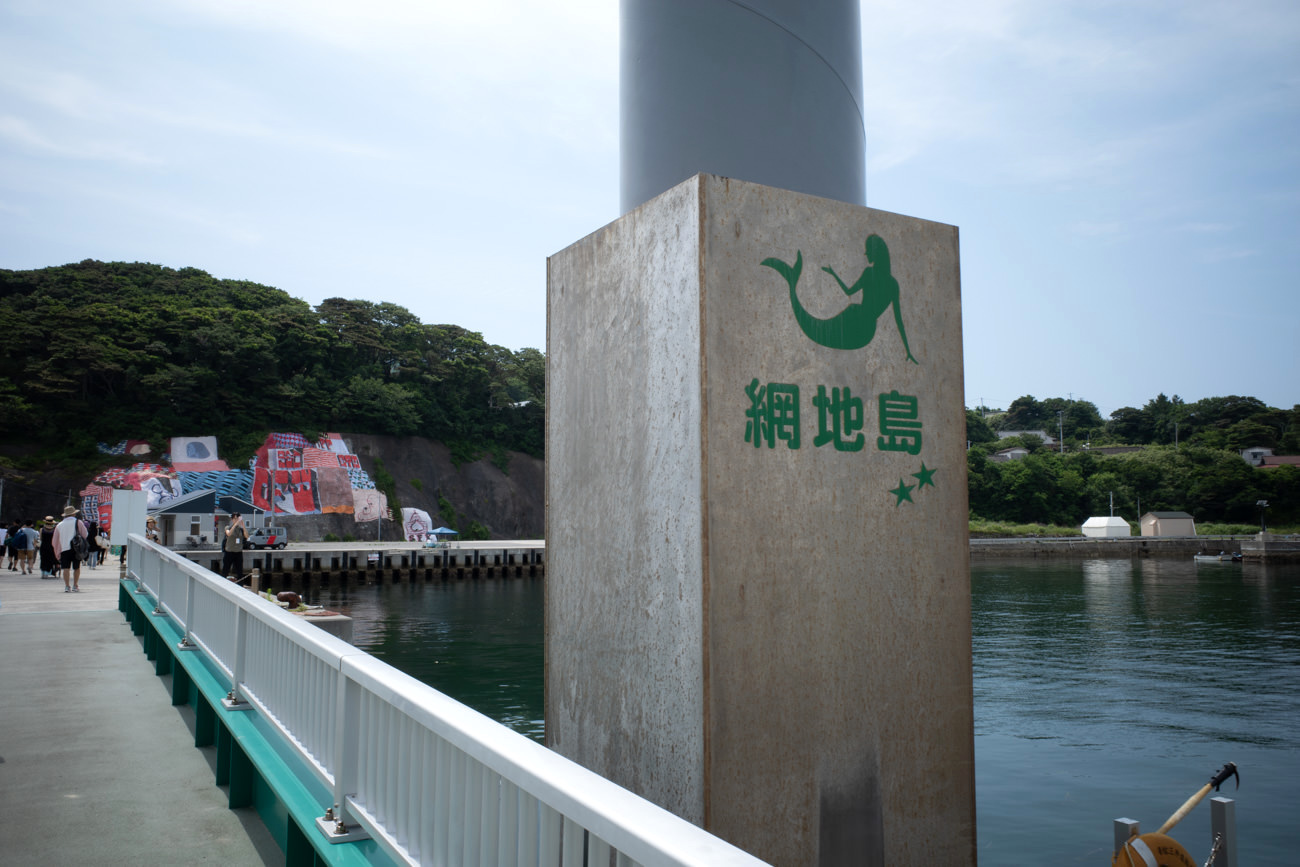
Making its debut this time, Ajishima is a small island 15 minutes by boat from the Oshika Peninsula, with a population of about 400 and a circumference of 20 kilometers.
This island, with its untouched majestic nature and mild, southern-style atmosphere, has been called “the Hawaii of the Tohoku region.”
Ajishima Area
The curators of the Ajishima Area are Etsuko Watari and Koichi Watari, and the theme is “Next Utopia.”
The island, floating southwest of the Oshika Peninsula, has two beaches: Amiji on the north side and Watanoha on the south side.
Due to its mild climate influenced by the Kuroshio Current, subtropical plants grow in clusters here, and it is also popular as a resort destination.
Ajishima Shirahama Beach, boasting one of the highest transparencies in the Tohoku region, bustles with many bathers every summer. Boats depart from Ishinomaki or Ayukawa.
Atsuko Mochida
Atsuko Mochida is an artist known for inserting temporary and strikingly out-of-place elements such as walls and staircases into existing spaces and buildings, transforming the meaning and quality of the space.
Recently, her work “Rotation of T House” won the Seiichi Saito Prize at the CAF Award 2018, and she has been attracting growing attention.
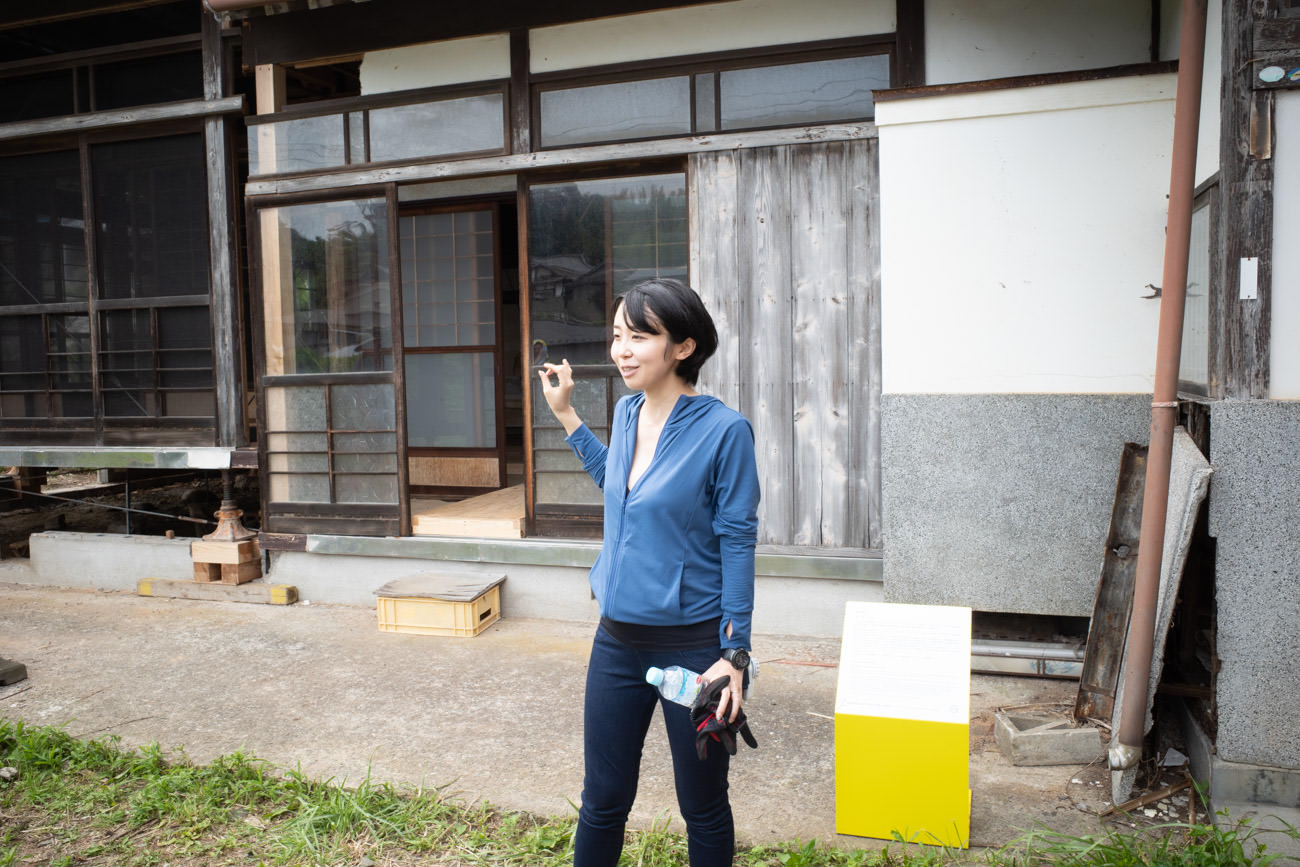
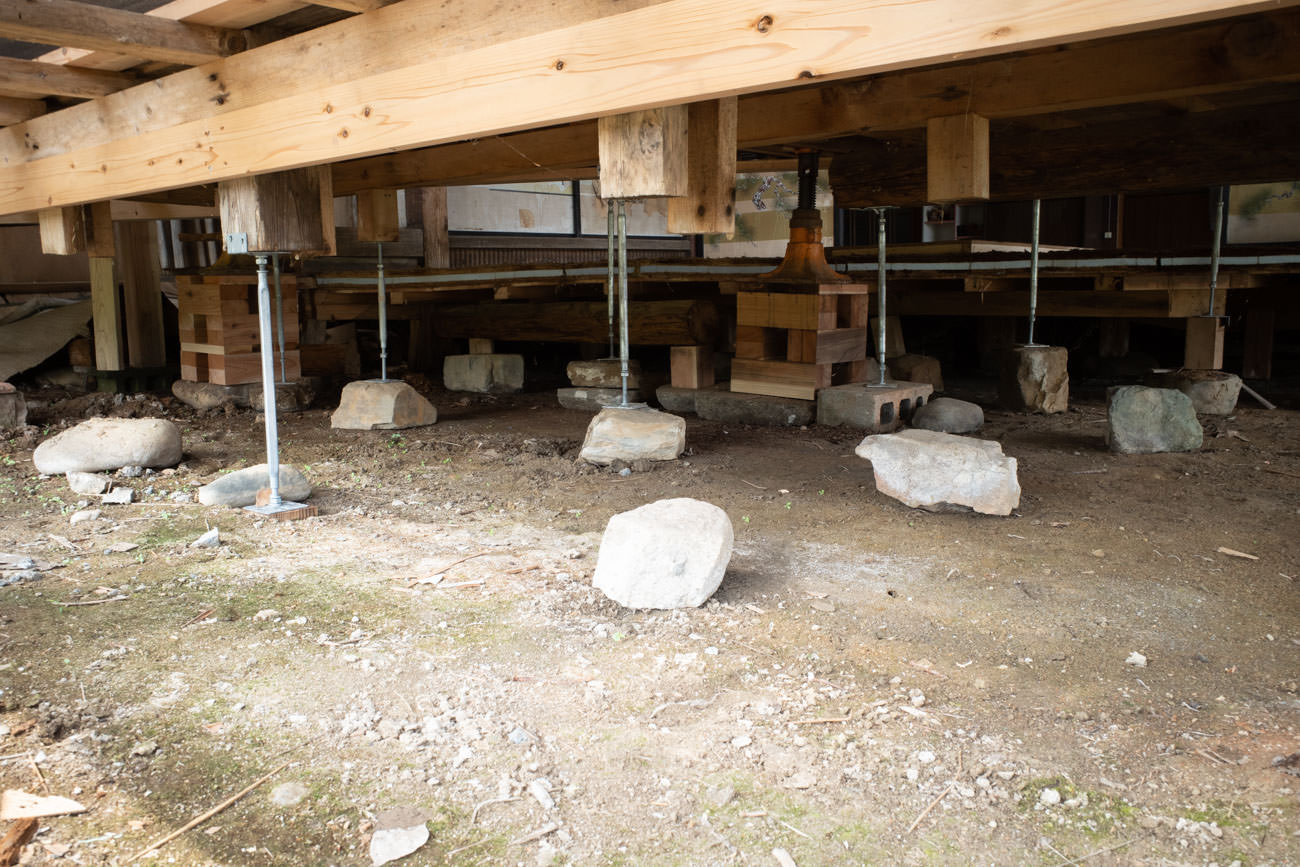
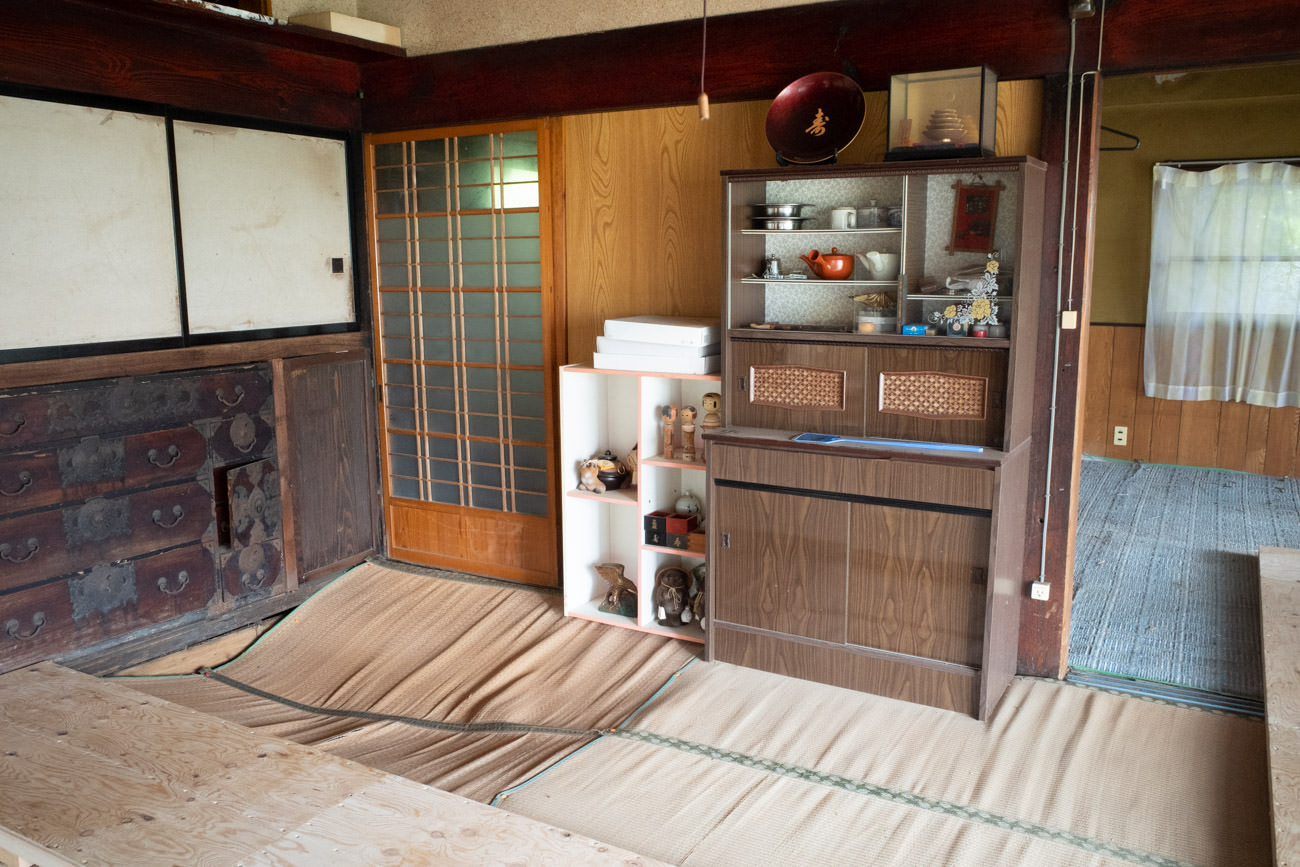
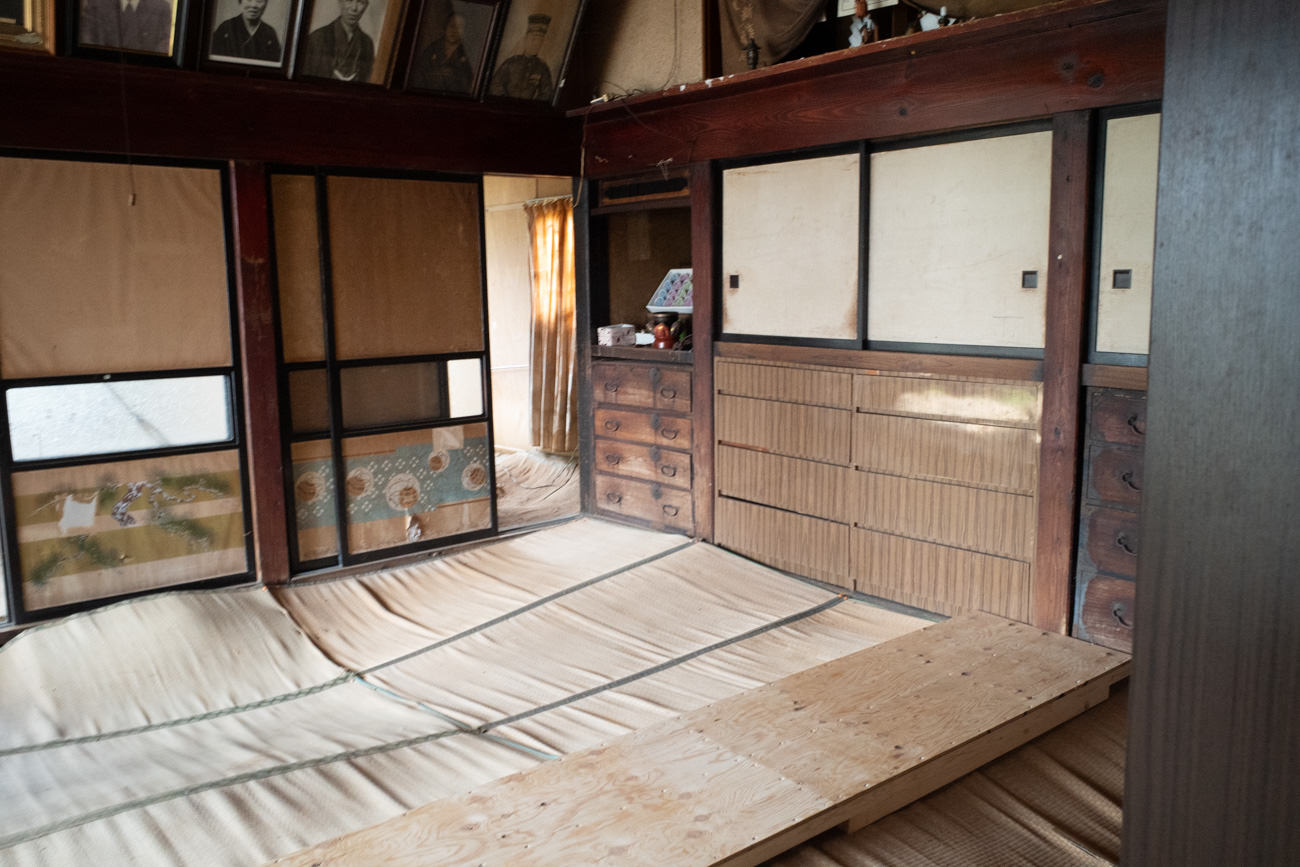
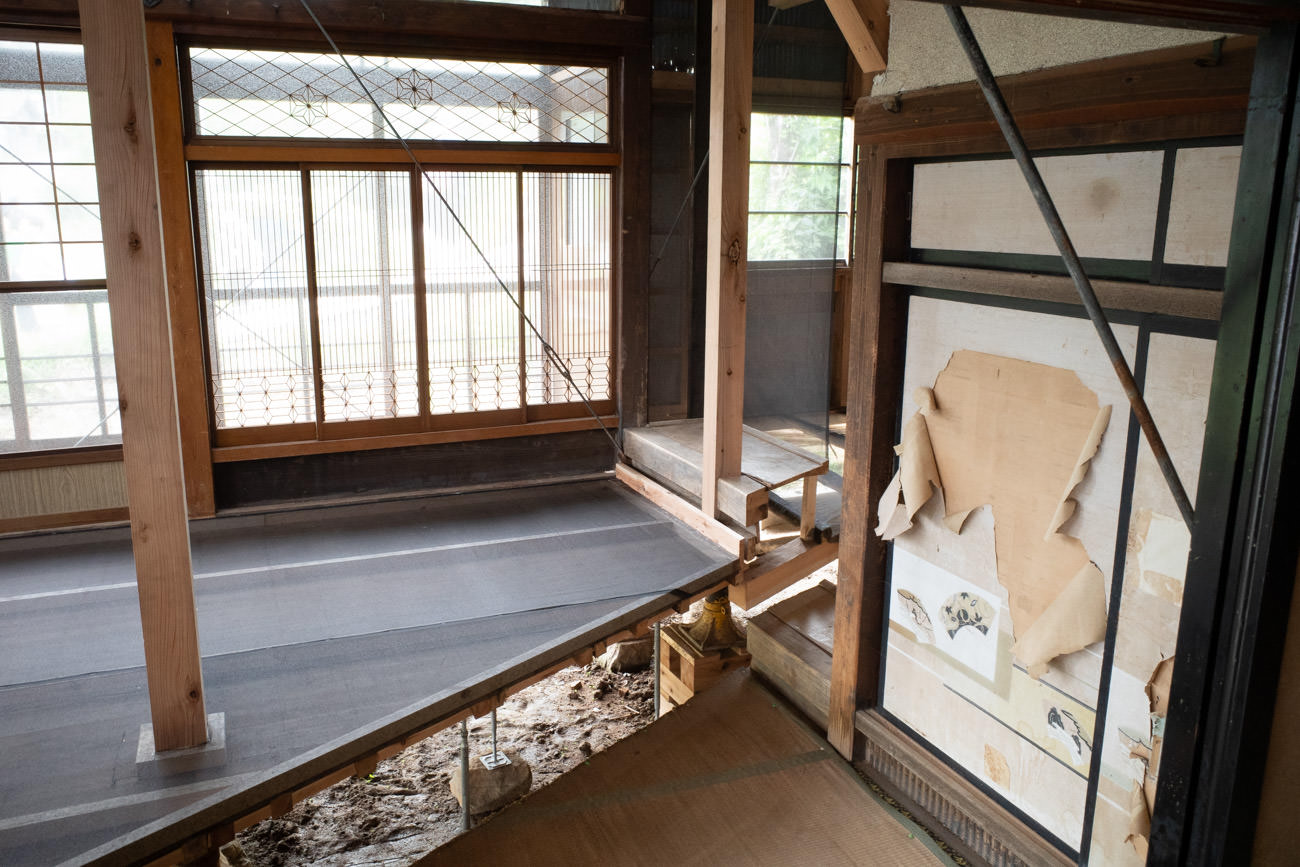
Ajishima has many abandoned houses that lost their owners due to depopulation and the earthquake disaster. Regarding them as “houses floating in mid-air,” she actually levitated one of them. The idea of making a house float is fascinating, and it is astonishing that she actually brought it to life.
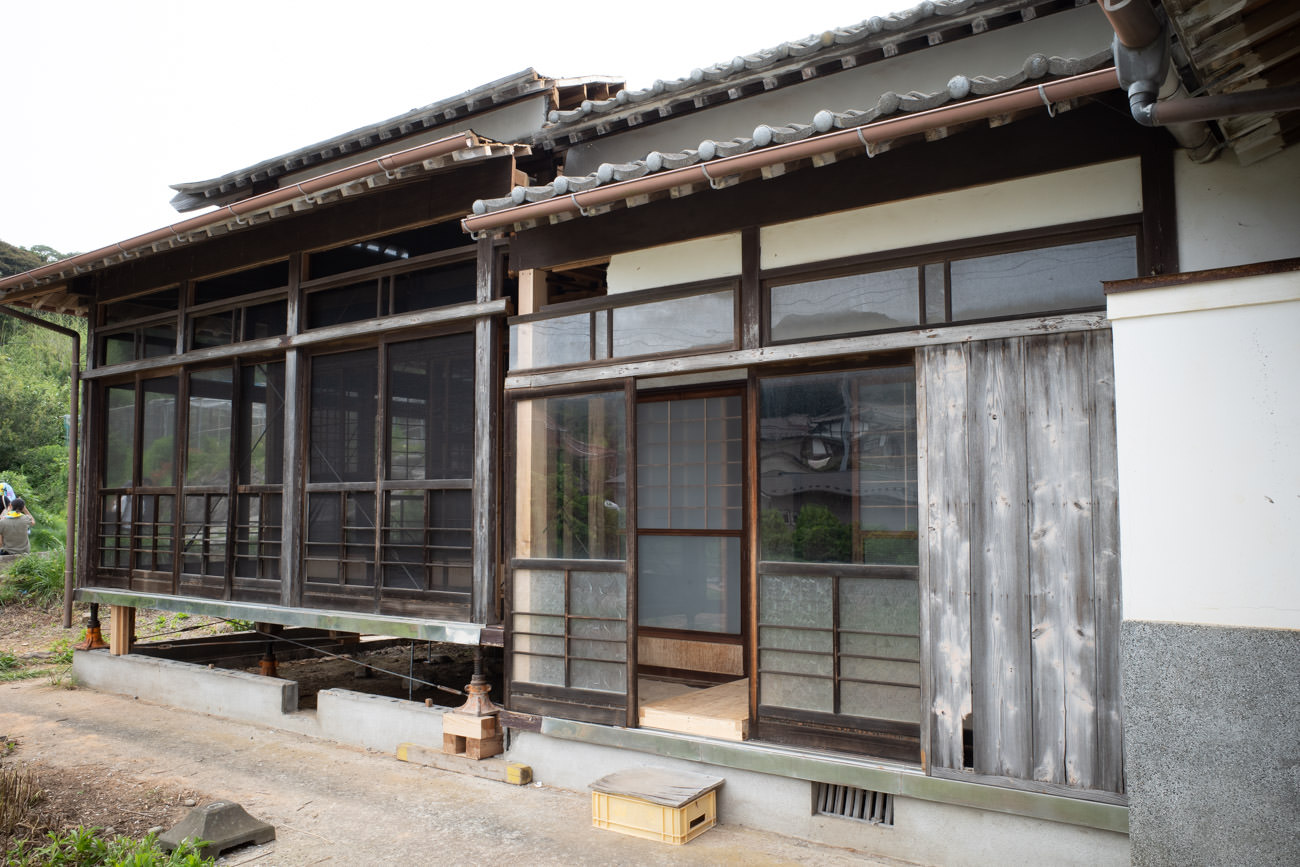
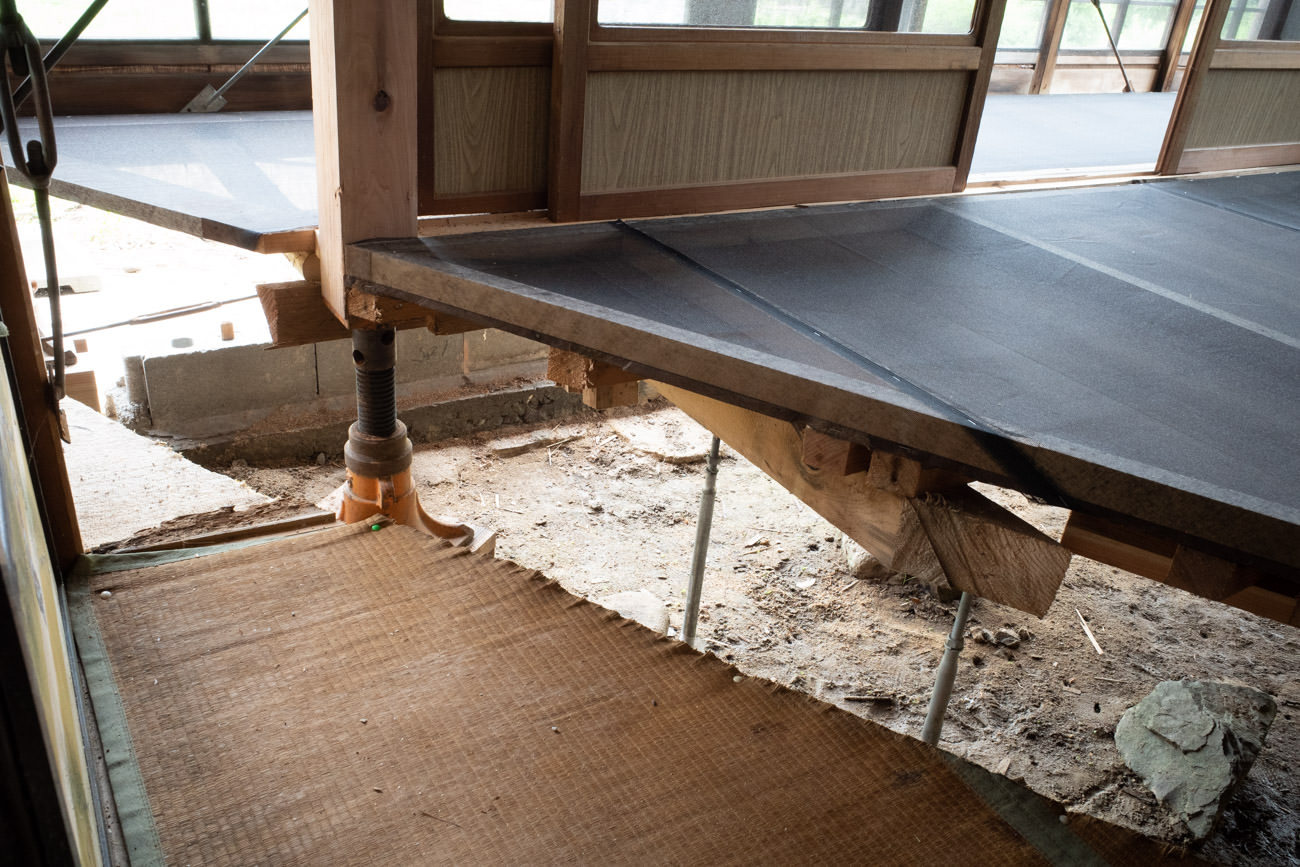
“Someone – a person who once lived there, or their child, spouse, or younger sister – must have inherited that house, yet they never return to it.
The house floats in mid-air.
Its feet no longer touch the ground, and like a ghost, it turns its familiar, featureless face toward the street.” (Atsuko Mochida)
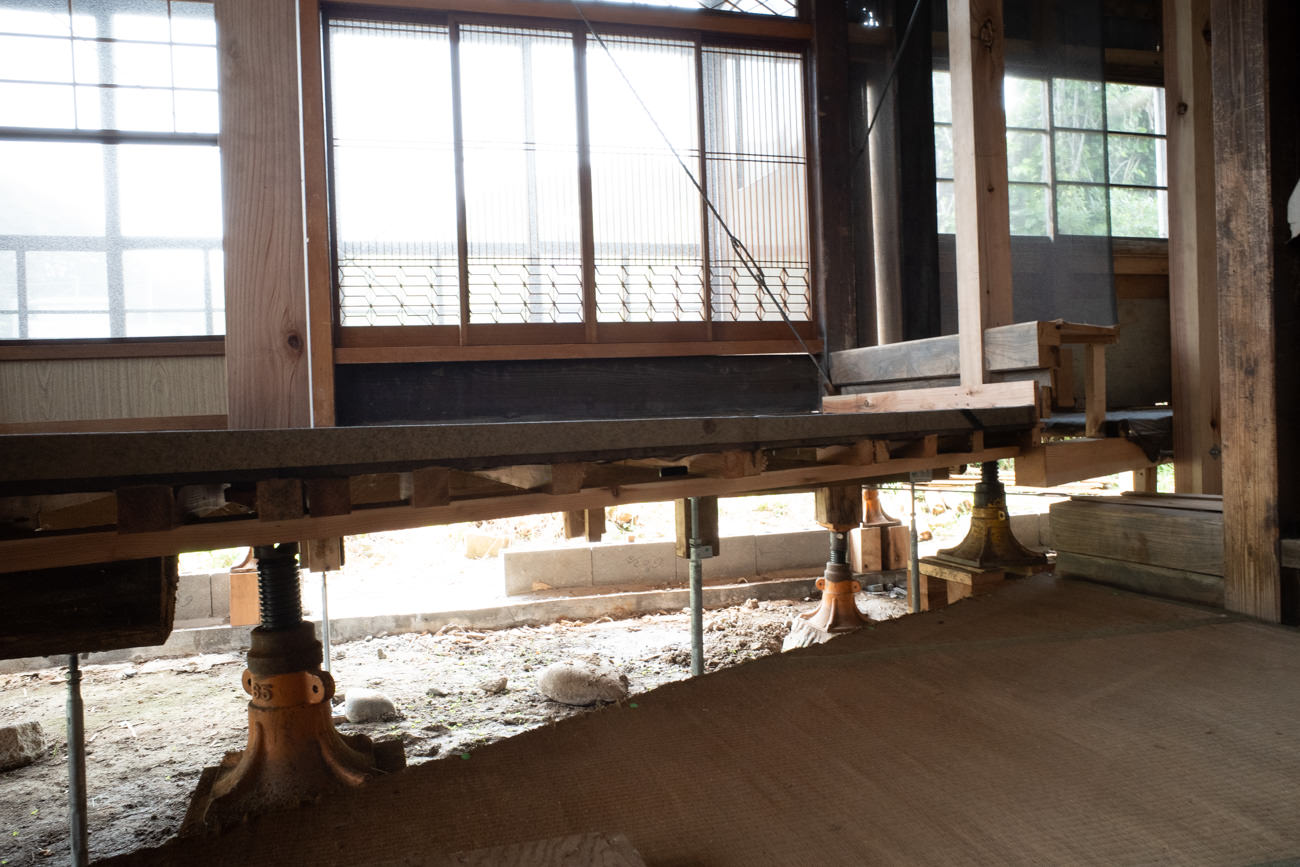
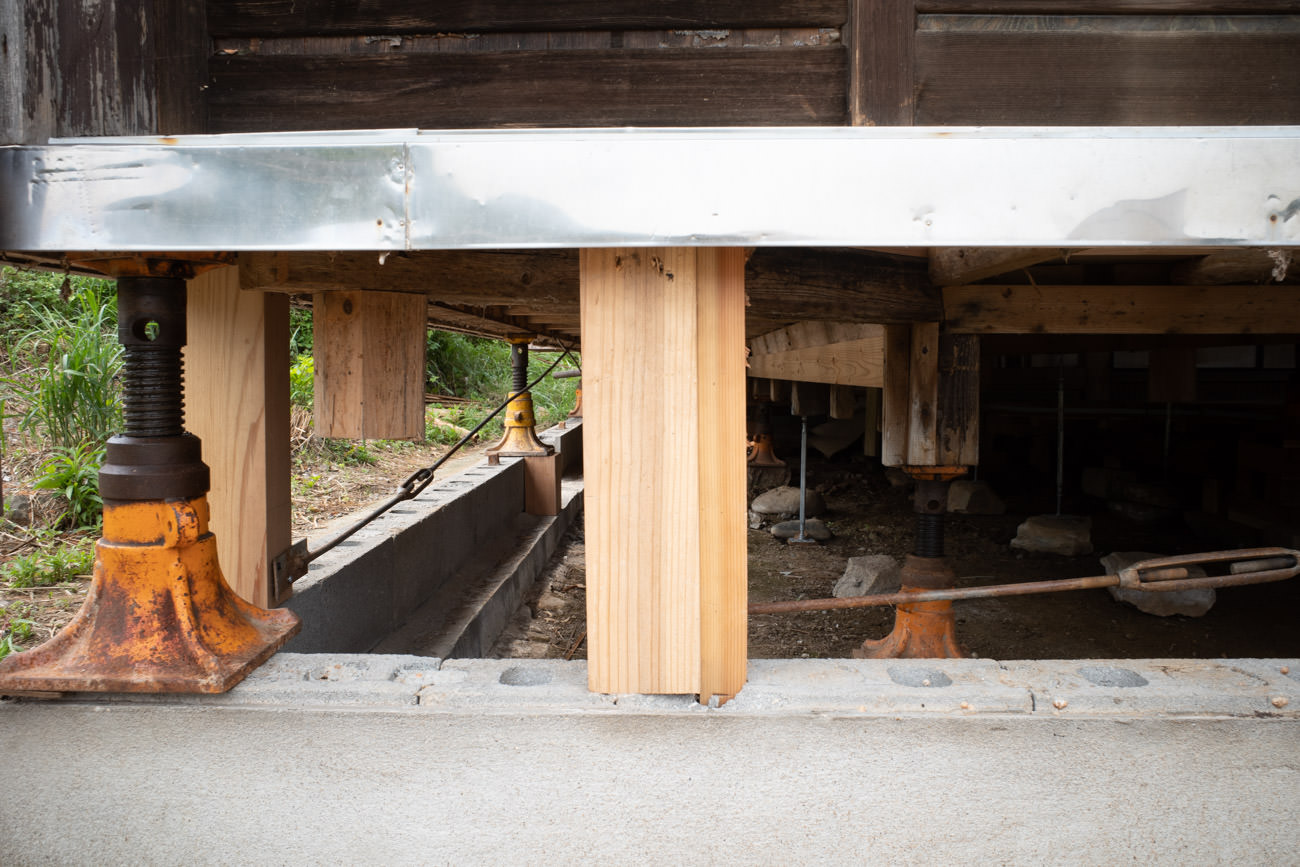
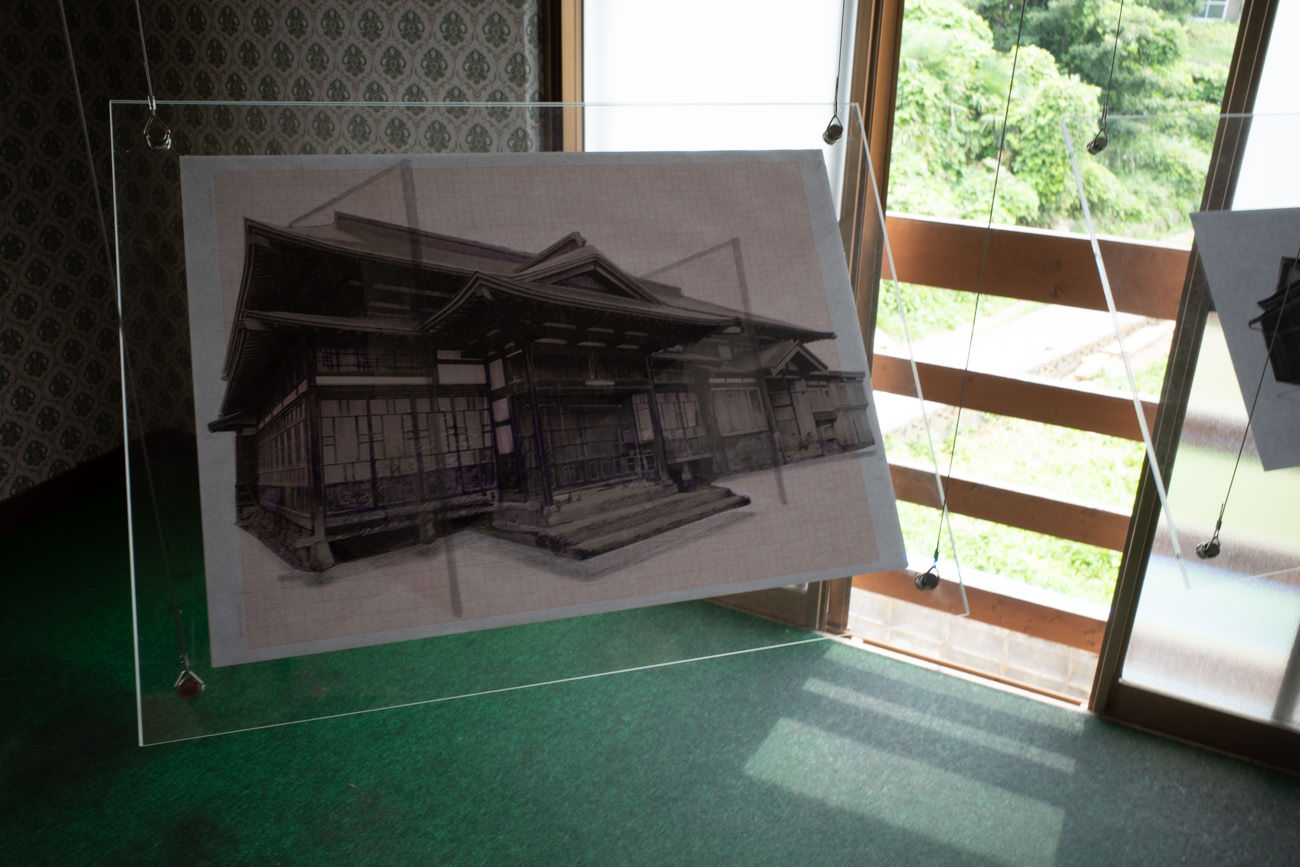
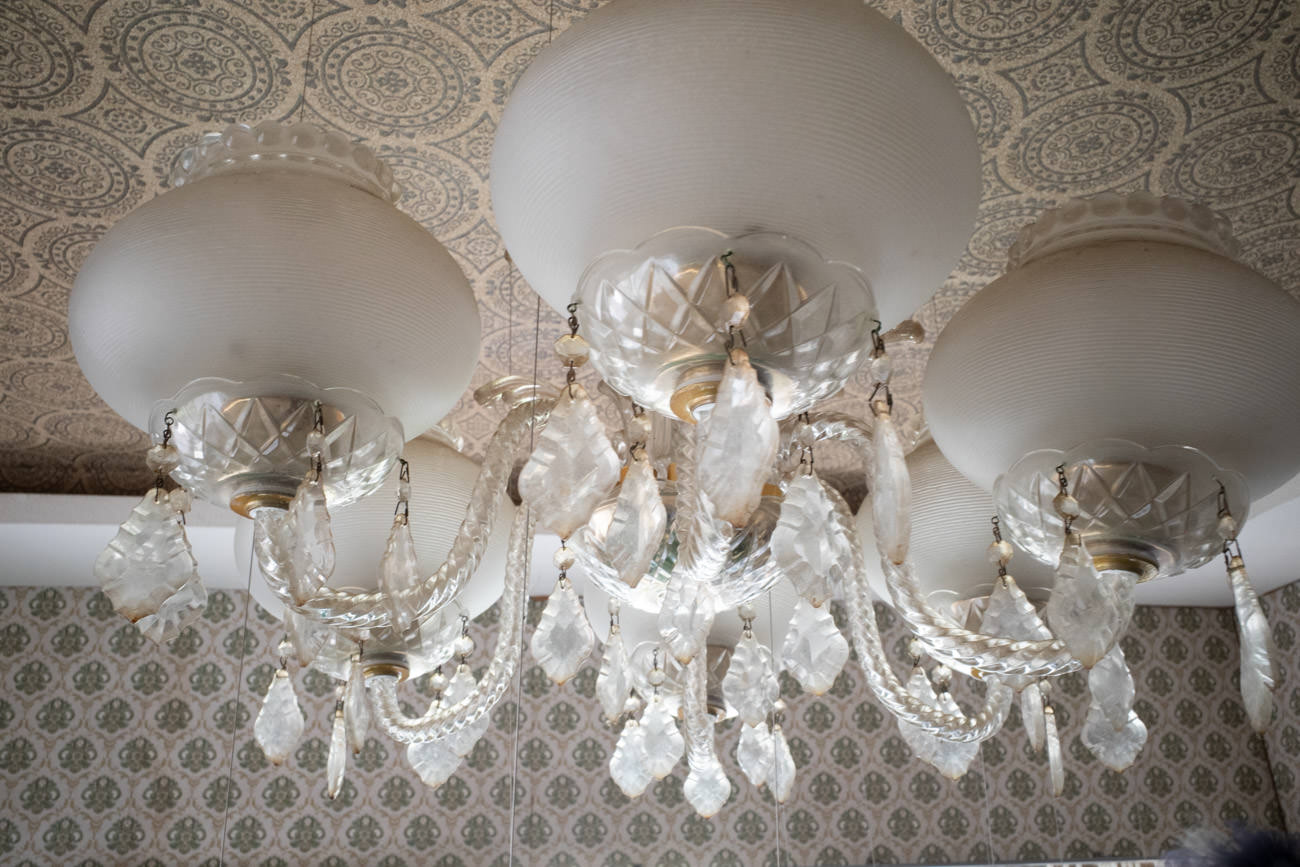
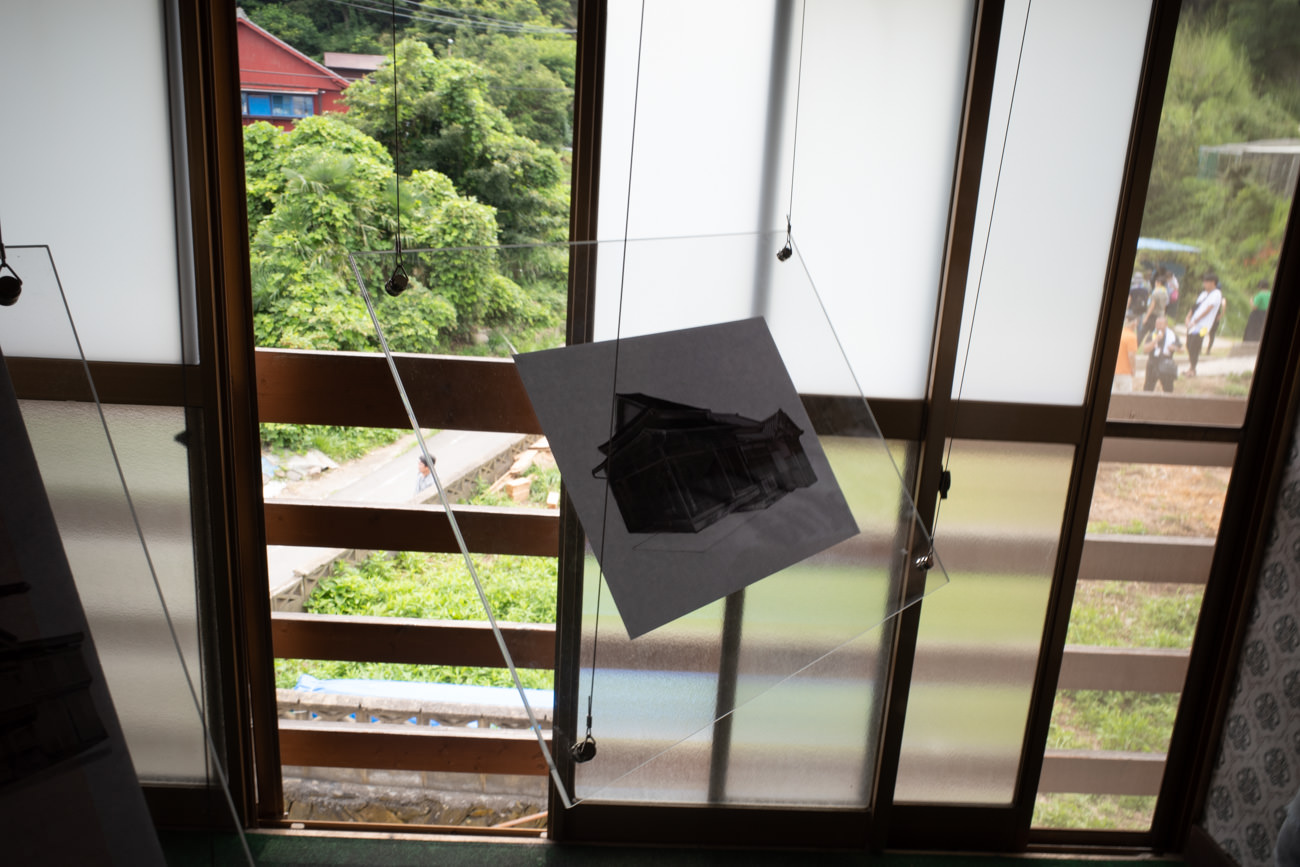
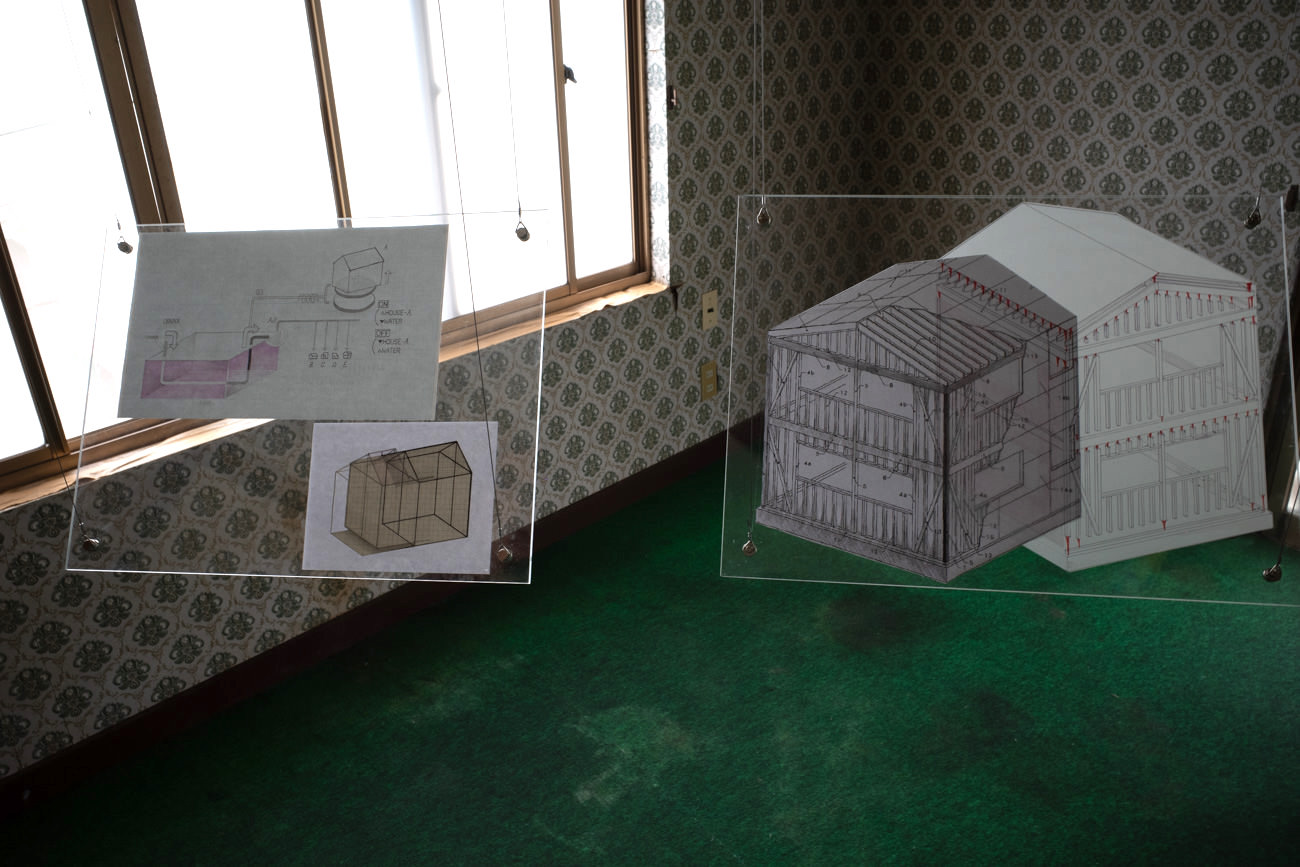
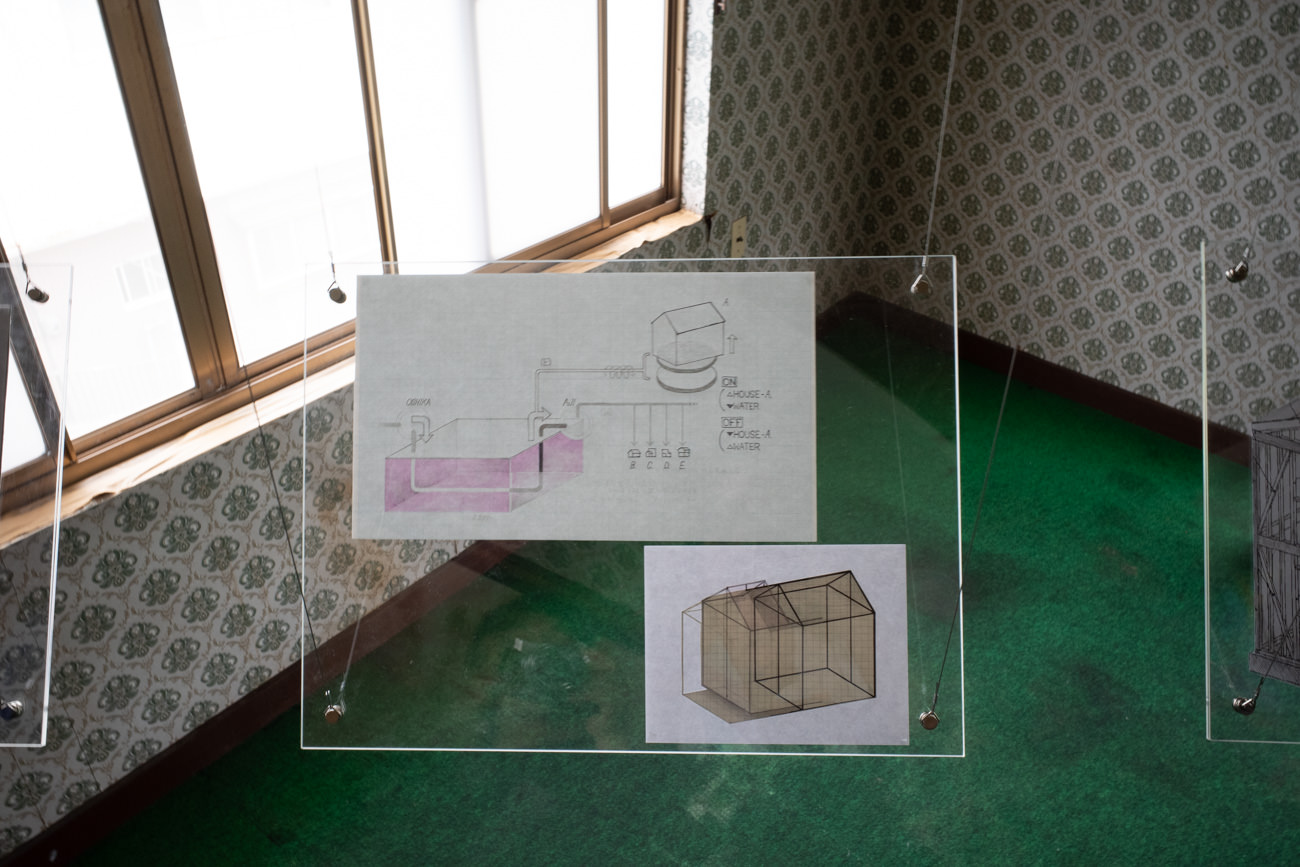
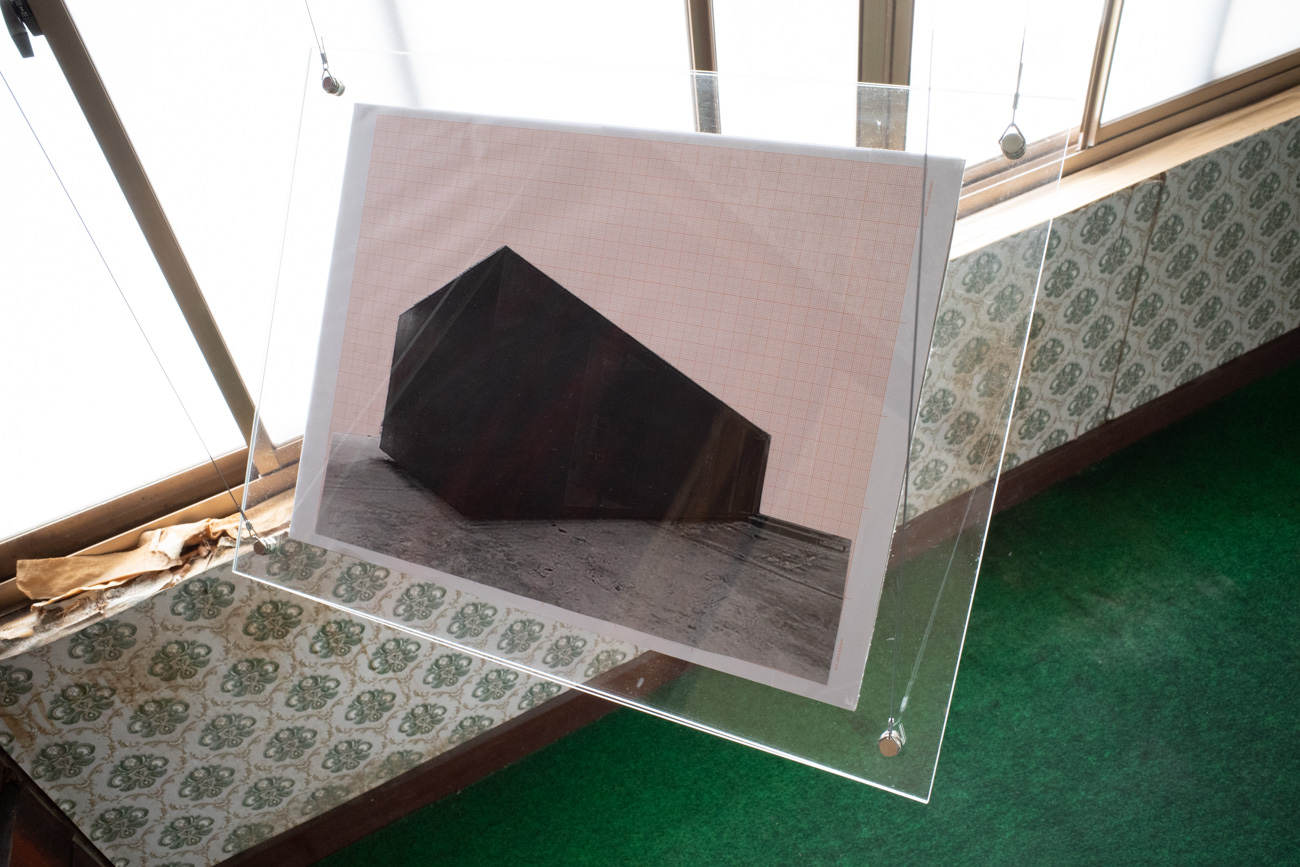
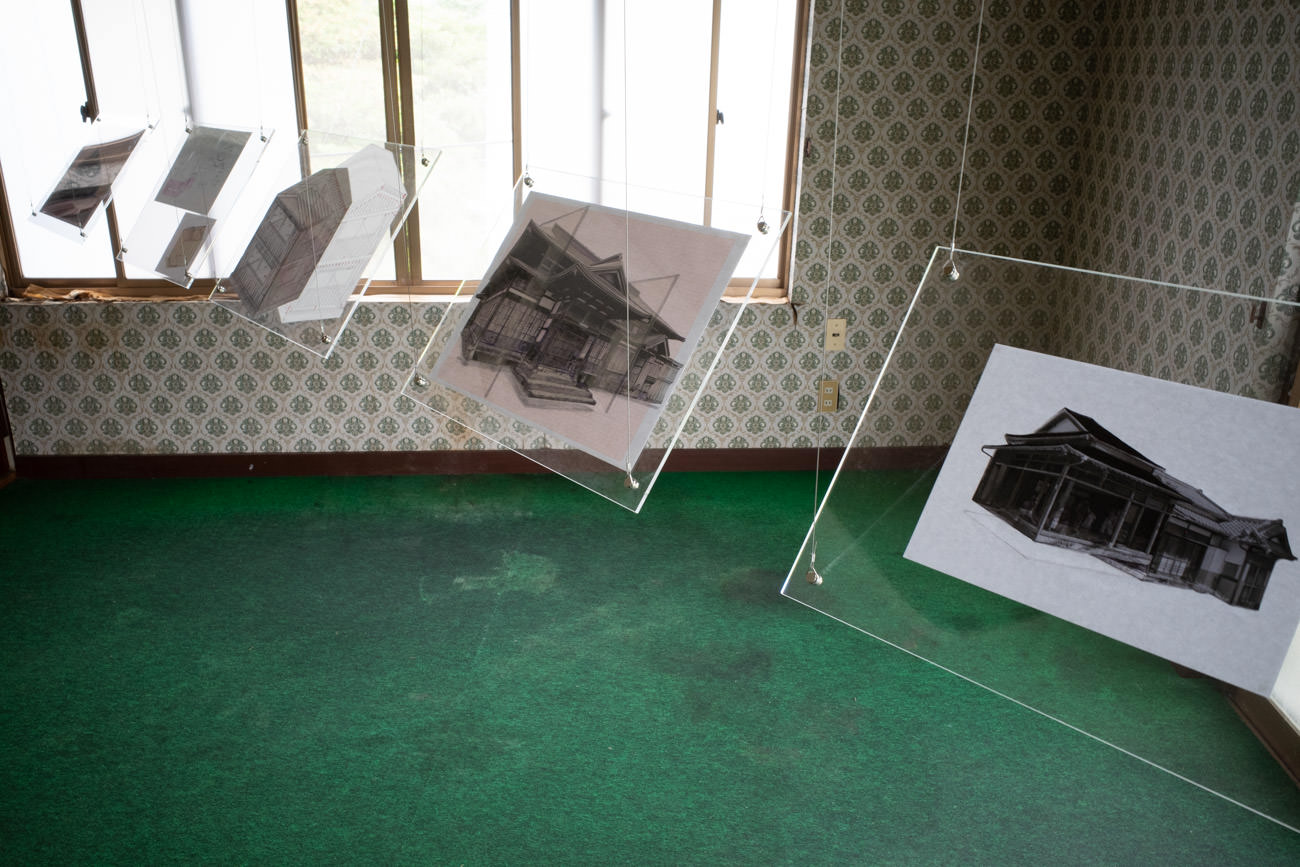 The problem of abandoned houses with unknown owners will surely continue to grow, even in major cities near Tokyo.
Houses floating in mid-air may exist right beside us as well.