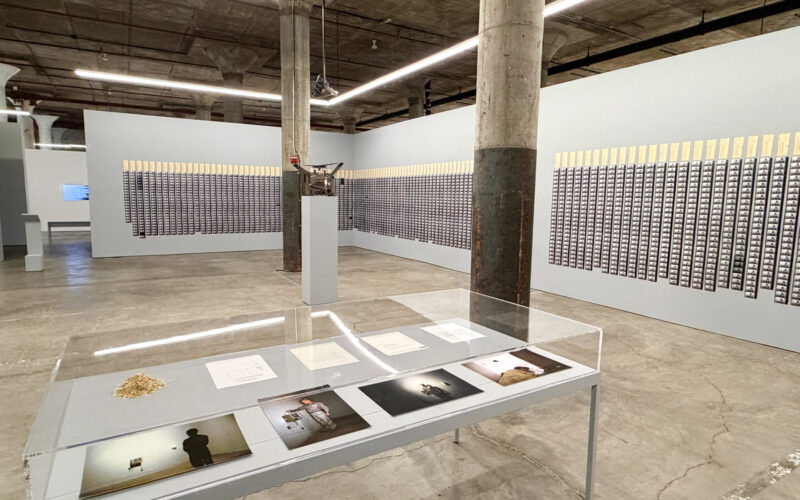
“The Art of Hara Sankei — The Legendary Collection”
I visited the Hara Sankei exhibition. The venue is the Yokohama Museum of Art.
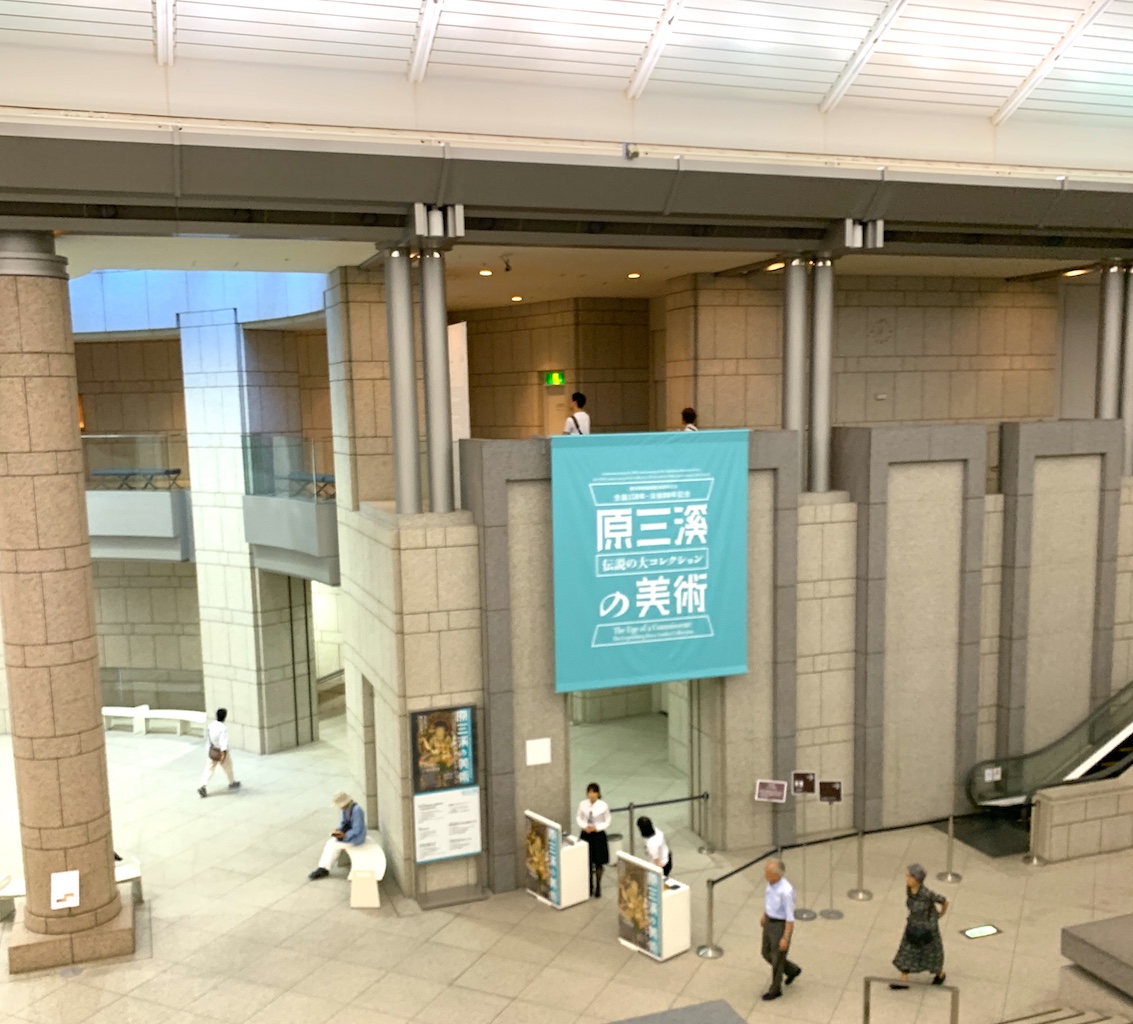
Hara Sankei (1868–1939) was a businessman who made his fortune in the raw silk trade and silk manufacturing.
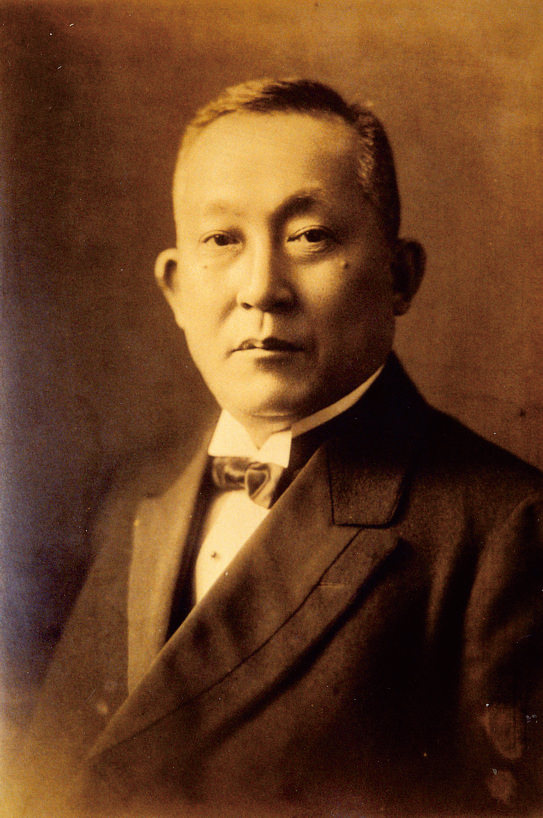
Alongside his business, Hara Sankei was an art collector who energetically gathered antiques according to his own vision of history. He was also an artist himself, skilled in painting, calligraphy, and Chinese poetry, and a patron who actively supported and nurtured promising contemporary artists of his time.
Hara Sankei wore many hats, and this exhibition presents him from four angles: collector, tea master, artist, and patron.
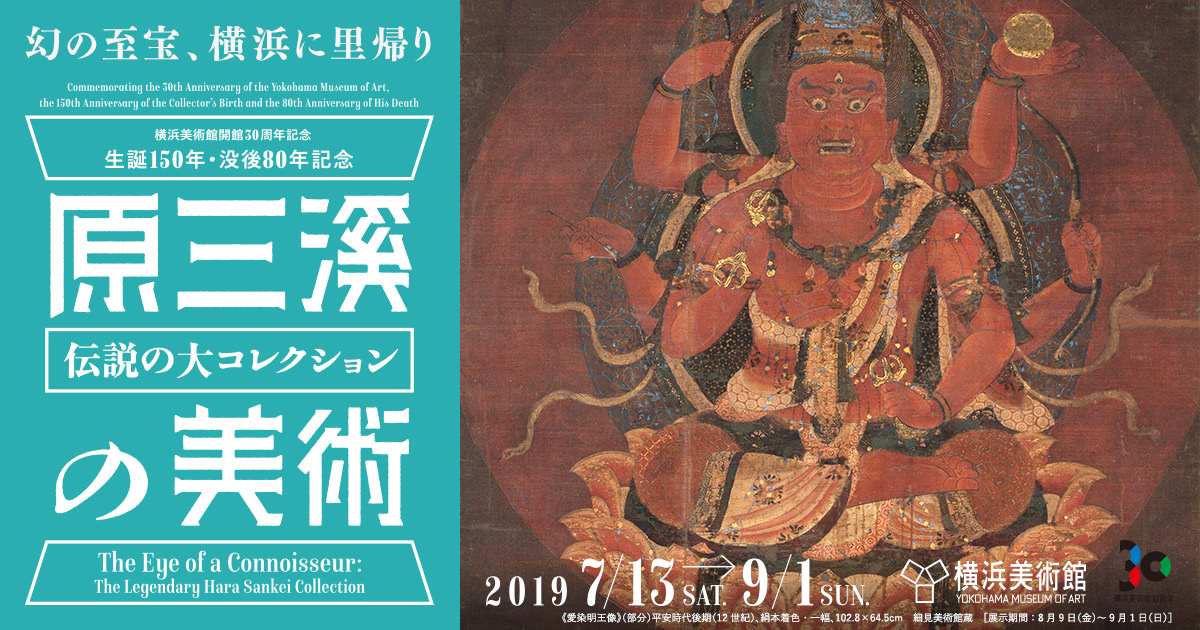
Looking at Hara Sankei as an art collector
Reviews of this exhibition are available in many articles, so in true art on fashion, I’d like to look at Hara Sankei from the perspective of an “art collector.”
Enormous collection budgets
Undoubtedly the most eye-catching piece is the National Treasure “Peacock Wisdom King (Kujaku Myoo).”
It’s a National Treasure that he obtained in Meiji 36 (1903) from then-Finance Minister Kaoru Inoue for “10,000 yen.”
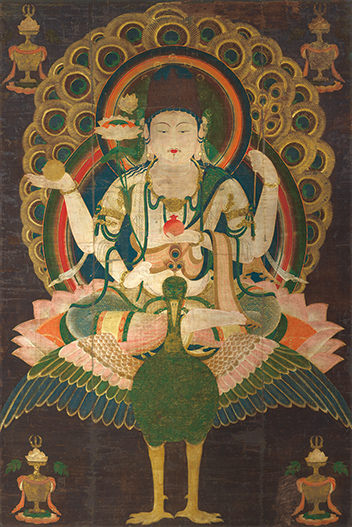
It may be hard to grasp what 10,000 yen was worth at the time, but this was an era when 6 yen a month was enough to live on — so it was an unimaginably enormous sum. Converted to today’s prices, it can be estimated at tens of millions of yen. At the time, even 5,000 yen was said to be reckless, and paying still more than that made a big impression on those around him and firmly established his presence as a collector.
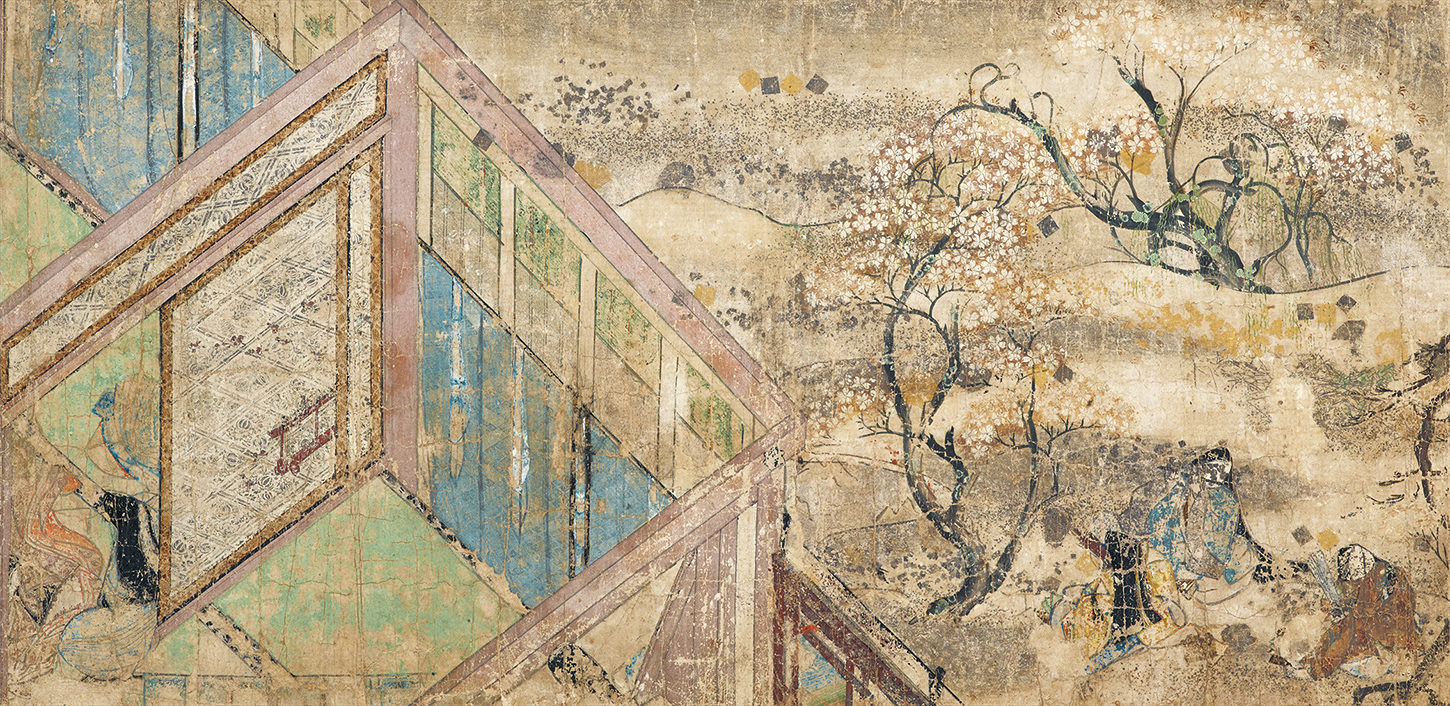
Thorough work management
One of the greatest lessons we can learn from Hara Sankei as a collector is his rigorous management (registration) of the works he collected. He kept meticulous records for each piece, and those records can be seen at this exhibition.
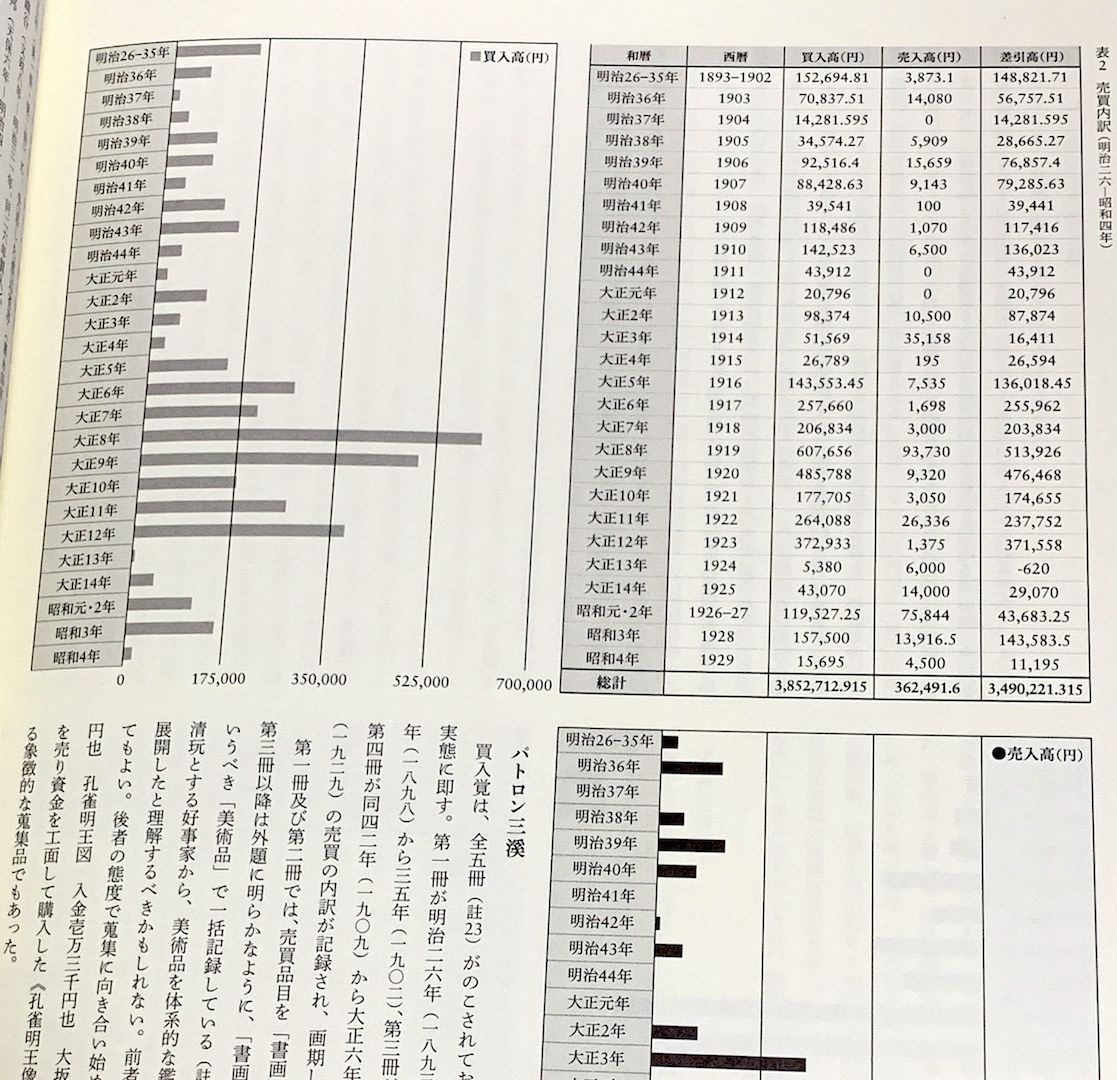
Along with managing the works in his collection, he also kept records of how he financed each purchase.
For example, to raise the 10,000 yen for “Peacock Wisdom King,” he sold off 13,000 yen worth of his personal assets — and that record still survives.
The author himself, and many collector friends around me, struggle with how to manage our works.
A work’s provenance and information have to be properly recorded by the collector and passed on to the next generation. There’s a great deal to learn from Hara Sankei.
Incidentally, the author uses the cloud service Evernote. This free tool makes it easy to attach images and add tags, but it’s still some way from a fully satisfying management system.
His role as a patron
Support for contemporary artists was another of Hara Sankei’s major activities.
Beyond simply purchasing their works, he covered living expenses and travel abroad, and the scope of his patronage was very broad.
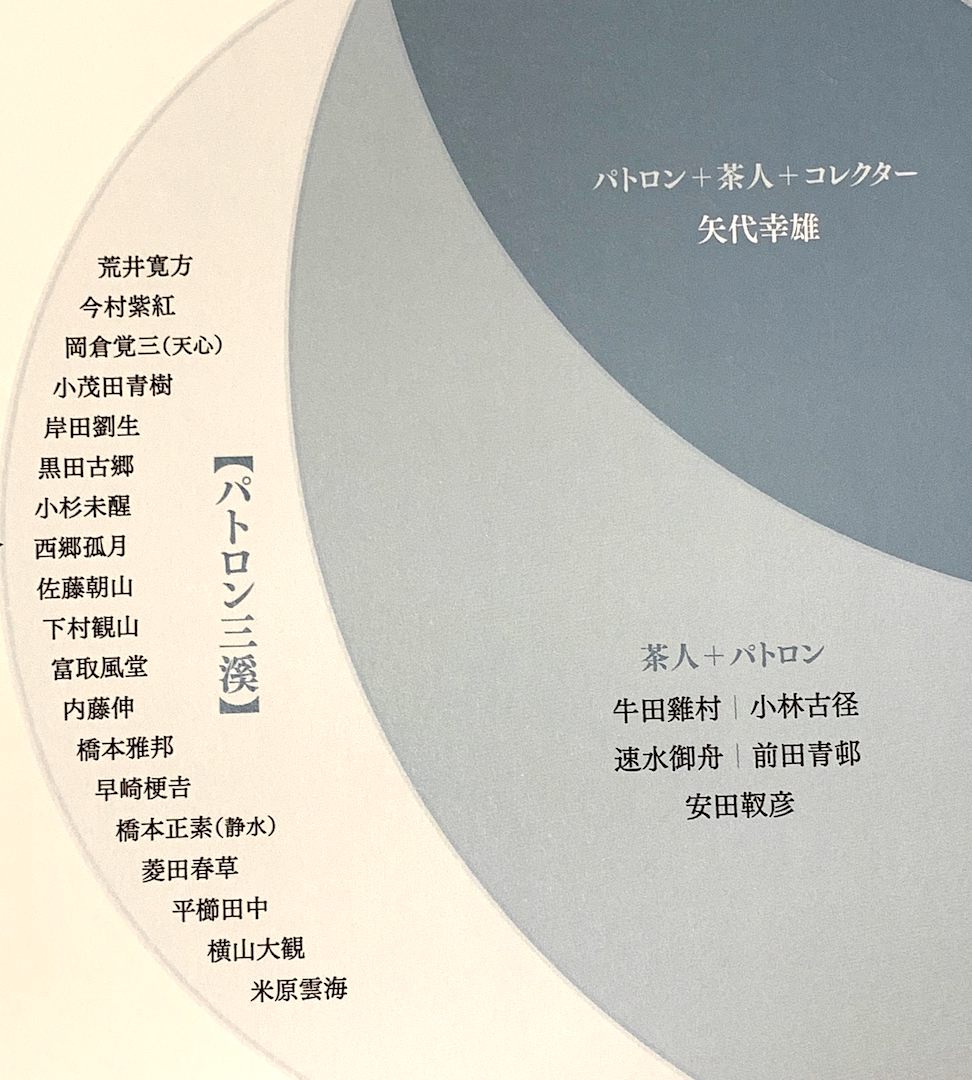
The author occasionally purchases works directly from student artists and others not represented by galleries.
But are there really any collectors today who go so far as to underwrite living expenses? Even among big-name collectors, you rarely hear of it.
In closing
Hara Sankei left us a wonderful legacy of artworks.
At the same time, we were able to learn about his broader activities as a collector around that collection.
After viewing the show, it became an opportunity for me to look back at my own collection management once again.
Some web services have begun to offer solutions for user collection management.
In today’s era when we can manage collections with images attached, unlike Hara Sankei’s day, digital-format management seems set to become the mainstream.
I look forward to the emergence of platforms and tools that today’s art collectors can all use in common.