Reborn‑Art Festival 2019
I went to Reborn-Art Festival 2019 (RAF2019).
Reborn-Art Festival, which began in 2017, is a comprehensive festival of art, music, and food, held for the second time this time.
Held in the Ishinomaki area of Miyagi Prefecture, which suffered great damage in the Great East Japan Earthquake, this festival is a satoyama-type art festival centered on Takeshi Kobayashi, who is also a music producer. In RAF2019, along with seven curators in charge of each area, about 70 groups of artists present works.
The Ishinomaki area, damaged by the disaster, has already passed eight years since the earthquake, and standing in this place, I got the impression that recovery on the hardware side is already nearing completion. Through the artworks and related activities of this festival, I got the impression that it is progressing toward vibrant community-building.
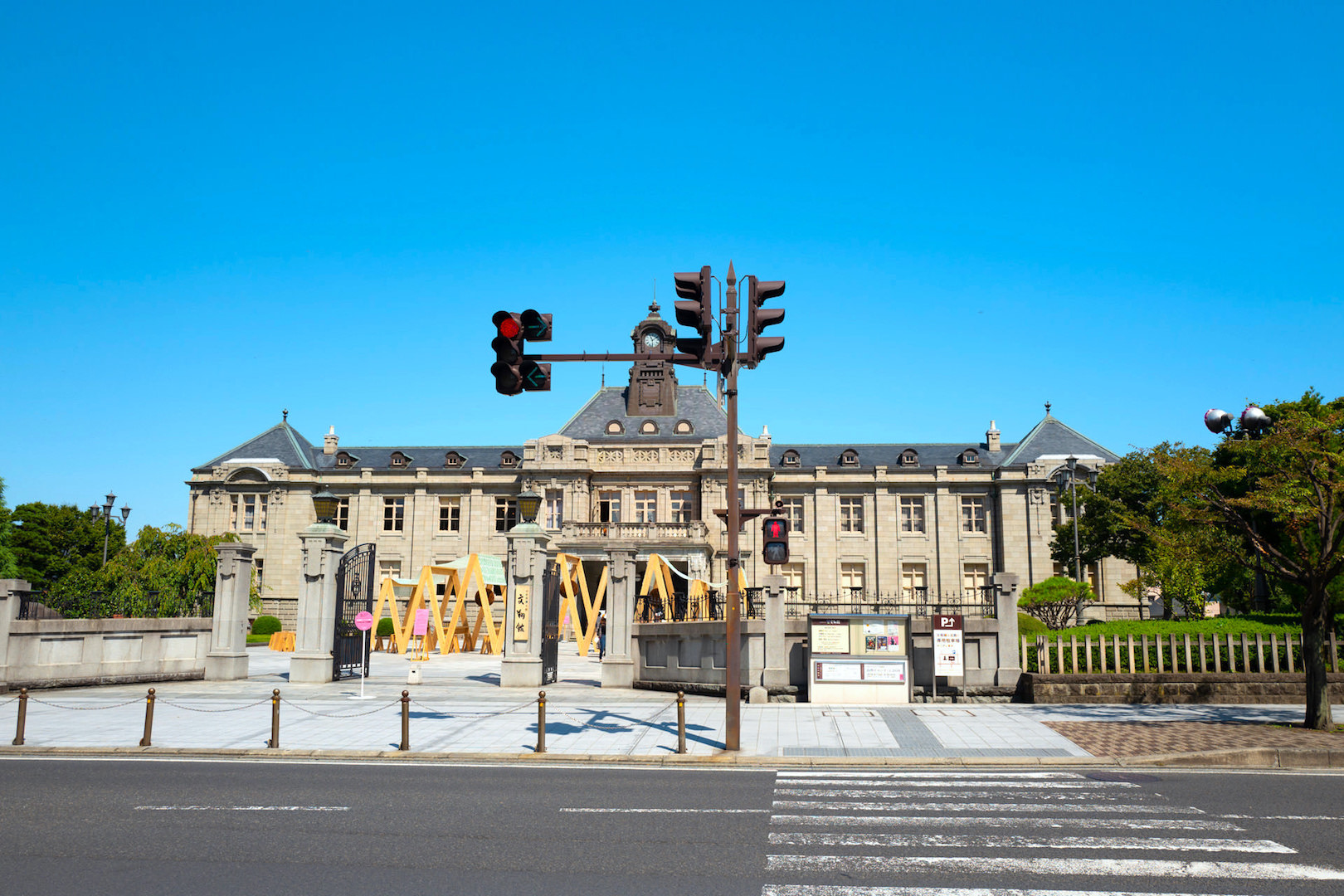
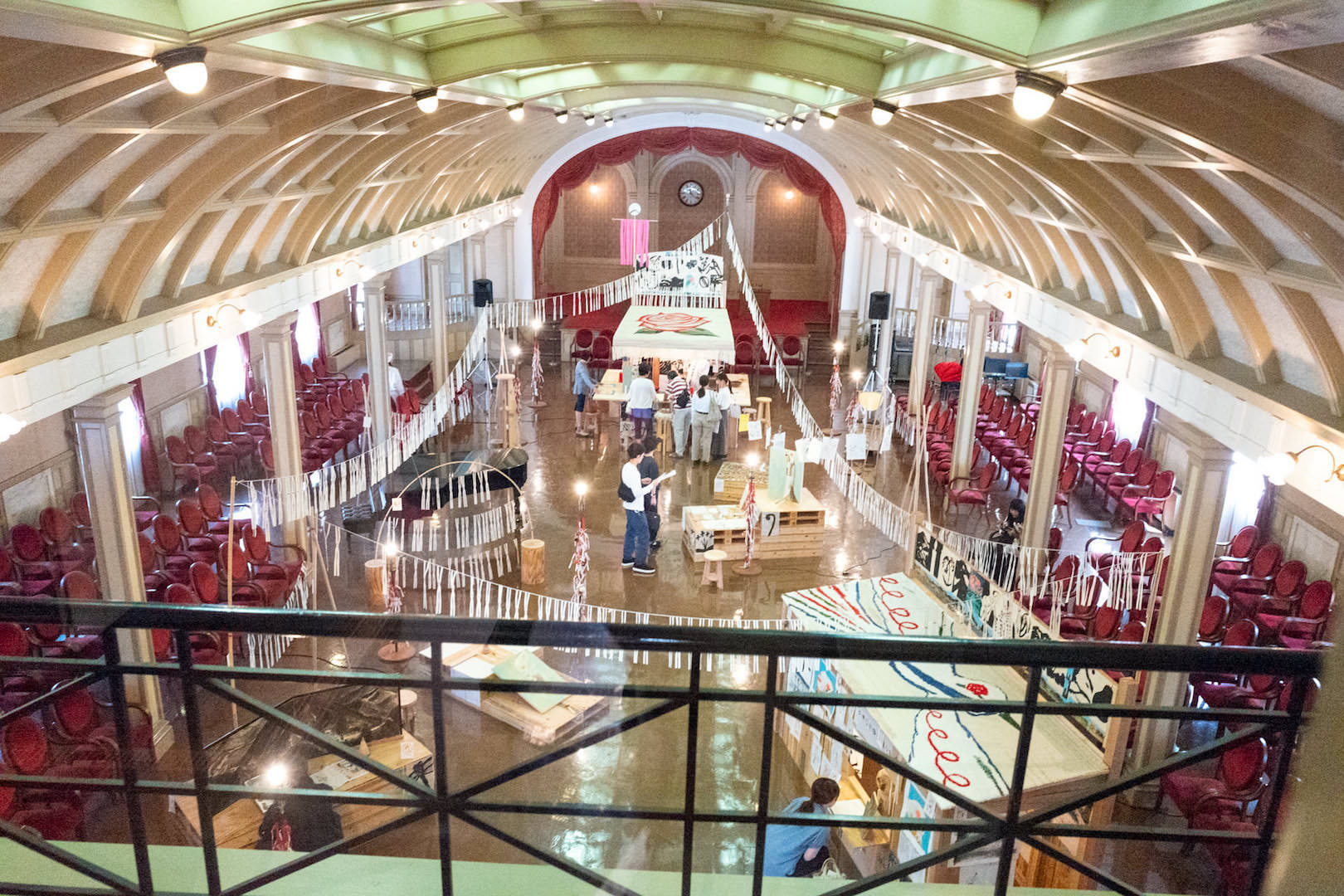
Ishinomaki Station Front Area
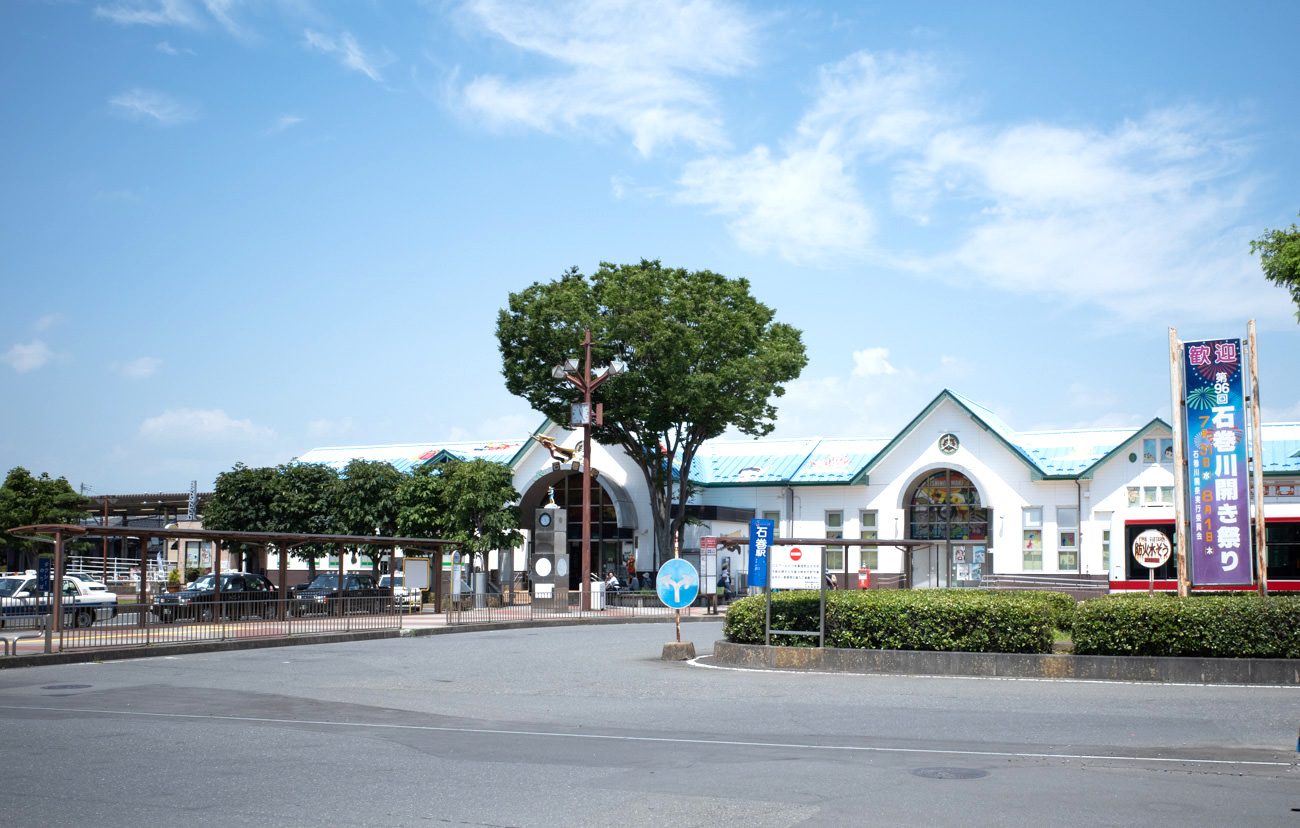
Area theme: “Art = Ritual Toward the Sea”
Curator: Shin’ichi NakazawaTo restore to the Japanese a heart opened toward the sea, an art = ritual that calls the majestic flow of the Kuroshio back to Ishinomaki appears.
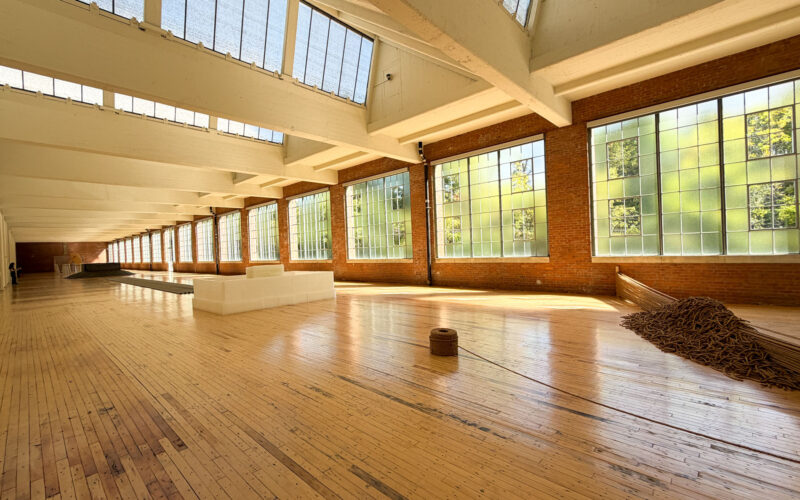
Zai Kuning, invited from Singapore near where the Kuroshio originates, is a person who, as a descendant of sea peoples himself, has practiced an art = ritual that recovers the wildness of the heart that humans are about to lose, making full use of an imagination united with oceanic nature.
Zai, who says “before being an artist, I want to be an oni (demon),” will shape into dynamic art the primal human feelings of one who has held deep gratitude for the spiritual power of the sea.
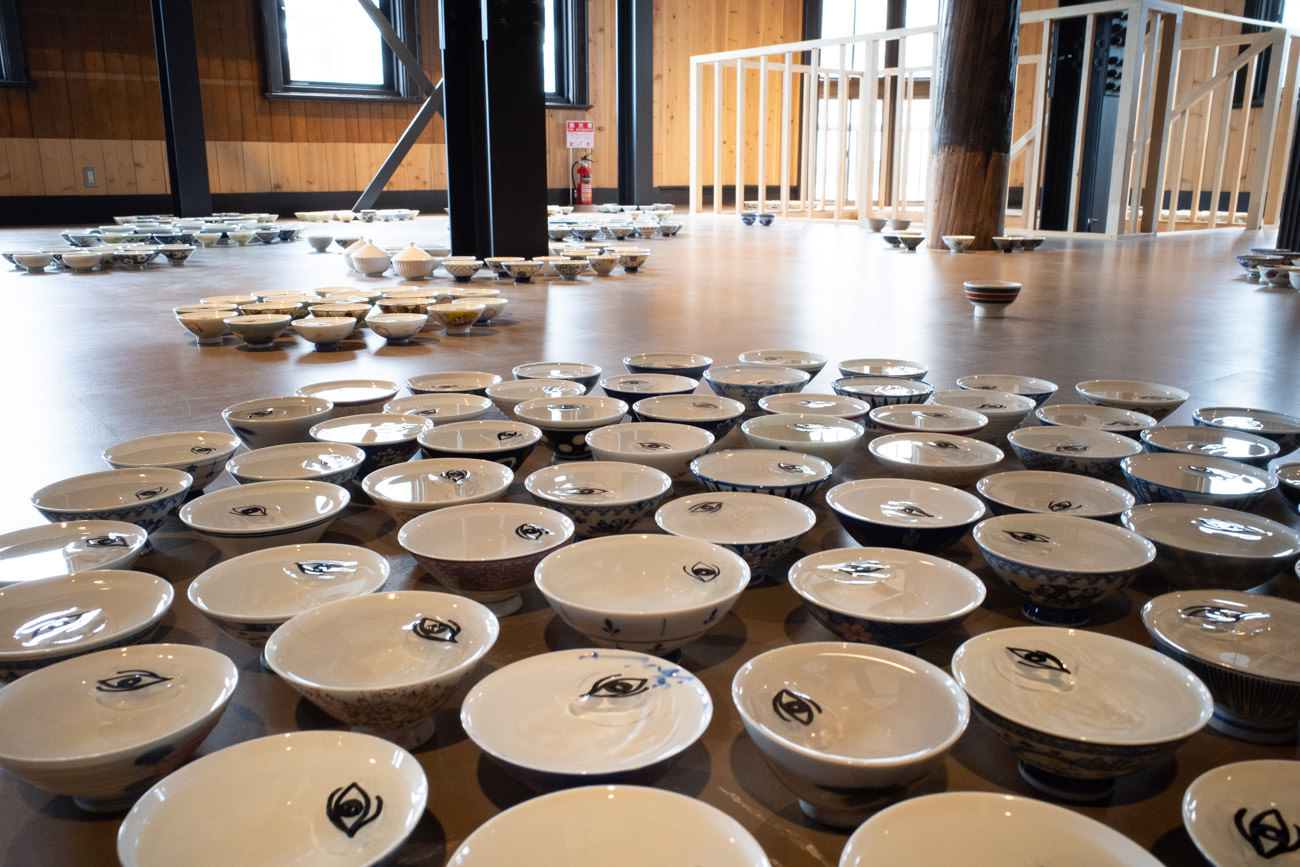
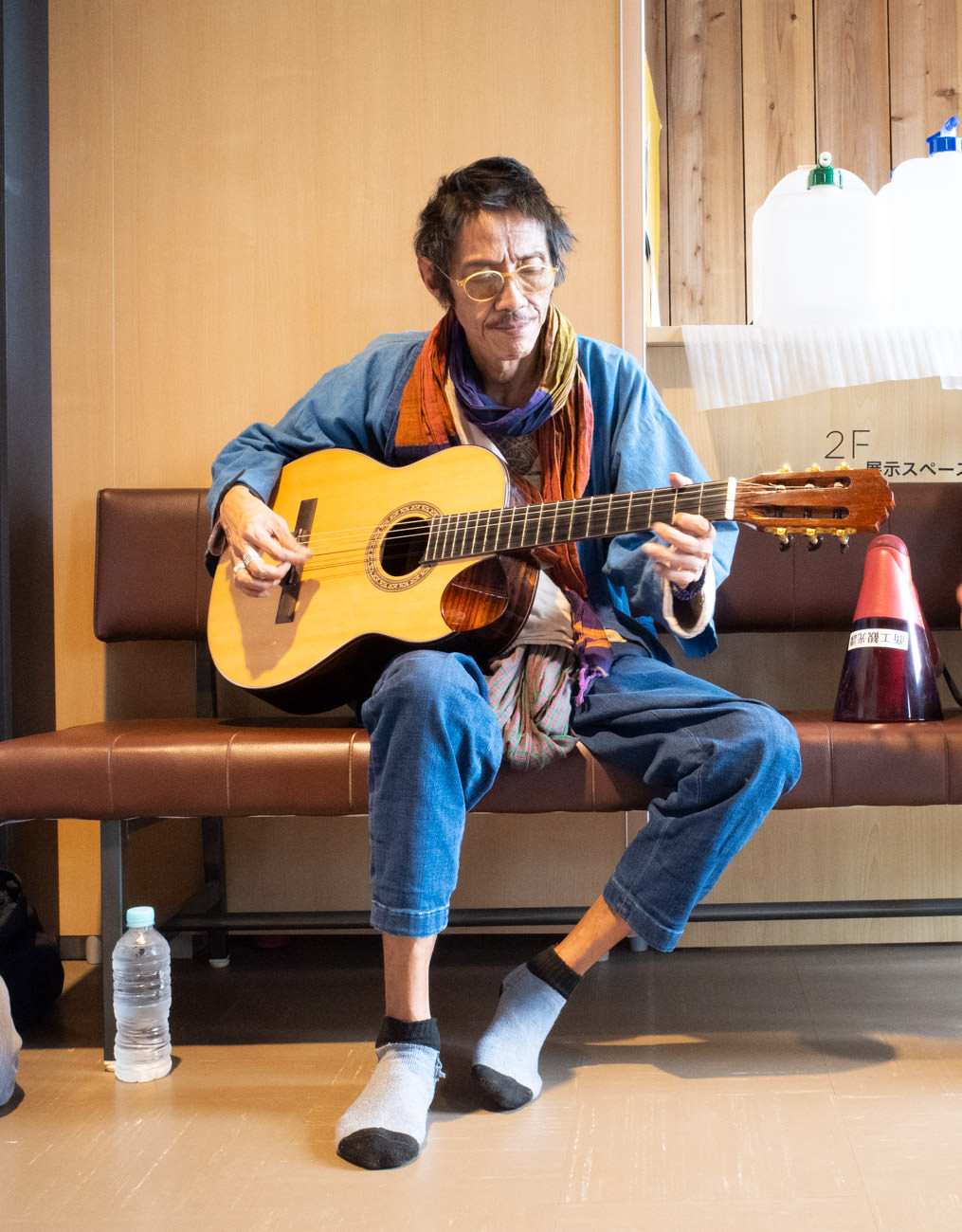
Downtown Area
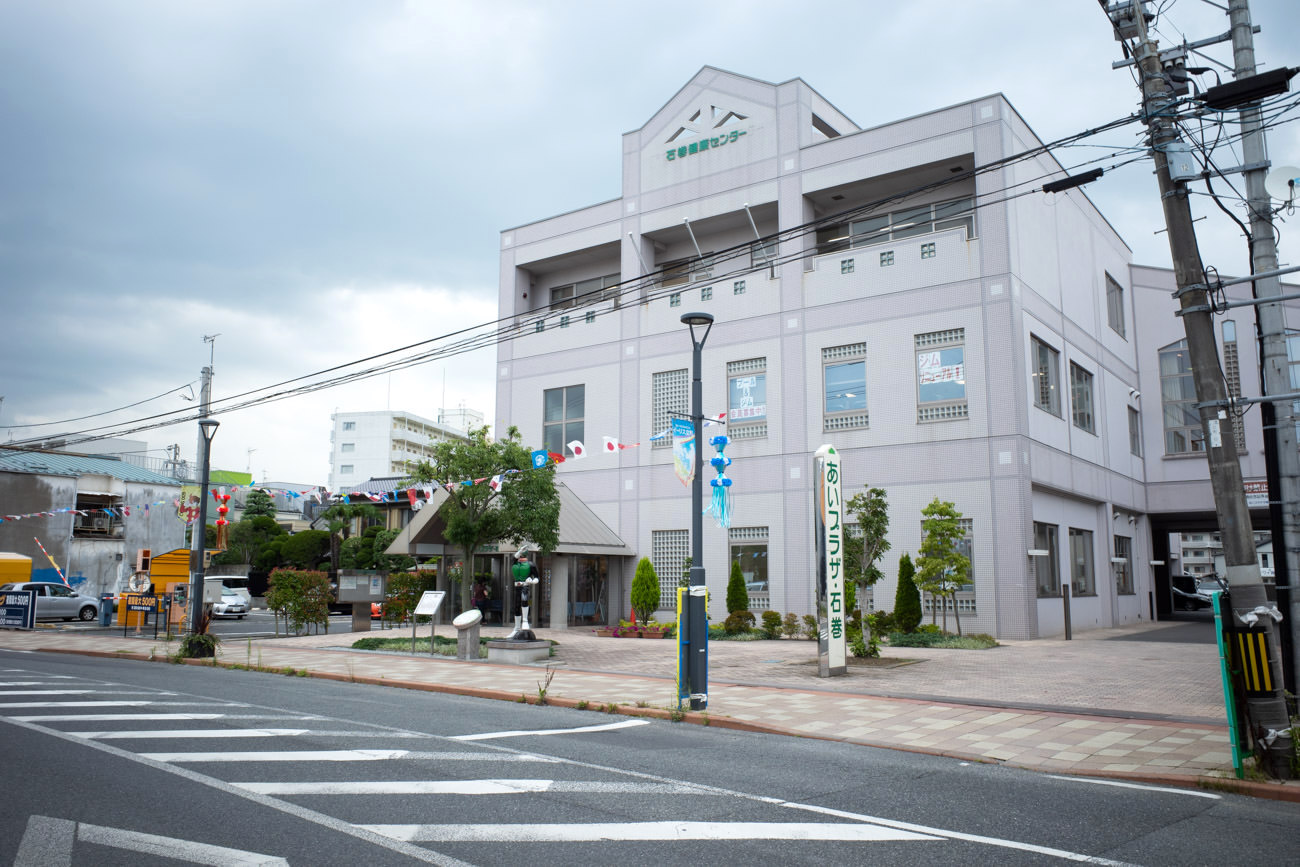
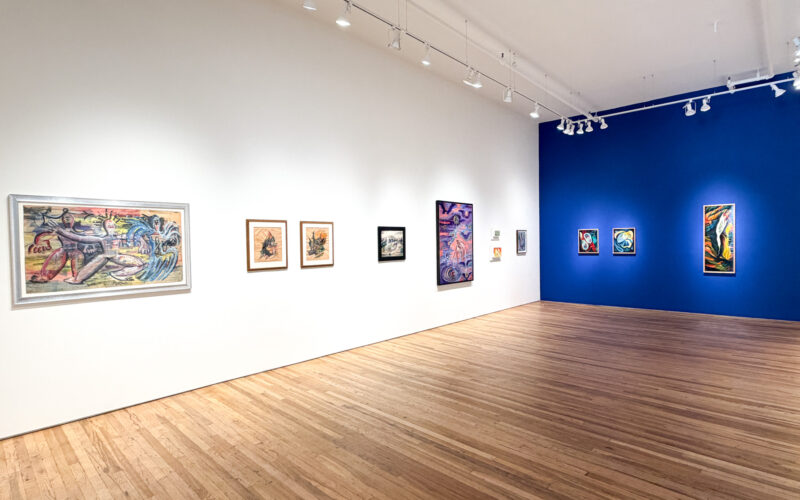
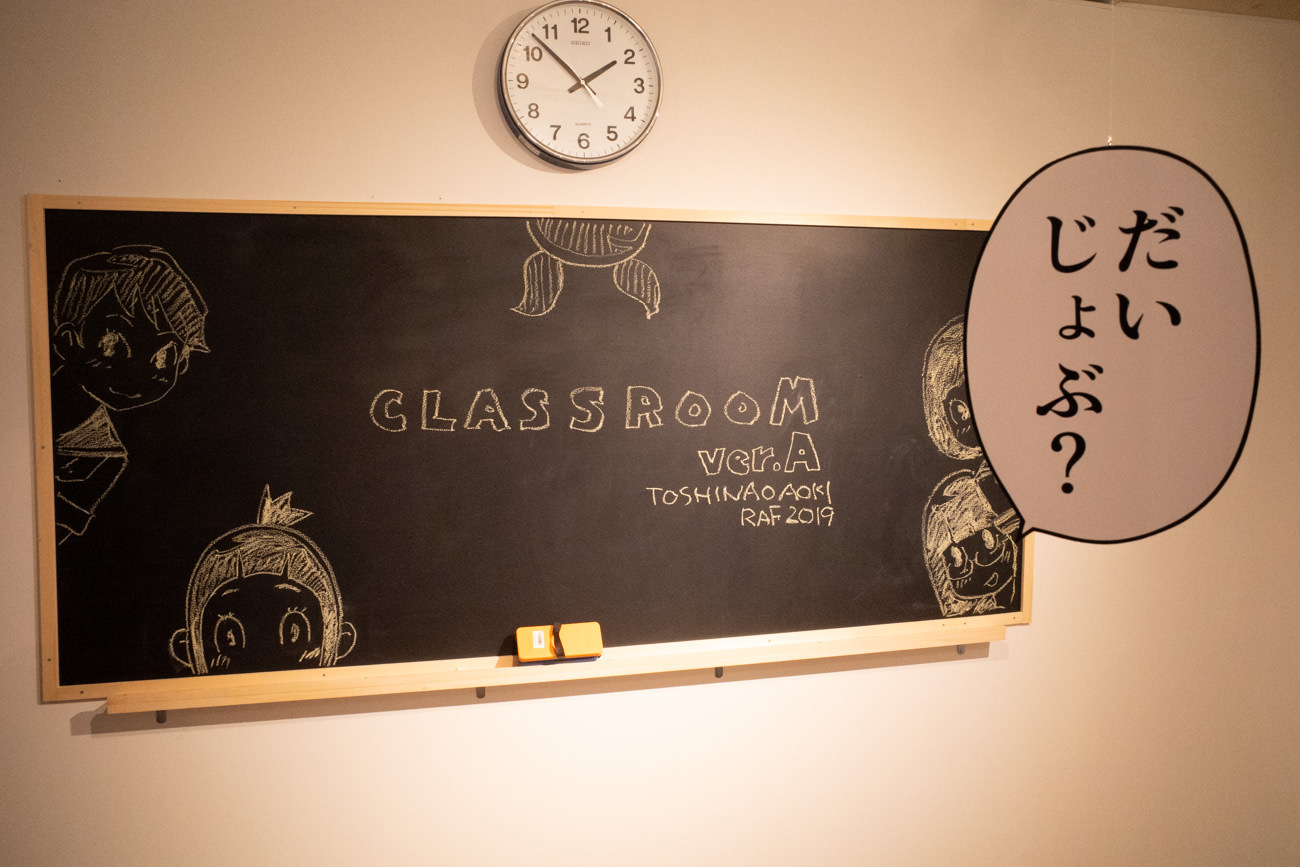
Area theme: The town’s Manga Road and Art Road
Curator: Kaoru ArimaIshinomaki has the Ishinomori Manga Museum and a Manga Road.
This exhibition is a concept of adding an Art Road there.
It also inherits the concept of my exhibition at the previous Reborn-Art Festival 2017 (continuing Ishinomaki’s art scene even after Reborn ends).
For that reason, the center of the curation is Ishinomaki artists. I gather Ishinomaki artists.
Sow seeds, nurture them, and wait for new sprouts to emerge.
In this exhibition, artists who bloom early may already appear.
And new art spaces are also born, turning points into a line (road).
Also, in Ishinomaki, whose town concept is “manga-like thinking,” Ishinomori Shotaro’s characters are throughout the town.
This is an expansion of Ishinomori Shotaro’s worldview.
We think about what “manga” and “manga-like thinking” are for this Ishinomaki.
Momonoura Area
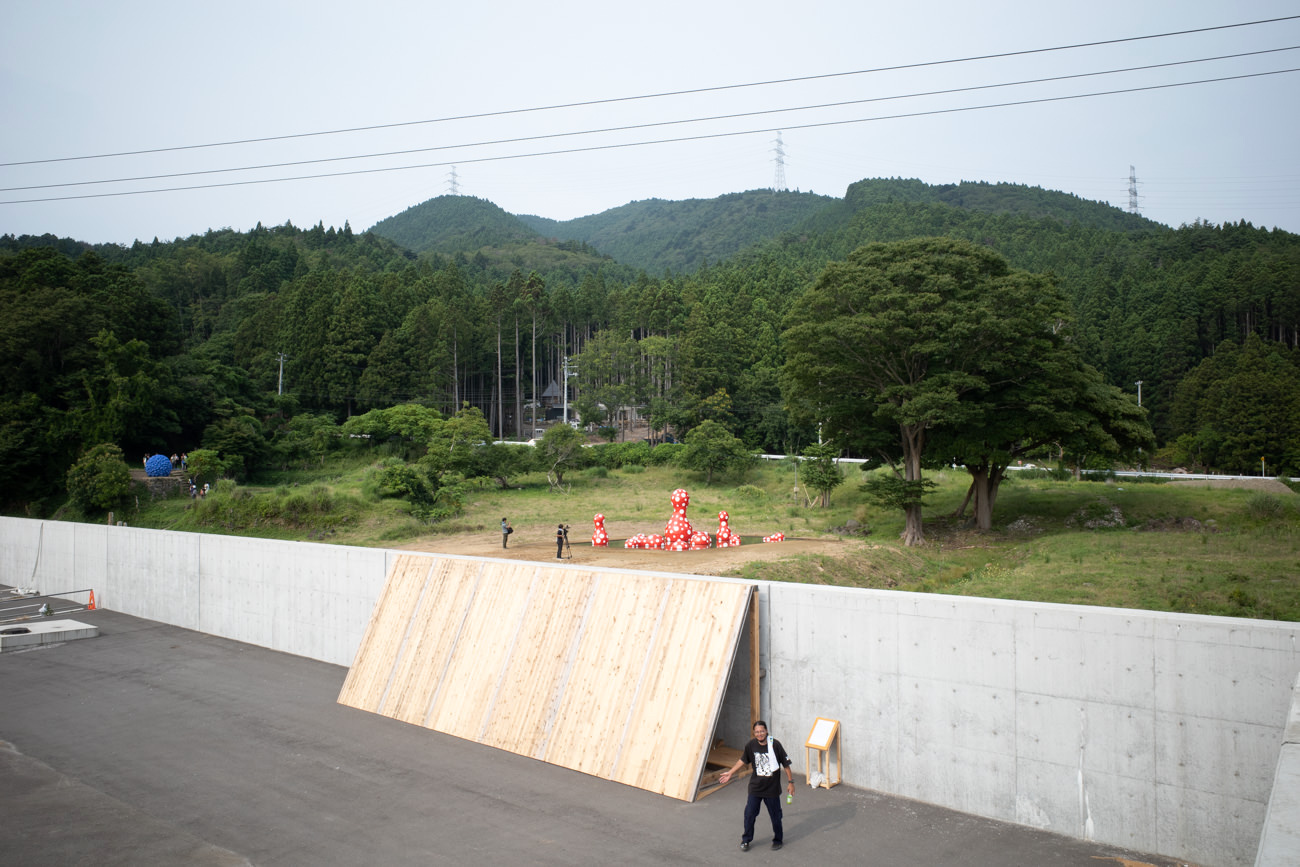
Momonoura Area—Yayoi Kusama, 《Signpost to a New Space》, 2016
Courtesy of Ota Fine Arts, Tokyo / Singapore / Shanghai ©Yayoi Kusama
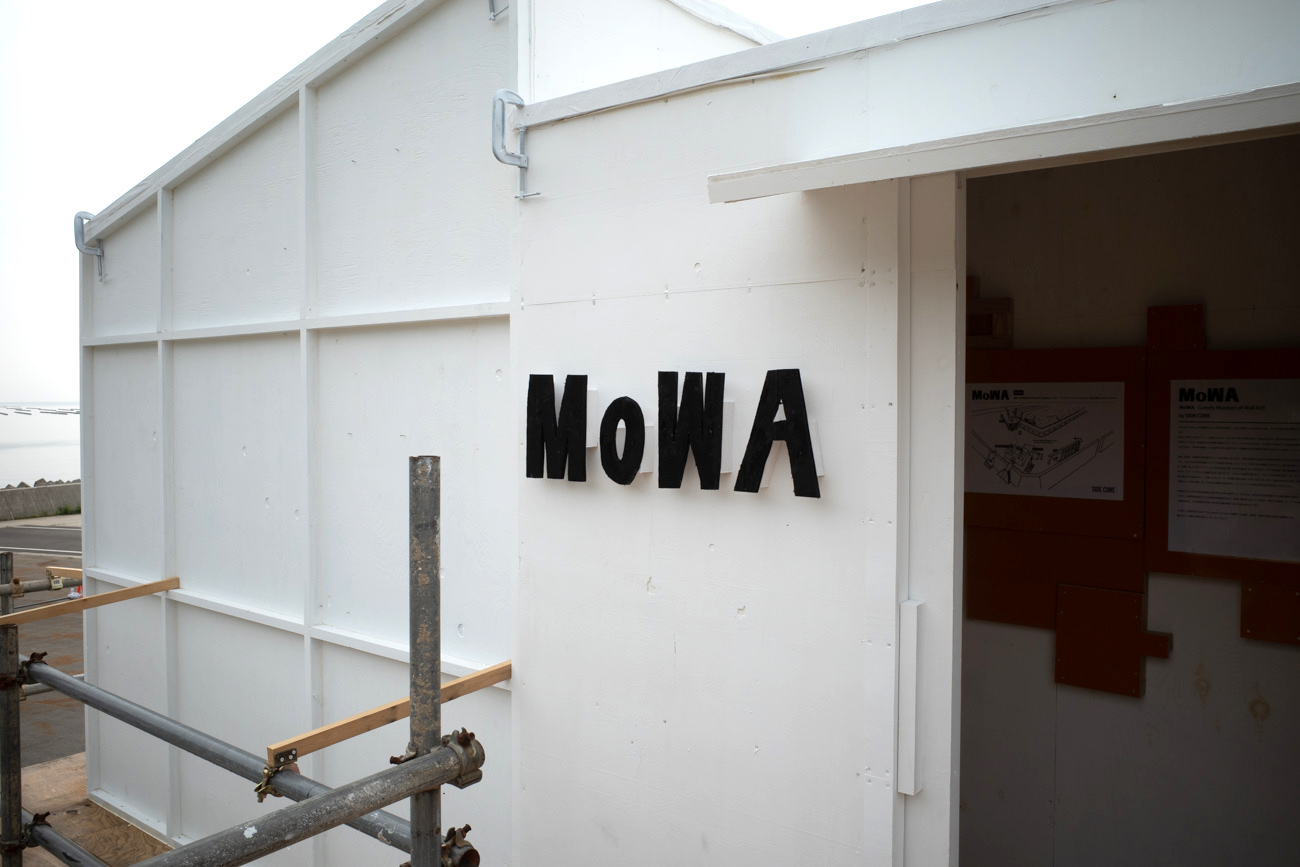
SIDE CORE, 《Lonely Museum of Wall Art》, 2019
Area theme: Living Space
Curator: Takeshi Kobayashi“Living space” means living room / place to be / residential space.
It’s a place where people live from the past toward the future, and thoughts and memories dwell and remain there.
In the villages of the Oshika Peninsula, which have lived in close contact with nature, immense changes have occurred in that residential space.
The large seawalls built after the disaster simultaneously bring the securing of peace and the loss of scenery.
At the site of the Oshika Peninsula / Momonoura, which has undergone such rapid transformation yet still strongly retains traces / memories of the past, this is an art project that explores what a “living space = place to live” is in the present progressive tense.
Here, along with daytime art exhibitions centered on Momonoura Village—the only official lodging facility—and the closed former Ogihama Elementary School, overnight events are held.
Before: Sebastian Masuda, 《The Secret of the Gaping Hole》 / After: 《The Secret of the Gaping Hole》 photographed from inside
Ogihama Area
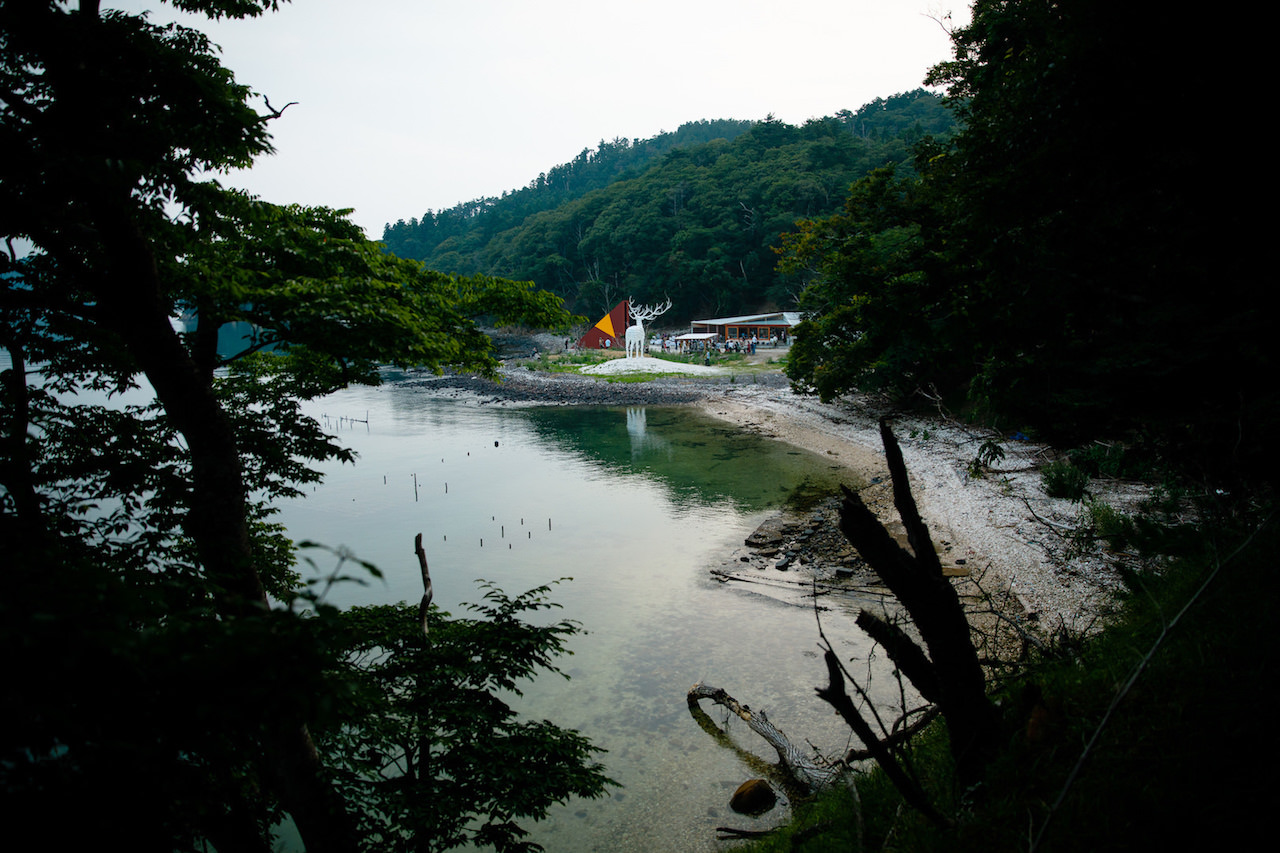
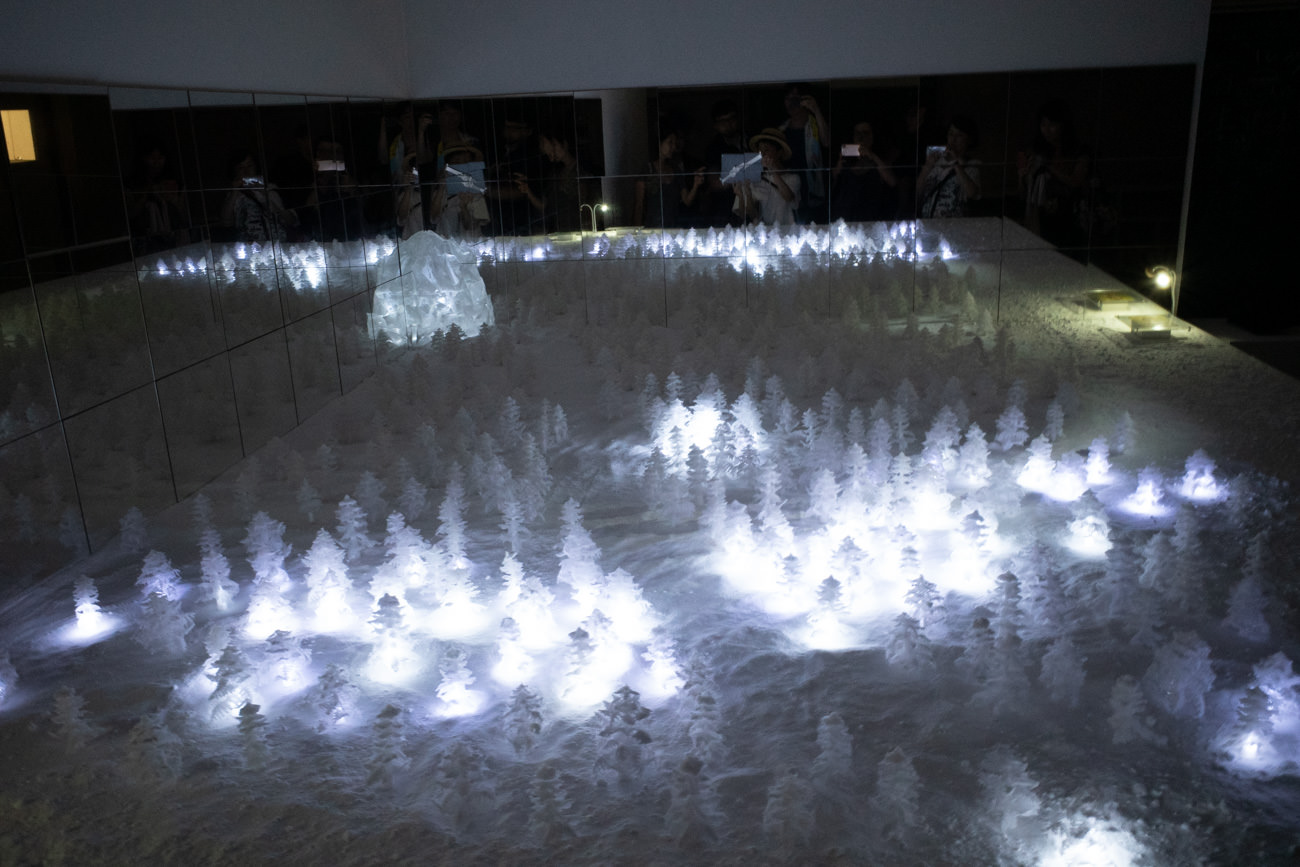
Kohei Nawa, 《White Deer (Oshika)》
Hitoshi Nomura, 《Analemma-Slit: The Sun, Ishinomaki》
photo by NAKANO Yukihide
Area theme: Primal Energy
Curator: Kohei NawaWalking the seaside mountain path from the fishing port, there is a beach whitened by shell fragments, and on a small rise stands 《White Deer (Oshika)》.
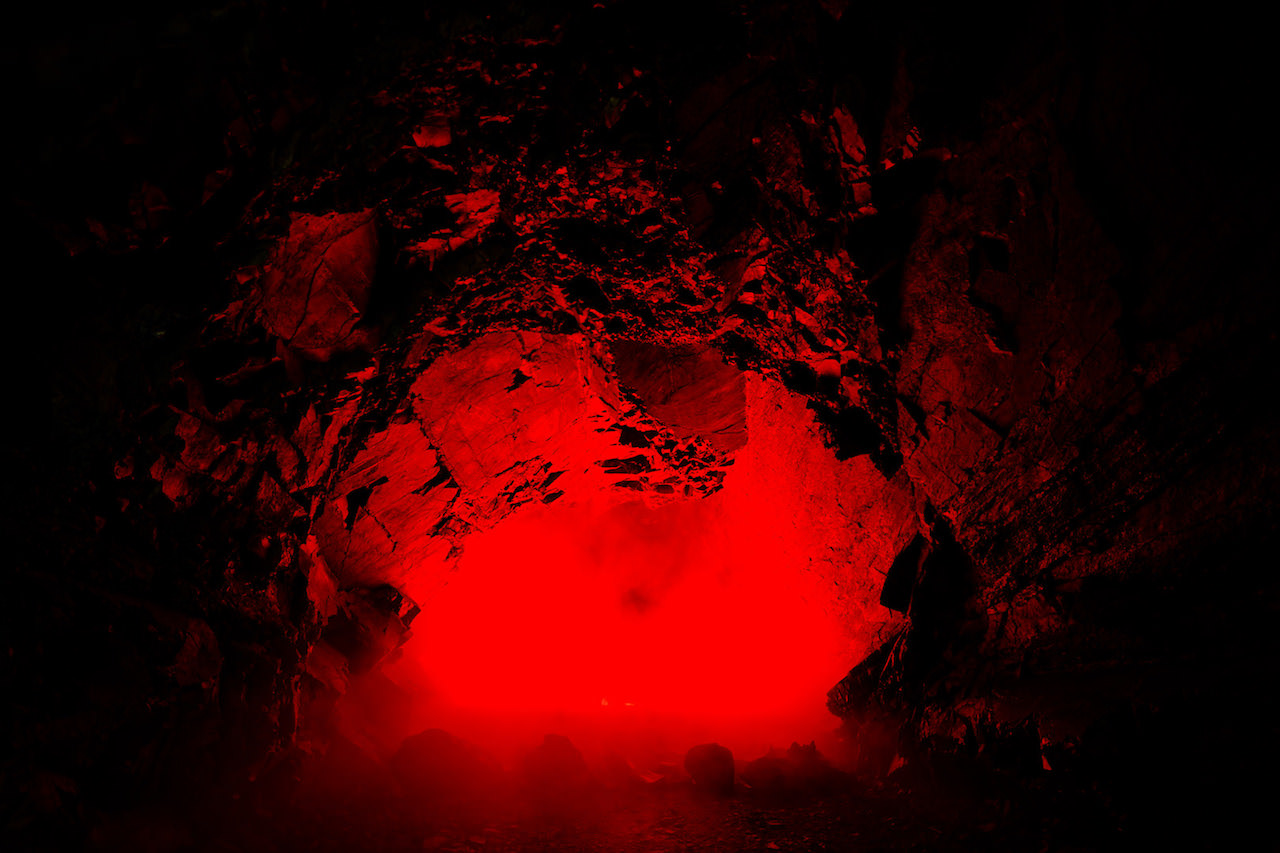
Nearby is a cave said to have been hurriedly dug by the Japanese military during the war to store torpedoes, and in the depths of the darkness you can see fragments of a red-burning “flame” and a blue-glowing “sea.”
Going further along the beach, where driftwood is piled up, there is an old tree jutting out diagonally, and at its tip stands a large “mushroom” that wraps mycelium around and parasitizes the trunk, swaying nonchalantly in the wind. A universal image existing since ancient times will blend into the desolate landscape, becoming a place full of primal energy.

Kozumi Area
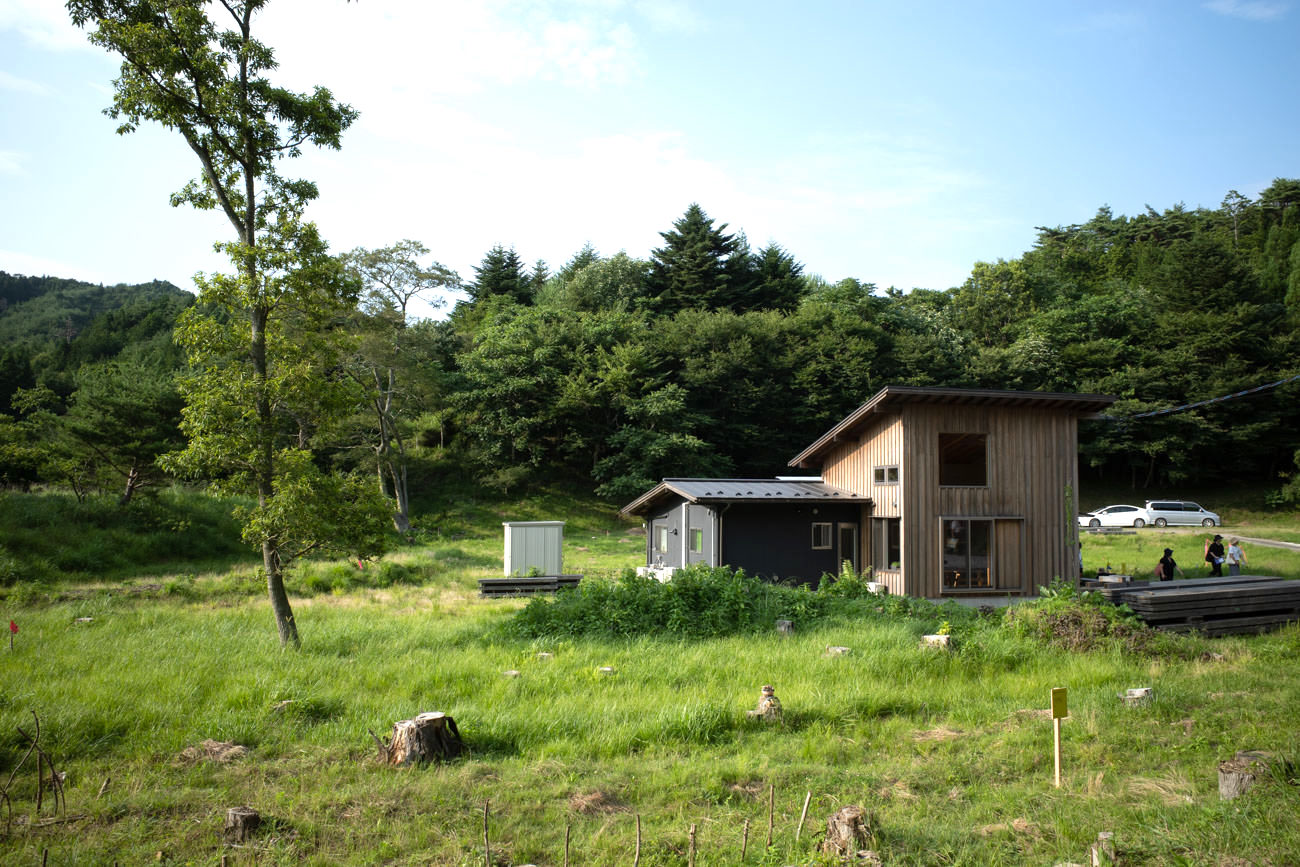
Area theme: Led by Deer, When We Look at Ourselves
Curator: Hideki Toyoshima“Deer,” which was also a keyword of Reborn-Art Festival 2017.
In RAF2019, a small village by artists appears surrounding the venison processing plant in the Kozumi area.
In the exhibition, led by “deer” as a symbolic (or metaphorical) presence, we tour the world seen from the story of the natural world’s side.
With “deer” as our guide, we journey to the gaze and consciousness of the “not-us” side.
When we finish viewing the exhibition and return again to our world, it will feel as if it is no longer our original world.
Perhaps it should be called our world contained within the world of the deer.
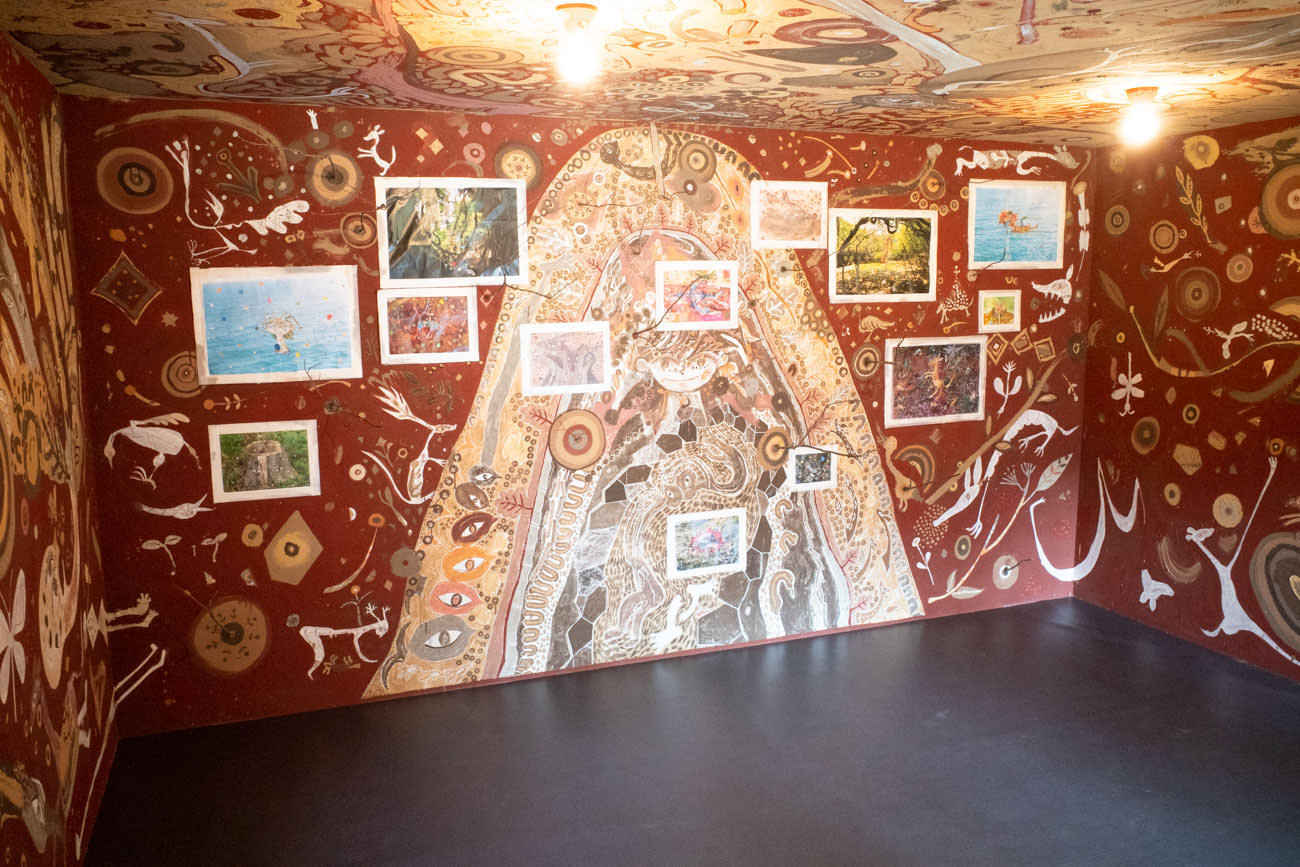
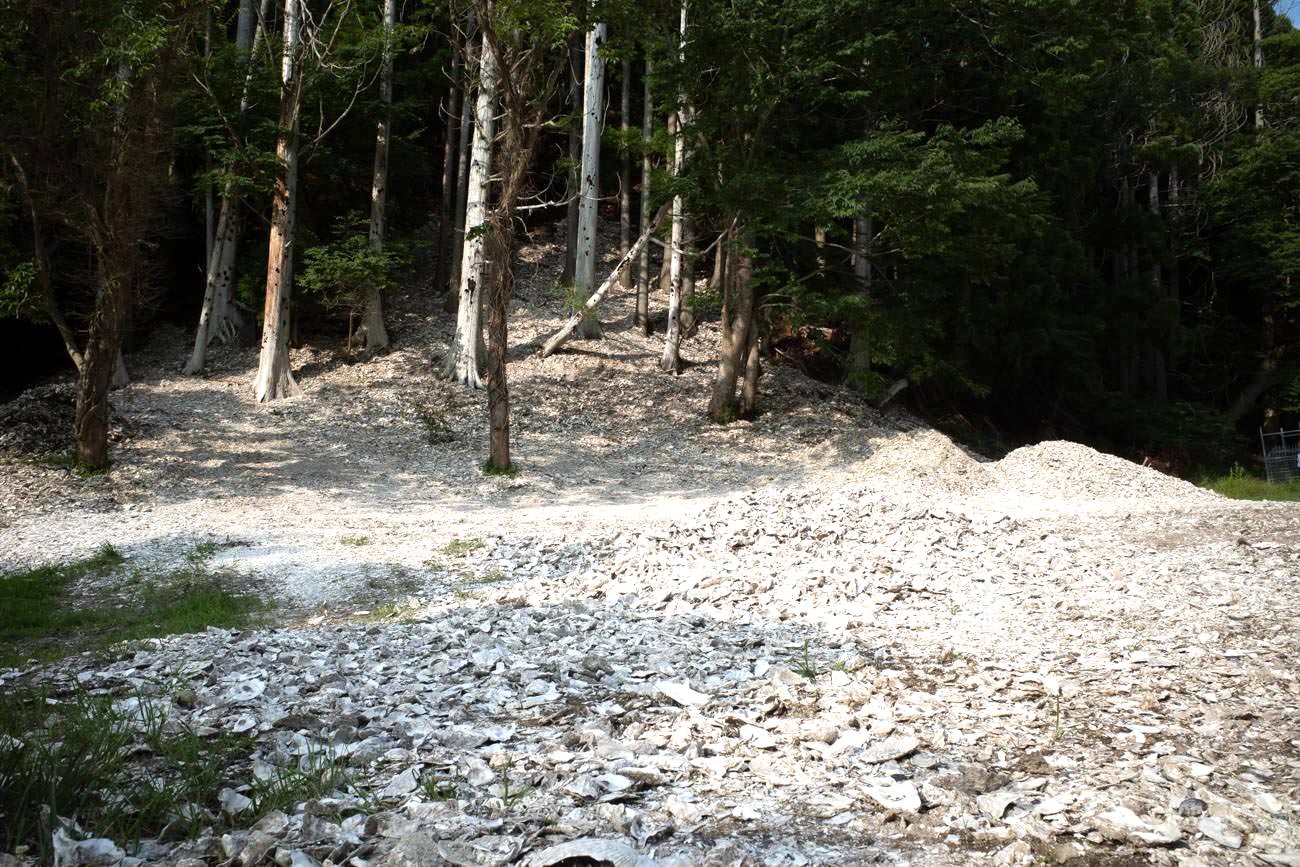
Ayukawa Area
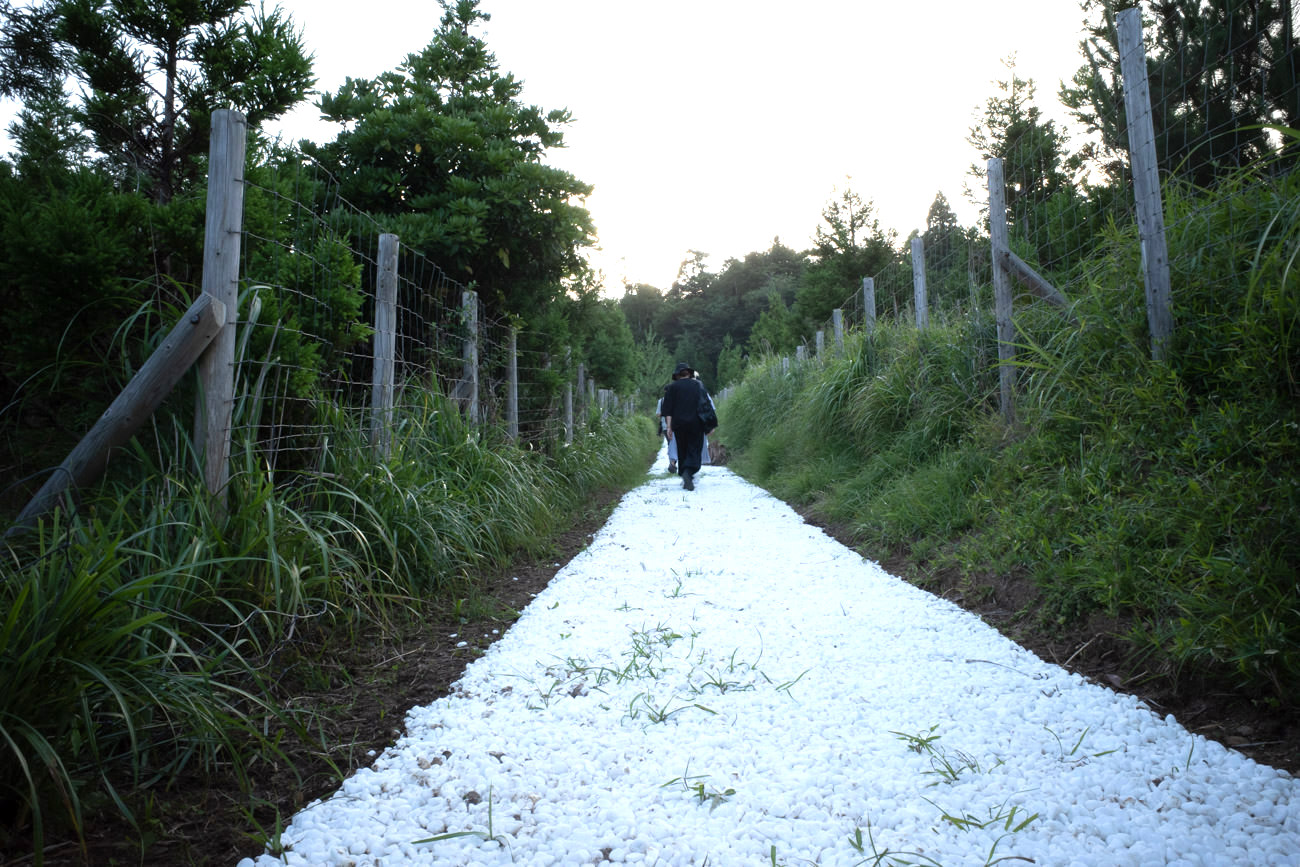
Area theme: Peer Closely, Listen Closely
Curator: Michihiro ShimabukuAyukawa on the Oshika Peninsula, hit by tremendously great change in the great earthquake eight years ago, is now facing yet another period of great change amid the ongoing recovery construction.
A town being built in a form completely different from what was there before.
Even amid such change, I think there are things that must not be lost, things that must not be forgotten.
There are things that must be left to the future and delivered to future people. This is where art comes in.
Things you can’t see unless you peer closely. Things you can’t hear unless you listen closely.
Things you’d overlook in hurried time. Things you’d find bothersome and throw away.
This time I asked artists who can stay in Ayukawa, think about Ayukawa, and find such things, to come.
I think the important part of the phrase “the touch of life” (inochi no tezawari) is the “za” of “tezawari.”
It’s not “tesawari.” A world of voiced sounds that is proof of being alive. A world of overlapping.
I want to confirm and grasp it.
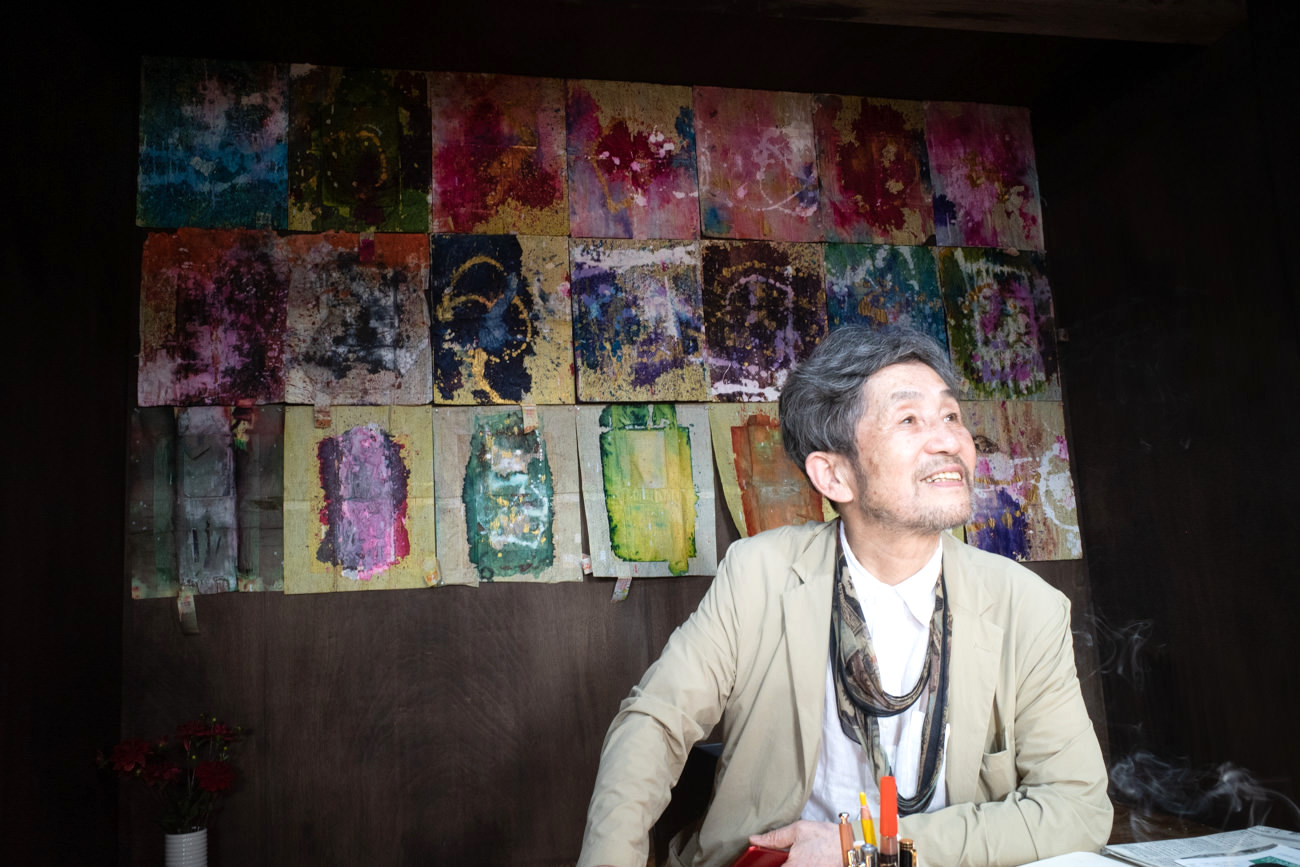
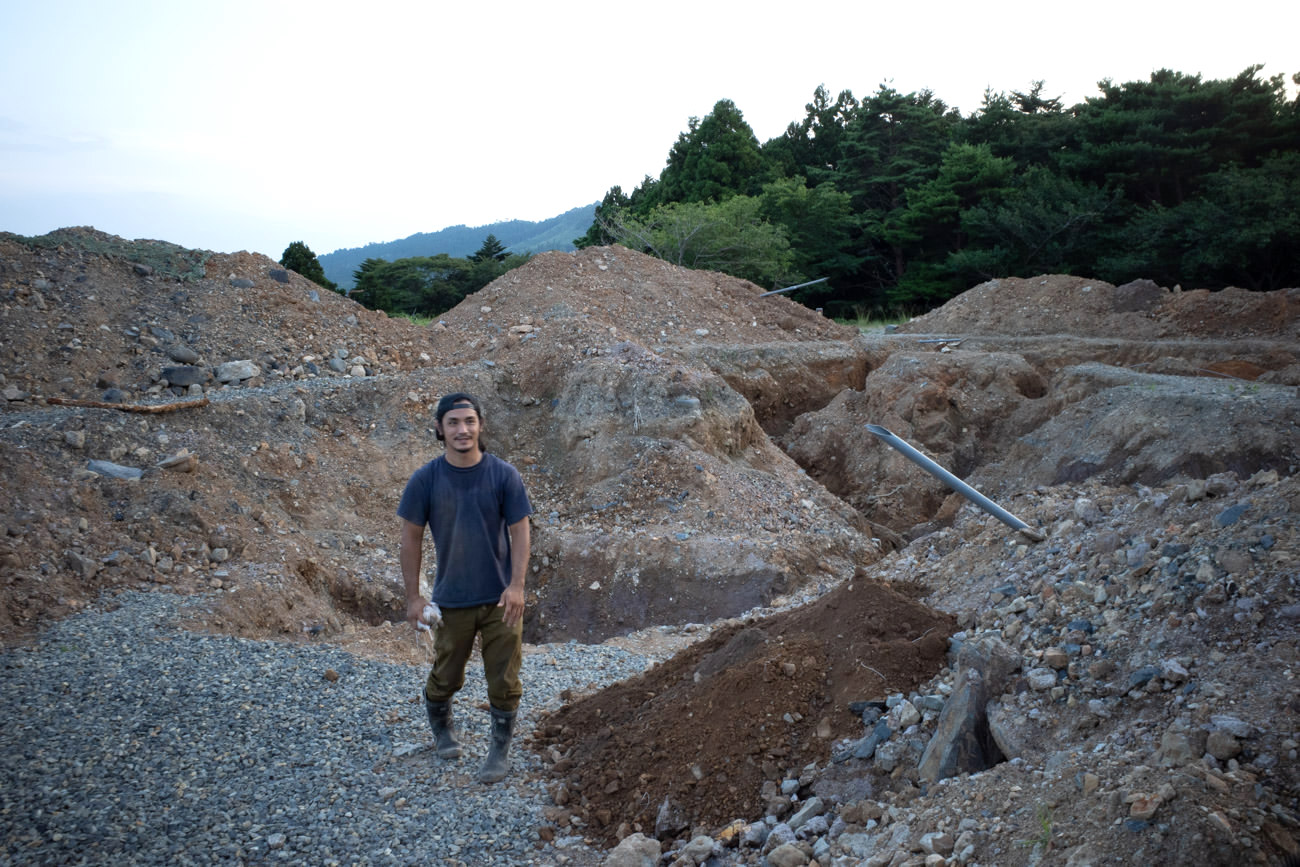
Ajishima Area
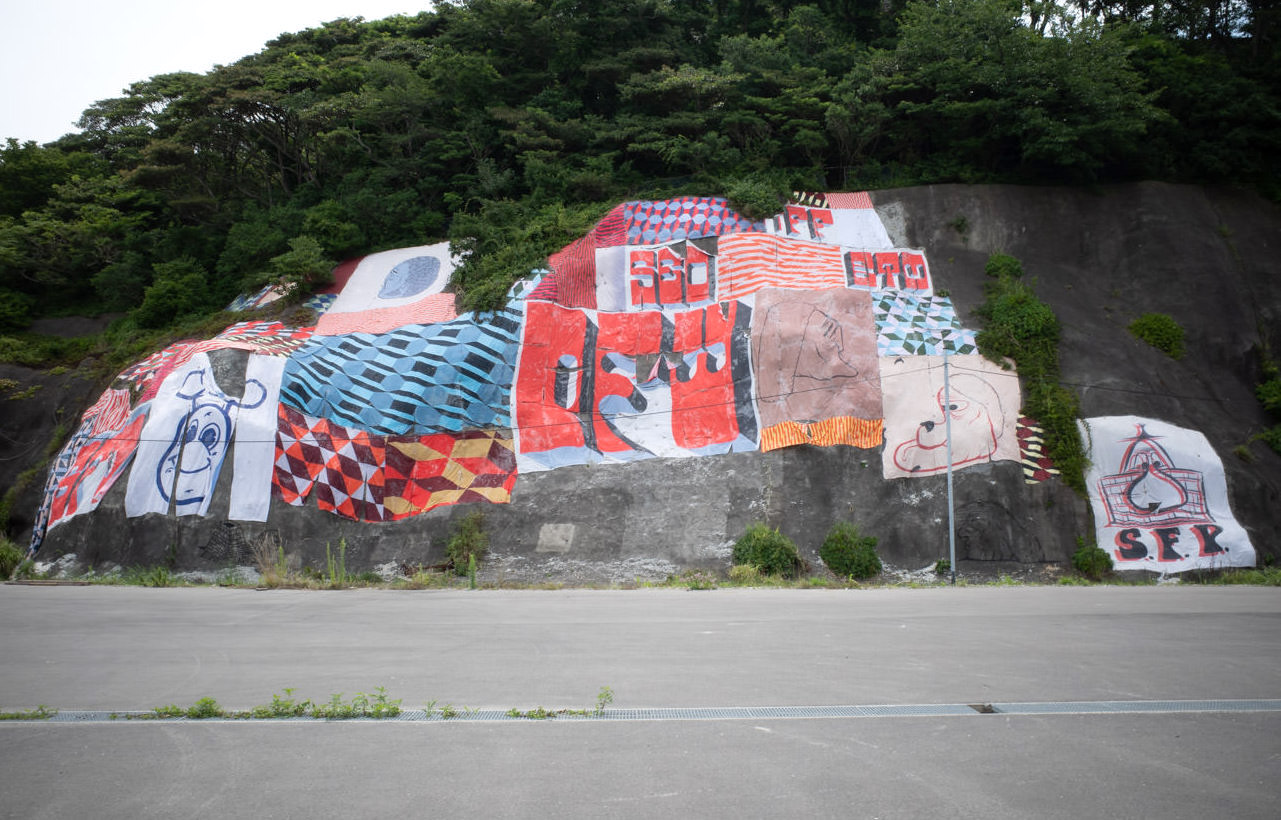
Area theme: Next Utopia
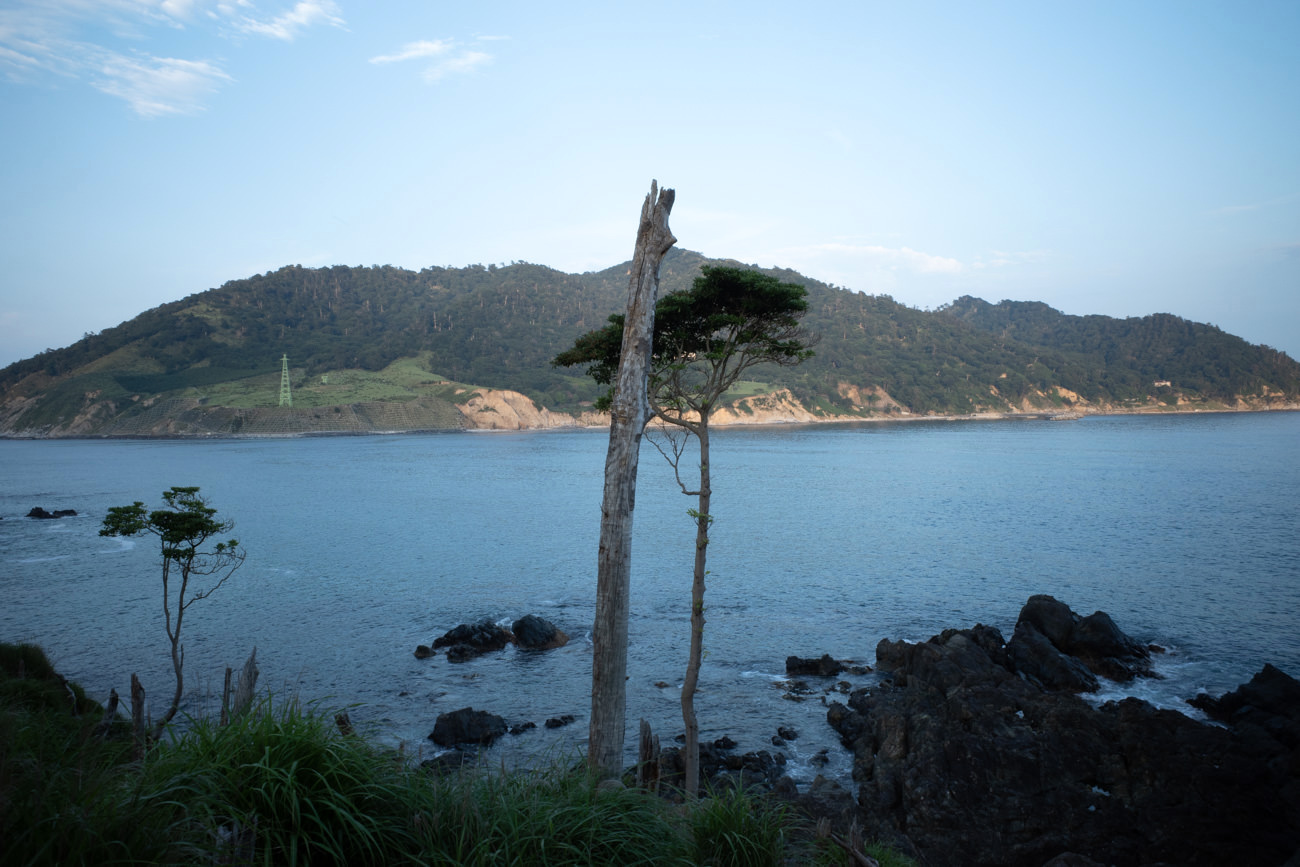
Curator: Etsuko Watari, Koichi WatariAjishima, appearing for the first time this time, is a small island 15 minutes by boat from the Oshika Peninsula, with a population of about 400 and a circumference of 20 km.
And here, with its untouched majestic nature and gentle southern-style atmosphere, it has been called the Hawaii of Tohoku.
From “Dowameki Cape,” whose etymology is in the Ainu language, you can view the superb scenery of the god island “Kinkasan.”
What can only be expressed on this island is creating a “Next Utopia” that has overcome that tragedy.
Artists from Japan and abroad gathered and expressed the space between the ground and the sky.
A giant mural greeting boats arriving at the port, a garden with a tumulus, a variety shop selling memories collected from the island’s houses, video capturing the breathing of plants, and more.
To build the future with our own hands, “Next Utopia” is already our necessity.
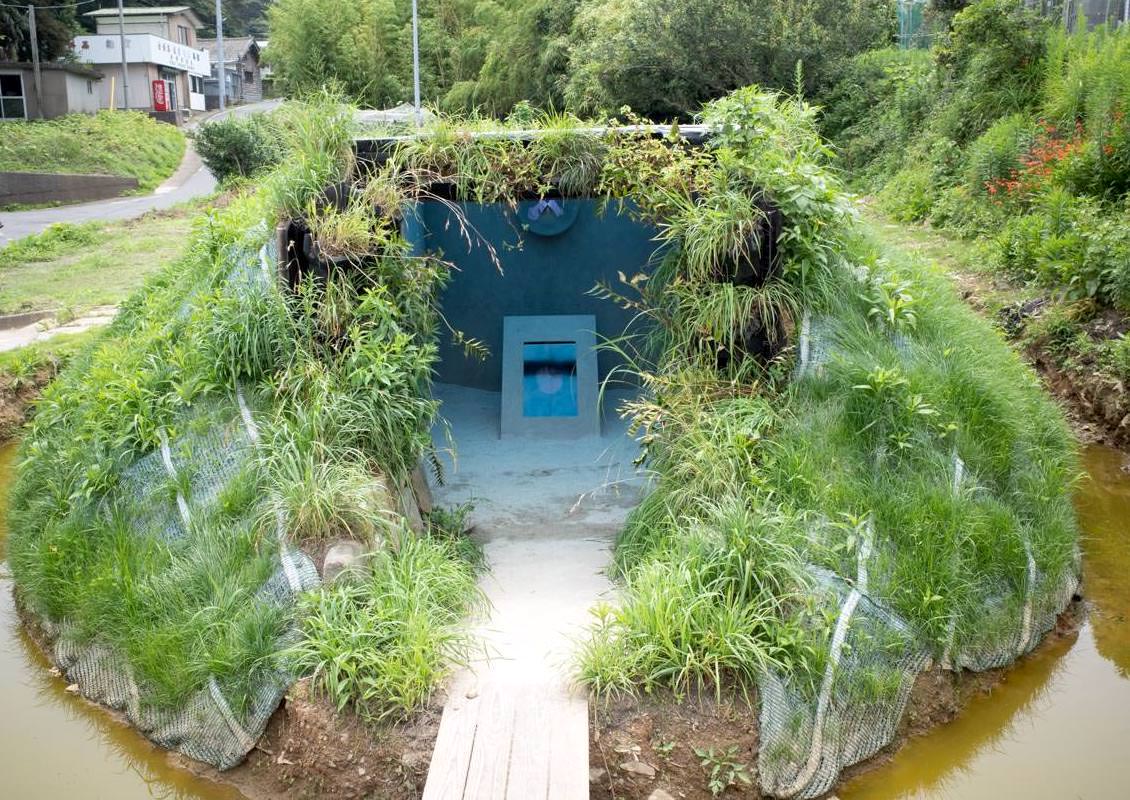
Before: Marina Komiya, 《Horaijima Tumulus》, 2019 / After: 《Horaijima Tumulus》 photographed from inside
Summary
At Reborn-Art Festival 2019, the locations between each area are divided, and touring all the places will involve considerable time and effort.
The exhibition areas, including Ishinomaki Station front, are not urban-like places. Many venues have no air conditioning, and public transport convenience is by no means good. You need to recognize that it differs from an experience like touring museums in the city center, but perhaps feeling this region through physical experience is one of this festival’s great significances.
As an art festival in the disaster-stricken Ishinomaki, it became an experience of reflecting on the great presence of “the disaster.” By visiting this place far from daily life, I came to face art with a special awareness. Through the thoughts of the people involved and the power the works hold, my heart was moved, and it became an opportunity to once again think about the disaster.
I sincerely hope this becomes an effort where this place is reborn and regains vitality through the power of art.
Overview
Reborn-Art Festival 2019
Dates: August 3 (Sat)–September 29 (Sun), 2019
Venues: Oshika Peninsula, Ajishima, Ishinomaki urban area, Matsushima Bay (Ishinomaki City, Shiogama City, Higashimatsushima City, Matsushima Town, Onagawa Town)
*The Ajishima area opens from August 20 (Tue).
Organizers: Reborn-Art Festival Executive Committee, AP Bank (general incorporated association)
Co-organizers: Miyagi Prefecture, Ishinomaki City, Shiogama City, Higashimatsushima City, Matsushima Town, Onagawa Town, The Kahoku Shimpo, JR East Sendai Branch, Yahoo Japan Corporation
FY2018 Agency for Cultural Affairs International Cultural and Artistic Hub Formation Project
Sponsors: Kinoshita Group, Kirin, Sumitomo Forestry, TSUTAYA, T-Point Japan, Kankyo Station, GRAND MARBLE KYOTO, Hitachi Systems, Mitsui Fudosan, LIXIL
Partner projects: Aichi Triennale 2019, Sanriku Disaster-Prevention and Recovery Project 2019, Setouchi Triennale 2019