exhibition

[Collection Exhibition] Musée de l'Orangerie "Renoir and the 12 Painters Who Fell in Love with Paris" at Yokohama Museum of Art

【コレクション展】オランジュリー美術館「ルノワールとパリに恋した12人の画家たち」横浜美術館

Renoir and the 12 Painters Who Fell in Love with Paris

We visited “Musée de l’Orangerie Collection: Renoir and the 12 Painters Who Fell in Love with Paris,” an exhibition of works from the Musée de l’Orangerie held to commemorate the 30th anniversary of the Yokohama Museum of Art.
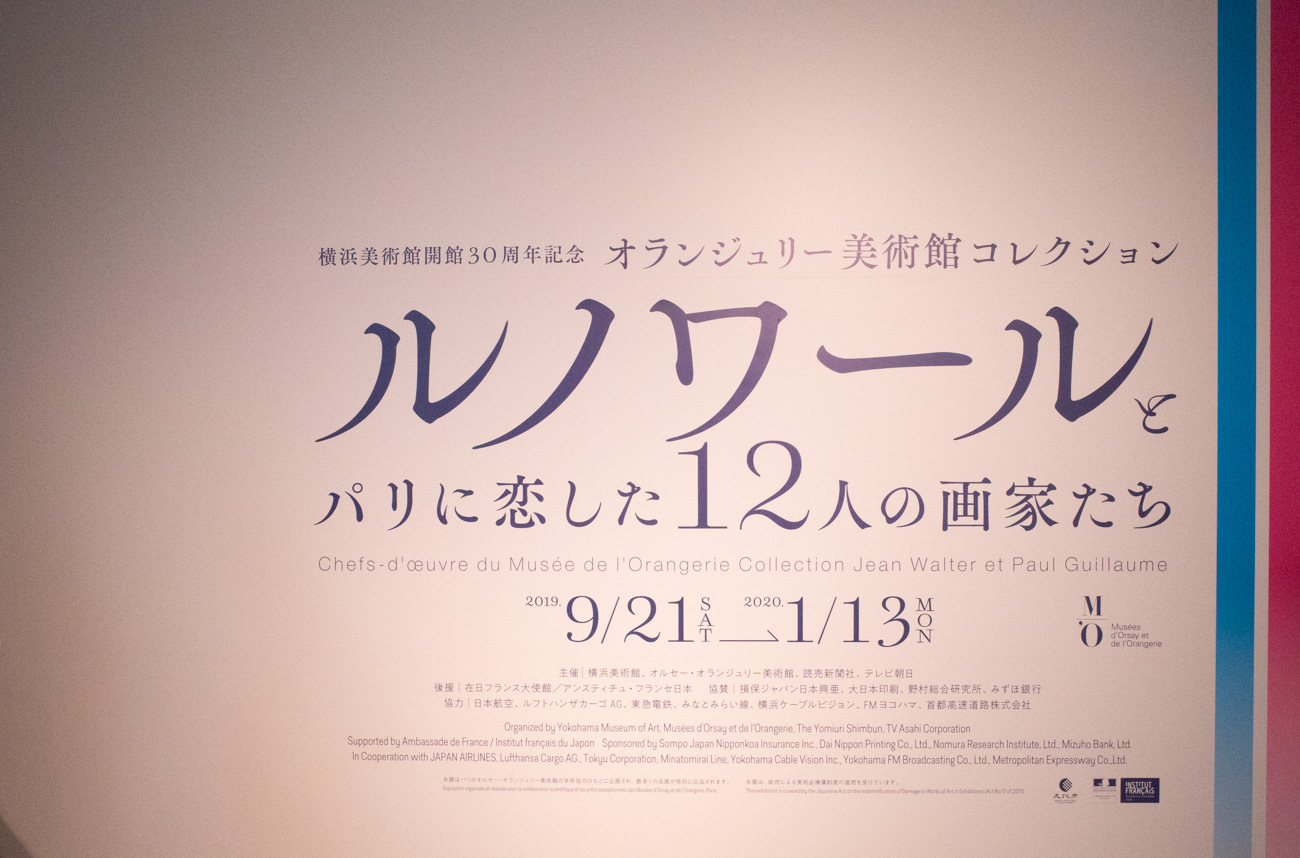
Renoir and the 12 Painters Who Fell in Love with Paris (Yokohama Museum of Art)

The Musée de l’Orangerie is a French national museum that houses and exhibits French art from the late 19th to early 20th century.
This exhibition offers a valuable opportunity to see approximately 70 works by 13 painters from the museum’s 146-painting collection, brought together in Japan for the first time in 21 years.

Paul Guillaume

The remarkable holdings of the Musée de l’Orangerie were donated to the French State after the death of Paul Guillaume (1891–1934) by his wife Domenica, as the “Jean Walter and Paul Guillaume Collection,” named after her second husband, and have since been displayed at the museum.
Paul Guillaume was both a French art dealer and a collector.
He amassed a personal collection regardless of whether the artist was famous or unknown, and served as a patron who discovered and nurtured young artists such as Modigliani.
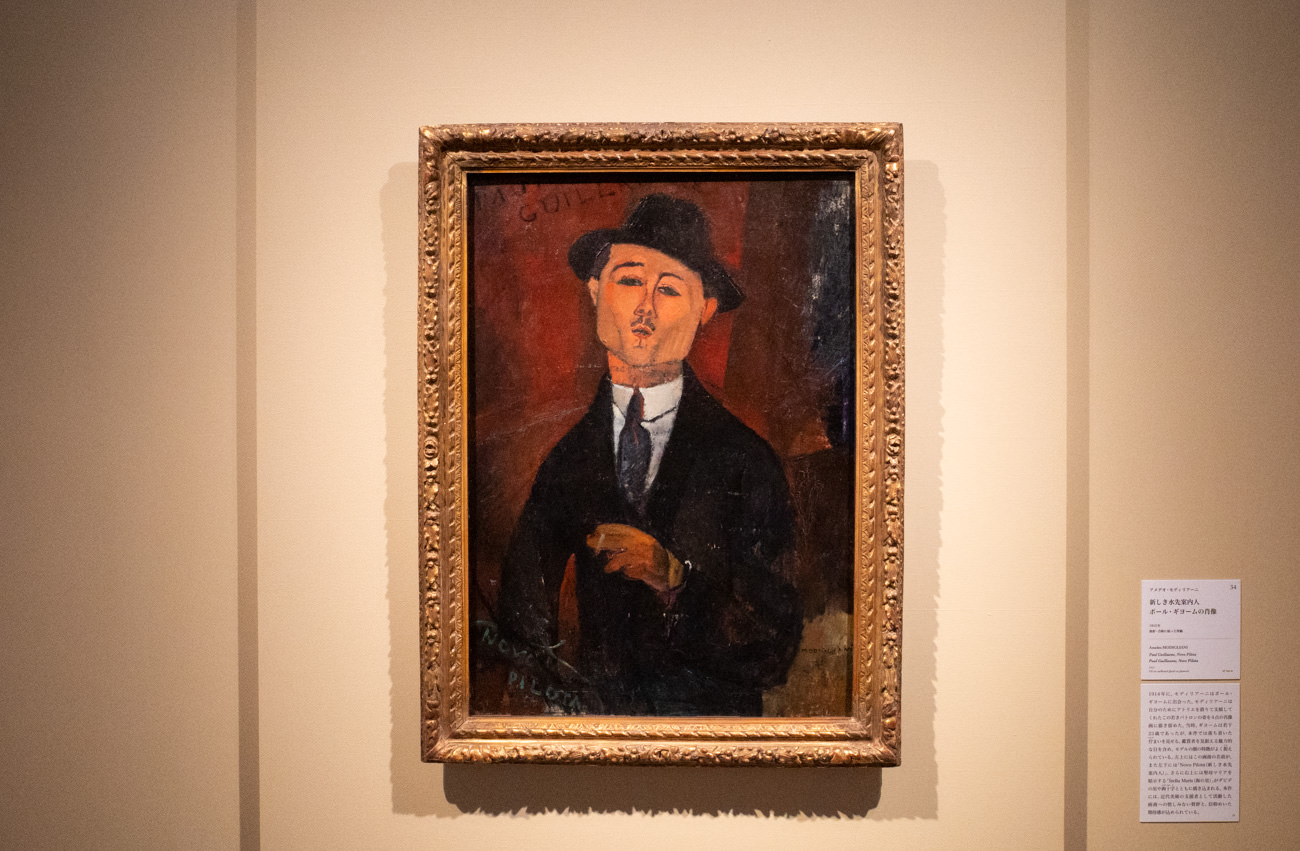
Amedeo Modigliani, "Portrait of Paul Guillaume, Novo Pilota"
Amedeo Modigliani, “Portrait of Paul Guillaume, Novo Pilota”

A model recreating Paul Guillaume’s study was on display — what a study it was!
A spacious study surrounded by works from his collection — how wonderful!
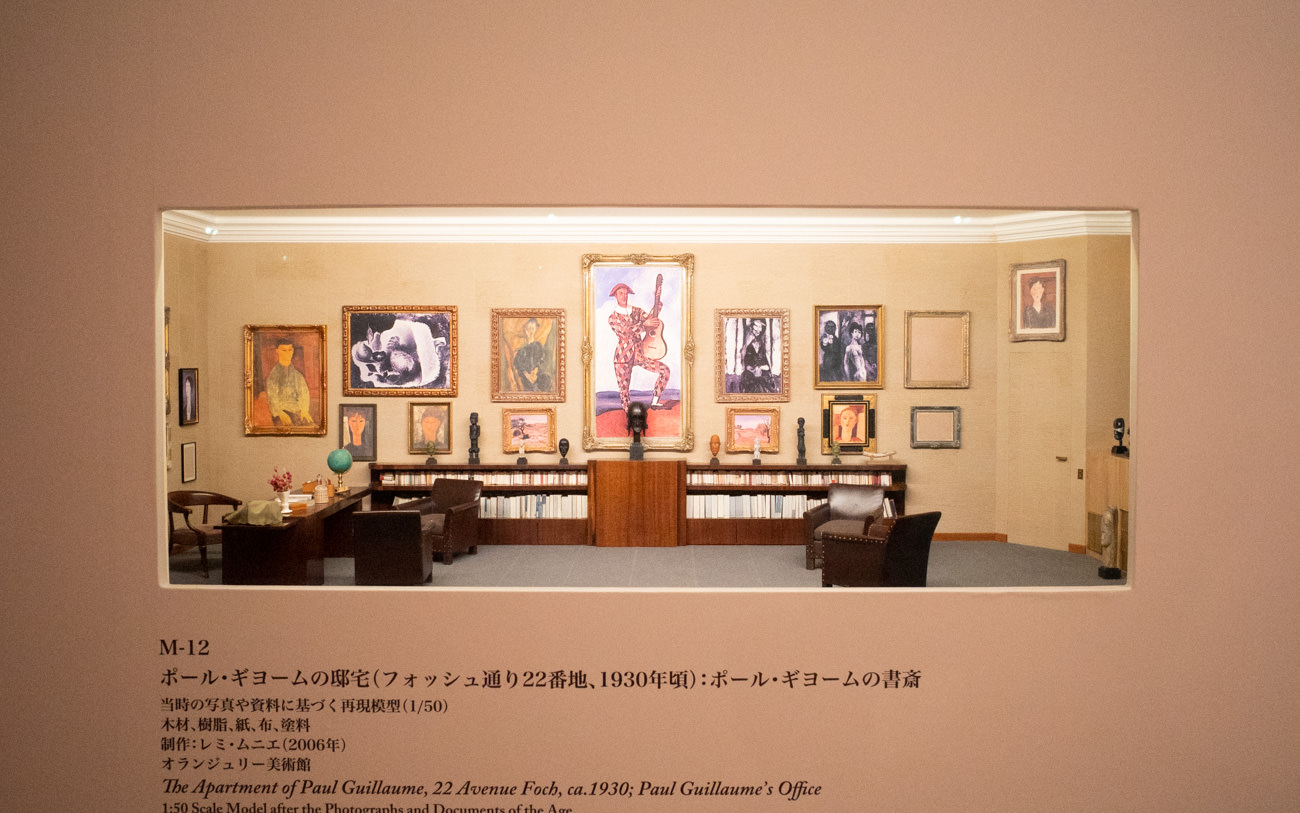
Paul Guillaume's residence (22 Avenue Foch, around 1930): Paul Guillaume's study, by Rémi Munier, 2006
Paul Guillaume’s residence (22 Avenue Foch, around 1930): Paul Guillaume’s study, by Rémi Munier, 2006

At the press preview, Cécile Debray, director of the Musée de l’Orangerie, made an elegant and lovely impression.
It was recently announced that Mami Kataoka will become the director of the Mori Art Museum in Japan. In Japan, more than 80% of museum directors are said to be men — I would like to see more female directors emerge.
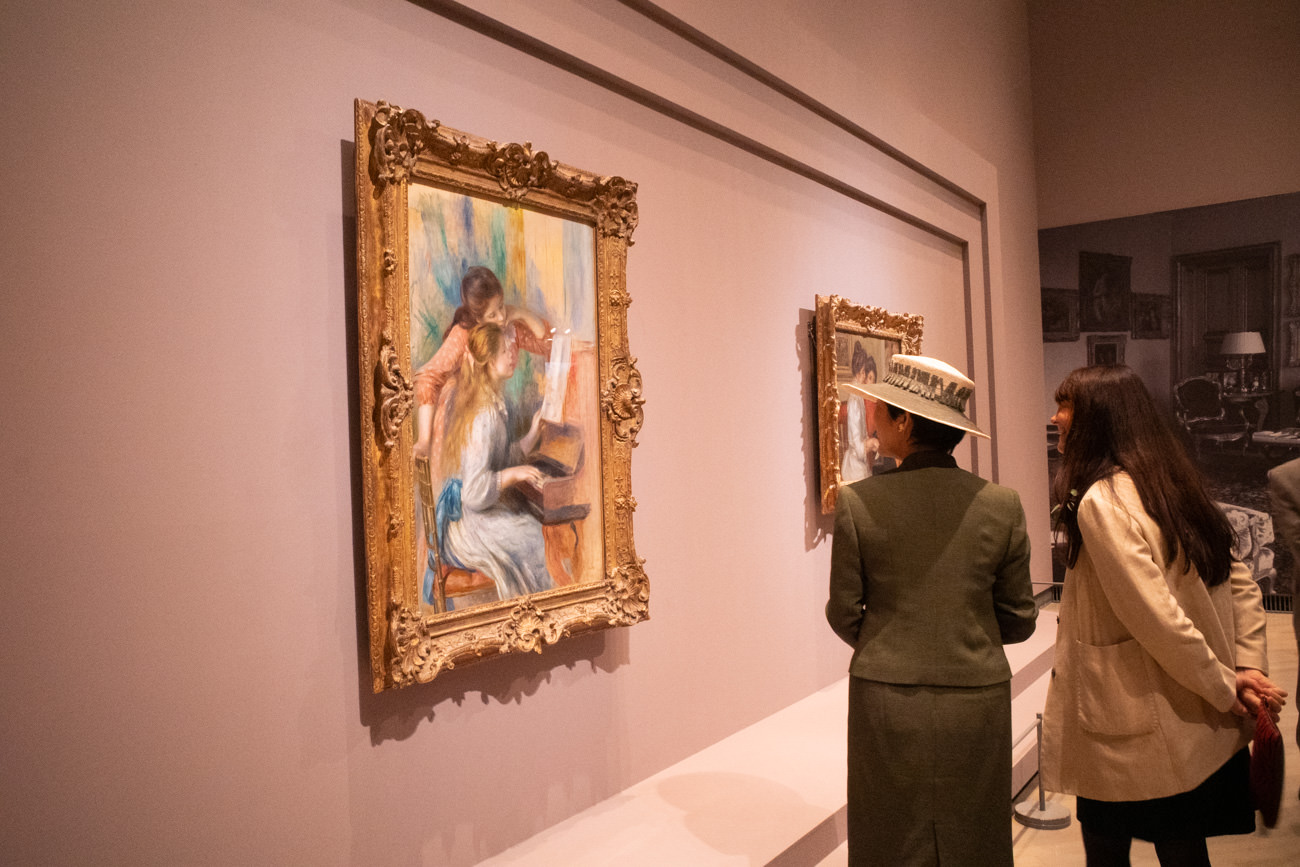
Her Imperial Highness Princess Takamado and Cécile Debray, director of the Musée de l'Orangerie, viewing "Young Girls at the…
Her Imperial Highness Princess Takamado and Cécile Debray, director of the Musée de l’Orangerie, viewing “Young Girls at the Piano”

Featured Artists

Below, we introduce a selection of works by each of the 13 painters.

Alfred Sisley
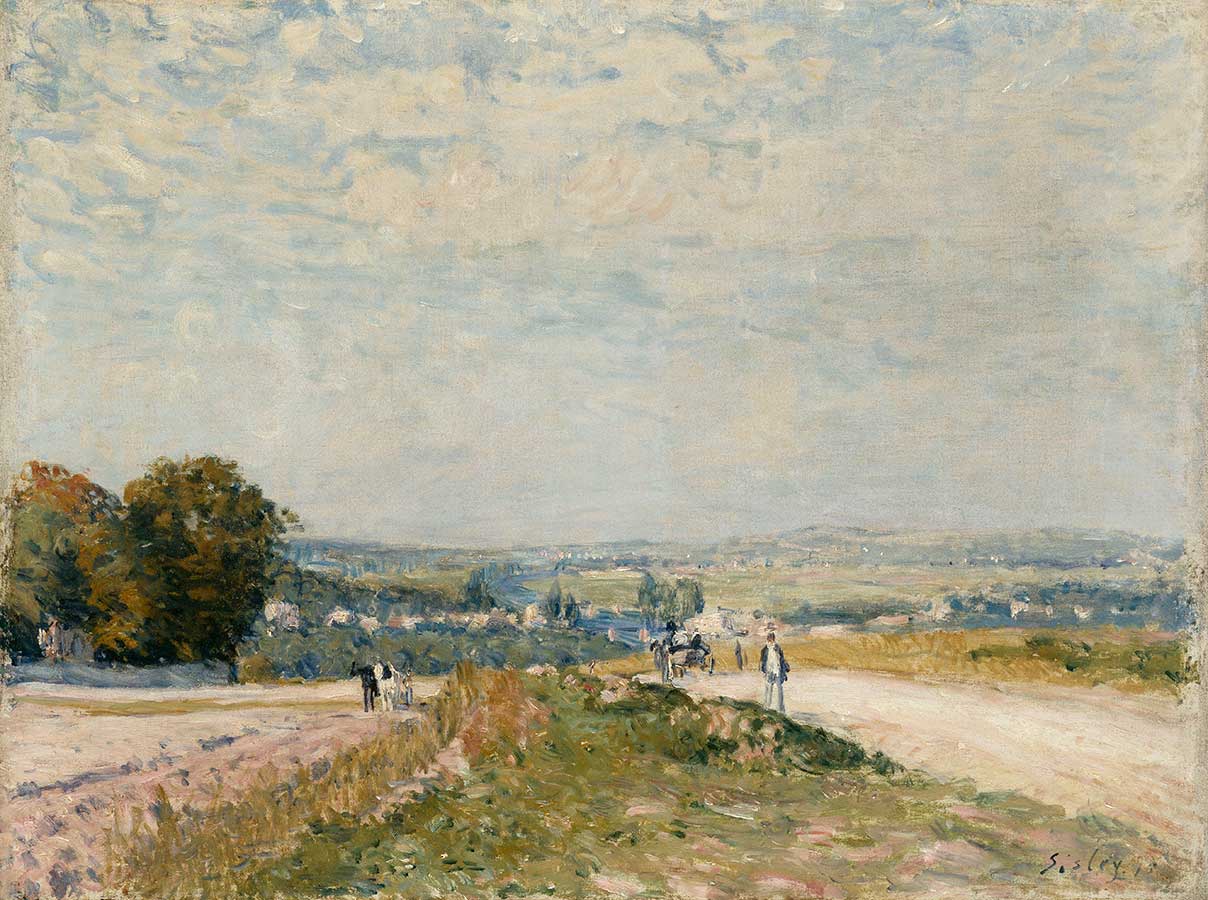
Alfred Sisley, "The Road from Mont-Buisson to Louveciennes," 1875
Alfred Sisley, “The Road from Mont-Buisson to Louveciennes,” 1875

Claude Monet

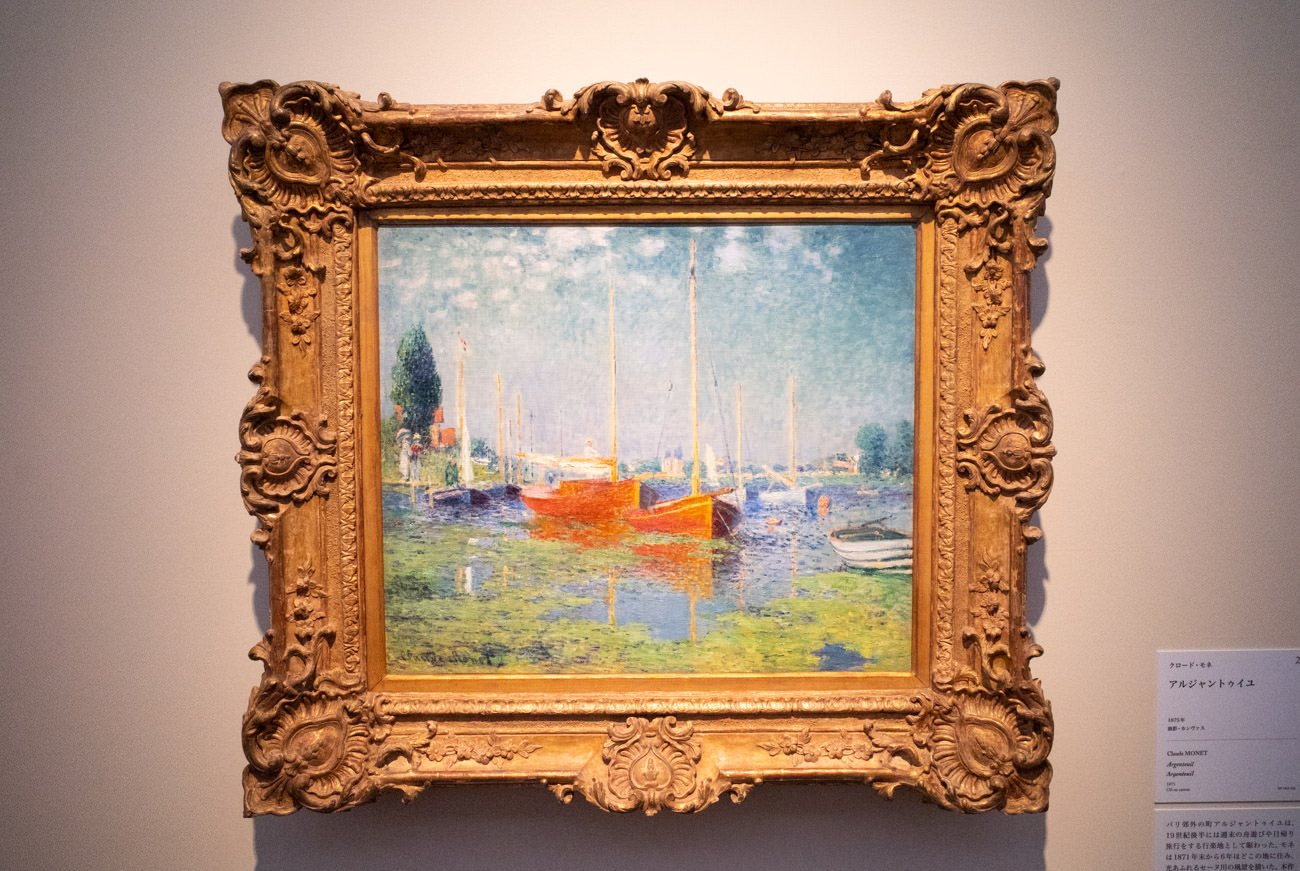
Claude Monet, "Argenteuil," 1875
Claude Monet, “Argenteuil,” 1875

Auguste Renoir

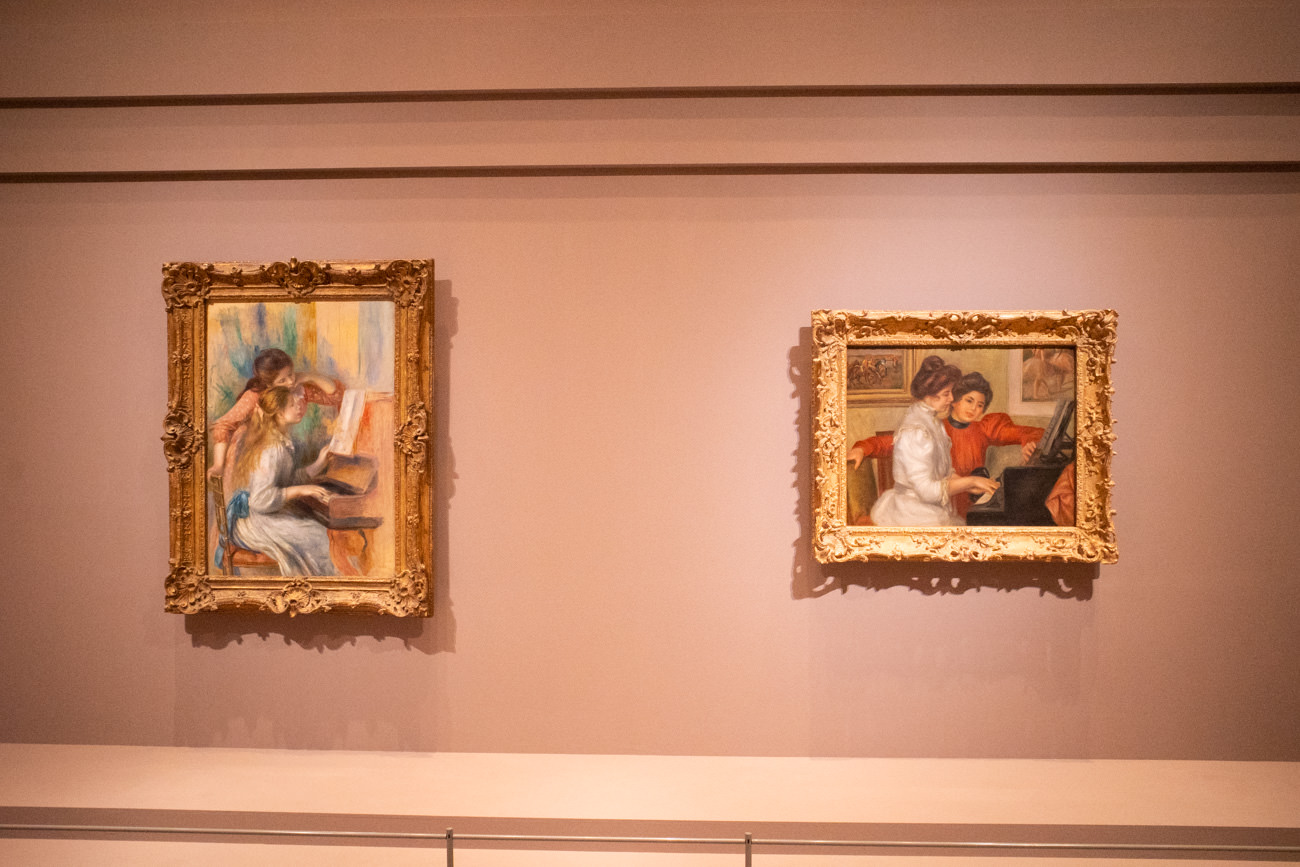
Auguste Renoir, "Young Girls at the Piano," c. 1892; "Yvonne and Christine Lerolle at the Piano," c. 1897–1898
Auguste Renoir, “Young Girls at the Piano,” c. 1892; “Yvonne and Christine Lerolle at the Piano,” c. 1897–1898
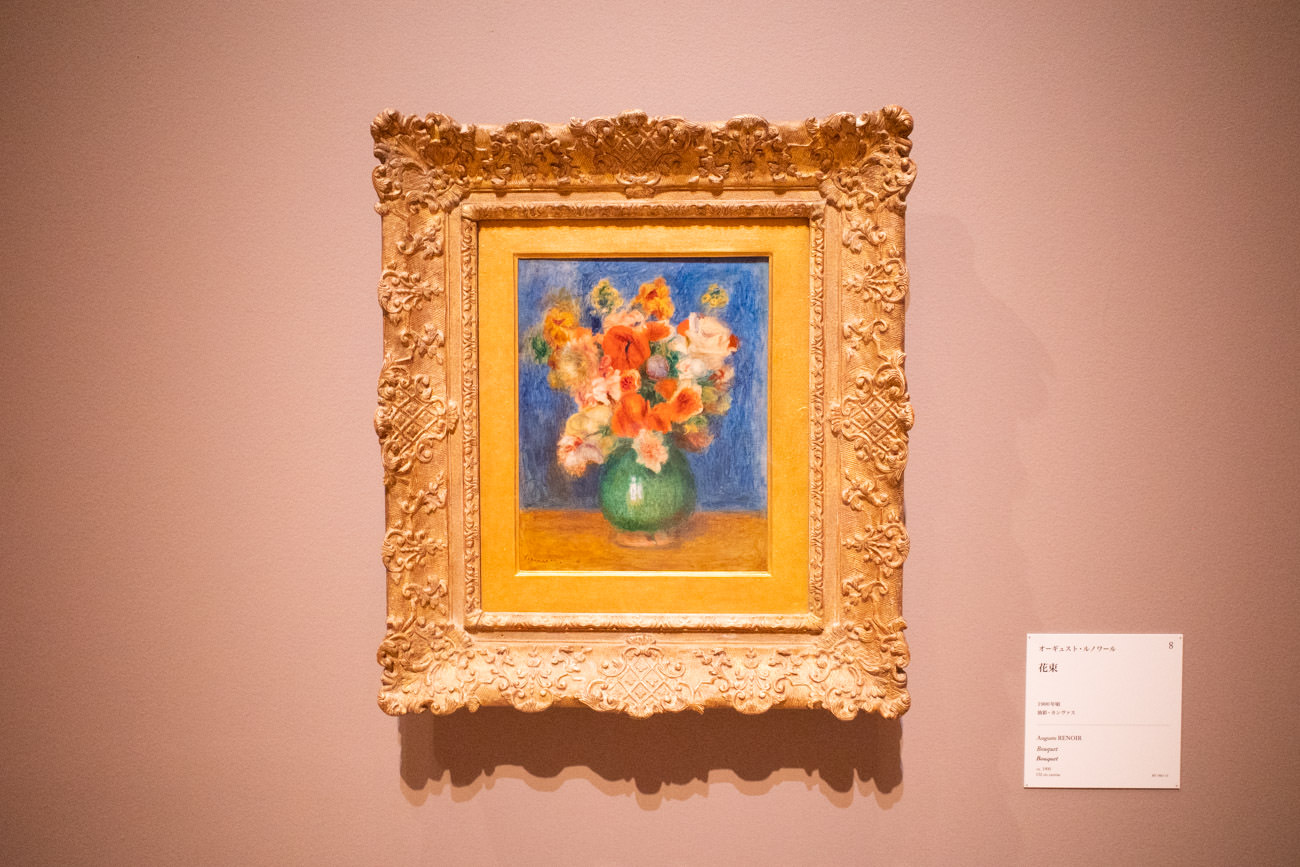
Auguste Renoir, "Bouquet of Flowers," c. 1900
Auguste Renoir, “Bouquet of Flowers,” c. 1900
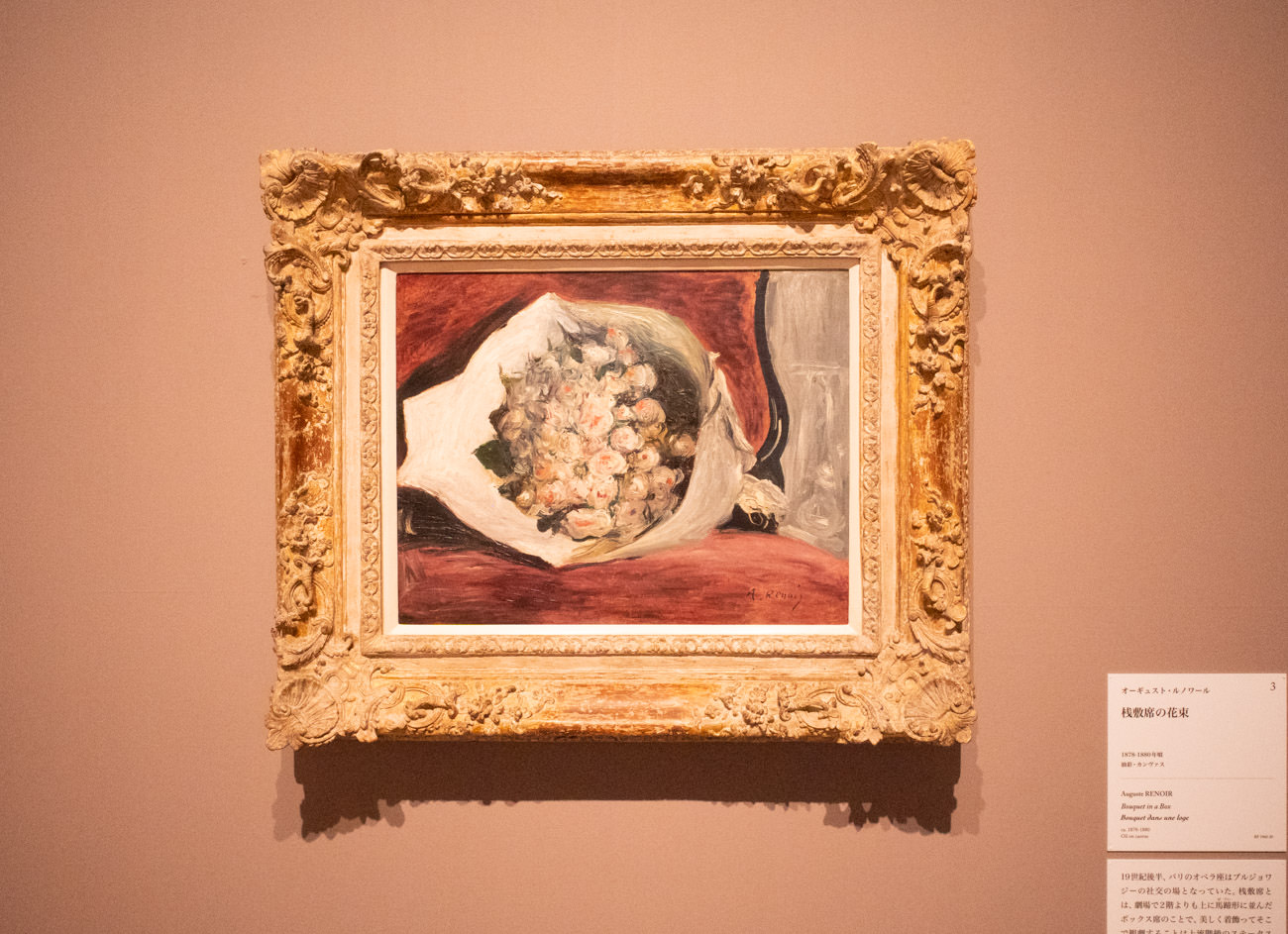
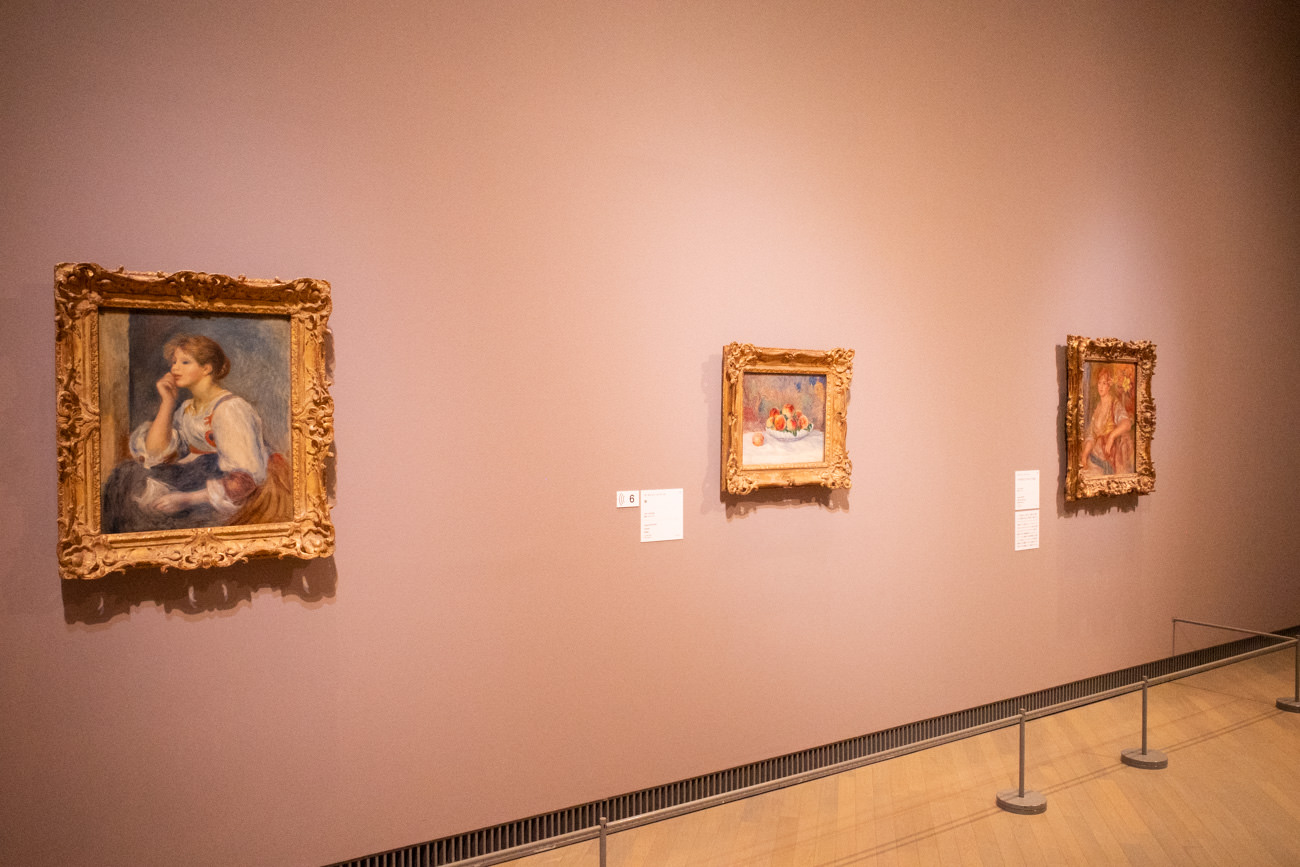
Auguste Renoir, "Bouquet in a Theater Box," c. 1878–1880
Auguste Renoir, “Bouquet in a Theater Box,” c. 1878–1880
Installation view
Installation view

Paul Cézanne

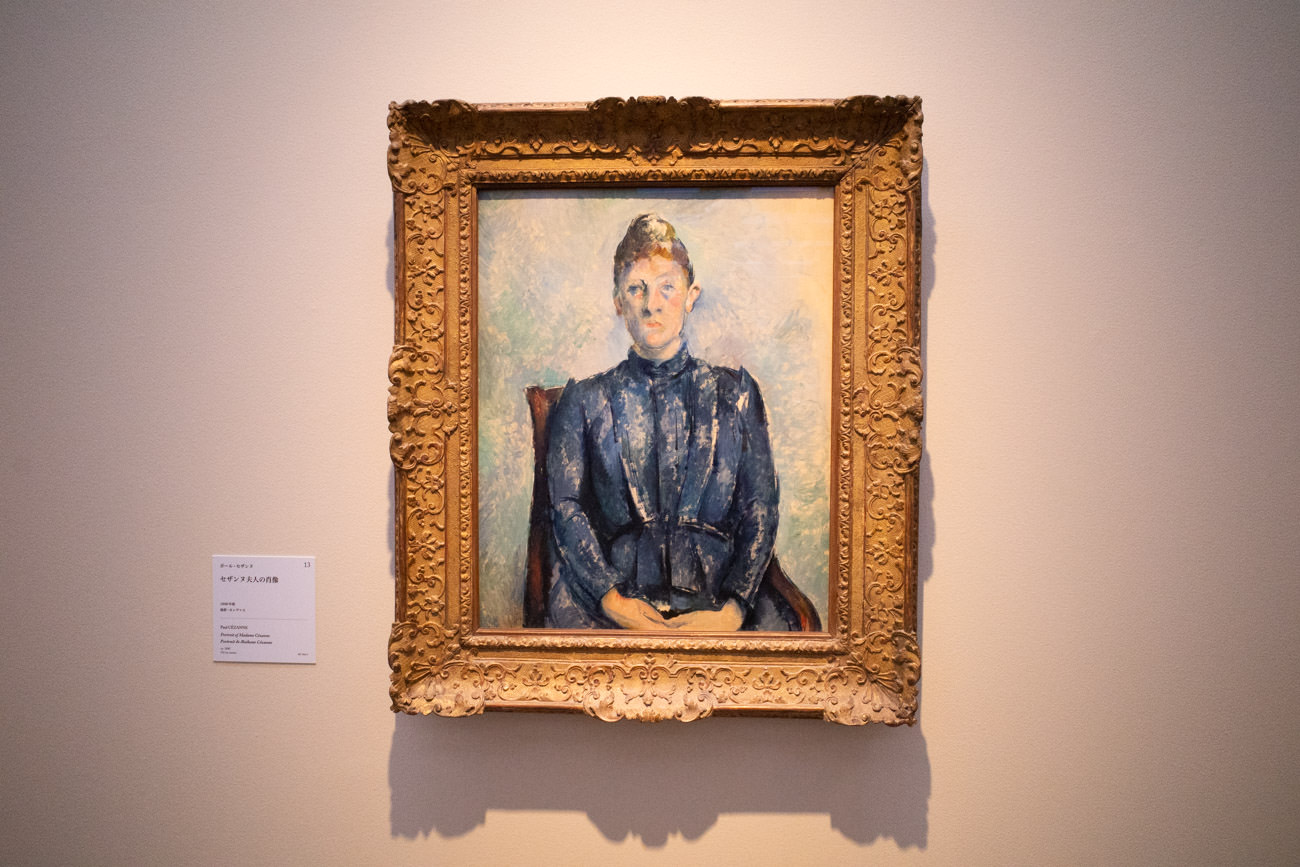
Paul Cézanne, "Portrait of Madame Cézanne," c. 1890
Paul Cézanne, “Portrait of Madame Cézanne,” c. 1890
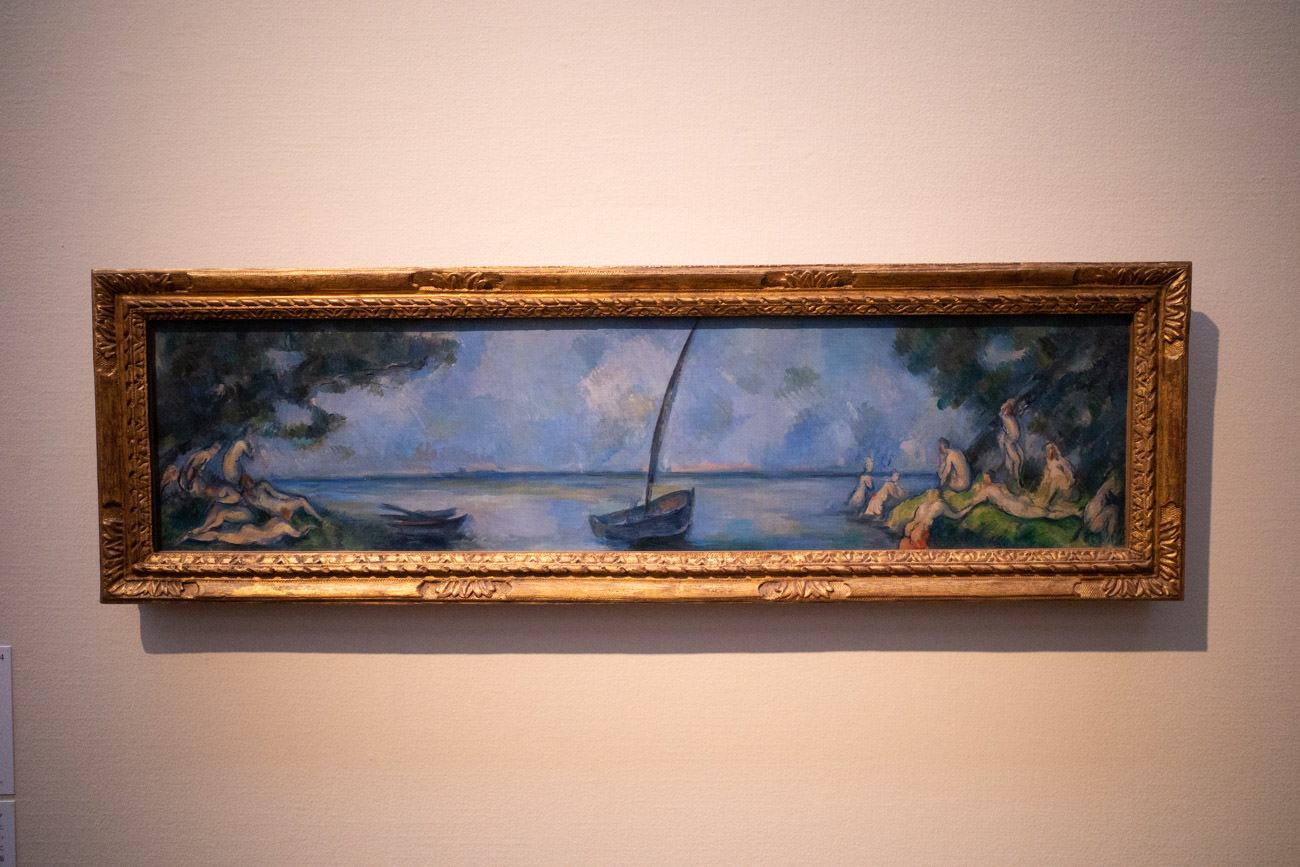
Paul Cézanne, "Boat and Bathers," c. 1890
Paul Cézanne, “Boat and Bathers,” c. 1890

Henri Rousseau

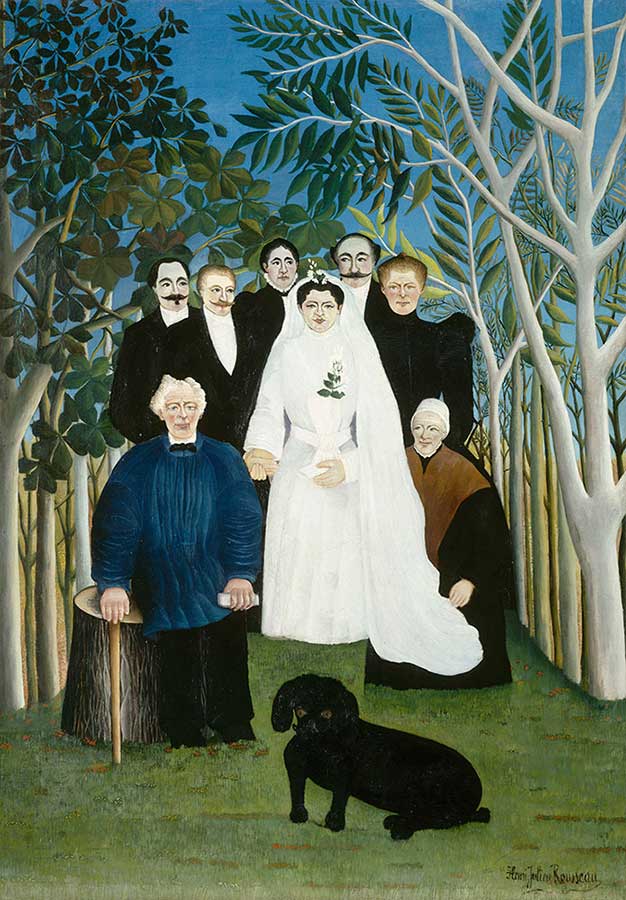
Henri Rousseau, "The Wedding," c. 1905
Henri Rousseau, “The Wedding,” c. 1905


Henri Matisse

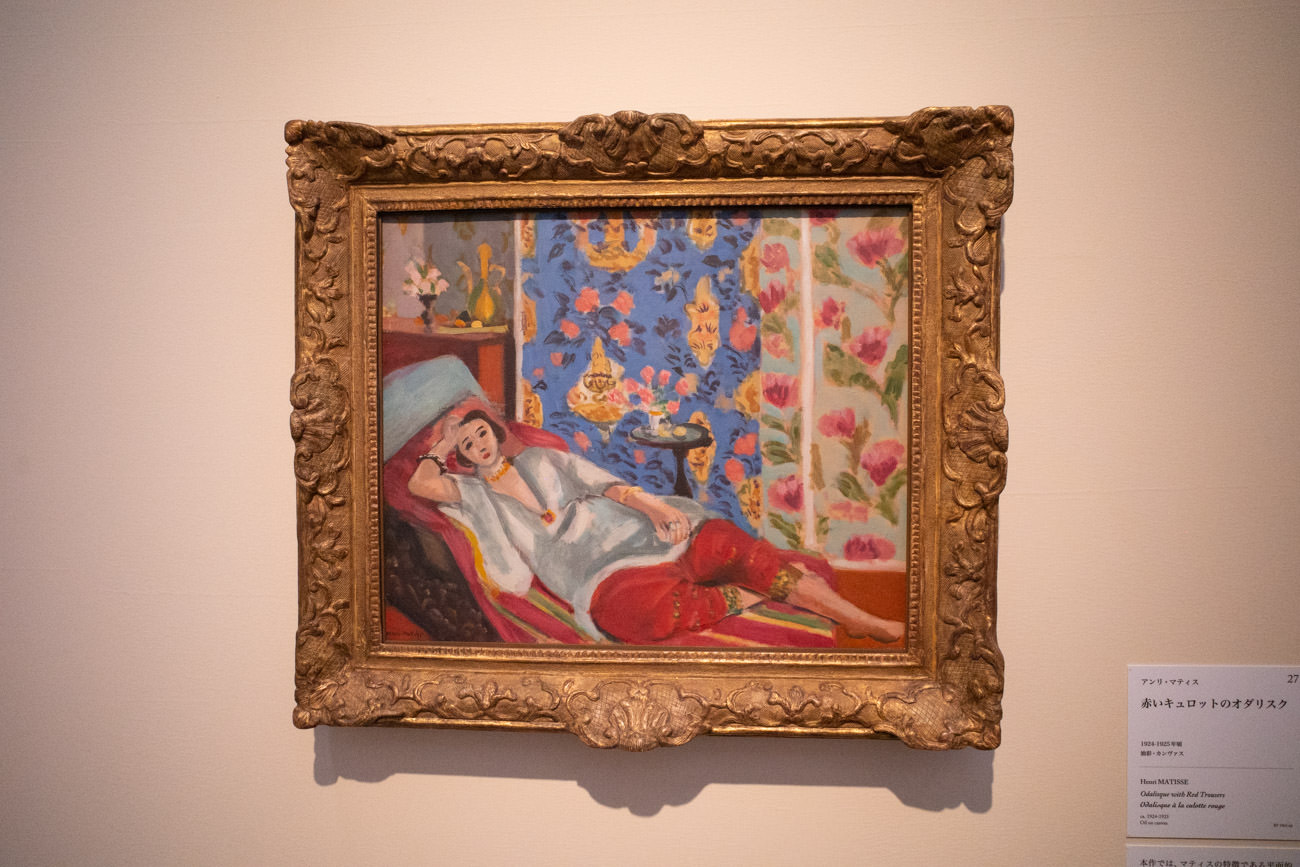
Henri Matisse, "Odalisque with Red Culottes," c. 1924–1925
Henri Matisse, “Odalisque with Red Culottes,” c. 1924–1925
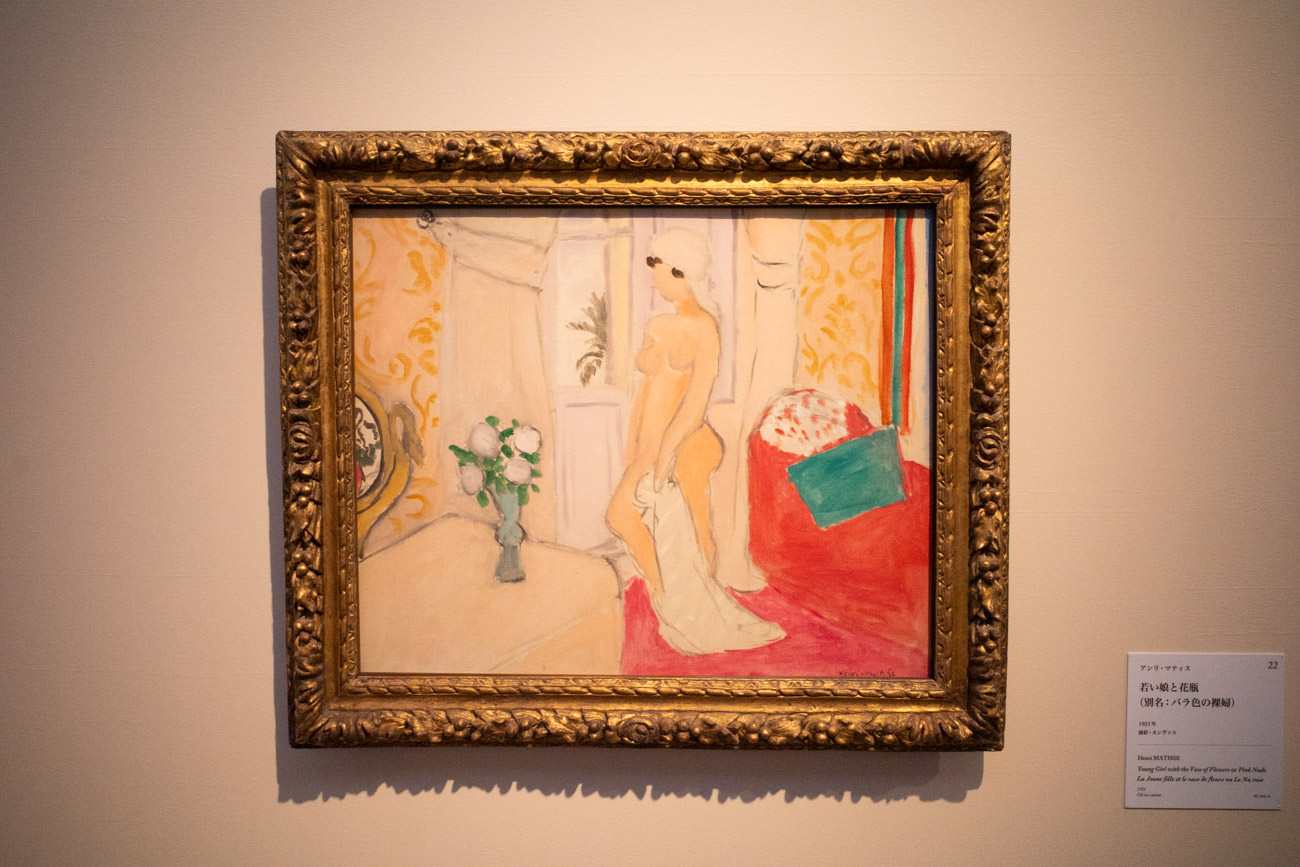
Henri Matisse, "Young Woman with a Vase of Flowers (also known: Pink Nude)," c. 1921
Henri Matisse, “Young Woman with a Vase of Flowers (also known: Pink Nude),” c. 1921

Pablo Picasso

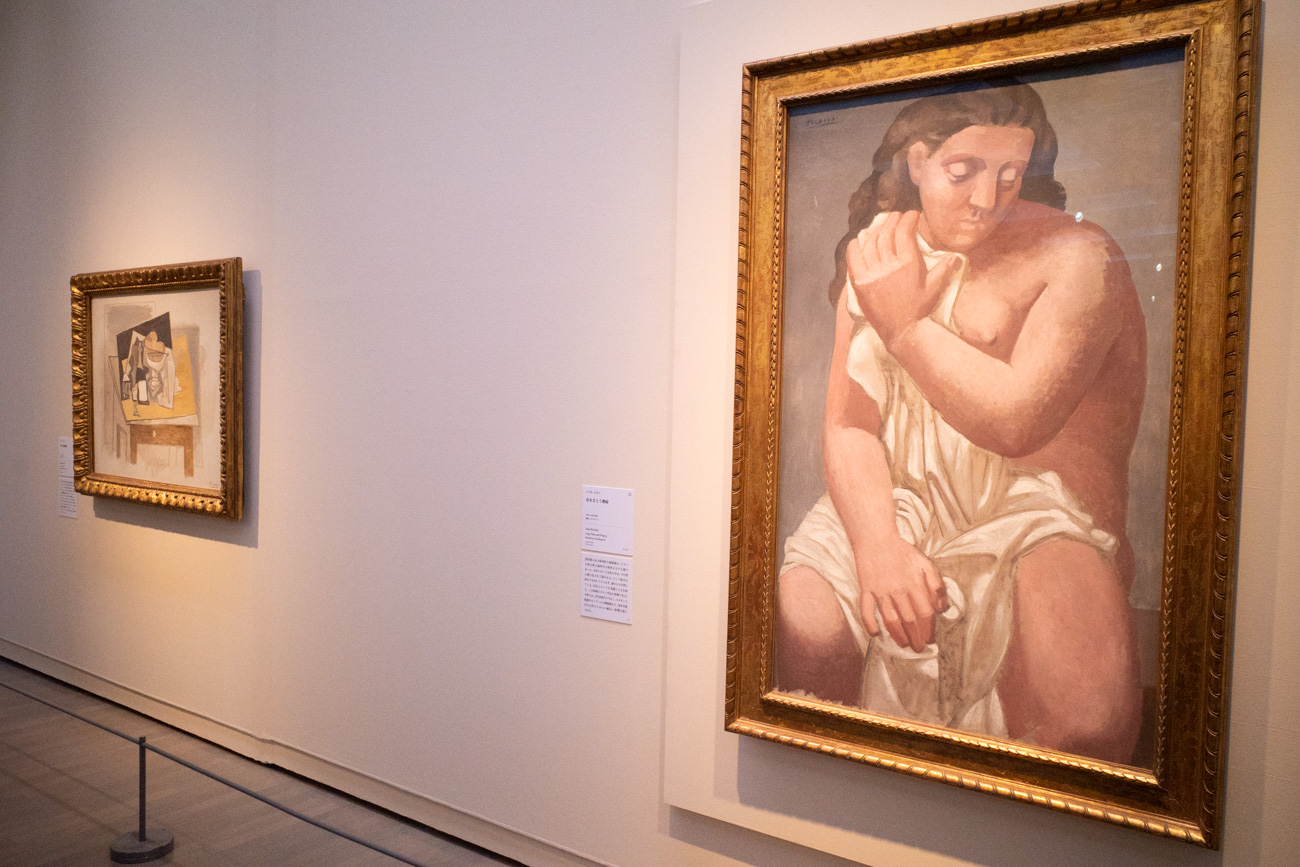
Pablo Picasso, "Nude with Drapery," c. 1921–1923
Pablo Picasso, “Nude with Drapery,” c. 1921–1923

Amedeo Modigliani

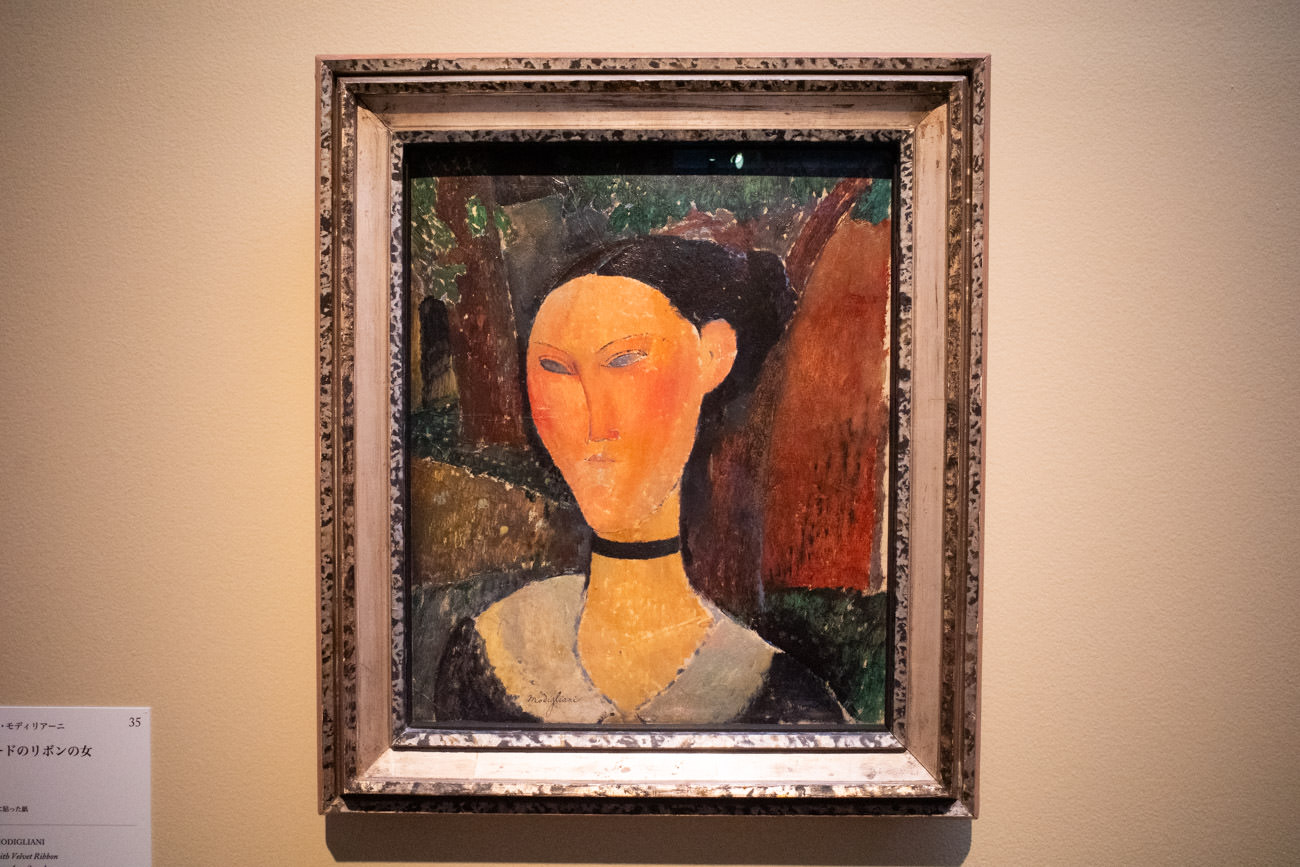
Amedeo Modigliani, "Woman with a Velvet Ribbon," c. 1915
Amedeo Modigliani, “Woman with a Velvet Ribbon,” c. 1915
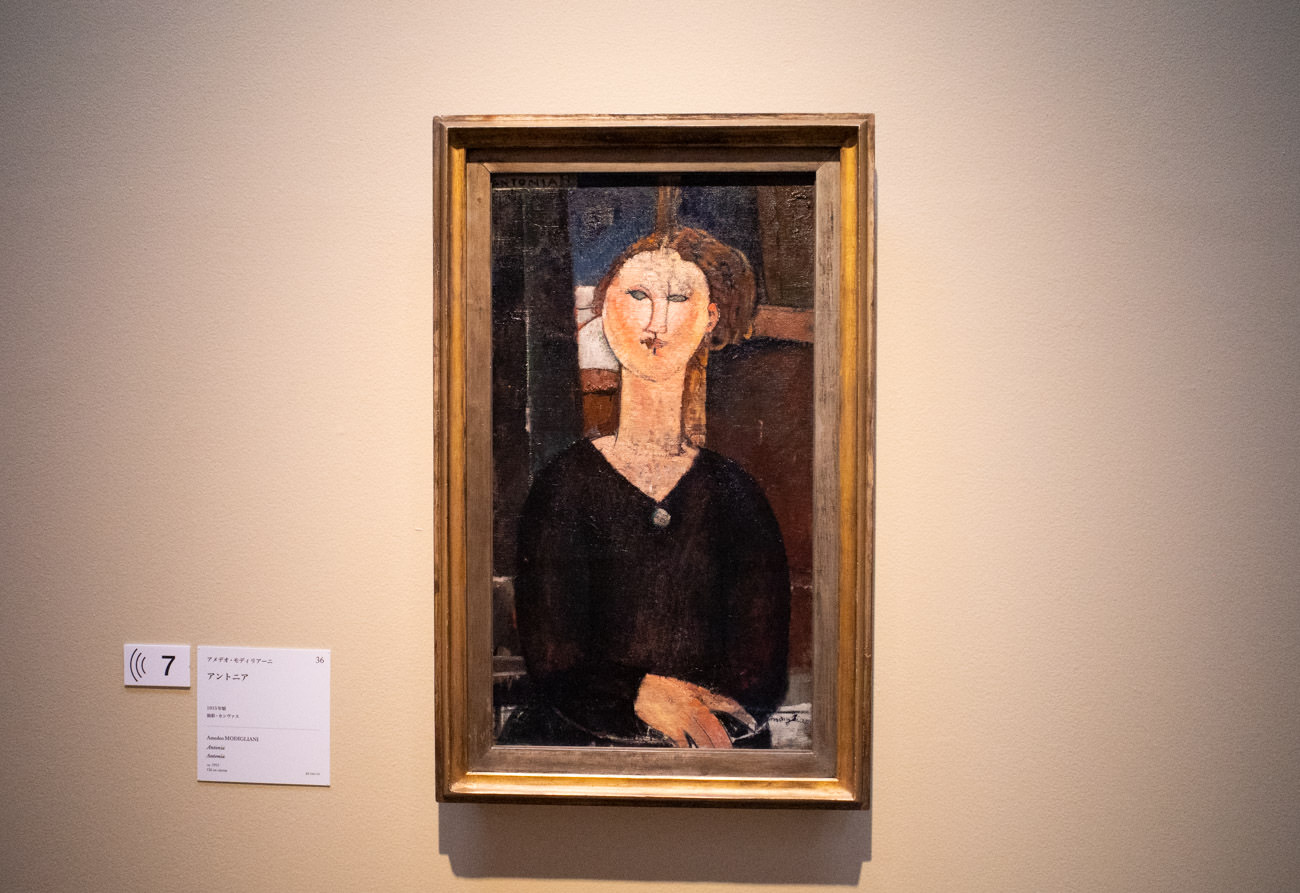
Amedeo Modigliani, "Antonia," c. 1915
Amedeo Modigliani, “Antonia,” c. 1915
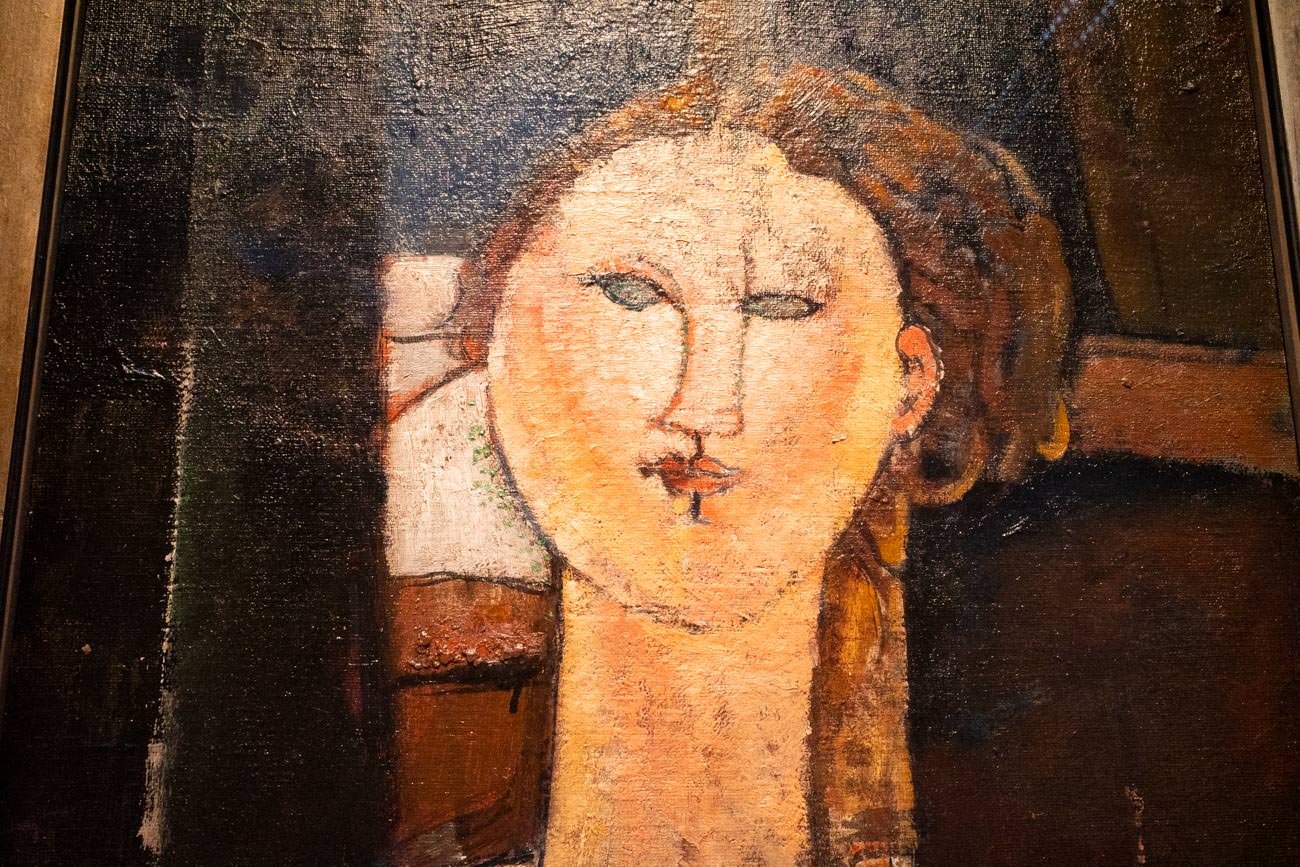
Amedeo Modigliani, "Antonia" (detail)
Amedeo Modigliani, “Antonia” (detail)

Kees van Dongen

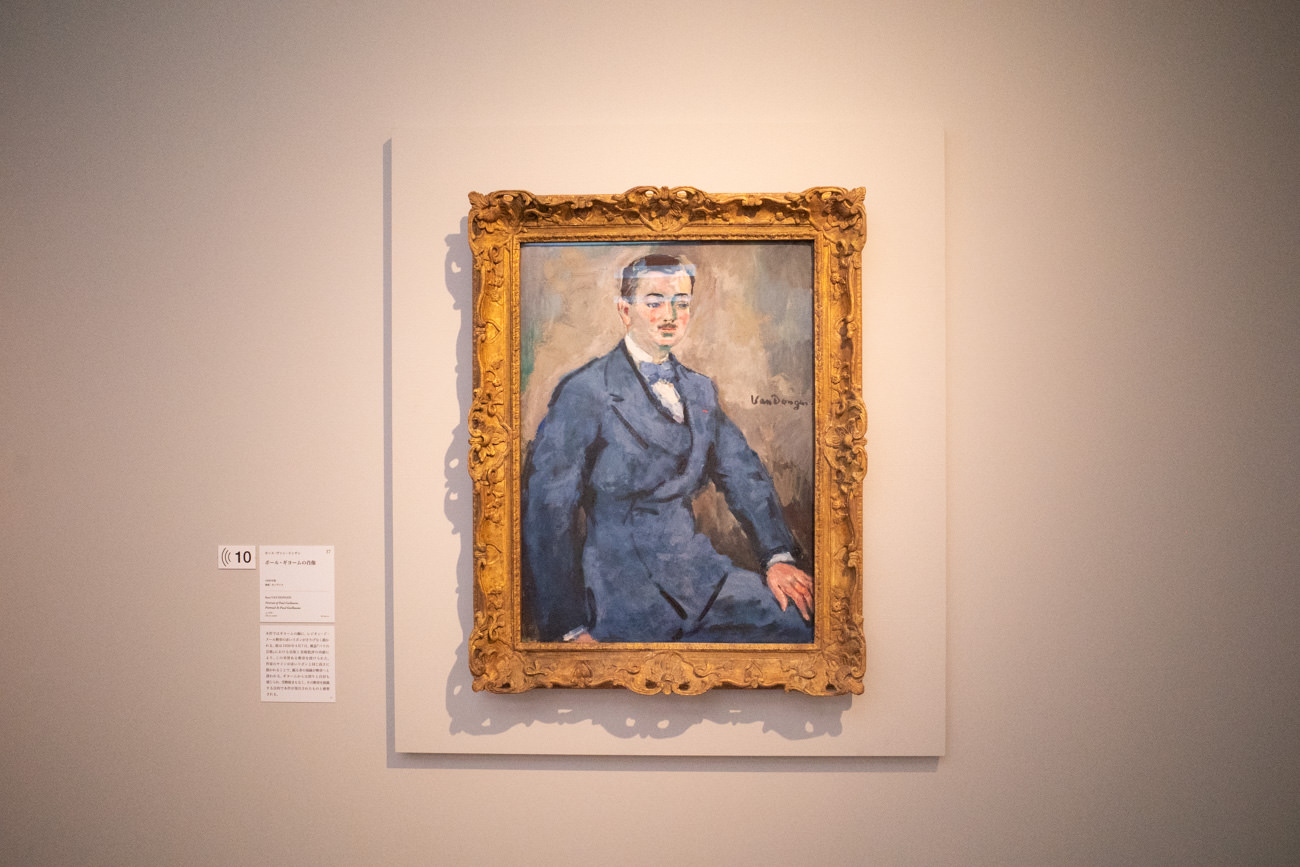
Kees van Dongen, "Portrait of Paul Guillaume," c. 1930
Kees van Dongen, “Portrait of Paul Guillaume,” c. 1930

André Derain

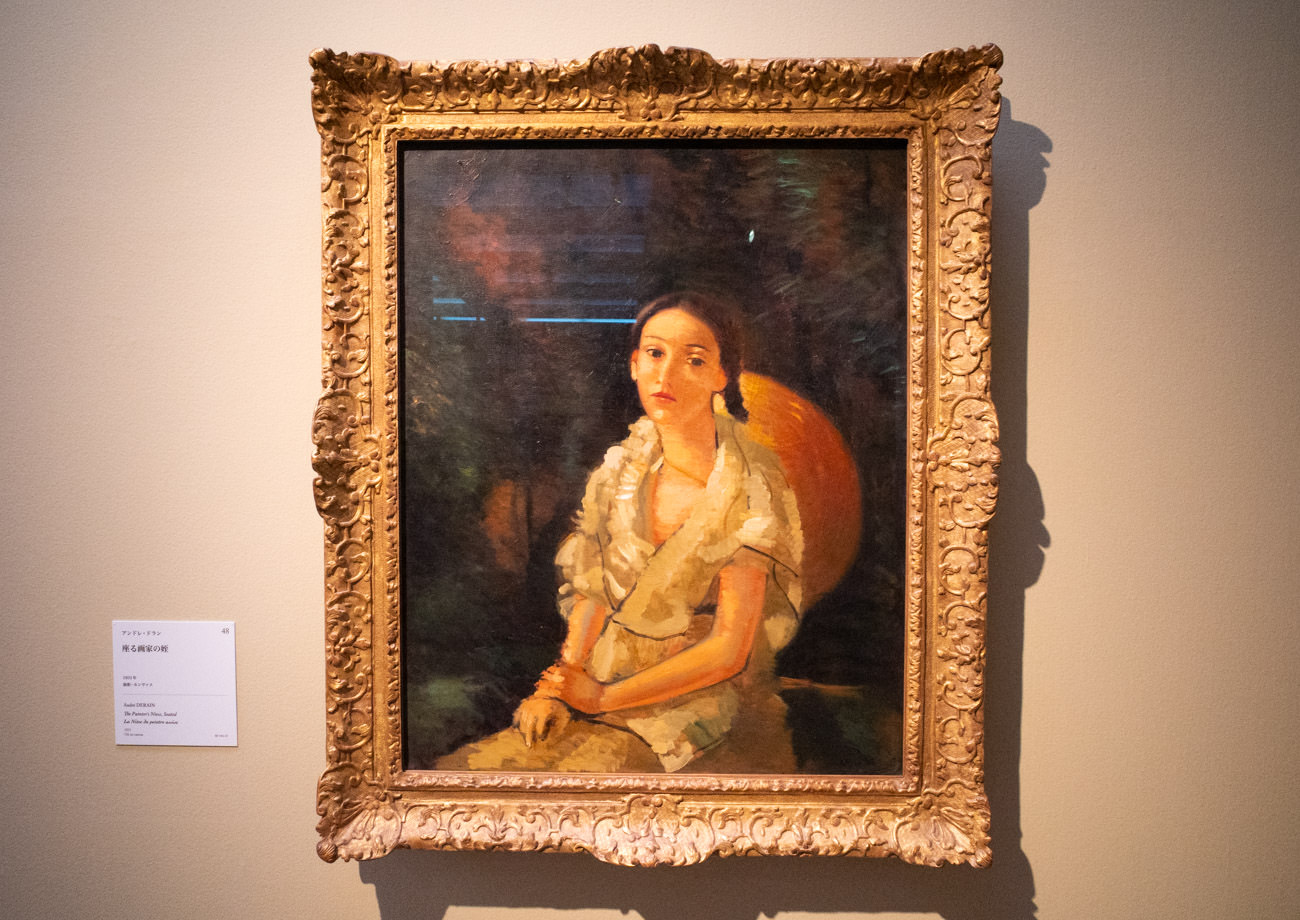
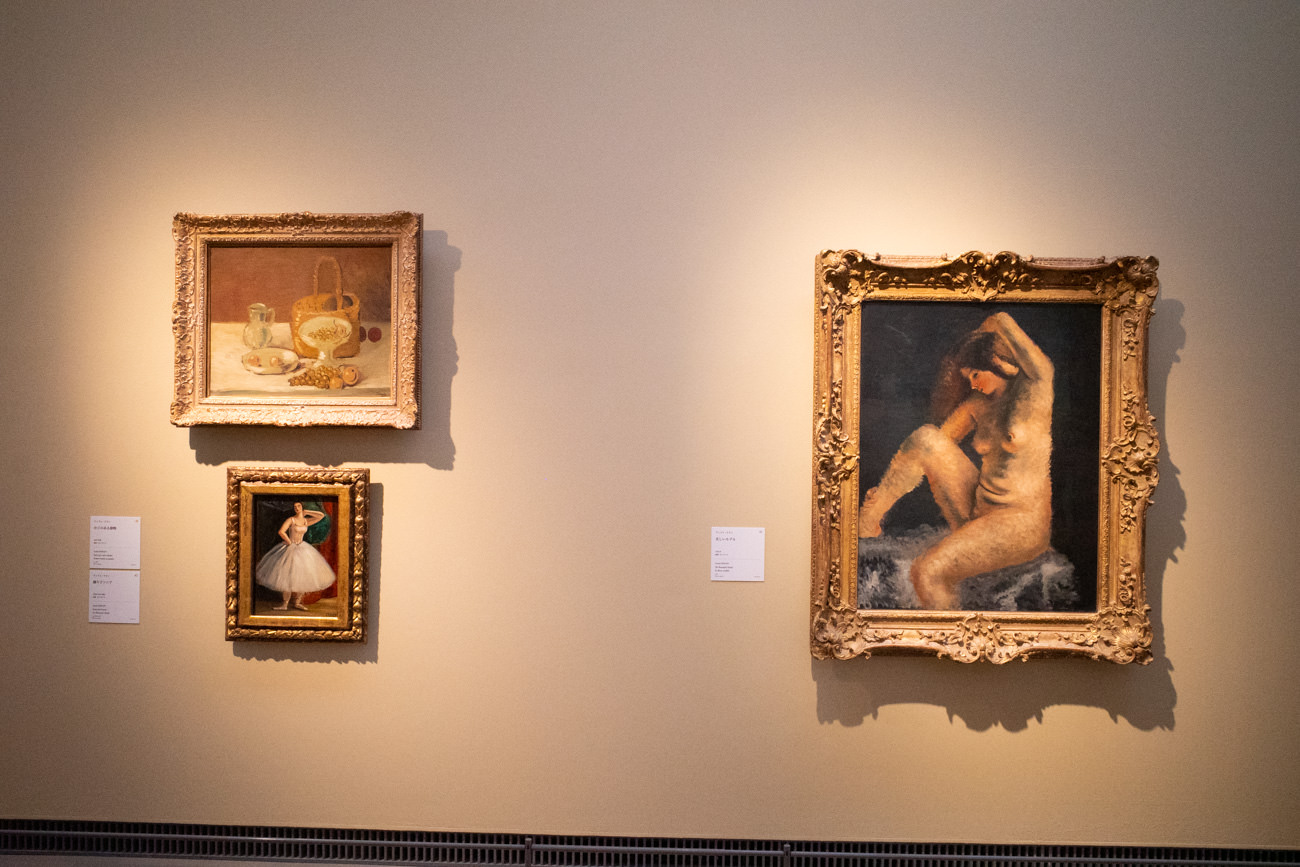
André Derain, "The Painter's Niece Seated," 1931
André Derain, “The Painter’s Niece Seated,” 1931
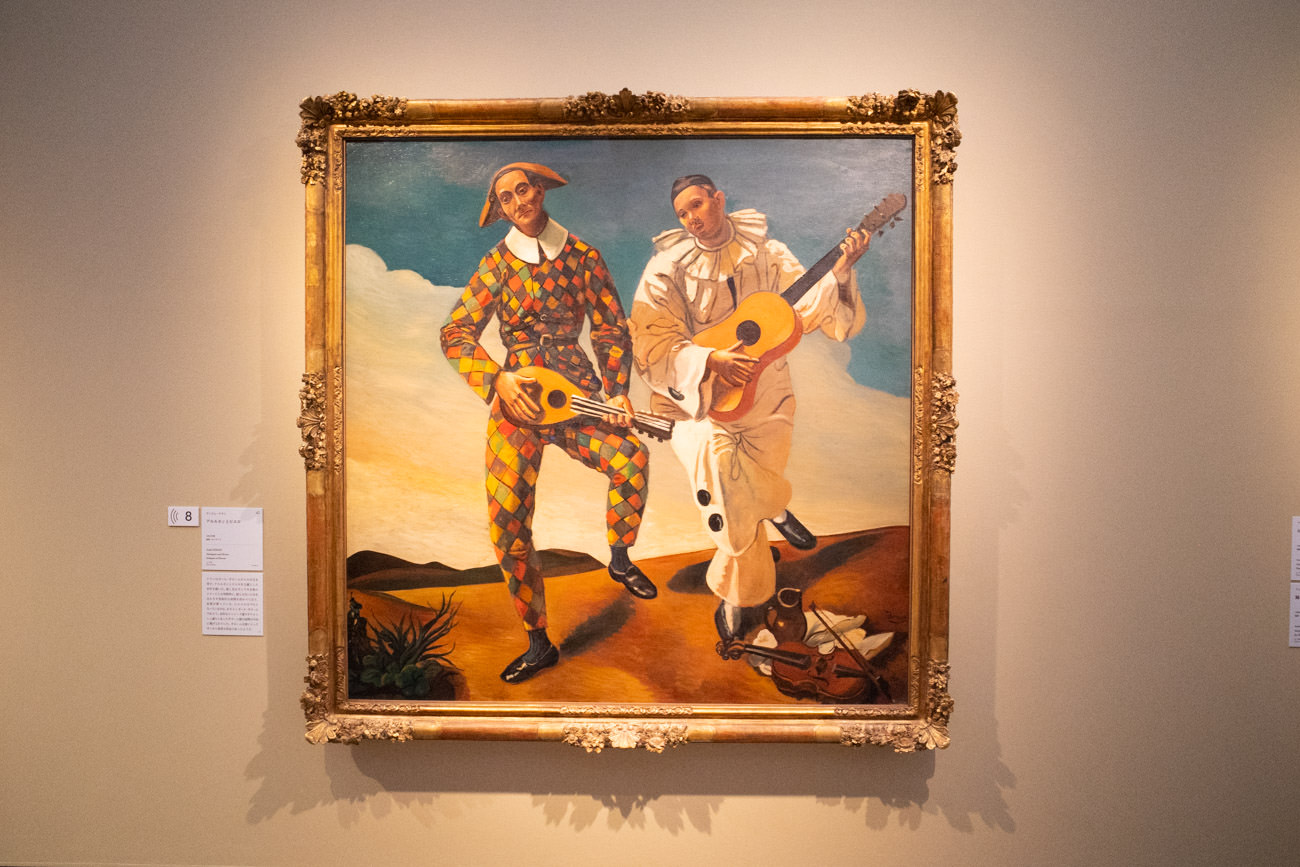
André Derain, "Harlequin and Pierrot," c. 1924
André Derain, “Harlequin and Pierrot,” c. 1924
Installation view
Installation view

Marie Laurencin

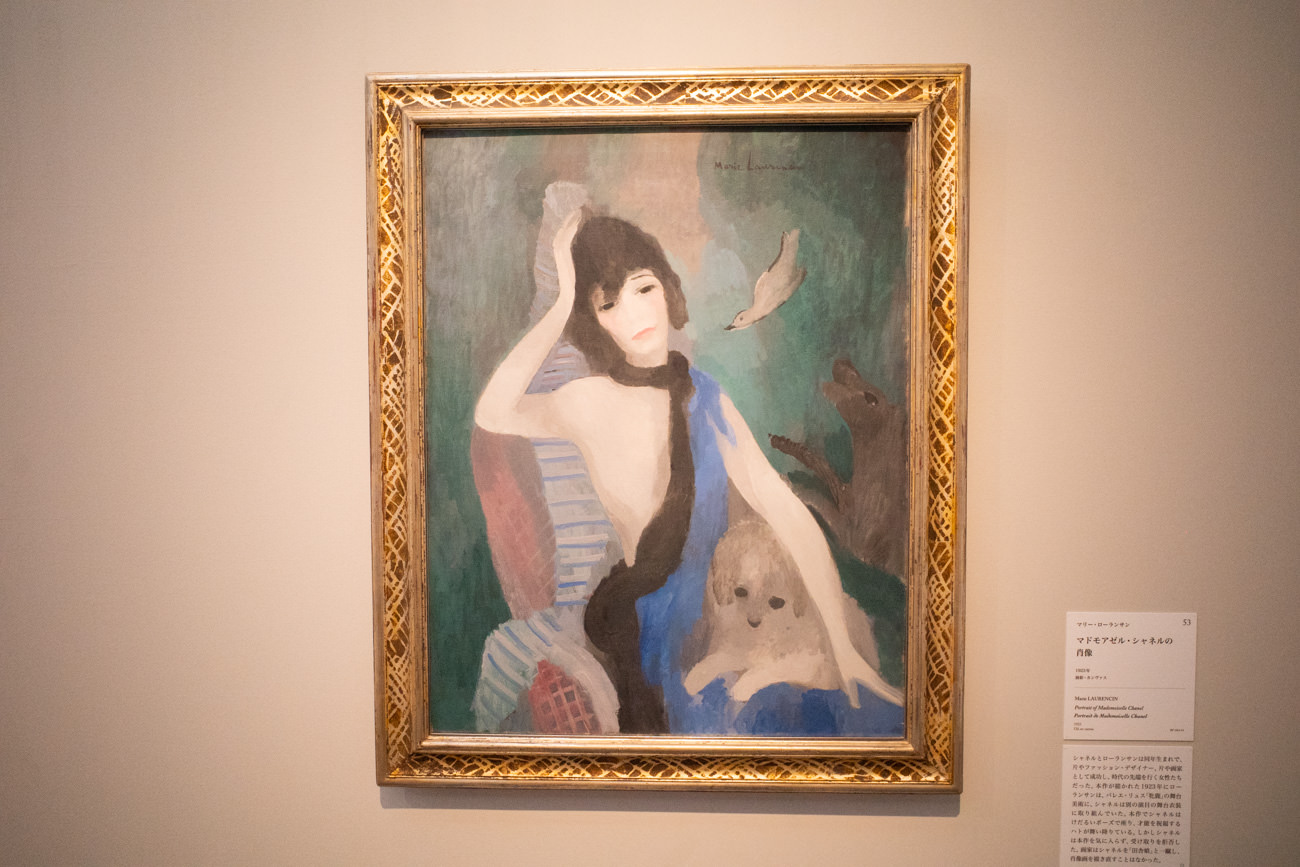
Marie Laurencin, "Portrait of Mademoiselle Chanel," 1923
Marie Laurencin, “Portrait of Mademoiselle Chanel,” 1923
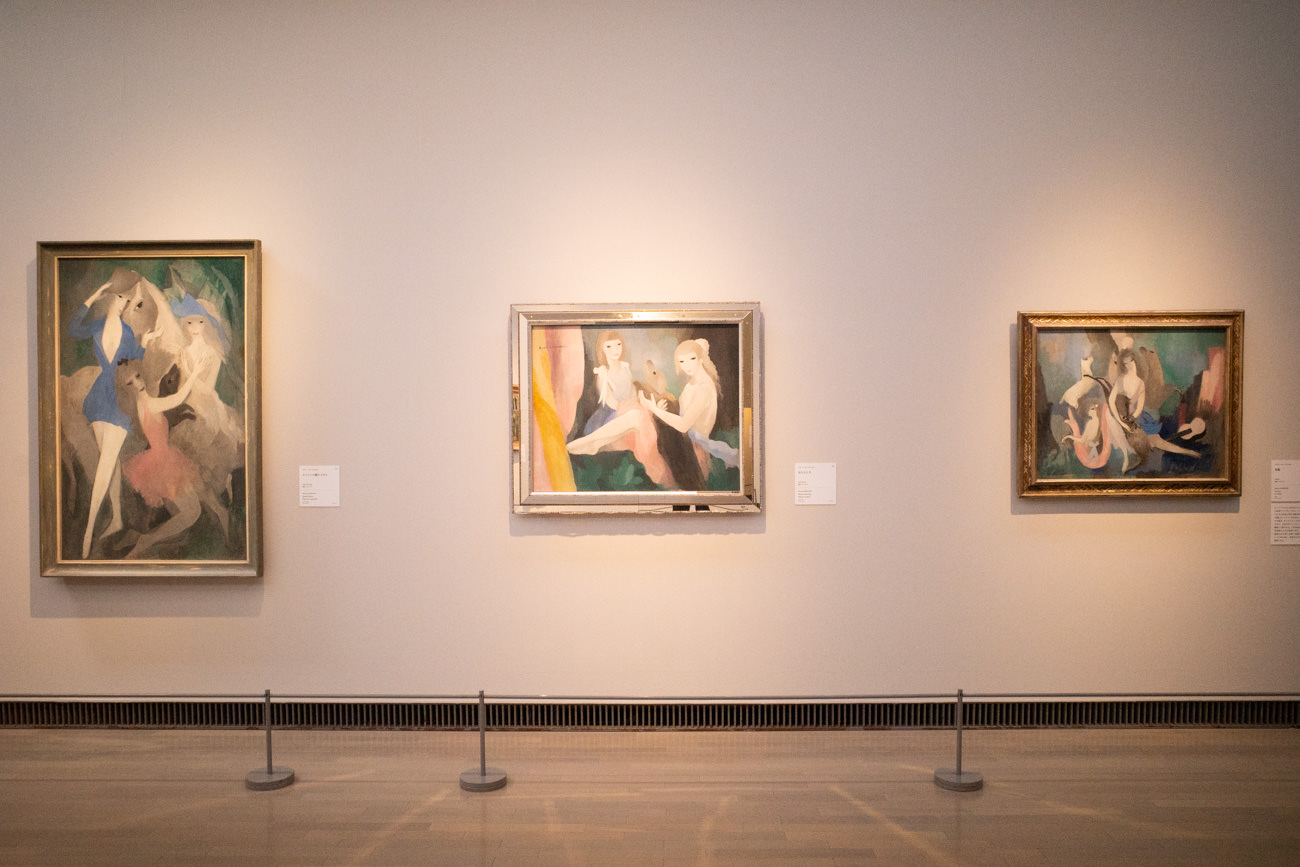
Marie Laurencin, works on display

Maurice Utrillo

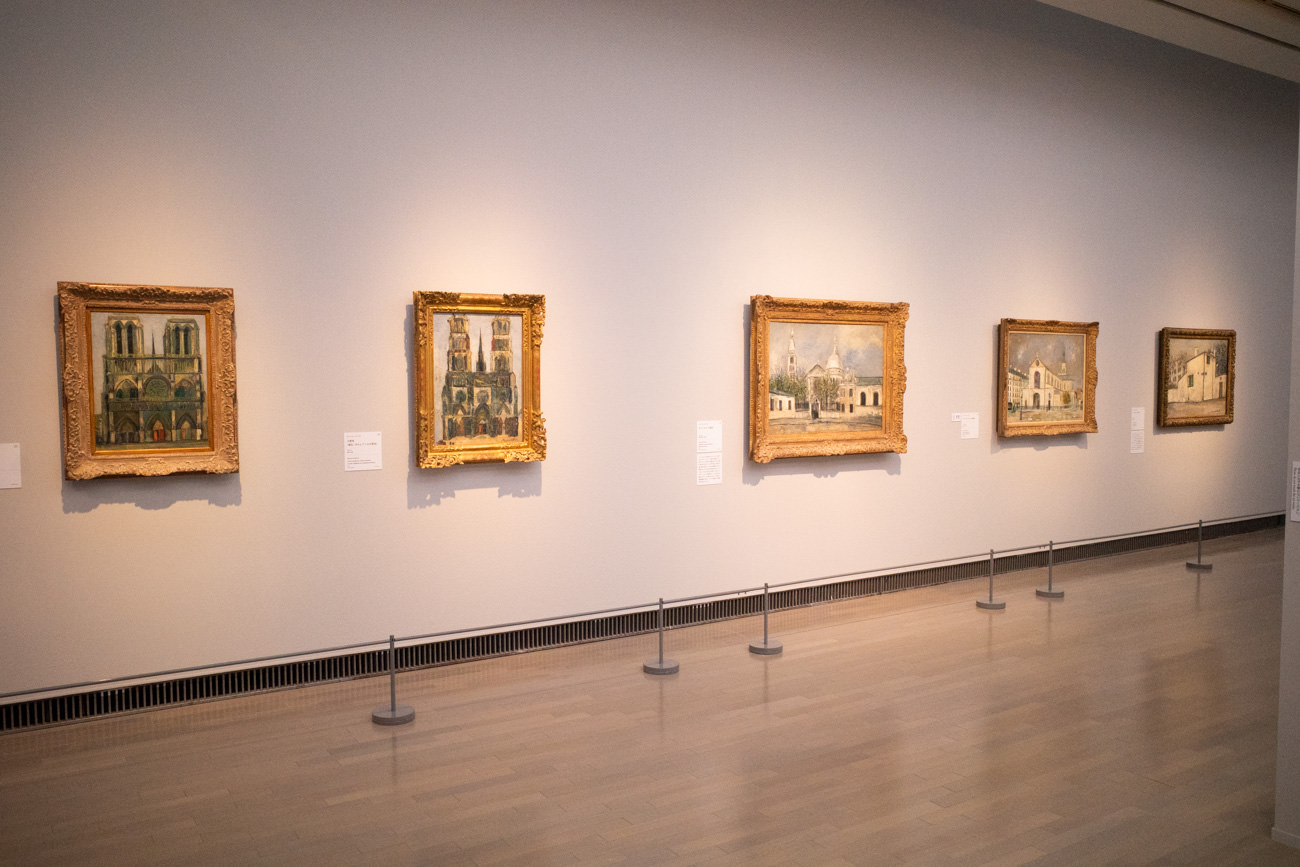
Maurice Utrillo, installation view
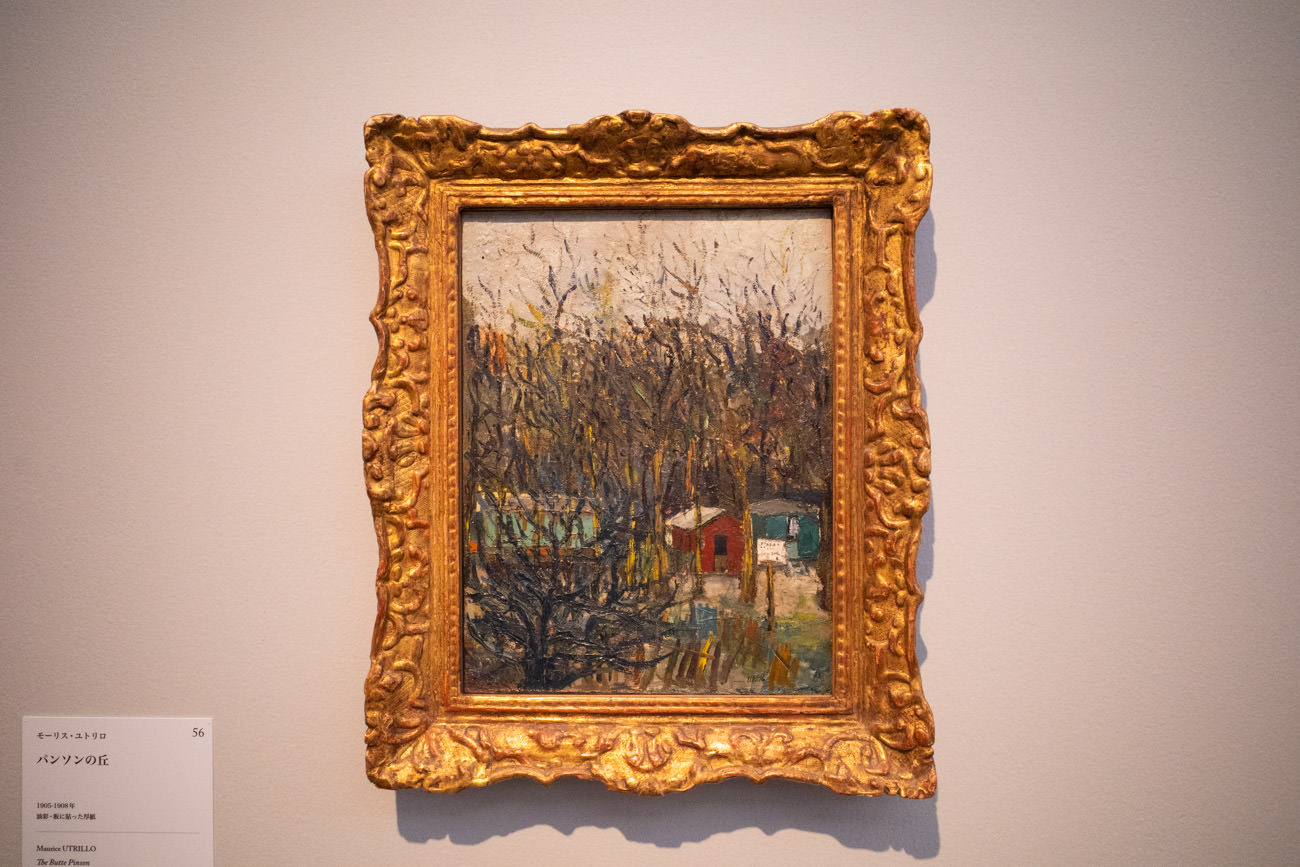
Maurice Utrillo, "The Hill of Painçon," 1905–1908
Maurice Utrillo, “The Hill of Painçon,” 1905–1908
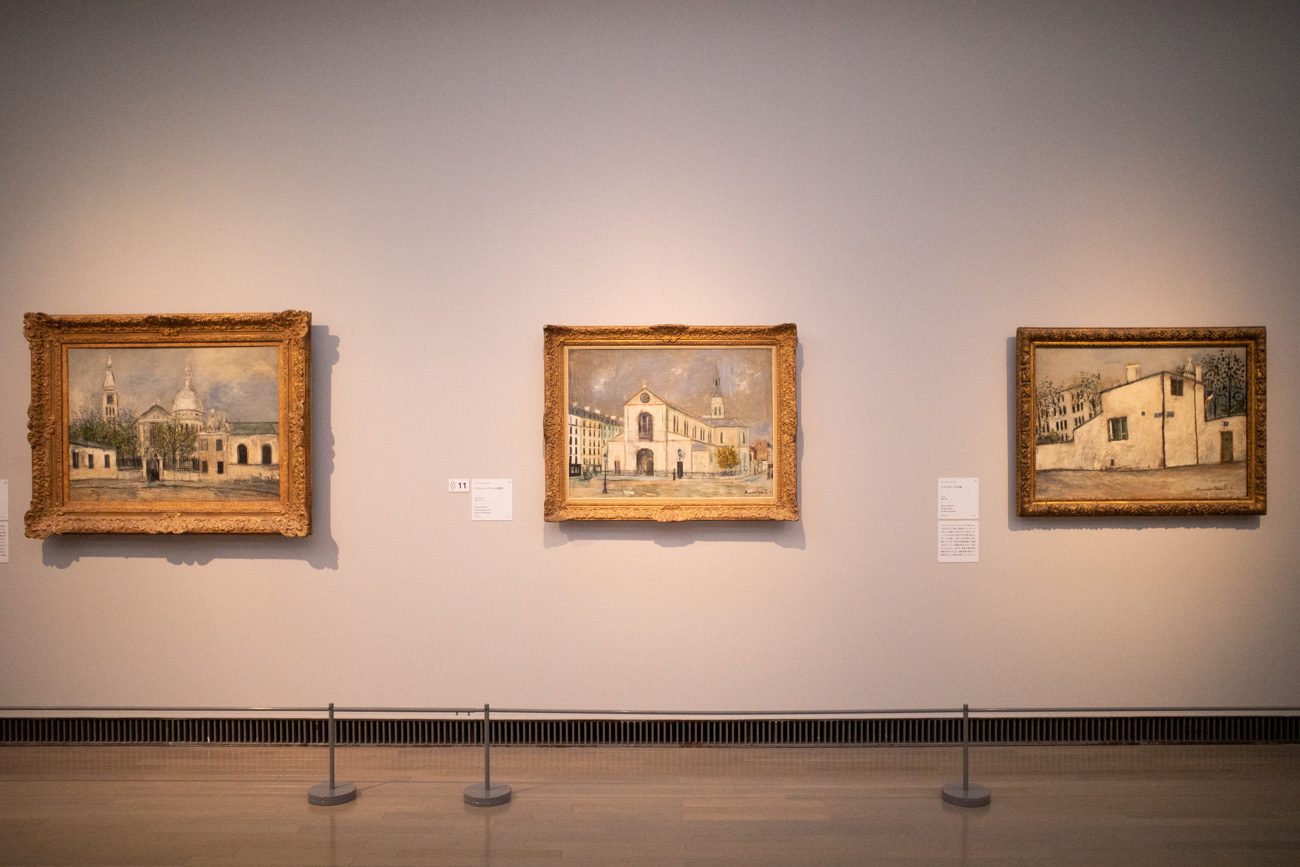
Maurice Utrillo, installation view

Chaim Soutine

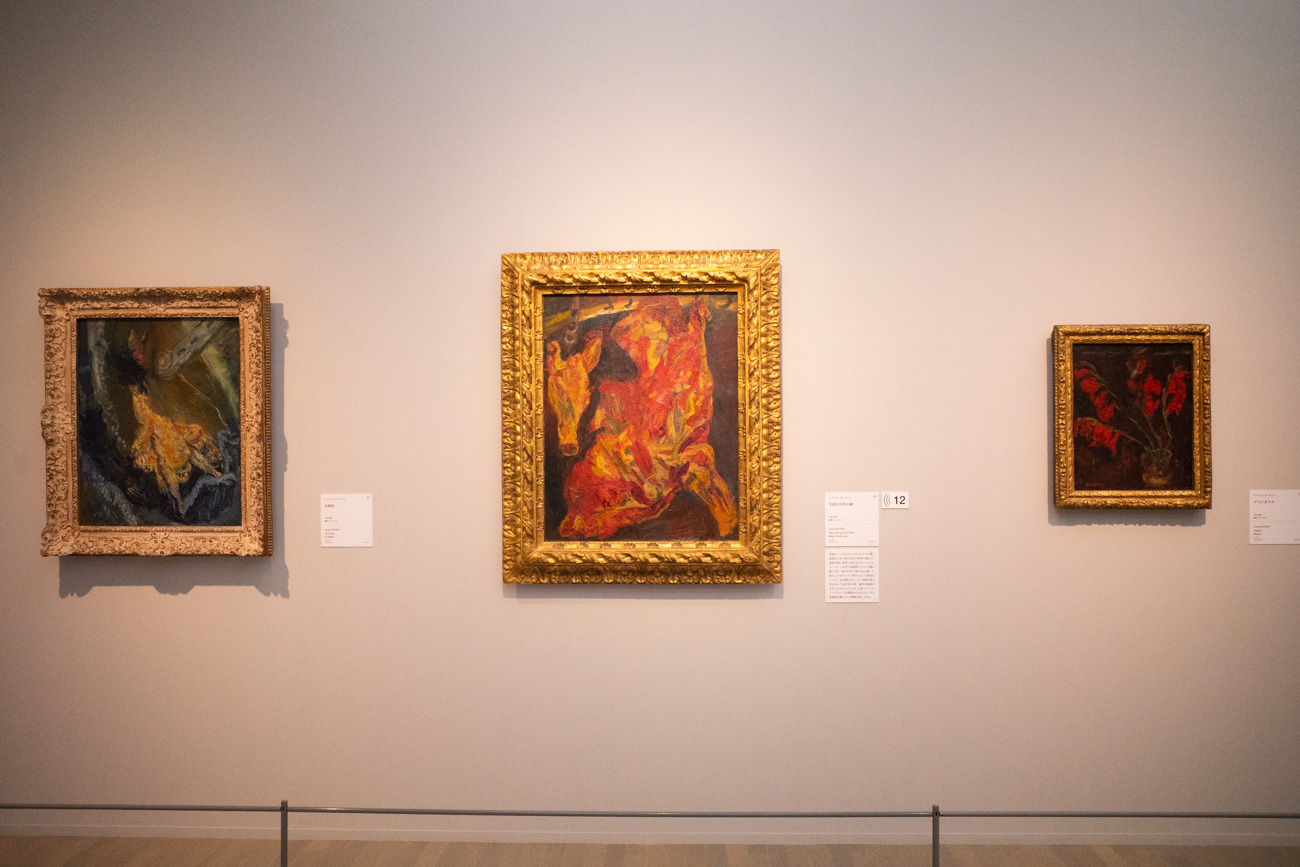
Chaim Soutine, installation view
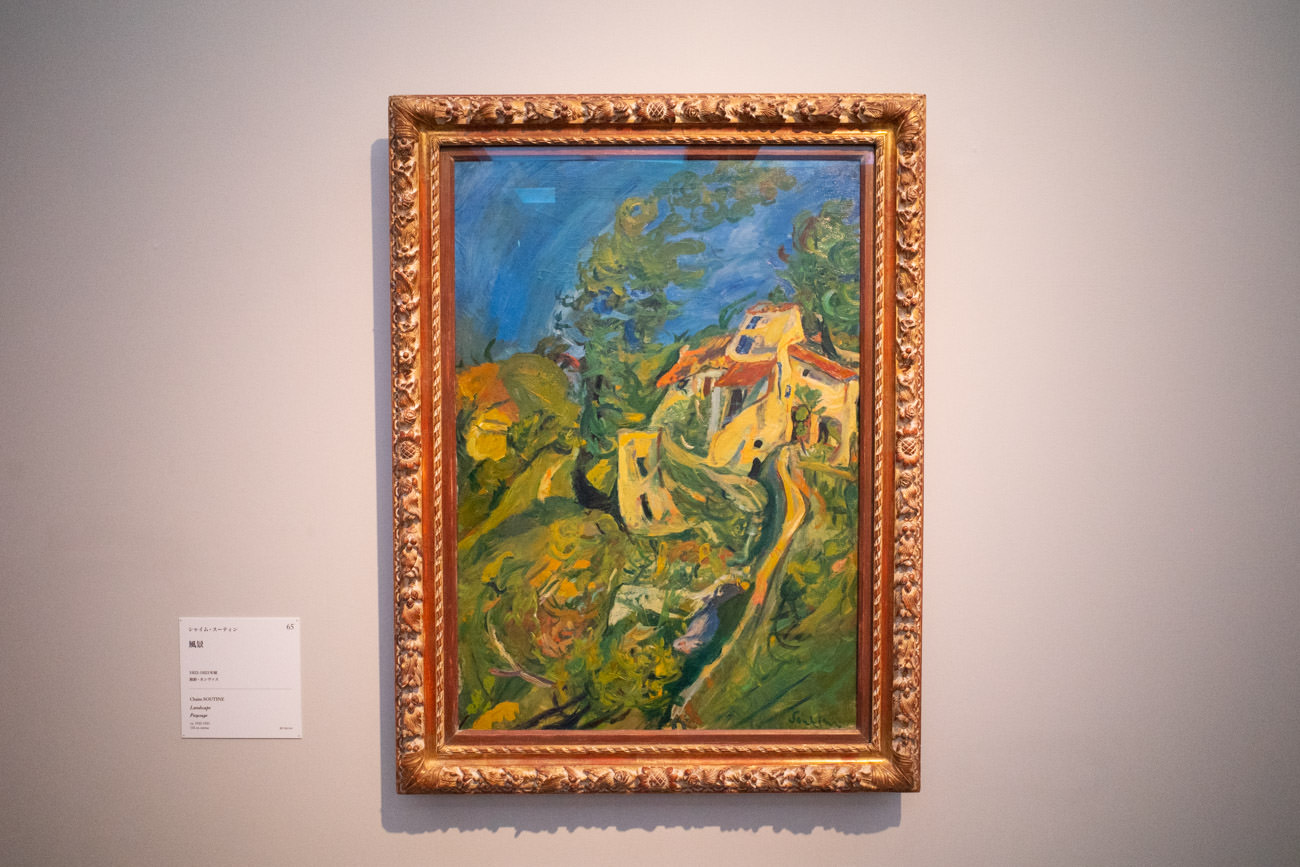
Chaim Soutine, "Landscape," c. 1922–1923
Chaim Soutine, “Landscape,” c. 1922–1923

Paul Guillaume, the art dealer and collector involved with so many historically important works.
The exhibition’s structure, which allowed viewers to feel his presence while viewing the works, left a strong impression.
The exhibition catalog was also organized around Paul Guillaume, making for engaging reading.
Translating...