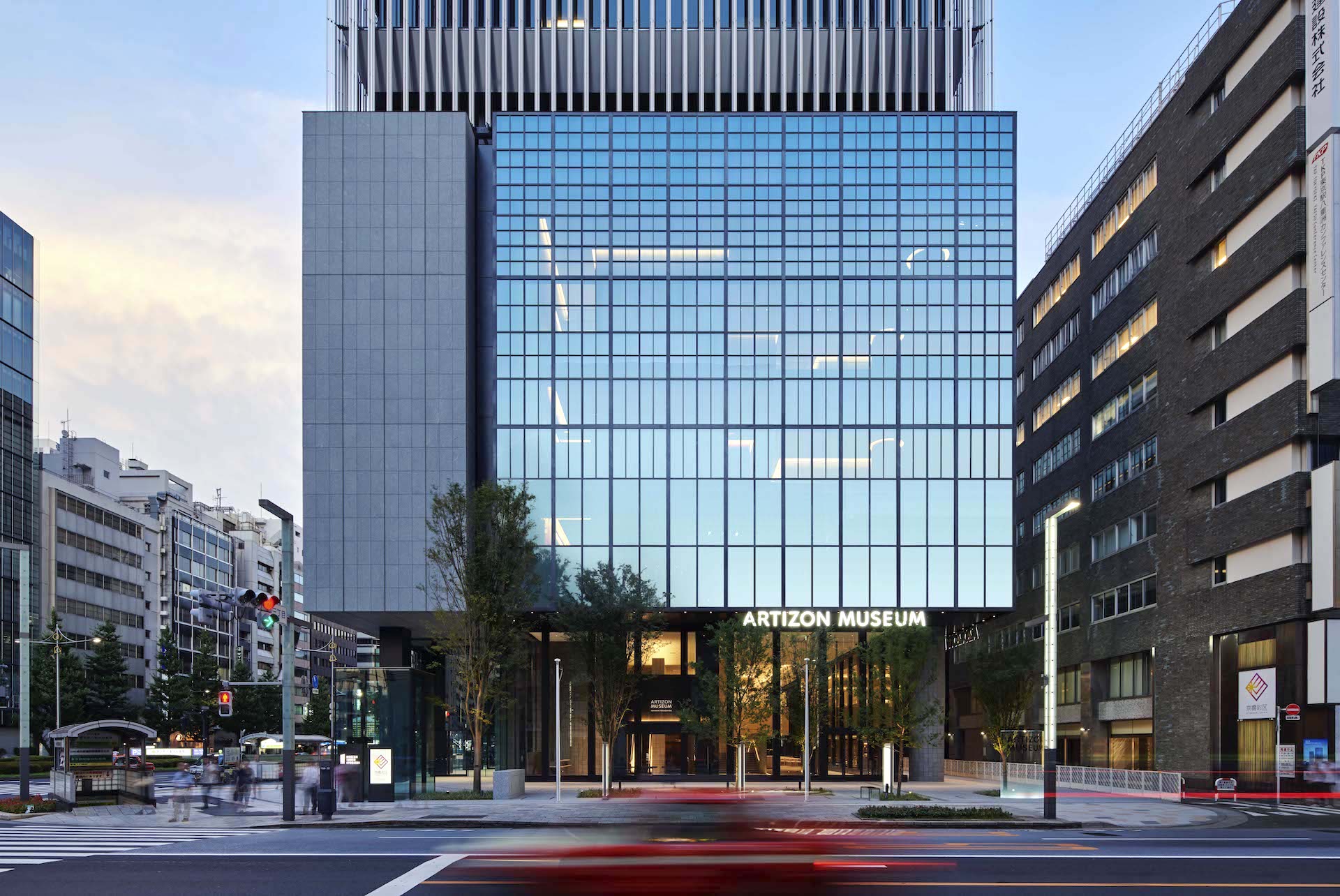
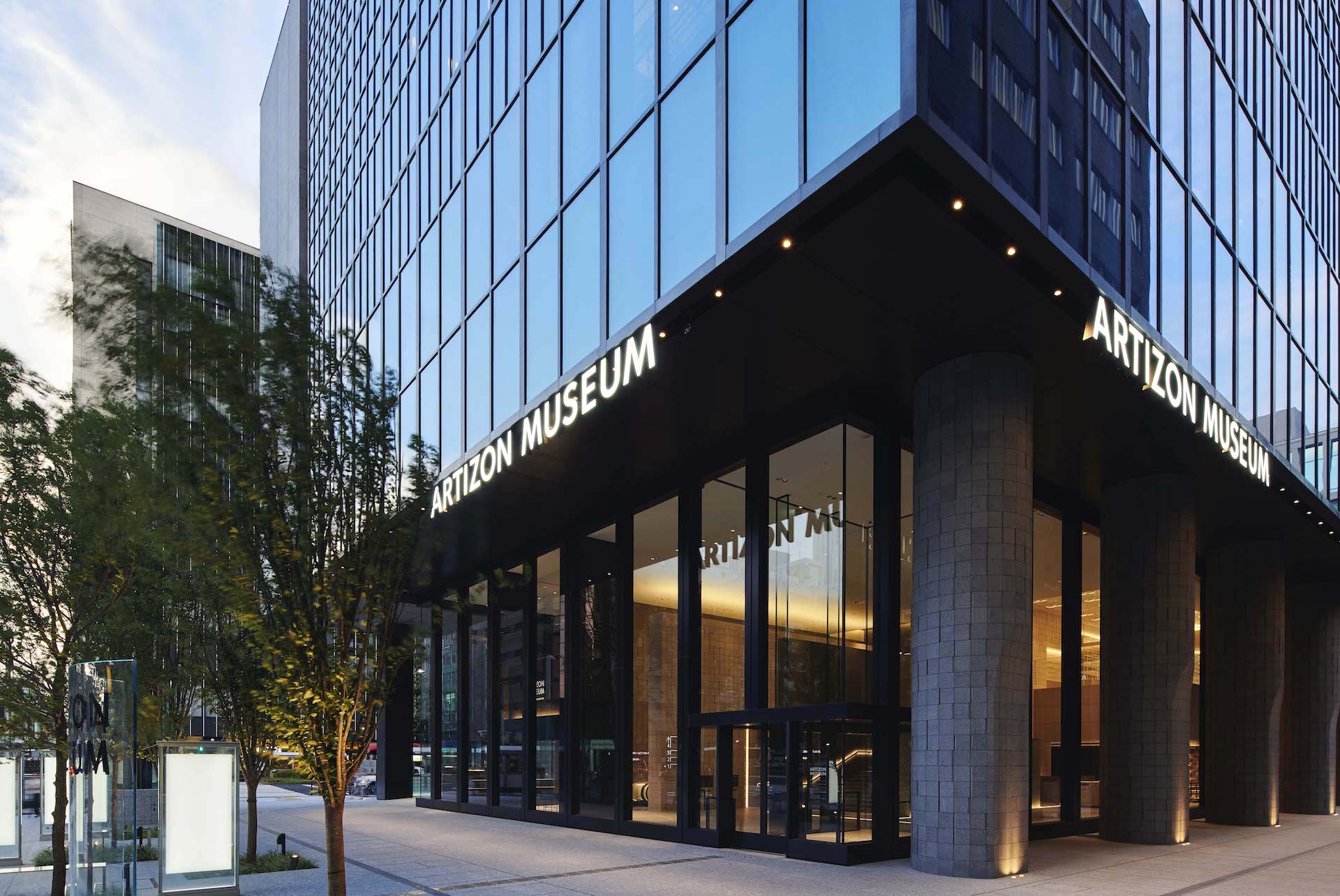
Artizon Museum
The Bridgestone Museum of Art, which had been closed for an extended period for renovation, will reopen under the new name “Artizon Museum” on Saturday, January 18, 2020.
The opening exhibition will make use of every gallery, presenting a selection of about 200 works — including some 30 works being unveiled for the first time — chosen from the museum’s collection of approximately 2,800 works, organized in two parts.
Part 1, “Expanding Art,” lines up masterpieces from East and West spanning the modern and contemporary periods on a single horizon, offering a panoramic view of art that transcends time and space.
Part 2, “Exploring Art,” delves into art through seven themes, leading the viewer into the depths of its history.
Opening Exhibition “Emerging Landscapes: Where the Collection Stands Today”
The opening exhibition is titled “Emerging Landscapes: Where the Collection Stands Today.”
Presenting a total of approximately 200 works, the exhibition traces the brilliant trajectory of human creativity from antiquity to the present day.
Highlights
(1) About 30 newly acquired works unveiled for the first time
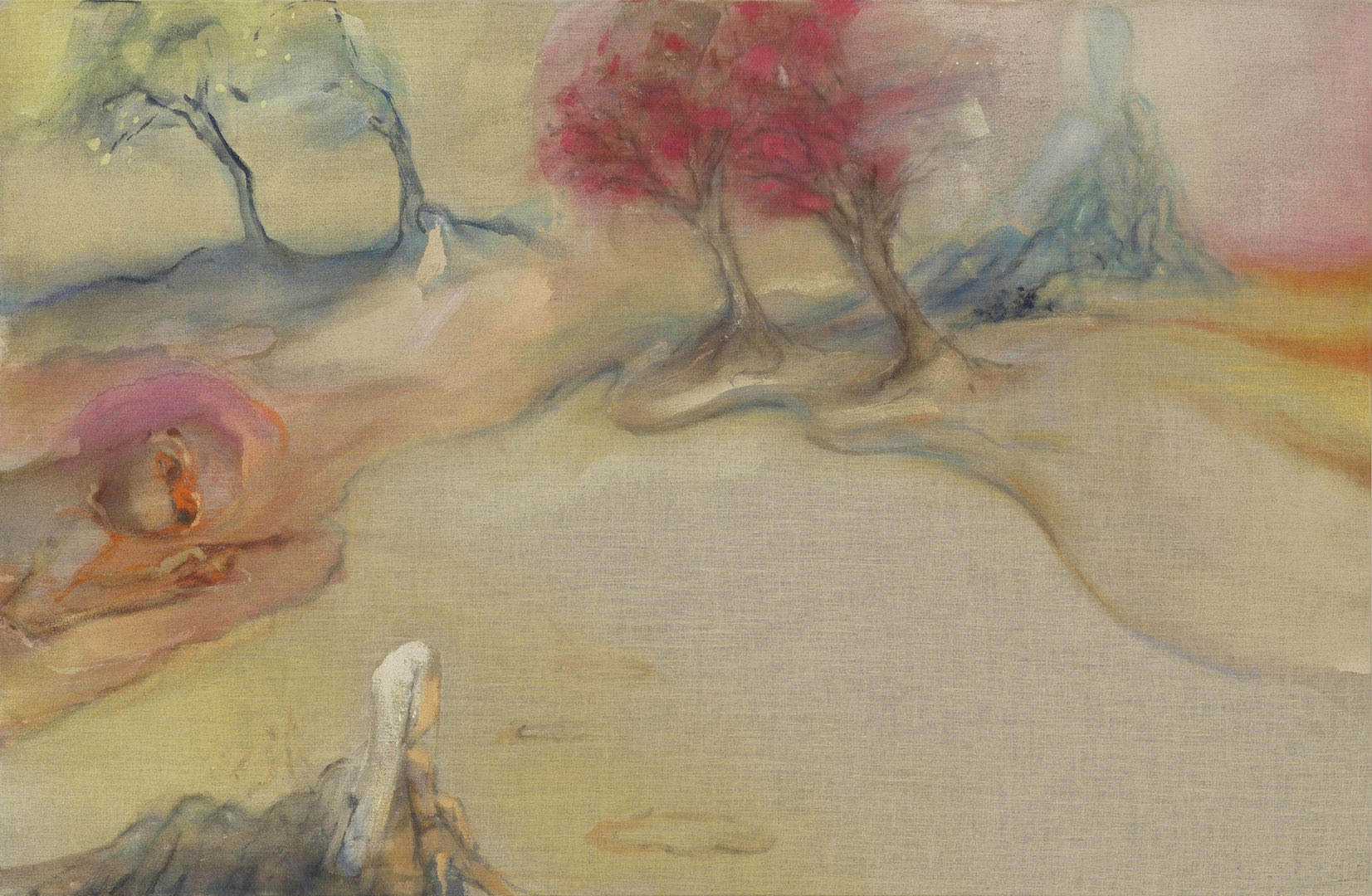
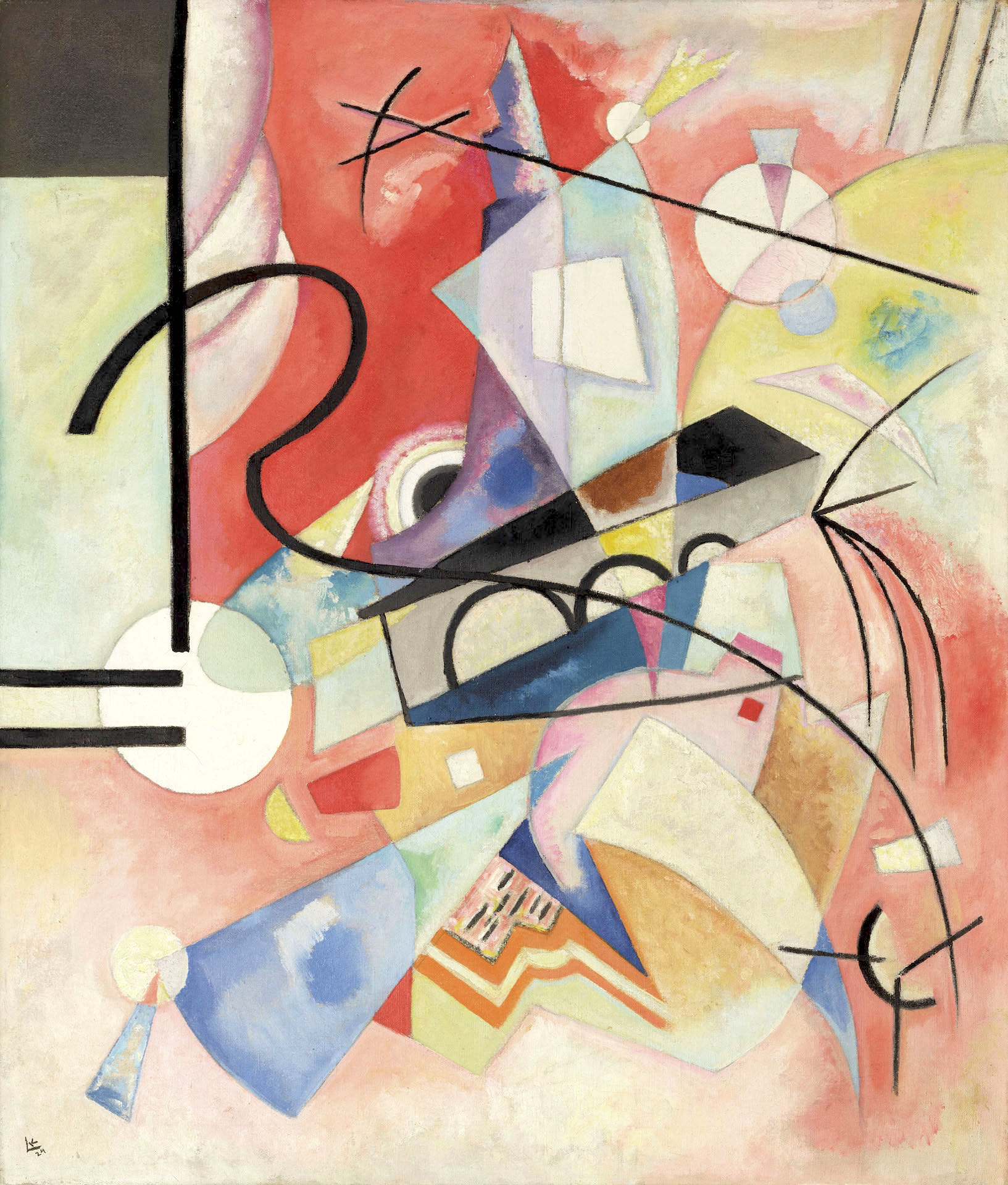
The Ishibashi Foundation, which operates the Artizon Museum, has actively continued to acquire works even during the museum’s closure, broadening the scope of its collection. This exhibition will unveil approximately 30 newly acquired works for the first time, including pieces by Morisot, Cassatt, Boccioni, Kandinsky, Giacometti, and Shunsuke Matsumoto.
-1.jpg)
(2) New perspectives on the collection
Under the theme “Experiencing Creation,” Part 1 offers a panoramic view of modern and contemporary art, while Part 2 delves into art from around the world and across the ages through seven themes. These two distinct perspectives will cast new light on works long beloved as representative pieces of the Bridgestone Museum of Art — the collection of Monet, Renoir, Cézanne, Matisse, Picasso, and more.
(3) An unprecedented viewing experience
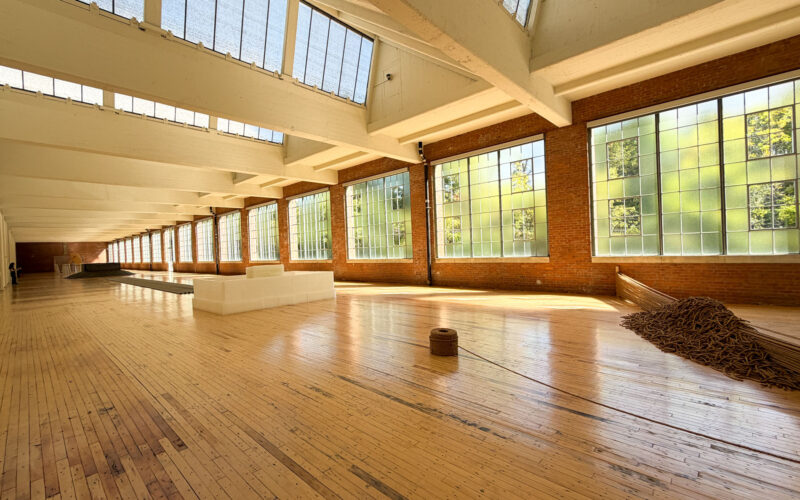
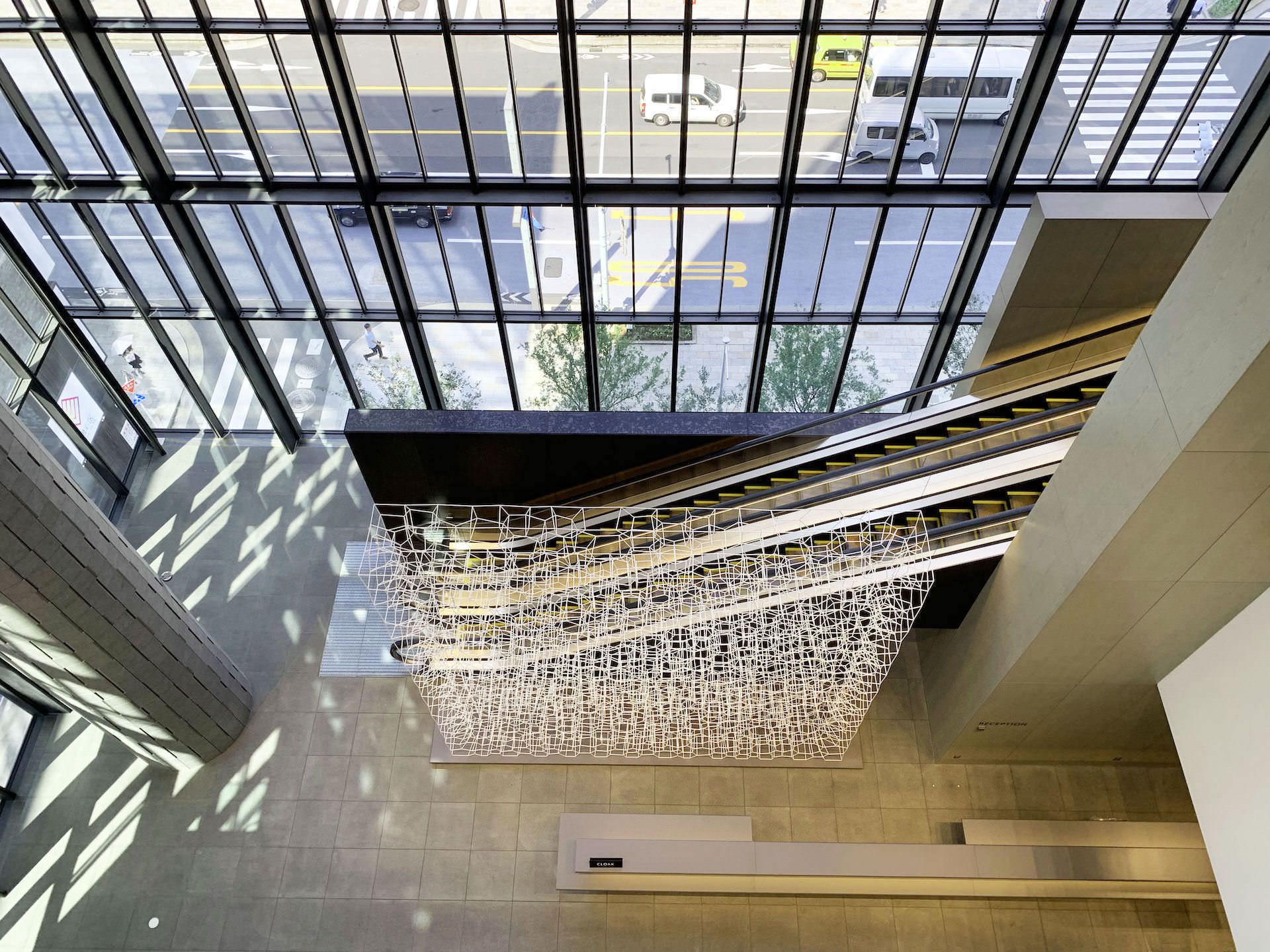
In addition to roughly twice the exhibition space of the former museum and the latest facilities, the design creates an open, contemporary yet warm space. A newly built room dedicated to traditional Japanese art has also been added, tracing the trajectory of human creativity from antiquity to the present.
Part 1: “Expanding Art”
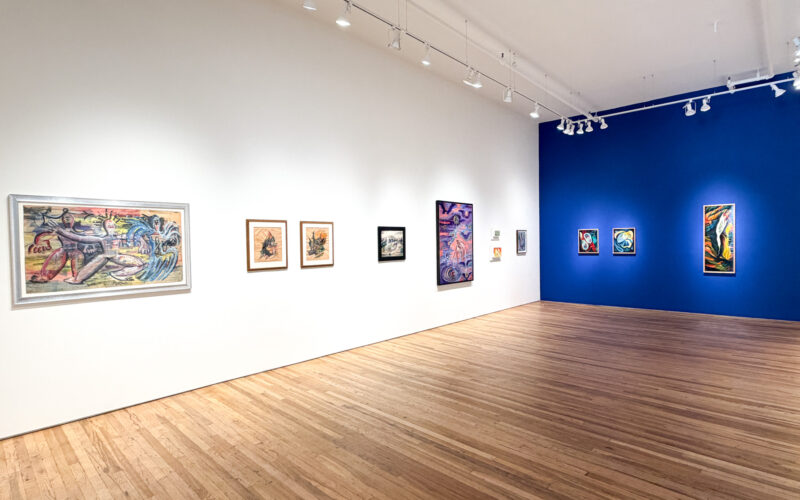
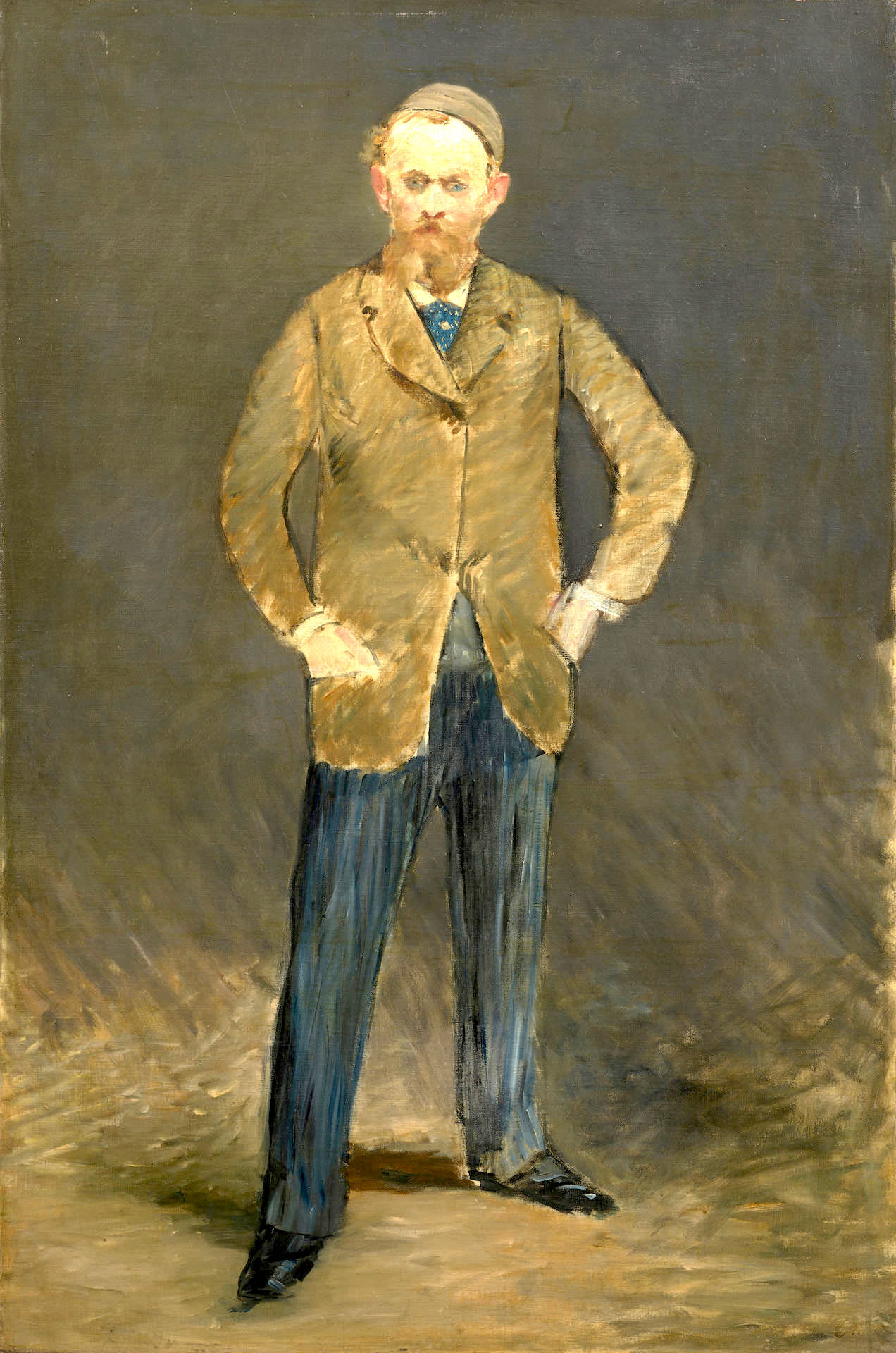
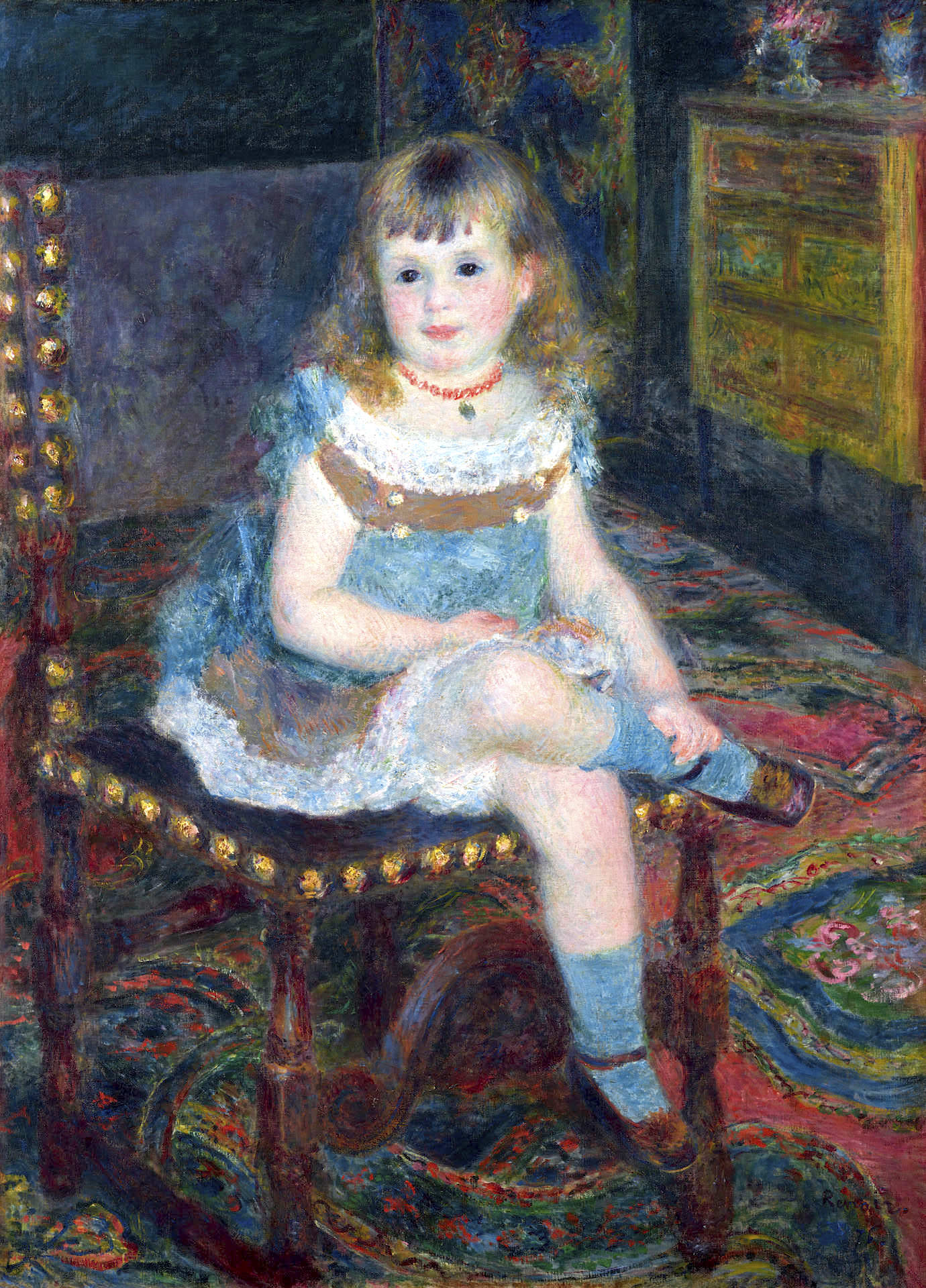
In the first gallery on the 6th floor, viewers will find a selection of the very finest works from the museum’s collection of modern and contemporary art. Spanning approximately 140 years, from works by Manet in the 1870s to Soulages in the 2000s, it is a history of how our concept of art expanded ever further through the bold experiments and trials of artists. It was by no means a linear progression: connections span across time and space in many directions. There are landscapes that can only be seen precisely because these works are lined up on a single horizon.
Participating artists: Édouard Manet, Henri Fantin-Latour, Paul Cézanne, Pierre-Auguste Renoir, Wassily Kandinsky, Shigeru Aoki, Mark Rothko, Jackson Pollock, Yayoi Kusama, and others.
》.jpg)
Part 2: “Exploring Art”
After viewing art horizontally in the 6th-floor gallery, we drive stakes vertically into the ground, delving into art from seven perspectives, cutting into the history of art, and approaching the core of what art means within our hearts.
1. Ornament
Among the fundamental desires of humankind is that of ornamentation. Some believe that the first paintings were body paintings. Rather than realistic depictions such as we conceive of today, they were likely patterns imbued with some kind of meaning or message. Eventually, human beings began to enjoy adorning the vessels around them and their living spaces. It seems humans cannot live by pursuing function alone. Since antiquity, people have known that the traces left by the movements and workings of their hands have the power to give rise to a wide range of emotions.
Participating artists: Émile Gallé, Takeji Fujishima, Henri Matisse, Ryuzaburo Umehara, Yuzo Saeki, and others.
2. Classicism
Within the practice of art, there arises a desire to pursue standards that everyone can accept. The path laid down in Greek and Roman antiquity is perhaps the most quintessential example. Once established, classicism was passed down to succeeding generations through the works themselves and through education. At the same time, there also emerges a desire to break existing norms and create new frameworks. Yet even the very act of breaking depends on the existence of the classical. Even today, the role classicism plays is by no means small.
Participating artists: Jean-Auguste-Dominique Ingres, Pablo Picasso, Amedeo Modigliani, Tsuguharu Foujita, Sotaro Yasui, and others.
3. The Primeval
Human beings have deeply etched into their bodies the memories of themselves as biological creatures. Memories from before writing existed, and records from after acquiring writing 5,000 years ago. The traces of art reveal memories that span both. At times, wild, raw expression bursts forth in art, and one might say that within it lie the essential, ineradicable traits of the human being as animal. The impulses folded within human history since primeval times sometimes erupt forth, regardless of era or geography.
Participating artists: Paul Gauguin, Shigeru Aoki, Constantin Brâncuși, Henry Moore, Hitoshi Karasawa, and others.
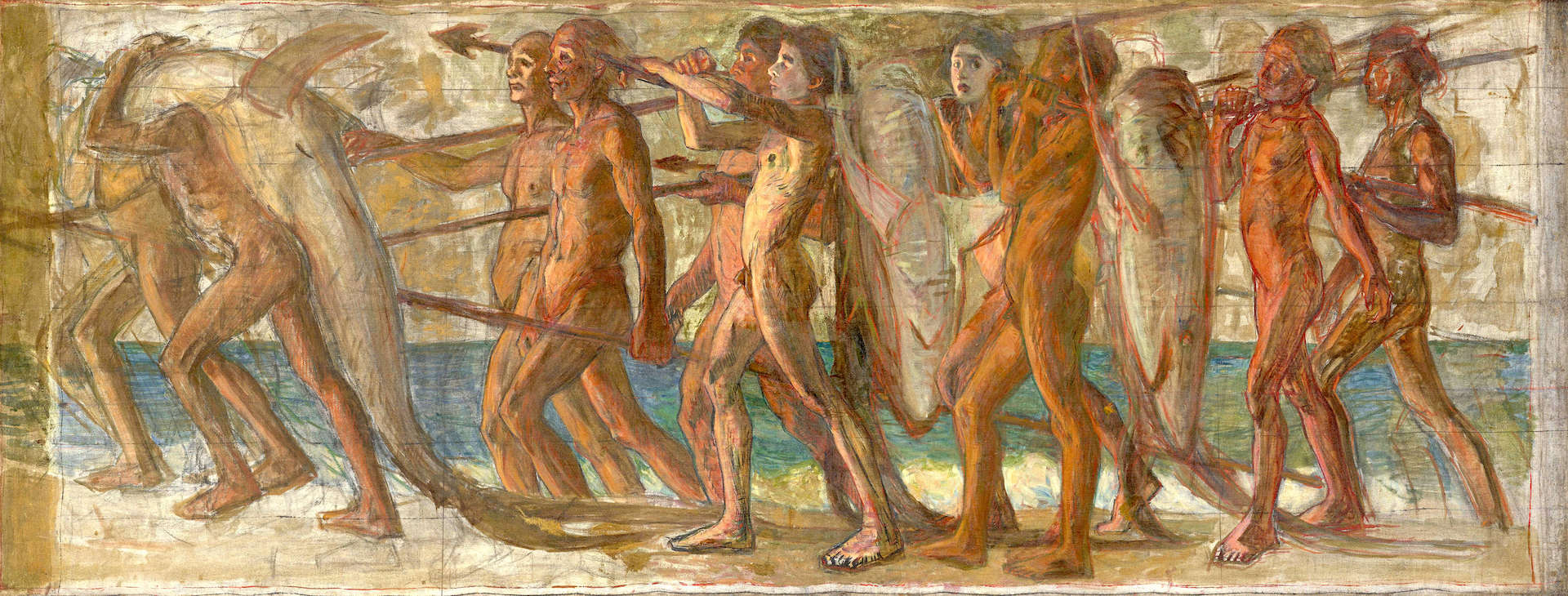
4. The Otherworldly
Human beings cannot live on the reachable, tangible reality before them alone. We seek to grasp and understand what is not here now, what exists only within us, what lies far beyond in space or time — and we attempt to give it form. At times, there are things that can only be expressed through form rather than through words. Such things do not always speak gently to us: they may be tinged with awe, longing, and yearning intermingled. At the same time, the way art draws close to other artistic domains such as literature and music must also not be overlooked.
Participating artists: Odilon Redon, Paul Klee, Harue Koga, Yozo Hamaguchi, Wols, and others.
5. The Sacred and the Profane
As can be seen in the religious art of various eras across the world, the desire to fix before one’s eyes the sacred that transcends human existence, and to unearth and confirm sanctity within reality, is universal to humankind. Human beings possess an innate longing for the sacred. Conversely, they are also ineradicably drawn to the profane — the antipode of sanctity. The interest of art may lie precisely in the way the sacred and the profane move freely back and forth between one another.
Participating artists: Georges Rouault, Pablo Picasso, Ossip Zadkine, George Grosz, Alberto Giacometti, “Scenes in and around the Capital (Rakuchū Rakugai-zu Byōbu),” and others.
.jpg)
.jpg)
6. Records
The world is chaotic. Humans, having become able to articulate the world through language, at the same time became possessed by the desire to fix that articulated world as image. “The world” includes both the world that exists before our eyes and the world that lies within us. There are also parts that move back and forth between the outer and the inner. Records of the society that supports our lives, records of events unfolding over time, and records of the artists’ own inner worlds shifting from moment to moment — these occupy a large part of what art is.
Participating artists: Jacques Callot, Berthe Morisot, Tsune Nakamura, Ryusei Kishida, Shunsuke Matsumoto, and others.
Berthe Morisot, “Woman and Child on a Balcony,” 1872
(Newly acquired work)
7. Happiness
Each of the artworks accumulated in the past enriches and colors our daily lives. Through them, we try to sense what human beings have felt and what they have tried to express. In other words, we could say we are searching for the meaning of life. The art museum, which presents such works to visitors in ordered combinations and methods, is one of the most refined systems ever devised by humankind. The spaces created through the collaboration of artists and museums support and encourage our lives in many ways.
Participating artists: Mary Cassatt, Hanjiro Sakamoto, Emily Kame Kngwarreye, Pierre Soulages, Zao Wou-Ki, and others.
Reservation-Based Admission Tickets
Admission to the Artizon Museum is by date-and-time-designated reservation.
Advance tickets will go on sale on Friday, November 1, 2019.
Date-and-time-designated reservation refers to a system in which, in order to reduce waiting time at the entrance and offer a more comfortable viewing environment, the day is divided into the following admission time slots, and visitors enter during the slot they have selected.
The system requires choosing one of the following slots and purchasing tickets on the official website.
(1) 10:00–11:30 (2) 12:00–13:30 (3) 14:00–15:30 (4) 16:00–17:30 (5) Fridays only 18:00–19:30 (except March 20)
University, vocational school, and high school students are admitted free of charge but must still reserve an admission time slot. *Student ID or student handbook must be presented at admission. Children of junior high school age and younger are admitted free of charge, and no reservation is required.
As for same-day tickets, they will be sold at the museum’s ticket counter only if online reservation tickets have not sold out.
Crowding is expected immediately after opening, so the reservation system offers reassurance.
Please come enjoy the new museum and its blend of old and new works of art.
Overview
Opening Exhibition: Emerging Landscapes: Where the Collection Stands Today
Venue: Ishibashi Foundation Artizon Museum (1-7-2 Kyobashi, Chuo-ku, Tokyo)
Period: Saturday, January 18, 2020 – Tuesday, March 31, 2020
Opening hours: 10:00–18:00 (until 20:00 every Friday / except March 20)
*Last admission is 30 minutes before closing.
Closed: Mondays (open on Monday, February 24, a public holiday), Tuesday, February 25